
Mens haircuts that every barber should know represent the foundational vocabulary of professional barbering — and mastering this complete set of essential cuts is genuinely the difference between a barber who can technically execute what a client asks for and a barber who can assess a client’s hair type, face shape, and lifestyle and create the most specifically beautiful and the most individually appropriate result every single time. Whether you are developing your barbering skills or looking for the most inspiring comprehensive reference, these twenty-two cuts define what complete barbering mastery looks like.
1. Skin Fade for Maximum Clean Precision Mastery
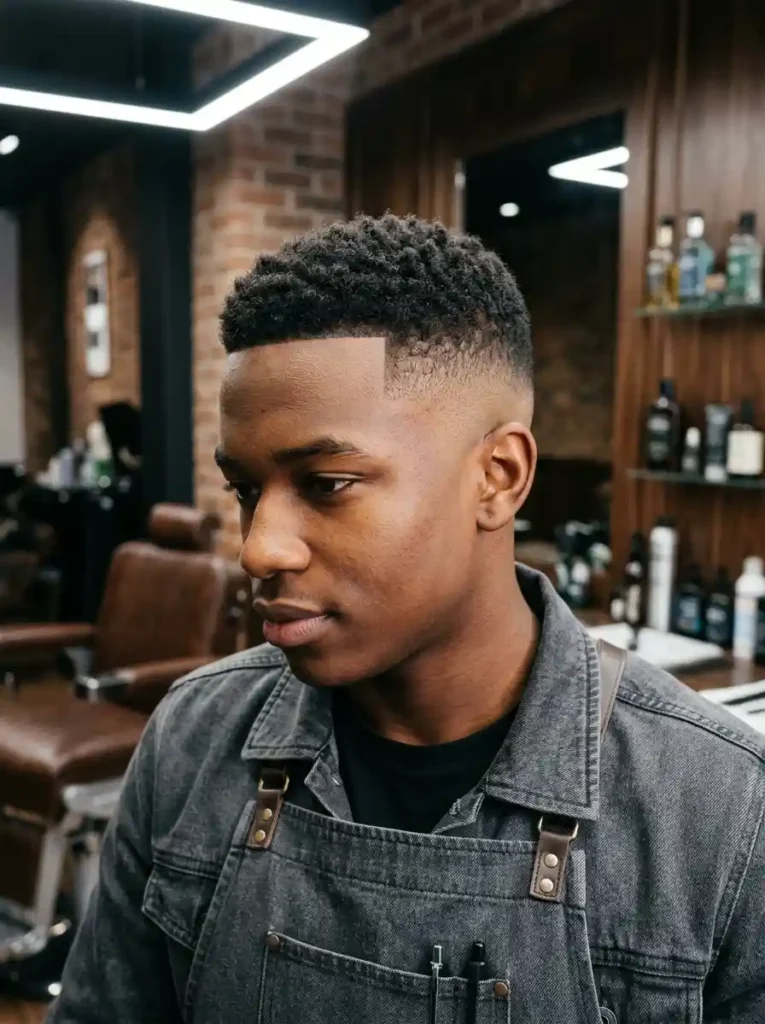
The skin fade is the single most technically demanding and the most specifically mastery-defining of all men’s haircut techniques — the ability to create a flawlessly smooth graduation from natural hair to completely bare skin without any visible lines, jumps, or uneven transitions is the most universally recognized test of barbering technical excellence. Every professional barber’s reputation is significantly defined by the quality of their skin fade execution, because clients specifically evaluate fade quality more than any other single technical element.
Mastering the skin fade requires understanding clipper guard progression, blade pressure, blending technique, and the most specific approach to closing out the lowest fade point most cleanly. The combination of open and closed blade techniques, the most specific overlap pattern, and a consistent outward motion from the fade line creates the most flawlessly smooth skin fade graduation. This technique requires the most consistent practice over the most extended professional development period before it reaches genuine mastery level.
2. Classic Crew Cut for Foundational Professional Mastery
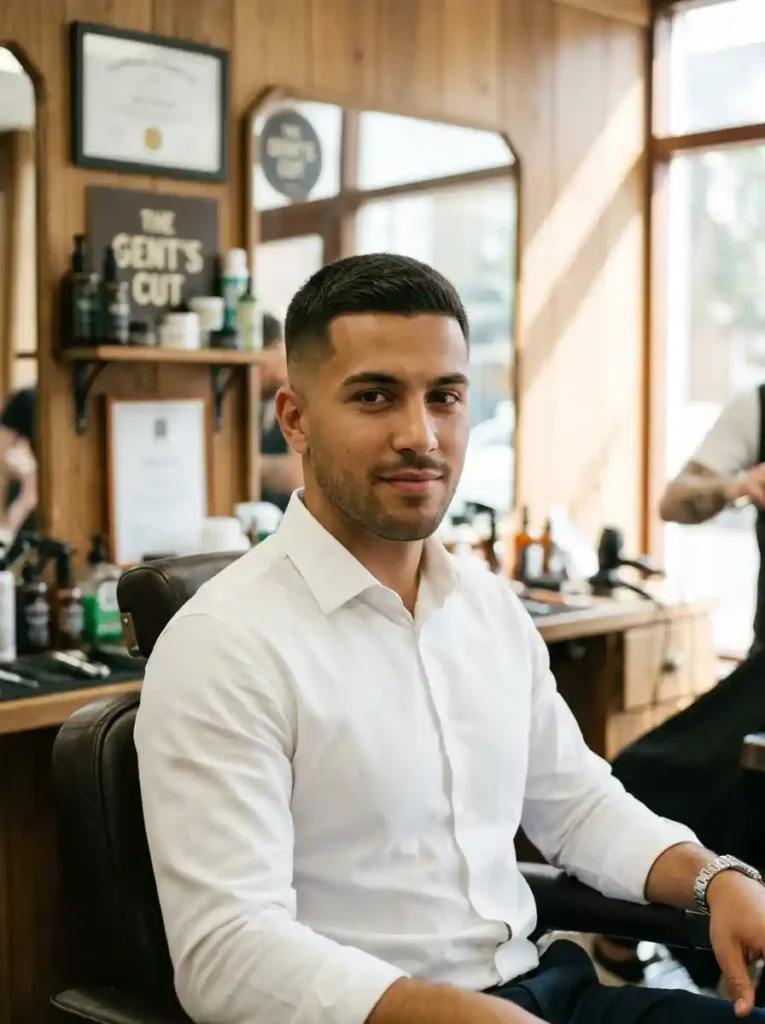
The classic crew cut is the most foundationally important and the most broadly requested of all men’s barbering cuts — mastering the crew cut means mastering the most fundamental technical elements of professional men’s barbering including consistent clipper work, natural graduation without a hard fade, natural neckline creation, and the proportional understanding of how top length should relate to side length for the most specifically flattering result on each individual client’s head shape.
A perfectly executed crew cut demonstrates a barber’s understanding of clipper guard selection, crown elevation and blending, natural side graduation, and the most clean neckline execution. The crew cut’s apparent simplicity is specifically deceptive — the most beautiful crew cut is created through the most precisely coordinated combination of multiple technical skills executed simultaneously. Mastering the crew cut creates the foundation for mastering every subsequent more technically complex men’s haircut.
3. High and Tight for Maximum Short Technical Precision
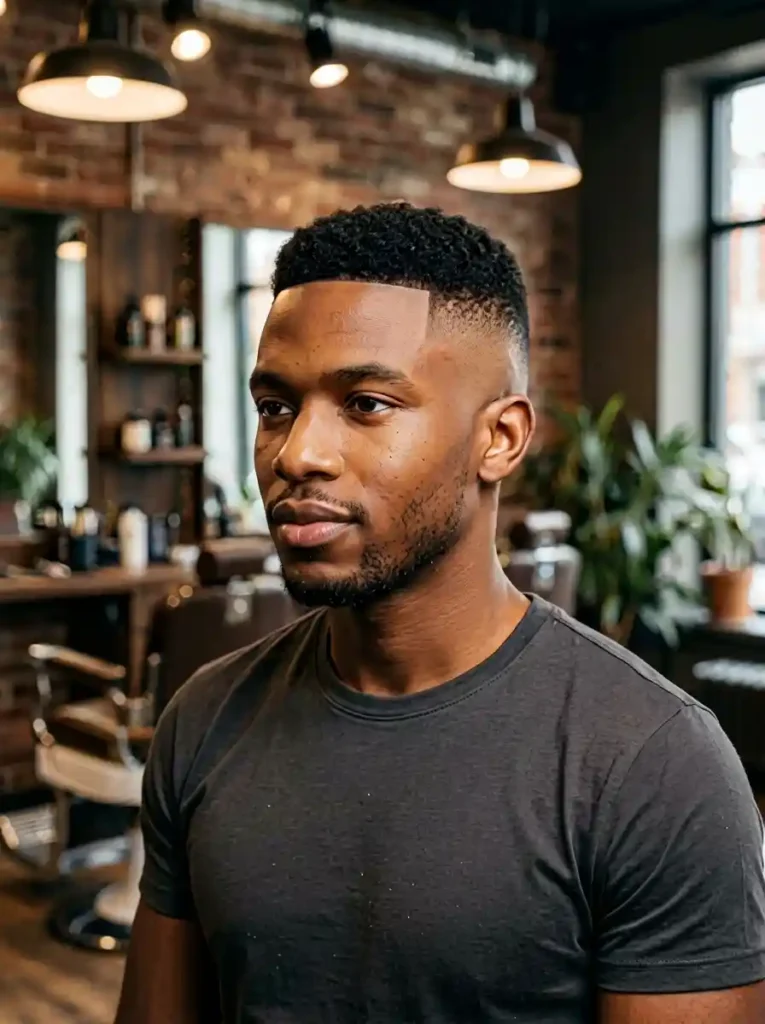
The high and tight is the most militarily precise and the most technically demanding of all short men’s haircut variations — the dramatically high fade position near the top of the head combined with the most closely cropped sides requires exceptional precision in locating the correct fade height, creating the most clean transition at the high line, and maintaining completely consistent clipper work at the most closely cropped side setting. The high and tight specifically tests a barber’s ability to work at the most extreme short clipper settings.
The specific technical challenge of the high and tight is the preciseness of the high line placement — the line must be placed at the correct position relative to the head’s crown anatomy and must be executed with maximum consistency around the complete perimeter. A barber who can execute a perfectly clean high and tight line has specifically developed the most important technical foundation for all high-positioned fade work in more complex contemporary haircut structures.
4. Classic Taper Cut for Versatile Professional Mastery
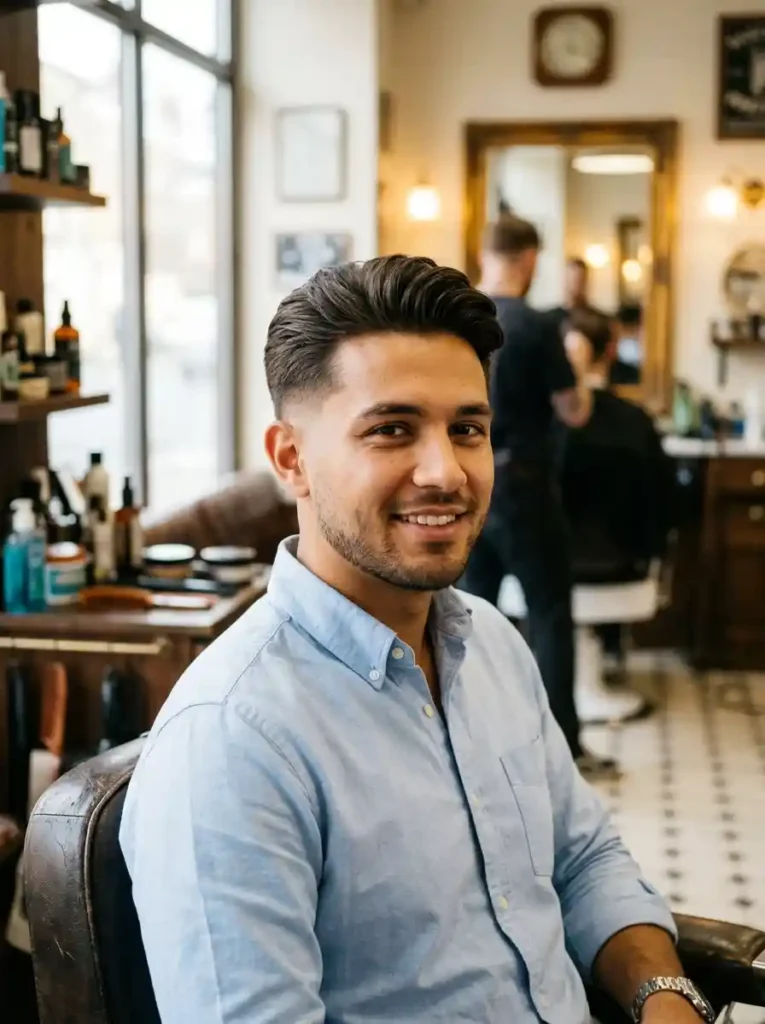
The classic taper cut is the most versatile and the most broadly professionally appropriate of all men’s barbering foundation cuts — mastering the taper means mastering natural, gradual graduation without the dramatic contrast of a skin fade, creating the most naturally clean and the most smoothly blended transition from top to sides to neckline. The taper is the most consistently requested professional and business environment haircut, making it specifically one of the most commercially important technical skills in any barber’s complete repertoire.
A perfectly executed classic taper requires the most precise understanding of clipper guard blending, scissor-over-comb technique for the most natural graduation, and the most specific ability to create a clean, tight tapered neckline that reads as the most professionally appropriate and the most naturally clean. The taper’s mastery specifically requires the most accurate transition from clipper work to scissor work creating a blended, seamless graduate that appears the most naturally flowing and the most professionally refined.
5. Pompadour with Fade for Styled Technical Complete Mastery
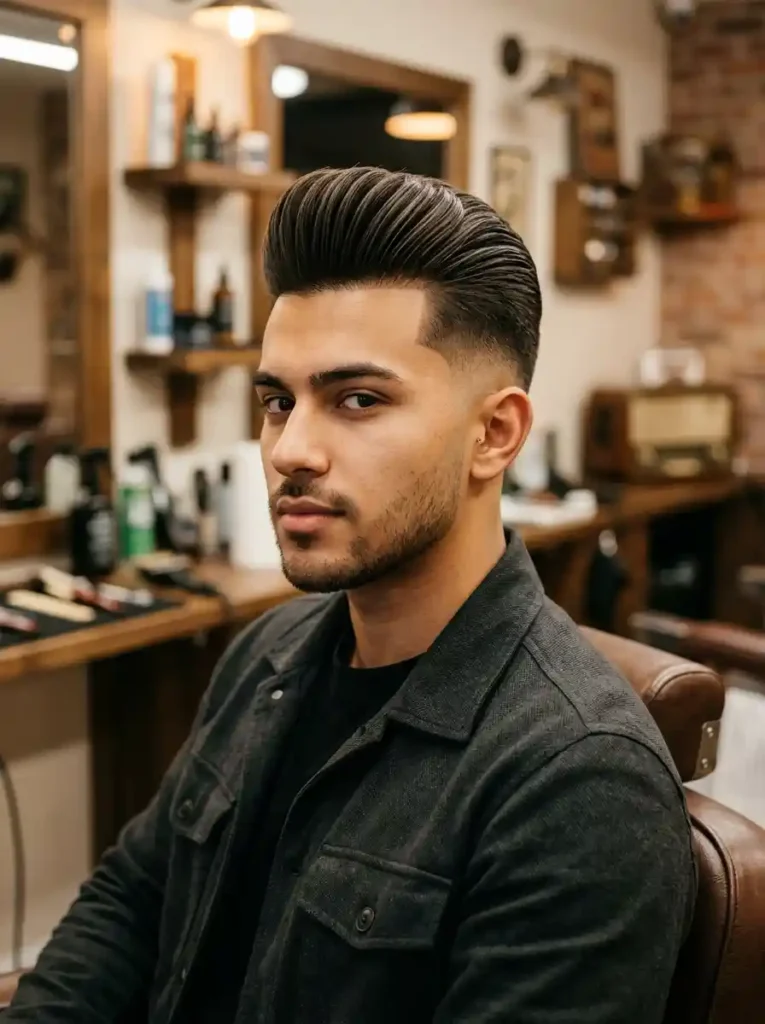
A pompadour with a clean skin fade requires the most complete combination of barbering technical skills in a single haircut — the precision skin fade at the sides must be executed to the highest standard while the top length and layering must be specifically designed to support the pompadour’s elevation and directional sweep. A barber who can create both the most technically perfect fade and the most ideally structured top for a client’s specific hair type is demonstrating the most complete and the most specific technical mastery available.
The pompadour’s specific technical requirement is understanding how different hair textures hold elevation differently — straight hair requires different cutting angles and layering approaches than wavy or naturally textured hair to create the most successful pompadour elevation. Mastering pompadour cutting across the full range of hair textures is specifically one of the most challenging and the most professionally valuable technical skills a barber can develop, as it specifically requires both cutting knowledge and styling knowledge simultaneously.
6. Flat Top for Natural Hair Shaping Technical Mastery
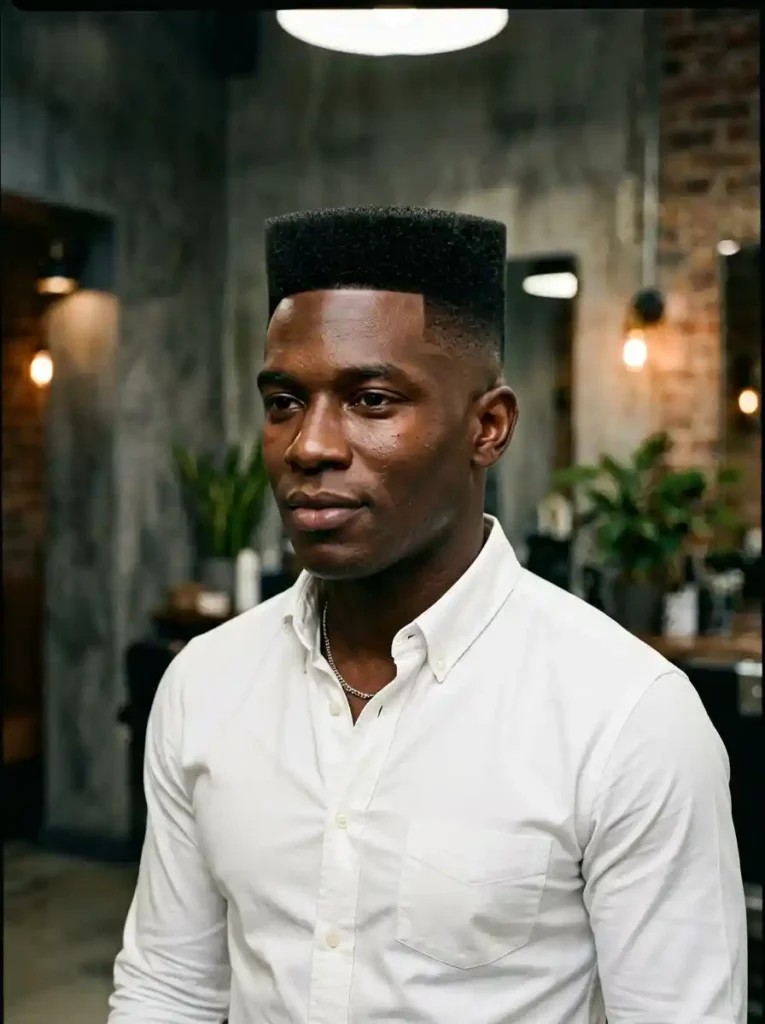
The flat top is one of the most technically precise and the most specifically architecturally demanding of all natural hair barbering techniques — creating a perfectly horizontal plane at the crown of natural coily hair requires the most specific understanding of natural hair texture, growth pattern, density, and the most precise clipper-over-comb or clipper technique that removes exactly the right amount of natural volume to create the most consistently flat surface from every viewing angle simultaneously.
The flat top’s specific challenge is the natural coily hair’s variation in density and growth direction across the crown — some areas naturally grow denser and some less dense, requiring the most skilled barbering judgment about where to remove volume and where to preserve it for the most consistently level flat top plane. A barber who can create a perfectly horizontal flat top on natural coily hair has specifically mastered one of the most demanding natural hair technique skills available in professional barbering.
7. Line Up and Edging for Maximum Geometric Mastery
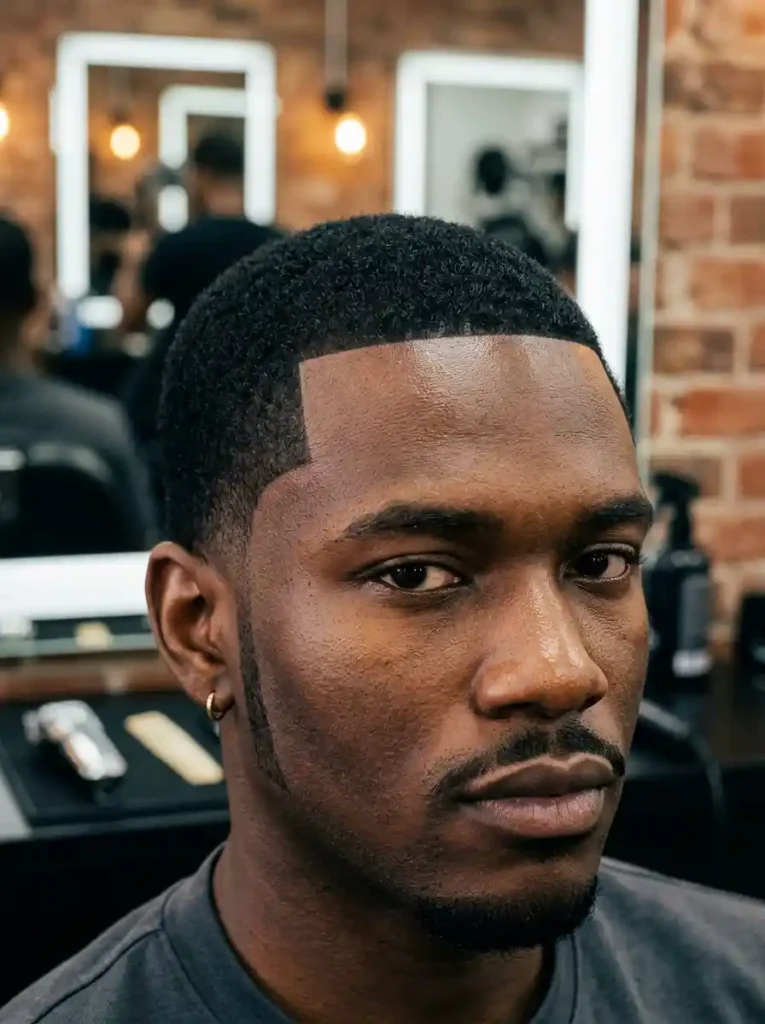
Line up and edging technique is the most visually impactful and the most immediately client-evaluating skill in professional barbering — the quality of a barber’s line up technique is the first thing most clients notice about their haircut result, and a perfectly executed line up with the most geometrically clean edges at the temples, forehead hairline, and sideburns communicates the highest level of professional technical precision to every client immediately upon looking in the mirror at the haircut’s completion.
The specific technical elements of perfect line up include the most precise straight edge execution using a foil shaver or outliner, the most consistent pressure application creating the most uniform depth, the most accurate symmetry between left and right sides, and the most clean edge connection between all defined zones. A barber who creates the most geometrically perfect line up has specifically developed one of the most commercially important and the most immediately client-impressing technical skills available.
8. Caesar Cut for Short Technical Foundation Mastery
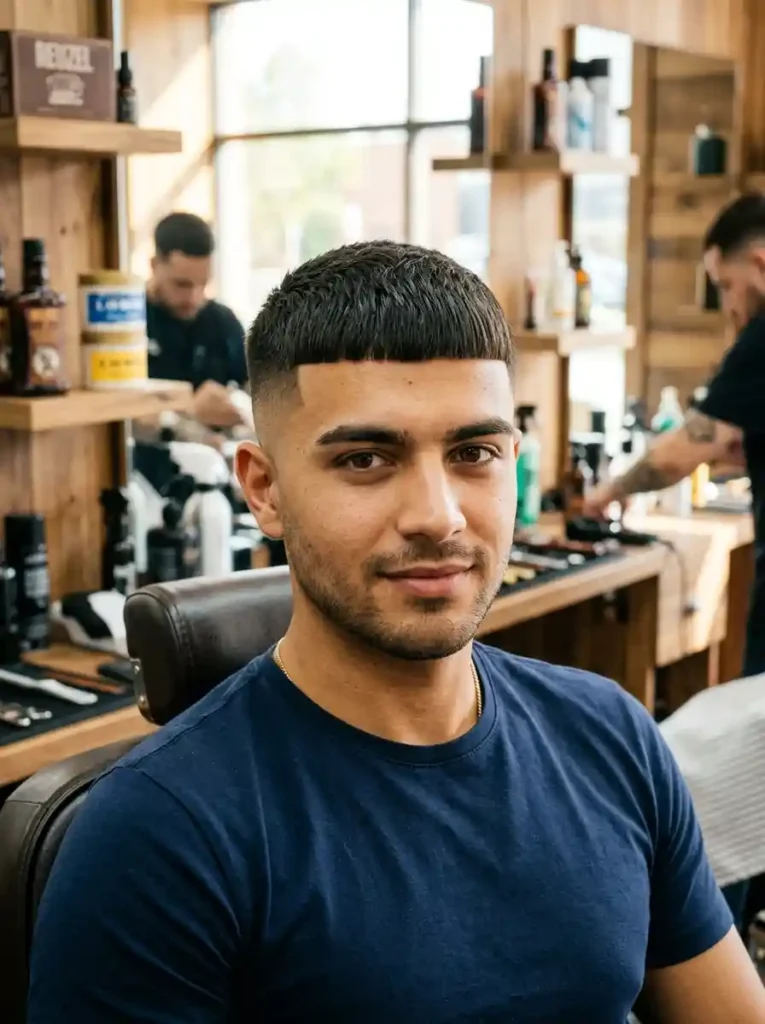
The Caesar cut is one of the most technically specific and the most classically foundational of all short men’s barbering cuts — the characteristic horizontally cut blunt fringe requires the most precise scissor or clipper execution to create the most clean, consistently horizontal cut at exactly the right length for the client’s face proportions. The Caesar specifically tests a barber’s ability to execute the most precisely horizontal cut at a specific length while creating a completely seamless high fade beneath that connects perfectly to the blunt fringe.
Mastering the Caesar cut requires understanding how the blunt fringe’s length should be determined by the client’s face shape and forehead height — a fringe that is too long or too short completely changes Caesar’s proportional impact. A barber who can assess these facial proportions and execute the most precisely appropriate fringe length and the most seamlessly connected fade beneath has demonstrated the most complete Caesar cut mastery across technical execution and proportional judgment simultaneously.
9. Comb Over Fade for Classic Modern Technical Combination
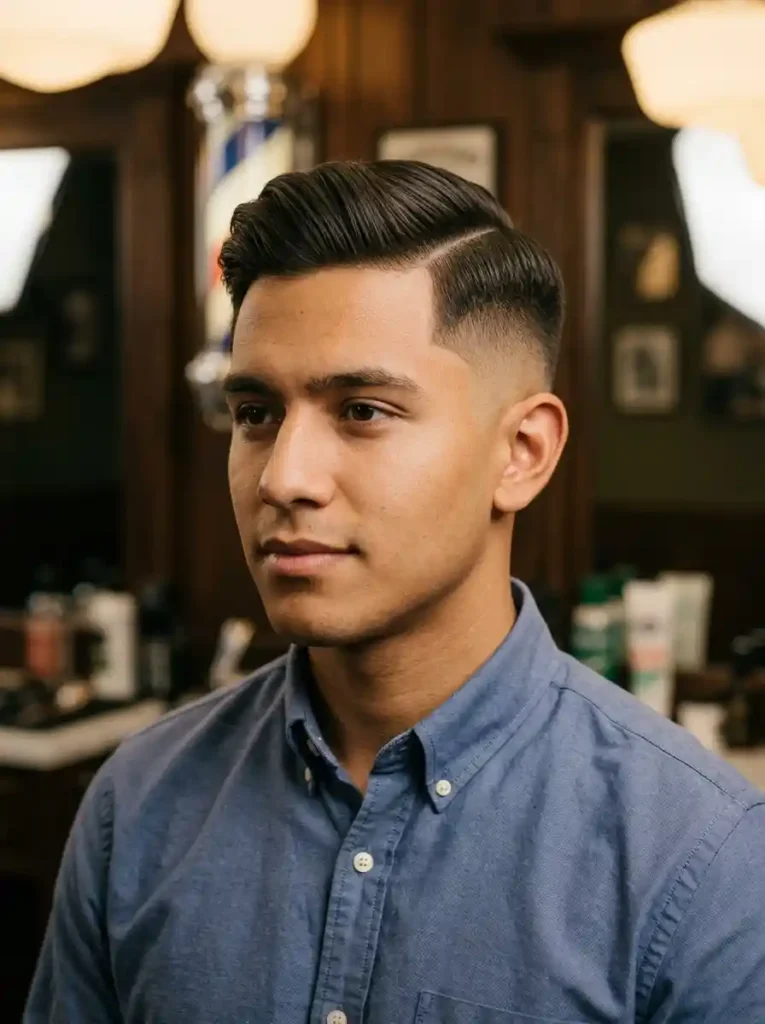
The comb-over fade combines the most classically professional top styling direction with the most contemporary fade technique, requiring a barber to execute both elements to the highest standard within a single haircut — the fade must meet the most precise technical standard while the top must be cut with the most specific length and layering that supports the comb-over’s natural directional flow and volume. The combination tests technical breadth that spans both fade precision and directional scissor cutting simultaneously.
The specific technical mastery of the comb-over fade includes understanding how to cut the top section’s length graduation — slightly longer at the crown before reducing toward the front — that creates the most natural combing direction and the most appropriate volume for each client’s hair density and texture. A barber who masters this specific top layering approach combined with a precisely executed fade delivers one of the most broadly requested and the most professionally impactful combined technical expressions.
10. Natural Hair Afro Shaping for Cultural Technical Mastery

Natural afro shaping is one of the most technically specific and the most culturally important skills in complete professional barbering mastery — creating a beautifully proportioned, cleanly perimeter-defined natural afro requires the most specific understanding of natural coily hair’s growth patterns, density distribution, and the most appropriate cutting techniques for natural texture. A barber who can shape a natural afro to the most beautiful and the most proportionally appropriate form for each individual client’s head shape is demonstrating the most specific natural hair technical expertise.
The specific technical elements of afro shaping mastery include using a pick to expand the natural volume before assessing the true shape, using clipper-over-comb or afro comb techniques to remove uneven perimeter sections, and the most careful attention to achieving the most consistent clean perimeter from every viewing angle simultaneously. Understanding how to shape for different face shapes — taller and narrower for round faces, rounder for more elongated faces — requires the most specific proportional judgment combined with technical skill.
11. Quiff with Fade for Elevated Modern Technical Mastery
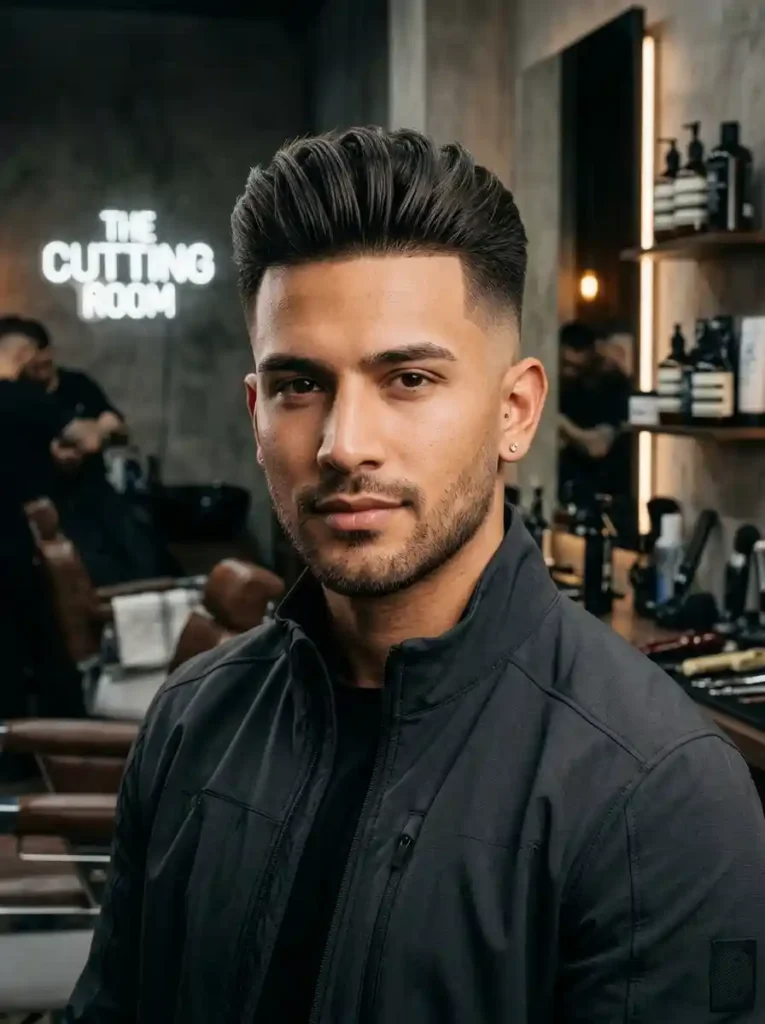
A quiff with a clean high fade is one of the most technically complete and the most specifically contemporary of all elevated styled men’s haircuts that every barber must master — the quiff requires understanding how to cut the top section specifically to support elevation, directing layers to create natural lift at the front while the high fade must be executed with maximum precision at the most dramatically high position. The combination tests both cutting and structural understanding simultaneously.
The specific cutting approach that creates the most successful quiff involves understanding disconnection versus blending at the top-to-fade transition, the most appropriate length graduation within the top section for the client’s specific hair density and texture, and the most ideal top length that creates natural elevation without product over-reliance. A barber who masters quiff cutting across different hair textures specifically demonstrates the most versatile and the most comprehensively applicable men’s haircut technical skill set.
12. Taper Fade for the Most Versatile Blended Mastery
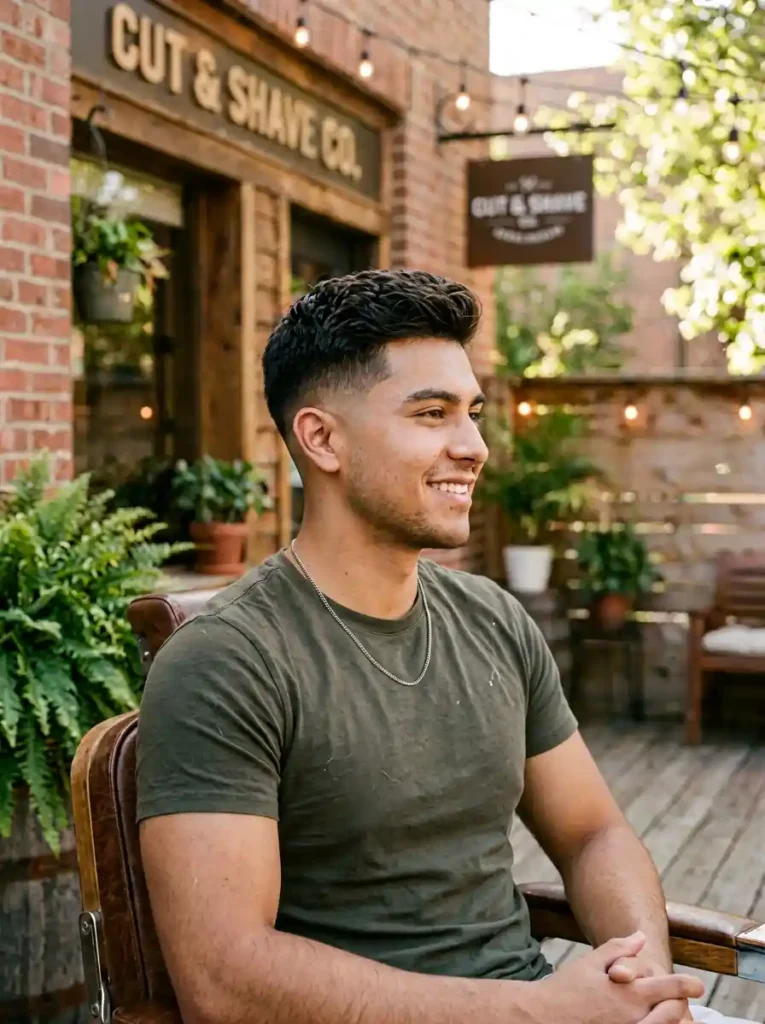
The taper fade combines the natural softness of a graduated taper with the clean precision of a skin or close fade in the most versatile and the most broadly applicable of all graduated side techniques — requiring a barber to understand where the natural taper ends and where the fade begins, creating the most smooth and the most organically flowing transition between the two distinct technical approaches. The taper fade is genuinely one of the most requested and the most technically versatile cuts in modern professional barbering.
Mastering the taper fade specifically requires the ability to determine the most appropriate starting point for the fade transition based on each individual client’s head shape, hair density, and preferred style outcome. Some clients benefit from a higher fade start while others need a lower, more natural taper approach — reading these requirements accurately before cutting and executing the most appropriate taper-fade combination is specifically one of the most important professional judgment skills a complete barber must develop.
13. Drop Fade for Advanced Contoured Technical Mastery
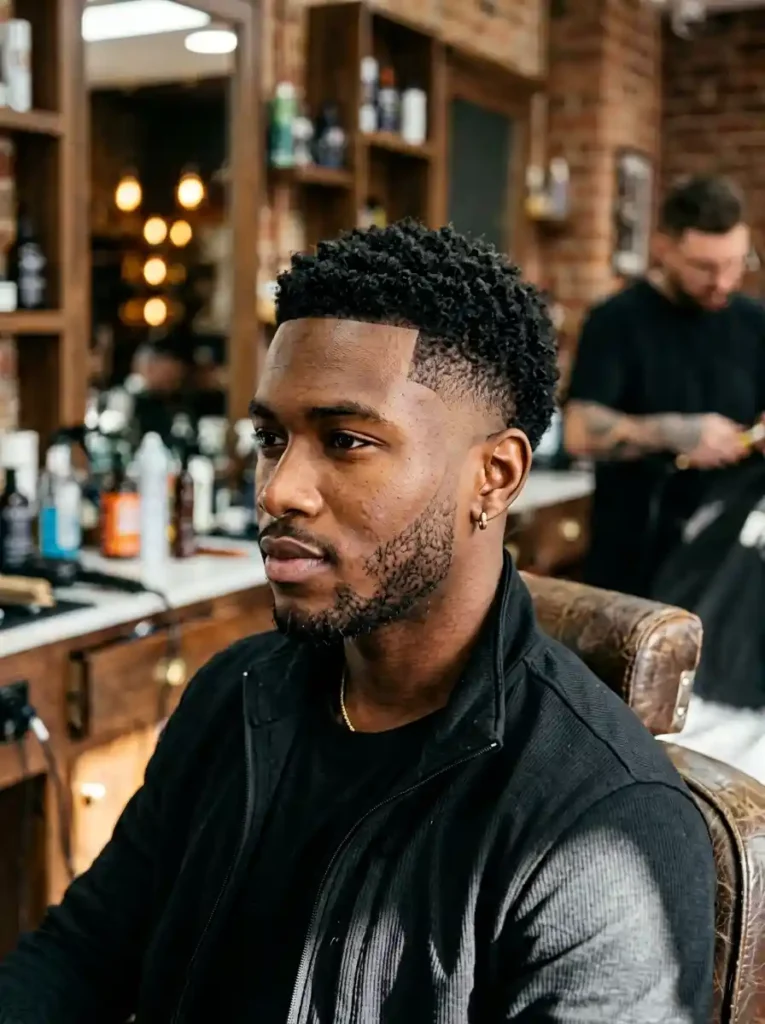
The drop fade is one of the most advancedly contoured and the most specifically technically demanding of all fade variations — the fade line’s characteristic curve that drops lower behind the ear than at the temple requires a barber to follow and create a specifically organic curved line rather than a straight horizontal fade, demanding the most precise understanding of the head’s curved anatomy and the most specific clipper angle control to create the most smoothly curved and the most beautifully flowing drop fade contour.
The drop fade’s specific mastery challenge is maintaining the most consistent gradation along the curved descending line behind the ear — maintaining even fade graduation across a dramatically changing surface angle requires advanced clipper control and the most specific understanding of how to maintain consistent guard-to-skin distance along curved anatomical surfaces. A barber who can execute a perfectly smooth drop fade has specifically developed one of the most important advanced technical precision skills in contemporary professional barbering.
14. Burst Fade for Radiating Advanced Technical Precision
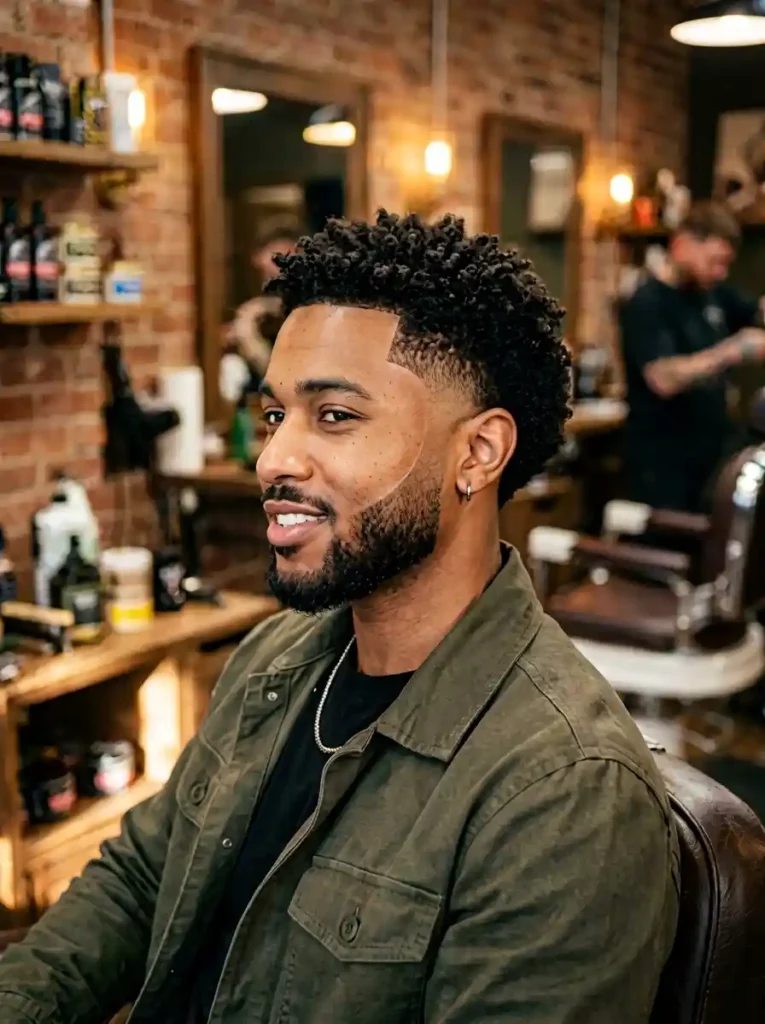
The burst fade is one of the most technically demanding and the most visually distinctive of all advanced fade variations — the circular radiation pattern that extends outward from the ear as a reference point requires a barber to execute a consistently even graduation in every radiating direction simultaneously rather than working in the straight horizontal direction that standard fades use. The burst fade’s radiating complexity specifically tests a barber’s most advanced clipper control and spatial awareness.
Executing a perfect burst fade requires establishing the ear as the most precise reference point before creating the most consistently even graduation radiating outward in every direction from that center point. Any inconsistency in the radiation distance creates a visually obvious unevenness that is immediately apparent upon inspection. A barber who can create a perfectly consistent burst fade radiation pattern has specifically developed one of the most technically demanding precision skills available in the complete contemporary barbering technical vocabulary.
15. Scissor Cut and Texture for Natural Hair Mastery
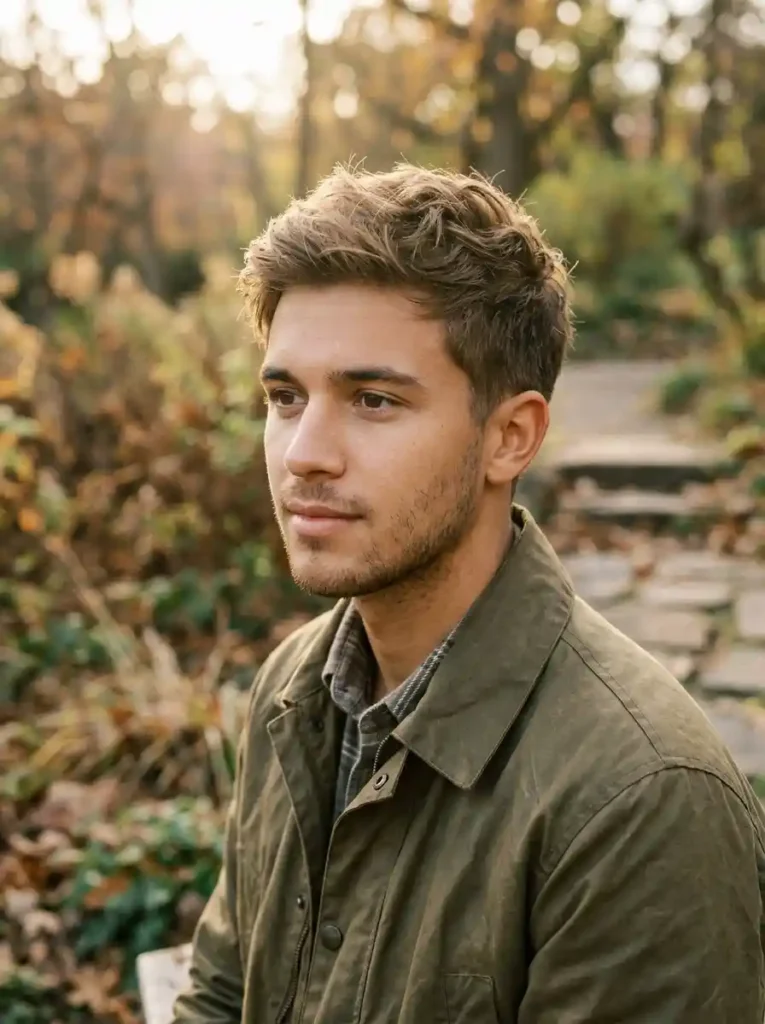
ant and the most technically versatile of all skills that every barber must master — the ability to create natural texture, movement, and organic hair character through precision scissor technique including point-cutting, razor-over-comb, channel cutting, and scissor-over-comb is what separates technically limited barbers from the most complete and the most versatile professional practitioners who can work on every hair length and texture variation.
Scissor mastery specifically includes understanding cutting angle’s effect on bulk removal, the most appropriate amount of point-cutting at different hair densities, razor technique for the most organic and the most soft texture creation, and the most precise scissor-over-comb graduation for the most naturally blended side sections without clipper involvement. A barber who masters the complete scissor technique vocabulary can serve every client including those who prefer a completely clipper-free cutting experience.
16. French Crop for Graphic Modern Technical Precision
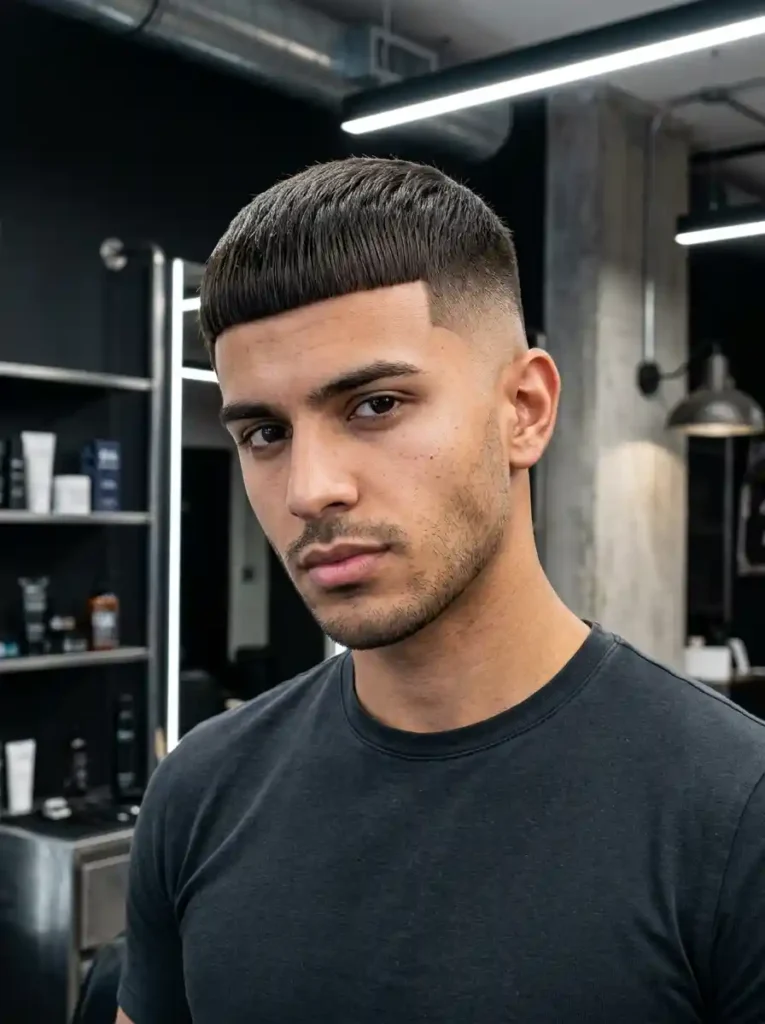
The French crop is one of the most graphically precise and the most technically specific of all short men’s haircut expressions — the characteristic horizontally cut blunt fringe must be executed at the most precisely correct length for the client’s face proportions and must be the most perfectly horizontal to create the most graphically clean architectural aesthetic the French crop depends on. Combined with a high skin fade, the French crop tests both precise fringe execution and maximum fade precision simultaneously.
The French crop’s specific technical mastery requires the most accurate determination of the ideal fringe length — which varies significantly based on face shape, forehead height, and client preference — and the most precisely horizontal fringe cut execution using scissors, a comb guide, or clipper technique. The fringe must be cut to the most exact length across its complete width without any unevenness that would undermine the graphically precise character. Professional French crop mastery is genuinely one of the most commercially valuable technical skills.
17. Long Scissor Cut with Layers for Complete Scissor Mastery

Long scissor cutting with internal layering is the most comprehensively advanced and the most specifically skill-intensive of all scissor technique expressions a barber must master — creating beautifully flowing internal layers that add movement and dimension without reducing apparent weight inappropriately, maintaining clean perimeter length while creating internal variation, and understanding how layering interacts with different hair textures requires the most advanced scissor technique knowledge and the most specific hair-reading expertise.
The specific skills required for long layered scissor mastery include understanding point of balance cutting, the most appropriate overdirection for weight removal, channel cutting for the most specific texture creation, and the most precise graduation management across different sections simultaneously. A barber who can create beautiful long layered haircuts serves a significantly expanded client base and specifically demonstrates the most comprehensive technical versatility available in professional men’s and women’s cross-over barbering.
18. Curly Hair Cut for Natural Texture Specific Technical Mastery

Curly hair cutting requires entirely specific technique that differs fundamentally from straight hair cutting — mastering curl-specific cutting including dry cutting that reveals the true curl’s behavior, understanding the curl’s specific spring factor when determining cut length, and creating internal layering that enhances rather than destroys the curl’s natural pattern are the most essential and the most specifically curl-focused technical skills a complete barber must develop for the most comprehensive client service capability.
The specific curl cutting approach that creates the most beautiful results includes cutting each curl individually when stretched versus cutting uniformly in sections, understanding how different curl patterns (wavy, curly, coily) behave differently after cutting, and the most appropriate use of razor cutting versus scissor cutting for different curl types. A barber who can confidently serve every curl type and density is specifically demonstrating the most complete and the most inclusively versatile professional technical mastery available.
19. Undercut with Hard Part for Graphic Structural Mastery
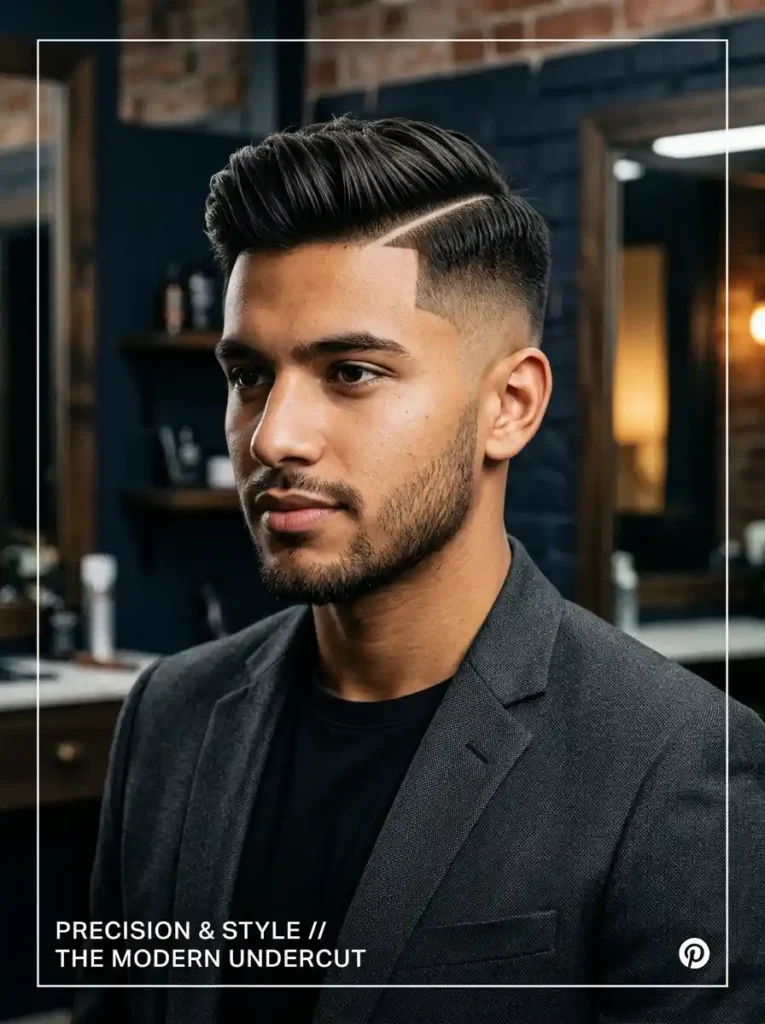
An undercut with a hard part requires the most precise execution of two technically demanding elements simultaneously — the razor-precise disconnection between the longer top and the closely cropped undercut sides must be executed at the most specific position while the hard part line must be the most precisely shaved and the most geometrically exact line that specifically defines the top’s starting position. The combination tests both structural cutting judgment and precision razor or foil shaver line work.
The specific technical mastery of the undercut hard part includes understanding the most appropriate disconnection height for different head shapes — too high creates a disproportionate appearance while too low reduces the dramatic disconnection effect — and the most precisely straight hard part line execution using a foil shaver or close-cutting clipper. A barber who masters the undercut hard part demonstrates the most specific contemporary structural cutting expertise that is consistently among the most requested modern men’s haircut skills.
20. Fade with Design Cut for Graphic Individual Mastery
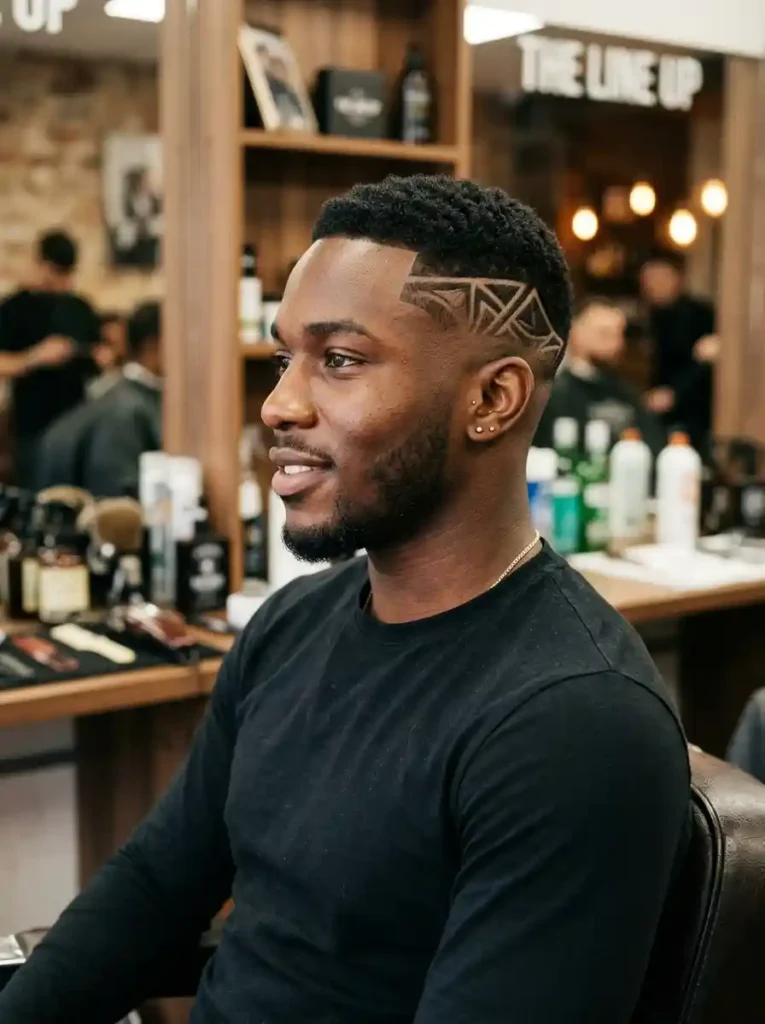
Graphic design cuts — geometric lines, curves, and patterns shaved precisely into the faded sides of a haircut — represent the most advanced and the most individually expressive technical skill in the complete professional barbering vocabulary. The ability to execute a clean, precisely geometric design that reads as the most intentionally designed and the most specifically individual personal statement requires the most advanced outliner or trimmer control, the most precise pre-design planning, and the most accurate execution of the most complex spatial shapes against a curved head surface.
Design cut mastery includes understanding how to translate a two-dimensional design concept onto the most specifically curved three-dimensional head surface, the most appropriate pre-planning of design placement for the best visual impact, and the most precise technique for creating the most cleanly defined design lines using outliner, foil shaver, and the most carefully controlled freehand technique. A barber who can execute a beautiful design cut has specifically developed one of the most commercially distinctive and the most individually impressive skills available.
21. Neckline Shaping for the Most Essential Clean Finish Mastery
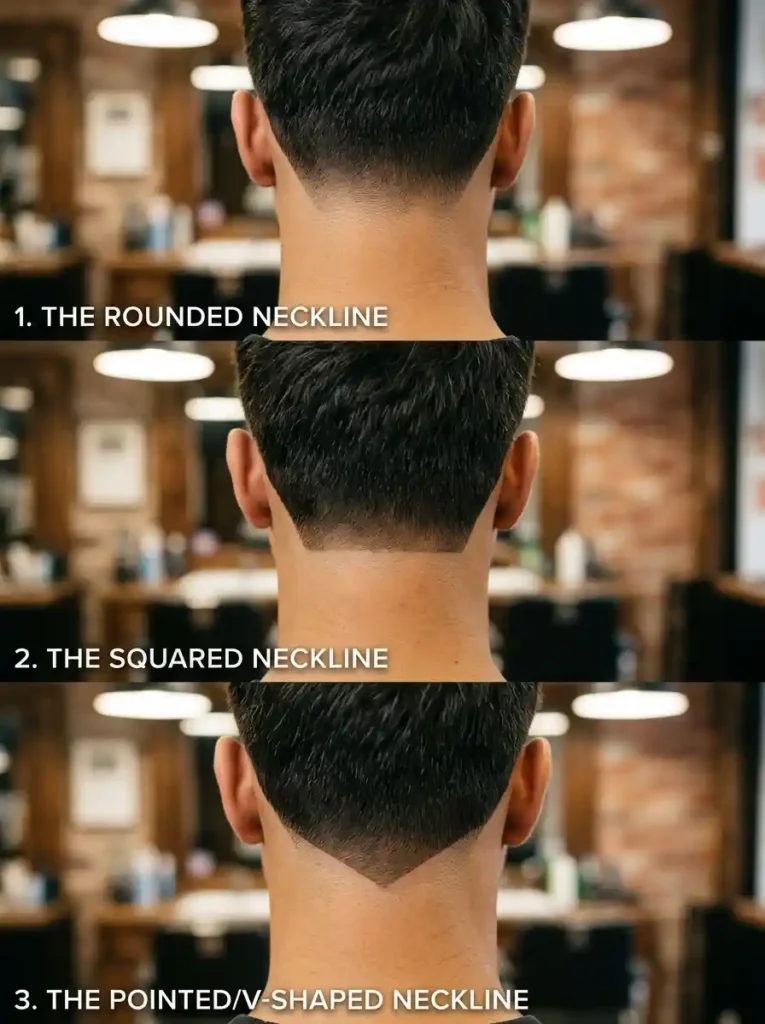
Neckline shaping is the most essential finishing skill and the most consistently executed technical element in professional barbering — the three fundamental neckline options (squared, rounded, and tapered/pointed) must each be executed to the highest standard as the neckline is the most frequently noticed and the most quickly evaluated element of any men’s haircut’s maintenance quality between barbershop appointments. A poorly executed or quickly deteriorating neckline is the most common client complaint about haircut quality.
Mastering all three neckline styles requires understanding which shape most specifically flatters different neck shapes and head structures, the most precise execution technique for each using foil shaver, outliner, and razor, and the most appropriate softening or sharpening of natural neck hair growth patterns for the most clean and the most long-lasting neckline expression. A barber who consistently delivers the most beautifully precise and the most specifically appropriate neckline for each individual client demonstrates the most complete finishing mastery available.
22. Fade Blending and Transition for Ultimate Technical Complete Mastery
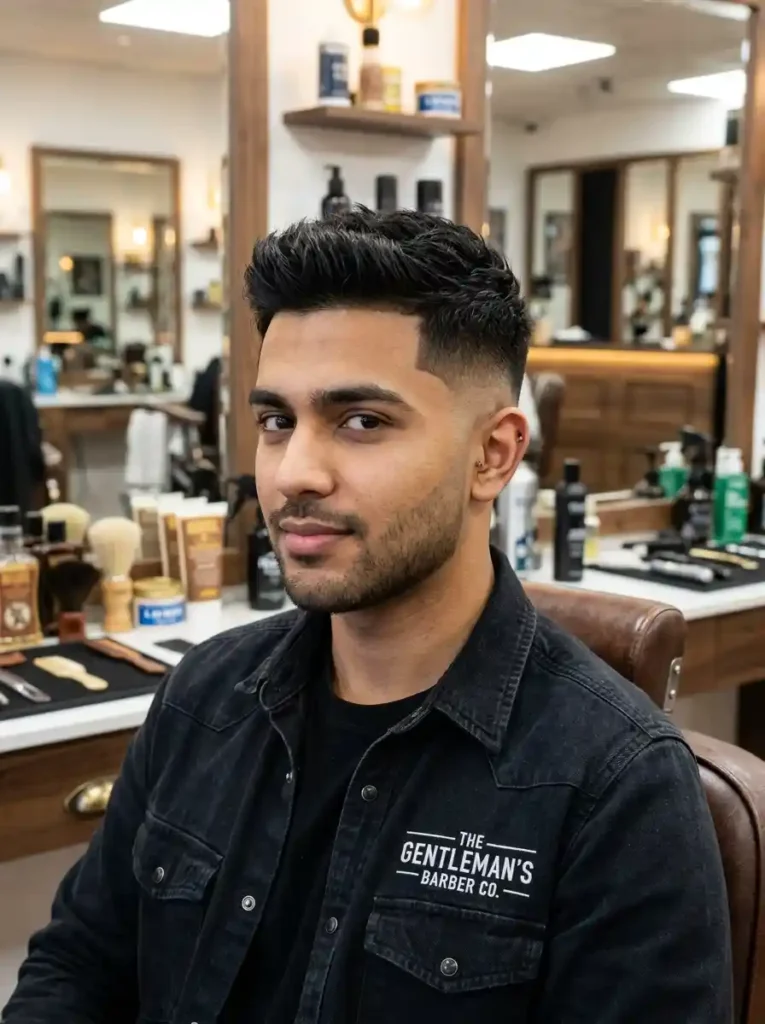
Fade blending and the most complete transition mastery is the ultimate technical skill that elevates a competent barber to the most genuinely excellent professional level — the ability to create the most perfectly seamless multi-level fade transition that shows no visible lines, jumps, or inconsistencies from the lowest fade point through multiple guard levels to the natural top section is specifically what the most skilled and the most consistently excellent barbers deliver with every client, every time, regardless of hair texture, density, or color.
The specific elements of complete fade blending mastery include the most precise understanding of how each clipper guard size relates to the next, the most appropriate overlapping motion pattern for the most seamless blending, the use of the clipper’s closed-to-open blade technique for the most smooth micro-transitions, and the most specific scissor-over-comb or tapering technique for the most natural final blending into the top section. This complete technical mastery specifically defines the most excellent professional barbers from every other skill level.
Conclusion
Mastering the essential men’s haircuts is the foundation of every successful barber’s career. From flawless skin fades and classic tapers to textured scissor cuts, pompadours, afros, and modern crop styles, each haircut develops the technical precision and creativity needed to deliver exceptional results. Understanding face shapes, hair types, blending techniques, and styling methods allows barbers to create personalized cuts that keep clients coming back. Whether you’re an aspiring barber or an experienced professional refining your craft, these 22 men’s haircuts provide the core skills required to build confidence, expand your expertise, and achieve excellence in modern barbering.