
Understanding the different types of fade haircuts before you sit in that barber’s chair is genuinely one of the most useful things you can do for your personal style — and yet most men spend years pointing vaguely at their own head and hoping for the best. A fade haircut is defined by its seamless gradient transition from shorter to longer hair, and the variation in where that transition starts, how dramatic it gets, and what’s happening on top creates an enormous range of distinct looks that each communicate something different about your aesthetic sensibility. This complete guide covers every fade worth knowing about, explained clearly and without any unnecessary complexity.
1. The Skin Fade — The Foundation of Modern Barbering
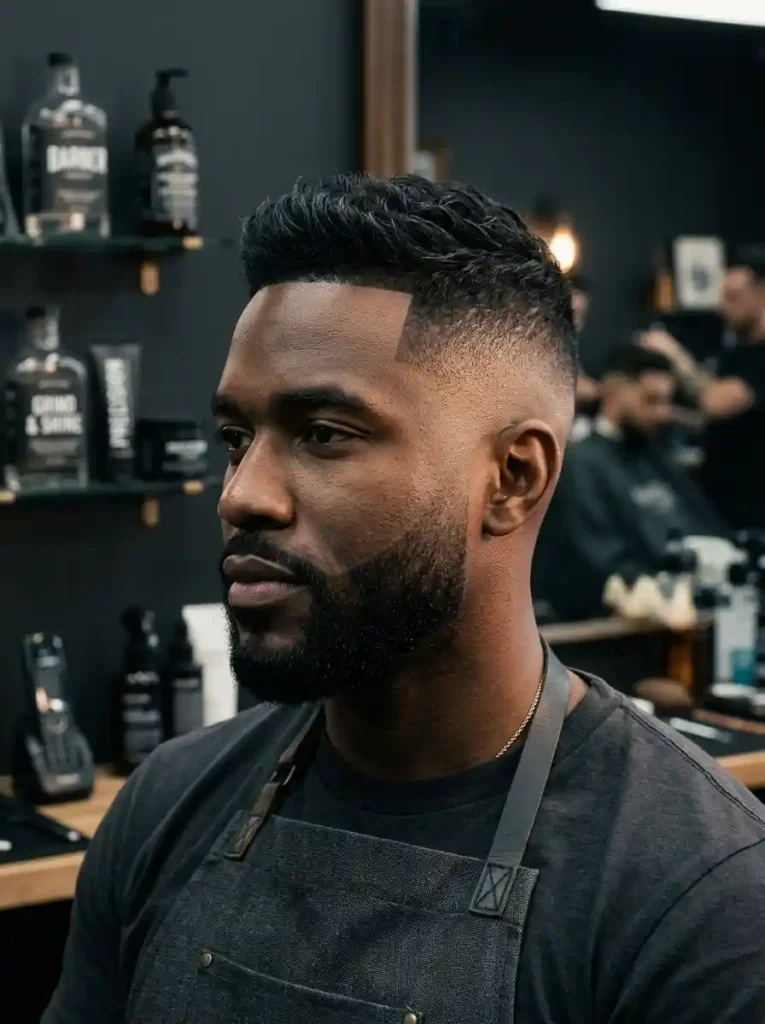
The skin fade is the bedrock of contemporary men’s barbering — the style that elevated the entire craft from simple hair cutting into something that requires genuine artistry, developed feel, and years of practiced intuition to execute at the level that separates good barbers from truly exceptional ones. Starting from absolute zero at the hairline and base of the head, the skin fade transitions upward through progressively longer lengths with zero visible lines or steps in the gradient, creating a smooth, seamless dissolution from bare skin into whatever length exists above it. When a skin fade is done perfectly, the transition looks almost physically impossible.
The tools required for a flawless skin fade go beyond standard clipper guards — skilled barbers use a combination of open and closed clipper blade positions, half-guard sizes like the 0.5 and 1.5, and freehand clipper work with the blade angled away from the scalp to create those impossibly smooth intermediate tones in the gradient. The skin fade pairs with virtually every top style imaginable — from a tight natural afro to long flowing waves — because its clean, precise quality elevates rather than competes with whatever is happening above it. If there is one style that defines what modern barbering has become as a craft discipline, it is without question the skin fade in its most precisely executed form.
2. The Bald Fade — Maximum Contrast, Maximum Impact
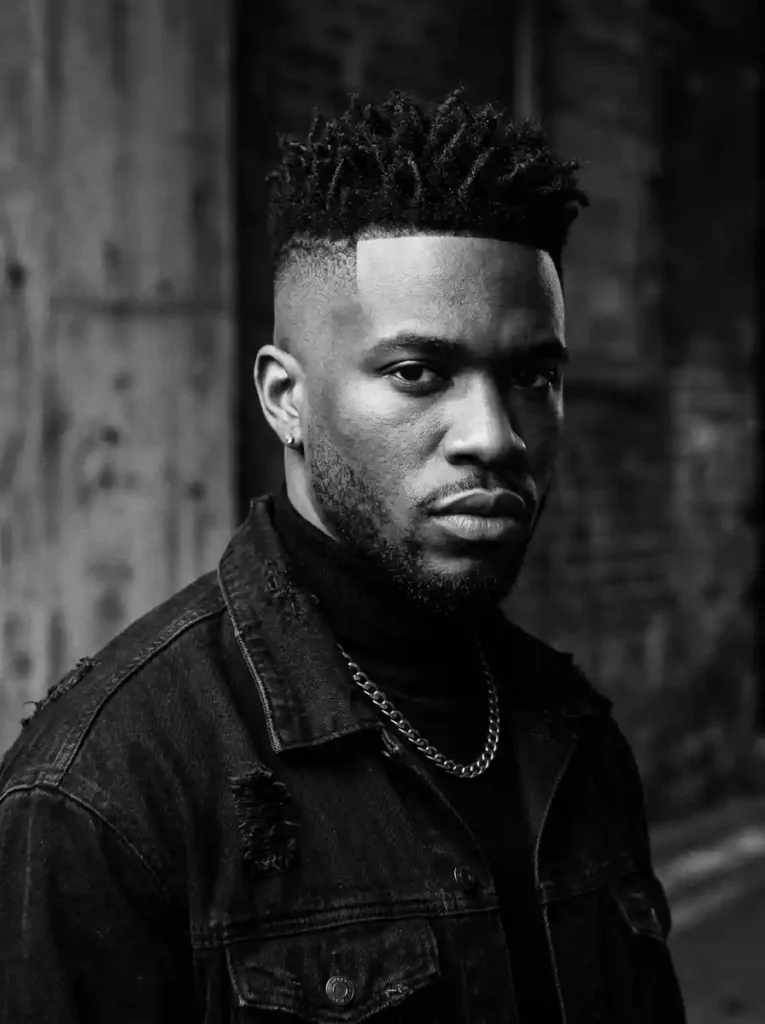
The bald fade and the skin fade share similar territory in the fade family, but the bald fade pushes the contrast further and commits more fully to the idea of absolute cleanness at the perimeter — taking the sides and back down to a level so close to the skin that under bright light the scalp is clearly visible and the transition from head skin to hair begins with an almost surgically precise line. The visual impact is maximum contrast by design, and the men who choose the bald fade are specifically after that sharp, graphic quality that makes the silhouette of a haircut look almost architectural from across the room.
What makes the bald fade particularly statement-making is how the extreme closeness at the base creates a striking frame for whatever style is worn on top — a full afro above a bald fade looks like a perfectly defined sphere sitting on a precision-shaved pedestal, and a pompadour above a bald fade has a graphic boldness that lower contrasts simply cannot replicate. Maintenance is the most demanding aspect of this style — the skin-close sections show new growth within days rather than weeks, which is why most bald fade devotees are in the barbershop chair every one to two weeks to maintain the crispness that makes this particular fade worth choosing in the first place.
3. The Low Fade — The Subtly Sophisticated Choice

The low fade is where fade haircuts begin their spectrum toward the more understated and universally appropriate end of the style range — and calling it subtle in no way diminishes its genuine sophistication or the level of skill required to execute it beautifully. Starting just above the natural ear line and the nape of the neck, the low fade reduces length within a relatively narrow band at the very perimeter of the head, leaving the majority of the sides with substantial length and creating a tidy, groomed finish without any dramatic skin exposure or high-contrast visual impact. It reads as polished and considered in any context.
The low fade is probably the single most versatile fade option in the entire spectrum because it works across every professional environment, every age group, and every style preference without requiring any justification or courage to pull off. Corporate professionals, teachers, healthcare workers, and anyone navigating a dress code environment finds the low fade the most reliable answer to wanting a genuinely current, fresh haircut that still communicates professionalism and trustworthiness. It also grows out more gracefully than higher, more dramatic fades — the perimeter line rises slowly and the overall silhouette stays respectable for four to six weeks, making it the most economical fade option in terms of maintenance frequency.
4. The High Fade — Bold, Dramatic, and Undeniably Current
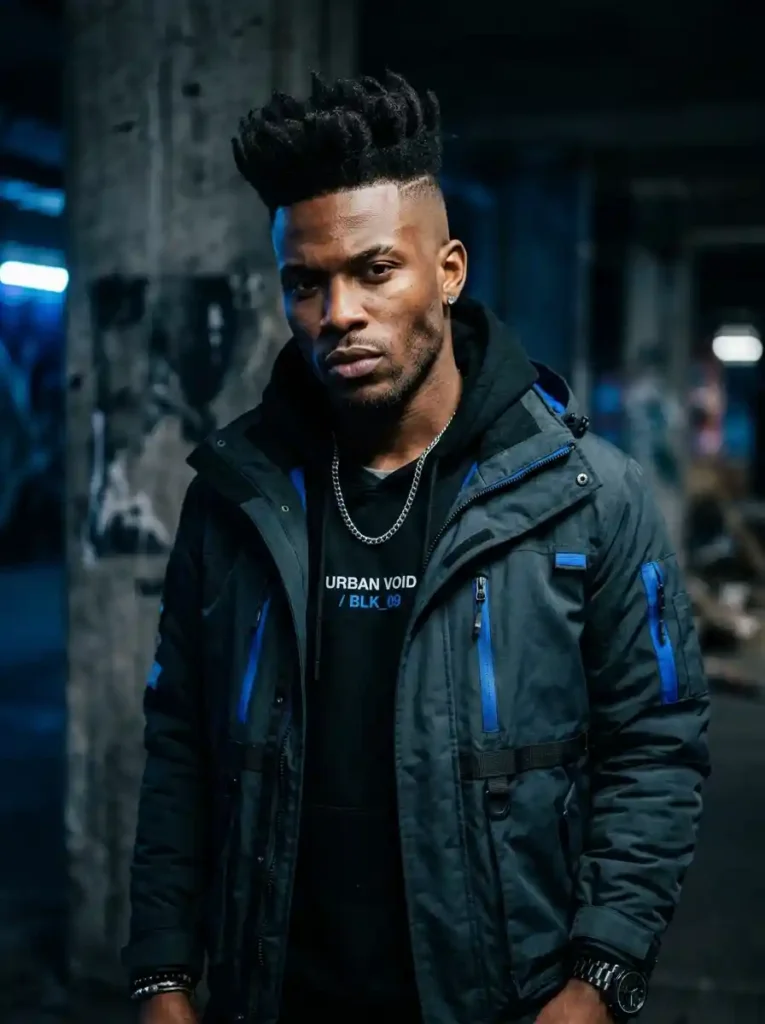
The high fade starts the clipper transition significantly above the ear — at the temple level or even higher — removing length from a large portion of the sides and back and creating a dramatic visual contrast with whatever length remains on top. The result is a silhouette that is graphic, bold, and completely contemporary, one that reads from across the room as a deliberate and confident style choice made by someone who knows exactly what they want and isn’t interested in half measures when it comes to their appearance. The high fade is the statement option in the fade family, and it delivers that statement with complete clarity.
Because the fade encompasses such a large area of the head, top styles need to have meaningful volume or length to create the contrast that makes a high fade truly spectacular rather than simply severe. A high skin fade paired with a flat top, a full afro, or a high-volume pompadour creates those extraordinary silhouettes that have become signature images of modern men’s barbering. The trade-off is maintenance frequency — the large area of close-cut hair shows growth noticeably within one to two weeks, and the style loses its dramatic impact quickly when the sides begin to grow out and soften the high transition line. For men who enjoy the barbershop ritual, this is a non-issue and perhaps even a bonus.
5. The Mid Fade — The Perfect Balanced Middle Ground

The mid fade occupies the balanced center of the fade spectrum — not as conservative as the low fade nor as dramatic as the high, but hitting that precise middle point that manages to feel current and intentional without veering into any territory that might raise eyebrows in more formal settings. Starting at the mid-temple area and transitioning downward to shorter lengths at the perimeter, the mid fade creates a clean, well-defined gradient that frames the face attractively and provides a neat, structured foundation for an enormous range of top styles across every hair texture and type.
If you’re designing your first fade haircut or introducing someone new to the concept, the mid fade is the most logical and rewarding starting point precisely because it delivers so much of what makes fades visually appealing — the clean gradient, the fresh perimeter, the structured silhouette — without committing to the extremes that require more specific lifestyle and maintenance considerations. It also blends the widest range of top styles successfully, from close textured crops to longer flowing styles, because the mid-level transition doesn’t dictate what happens above it in the way that very high or very low fades sometimes do. Consistency, versatility, and genuine style appeal in one endlessly wearable package.
6. The Drop Fade — Following the Head’s Natural Curve
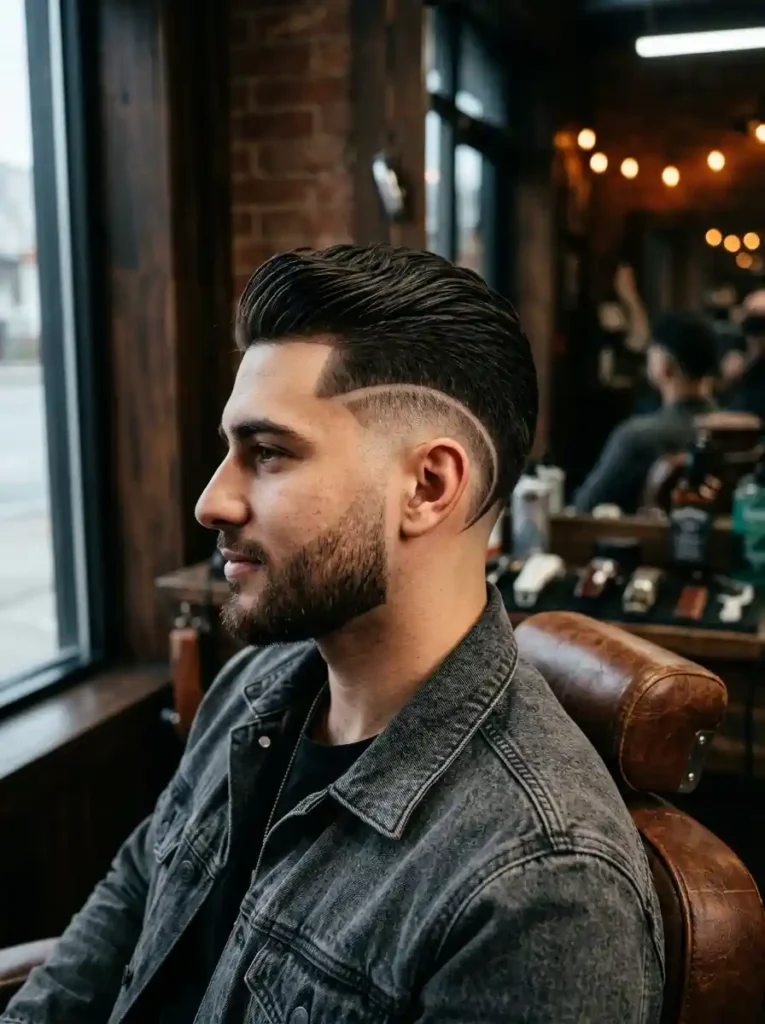
The drop fade is a more technically sophisticated variation that distinguishes itself from standard low, mid, and high fades by following the natural curve of the head downward behind the ear rather than maintaining a straight horizontal fade line around the perimeter. This curved line — dropping lower at the back before rising again — creates a more sculpted, three-dimensional quality to the fade that frames the head beautifully and demonstrates a level of barbering awareness and intention that goes beyond simply choosing a height. The drop fade is for clients and barbers who are thinking about the haircut as a sculptural project rather than a length-reduction service.
The visual effect of a drop fade is particularly striking when viewed from the back and sides — the curved transition line creates an almost architectural relationship between the fade and the natural topography of the head that straight-line fades don’t achieve. It pairs exceptionally well with styles that emphasize the crown and top section — waves, tight coils, and textured crops all benefit from the way the drop fade’s downward curve draws the eye upward and emphasizes the volume and shape happening above the transition. Ask specifically for a drop fade by name and show a reference photo, because without that specificity a barber may default to a straight-line fade that doesn’t deliver this particular aesthetic quality.
7. The Temp Fade — Precision at the Temple
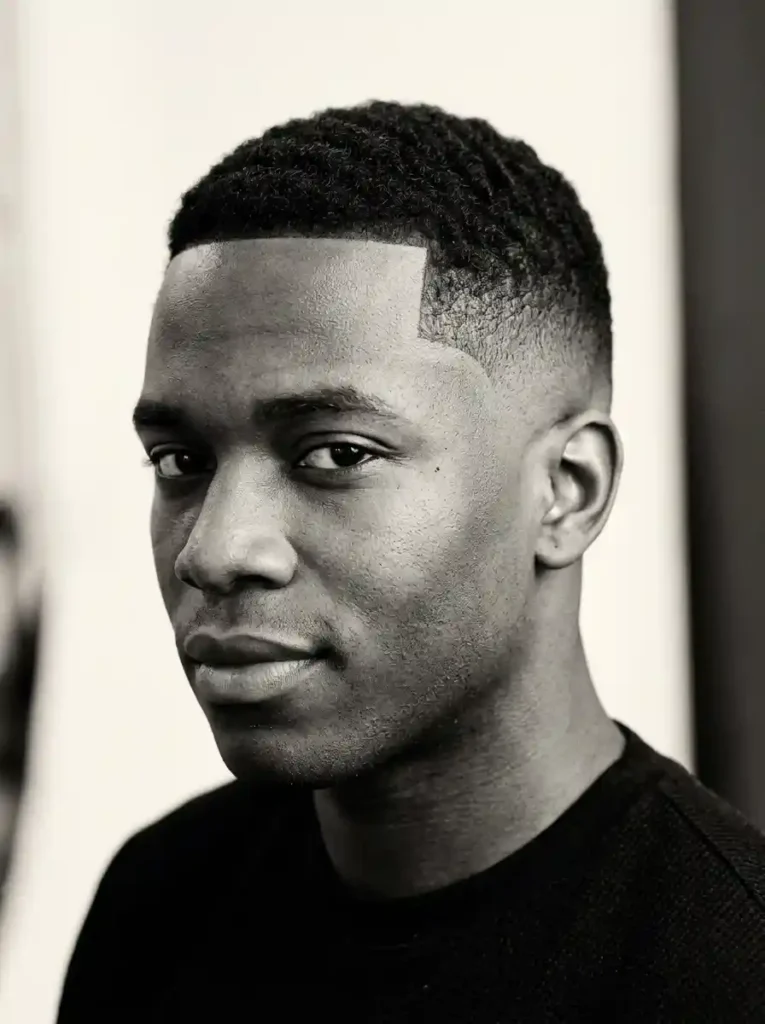
The temp fade — short for temple fade — is a more targeted, specific technique that focuses the fade transition precisely at the temple and hairline area rather than extending it fully around the sides and back. It creates a clean, defined line at the corners of the forehead where the hairline meets the temple, removing the natural softness or recession that most men have at their temples and replacing it with a crisp, deliberate edge that sharpens the entire face framing of the haircut. It’s a subtle but genuinely impactful detail that transforms the way a haircut interacts with the face at the front.
The temp fade is often used in combination with other styles rather than as a standalone statement — adding temple fade detailing to a standard low or mid fade creates a more finished, precise perimeter that elevates the entire haircut’s quality without dramatically changing its overall character. It’s particularly flattering on men with slightly receded temples because it creates a new, defined hairline that replaces the natural recession with an intentional geometric edge, making the face framing feel sharp and deliberate. This is the detail that distinguishes a very good haircut from an exceptional one, and learning to ask for it specifically will consistently improve your results.
8. The Taper Fade — The Classic Hybrid
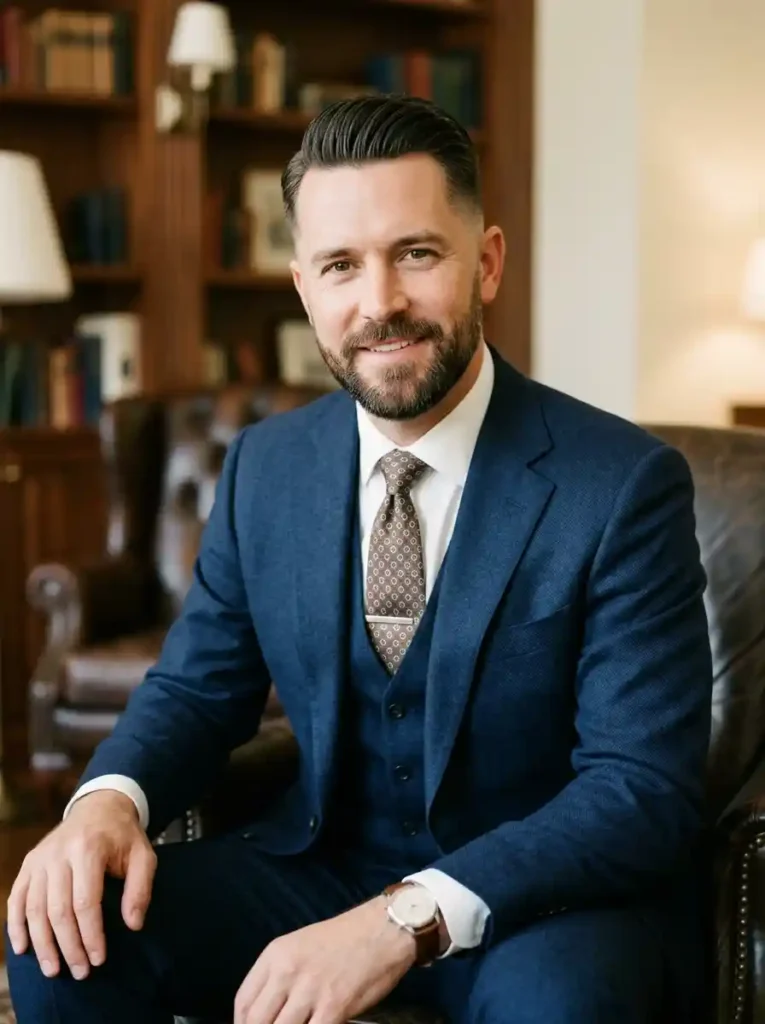
The taper fade occupies a unique position in the fade family as a hybrid technique that blends the gradual length reduction of a traditional barber’s taper with the skin-close finishing of a contemporary fade at the very base — combining the best qualities of both approaches into a single style that is simultaneously classic and current. The hair reduces in length gradually and gracefully as it approaches the hairline and neckline, finishing with a close or skin-level base that provides a neat, precise bottom edge without the starkness of a full bald fade. It’s the diplomatic choice in the best possible sense.
Taper fades are particularly appreciated in professional and corporate environments because they maintain the conservative grooming etiquette expected in formal settings while still incorporating the technical sophistication and contemporary quality of modern fade work. The gradual transition means the fade grows out more gently than more aggressive versions, keeping the haircut looking presentable and intentional for longer between appointments. Any barber worth visiting knows this technique thoroughly, so requesting a taper fade is a reliable way to communicate that you want something polished and professional without it looking like you haven’t updated your style since the 1990s.
9. The Edgar Fade — The Razor-Sharp Statement Cut
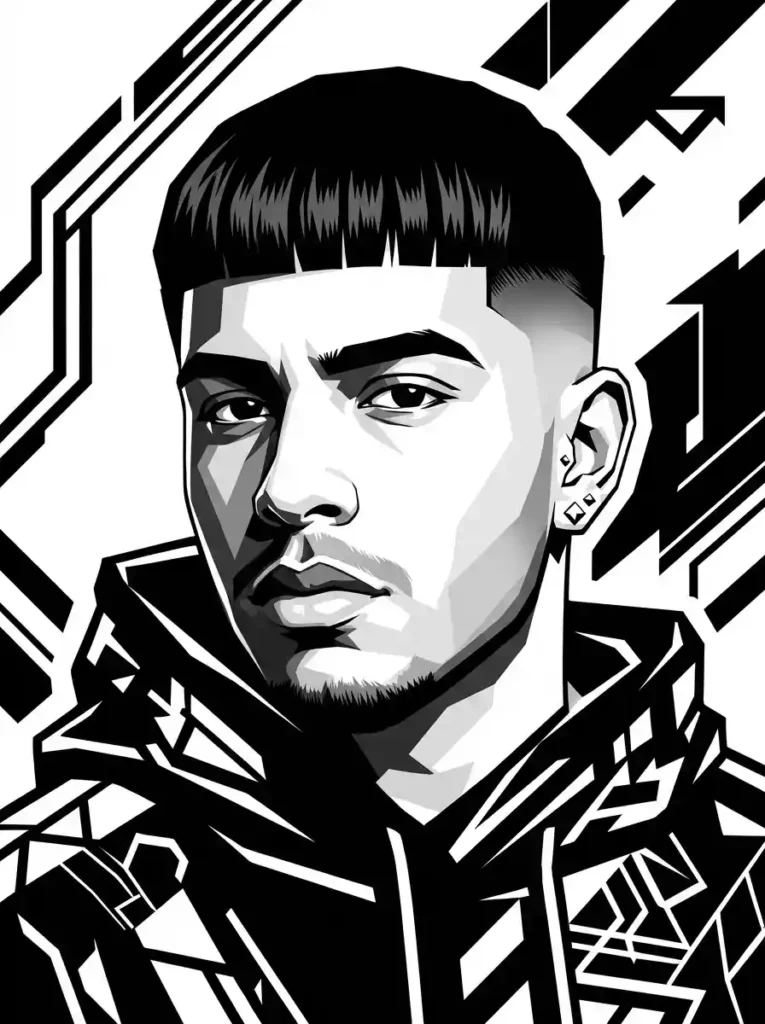
The Edgar fade has become one of the most discussed and recognized men’s haircuts of the past five years, crossing from its origins within Latino street style culture into broader mainstream awareness through social media and barbershop culture’s expanding reach. The defining feature is the blunt, straight-across fringe — cut horizontally across the forehead — paired with a high skin fade on the sides, creating a haircut with an almost rectangular graphic quality that is completely unlike anything else in the contemporary men’s style landscape. It’s bold, geometric, and communicates a very specific brand of confident, culturally rooted style.
The Edgar works best on men with naturally thicker, straighter to slightly wavy hair that can hold the blunt horizontal fringe line clearly — very fine or very curly hair may struggle to maintain the clean, defined edge that makes the style’s geometric character so visually impactful. The cultural roots of this haircut in Mexican-American and broader Latino street style give it a specific weight and authenticity that deserves acknowledgment — wearing it with an understanding of where it comes from adds genuine depth to the choice. The high fade on the sides is non-negotiable for the authentic Edgar aesthetic, and the higher and cleaner the fade, the more dramatically effective the overall geometric composition becomes.
10. The Caesar Fade — Classic Roman Meets Modern Barber

The Caesar haircut — short, horizontally cut fringe worn forward across the forehead combined with uniform length on top — has an ancient Roman reference built into its name, but the modern Caesar fade brings this classic structure fully into contemporary barbering territory by pairing the characteristic flat-top fringe with a clean gradient fade on the sides and back. The result is a style that feels simultaneously timeless and current, structured and approachable, with a clean, geometric quality that suits men who prefer their hair to look deliberate and maintained without projecting the high-maintenance image that more complex styles sometimes create.
The Caesar fade is particularly effective for men dealing with a receding hairline because the horizontal fringe can be cut at whatever density and position best addresses the hairline situation, creating a forward-styled top that draws attention away from recession at the temples or crown. The fade on the sides keeps the overall look sharp and current rather than dated, transforming what might otherwise read as a compensatory style choice into a genuinely confident aesthetic decision. Combined with a beard or designer stubble, the Caesar fade creates a complete facial hair and haircut composition that reads as thoroughly considered and stylistically literate.
11. The Burst Fade — The Dramatic Semicircle Effect
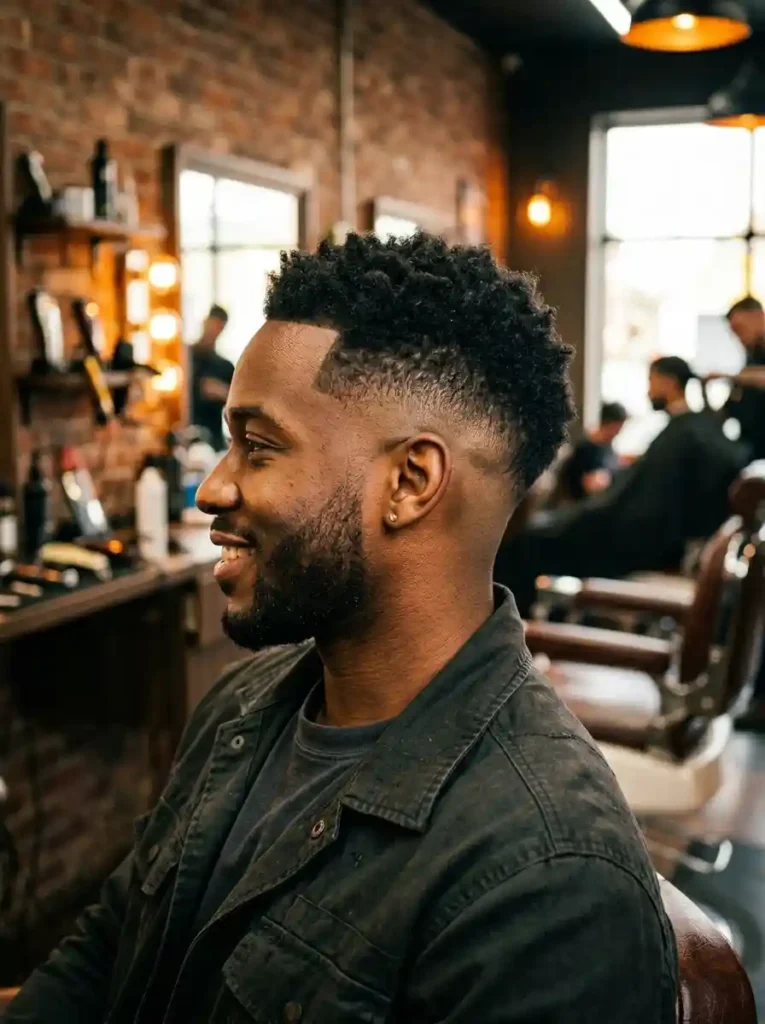
The burst fade is one of the most visually distinctive and technically demanding fade variations in the entire spectrum — defined by a semicircular fade pattern that radiates outward from behind the ear, creating a rounded, almost sun-burst shaped transition that looks completely different from any straight-line or curved fade variation. The burst fade’s signature rounded shape creates a uniquely dramatic frame around the ear and lower head that gives the overall silhouette an almost illustrative quality, like a haircut that someone designed on paper before bringing it to the chair. It’s the choice for men who want their fade to be genuinely unlike anyone else’s in the room.
The burst fade pairs most famously with the mohawk and the faux hawk — the semicircular fade on the sides creates a natural visual frame that emphasizes the central strip of longer hair dramatically, giving the mohawk-fade combination a particularly spectacular graphic quality. It also works beautifully with short afros and high-top styles, where the rounded burst shape at the sides echoes and complements the rounded silhouette of the natural texture on top in a visually harmonious way. This is a style that requires a barber who is completely comfortable with freehand clipper work and curved fading technique, so reviewing their portfolio before booking is strongly recommended.
12. The Mohawk Fade — Punk Attitude Meets Barbershop Precision
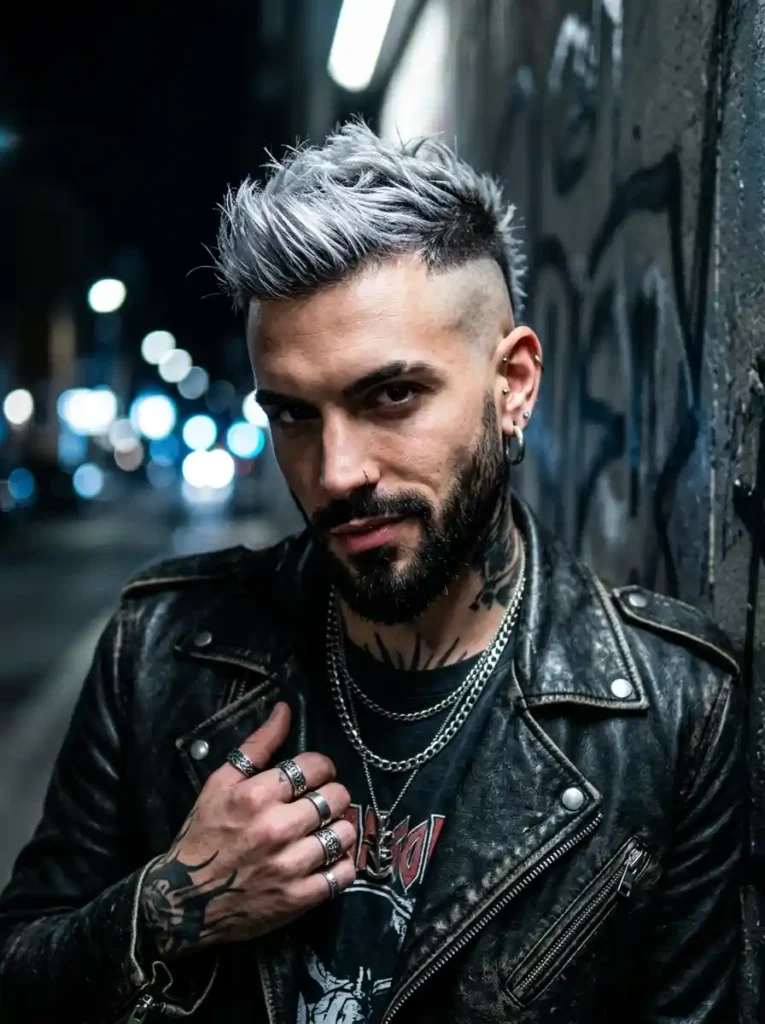
The mohawk fade takes one of the most iconic counterculture hairstyles in the history of Western fashion and gives it the full contemporary barbershop treatment — transforming the raw, aggressive punk mohawk into something that retains the dramatic central strip silhouette while adding the technical precision and clean, gradual fade transition that makes it work for men who want edge without pure shock value. The skin fade on both sides creates a clean, polished frame for the central strip, and the level of contrast between the stripped sides and the styled central section is what makes this combination so undeniably visually compelling.
The central strip in a modern mohawk fade can be styled in multiple ways depending on the desired intensity of the look — pushed straight up with strong-hold gel for the classic punk interpretation, worn flat and swept forward for something significantly more approachable, or textured and piece-y with a matte product for a contemporary, fashion-forward result that reads more editorial than rebellious. This versatility is precisely what has given the mohawk fade its longevity in the modern barbershop conversation — the underlying structure of the cut communicates boldness, while the daily styling options allow the wearer to calibrate exactly how much of that boldness they want to display in any given context.
13. The Faux Hawk Fade — Bold Without Full Commitment

The faux hawk fade gives you roughly eighty percent of the visual impact of a mohawk fade without requiring the full commitment to a central strip that leaves you with genuinely limited styling options on the days when you want something more understated. Both sides are faded cleanly — skin or near-skin level — but the central section maintains enough width that it can be pushed upward into a mohawk-like ridge for maximum impact or simply left to fall naturally for a completely different, much more conventional result from the same underlying haircut structure. It’s the fade style that gives you genuine versatility built directly into the cut.
The faux hawk fade became enormously popular in part because of its democratic quality — it works across hair textures from very fine to coarsely thick, it suits a wide range of face shapes, and it operates successfully across multiple style contexts from creative workplaces to casual weekend settings. Men who love the visual drama of the mohawk but need the ability to tone it down for specific professional or social contexts find the faux hawk fade the most practical resolution to that tension. The width of the central section is the variable your barber can adjust to dial the boldness up or down according to your specific lifestyle requirements and personal comfort level.
14. The Line Up Fade — Where Barber Art Meets Architecture
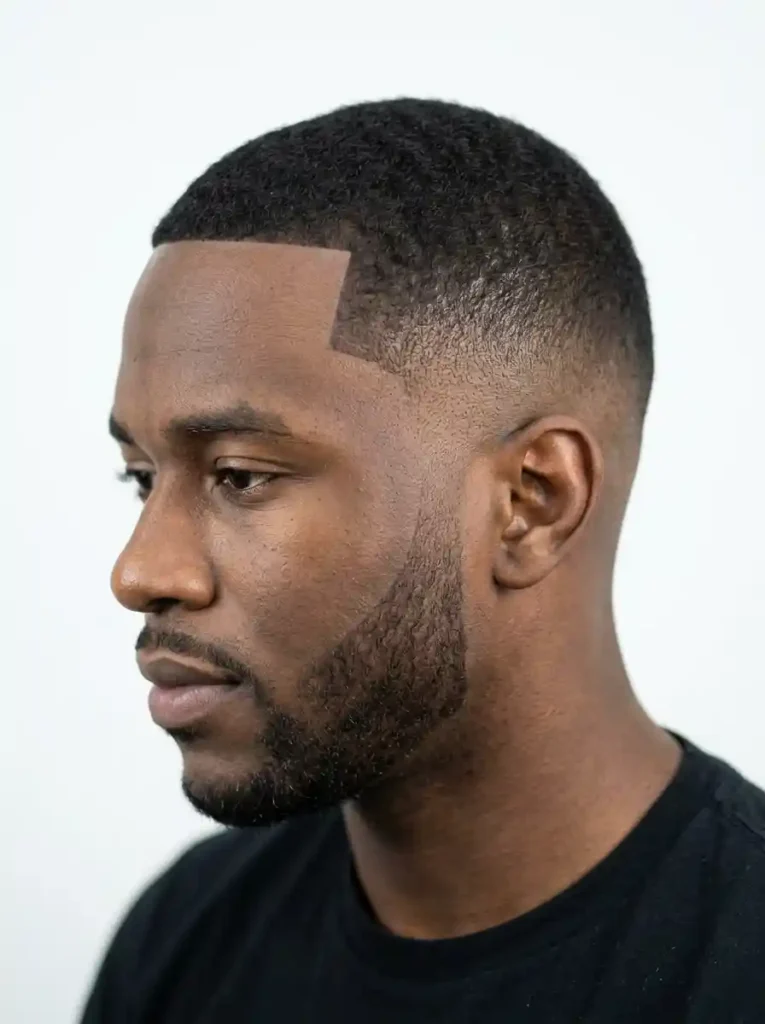
The line up — also called an edge up or shape up — is technically a finishing technique rather than a fade type, but it transforms any fade haircut so completely and so powerfully that it deserves its own dedicated entry in any comprehensive guide to modern men’s fade styles. A line up uses a detail trimmer and sometimes a straight razor to redefine the natural hairline into a clean, geometric edge at the forehead, temples, and sideburns — replacing the soft, rounded natural hairline with a crisp, angular boundary that makes the entire face framing of the haircut look surgically precise and completely deliberate from every angle.
The difference a line up makes to the perceived quality of a fade haircut is disproportionately large relative to the additional time it takes — fifteen minutes of detail work that transforms a good haircut into a great one, making the hairline area look defined, sharp, and camera-ready in a way that the underlying fade alone cannot achieve. Men with naturally curved or soft hairlines find that a line up creates a new, more defined hairline that changes their entire facial framing for the better. Always ask for a line up at the end of your fade appointment if it isn’t automatically included — the shops that include it without being asked are usually the ones doing the most thorough and committed work overall.
15. The Afro Fade — Celebrating Natural Texture With Precision
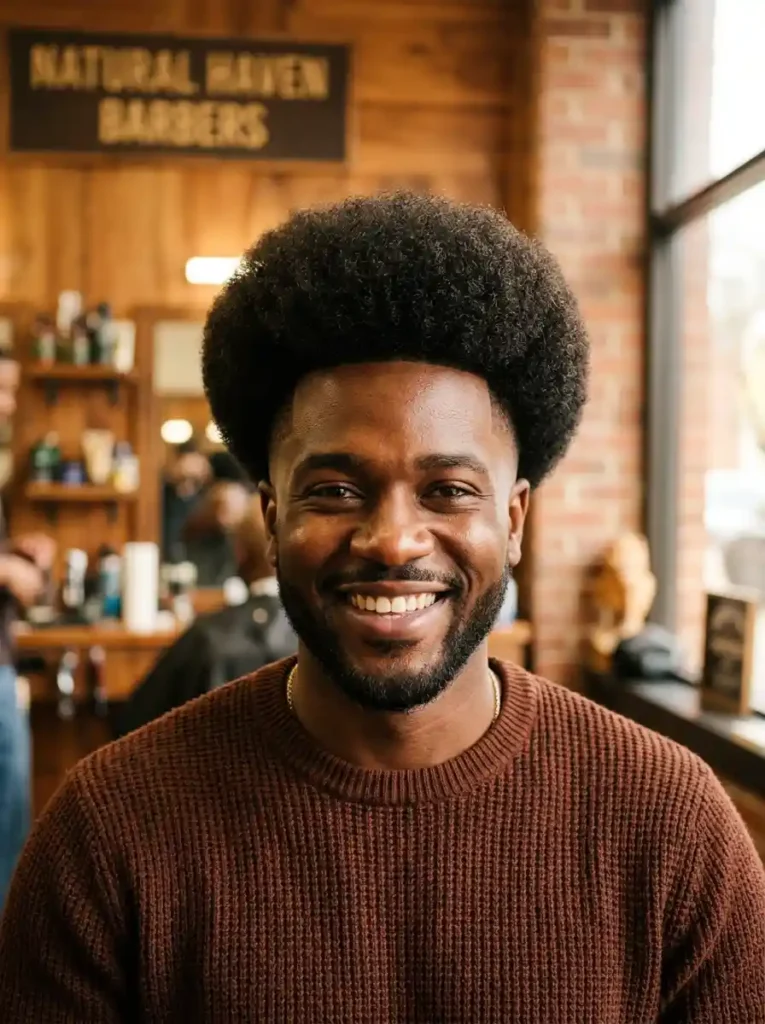
The afro fade is one of the most visually spectacular results in all of men’s barbering — the clean, close fade at the sides and base creating a precision foundation for a full natural afro on top that sits like a perfectly shaped sphere, emphasizing the beauty of natural coil texture while giving the overall silhouette a deliberate, architectural quality that the afro alone, without the fade, cannot quite achieve. This style celebrates everything that makes natural Black hair extraordinary — the density, the coil pattern, the volume — while framing it with the technical precision of contemporary fade work in a combination that is genuinely breathtaking when executed well.
Maintaining an afro fade involves two distinct care practices happening simultaneously — scalp and hair moisturizing to keep the afro healthy, defined, and bouncy, and regular fade touch-ups every two to three weeks to maintain the clean perimeter that makes the style work. The afro should be shaped during every barbershop visit using an afro comb and clipper or scissor work on the outer surface to maintain that characteristic round, even silhouette that the style depends on visually. Men who wear this style with pride and maintained intention find that it generates more genuine, unsolicited compliments than almost any other men’s hairstyle currently in circulation — and those compliments are entirely deserved.
16. The Taper Fade with Hard Part — The Executive Edge
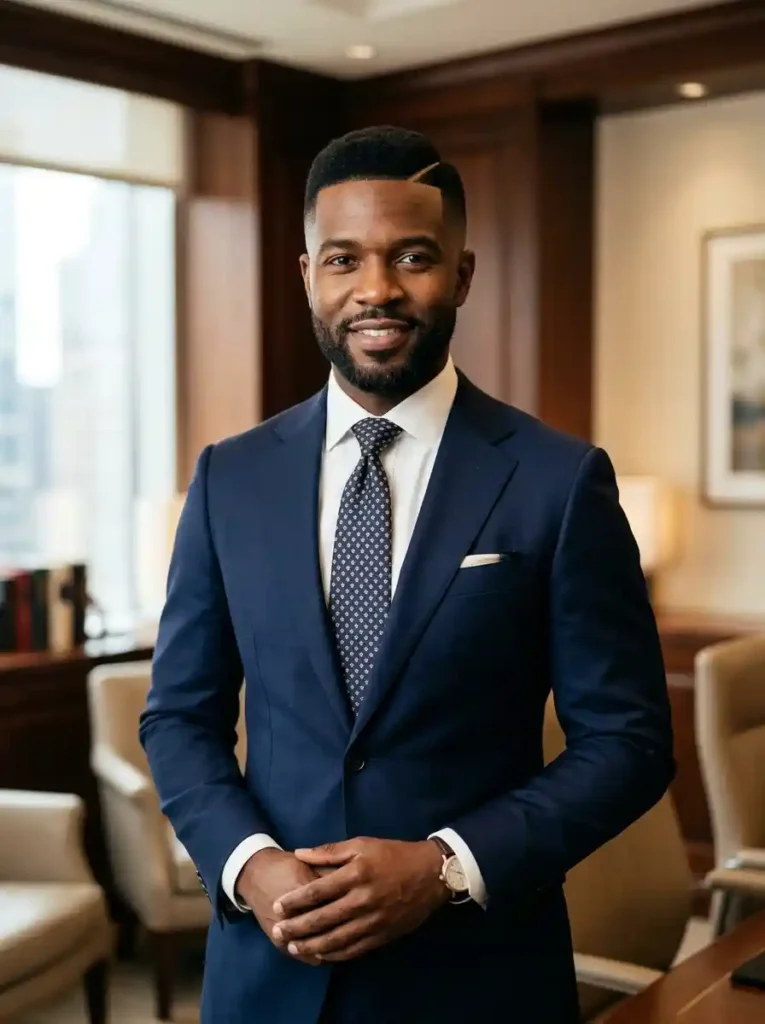
The combination of a taper fade with a razor-cut hard part is the men’s haircut that most effectively bridges the gap between traditional conservative grooming and contemporary barbershop sophistication — and it does so in a way that works in boardrooms, creative agencies, weddings, and weekend farmers markets with equal credibility and without a single adjustment between contexts. The taper fade provides a gradual, professional perimeter reduction, while the hard part — a razor-sharp line shaved directly into the scalp — adds a structural precision that elevates the overall cut from merely neat into genuinely sharp and considered.
The hard part essentially redefines the side part as an architectural element of the haircut rather than simply a styling choice that can be altered with a different comb direction on any given morning. Once the hard part is there, it becomes the organizing principle of the entire cut — every element of the style relates back to that precise carved line, and the result is a haircut with an internal logic and visual coherence that is deeply satisfying to look at from every angle. Men who try the hard part variation of their standard taper fade for the first time almost universally become committed devotees who cannot imagine going back to a soft, undefined parting afterward.
17. The Disconnected Fade — Maximum Contrast By Design
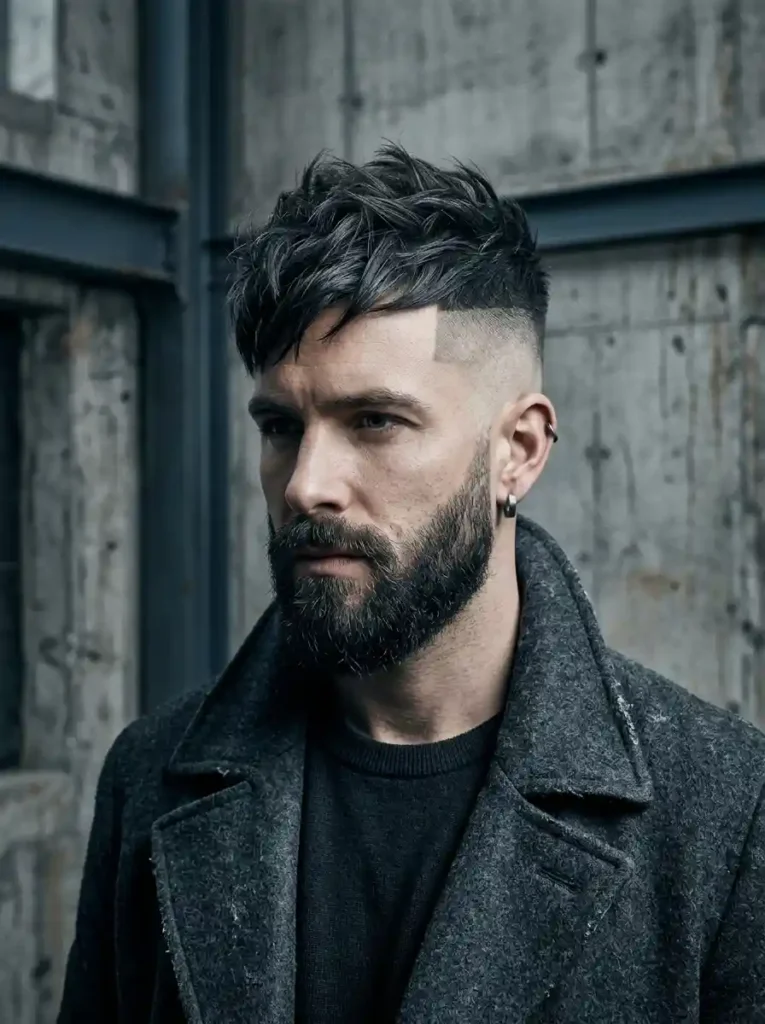
The disconnected fade is the style choice that deliberately refuses to blend — where most fades pride themselves on seamless, invisible transitions between lengths, the disconnected version celebrates an abrupt, dramatic line between the close sides and the longer top, creating maximum visual contrast and a graphic, almost illustrated quality that makes the cut look like it was designed rather than grown. The disconnection is the point: a bold, deliberate boundary where the fade ends and the top begins that announces design intention rather than attempting to disguise the mechanics of the haircut in seamless blending.
The disconnected fade works most powerfully when paired with significant length or volume on top — the more dramatic the difference between the close sides and the full top, the more the disconnection reads as an intentional design decision rather than simply unfinished blending. Longer pompadours, full natural texture, and bold styled quiffs all benefit from the way the disconnected fade’s abrupt line frames them and draws the eye upward to the top section. This style requires absolute commitment — there is no in-between or accidental version of a disconnected fade. You’re either all in on the contrast or you blend it, and the men who choose the disconnect consistently find they can’t imagine softening it once they’ve experienced what that maximum contrast actually looks like in the mirror.
18. The Comb Over Fade — The Gentleman’s Modern Classic
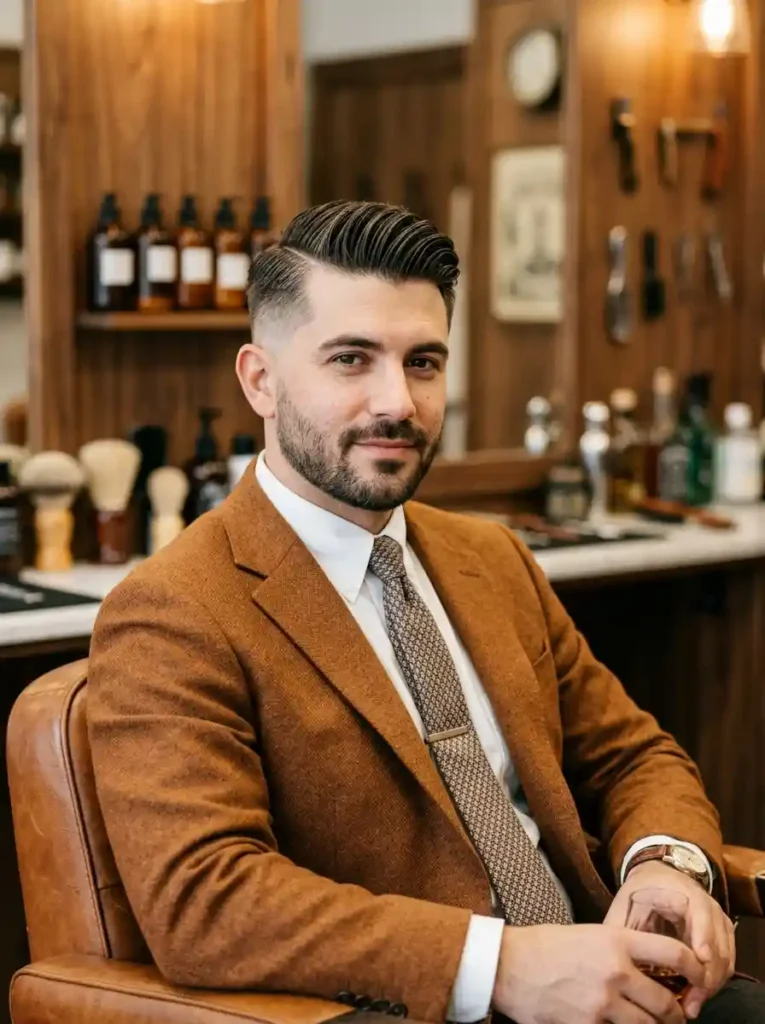
The comb over fade has become one of the defining men’s hairstyles of the past decade — taking a style with roots in mid-century grooming culture and giving it a complete contemporary renovation by pairing the swept, side-directed top with the clean gradient fade technique that makes everything it touches feel current and technically sophisticated. The comb over component provides classic elegance and face-framing structure, while the fade on the shorter side delivers the contemporary freshness that prevents the style from feeling dated or nostalgic in an unwanted way. It’s a genuinely timeless and timely combination simultaneously.
What makes the comb over fade so consistently popular across such a wide demographic range is its remarkable adaptability — the top can be worn sleek and polished with a strong-hold product for formal contexts, or loose and textured with a matte paste for casual settings, and the underlying cut looks great in both interpretations. The fade height can be calibrated from low and subtle to high and dramatic depending on how much contrast and how contemporary an energy the wearer wants the overall style to project. Men with thinning hair on top find the comb over fade particularly effective because the volume and directional sweep of the top creates natural coverage and visual fullness that works with the hair situation rather than against it.
19. The Pompadour Fade — Volume, Drama, and Clean Edges
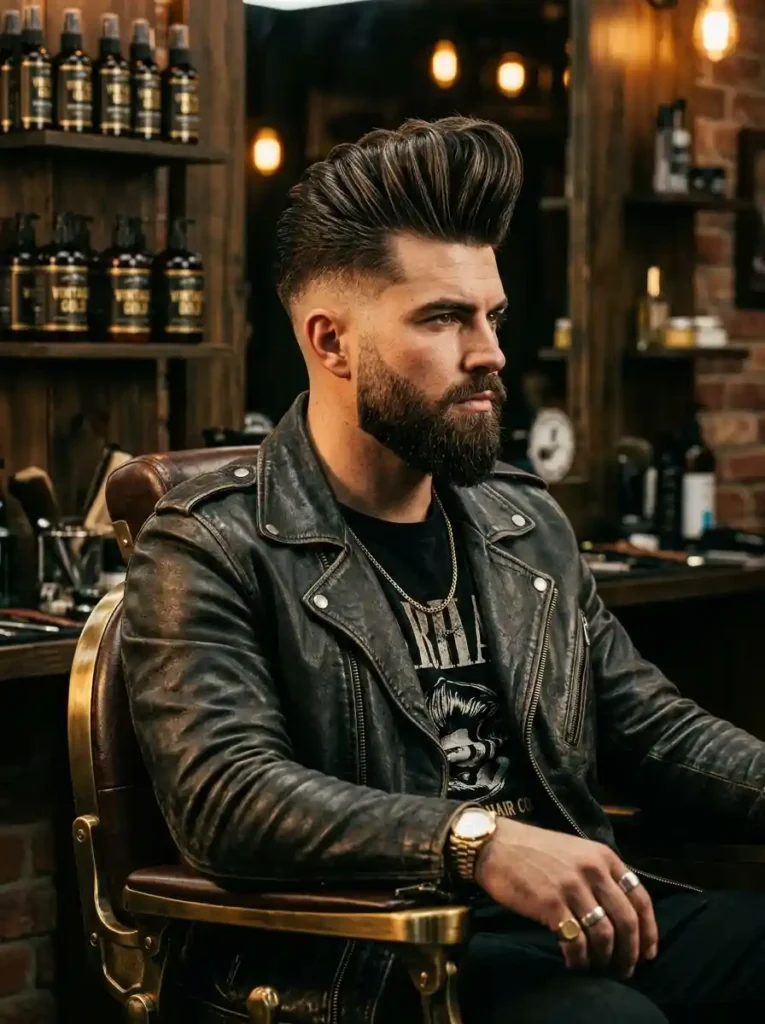
The pompadour fade takes one of history’s most enduringly dramatic men’s hairstyles — the high-volume, forward-and-upward sweep with roots in 1950s rock and roll culture — and grounds it in the contemporary with a clean gradient fade on the sides that removes any chance of the style reading as a costume rather than a genuine fashion statement. The pompadour provides volume, height, and theatrical presence that almost no other style can replicate, while the fade creates the clean technical foundation that keeps the overall composition looking sharp and current rather than retro or ironic. Together they’re genuinely extraordinary.
The pompadour fade works across hair types more successfully than the classic pompadour alone — the fade reduces the weight and bulk on the sides that can make a pompadour feel overwhelming on men with very thick hair, and the close sides create the contrast that makes even a modest amount of pompadour height look dramatically impressive. Product selection is crucial — a strong-hold pomade or fiber wax creates the lift, structure, and definition that a pompadour requires to maintain its characteristic upswept shape through an entire day of meetings, meals, and movement. The end result is a haircut that walks into every room with a visible presence that precedes the person wearing it, which is either entirely the point or a compelling reason to give it a try.
20. The Quiff Fade — The Modern Rock Star Cut
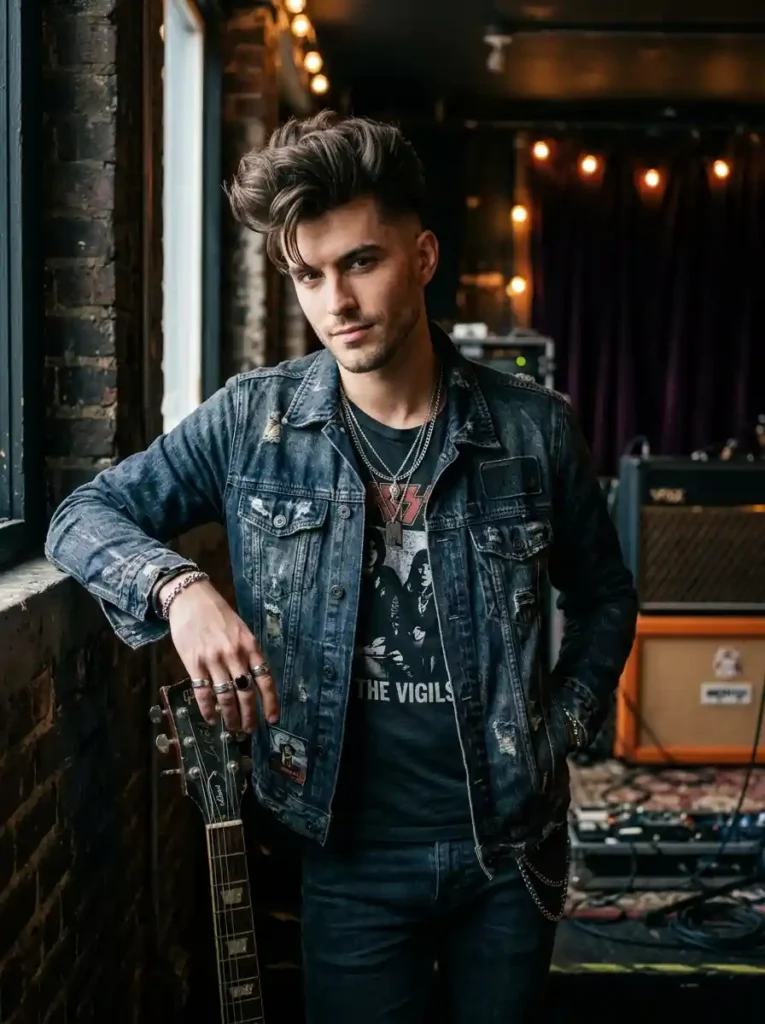
The quiff fade is what happens when the relaxed, forward-swept energy of a quiff meets the clean technical precision of modern fade work — and the result is one of the most effortlessly cool combinations in the contemporary men’s style catalog. Unlike the pompadour, which rises vertically and backward, the quiff falls forward toward the face with a more casual, slightly imperfect sweep that reads as spontaneous and natural even when it’s been deliberately styled. The fade on the sides keeps the composition clean and intentional without stiffening the easygoing quality that makes the quiff so appealing in the first place.
The quiff fade works beautifully on men with natural volume or wave in their hair because those inherent textural qualities give the quiff its characteristic movement and life without requiring heavy products that would weigh it down and make it look stiff. Men with naturally straight hair can achieve the quiff shape with a blow dryer and a round brush to create the initial volume, followed by a light-hold matte product to preserve the shape without adding shine or heaviness. The mid fade is the most complementary height pairing for the quiff because it creates enough visual contrast to make the top section prominent without competing with the quiff’s inherently relaxed, undone quality through excessive drama at the sides.
21. The Curly Top Fade — Embracing Natural Texture Fully
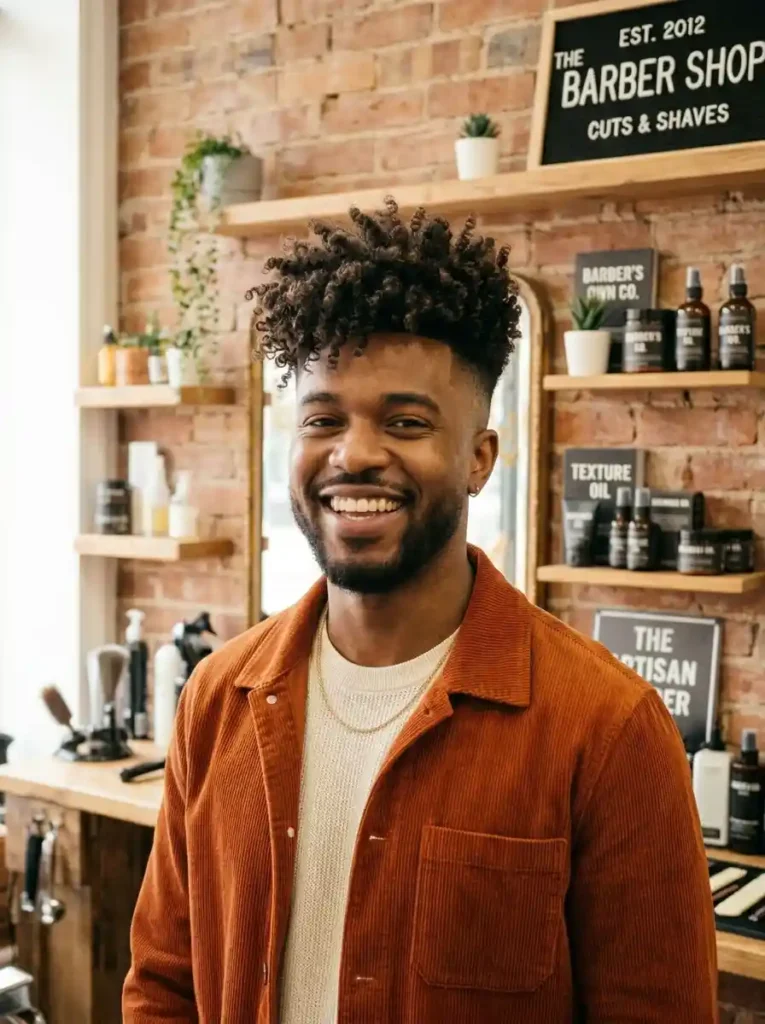
The curly top fade is the haircut that finally convinced an entire generation of men with naturally curly hair to stop fighting their texture and start working with it — because the combination of a clean fade below and natural curls above creates one of the most visually dynamic and genuinely head-turning compositions in the entire men’s haircut universe. The precision of the fade provides structure and deliberate intention at the base while the curls provide movement, texture, and personality at the top, and the contrast between those two qualities creates an energy that feels both controlled and wildly alive simultaneously.
Caring for the curly top properly is what separates a spectacular curly fade from one that simply looks overgrown with clean sides. A curl-defining cream or lightweight gel applied to damp hair after washing, followed by scrunching upward and diffuse-drying or air-drying completely undisturbed, activates the natural coil pattern and creates defined, bouncy curls that interact beautifully with the light and create that extraordinary three-dimensional texture that makes this fade variant so photographically compelling. The fade itself should be refreshed every two to three weeks, and the curls should be shaped with scissors at the same appointment to maintain the rounded, intentional silhouette that makes the curly top fade genuinely magnificent rather than merely untrimmed.
22. The Side Part Fade — Crisp, Timeless, Consistently Sharp
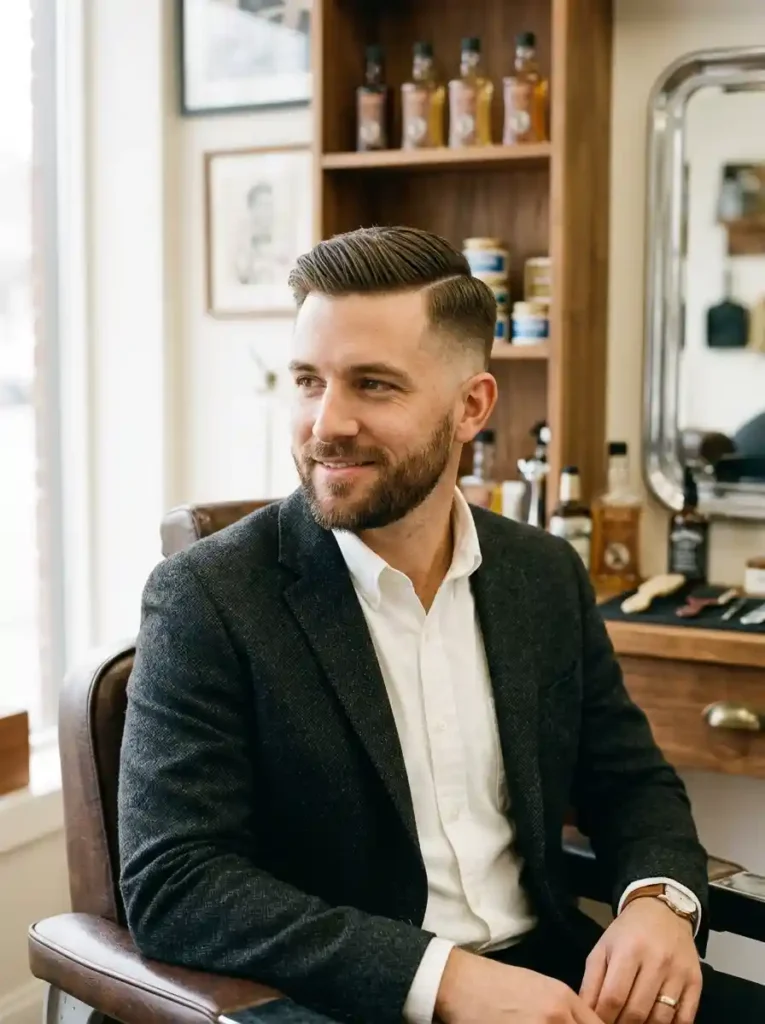
The side part fade is the intersection of two of the most enduring elements in men’s grooming history — the classic side part that has defined well-groomed masculine presentation for over a century, and the contemporary fade technique that brings that tradition into completely current technical territory. The result is a style that feels simultaneously familiar and fresh, classical and modern, suitable for every generation and every context without sacrificing either its heritage quality or its contemporary credibility. It’s the most broadly palatable fade option in existence, which is not a criticism — it’s an acknowledgment of genuine design mastery.
The key to the side part fade looking contemporary rather than simply old-fashioned is the quality of the fade itself — a truly clean gradient transition with no visible lines or steps is what prevents the style from reading as simply a standard short back and sides from three decades ago. The shorter faded side provides the modern technical foundation that updates the classic side part into something that belongs fully in this moment while respecting the tradition it references. Men across their twenties through their fifties find this style works for their age and context, which is a quality of genuine stylistic endurance that more trend-dependent cuts simply cannot claim with the same honest confidence.
23. The Undercut Fade — The Architect of Modern Men’s Hair
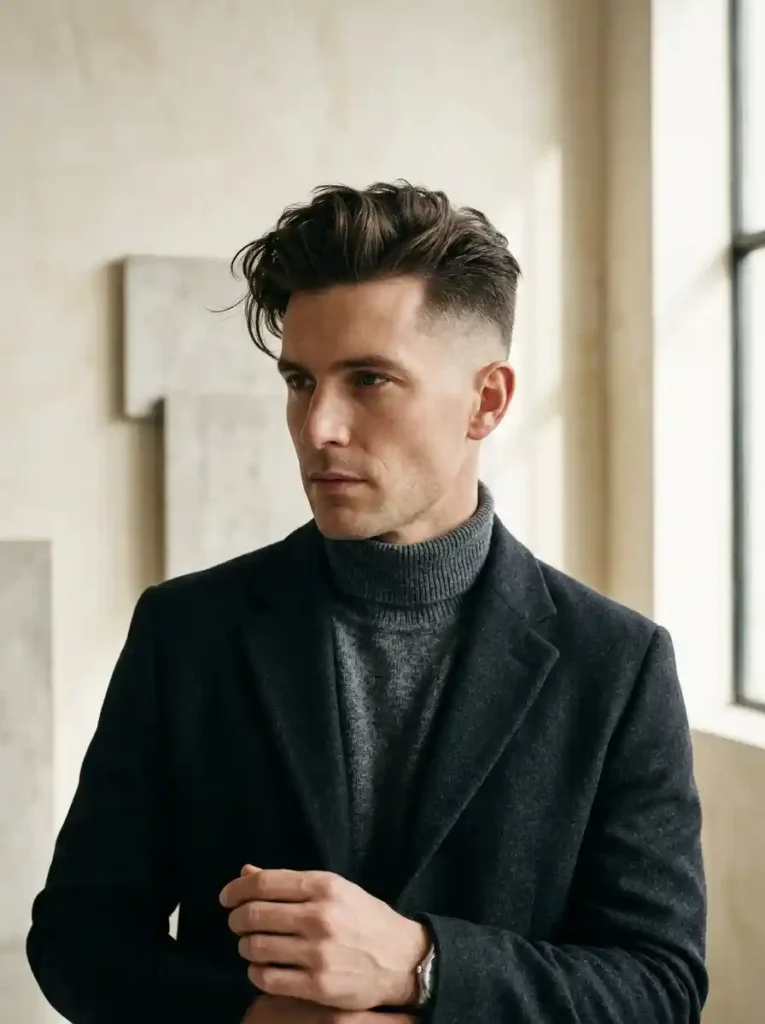
The undercut fade is arguably the most influential men’s hairstyle of the past fifteen years — a style that reshaped what men expected from their haircuts and elevated the entire category of men’s grooming in public consciousness by demonstrating what was possible when the architecture of a haircut was considered as carefully as the top styling. The disconnection between the close, faded sides and the longer top section creates a dramatic, structural silhouette that works as the canvas for an extraordinary range of top styles — from slicked-back precision to wavy natural movement to deliberately tousled texture — each creating a completely different character from the same underlying architectural foundation.
What makes the undercut fade so enduringly relevant despite its years of mainstream popularity is its fundamental structural logic — by removing weight and length from the sides while maintaining significant length on top, it maximizes the visual impact of whatever hair texture and styling you bring to the top section. Straight, wavy, and curly hair all have completely different personalities above an undercut fade, which means the style is genuinely customizable at the most fundamental level. The fade component smooths and modernizes the undercut’s characteristic abrupt separation, adding technical sophistication to what was already a strong structural concept and creating the complete package that has made this the defining haircut of an era of renewed investment in men’s personal style.