
Understanding haircut numbers before you walk into a barbershop is honestly one of the most underrated life skills a person can have. If you’ve ever sat in that chair, nodded confidently when your barber asked what you wanted, and then quietly panicked — this article is entirely for you. Haircut numbers refer to the clipper guard sizes that control exactly how short your hair gets cut, and knowing the difference between a number 1 and a number 8 can be the line between walking out feeling like a completely new person or hiding under a hat for two weeks. Let’s break all of it down.
1. What Haircut Numbers Actually Mean (The Basics)
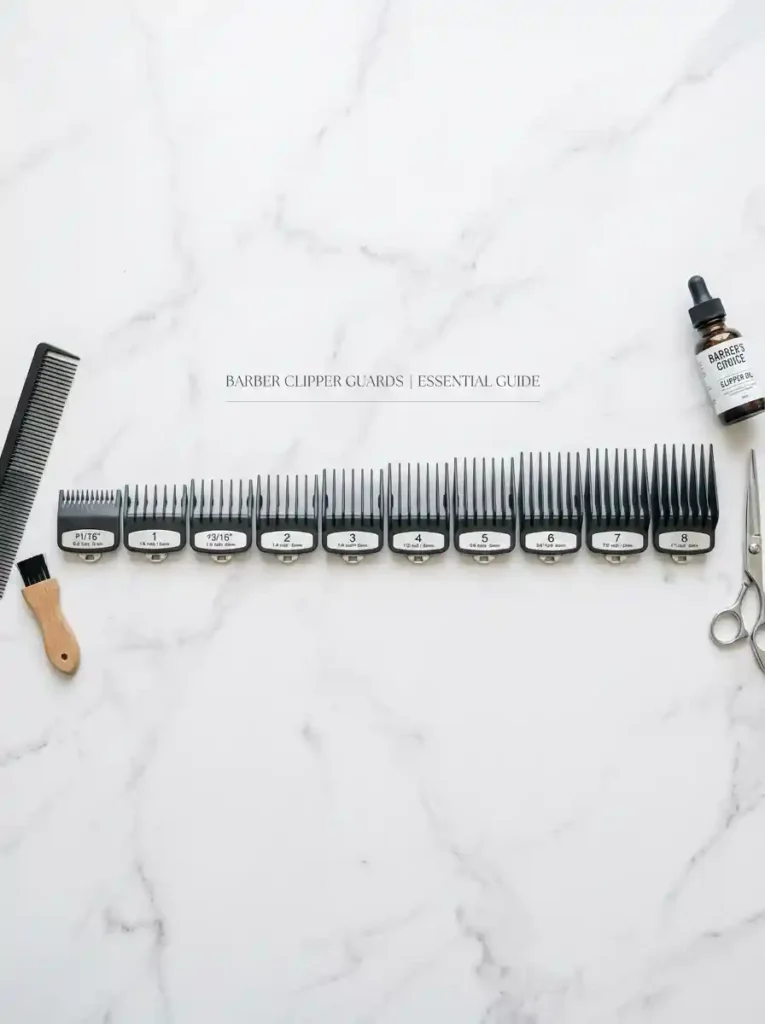
Haircut numbers are simply the guard attachments that clip onto electric hair clippers and control how much length is left behind after cutting. Each number corresponds to an eighth of an inch — so a number 1 leaves one-eighth of an inch of hair, a number 2 leaves two-eighths, and so on up the scale. It’s a beautifully simple system once you understand the math behind it, and it gives both you and your barber a shared, precise language that removes almost all the guesswork from the entire appointment.
What makes this system so genuinely useful is that it’s universal across virtually every barbershop and clipper brand you’ll encounter — Wahl, Andis, Oster, and most professional-grade tools all follow the same numbering convention. So whether you’re visiting your regular barber or walking into a new shop in an unfamiliar city, saying “take the sides down to a two and leave the top longer” will land exactly the same way every single time. That consistency is the quiet superpower of knowing your numbers before you ever sit down in the chair.
2. The Number 0 — Skin-Close and Razor-Sharp
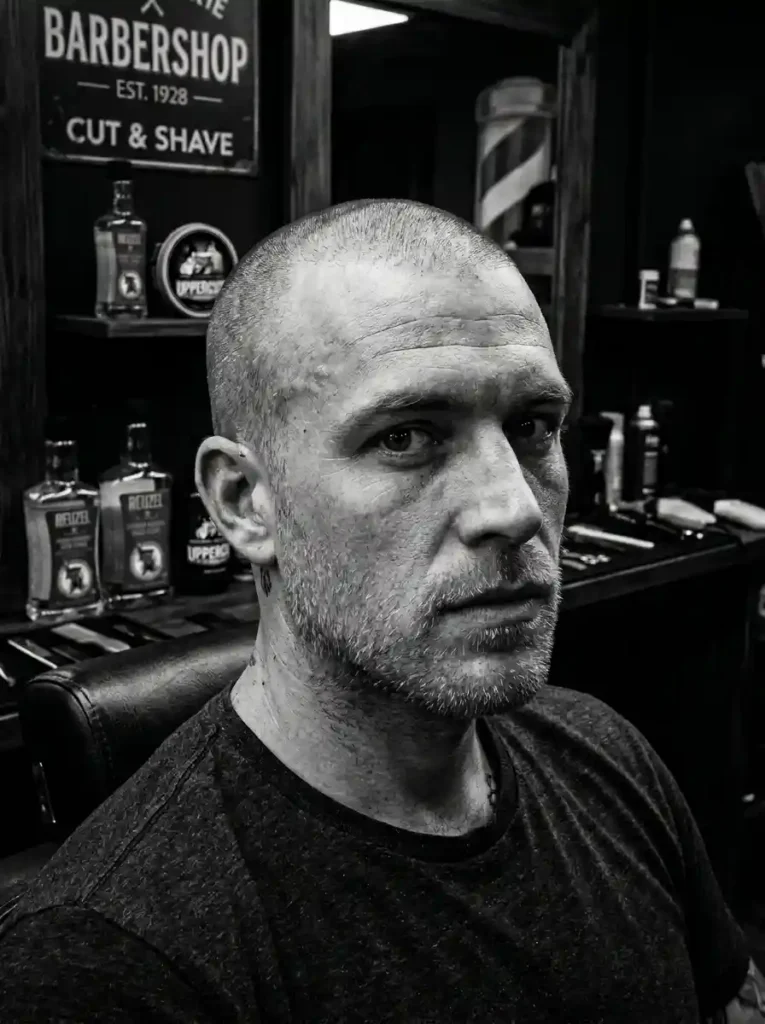
The number 0 is the most dramatic option in the entire clipper guard system, and it’s worth knowing about even if you never plan to use it yourself. Using clippers with no guard attached at all — or with the guard set to its absolute lowest closed position — leaves hair at approximately one-sixteenth of an inch, which is essentially a shadow of stubble on the scalp. You can see skin clearly through it, and the effect is strikingly clean and intentional looking in a way that commands serious attention wherever you go.
A number 0 appears most often in professional skin fades and bald fades, where barbers use it at the very base of the hairline to create that seamless, gradual transition from bare skin upward into longer lengths. It’s rarely used across the entire head unless someone is going for a near-shaved look intentionally. If your barber mentions blending down to a zero at the temples or nape, that’s a good thing — it’s what gives premium fade haircuts their signature sharp, almost surgical quality that photographs so incredibly well.
3. The Number 1 Guard — The Bold Buzz

The number 1 guard leaves just one-eighth of an inch of hair — barely there, almost a whisper of texture across the scalp. It’s the shortest guard-assisted cut you can get without going fully bare, and it has a bold, no-nonsense energy that suits men who want maximum simplicity with minimum maintenance. A full number 1 all over is a powerful aesthetic choice — it emphasizes head shape, draws attention to facial structure, and communicates a very specific kind of confident ease that longer styles simply cannot.
Beyond full buzz cuts, the number 1 is an absolute workhorse in fade haircuts. Barbers use it just above the zero to begin building that gradual length graduation that defines a skin or bald fade. If you’ve ever admired a fade where the sides seem to almost dissolve into the skin before transitioning upward, a number 1 is a critical player in creating that effect. It’s also commonly used to tighten up the hairline at the nape and temples during any haircut that involves a fade element, keeping everything crisp and intentional.
4. The Number 2 — The Most Popular Fade Length
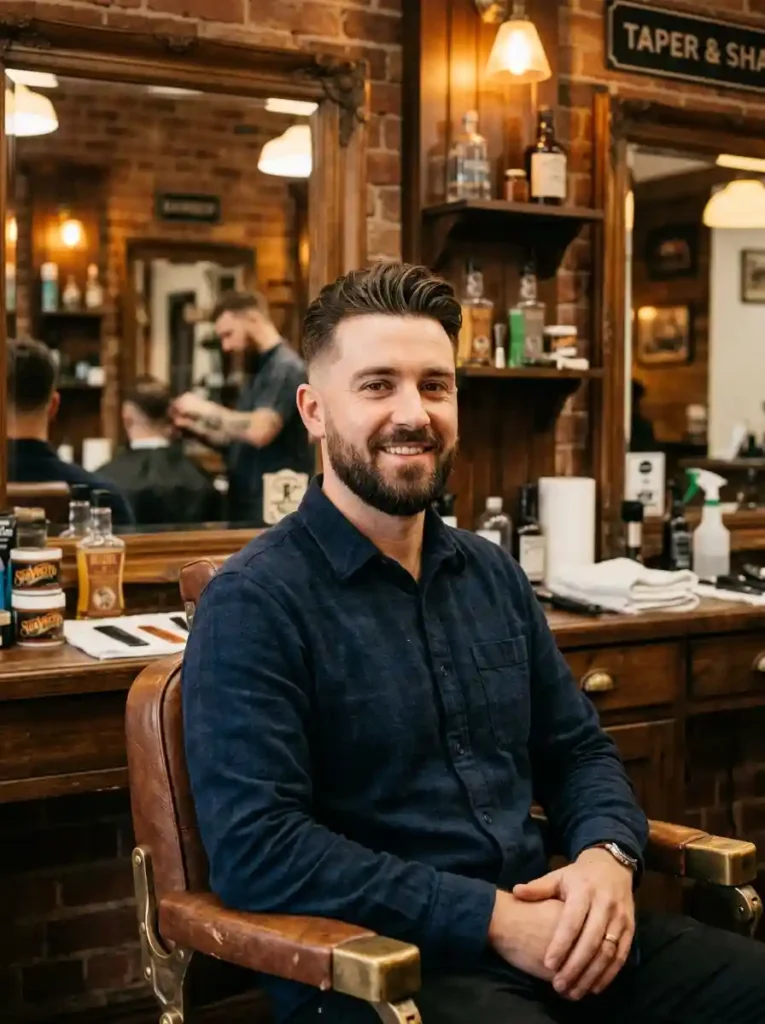
If there’s one haircut number that gets requested more than any other in barbershops across every style demographic, it’s the number 2. Leaving a quarter of an inch of hair, it hits this perfect sweet spot — short enough to look genuinely clean and well-groomed, but just long enough to show a hint of your actual hair texture and color. It’s the Goldilocks of clipper lengths, and understanding it opens up an enormous range of hairstyle possibilities that work across face shapes, hair types, and personal aesthetics.
A number 2 on the sides and back of a modern haircut creates a clean, neat appearance that doesn’t tip into the extremely close or severe territory of lower numbers. Paired with more length on top — whether that’s a pompadour, a textured crop, or a casual side sweep — the number 2 becomes the foundation that makes the contrast between top and sides feel polished rather than abrupt. When someone asks for a “short back and sides” without specifying further, a number 2 is often exactly where a skilled barber naturally lands to deliver a clean, wearable result.
5. The Number 3 — The Sweet Spot for Low Fades

The number 3 guard leaves three-eighths of an inch of hair, and it’s the length that tends to make men feel most comfortable when they’re transitioning between going shorter and keeping more length on the sides. It’s short enough to look intentional and groomed, but there’s enough hair there that you can actually feel it under your fingers — a small sensory detail that matters more than people expect when you’re adjusting to a new length. The number 3 never reads as too bare or too conservative; it simply reads as sharp.
In the context of low fade haircuts — where the fade starts just above the ear and transitions gradually — the number 3 often serves as the mid-length building block between the closer lengths at the base and the longer hair above. It creates a natural, gradual step in the fade that blends beautifully without any harsh lines. For men who are experimenting with fades for the first time and feel nervous about going too short too fast, asking your barber to keep the sides at a number 3 is a genuinely solid starting point that’s easy to adjust from in either direction.
6. The Number 4 — The Perfect Middle Ground
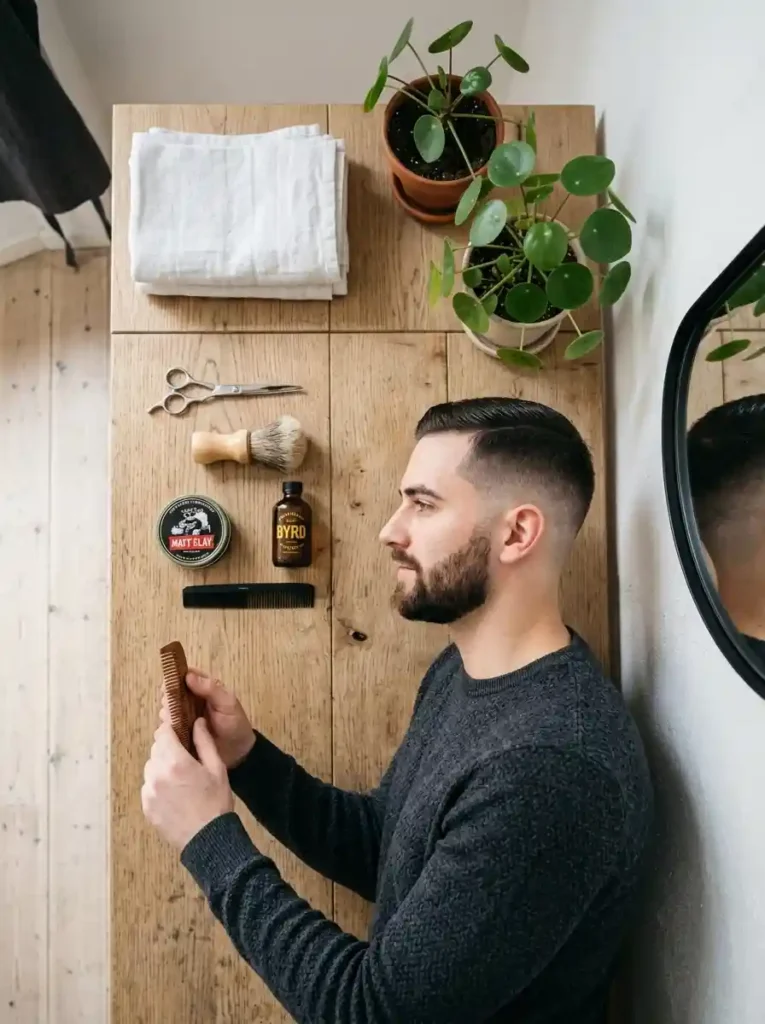
The number 4 sits exactly at the halfway point of the standard clipper guard range, leaving half an inch of hair — and that balanced position makes it genuinely one of the most versatile lengths in the entire system. It’s substantial enough to show clear hair texture, color variation, and even slight wave patterns, while still being short enough to look intentionally groomed rather than simply grown out. The number 4 is where the clipper system starts to feel less like a buzz cut tool and more like a genuine styling option.
Men with thicker or coarser hair often find that a number 4 on the sides gives them enough length to work with while keeping the overall weight of the style manageable. It pairs exceptionally well with mid-length top sections styled with a side part, a loose tousle, or a textured crop. If you’re the kind of person who goes to the barber every four to six weeks and wants a cut that looks fresh on day one but also grows out gracefully without looking shaggy within two weeks, the number 4 is genuinely your most reliable, consistent choice.
7. The Number 5 — When You Want Length With Control

Once you hit the number 5, leaving five-eighths of an inch of hair, you’re firmly in the territory where the cut starts to feel like a style rather than simply a length reduction. At this point, individual hairs are long enough to lie in a direction, show natural texture more clearly, and even respond slightly to the product. The number 5 is popular for men who want a shorter overall look without the close, cropped feeling of lower numbers — it’s enough hair to feel present without requiring much styling attention at all.
The number 5 shines particularly well as the top length in a uniform buzz cut where someone wants to look neat without going dramatically short. It’s also the length that starts bridging the gap between clipper cuts and scissor cuts, which is why some barbers will blend a number 5 clipper pass with scissor-over-comb work for a more textured, natural finish on the sides of certain styles. If you’ve been wearing a number 3 or 4 for a while and want to try something slightly fuller without committing to a major change, asking to bump up to a number 5 is a low-risk experiment with genuinely rewarding results.
8. The Number 6 — The Start of Longer Clipper Territory

The number 6 guard leaves three-quarters of an inch of hair — and at this length, you’re genuinely starting to see real hair behavior rather than just a uniform closeness to the scalp. Hair cut at a number 6 has enough length to show its natural growth pattern, meaning waves, curls, and even subtle cowlicks begin to assert themselves visibly. For men with naturally textured hair who still want a relatively short, low-maintenance situation, the number 6 represents a particularly sweet spot worth knowing about and discussing with your barber.
At number 6 length, the visual difference between using clippers and using scissors starts to become more noticeable, which is why many barbers prefer to finish certain styles at this length with scissors for a more blended, organic result. It also makes a fantastic overall length for men who are growing their hair out from shorter styles — long enough to feel like genuine progress, short enough to still look clean and deliberate during the growth process. Telling your barber you want to maintain a number 6 all over while growing out means you get regular clean-ups without losing any of that hard-earned length progress.
9. The Number 7 — Fuller Coverage, Still Manageable

The number 7 guard leaves seven-eighths of an inch of hair, putting you just below that psychologically significant one-inch mark — and at this length, hair begins to move, respond to wind, and interact with your fingers in a way that feels meaningfully different from the closer clipper lengths below it. Men who prefer having some hair to run their hands through, who like seeing clear texture and movement, but still want the cleanliness and simplicity of a clipper cut will often find themselves naturally gravitating toward the number 7 over time.
What makes the number 7 particularly useful in the context of full haircuts is its role in tapering and blending on longer styles where the sides need to be reduced without going short. A barber working on a longer disconnected style or a conservative gentleman’s cut might use a number 7 on the lower sides and then blend upward with scissors, creating a gradual, natural taper that reads as polished without being severe. It’s a tool that appears frequently in the more subtle, traditional end of men’s barbering — understated in conversation but genuinely important in practice.
10. The Number 8 — The Longest Standard Guard

The number 8 is the largest standard guard on most professional clipper sets, leaving a full inch of hair — and at this length, you’re essentially using the clipper as a precision tool for maintaining length rather than dramatically removing it. Hair at a number 8 has genuine personality: it waves, curls, parts, and responds to product in ways that feel almost indistinguishable from a scissor cut to the untrained eye. For men who want the consistency and evenness of clipper work while preserving real length, the number 8 is the answer.
The number 8 gets used most often to maintain the sides and back of longer hairstyles where the goal is a clean, even reduction without losing too much length at once. It’s also brilliant for men who are growing their hair out and want regular maintenance appointments that tidy everything up without actually cutting progress away. If you walk into a barbershop with hair that’s slightly overgrown and just needs to be evened out and shaped, asking for a number 8 all over — or a number 8 with scissor work on top — tells your barber clearly that you want maintenance, not a transformation, and they’ll respect that completely.
11. Skin Fade vs. Bald Fade — Knowing the Difference
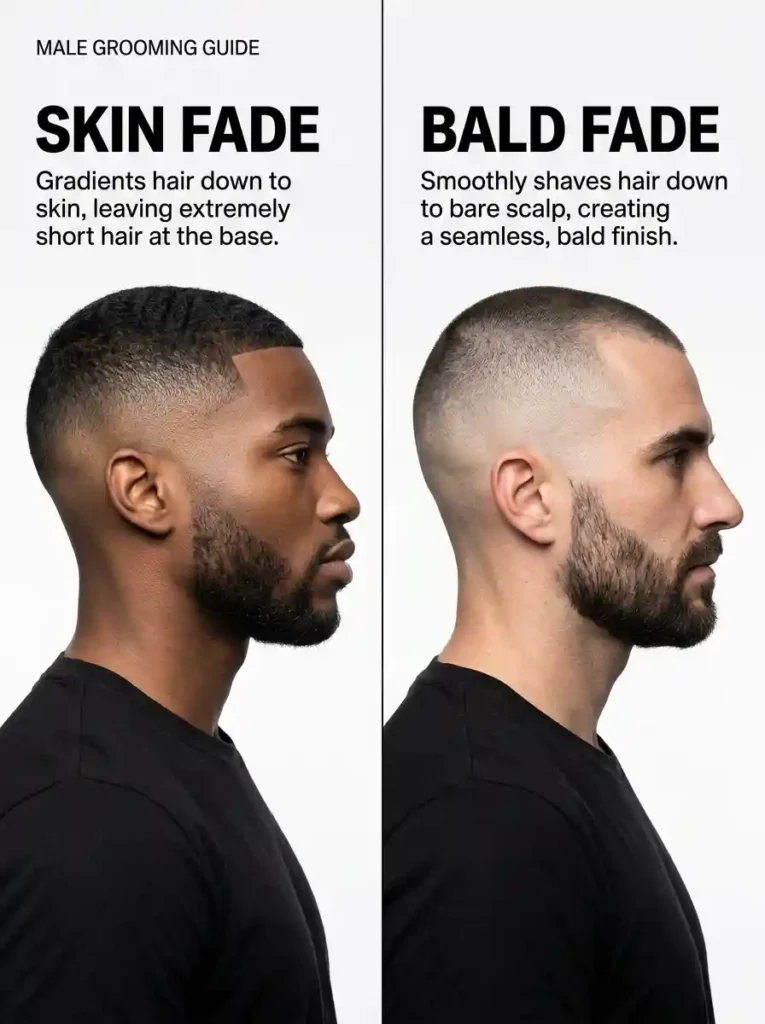
The terms skin fade and bald fade get used interchangeably so often that even longtime barbershop visitors aren’t always sure they mean different things — and technically, they’re the same technique described by different names depending on where in the world your barbershop is located. Both refer to a fade that begins at the absolute lowest clipper setting, transitioning from bare or near-bare skin upward through increasing lengths. The key detail is that both styles use that number 0 or bare clipper at the base to create a seamless, skin-level starting point for the graduation.
What distinguishes a truly exceptional skin fade from a basic one is the number of intermediate guard lengths the barber works through during the blending process. A skilled barber will use the 0, then the 0.5, then the 1, then potentially a 1.5 before moving to a 2, creating micro-graduated steps that blend so smoothly the transition looks like a continuous gradient rather than distinct steps. Understanding this process helps you appreciate what you’re paying for when a barber quotes a higher price for a fade — and it helps you identify the barbers who truly know what they’re doing with their tools.
12. High Fade vs. Low Fade — Placement Explained
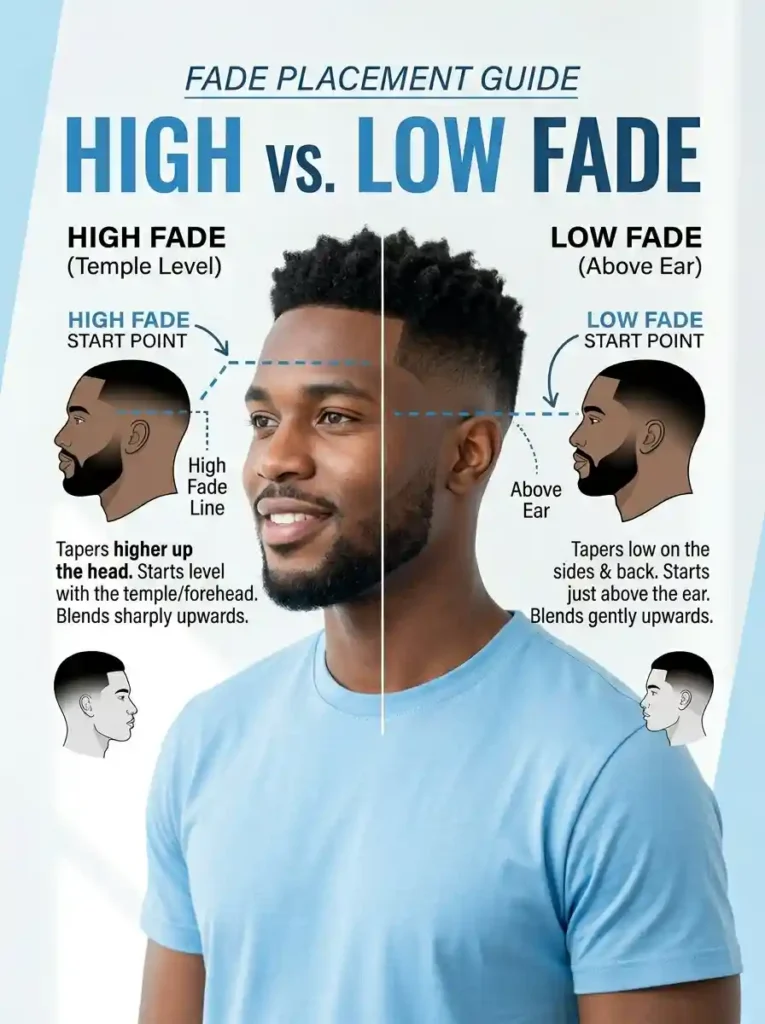
The terms high fade and low fade describe where on the head the clipper transition begins — not how short the hair gets at any specific point. A low fade starts just above the ear and at the nape, keeping most of the head’s surface covered with length and only fading down in the lower perimeter zone. A high fade, by contrast, begins much further up the head — sometimes at the temple level or even higher — removing length from a larger portion of the sides and back and creating a more dramatic contrast with whatever length remains on top.
Choosing between high and low depends almost entirely on the overall style you’re building and the kind of contrast you find most visually appealing. High fades pair naturally with styles that have significant height or volume on top — pompadours, high-volume textured crops, or quiffs — because the dramatic height difference between fade line and top creates a bold, graphic silhouette. Low fades work beautifully with more understated, wearable styles where the goal is a clean, groomed appearance rather than a visually dramatic statement. Neither is objectively better; they simply serve different aesthetic purposes brilliantly.
13. Mid Fade — The Balanced Middle Option
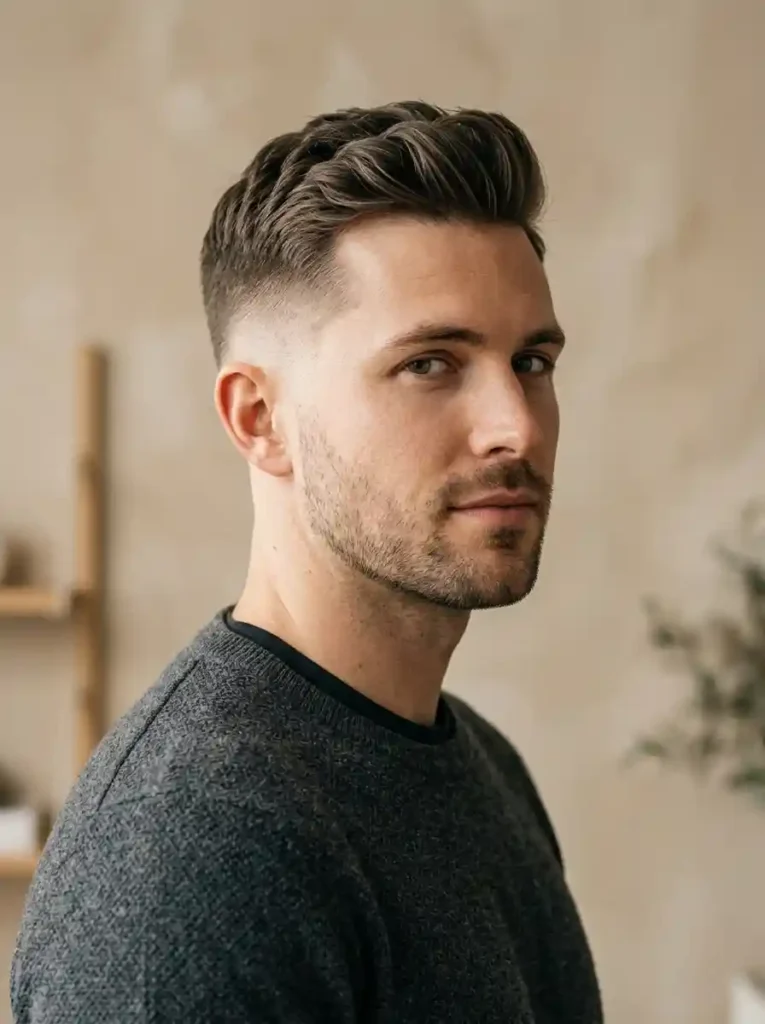
The mid fade does exactly what its name promises — it starts at the mid-level of the head, typically at the temple area, splitting the difference between the dramatic statement of a high fade and the conservative subtlety of a low fade. For men who find high fades feel too intense for their lifestyle or work environment, but low fades feel too understated for the aesthetic they’re going for, the mid fade is genuinely the perfect answer. It’s visually balanced, universally flattering, and works across almost every top style imaginable without feeling like a compromise.
What makes the mid fade particularly special from a technical standpoint is that it’s often the most forgiving option for barbers to blend seamlessly, which means the quality of finish tends to be consistently high even across different skill levels. The transition from close lengths at the perimeter to longer lengths at the top happens over a generous enough distance that imperfections in blending are easier to correct. For your first time requesting a fade, telling your barber you’d like a mid fade with a number 2 at the base and more length on top is one of the cleanest, clearest instructions you can give and the results are reliably great.
14. Taper vs. Fade — Clearing Up the Confusion
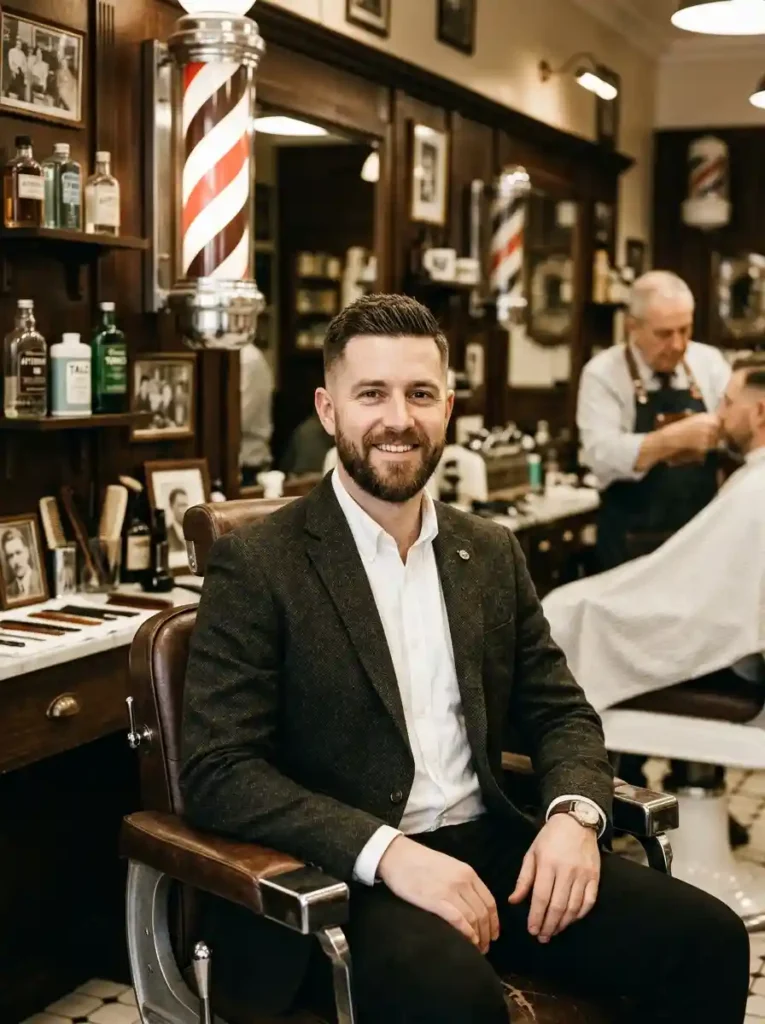
The taper and the fade are cousins, not twins, and understanding the distinction saves you from a lot of appointment miscommunication. A taper is a gradual length reduction that transitions shorter as it moves toward the hairline — but it doesn’t go all the way to the skin. The hair gradually shortens but always maintains some coverage, ending with a neat, clean line at the natural hairline rather than a dramatic dissolution into bare skin. It’s the more conservative, traditional option with a long history in classic men’s barbering going back decades.
A fade, by contrast, always takes the hair down to or extremely close to the skin at some point during the transition, creating that signature seamless, skin-visible gradient. Fades tend to feel more modern, more bold, and require more frequent barbershop visits to maintain their sharpness since the skin-close sections grow out noticeably faster than longer lengths do. If you work in a conservative professional environment and want a clean, classic look that grows out gracefully, a taper is your best friend. If you want that sharp, contemporary barbershop freshness, a fade is the call.
15. The Taper Fade Combination — Best of Both Worlds

The taper fade is technically a hybrid technique that combines the gradual length reduction of a traditional taper with the skin-close finish of a fade at the very base — and it has become arguably the most requested style in modern professional barbershops for good reason. You get the clean, close freshness of a fade at the hairline and nape while the transition upward is more gradual and conservative than a full skin fade, making it versatile enough for both creative industries and more formal professional environments without looking out of place in either.
Describing what you want clearly helps your barber deliver a taper fade that actually suits your head shape and lifestyle. Mention whether you want it high, mid, or low, specify your preferred guard number for the bulk of the sides, and note whether you want the transition to feel gradual or more abrupt. The more specific you are, the more precisely your barber can calibrate the result to match the reference photo in your head that you haven’t shown anyone yet. Good barbers love clients who know their terminology — it signals that you’re invested in the outcome as much as they are.
16. Understanding Clipper Over Comb Technique
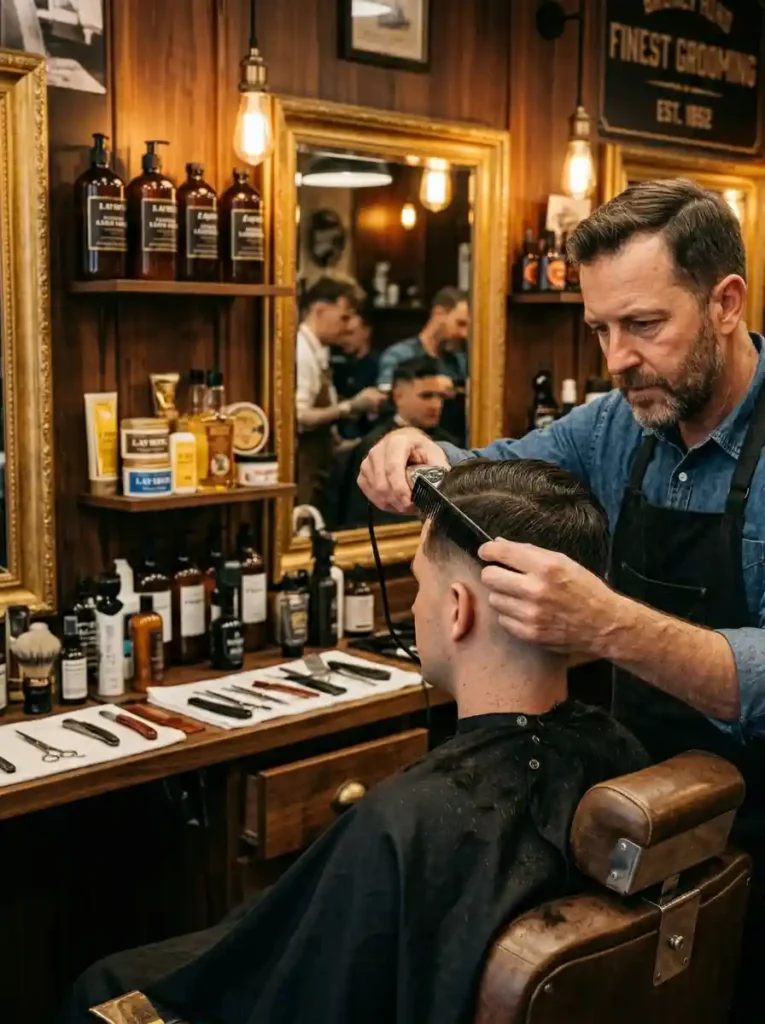
The clipper over comb technique is what happens when your barber lifts sections of hair with a comb and runs the clipper across the teeth of the comb to cut — rather than pressing the clipper directly against the scalp with a guard attached. This approach gives the barber far more control over the angle and length at every specific point, allowing for subtle shaping and blending that guard-based cutting alone simply cannot achieve. It’s a technique that bridges the gap between the precision of clipper guards and the artistry of scissor cutting.
Knowing this technique exists helps you understand why certain parts of your haircut take longer and require more passes than others. When your barber slows down around the occipital bone — that curved area at the back of your head — and starts working in smaller, more deliberate movements with the comb, they’re almost certainly doing clipper over comb work to blend the transition perfectly. It’s one of the clearest indicators of a barber who has invested serious time in developing their craft, and recognizing it helps you appreciate the skill involved in a haircut that just looks effortlessly clean on the surface.
17. Scissor Cuts vs. Clipper Cuts — Which Number System Applies
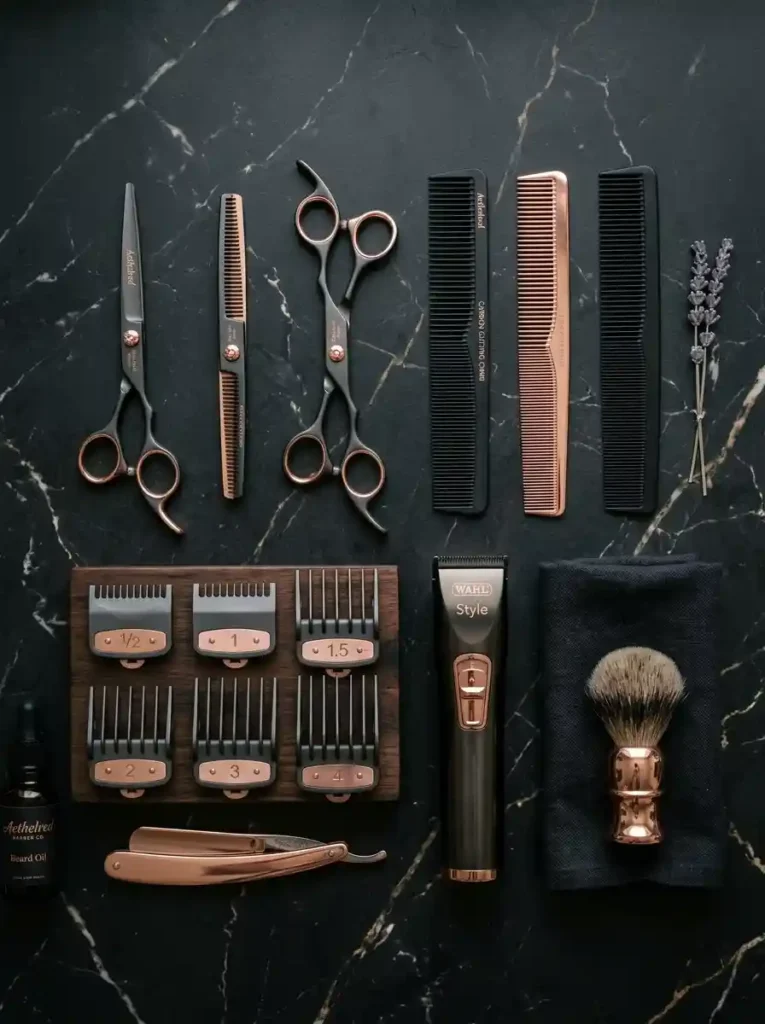
This is the clarification that genuinely trips people up when they start learning about haircut numbers — clipper guard numbers apply exclusively to electric clipper cuts, not scissor cuts. When your barber uses scissors, they’re working in length measurements like inches or centimeters, or using visual and tactile judgment developed through years of experience and practice. Asking for a “number 4 with scissors” is technically a non-sequitur, though most experienced barbers will understand what you mean and translate accordingly without making you feel awkward about it.
The practical takeaway here is that haircut numbers are the language of the clipper-cut world — fades, buzz cuts, tapers, and the sides and back of most modern men’s haircuts. The top of your hair, when styled with a textured crop, pompadour, or any style that requires shaping and personalizing, will almost always be finished with scissors regardless of what clipper number was used on the sides. Understanding this distinction helps you communicate in two separate vocabularies during a single appointment — clipper numbers for the perimeter, and length or style references for the top section.
18. Choosing the Right Number for Your Face Shape
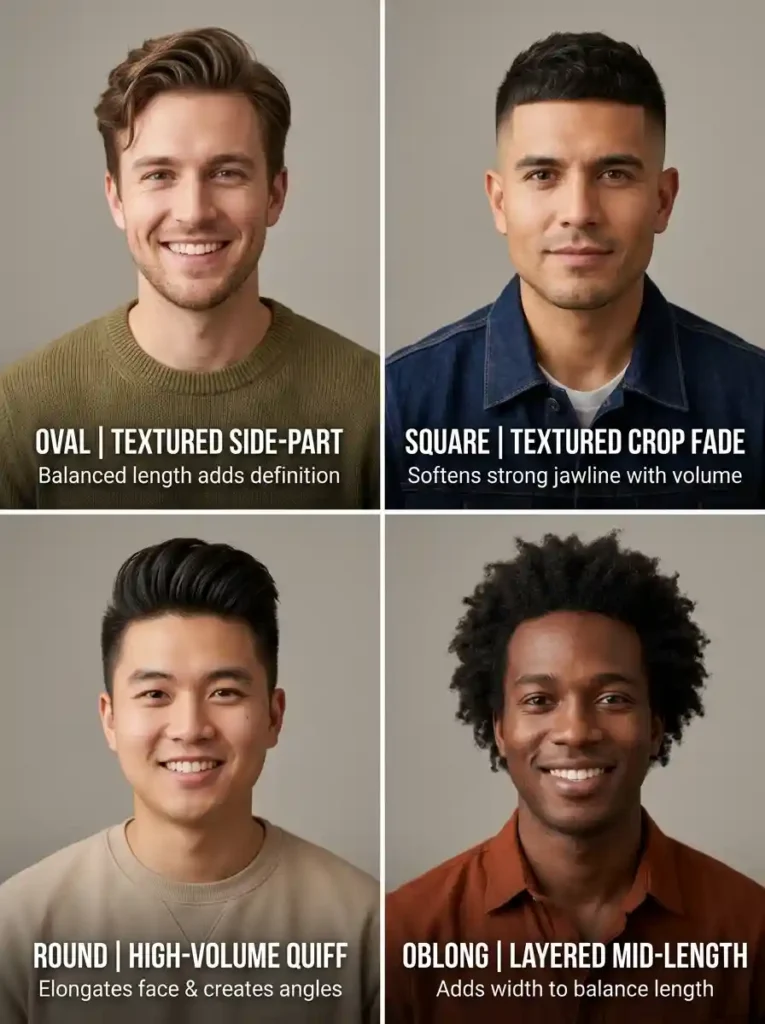
Face shape is one of the most genuinely useful factors to consider when deciding what haircut number to ask for on the sides, and it’s a conversation that surprisingly few men have with their barbers before sitting down in the chair. Oval faces are the fortunate ones — they’re proportionally balanced enough to carry off almost any fade length from a skin-close 0 all the way up to a full number 8 without the silhouette working against them. If you have an oval face, experimentation is your friend and the number system is your playground.
Round and square face shapes benefit from keeping some length on the sides — numbers 3, 4, or even higher — which avoids emphasizing width and instead creates a more elongated vertical impression. Heart-shaped faces, wider at the forehead and narrowing at the chin, often look their best with mid to low fades rather than high fades that draw attention upward to the already-wider forehead zone. Knowing these guidelines before your appointment doesn’t mean following them rigidly, but sharing your face shape concerns with your barber gives them incredibly useful context for recommending which numbers will genuinely flatter you most.
19. Haircut Numbers for Black Hair Texture and Type
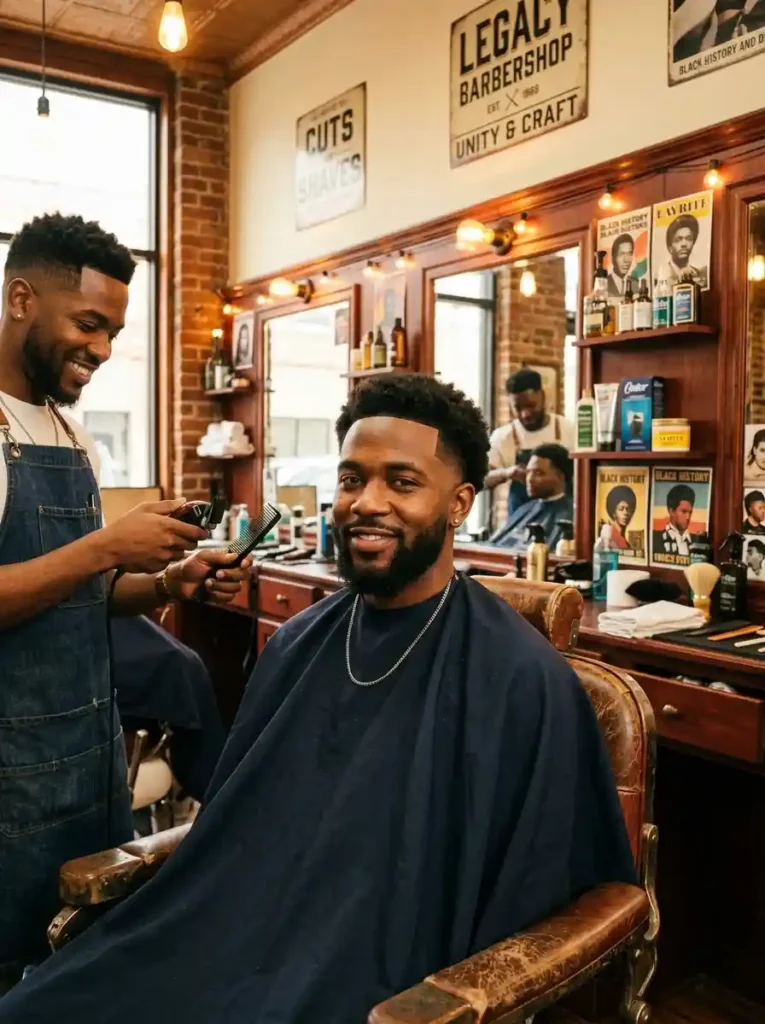
Understanding how clipper numbers translate across different hair textures matters enormously, and it’s a topic that deserves specific, direct attention rather than a one-size-fits-all approach. For men with tightly coiled or 4C hair texture, a number 1 can appear more substantial and visible than it would on straighter hair types — because the coil pattern causes the hair to cluster visually rather than lie flat. This means numbers tend to read as slightly “fuller looking” on coily textures, which is genuinely useful information when calibrating your preferred length request.
Black barbershops have their own rich tradition of artistry with clipper work, and many techniques specific to this culture — including lineup shaping, edge work, and the use of detailers alongside standard clippers — operate in conjunction with the standard number system. The edge up or line up, where the hairline is defined and sharpened with a detail clipper or straight razor, is a crucial finishing step that transforms a good fade into a sharp, complete masterpiece. If you’re not asking for a line up or edge up at the end of your appointment, you may be leaving the shop with a great cut that’s missing its most impactful final element.
20. How Often to Visit the Barber for Each Clipper Length
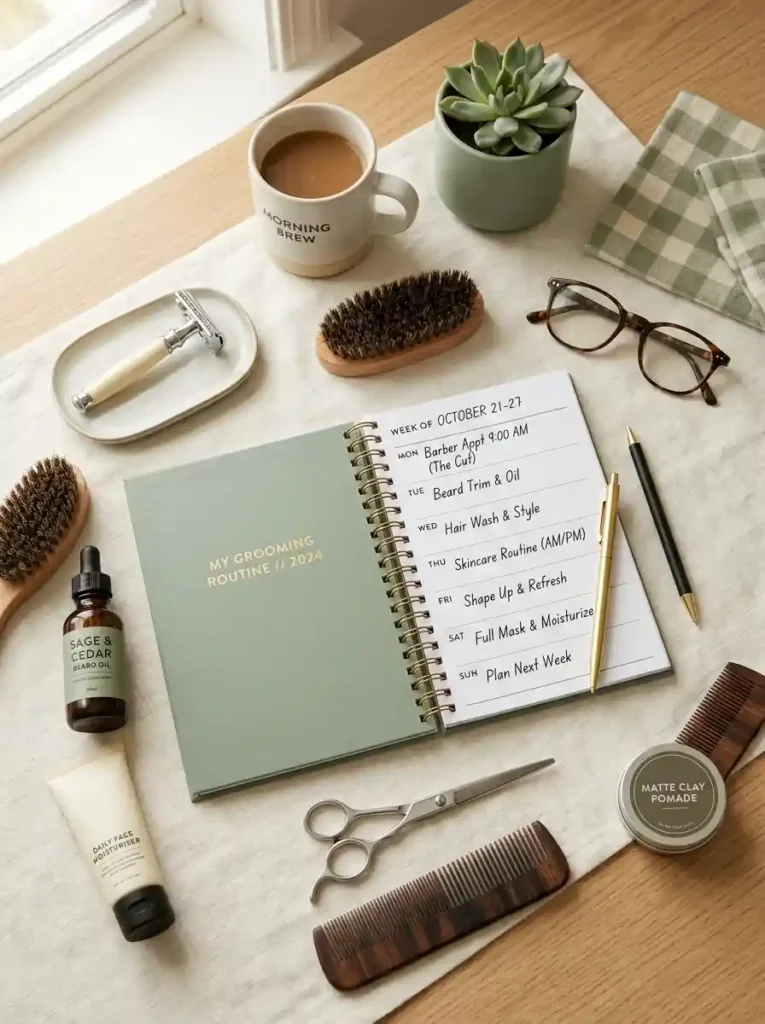
How frequently you need to return to the barbershop is directly and practically tied to which clipper number you’re maintaining — and knowing this before you commit to a style helps you budget both your time and your money realistically. Styles built around very short lengths like numbers 1 and 2 grow out quickly and visibly, meaning the sharp, fresh look you walked out with starts showing meaningful growth within one to two weeks. If you love the look but hate the frequency, you’ll find yourself frustrated with how quickly the crispness fades.
Men maintaining a number 3 or 4 fade can generally get away with three to four week intervals between visits while still looking well-groomed throughout. Longer lengths — number 5 and above — are more forgiving of growth and often allow four to six week gaps without the style looking neglected. The sweet spot for most people balancing cost, time, and consistently sharp appearance tends to fall around the number 3 to number 4 range on a three to four week schedule. Talking through your lifestyle and how often you realistically visit the barber is one of the most useful conversations you can have when designing your ideal haircut.
21. Asking for a Fade Without Knowing the Exact Numbers

Here’s the reassuring truth that nobody tells you early enough: you don’t have to walk into the barber knowing every number by heart to walk out with exactly what you wanted. Most skilled barbers are excellent communicators who can translate visual references, descriptive language, and lifestyle context into the perfect clipper number combination without you ever mentioning a specific number once. Showing a reference photo on your phone remains the single most efficient communication tool in the entire barbershop experience — it removes all ambiguity instantly.
If you’re going in without a photo and without specific numbers in mind, describing how you want the result to feel is surprisingly effective. Phrases like “I want to still see some skin through the sides but not go completely bald,” or “I want the sides short but not as dramatic as last time,” give your barber all the contextual information they need to make confident judgment calls on your behalf. The relationship you build with a regular barber over time is genuinely invaluable — eventually they know exactly what numbers create your best look and can execute it beautifully without requiring any explanation at all.
22. The Half-Guard Sizes — 0.5 and 1.5 Explained
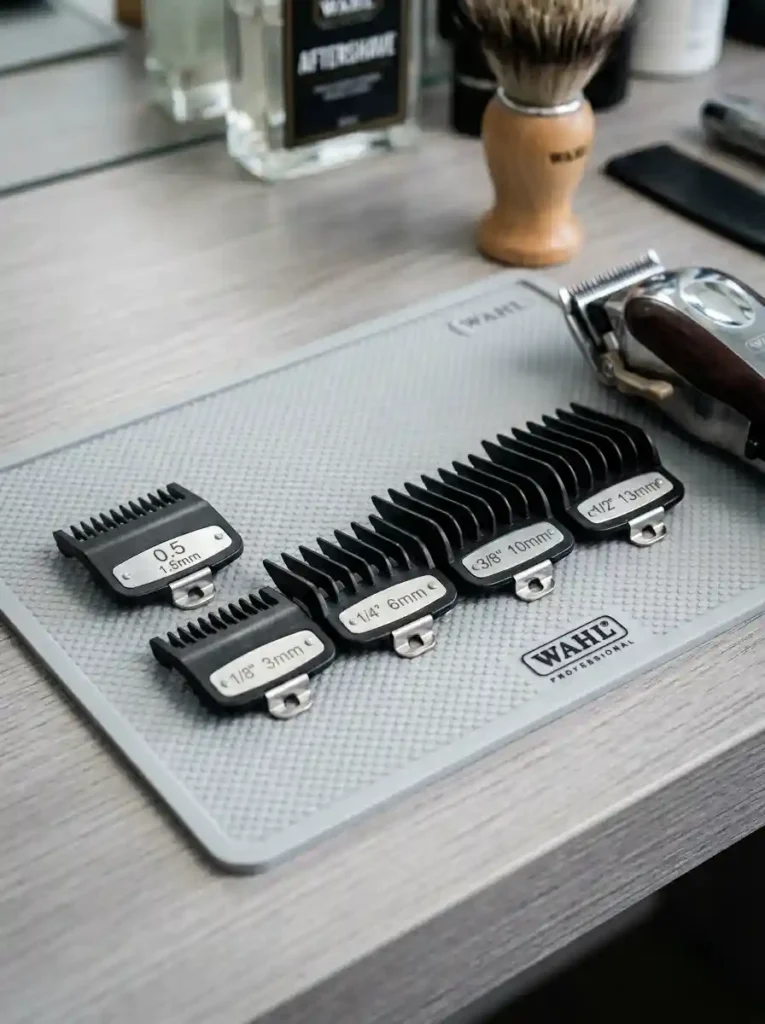
Most people are familiar with the whole-number guards, but the half-sizes — particularly the 0.5 and the 1.5 — are where truly elite barbering lives, and knowing they exist helps you appreciate and communicate about the finer details of premium fade work. The 0.5 guard sits between the bare clipper and the number 1, leaving just a trace of hair that’s more than skin but less than a 1 — it’s the tool responsible for those incredibly smooth, almost imperceptible transitions right at the base of a skin fade that make you wonder how it’s even physically possible.
The 1.5 similarly lives between the number 1 and number 2, creating an intermediate step that makes the blending journey between those two common lengths significantly smoother and more gradual. When a barber uses all the available half-sizes alongside the whole numbers, the fade contains more transition steps — more rungs on the gradient ladder — and the result is noticeably silkier and more seamless than a fade that only uses whole-number guards. If you’re looking for a way to evaluate whether a barber is truly skilled at fades, notice whether they use half-guards in their blending process. The ones who do usually produce results that are genuinely remarkable.
23. Maintaining Your Haircut Between Barber Visits
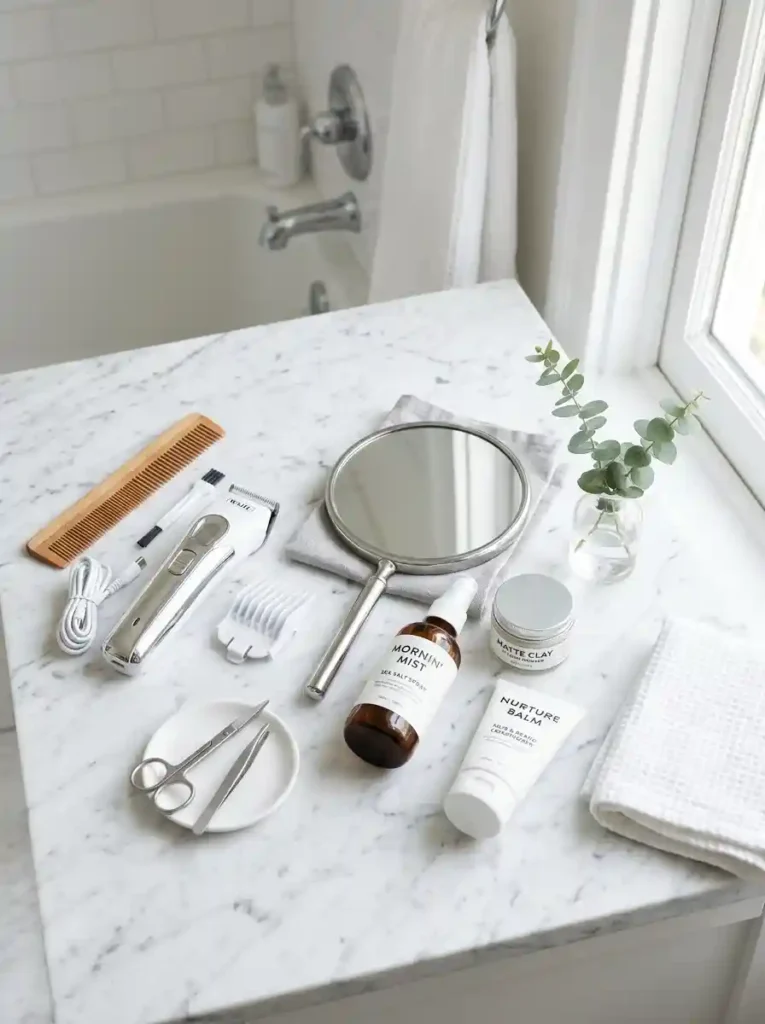
Extending the life and sharpness of your haircut between professional visits is an art form that most men have never been taught — and it starts with investing in a decent home trimmer for basic maintenance. You don’t need to attempt a full fade on yourself at home, but keeping your neckline and the area around your ears tidy with a small detail trimmer can genuinely make a number 3 or number 4 haircut look fresh and deliberate for an extra week or two beyond when it would otherwise start looking overgrown and untidy.
Beyond the trimmer, the products you use daily have a significant impact on how your haircut looks and feels as it grows. A light styling paste or pomade can help direct growth and maintain the intended shape of textured crops and side-swept styles even as the underlying clipper length grows out. Washing your hair two to three times a week rather than daily preserves the natural oils that keep shorter cuts looking their best — over-washing causes dryness and frizz that makes even the sharpest fade look less polished than it should within days of your appointment.
24. How to Talk to Your Barber Like a Pro

Walking into a barbershop and communicating confidently about what you want is genuinely a skill — and like any skill, it gets dramatically easier once you’ve learned a handful of key terms and practiced using them without embarrassment. The most useful thing you can do before any appointment is come in knowing your preferred fade height (high, mid, or low), your desired guard number on the sides, and a general idea of what you want on top, whether that’s more length, a specific style, or simply a cleanup of what you already have. Those three pieces of information alone transform a vague appointment into a precise, productive one.
Beyond the technical terminology, the relational aspect of finding and sticking with a great barber is genuinely underrated in men’s grooming conversations. A barber who knows your hair, your growth patterns, your face shape, and your lifestyle can make decisions on your behalf that consistently flatter you — even on days when you show up without a plan and just say “do your thing.” Building that trust takes a few visits, clear feedback after each one, and the confidence to say when something isn’t quite right so it can be adjusted. Master the language, find your person, and your hair will thank you every single time.
Conclusion
Understanding haircut numbers is one of the easiest ways to improve communication with your barber and consistently get the haircut you want. From a number 0 skin fade to a number 8 longer clipper cut, each guard size creates a different look, level of maintenance, and styling potential. Whether you’re choosing a buzz cut, taper, low fade, mid fade, or skin fade, knowing the right haircut numbers helps eliminate guesswork and ensures better results every visit. Save this haircut numbers guide before your next barbershop appointment, and you’ll walk in with the confidence to request the perfect cut for your style, hair type, and face shape.