
Learning how to do a fade haircut at home is one of those skills that feels completely out of reach — until suddenly it isn’t. The truth is, with the right clippers, the right technique, and a clear understanding of how a fade actually works, you can achieve results at home that genuinely rival what you’d get at a barbershop. Whether you’re going for a skin fade, a low fade, or a simple taper, the fundamentals are the same. This guide walks you through every single step, tool, and insider trick you need to know.
1. Understanding the Anatomy of a Fade Before You Touch a Clipper
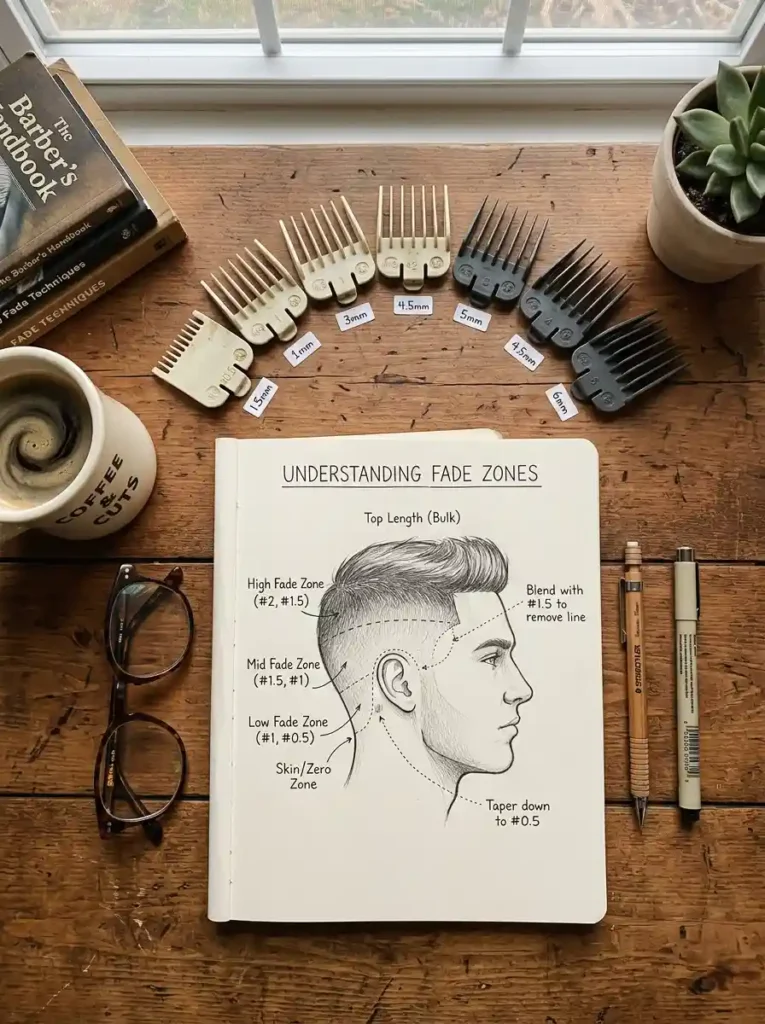
Before you even plug in your clippers, you genuinely need to understand what a fade actually is structurally — because if you don’t know what you’re building, you can’t build it well. A fade is a graduated transition of hair length, moving from very short or bare skin at the base upward into longer hair at the crown. The head is essentially divided into zones — the nape and sides at the bottom, the transition area in the middle, and the top section — and each zone gets a progressively longer clipper guard. Understanding these zones is everything.
Think of your head like a canvas with three horizontal bands. The lowest band gets your shortest guard or no guard at all for a skin fade. The middle band gets a slightly longer guard, and the upper band transitions into the natural hair length. The magic of a professional fade is that the lines between these bands are invisible — blended so seamlessly that the transition looks continuous rather than stepped. Once you can visualize those zones on your own head in the mirror, the entire process of cutting a fade becomes logical, manageable, and far less intimidating than it seems from the outside.
2. Choosing the Right Clippers for a Home Fade
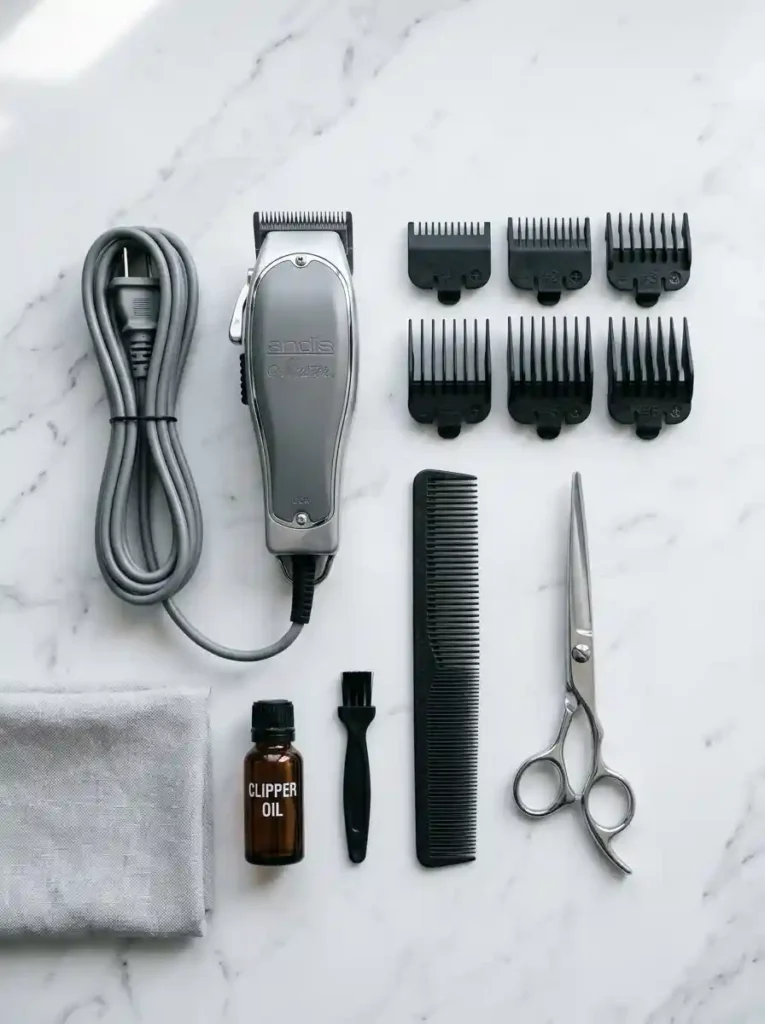
Not all clippers are created equal, and attempting a fade with a bargain-bin set is one of the fastest routes to a genuinely frustrating experience. For a clean home fade, you want a clipper with a powerful motor — either rotary or magnetic — sharp blades, and ideally a zero-gap or adjustable taper lever. The taper lever is especially important for fade work because it lets you fine-tune the blade length between fixed guard sizes, which is exactly how barbers blend those seamless transitions that look so effortless on finished cuts.
Some of the most trusted clipper brands among professional barbers include Wahl, Andis, and BaByliss Pro — all of which have consumer-grade versions that perform beautifully for home use without requiring a professional investment. For beginners specifically, a cordless clipper with a full guard set and a taper lever is the ideal starting kit. Also invest in a separate set of detailing trimmers or T-blade trimmers for cleaning up the neckline and edges — your main clippers handle the bulk of the fade work, but the trimmers give you the precision finishing that separates a decent home cut from a genuinely great one.
3. Setting Up Your Home Barbershop Space Correctly
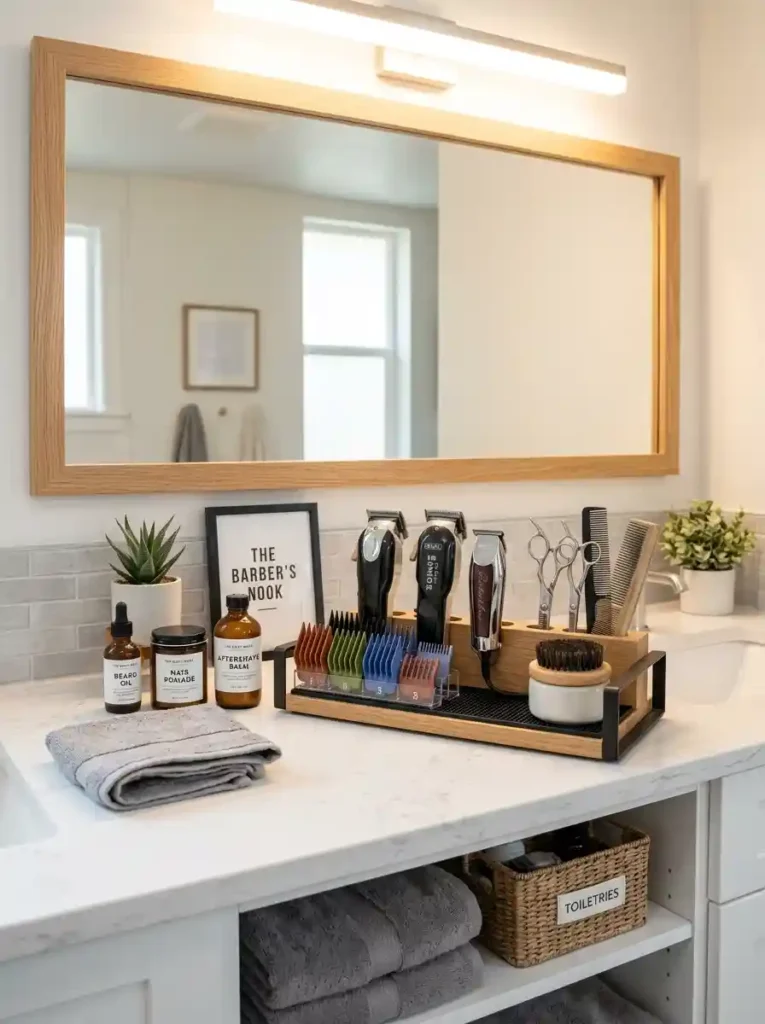
The environment where you cut matters more than most people realize, and setting up a proper space before you start saves you from a cascade of small frustrations mid-cut. First and most critically, you need two mirrors — one in front and one behind — so you can see the back of your head clearly while you work. A handheld mirror paired with a bathroom mirror, or a proper three-way mirror setup, gives you the visibility you need to check your work from every angle. Cutting blind is how mistakes happen that you can’t fix.
Good lighting is equally non-negotiable. Harsh overhead light is actually your friend here — unlike mood lighting, it shows every uneven patch, every inconsistency in the blend, and every spot you’ve missed. Natural daylight is even better if you can position yourself near a window. Lay a towel or a barber’s cape over your shoulders to collect clippings, and work over a tiled or easy-clean floor if possible. Having a small spray bottle of water nearby to dampen hair when needed, and a hand mirror to constantly check the back as you go, rounds out your setup perfectly.
4. How to Section the Hair Before Starting the Fade
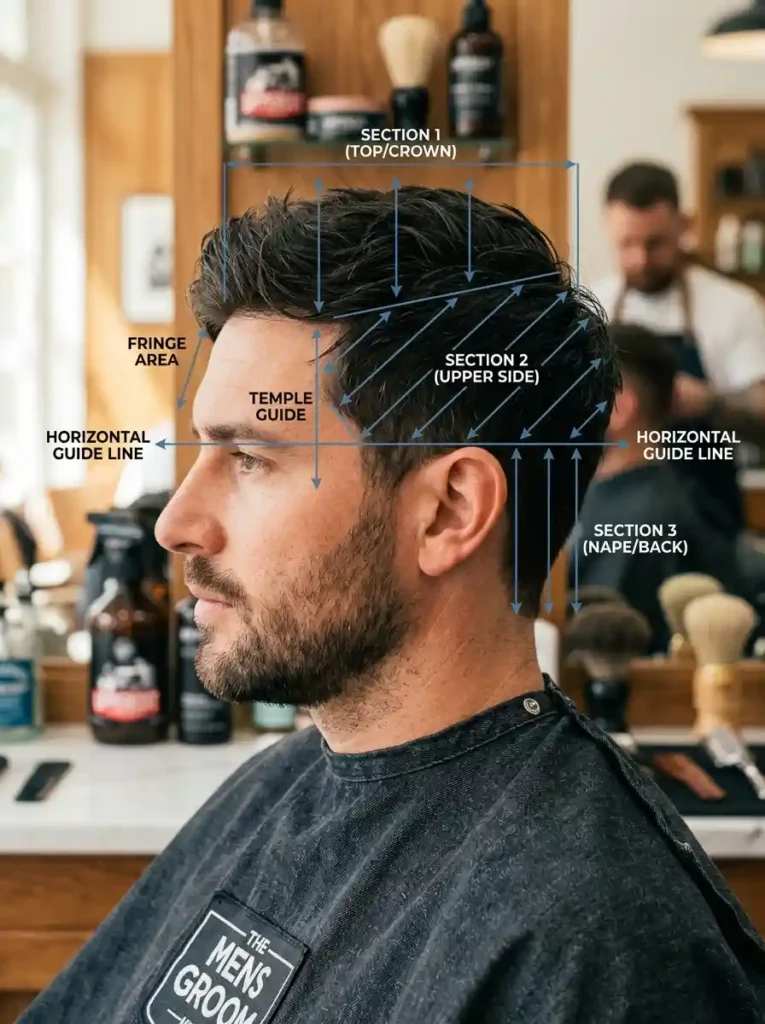
Sectioning might sound overly technical for a home haircut, but taking sixty seconds to mentally — or even physically — map out your sections before starting is one of the habits that separates confident home barbers from frustrated ones. Using a comb or the tip of your clipper blade, establish your guide line: the horizontal boundary between where your fade ends and your longer hair begins. For a low fade this sits just above the ear, for a mid fade at the temple level, and for a high fade at the upper temple near the parietal ridge.
Once your guideline is established, everything below it is your fade zone and everything above it is the length-preservation zone. This mental boundary prevents the most common home fade mistake — accidentally cutting too high and removing length from the top section you wanted to keep. Some people find it helpful to actually mark this line lightly with a comb before starting, so their eye has a consistent reference point throughout the cut. Working in organized sections — sides first, then back, then blending everything together — keeps the process systematic and prevents the disorienting feeling of not knowing where to look next.
5. Starting With the Lowest Guard — Building Your Base
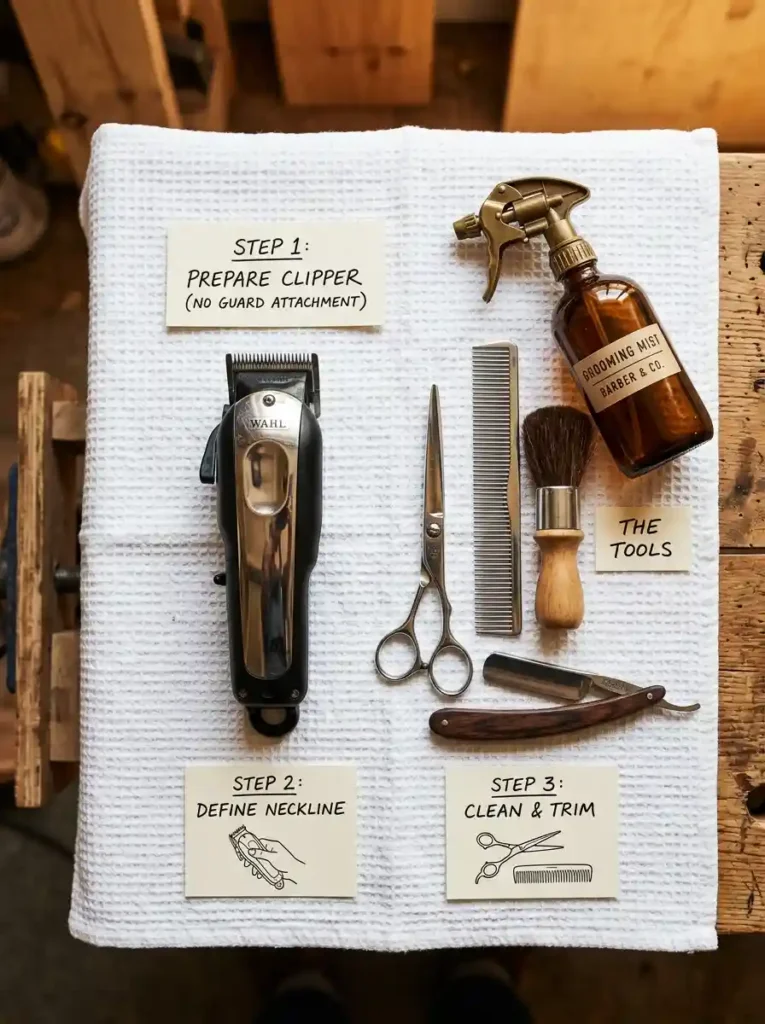
Starting with your lowest guard is where the fade actually begins, and the confidence you bring to this first step sets the tone for everything that follows. Using a zero, 0.5, or a bare blade depending on how low you want the base of your fade — attach your chosen guard, point the clippers upward with the blade facing the scalp, and move in short, upward flicking motions along the bottom of the sides and back. Work your way around the entire perimeter, keeping your movements consistent and your pressure even. Don’t rush — short, deliberate strokes give you far more control than long sweeping ones.
The upward flicking motion at the end of each pass is what creates the beginnings of the blend — you’re not cutting a hard line, you’re feathering the hair so the lowest section tapers naturally upward. For a skin fade specifically, going over the base section multiple times with the bare blade ensures every hair is cut as close as possible, giving you that clean, bare-skin look at the foundation. Keep checking your work in the mirror as you go, rotating your position so you can see every angle. The base coat of a fade, like the base coat of a painting, needs to be solid before you build anything on top of it.
6. Working Up Through the Guard Sizes for Seamless Blending
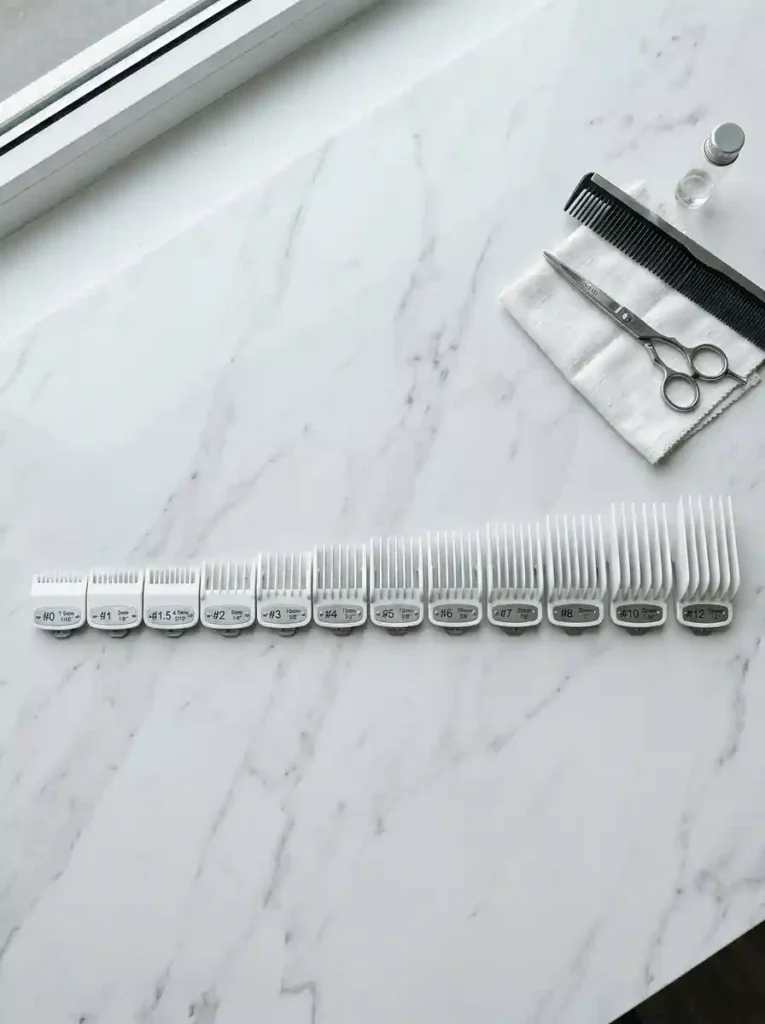
Once your base is established, you move up through progressively longer guard sizes — and this layering process is the actual art of a fade. If your base was a zero or bare blade, your next pass goes in with a guard 0.5 or a 1, working slightly higher on the head than your first pass. Then a guard 1.5 or 2 goes even higher, and so on up through the guards until you reach your guide line and transition into the natural hair length. Each guard overlaps slightly with the zone below it, which is what creates that seamless melting transition.
The overlap is critical — you want each guard to cut into the zone of the previous, shorter guard by about half an inch or so, so the line between guard sizes is blended rather than defined. Use the same upward flicking motion at the end of each pass to feather the hair and prevent harsh lines. The taper lever on your clippers is your secret weapon here: between guard sizes, you can use the lever to create in-between lengths that fill the gap and make the gradient even smoother. A barber’s blending brush or a soft neck brush to clear away clippings between passes helps you see exactly where you’ve been and where still needs attention.
7. How to Use the Taper Lever Like a Professional
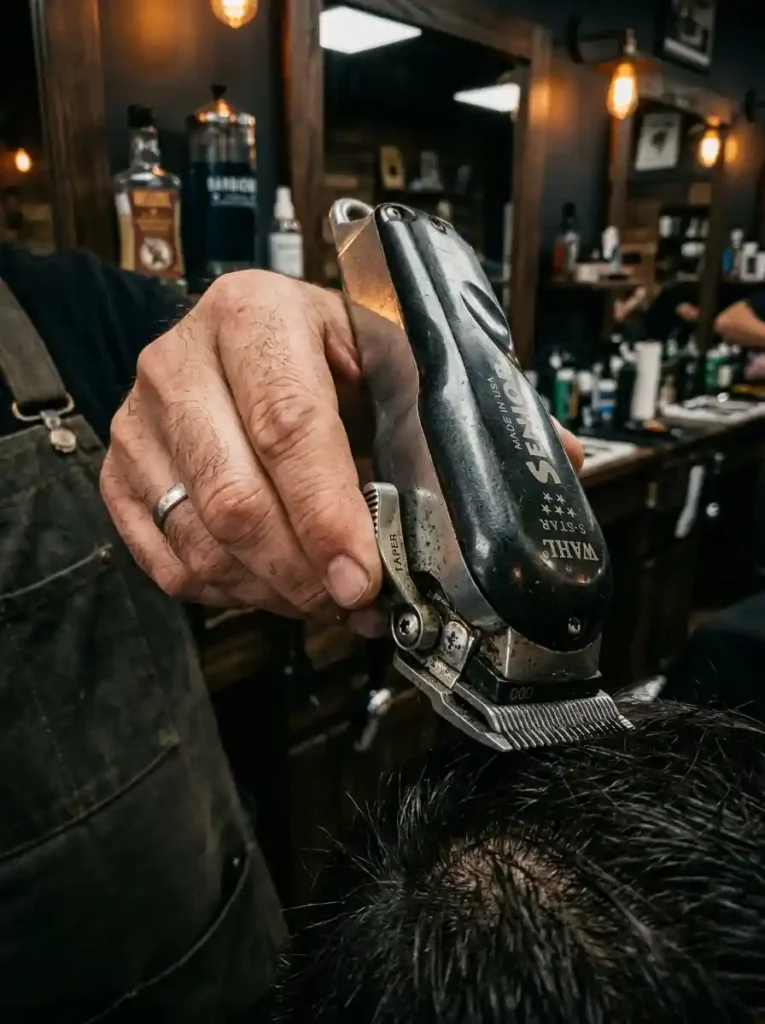
The taper lever is one of those features that beginner home barbers completely overlook, and it’s genuinely one of the most powerful tools in your blending arsenal once you understand how to use it. Located on the side of your clippers, the lever adjusts the relationship between the two blades, which effectively changes the cutting length between fixed guard sizes. When the lever is fully closed, the blades are at their longest position for that guard. When it’s fully open, they cut shorter. Sliding it creates infinite gradations between the two.
In practical fade terms, this means you can create micro-gradients that no fixed guard can achieve alone. After cutting with a guard 1, for example, close the lever halfway and make another pass at the same height — you’ve just created a “guard 1.5” without needing a separate attachment. This is exactly how professional barbers achieve those glass-smooth transitions that look like the hair just melts into skin. Practice using the lever slowly at first, always checking your work in the mirror, and you’ll quickly develop an intuitive feel for how much lever adjustment creates how much length change on your specific clipper model.
8. Blending the Transition Zone — The Make-or-Break Step
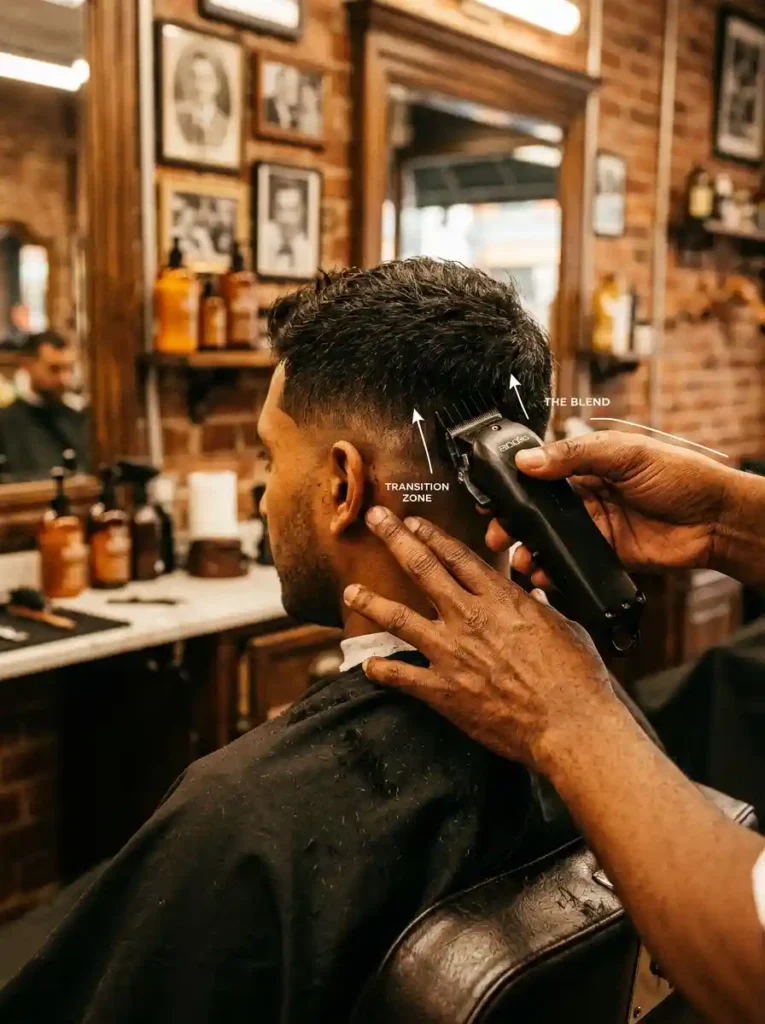
The transition zone — that band of hair between your fade base and your full-length top — is where home fades either look professional or look like a DIY disaster, and giving it proper attention is genuinely the difference between the two outcomes. After establishing your graduated sections with different guards, return to the transition area with your clippers held at a slightly angled position — not flat against the scalp but tilted outward slightly — and make soft, rocking passes that flick away from the head at the top of each stroke. This rocking motion blends the line where one guard ends and the next begins.
Scissors-over-comb technique is another invaluable blending tool at this stage, particularly for the upper transition into longer hair. Comb a small section upward, position your scissors at a diagonal, and snip the ends that protrude beyond the comb — moving the comb gradually up as you go. This creates a softer, more organic blend into the longer top section than clippers alone can achieve, particularly if there’s a significant length difference between the fade top and the hair above. Take your time here — blending is the step that rewards patience more than any other, and rushing it is the number one cause of visible lines and uneven patches.
9. Cutting the Back of Your Own Head — Techniques That Actually Work
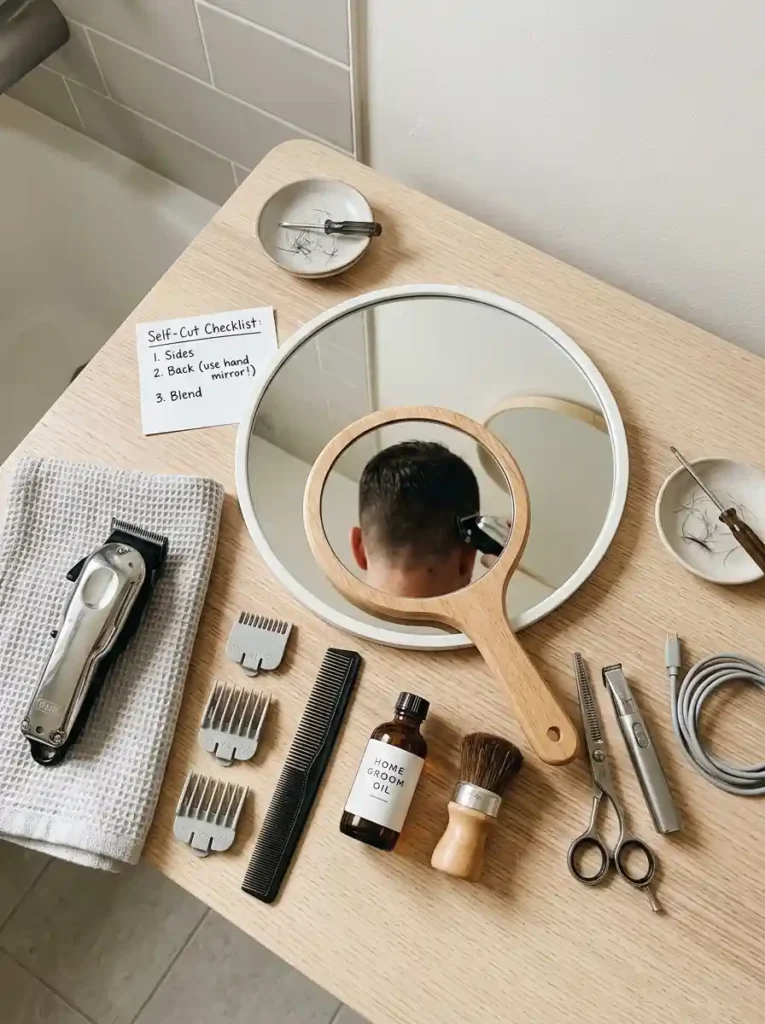
Cutting the back of your own head is the part that intimidates most people most, and it’s completely valid — it requires a level of spatial awareness and mirror-reading skill that takes genuine practice to develop. The most effective technique for home self-cutting is the two-mirror method: position a large mirror in front of you and hold a handheld mirror behind your head at about a forty-five-degree angle. Watch the reflection in the front mirror — it’s disorienting at first, but your brain adapts surprisingly quickly once you commit to working this way consistently.
For the nape area specifically, invest in a flexible handheld mirror that you can hold in one hand while guiding the clippers with the other. Work slowly and in short sections, constantly repositioning the mirror to check your progress from multiple angles. Some people find it helpful to use a phone camera on the back-facing camera, propped up or held between shoulder and chin, to get a live feed of the back of their head while they work. It feels ridiculous but it works beautifully. The neckline shape — whether squared, rounded, or tapered — should be your final step at the back, completed with your trimmer for maximum precision.
10. How to Create a Clean Neckline Shape at Home
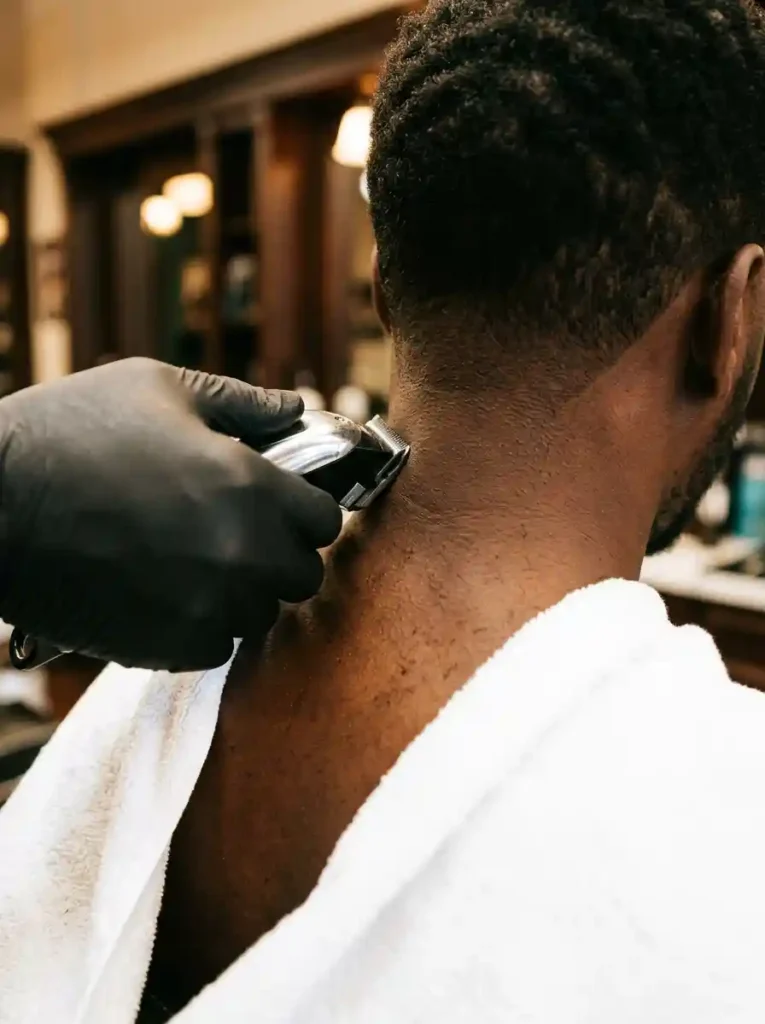
The neckline is the finishing signature of any haircut — it’s what people see when you’re walking away from them, and a clean, intentional neckline communicates that your entire cut was done with care and precision. There are three classic neckline shapes: the squared neckline, which has hard horizontal and vertical corners for a structured look; the rounded neckline, which follows a soft curved line around the bottom of the hair; and the tapered neckline, which allows the hair to gradually fade into the skin of the neck without a defined hard line. Each creates a completely different final impression.
For home execution, use your T-blade trimmer rather than your main clippers for neckline work — the narrower blade gives you far more control over the shape you’re carving. Bend your head forward slightly to tighten the skin of the neck, which makes cutting a cleaner line significantly easier. For a squared neckline, use the corner of the trimmer blade to cut the sides of the neckline straight down, then connect them with a horizontal line across the bottom. For a rounded or tapered neckline, use the trimmer in gentle arcing or fading motions that follow the natural curve of the head. Clean up any stray hairs with a shaving razor for an absolutely barbershop-crisp finish.
11. Tackling the Temple Fade on Yourself
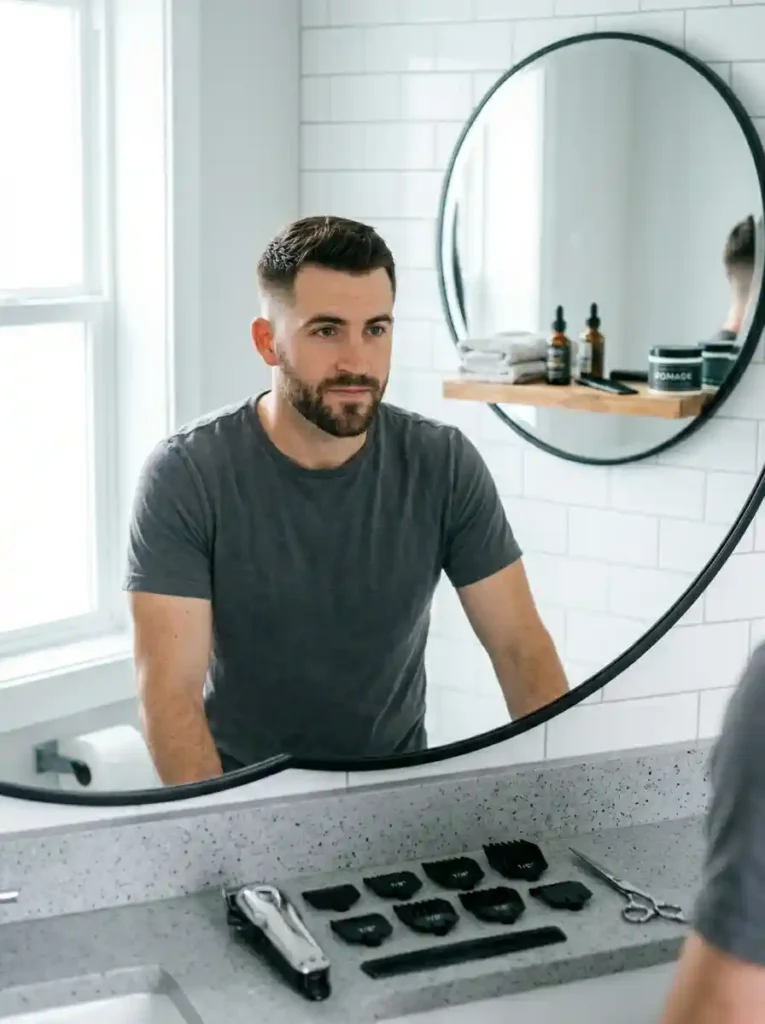
The temple fade — that clean, graduated taper around the temple and hairline area — is one of the most visible parts of any fade cut and one of the areas where amateur home cuts most frequently give themselves away with harsh lines or uneven blending. The temples have a naturally curved, irregular surface, which means maintaining consistent clipper pressure and angle while navigating that contour is genuinely challenging. The key is to slow down dramatically in this area, use shorter strokes, and check your work from multiple angles after every few passes.
Start with your lowest guard at the very base of the temple, right where the hairline meets the skin, and work upward in small graduated sections just as you did on the sides. The temple area generally needs a slightly lighter touch than the sides because the hair in this zone can be finer and the skin more irregular. Use the corner of your clipper blade for precision work around the edges of the hairline rather than the full blade — it gives you much more accurate placement. A clean temple fade, achieved patiently and carefully, gives the entire front of the haircut a frame that makes the whole style look intentional and expertly executed.
12. Blending Curly or Coily Hair Into a Fade

Fading curly or coily hair textures at home comes with its own set of unique considerations, and understanding them upfront prevents a lot of frustration and a few genuinely avoidable mistakes. The most important thing to know is that curly and coily hair appears shorter than it actually is when dry — the curl pattern contracts the length significantly — which means you can accidentally cut way more than you intended if you’re working on dry hair without accounting for shrinkage. Always assess your starting length with the hair in its natural state and factor in how much the curl will pull everything up when it dries.
Blending curly hair also requires more passes with each guard size because the uneven curl pattern can leave some hairs longer than others even after cutting, creating a slightly fuzzy or inconsistent fade line. Going over each section multiple times with the same guard, from different angles, ensures every curl is caught and cut to the same length. A soft blending brush between passes removes cut hairs that might be masking the work still needed. Using a light oil or water-based moisturizer on the hair before cutting also helps define the curl pattern, making it easier to see exactly where the blend is sitting and where more blending work is needed.
13. How to Do a DIY Skin Fade — Step by Step
A DIY skin fade is the most technically demanding home fade you can attempt, but it’s absolutely achievable with patience and the right approach — and the result is genuinely the sharpest, most dramatic fade finish you can create. Start with a bare blade, no guard, and work the absolute base of the sides and back using short upward strokes, getting the hair as close to skin as your clippers will go. Go over this base section multiple times, checking carefully for any missed hairs. This bare-skin foundation is what gives the skin fade its name and its distinctive ultra-clean look.
The transition from bare skin into the first guard size is the most delicate part of the entire process. This is where your taper lever does its most important work — with the blade bare and the lever fully open, make a feathering pass just slightly above your bare-skin zone, then close the lever halfway and make another pass slightly higher still. This micro-gradient eases the transition so gently that the point where skin becomes hair is almost impossible to identify. Finish the blend with your regular guard progression upward, then use a straight razor or disposable razor to clean up any stubble below your fade line for that unmistakable skin-fade crispness that looks like it just came out of a professional shop.
14. Using Scissors to Soften and Refine the Blend
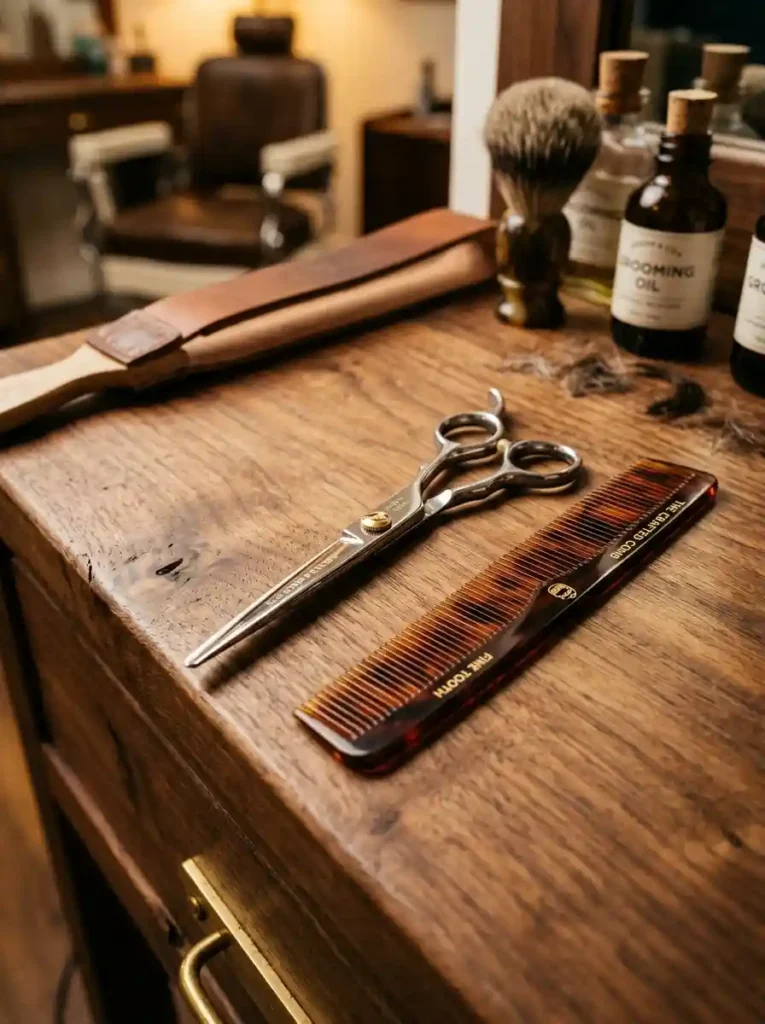
Scissors are criminally underused in most home fade attempts, and incorporating them into your process — particularly at the upper blend and on the longer top section — elevates the finished result from good to genuinely great. The scissors-over-comb technique, where you comb hair upward or outward and snip the ends protruding beyond the comb, creates a beautifully organic transition that clipper blending alone struggles to replicate. It removes bulk and softens the boundary between the fade and the longer hair with a naturalness that feels hand-crafted rather than machine-cut.
For the top section, point-cutting rather than blunt-cutting adds texture and removes weight without sacrificing length — you’re snipping vertically into the ends of the hair rather than cutting horizontally across them. This technique adds movement, prevents the top from looking helmet-like, and creates those wispy, textured ends that make a haircut look alive and intentional. You don’t need to be a master stylist to use scissors effectively at home — start conservatively, cutting less than you think you need, and work your way toward the final shape in small increments. Scissors reward caution and punish impatience, but the results when used thoughtfully are genuinely worth every careful snip.
15. How to Fade Around the Ears Cleanly
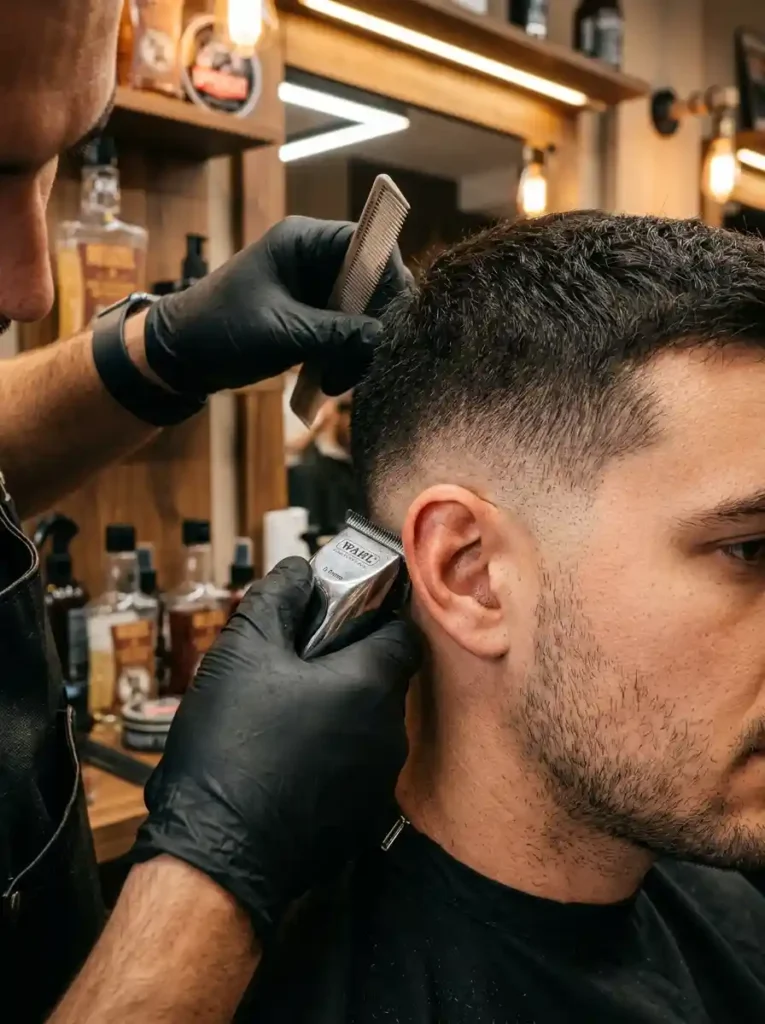
The area around the ears is one of the most structurally complex parts of the head to fade cleanly, and most people who attempt home fades either rush through it or avoid looking too closely at it afterward — neither of which serves you well. The ear creates an obstacle and a contour change that requires you to navigate around and behind it with your clippers while maintaining consistent blend and length. The technique is to carefully fold the ear forward with your free hand, giving your clippers unobstructed access to the skin directly behind the ear and along the ear’s edge.
The front edge of the ear — that little strip of hairline that runs just in front of the ear — is where a lot of people get a rough, uneven patch because it’s easy to miss at an angle. Use the corner of your trimmer blade, rather than the full blade width, to carefully edge along this hairline with precision. The area directly behind the ear tends to collect slightly longer hairs that the main clippers sometimes miss, so a dedicated pass with your trimmer over this zone after completing the main fade ensures nothing is left behind. Once you nail the around-the-ear technique, the entire perimeter of your fade looks cohesive, clean, and genuinely professional from every angle.
16. Finishing the Hairline and Edge-Up at Home
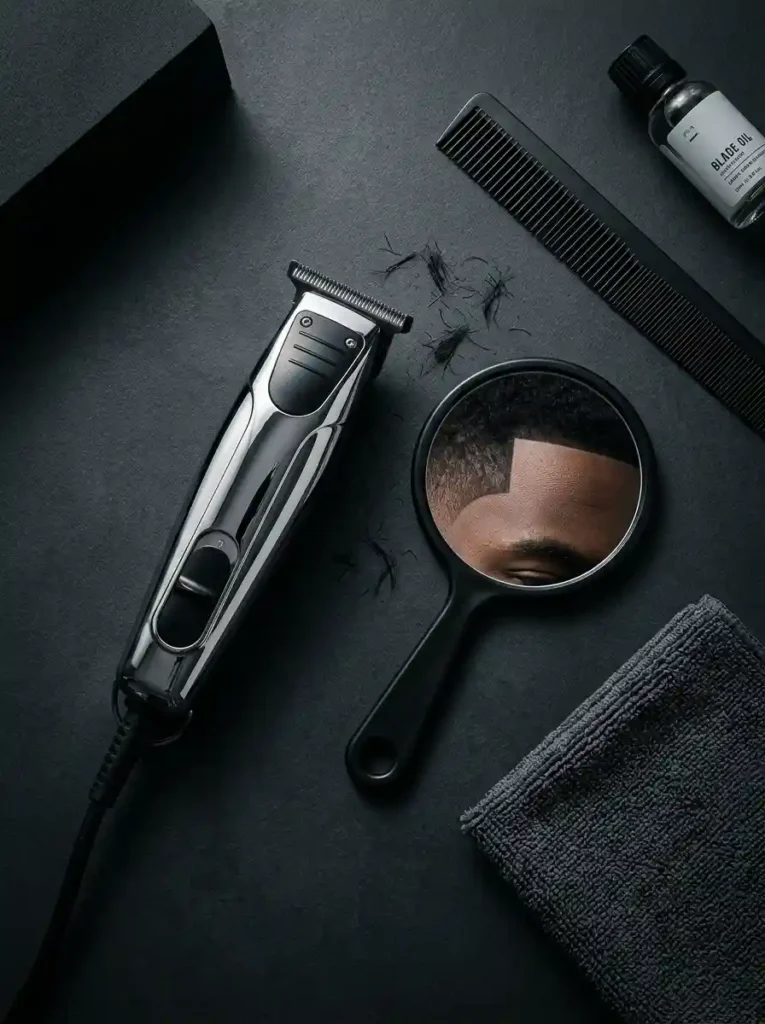
The edge-up — or line-up — is the exclamation point of a finished fade haircut, and doing it cleanly at home transforms a good cut into something that looks genuinely razor-sharp and purposeful. The edge-up defines the hairline along the forehead, temples, and sideburns, creating crisp geometric borders that frame the face and communicate meticulous grooming care. Use your T-blade trimmer for this step rather than your main clippers — the narrow, precise blade is designed exactly for this kind of detail work and gives you the control needed for clean straight lines.
Before you start, identify your natural hairline and decide whether you’re simply cleaning it up or reshaping it. For most home cuts, following the natural hairline and simply removing the soft, fuzzy hairs around its perimeter is the right approach — reshaping your hairline is a more advanced step best left for when you’re fully comfortable with your trimmer control. Hold the trimmer with the blade perpendicular to the hairline for a defined, hard edge, and make slow, steady passes along the line with minimal pressure. Step back from the mirror regularly to assess the symmetry — edges that look straight up close sometimes reveal a slight curve or inconsistency when viewed from a normal distance. Take your time, check constantly, and resist the temptation to keep deepening the line once it’s clean.
17. Fixing Mistakes and Uneven Lines Mid-Cut
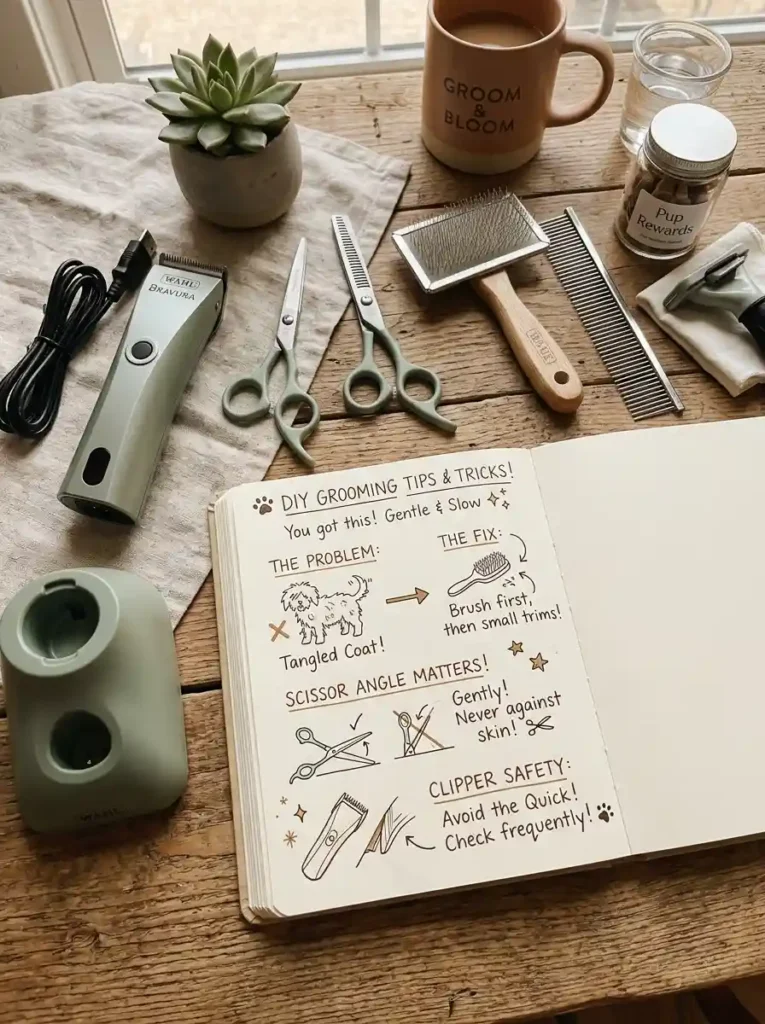
Mistakes happen during home fades — genuinely, they happen to everyone, including barbers learning on the job — and the first thing to internalize is that most fade mistakes are completely fixable if you don’t panic. The most common error is a visible line between guard sizes, which appears when the overlap between zones wasn’t blended deeply enough. The fix is straightforward: go back to the smaller guard, hold the clippers at a slightly flatter angle against the head, and make additional feathering passes over the line until it dissolves into the surrounding hair. Patience and another few careful passes resolve the vast majority of visible lines.
If you’ve accidentally taken a patch too high or cut a chunk you didn’t intend to, the principle is the same as a painter correcting a canvas — you work with what you’ve got and adjust everything else to match. Sometimes an accidental cut too high simply means committing to a slightly higher fade than originally planned and balancing the rest of the cut accordingly. Keep a small handheld mirror close throughout the cutting process so you catch inconsistencies while there’s still hair to work with, rather than discovering problems after everything’s been cut down. Every mistake you make and fix at home is a lesson that makes your next cut more confident and more skilled.
18. How Long the Process Should Take as a Beginner

Managing your time expectations for a home fade as a beginner is genuinely important for your sanity and for the quality of the result — because rushing is the enemy of good blending. Your first few home fade attempts will likely take between forty-five minutes and an hour and a half, and that’s completely normal and nothing to feel frustrated about. The additional time isn’t wasted — it’s you checking, correcting, blending, rechecking, and building the muscle memory and eye calibration that will eventually let you do the same cut in thirty minutes with better results.
As you become more comfortable with your equipment, more fluent in reading your own head in the mirror, and more confident in your blending passes, the time naturally compresses. Most people who regularly cut their own fades at home find they settle into a comfortable forty-five-minute routine that includes cutting, cleaning up, and finishing edges. Build in extra time on your first few attempts — start on a weekend morning when you have nowhere to be, not the night before a job interview. Low-pressure conditions lead to better cuts because your hands are relaxed, your decisions are considered, and you can actually enjoy the process of developing a genuinely impressive skill.
19. Maintaining a Home Fade Between Cuts
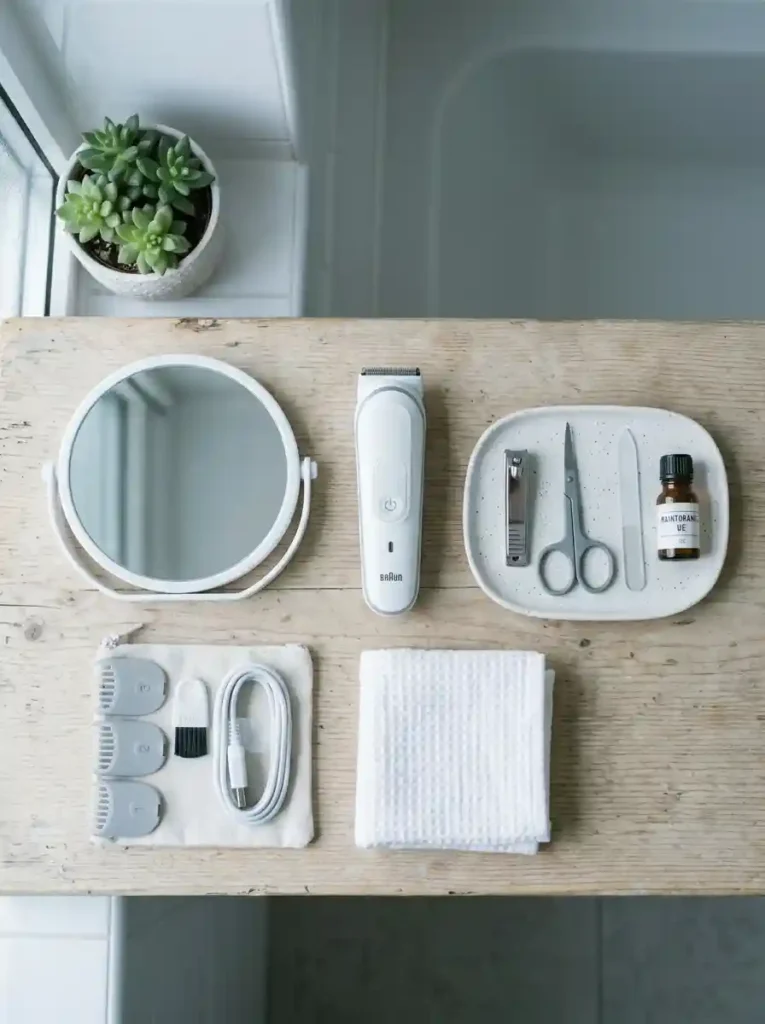
One of the biggest advantages of learning to do your own fade at home is that maintenance becomes as easy as a ten-minute touch-up rather than a full appointment — and those between-cut touch-ups are what keep your style looking fresh for weeks rather than days. The sides and back of a fade are the first areas to show growth, particularly the base where the hair is shortest, and a quick tidy-up of just the lower fade zone with your bare blade or smallest guard every five to seven days extends the lifespan of the cut dramatically without requiring a full redo.
The neckline is the most critical maintenance area — it softens and loses definition faster than anywhere else because neck hair tends to grow downward quickly. A two-minute neckline clean-up with your trimmer, tracing the shape you established during the original cut, keeps the back looking barbershop-fresh between full cuts. Temple edges and sideburns also benefit from regular maintenance passes. Keep your trimmer charged and accessible on your bathroom shelf rather than tucked away in a drawer — when it’s right there, you’re far more likely to do a quick thirty-second touch-up when you notice something needs attention, and those little acts of maintenance are what keep a home fade looking consistently clean and intentional.
20. Best Products to Use After a Home Fade
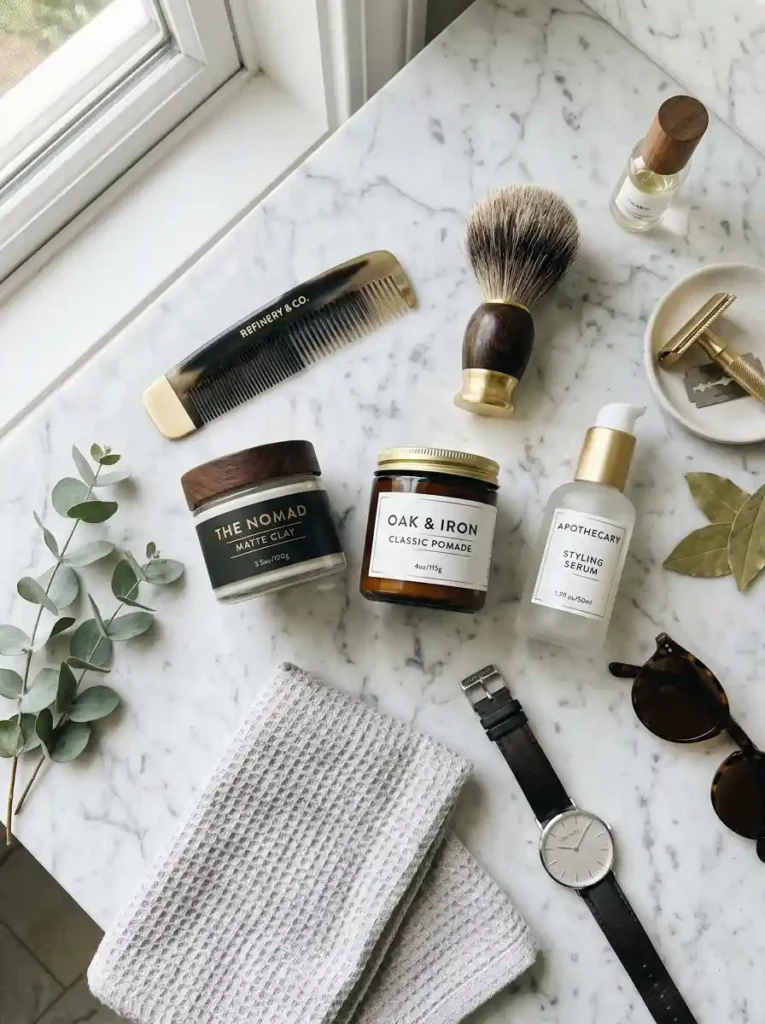
The haircut is only half the story — the products you apply afterward are what give the finished style its personality, hold, and visual dimension. For the top section of a fade haircut, your product choice depends entirely on the look you’re going for: a matte clay or fiber paste gives that natural, touchable texture that’s everywhere right now in men’s grooming; a medium-shine pomade gives a more refined, classic finish; and a strong-hold gel or hard wax is your go-to for sculpted, structured styles that need to last all day in challenging conditions.
For the faded sides themselves, a small amount of a light oil — argan oil or a dedicated scalp oil — massaged into the skin along the fade line keeps the scalp moisturized and prevents the dryness or irritation that can come from regular close clipping. It also gives the skin a subtle healthy sheen that makes the fade look cleaner and more finished. After your cut, shake out any remaining clippings with a barber’s brush or a clean towel, rinse your hair quickly if needed, then apply your chosen styling product to slightly damp or dry hair depending on the product’s instructions. The right product makes the difference between a cut that looks good and a cut that looks like art.
21. How to Cut a Fade on Someone Else at Home
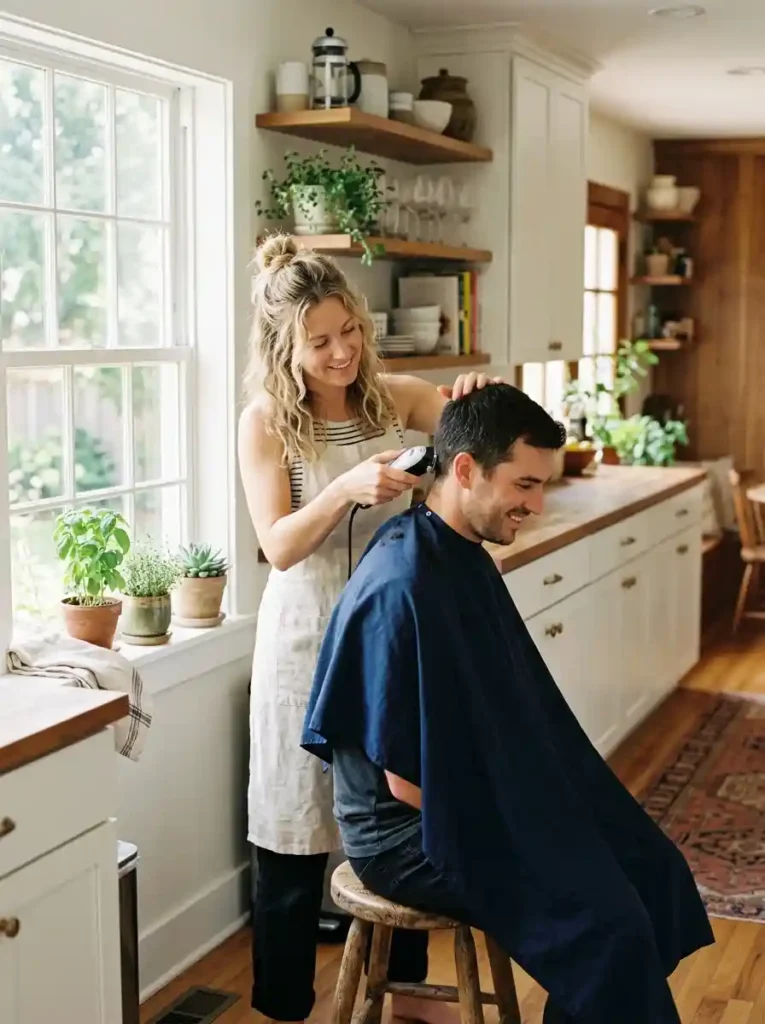
Cutting a fade on another person is in many ways actually easier than cutting one on yourself — you have a full, unobstructed view of your canvas, both hands free to work, and none of the spatial confusion of working in a mirror reflection. The techniques are identical to self-cutting, but your ability to see and control what you’re doing is vastly superior, which means your results as a beginner will often be noticeably better when working on someone else. This is how most home barbers develop their skills fastest — by practicing on a willing partner.
Communication is your most important tool when cutting someone else’s fade at home. Before you start, discuss exactly what they want — which type of fade, how high, how much length to keep on top, what neckline shape. Ask them to call out immediately if something feels uncomfortable, and check in regularly as you progress through the cut. Work systematically around the head rather than jumping from area to area randomly, and make sure your subject sits up straight with their head in a neutral position rather than tilted — a tilted head during cutting creates an angled reference point that produces an uneven result when the head returns to its natural position.
22. Common Home Fade Mistakes to Avoid Completely
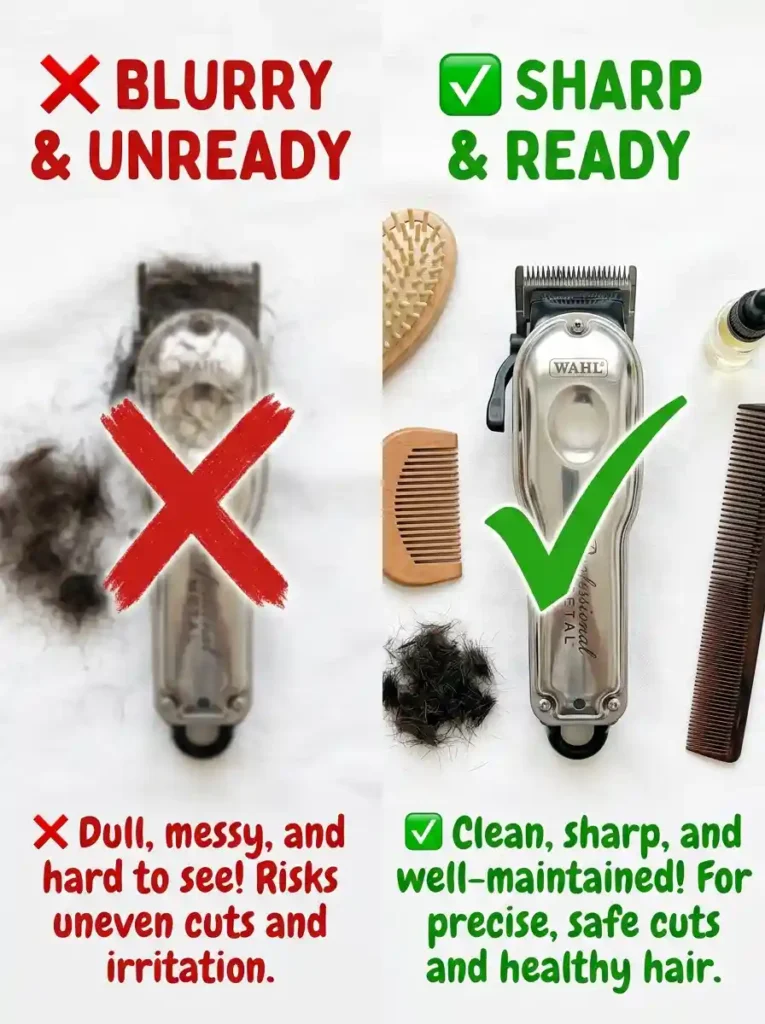
Knowing what not to do is sometimes more valuable than knowing what to do, and the home fade learning curve has a very consistent set of pitfalls that most beginners encounter in the same predictable order. The biggest mistake, hands down, is starting with too short a guard before you’re confident in your technique — you can always go shorter, but you absolutely cannot go longer once the hair is cut. Always start one guard size longer than you think you need, assess the result, and go shorter only if you’re certain. This one principle alone prevents the most dramatic and unrecoverable home cutting mistakes.
Other common pitfalls include: skipping the taper lever entirely and relying only on fixed guard sizes, which creates visible stepped lines instead of smooth graduation; working too quickly and not checking the back of the head frequently enough; pressing too hard with the clippers, which flattens the blade against the head and disrupts the angle needed for a good fade; and cutting dry hair when the hair type would be better cut slightly damp. Also — and this one sounds obvious but gets overlooked constantly — make sure your clipper blades are sharp and properly oiled before every cut. Dull blades pull rather than cut, create irritation on the skin, and produce inconsistent fade lines that no amount of technique can fully compensate for.
23. How Often to Do a Home Fade for Best Results
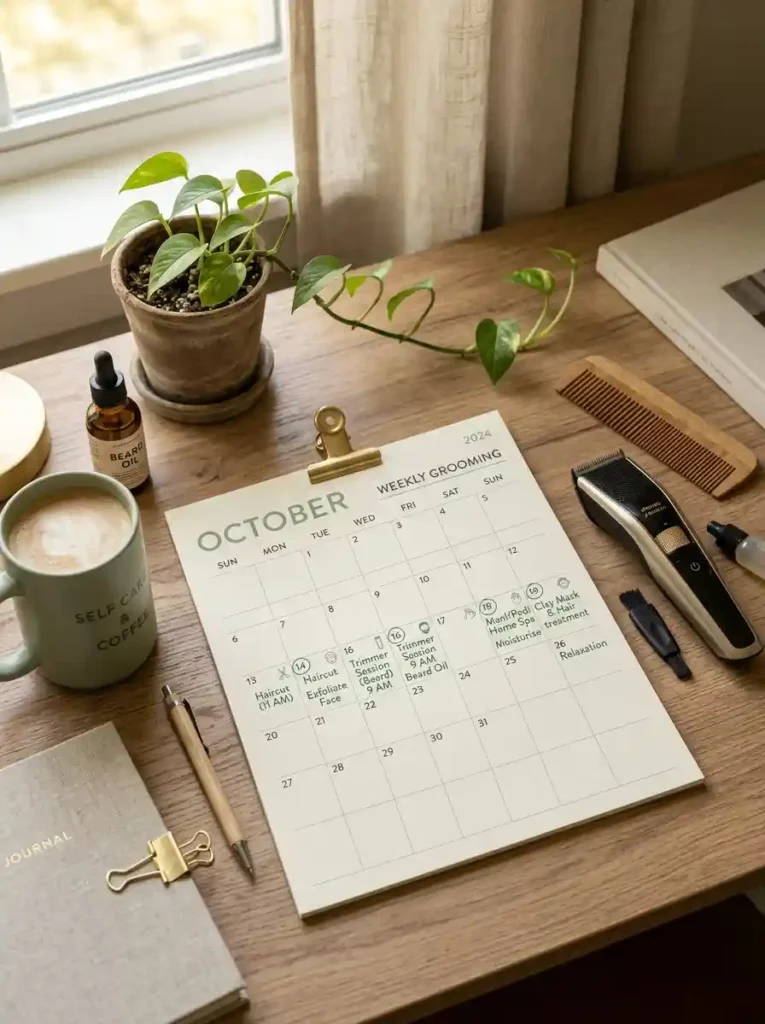
Finding the right home cutting frequency is part practical grooming science and part personal preference, and it depends largely on how quickly your hair grows and how crisp you like your fade to look at all times. Most fade styles start looking noticeably grown-out within ten to fourteen days, particularly at the base where the shortest hair grows the most visibly. Men who prefer a very clean, freshly-cut aesthetic tend to do a full touch-up every one to two weeks, while those who prefer a slightly softer, more grown-in look can comfortably stretch to three weeks between full cuts.
The rhythm of home cutting gets more natural and less effortful with every session — your hands learn the tools, your eyes learn to read the blend, and your brain stops second-guessing every pass. Most experienced home barbers find they can complete a full fade maintenance cut in under thirty minutes once the routine is established, which means the time cost of keeping a consistently sharp cut at home is genuinely minimal compared to the scheduling, travel, and cost of regular professional appointments. The real reward isn’t just the saving — it’s the deeply satisfying self-sufficiency of knowing you can maintain a genuinely great haircut on your own terms.
24. When to Visit a Professional Barber Instead
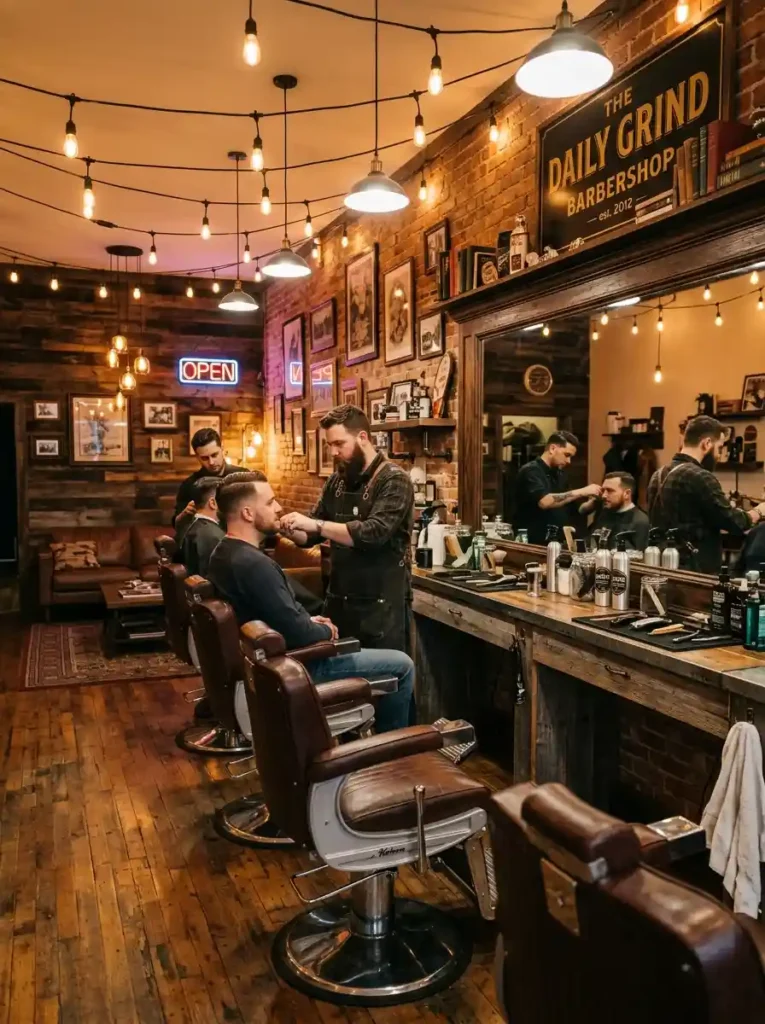
As empowering as home fade mastery is, there are absolutely situations where visiting a professional barber is the smarter, better decision — and recognizing those moments is itself a sign of grooming wisdom. If you want to try a completely new fade style you’ve never cut before, starting that style journey in a professional’s chair is invaluable. Watch how they section the hair, observe how they hold the clippers at different stages, notice which guards they use and where. That single appointment becomes a masterclass that’s worth every penny of what you pay.
Major changes — significantly different fade heights, new neckline shapes, a full style overhaul — are also better initiated by a professional before you take over maintenance at home. A barber establishes the shape and blueprint of the cut with a trained eye and years of practice; you then maintain that blueprint between visits with your clippers at home. This hybrid approach — professional appointments for new styles and structural resets, home maintenance in between — is honestly the most efficient and cost-effective grooming strategy available. It gives you the best of both worlds: professional-quality results and the daily confidence of always looking well-maintained.
Conclusion
Learning how to do a fade haircut at home takes patience, practice, and the right tools, but the results can be surprisingly professional when you understand the fundamentals. From choosing quality clippers and mastering guard transitions to blending fade lines and perfecting your edge-up, every step contributes to a cleaner, sharper haircut. Whether you’re creating a low fade, mid fade, high fade, or skin fade, consistency and attention to detail are key. With regular practice, you’ll gain confidence, save money on barbershop visits, and maintain a fresh, professional-looking fade haircut whenever you need one.