
Shaggy haircuts have earned their permanent spot in men’s grooming because they manage to do something few styles pull off at once: they look effortless and intentional in the same breath. Born from decades of rock-and-roll cool and refined by modern barbering, the shag today is less about looking undone and more about controlled texture, soft layers, and movement that frames the face without demanding constant upkeep.
Whether you have straight, wavy, or curly hair, there’s a shag variation built for your texture, hair density, and lifestyle. Below are 24 distinct takes on the shaggy haircut, each with its own personality, styling approach, and vibe — from low-maintenance everyday looks to bold statement cuts worth showing your barber.
1. Classic Shag with Curtain Bangs
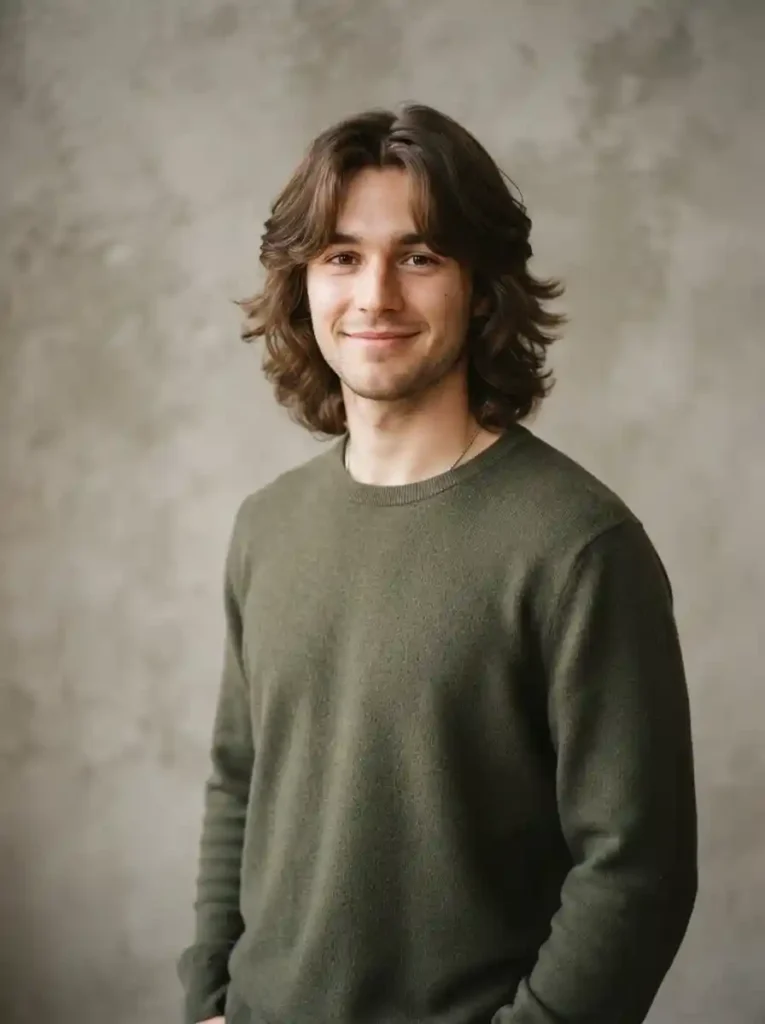
The classic shag with curtain bangs pairs feathered layers with soft, face-framing fringe that splits gently down the middle. This combination softens angular features and adds instant retro charm without looking costume-like. It works especially well on straight to slightly wavy hair, where the layers can fall naturally into place with minimal product.
Styling stays simple: a light sea-salt spray and air-drying is often enough to get the tousled movement this cut is known for. Because the layers are cut throughout rather than just at the ends, the style keeps its shape even as it grows out, making it a genuinely low-effort option for busy mornings.
2. Textured Shag Bob for Fine Hair
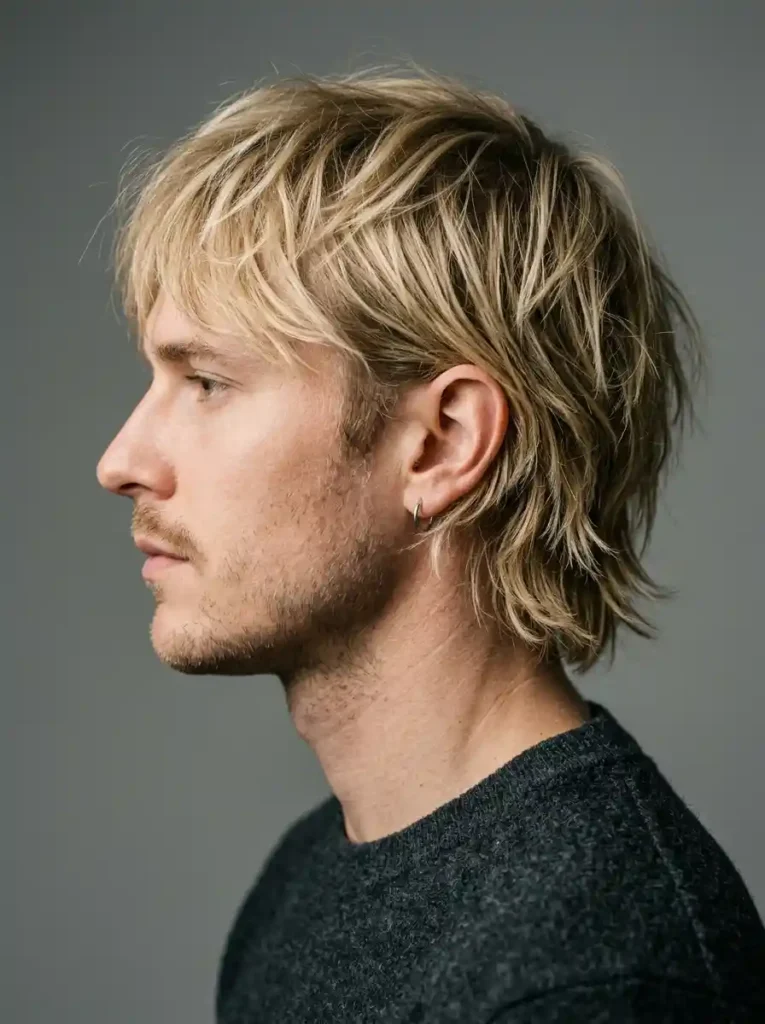
Fine hair often struggles to hold volume, which is exactly the problem this cut solves. Cutting a shag into a shorter, bob-length silhouette adds visual density by layering the ends into choppy, irregular pieces. The shorter length also means less weight pulling the hair flat, so the texture reads fuller throughout the day.
A texturizing powder or matte paste worked into damp roots gives lift without heaviness. Because the cut relies on strategic layering rather than length, it needs trims every four to six weeks to keep the shape crisp, but daily styling itself takes only a couple of minutes.
3. Long Layered Shag
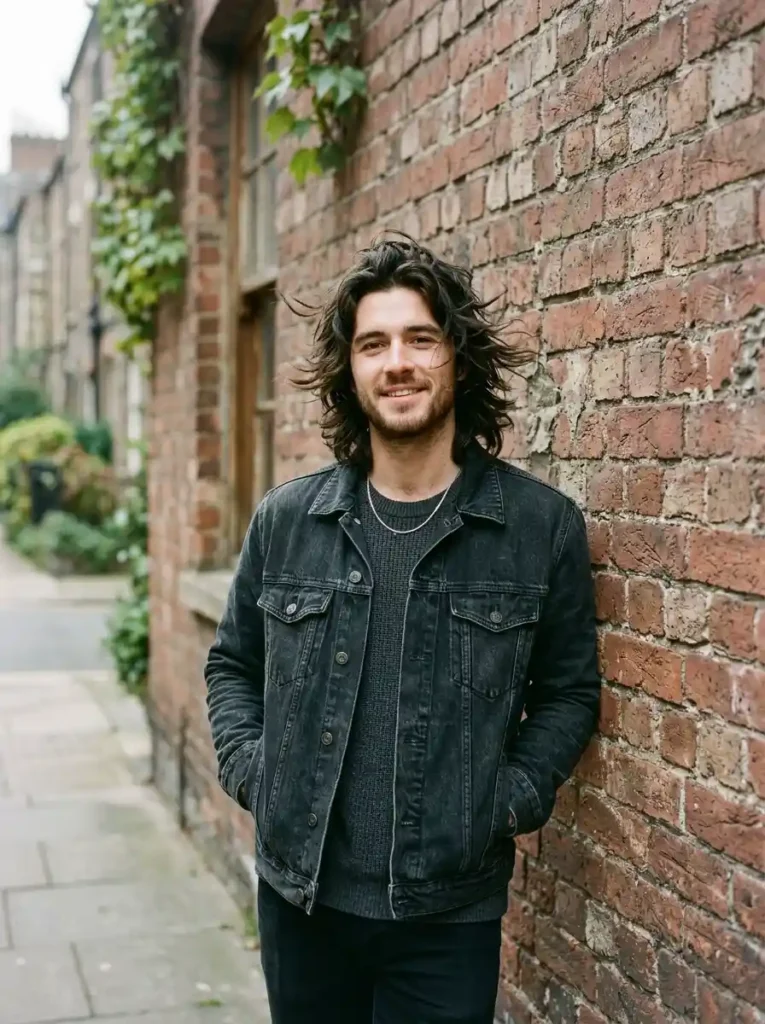
For men growing their hair out, the long layered shag offers structure so the in-between stage never looks shapeless. Long layers cut throughout the length remove bulk and create soft, flowing movement instead of one heavy mass. It suits those who want longer hair but still crave the shag’s signature texture and lift near the crown.
This style benefits from a lightweight leave-in conditioner to prevent the ends from looking stringy. Occasional trims to the layers, without cutting overall length, keep the silhouette intact. It pairs particularly well with a slight wave, whether natural or achieved with a loose curling iron.
4. Shag with Undercut
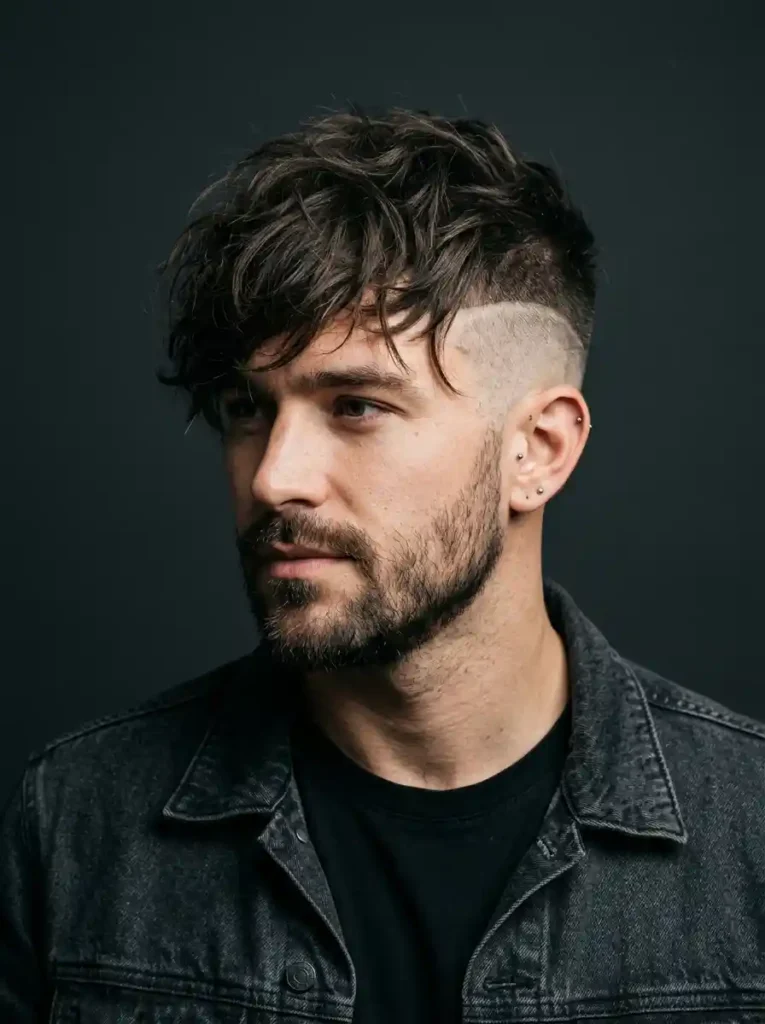
Combining a shag on top with a clean undercut on the sides creates sharp contrast between relaxed and precise. The longer top hair gets all the shag’s characteristic movement and layering, while the shaved or closely cropped sides keep the overall look modern and lower-maintenance around the ears and neck.
This version is popular because it photographs well from every angle and works across most face shapes. Styling the top with a matte clay pushes texture upward and outward, while the undercut requires touch-ups every two to three weeks to maintain its crisp line against the grown-out top.
5. Curly Shag

Curly hair and shag cuts were practically made for each other. The layered structure removes excess bulk from tight or loose curls, letting each curl pattern show its natural shape instead of forming one dense dome. The result is a style with built-in texture that needs very little extra styling to look intentional.
A curl-defining cream applied to damp hair, followed by air-drying, is usually all this cut requires. Because curls shrink as they dry, it’s worth asking a barber experienced with curly textures to cut it slightly longer than the intended finished length, ensuring the layers land exactly where they’re meant to.
6. Wavy Shag with Side Part
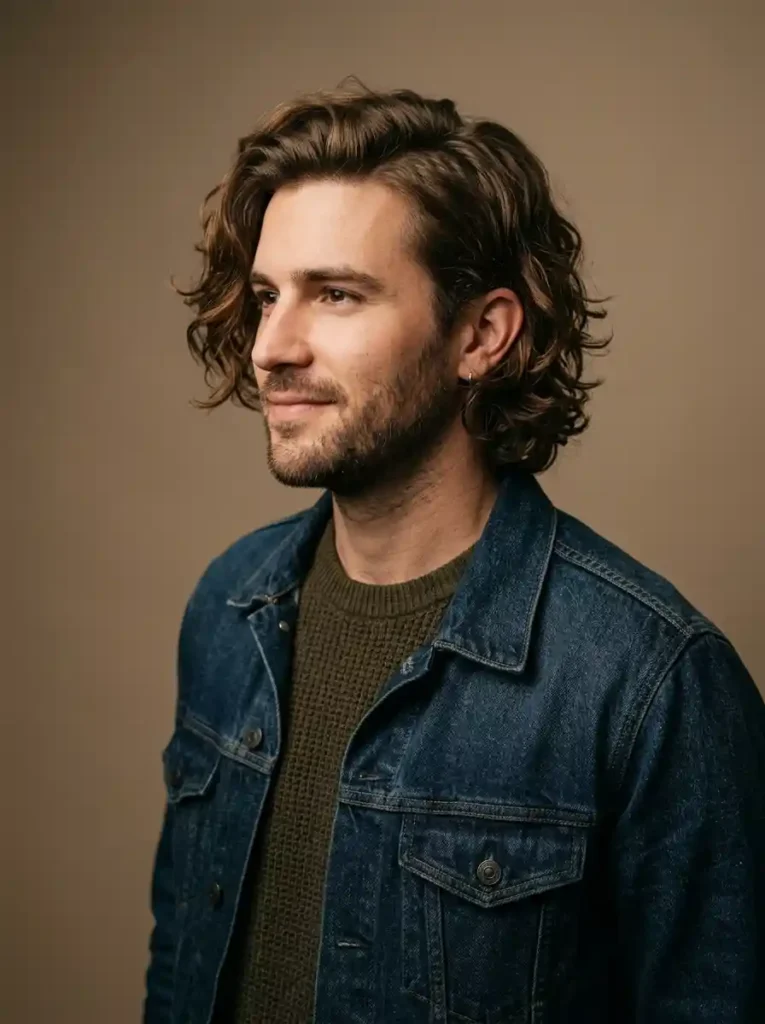
Adding a deep side part to a wavy shag introduces a touch of polish to an otherwise relaxed cut. The part creates an asymmetrical sweep across the forehead, while the rest of the layers keep their loose, wavy texture. It’s a versatile middle ground between a formal hairstyle and a fully undone one.
A light-hold pomade combed through damp hair helps set the part without flattening the waves elsewhere. This style transitions easily from daytime to evening looks, since brushing the part back slightly and scrunching the ends can shift the overall impression from tidy to effortlessly tousled in seconds.
7. Shag Mullet Fusion
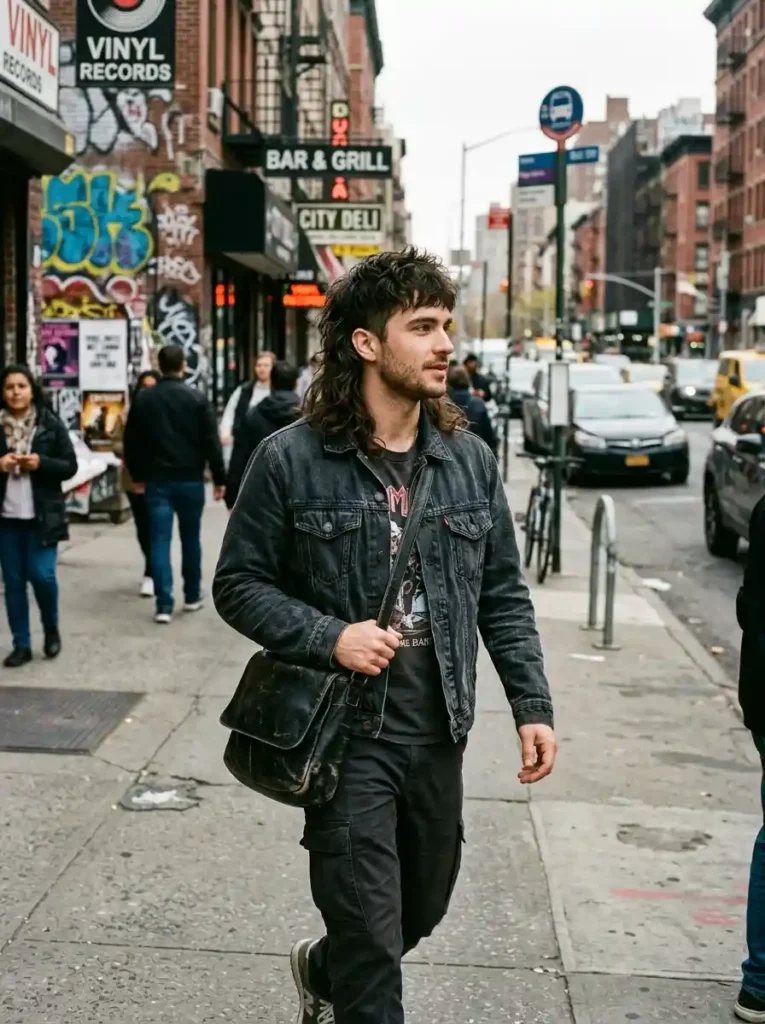
The shag-mullet fusion borrows the shag’s soft, feathered layering for the top and sides while keeping a longer, less-tapered length at the back. This hybrid has become a favorite among men wanting a bolder statement cut without committing to a full traditional mullet. The blend between the two lengths is kept gradual rather than abrupt.
Styling focuses on lifting the crown for volume while letting the back hang loose. A texturizing spray adds grip for the top layers, and the back typically needs no product at all. Regular trims to the top layers keep the contrast between sections looking deliberate rather than accidental.
8. Short Shag Crop

The short shag crop takes the layered, textured philosophy of a traditional shag and applies it to a much shorter overall length. Choppy, piecey layers replace the longer feathered strands, creating a cut that’s easy to maintain but still carries the shag’s signature relaxed texture. It’s especially suited to men with active routines.
A small amount of matte wax scrunched through towel-dried hair is typically enough to define the pieces. Because the cut is short, growing-out periods are barely noticeable, and trims every three to four weeks keep the choppy shape from softening into a plainer, rounder silhouette.
9. Shag with Fringe
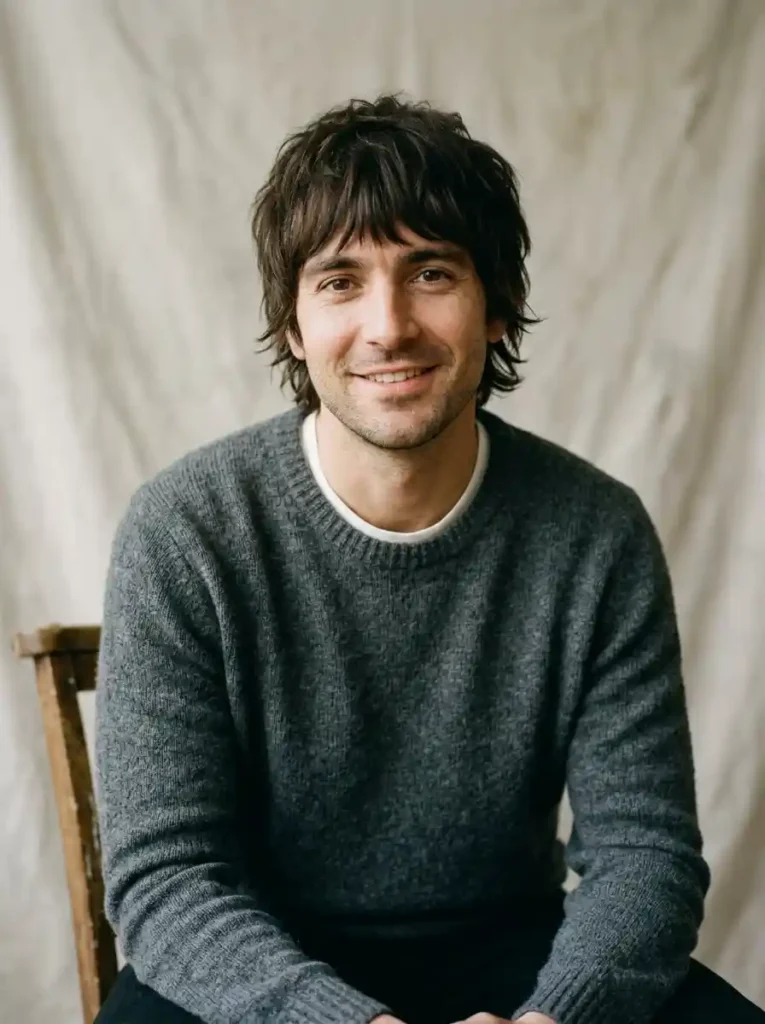
A full, heavier fringe brings a slightly edgier feel to the traditional shag. Instead of the softer curtain-style bangs, this version keeps the fringe cut in one continuous line just above the eyebrows, adding drama and framing the eyes directly. The rest of the layers keep the loose, textured shag movement.
This cut works best on hair with some natural body, since flat hair can make a heavy fringe look weighed down. A texturizing cream through the fringe itself, combined with light drying with fingers rather than a brush, keeps the front piece looking deliberately imperfect rather than blunt.
10. Blonde Highlighted Shag
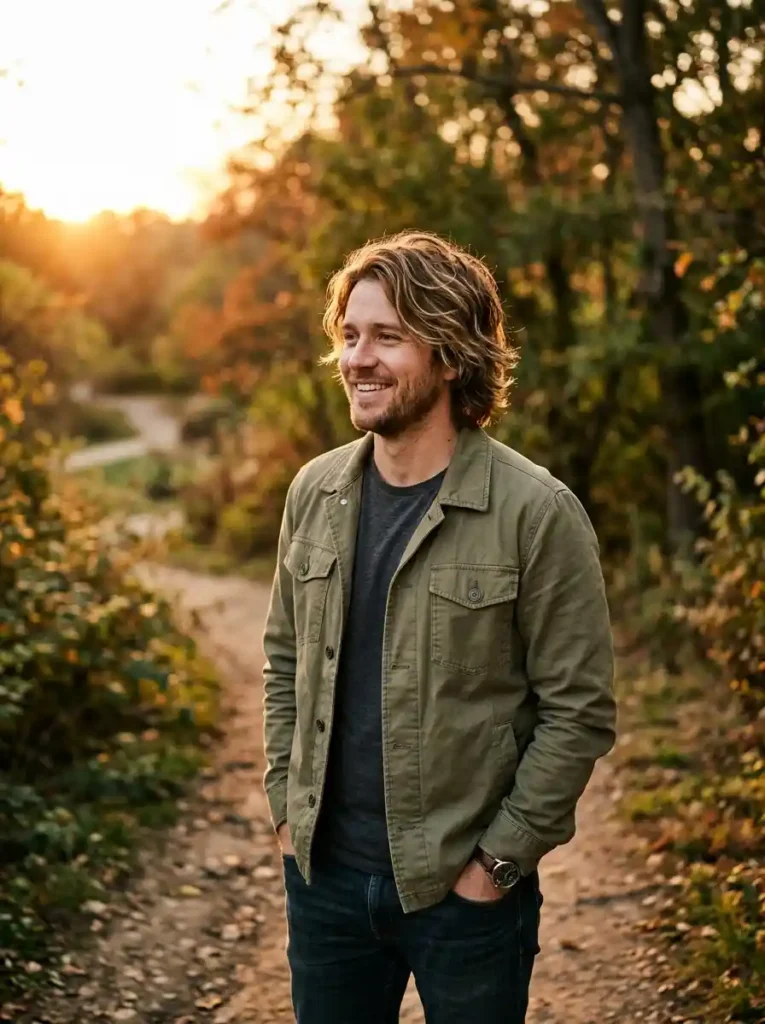
Adding subtle highlights to a shag haircut enhances the layers by making individual pieces of hair visually distinct from one another. Lighter strands woven through the base color catch the light differently as the hair moves, drawing attention to the cut’s natural texture and giving the whole style added dimension.
Because color adds another layer of maintenance, most men opt for a sun-kissed, low-contrast highlight rather than a dramatic one, keeping touch-ups less frequent. A color-safe shampoo helps preserve the tone between salon visits, and the shag’s inherent texture actually helps hide regrowth lines longer than sleeker haircuts would.
11. Shag for Thick Hair
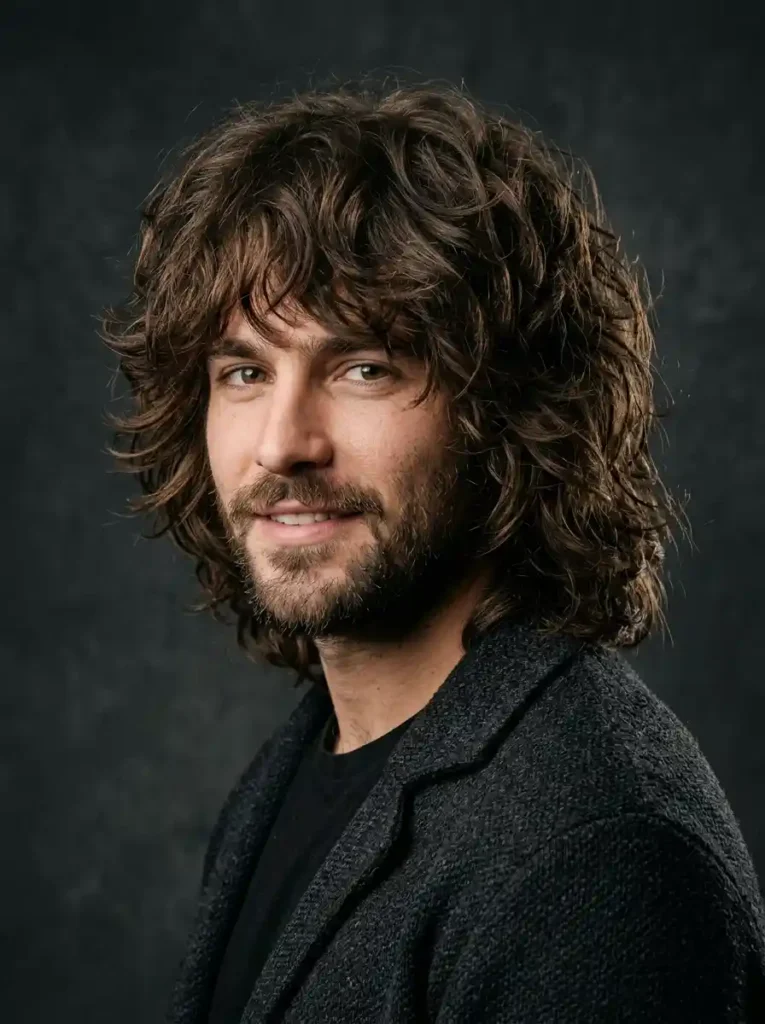
Thick hair carries plenty of natural volume already, so a shag cut for this hair type focuses on heavy layering to remove bulk rather than add lift. Thinning shears and long internal layers reduce the overall weight, letting the hair move more freely and preventing the classic triangular, helmet-like shape thick hair can fall into.
A lightweight styling cream, rather than heavier pomades, keeps the reduced weight from creeping back in. Because thick hair holds its shape well, this version of the shag often needs the least daily styling of any variation, making it a favorite for men who want texture without a routine.
12. Shag with Beard Pairing
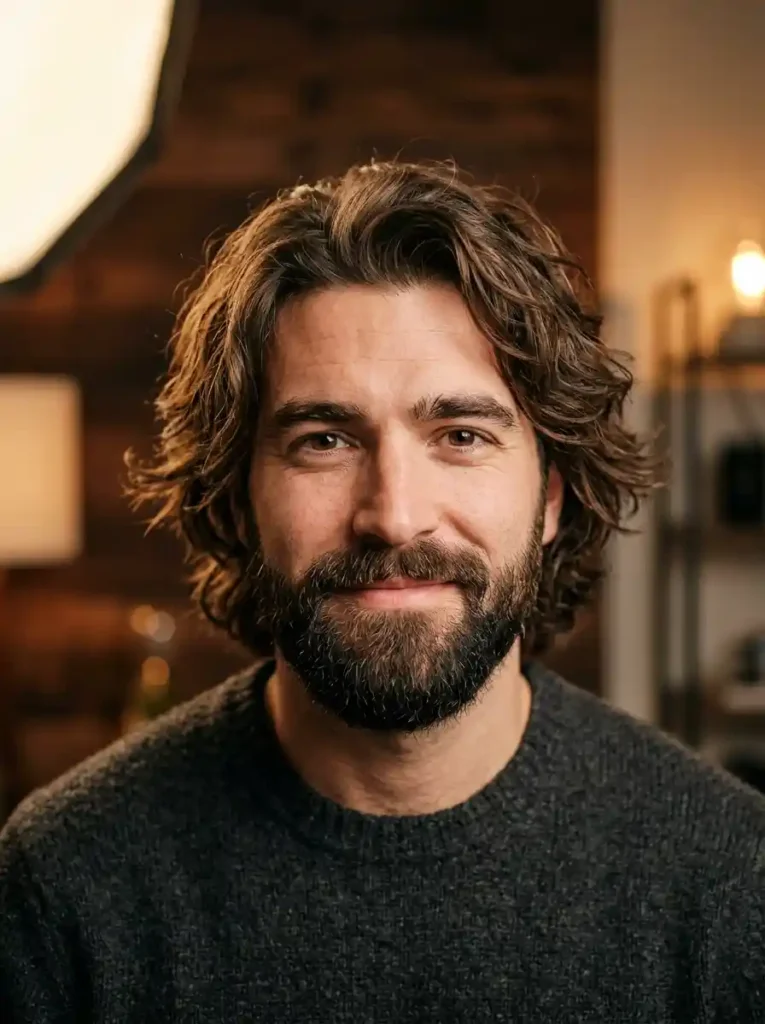
Pairing a shag haircut with a fuller beard creates a cohesive, textured look from hairline to jaw. The relaxed, layered top balances a well-maintained beard rather than competing with it, and both elements share the same slightly undone, natural aesthetic. This combination has become especially popular for its rugged yet groomed appeal.
Keeping the beard neatly trimmed at the edges, even while leaving length on top, prevents the overall look from reading as unkempt. A lightweight beard oil and the same texturizing product used on the hair can tie both areas together visually without requiring two completely separate routines.
13. Grunge-Inspired Shag
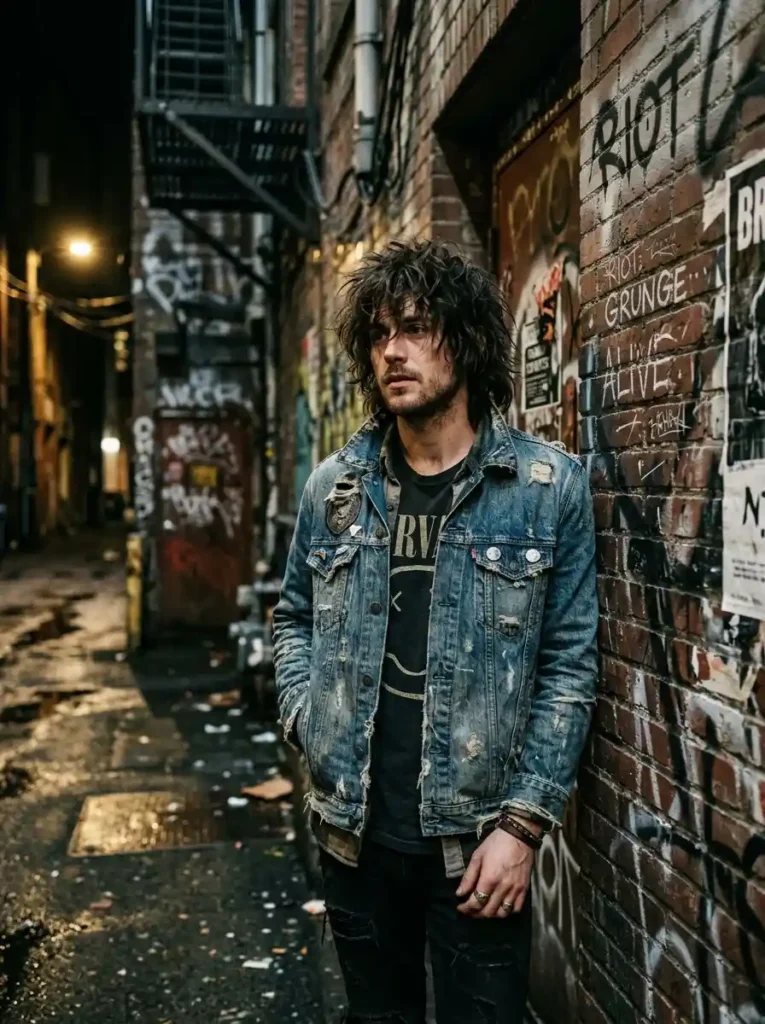
The grunge-inspired shag leans into deliberate imperfection, drawing on 90s alternative rock aesthetics. Layers are cut with less uniformity, and the styling embraces flyaways and uneven pieces rather than smoothing them down. It’s a version of the shag built for men who want a look that feels rebellious rather than polished.
A dry texturizing spray applied to already-dry hair, then scrunched by hand, achieves the intentionally undone finish. This cut actually looks better a day or two after washing, since natural oils help the texture hold, making it one of the lowest-maintenance shag variations in terms of daily styling effort.
14. 70s Retro Shag
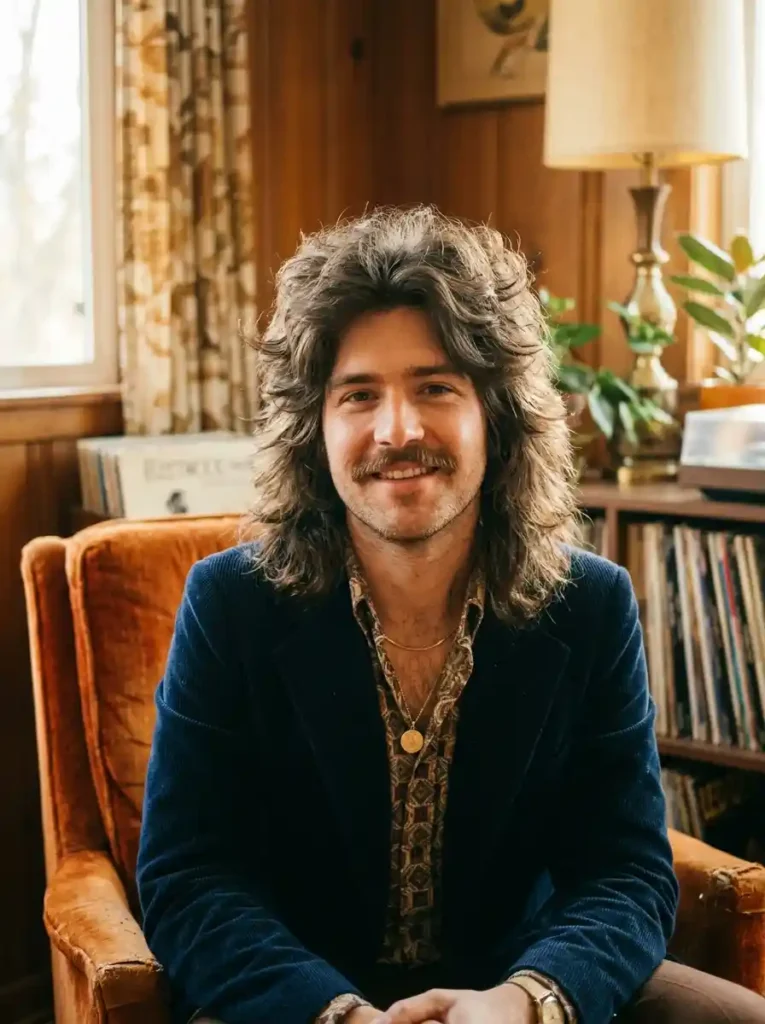
This variation stays closest to the shag’s original roots, with heavily feathered layers, a fuller crown, and length that brushes past the ears and collar. The 70s retro shag prioritizes volume and movement over sharp precision, aiming for a soft, rounded silhouette reminiscent of the era that popularized the cut in the first place.
A round brush and diffuser attachment while blow-drying helps recreate the feathered, outward-flicking ends typical of this look. Because the style relies on volume at the crown, a light mousse applied at the roots before drying gives the lift needed to keep the retro shape from falling flat.
15. Modern Textured Shag
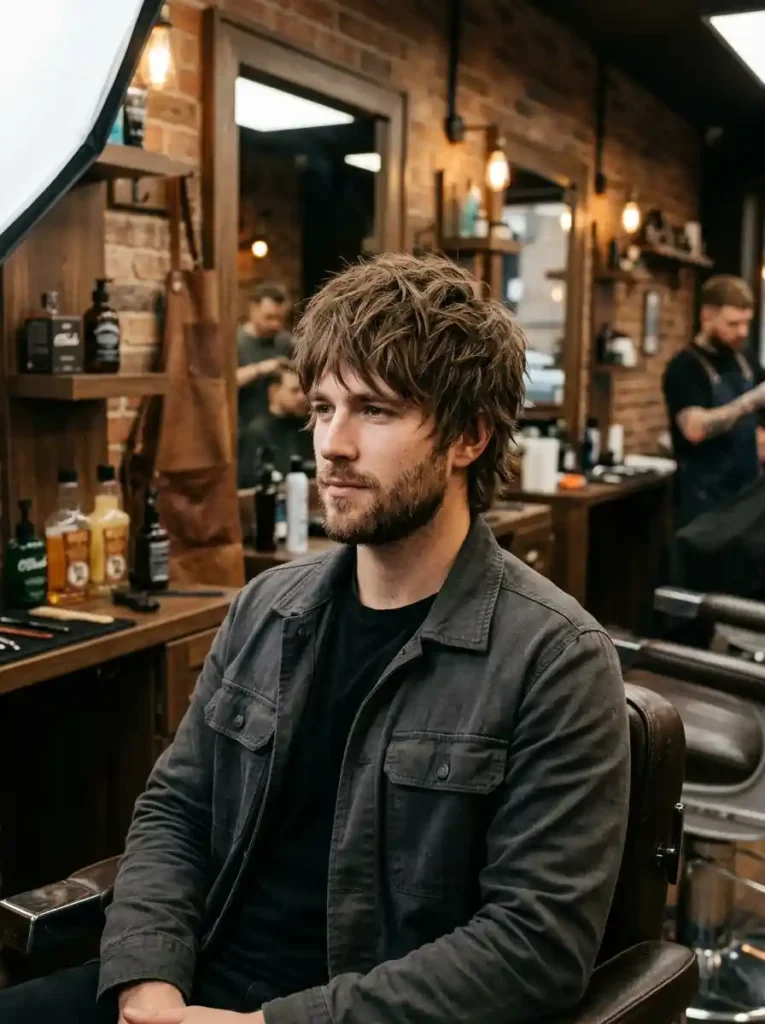
The modern textured shag trades the softer, feathered look of earlier versions for sharper, more defined pieces. Precision cutting techniques create distinct, choppy sections rather than blended layers, giving the style a more structured, editorial feel while still keeping the shag’s relaxed overall silhouette and face-framing length.
A matte, high-hold paste helps separate and define individual pieces without adding shine. This version tends to appeal to men who want the shag’s texture but prefer a slightly more deliberate, styled appearance over the looser, tousled finish associated with more classic or vintage takes on the cut.
16. Shag with Fade
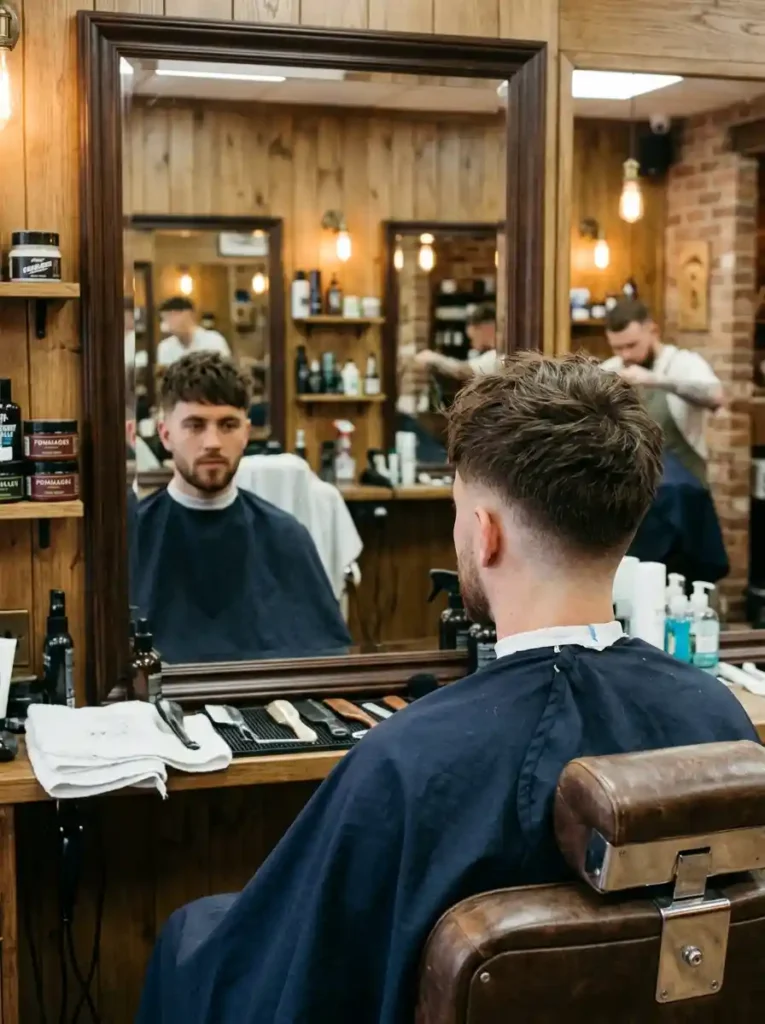
Combining a shag with a tapered fade brings a clean, barbershop-precise element to the sides while preserving all the loose texture on top. The fade gradually shortens down to the skin or a close crop, creating a sharp frame that contrasts nicely with the longer, more relaxed layers above it.
This pairing has become one of the most requested modern variations because it balances low-maintenance sides with expressive, textured top hair. The fade needs touch-ups roughly every two to three weeks, while the top layers can go considerably longer between trims without losing their intended shape.
17. Silver/Grey Shag
A shag haircut on naturally grey or silver hair takes on a distinguished, textured quality that differs from the youthful energy often associated with the cut. The layers add movement and prevent grey hair, which can sometimes look flat or coarse, from settling into a stiff or overly formal shape.
A hydrating, color-safe styling cream helps keep grey hair looking healthy rather than dry or brittle. Because grey hair often has a different texture than it did before, working with a barber to adjust layer placement ensures the shag’s movement translates well to the hair’s current condition.
18. Shag for Receding Hairline
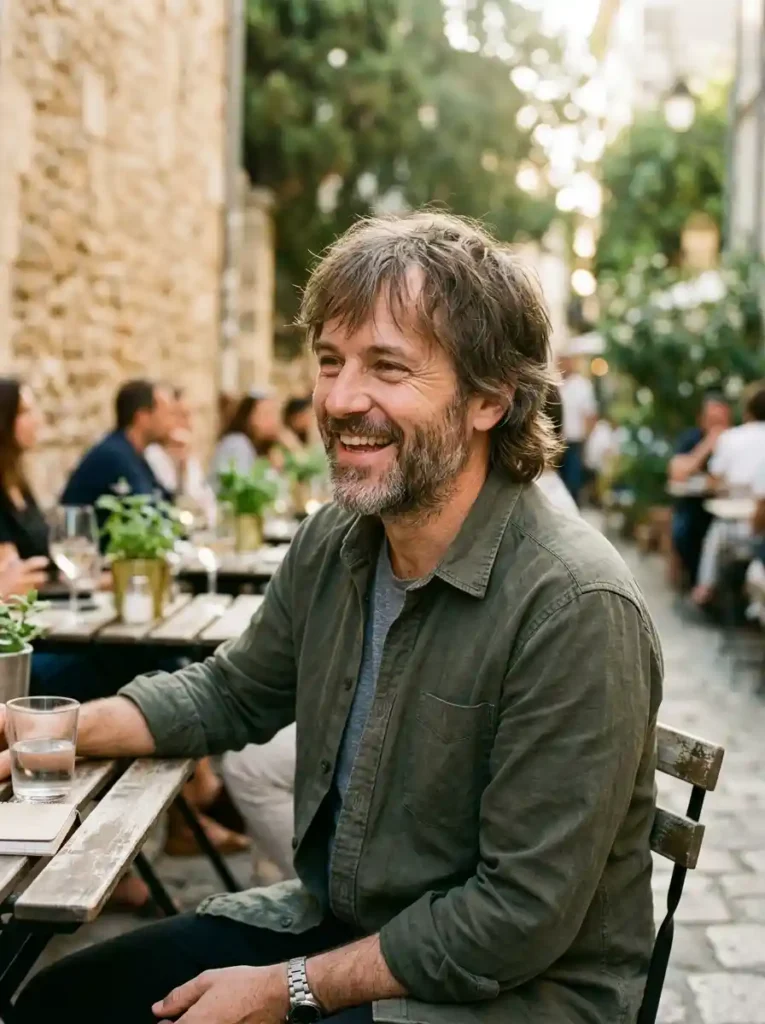
For men navigating a receding hairline, a shag can be adapted to soften the transition rather than emphasize it. Slightly longer layers at the front are styled forward and textured, breaking up the hairline’s shape without appearing to hide it outright. The rest of the cut keeps the shag’s usual loose movement.
A texturizing powder at the front adds subtle volume exactly where it’s needed most. Working closely with a barber to keep layers proportional to the current hairline, rather than overcompensating with excess length, keeps this version looking natural and age-appropriate rather than like an obvious cover-up attempt.
19. Messy Bedhead Shag
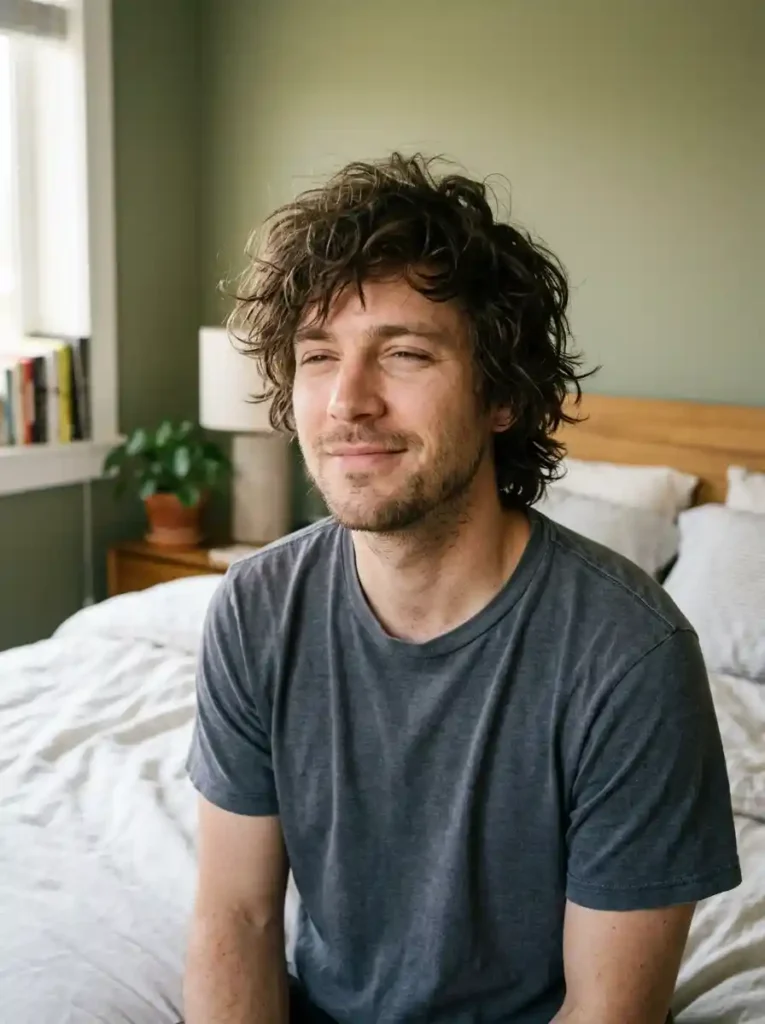
The messy bedhead shag is built around looking like it required zero effort, even though the cut underneath is carefully layered to make that illusion possible. Hair is left to dry naturally or is tousled by hand, with pieces falling wherever gravity and texture take them rather than being directed into place.
A texturizing sea-salt spray applied to damp hair before air-drying encourages the piecey, just-woke-up finish. This is one of the fastest shag styles to maintain day to day, since it’s designed to look good without a mirror, a brush, or more than thirty seconds of hands-on styling.
20. Shag with Long Sideburns
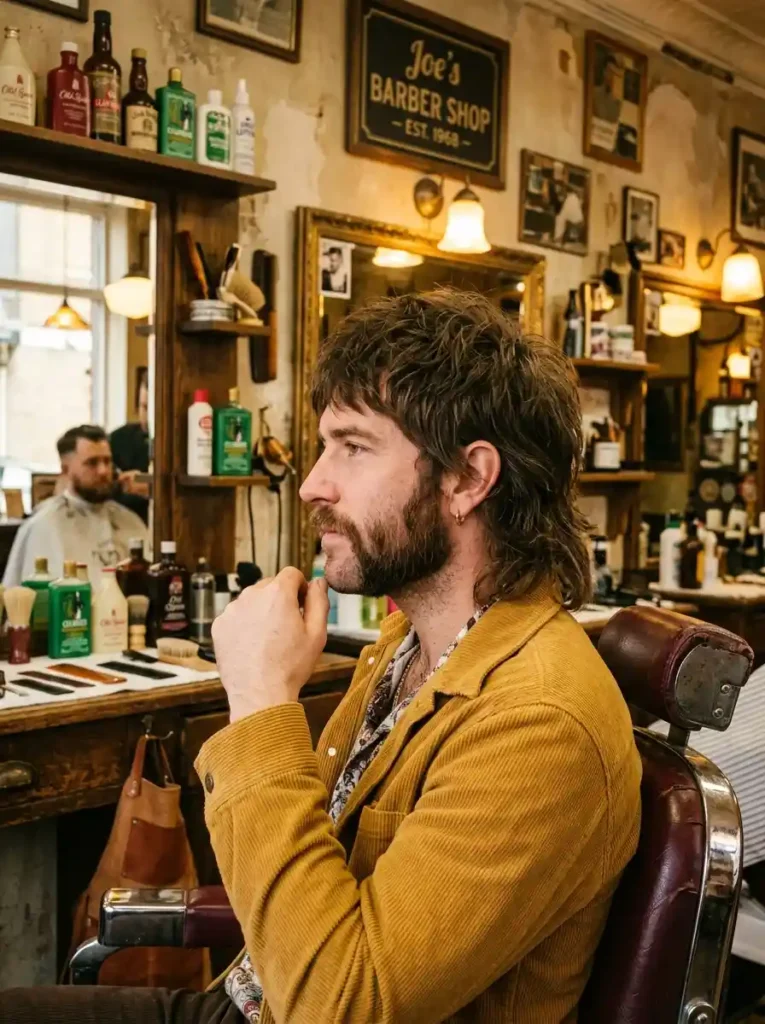
Extending the sideburns slightly longer than usual adds a distinct, retro-adjacent edge to a standard shag. The sideburns visually connect the top layers to the sides of the face, creating a continuous, textured frame rather than a hard stop at the ear. It’s a subtle detail that gives the cut extra character.
Keeping the sideburns trimmed to a consistent length, even as the top grows out, is key to making this detail read as intentional. A small comb and trimmer at home between barber visits helps maintain the shape without needing to book an appointment for such a minor adjustment.
21. Asian Hair Shag Style
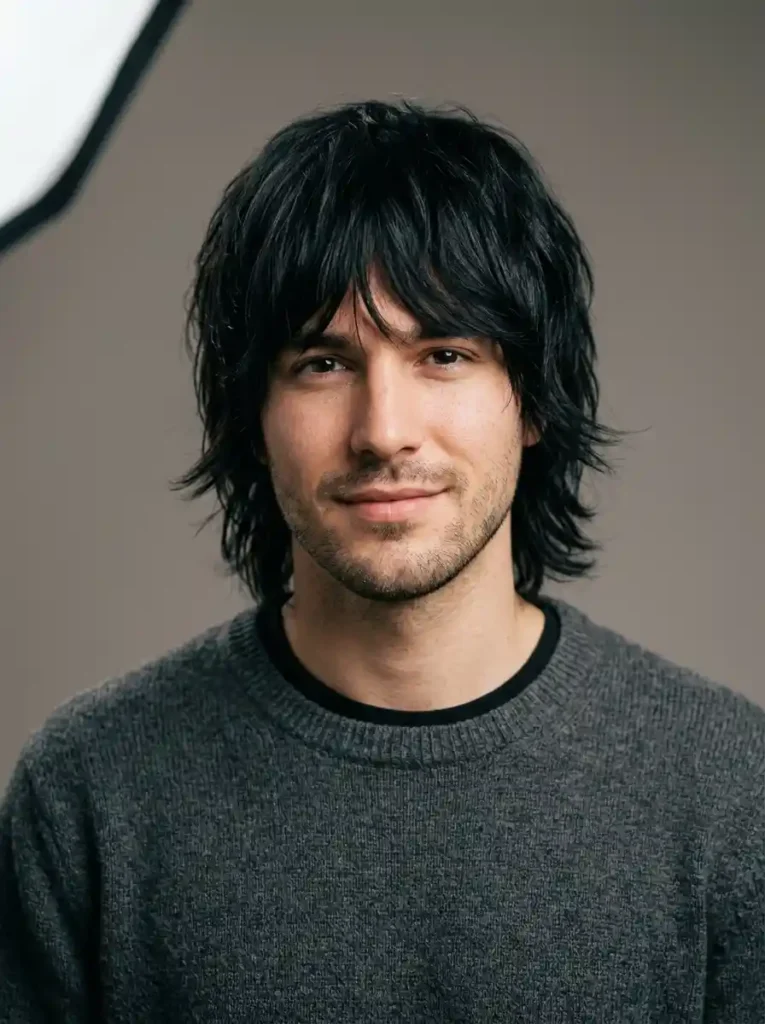
Straight, dense hair textures common in many Asian hairstyles pair well with a shag cut that uses heavy layering to introduce movement that wouldn’t otherwise occur naturally. The layers break up the hair’s straight fall, creating soft separation and a fringe that frames the face without appearing overly structured or blunt.
A lightweight matte clay helps define pieces without fighting the hair’s natural straightness. Because straight hair holds a cut’s shape clearly, precise layering during the initial haircut matters more here than styling product does, making the barber’s technique the most important factor in how this version turns out.
22. Shag with Twisted Texture
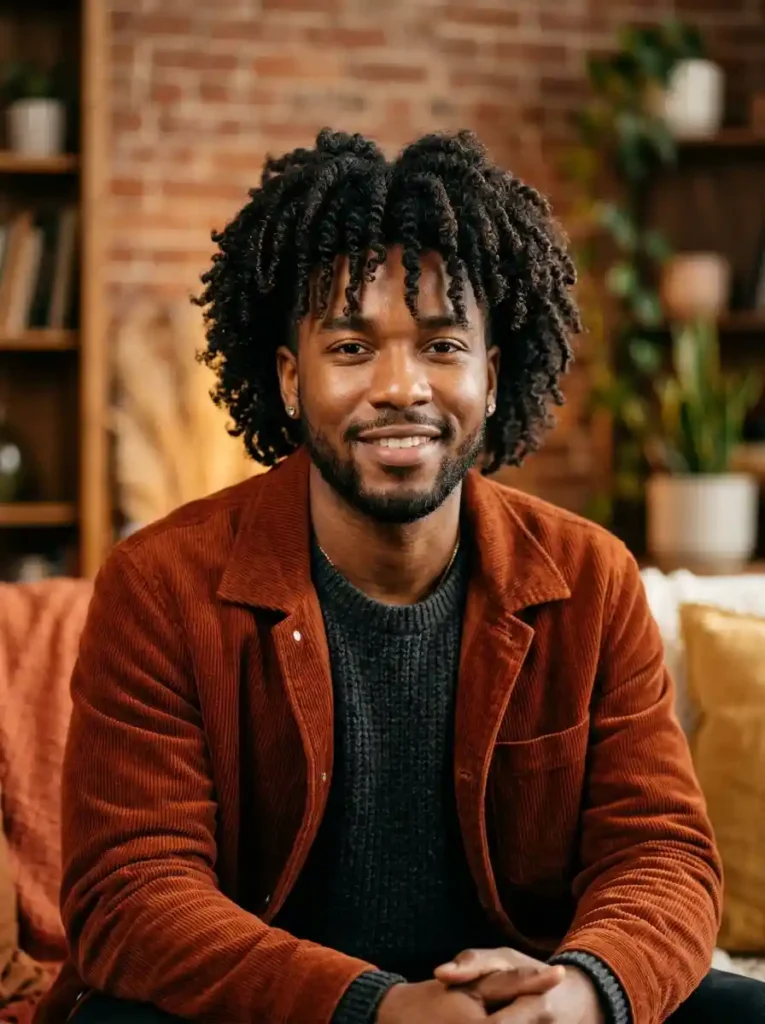
For coily and highly textured hair, a shag can be adapted by cutting layers that work with the hair’s natural coil pattern rather than against it, while small twists add definition on top. This approach keeps the volume the shag is known for while highlighting rather than fighting natural texture.
A curl-defining butter or cream, applied section by section while twisting, helps each piece hold its shape through the day. Because coily hair tends to shrink more than straight or wavy textures, cutting slightly longer than the desired finished length helps the shag’s layers land where they’re meant to.
23. Business-Casual Shag

The business-casual shag tones down the more tousled, rock-inspired elements of the cut in favor of a neater, more controlled finish suitable for office environments. Layers are still present for texture and movement, but styling keeps everything closer to the head, with less of the deliberately undone, piecey look other versions embrace.
A light-hold, low-shine pomade smooths flyaways while preserving some natural texture. This version proves the shag can work in more formal settings without losing its identity entirely, offering a middle ground between a traditional professional haircut and the more casual, relaxed styles the shag is typically associated with.
24. Rockstar Shag
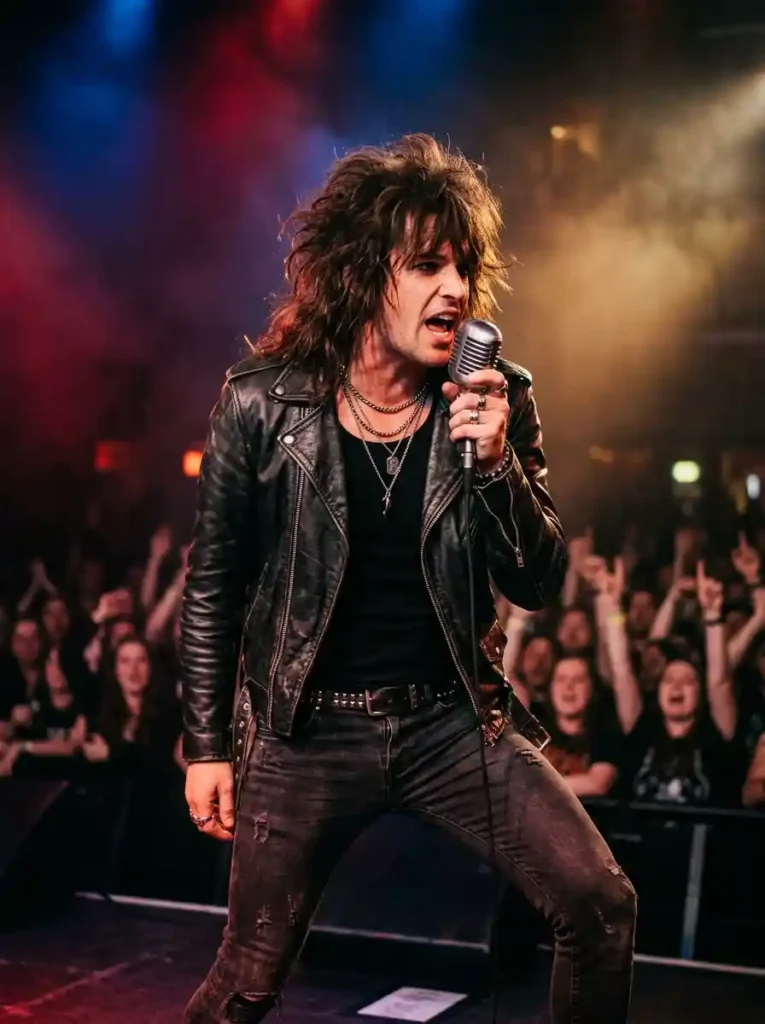
The rockstar shag pushes volume, length, and texture further than any other variation on this list, drawing directly from decades of rock musicians who made the cut iconic. Heavily feathered layers, a fuller silhouette, and longer length combine for a bold, attention-grabbing look built for standing out rather than blending in.
Backcombing at the roots and a strong-hold volumizing spray help achieve the dramatic lift this style calls for. It requires the most maintenance of any shag on this list, but for those wanting a genuinely statement-making haircut, the payoff is a look with unmistakable presence and personality.
Conclusion
Shaggy haircuts have stayed relevant for decades because they flex to fit almost any hair type, face shape, and lifestyle without losing their core identity: soft layers, natural movement, and a relaxed finish that never looks overworked. Whether you lean toward a low-maintenance crop, a bold rockstar silhouette, or something in between, there’s a version of the shag suited to how you actually want to look and feel every day.
Bring one of these examples to your barber, be specific about the layering and length you want, and don’t be afraid to ask how much daily styling a particular version will realistically require. The right shag isn’t just about the haircut itself — it’s about picking the variation that fits seamlessly into your routine while still giving you that effortlessly stylish edge.