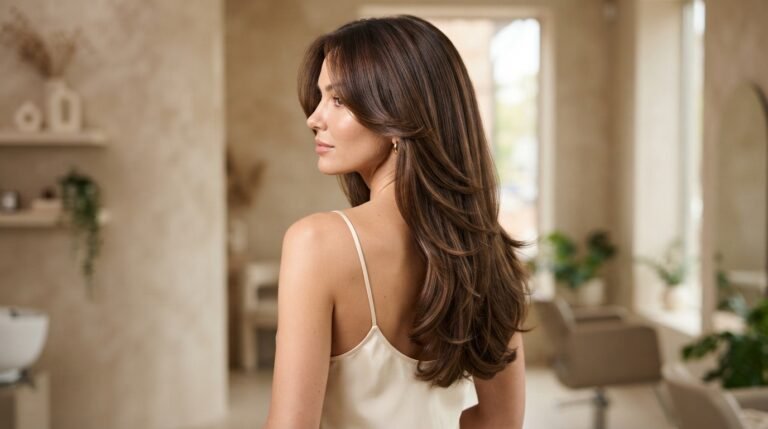
Brunette hair is anything but ordinary. From glossy espresso shades and rich chocolate layers to sun-kissed caramel ribbons, brown hair offers endless ways to refresh your look without losing its natural beauty. Whether you prefer a subtle change or a dramatic transformation, the right color, cut, and styling technique can make all the difference. These 25 stunning brunette hair ideas will help you discover flattering shades, fresh styling inspiration, and practical ways to achieve a look that feels uniquely yours.
1. Rich Chocolate Brown Hair
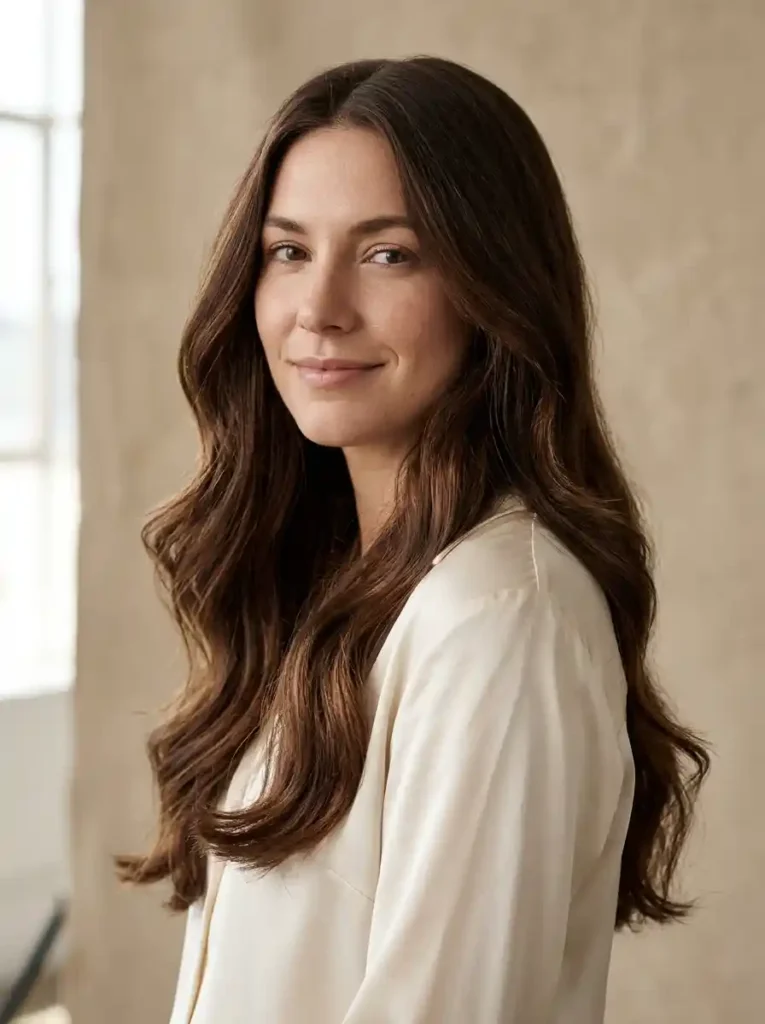
Rich chocolate brown hair is a timeless choice if you want a sophisticated color that looks healthy, dimensional, and effortlessly polished. Its deep brown base complements many complexions, while its warm cocoa undertones prevent the shade from appearing flat. This color works particularly well on medium to long hair, where gentle waves reveal its richness. If you prefer understated beauty over dramatic highlights, chocolate brown offers a beautiful balance between natural-looking color and noticeable refinement.
To maintain its glossy appearance, ask your colorist for a rich brunette formula suited to your existing hair color and undertones. A sulfate-free shampoo, regular conditioning treatments, and a heat protectant can help preserve shine and reduce dryness. Style your hair with a large-barrel curling iron, alternating the direction of the curls for a softer finish. Finish with a lightweight shine serum, concentrating on the mid-lengths and ends rather than the roots to avoid a greasy appearance.
2. Caramel Balayage on Brunette Hair
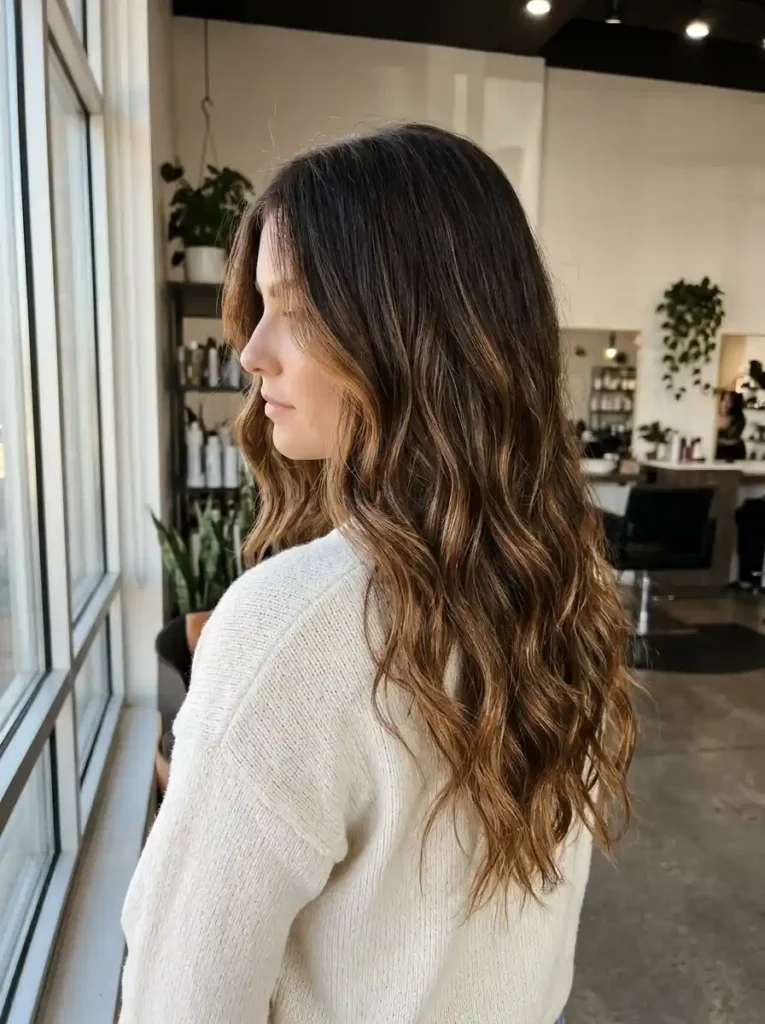
Caramel balayage is ideal when you want to brighten brunette hair without committing to an all-over lighter color. The hand-painted highlights create a graduated effect, keeping the roots relatively deep while introducing golden caramel through the lengths. This technique adds visual movement to straight hair and makes waves appear especially dimensional. It suits many brunette bases, although the precise caramel shade should be adjusted to complement your complexion and the level of lightness your hair can safely achieve.
One advantage of balayage is that the softer root transition often allows longer intervals between highlight appointments than traditional root-to-tip coloring. Ask your stylist to concentrate the brightest pieces around the face and through the ends for a sunlit finish. A color-safe shampoo, nourishing mask, and occasional gloss can help keep the caramel tones looking fresh. When styling, use a round brush for a smooth blowout or a curling wand for relaxed bends that showcase the different shades.
3. Espresso Brown Hair
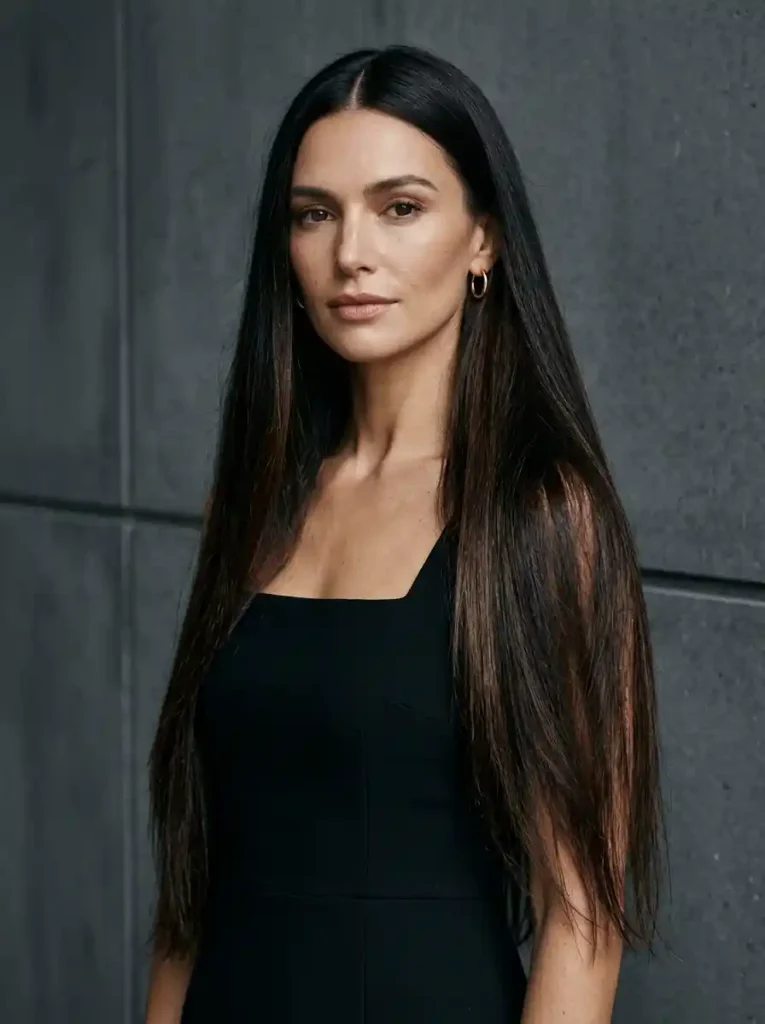
Espresso brown is a striking option for anyone drawn to dark, dramatic hair with a polished finish. The nearly black shade retains subtle brown warmth, giving it more depth than a completely flat black color. It looks particularly elegant on sleek bobs, long straight hair, and sculpted waves. Depending on your natural coloring, espresso can create beautiful contrast with lighter complexions or harmonize with deeper skin tones. The key is choosing a formula that enhances your features rather than overwhelming them.
Because very dark color can be difficult to lighten later, consider your long-term hair goals before committing to permanent dye. If your natural hair is already dark, a brunette gloss may deliver the richness you want without a major color change. Use a heat protectant before straightening, and keep the ends trimmed so the smooth finish looks intentional. A soft-bristle brush and a tiny amount of shine serum can help maintain the sleek appearance without making your hair feel heavy.
4. Honey Brown Highlights
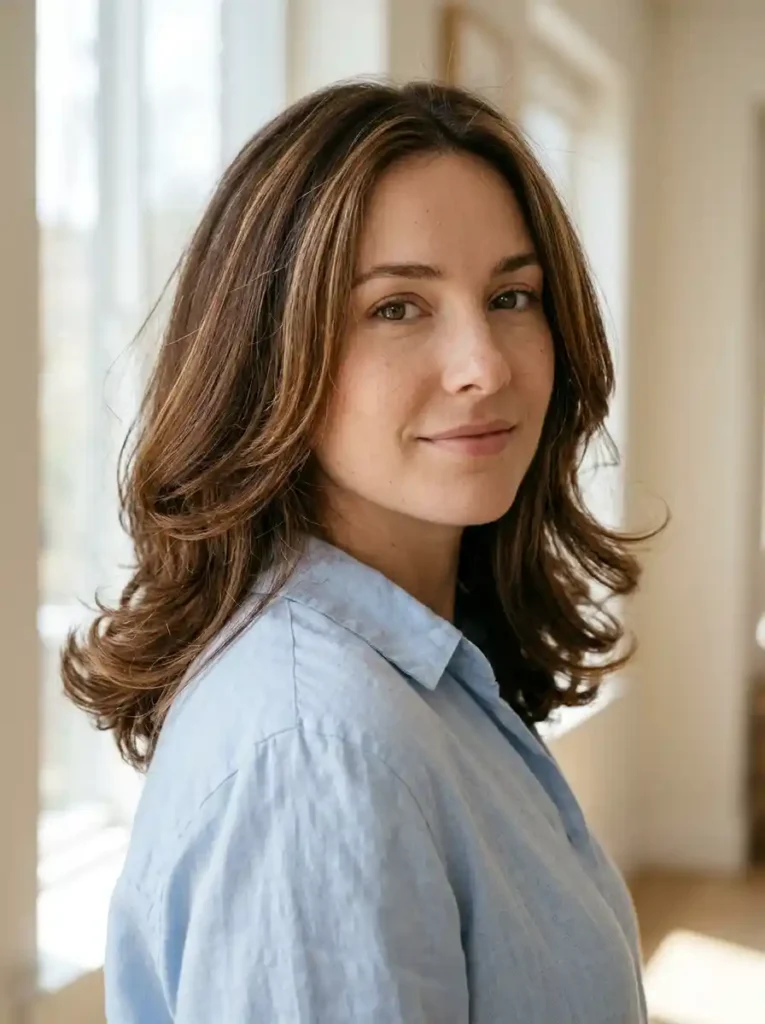
Honey brown highlights introduce warmth and brightness while preserving the depth that makes brunette hair so appealing. Compared with cooler beige highlights, honey tones create a golden glow that can look especially beautiful against warm or neutral undertones. The effect is subtle enough for everyday wear yet noticeable in photographs, making it a lovely choice if you want a refreshed appearance without changing your overall brunette identity. Fine highlights can also help layered cuts look more textured and lively.
For a balanced result, ask your colorist to blend honey ribbons through the upper layers and around the face instead of placing every highlight at the same intensity. If your hair pulls orange easily, discuss a carefully tailored gloss to keep the finished color golden rather than brassy. Use moisturizing products after lightening, and limit excessive heat styling. A round-brush blowout emphasizes the contrast between the highlighted strands and darker base, while loose curls create a softer, more casual finish.
5. Brunette Hair with Curtain Bangs
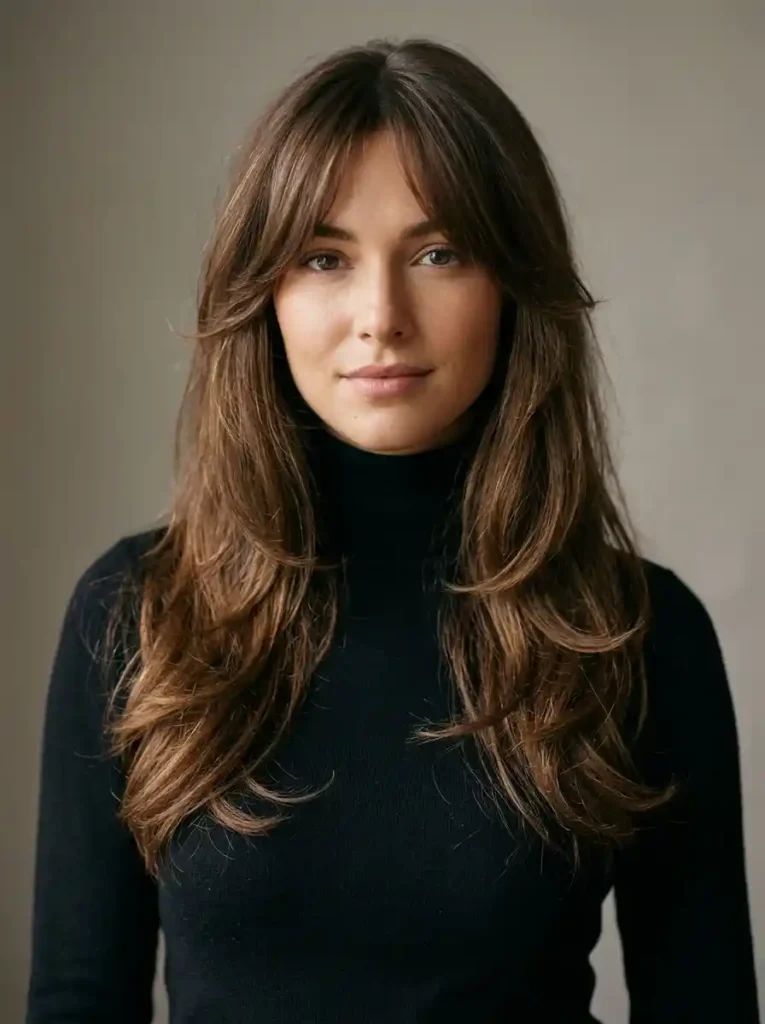
Curtain bangs are a simple way to transform brunette hair without sacrificing length. Their center part and outward sweep frame the face, drawing attention toward the eyes and cheekbones. They work with straight, wavy, and loosely curled textures, although the exact length and density should reflect your natural hair pattern. Long curtain bangs offer a softer introduction to fringe than blunt bangs, making them particularly appealing if you want a noticeable haircut that remains versatile when styling your hair up.
The secret to attractive curtain bangs is shaping them to blend naturally into the rest of your haircut. Ask your stylist to customize the shortest pieces around your preferred face-framing point rather than copying a one-size-fits-all reference. At home, use a small round brush to direct the fringe away from your face, alternating the sides for balanced movement. A lightweight styling cream can control flyaways, but avoid heavy products near the roots, where they may flatten the volume.
6. Chestnut Brown Hair
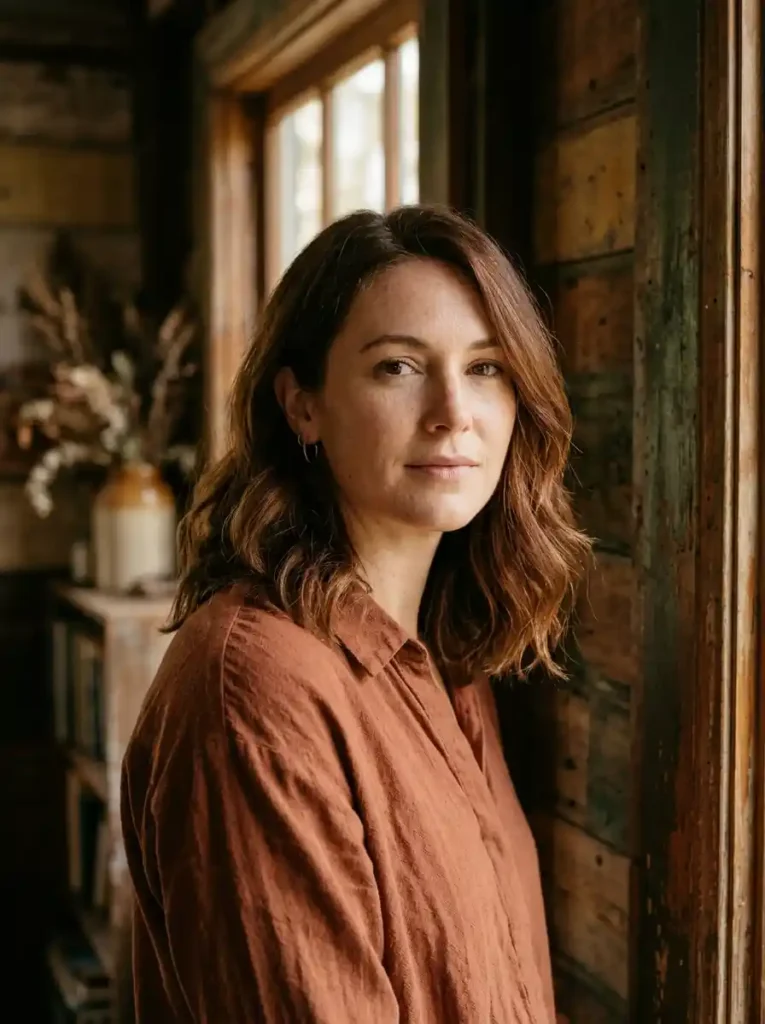
Chestnut brown offers a beautiful middle ground between neutral brunette and noticeable red-brown color. Its warm undertones become especially visible when light catches the hair, creating a lively finish without the commitment of vivid copper or auburn. This shade works beautifully on bobs, medium-length cuts, and long layers because the subtle warmth adds dimension even when you keep your hairstyle simple. It is an appealing choice for anyone who wants brown hair to feel warmer and richer without looking dramatically different.
When choosing chestnut dye, bring reference photos that show the warmth you like in both indoor and natural lighting. Some formulas lean more golden, while others have stronger reddish undertones, so describing your preference clearly helps your stylist avoid an unexpected result. Maintain the color with a gentle cleansing routine and regular conditioning. If the warmth begins to fade, a color-depositing product formulated for your particular chestnut tone may help refresh the appearance between salon visits.
7. Mushroom Brown Hair

Mushroom brown is a cool-toned brunette shade that combines muted brown with taupe and ash-like undertones. It is a refreshing alternative to golden or reddish brunette colors, particularly if you prefer understated, neutral-looking hair. The subtle contrast between the darker base and lighter cool pieces can make a lob or layered haircut appear more dimensional. Because the shade is intentionally muted, it is worth discussing your natural undertones and maintenance preferences with a colorist before deciding how cool to go.
Achieving mushroom brown may require lightening darker hair before applying the desired tonal finish, depending on your starting color. That process can increase dryness, so ask your stylist about protecting the hair during coloring and whether a gentler, more gradual transformation makes sense. Use products designed for color-treated hair, and consider a gloss when the cool tones begin to fade. If your hair naturally turns warm, occasional professional toning can help preserve the balanced taupe effect without repeatedly lightening the entire head.
8. Mocha Brown Hair
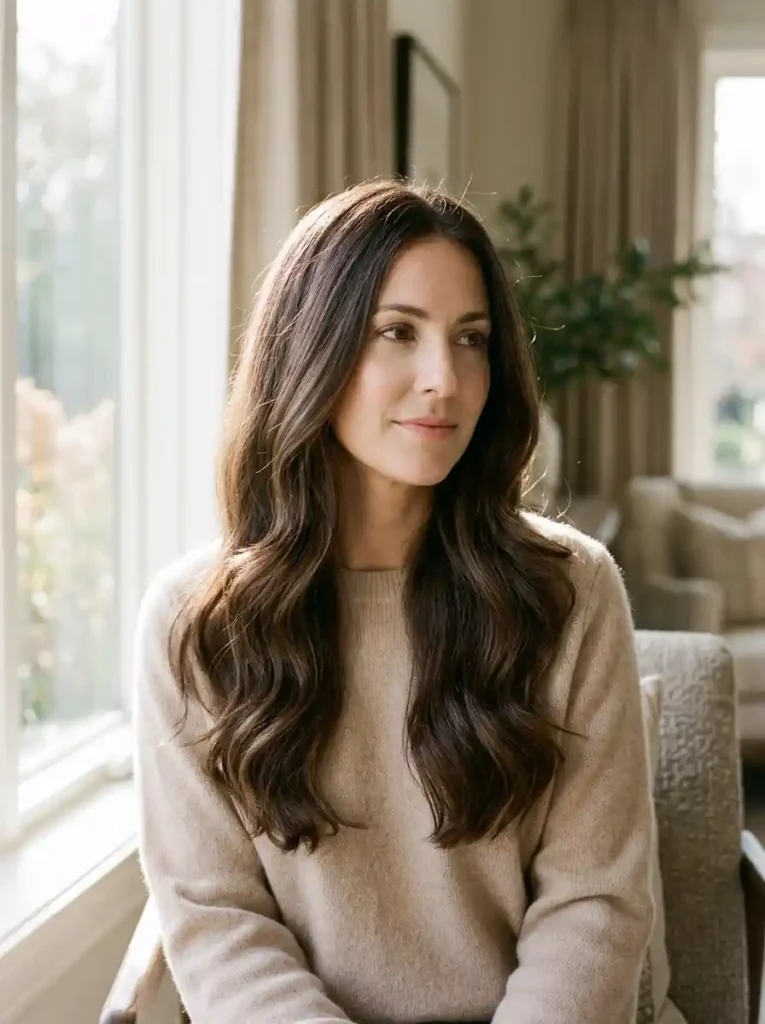
Mocha brown is a versatile brunette shade that combines chocolate depth with a softer, creamy brown finish. It feels polished without being as dark as espresso or as golden as honey brown. This balance makes it suitable for anyone who wants a subtle color update that still looks natural in everyday settings. Mocha can flatter a range of complexions when its warmth and depth are customized, and it works especially well on medium-length hair, long layers, and softly curled styles.
To keep mocha brown looking dimensional, ask for a customized blend rather than a single flat color if your hair needs extra depth or movement. A professional gloss can enhance shine and refine the tone without necessarily requiring extensive lightening. For styling, create loose bends with a curling iron and brush them gently once the hair cools. This produces a soft finish that reflects light across the different brown tones. Regular conditioning and careful heat management help maintain the smooth, healthy-looking appearance.
9. Brunette Hair with Face-Framing Highlights
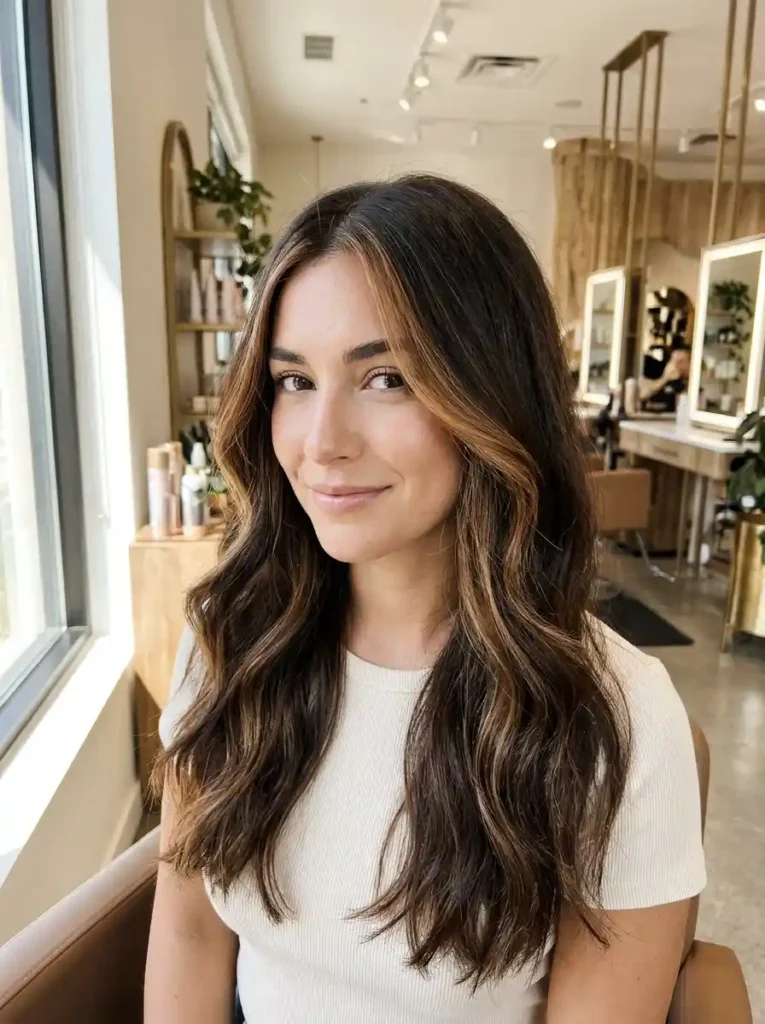
Face-framing highlights offer a targeted way to brighten brunette hair without coloring every section. Lighter strands near the front create contrast around your features and can make a familiar haircut feel newly styled. Depending on your preference, the highlights can be a barely noticeable caramel blend or a more pronounced honey-colored accent. This approach works with ponytails, loose waves, and straight styles because the brighter pieces remain visible even when the rest of the hair is relatively simple.
Placement matters more than making the front pieces extremely light. Ask your stylist to consider your parting, the way you usually wear your hair, and how much contrast you want against the base color. If you regularly tie your hair back, a softer blend may look more cohesive from every angle. Keep the lightened pieces conditioned, since they may be more fragile than untreated hair. A quick blow-dry using a round brush can direct the front sections away from the face and emphasize their shape.
10. Dark Brown Hair with Subtle Lowlights
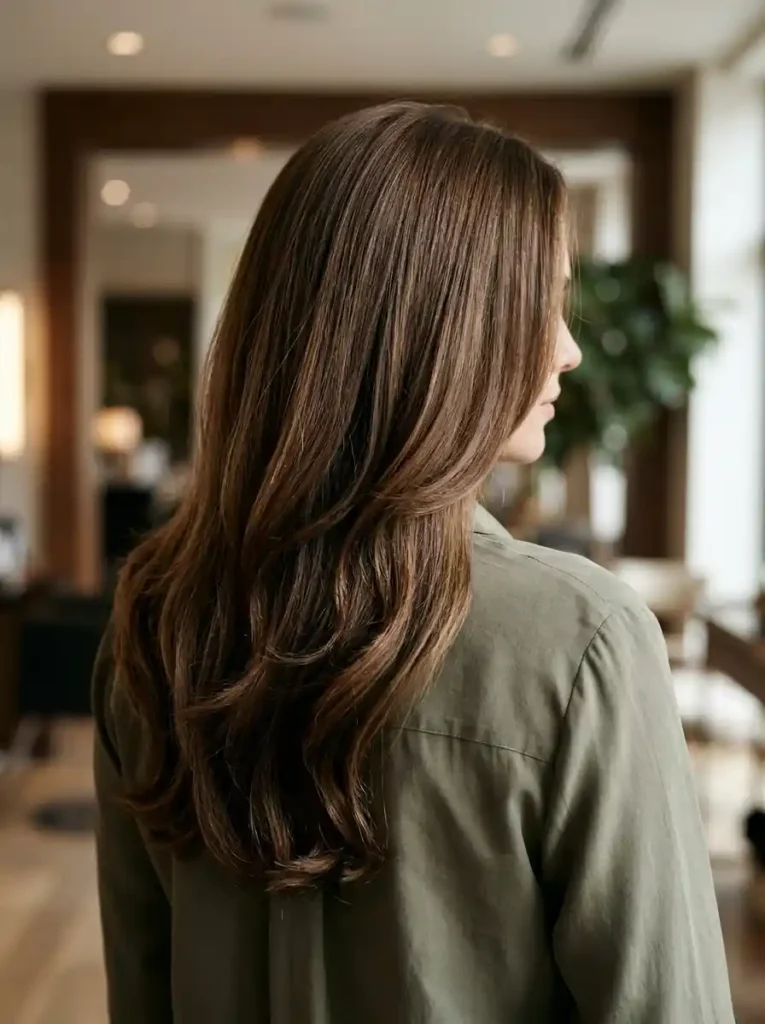
Lowlights add darker strands to the hair, creating depth without relying on additional lightening. For brunettes whose color looks overly uniform, strategically placed espresso or deep chocolate lowlights can restore contrast and make the overall shade appear richer. They are especially useful for hair that has accumulated too many highlights or has become lighter than intended. Rather than making the hairstyle brighter, lowlights create a more dimensional finish that can look elegant in both straight and curled styles.
Your stylist can place the darker pieces beneath the surface layers, throughout the lengths, or around previously lightened sections depending on the desired result. If your hair is already dark, the change may be subtle, which is often the point of this technique. Bring photos showing the depth you want rather than simply requesting darker hair. A gloss may help blend the tones, while a suitable conditioner keeps the different sections smooth and reflective without weighing down the roots.
11. Cinnamon Brown Hair
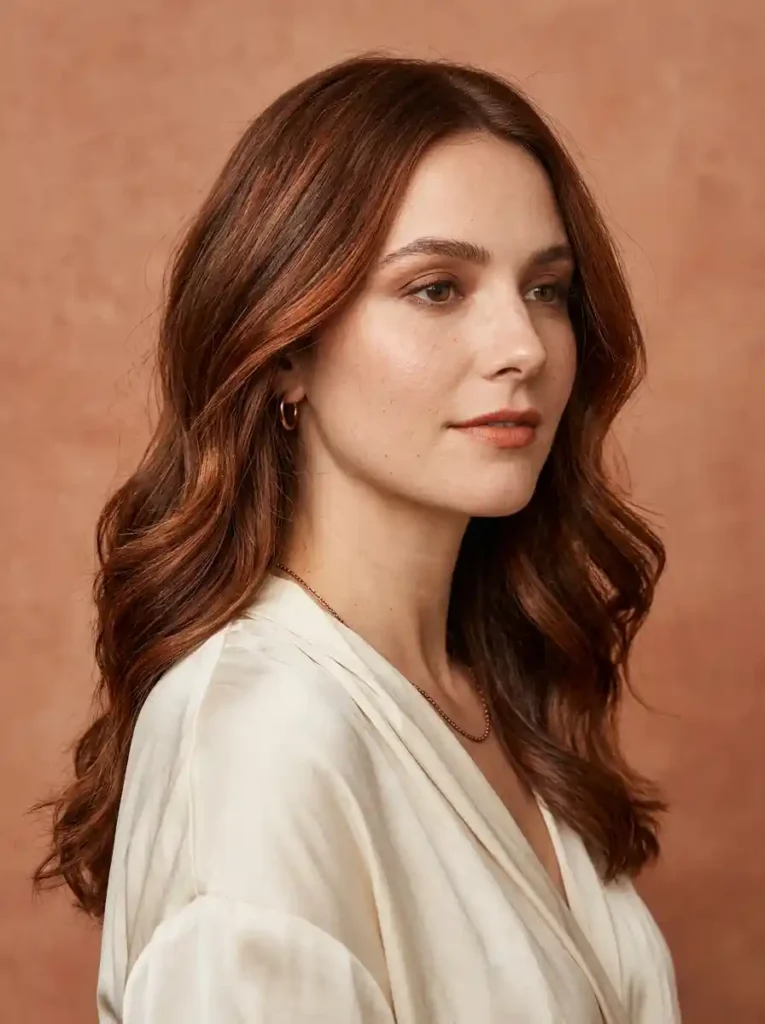
Cinnamon brown brings a subtle spicy warmth to brunette hair, blending brown depth with reddish and coppery reflections. It is a lovely option if conventional chocolate shades feel too neutral but bright red hair seems like too big a change. The warmth can be tailored to look understated in indoor lighting and more noticeable in sunlight. It works particularly well with layered haircuts, soft waves, and medium-length styles that allow the reddish-brown tones to catch the light.
Before coloring, decide whether you prefer a brown shade with a faint cinnamon glow or a more obvious copper influence. Those finishes can look quite different, even when they share a similar name. Warm shades may need periodic refreshing because the visible red tones can change as color fades. Use a color-safe routine, protect your hair from excessive sun exposure, and ask about a gloss between appointments. Neutral clothing and simple styling can help the warm color remain the focal point of your look.
12. Brunette Butterfly Haircut
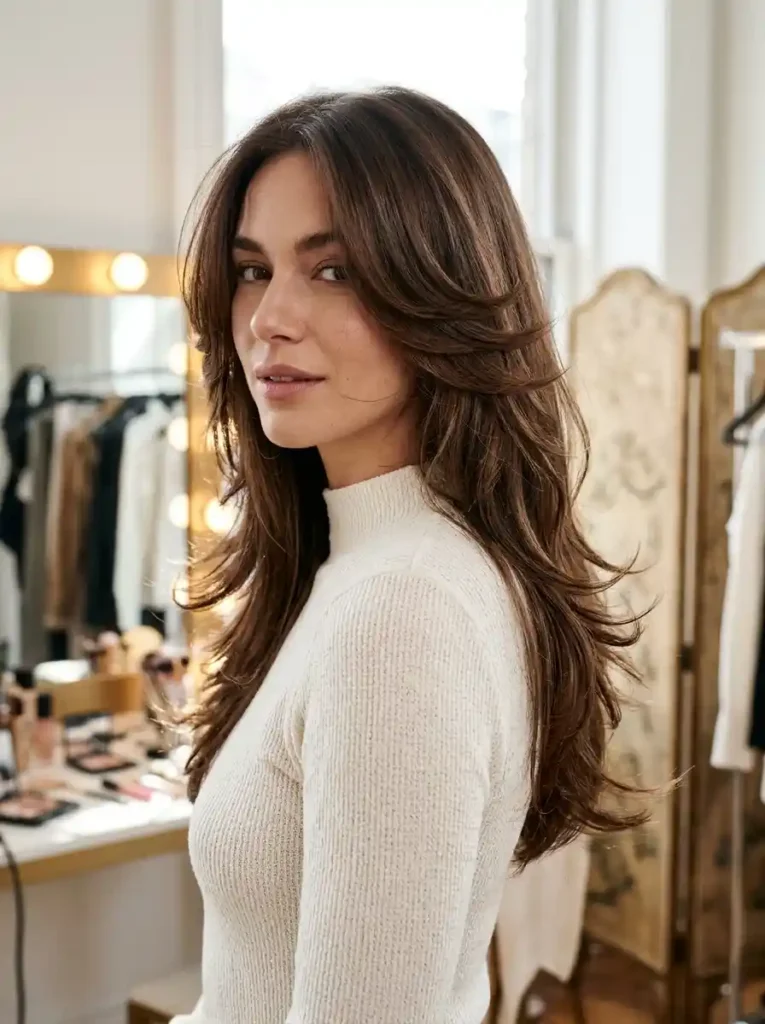
The butterfly haircut creates the impression of shorter face-framing layers while preserving substantial length at the back. On brunette hair, the layered structure adds movement and gives a blowout that signature airy, cascading shape. It is particularly appealing if you enjoy volume around your face but are not ready to lose your long hair. The cut can be adapted for different densities, although the amount of layering should reflect how much fullness your hair naturally holds.
Ask your stylist to demonstrate where the shorter layers will fall when your hair is styled and when it is left natural. Very fine hair may need fewer layers to preserve fullness at the ends, while thicker hair can often support more internal shaping. To style, use a round brush or large rollers to lift the roots and curve the front pieces away from your face. A light finishing spray can preserve movement without turning the layers stiff or overly structured.
13. Brunette Lob with Blunt Ends
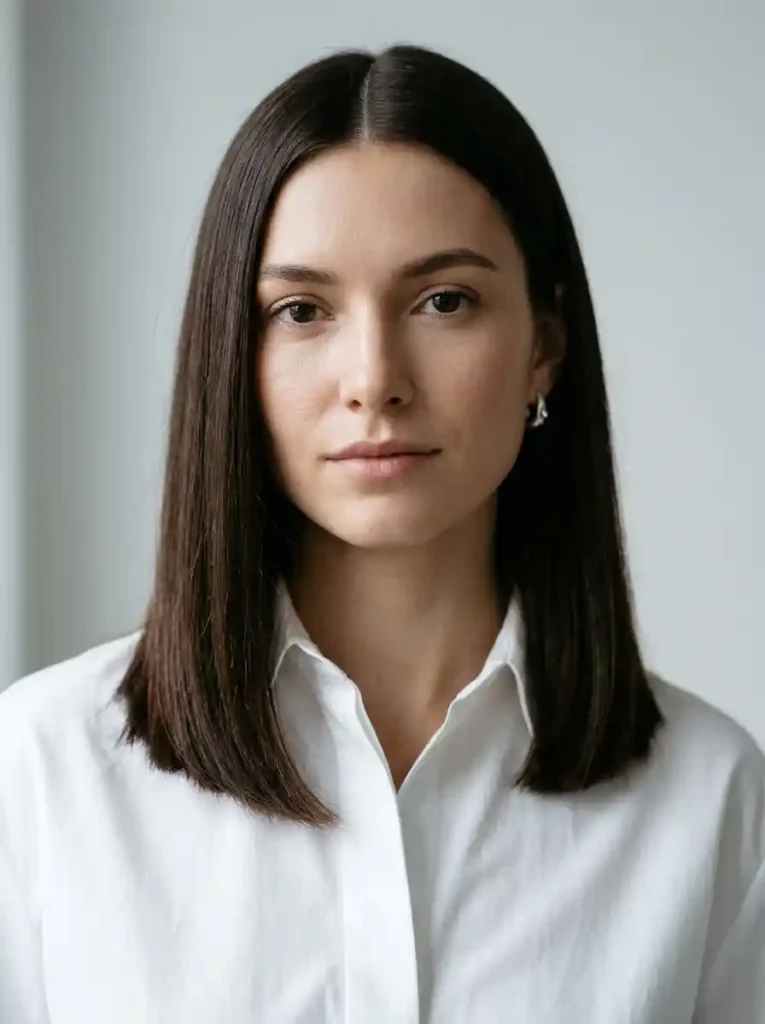
A blunt brunette lob is a strong choice if you want a modern haircut that feels neat without being extremely short. The length usually sits between the chin and shoulders, while the even ends create a clean outline. On fine or medium-density hair, a blunt perimeter can help the hair appear fuller because fewer wispy layers interrupt the shape. Rich brown color reinforces that polished effect, making this cut suitable for professional settings and everyday outfits alike.
The best lob length depends on your hair texture, neck length, and styling habits. If your hair tends to flip outward at the shoulders, ask your stylist whether a slightly shorter cut would make daily styling easier. For a sleek finish, blow-dry with a paddle brush and use a flat iron only where necessary. A small amount of smoothing serum can control frizz along the ends. Schedule trims often enough to maintain the straight outline, especially if you prefer a precise, geometric silhouette.
14. Golden Brown Hair
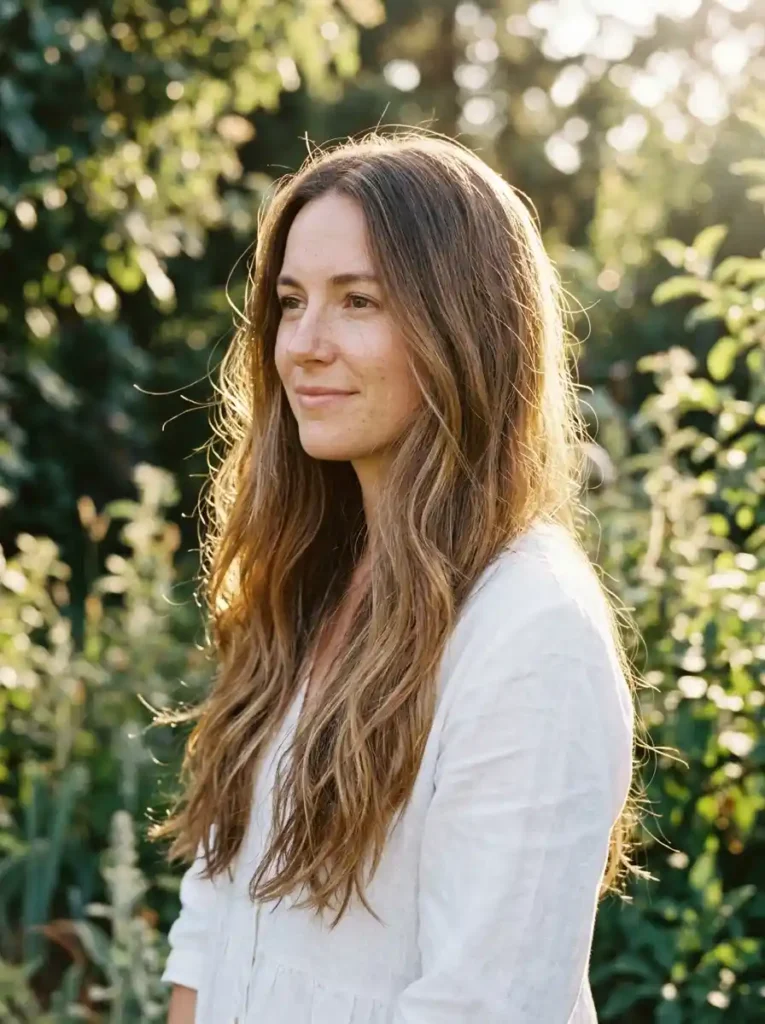
Golden brown gives brunette hair a brighter, warmer appearance without necessarily turning it blonde. The shade combines a brown foundation with golden undertones that become more visible in sunlight, creating a softly illuminated effect. It can be particularly attractive on hair with existing warmth or on anyone who prefers a sunny finish over cool ash tones. Long layers and loose waves help reveal the variation, although a well-blended golden-brown color can look equally attractive on a smooth, straight haircut.
When selecting this shade, be clear about how light you want the finished result to appear. Golden brown can range from deep amber-brown to a much lighter honeyed color, and achieving the lighter versions may require pre-lightening. Ask your stylist to consider your natural base and hair condition before choosing a formula. To maintain the finish, protect your hair from frequent high-heat styling and use a nourishing mask as needed. A periodic salon gloss can refresh the warmth and restore shine as the color changes.
15. Soft Brunette Waves with a Side Part
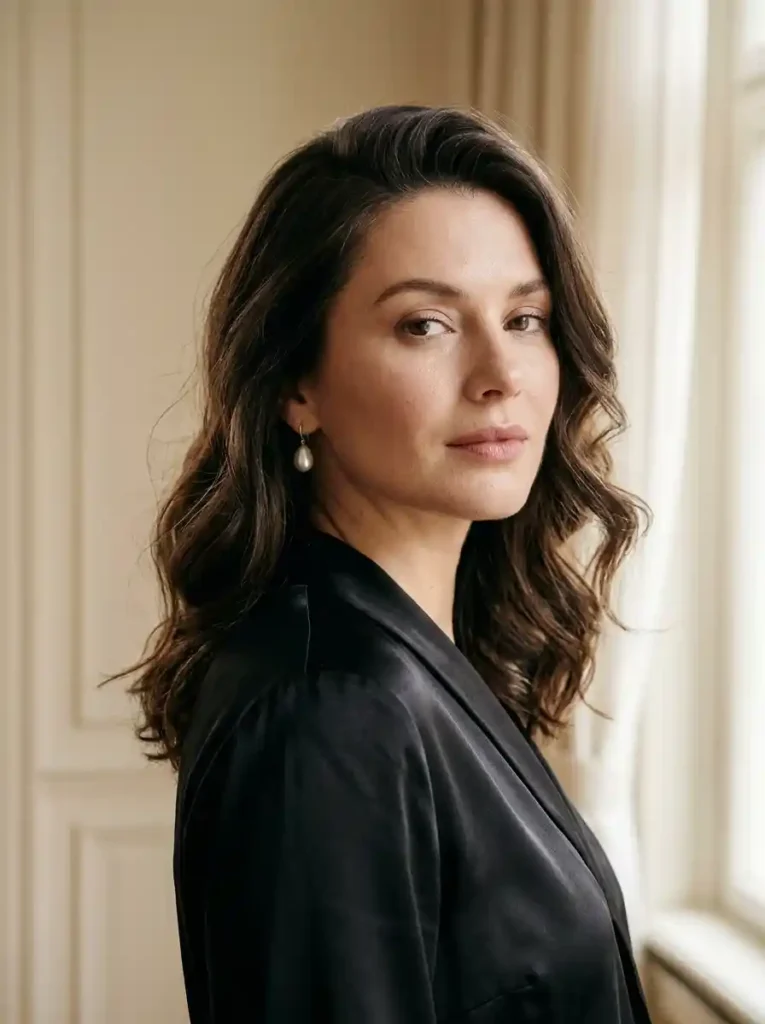
Sometimes the most effective brunette transformation requires no new color at all. A deep side part combined with soft, brushed-out waves changes the overall shape of your hairstyle, adding lift at the roots and creating an elegant sweep across the forehead. This approach works with many brunette shades, from light chestnut to deep espresso, and is especially useful if you want a refreshed look for an event without visiting the colorist.
Start by creating a side part while your hair is slightly damp, then blow-dry the roots in the opposite direction before settling them into place. Use a medium curling iron to form loose bends, keeping the ends relatively relaxed for a modern finish. Once the hair cools, brush through the waves gently so they blend together rather than appearing like separate curls. Finish with flexible-hold hairspray, concentrating on the areas that lose volume easily instead of coating the entire hairstyle.
16. Bronde Hair with Brunette Roots
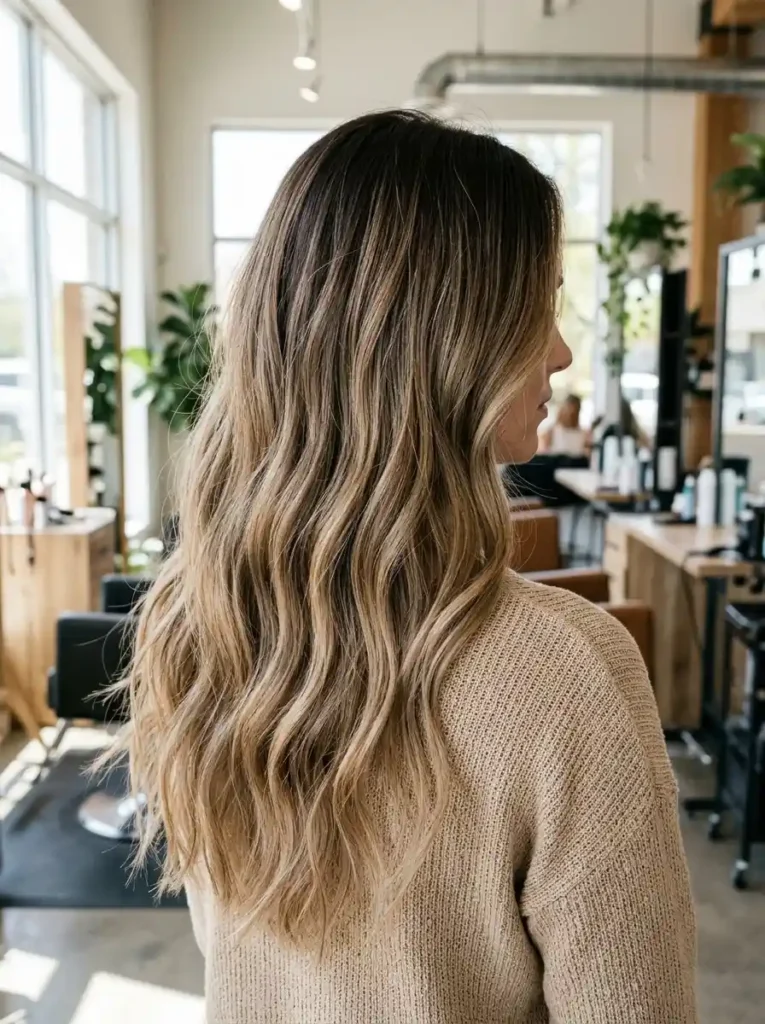
Bronde combines brunette and blonde tones to create a lighter overall appearance while retaining depth near the roots. It is a good option if you want more brightness than traditional brown hair offers but are not interested in a fully blonde transformation. The darker root area helps the color feel grounded, while beige-gold or light brown lengths add movement. Depending on your starting shade, bronde can be tailored toward a warm, beachy finish or a more neutral, muted result.
Because bronde can involve substantial lightening, discuss your hair’s condition and coloring history before beginning. A gradual transition over multiple appointments may be more appropriate than trying to reach a very light finish in one session. Ask for a root blend that suits your natural regrowth, which can make upkeep more manageable. To keep the lighter sections looking healthy, use conditioner consistently and avoid excessive heat. A toner or gloss may also help maintain the balance between the blonde and brunette portions.
17. Dark Chocolate Hair with Cherry Undertones
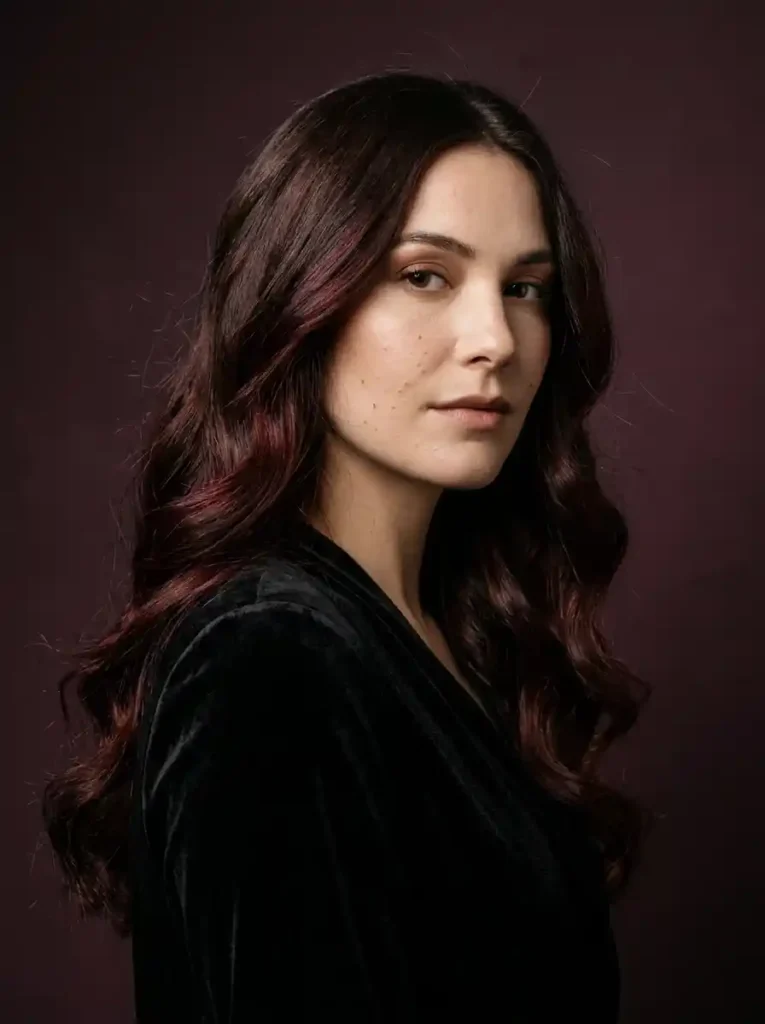
Cherry-toned brunette hair adds a discreet hint of red to a dark chocolate base. The result can look almost entirely brown in low light, then reveal a subtle burgundy or cherry reflection when the hair moves. This makes it an appealing choice for anyone who wants an alternative to conventional brunette shades without committing to vivid red. The effect works beautifully on long waves, sleek bobs, and layered cuts because the changing angles of the hair reveal different aspects of the color.
Ask your stylist whether a tinted gloss or a more permanent formula is better for the level of cherry color you want. If your base is very dark, the undertone may remain subtle unless the hair is lightened first, so realistic reference photos are useful. Red pigments can fade differently from brown pigments, making color-safe care important. Choose gentle cleansing products and ask about a refreshing treatment when the cherry reflection begins to look less noticeable.
18. Brunette Hair with Long Layers
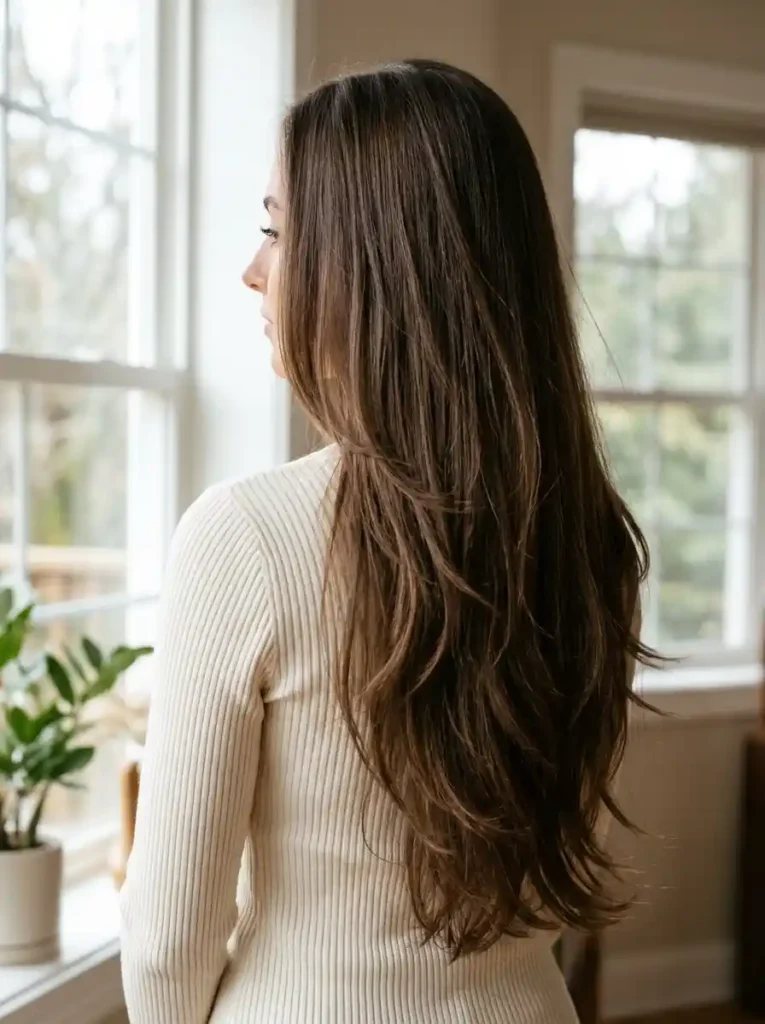
Long layers are ideal when you want to preserve your hair length while making it easier to style. Instead of removing substantial length from the entire haircut, your stylist shapes selected sections to create movement and reduce a heavy, one-length appearance. Brunette hair benefits from this structure because the layers allow light to reflect across different sections, making the color look more dynamic. The result can be subtle or dramatic depending on how much contrast you want between the shortest and longest pieces.
The right layering technique depends on your hair density and natural texture. Thick hair may benefit from carefully placed internal layers that reduce bulk, while fine hair often looks fuller with a more conservative approach. Explain how you usually wear your hair before your stylist begins cutting, particularly if you prefer air-drying instead of using hot tools. For a simple finish, apply a lightweight leave-in conditioner and let the layers fall naturally. Occasional trims help keep the ends from looking uneven or overly thin.
19. Warm Brunette Hair with Copper Highlights
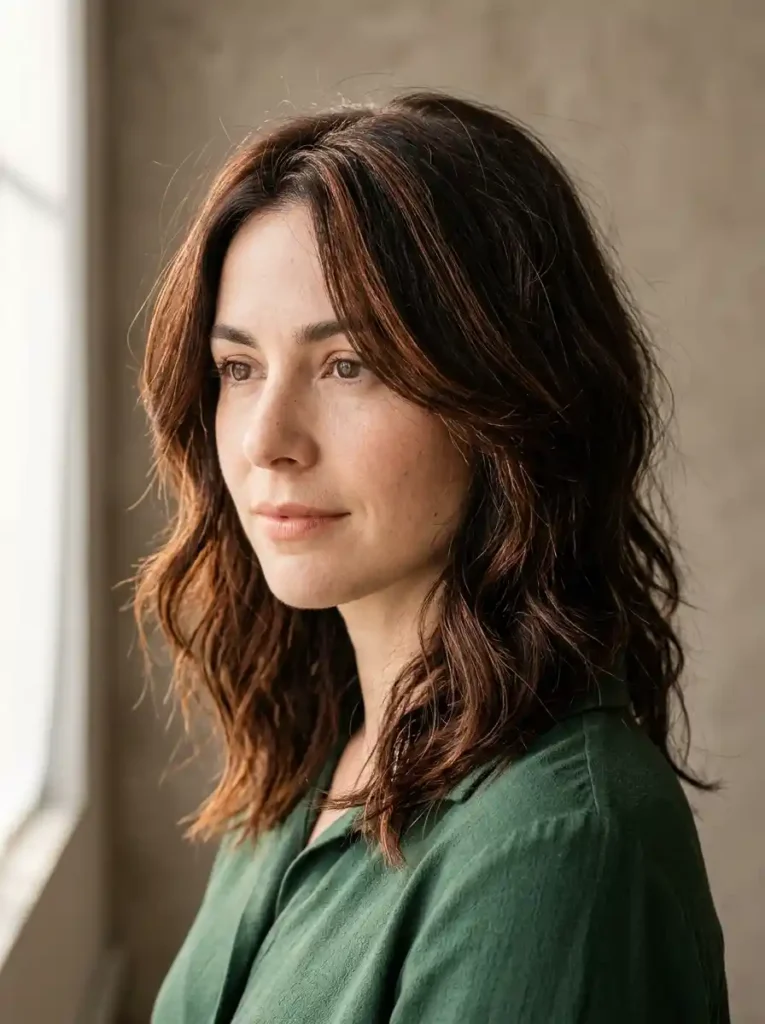
Copper highlights add a brighter, more expressive warmth to brunette hair without replacing the brown base. Fine copper strands can create a subtle glow, while more concentrated pieces produce a stronger red-gold contrast. This shade combination is especially attractive on textured layers and waves, where the different colors become visible as the hair moves. It can also offer a gradual introduction to red-toned hair if you are curious about warmer colors but do not want to change your entire head.
Copper pigments can fade noticeably, so discuss the maintenance commitment before choosing a highly saturated finish. Your colorist may recommend a copper gloss or carefully placed highlights depending on your desired intensity and natural base. At home, use color-safe products and reduce unnecessary washing if your scalp allows it. When styling, avoid excessively high temperatures that can dull the finish. Soft waves or a loose blowout reveal the copper accents particularly well, while straight styling produces a more understated result.
20. Sleek Brunette Glass Hair
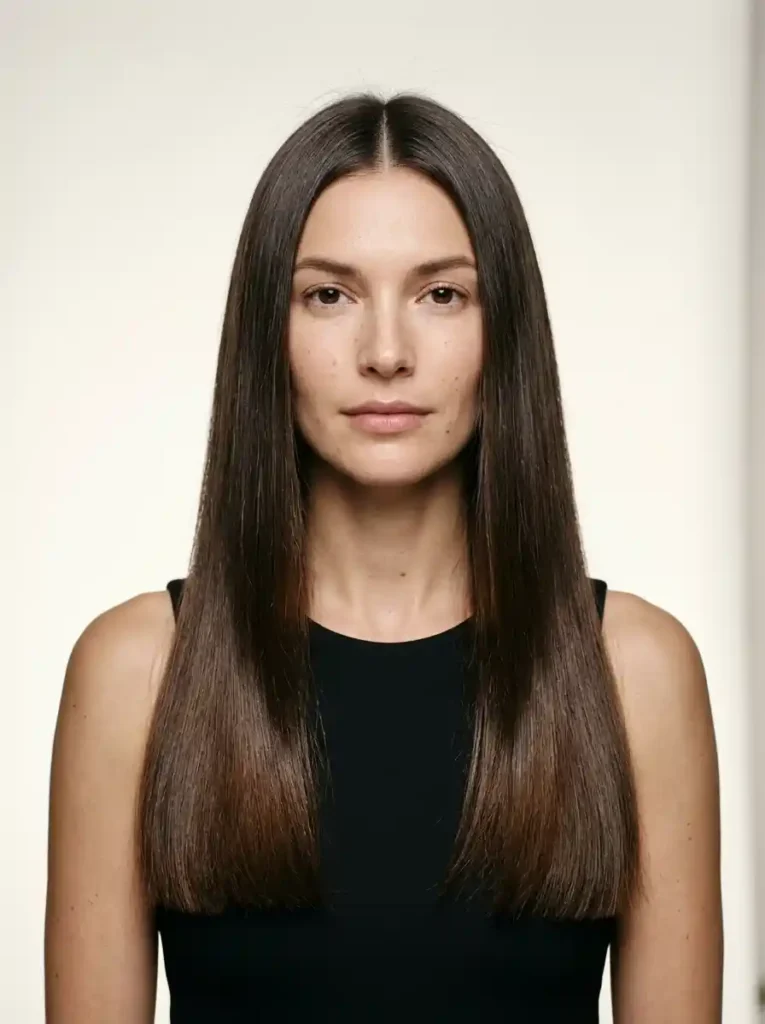
Glass hair focuses on smoothness, precision, and a highly reflective finish rather than a particular brunette color. Deep brown shades are especially striking when styled this way because the uninterrupted surface creates a rich, polished appearance. This look works best when the hair is in good condition and the ends are neatly maintained. Although it is often associated with long hair, a straight bob or lob can create the same effect with a sharper, more architectural silhouette.
Preparation makes a substantial difference when creating glass hair at home. Apply a heat protectant to damp hair, blow-dry in manageable sections, and use a flat iron only as needed rather than repeatedly passing over the same strands. Finish with a small amount of smoothing serum or lightweight shine spray. Avoid heavy oils near the roots, which can make the hair appear flat. If your hair is naturally curly or highly textured, choose a routine that respects its condition and avoid excessive heat in pursuit of perfect straightness.
21. Natural Brunette Hair with Subtle Sun-Kissed Ends
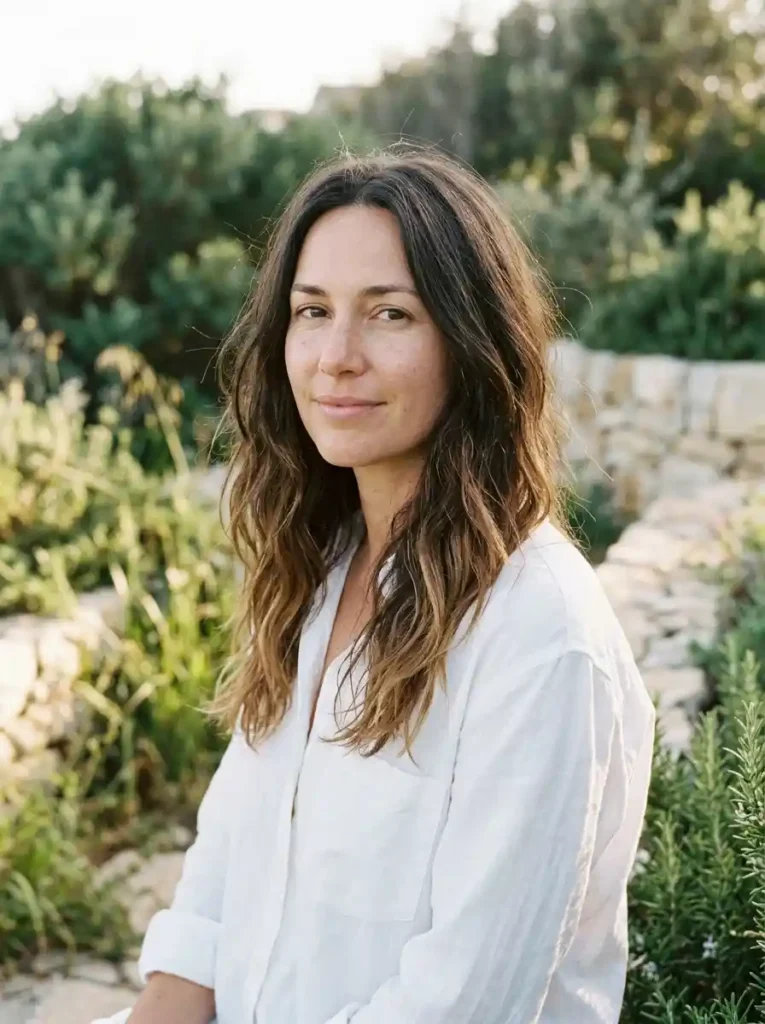
Sun-kissed ends offer a low-contrast way to brighten brunette hair while keeping the roots and most of the lengths close to their natural shade. The lighter tips create a relaxed, grown-in appearance that suits casual hairstyles and beach-inspired waves. This technique can be particularly appealing if you dislike the look of obvious highlights or want a color change that remains subtle as your hair grows. The result should look graduated rather than like a distinct band of lighter color at the bottom.
Ask your colorist to concentrate the lightness toward the ends and blend the transition upward with fine, irregular pieces. If your hair is already dry or damaged, discuss whether a less dramatic result would be a better starting point. A nourishing conditioner and occasional trimming can help the ends maintain a healthy appearance. For everyday styling, scrunch a small amount of lightweight texturizing product into damp hair or use a curling wand to create loose bends that make the color transition look natural.
22. Brunette Hair with Wispy Bangs
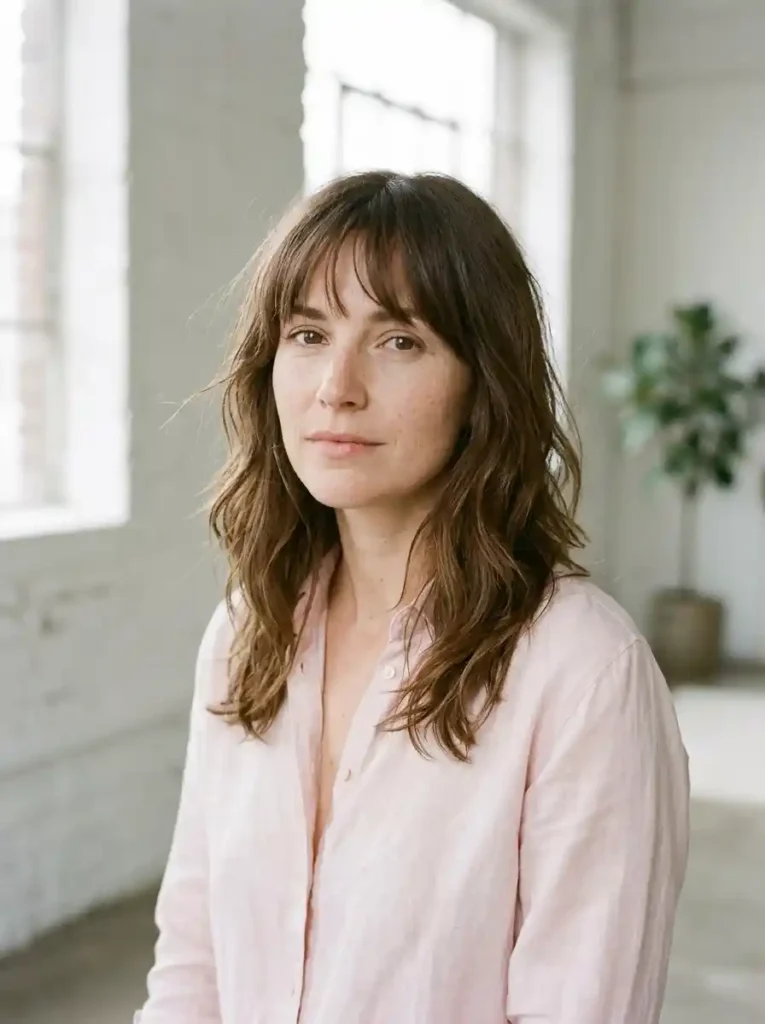
Wispy bangs bring a lighter, more relaxed alternative to a dense fringe. Their delicate texture allows some of the forehead to remain visible, which can make the overall haircut feel soft rather than severe. On brunette hair, the contrast between the fine fringe and richer lengths creates interest without requiring highlights or other color treatments. This style works with shoulder-length cuts and long layers, and the bangs can be adapted to suit straight, wavy, or slightly textured hair.
Because wispy bangs contain less hair than blunt bangs, their shape can change quickly as they grow. Ask your stylist to leave enough length and texture for the fringe to sit naturally instead of separating into awkward pieces. A small round brush or quick blow-dry with your fingers can help guide the strands into place. Use minimal styling product to preserve their airy finish, and avoid heavy creams that can cause fine fringe to clump. Regular fringe trims keep the proportions looking intentional between full haircuts.
23. Dimensional Brown Hair with Multiple Tones
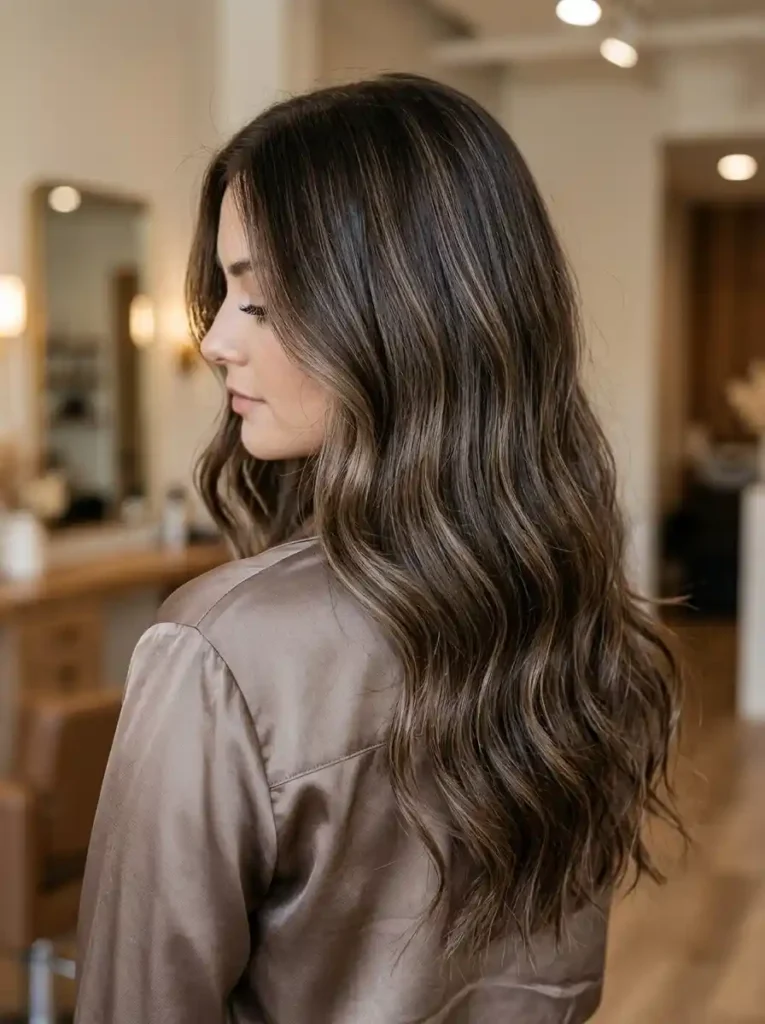
Dimensional brown hair combines several related shades to create depth and movement without relying on dramatic lightening. A darker base can be paired with medium chestnut and delicate beige-brown accents, allowing the color to appear slightly different as the hair shifts in natural light. This technique is especially effective on long layers and textured cuts, but it can also add interest to a bob. The overall impression remains brunette, making it a versatile choice for anyone who wants a customized finish.
Successful dimensional color depends on blending rather than simply adding more shades. Ask your stylist which tones will complement your base and whether a combination of lowlights, highlights, or glosses is needed to achieve the desired effect. Bring photos showing the amount of contrast you prefer, since some multidimensional styles are much brighter than others. At home, maintain shine with conditioning products and protect the hair when using hot tools. A well-planned blend can make regrowth less noticeable than sharply contrasting highlights.
24. Brunette Ponytail with Face-Framing Pieces
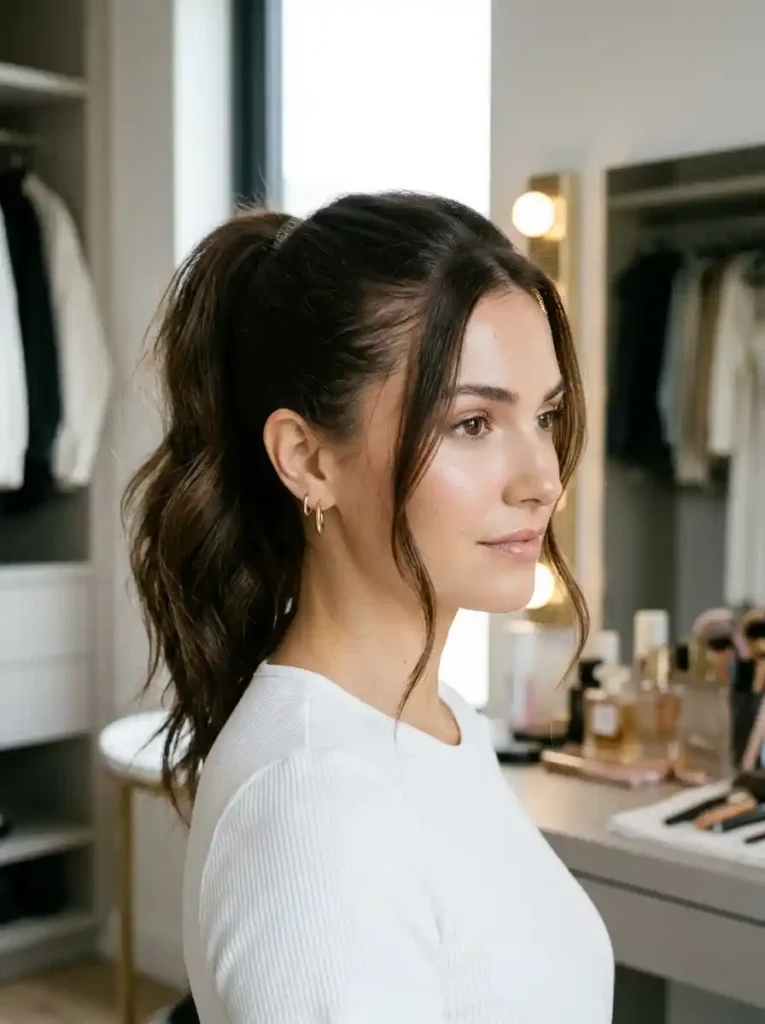
A brunette ponytail can look elegant and intentional when the crown has gentle lift and a few face-framing pieces soften the outline. This style works for everyday errands, office outfits, workouts with a more polished finish, or evening occasions when you want your hair off your shoulders. The rich brown color keeps the look cohesive, while loose waves in the ponytail add texture. It is also an easy way to showcase subtle highlights or natural variations in your brunette shade.
To create the look, gather your hair at the height that suits your face shape and secure it with a snag-free elastic. Wrap a small section of hair around the elastic if you want a more finished appearance, securing the end discreetly underneath. Keep the tension comfortable, especially if you wear ponytails frequently, to avoid unnecessary stress on the hairline. Pull out a couple of fine front sections and shape them with a curling iron if desired. A light hairspray helps control flyaways without making the ponytail stiff.
25. Glossy Brunette Hair with Soft Hollywood Waves

Hollywood waves bring a glamorous finish to brunette hair by combining smooth shaping with carefully aligned curves. The style works particularly well for weddings, formal dinners, celebrations, and occasions when you want your hairstyle to feel more elevated than everyday curls. Rich brown hair reflects the light along the curved sections, emphasizing the sculpted pattern. Although long hair provides plenty of space for the waves, medium-length hair can also achieve an elegant version with a smaller barrel and careful sectioning.
For a more defined result, begin with a smooth blow-dry and curl sections in a consistent direction. Let each curl cool completely before brushing it gently into a connected wave pattern. Use clips while the hair cools if you need extra hold, then finish with a flexible hairspray. Avoid brushing too aggressively, which can turn the defined waves into a loose, fluffy texture. A small amount of shine spray adds polish, but use it sparingly so the hairstyle retains its shape throughout the event.
Conclusion
Choosing your next brunette hairstyle is about more than finding a beautiful color in a photograph. The best look balances your natural hair shade, texture, desired maintenance, and personal style. Rich chocolate and espresso tones offer timeless depth, while caramel balayage, honey highlights, and bronde create brightness without necessarily abandoning your brunette base. If you would rather avoid coloring, a butterfly haircut, curtain bangs, a blunt lob, or soft Hollywood waves can transform your appearance through styling alone.
Before your next salon appointment, save two or three reference photos that show both the color and haircut you like. Discuss your starting shade, previous color treatments, hair condition, and how much upkeep fits your routine. Remember that lighting, styling, and individual hair texture influence how a finished look appears in photographs. With a thoughtful choice and a realistic maintenance plan, you can find a brunette hairstyle that feels fresh, flattering, and genuinely suited to you.