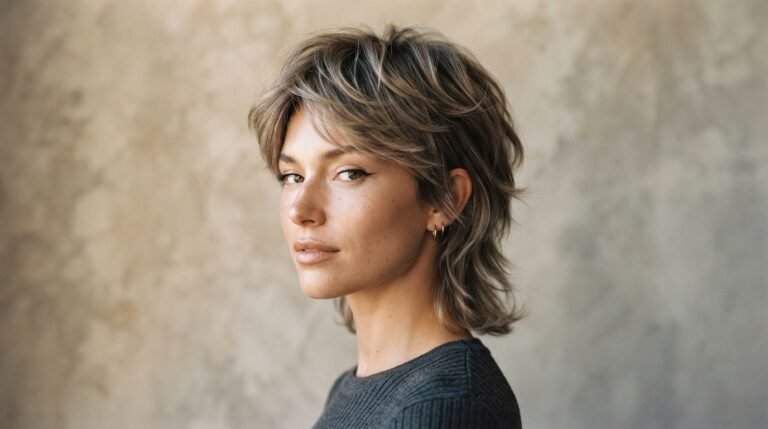
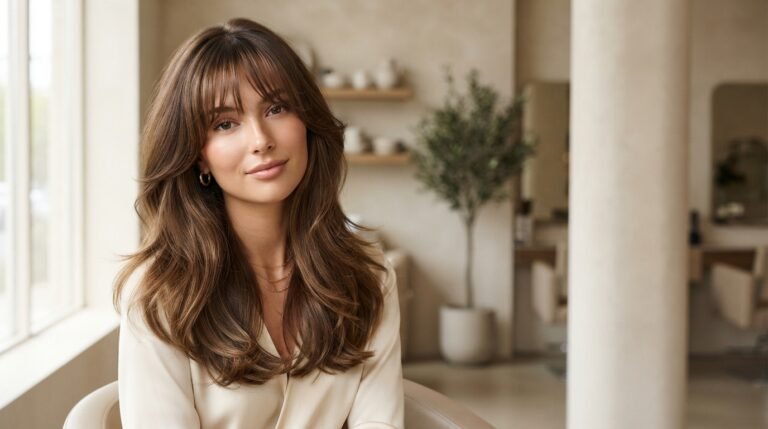
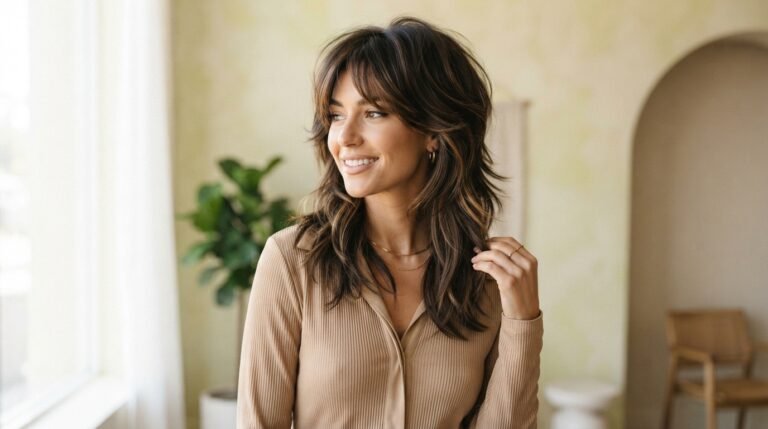
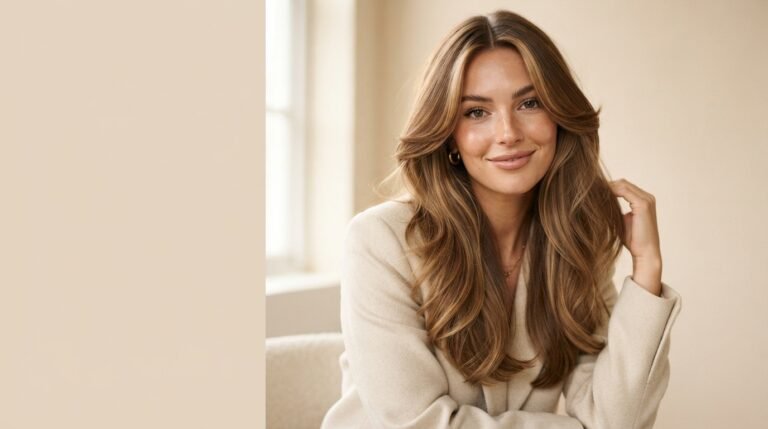
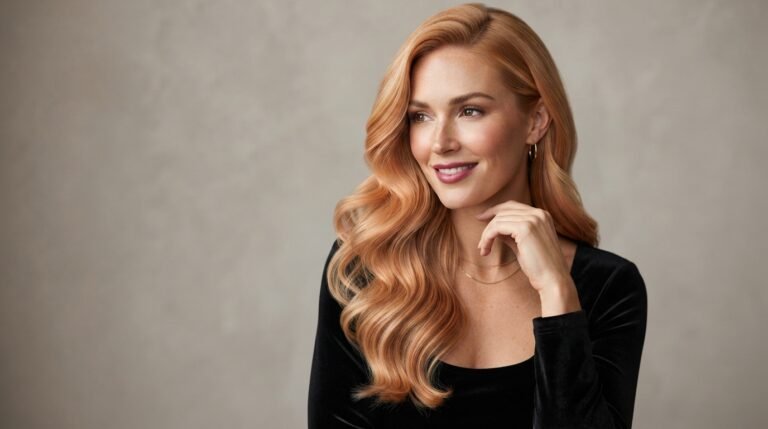
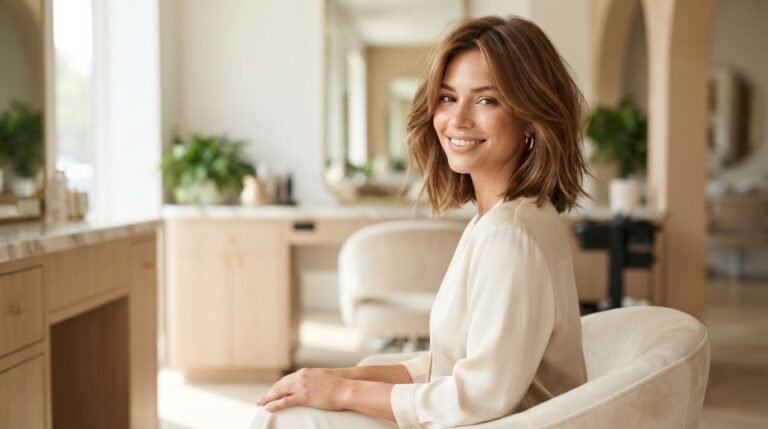
Long hair gives you plenty of room to experiment, but wearing it all one length can sometimes make it feel heavy, flat, or harder to style. Long layered haircuts offer a simple way to keep your length while adding movement, shape, and personality. From soft face-framing pieces to dramatic cascading layers, the right cut can change how your hair falls without sacrificing the length you love.
In this guide, you’ll find 25 long layered haircut ideas designed for different textures, face shapes, styling preferences, and levels of maintenance. Some create subtle movement that looks polished with minimal effort, while others bring noticeable volume and dimension. You’ll also discover practical styling tips, details to discuss with your hairstylist, and ways to personalize each look. Whether your hair is straight, wavy, thick, fine, or somewhere in between, these ideas can help you identify the kind of layering that makes your long hair feel fresh again.
1. Soft Face-Framing Layers for an Effortless Refresh
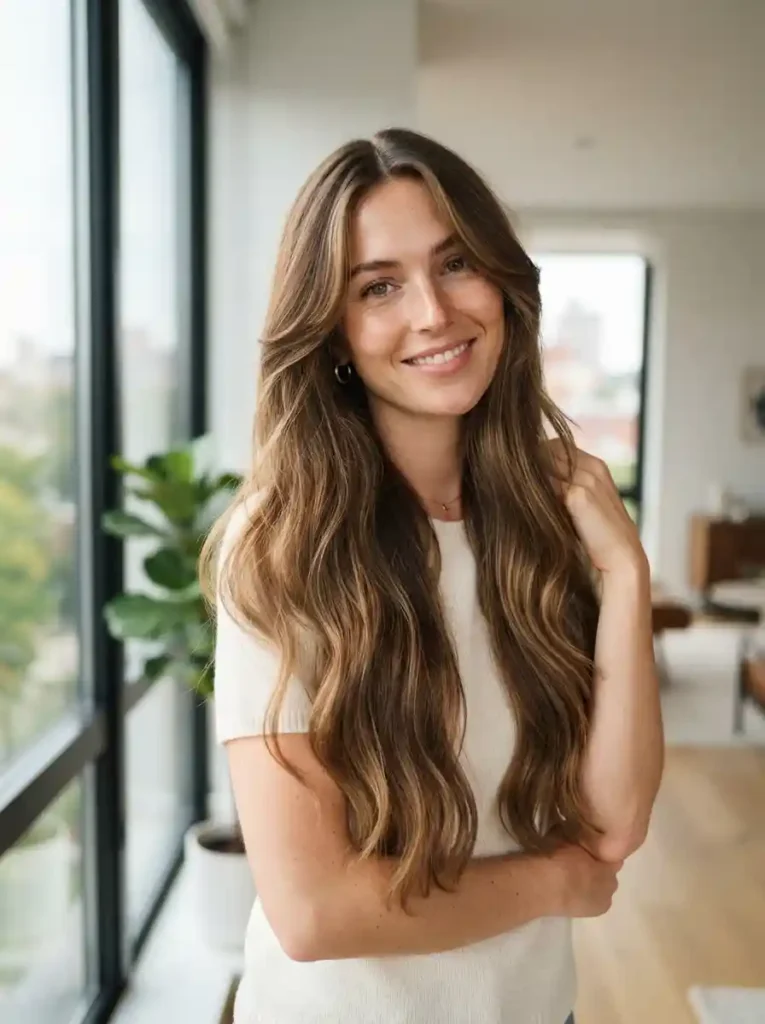
Soft face-framing layers are ideal when you want a noticeable update without dramatically changing your overall length. The shortest pieces can begin around the cheekbones, jawline, or chin depending on how much framing you prefer. Keeping those pieces blended into longer layers prevents the haircut from looking choppy. This approach works particularly well for straight or slightly wavy hair because the shorter sections naturally draw attention toward the face while maintaining a graceful, elongated silhouette.
For styling, use a round brush to gently curve the front sections away from your face, then leave the remaining lengths relatively relaxed. If your hair is naturally wavy, enhance its texture with a lightweight mousse rather than brushing everything completely smooth. Ask your stylist to consider your natural part before cutting the framing pieces. A carefully placed first layer can make the haircut look intentional even on days when you simply air-dry your hair.
2. Long Butterfly Layers with Plenty of Movement
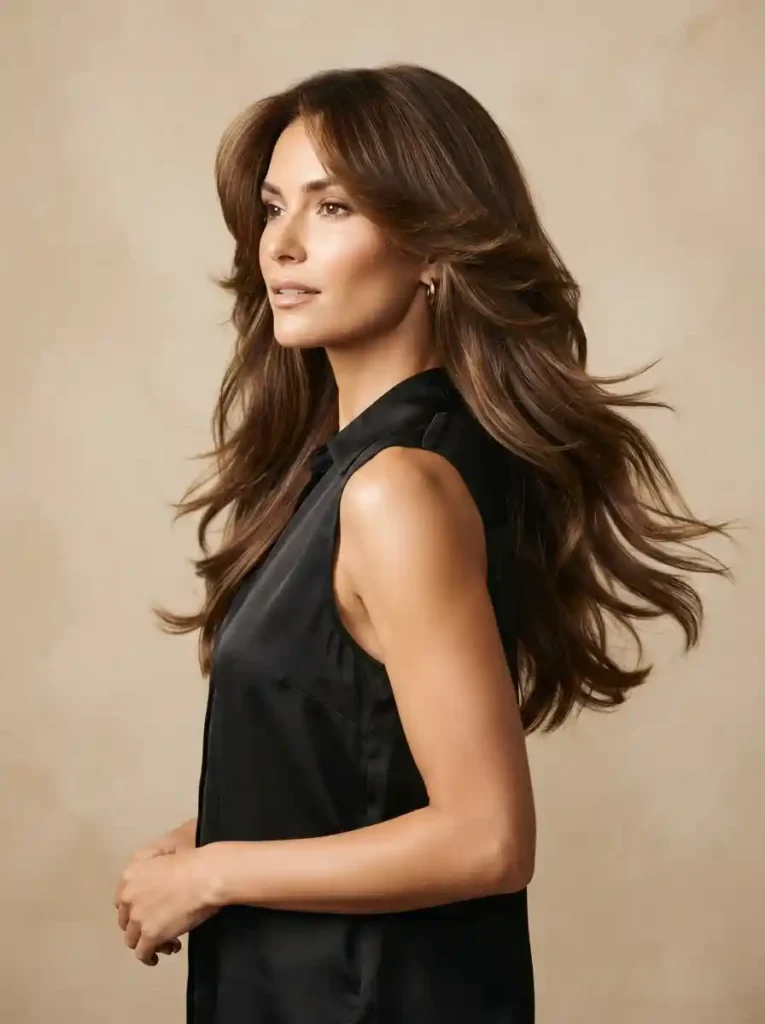
Butterfly layers create a glamorous shape by combining shorter, voluminous sections around the face with much longer layers underneath. The result gives long hair a lifted appearance without removing the majority of its length. This haircut is especially appealing if you enjoy blowouts, large round-brush curls, or bouncy styling. The contrast between the shorter upper layers and flowing lower lengths creates movement that remains visible even when the hair is worn down.
This style requires enough density to support its airy shape, although a skilled stylist can adapt the concept for finer hair. When styling, concentrate volume near the crown and cheekbones before sweeping the shorter layers outward. Avoid applying heavy oils close to the roots because they can flatten the lifted sections. For a softer everyday version, request less dramatic layering so the haircut retains the butterfly silhouette without requiring a full salon-style blowout.
3. Long Feathered Layers for Retro-Inspired Movement
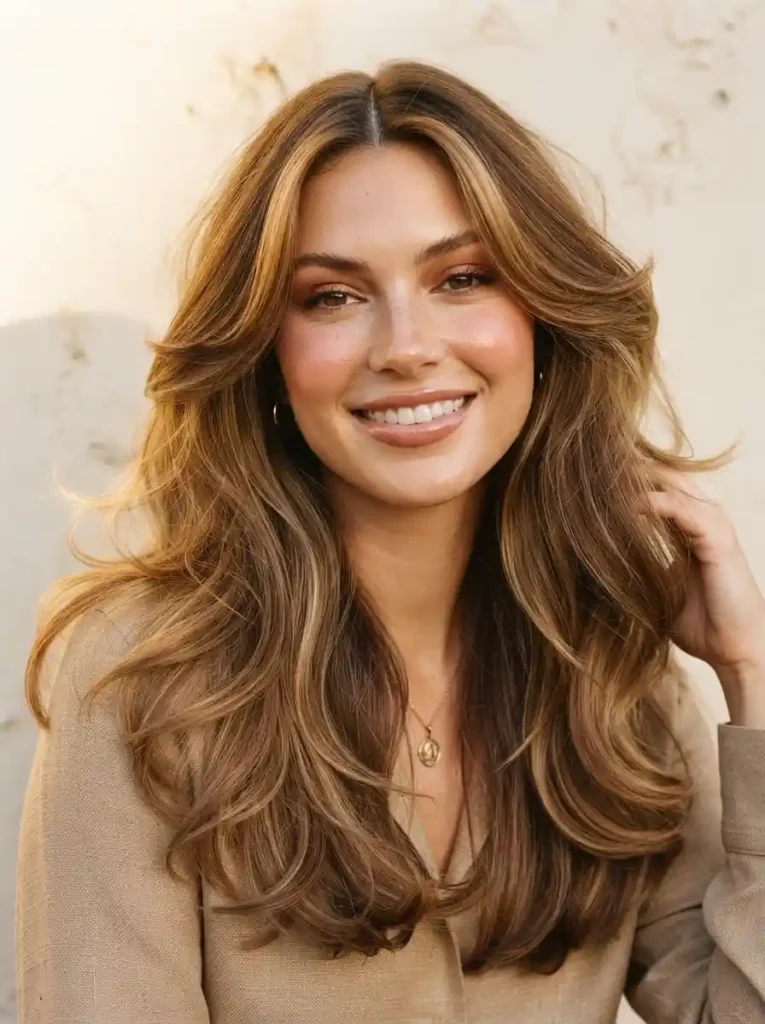
Feathered layers bring a softer, retro-inspired quality to long hair while keeping the overall length intact. Instead of creating blunt steps, the ends are shaped to flow into one another, producing a light, airy finish. The technique is particularly attractive on medium to thick hair because removing some weight allows the individual layers to move more freely. It can also give straight hair a more styled appearance without requiring curls throughout the entire length.
A large round brush works beautifully with feathered layers because it encourages the ends to sweep rather than hang straight. For a modern interpretation, keep the feathering concentrated around the face and upper lengths while allowing the bottom to remain substantial. If you prefer a low-maintenance routine, tell your stylist you want the layers to look attractive when air-dried. Excessive feathering can require frequent styling, so the amount should match how much effort you realistically want to spend each morning.
4. Subtle Long Layers for Fine Hair
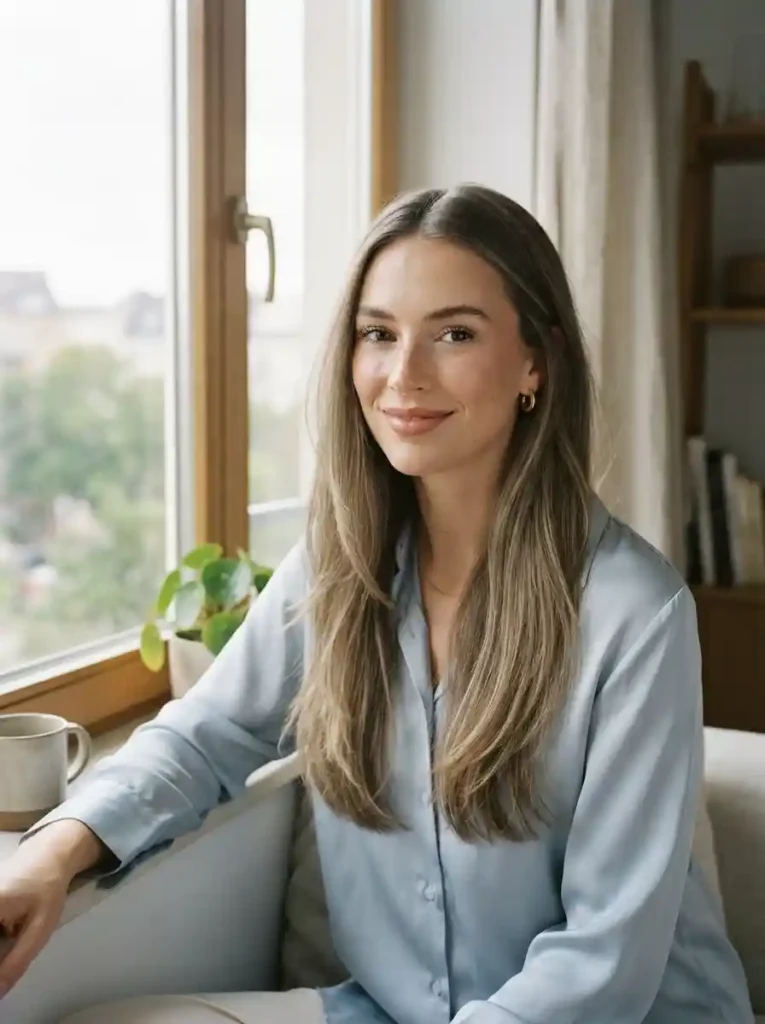
Fine hair often benefits from strategic layering rather than aggressive texturizing. Long, subtle layers can remove just enough weight to encourage movement while preserving fullness through the bottom edge. The key is keeping the number of layers controlled and avoiding excessive thinning shears. If your hair tends to look sparse at the ends, ask for longer transitions that begin below the shoulders instead of multiple short sections throughout the haircut.
For everyday styling, apply a lightweight volumizing product near the roots and use a medium round brush to lift the crown slightly. You can also create soft waves with a large-barrel curling iron, alternating the direction of each section for a relaxed finish. When explaining your goals to your stylist, emphasize that maintaining density is important. Fine hair usually looks fuller when the perimeter remains strong, while carefully placed layers provide movement without making the ends appear wispy.
5. Long Layers for Thick, Heavy Hair
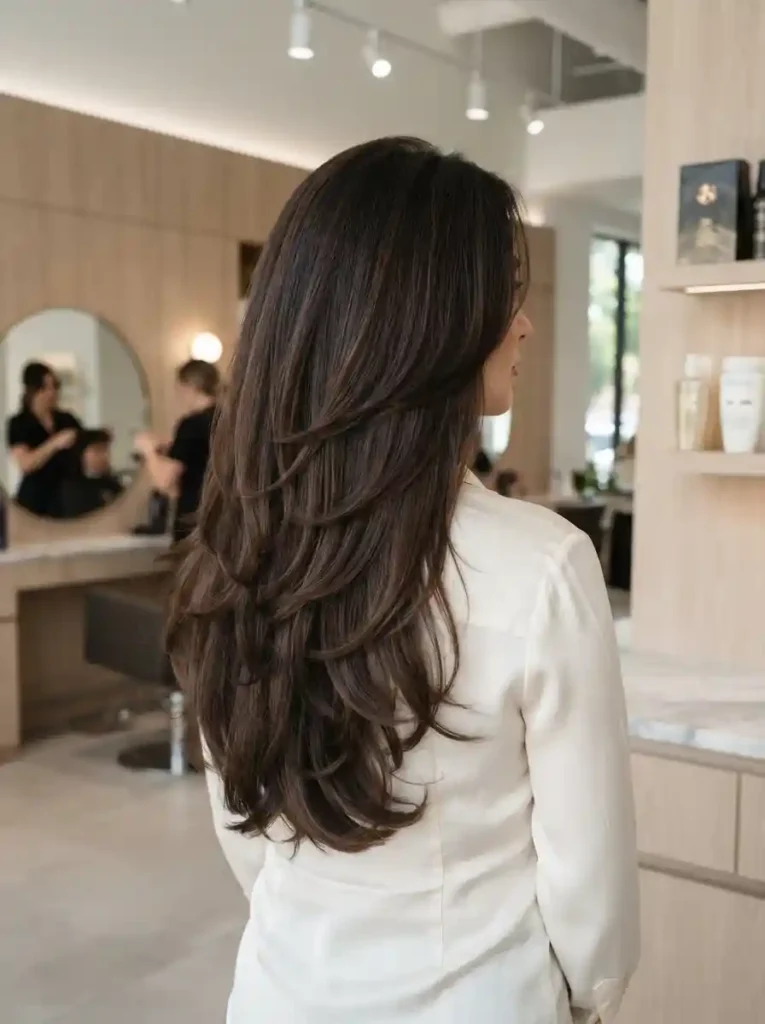
Thick long hair can look beautiful while still feeling surprisingly difficult to manage. Long layers help distribute its weight so the haircut does not form one heavy curtain. Instead of simply removing bulk everywhere, a stylist can place longer internal and external layers where the hair needs movement. This approach can make washing, drying, and styling more manageable while preserving the dramatic fullness that makes thick hair attractive.
Tell your stylist whether your main concern is weight, shape, or both. Heavy texturizing can sometimes make thick hair feel lighter initially but may create unwanted frizz as it grows. A more controlled layered haircut generally offers a smoother grow-out. At home, section your hair while blow-drying so each layer receives enough airflow. A smoothing cream on the mid-lengths and ends can help the layers settle neatly without making the roots greasy or flat.
6. Long V-Cut Layers for a Dramatic Silhouette
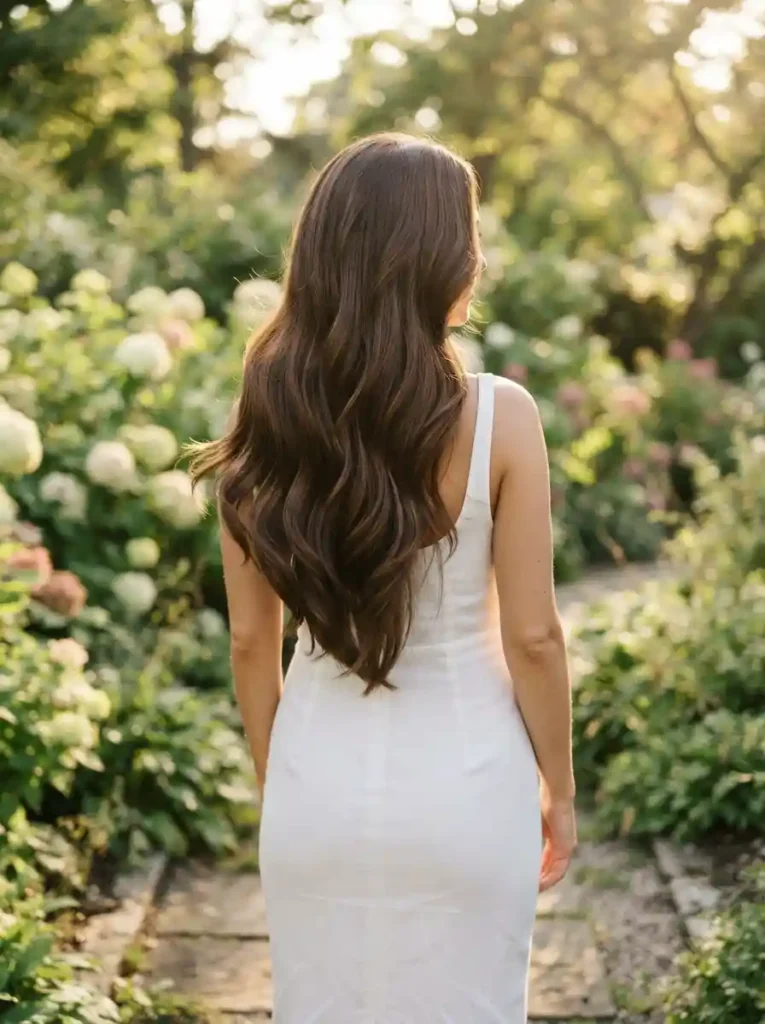
A V-shaped long haircut creates a distinct silhouette from the back, with the center of the hair extending farther than the sides. Adding layers to this shape makes the ends move more naturally and prevents the cut from appearing like a single solid triangle. It is a striking choice for people who want their long hair to have visible structure while still retaining considerable length. The effect is especially noticeable when the hair is worn loose.
Because the V shape relies on the relationship between the sides and center, it is worth discussing how pointed you want the final outline to be. A gentle V looks softer and more versatile, while a deeper V creates stronger drama. Consider your usual hairstyle as well; frequent ponytails may make the shape less obvious. Regular trims are useful because uneven ends become particularly noticeable when the hair has a defined central point.
7. U-Shaped Layers for a Softer Finish
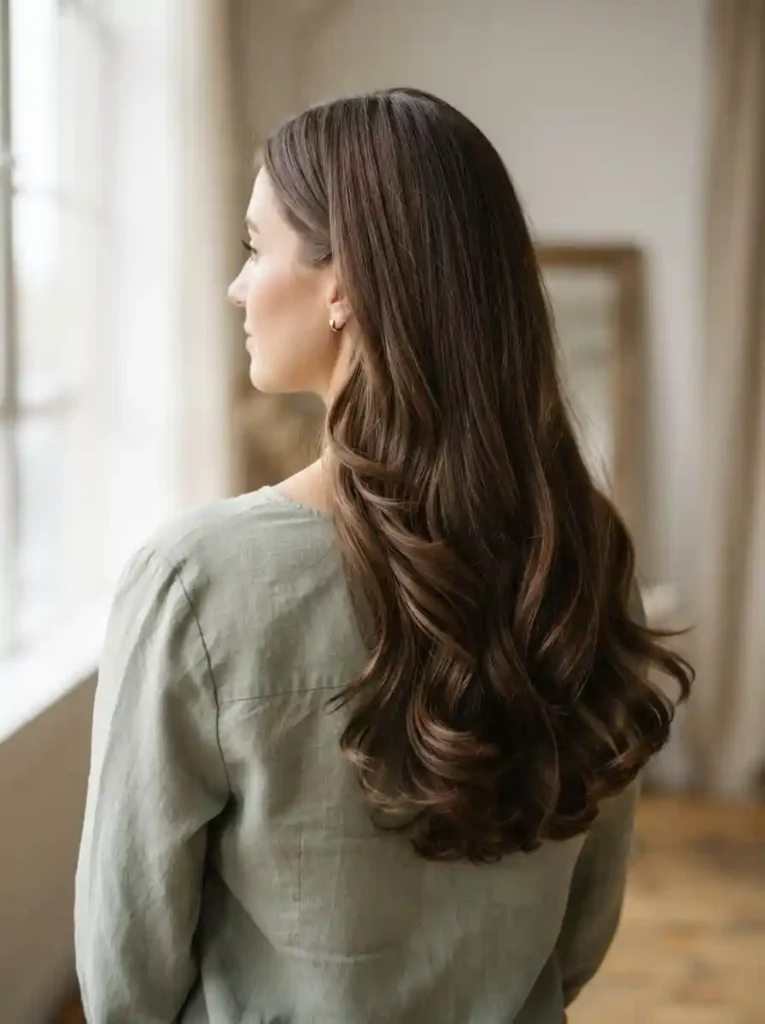
A U-shaped haircut offers a gentler alternative to a dramatic V. The back edge curves gradually, keeping the center slightly longer while maintaining more fullness around the sides. Adding long layers gives the shape extra movement without making the silhouette too sharp. This makes the cut useful for people who want their long hair to look polished from behind but prefer a softer outline that works with everyday styling.
The U shape can be customized according to how much length you want around your shoulders and back. Ask for subtle layering if you usually wear your hair straight, since excessive layers may make the outline less defined. For wavy hair, slightly more separation can help the U shape show through natural texture. A wide-tooth comb and lightweight leave-in conditioner can preserve the layered movement without pulling the waves into a stiff or overly polished finish.
8. Curtain Bangs Blended into Long Layers
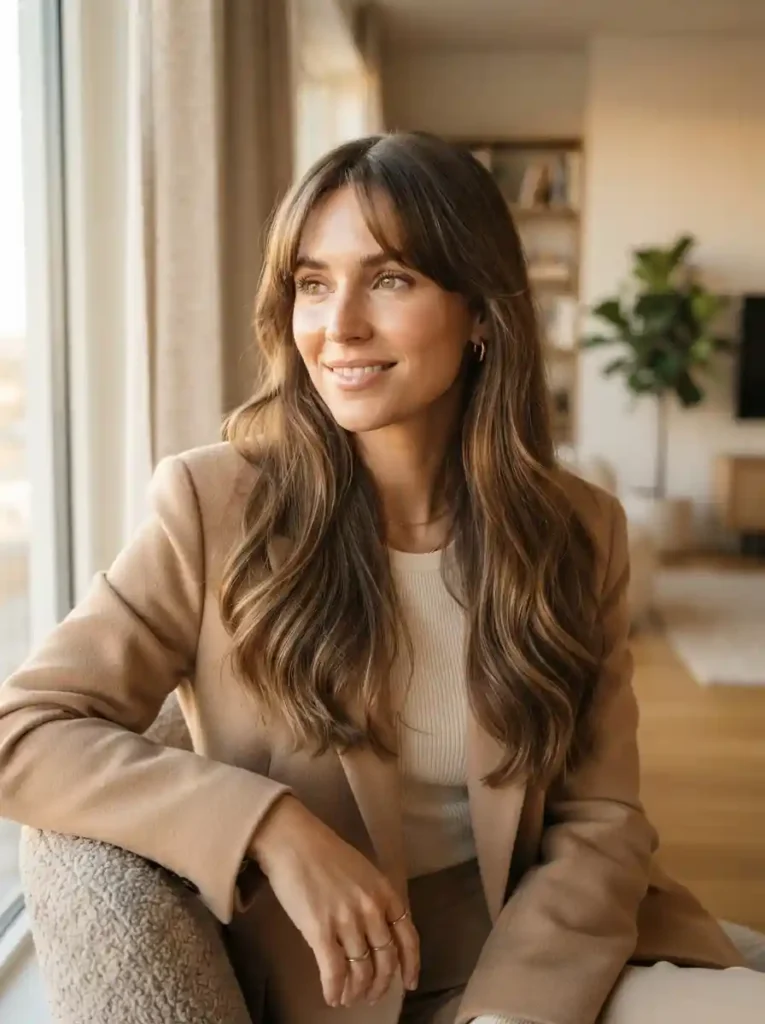
Curtain bangs can transform long layered hair without requiring a major change to the overall length. The center-parted fringe gradually opens away from the forehead and blends into longer face-framing layers. This creates a connected shape rather than making the bangs look like a separate feature. They can be especially useful if you want more attention around the eyes and cheekbones but do not want a short, blunt fringe.
Before choosing the length, consider how much daily styling you are willing to do. Curtain bangs usually look their best when directed away from the face with a round brush or roller. If you prefer air-drying, request longer, softer pieces that can blend into your existing texture. Your natural part matters too; a strong side part may require a slightly different bang placement. A stylist can tailor the opening and length to make the transition look effortless.
9. Face-Framing Layers for a Rounder Face Shape
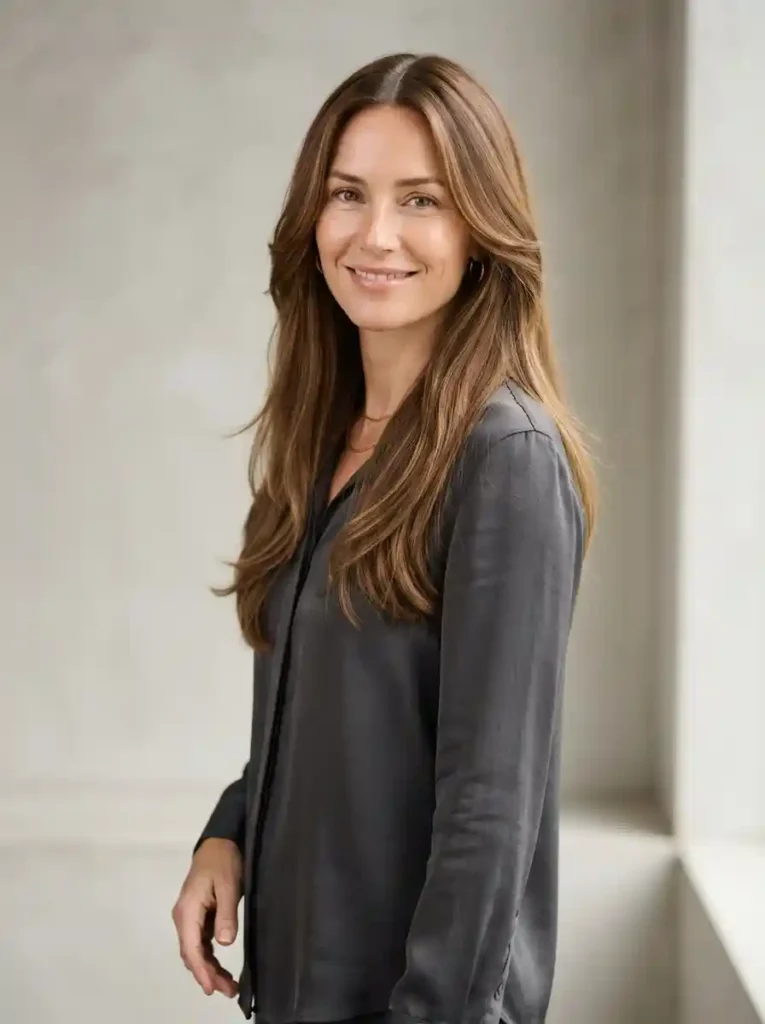
For a rounder face shape, longer face-framing pieces can create a visually elongated outline without making the haircut feel severe. Layers that begin below the widest point of the cheeks tend to fall vertically along the sides of the face, while longer lengths maintain continuity. The goal is not to hide your features but to create balance through the placement and direction of the hair.
Avoid requesting very short, rounded layers directly beside the cheeks if you want a longer-looking frame. Instead, discuss starting the shortest pieces around the chin or lower, then blending them into the rest of the haircut. Soft waves that begin below the cheekbones can reinforce the vertical flow. The technique can also be adjusted for curly or wavy textures, where shrinkage changes the apparent length of every layer.
10. Long Layers for an Oval Face Shape
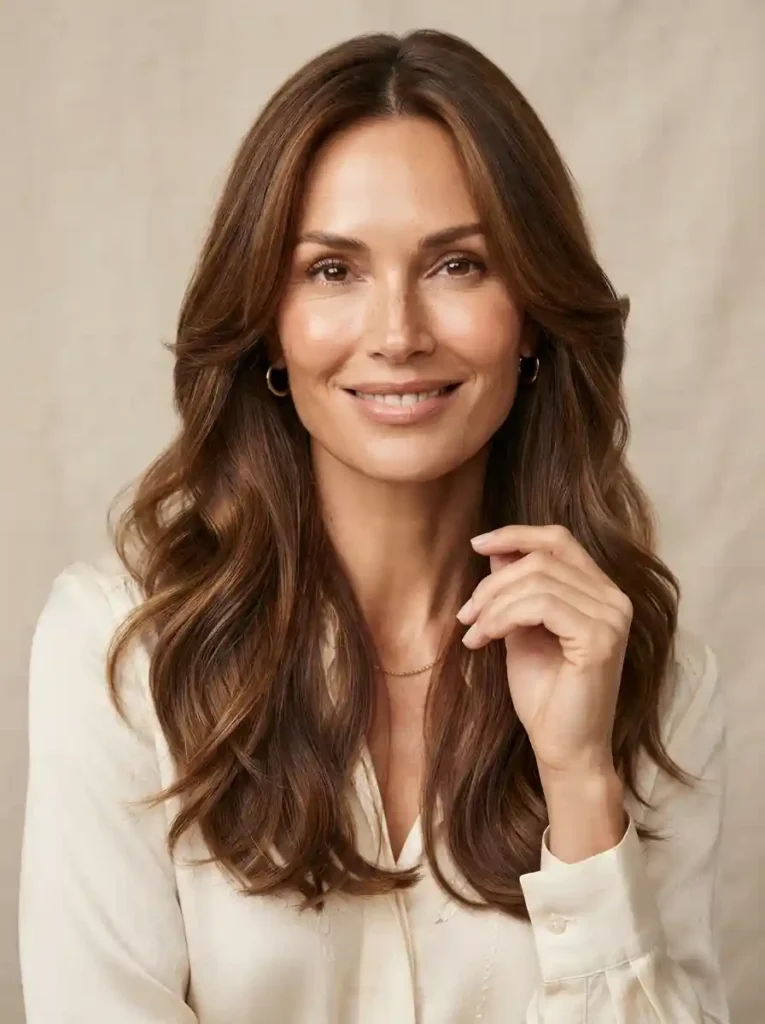
An oval face shape generally gives you plenty of freedom when choosing long layers because its proportions can accommodate different placements. You might select cheekbone framing for a more noticeable change, longer jaw-level pieces for subtle movement, or cascading layers that create volume throughout the lower half. The most useful choice depends less on the face shape alone and more on your hair density, texture, and preferred styling routine.
If you want versatility, ask for layers that transition smoothly rather than creating one dramatic focal point. This lets you change your part, wear a ponytail, or style loose waves without the haircut losing its shape. Straight hair can showcase the geometry of each layer, while waves soften the transitions. Bring photographs showing the desired length and movement to your appointment, because terms like “long layers” can mean very different things from one stylist to another.
11. Long Choppy Layers for an Edgier Look
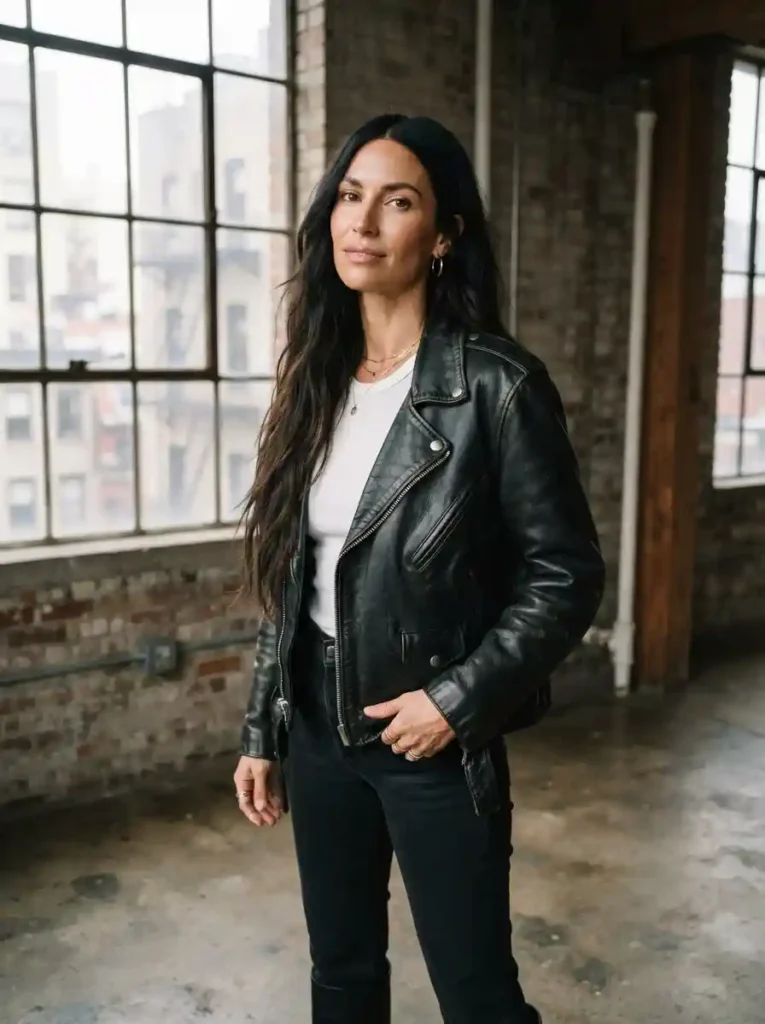
Choppy long layers introduce a more relaxed, modern personality than smoothly blended layers. The ends are intentionally separated, creating visible texture and an undone quality while the overall length remains substantial. This approach suits people who enjoy casual styling and do not mind seeing a little irregularity in their haircut. It can be especially effective on naturally wavy or slightly coarse hair because the texture reinforces the piecey shape.
When requesting choppy layers, be specific about where you want the texture concentrated. Too much chopping through the lower lengths can make long hair appear thinner, particularly if your strands are fine. A texturizing spray can emphasize individual pieces after styling, while a lightweight cream keeps the look flexible. If your workplace or lifestyle calls for a polished appearance, ask for controlled choppiness that can still be smoothed into a more refined finish.
12. Cascading Layers for Naturally Wavy Hair
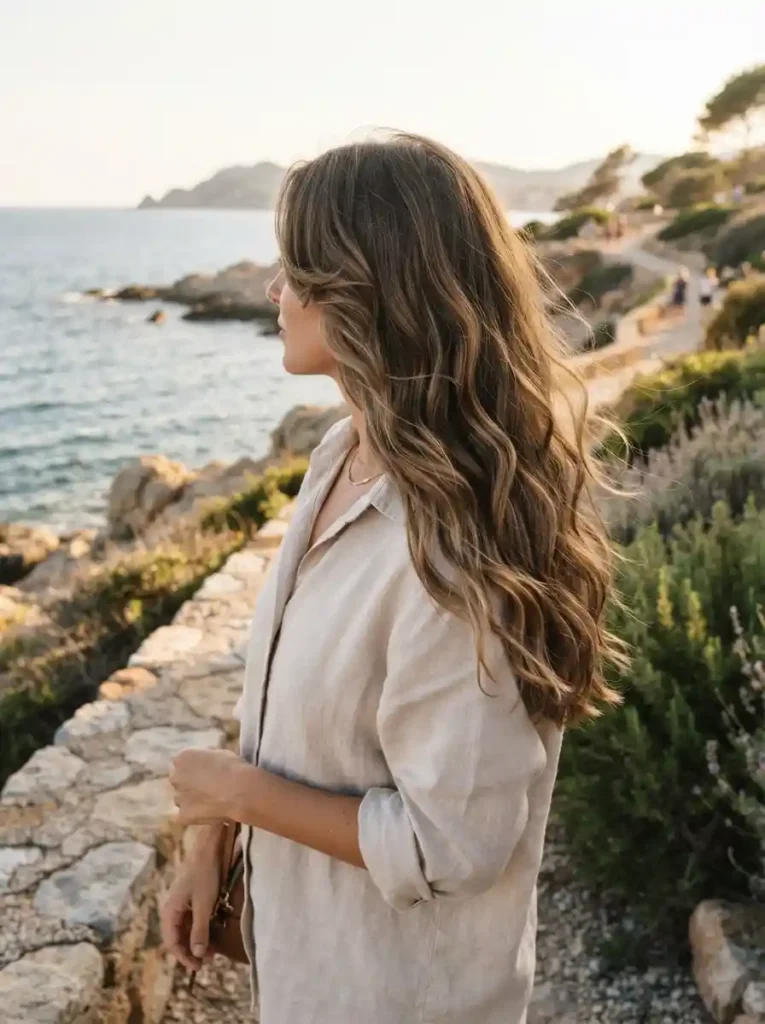
Cascading layers are particularly attractive on naturally wavy hair because each section can move independently while still forming one continuous shape. Rather than cutting every layer at the same distance from the head, the stylist creates staggered lengths that encourage the waves to fall over one another. This can reduce the heavy triangular appearance that sometimes develops when very long wavy hair is left mostly one length.
For the best result, your stylist should evaluate your hair in its natural state whenever possible. Wet waves can appear significantly longer than they do after drying, so shrinkage needs to be considered before deciding where layers will sit. At home, apply styling cream or mousse to damp hair and scrunch gently. Avoid repeatedly brushing the finished waves, which can separate the pattern and turn defined layers into unnecessary frizz.
13. Long Layered Cut with Subtle Highlights
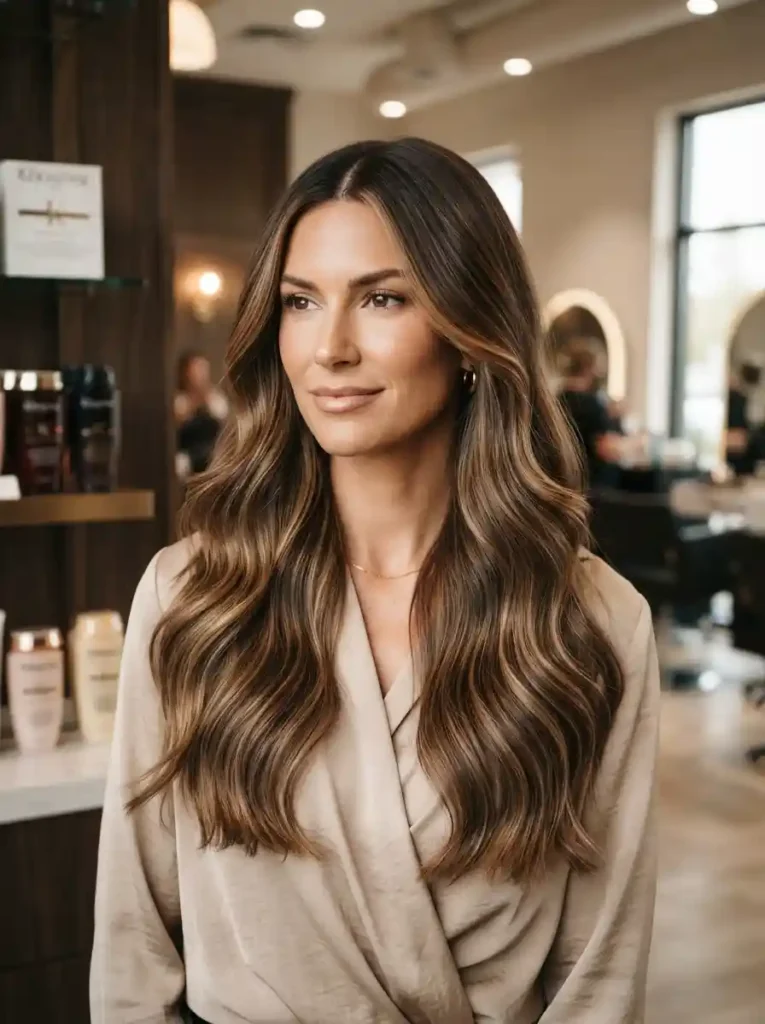
Layers and dimensional color can work together to make movement easier to see. Subtle balayage or finely placed highlights create differences in tone across the lengths, allowing individual layers to catch the light. The result can look especially beautiful on long brunette, dark-blonde, or medium-brown hair. You do not need dramatic contrast; a few shades of variation can be enough to emphasize the haircut while keeping the color believable.
If your main goal is to showcase the haircut, ask your colorist for placement that follows the layered shape instead of creating random bright sections. Face-framing highlights can also draw attention to the shorter pieces around the front. Because long hair has more exposed ends, regular conditioning becomes important after coloring. A heat protectant should be part of your routine if you use hot tools, helping the highlighted lengths remain smoother and easier to style.
14. Long Layers with a Deep Side Part
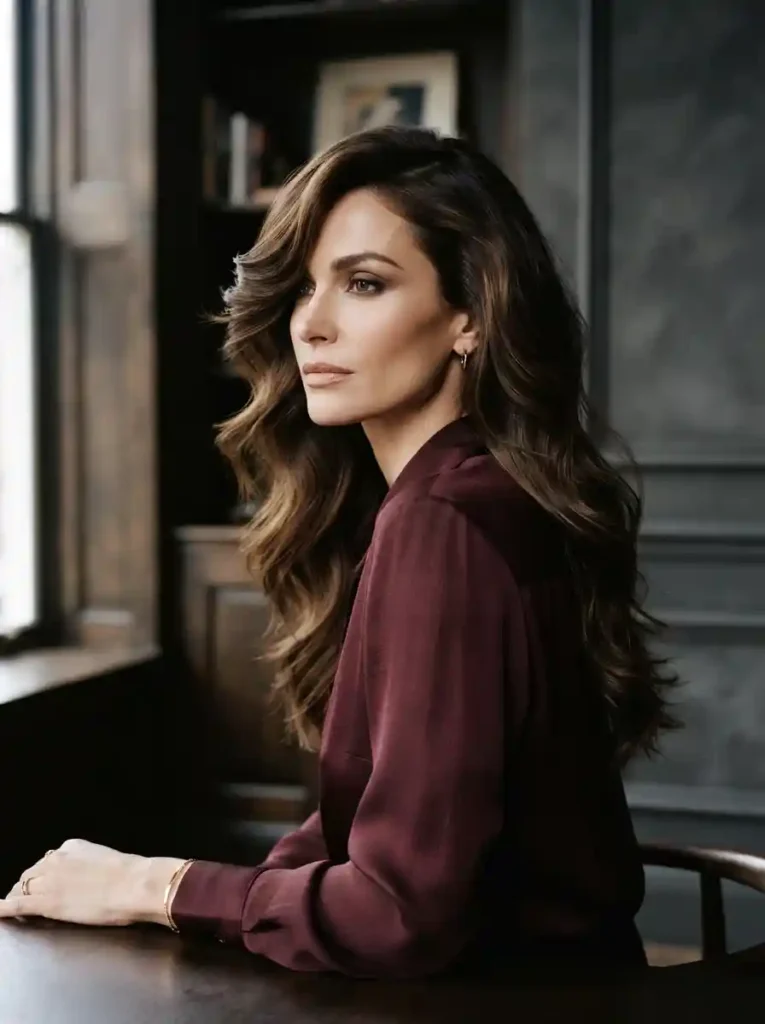
A deep side part can completely change the appearance of long layers without requiring a new haircut. Shifting the part creates asymmetry, giving the roots more lift on one side and allowing the front layers to sweep diagonally across the face. This works particularly well with long, flowing layers because the change in direction makes the haircut appear fuller and more dynamic.
To create the shape, blow-dry the roots in the opposite direction from where you ultimately want them to fall, then sweep the hair into place once it cools. A lightweight root spray can add support without creating stiffness. If your hair naturally insists on returning to a center part, start training the new direction gradually rather than using excessive product. The style is also easy to reverse when you want a symmetrical, softer appearance.
15. Long Layers with Wispy Ends
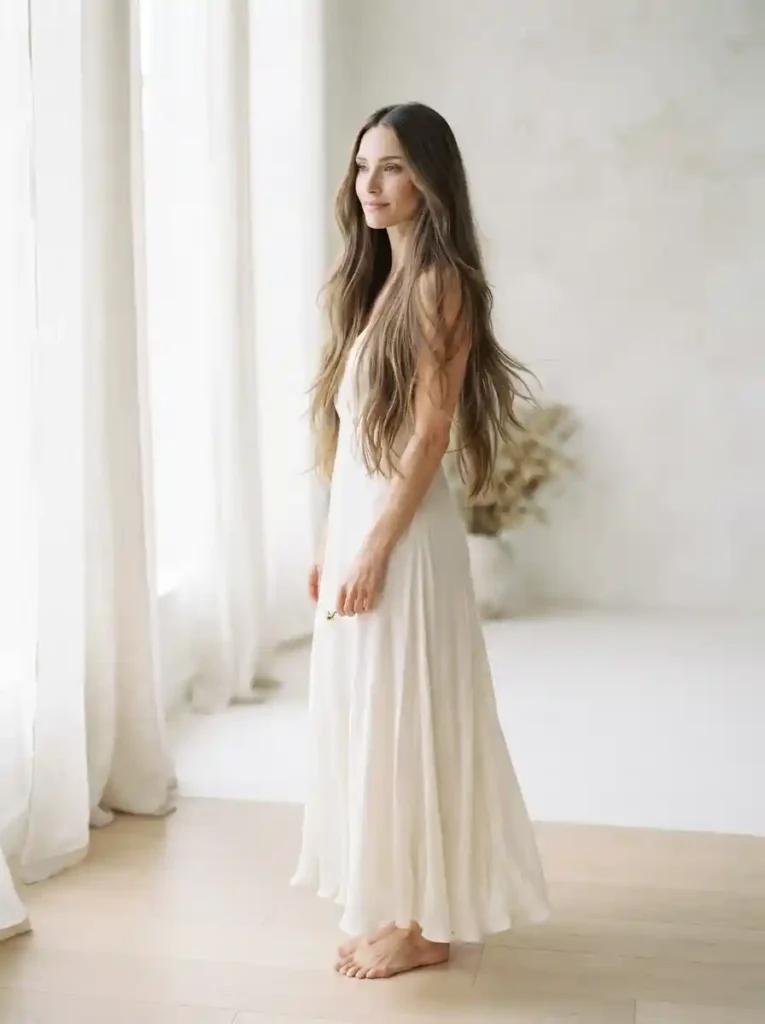
Wispy ends create a light, airy finish that can make long hair feel less dense and more fluid. They are particularly appealing if you like soft movement rather than a sharply defined perimeter. The technique works best when the ends are intentionally softened while enough density remains to prevent the haircut from looking sparse. It can create a delicate appearance around the shoulders and lower back.
If your hair is already fine or fragile, communicate that clearly before choosing this style. You may prefer subtle softening rather than extensive thinning. Styling with a lightweight leave-in conditioner can help wispy pieces lie smoothly without becoming greasy. For an especially natural result, let the ends retain some irregular movement instead of forcing every strand into a perfectly uniform shape. A small amount of texture spray can also make the layers appear more separated.
16. Long Shag Layers for a Modern Boho Feel
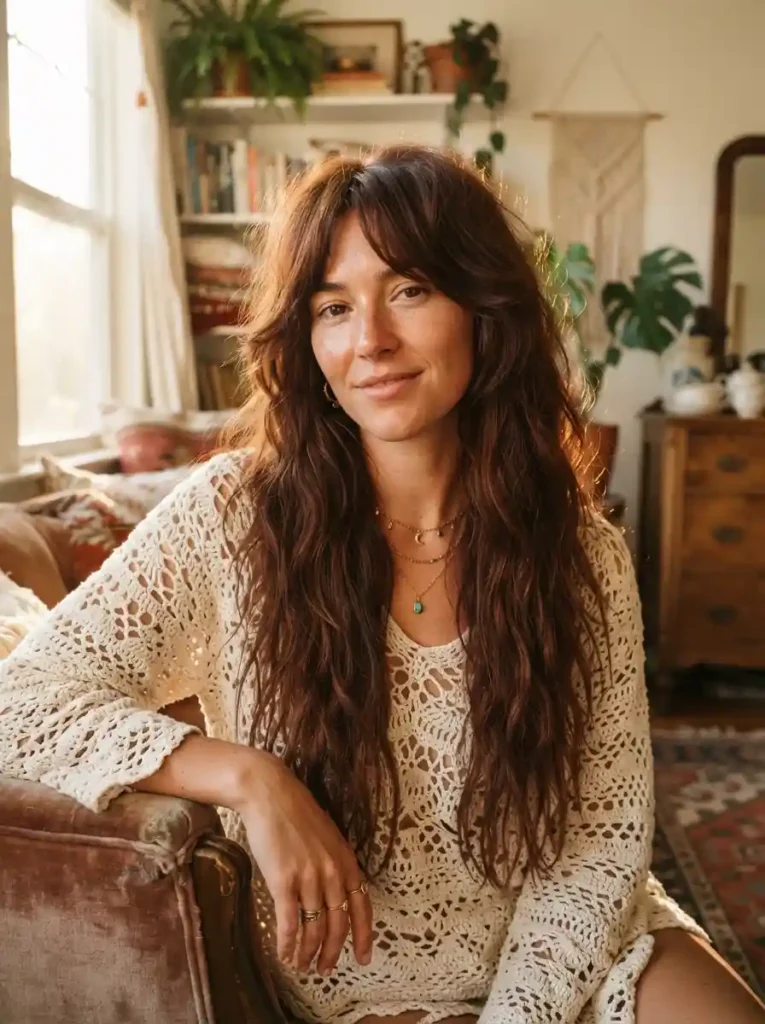
A long shag combines length with noticeably textured layers around the crown, face, and lower sections. Compared with a traditional layered haircut, the shag feels more undone and deliberately imperfect. It is a strong option for people who want their long hair to have personality and visible texture rather than a smooth, polished silhouette. Curtain bangs or shorter face-framing pieces often complete the shape.
The cut is especially compatible with natural waves because the uneven layering allows texture to expand without creating one heavy mass. If your hair is straight, you may need styling products or loose waves to reveal the full effect. Ask your stylist how much crown layering is appropriate for your density. Too much can create unwanted height, while too little may make the haircut look like ordinary long layers rather than a true shag-inspired design.
17. Long Layers with Voluminous Blowout Styling
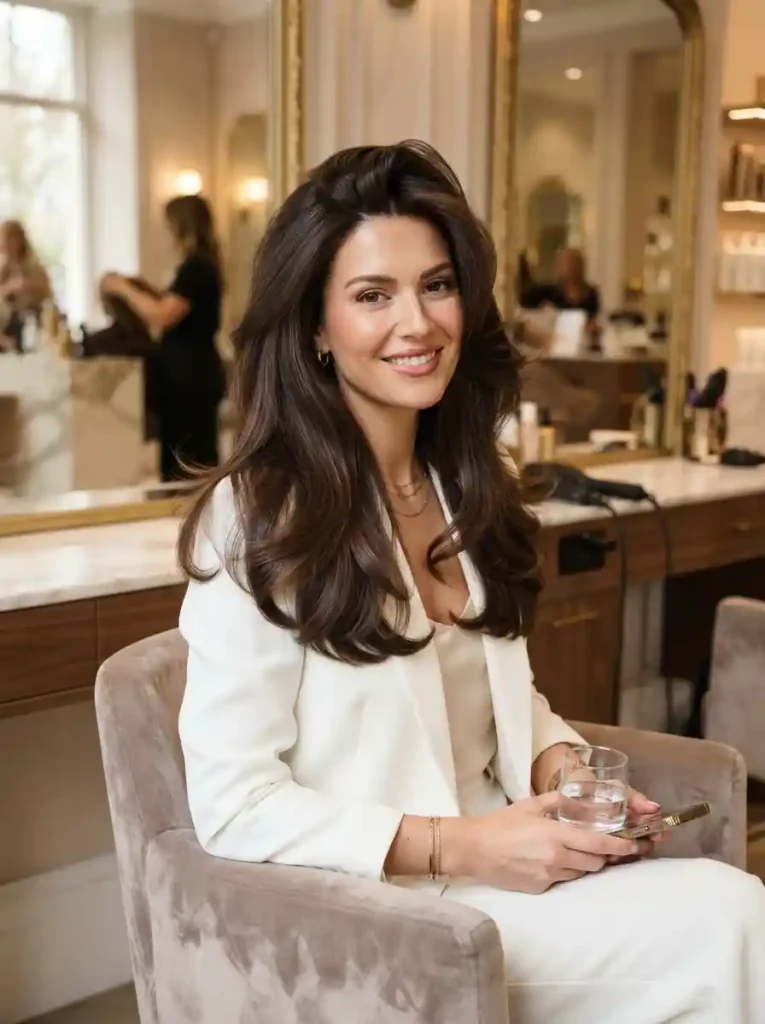
Some layered haircuts are designed to look their best with a polished blowout. Long layers provide the separate sections needed to create bounce, while rounded ends help the finished hairstyle look cohesive rather than overly curled. This approach is useful if you enjoy styling your hair for occasions, work, or weekends and want a haircut that responds well to a round brush and dryer.
Start with heat protectant, then work in manageable sections from the lower lengths upward. Direct the airflow downward along each section before wrapping the ends around a round brush. Let each section cool briefly before releasing it to help preserve the shape. If your hair is very thick, use smaller sections instead of increasing the heat. The haircut itself should still be attractive without styling, so ask for layers that retain a graceful shape when your routine is simpler.
18. Long Layers with Soft Curtain-Framed Cheekbones
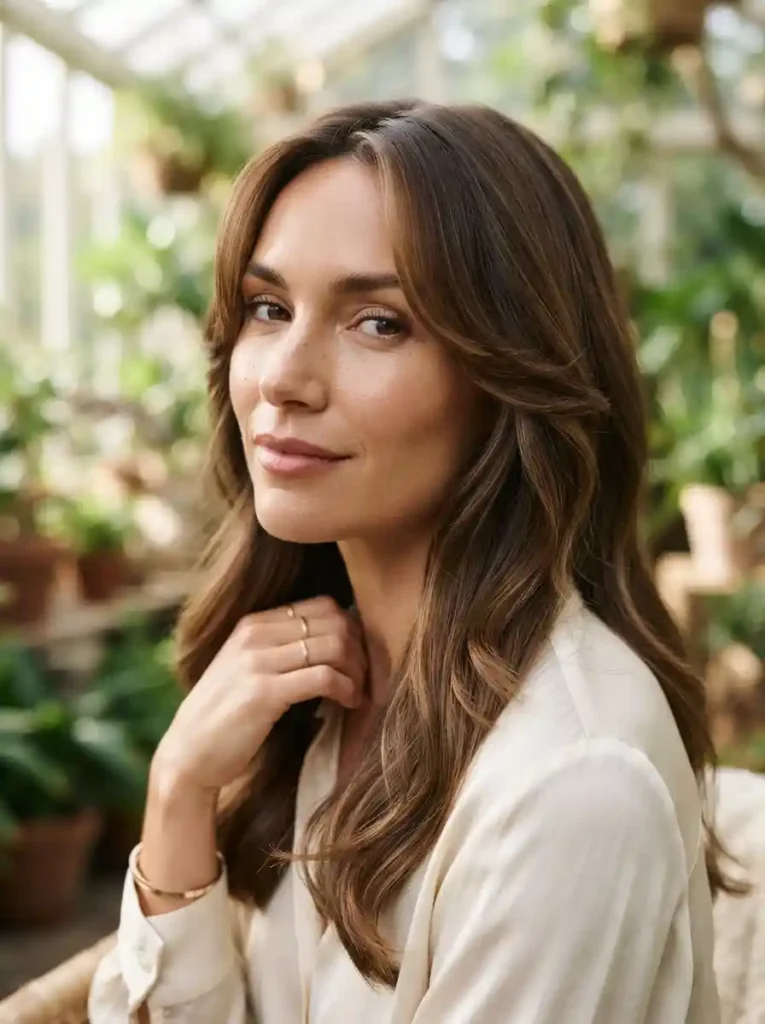
If you want your haircut to highlight the cheekbones without committing to traditional bangs, ask for longer curtain-inspired framing pieces. These sections can begin around the cheekbones and gradually become longer as they merge into the rest of the layers. The result creates a gentle visual frame around the face while keeping the forehead open and the overall hairstyle flexible.
This shape works particularly well when the front pieces have a slight bend rather than being perfectly straight. Use a medium round brush to direct them away from the face, or twist them loosely while damp and allow them to dry naturally. Avoid cutting these pieces too short without considering shrinkage and natural texture. Curly and wavy hair may spring upward considerably, so the intended finished length should always be discussed before cutting.
19. Long Layered Hair with Loose Beach Waves
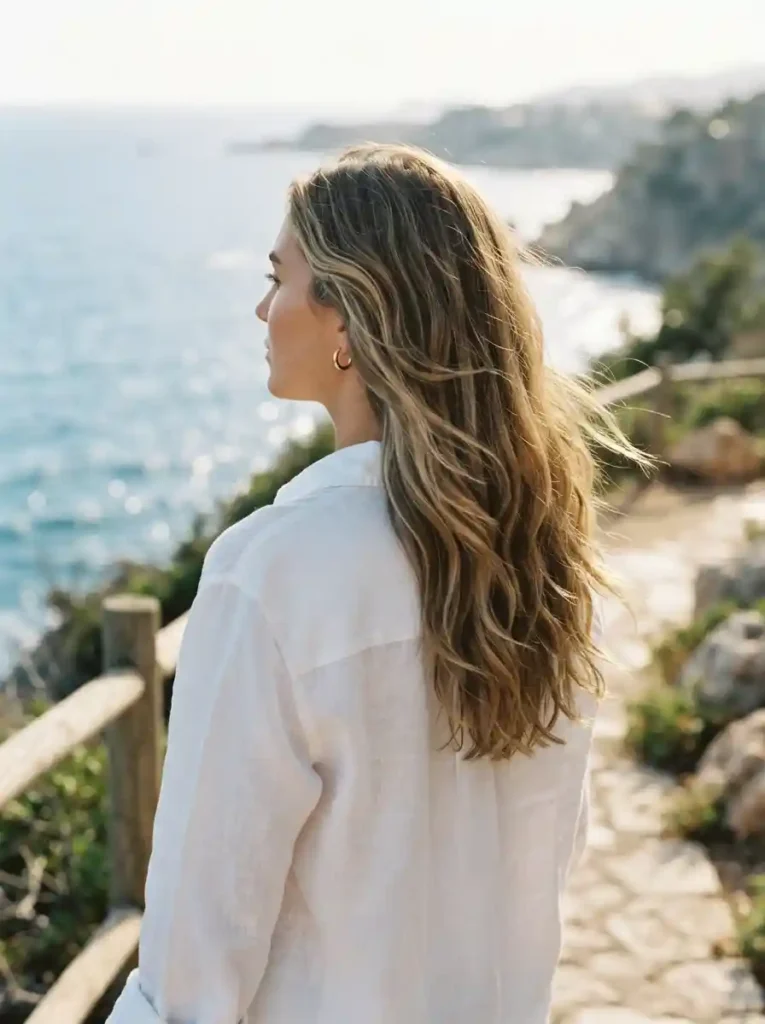
Loose beach waves give layered hair a casual finish that feels polished without appearing overly styled. The different lengths allow the waves to break apart naturally, creating movement through the middle and ends. This style works particularly well for long hair that already has a slight bend, although straight hair can achieve a similar effect with a large-barrel iron or overnight styling method.
For a believable result, avoid making every curl identical. Alternate the direction of the waves and leave the final inch or two of each section relatively straight. Once the hair cools, separate it gently with your fingers rather than brushing vigorously. A light texturizing spray can add grip and definition, but too much product may make the layers feel dry or stiff. Finish with a tiny amount of serum on the ends if they need extra polish.
20. Long Layers for Straight, Sleek Hair
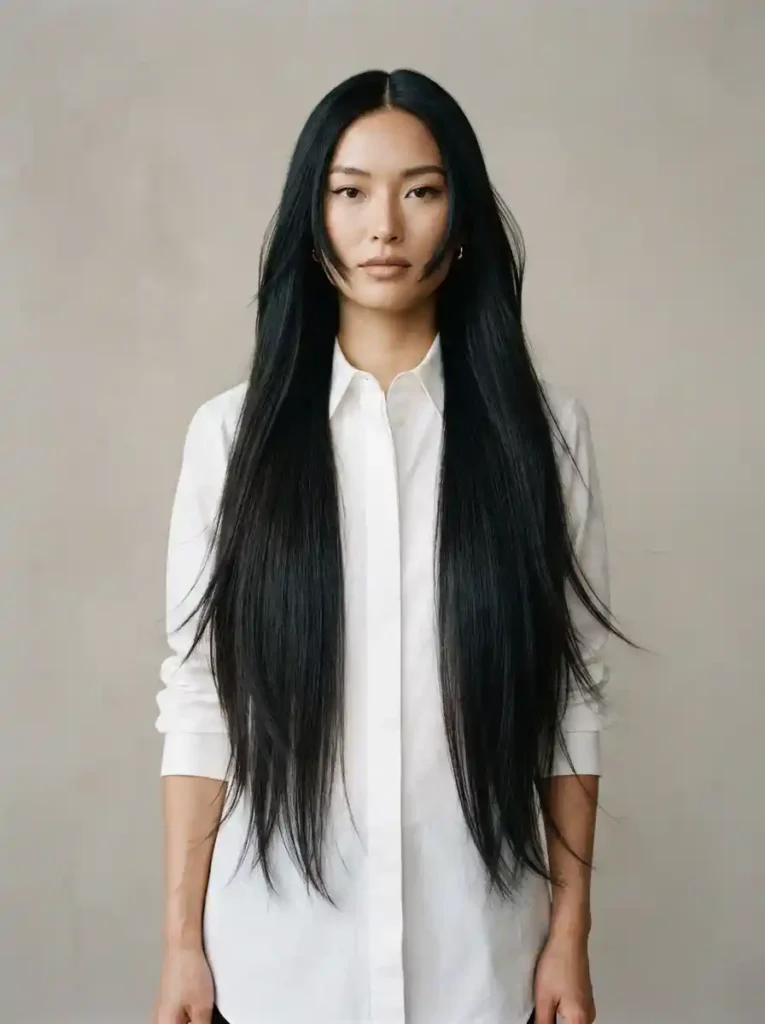
Straight hair can reveal the architecture of a layered haircut particularly clearly. Long, controlled layers create movement while preserving the sleek appearance of the overall style. If your hair is naturally straight and heavy, subtle layers around the face and lower lengths can prevent it from looking completely flat without introducing excessive texture or frizz.
Ask your stylist whether you need internal weight removal or visible exterior layers. These techniques create different results, and choosing the wrong one can change the density of the ends more than expected. For styling, a paddle brush and smoothing product may be enough to emphasize the clean lines. A flat iron can add extra polish, but always use heat protection and avoid repeatedly passing over the same section, especially if the hair is color-treated.
21. Long Layers for Naturally Curly Hair
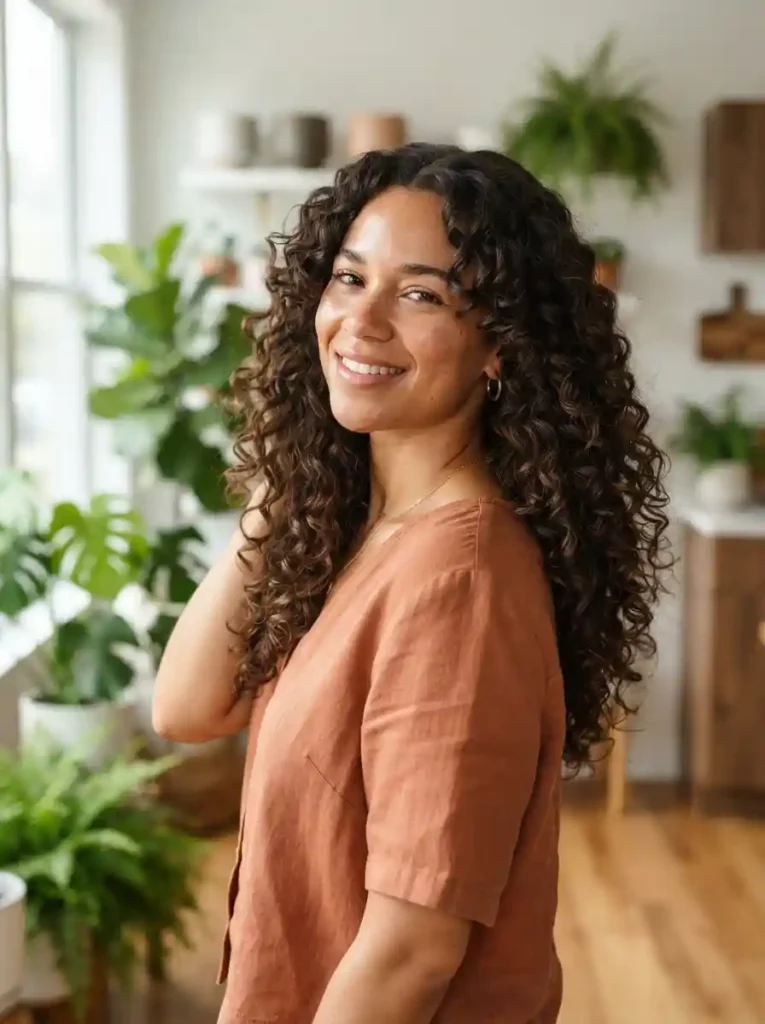
Long layers can give curly hair a more balanced shape by allowing curls to expand upward and outward instead of hanging heavily at the bottom. The ideal placement depends on curl pattern, density, and shrinkage, so curly hair should generally be assessed in its natural state before deciding on the final shape. A rounded layered structure can maintain length while preventing the bottom from becoming excessively heavy.
Your styling routine should support the haircut rather than fight its natural texture. Apply curl cream or gel to soaking-wet hair, scrunch upward, and allow the curls to dry with minimal disturbance. If you diffuse, use low or moderate airflow and avoid repeatedly touching the curls. Ask your stylist whether the haircut should be performed dry, wet, or with a combination of techniques based on their experience with your curl pattern.
22. Long Layers with a Center Part and Sleek Ends
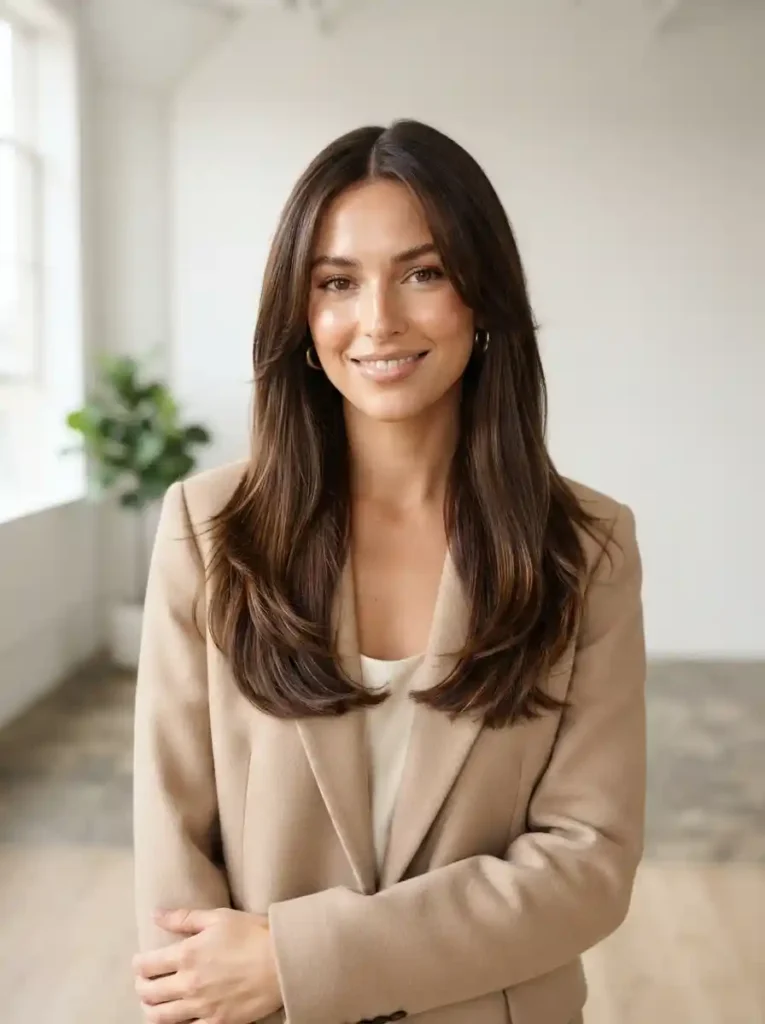
A clean center part paired with softly layered lengths creates a refined hairstyle that feels current without being overly complicated. The symmetry of the part allows the layers to frame both sides of the face evenly, while sleek ends keep the overall look sophisticated. This can be especially effective when you want your haircut to transition easily between casual clothing and more formal outfits.
Use a smoothing serum sparingly through the mid-lengths and ends, then blow-dry with a paddle brush for a straight finish. If your hair tends to separate at the center, create the part while it is damp and secure the direction with clips until it dries. Ask for subtle layering if you want the sleek effect to remain dominant. Heavy texturizing can make the ends look uneven rather than intentionally polished.
23. Long Layers with Side-Swept Face Framing
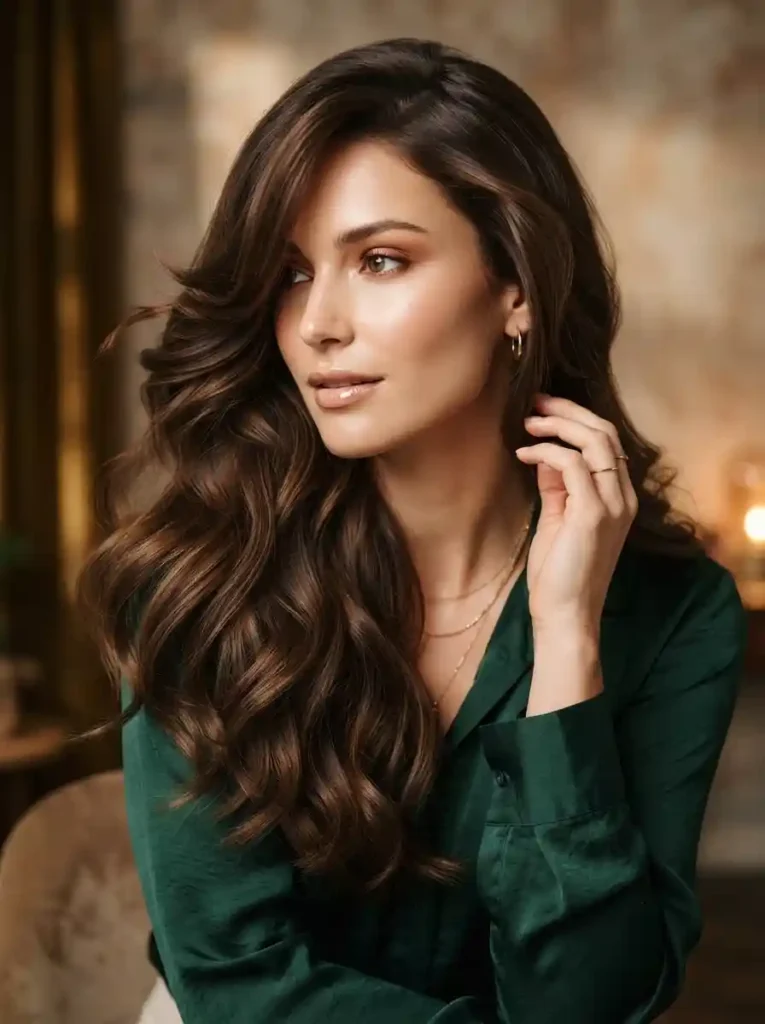
Side-swept face framing gives long layered hair a softer, more glamorous direction. Instead of dividing the front evenly, the layers are encouraged to move across one side of the face, creating asymmetry and additional visual volume. This style can be particularly useful when you want your long haircut to feel more dressed up without adding complicated curls or accessories.
To maintain the sweep, blow-dry the front sections away from the face and slightly backward, then let them cool before arranging the final part. A small amount of flexible hairspray can hold the shape without making the hair rigid. If you frequently switch between center and side parts, request adaptable framing rather than a highly directional cut. The goal is to create movement that remains attractive even when the part changes.
24. Long Layered Hair with Money-Piece Framing
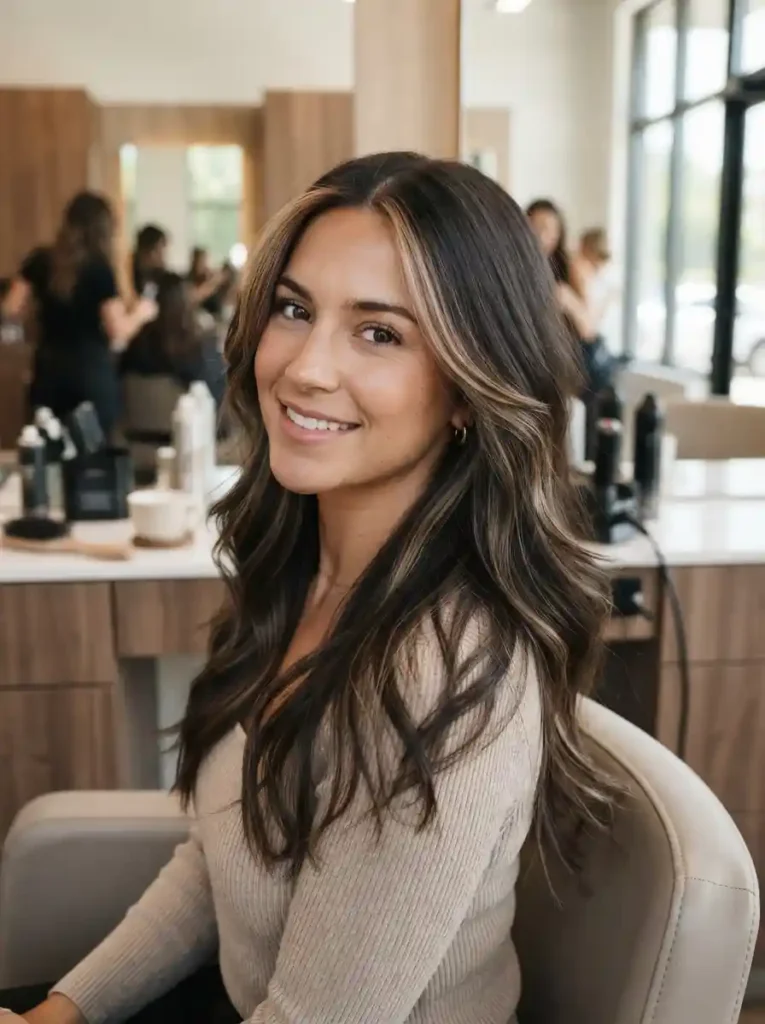
A brighter face-framing color can make long layers feel newly refreshed without changing the haircut dramatically. The technique is often called a money-piece highlight, although the intensity can range from very subtle to highly noticeable. When paired with layered hair, lighter strands around the face can emphasize the shorter pieces and create additional dimension as the hair moves.
For a natural result, choose a tone that works with your existing base rather than automatically selecting the lightest possible shade. Ask your colorist how much contrast is appropriate for your maintenance preferences. Brighter pieces may require more frequent toning or touch-ups, especially if you want the color to remain crisp. A color-safe shampoo, regular conditioning, and heat protection can help keep the highlighted front sections looking smooth and vibrant.
25. Long Layers with a Polished, Timeless Finish
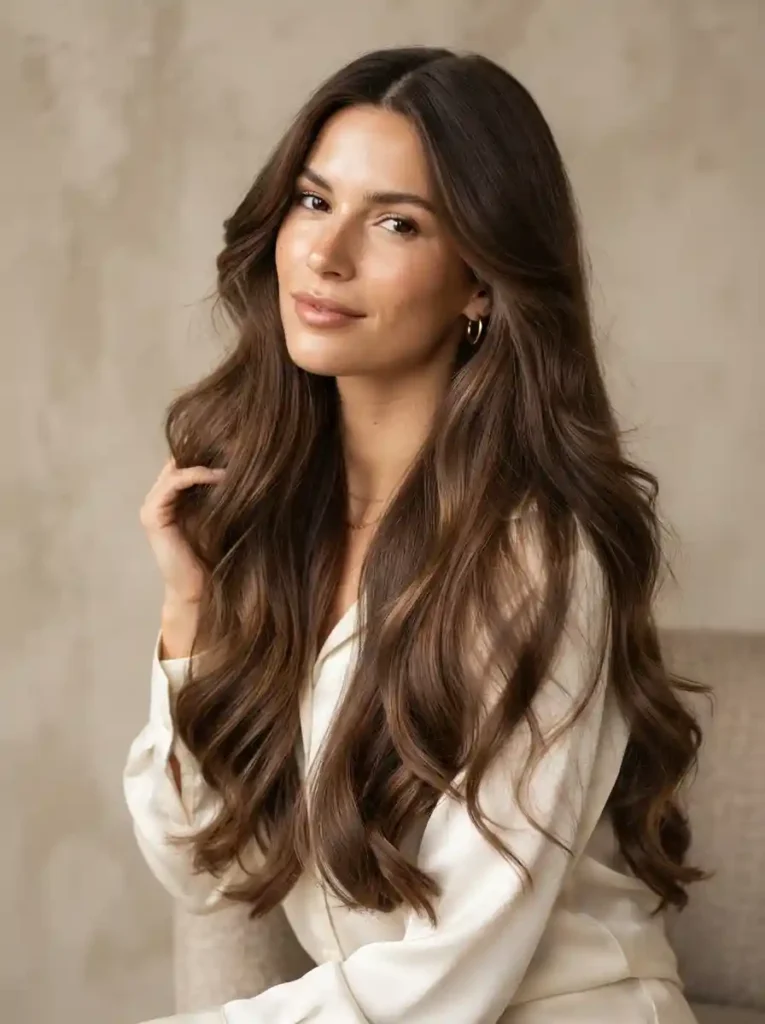
A polished long layered haircut is a dependable choice when you want movement without committing to a highly trendy shape. The layers are blended carefully so there are no abrupt transitions, while the ends retain enough density to look healthy and substantial. This type of cut can adapt to straight styling, waves, ponytails, and formal updos, making it particularly practical for people who want one haircut to work across different occasions.
When discussing this style with your stylist, focus on proportion rather than simply asking for “long layers.” Explain where you want the first visible layer, how much length you want preserved, and whether you prefer a rounded, U-shaped, or V-shaped perimeter. Bring photos showing the finished effect you like. Regular trims can maintain the shape, but you do not need to remove large amounts of length each time if the ends remain healthy.
Conclusion
Long layered haircuts offer far more variety than simply adding a few shorter pieces to long hair. The placement, density, texture, perimeter shape, and styling method can completely change the finished appearance. Soft face framing can create a subtle refresh, while butterfly layers, shag-inspired cuts, curls, waves, or dramatic V-shaped silhouettes can make a stronger statement.
Before your next salon appointment, think about how you actually wear your hair most days. If you rarely use hot tools, choose layers that work with your natural texture. If you enjoy blowouts, you can consider more dramatic movement and volume. Most importantly, bring reference photos and explain how much length and density you want to preserve. The best long layered haircut is one that looks beautiful in photographs but also fits naturally into your everyday routine.