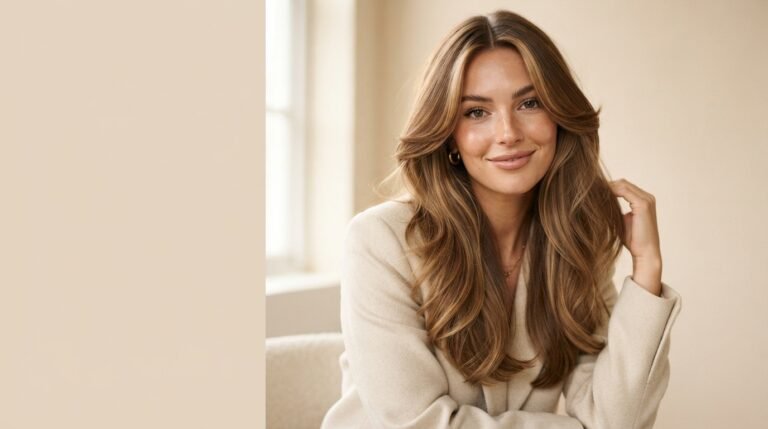
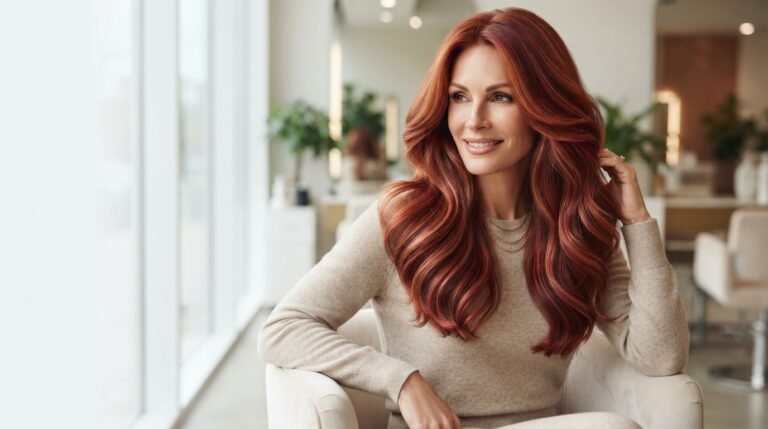
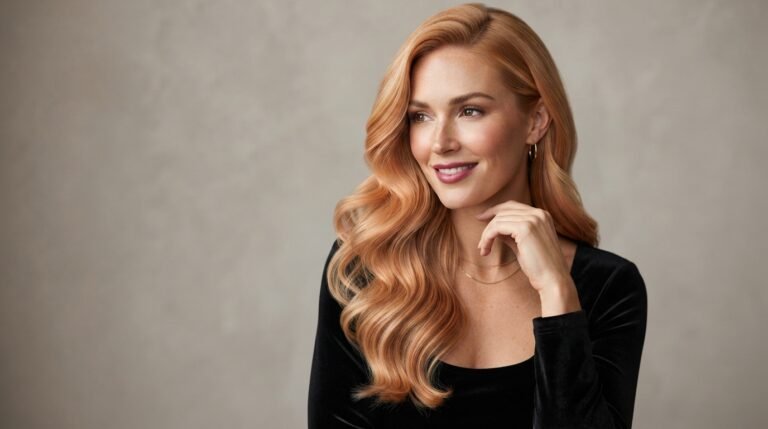
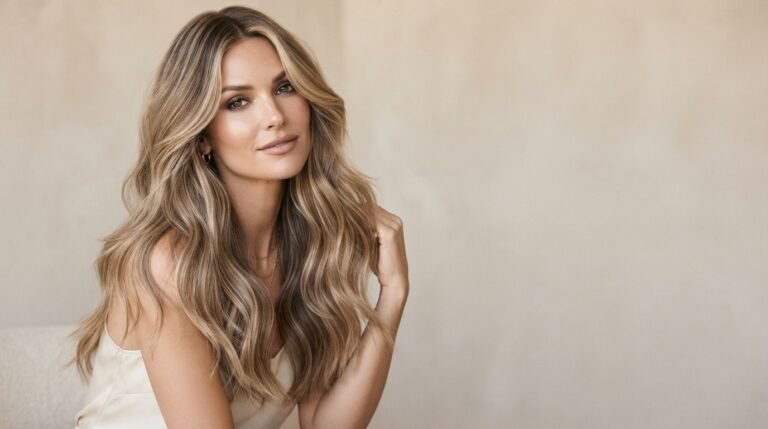
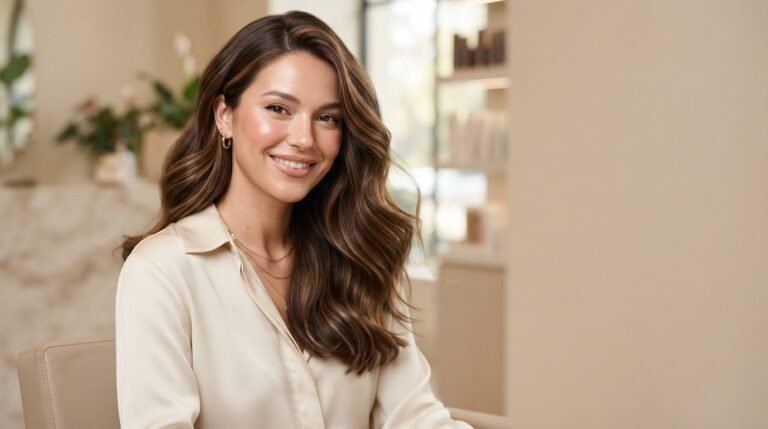
Wispy bangs have a way of changing your entire look without requiring a dramatic haircut. Their light, airy texture creates softness around the face while leaving plenty of room to style, part, tuck, or grow them out. That makes them especially appealing if you want a fresh hairstyle that feels noticeable but not overly committed. From barely-there fringe with long layers to playful curtain bangs and polished bob combinations, there is a wispy style for almost every hair length and texture. The key is choosing a shape that works with your natural movement, face-framing preferences, and everyday routine. Below, you’ll find 24 distinct wispy bangs hairstyles, each with practical styling ideas and details to help you picture the finished look. Whether your hair is straight, wavy, curly, short, or long, these ideas can help you find a fringe that feels modern, wearable, and distinctly yours.
1. Soft Wispy Bangs with Long Face-Framing Layers

Wispy bangs look especially effortless when paired with long layers that gradually frame the cheeks and jaw. Ask your stylist for a lightweight fringe rather than a dense, blunt section, keeping the center slightly shorter and the outer pieces longer. This creates movement while preventing the bangs from looking heavy. Long layers also help the fringe blend naturally into the rest of the haircut, making the transition softer and easier to maintain between appointments.
For everyday styling, use a small round brush to direct the bangs slightly forward and then outward, rather than curling them dramatically. A lightweight styling cream can tame flyaways without flattening the airy texture. This combination suits people who want noticeable face-framing detail while keeping their overall length. If your hair naturally bends or waves, letting that texture show can make the finished style look even more relaxed and dimensional.
2. Airy Wispy Curtain Bangs for a Soft, Romantic Look

Curtain-style wispy bangs offer one of the easiest ways to experiment with fringe because they naturally open around the forehead. Keep the shortest section around the brow or slightly above it, then ask for longer, feathered pieces that extend toward the cheekbones. The gradual shape keeps the bangs from appearing severe and gives you flexibility to wear them centered, slightly off-center, or swept completely aside when you want your forehead more visible.
A velcro roller or medium round brush can give curtain bangs their characteristic lift without making them look overly styled. Direct each side away from the face while drying, then allow the hair to cool before gently separating it with your fingers. Avoid applying heavy oil directly at the roots because it can make wispy strands separate too much. A small amount of lightweight mousse usually provides better volume and lasting movement.
3. Wispy Bangs with a Sleek Blunt Bob
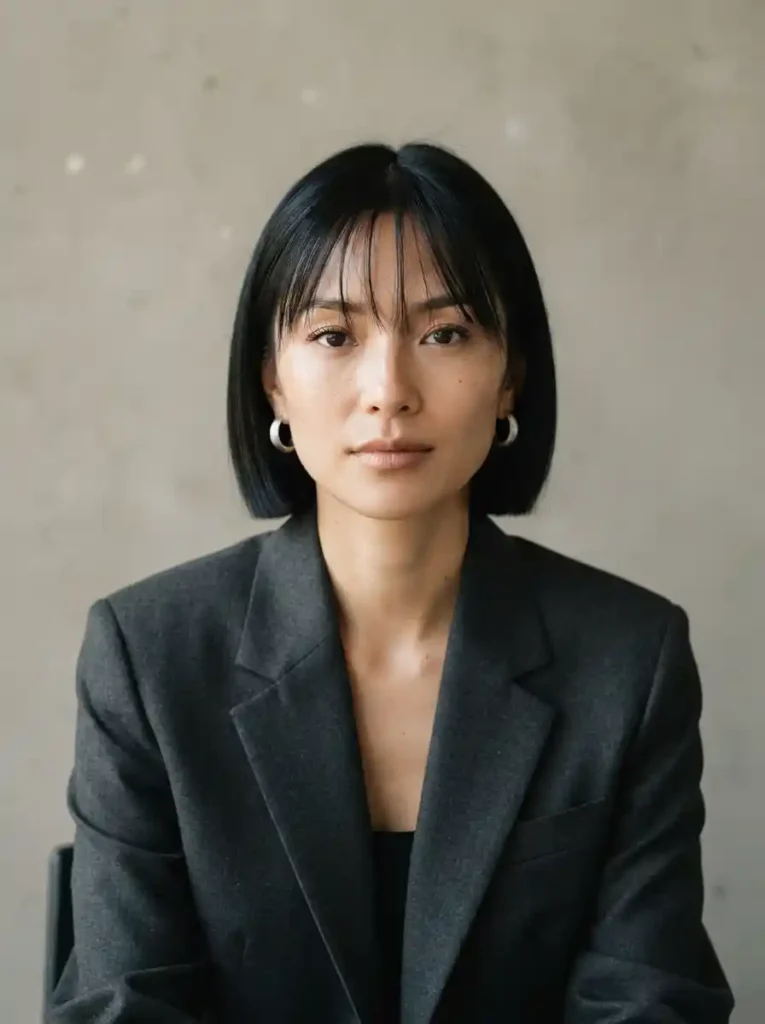
A blunt bob becomes softer and more approachable when contrasted with lightweight bangs. The crisp line around the jaw provides structure, while the wispy fringe prevents the haircut from feeling too severe. For the best balance, keep the bob perimeter clean and relatively solid while asking your stylist to remove weight from the bangs themselves. The result is a modern combination of polished shape and delicate texture that works particularly well with naturally straight hair.
Smooth the bob with a flat iron if needed, but keep the fringe slightly imperfect rather than pressing every strand completely flat. A tiny amount of dry texture spray can separate the ends and emphasize their feathered appearance. If your hair is thick, regular internal weight removal may help the bob sit correctly. Those with fine hair should avoid excessive thinning because preserving density through the perimeter can make the haircut appear fuller.
4. Wispy Bangs on Shoulder-Length Wavy Hair

Shoulder-length waves and wispy bangs create an easygoing combination because both elements rely on movement rather than precision. Ask for bangs that are lightly textured through the ends and slightly longer toward the temples. This allows them to blend into the waves surrounding your face instead of creating a disconnected strip across the forehead. The length is also versatile enough to tuck behind the ears or sweep aside on days when you want a different shape.
When styling, apply curl cream or a lightweight wave-enhancing product through damp hair, including the longer portions of the fringe. Twist a few sections away from your face and let everything air-dry or diffuse on low heat. Once dry, separate the bangs with your fingertips. Avoid brushing the waves repeatedly because it can create unwanted puffiness. The goal is soft definition with enough irregularity to keep the hairstyle looking natural.
5. Feather-Light Bangs with a High Ponytail
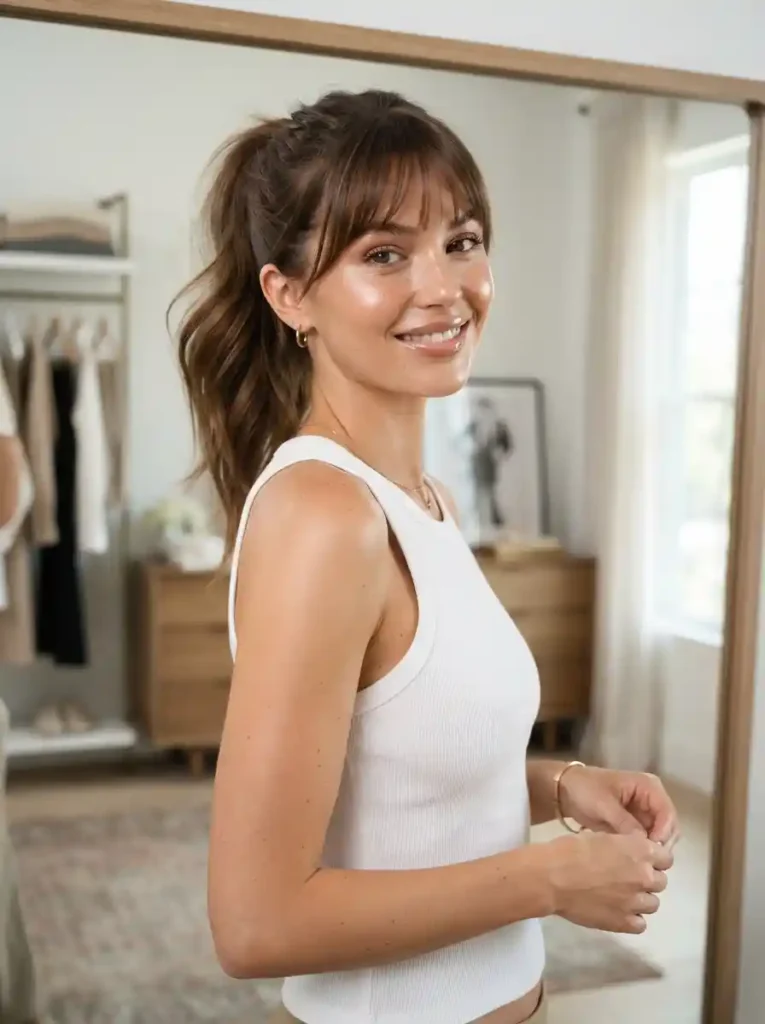
A high ponytail can look unexpectedly sophisticated with a delicate fringe because the bangs soften the pulled-back silhouette. Keep the ponytail sleek through the crown while allowing the ends to remain slightly textured. Wispy bangs work best here when they are not overly thick; a lighter section leaves the hairstyle looking balanced rather than top-heavy. Ask your stylist to taper the outer edges so the fringe transitions naturally into small temple pieces.
For a polished ponytail, smooth the crown with a soft bristle brush before securing it at your preferred height. Use a tiny amount of flexible hairspray around the hairline rather than coating the bangs heavily. You can gently bend the fringe with a small round brush, creating a subtle curve that follows the forehead. Leave one or two fine strands near the temples if you prefer a softer, less athletic-looking finish.
6. Short Wispy Bangs with a Textured Pixie Cut
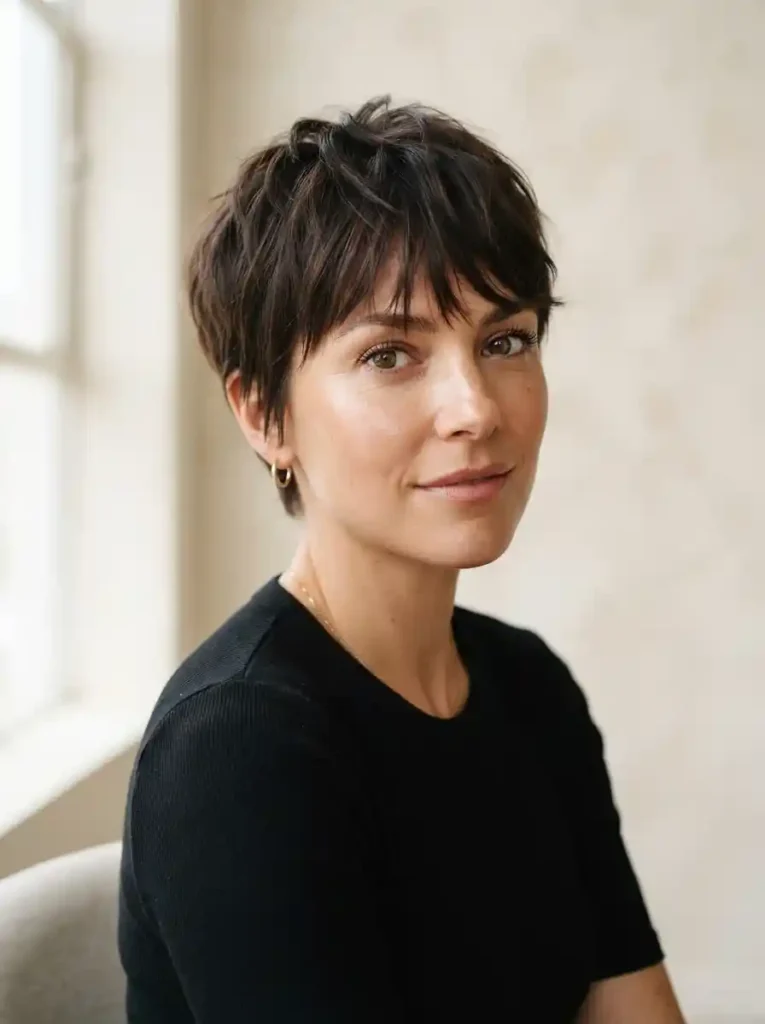
Short wispy bangs can make a pixie haircut feel playful without sacrificing its clean shape. Rather than creating a thick straight fringe, the stylist can point-cut the ends and leave small variations in length. This gives the forehead area movement and makes the haircut easier to rearrange. The surrounding pixie layers should remain textured enough to support the fringe, particularly around the crown and temples.
Styling a short fringe takes very little time, but product choice matters. Warm a pea-sized amount of matte styling paste between your fingers and lightly pinch selected pieces instead of coating the entire front. For finer hair, a volumizing powder can add grip at the roots. If your hair grows quickly around the forehead, expect the fringe to change shape sooner than the rest of the pixie, so small maintenance trims can help preserve its intended proportion.
7. Wispy Bangs with Long Brunette Layers
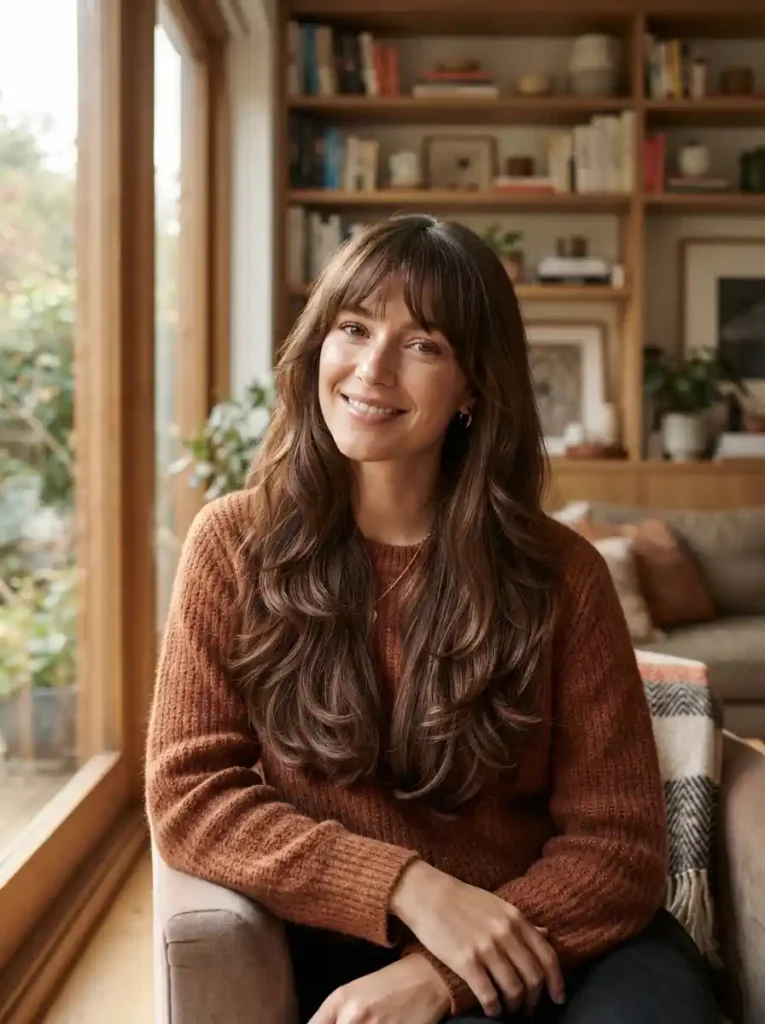
Long brunette layers provide a rich backdrop for a delicate fringe because the contrast between abundant length and lightweight bangs creates visual interest. Ask for long, blended layers that begin below the chin rather than removing too much weight around the cheeks. The bangs can remain airy and slightly separated, giving the forehead definition without competing with the rest of the haircut. This is especially useful if you enjoy wearing your long hair loose most days.
To keep the combination looking intentional, concentrate conditioning products on the mid-lengths and ends rather than the roots. After drying, use a large round brush to give the longer layers a gentle bend. For the bangs, a smaller brush provides enough direction without creating a retro curl. A few drops of lightweight serum through the lengths can enhance brunette shine, while leaving the fringe relatively product-free keeps it light.
8. Wispy Side-Swept Bangs for an Effortless Finish

A side-swept wispy fringe is a useful option when you like the softness of bangs but do not want a straight-across shape. The shortest pieces can sit near the brow while the outer section gradually lengthens toward the cheek. This creates a diagonal line that works especially well with a side part. It is also practical for people who occasionally want their fringe to blend completely into the rest of their hairstyle.
Train the bangs by drying them in the opposite direction of the final part first, then sweeping them across once the roots are dry. This technique can create more natural lift than immediately pushing everything to one side. A light hairspray mist can hold the direction without making individual strands stiff. If humidity causes separation, smooth a tiny amount of anti-frizz cream between your fingertips and touch only the ends.
9. Wispy Bangs with a Low Messy Bun
A low messy bun becomes more flattering when delicate fringe keeps the front of the hairstyle from looking overly pulled back. The bun can remain intentionally loose, while the bangs provide a controlled element around the forehead. Ask for slightly longer wisps near the temples if you regularly wear your hair up. Those pieces can blend into the bun or remain free, depending on whether you want a polished or relaxed finish.
Start with dry texture spray through the lengths before gathering the hair, especially if it tends to be very slippery. Twist the hair loosely at the nape and secure it with pins, avoiding excessive tension. Style the bangs separately using a small brush, directing them gently downward and outward. The finished look should have structure without looking rigid. This makes the style especially practical for casual weekends, errands, or relaxed gatherings.
10. Piecey Wispy Bangs with a Shag Haircut

A shag haircut naturally complements wispy bangs because both depend on irregular layers and movement. Instead of a perfectly even fringe, ask for separated pieces with slightly varying lengths. The crown and sides should also have enough texture to connect the bangs visually with the rest of the haircut. This prevents the fringe from looking like a separate feature and creates the deliberately undone character associated with modern shag hairstyles.
To style the cut, work a small amount of lightweight mousse through damp hair and scrunch the lengths. Let the hair air-dry when possible, or use a diffuser on low heat. Once dry, pinch a few pieces around the forehead and crown to emphasize separation. Avoid brushing the finished hairstyle, since the shag’s appeal comes from visible texture. A flexible spray can provide hold while preserving the loose, touchable finish.
11. Wispy Bangs with a Romantic Half-Up Hairstyle

A half-up hairstyle gives wispy bangs a romantic setting without requiring complicated styling. Keep the upper section secured loosely at the crown while allowing the remaining hair to fall naturally over the shoulders. The fringe should remain light and slightly separated, with longer side pieces blending into the loose hair. This combination works particularly well for weddings, dinners, photographs, or anyone who enjoys feminine styling without excessive volume.
Before creating the half-up section, add loose waves with a medium-barrel iron or heatless method. Allow the curls to cool before separating them, then gently pull the crown section back with a clip or ribbon. Style the bangs last so they do not become flattened while handling the rest of the hair. A flexible finishing spray can preserve the shape while maintaining movement and keeping the overall look soft.
12. Wispy Bangs on a Chin-Length Curved Bob
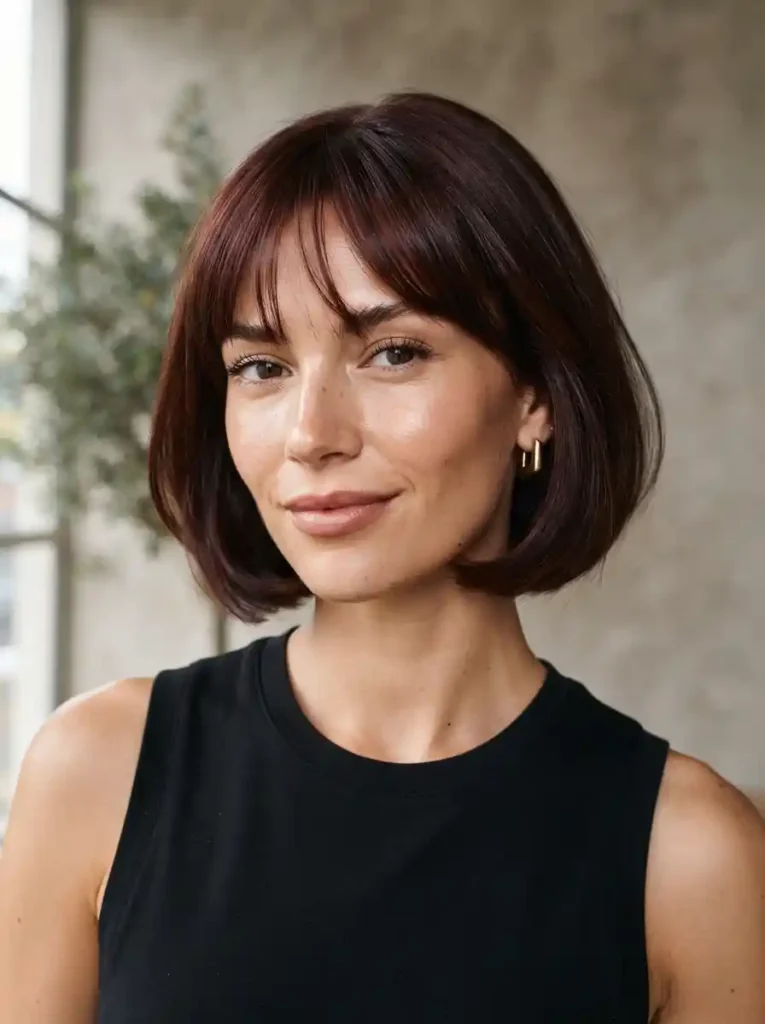
A chin-length curved bob has a defined silhouette, so wispy bangs provide an appealing contrast. The perimeter can remain strong and rounded toward the chin while the fringe stays soft and lightly feathered. This combination is particularly effective on straight or slightly wavy hair because the clean bob shape remains visible while the bangs introduce movement around the eyes and forehead.
For the bob, blow-dry the ends inward with a medium round brush, working in small sections for a smooth curve. Keep the bangs lighter and avoid using the same strong smoothing technique on them. A small amount of styling lotion can control static without eliminating texture. If your hair is naturally thick, ask your stylist whether subtle internal shaping is appropriate so the bob maintains its curved profile without becoming bulky.
13. Barely-There Wispy Bangs for Fine Hair

Fine hair can support wispy bangs beautifully when the stylist preserves enough density at the base. Instead of taking a wide section from the crown, a narrower fringe can create the appearance of softness without sacrificing too much overall volume. Keep the ends lightly textured rather than aggressively thinned. The result should look delicate but still substantial enough to maintain a defined shape around the forehead.
When styling fine bangs, less product usually works better. Blow-dry them with a small brush and use a tiny amount of volumizing mist at the roots if needed. Heavy creams, oils, and waxes can make fine strands separate excessively. If your fringe becomes oily quickly, dry shampoo applied sparingly near the roots can refresh it between washes. Regular trims also help prevent fine ends from looking uneven as they grow.
14. Wispy Bangs with a Deep Side Part
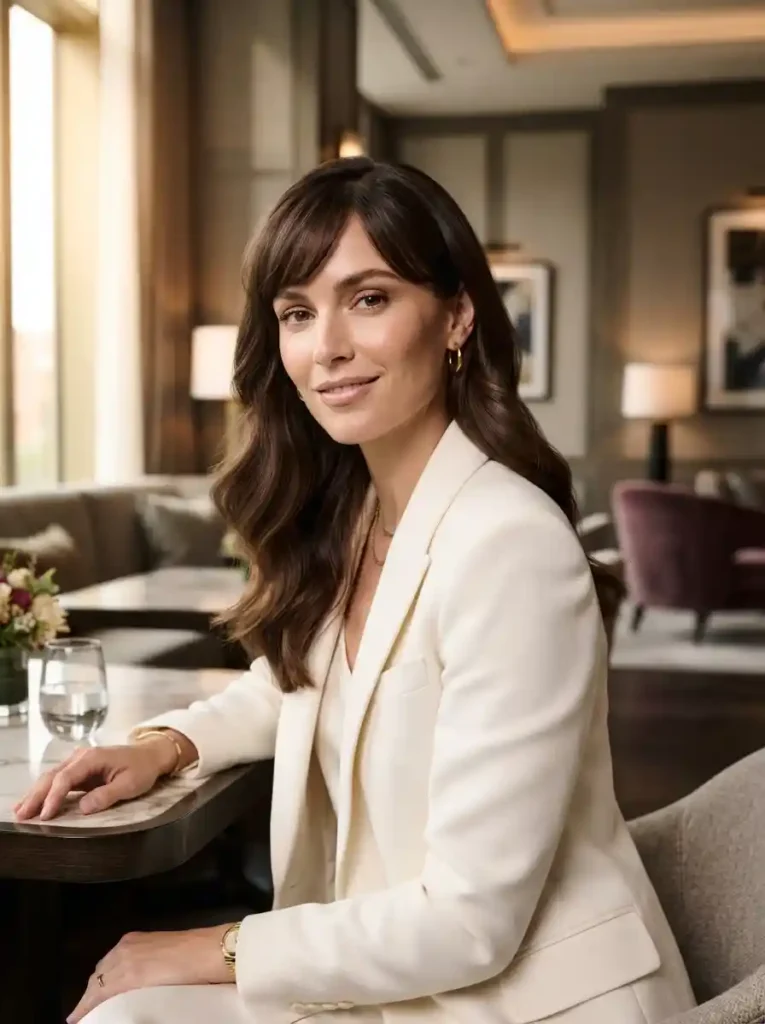
A deep side part can make wispy bangs feel completely different from a center-parted fringe. The diagonal direction adds asymmetry while allowing the bangs to merge into longer layers around one side of the face. Ask your stylist to leave the outer fringe pieces long enough to sweep naturally into the side section. This is a useful choice if you want bangs that can visually disappear when brushed farther away.
To create the shape, part the hair while it is damp and blow-dry the fringe toward the opposite side before sweeping it back into place. This helps create root movement and prevents the bangs from sitting flat against the forehead. Use a flexible styling spray rather than strong gel. If you switch your part regularly, avoid cutting the shortest section too heavily because extra flexibility will make daily restyling easier.
15. Wispy Bangs with a Shoulder-Length Wolf Cut

A shoulder-length wolf cut can feel more wearable when its bangs remain light rather than overly dense. The fringe should connect with the shorter crown layers while gradually extending toward the temples. This creates continuity between the front and the heavily layered sections behind it. If you prefer a softer interpretation of the wolf cut, ask for blended transitions and moderate texture rather than extremely choppy pieces.
Styling is easiest when you encourage the haircut’s natural separation. Apply a lightweight volumizing mousse to damp roots and a small amount of texturizing cream through the ends. Diffuse or air-dry, then use your fingertips to lift the crown and separate the fringe. Avoid repeatedly flattening the top with a brush. The finished result should have movement around the forehead, crown, and shoulders while still looking comfortable enough for everyday wear.
16. Wispy Bangs with a High-Gloss Glass Hair Finish
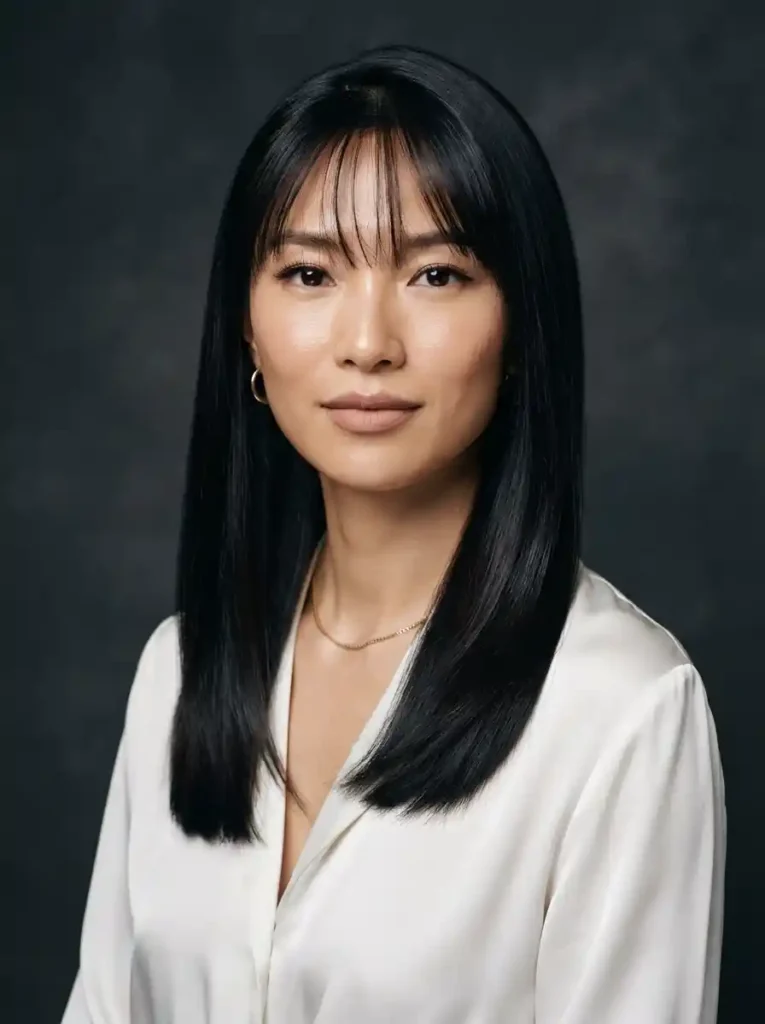
Glossy straight hair provides an interesting contrast to wispy bangs because the lengths look polished while the fringe remains intentionally delicate. Keep the main haircut smooth and relatively clean, with minimal layering if you want a strong glass-hair effect. The bangs should be lightly feathered at the ends so they retain softness instead of matching the rigid finish of the lengths.
Use a heat protectant before blow-drying and flat-ironing the longer sections, especially when creating a highly reflective finish. The fringe needs less heat because it is shorter and more fragile. Finish the lengths with a small amount of lightweight serum, keeping it away from the roots. For the bangs, simply use a clean brush to arrange individual pieces. This creates contrast without making the entire hairstyle look overly polished or artificial.
17. Curly Wispy Bangs with Natural Definition

Wispy bangs can work beautifully with curls when the haircut respects the hair’s natural spring. Instead of cutting the fringe extremely short while the hair is stretched, your stylist should account for shrinkage and curl pattern. Small, separated curls across the forehead create a softer appearance than a dense curved fringe. Rounded layers around the head can help the bangs blend into the surrounding curls.
Apply leave-in conditioner and curl cream to soaking or very damp hair, distributing product gently with your fingers. Shape the fringe curl by curl rather than brushing it straight. A diffuser on low heat can encourage definition while reducing excessive disturbance. Avoid constantly touching the bangs as they dry because this can increase frizz. Once completely dry, gently separate a few curls if desired, keeping the natural pattern intact.
18. Wispy Bangs with a Sleek Low Ponytail
A low ponytail gives wispy bangs a polished setting that works for both everyday outfits and more formal occasions. Keep the ponytail smooth and close to the nape while allowing the fringe to remain softly textured. Longer pieces near the temples can soften the transition into the pulled-back hair. This approach is particularly useful when you want your hairstyle to look neat without completely exposing the forehead.
Start by creating a clean center or slightly off-center part, then smooth the longer hair backward with a soft brush. Secure the ponytail low and conceal the elastic with a narrow strand if desired. Style the bangs separately with a small round brush, creating a gentle bend rather than a strong curl. Finish with flexible hairspray around the ponytail, avoiding heavy application on the fringe to preserve its airy quality.
19. Wispy Bangs with a Soft Copper Shag

Copper hair brings extra visual dimension to wispy bangs because individual strands catch the light differently. A soft shag shape keeps the color from looking overly uniform by creating movement through the crown and ends. Ask for a fringe that is airy through the center and gradually longer near the temples. This keeps the color visible across the forehead while allowing the haircut to retain its feathered personality.
To emphasize copper tones without making the hair look stiff, use a lightweight shine product through the mid-lengths and ends. Style the shag with loose bends rather than defined curls, using a diffuser or large curling iron depending on your natural texture. The bangs can be dried forward and gently separated afterward. If your hair is color-treated, prioritize heat protection and regular conditioning to maintain softness and reduce visible dryness.
20. Wispy Micro-Bangs with a Modern Lob

Micro-bangs make a stronger visual statement than longer wispy fringe, but keeping the ends feathered can make them more approachable. Pairing them with a collarbone-length lob creates a balanced silhouette: the shorter forehead detail draws attention upward while the longer perimeter keeps the overall haircut versatile. This style is worth discussing carefully with your stylist because small changes in micro-bang length can significantly affect the finished proportion.
Styling should emphasize the intentional shape rather than trying to make the fringe overly soft. Blow-dry the bangs downward with a small brush, then use your fingertips to separate the ends. Keep the lob smooth or slightly curved depending on your preferred finish. Because micro-bangs grow into a noticeably different shape within weeks, schedule maintenance based on how quickly your hair grows. A clear reference photo can also help communicate your desired length.
21. Wispy Bangs with Beachy Blonde Waves

Beachy waves become more interesting when paired with a light fringe that echoes their relaxed texture. Ask for the bangs to remain slightly uneven through the ends so they do not appear too formal against the loose waves. Longer side pieces can connect the fringe with the cheekbone area, creating a seamless transition. This look works especially well when you prefer hairstyles that appear intentionally relaxed rather than meticulously arranged.
For styling, apply a salt spray or lightweight wave cream to damp lengths, but use very little near the forehead. Twist selected sections away from the face and let them dry naturally or use a diffuser. Once dry, loosen the waves with your hands rather than a brush. If the bangs become too piecey, lightly comb them with clean fingertips. A small amount of humidity-resistant spray can help maintain the shape outdoors.
22. Wispy Bangs with a Classic French Bob

A French bob gains a lighter, more contemporary feeling when its traditional fringe is softened into wispy pieces. Keep the bob close to the jaw and allow the bangs to sit naturally rather than creating a perfectly dense line. A little texture through the ends helps the haircut feel relaxed while preserving the recognizable compact shape. This style can be especially flattering if you enjoy short hair but want softness around the eyes.
For a slightly undone finish, blow-dry the bob with your fingers or a flat paddle brush instead of creating a perfectly smooth surface. Bend the fringe gently forward and then let it settle naturally. A small amount of texturizing cream can add separation to the ends, but avoid weighing down the bangs. Regular shaping around the jawline keeps the French bob intentional as it grows, while the fringe can be trimmed separately.
23. Wispy Bangs with a Long Layered Ponytail
A layered ponytail lets wispy bangs become the soft focal point while the longer hair adds movement behind the shoulders. The key is maintaining enough variation through the lengths so the ponytail does not look like one solid block. Face-framing layers can begin around the chin or lower, depending on how much definition you want. Keep the fringe light enough to balance the volume created by the ponytail.
Create the ponytail after adding gentle bends through the lengths, either with a curling iron or heatless rollers. Secure it at mid-height and loosen the crown slightly with your fingertips for a softer silhouette. Style the bangs separately, directing the center pieces slightly forward and the outer pieces outward. Use a small amount of smoothing serum on the ponytail ends, but keep the fringe mostly product-free so it stays airy.
24. Soft Wispy Bangs with a Natural Everyday Cut
Sometimes the most useful haircut is the one that fits easily into ordinary mornings. A natural shoulder-length cut with wispy bangs offers flexibility without demanding elaborate styling. Keep the fringe light and slightly tapered at the sides, while the main haircut follows your natural texture. This allows you to wear it straight, wavy, tucked behind the ears, or loosely clipped back. The result feels current without requiring a highly specific styling routine.
On busy days, dampen the bangs and reshape them with your fingertips instead of restyling your entire head. A quick blow-dry at the roots can restore direction, while the lengths can remain naturally textured. If you frequently exercise or wear your hair up, ask for enough length at the sides to tuck the fringe away when necessary. This practical versatility makes the haircut easier to live with as it grows.
Choosing the Right Wispy Bangs for Your Routine
The best wispy bangs are not necessarily the most dramatic ones; they are the ones that cooperate with your hair texture, styling habits, and preferred level of maintenance. Before booking a haircut, think about how your hair behaves without heat, whether you usually wear it down or up, and how much time you realistically want to spend styling the fringe. Fine hair may benefit from a narrower section, while thick or textured hair may need thoughtful weight removal rather than aggressive thinning.
Bring a few reference photos showing the fringe from different angles, and tell your stylist how you normally part and style your hair. Remember that bangs can behave differently depending on natural wave, cowlicks, humidity, and shrinkage. Start conservatively if you are uncertain; length can always be removed later. With the right shape and simple styling routine, wispy bangs can refresh an existing haircut while still giving you plenty of flexibility as your style evolves.