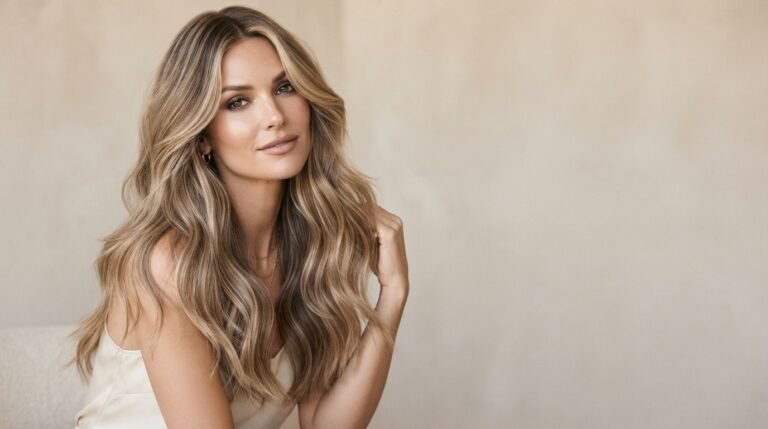
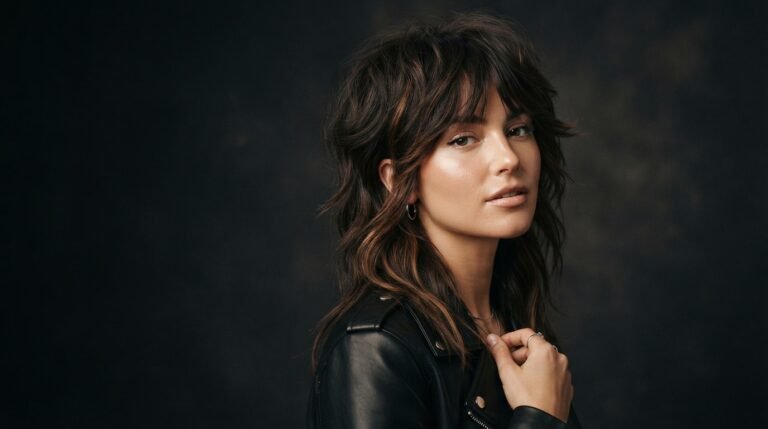
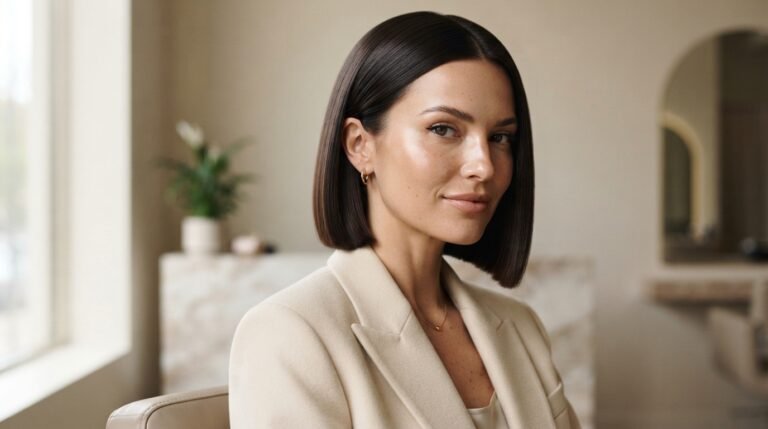
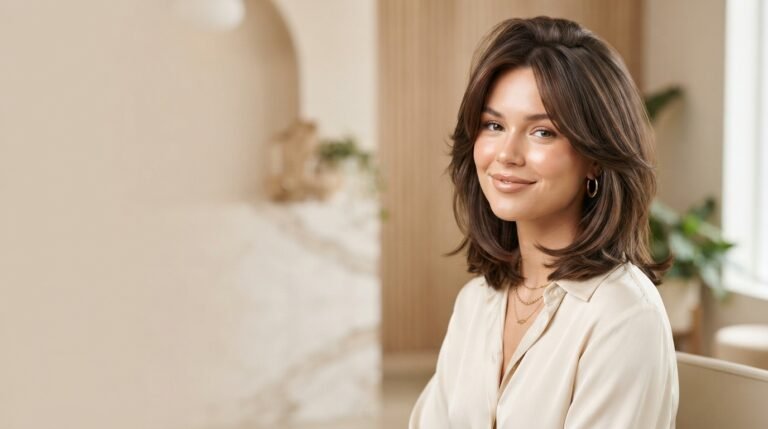
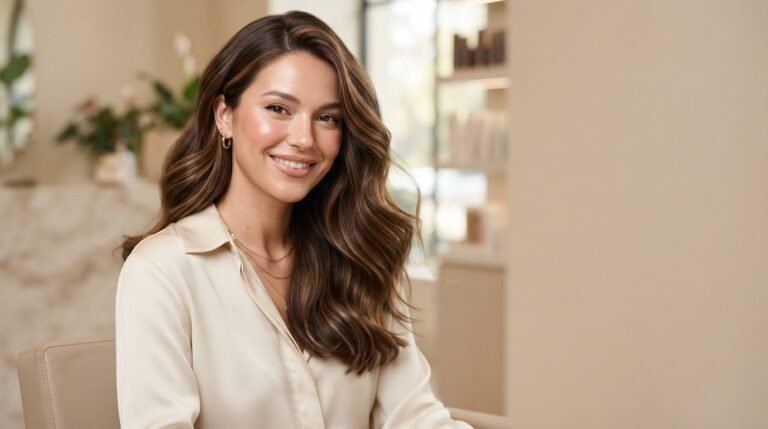
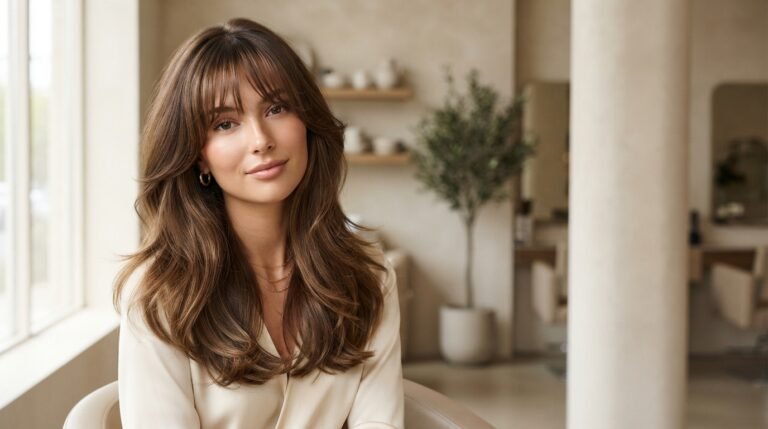
Medium-length hair has a sweet spot that makes it incredibly easy to reinvent. It is long enough for ponytails, waves, and polished updos, yet short enough to feel lighter, fresher, and easier to manage. Adding layers takes that versatility even further by creating movement, shape, and dimension without sacrificing useful length. Whether your hair is straight, wavy, curly, fine, or naturally thick, the right layered haircut can change how your entire style looks and feels.
If your Pinterest board is full of effortless hair inspiration but you are unsure which cut would actually suit you, these ideas make the choice easier. You will find polished layers, soft face-framing pieces, modern shags, textured lobs, and low-maintenance options designed for different hair types and styling preferences. Each look has a distinct personality, along with practical details to consider before taking the inspiration photo to your stylist. Think of this collection as a starting point for finding a medium layered haircut that feels current, wearable, and genuinely suited to you.
1. Soft Face-Framing Layers for an Effortless Finish
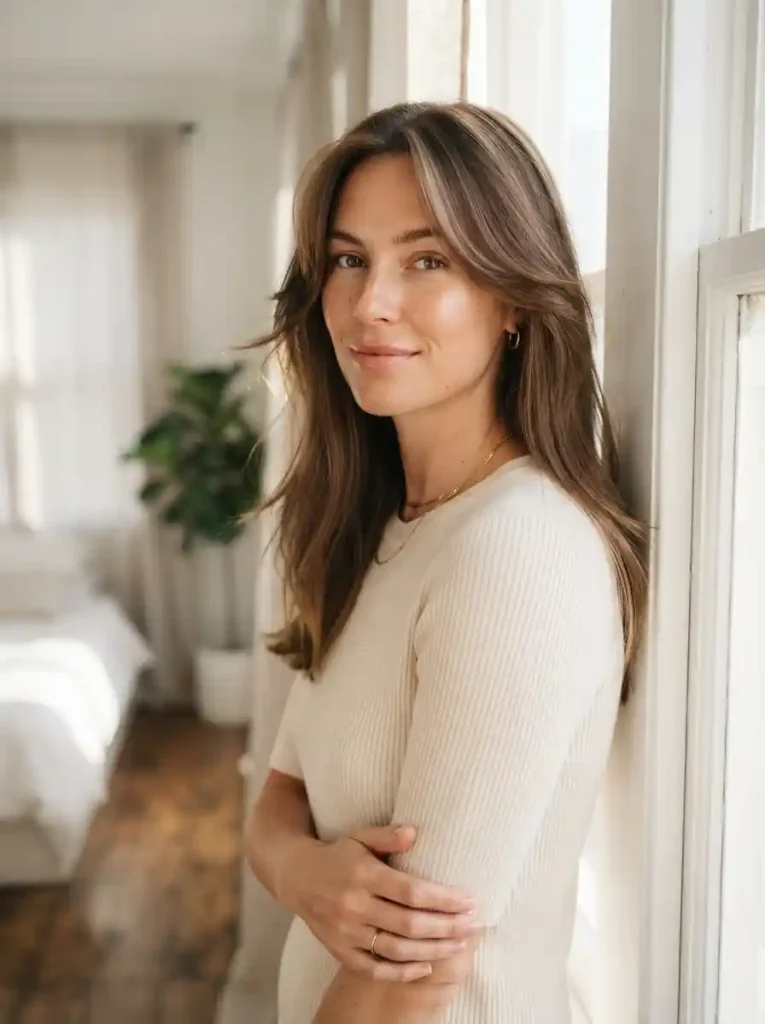
Soft face-framing layers are an easy way to refresh medium-length hair without committing to a dramatic change. The shortest pieces can begin around the cheekbones, jaw, or chin depending on how much framing you want. Longer layers through the rest of the hair prevent the cut from looking choppy. This style works especially well for straight and slightly wavy textures because the layered pieces naturally create movement around the face while preserving a polished overall silhouette.
When discussing this haircut with your stylist, bring attention to where you want the shortest layer to fall. Cheekbone-length pieces create more visible definition, while chin-length framing feels softer and easier to grow out. Ask for blended transitions rather than abrupt steps if you prefer an understated finish. For everyday styling, a round brush can turn the front sections away from the face, while a few minutes with a curling iron creates loose bends that emphasize the layered shape.
2. Collarbone Layers with Curtain Bangs
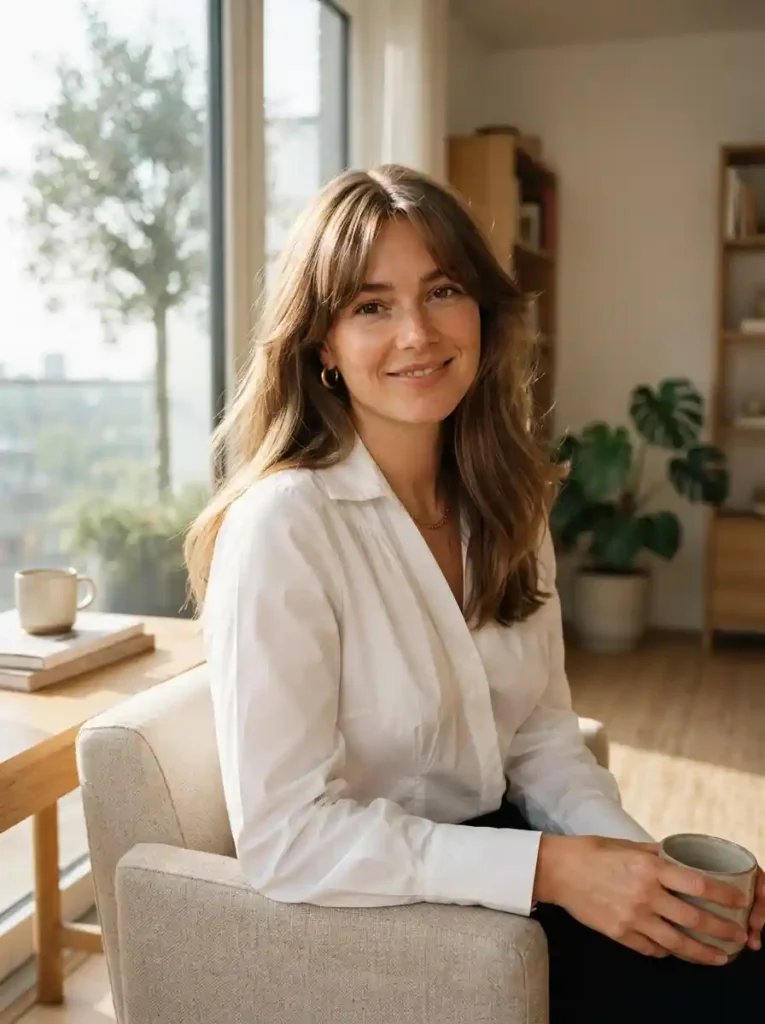
Collarbone-length layers paired with curtain bangs create a balanced haircut that feels polished without looking overly structured. The length sits close to the shoulders, while the layers keep the ends from appearing heavy. Curtain bangs add another visual dimension by opening around the forehead and blending into the front layers. This combination is particularly useful if you want a noticeable update while still keeping enough length for low ponytails, clips, braids, and other everyday hairstyles.
Curtain bangs require slightly more styling than the rest of the haircut, but they can be surprisingly manageable once shaped correctly. Blow-dry them away from the face using a medium round brush, then allow them to cool before loosening them with your fingers. If your hair is naturally wavy, ask your stylist to account for shrinkage and movement when cutting. Keeping the longest front pieces connected to the layers also makes the grow-out period look intentional rather than awkward.
3. Textured Layers for Naturally Wavy Hair
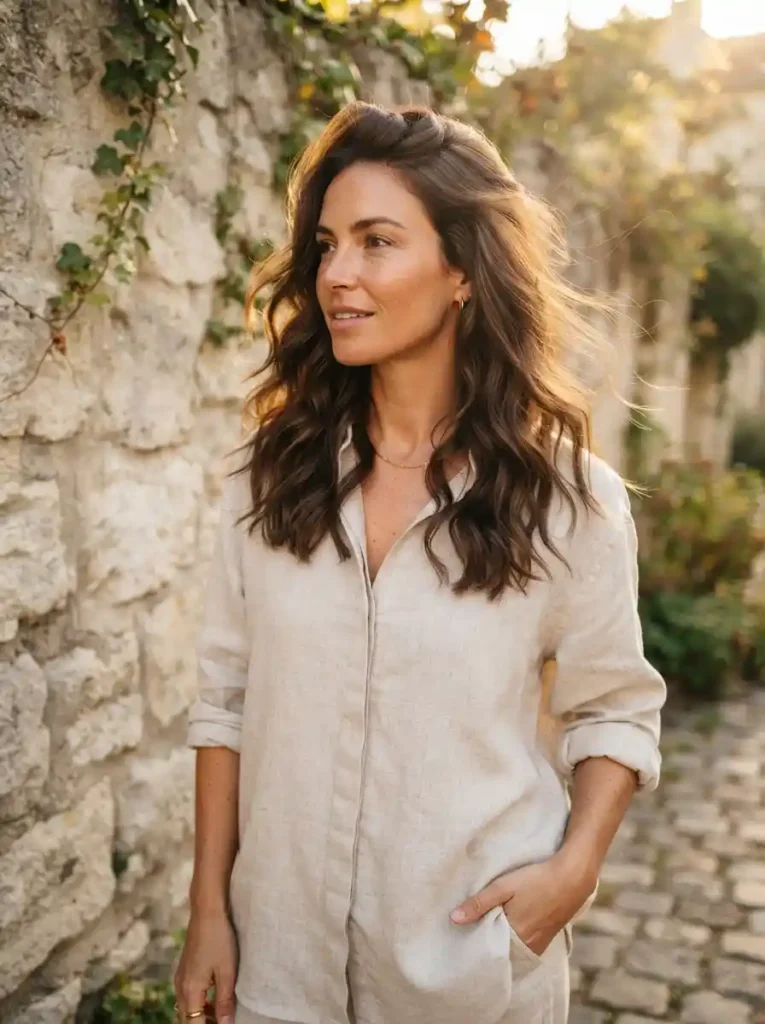
Medium layers can make naturally wavy hair look more dimensional by allowing individual sections to move independently. Instead of creating a solid curtain of hair, strategically placed layers reduce visual weight and encourage waves to form. The result can look fuller without requiring excessive teasing or heat styling. This approach works particularly well for medium-density wavy hair, where removing some weight helps the natural texture appear more defined and less weighed down.
For the best result, avoid treating every wave pattern as identical. Your stylist should consider where your hair naturally bends, expands, and settles before deciding how short each layer should be. At home, apply lightweight styling cream or mousse to damp hair, scrunch gently, and let it air-dry or use a diffuser on low heat. Heavy oils and dense creams can flatten the movement, so start with a small amount and build only where needed.
4. Sleek Medium Layers for Straight Hair
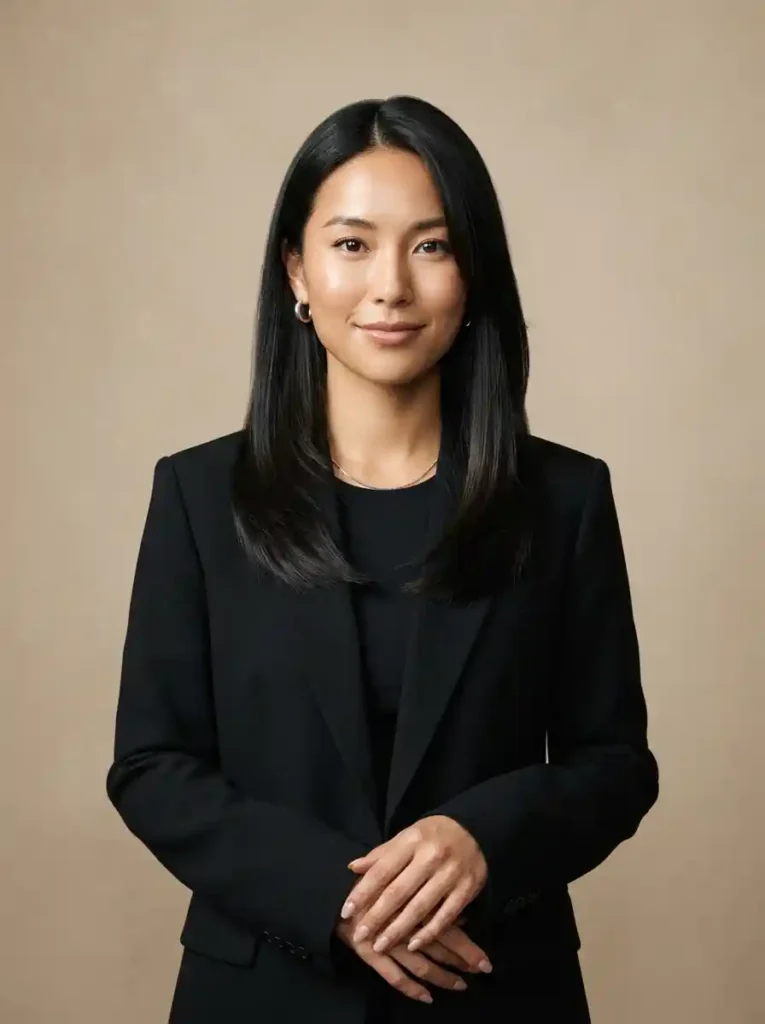
Straight hair can make layered cuts especially visible because the lines and transitions remain clear. A sleek medium-length style with long, blended layers gives the hair movement while preserving its smooth appearance. The layers should generally be subtle if you want a refined finish rather than obvious steps. Face-framing sections can provide additional shape around the cheeks and jaw without disturbing the clean outline of the haircut.
To maintain the sleek effect, use a heat protectant before blow-drying or straightening and avoid repeatedly passing an iron over the same section. A lightweight smoothing serum can add shine to the ends, but too much product may make straight hair appear flat. Regular trims are useful because uneven ends become more noticeable on sleek styles. If your hair is very fine, ask for restrained layering so the perimeter retains enough density to look substantial.
5. Voluminous Butterfly-Inspired Medium Layers
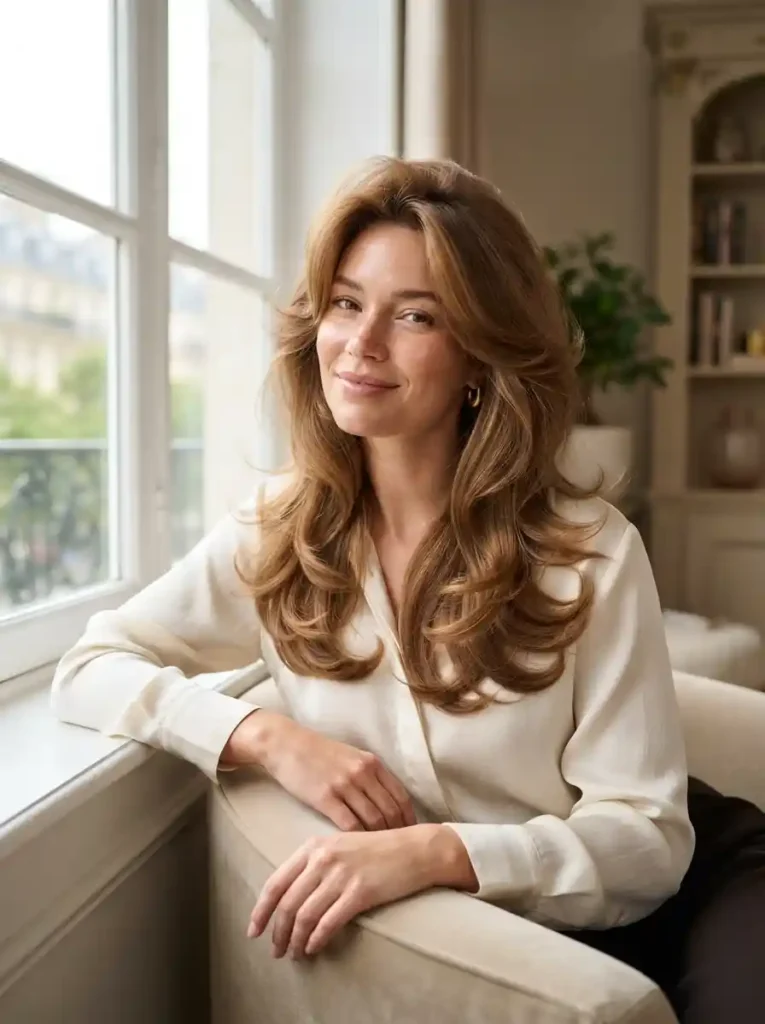
A butterfly-inspired layered haircut brings noticeable volume to medium hair through shorter upper sections and longer lower lengths. The defining feature is the sweeping movement that allows the front pieces to curve away from the face while the lower layers retain enough length to create softness. It is a useful choice when you want your haircut to feel glamorous without going dramatically shorter. The shape can also make simple blowouts look considerably more styled.
This haircut usually benefits from intentional styling because the layers are designed to move. A large round brush or blow-dry brush can lift the roots and encourage the front pieces to sweep outward. Velcro rollers can provide similar volume with less direct heat. If your hair is naturally thick, ask for internal weight removal rather than excessive shortening around the perimeter. Fine hair may need fewer layers so the ends maintain fullness while the upper sections gain lift.
6. The Modern Layered Lob

A layered lob offers the structure of a bob while preserving enough length for flexible styling. Sitting around the collarbone or slightly above it, this cut feels especially fresh when paired with subtle layers through the middle and ends. The shape can be worn sleek, waved, tucked behind one ear, or pulled into a small ponytail. It is a practical option for someone who wants medium layered hair but prefers a more defined silhouette than a long, flowing cut.
The key is deciding how much texture you want at the ends. A blunt perimeter with minimal internal layers creates a fuller, sharper appearance, while softly textured ends produce a more relaxed effect. Ask your stylist to check the cut from the front, side, and back because the shoulder area can influence how the lob sits. If your hair tends to flip outward at the collarbone, a slightly adjusted length or subtle internal shaping can help control that movement.
7. Feathered Layers for a Retro-Modern Look
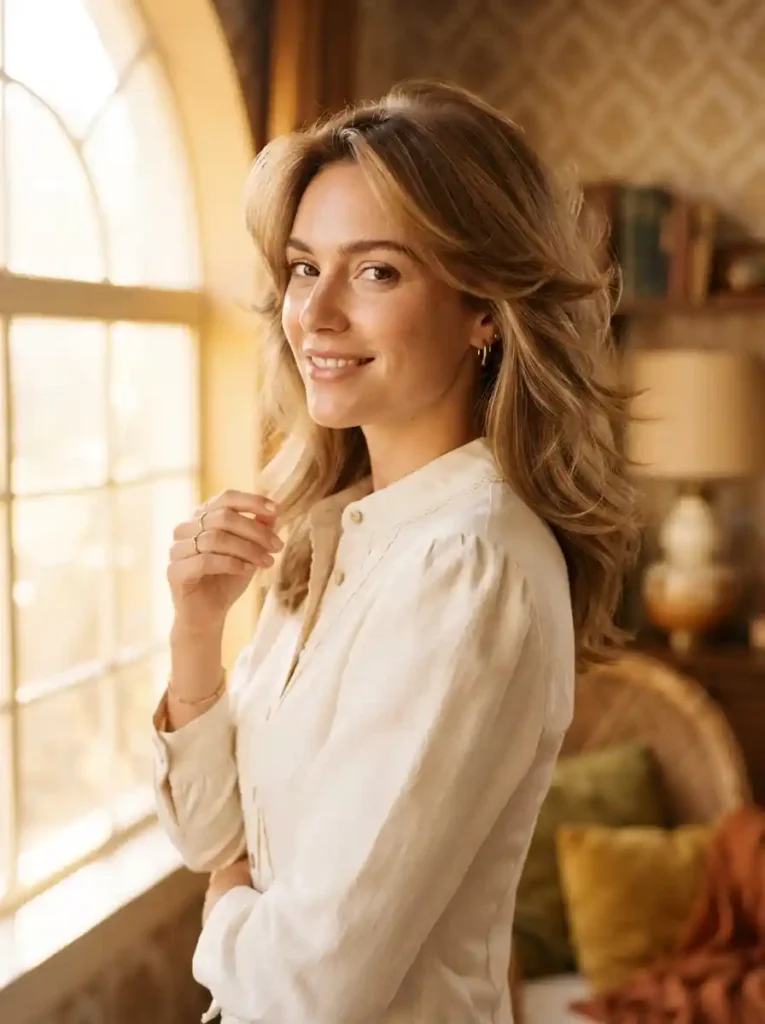
Feathered layers bring a softer, retro-inspired character to medium hair without requiring an exaggerated vintage shape. The layers are typically directed away from the face, creating tapered ends that look light and mobile. This technique works beautifully with a blowout because the feathered pieces catch the light and create visible dimension. It can also add softness to a haircut that otherwise feels too uniform, especially when the hair is medium to thick.
The modern version should remain blended rather than overly rounded. Ask for feathering concentrated around the face and upper lengths while keeping enough weight through the lower section. A medium round brush helps direct the ends outward, but you can also create a more casual version with a curling iron and loosen the bends afterward. If your hair is very fine, avoid excessive thinning because feathered ends can quickly lose their fullness when over-texturized.
8. Medium Shag with Piecey Layers
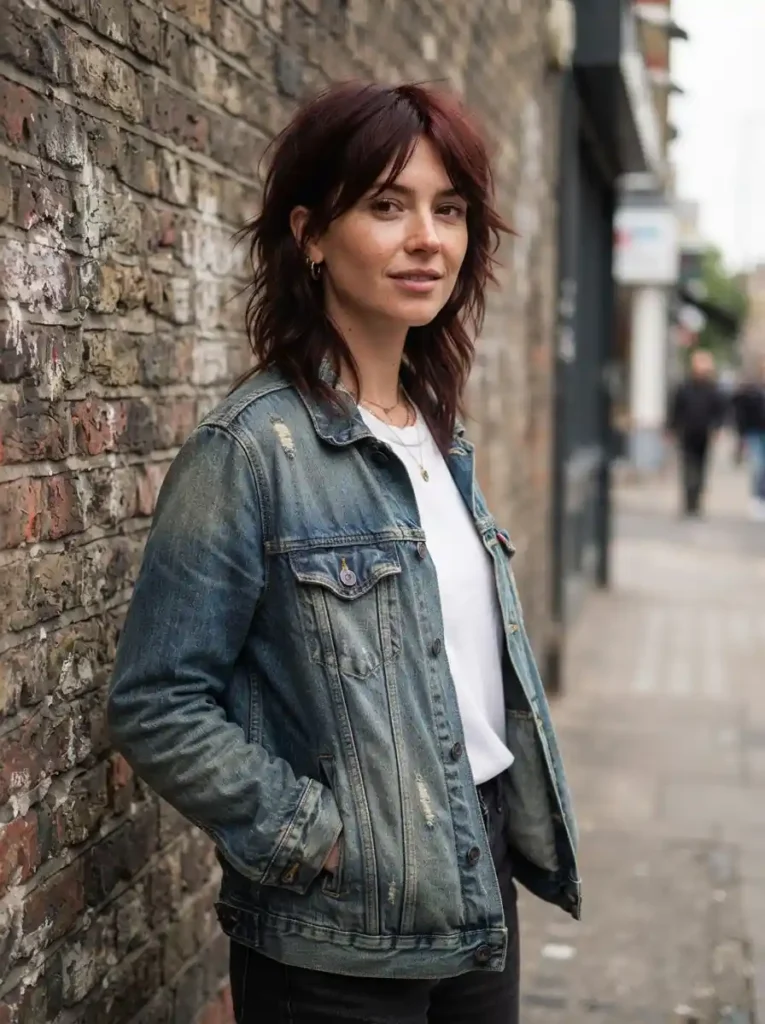
A medium shag is ideal when you want visible texture rather than a perfectly polished haircut. Its layers are distributed throughout the shape, creating separation around the crown, sides, and ends. The result has a relaxed, slightly undone personality that works particularly well with naturally wavy or textured hair. Unlike a heavily layered long haircut, a shag deliberately embraces uneven movement, making it a strong option for anyone who enjoys air-dried styling.
Styling should enhance the haircut instead of trying to smooth away its character. Work a small amount of texturizing mousse through damp hair, scrunch the ends, and let the shape develop naturally. A diffuser can increase definition without making the style rigid. If you have very straight hair, you may need occasional styling to create the piecey effect. Tell your stylist whether you want subtle shag layers or a stronger crown shape because the difference can significantly change the finished haircut.
9. Long Layers with a Center Part
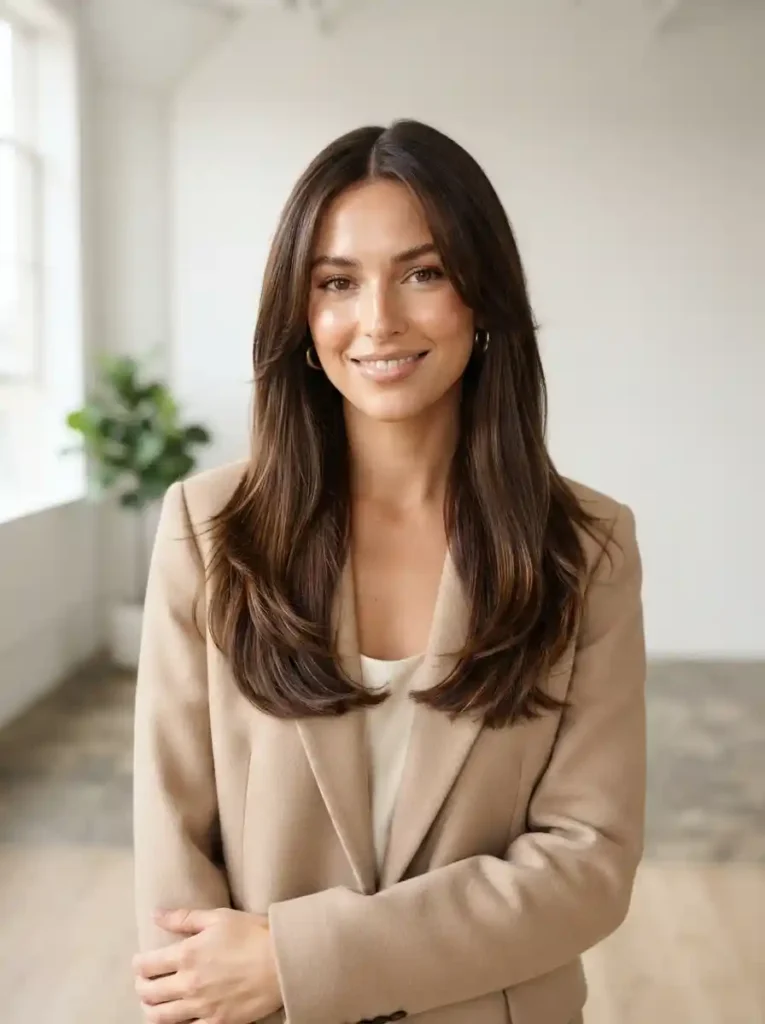
Long layers are a reliable choice when you want movement without losing the appearance of substantial length. On medium hair, the layers can begin lower on the head and gradually blend toward the ends, creating a fluid shape. A center part emphasizes symmetry and allows the front sections to fall evenly on both sides. This combination looks especially polished when the hair is smooth, although gentle waves can make the layers more visible.
The center part is not essential if your natural growth pattern favors another direction. If your hair consistently separates to one side, forcing a precise middle part can create unwanted volume or gaps. Instead, ask your stylist to tailor the framing to your natural part. For a polished finish, blow-dry the roots with tension and use a large barrel to create broad bends through the lower lengths. Finish with a light serum focused only on the ends.
10. Choppy Layers for a Cool, Casual Edge
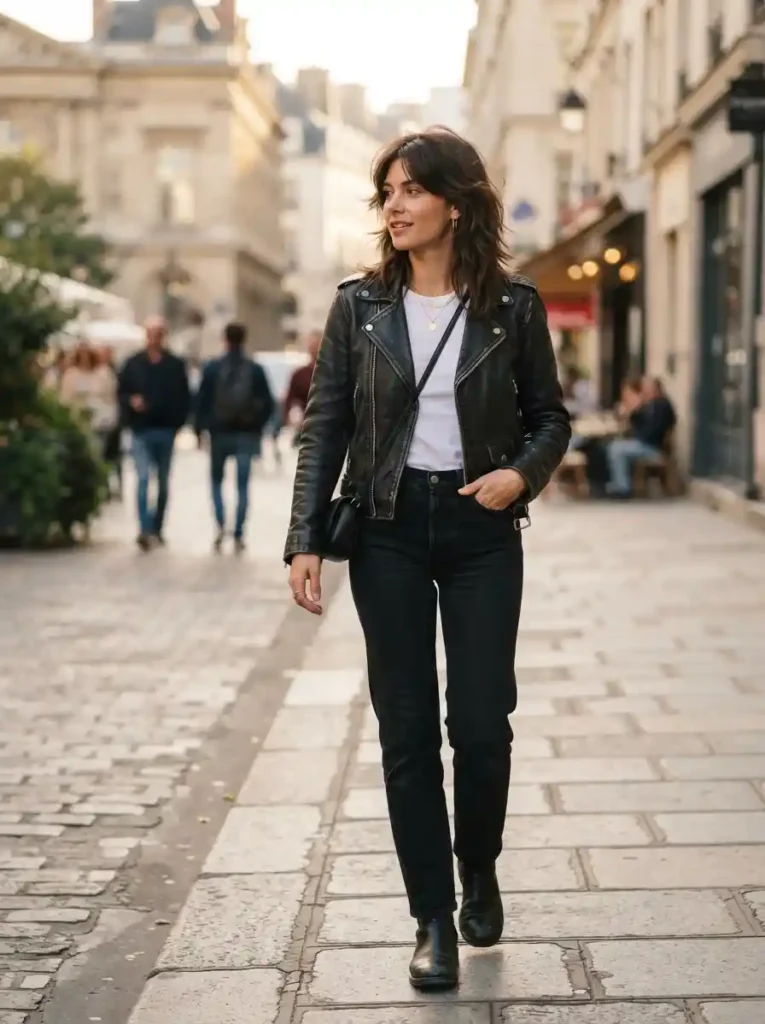
Choppy medium layers offer a more casual alternative to perfectly blended haircuts. Instead of creating one continuous transition, the stylist uses varied lengths to produce separation and texture. The effect can be especially flattering for medium-density hair because it gives the ends a lighter, more energetic appearance. It is a useful style if you like your hair to look intentionally undone rather than meticulously styled every morning.
Because the word “choppy” can mean different things, show your stylist exactly how much separation you want. Subtle choppiness creates texture while keeping the haircut versatile, whereas aggressive chopping produces a more dramatic alternative look. A dry texture spray can emphasize individual sections once the hair is styled. If your ends are already dry or fragile, ask for controlled texturizing instead of heavy razor work, which may make delicate strands look thinner.
11. Rounded Layers for Thick Medium Hair
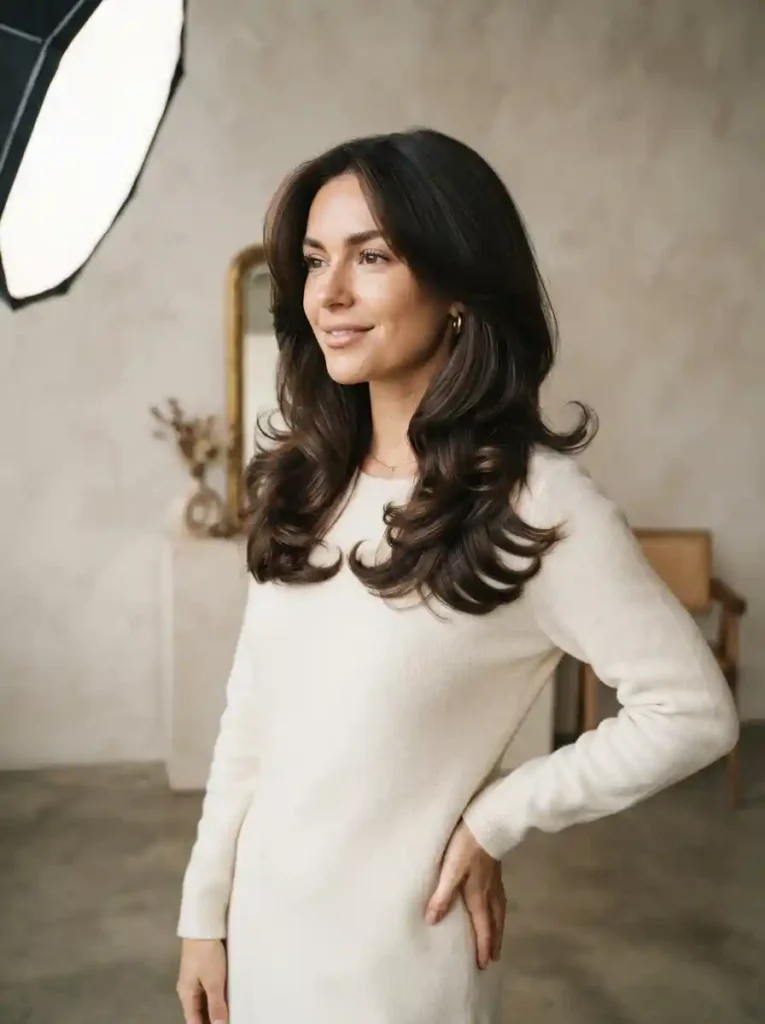
Thick hair can look beautifully full at medium length, but too much weight can make the shape feel bulky or triangular. Rounded layers help distribute that density by creating a curved silhouette instead of allowing the ends to fall as one heavy block. The goal is controlled movement rather than simply removing as much hair as possible. This approach can make thick hair easier to style while preserving the lush appearance that gives it character.
Ask your stylist where they plan to remove weight before agreeing to extensive thinning. Internal layers can reduce heaviness while leaving the outer perimeter relatively strong, which often creates a more polished finish. At home, sectioning the hair during blow-drying helps you reach the roots without repeatedly heating the same areas. A lightweight smoothing cream can control puffiness while allowing the rounded layers to retain their shape and natural volume.
12. Fine Hair with Strategic Invisible Layers
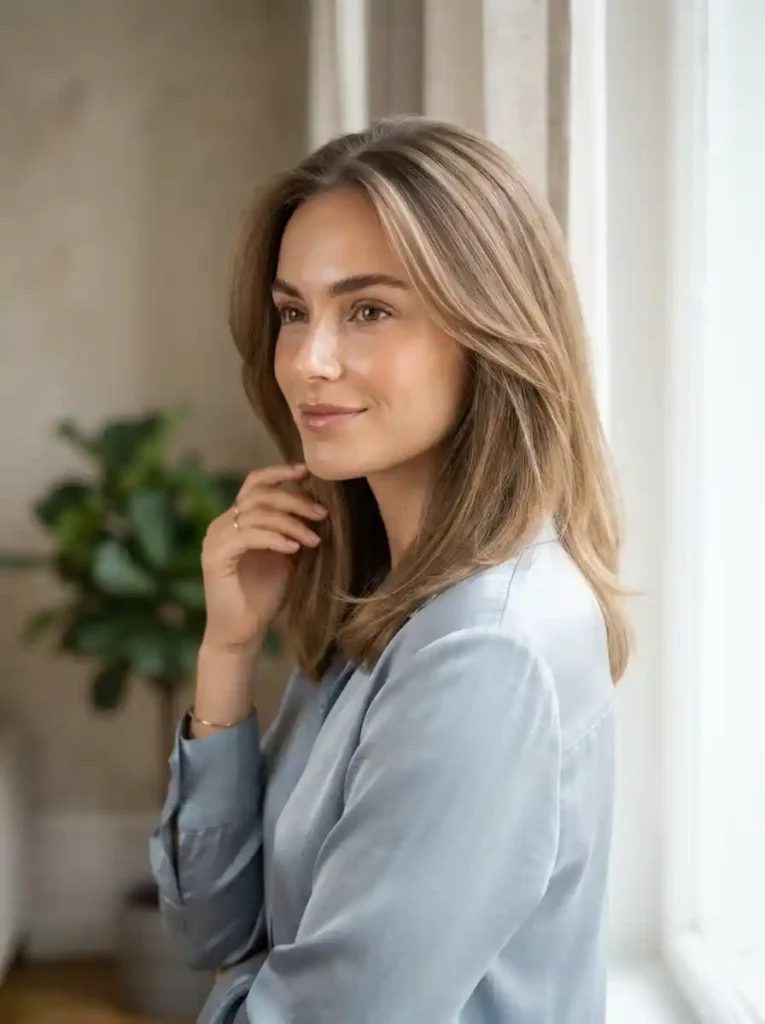
Fine hair does not necessarily need to stay one-length to look full. Carefully placed invisible layers can create movement without visibly breaking up the density of the perimeter. The technique works by shaping the interior subtly, allowing the outer layer to maintain a relatively solid appearance. This can be especially useful for medium-length hair that feels flat when completely blunt but becomes stringy when heavily layered.
Your stylist should know that maintaining the appearance of density is the priority. Avoid asking for numerous short layers unless your hair has enough natural fullness to support them. At home, volumizing mousse at the roots and a light blow-dry can provide lift without coating the lengths in heavy product. A small amount of dry shampoo can also add texture between washes, but excessive powder may make fine hair feel stiff or dull.
13. Face-Framing Layers for a Side Part
A side part changes how medium layered hair distributes volume, making the style feel more dynamic than a symmetrical center part. Face-framing layers can follow that direction, sweeping naturally across the forehead and blending into the lengths near the cheek and jaw. This works particularly well if your hair already favors a side part because the haircut can cooperate with your natural growth pattern instead of fighting it.
The most important detail is where the shortest layer begins. A piece that starts too high may require daily styling to stay in place, while a lower starting point offers easier maintenance. Ask for the front sections to be connected gradually to the rest of the haircut. To style, blow-dry the front away from the face, then gently brush it back into your preferred part. A flexible hairspray can hold the shape without making the layers feel stiff.
14. Shoulder-Length Layers with Soft Ends
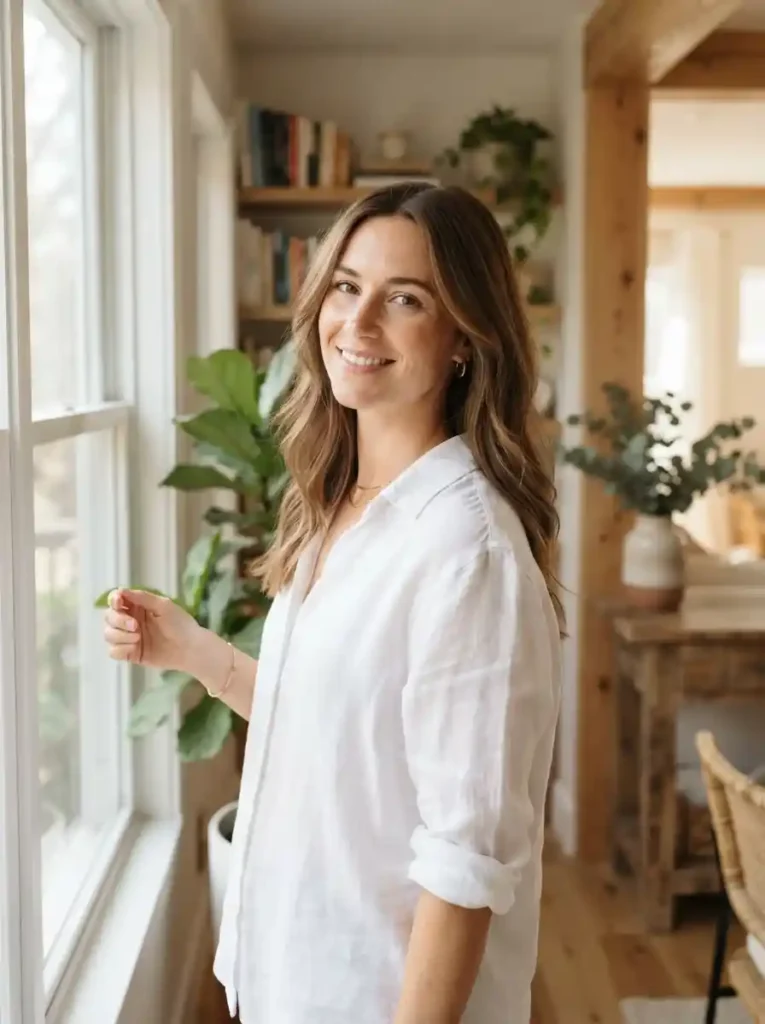
Shoulder-length layered hair strikes a practical balance between movement and manageability. The length is long enough for many everyday styles but short enough that layers remain noticeable rather than disappearing into a long curtain of hair. Soft ends make the haircut feel lighter and less severe, particularly when the hair naturally bends around the shoulders. This option suits anyone who wants a refreshed silhouette without making the haircut dramatically shorter.
The shoulder area can affect how the ends behave, so your stylist may adjust the final length depending on your texture. Straight hair may flip outward while wavy hair can spring upward slightly. Ask for the haircut to be checked in its natural state if your texture changes substantially after drying. For casual styling, apply a lightweight leave-in conditioner and twist a few sections while damp. Once dry, separate the waves gently rather than brushing them out completely.
15. Curly Medium Layers with Shape and Bounce
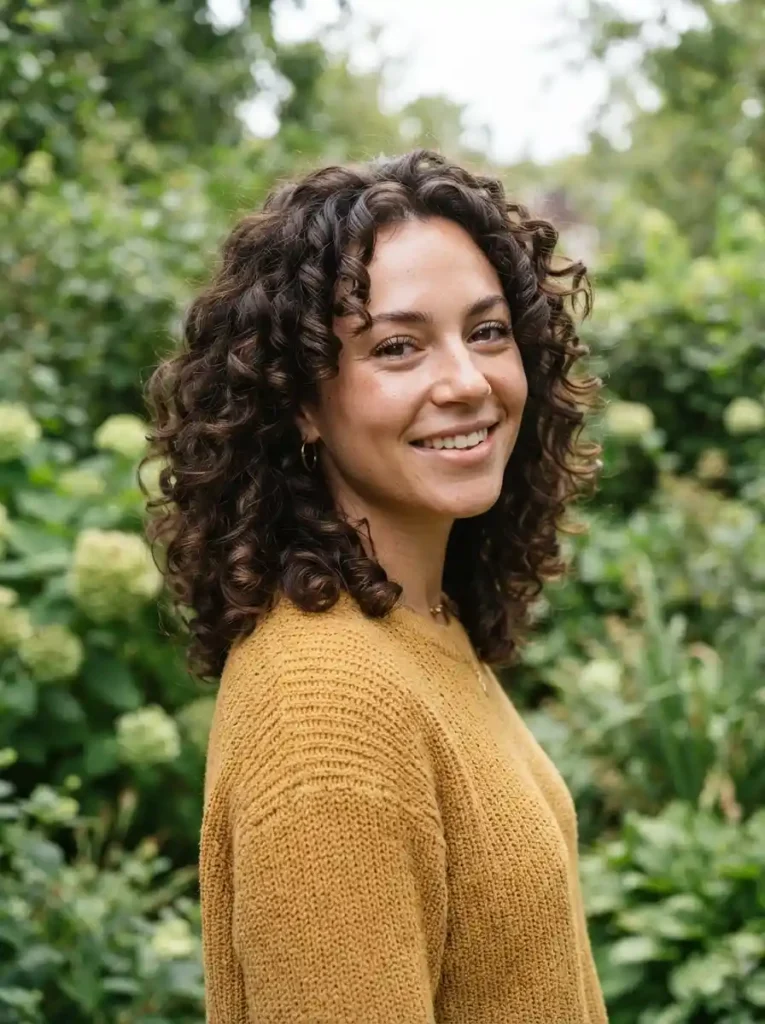
Curly hair often benefits from layers because different curl patterns need room to form independently. A medium layered cut can create a rounded shape, reduce excessive weight, and allow curls to spring upward rather than hanging heavily. The ideal structure depends on curl density and shrinkage, so the haircut should be customized rather than copied exactly from a straight-hair reference. A stylist experienced with curls can determine how much length will remain once the hair contracts.
Maintenance starts with preserving moisture without overwhelming the curls. Apply leave-in conditioner or curl cream to wet hair, distribute it evenly, and scrunch upward before drying. Avoid repeatedly brushing the finished style because it can disrupt curl clumps and increase frizz. If you prefer more volume, gently lift the roots after the hair is completely dry. Regular trims help maintain the rounded shape, especially when shorter layers begin growing into uneven proportions.
16. Wispy Layers for a Light, Feminine Look
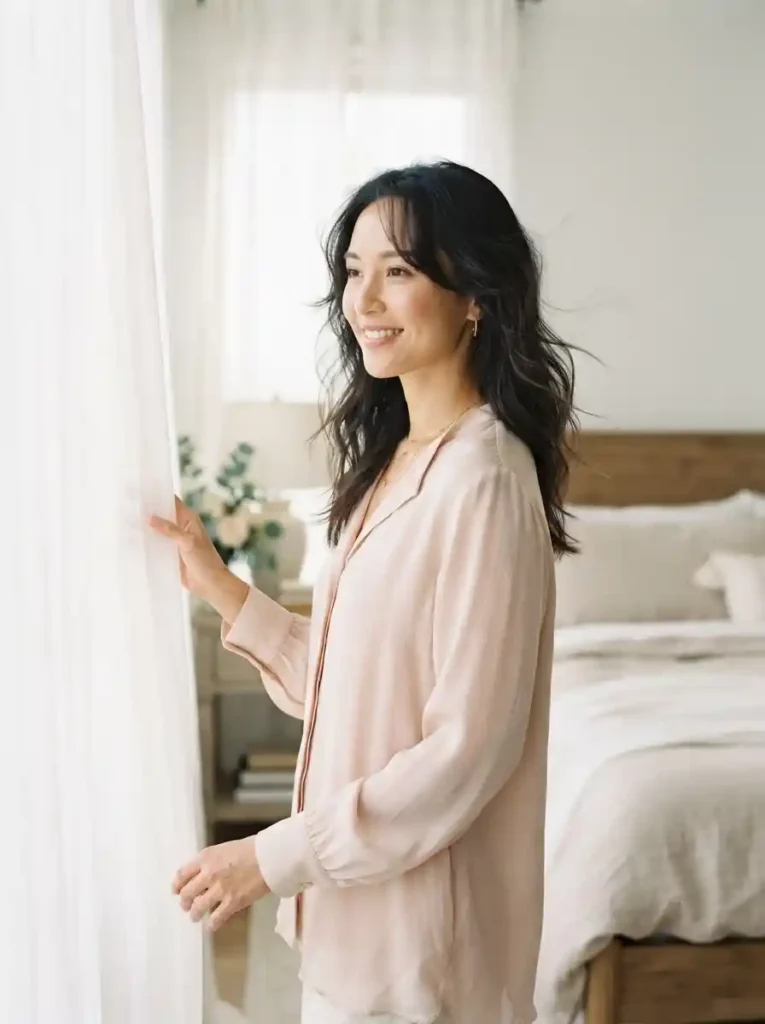
Wispy layers create softness by removing visual heaviness from selected sections without making the entire haircut dramatically textured. They are especially appealing when you want a feminine, delicate finish that still feels modern. Around the face, fine tapered pieces can soften the transition from shorter sections into the main length. Throughout the ends, restrained texture helps the haircut move naturally instead of forming a rigid line.
The trick is keeping wispy texture controlled. If too much hair is removed from every section, the ends can lose their healthy-looking density. Tell your stylist whether you want the softness concentrated around the face or distributed throughout the haircut. For styling, use a lightweight mousse and a medium round brush to create subtle bends. If your hair is naturally fine, a dry texture spray used sparingly can emphasize the layers without making the ends appear sparse.
17. Medium Layers with Bottleneck Bangs
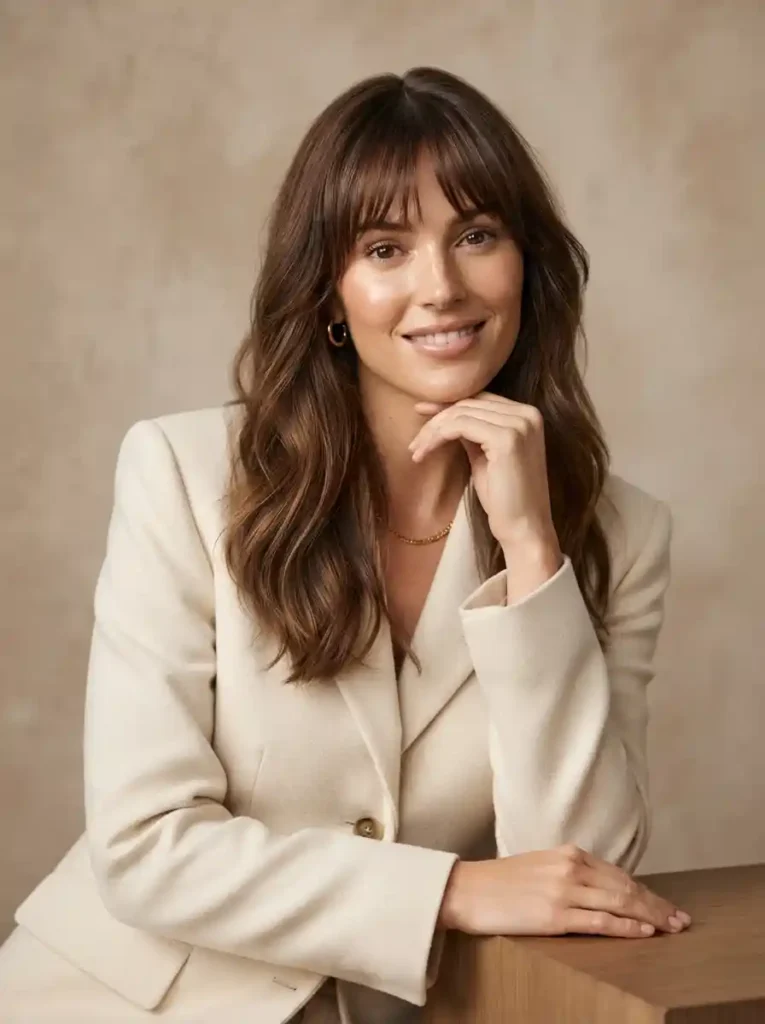
Bottleneck bangs offer a softer alternative to a full straight fringe because they are shorter near the center and gradually lengthen toward the temples. Paired with medium layers, they create a connected frame around the face while leaving the sides relatively versatile. This haircut can feel particularly fresh if you want bangs but are hesitant about maintaining a thick, blunt fringe. The longer outer sections also blend naturally into layered hair.
Bottleneck bangs still require some daily attention, particularly during the first few weeks after cutting. Blow-dry them from side to side with a small or medium round brush before directing the longer edges outward. If your forehead becomes oily quickly, keep styling products away from the roots and use a small amount of dry shampoo when needed. Discuss cowlicks with your stylist before cutting because natural growth patterns can determine the ideal fringe length and direction.
18. Tousled Layers for an Easy Beachy Effect

Tousled medium layers are ideal if you prefer hair that looks relaxed rather than freshly sculpted. The layers give loose waves different lengths to occupy, creating separation and movement throughout the style. Subtle highlights can further emphasize the texture, although color is not necessary for the haircut to work. This look pairs naturally with casual wardrobes and is particularly practical for people who enjoy air-drying or low-effort styling.
You do not need to spend an hour creating beach waves. Apply a lightweight salt spray or wave-enhancing mousse to damp hair, twist a few sections, and let them dry naturally. If your hair is straight, use a large curling iron to create alternating bends rather than uniform curls. Once everything cools, loosen the waves with your fingers. Avoid brushing aggressively because the goal is separated movement rather than perfectly smooth, identical waves.
19. Polished Layers with a Deep Side Sweep
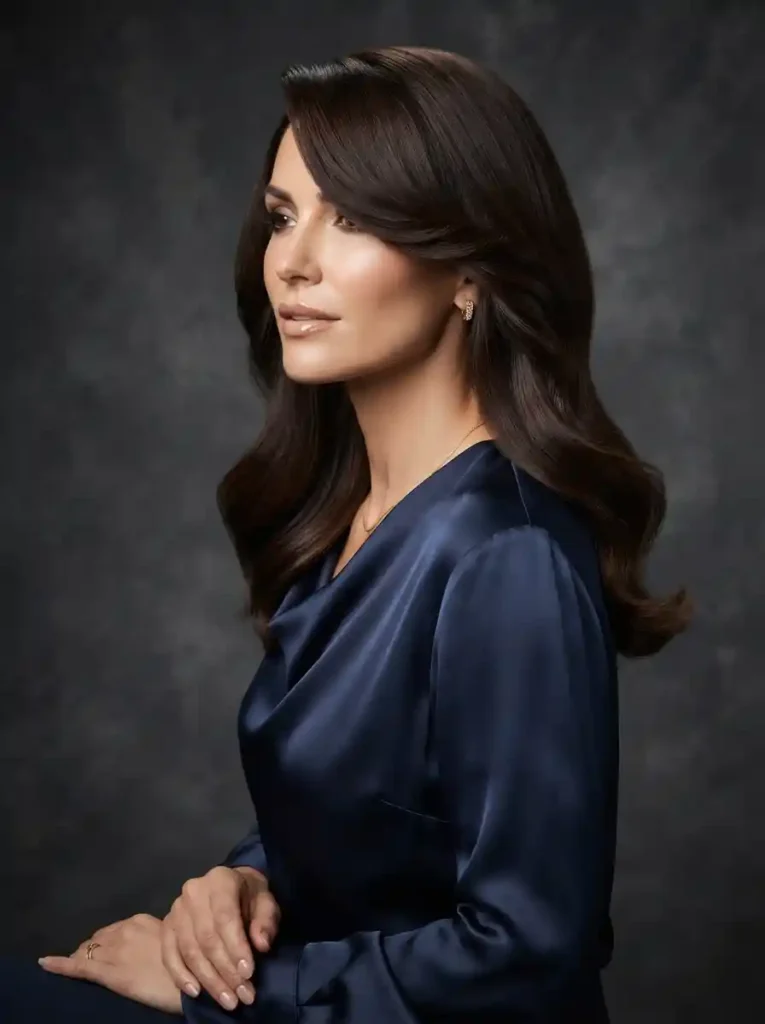
A deep side sweep gives medium layered hair an immediately polished presence. The asymmetrical part allows more hair to fall across one side, creating volume at the crown while the layers curve toward the shoulders. This is a useful variation when you want your haircut to feel more formal without changing the underlying length. The style transitions easily from everyday wear to dinners, events, or professional settings.
To create the effect, establish the part while the hair is damp so the roots have time to dry in the desired direction. Use a round brush to lift the heavier side and smooth the opposite section close to the head. Large rollers can add additional body without creating tight curls. Finish with flexible hairspray rather than a hard-setting product, allowing the layers to move naturally when you turn your head.
20. Face-Framing Layers for a Rounder Facial Silhouette
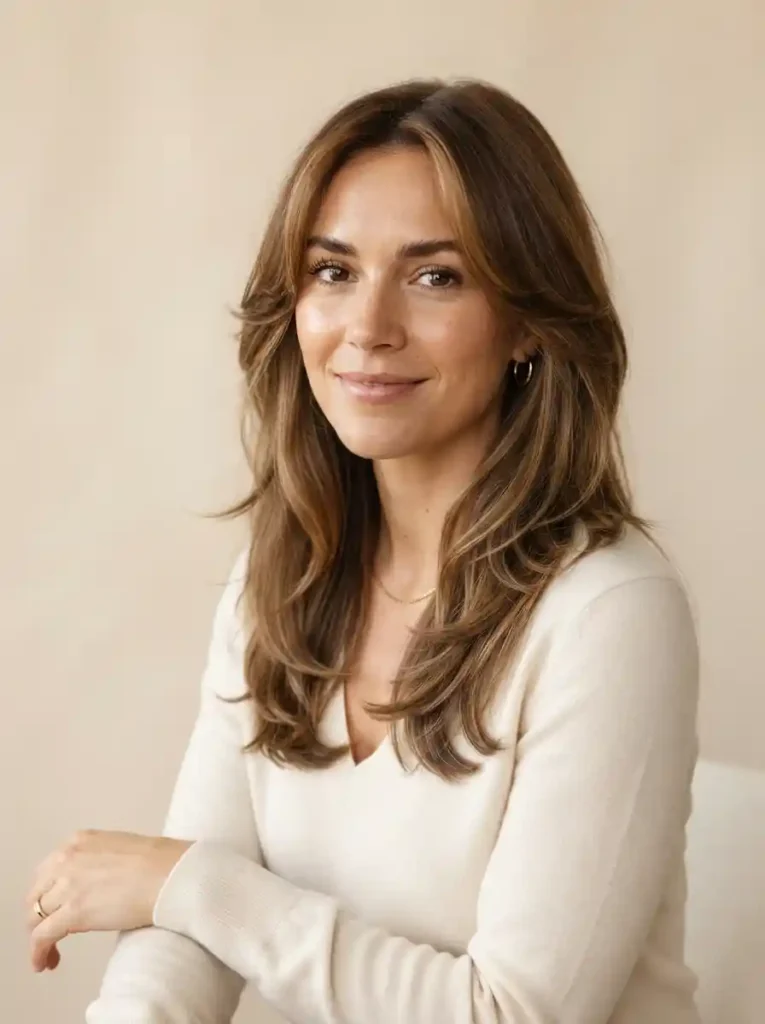
Longer face-framing layers can help create a visually elongated vertical line around the face, making them an appealing option for people who prefer less volume directly beside the cheeks. The layers should generally fall below the fullest part of the cheek rather than ending precisely there. Combined with medium-length hair, this creates movement while keeping the sides relatively sleek. The result remains adaptable because the front sections can be tucked behind the ears or worn forward.
Rather than relying on a universal “face shape rule,” use the haircut to highlight the features you personally like. If you want more definition around the jaw, ask for pieces that curve gently toward that area. If you prefer softness, keep the transition longer and more gradual. Styling with a large barrel creates loose vertical waves that reinforce the layered movement. A center or slightly off-center part can both work depending on your natural growth pattern.
21. Soft U-Shaped Layers for Natural Movement
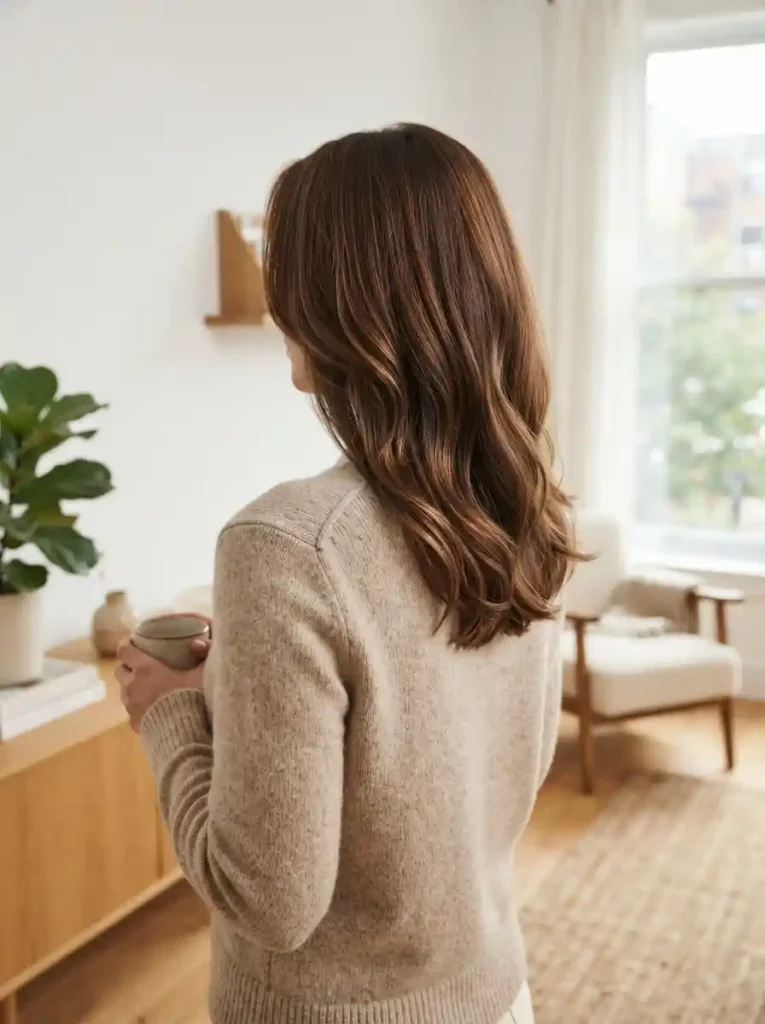
A soft U-shaped layered cut creates a graceful outline when viewed from behind, with the center-back length falling slightly lower than the sides. On medium hair, this shape preserves a sense of length while preventing the ends from appearing overly square. Gentle layers can be added throughout to encourage movement without disrupting the clean overall silhouette. It is a particularly useful choice if you want a haircut that looks attractive from both the front and back.
Ask your stylist to preserve enough length in the center so the U shape remains visible after drying. If your hair is wavy or curly, remember that the final outline may rise considerably once the texture returns. A smooth blowout will showcase the shape clearly, while natural waves will make it softer and less precise. Regular trims every few months help maintain the curved perimeter and prevent the sides from growing unevenly.
22. Layered Medium Hair with Subtle Highlights
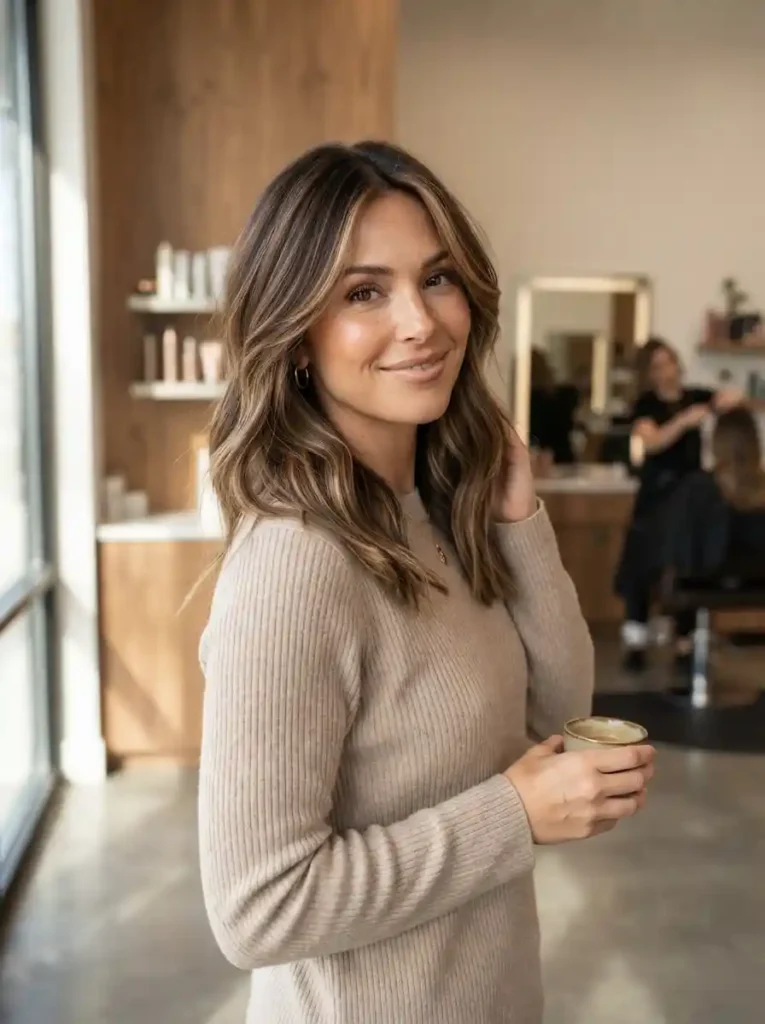
Layers and subtle highlights can work together to create visible dimension without requiring a dramatic color transformation. When lighter pieces are placed around selected layers, movement becomes easier to see because the varying tones catch the light differently. A soft balayage or carefully blended highlights can complement medium brown, dark blonde, or darker hair while keeping the overall appearance natural. The haircut remains the main feature, with color simply enhancing its structure.
Placement matters more than choosing the lightest possible shade. Ask your colorist to consider where your layers sit and place brightness where it will naturally emphasize movement. Face-framing highlights can make the front sections stand out, while scattered pieces through the ends create a softer effect. Because layered hair has more exposed ends, use a moisturizing conditioner and heat protection regularly. Maintaining tonal balance also helps the color continue looking intentional as it grows.
23. Low-Maintenance Medium Layers for Everyday Wear
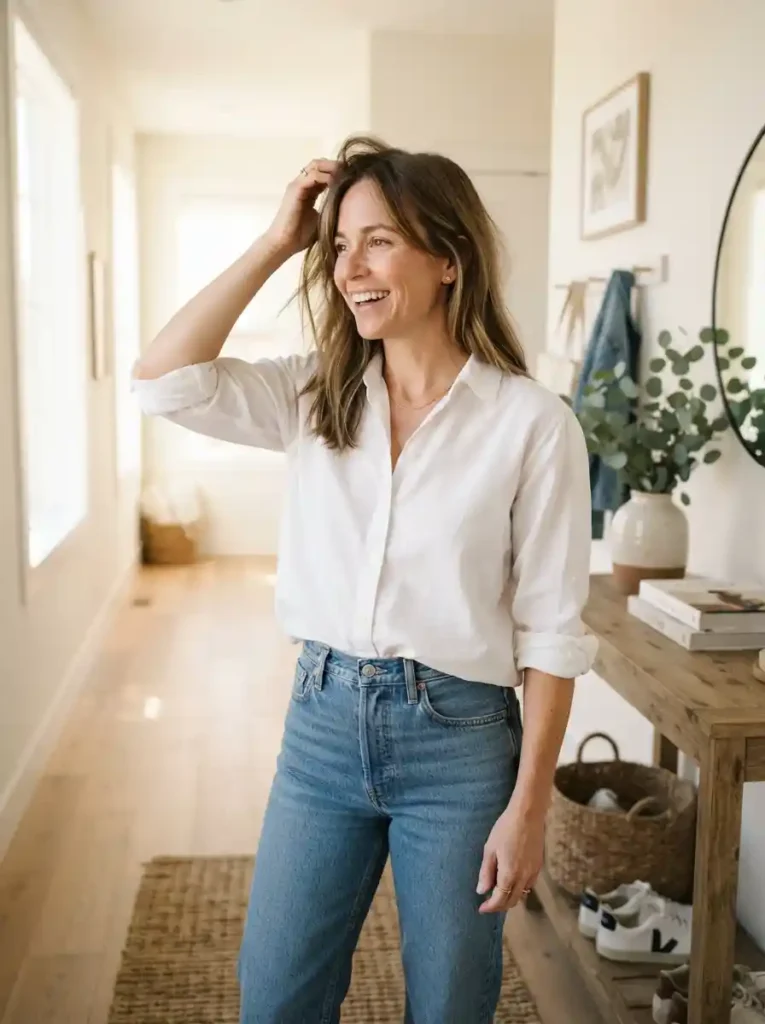
Not every layered haircut needs to depend on a daily blowout. Low-maintenance medium layers are designed around your natural texture, part, and routine so the haircut still looks intentional when air-dried. The best version usually has blended transitions, moderate face framing, and enough length to accommodate ponytails or clips. This makes it a practical choice for busy mornings, frequent travel, or anyone who prefers to spend minimal time styling their hair.
Before choosing this approach, tell your stylist exactly how you usually wear your hair. If you almost always air-dry, the haircut should be shaped around that reality rather than styled into a shape you will rarely recreate. Lightweight leave-in conditioner can smooth the ends, while mousse can encourage natural waves. For an especially easy routine, choose layers that complement your existing texture instead of requiring a flat iron, curling wand, or elaborate blowout to look finished.
Conclusion
The right medium layered haircut can refresh your appearance without forcing you into a completely new hair routine. From soft face-framing pieces and polished lobs to curly layers, modern shags, feathered ends, and low-maintenance shapes, the biggest difference comes from matching the haircut to your natural texture, preferred part, styling habits, and desired level of upkeep. A reference photo is helpful, but your stylist should adapt the idea to your hair rather than copying it exactly.
Before your appointment, save two or three looks that appeal to you and identify what you like about each one: the length, movement, fringe, volume, or framing. That makes your consultation much more useful. Most importantly, consider how the haircut will look on an ordinary morning, not just after professional styling. A great layered cut should feel beautiful in photographs and practical in real life.