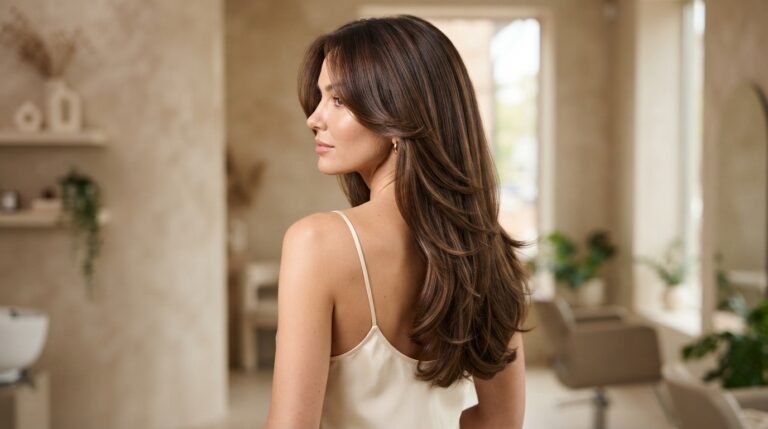
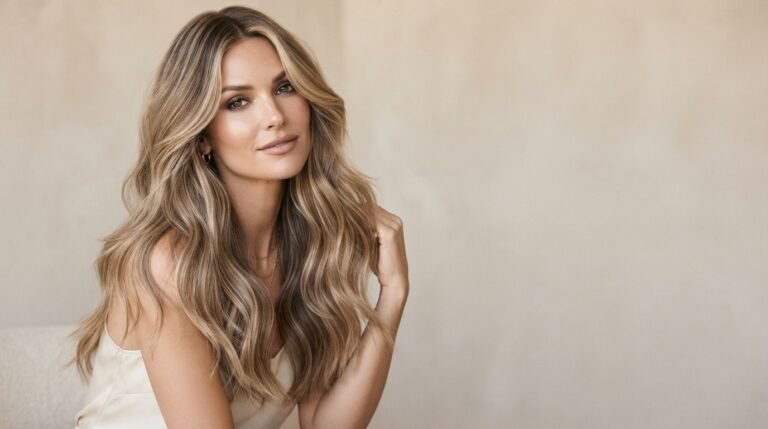
Finding a haircut that feels both flattering and genuinely “you” can be surprisingly tricky when you have a round face. The goal isn’t to hide your natural features—it’s to choose shapes, lengths, layers, and styling details that complement your proportions and create the look you want. From softly layered bobs to long, face-framing cuts, small changes can make a familiar hairstyle feel completely different.
In this guide, you’ll discover 20 haircut ideas for round faces, each with a distinct approach to length, movement, volume, and framing. Some are polished and sophisticated, while others are relaxed, modern, or wonderfully low-maintenance. You’ll also find practical styling considerations, including where layers should begin, how bangs can change the overall effect, and which details are worth discussing with your stylist. Whether you’re considering a dramatic chop or simply want to refresh your current length, these ideas can help you arrive at your next salon appointment with a much clearer vision.
1. Long Layers With Face-Framing Pieces
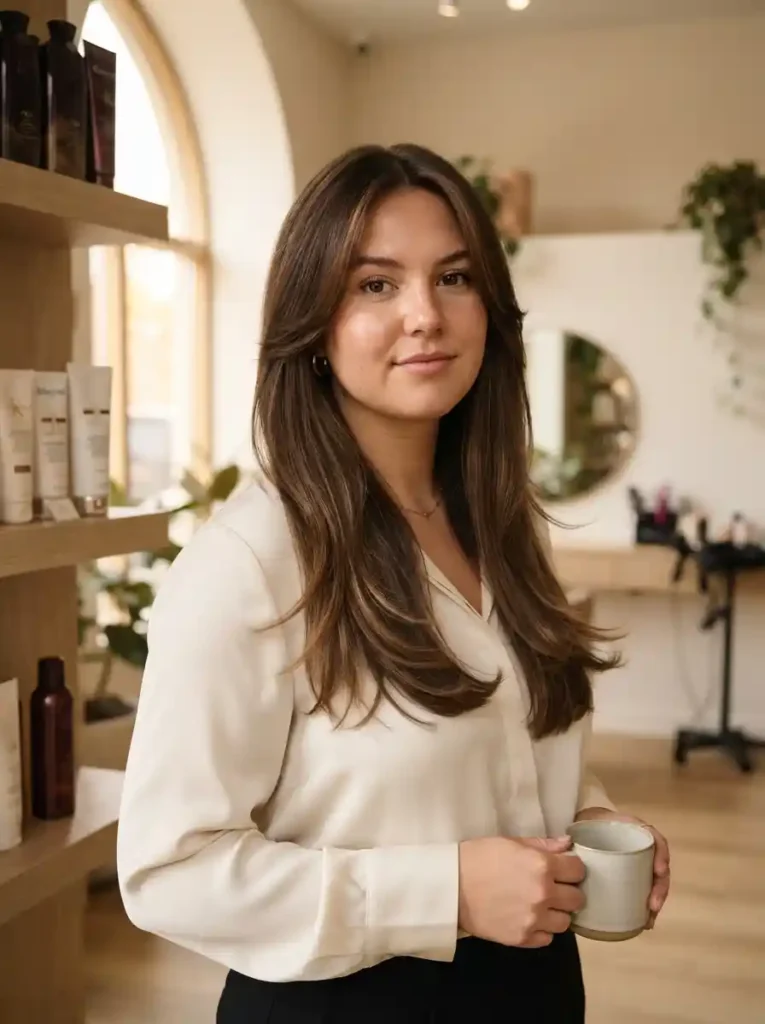
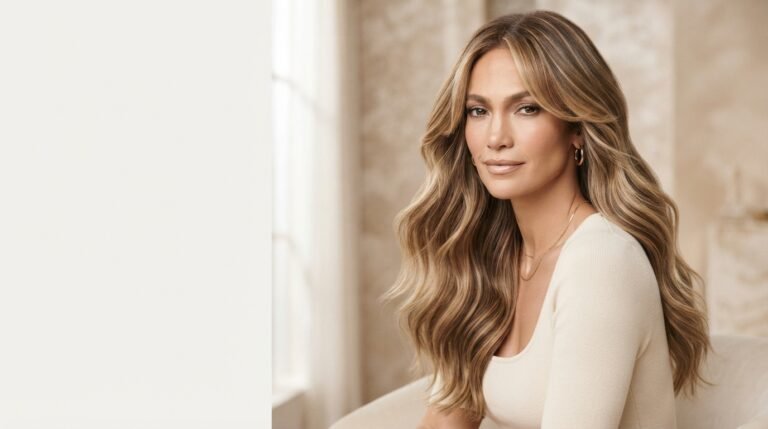
Long layers are a versatile choice when you want to keep your hair length while adding shape around the face. Ask your stylist for layers that begin below the fullest part of the cheeks rather than stopping directly at cheek level. This placement helps the hair fall vertically beside the face, while longer pieces maintain an elongated silhouette. Keeping the ends relatively soft rather than heavily chopped also creates movement without adding unnecessary width around the sides.
This haircut works particularly well for medium-thick or thick hair because strategic layering can remove weight without sacrificing length. For styling, use a round brush or large-barrel curling iron to create a gentle bend away from the face, concentrating volume near the crown rather than the cheeks. If your hair is naturally wavy, ask for dry-cutting considerations before removing too much length. A lightweight smoothing cream can keep the layers defined while preserving natural movement.
2. Angled Lob With a Slightly Longer Front
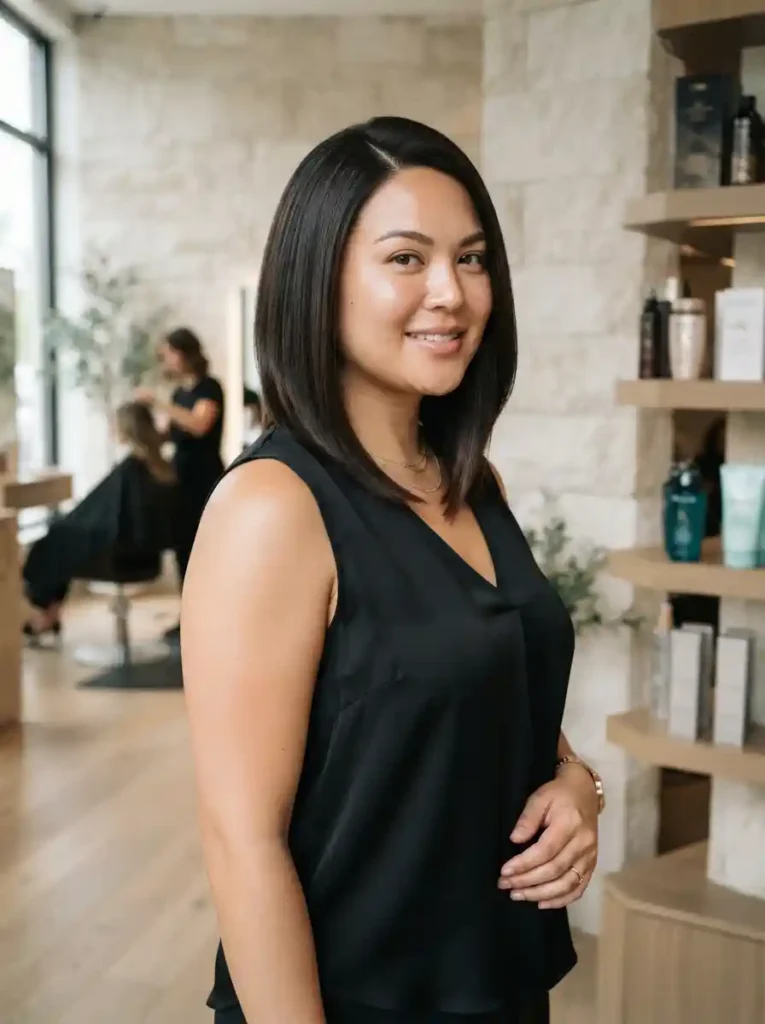
An angled lob creates a clean line without requiring very short hair. The key detail is the subtle difference between the shorter back and longer front, which directs the eye downward and gives the haircut a graceful shape. For a round face, consider keeping the front pieces below the chin rather than ending at the jaw’s widest point. This length can provide definition while still feeling modern, polished, and easy enough for everyday styling.
A sleek finish highlights the geometry of an angled lob, but you don’t have to wear it completely straight. Loose bends can soften the look while preserving the longer front sections. Ask your stylist to check the angle from both the front and side, because the transition should look intentional rather than dramatically disconnected. Regular trims every several weeks can help maintain the crisp outline, especially if you rely on heat styling or have fine ends.
3. Shoulder-Length Shag With Soft Layers

A shoulder-length shag brings texture and personality without relying on excessive width near the cheeks. The best version for a round face usually has controlled volume toward the crown and longer, tapered pieces around the sides. Instead of a heavily rounded silhouette, ask for layers that create movement vertically. This keeps the haircut lively while preventing the overall shape from becoming too broad. The shoulder length also gives enough versatility for ponytails, clips, waves, and simple air-drying.
Styling is intentionally less polished with this cut. A small amount of texturizing mousse can encourage separation, while scrunching damp hair helps natural waves form without making the layers look overly styled. If your hair is very straight, a few loose bends can reveal the shag’s shape. Avoid piling product directly around the cheeks, where heavy texture can make the haircut appear wider. A light finishing spray is often enough to preserve the intentionally undone appearance.
4. Side-Swept Pixie With Height
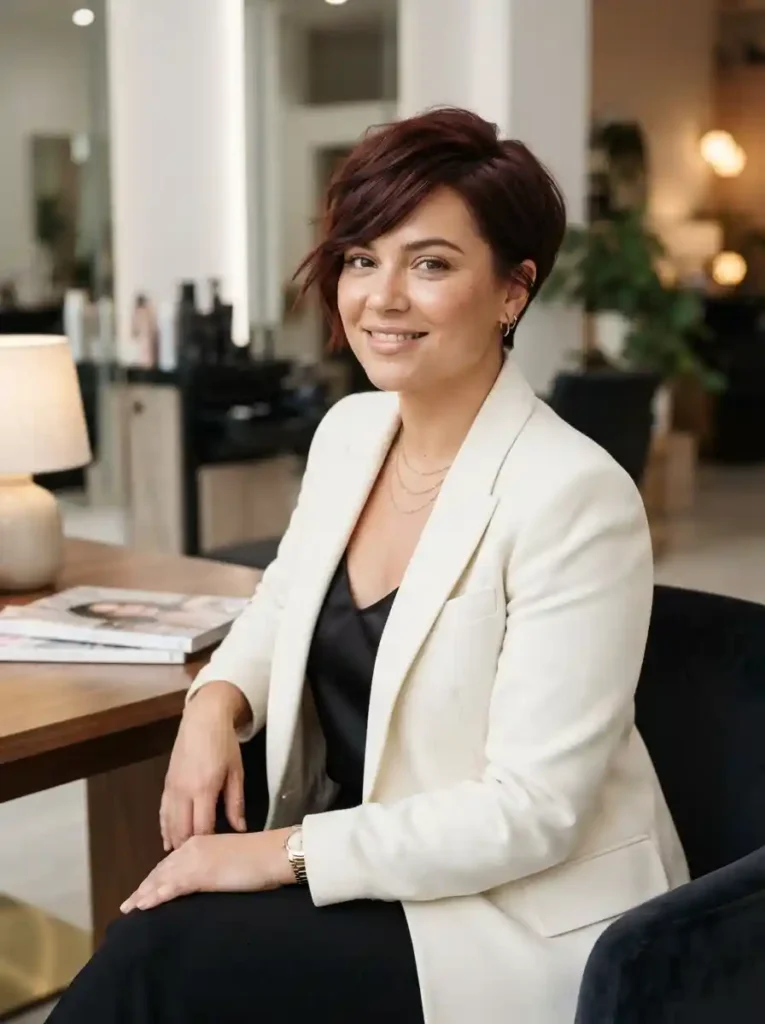
A pixie cut can work beautifully when its shape is designed around vertical movement rather than rounded volume. Keep the sides relatively close and allow slightly more length through the top and fringe. Sweeping the longer front diagonally across the forehead introduces an angled line that visually changes the haircut’s proportions. The result feels crisp and expressive while leaving the face fully visible. This option is especially appealing if you’re ready for a shorter style with noticeable personality.
Maintenance is the main consideration because a pixie’s silhouette changes quickly as it grows. Plan for regular trims if you want the tapered sides and longer top to remain clearly defined. Styling can be remarkably simple: work a small amount of matte paste through the crown, then direct the fringe diagonally with your fingers. If you prefer softness, use a lightweight cream instead of wax. The goal is controlled height and direction, not stiff, exaggerated volume.
5. Curtain Bangs With Long, Soft Layers
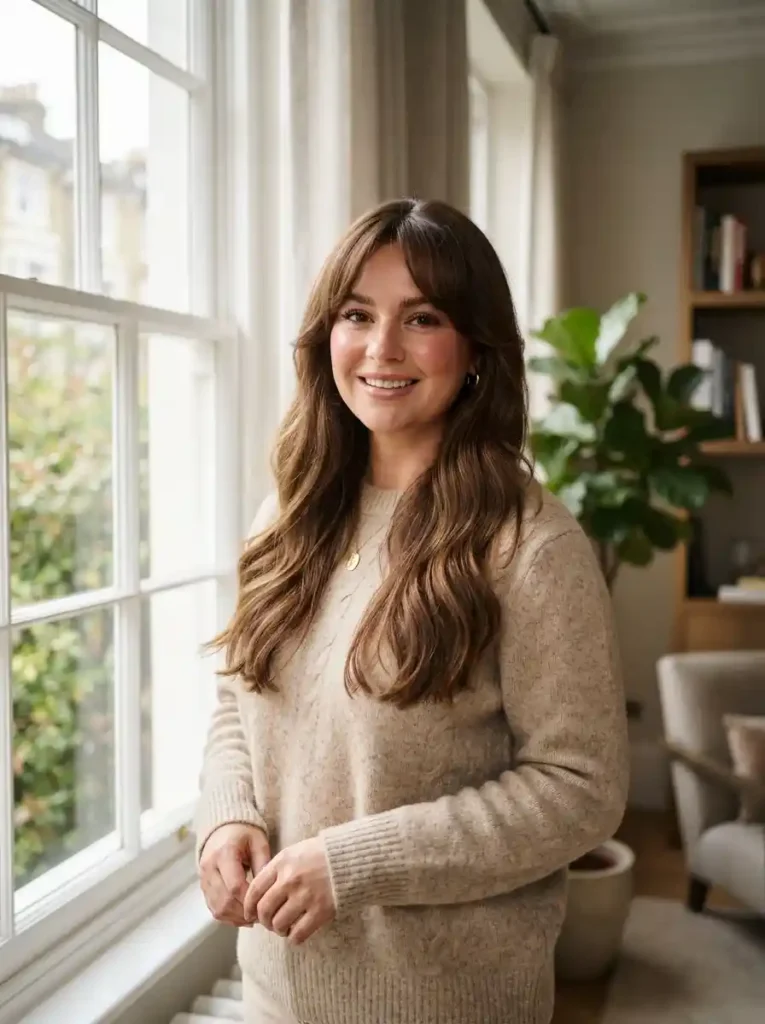
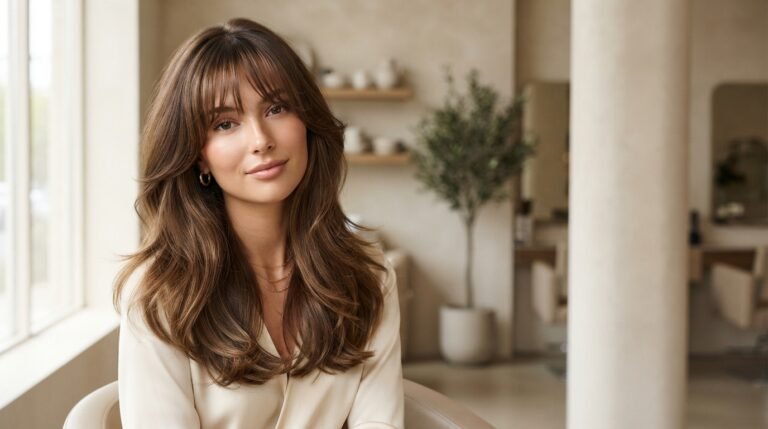
Curtain bangs offer a softer way to introduce framing without committing to a blunt fringe. For a round face, ask for the shortest point to sit around the bridge of the nose or slightly below, with the sides gradually extending toward the cheekbones and jaw. This creates an open center while establishing diagonal lines around the face. Paired with long layers, curtain bangs can transition naturally into the rest of the haircut instead of looking like a separate feature.
The styling routine depends on how your hair naturally behaves. Blow-dry the bangs away from the face using a medium round brush, directing each side outward rather than straight down. A small amount of volumizing mousse at the roots can help them hold their shape. If your hair is fine, avoid heavy oils around the fringe because they can make it separate. For a softer finish, let the ends settle naturally rather than forcing a perfectly symmetrical curve.
6. Collarbone Cut With Invisible Layers
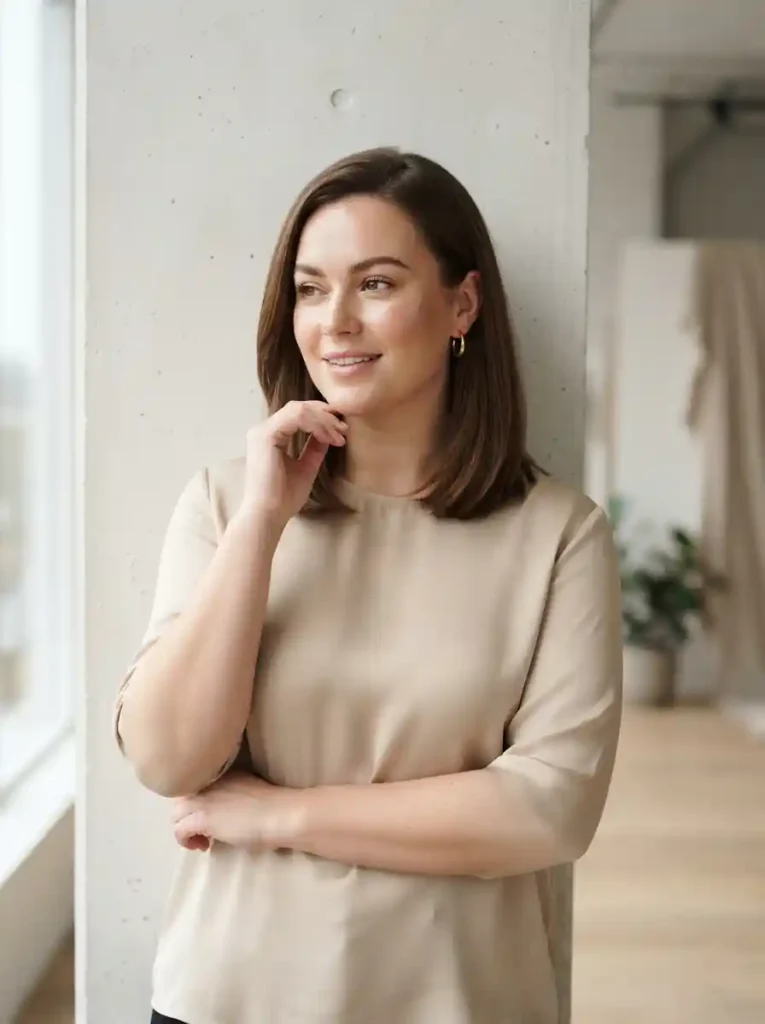
A collarbone cut is useful when you want a medium-length style that feels substantial but doesn’t overwhelm the face. Keeping the perimeter near the collarbone gives the hair enough length to fall vertically, while hidden or “invisible” layers remove internal weight without creating obvious steps. This approach is particularly useful for straight or slightly wavy hair that tends to become bulky when cut into strong horizontal layers. The result looks polished without appearing overly constructed.
Ask your stylist to preserve fullness through the ends while removing some internal heaviness where necessary. This distinction matters because aggressively thinning the perimeter can make the haircut look sparse. For everyday styling, a center or slightly off-center part works well, while a side part can add asymmetry. A large round brush can create a subtle bend through the ends, but the haircut should remain attractive even when air-dried with its natural texture.
7. Textured Chin-to-Jaw Bob With a Side Part
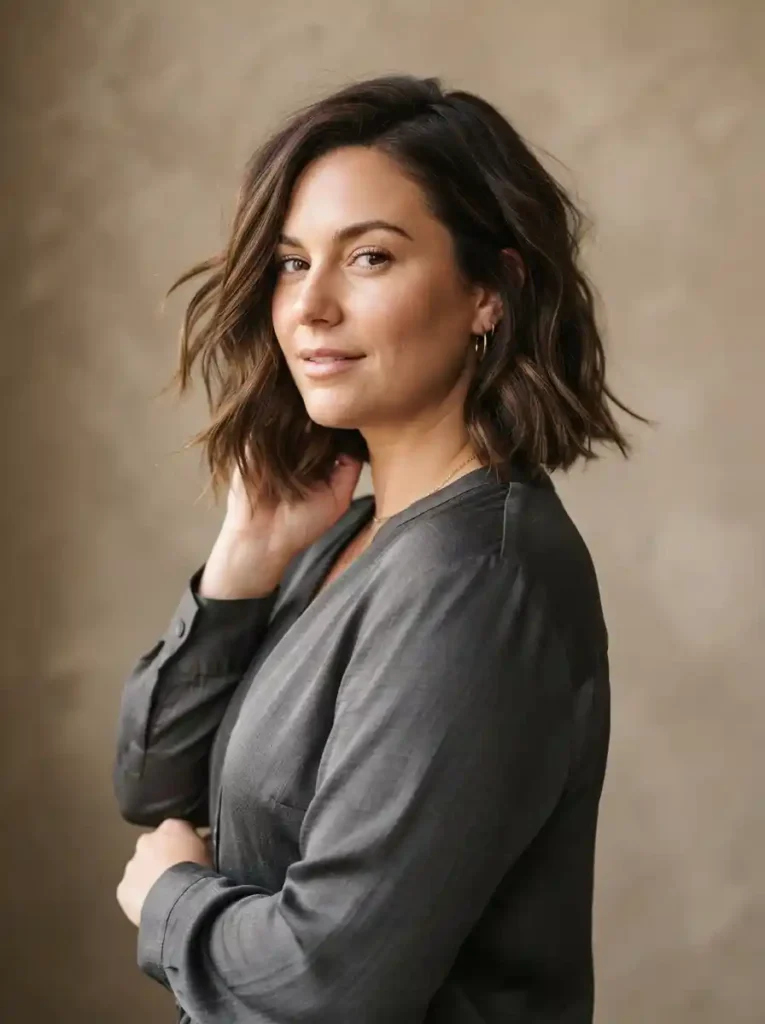
A bob near the jaw requires thoughtful placement because a blunt line at the widest point of the face can emphasize horizontal width. Instead, consider a cut that falls just below the jaw and incorporates subtle texture through the ends. A side part can further change the visual balance by introducing an asymmetrical direction. Ask for movement rather than excessive layering so the bob retains its recognizable shape while avoiding a stiff, rounded outline.
This version is especially attractive on hair with natural bends because texture breaks up the perimeter. Use a lightweight wave-enhancing cream on damp hair, then let it air-dry or diffuse gently. For straighter hair, create a few irregular bends rather than uniform curls. Avoid excessive teasing at the sides; if you want more lift, concentrate it at the crown. That placement keeps the hairstyle airy and prevents unnecessary fullness around the cheeks.
8. Long Butterfly Layers
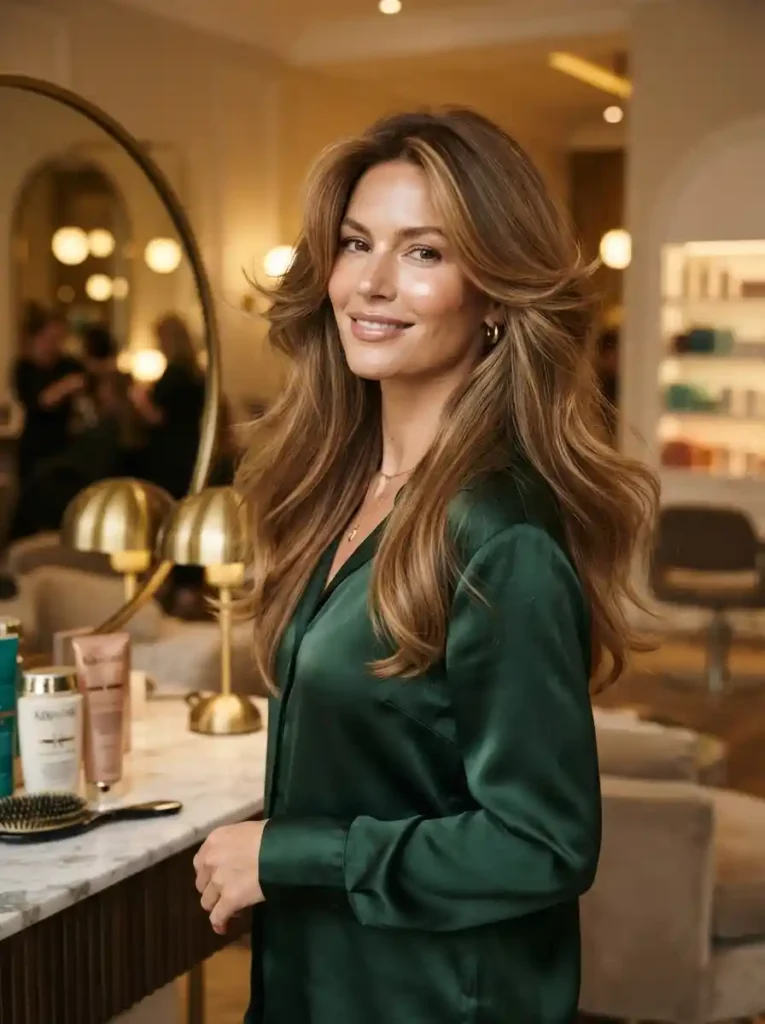
Butterfly layers create a noticeable difference between shorter framing pieces and longer lengths, making them ideal if you want movement without giving up a long hairstyle. The shortest layers should be placed thoughtfully so they sweep away from the face rather than ending directly across the cheeks. Longer sections maintain the overall length, while the upper layers provide the airy, cascading appearance associated with this haircut. It can feel glamorous without requiring a dramatically shorter perimeter.
Styling is where butterfly layers become especially expressive. Use a large round brush to lift the shorter sections away from the face, then direct the longer layers backward and slightly outward. Velcro rollers can provide volume without requiring constant curling. If your hair is naturally fine, avoid heavy conditioner near the roots because it can flatten the crown. For thicker hair, internal weight removal can make the layers easier to style without sacrificing their dramatic shape.
9. Soft French Bob With an Off-Center Part
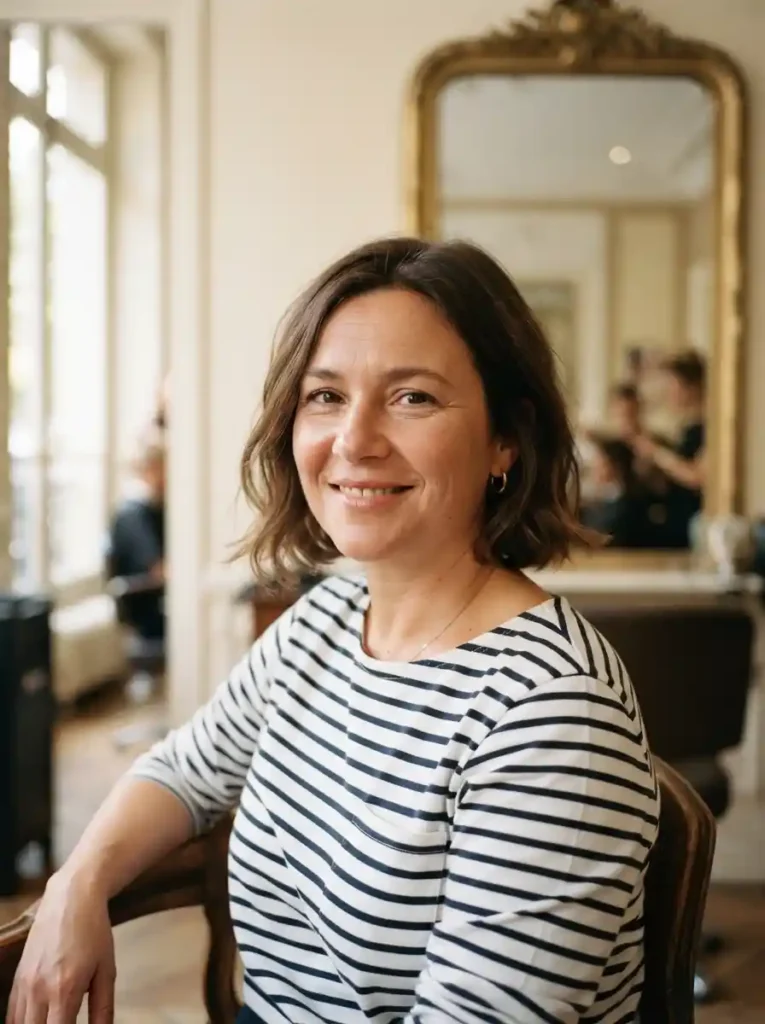
A French bob can be adapted for a round face by avoiding an overly rounded silhouette and allowing the length to sit slightly below the jaw. An off-center part introduces gentle asymmetry, while softly textured ends keep the perimeter from looking like a rigid horizontal line. The style retains the chic character of a classic bob but feels less visually compact. It suits people who want a shorter haircut with an elegant, intentionally effortless finish.
For styling, embrace slight imperfection rather than aiming for perfectly curled ends. Apply a small amount of styling cream to damp hair, then shape the perimeter with your fingers as it dries. A flat iron can add bends to individual sections if needed, but alternating the direction of those bends creates a more natural result. If you have thick hair, discuss removing internal bulk while preserving enough weight to keep the French bob from becoming overly fluffy.
10. V-Cut Long Hair With Face-Framing Layers
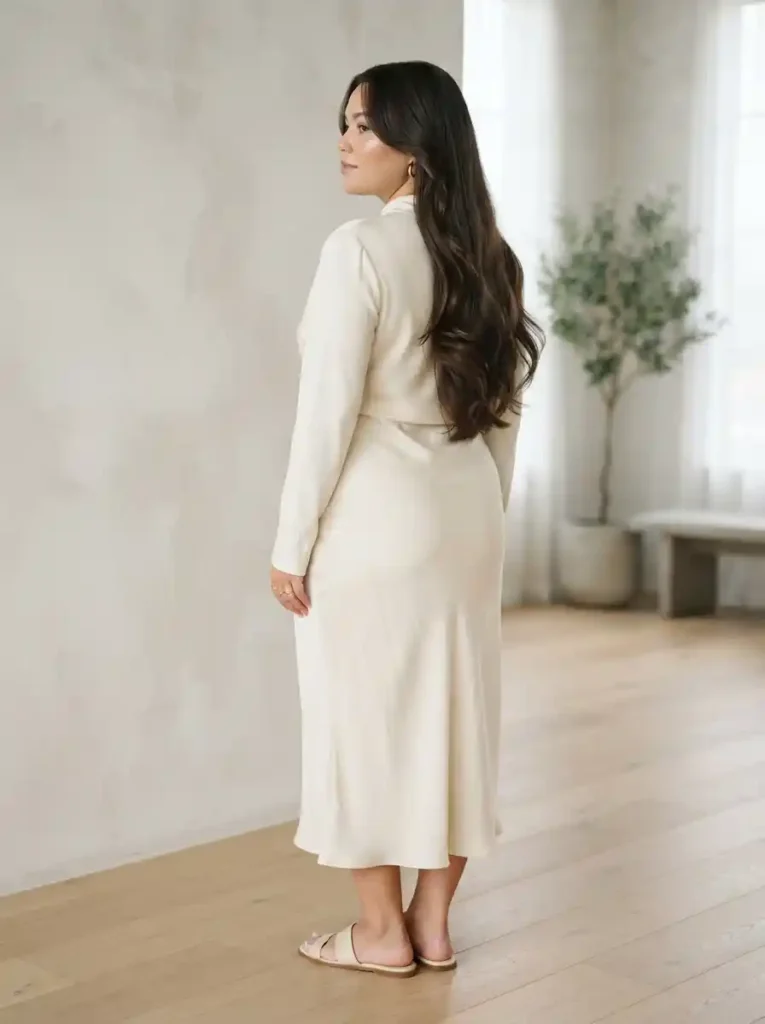
A V-shaped perimeter gives long hair a directional finish while preserving considerable length. When paired with face-framing layers, it can create a flowing silhouette that draws attention downward. The framing pieces should gradually lengthen from around the lower cheek or chin area into the rest of the hair rather than creating abrupt steps. This makes the haircut feel integrated and practical. It is particularly useful for someone who loves long hair but wants more shape than a simple one-length cut.
The V shape needs enough density to remain attractive, so very fine hair may benefit from a gentler version rather than an extreme point. Styling can range from sleek and straight to loose waves, with each option emphasizing the descending shape differently. When blow-drying, direct the front sections away from the face and allow the longest lengths to fall naturally. Regular dusting trims can maintain the point without requiring a significant reduction in overall length.
11. Shoulder-Length Cut With Wispy Side Bangs
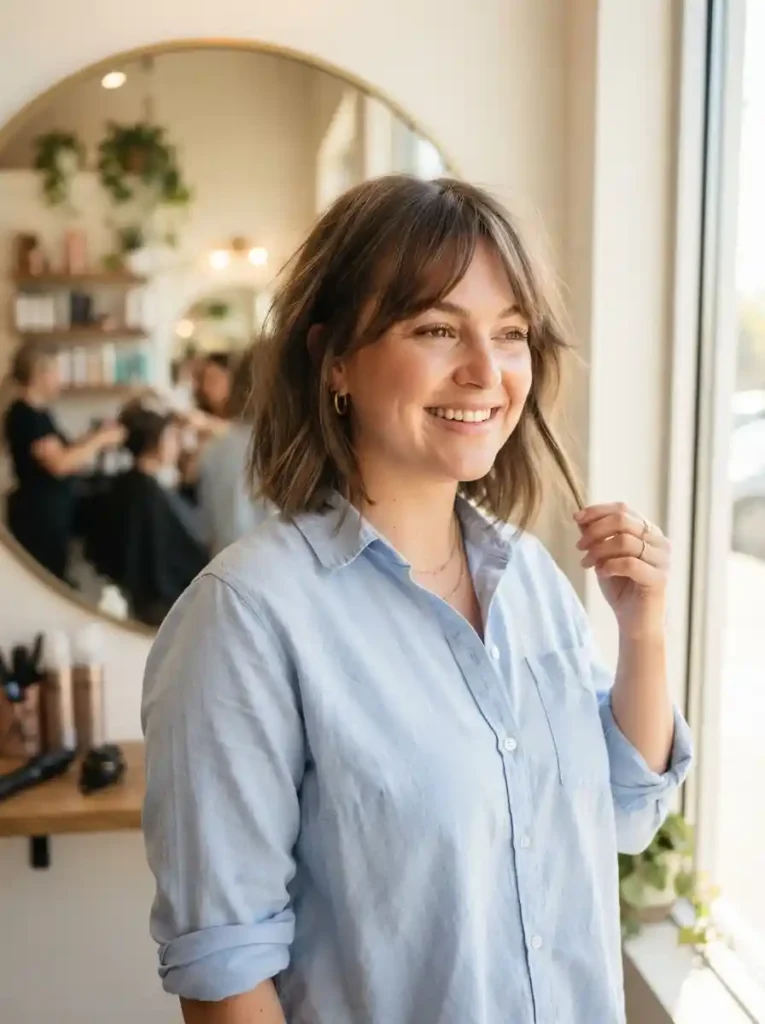
Wispy side bangs are a useful option if you want fringe without the visual weight of a dense, straight-across bang. The diagonal direction creates a longer line across the forehead, while the lighter texture allows some skin and forehead to remain visible. Pairing them with a shoulder-length cut keeps the overall shape balanced. Ask your stylist to blend the longer side of the fringe into the surrounding layers so the transition looks seamless as it grows.
This haircut is relatively forgiving during everyday styling, particularly if your hair has a slight natural wave. Blow-dry the bangs diagonally using a small brush, then loosen them with your fingers once dry. If they become oily quickly, a small amount of dry shampoo at the roots can restore separation. Keep the ends soft rather than heavily curled, because too much outward movement near the jaw can add width where you may prefer a cleaner vertical line.
12. Layered Mid-Length Cut With a Deep Side Part
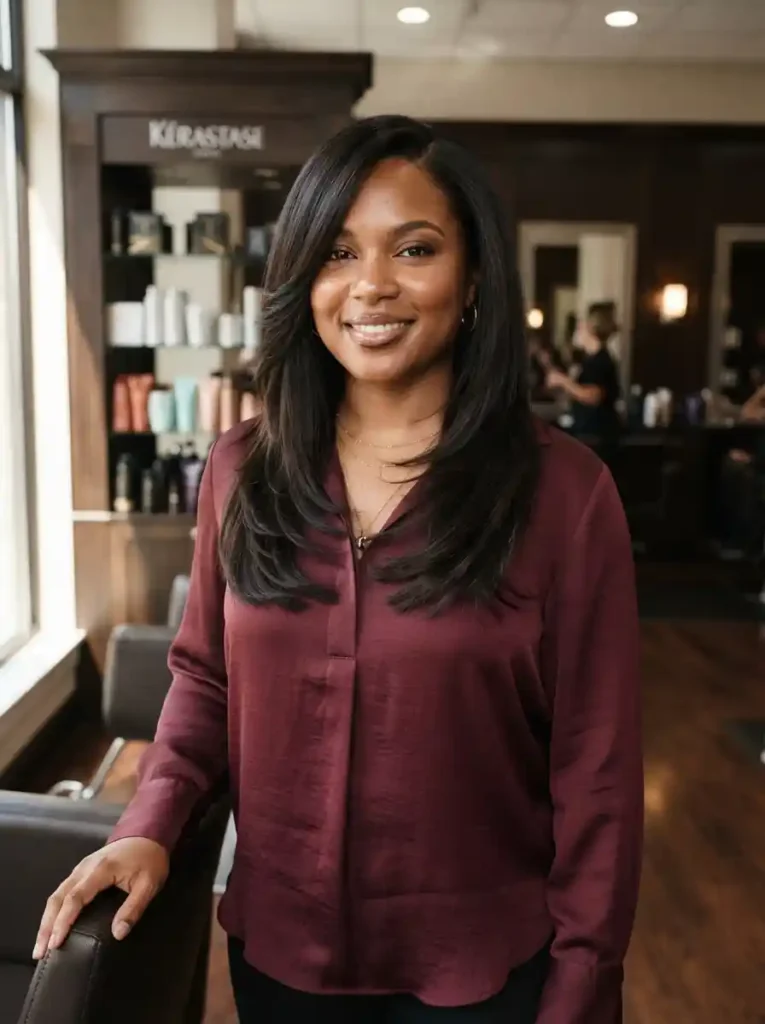
A deep side part can transform the appearance of a familiar medium-length haircut without requiring a major change in length. Combined with long, diagonal layers, it creates an asymmetrical flow that moves across the face and down through the hair. Keep the shortest layers away from the widest portion of the cheeks, allowing them to begin lower and blend gradually. This approach offers movement while maintaining enough density for the haircut to look substantial.
To style the part, create it while the hair is damp so the roots learn the new direction. Blow-dry upward at the crown before sweeping the longer section across. A lightweight root-lifting spray can provide support without making the hair stiff. If you wear glasses, tell your stylist before cutting so the side sections can be shaped around the frames. This small adjustment can make the finished haircut considerably more comfortable and practical.
13. Long Wolf Cut With Controlled Texture
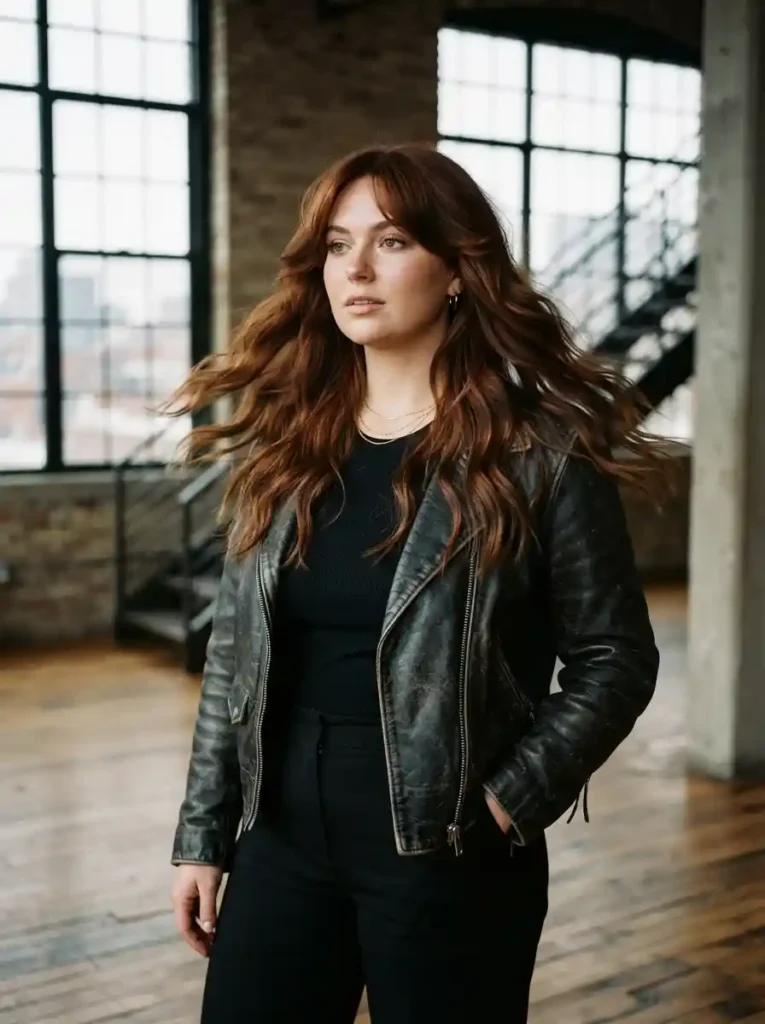
A long wolf cut can work for a round face when its texture is deliberately elongated rather than concentrated at the sides. Ask for shorter layers around the crown, but keep the side pieces long and tapered so the overall shape doesn’t become too compact. The combination creates a textured, slightly rebellious silhouette while retaining enough length to visually anchor the hairstyle. It is a strong choice if you want something more distinctive than traditional long layers.
Because the cut depends on texture, styling technique matters. For naturally wavy hair, apply mousse from the roots through the mid-lengths and scrunch gently. Straight hair can be given loose bends with a large iron, focusing on irregular movement instead of tight curls. Avoid creating excessive volume directly beside the cheeks. If your hair is very thick, ask for selective internal layering rather than aggressive thinning, which can sometimes produce unwanted frizz and unevenness.
14. Sleek Long Bob With Center Part
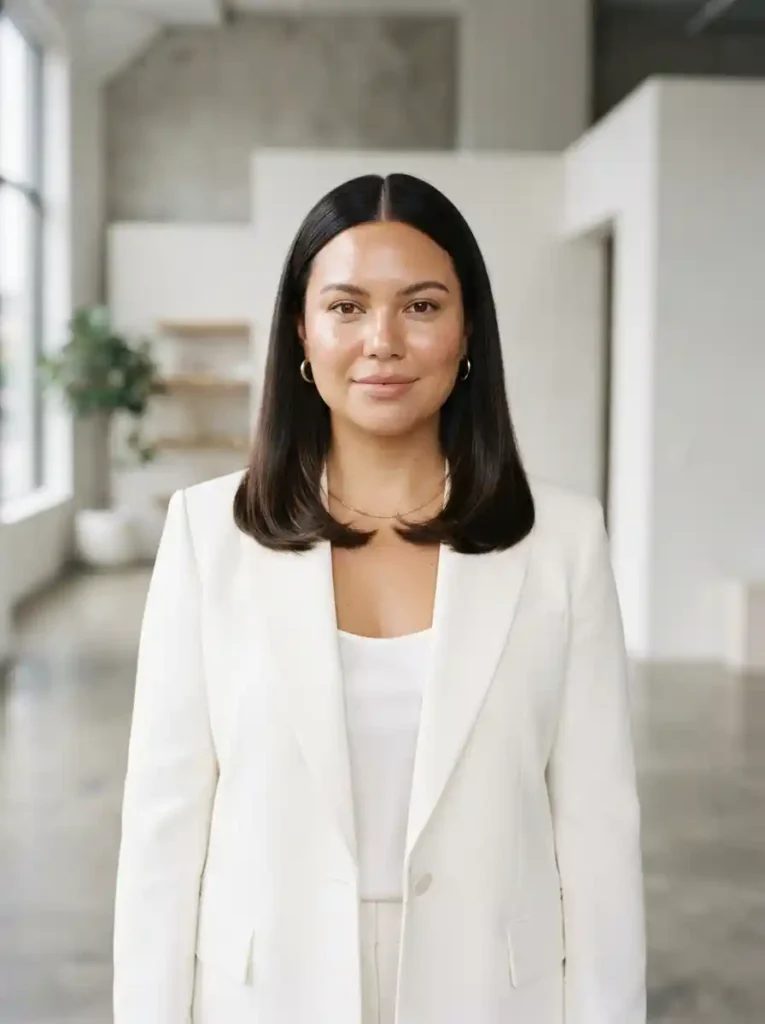
A sleek long bob, or lob, offers a particularly clean silhouette when it falls below the jaw and remains relatively simple through the ends. A center part emphasizes symmetry, while the extra length prevents the haircut from feeling visually cramped around the face. The style can be especially effective for straight hair because its smooth vertical lines are easy to see. If your hair is wavy or curly, the same cut can be adapted while keeping the perimeter below the chin.
The most important detail is the perimeter. Ask for a strong but not excessively blunt line, especially if your ends are fine. A smoothing serum can enhance shine, but use only a small amount so the roots stay fresh. When flat-ironing, work in narrow sections and curve the iron slightly inward at the ends rather than flipping them outward. Heat protection should be part of the routine, particularly when maintaining a consistently sleek finish.
15. Curly Layers With a Rounded-Free Silhouette
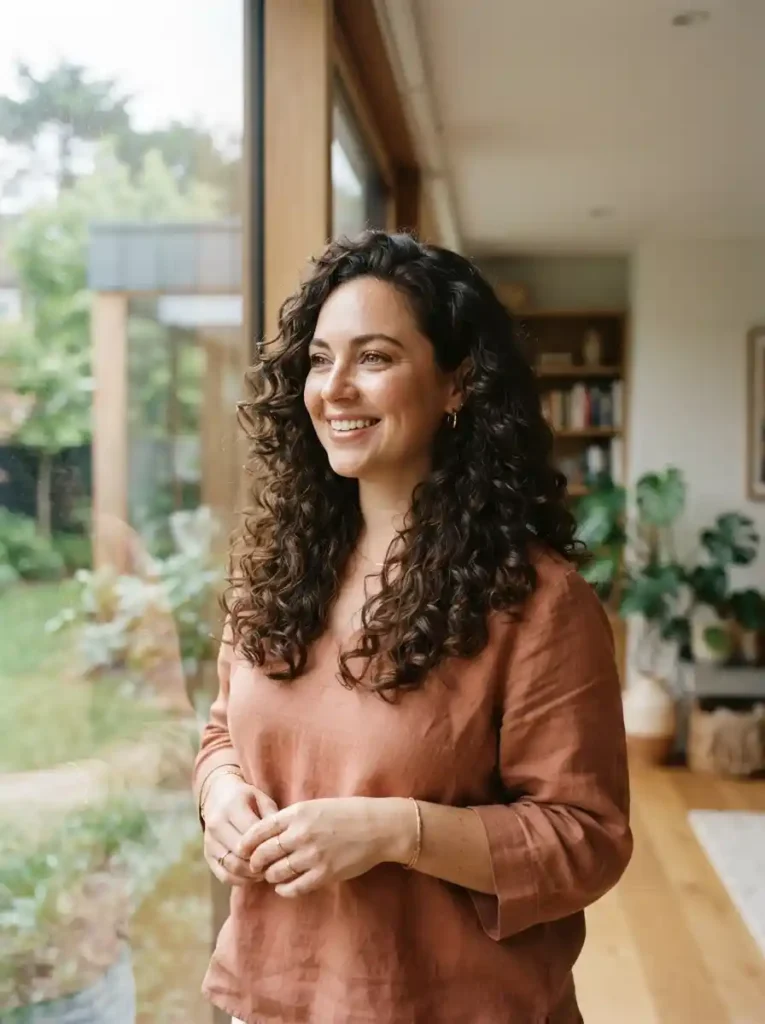
Curly hair benefits from layering because the right structure allows curls to spring up without forming a heavy block around the face. For a round face, ask for longer layers that encourage vertical movement and preserve length through the sides. Your stylist should account for shrinkage before deciding where each layer will sit. A dry or curl-by-curl cutting approach may be helpful for some textures because the hair’s actual shape becomes easier to evaluate.
Styling should prioritize definition without adding excessive side volume. Apply leave-in conditioner followed by a lightweight curl cream or gel, depending on your texture and desired hold. Scrunch upward, then allow the curls to dry without repeatedly touching them. Once completely dry, gently separate the curls with clean fingers if necessary. Avoid brushing the finished style dry, as this can disrupt the curl pattern and create more expansion around the face than intended.
16. Blunt Collarbone Cut With Minimal Layers
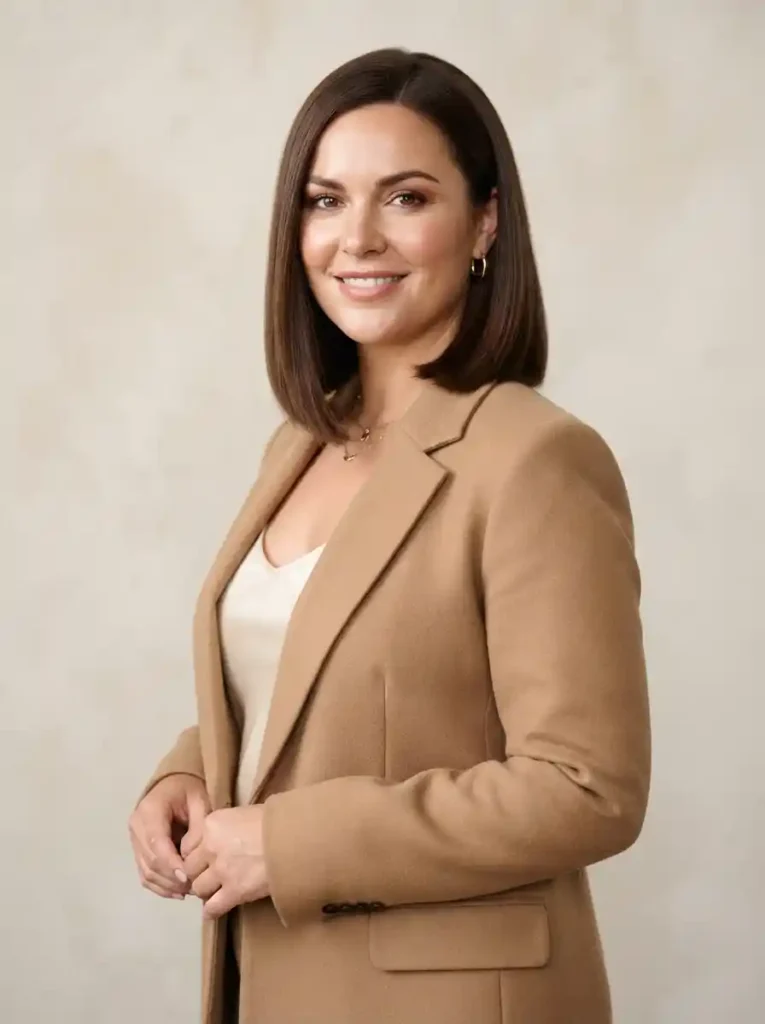
A blunt collarbone cut takes a different approach from heavily layered styles. Instead of creating movement through multiple levels, it uses a strong perimeter and sufficient length to establish a clean vertical fall. The ends should sit around the collarbone or slightly below, avoiding a stopping point directly at the widest part of the jaw. This can be particularly appealing for fine hair because a fuller-looking perimeter gives the haircut visual density without complicated layering.
Minimal layering also makes the haircut straightforward to maintain and style. Blow-dry with a paddle brush for a smooth finish, or allow subtle natural texture to show for a more relaxed result. If your hair tends to puff outward, use a lightweight smoothing product through the mid-lengths and ends. Because the shape depends on its clean line, regular trims are useful. Even small changes in length can noticeably alter the haircut’s overall proportions.
17. Graduated Bob With Longer Front Sections
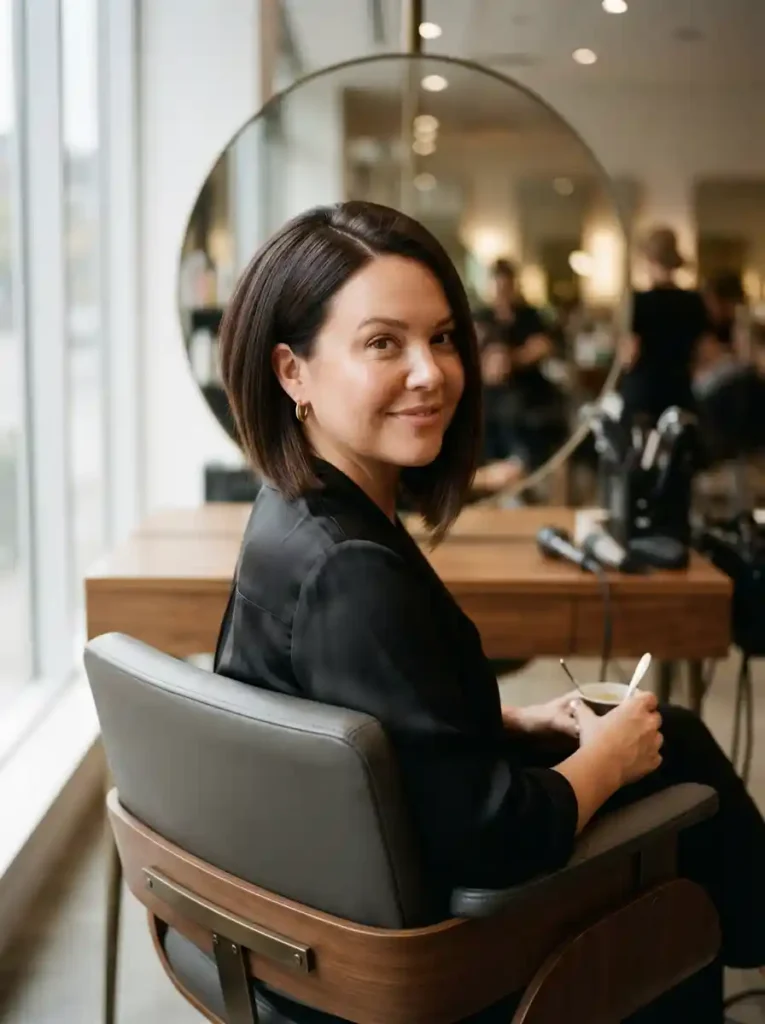
A graduated bob creates shape at the back while leaving more length toward the front, producing a structured silhouette with directional movement. For a round face, the front should extend beyond the chin rather than stopping at it, while the graduation remains controlled at the nape. This arrangement gives the haircut definition without forming a uniformly rounded outline. It is a strong option if you like polished, architectural haircuts but want some softness around the face.
Because the back is shorter, this style usually needs more frequent shaping than a simple lob. During styling, smooth the shorter nape sections close to the head while directing the front pieces slightly forward. A flat iron can sharpen the shape, although a round brush creates a softer finish. If your hair is thick, ask how much weight should be removed before committing to the graduation. Too much texturizing can weaken the clean structure that makes this haircut distinctive.
18. Long Side-Swept Fringe With Layered Hair
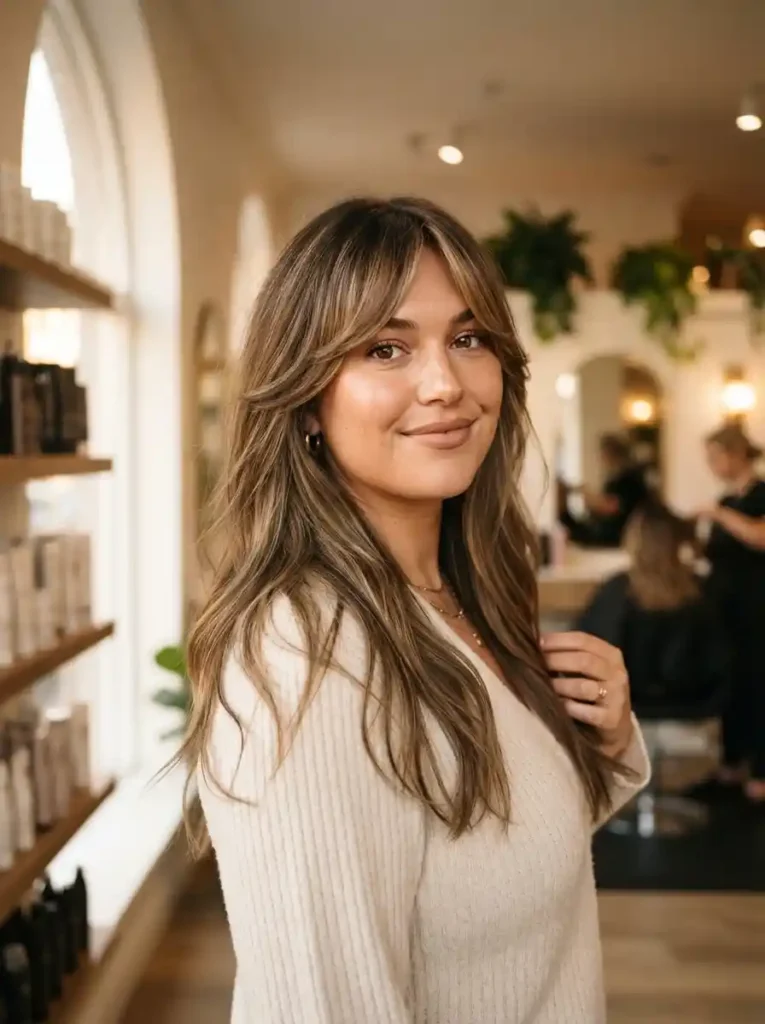
A long side-swept fringe creates an immediate diagonal element without requiring short bangs. The fringe can begin near the eyebrow or upper cheek and gradually blend into longer layers, depending on your preferred coverage. Keeping the shape elongated rather than thick and horizontal helps maintain a sense of movement. This option is also useful for people who like changing their part because the fringe can eventually be incorporated into the surrounding layers as it grows.
Styling becomes easier when the fringe is trained in its intended direction from damp hair. Use a medium round brush and direct the roots diagonally backward, then allow the ends to blend into the side layers. If you have cowlicks, your stylist can adjust the starting point to work with your natural growth pattern. Keep styling products lightweight near the forehead; heavy creams or oils can cause the fringe to separate and lose its airy shape.
19. Textured Lob With Beachy Waves

A textured lob gives you the convenience of medium length while introducing enough movement to keep the haircut from looking heavy. The most flattering structure usually combines a shoulder-grazing perimeter with subtle long layers rather than numerous short pieces. This keeps the shape elongated while allowing waves to move through the ends. It is a practical middle ground for anyone who wants something fresher than a one-length haircut without committing to a dramatic chop.
Beachy waves should remain loose rather than tightly curled if you want the haircut to retain its lengthening shape. Apply heat protectant, then use a larger curling iron or wand, leaving the last inch of each section relatively straight. Alternate the direction of the waves for a natural appearance. Once cooled, loosen them with your fingers. A light texturizing spray can add separation, but avoid applying too much around the sides where it may create unnecessary bulk.
20. Asymmetrical Bob With a Dramatic Side Sweep
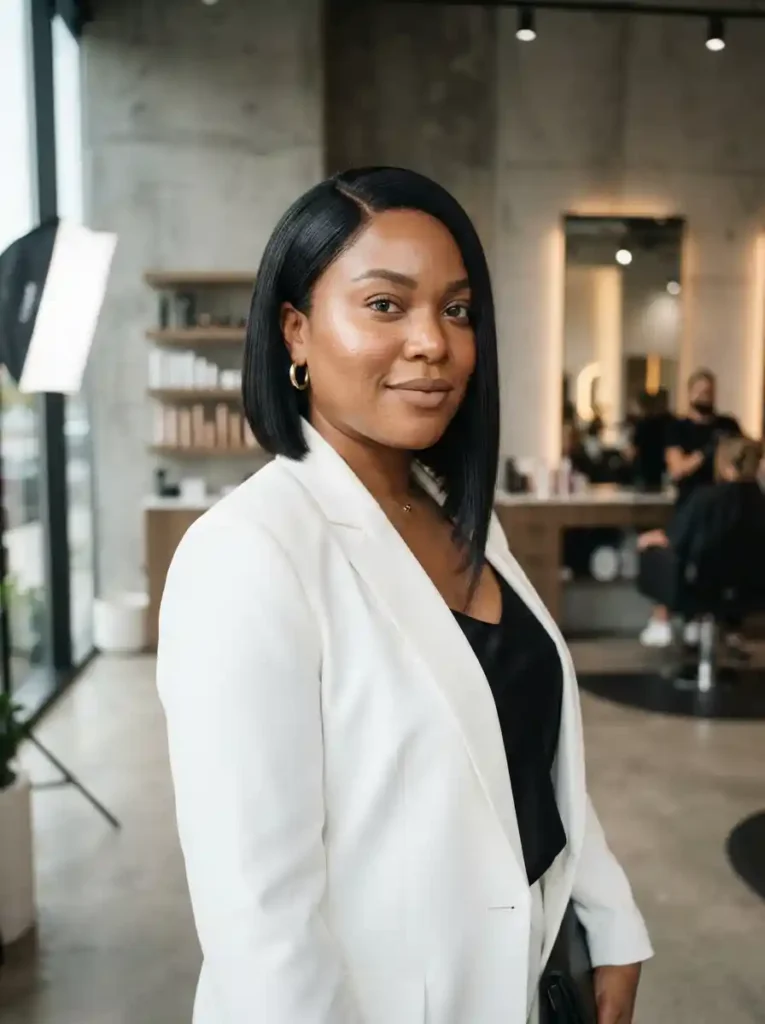
An asymmetrical bob introduces a strong directional line, making it a distinctive alternative to evenly balanced cuts. One side can sit around the jaw while the opposite side extends toward the collarbone, creating visual movement across the face. The longer side should remain long enough to avoid ending at the cheek’s widest point. Because the asymmetry is the main feature, keep the rest of the haircut relatively clean so the shape remains intentional rather than visually cluttered.
This haircut suits someone comfortable with a little more maintenance and styling precision. Use a smoothing cream before blow-drying, then direct each side according to its individual length. A flat iron can sharpen the contrast, while a slight bend softens the overall effect. Tell your stylist how often you realistically style your hair before choosing the degree of asymmetry. A dramatic shape looks best when the daily routine required to maintain it fits comfortably into your lifestyle.
Conclusion
The most flattering haircut for a round face isn’t determined by face shape alone. Hair density, natural texture, preferred length, styling habits, and personal style all influence which cut will feel right. The ideas above offer different ways to create movement, direction, texture, or length while keeping the haircut tailored to your features rather than following a rigid formula.
Before your next appointment, save two or three reference images and identify exactly what you like about each one—perhaps the length, fringe, layering, or styling direction. Then show those details to your stylist and explain how much maintenance you’re willing to do. A small adjustment, such as moving a layer below the cheekbone or extending a bob past the chin, can make a significant difference. The best haircut is ultimately one that complements your proportions while still feeling effortless and unmistakably yours.