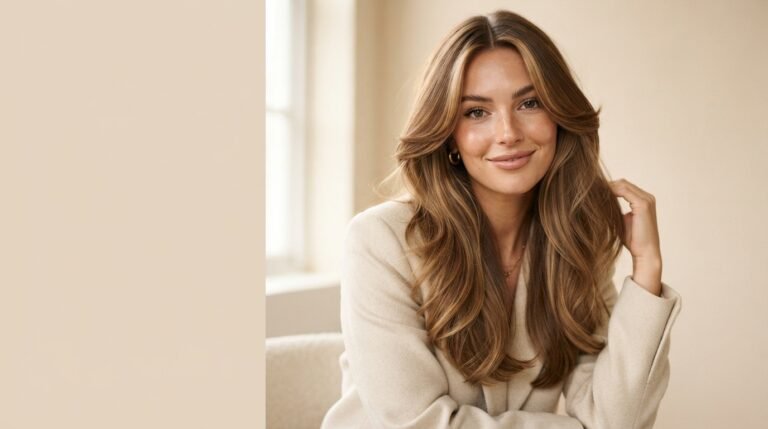
Cherry red hair has a way of looking both daring and surprisingly wearable. This rich shade sits between vibrant red, deep burgundy, and glossy crimson, giving you plenty of room to choose a version that feels completely personal. Whether you want a dramatic all-over transformation, subtle red dimension, or a color that looks almost black indoors and brilliantly red in sunlight, there is an option worth saving.
The beauty of cherry red is its versatility. It can complement sleek bobs, flowing layers, curls, braids, and everything between, while different undertones can change the entire mood of the color. Before booking your appointment, it helps to know which variation fits your haircut, natural coloring, maintenance preferences, and everyday style. These 22 ideas cover polished, romantic, edgy, dimensional, and low-key interpretations, so you can find a cherry red hair color that feels exciting without looking like an accidental experiment.
1. Classic Glossy Cherry Red
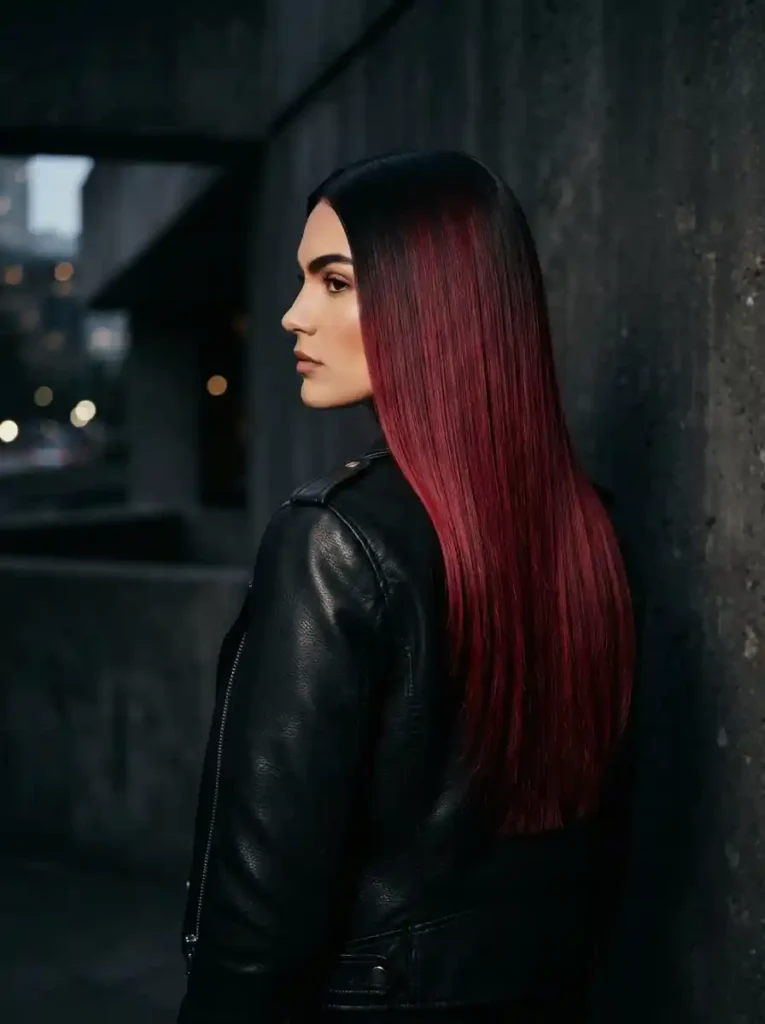
Classic cherry red is the choice for anyone who wants the color itself to make the statement. A balanced crimson shade works especially well when the hair has a smooth, healthy finish because light catches the surface and makes the red appear multidimensional. Ask your colorist for a tone that suits your natural undertone rather than choosing a red from a photograph alone. Your starting color can significantly affect the finished result.
For styling, keep the shape relatively simple so the color remains the focal point. Loose waves can reveal variations in the red, while a sleek blowout creates a polished, dramatic finish. Because vibrant red pigments can fade faster than some darker shades, use color-safe shampoo, wash with cooler water, and limit unnecessary heat. A weekly moisturizing treatment can also help maintain the shine that makes classic cherry red so striking.
2. Dark Cherry Red on Long Layers
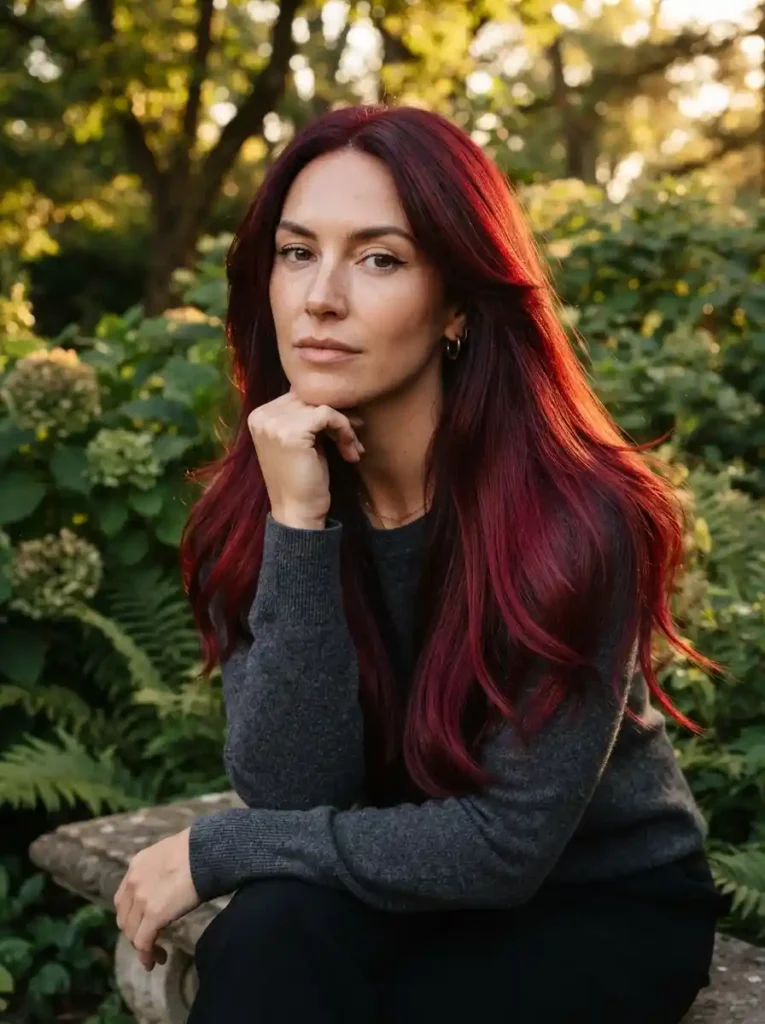
Dark cherry red is ideal if you love red hair but prefer a sophisticated, slightly mysterious finish. On long layers, the deeper pigment creates a beautiful shadow effect, while the ends catch brighter crimson reflections when they move. This version is particularly appealing for naturally dark hair because the transition can feel less dramatic than a very bright red. Discuss the amount of lightening needed with your stylist before committing.
Long hair also gives this shade plenty of movement. Ask for long layers or face-framing pieces rather than heavily thinning the ends, especially if you want the color to look dense and glossy. A lightweight smoothing serum can emphasize the red reflection without making the hair greasy. When styling, alternating between loose waves and straight lengths lets you see how dramatically texture changes the appearance of deep cherry tones.
3. Cherry Cola Hair
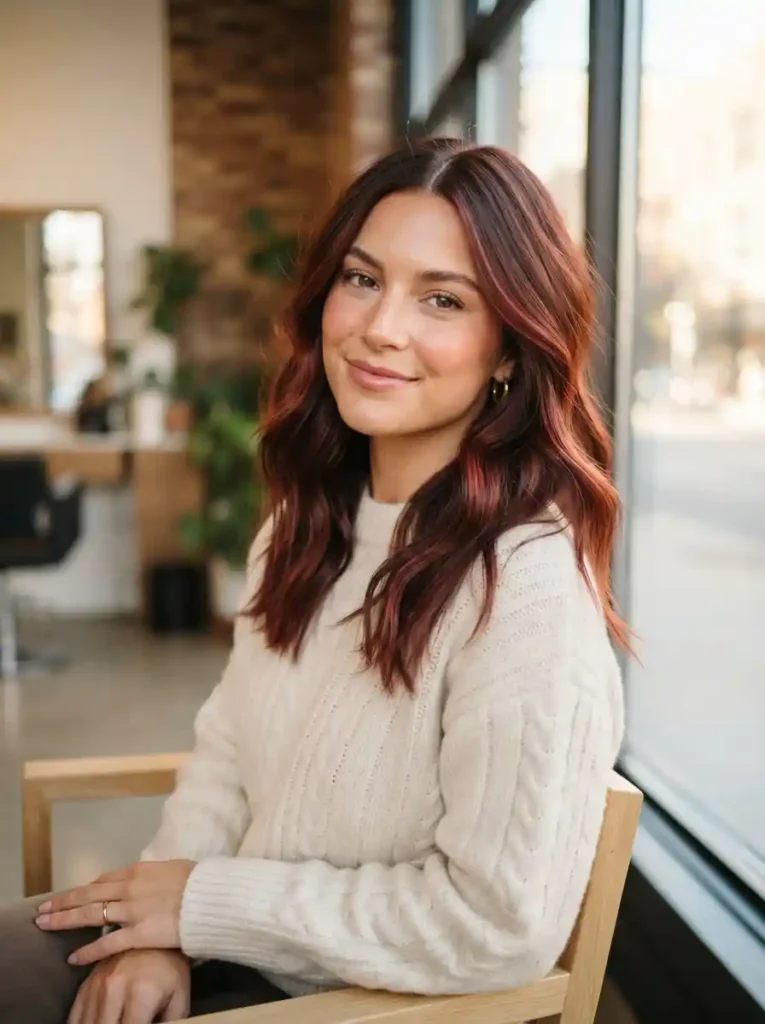
Cherry cola hair blends dark brunette depth with red warmth, making it one of the easiest versions to wear if you want noticeable color without an extremely bright finish. The result resembles a deep red-brown in ordinary indoor lighting but reveals a richer cherry glow outdoors. It is especially useful for brunettes who want a visible change while keeping some of the natural depth that makes darker hair look dimensional.
This color can be customized toward cooler burgundy or warmer mahogany depending on your complexion and preference. Shoulder-length cuts, soft layers, and waves help distribute the color naturally instead of creating one solid block. To preserve the tone, avoid frequent clarifying treatments and choose products formulated for colored hair. If you are nervous about a major transformation, cherry cola is also a practical starting point before moving brighter.
4. Cherry Red Bob With Blunt Ends
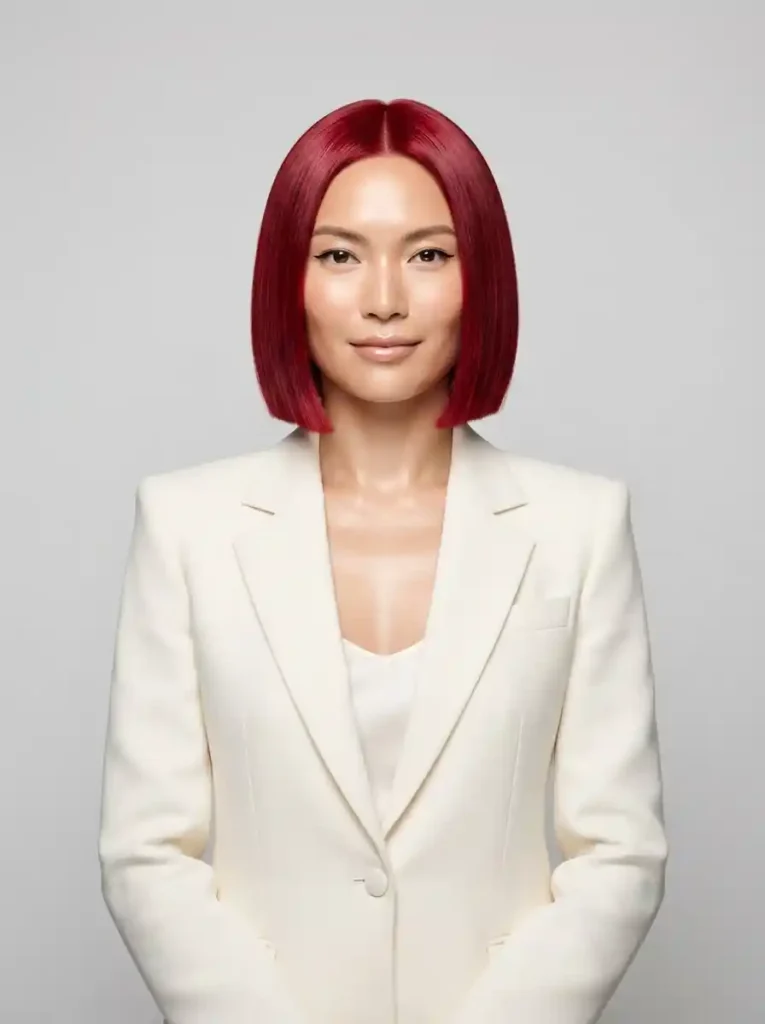
A blunt bob gives cherry red a modern, graphic personality. The clean perimeter makes the color appear especially saturated because there are fewer layers to interrupt the visual intensity. This combination suits someone who enjoys structured hairstyles and does not mind regular trims. A chin-length bob can emphasize the jawline, while a slightly longer version around the shoulders offers a softer interpretation with similar impact.
Keep the styling sleek when you want the strongest statement, or add a slight bend through the ends for something less severe. Because blunt cuts make uneven growth more noticeable, schedule trims regularly to maintain the shape. If your hair is naturally very dark, ask your stylist how much pre-lightening is appropriate before applying cherry red. Healthy-looking ends matter here because the haircut puts every strand on display.
5. Cherry Red Money Pieces
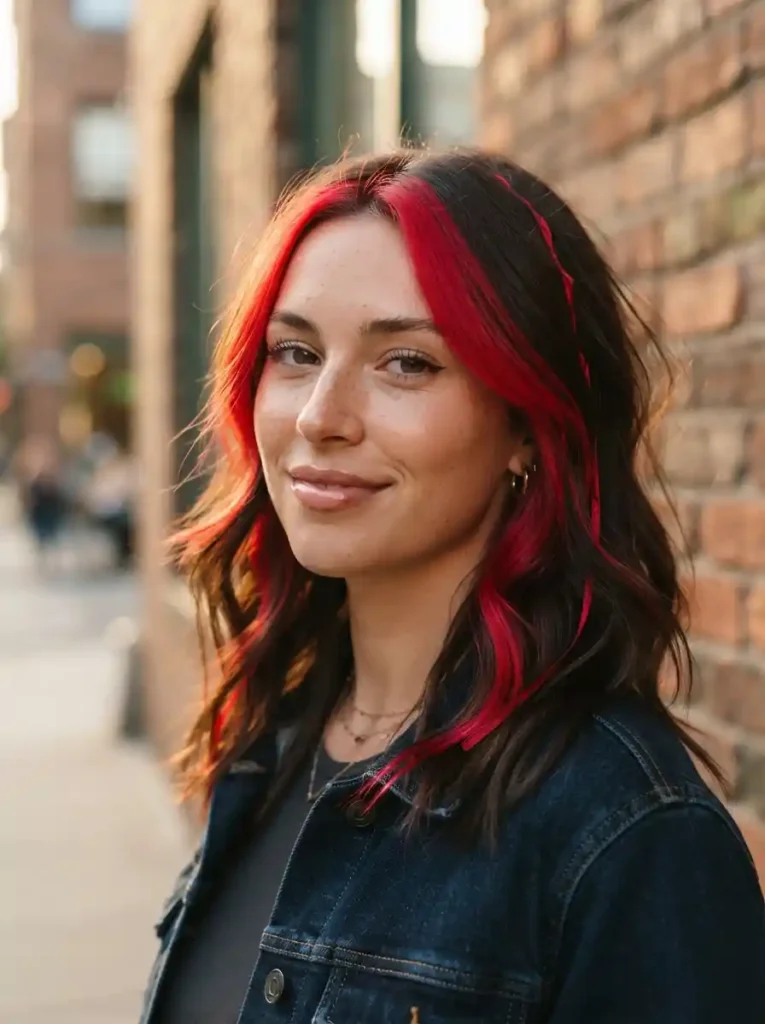
Cherry red money pieces offer a lower-commitment way to experiment with a dramatic color. Instead of transforming the entire head, the stylist concentrates brighter red around the face, where even a small amount of color becomes noticeable. The contrast works beautifully against dark brown or black hair, creating an intentional frame that can brighten the overall appearance without requiring a full-color appointment.
The placement matters more than simply choosing the shade. Wider sections create a bold, fashion-forward effect, while thinner ribbons look softer and blend more naturally. Ask your stylist to consider your haircut and parting pattern before deciding where the red should begin. Since the front pieces receive frequent styling and washing, use heat protection and a color-safe conditioner to help prevent dryness and preserve the vibrant cherry tone.
6. Cherry Red Balayage
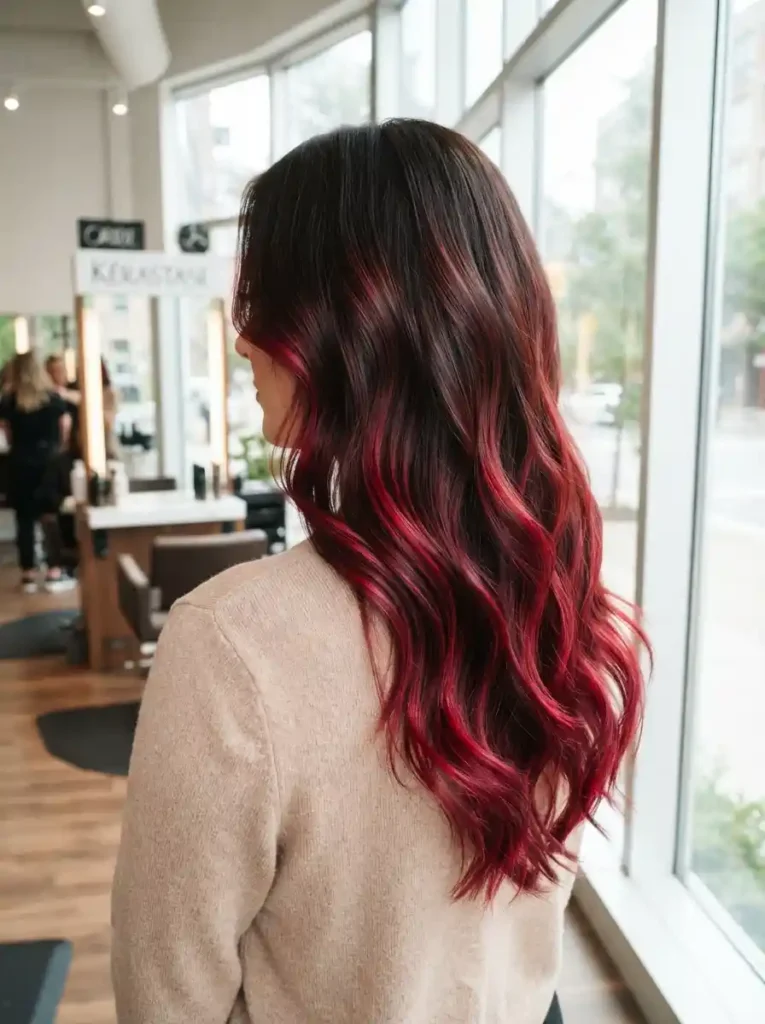
Cherry red balayage is a beautiful option when you want movement rather than a uniform color. The red can be painted through selected sections, allowing the natural or darker root area to remain visible while brighter tones build toward the mid-lengths and ends. This creates a softer grow-out than an all-over red and gives wavy or layered hair plenty of visual dimension.
Bring your stylist reference photos that show the level of contrast you prefer. A subtle balayage can look wine-toned indoors, while a brighter version may read unmistakably red in daylight. Keep the ends conditioned because lightened portions are generally more vulnerable to dryness. When styling, loose waves are particularly effective because they separate the painted sections and allow the different cherry tones to catch the light independently.
7. Burgundy-Cherry Red Blend
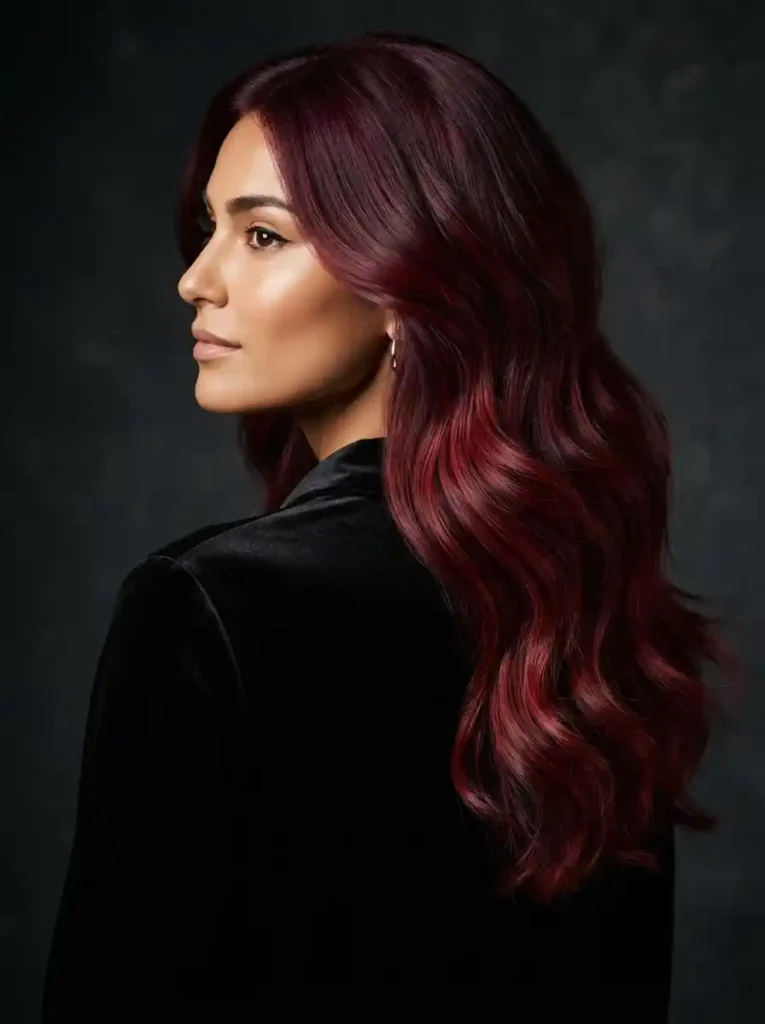
For a moodier interpretation, combine burgundy with cherry red rather than choosing a single flat shade. The darker wine tones create depth near the roots, while cherry accents keep the overall color lively. This approach is particularly flattering on thick hair because multiple tones prevent a large volume of hair from looking visually heavy. It also gives the stylist room to personalize the balance between red and purple.
The key is controlling the undertones. Too much violet can push the result toward plum, while excessive warm pigment can make it appear coppery. Ask for a consultation under natural and indoor lighting if possible. To maintain the richness, avoid strong cleansing products and refresh the color periodically with a professional gloss. This blend looks especially elegant with brushed waves, but a sleek ponytail can make the color feel unexpectedly modern.
8. Cherry Red Curly Shag
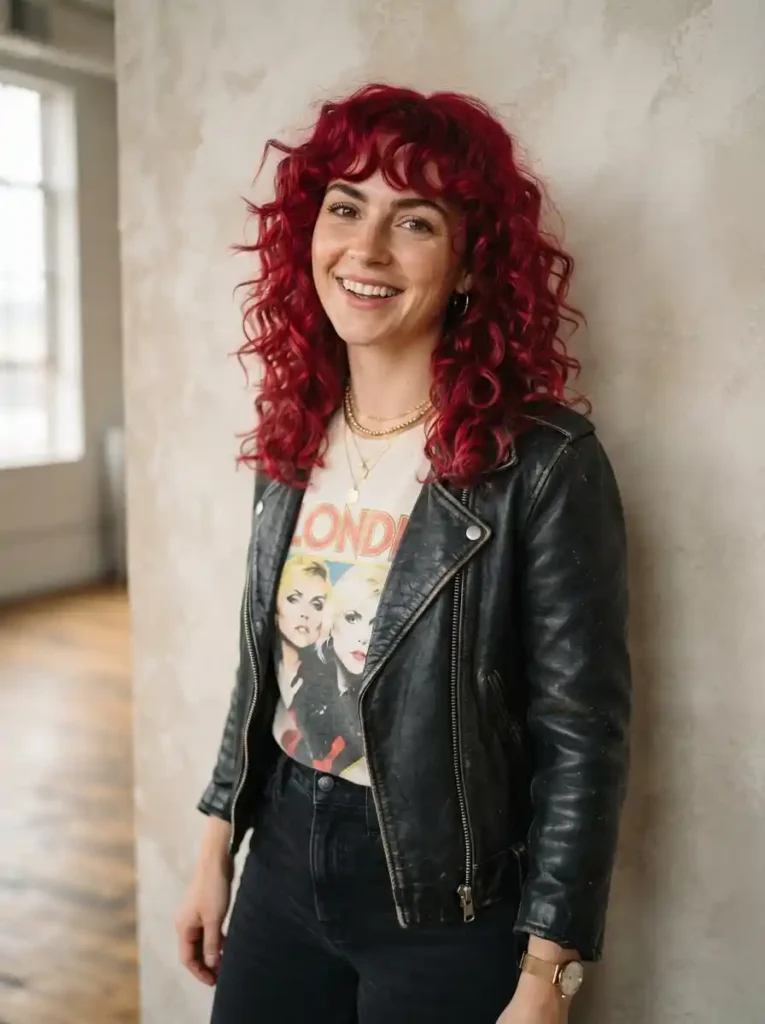
Cherry red brings a playful edge to a curly shag because the layers create countless small surfaces for the color to reflect from. Rather than appearing like one solid red mass, the shade shifts between brighter crimson and deeper shadow depending on how the curls overlap. The haircut itself adds movement, making this a strong choice for someone who wants a noticeable transformation with personality.
Curly hair needs thoughtful color preparation because dryness can become more obvious after lightening. Ask your stylist to protect the curl pattern and avoid unnecessary processing. At home, prioritize moisturizing products, gentle cleansing, and a leave-in conditioner suited to your curl type. Let the hair air-dry or use a diffuser on a controlled setting. Defined curls will show the cherry color beautifully without requiring heavy daily styling.
9. Deep Cherry Red With Black Roots
Black roots paired with deep cherry lengths create an intentionally dramatic contrast. The darkest section keeps the look grounded while the red gradually becomes more visible through the mid-lengths and ends. This works especially well for people who like alternative, gothic, or fashion-forward aesthetics but still want the red to feel refined rather than fluorescent.
The transition should look deliberate rather than like grown-out color. A skilled stylist can create a controlled gradient or preserve a defined root shadow, depending on the desired effect. Straight hair makes the transition especially obvious, while waves soften it. Because the red portions may require lightening, maintain them with regular conditioning and minimize high-temperature styling. A tinted gloss can also help keep the cherry section looking rich between salon visits.
10. Cherry Red Pixie Cut
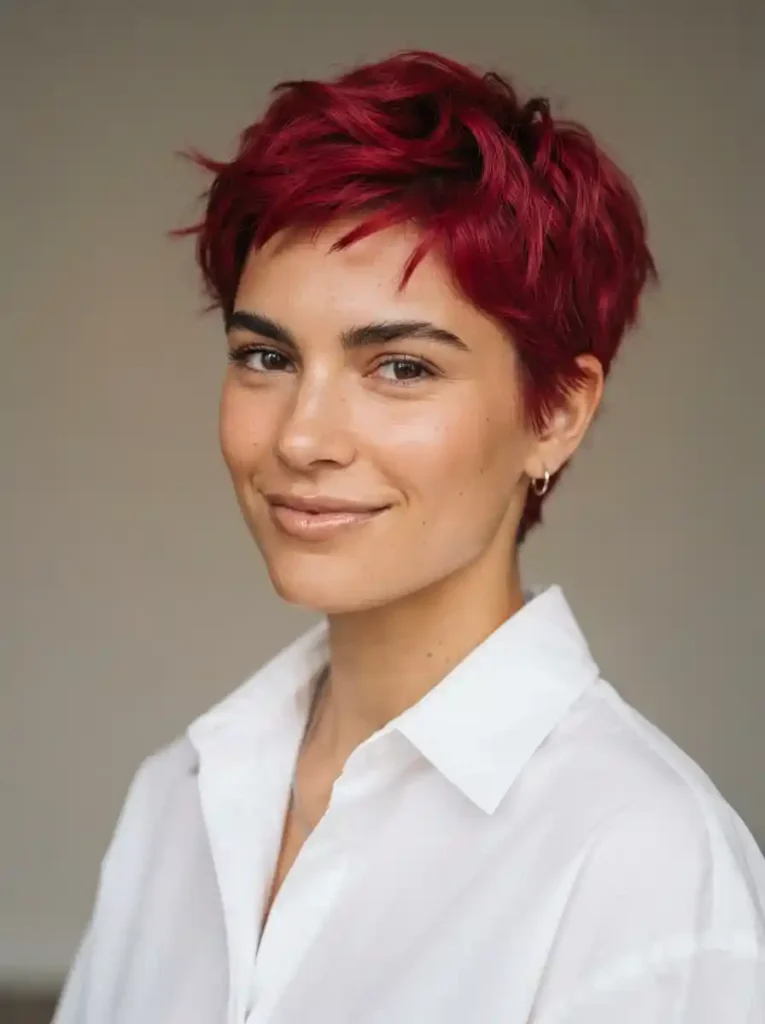
A cherry red pixie proves that dramatic color does not require long hair. On a short cut, the saturated shade becomes a central part of the hairstyle, while the cropped silhouette keeps the overall appearance clean and energetic. A textured top can create softer movement, whereas a more sculpted pixie gives the red a sharper, editorial quality.
Short hair also makes regrowth more visible, so maintenance depends partly on how much contrast exists between your natural roots and the cherry color. Regular trims are useful for preserving the shape, while a color-refreshing gloss can maintain vibrancy. Use a lightweight styling cream rather than heavy wax if you want the red to remain visible. For a bolder finish, ask your stylist to leave extra length on top for styling versatility.
11. Cherry Red With Copper Undertones
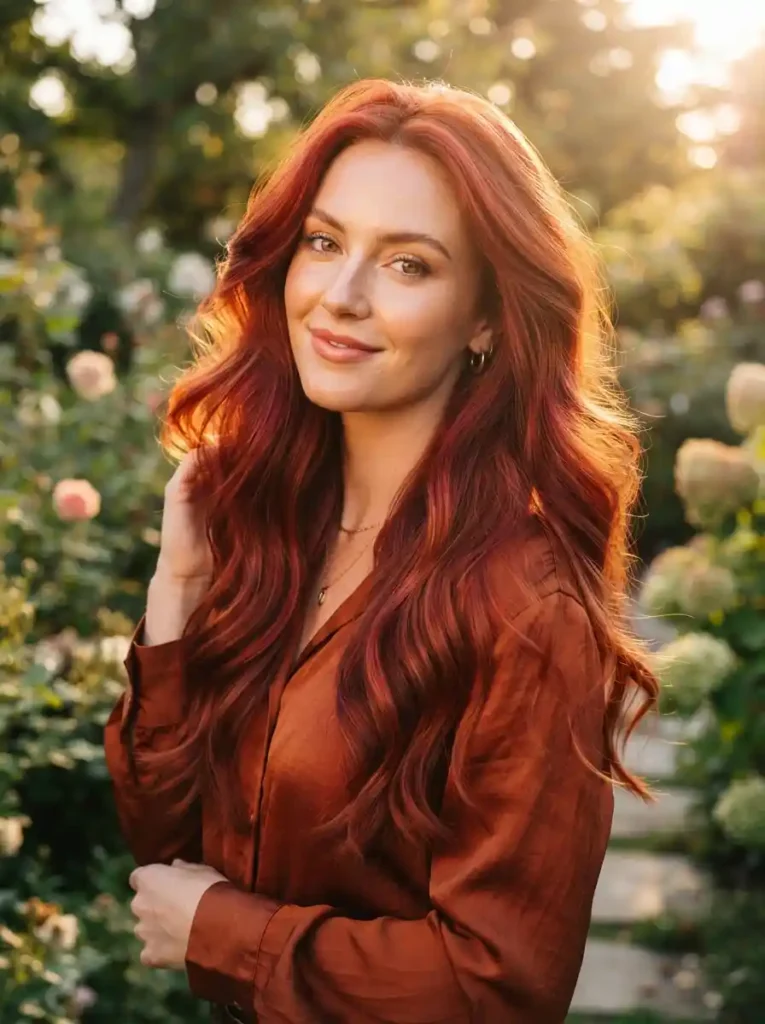
Adding copper undertones makes cherry red warmer, brighter, and more energetic. This version can be particularly attractive if you enjoy reds that look lively in direct sunlight rather than predominantly wine-colored. The copper does not need to dominate; a skilled colorist can weave warm accents into a cherry base so the result remains recognizably crimson instead of becoming straightforward copper.
Think about your wardrobe before choosing this direction. Warm reds pair naturally with cream, camel, olive, chocolate, and denim, making them easy to incorporate into everyday outfits. If your hair is naturally dark, achieving a luminous copper-cherry result may involve more preparation than a deeper red. When the hair is worn down, theaming sections blending into a deep brunette base, softly curled ends, long curtain-style framing pieces, expressive brown eyes and natural makeup, wearing a pale blue button-down shirt, bright contemporary interior with large windows, gentle morning daylight warmth.
12. Cherry Red Peekaboo Color
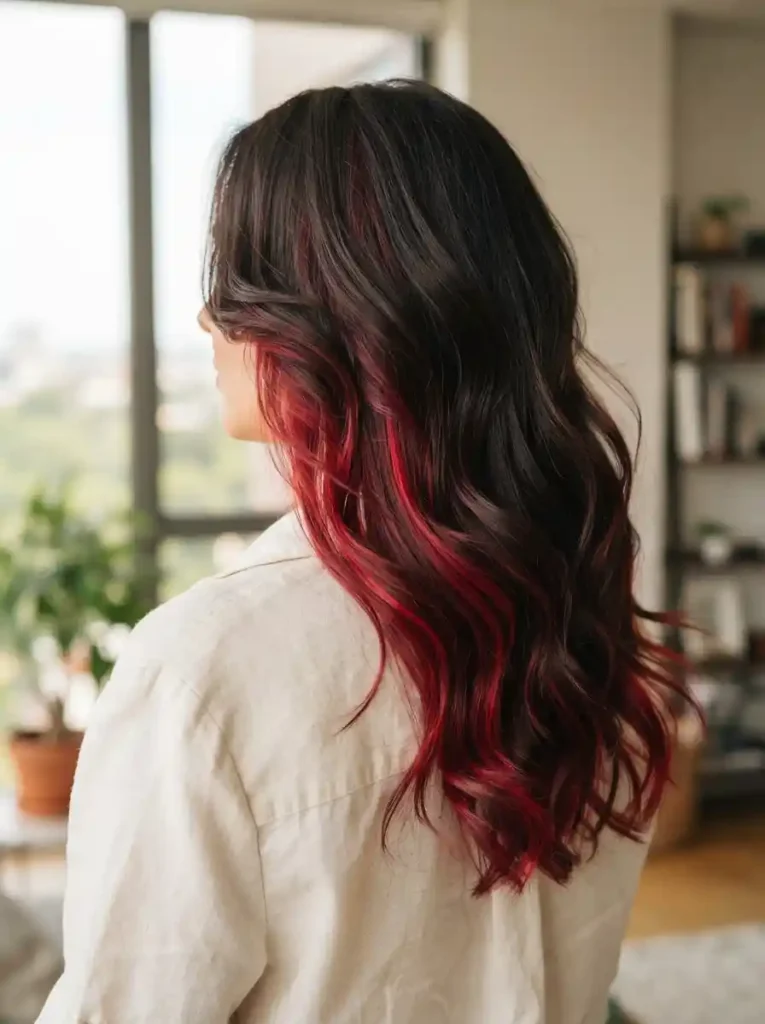
Peekaboo cherry red keeps the drama partially hidden, making it a fun option for anyone who wants color that changes depending on how the hair is styled. The red can be concentrated underneath the top layer, around the nape, or in selected side sections. When the hair is worn down, the effect stays subtle; a ponytail, braid, or half-up style reveals much more.
This placement is also useful if workplace expectations make all-over vivid color difficult. Ask your stylist to position the red where your usual hairstyle will either conceal or reveal it intentionally. The maintenance routine is similar to other colored hair, although the visible sections may be easier to refresh than an entire head. Try a high ponytail or loose braid after coloring to see exactly how the hidden sections interact with your everyday styling.
13. Cherry Red Face-Framing Layers

Face-framing cherry red layers give you color in the area people naturally notice first without requiring every strand to become vivid red. The technique can be adapted to different haircuts, from long layers to collarbone-length styles. For a softer result, ask for narrow ribbons blended through the framing pieces. If you prefer a stronger statement, wider sections can create a graphic contrast against a darker base.
Placement should follow the haircut rather than being treated as a separate feature. Your stylist can adjust the starting point so the color complements bangs, curtain pieces, or shorter layers. Consider how the sections look when your hair is parted differently, especially if you frequently switch sides. A clear gloss over the finished color can add shine and help the red framing pieces look intentional rather than overly matte.
14. Cherry Red With Soft Curtain Bangs
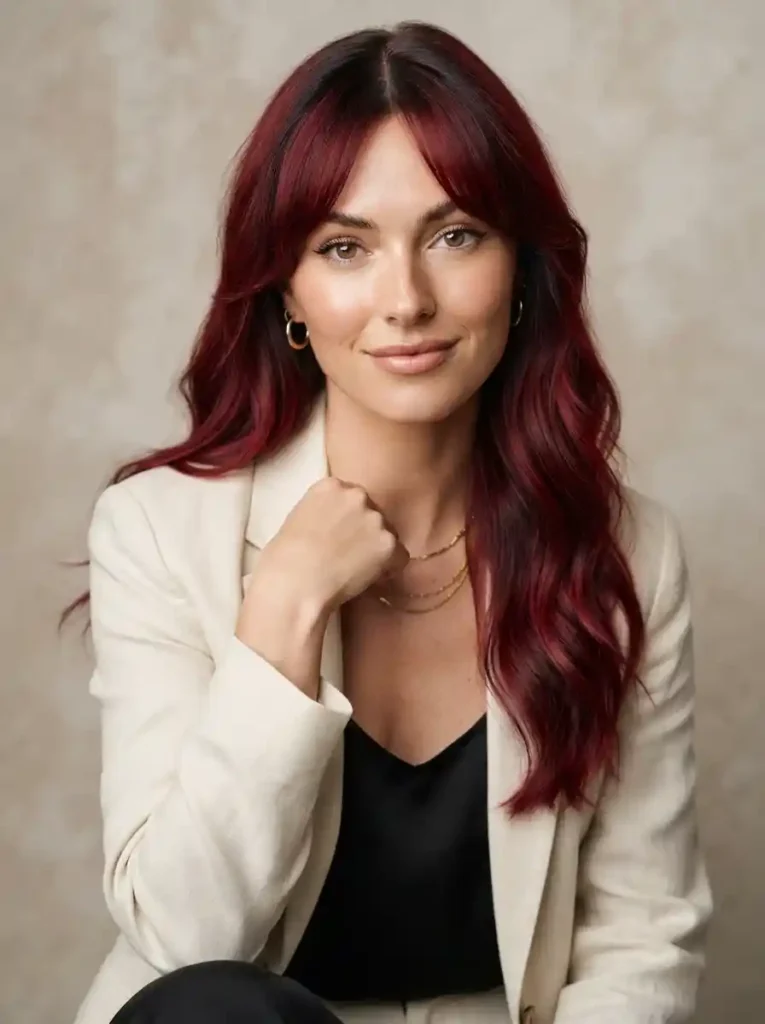
Curtain bangs soften the intensity of a saturated cherry shade by introducing movement around the forehead and cheekbones. The result feels romantic rather than purely dramatic, particularly when the rest of the hair falls into relaxed waves. This combination works well for people who want a recognizable haircut change alongside their new color, although bangs do require more frequent shaping than the rest of the style.
Before choosing the exact bang length, consider how you normally wear your hair. A longer curtain fringe offers flexibility because it can be tucked away or blended into layers, while shorter pieces create a stronger visual statement. Cherry red can make the fringe particularly noticeable, so ask for a balanced shape rather than overly dense bangs. Lightweight styling products will help maintain movement without flattening the color’s glossy appearance.
15. Cherry Red Lob With Soft Waves
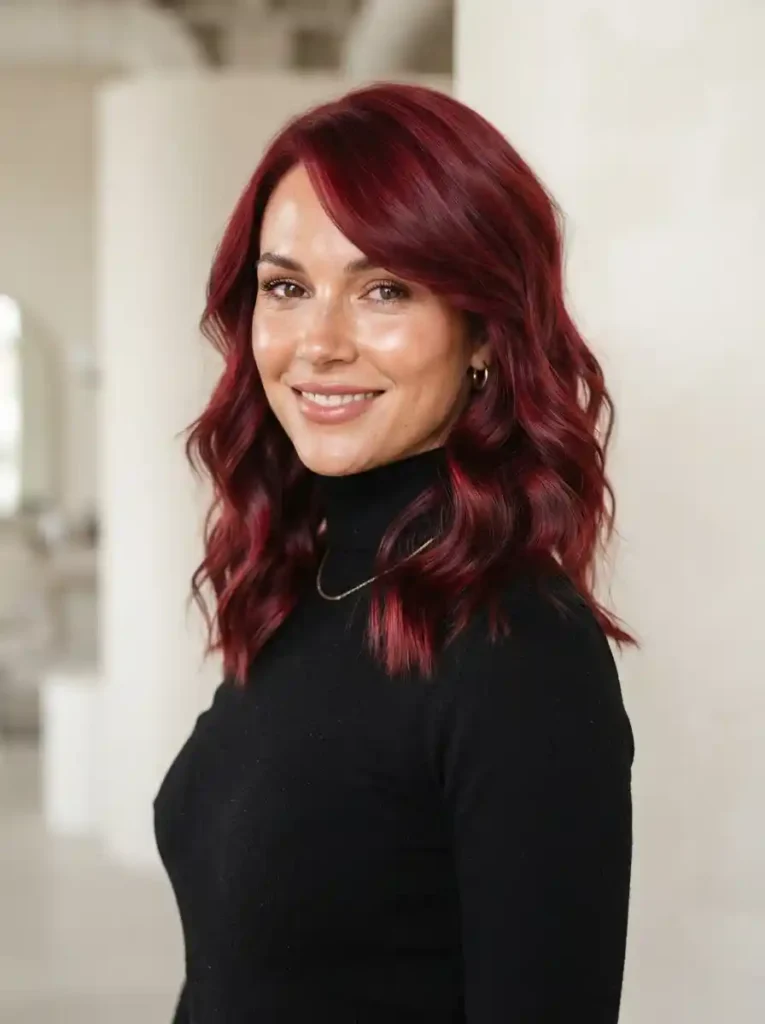
A cherry red lob strikes a useful balance between the drama of vivid color and the practicality of medium-length hair. Falling around the collarbone, the cut provides enough length for ponytails and different wave patterns without requiring the maintenance of very long hair. Soft waves also distribute light across the red, helping the color appear dimensional rather than flat.
This length is a smart choice if you want to remove damaged ends while still keeping styling options. Ask for subtle internal layers if your hair is thick, or maintain a cleaner perimeter if it is fine and you want maximum fullness. Since the red will be visible throughout the cut, protect it from excessive heat. A curling iron should be used with heat protectant and moderate temperature rather than repeated high-heat passes.
16. Black-length black cherry hair
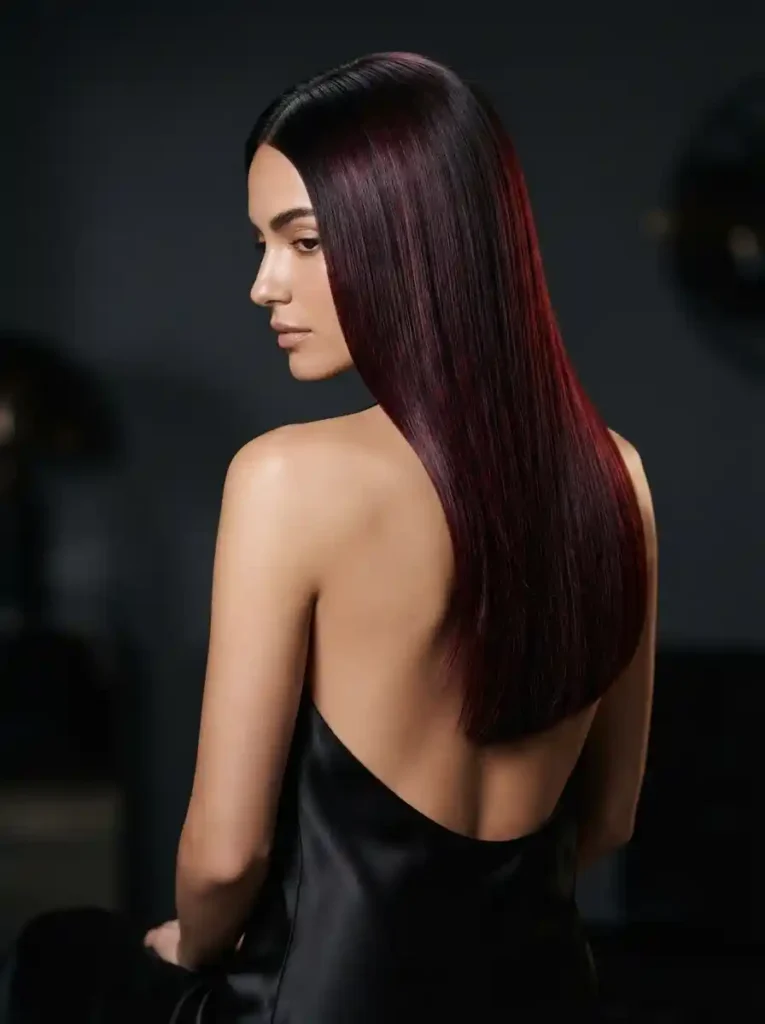
Black cherry is among the most understated ways to wear red while still creating a noticeable transformation. The base appears almost black or very deep brown in low light, but crimson reflections emerge when sunlight or strong indoor lighting reaches the hair. This makes it particularly appealing if you want a sophisticated color that does not look intensely bright all day.
The glossy finish is essential to this look. Ask your stylist for a deep red-brown formula with enough pigment to create visible reflection without overwhelming the dark base. A smoothing routine can help, but avoid excessive oil because it can make fine hair look flat. Occasional professional gloss treatments can revive the reflective quality as long naturally dark brown hair transitioning into vivid cherry red ombré ends, smooth gradient beginning subtly at mid-length and becoming saturated crimson toward the tips, loose beach-inspired waves, wearing a white linen shirt, standing near a minimalist coastal setting at sunset, warm side lighting illuminating the red ends, rear three-quarter camera angle, full hair visible, realistic strands and texture, editorial lifestyle photography with natural the color gradually loses intensity through washing and everyday exposure.
17. Cherry Red Ombré Ends
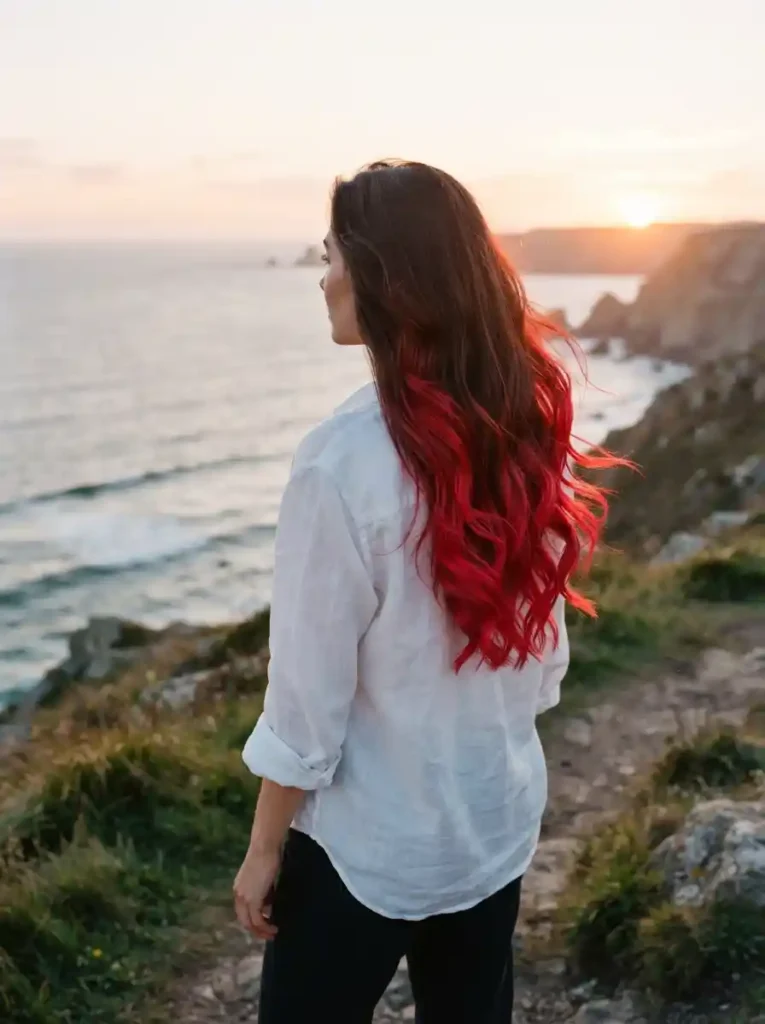
Cherry red ombré focuses the brightest pigment toward the ends, creating an easy-to-understand color story from dark roots to vibrant tips. It is a strong option if you like the idea of red but do not want to maintain vivid color directly at the scalp. The gradual transition also gives long hair a striking visual rhythm, especially when the ends are curled or waved.
Because the ends are often the oldest part of the hair, they deserve extra attention before coloring. If they are already dry or fragile, discuss trimming and conditioning before lightening them. Keep the gradient intentional by asking for a blended transition rather than a sharp horizontal line. When the red eventually fades, the ends can be refreshed independently, making this approach relatively flexible for future color changes.
18. Cherry Red With Subtle Burgundy Highlights
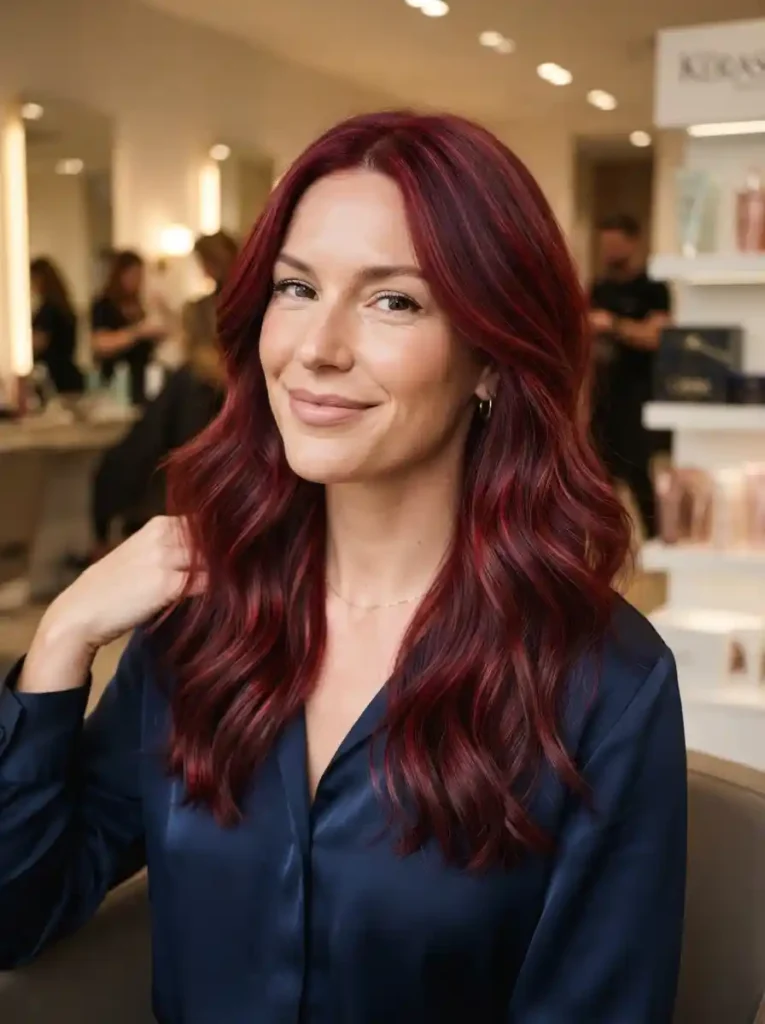
Burgundy highlights can add depth to cherry red without making the overall appearance dramatically darker. Instead of using one shade from roots to ends, the stylist can weave deeper wine-toned pieces through selected sections. The effect becomes especially noticeable when the hair moves, because the darker ribbons appear and disappear between brighter the burgundy highlights to be obvious or nearly hidden, since placement changes the final impression.
This technique works beautifully on medium to thick hair where there is enough density to display multiple tones. Tell your stylist whether you prefer the burgundy highlights to be obvious or nearly hidden, since placement changes the final impression. A few strategically positioned darker sections can also help create the appearance of dimension. Keep the hair moisturized and use gentle washing habits so the contrast between the tones remains clear.
19. Cherry Red Braided Hair
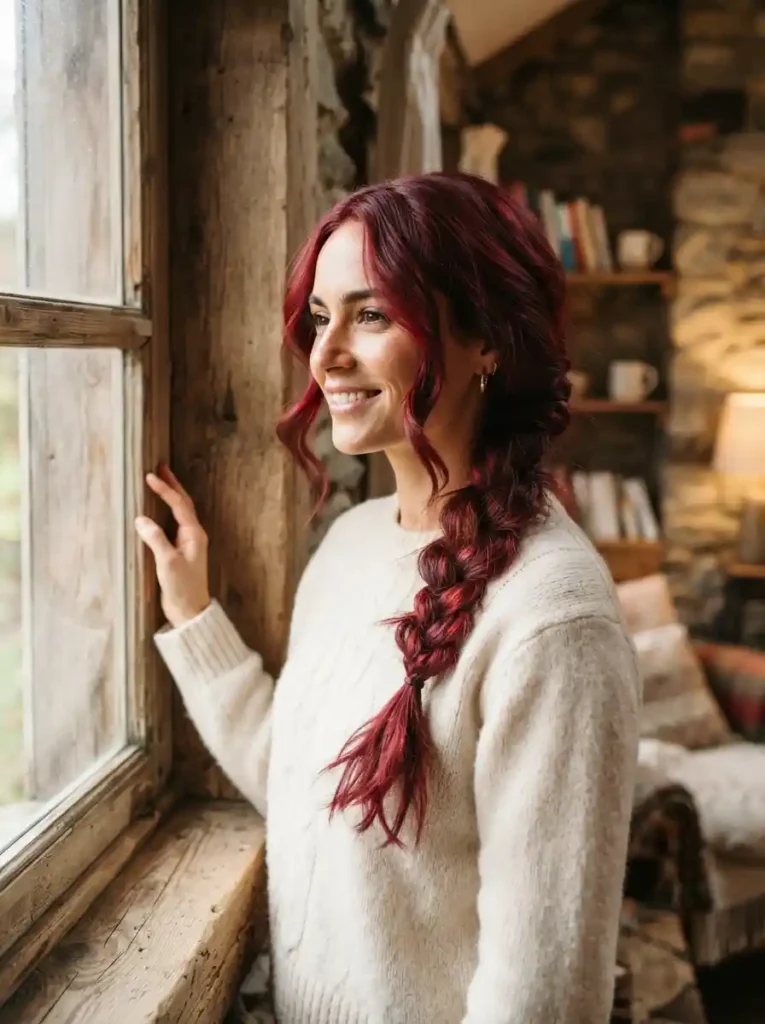
Braids reveal something special about cherry red hair because individual sections overlap and create natural variations in brightness. A simple three-strand braid can make a vivid red look deeper and more dimensional, while a loose Dutch or French braid creates a more intricate pattern. This is, start with detangled hair and use a small amount of lightweight styling cream for control. Avoid making the braid excessively tight, especially if your hair has been lightened for the red color. A loose finish is kinder to the strands and gives the style a an easy styling idea when you want the color to feel romantic rather than overtly dramatic.
For the cleanest braid, start with detangled hair and use a small amount of lightweight styling cream for control. Avoid making the braid excessively tight, especially if your hair has been lightened for the red color. A loose finish is kinder to the strands and gives the style a softer appearance. Leaving a few face-framing pieces outside the braid can also balance a strong saturated color.
20. Cherry Red With Wispy Layers
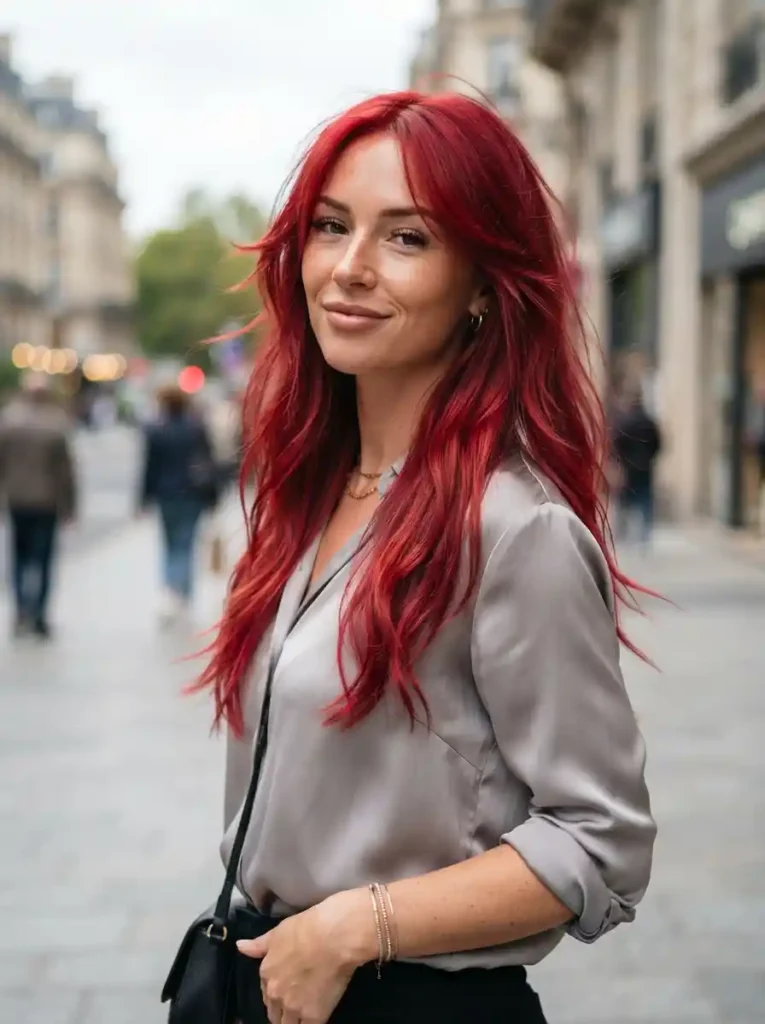
Wispy layers give cherry red a lighter, more effortless personality. Instead of presenting the color as a dense curtain, the feathered pieces create movement and allow small variations in tone to show through. This cut suits anyone who likes romantic, slightly undone hairstyles and wants vivid color without the structured appearance of a blunt bob.
The layering should be tailored to your hair density. Too much thinning can make fine hair look sparse, while carefully placed longer layers can add movement without sacrificing fullness. Ask for soft face-framing pieces if you want the color to interact with your features. A texturizing spray can enhance separation, but use it sparingly because excessive product buildup may dull the shine that helps cherry red look vibrant.
21. Cherry Red Half-Up Hairstyle
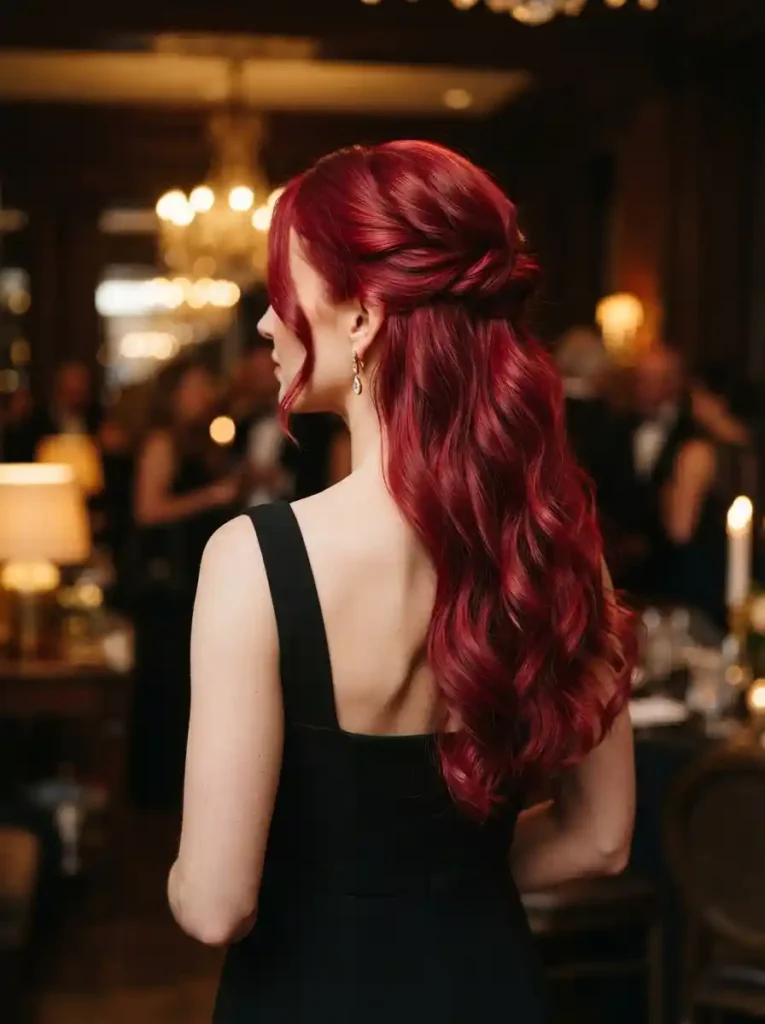
A half-up style is a simple way to make cherry red look polished for dinners, celebrations, or special occasions. Pulling the upper section away from the face exposes more of the color while the loose lower lengths retain movement. Twists, small braids, or a simple claw-clip arrangement can change the mood without requiring a complicated hairstyle.
For a polished finish, smooth the crown gently before securing it, then use a curling iron or wand on the lower lengths if waves are desired. Always apply heat protection, particularly if the color required lightening. Avoid pulling the hair too tightly because colored strands can be more vulnerable to breakage. A small amount of shine spray on the finished style can emphasize the cherry tone without making it look overly wet.
22. Cherry Red With Soft Brunette Dimension
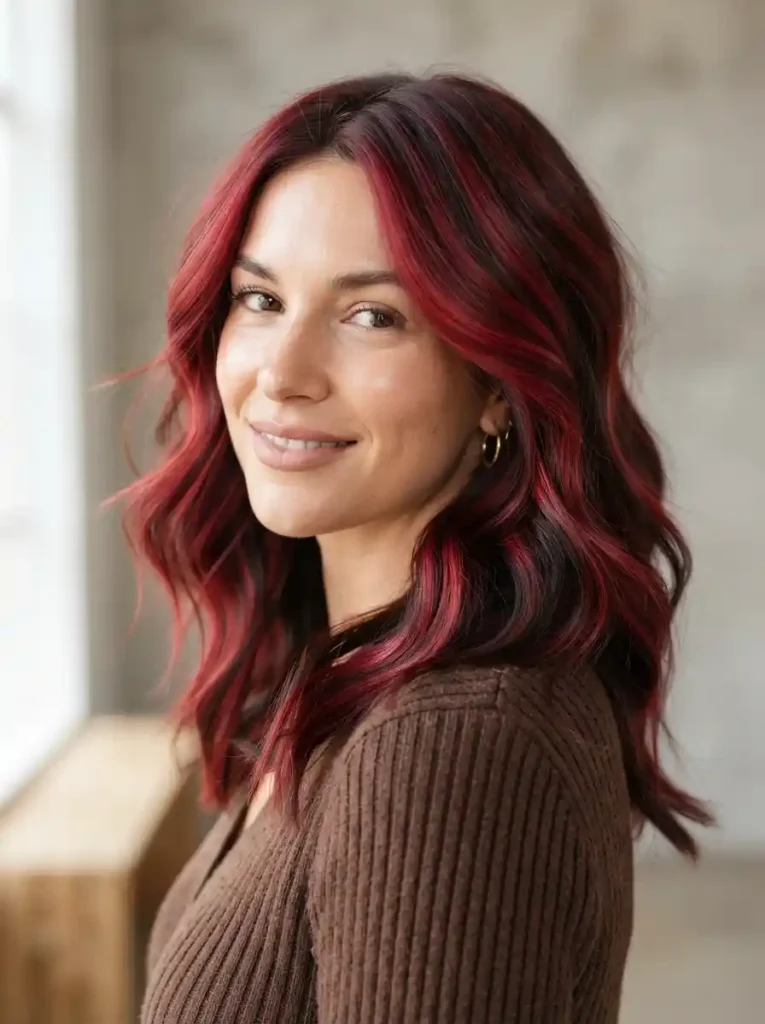
If you want cherry red to feel natural rather than completely uniform, retaining subtle brunette dimension can make a major difference. Darker pieces underneath and throughout the hair create shadow, giving the brighter red sections somewhere to contrast against. The result is rich and layered instead of looking like one flat block of artificial color.
This approach is especially useful for brunettes who want a dramatic red transformation without losing every trace of their natural depth. Ask your stylist to decide where the darker pieces should remain based on your haircut and density. The color can then be refreshed with a gloss as it fades, rather than repeatedly processing the entire head. Pairing this dimensional red with soft waves is an easy way to showcase the tonal variation.
Conclusion
Cherry red hair offers far more possibilities than a single bright shade. You can make it glossy and classic, dark and mysterious, softly dimensional, boldly graphic, or playful through hidden color and face-framing sections. The right choice depends not only on the red you love in a photograph, but also on your natural hair color, haircut, texture, desired maintenance level, and how much contrast you want.
Before your appointment, save two or three references that show both the color and the haircut you like. Tell your stylist how often you wash, heat-style, and visit the salon, because those details can influence the most practical formula. Most importantly, ask about the condition of your hair before lightening. A beautiful cherry red result starts with healthy-looking strands, thoughtful placement, and a shade chosen specifically for you.