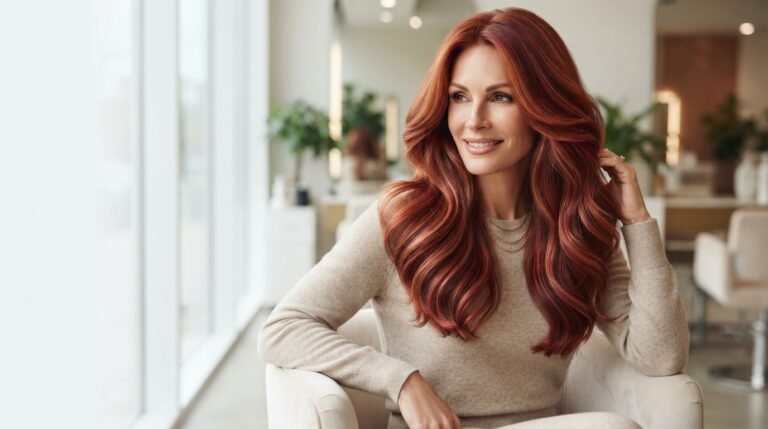
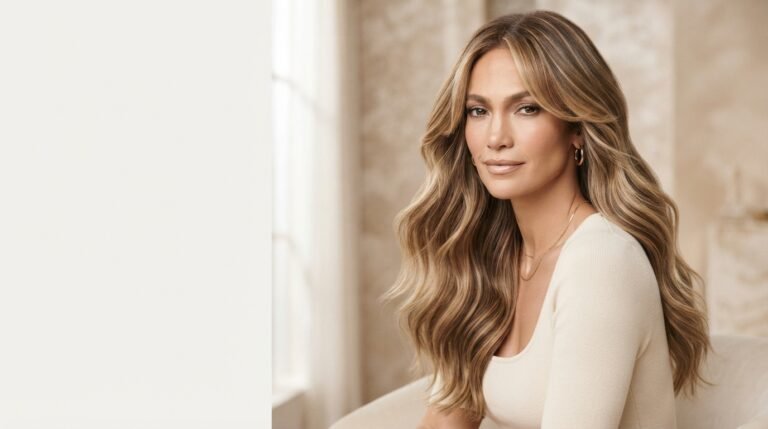
The wolf cut has evolved far beyond its early reputation as an intentionally messy haircut. Today, it can be tailored to look soft, polished, edgy, romantic, or effortlessly undone, making it surprisingly versatile for women with different hair textures and personal styles. The secret is in choosing the right combination of layers, length, fringe, and styling technique rather than copying one exact reference photo.
In this collection, you’ll find 22 stylish wolf cut ideas ranging from airy shoulder-length shapes to dramatic long layers and softer versions designed for everyday wear. Each look includes practical details to help you understand what to request at the salon, how the cut can complement your features, and what kind of styling it may require. Whether you already love shaggy layers or are considering your first major haircut change, these ideas can help you save the right inspiration before your next appointment.
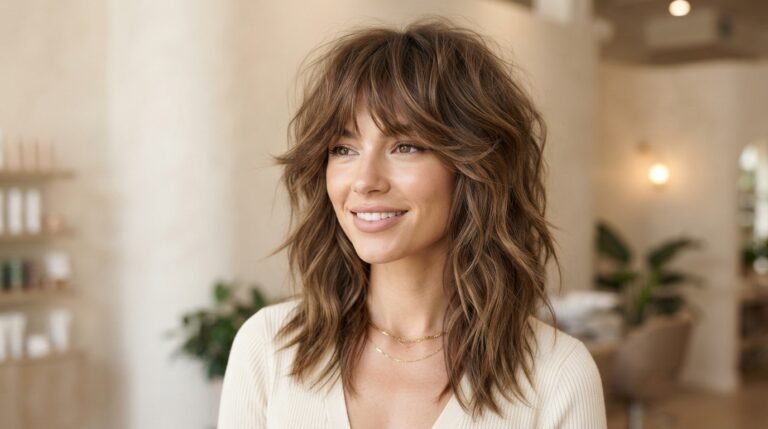
1. Soft Shoulder-Length Wolf Cut

A shoulder-length wolf cut offers an approachable introduction to the trend without sacrificing its layered character. Ask your stylist for shorter crown layers that gradually blend into longer pieces around the shoulders, keeping the overall silhouette soft rather than extremely choppy. Wispy curtain bangs can frame the eyes while preserving versatility. This version works especially well for medium-density hair because the layers create movement without requiring excessive removal of bulk.
For everyday styling, apply a lightweight volumizing mousse near the roots and scrunch the mid-lengths while blow-drying with a diffuser or using a round brush. Avoid over-brushing once the hair is dry, because separation between the layers helps maintain the relaxed wolf-cut shape. A small amount of texture spray can emphasize the feathered ends. If your hair tends to become flat, refresh the crown with dry shampoo before gently lifting the layers with your fingers.
2. Long Layered Wolf Cut
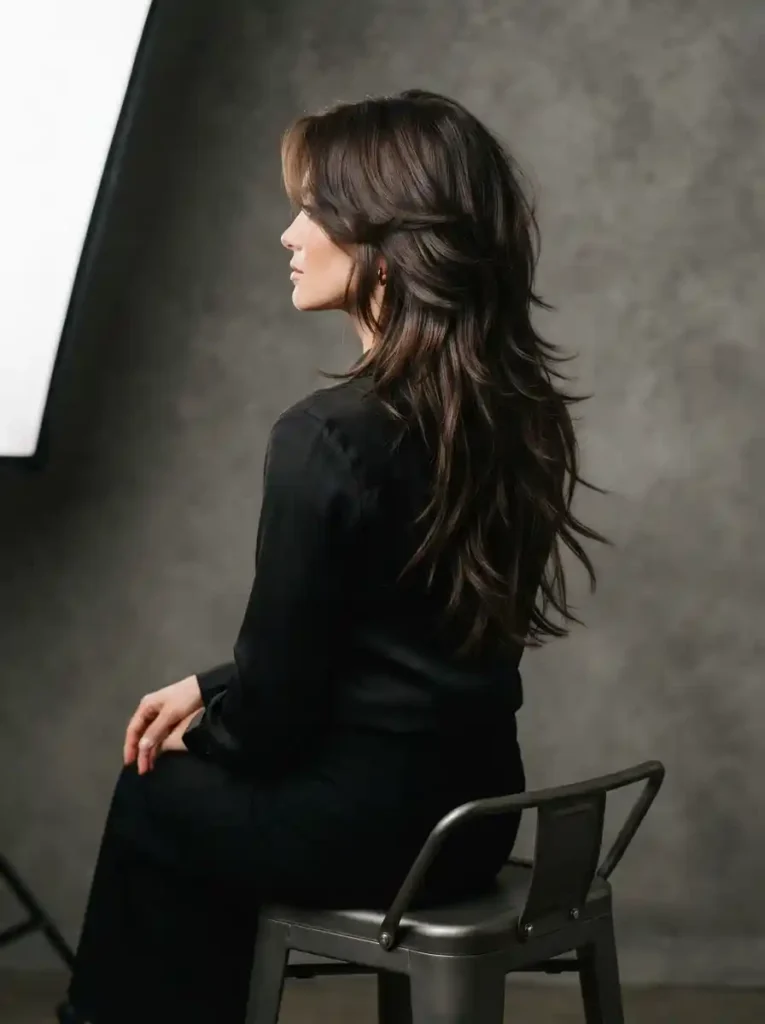
A long wolf cut keeps the drama of a shag-inspired shape while preserving plenty of length. The most flattering versions use graduated layers that begin around the cheekbones or jaw and continue through the lengths, creating movement without making the ends appear thin. If keeping your length is important, tell your stylist before the appointment. Bringing several reference photos can also clarify how much separation you want between the crown and lower layers.
Long wolf cuts can look polished with surprisingly little effort when the layers are cut to support your natural texture. For a soft finish, use a leave-in conditioner followed by a lightweight styling cream, then allow the hair to air-dry or diffuse gently. If you prefer a sleeker appearance, use a large round brush while blow-drying and curve the ends slightly outward. Regular trims help prevent the longest layers from losing their shape.
3. Wolf Cut With Curtain Bangs

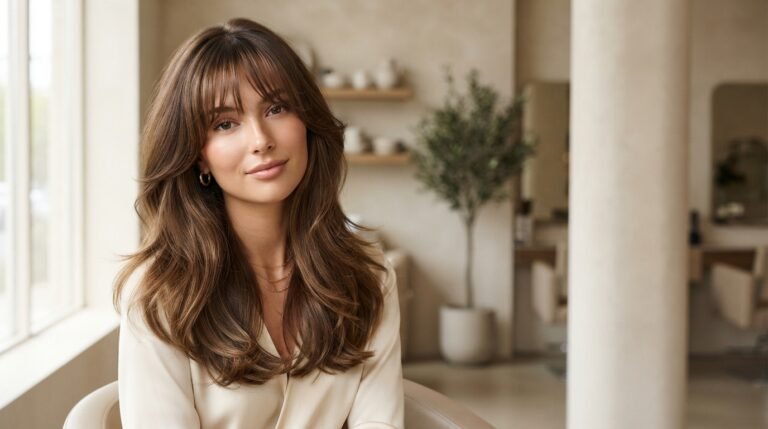
Curtain bangs pair naturally with a wolf cut because their parted shape balances the shorter layers around the face. Request bangs that gradually lengthen toward the cheekbones rather than ending abruptly, especially if you want several styling options. Your stylist can adjust the starting point according to your preferred part and face-framing shape. This combination is particularly useful when you want noticeable fringe without committing to a dense, straight-across bang.
Styling the curtain fringe usually takes only a few minutes. While the hair is damp, direct each side forward with a small round brush, then sweep the sections away from the face as they dry. A cool blast helps the shape settle without creating excessive stiffness. For a more casual finish, simply separate the bangs with your fingers and let a few pieces fall naturally. Lightweight hairspray can hold the shape while preserving movement.
4. Curly Wolf Cut

A curly wolf cut should be designed around the hair’s natural shrinkage and curl pattern rather than treated like straight hair with curls added afterward. Ask for dry or curl-aware cutting if your stylist specializes in textured hair, and discuss how much volume you want at the crown. Rounded layers can encourage a fuller silhouette, while carefully placed face-framing curls prevent the shape from becoming overly triangular.
Styling begins with hydration and definition. Apply leave-in conditioner to soaking-wet hair, followed by a curl cream or lightweight gel, then scrunch upward to encourage the curl pattern. Diffuse on low airflow if you need faster drying, keeping your hands away from the curls until they are mostly set. Once dry, gently break the cast with a few drops of lightweight oil. Avoid aggressive brushing, which can disrupt the layered curl pattern and create unnecessary frizz.
5. Short Wolf Cut With Choppy Layers
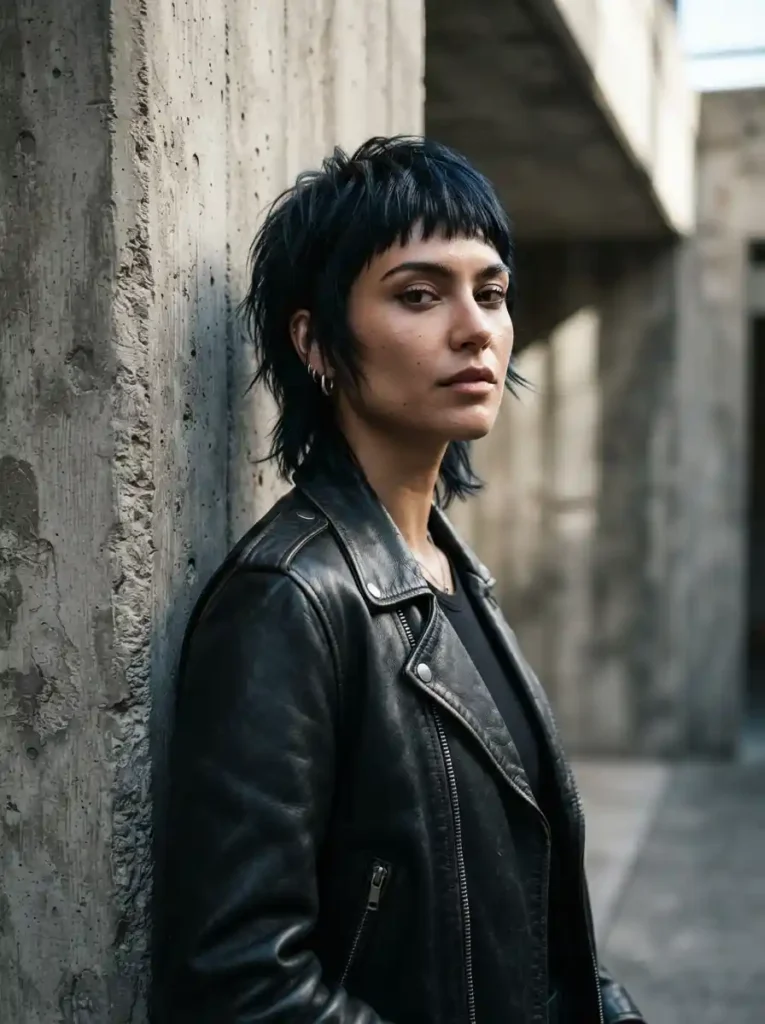
A short wolf cut creates a noticeably bolder silhouette by concentrating volume around the crown and tapering toward the nape. Choppy layers can make the haircut feel intentionally edgy, but the shape still needs thoughtful balance. Ask your stylist how the shorter sections will connect with your neckline and facial framing. If you have very fine hair, too many aggressive layers can make the ends look sparse, so controlled texture may be preferable.
This length is convenient for anyone who enjoys styling with their hands rather than spending time with a round brush. Work a pea-sized amount of matte styling paste through dry hair, concentrating on the crown and individual ends. Pinch selected pieces to create separation instead of coating the entire haircut with product. For a softer result, use a lightweight cream before drying and finish with flexible hairspray rather than a heavy wax.
6. Wispy Wolf Cut for Fine Hair

Fine hair can wear a wolf cut beautifully when the layering is strategic rather than excessive. Instead of removing large amounts of density, ask for soft internal layers and feathered ends that create movement while preserving enough hair through the perimeter. A slightly shorter crown can make the style appear fuller without requiring heavy teasing. Your stylist should also consider your natural part, because excessive layering on one side may exaggerate unevenness.
Lightweight products are especially important for this version. Start with a root-lifting mousse and use a blow-dryer with a small round brush to create lift without flattening the ends. Once dry, separate the layers with your fingertips and add a tiny amount of texture spray. Heavy oils, thick creams, and too much dry shampoo can quickly weigh fine strands down. Schedule trims before the ends become overly wispy to maintain a deliberate silhouette.
7. Wolf Cut With Bottleneck Bangs

Bottleneck bangs give a wolf cut a slightly more structured face-framing effect than traditional curtain fringe. The center section sits shorter before gradually extending toward the temples, creating a curved outline around the upper face. This shape can be customized considerably, so discuss your preferred forehead coverage and parting habits with your stylist. Keeping the outer sections longer makes the fringe easier to grow out if you later want a softer look.
Because bottleneck bangs sit close to the forehead, they may need more frequent styling than the rest of the haircut. Blow-dry them immediately after washing while directing the center slightly downward and the sides outward. A small round brush can help create the curved transition without making the bangs overly voluminous. If your hair becomes oily quickly around the forehead, use a small amount of dry shampoo at the roots rather than applying product heavily through the fringe.
8. Shaggy Blonde Wolf Cut
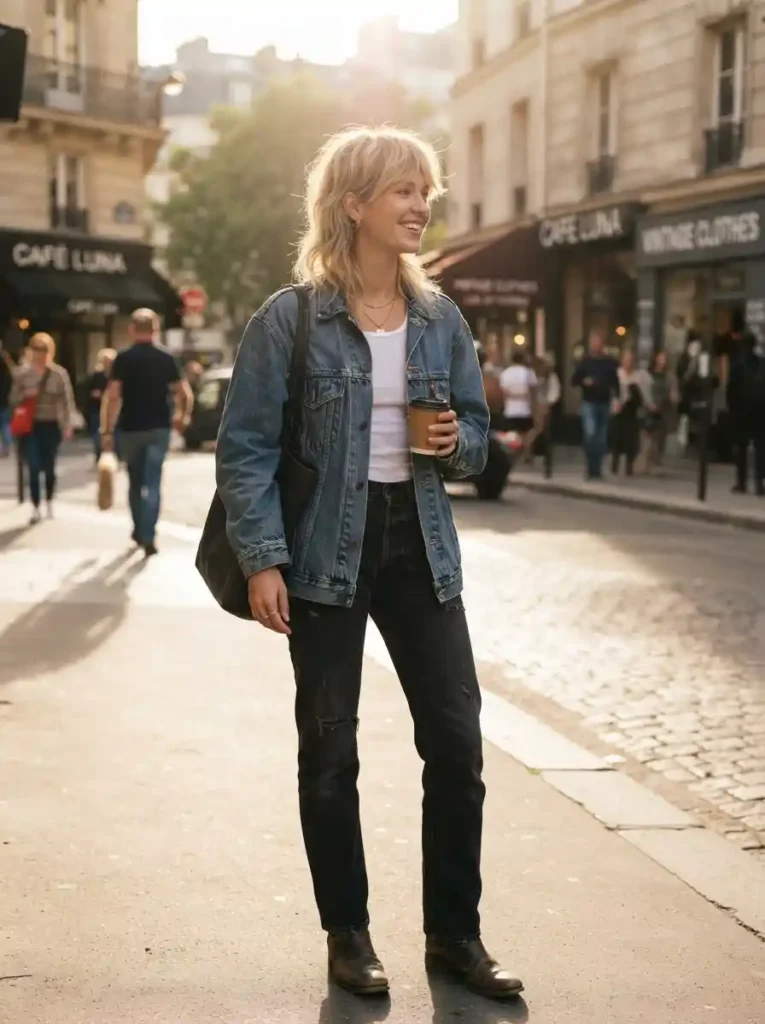
A shaggy blonde wolf cut emphasizes texture and movement, especially when the color includes natural-looking dimension rather than one flat shade. Ask for feathered layers that remain visibly separated around the crown and sides, with slightly longer pieces through the back. If your blonde is chemically lightened, tell your stylist about your hair history before cutting or adding further color. Maintaining strength is essential when the ends are already textured.
For styling, salt spray can enhance the relaxed, piecey quality of this haircut, but use it sparingly if your blonde hair feels dry. A moisturizing leave-in treatment underneath the texture product can provide a softer finish. Scrunch damp hair and allow it to dry naturally when possible. On straight hair, loosely bend selected sections with a large-barrel iron, alternating directions, then brush through gently to create movement rather than defined curls.
9. Wolf Cut With Face-Framing Layers
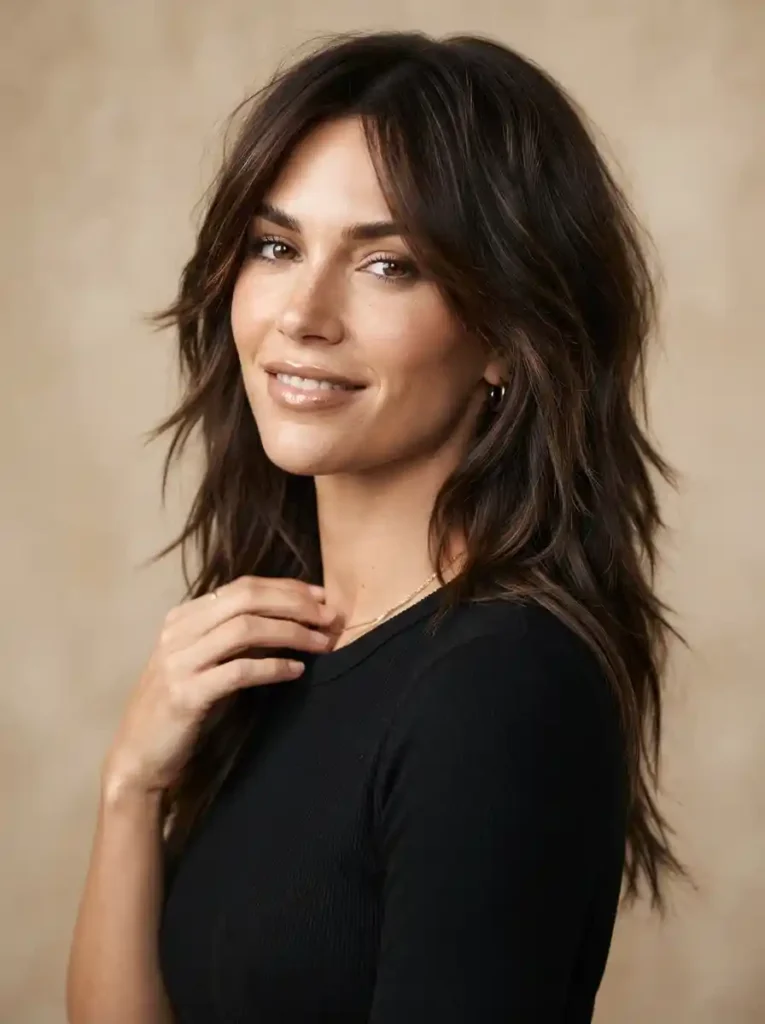
Face-framing layers can make a wolf cut feel personalized because their placement determines how the haircut interacts with your features. Instead of requesting a generic number of inches, show your stylist where you want the shortest pieces to fall. Cheekbone-level layers create more visible framing, while jaw-length pieces offer a subtler transition. Keeping the longest front sections intact can also preserve a graceful, elongated effect through the sides.
When styling, focus on directing the face-framing pieces away from the face so they reveal the layered shape. A medium round brush works well for creating a gentle bend, while a flat iron can refine individual pieces if necessary. Avoid curling every section uniformly; the appeal comes from variation in length and movement. For a low-maintenance finish, let the hair air-dry and simply reshape the front pieces with your fingers.
10. Copper Wolf Cut

A copper wolf cut combines noticeable color with a haircut that already has plenty of visual movement. A medium-length shape lets the warm tone catch the light across different layers, while feathered ends prevent the color from appearing too heavy. If you are considering copper dye, discuss your current color and maintenance expectations with your stylist because vivid warm shades can require regular refreshing to maintain their original richness.
Protecting the color becomes part of the haircut routine. Choose a color-safe shampoo and avoid washing with very hot water, which can contribute to faster fading. A heat protectant is useful whenever you blow-dry or style the layers. To emphasize the copper dimension, use a smoothing cream on damp hair and finish with a lightweight shine product. Avoid excessive product buildup, which can make the layered surface look dull.
11. Wolf Cut With Micro Bangs
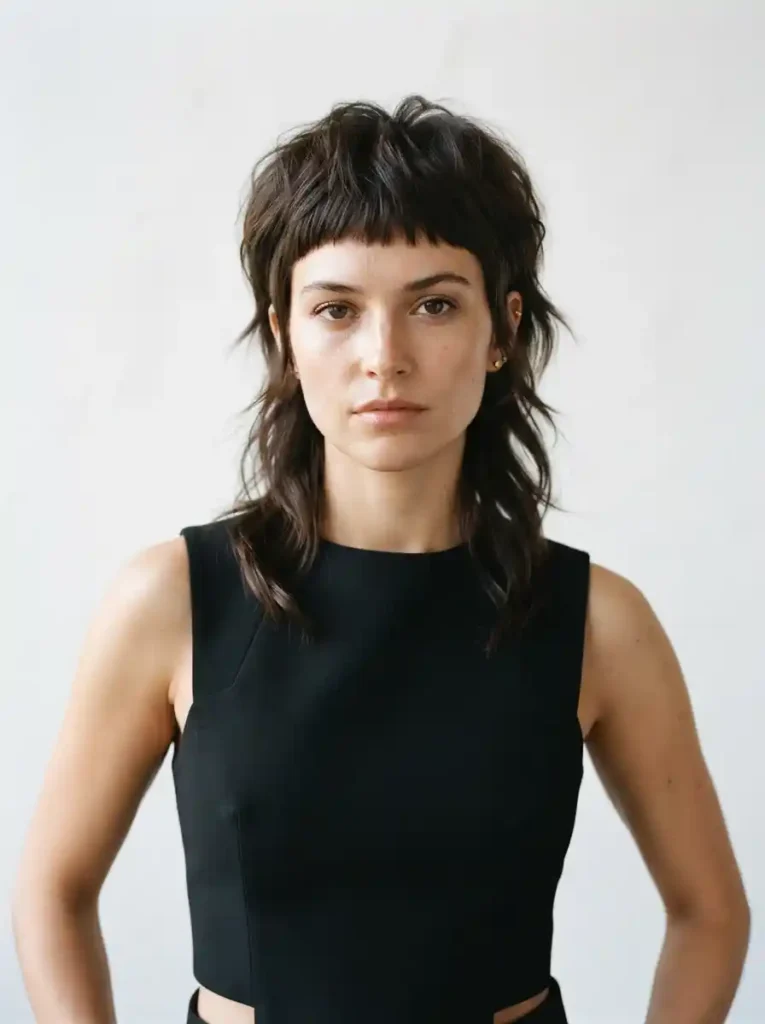
Micro bangs make a wolf cut considerably more distinctive by creating contrast between the short forehead fringe and longer textured layers. They require confidence because the length is visually prominent and generally takes time to grow back. Ask your stylist to check your natural hairline and growth pattern before cutting. A slightly irregular, piecey finish can feel softer than a perfectly blunt line and complements the undone character of the haircut.
Styling the bangs is usually straightforward, but they should be dried soon after washing to control their direction. Use a small brush or your fingertips while directing them downward, then allow the rest of the wolf cut to retain its natural texture. A lightweight styling paste can separate a few pieces without making the fringe stiff. If you prefer versatility, ask for enough length at the temples to tuck selected sections behind your ears.
12. Black Wolf Cut With Glossy Finish
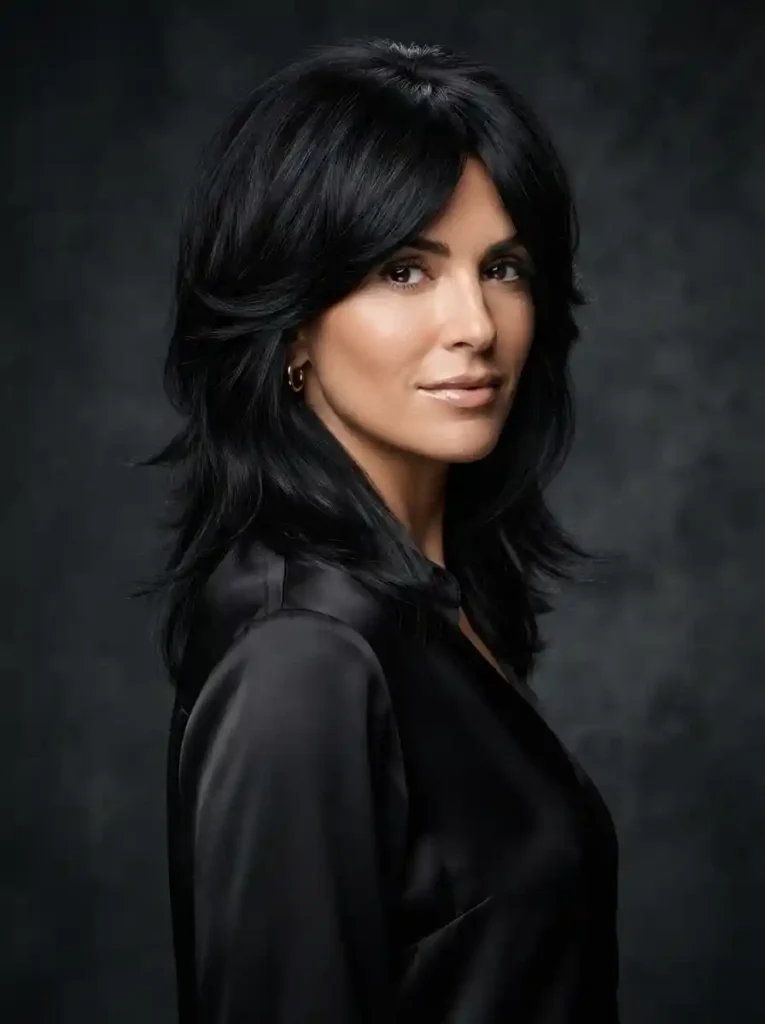
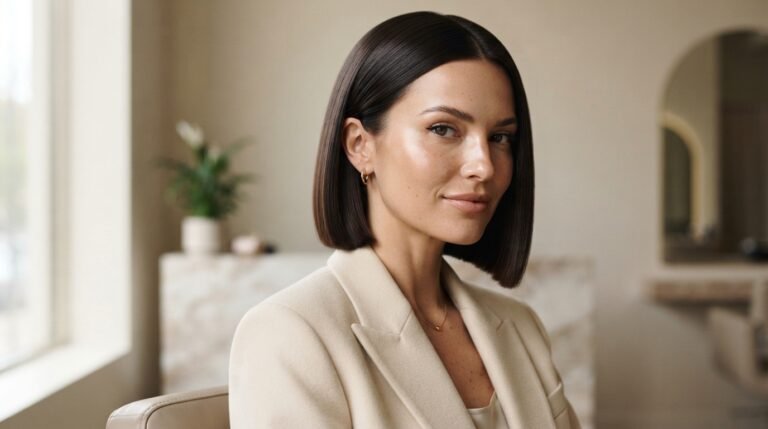
A glossy black wolf cut proves that a heavily layered haircut does not have to look messy. The key is preserving clean, healthy-looking ends while allowing the crown and sides to retain movement. Ask for feathering that follows your natural density, especially if your hair is thick. A smoother perimeter can make the haircut appear more intentional and polished while the internal layers provide the characteristic wolf-cut volume.
To achieve shine without flattening the layers, begin with a smoothing leave-in conditioner and use a heat protectant before blow-drying. Direct the airflow downward along the hair shaft, then use a large round brush to create subtle bends. Finish with one or two drops of lightweight serum through the ends. Avoid applying shine products directly to the roots, where excess product can reduce volume and make the crown appear heavy.
13. Wolf Cut layered crown
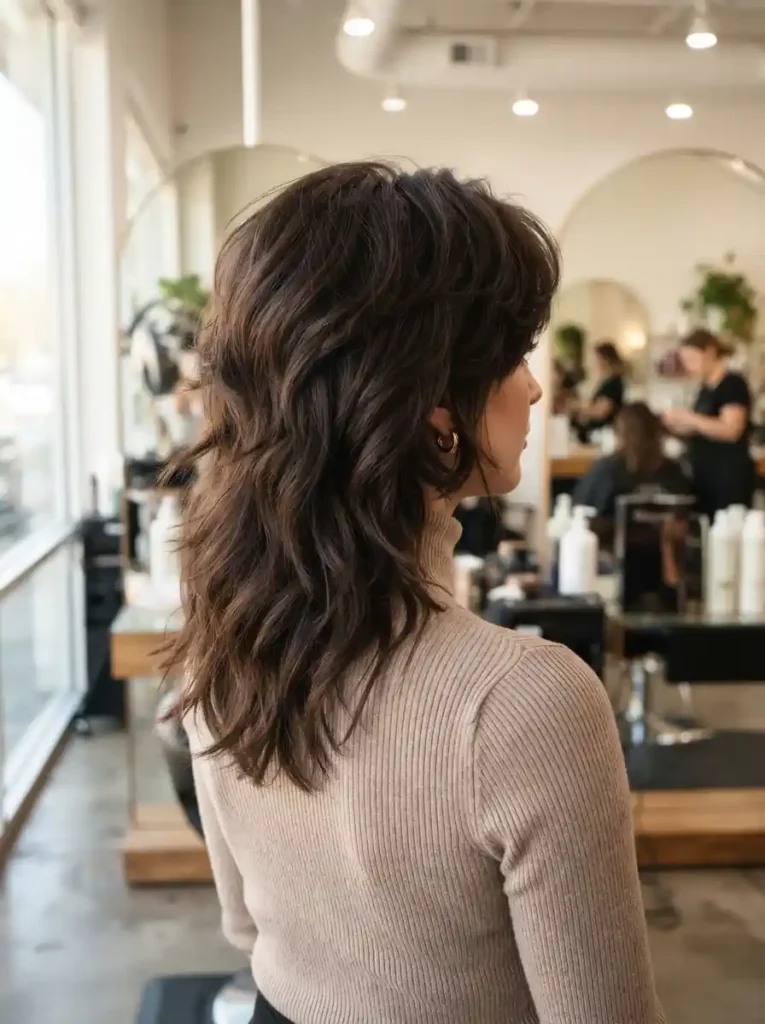
Thick hair can support a dramatic wolf cut, but the goal is controlled movement rather than uncontrolled bulk. Ask your stylist whether internal layering or targeted debulking is appropriate for your density. Removing too much hair can create unwanted gaps as the cut grows, so avoid requesting thinning simply because the hair feels heavy. A strong perimeter combined with strategically placed layers can keep the shape substantial while reducing visual weight.
At home, divide thick hair into sections before applying styling products or drying it. A lightweight smoothing cream can help define the layers without making the whole haircut flat. Use a diffuser for natural waves or a large round brush for a smoother finish. If your crown becomes excessively full, resist adding more product there. Instead, focus smoothing or defining products through the mid-lengths and ends where they are most useful.
14. Wavy Wolf Cut With Beachy Texture

Natural waves give a wolf cut an easy sense of movement because the layered shape allows individual sections to bend independently. For a balanced result, ask your stylist to account for your wave pattern rather than cutting the hair entirely straight and expecting it to behave identically afterward. Medium-length layers can encourage movement without creating excessive expansion, while longer face-framing pieces provide a softer transition around the cheeks.
After washing, apply a lightweight curl or wave cream to damp hair and scrunch gently from the ends upward. Let the hair air-dry whenever practical, or use a diffuser on low heat if you need speed. Once fully dry, loosen the waves with your fingertips instead of brushing them. A tiny amount of flexible pomade can tame individual flyaways without destroying the relaxed texture that makes this wolf cut appealing.
15. Soft Wolf Cut for a Rounder Face

A softer wolf cut can be shaped to create length and movement around a rounder facial outline without relying on rigid styling rules. Longer front pieces that begin below the cheekbones can provide gentle vertical framing, while excessive width directly beside the cheeks may make the silhouette feel fuller. Discuss your preferred visual balance with your stylist and use your usual parting position when evaluating reference photos.
The finished effect depends as much on styling as on the haircut itself. When blow-drying, direct the front layers slightly away from the face rather than curling them inward toward the cheeks. This keeps the sides open and encourages a longer-looking silhouette. If your natural hair is wavy, define the waves selectively instead of creating uniform volume everywhere. Keep the crown lifted while allowing the lower layers to fall naturally.
16. Wolf Cut With Side-Swept Fringe

A side-swept fringe gives the wolf cut a slightly more classic personality while retaining the layered silhouette. It can be a useful option if you like the idea of bangs but frequently change your part. Ask for enough length at the outer edge to sweep across the forehead and blend into the face-framing layers. The transition should look intentional from both the front and side, especially when the hair is tucked behind one ear.
To style the fringe, dry it in the opposite direction of your desired sweep first, then redirect it across the forehead as it becomes nearly dry. This technique can help create flexible root movement without making the fringe stiff. Use a light finishing spray only after arranging the layers. For casual days, simply sweep the fringe aside with your fingers and allow a few shorter pieces to separate naturally around the temple.
17. Wolf Cut With Subtle Highlights
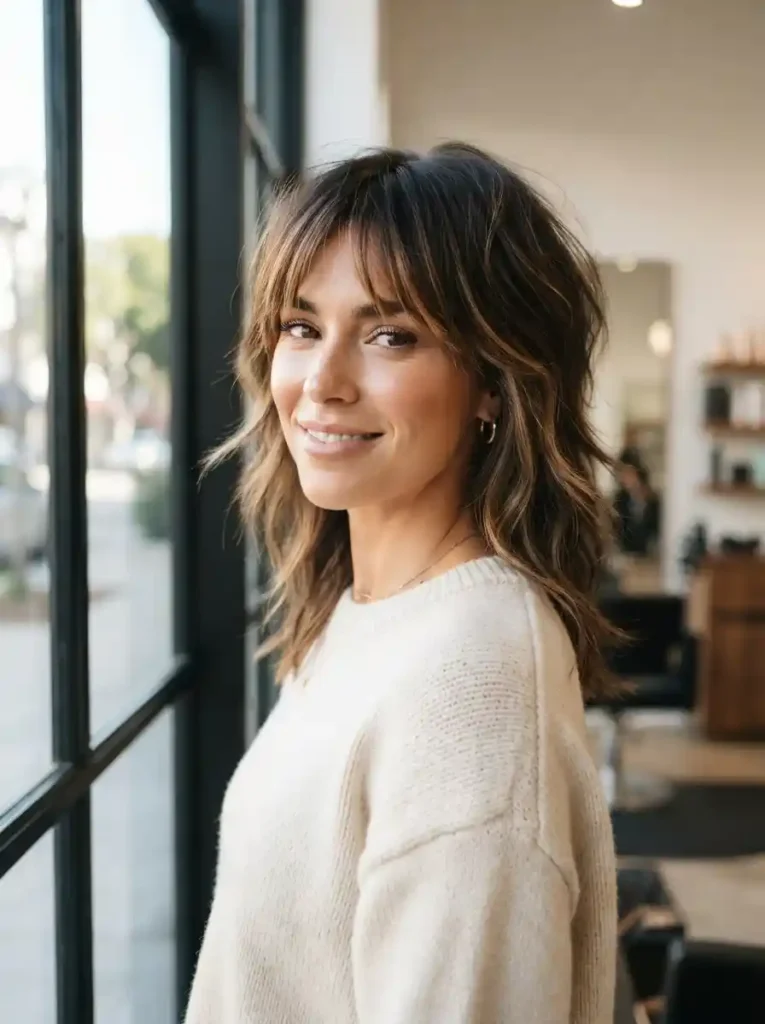
Subtle highlights can emphasize the architecture of a wolf cut without overwhelming its layered shape. Rather than placing bright color uniformly throughout the hair, ask your colorist about fine ribbons around the face and selected upper layers. These lighter pieces can catch movement as the shorter sections separate. Keeping the overall contrast modest also makes regrowth less visually demanding than a highly contrasting blonde transformation.
Coordinate your haircut and color appointments when possible so the final layers are visible before deciding exactly where additional dimension is needed. After coloring, use products formulated for treated hair and protect the ends from unnecessary heat. A soft blowout can reveal the difference between highlighted and natural sections, while air-drying brings out a more relaxed effect. Keep styling products lightweight so the dimensional pieces remain visible instead of clumping together.
18. Wolf Cut With a Middle Part

A middle part gives the wolf cut a balanced, contemporary appearance and lets both sides of the face-framing layers remain visible. It works particularly well when the shortest layers are cut with enough length to fall naturally away from the center. If your hair strongly favors another part, tell your stylist rather than forcing the haircut into symmetry. The shape can still be balanced while respecting your natural growth pattern.
For a smoother middle part, create the division while the hair is damp and use a comb to establish the line before drying. Lift the roots gently on both sides with a round brush or your fingers, then direct the face-framing layers outward. If you want a less polished finish, skip the brush and diffuse the hair while maintaining the center part. Finish by separating selected ends with a softly feathered curtain fringe, medium ash-brown hair, pronounced crown movement, longer layered sides and lightly curled ends, pale blue blouse, seated beside a bright bedroom window, gentle diffused daylight, close three-quarter composition, natural small amount of texture cream.
19. Layered Wolf Cut With Curtain Fringe

This version combines two highly adaptable elements: noticeable layering and a soft curtain fringe. The layered body creates movement through the back, while the fringe provides a natural transition around the forehead and temples. Ask for the shortest layers to blend rather than stack heavily, particularly if you want the haircut to grow out gracefully. A collarbone-length perimeter offers enough weight to keep the style from becoming overly wispy.
Styling can shift this haircut from relaxed to refined without changing the cut. For casual texture, scrunch damp hair with a lightweight mousse and let the layers dry naturally. For a polished appearance, use a round brush to lift the roots and turn the ends slightly outward. Refresh the fringe separately on non-wash days by lightly dampening it and reshaping it with a small brush. This keeps the face-framing area presentable without restyling everythinged layers and softly flipped outward ends, dark honey-brown hair with subtle highlights, fitted cream cardigan and delicate earrings, standing.
20. Long Wolf Cut With Flipped Ends
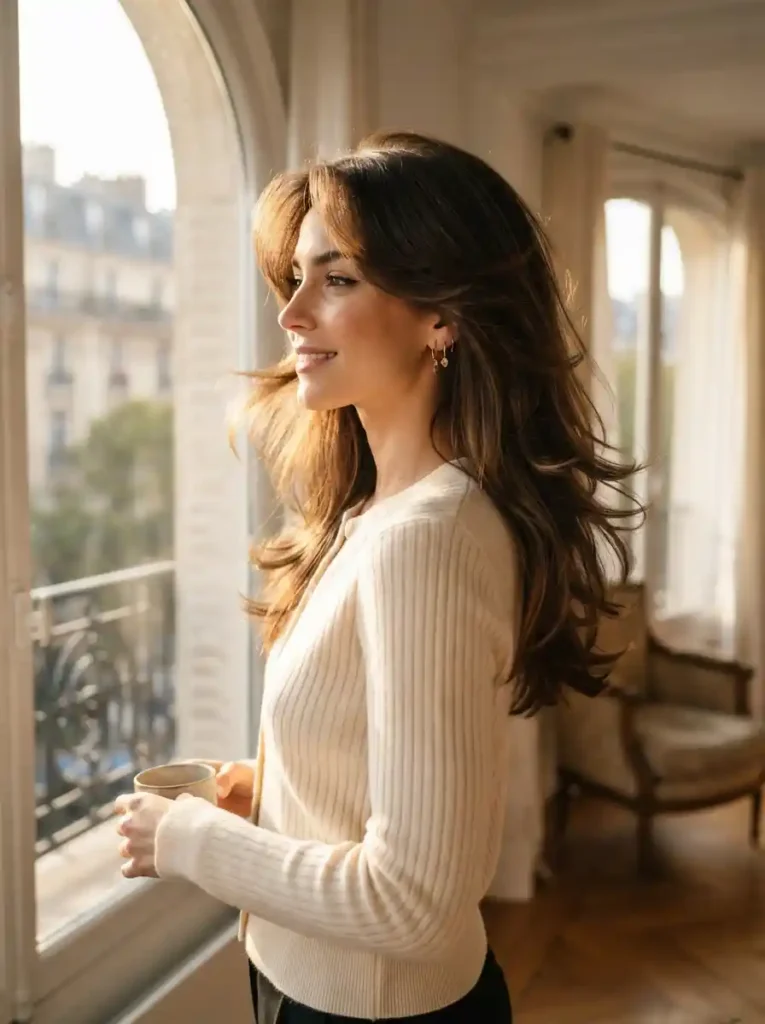
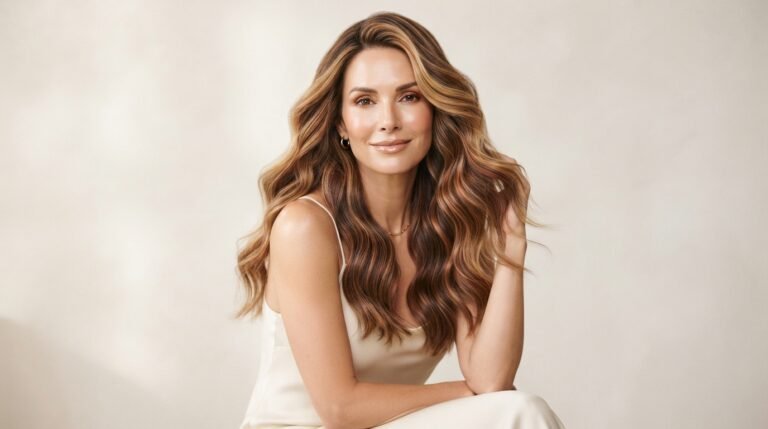
Flipped ends give a long wolf cut a distinctly retro-inspired finish while keeping the overall shape contemporary. The technique works best when the layers are long enough to bend outward without looking disconnected. Ask your stylist for feathered pieces through the mid-lengths and ends, particularly if you want the flip to appear soft rather than sharply curled. Keeping some natural weight at the bottom prevents the style from looking excessively thin.
To create the shape, use a large round brush or wide-barrel styling tool and direct the final few inches outward. You do not need every strand to flip identically; slight differences make the result more believable. Apply heat protectant before using hot tools and allow each section to cool briefly after shaping. Finish with flexible hairspray rather than a rigid formula so the ends continue moving beige sweater, standing beside a rustic cafe window, soft cloudy daylight, candid three-quarter pose, authentic flyaways and subtle naturally throughout the day.
21. Tousled Brunette Wolf Cut
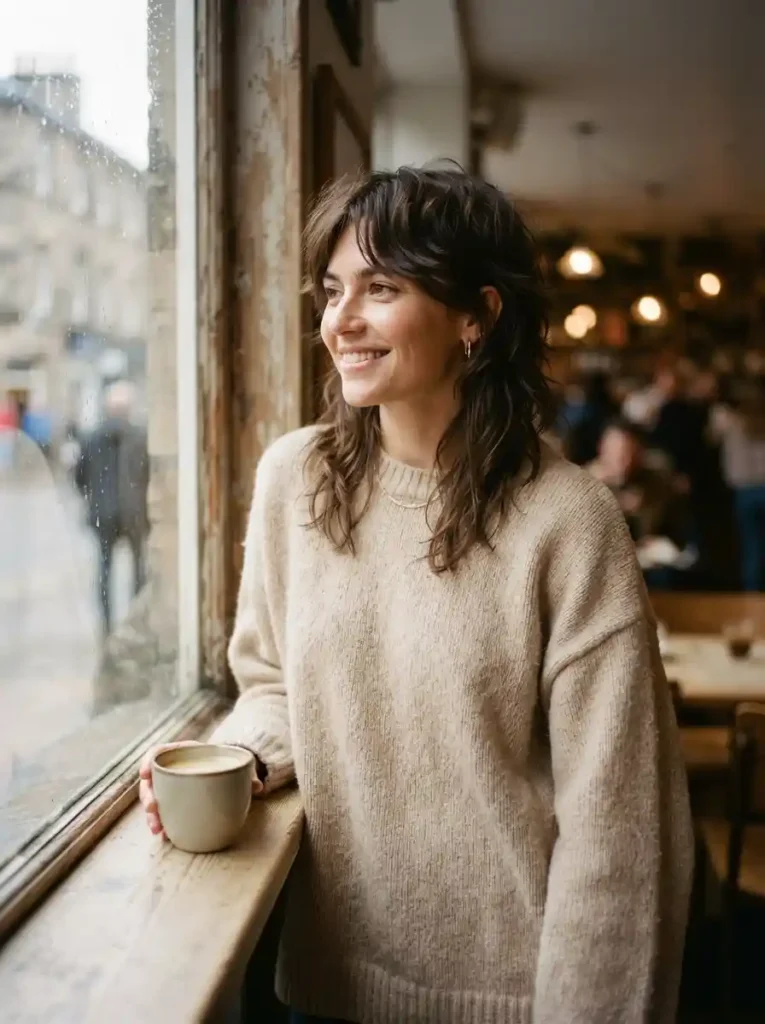
A tousled brunette wolf cut is ideal when you want texture to look intentional without appearing overly styled. The haircut should include enough variation through the crown and sides to create separation, while the ends retain enough density to avoid looking damaged. Ask your stylist to work with your natural texture and explain whether you prefer a polished tousled effect or something damp hair and scrunch rather than brushing everything smooth. Once dry, twist a few sections around your fingers to revive definition where needed. A dry texture spray can add separation on the second day, but avoid layering multiple heavy products. The beauty curtain fringe and softly curved ends, glossy dark caramel-brown hair, tailored white blouse with gold earrings, standing in a bright modern home office, clean natural daylight, eye-level three-quarter composition, realistic hair strands and skin texture, sophisticated editorial photography with restrained styling transition between casual days, professional settings, and evening plans. Ask for blended layers, a clean perimeter, and face-framing pieces that can be tucked closer to an undone shag.
For an authentic finish, apply a small amount of texturizing cream to damp hair and scrunch rather than brushing everything smooth. Once dry, twist a few sections around your fingers to revive definition where needed. A dry texture spray can add separation on the second day, but avoid layering multiple heavy products. The beauty of this version is its irregularity, so do not spend too long trying to make every layer match perfectly.
22. Polished Wolf Cut for Everyday Wear

A polished wolf cut keeps the signature layered structure but tones down the intentionally messy finish. This makes it practical for women who want a fashionable haircut that can transition between casual days, professional settings, and evening plans. Ask for blended layers, a clean perimeter, and face-framing pieces that can be tucked behind the ears. The result should retain movement without depending on heavy texture products or extreme styling.
For everyday maintenance, a smooth blow-dry is enough to reveal the shape. Use a heat protectant followed by a lightweight smoothing product, then curve the ends gently with a round brush. On relaxed days, allow the hair to air-dry and use your fingers to restore volume around the crown. Regular trims are helpful because polished layers show uneven growth more readily. Keeping the fringe and front pieces shaped also makes the entire haircut look intentionally maintained.
Conclusion
A wolf cut can be much more personalized than a single trend photo suggests. The difference between a soft shoulder-length version, a curly shape, a dramatic long cut, and a polished everyday style often comes down to small choices: where the shortest layers begin, how much weight stays through the ends, whether the fringe is wispy or bold, and how closely the cut follows your natural texture.
Before your appointment, save two or three references that resemble your current hair density and texture rather than choosing photos based only on color or styling. Tell your stylist how much time you realistically want to spend styling your hair, too. The best wolf cut is one whose layers work with your routine. Whether you prefer effortless waves, glossy polish, dramatic volume, or subtle movement, there is plenty of room to make this expressive haircut feel distinctly yours.