A bob with layers can change the entire personality of a haircut without requiring an extreme chop. Instead of one flat shape, strategically placed layers create movement, softness, volume, or texture while keeping the recognizable bob silhouette. That makes this haircut surprisingly versatile: you can go polished and sleek, tousled and casual, softly romantic, or intentionally edgy depending on the length and layering technique. The right version can also help fine hair appear fuller or give thicker hair a lighter, more controlled shape.
If you have been saving layered bob photos on Pinterest but cannot decide which direction to take, this list gives you plenty of starting points. You will find short, medium, wavy, curly, choppy, face-framing, side-parted, and bang-friendly options, along with practical styling suggestions for making each cut work in everyday life. Whether you want a subtle refresh or a noticeably different shape, these ideas can help you walk into your next salon appointment with a clearer vision.
1. Soft Layered Chin-Length Bob
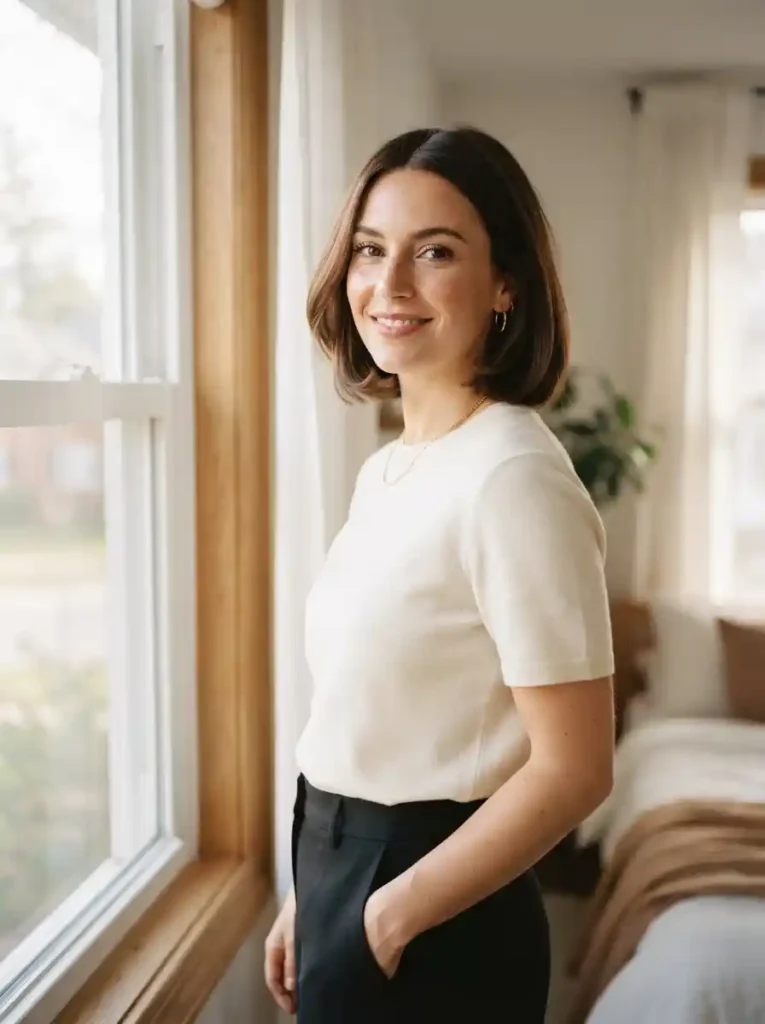
A soft chin-length bob is an easy choice when you want movement without making the haircut look heavily layered. Ask your stylist for subtle internal layers rather than dramatic steps through the perimeter. Keeping the ends relatively full preserves the classic bob shape, while shorter pieces around the upper sections prevent the hair from sitting too heavily. This approach works particularly well for fine or medium-density hair that needs gentle lift without losing its polished appearance.
For styling, apply a lightweight volumizing mousse to damp roots and blow-dry with a medium round brush. Direct the ends slightly inward for a neat finish, or let them remain naturally imperfect for a more relaxed effect. A middle part creates symmetry, while moving the part slightly off-center can add instant softness. Trim approximately every six to eight weeks if you want the chin-length outline to remain crisp and balanced.
2. Choppy Bob With Piecey Layers
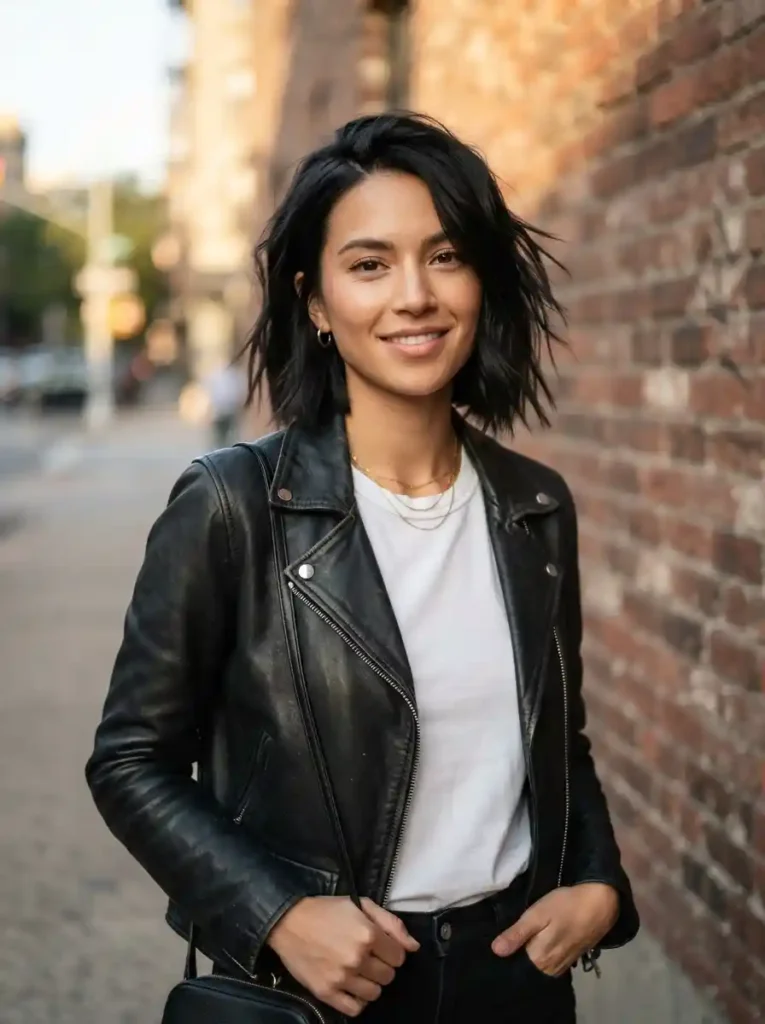
If you prefer a haircut with personality, a choppy layered bob brings texture into the spotlight. The layers should be deliberately uneven-looking while still blending enough to maintain a flattering shape. Ask for textured ends and slightly shorter pieces through the crown, especially if your hair naturally has some bend. This version is particularly useful for creating an intentionally undone appearance without relying on complicated styling or excessive heat every morning.
Use a small amount of texturizing cream or lightweight styling paste through damp or dry hair, concentrating on the mid-lengths and ends. Scrunch or twist individual pieces with your fingers rather than brushing everything smooth. Avoid applying heavy oil before styling because it can collapse the separation that makes this bob distinctive. If your hair is very straight, a few loose bends from a flat iron can help reveal the layers.
3. Layered Bob With Curtain Bangs
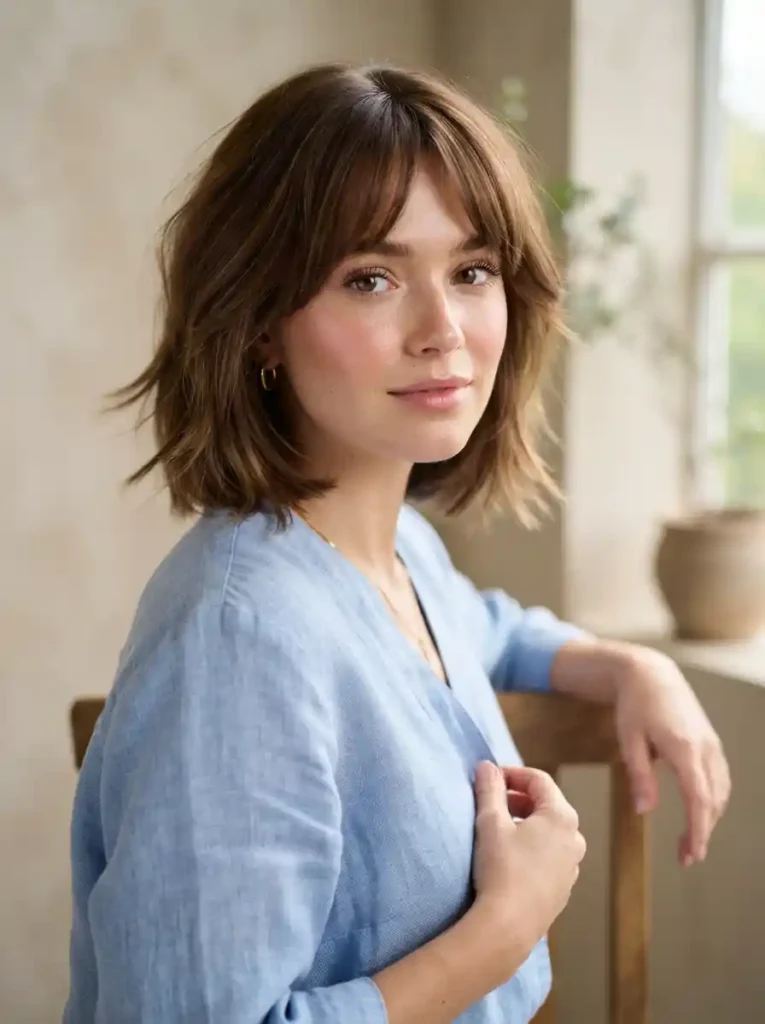
Curtain bangs can make a layered bob feel softer and more dimensional, especially when the fringe blends gradually into face-framing pieces. Ask your stylist to keep the shortest section around the cheekbone area and allow the outer pieces to connect naturally with the bob. This avoids creating a harsh horizontal line across the forehead. The result is especially appealing if you enjoy changing your part or want bangs that can eventually grow into longer framing layers.
Style the bangs first while your hair is damp, directing each side away from the center with a small round brush. Once they are dry, gently sweep them outward and allow the ends to merge with the surrounding layers. Keep the rest of the bob lightly textured rather than perfectly straight so the haircut feels cohesive. If your fringe separates easily, a tiny amount of lightweight styling cream can improve control without making it stiff.
4. Wavy Layered Bob With Beachy Texture

A wavy layered bob is ideal when you want your natural texture to become part of the haircut instead of fighting against it. Layers give waves room to spring upward and outward, preventing the ends from forming one heavy block. For naturally wavy hair, ask for blended layers that preserve enough weight underneath to maintain shape. Extremely short layers can create unwanted puffiness, so the placement should reflect your specific wave pattern and density.
After washing, apply a lightweight curl cream or mousse from mid-lengths through the ends. Scrunch upward with your hands and either air-dry or use a diffuser on low heat. Once completely dry, gently loosen the waves with your fingertips rather than brushing them. A small amount of flexible finishing cream can smooth frizz while preserving movement. Refresh the style between washes with water and a tiny amount of curl product.
5. Voluminous Round Layered Bob
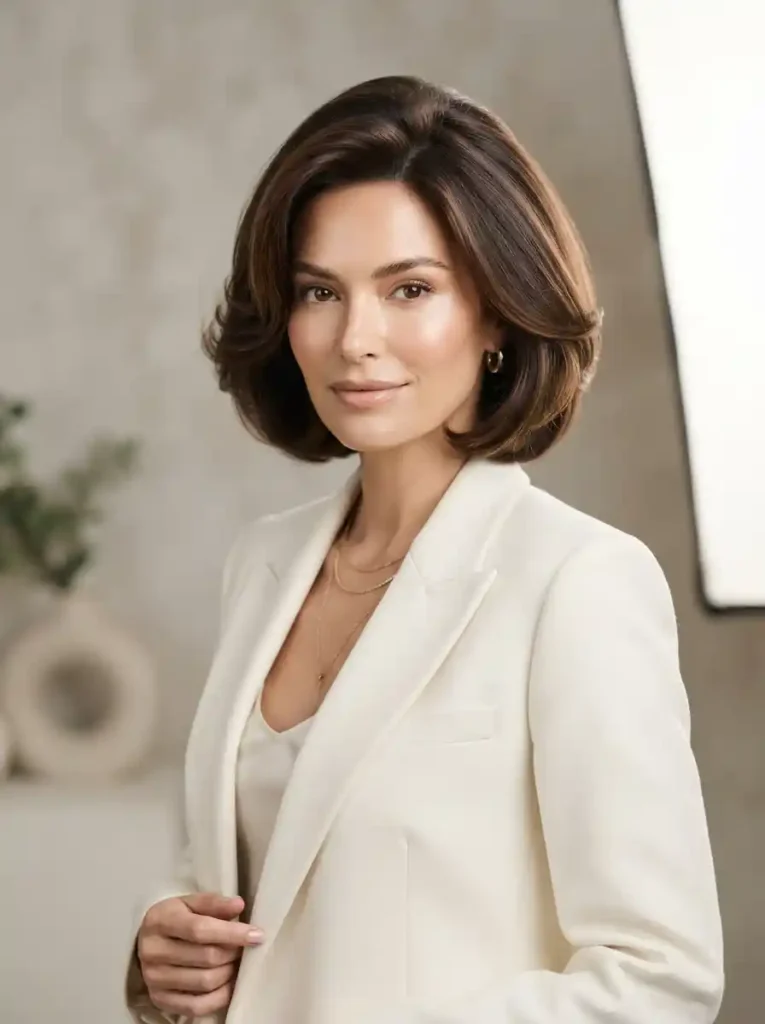
A rounded layered bob creates fullness by building controlled volume through the crown and sides. Instead of removing too much weight, your stylist can use shorter internal layers to encourage the hair to lift while maintaining a substantial outer shape. This makes the cut especially interesting for straight or fine hair that tends to fall close to the head. The rounded silhouette can also make a traditional bob feel softer and more dimensional.
To recreate the shape at home, use a root-lifting product before blow-drying. Lift sections upward with a round brush, directing the airflow from roots toward ends. Once dry, allow the hair to cool before brushing through it because this helps the volume settle into place. Avoid piling on hairspray immediately; a flexible formula applied lightly at the roots and underneath the layers will maintain movement without making the bob feel rigid.
6. Long Layered Bob With Face-Framing Pieces

A longer bob gives you more flexibility while still delivering the clean shape associated with shorter hair. Adding long face-framing layers keeps the cut from looking like a single heavy block, particularly around the front. This is a useful option if you are nervous about losing too much length or want a bob that can still be tucked behind your ears. Ask for subtle shaping that begins around the cheekbones or jaw.
The extra length also gives you several styling options. Wear it straight for a sleek silhouette, add loose bends for movement, or create a low ponytail when you need your hair away from your face. When blow-drying, direct the face-framing pieces backward rather than straight down to create a soft sweep. Regular trims help preserve the shape, but the longer perimeter generally offers a more forgiving grow-out period.
7. Curly Layered Bob With Rounded Shape
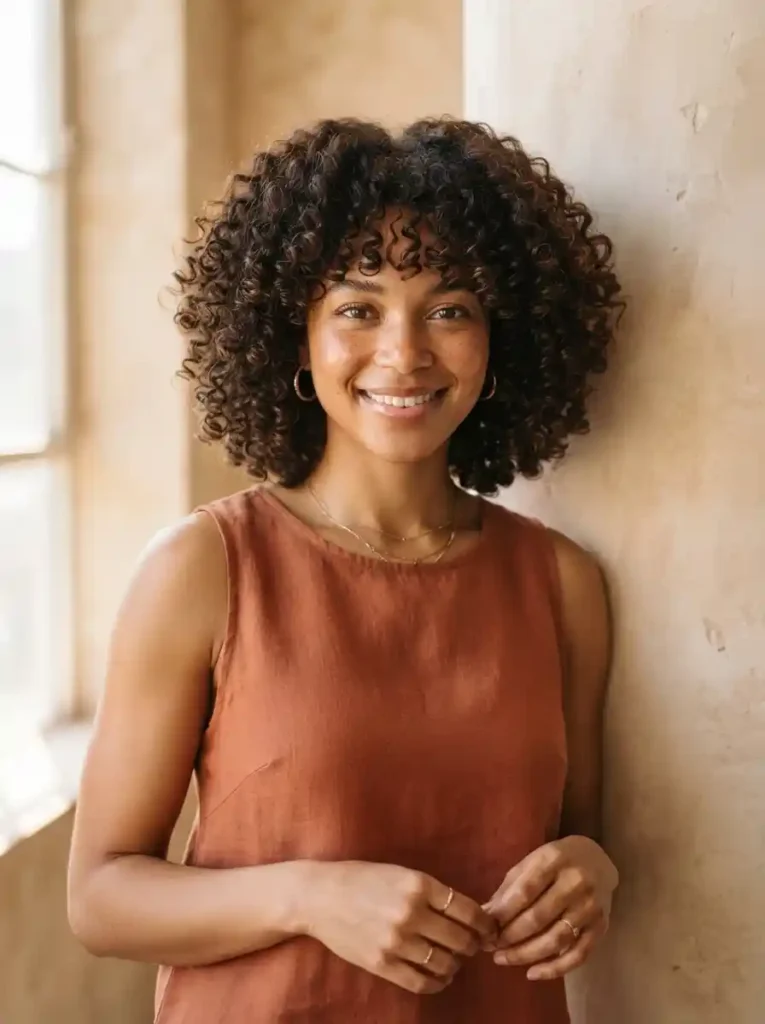
A curly layered bob needs thoughtful shape because curls can shrink significantly once dry. The goal is not simply to shorten the hair but to distribute weight so the curls form a balanced silhouette. Rounded layering can help prevent a triangular outline, while strategically shorter sections create lift near the crown. Tell your stylist how you normally wear your curls and whether your hair is cut wet or dry so the final length matches your expectations.
Keep styling simple by applying leave-in conditioner followed by a curl cream or gel suited to your texture. Work in sections and encourage curls to form naturally instead of repeatedly combing through them. Diffuse with low airflow if you want faster drying and additional lift. Avoid judging the haircut only when the hair is freshly stretched; the real shape should be evaluated according to your normal curl pattern and everyday styling routine.
8. French-Inspired Layered Bob

A French-inspired layered bob feels relaxed rather than overly engineered. The perimeter can remain fairly compact while subtle layers and wispy ends prevent the shape from looking severe. A soft fringe can be added if you enjoy a more distinctive finish, but it is not essential. This haircut suits people who prefer a slightly imperfect texture and do not want their bob to depend on a perfectly smooth blowout.
For an everyday finish, let the hair air-dry partially before using a small amount of styling cream to encourage its natural bend. If your hair is straight, create a few irregular bends with a flat iron rather than identical curls. Keep the ends separated with your fingertips and avoid brushing them into a uniform shape. The charm comes from controlled looseness, so stop styling once the hair looks naturally shaped rather than overly polished.
9. Layered Bob With Side Part
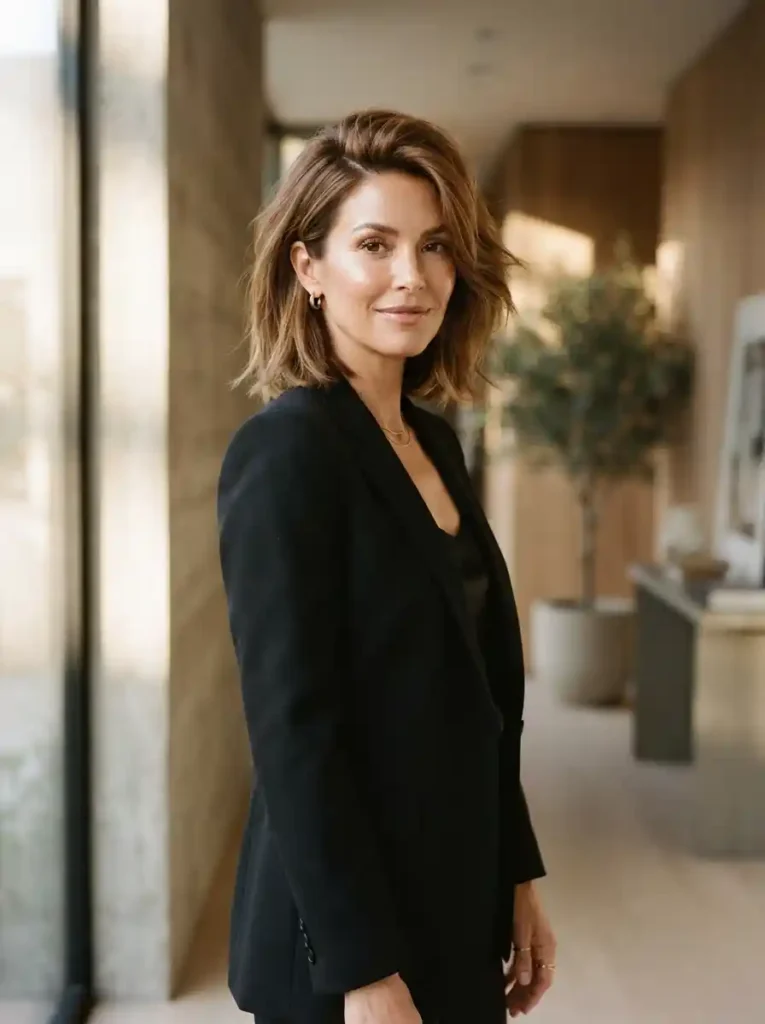
Changing the part can completely alter how a layered bob frames the face. A side-parted version creates asymmetry and can make the crown appear fuller because the hair is directed against its usual growth pattern. Ask your stylist to keep the layers adaptable so the haircut still looks balanced when the part shifts. This is particularly useful if you like experimenting with different looks without committing to bangs or dramatic changes.
For extra lift, apply a lightweight mousse to the roots before blow-drying the part in the opposite direction. Once the hair is dry, move it back into your preferred position and gently smooth the surface. You can tuck the shorter side behind one ear for a polished finish or leave it loose for more softness. Avoid creating an excessively deep part if your hair naturally lacks density around the temples.
10. Feathered Layered Bob
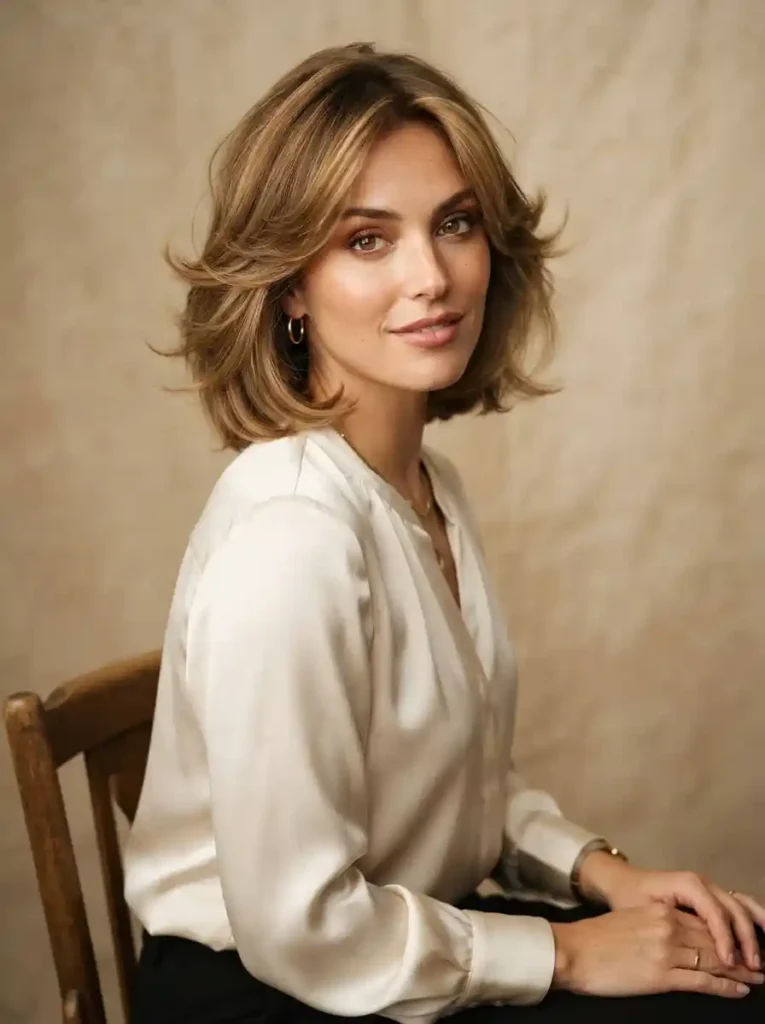
Feathered layers give a bob a lighter, flowing quality by directing the ends away from the face instead of allowing them to fall straight down. This works particularly well on medium-density hair that can hold a gentle blowout. Ask for layers that connect smoothly from the front into the sides and avoid overly short pieces unless your hair is naturally thick. The finished shape should move rather than resemble a heavily stepped haircut.
A round brush is your best tool for revealing the feathered effect. Dry the front sections backward and slightly away from the face, then continue directing the side layers outward. Finish with a flexible spray rather than a heavy setting product so the ends remain touchable. If you prefer a modern interpretation, keep the overall bob sleek and use only a few feathered sections instead of creating dramatic volume throughout the entire haircut.
11. Inward-Curled Layered Bob
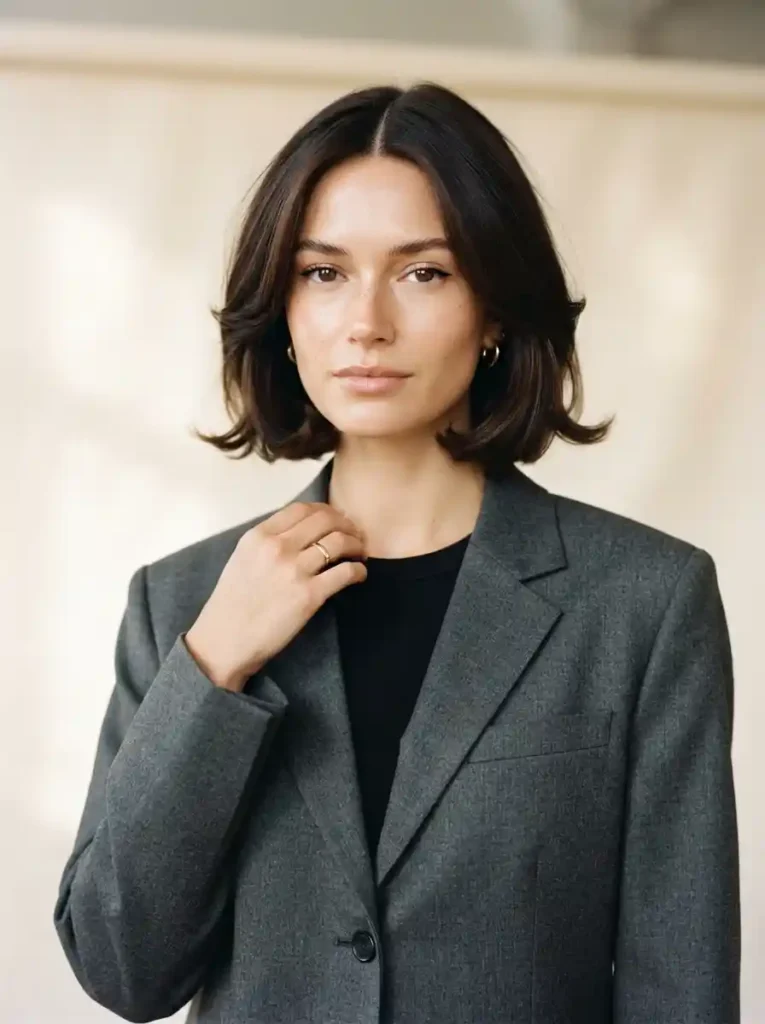
Curling the ends inward gives a layered bob a neat, nostalgic shape while allowing the layers to remain visible through the upper sections. The look works best when the perimeter is not excessively thin, because some weight helps the ends form that recognizable curve. Ask your stylist for gentle internal movement rather than aggressive thinning. This keeps the bob polished while preventing the lower edge from appearing sparse or wispy.
Use a round brush while blow-drying, rolling the ends inward only during the final part of the drying process. You can reinforce the bend with a flat iron, but keep the temperature appropriate for your hair type and avoid repeatedly passing over the same section. A lightweight smoothing serum can enhance shine. For a softer interpretation, leave the crown slightly lifted and allow a few front pieces to curve naturally around the cheeks.
12. Shaggy Layered Bob

A shaggy bob brings more layers into the haircut than a traditional softly layered style. The crown can be shorter, the sides more textured, and the ends intentionally separated for a relaxed silhouette. This works particularly well with naturally wavy or slightly unruly hair because the haircut can follow existing movement. If your hair is very fine and straight, ask for enough texture to create shape without removing so much weight that the ends look thin.
Styling should emphasize separation rather than perfection. Apply a lightweight mousse to damp hair, scrunch the lengths, and let them air-dry or diffuse gently. Once dry, pinch a few pieces with styling paste to define the ends. Avoid brushing the finished hair aggressively because that can erase the texture. If the shape becomes too bulky around the sides, your stylist can refine the internal weight during your next appointment.
13. Sleek Layered Bob With Subtle Movement
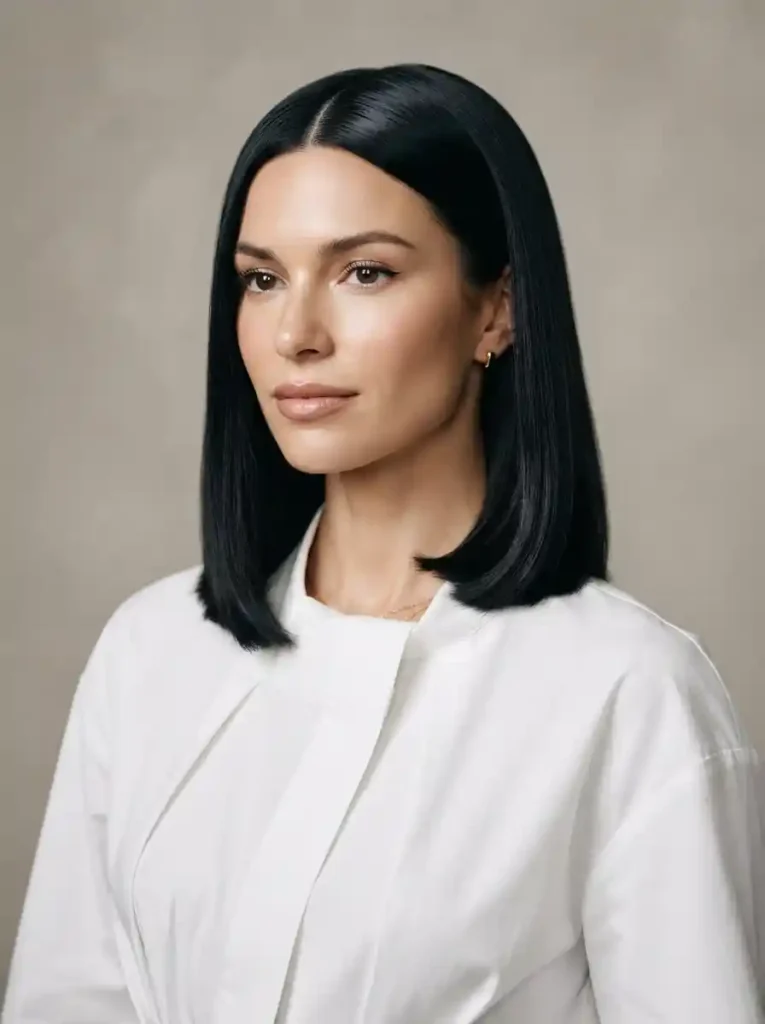
Not every layered bob needs obvious texture. Subtle internal layers can create movement underneath a smooth surface while keeping the haircut sophisticated and streamlined. This option is ideal if you enjoy straight hair but dislike the rigid appearance of a completely one-length bob. Ask your stylist to preserve a clean outer perimeter and place the layers primarily inside the haircut. That approach allows the hair to move without disrupting the sleek silhouette.
For the smoothest finish, use a heat protectant before blow-drying and finish with a flat iron only where necessary. Work in narrow sections and avoid excessive passes that can make the hair look overly flat. A lightweight shine serum should be applied sparingly to the ends. If you want more dimension without curls, gently bend the final inch of hair inward or outward instead of creating a full wave.
14. Layered Bob With Wispy Bangs

Wispy bangs offer a lighter alternative to a dense, blunt fringe. They work beautifully with layered bobs because the softness of the forehead framing can echo the movement throughout the haircut. Ask for a fringe that remains slightly separated rather than extremely thick, with longer pieces toward the temples. This gives you more flexibility if you later decide to sweep the bangs sideways or allow them to grow into face-framing layers.
Because fine bangs can become oily quickly, they often benefit from quick morning styling even when the rest of the haircut looks fresh. Blow-dry them from side to side with a small brush before directing them into place. Use very little product near the roots. For a more textured bob, allow the ends to retain natural separation while keeping the fringe relatively smooth. That contrast keeps the style intentional without making it look overly styled.
15. A-Line Layered Bob
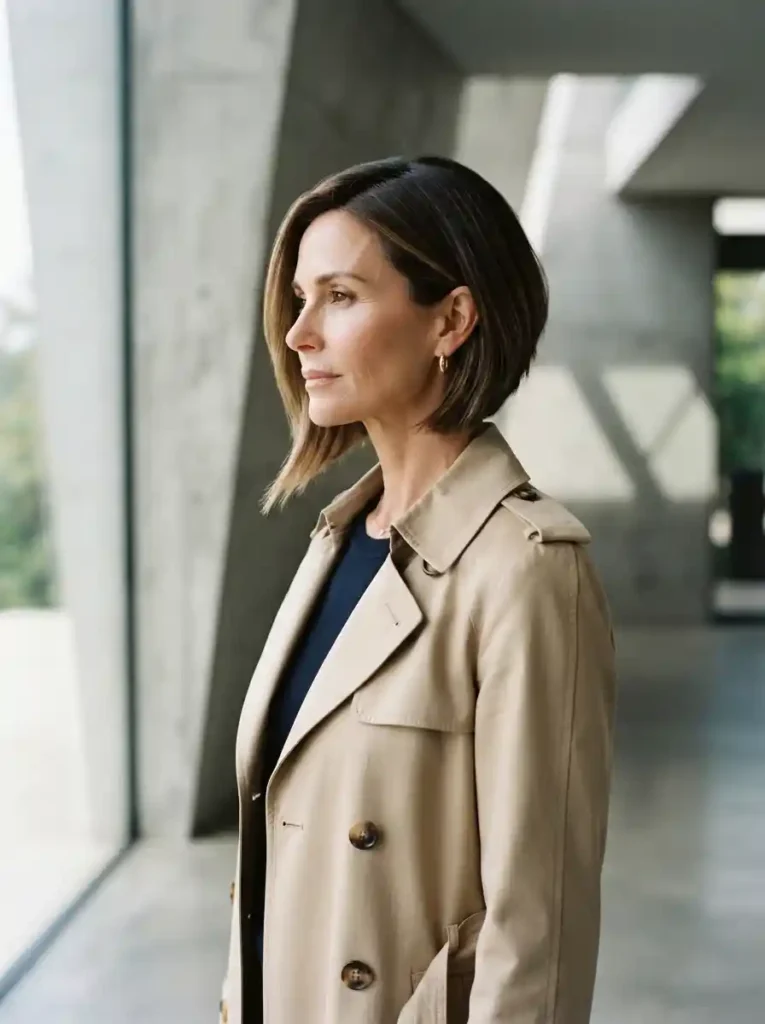
An A-line layered bob creates a noticeable change in length from the back toward the front. Adding carefully placed layers can soften the angle and give the shape more movement without losing its architectural character. Ask your stylist to determine the graduation according to your natural density and desired maintenance level. A stronger angle creates a sharper statement, while a gentler slope feels easier and more casual.
Style the shorter back section with a round brush to encourage lift, then smooth the longer front pieces downward or slightly inward. A side part can make the angle appear softer, while a center part emphasizes symmetry. Avoid over-thinning the back because the graduated shape needs enough density to look intentional. This haircut also benefits from regular trimming because uneven growth can quickly make the angle less distinct.
16. Layered Bob With Flipped Ends
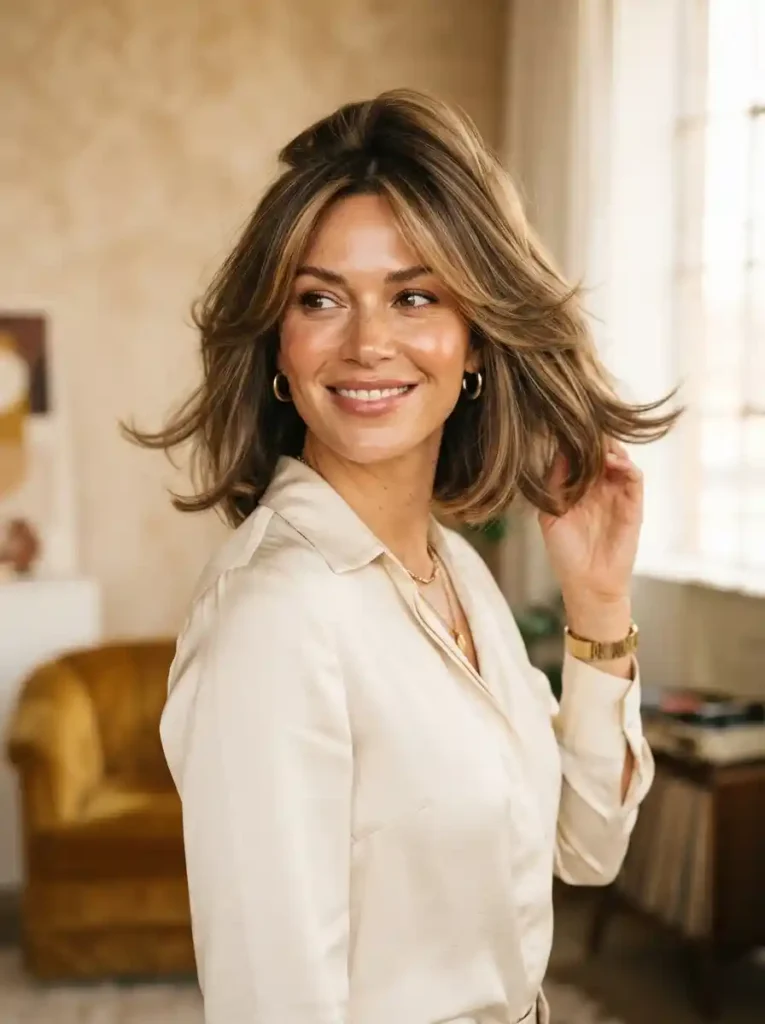
Flipped ends give a layered bob a playful shape that feels especially lively when the haircut has enough movement through the sides. The key is keeping the layers graduated enough that the outward curve looks connected rather than like isolated pieces. Ask your stylist for soft layers through the mid-lengths and slightly feathered ends. This works on straight and wavy hair, although naturally straight hair usually makes the flip easiest to control.
To create the look, blow-dry the ends outward with a round brush, rotating the brush away from your face. You can reinforce stubborn sections with a flat iron, bending the tool outward rather than making a sharp angle. Finish with flexible hairspray and let the ends remain touchable. If your hair is thick, ask for internal weight removal rather than excessive surface thinning so the flipped shape remains smooth.
17. Layered Bob With Money-Piece Highlights
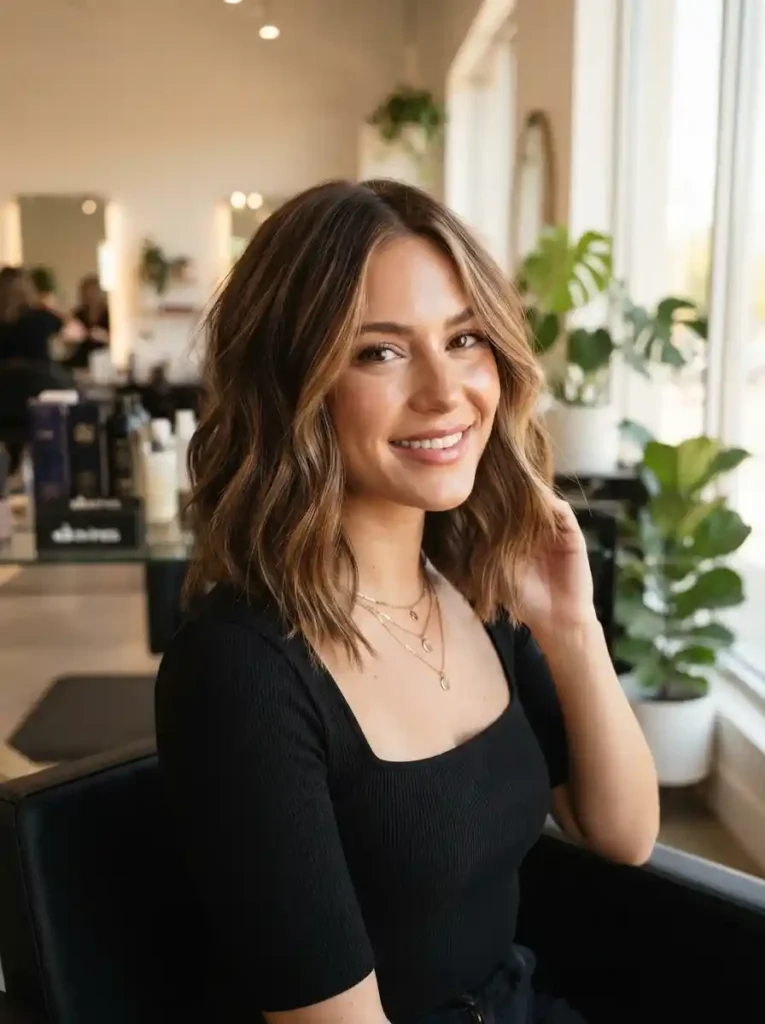
A layered bob can become even more dimensional when paired with strategically placed lighter pieces around the face. Rather than coloring large sections, ask for subtle face-framing highlights that complement your base shade. The contrast can help individual layers stand out, particularly when the haircut has soft waves or bends. Choose a tone that works with your natural or chosen base color instead of copying a shade simply because it appears striking in a photograph.
Keep the cut and color balanced by asking your stylist to coordinate the highlight placement with the shortest layers. Too many bright pieces can overwhelm a compact bob and make the overall color appear busy. Use color-safe shampoo and conditioner, and protect the hair from excessive heat to maintain shine. When styling, loose bends are especially useful because they reveal the different tones without requiring elaborate curling.
18. Collarbone Layered Bob

A collarbone bob sits in the sweet spot between a traditional bob and a longer lob, making it useful if you want movement without sacrificing much length. Soft layers prevent the shape from becoming heavy around the shoulders, while longer face-framing pieces keep the front elegant. This length is particularly practical for people who occasionally want to tie their hair back. Ask your stylist to preserve enough density through the ends for a healthy-looking perimeter.
Styling can be as simple as adding a few loose bends with a large barrel iron or letting your natural texture take over. If your hair tends to flip awkwardly at the collarbone, use a round brush to direct the ends either inward or outward rather than leaving them undecided. A lightweight smoothing cream can reduce friction around the shoulders. This length also gives you more flexibility during the grow-out process.
19. Short Layered Bob With Nape Volume
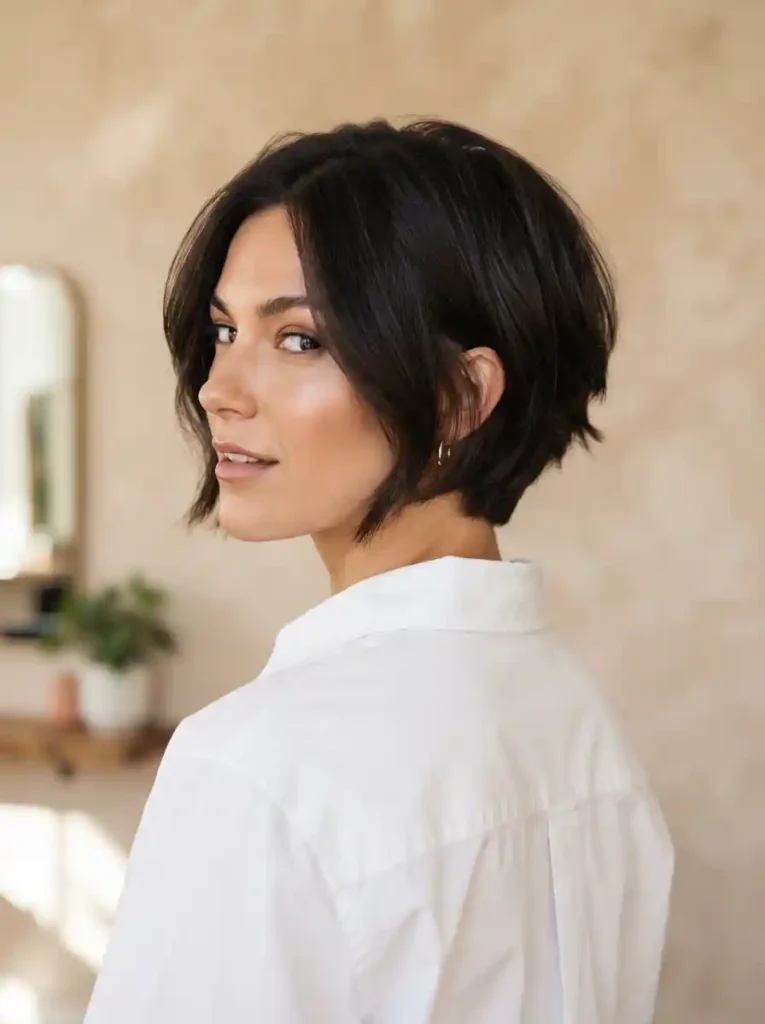
A short layered bob can create a surprisingly elegant silhouette when the nape is shaped carefully. Slightly shorter layers at the back encourage lift and keep the haircut from appearing flat against the neck. Longer pieces around the front maintain softness and prevent the style from feeling too cropped. This is a good option if you like short hair but still want enough length around your face to play with.
Ask your stylist to consider your natural growth pattern at the neckline before deciding how short the nape should be. Cowlicks and strong growth directions can affect how the layers settle. At home, blow-dry the back upward using a small round brush, then smooth only the surface. Avoid heavy products at the roots because they can flatten the volume. A lightweight cream through the ends is usually enough for definition.
20. Romantic Layered Bob With Soft Waves

For a romantic take on the layered bob, focus on loose waves rather than tight curls. Longer layers allow the hair to bend naturally while shorter pieces around the face create softness. The haircut should remain light enough to move but substantial enough that the ends do not disappear into the waves. Ask for blended shaping instead of strongly disconnected layers if you want the finished style to feel feminine and effortless.
Create the waves with a medium or large barrel, alternating the direction of each section so the finished hair does not look overly uniform. Leave the final inch of the ends slightly straighter for a relaxed appearance. After the hair cools, gently loosen the curls with your fingers and apply a flexible finishing mist. Tucking one side behind the ear can expose the face while allowing the opposite side to retain its layered volume.
21. Textured Bob for Fine Hair
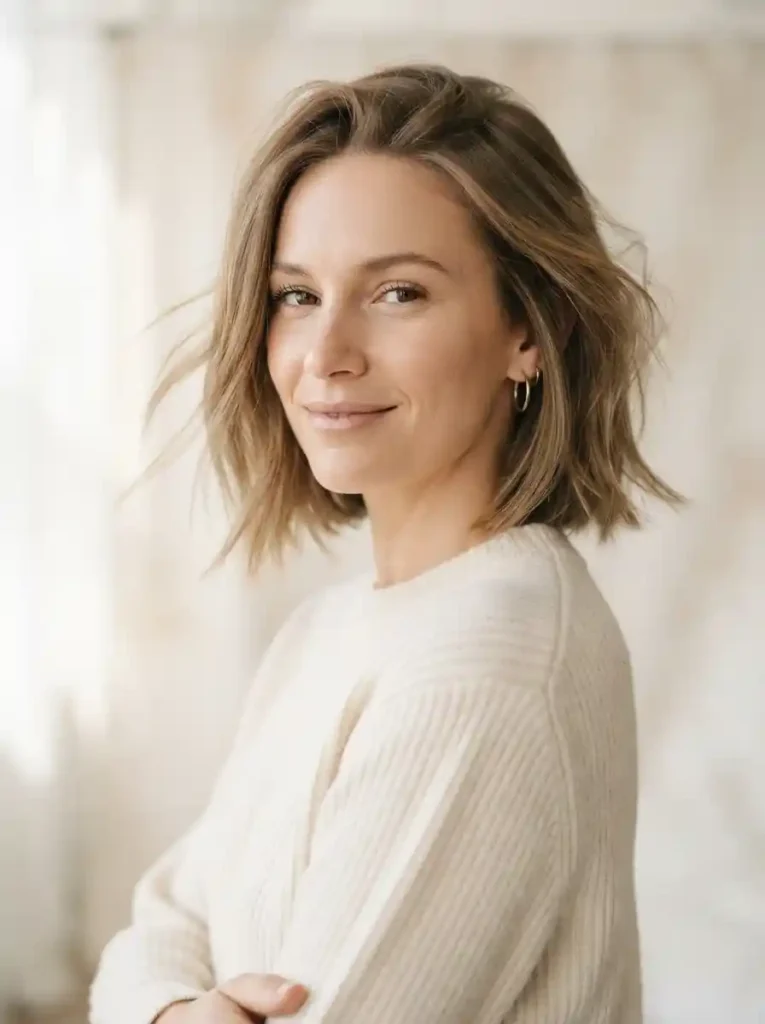
Fine hair can benefit from layers, but the placement matters. Too many short layers can remove the very density you want to preserve, so a stylist should focus on subtle internal shaping and carefully chosen face-framing pieces. Keeping the perimeter relatively full helps the bob look substantial, while light crown layering can create lift. Bring photos showing the amount of texture you like so your stylist can distinguish between movement and excessive thinning.
For styling, begin with a volumizing mousse or lightweight root spray rather than heavy oils or creams. Blow-dry the roots upward and use a round brush to give the ends a gentle bend. Dry shampoo can provide temporary texture between washes, but avoid layering too much product because fine hair can become weighed down quickly. A small amount of flexible hairspray around the crown can help the shape last without creating stiffness.
22. Thick Hair Layered Bob With Weight Removal

Thick hair can make a bob look beautifully full, but too much density in one area may cause the ends to expand awkwardly. Strategic internal layering can remove some weight while preserving the strong outer shape. Ask your stylist to assess where your hair naturally becomes bulky before deciding how much to remove. The goal is controlled movement, not making the haircut dramatically thin or feathered.
When styling dense hair, divide it into manageable sections and dry the underneath layers first. A smoothing cream can reduce puffiness, while a round brush helps guide the outer layers into shape. If your hair naturally has waves, embrace them rather than trying to flatten every strand. Avoid repeatedly thinning the same areas during maintenance appointments; excessive removal can make the ends look uneven as the haircut grows.
23. Lived-In Layered Bob With Natural Texture

A lived-in layered bob is designed to look good without requiring every strand to fall perfectly into place. The layers should blend into the natural texture, creating movement through the ends and softness around the face. This is a smart choice if your routine is busy or you prefer air-dried hair. Tell your stylist how often you realistically style your hair, because the best layered bob is one that suits your actual habits.
After washing, work a small amount of styling cream through damp lengths and gently scrunch. Let the hair air-dry whenever possible, or use a diffuser if you need more speed. Once dry, resist the temptation to over-correct individual pieces; slight irregularity is part of the look. Between appointments, ask your stylist to refresh only the areas that have lost their shape rather than automatically removing significant length.
Conclusion
The best layered bob is not simply the one that looks beautiful in a saved Pinterest photo; it is the one whose shape, length, texture, and maintenance level make sense for your own hair. A soft chin-length cut can create movement without sacrificing polish, while a shaggy or choppy version offers more personality. Longer layered bobs provide versatility, and carefully placed internal layers can help fine or thick hair behave more naturally.
Before your salon appointment, save two or three ideas that resemble your preferred length and texture, then point out exactly what you like about each one. Consider your natural wave pattern, density, styling routine, and willingness to maintain bangs or shorter layers. With those details in mind, your stylist can adapt the inspiration instead of copying it literally. That is what turns a pretty bob idea into a haircut you will genuinely enjoy wearing.