
There is something quietly powerful about a man who looks at his hairline and chooses confidence over camouflage. Receding hair affects millions of men at every stage of life, and yet the conversation around it has shifted dramatically. No longer a source of quiet embarrassment, a receding hairline has become something stylists, barbers, and confident men are working with rather than against. The right cut does not try to hide what is happening at your temples. It leans into the shape of your head, the structure of your face, and the natural pattern of your hair, and it turns those things into something that looks completely intentional. Whether your recession is just beginning or well underway, there is a style here that will make you look sharp, modern, and entirely at ease in your own skin.
1. The Textured Buzz with a Defined Shape Up
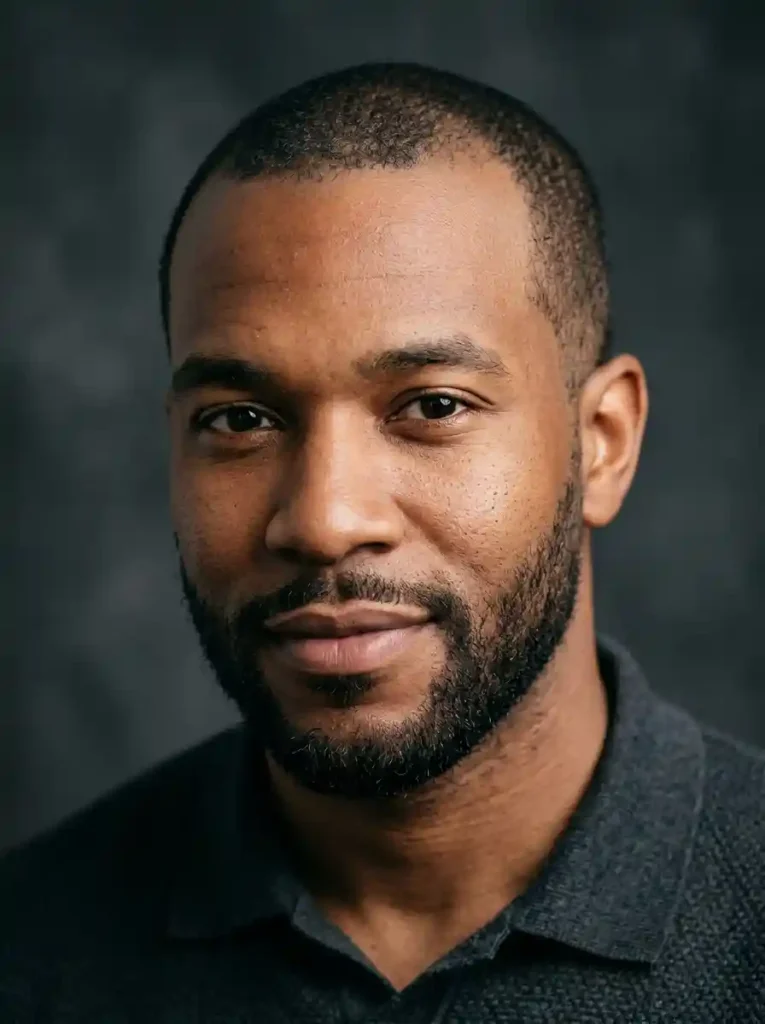
A buzz cut with a defined shape up is one of the most reliable choices a man with a receding hairline can make. The shape up creates a clean, intentional boundary along the forehead and temples, giving the hairline structure that draws the eye to the geometric precision of the cut rather than the natural recession. Keeping the top at a consistent length eliminates the patchy or uneven appearance that often makes recession more visible, and the result is a look that reads as deliberate and put-together rather than resigned.
The key to making this style work beautifully is in the execution of the shape up itself. A skilled barber will carve a line that flatters your specific hairline shape, whether that is a more angular edge or a softer curve that suits your face. Regular maintenance every two to three weeks keeps the lines crisp, which is essential for the style to continue looking intentional. Pair this cut with a well-groomed beard and you immediately shift the focal point of your face downward, balancing the forehead and creating a strong, masculine overall impression.
2. The Low Fade with a Short Textured Top
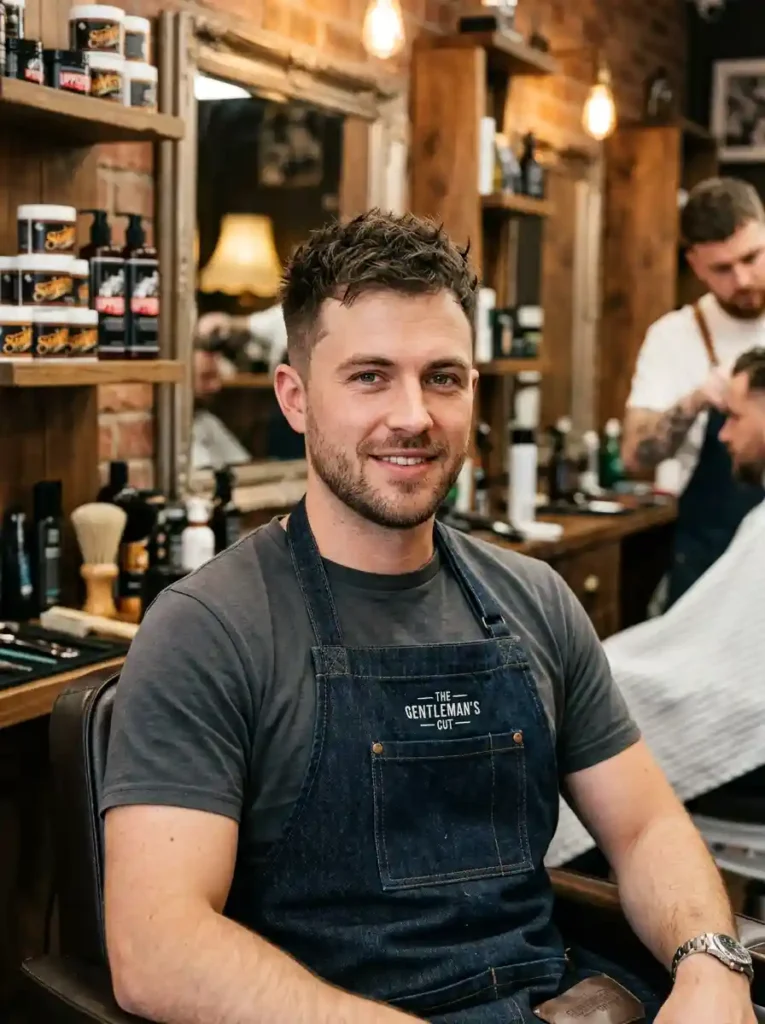
A low fade paired with a short textured top is an incredibly versatile style for men with receding hairlines because it keeps the overall silhouette clean without drawing attention to what is happening at the temples. The fade begins low, just above the ear, and tapers smoothly into the skin, which creates a sleek, modern line from top to bottom. On the top, texture is everything. Using a matte styling product to add definition and movement to short hair creates visual interest that keeps the eye moving across the style rather than landing on any single point.
The beauty of this combination is that it works across hair types, face shapes, and degrees of recession. Men with thicker hair on top benefit from the contrast between the soft, blended sides and the more voluminous crown, while men with finer hair can use a volumizing paste to lift the roots and create the illusion of density. The low fade feels refined rather than aggressive, making it just as appropriate in a professional setting as it is on the weekend. A clean neckline and regular touch-ups every few weeks keep the whole look sharp and intentional.
3. The Classic Crew Cut with a Tapered Finish

The crew cut has earned its enduring status for a very good reason, and for men with receding hairlines it remains one of the most flattering choices available. The style works by keeping hair short and uniform across the top, which eliminates the uneven patches that can make a recession more noticeable. The taper at the sides blends smoothly into the natural hairline without drawing attention to where the recession begins, and the overall effect is neat, masculine, and completely timeless. There is nothing dated about a well-executed crew cut.
Modern interpretations of the crew cut give you room to personalize. Some men prefer a slightly longer top, around an inch and a half, that allows for a small amount of styling with a light hold product. Others keep it extremely close on the crown for a no-fuss, minimal maintenance approach. Either way, the taper at the nape and sides is what elevates this from a generic short cut to something polished. Pair it with a clean shave or a short beard and it will look intentional and confident at every stage of growth between barbershop visits.
4. The Short Pompadour with Skin Fade
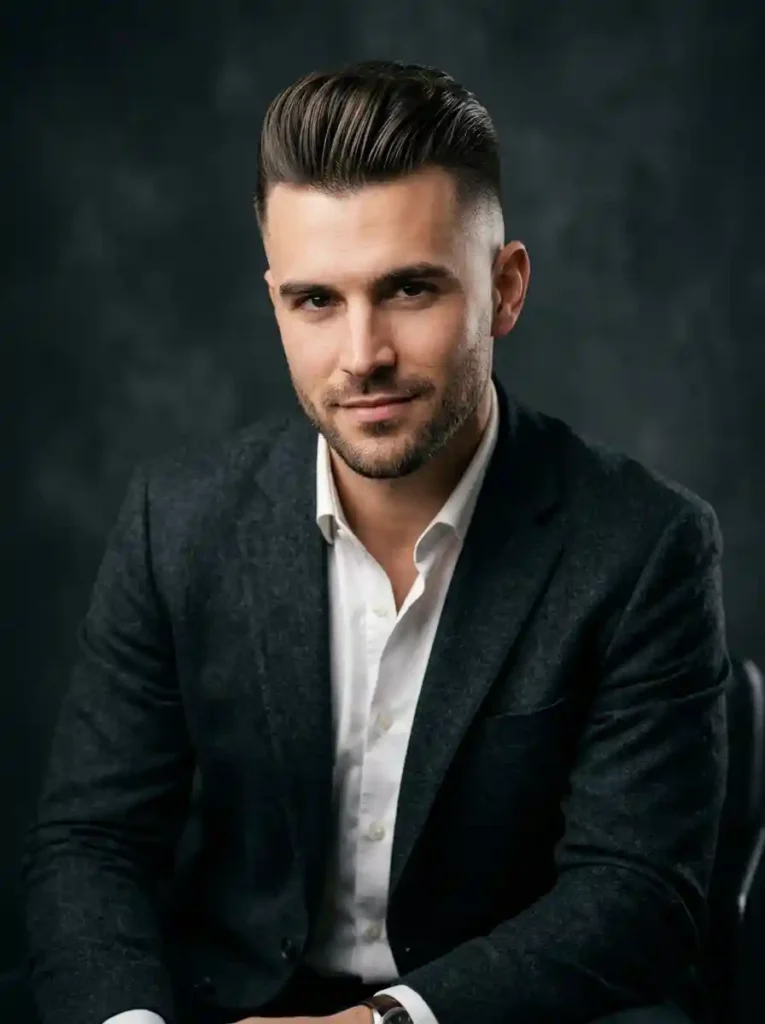
A short pompadour with a skin fade sounds counterintuitive for a receding hairline, but it is actually one of the most confidence-boosting choices available. The style works by sweeping the hair on top backward and slightly upward, which moves the volume away from the recession points at the temples and concentrates it at the crown. This redirection of visual weight means the eye follows the sweep of the style rather than the natural hairline shape, and the result is a look that feels bold and intentional without trying to compensate for anything.
The skin fade at the sides adds a contemporary edge that keeps the pompadour from reading as retro or costume-like. Choosing a high or mid skin fade creates a strong contrast between the blended sides and the styled top, which reinforces the sense that every element of the look is deliberate. Styling products with medium hold and a natural finish work best here, as they give the hair enough lift and direction without looking stiff or overdone. This is a style for the man who wants to make a statement while remaining completely comfortable in what his hair actually does.
5. The Natural Short Texture with Mid Fade

Embracing your natural hair texture rather than fighting it is one of the most liberating choices a man with a receding hairline can make. A natural short texture cut keeps the hair at a manageable length on top, allows the individual curl pattern or wave to show, and pairs it with a mid fade at the sides that creates structure without rigid lines. The result is a style that looks effortless rather than over-engineered, and the natural movement of the hair creates visual interest that makes the hairline shape read as part of the overall aesthetic rather than something separate from it.
This style works particularly well for men with natural curl or wave patterns, as the texture adds volume and dimension that can make even fine hair look fuller and more substantial. Using a light curl cream or a sea salt spray enhances the natural texture without weighing it down or creating a heavy, product-heavy finish. The mid fade keeps the sides neat and proportional while the textured top does the visual work. Regular trims every three weeks maintain the shape of the fade and prevent the top from becoming overgrown, which is when the recession can start to look more pronounced.
6. The Comb Over with Low Taper

The comb over has had a significant style evolution and the modern version is nothing like its self-conscious predecessor. Today’s comb over works with the natural direction of the hair growth rather than sweeping desperately across a bald area. For men with a receding hairline, the style parts the hair at a natural point, combs it cleanly to one side, and pairs it with a low taper that keeps the sides and back clean without an aggressive fade line. The look is polished, professional, and reads with quiet authority rather than any sense of trying too hard.
Where the modern comb over differs from its outdated version is in the products and proportions. A light pomade or a styling cream gives the hair a natural, low-shine finish that looks deliberate without looking lacquered. The part is clean but not severe, and the hair on top has just enough length to create movement rather than lying flat and stiff. This is one of the most office-appropriate styles for men with receding hairlines, and it works across age groups. Men in their thirties, forties, and fifties all wear this style with equal conviction when it is executed properly.
7. The High and Tight with Clean Line Up
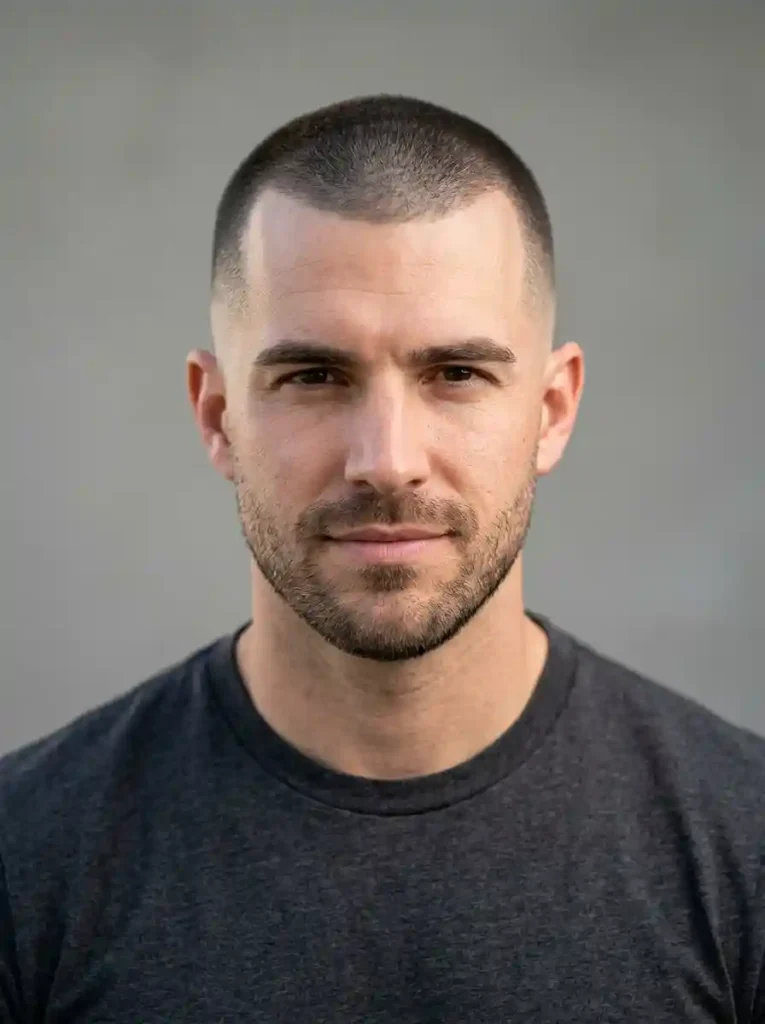
The high and tight is a military-inspired cut that translates beautifully to civilian life for men with receding hairlines because it removes the question of what to do with the sides entirely. The fade starts very high on the head and blends aggressively to the skin, leaving a small, neat amount of hair on the crown. The shape up at the forehead creates a defined horizontal line that gives the hairline structure and makes the cut look precise and intentional. The recession at the temples simply becomes part of the clean, geometric aesthetic of the overall style.
Men who choose the high and tight benefit from one of the lowest maintenance styles available despite how sharp it looks. The tight fade on the sides grows out slowly relative to the crown, and because the sides are so short, any growth looks natural rather than unkempt. The shape up requires the most attention, but a quick touch-up with a quality clipper at home can extend the life of a fresh barbershop visit significantly. This cut pairs excellently with a full beard or clean shave, both of which complement the sharp, masculine lines of the style.
8. The Short Caesar Cut
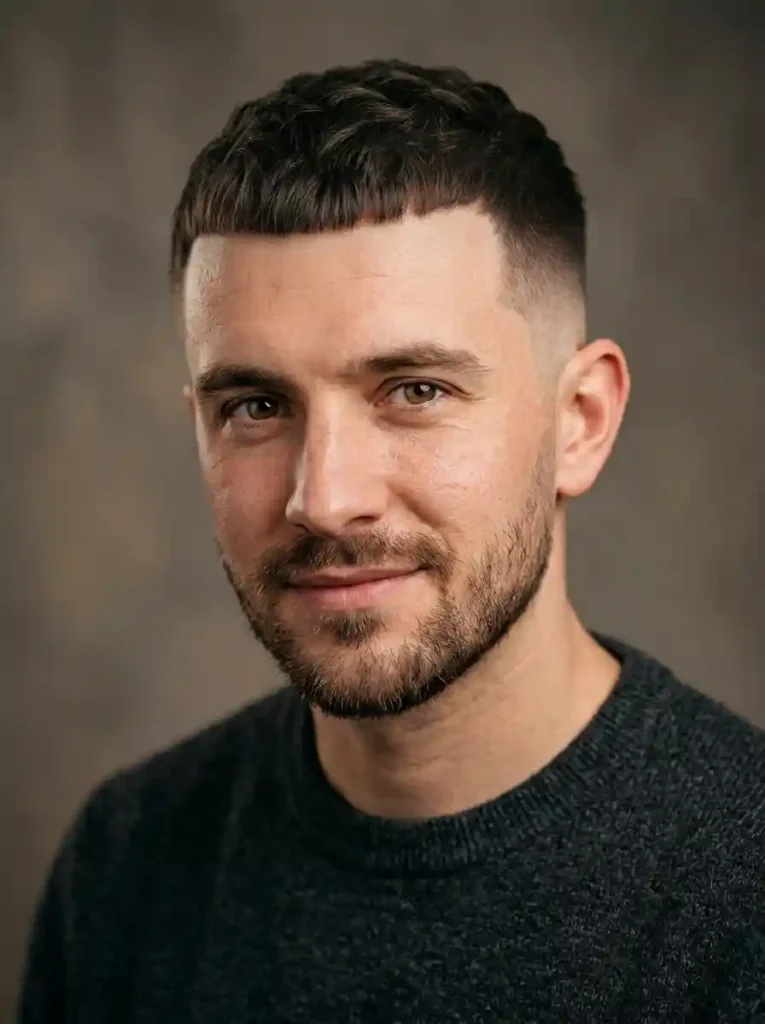
The Caesar cut is one of the oldest and most consistently effective styles for men with receding hairlines, and it works through a brilliantly simple mechanism. The fringe is combed forward horizontally, which creates a visual boundary at the forehead that defines and fills the front hairline. This forward direction of the hair means that temple recession is largely obscured by the angle of the style, and the uniform short length on top ensures that there are no areas of uneven thinning that would stand out. The result is a clean, defined look that works across a wide range of hair types and face shapes.
Modern Caesar cuts have moved away from the severe, perfectly blunt fringe of the classical version and toward something slightly more relaxed. A textured fringe with a small amount of movement looks more contemporary and less rigid than a perfectly uniform horizontal line. Pairing the textured top with a clean skin fade at the sides brings the whole cut into a modern context and prevents it from reading as dated. The Caesar requires minimal styling time, which makes it one of the most practical options for men who want a polished look without spending significant time in front of the mirror every morning.
9. The Defined Crop with Skin Fade
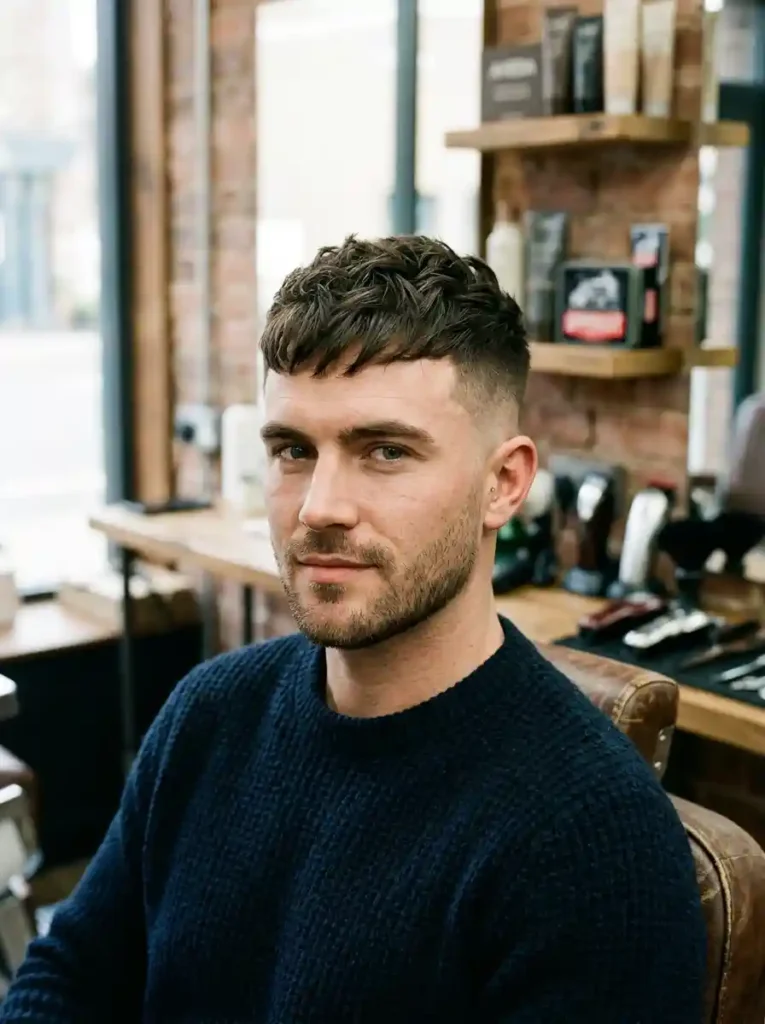
The textured crop with a skin fade has become one of the defining styles of the past several years, and it is particularly well-suited to men with receding hairlines. The crop keeps the hair on top short and slightly forward-directed, similar in principle to the Caesar but with a more contemporary, disheveled texture that reads as effortlessly stylish. The skin fade at the sides removes all the hair from the areas adjacent to the temple recession, which means the recession itself becomes indistinguishable from the planned fade rather than looking like something happening outside the barber’s control.
The texture on top is created using a matte clay or paste that gives the hair definition and a slightly separated, lived-in look. Some men prefer a very short crop, where the fringe barely reaches the forehead, while others opt for a slightly longer version that allows for more pronounced texture and movement. Either approach works well for a receding hairline because the forward direction of the styling naturally fills and defines the front hairline. This is one of the most popular cuts in contemporary barbershops and it ages well across different stages of recession, adapting to each new state with minimal modification required.
10. The Ivy League Cut
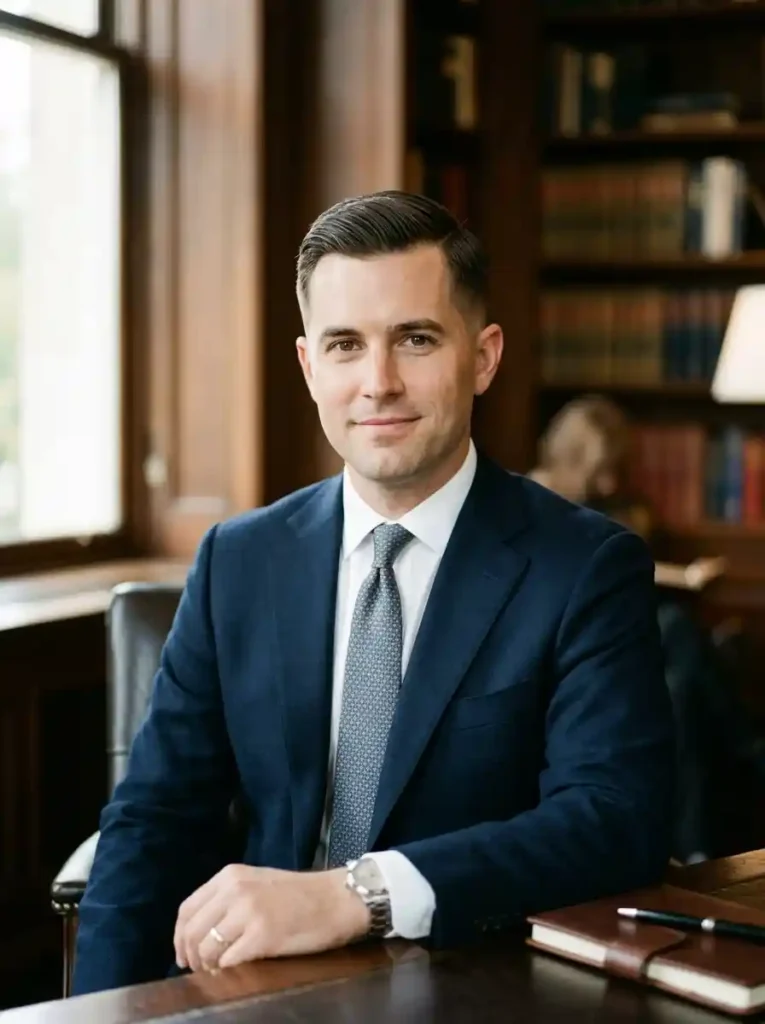
The Ivy League cut sits between a crew cut and a side part, and it offers men with receding hairlines a polished, professional style with enough length on top to provide some styling versatility. The hair on top is typically one to two inches long, allowing for a clean side part and a neat sweep that gives the cut a refined, collegiate quality. The sides and back are tapered cleanly, and the overall silhouette is neat and proportional. For men whose recession is mild to moderate, the Ivy League offers just enough coverage to define the front hairline without resorting to overly architectural styling decisions.
What makes the Ivy League particularly effective is that it looks completely at home in professional environments while still carrying a sense of personal style. A small amount of pomade or a light hold styling cream is all that is needed to keep the part clean and the top in place throughout the day. Men who have worn more casual styles and are moving into professional or corporate environments often find the Ivy League a natural transition that works with their hairline rather than against it. It is a style with genuine longevity, one that will continue to look appropriate and attractive across many years and many stages of a receding hairline.
11. The Slicked Back with a Short Fade
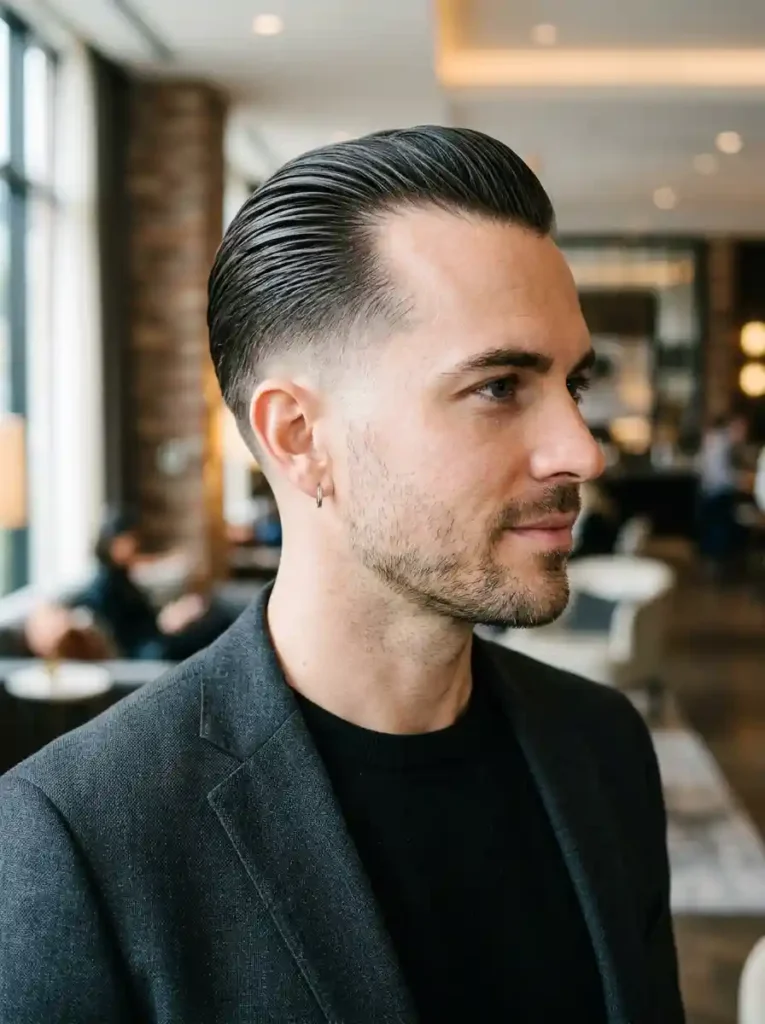
Slicking the hair back from the forehead is one of the most direct ways to take ownership of a receding hairline because the style deliberately moves the hair away from the temples and the front of the head rather than trying to conceal those areas. The swept-back direction of the styling means the hairline recession becomes part of the aesthetic rather than something the cut is working around. A mid fade at the sides keeps the silhouette clean and modern while the slicked-back top communicates a confident, deliberate approach to personal style that reads as genuinely attractive.
The key to making this work well is using the right product for your hair type. Men with finer hair benefit from a lightweight pomade or a volumizing cream that gives the slick-back direction without weighing the hair down flat against the scalp, which can make thinning areas more visible. Men with thicker hair can use a medium hold pomade with a slight sheen for a cleaner, more defined finish. The slicked-back style has genuine cross-generational appeal, looking equally sharp on a man in his late twenties as it does on someone in his forties or fifties, which makes it one of the most durable choices for men managing a receding hairline.
12. The Natural All-Over Short Cut
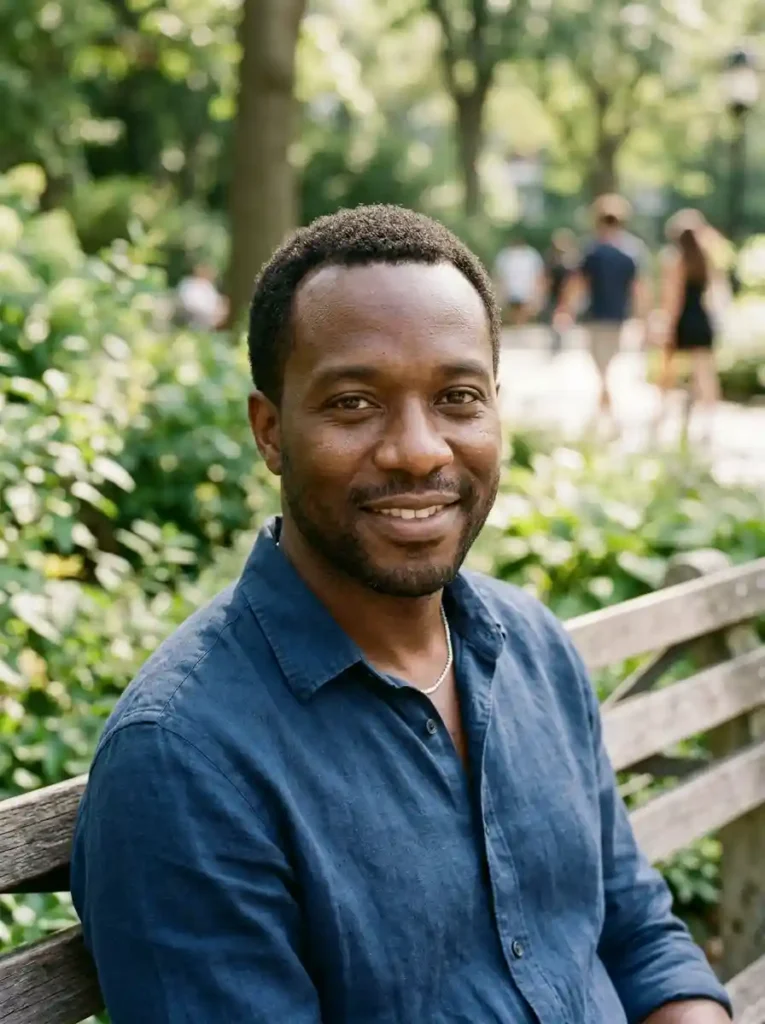
Sometimes the simplest solution is the most effective one, and an all-over short natural cut proves that point with quiet confidence. Rather than using a fade or a shape up to create deliberate contrast, this approach keeps the hair at a uniform short length across the entire head. The recession at the temples becomes virtually indistinguishable from the natural taper of the cut because everything is kept short enough that variation in density is minimized. This style requires almost no product and minimal styling time, which appeals to men who want to look clean and put-together without a complicated morning routine.
The all-over short cut works best at lengths between a number two and a number four on the clipper, depending on personal preference and the texture of your hair. Men with darker hair may want to go slightly shorter to minimize the contrast between the hair and the scalp at the recession points, while men with lighter hair or gray hair find that slightly more length creates a fuller appearance. This is also one of the most forgiving styles in terms of growth, as it continues to look neat for several weeks between cuts, making it one of the most practical and cost-effective choices for men who want low-maintenance confidence.
13. The Short Natural Texture with Temple Fade
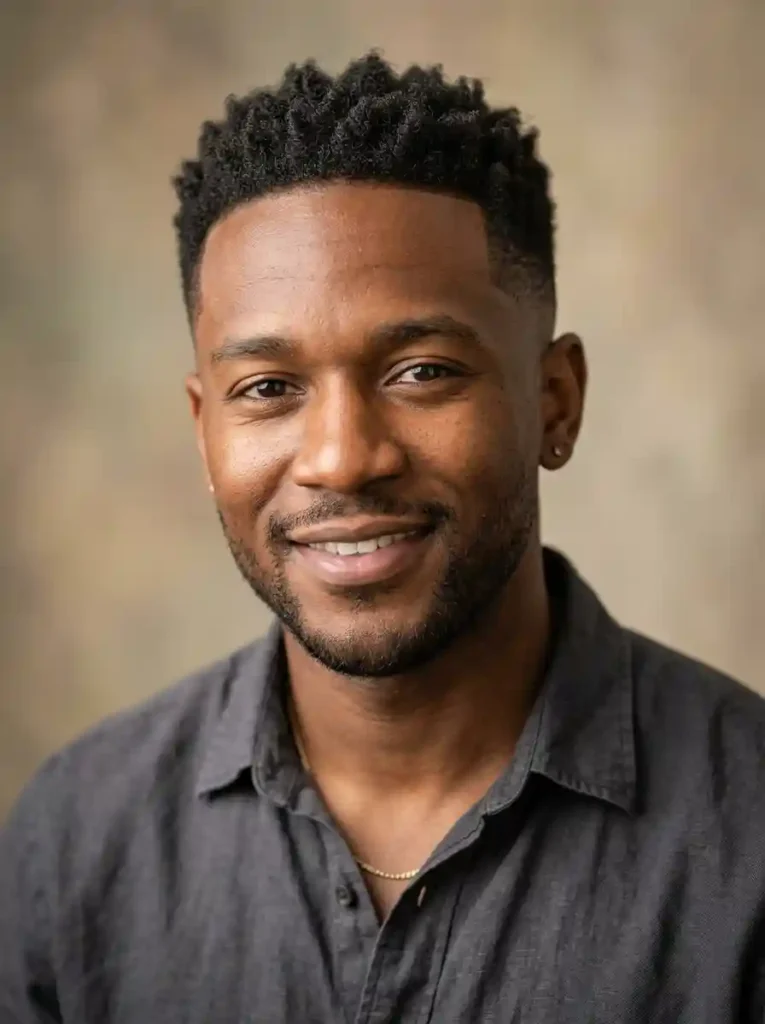
A temple fade is a more subtle and targeted approach to fading than a full skin fade, and for men with a receding hairline it offers a refined solution. The fade is applied specifically at the temple area, blending the hair smoothly from the natural texture on top into the receding point at the hairline and then down into the sides. This creates a continuous, flowing line from the top of the head to the sides that makes the recession look like a deliberate architectural element of the cut rather than a natural occurrence happening outside the barber’s design.
The short natural texture on top can be enhanced with a light styling product that defines the individual hair pattern without weighing it down. A curl enhancing cream works well for men with natural wave or curl, while a light pomade or texturizing paste suits straighter hair types. The temple fade requires a skilled barber to execute well, particularly in the blending where the fade meets the natural hairline, but when done correctly it creates a style that looks custom-designed for the specific shape of your head and hairline. This personalization is exactly what elevates it from a standard short cut to something genuinely stylish.
14. The Buzz Cut with Full Beard
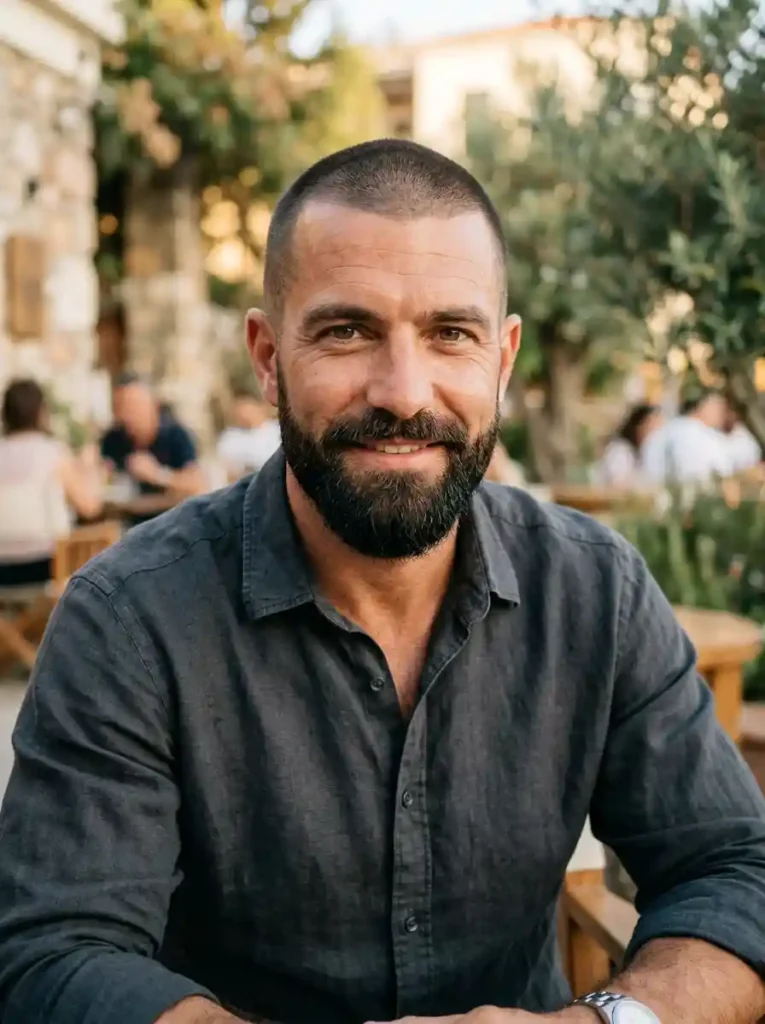
The combination of a buzz cut and a full beard is one of the most effective confidence strategies available to men with a receding hairline, and it works through a fundamental principle of facial composition. The buzz cut minimizes the visual impact of the hairline entirely by reducing all the hair on the head to a uniform short length, while the full beard shifts the primary focal point of the face significantly downward. The eye is drawn first to the strong, defined beard, and the hairline becomes a background detail rather than the first thing a person notices. The overall impression is of a man who is very much in control of his appearance.
Growing a full beard alongside a receding hairline requires some commitment to beard maintenance, as an unkempt beard undermines the intended confidence effect. Regular conditioning, trimming, and shaping of the beard is as important as maintaining the buzz cut itself. Men with patchy beards can still benefit from this approach by using a shorter, more uniform beard style that suits their natural growth pattern. The combination does not require a perfectly full beard to work, but it does require a well-groomed one. This pairing has become genuinely fashionable rather than something associated with resignation, and men wearing it are often perceived as making an active and attractive style choice.
15. The Short Part Fade

A razor-etched part adds a level of precision to a short haircut that transforms it from something straightforward into something that reads as genuinely intentional and well-considered. The part is shaved cleanly into the hair at a natural point, typically above the outer edge of the eyebrow, and the hair on top is styled to each side of that part. The skin fade at the sides and back reinforces the clean, geometric precision of the overall style, and the sharp part line is what draws the eye and creates the defining visual element of the cut. The temple recession becomes absorbed into the fade line rather than standing out as a separate feature.
This style works best with short to medium short hair on top, approximately half an inch to one inch in length, which is enough to show the part clearly and allow for a small amount of styling while still keeping everything proportional and neat. A light pomade with a natural sheen gives the hair the polish and direction needed to complement the clean part without looking overdone. For men who spend time in professional or business settings, the razor part fade communicates attention to detail and personal investment in appearance, which are qualities that translate positively in almost any environment.
16. The Short Quiff with Low Skin Fade
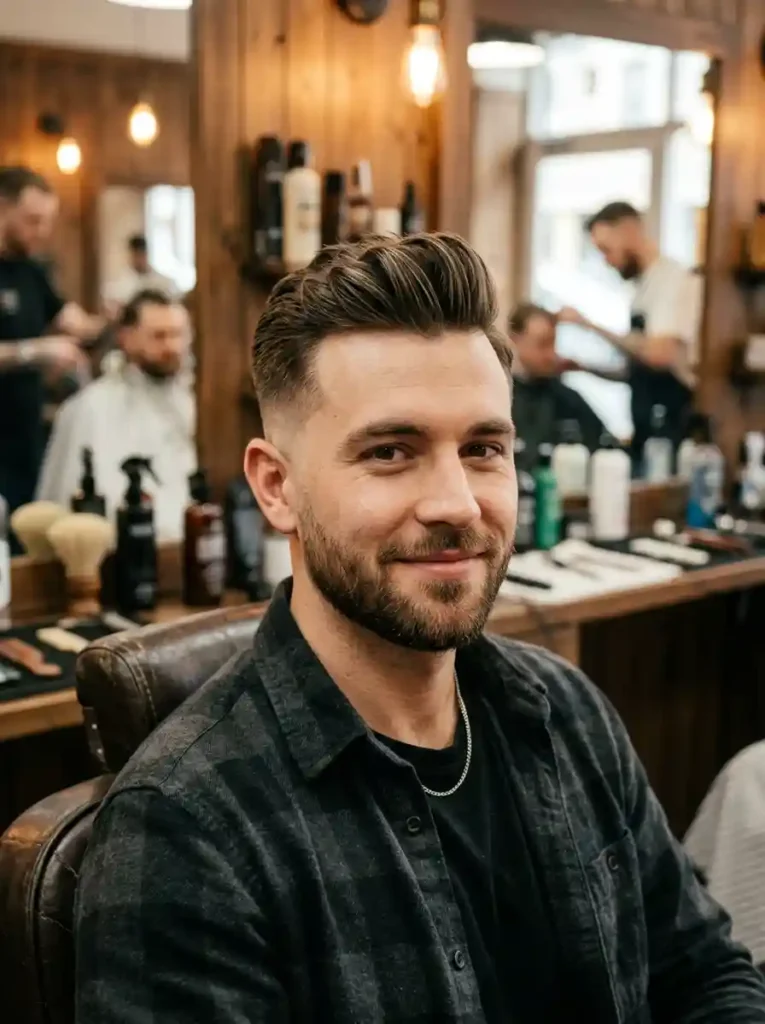
A short quiff takes the swept-back principle of the pompadour and applies it with less volume and more restraint, resulting in a style that works beautifully for men with receding hairlines who want lift and movement without dramatic height. The hair on top is styled upward and slightly backward, creating a gentle peak near the front of the crown that draws the eye upward and backward rather than toward the temples. The low skin fade at the sides keeps everything clean and proportional, and the contrast between the faded sides and the lifted top creates the kind of sharp, modern silhouette that contemporary barbering has made its signature.
The products required to achieve and maintain a short quiff are widely available and easy to work with. A medium hold styling cream or a light pomade gives the hair enough lift and direction to form the quiff without stiffness, and the finish should look natural rather than lacquered. Men with fine hair may find that a volumizing mousse applied to damp hair before blow-drying gives them the extra lift they need before applying a finishing product on top. The short quiff maintains its shape well throughout the day, particularly when set with a blow-dryer, and it grows out gracefully between barbershop visits, maintaining its general character even as the fade softens.
17. The Number One Fade
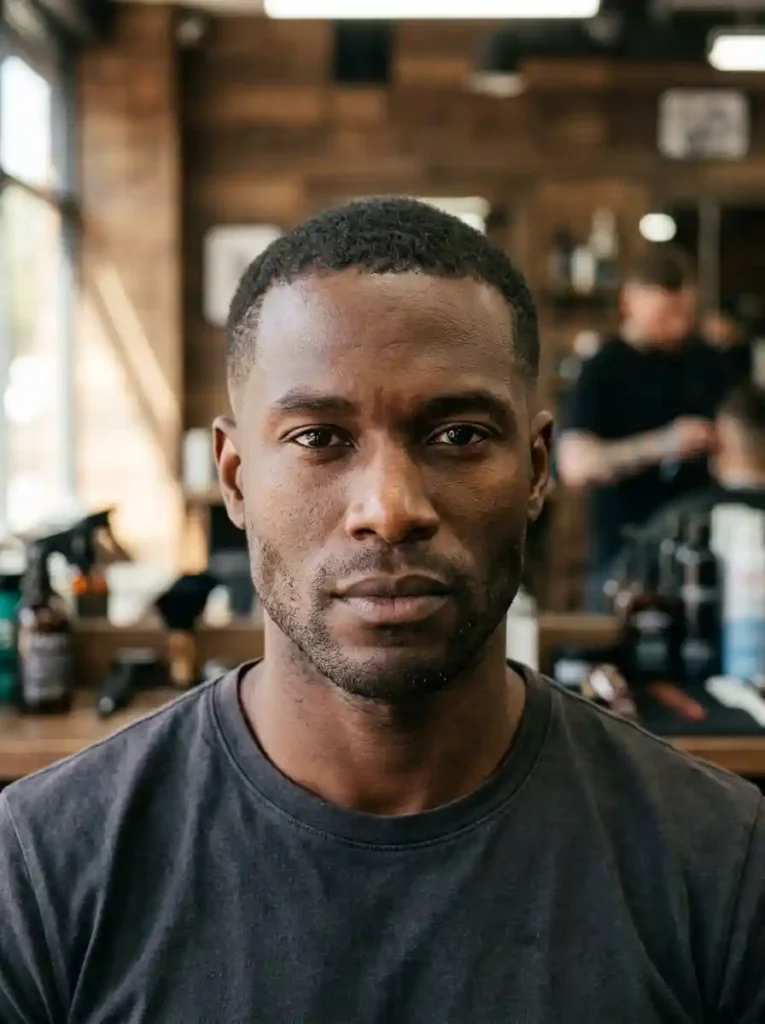
Going very short with a number one or skin-close fade across the sides and back, paired with a slightly longer but still very short top, is one of the most honest and confident approaches a man can take with a receding hairline. The closeness of the cut minimizes the visible difference between the hair-covered scalp and the recession points, making the transition so gradual and fine that the recession itself becomes nearly invisible. There is no patchy contrast, no visible line where hair stops and scalp begins, just an even, clean fade that reads as a deliberate style rather than a response to hair loss.
This very short approach requires the least amount of styling decision-making of any cut on this list. There are no products needed, no styling time in the morning, and no concern about whether the wind or weather will disturb the style throughout the day. The confidence this cut projects comes entirely from the cleanliness of the execution and the evident comfort the man has in his own appearance. Men who have spent years trying different styles to manage their recession often describe going this short as liberating, a moment where they stopped working against their hairline and simply decided to work with it at the most fundamental level possible.
18. The Drop Fade with Available Texture
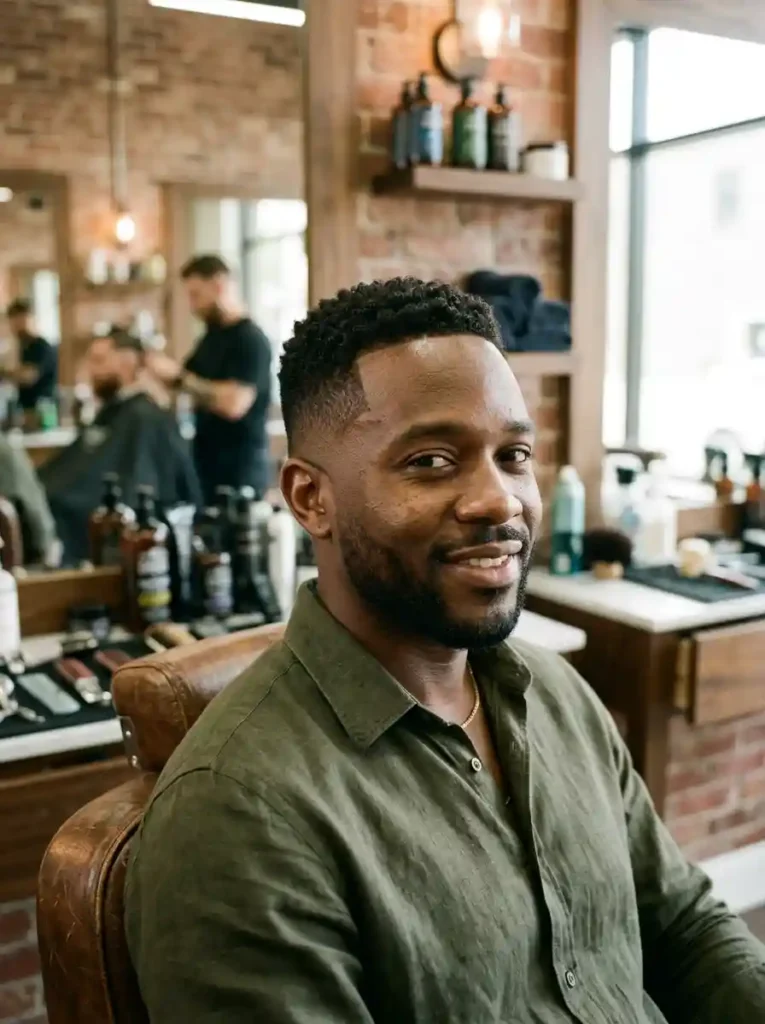
A drop fade curves downward behind the ear in a smooth arc rather than following a horizontal line around the head, and this curved fade line creates a more fluid, contemporary silhouette that suits men with receding hairlines particularly well. The dropping arc of the fade naturally accommodates the shape of the skull and the temple area, making the transition from hair to skin feel organic rather than abrupt. When paired with a small amount of texture on the top, the drop fade creates a complete look that has a modern, artistic quality while remaining entirely wearable in everyday settings.
The drop fade requires a skilled barber to execute correctly because the curved line must be smooth and consistent from the front of the ear all the way to the back of the nape. Any inconsistency in the arc line becomes more visible than a straight fade line would be, so the quality of the barber matters significantly with this particular style. Men who invest in a good drop fade, however, find that it grows out gracefully and continues looking intentional for a longer period than some other styles because the curved line softens rather than sharpens as the hair grows. This is a style that rewards both the initial investment and the ongoing commitment to maintenance.
19. The Wave Style with Temple Fade
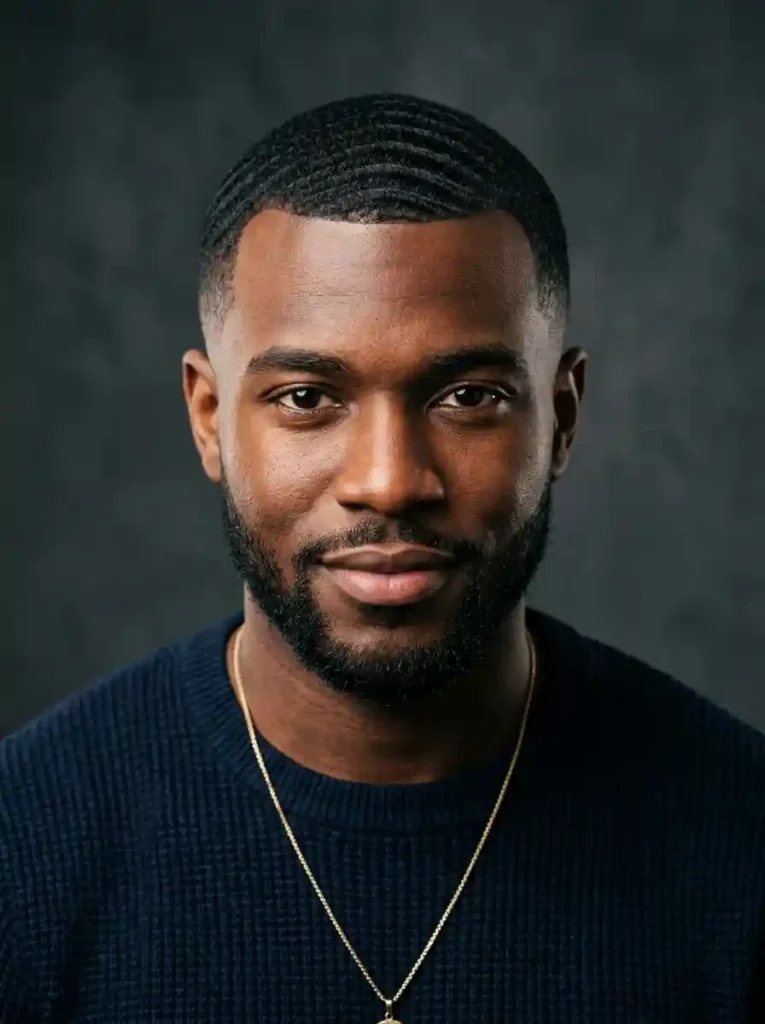
For men who have developed or are maintaining a wave pattern in their hair, a wave style with a temple fade is one of the sharpest and most distinctive looks available, and it works exceptionally well with a receding hairline. The wave compression in the hair creates a striking, textured pattern that draws significant visual attention to the top of the head and makes the hairline shape secondary to the overall pattern. The temple fade blends the sides cleanly into the wave texture on top, creating a finished look where every element appears purposeful and well-considered. The recession becomes simply where the wave pattern ends, rather than where the hair stops.
Maintaining waves requires consistent use of a wave brush, regular compression with a durag or wave cap during sleep, and keeping the hair moisturized and healthy. Men who already wear waves know that this routine is a commitment, but the payoff in terms of the visual impact of the style is significant. The wave pattern itself communicates discipline and deliberate grooming, which shifts the entire narrative of the receding hairline from something happening passively to the man toward something he has actively shaped and maintained. This is one of the most genuinely confidence-building styles because of the effort it visibly represents.
20. The Very Short Crop with Skin Fade
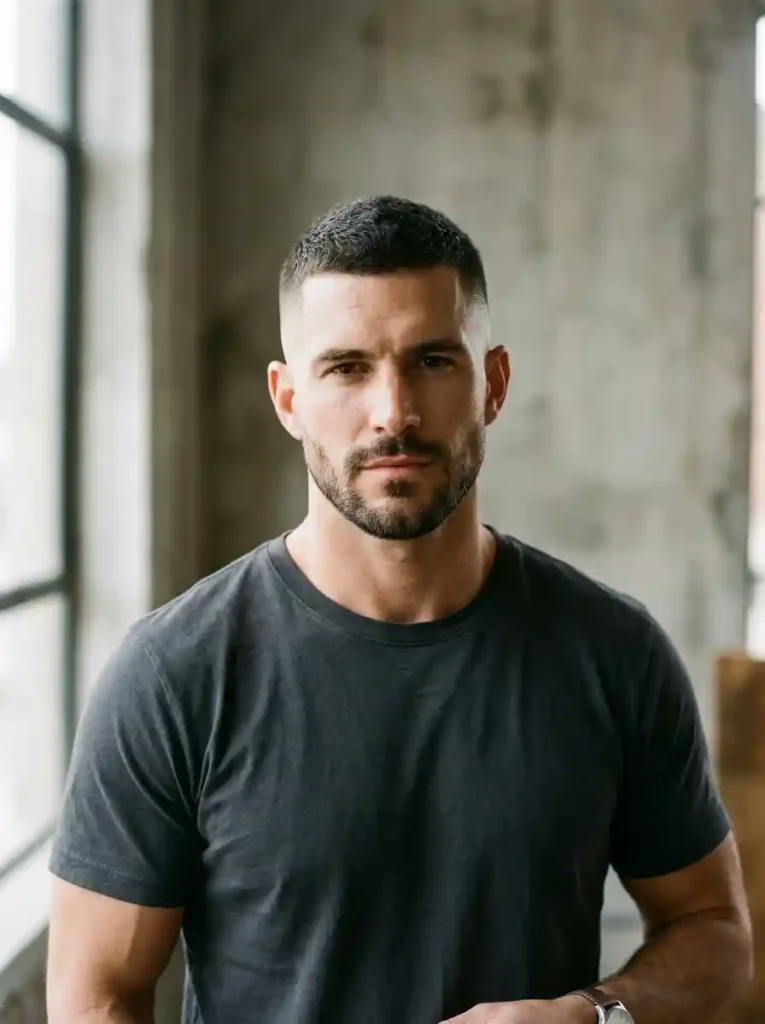
A very short crop keeps the hair on top just long enough to show texture and direction while removing so much length that the visual difference between the recession points and the covered areas becomes minimal. At lengths of half an inch or less on the crown, the density variation caused by a receding hairline is almost imperceptible because the hair is simply too short for the scalp contrast to read clearly from a conversational distance. A high skin fade at the sides reinforces the clean minimalist aesthetic and creates a look that reads as a deliberate, contemporary style rather than the shortest option available.
This cut is ideal for men who have found that longer styles draw more attention to their recession because of uneven density or texture changes. The very short crop essentially eliminates those variables by bringing everything to a length where they no longer register visually. Product use is minimal to none, and the cut remains looking sharp for several weeks as it grows because the proportions stay balanced throughout the growth cycle. Men who choose this cut often report that they receive more compliments on their hair than they did when they were working with longer styles, a testament to the confidence that comes from a clean, well-executed approach.
21. The Clean Shaved Head
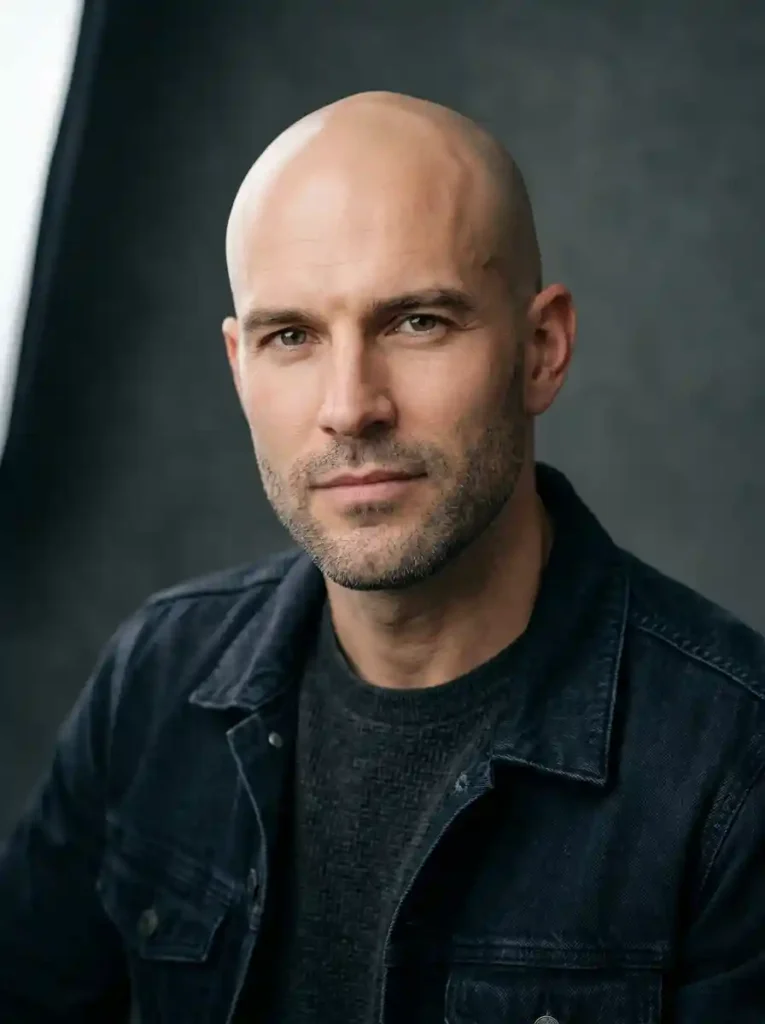
Shaving the head completely clean is the ultimate expression of confidence in the context of a receding hairline, and it is one of the most broadly flattering options available to men at any stage of hair loss. When done well and maintained consistently, a clean-shaved head communicates complete ownership of one’s appearance. There is no ambiguity, no attempt at management, and no energy spent on a style that is working against the natural direction of the hair. The clean scalp becomes its own aesthetic, one that emphasizes the shape of the skull, the structure of the face, and the strength of the overall facial composition.
The practical requirements of a shaved head are simple but consistent. Men who shave their heads need to shave every one to three days to maintain the clean look, and using a quality razor and a good post-shave moisturizer is important for preventing irritation and maintaining smooth, healthy-looking skin. Sun protection becomes important as well, since the scalp is now exposed. The one reliable addition that elevates a shaved head from stark to striking is a well-maintained beard. A beard of virtually any style, from a short designer stubble to a full shaped beard, adds warmth, structure, and dimension that makes the overall look feel complete and considered rather than simply minimal.
22. The Protective Twist Fade
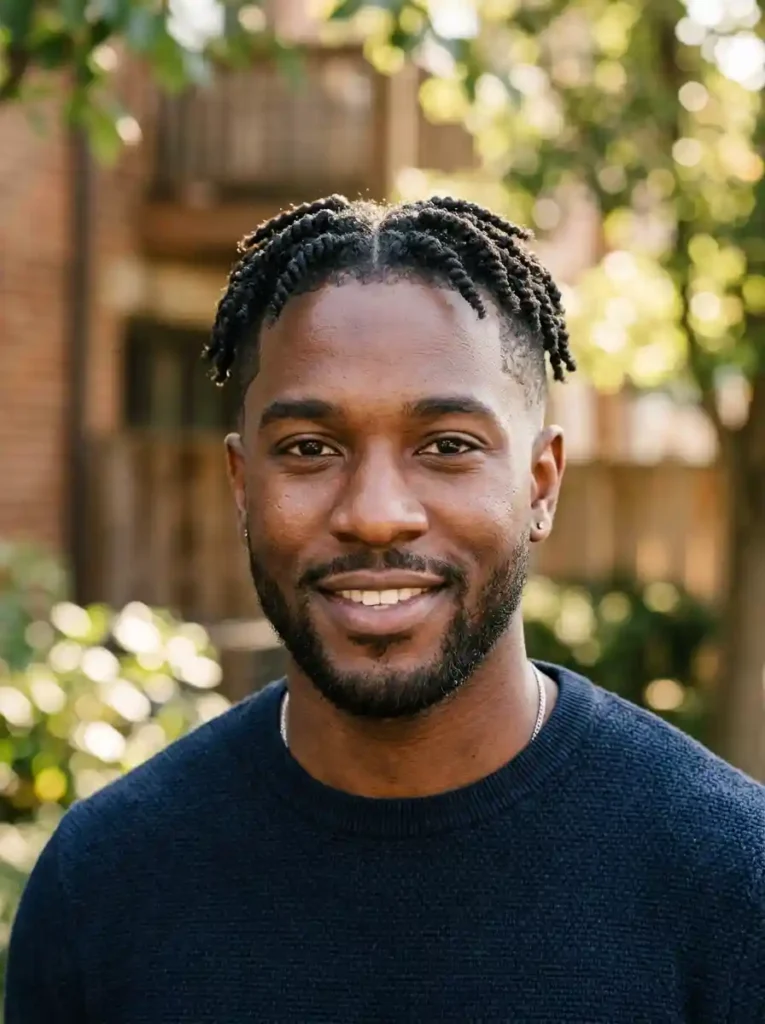
Two-strand twists worn short are an excellent protective style for men with natural hair textures who are managing a receding hairline. The twists sit closely to the scalp and create a visually interesting, textured pattern that draws attention to the intentional styling on the crown rather than to the hairline shape. A clean mid fade at the sides removes the hair from the recession zone and creates a smooth boundary between the styled top and the faded sides. The result is a style that reads as fashion-forward, culturally expressive, and entirely confident in its own aesthetic.
The protective nature of two-strand twists also benefits the health of natural hair that may already be dealing with the stresses of thinning or recession. Less manipulation, less heat, and less tension on the hairline itself allows the remaining hair to remain as healthy and full as possible while the style does the visual work of creating a complete, polished look. Men who maintain their twists with regular moisturizing and a light natural oil find that the style stays looking fresh for one to two weeks between re-twisting sessions, making it both a practical and an attractive choice for men with natural hair textures and receding hairlines.
23. The Natural Gray Texture Embrace

When a man’s hair is transitioning to gray or silver alongside a receding hairline, he has the option to lean into both changes simultaneously and create a look of genuine distinction. Natural gray hair has a texture and a presence that responds differently to cuts and styling than pigmented hair, and a well-executed taper fade that works with the silver tones and the natural recession creates a style that reads as confident, mature, and sophisticated rather than apologetic about any of its components. The gray itself becomes a feature of the style, not a sign of age but a visual element that adds depth and character.
The key to making gray hair look its best at any length is hydration and shine. Gray and silver hair tends to be slightly coarser and can look dull or wiry without proper conditioning. A small amount of a lightweight styling cream or a finishing serum adds shine and definition that makes the gray pop beautifully against the skin and in photographs. Regular trims keep the taper fresh and prevent the sides from growing out in a way that makes the recession more visible. Men who have embraced their gray hair alongside their receding hairline consistently report that the combined effect reads as distinguished and self-assured rather than aged, which is one of the most powerful confidence-building transformations available.
24. The Disconnected Fade with Available Top
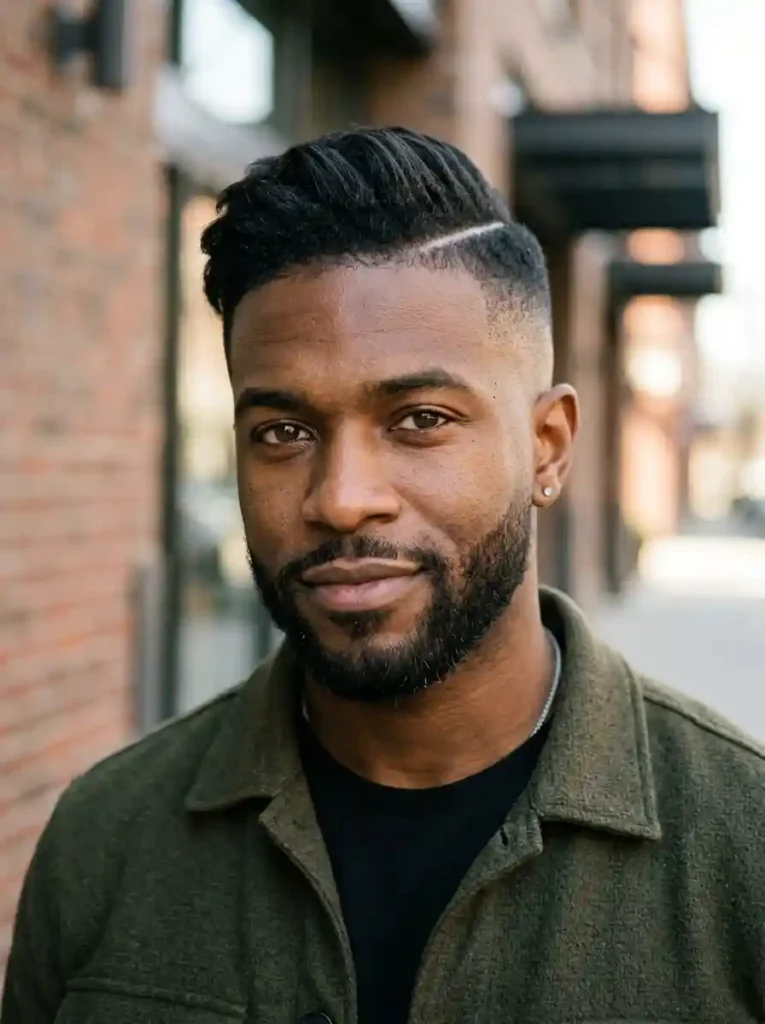
A disconnected fade creates a visible contrast line between the faded sides and the hair on top rather than blending them seamlessly, and this bold, architectural choice can be a genuinely effective strategy for men with a receding hairline because it reframes the entire hairline conversation. The strong contrast line at the fade draws the eye and sets the visual tone of the cut, making the design of the fade itself the primary statement of the style. Within that context, the natural recession at the temple becomes part of the structured, deliberate aesthetic rather than something happening outside the design.
The disconnected fade requires confidence to pull off, but it is that confidence, already inherent in choosing such a bold style, that makes it work. Men who are uncertain about their hairline are rarely drawn to disconnected fades, while men who have made peace with how their hair grows often find this style an exhilarating upgrade from more cautious choices. The top can be styled in several directions, from a short textured crop to a small quiff or a slicked-back look, and each variation brings a different energy to the overall cut. A skilled barber can adjust the height and sharpness of the disconnect to suit the specific shape of the client’s head and hairline.
25. The Embraced Natural Pattern

The most profound style choice available to any man with a receding hairline is the decision to fully embrace his natural growth pattern without architectural correction, heavy product, or deliberate misdirection. This is not laziness or resignation but an active, confident statement that the hairline as it naturally occurs is acceptable and even attractive. A clean taper at the sides and a consistent length on top are all that is needed to make this approach look intentional and complete. The recession is visible, acknowledged, and presented without apology, which communicates a level of self-assurance that no product or technique can manufacture on its own.
Men who make this choice often describe a significant shift in how they perceive themselves and how others respond to them. The energy previously spent managing or hiding the recession redirects toward other aspects of grooming and personal style, and the overall impression is one of a man who has genuinely comfortable in his own skin. The haircut itself is simple, but the confidence that accompanies it is unmistakable. There is something fundamentally attractive about a person who looks exactly like themselves, fully and without apology, and for men with receding hairlines, the embraced natural pattern represents that quality in its most direct and honest form.
Conclusion
Your hairline does not define you, but how you wear it absolutely contributes to how you carry yourself. The twenty-five styles in this collection represent a wide range of approaches, from the aggressively short to the thoughtfully textured, from the classically polished to the boldly architectural, and every one of them shares the same underlying quality: they work with the receding hairline rather than against it. The most stylish men with receding hairlines are not the ones who have found the best camouflage. They are the ones who chose a cut that fits their face, their lifestyle, and their personality and wore it with complete conviction. Find your style, find a skilled barber who understands what you are looking for, and step out of that chair knowing that what is on top of your head is exactly what you intended.
Which of these styles feels most like you? Let us know in the comments and share this with someone who could use a little hairline confidence today.