
Everyone wants a clean, modern haircut, but many men struggle to understand the difference between a taper and a fade. Although these styles may look similar at first glance, they create completely different finishes and suit different personalities, hair types, and maintenance routines. Knowing how each haircut works helps you communicate better with your barber and choose a style that enhances your features. This guide explains the key taper and fade differences through practical examples, making your next haircut decision much easier.
1. Understanding Where the Hair Begins to Shorten
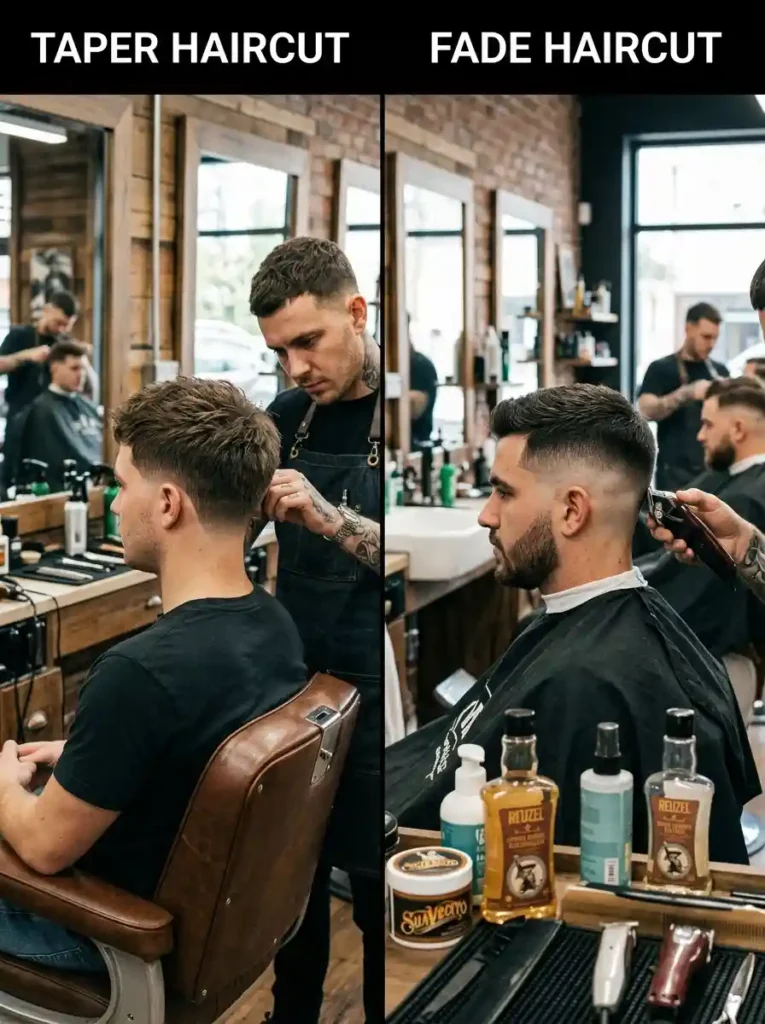
One of the biggest differences between a taper and a fade is where the hair gradually becomes shorter. A taper usually begins around the temples and neckline, preserving more hair across the sides. A fade starts higher or lower depending on the style but blends much closer to the skin, creating a stronger contrast that immediately catches attention.
This difference changes the overall appearance of the haircut. Tapers maintain a softer, more natural transition that suits classic styles, while fades create a modern, bold finish that highlights the top hairstyle. Understanding this simple distinction helps you explain your desired haircut more accurately during your next visit to the barber.
2. Skin Exposure Creates a Different Look
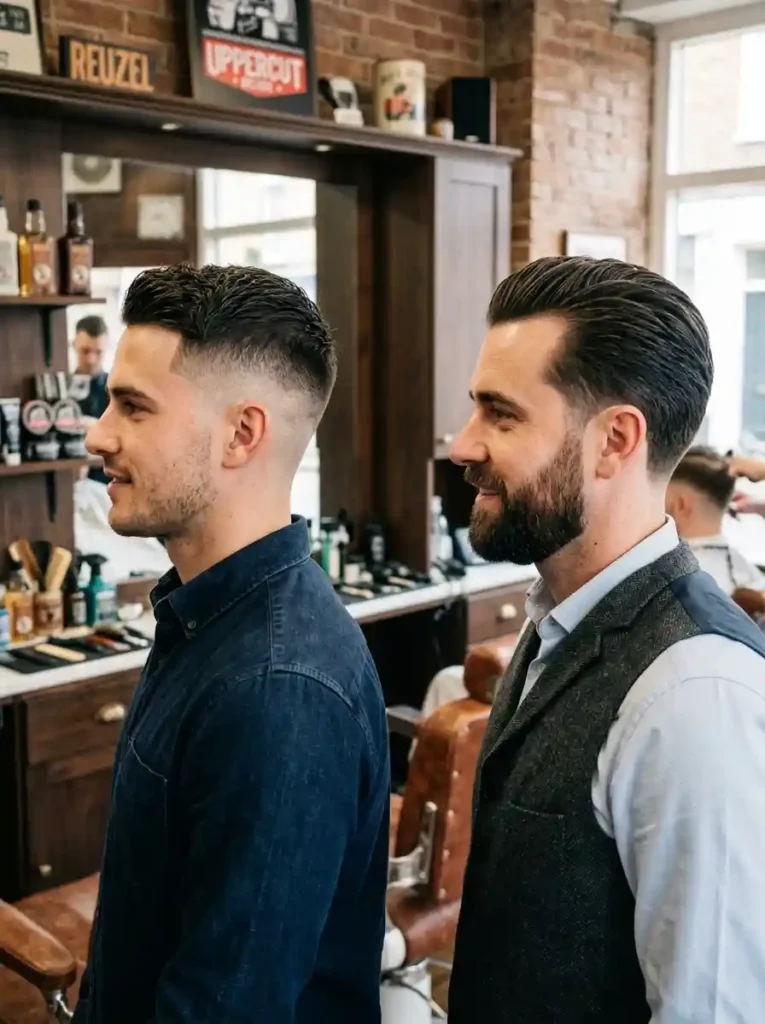
A fade often removes much more hair, allowing portions of the scalp to become visible depending on whether it’s a skin fade or bald fade. In contrast, a taper rarely exposes the scalp because the hair gradually shortens without blending completely into bare skin, giving it a softer and more conservative appearance.
Men who enjoy bold hairstyles often appreciate the clean finish of a fade because it creates sharp definition around the head. Those preferring a timeless or business-friendly haircut usually choose a taper since it offers a polished appearance without the dramatic contrast associated with skin fades and high fades.
3. Maintenance Requirements Are Not the Same
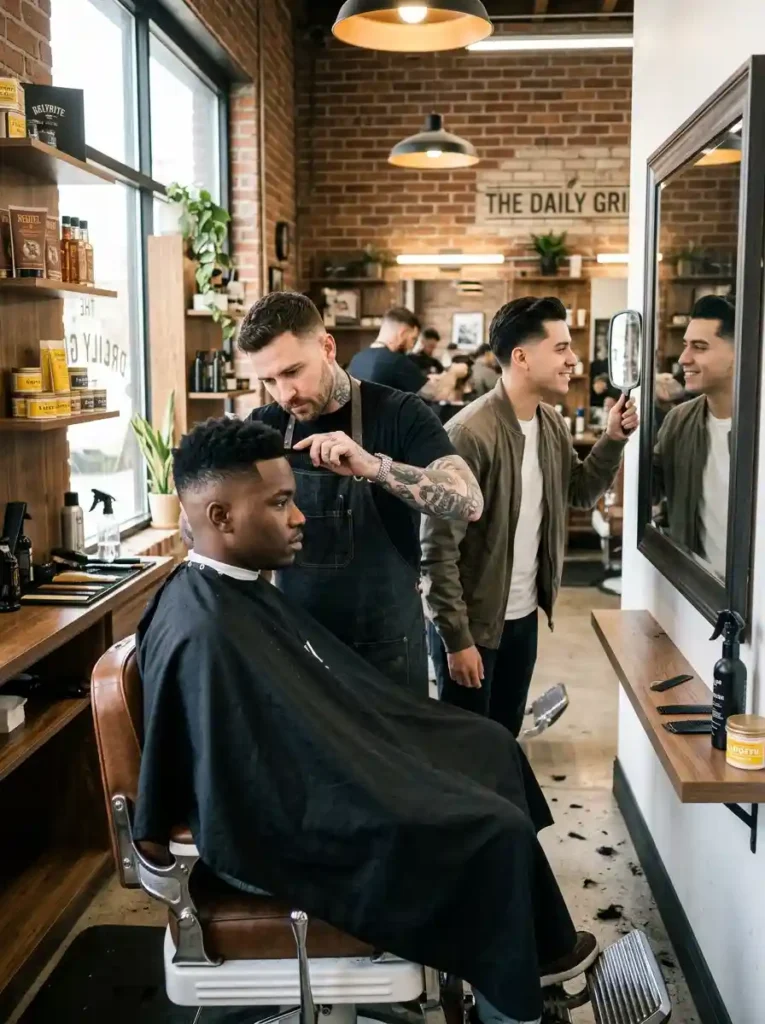
Maintenance is another major difference every man should consider before choosing between these haircuts. A fade loses its crisp appearance more quickly because even small amounts of new hair growth become noticeable. As a result, many men schedule barber appointments every two or three weeks to maintain perfectly blended sides.
A taper grows out more naturally, making it an excellent choice for anyone with a busy schedule or limited grooming budget. Since the transition remains softer as the hair grows, the haircut continues looking balanced for longer periods. This practical advantage makes tapers especially popular among professionals and students alike.
4. Tapers Complement Traditional Hairstyles
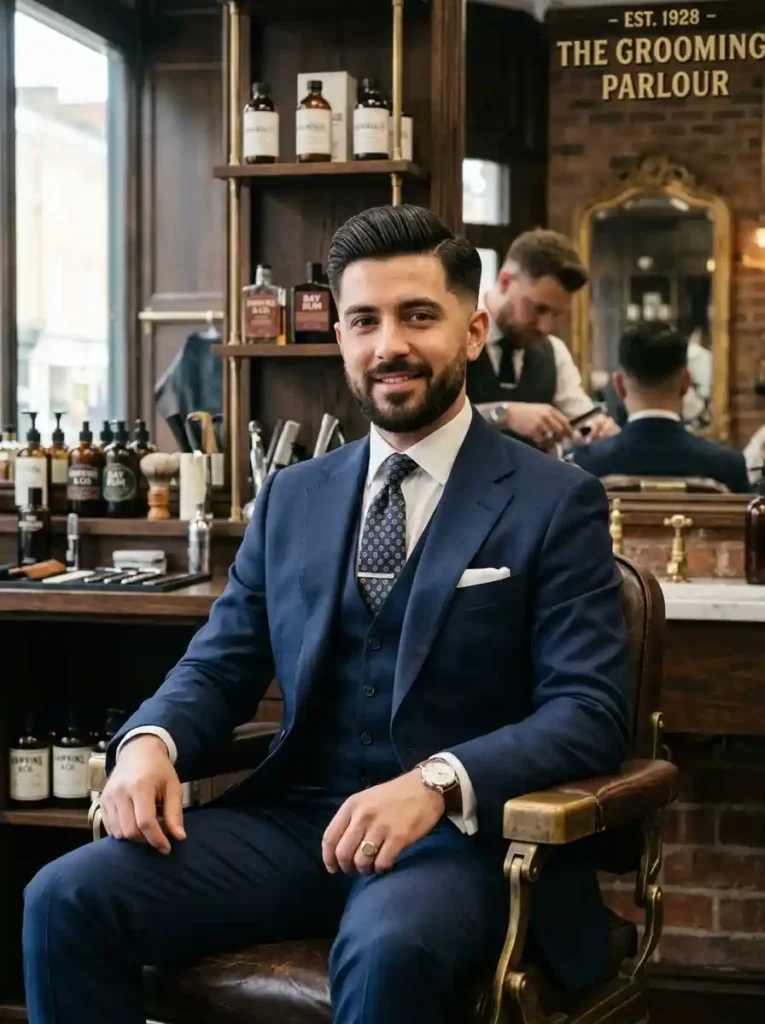
Classic hairstyles often pair beautifully with tapers because they preserve enough hair around the sides to support traditional styling. Haircuts such as side parts, slick backs, and Ivy League styles naturally blend with the subtle transition of a taper, creating an appearance that feels refined without looking outdated.
The balanced proportions of a taper make it suitable for formal workplaces, weddings, and business meetings where a polished image matters. Men seeking understated elegance often prefer this haircut because it combines modern barbering techniques with timeless style that remains fashionable regardless of changing grooming trends.
5. Fades Highlight Modern Hairstyles Better
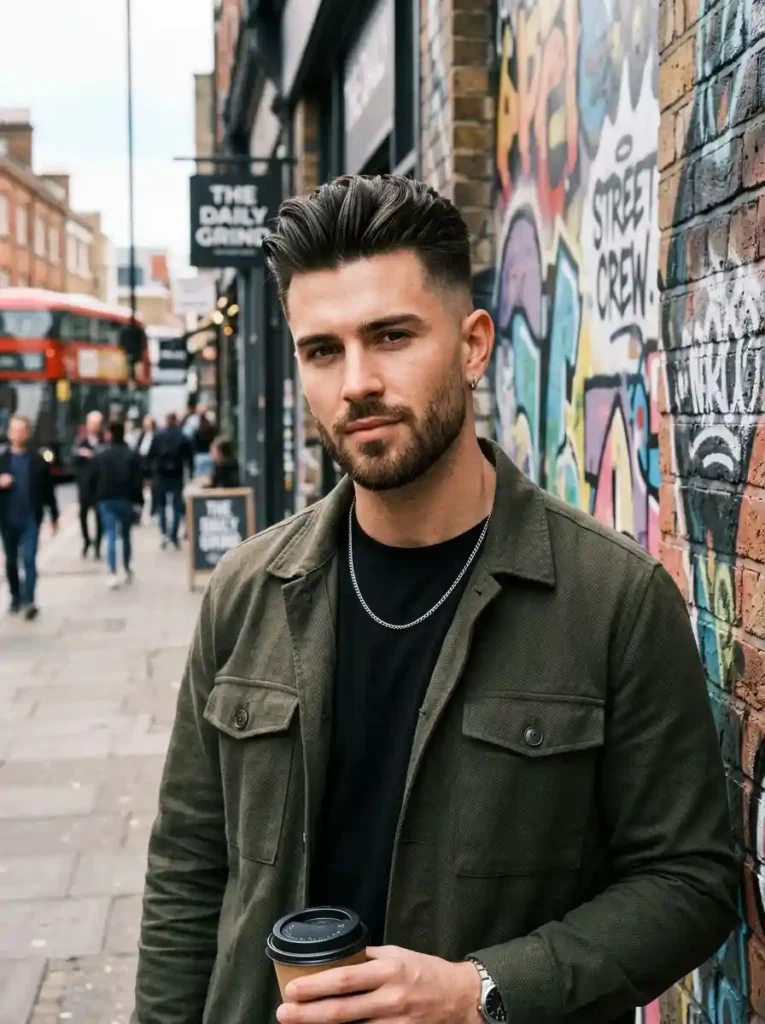
Modern hairstyles often stand out more when paired with a fade because the dramatic contrast naturally draws attention toward the top. Quiffs, textured crops, curly tops, faux hawks, and pompadours all appear more defined when the sides are closely blended, allowing the hairstyle to become the clear focal point.
The sharper finish also enhances facial features by emphasizing jawlines and cheekbones. Men who enjoy experimenting with current grooming trends frequently choose fades because they provide a bold foundation for creative styling. This combination delivers a youthful appearance that feels energetic, fresh, and fashion-forward throughout every season.
6. Hair Growth Looks Different Over Time
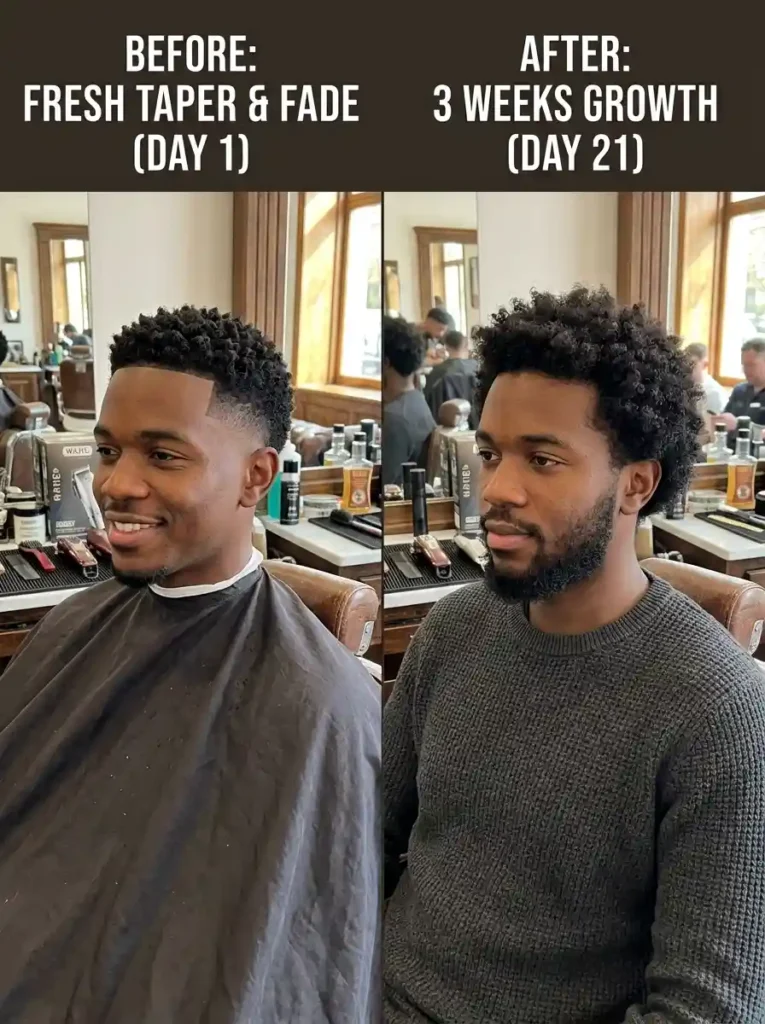
As both haircuts grow, their appearance changes in noticeably different ways. A taper gradually becomes slightly fuller while still maintaining smooth transitions around the ears and neckline. Because the original blend is softer, new growth appears less obvious, allowing the haircut to remain neat without frequent maintenance.
A fade, however, quickly loses its sharp contrast as new hair fills the closely blended areas. The once-crisp transition becomes less defined, encouraging regular barber visits to restore its clean finish. Understanding how each haircut ages helps you choose a style that matches your maintenance routine and long-term grooming preferences.
7. Tapers Work Well in Professional Settings

A taper haircut is often the preferred choice for men working in professional environments because it offers a clean appearance without looking overly dramatic. The gradual shortening around the temples and neckline creates a polished finish that complements business attire and formal occasions. It strikes the perfect balance between modern grooming and timeless sophistication, making it suitable for nearly every workplace.
This versatility allows the haircut to transition effortlessly from office meetings to evening events without needing major restyling. Whether paired with a side part, comb over, or brushed-back hairstyle, the taper maintains a refined image. Men who value professionalism while still wanting a stylish haircut frequently choose a taper for its dependable and understated appeal.
8. Fades Create Stronger Visual Contrast
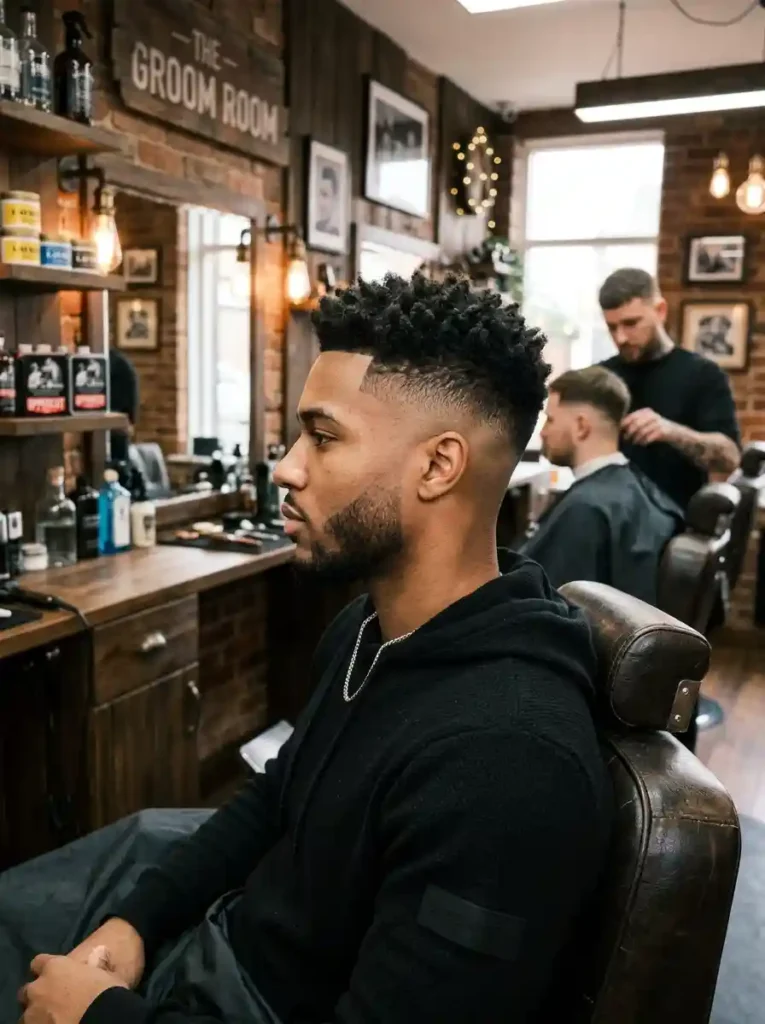
One defining characteristic of a fade is its ability to create bold contrast between the sides and the top. Because the hair gradually blends into extremely short lengths or bare skin, the upper section naturally becomes the center of attention. This dramatic effect gives modern hairstyles a sharper, more fashionable appearance that immediately stands out.
The stronger contrast also helps showcase texture, volume, and styling techniques more effectively than a traditional taper. Men with thick hair especially enjoy this feature because it removes unnecessary bulk while making the top hairstyle appear fuller. A fade is an excellent option for anyone wanting a haircut with maximum visual impact.
9. Face Shape Influences the Best Choice
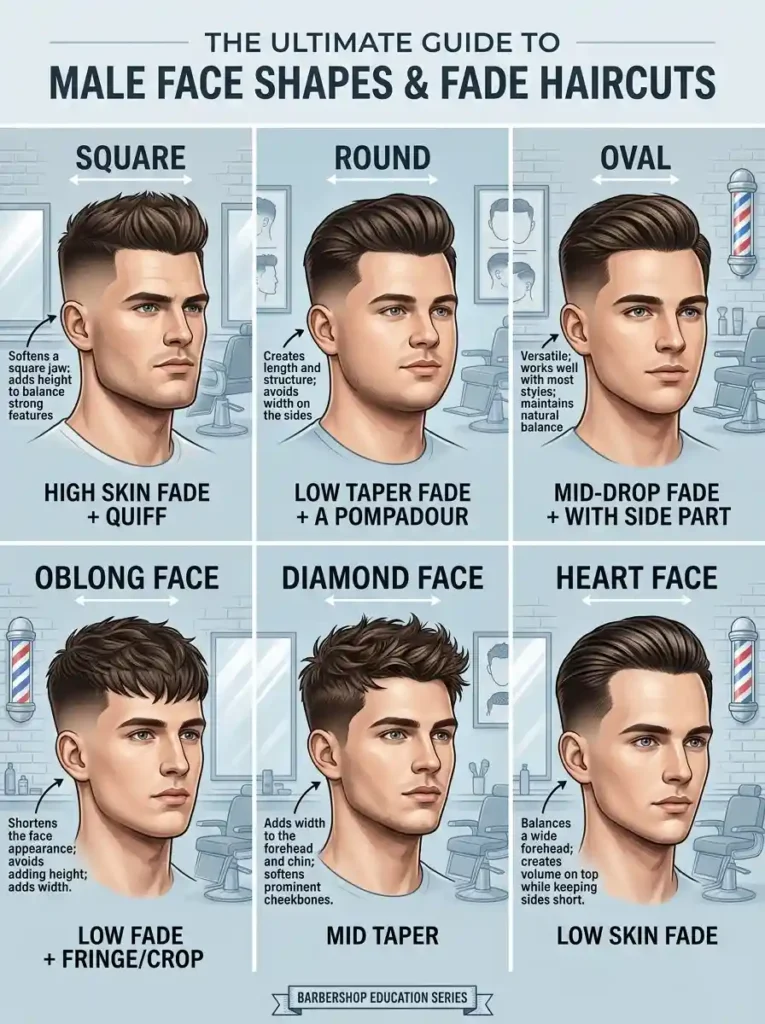
Your face shape plays an important role when deciding between a taper and a fade. A taper creates softer lines that complement round, square, and oval faces without adding excessive contrast. Meanwhile, fades often emphasize facial angles, making them especially attractive for men who want to highlight strong jawlines and defined cheekbones.
Consulting your barber about your facial proportions helps ensure the haircut enhances your natural features instead of competing with them. While personal preference always matters, choosing a style that works with your face shape can dramatically improve your overall appearance and create a more balanced, confident look.
10. Hair Texture Changes the Final Result
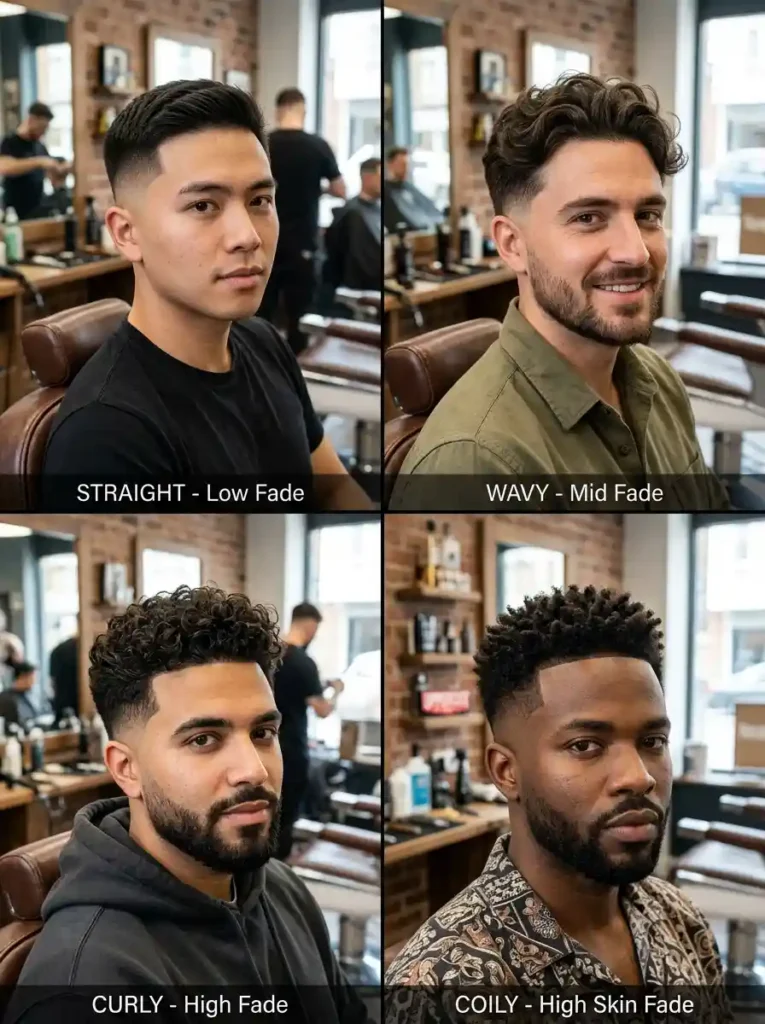
Hair texture affects how both tapers and fades appear after the haircut is complete. Straight hair often showcases the clean blending of a fade, while curly or coily hair creates more natural depth and texture. Tapers preserve additional volume around the sides, making them ideal for men who prefer a fuller silhouette regardless of hair type.
Experienced barbers adjust their fading and tapering techniques according to hair density, curl pattern, and growth direction. This personalized approach ensures the haircut remains balanced and flattering instead of following a one-size-fits-all design. Understanding your hair texture helps you choose the style that delivers the best long-term results.
11. Tapers Offer Greater Styling Flexibility
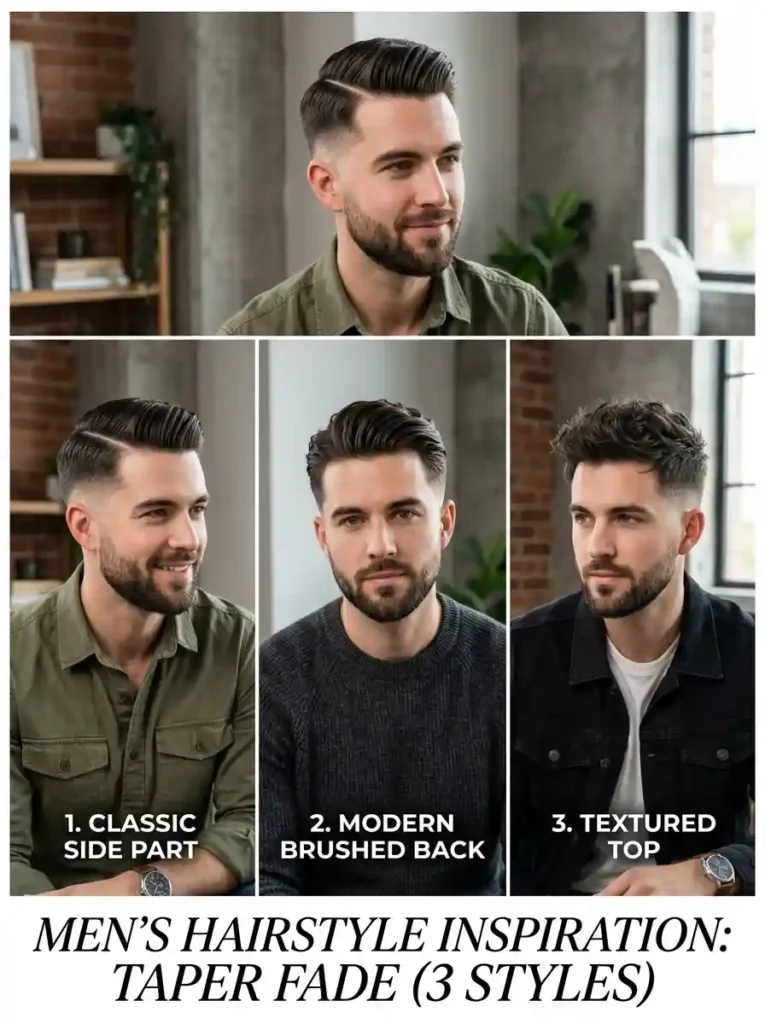
One advantage of a taper is its remarkable versatility with different hairstyles. Since more hair remains along the sides, you can easily switch between classic and casual looks without changing the haircut itself. A taper pairs beautifully with side parts, slick backs, textured crops, and natural waves, giving you multiple styling options throughout the week.
This flexibility appeals to men who enjoy changing their appearance for different occasions. You might wear a polished style during workdays and a relaxed textured finish on weekends. The taper supports both looks effortlessly, making it one of the most adaptable haircut choices available for modern men’s grooming.
12. Fades Deliver a Fresh, Athletic Appearance

Many athletes and active men choose fades because they create a lightweight, breathable haircut that feels comfortable throughout the day. Removing more hair from the sides reduces bulk and keeps the hairstyle feeling cooler during workouts, outdoor activities, and warm weather. The clean finish also contributes to a sharp, energetic overall appearance.
Beyond practicality, fades project confidence and modern style that suit today’s fashion trends. Whether paired with a buzz cut, curls, quiff, or textured crop, the fade enhances the haircut’s definition while requiring only simple styling products. For men seeking a fresh, sporty image, a fade remains one of the most popular and stylish grooming choices available.
13. Tapers Create a Softer Hairline Transition
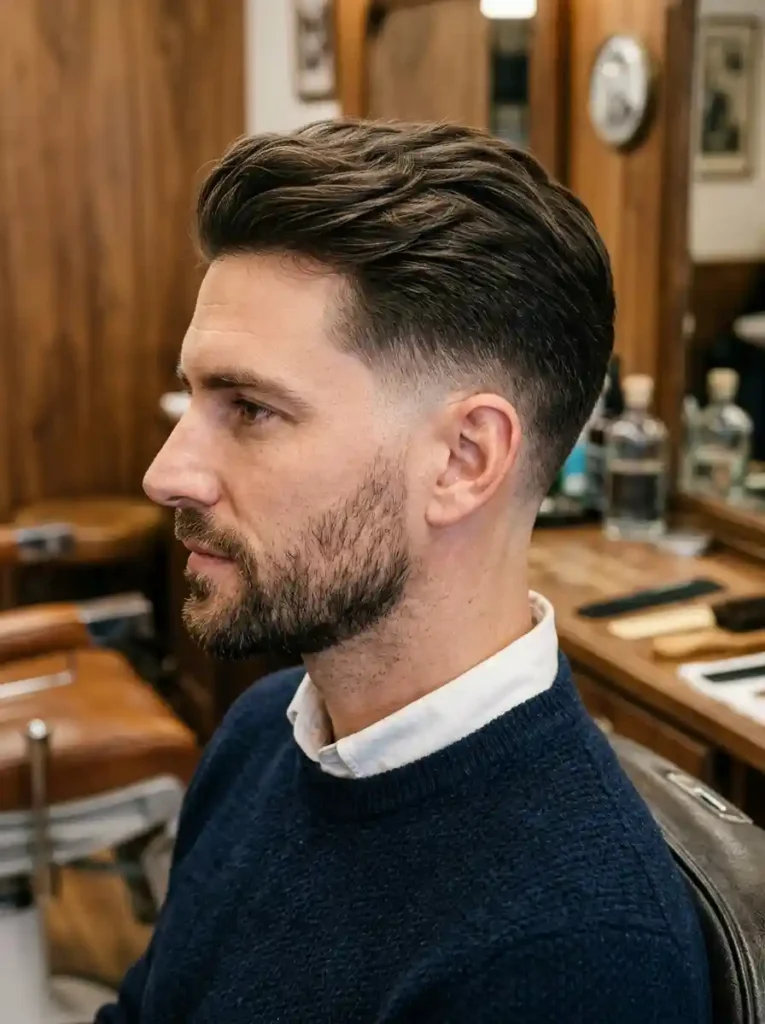
One of the defining features of a taper is its gentle transition from longer hair to shorter lengths around the edges. Instead of creating dramatic contrast, the haircut blends naturally into the neckline and sideburns. This softer finish gives the hairstyle a refined appearance that works well for men who prefer understated grooming without sacrificing style.
The gradual transition also makes the haircut appear balanced from every angle. As the hair grows, the taper continues looking clean because there are no harsh lines to disrupt the overall shape. Men who value classic barbering often appreciate this subtle elegance, making the taper a dependable choice for everyday wear and formal occasions alike.
14. Fades Emphasize Hair Volume on Top
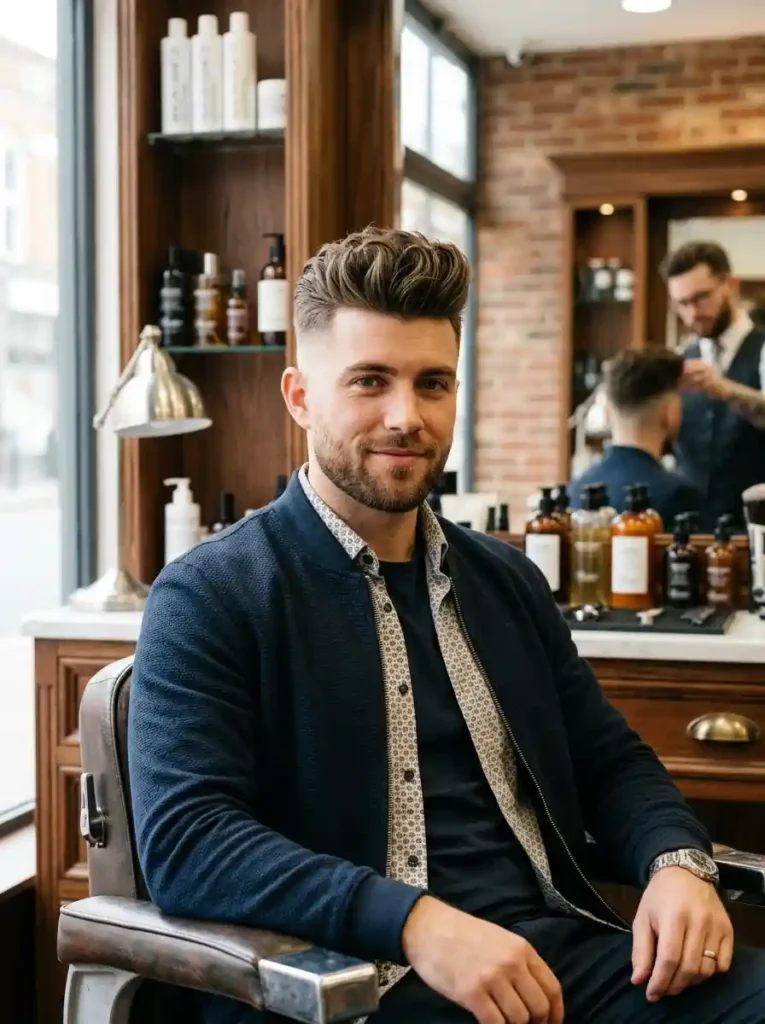
A fade naturally draws attention upward by removing bulk from the sides, making the hair on top appear thicker and fuller. This optical effect works especially well for textured hairstyles because the strong contrast highlights every layer, wave, or curl. Even medium-length hair can seem more voluminous when paired with a properly blended fade.
Many men choose fades specifically to showcase modern styling techniques such as quiffs, pompadours, and textured crops. The cleaner sides provide a strong visual foundation that enhances the hairstyle without overwhelming it. If creating noticeable volume is one of your goals, a fade often delivers more dramatic results than a traditional taper.
15. Tapers Are Ideal for Gradual Style Changes
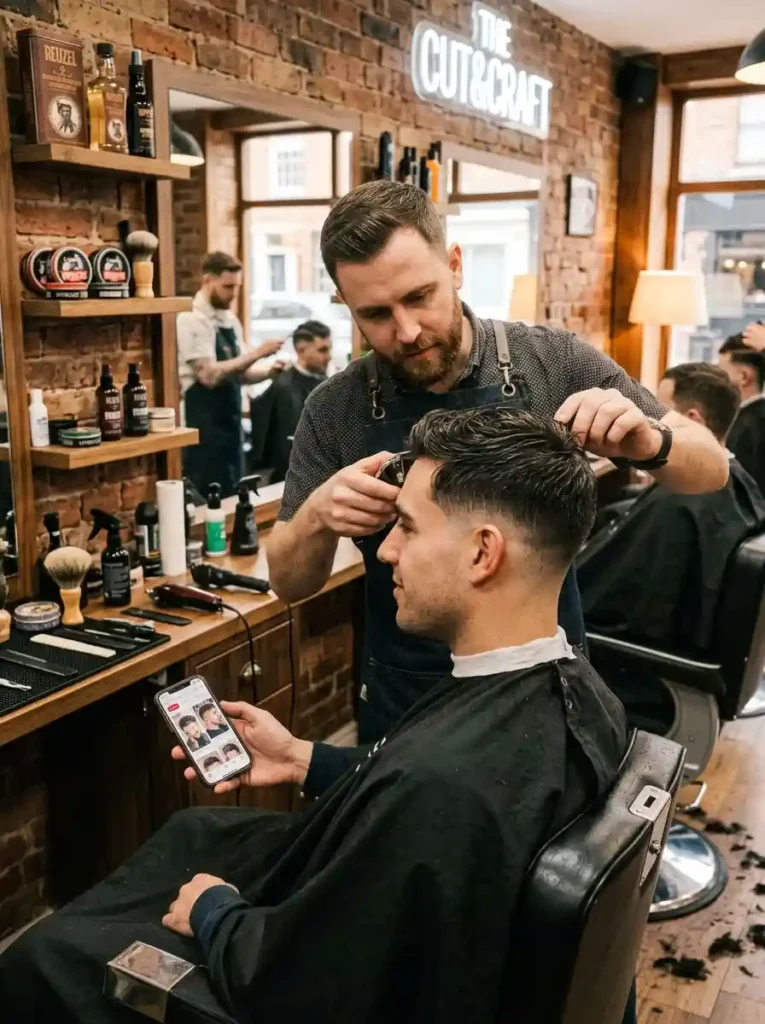
A taper provides excellent flexibility for men who enjoy changing hairstyles over time without making dramatic adjustments. Because more hair remains on the sides, it is easier to grow into longer hairstyles or modify the haircut during future barber visits. This makes the taper a practical option for anyone exploring different looks.
The gradual structure also allows barbers to personalize the haircut according to face shape, hair density, and lifestyle. Whether transitioning toward a slick back, textured crop, or medium-length hairstyle, the taper adapts naturally. Men who value versatility often appreciate how easily this haircut evolves while maintaining a consistently polished appearance.
16. Fades Require Greater Precision
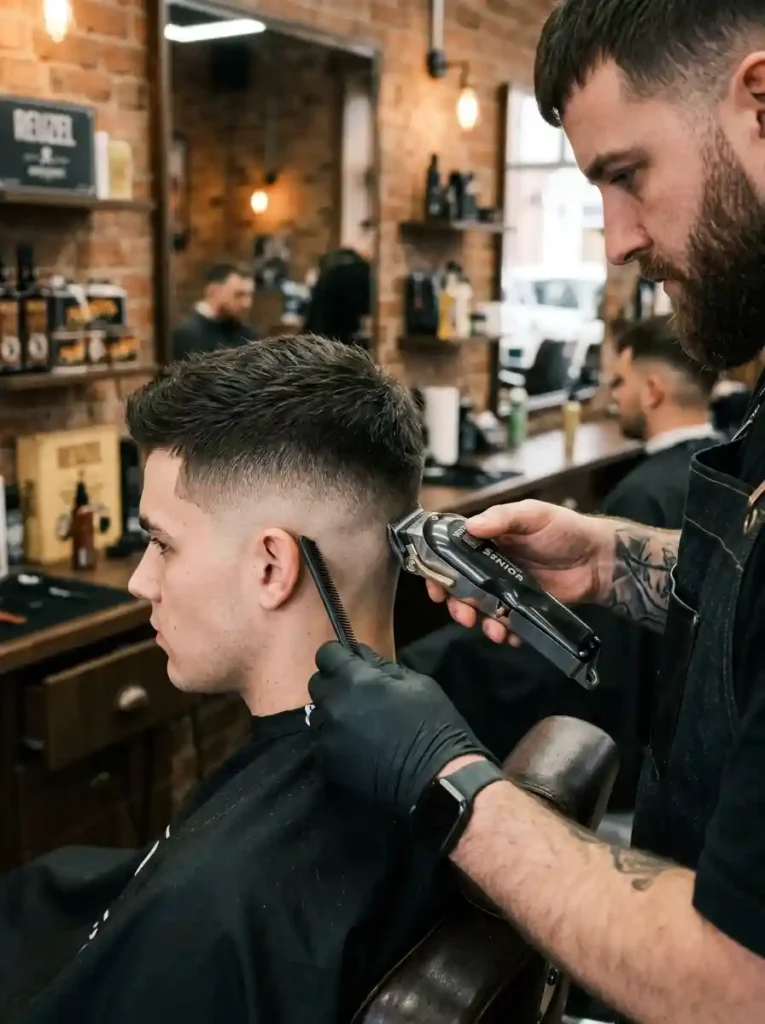
Creating a clean fade requires exceptional barbering precision because every section must blend seamlessly into the next. Small mistakes become noticeable immediately due to the dramatic contrast between different hair lengths. Skilled barbers carefully use multiple clipper guards and blending techniques to achieve a smooth, flawless finish.
This attention to detail is one reason fades remain highly respected within modern barbering. A perfectly executed fade reflects technical expertise while enhancing the overall hairstyle. Men who appreciate sharp grooming often enjoy the crisp appearance that only a professionally blended fade can provide when maintained with regular appointments.
17. Tapers Suit All Age Groups
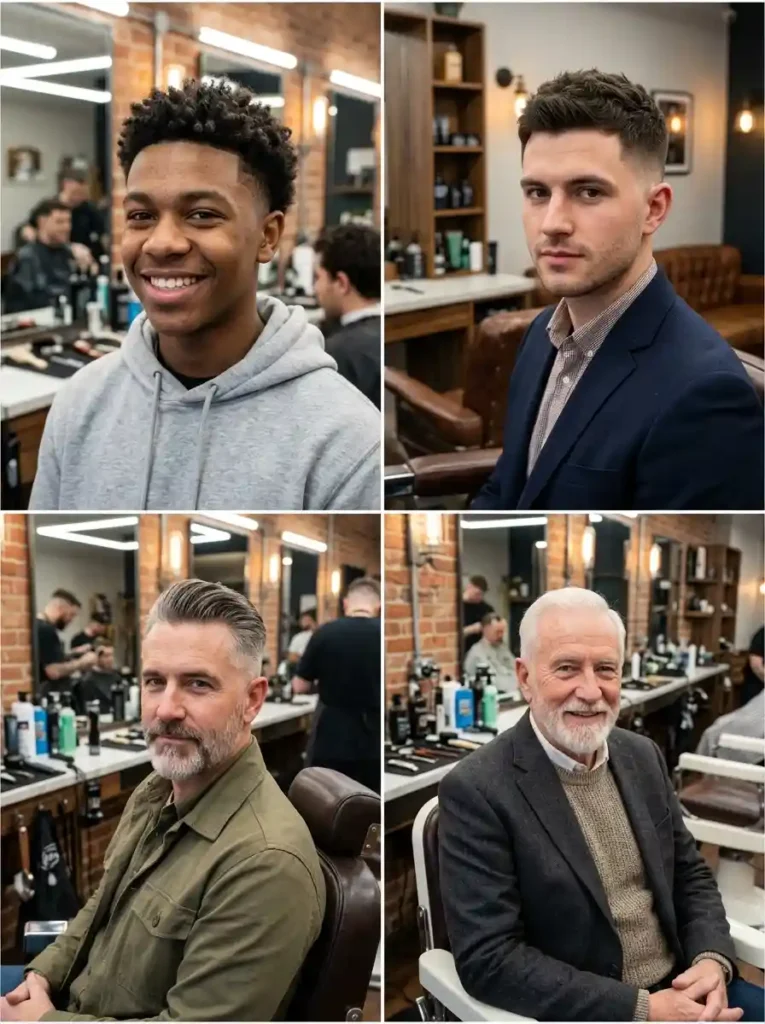
A taper is one of the few haircuts that looks appropriate across every stage of life. Teenagers appreciate its clean style, professionals value its polished appearance, and older men enjoy its timeless elegance. The subtle transition complements different fashion preferences without feeling too trendy or too traditional for any particular age group.
Because the haircut is so adaptable, it pairs effortlessly with various hair lengths and classic styling techniques. Whether you prefer a side part, brushed-back style, or natural texture, the taper maintains a balanced appearance. Its universal appeal explains why it has remained a favorite choice in barbershops for generations.
18. Fades Reflect Contemporary Grooming Trends

Fades have become one of the most recognizable symbols of contemporary men’s grooming because they combine precision, contrast, and versatility. They work beautifully with today’s most popular hairstyles while giving every haircut a cleaner, more fashion-forward appearance. From athletes to influencers and professionals, fades continue to dominate modern haircut trends worldwide.
Although styles continue evolving, the fade remains highly adaptable through low, mid, high, drop, and skin fade variations. This variety allows every man to personalize the haircut according to his preferences while maintaining a fresh appearance. If you enjoy staying current with modern barbering trends, a fade offers endless styling possibilities with unmistakable visual impact.
19. Tapers Usually Need Less Frequent Barber Visits

One practical advantage of a taper haircut is how well it grows between barber appointments. Because the transition is gradual and subtle, new hair blends naturally with the existing shape. Even after several weeks, the haircut often maintains a clean and balanced appearance, making it an excellent choice for men who prefer lower-maintenance grooming routines.
This slower visual change saves both time and money without sacrificing style. Busy professionals, students, and travelers often appreciate the flexibility of a taper because they do not need frequent touch-ups to keep the haircut looking presentable. If convenience is an important factor, a taper provides dependable style with minimal maintenance demands.
20. Fades Deliver a Sharper First Impression

A fresh fade immediately attracts attention because of its clean blending and striking contrast. The sharp transition between the sides and the top creates a polished appearance that feels modern and intentional. Many men choose fades when they want a haircut that reflects confidence, precision, and attention to detail from the very first glance.
This bold finish pairs especially well with neatly groomed beards and contemporary hairstyles, creating a coordinated overall look. Whether attending a special event or simply updating your everyday style, a well-executed fade leaves a memorable impression while showcasing the barber’s craftsmanship and your personal commitment to modern grooming.
21. Your Lifestyle Should Influence Your Choice

Choosing between a taper and a fade should reflect your daily routine rather than following trends alone. Men working in conservative environments often appreciate the subtle appearance of a taper, while those with active or creative lifestyles may enjoy the bold finish of a fade. Selecting a haircut that matches your routine ensures long-term satisfaction.
Think about how much time you spend styling your hair and how often you can visit the barber. A haircut should complement your schedule instead of creating unnecessary maintenance. By considering your profession, hobbies, and grooming habits, you can confidently choose a style that supports both your appearance and your lifestyle.
22. Communication with Your Barber Matters
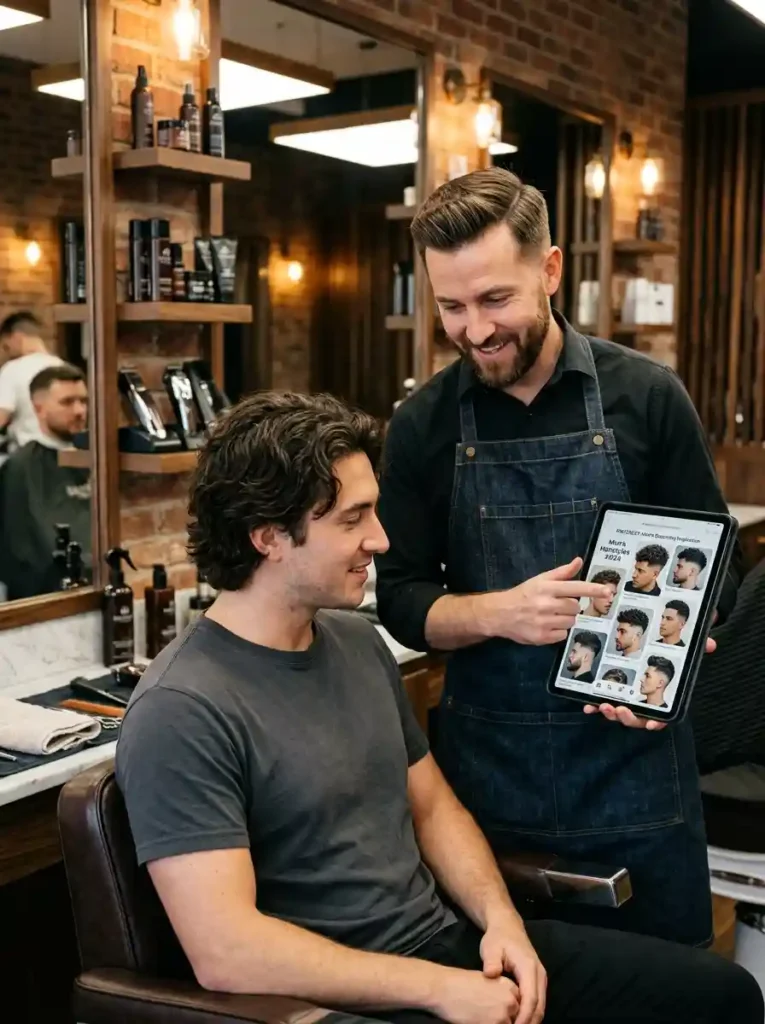
Many disappointing haircuts happen because clients use haircut names without fully understanding what they mean. Bringing clear inspiration photos and discussing whether you prefer a taper or a fade helps your barber understand your expectations. This simple conversation greatly improves the chances of receiving a haircut that matches your vision.
Explain your preferred hair length, maintenance routine, and styling habits during the consultation. Experienced barbers can then recommend adjustments that suit your face shape and hair texture. Good communication transforms a routine haircut into a personalized grooming experience with consistently satisfying results.
23. Hair Density Can Affect the Final Appearance
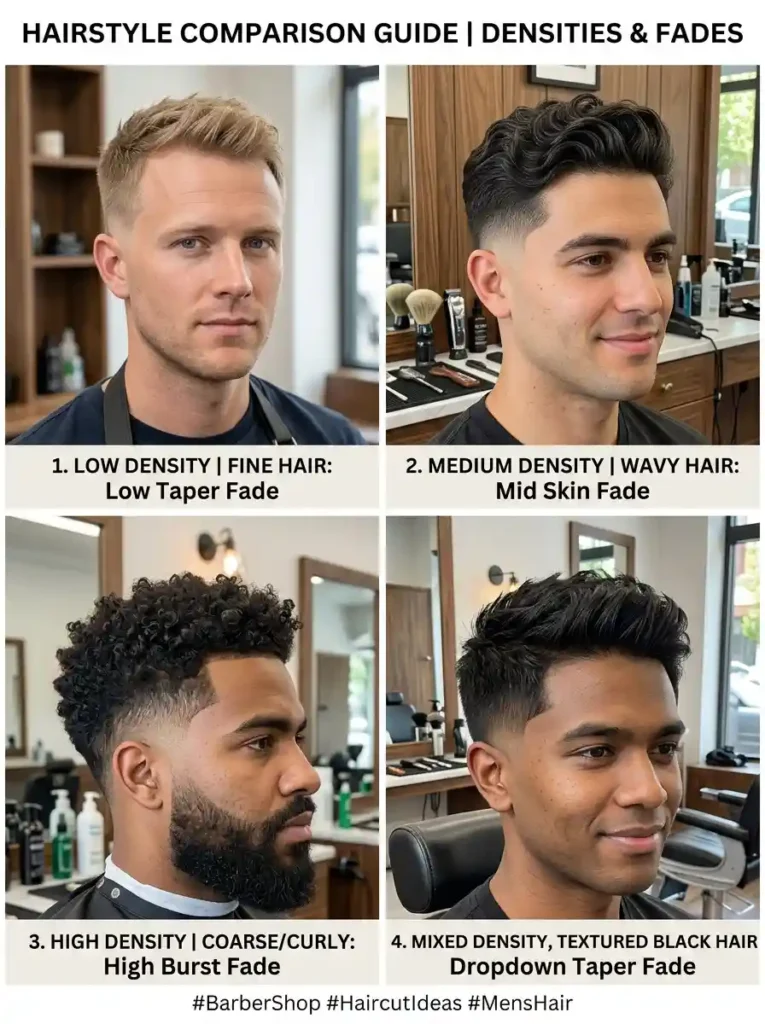
Hair density plays an important role in determining how a taper or fade will look once completed. Thick hair often creates dramatic contrast with a fade, while finer hair may benefit from the softer transitions of a taper. Understanding your natural density helps you choose a haircut that enhances rather than works against your hair.
Professional barbers consider density alongside growth patterns and texture before recommending the best approach. This personalized evaluation ensures the haircut appears balanced from every angle. Choosing a style based on your unique hair characteristics leads to better long-term results and a more confident overall appearance.
24. The Best Haircut Is the One That Fits You
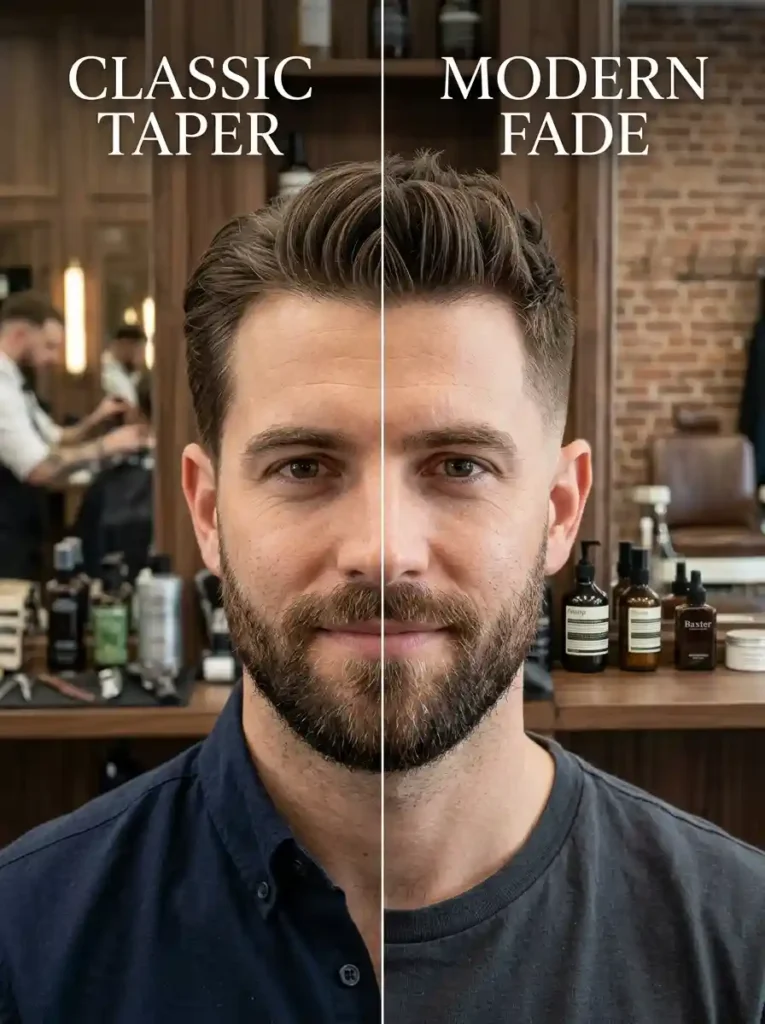
There is no universal winner in the taper versus fade debate because every man has different preferences, facial features, and grooming habits. A taper offers timeless versatility with a softer finish, while a fade provides modern contrast and bold definition. Understanding these strengths helps you make an informed decision instead of simply following popular trends.
The perfect haircut should complement your personality, fit comfortably into your lifestyle, and make you feel confident every day. Discuss your goals with a skilled barber, experiment with different variations, and discover which style suits you best. When chosen thoughtfully, both tapers and fades can become lasting signature hairstyles that elevate your overall appearance.
Conclusion
Choosing between a taper and a fade becomes much easier once you understand their unique characteristics. While a taper delivers a subtle, classic finish with lower maintenance, a fade creates bold contrast and highlights modern hairstyles with impressive definition. Neither haircut is better than the other—the right choice depends on your face shape, hair texture, lifestyle, and personal style. Use these insights as inspiration before your next barber visit, communicate clearly with your barber, and select the haircut that helps you look and feel your absolute best every day.