
When it comes to men’s grooming icons, few names carry the cultural weight and lasting influence of Usher Raymond. Usher haircuts have shaped barbershop conversations, inspired millions of men across generations, and consistently sat at the intersection of athletic precision, R&B cool, and genuine style innovation. From his early days in the late 1990s through his Super Bowl halftime show moment that reminded the entire world why he’s untouchable, Usher’s hair has always been as deliberate and well-crafted as his music. Let’s explore every iconic look in detail.
1. The Classic Usher Buzz Cut with Sharp Line-Up
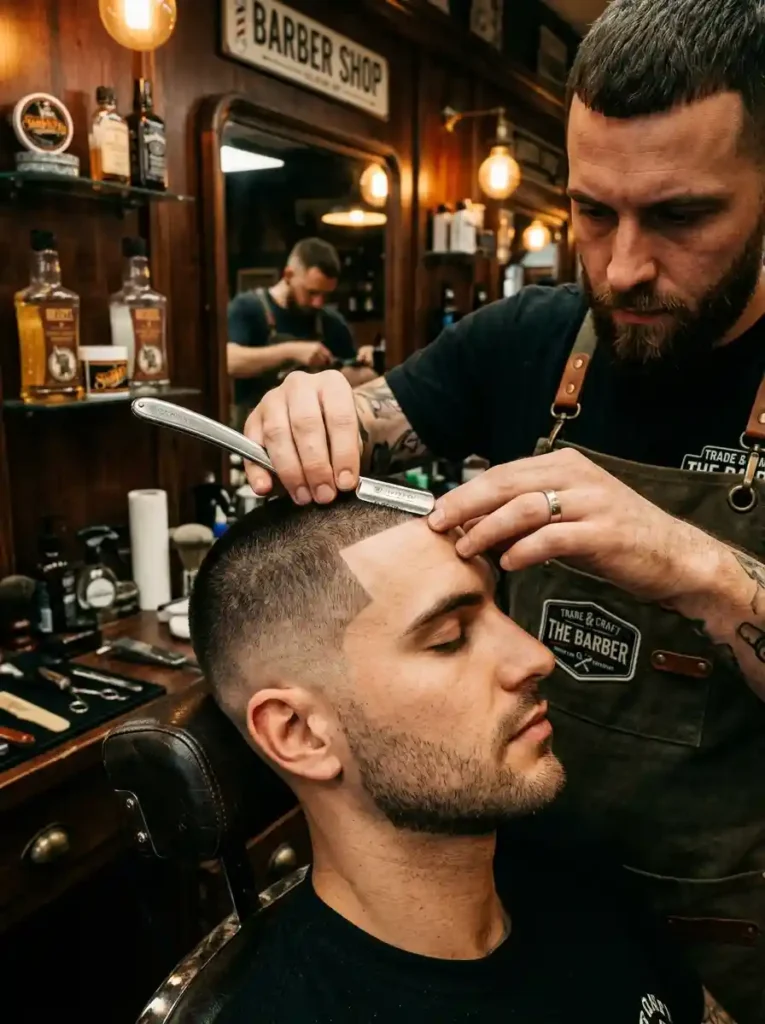
The clean buzz cut with a razor-sharp line-up is the foundational Usher look that launched a million barbershop conversations in the late 1990s and early 2000s — a style so deceptively simple that its perfection is entirely in the execution. What separates a basic buzz from the Usher-level buzz is that architectural line-up along the forehead, temples, and sideburns, where a skilled barber with a steady razor hand creates crisp, geometric edges that frame the face like a masterfully drawn portrait. The line-up transforms a simple close cut into something that communicates meticulous personal pride.
The beauty of this style in the context of Usher’s influence is how it democratized high-level grooming for Black men specifically — it proved that a simple, accessible cut, when executed with absolute precision and maintained religiously, could look as powerful and intentional as any elaborate style. Recreating this at home requires a quality T-blade trimmer and the patience to create clean, even edges without rushing. Visit a skilled barber every one to two weeks to maintain the line-up’s crispness, and what you have is a timeless style that looks equally appropriate on stage at a sold-out arena and walking into a boardroom.
2. The Low Caesar with Defined Waves
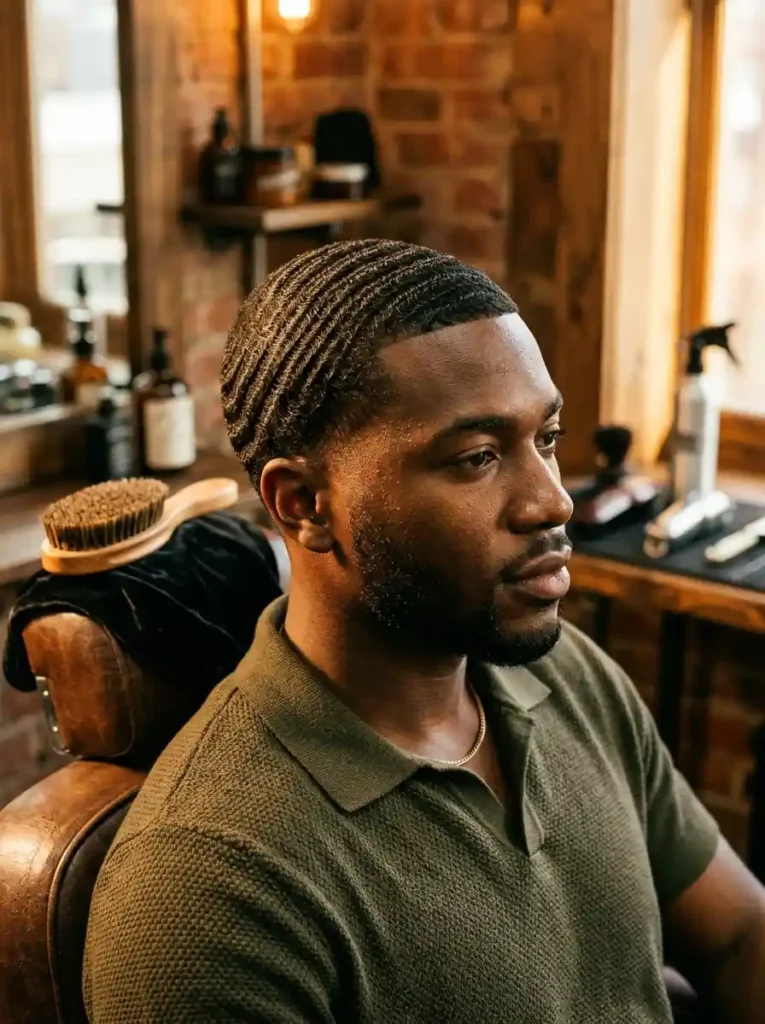
The low Caesar with trained waves underneath is one of Usher’s most recurring and recognizable signatures — a style that combines the clean, uniform length of a Caesar cut with the deeply personal dedication of a trained wave pattern that ripples beneath the surface like water. The Caesar itself sits at a short, even length across the entire top with a straight-across fringe, creating a consistent canvas that allows the wave pattern beneath to be the primary visual story. When the waves are fully trained and the Caesar is freshly cut, the result is genuinely breathtaking in its precision.
Training waves beneath a Caesar requires the same disciplined brushing routine, durag compression, and moisture regimen that all 360 wave styles demand — but the Caesar’s uniform short length makes the wave pattern particularly visible and defined compared to longer styles where the length can obscure the ripple pattern. Usher’s consistent showcasing of this look throughout his career helped elevate wave culture into mainstream grooming consciousness, and countless men credit seeing this look on him as their introduction to the wave training process. It’s a style that rewards patience and dedication with a result of genuine visual artistry.
3. The Mohawk Fade from the Confessions Era
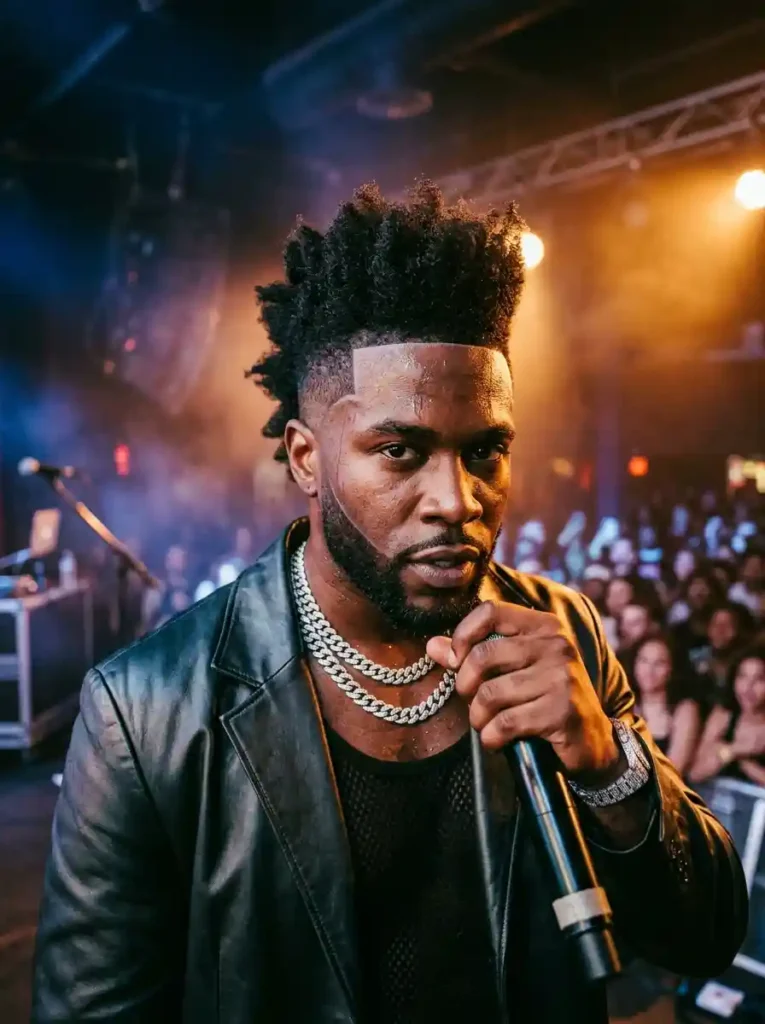
The Confessions era Usher brought the world one of his most daring and culturally impactful hair moments — a mohawk-style fade that pushed the boundaries of what mainstream R&B artists were doing with their grooming at the time and planted a flag firmly in bold, unapologetic self-expression. The mohawk fade combined a dramatically risen central strip with skin-clean sides that made the central section look like a raised ridge of pure confidence, and Usher wore it on stages worldwide with the kind of ownership that made millions of fans want to replicate it immediately.
This style lives at the intersection of the barbershop and the performance world — it’s theatrical enough to command attention on a stage under bright lights but structured enough to translate into everyday life without feeling costumed or out of place. The central strip in Usher’s interpretation was kept relatively close and textured rather than spiked to extreme heights, giving it a wearability that the traditional mohawk doesn’t always have. For men inspired by this era of Usher’s style, asking a barber for a tight mohawk fade with a textured central strip rather than a full spiked blade achieves that specific combination of bold and refined that defined the look.
4. The Super Bowl Era Skin Fade
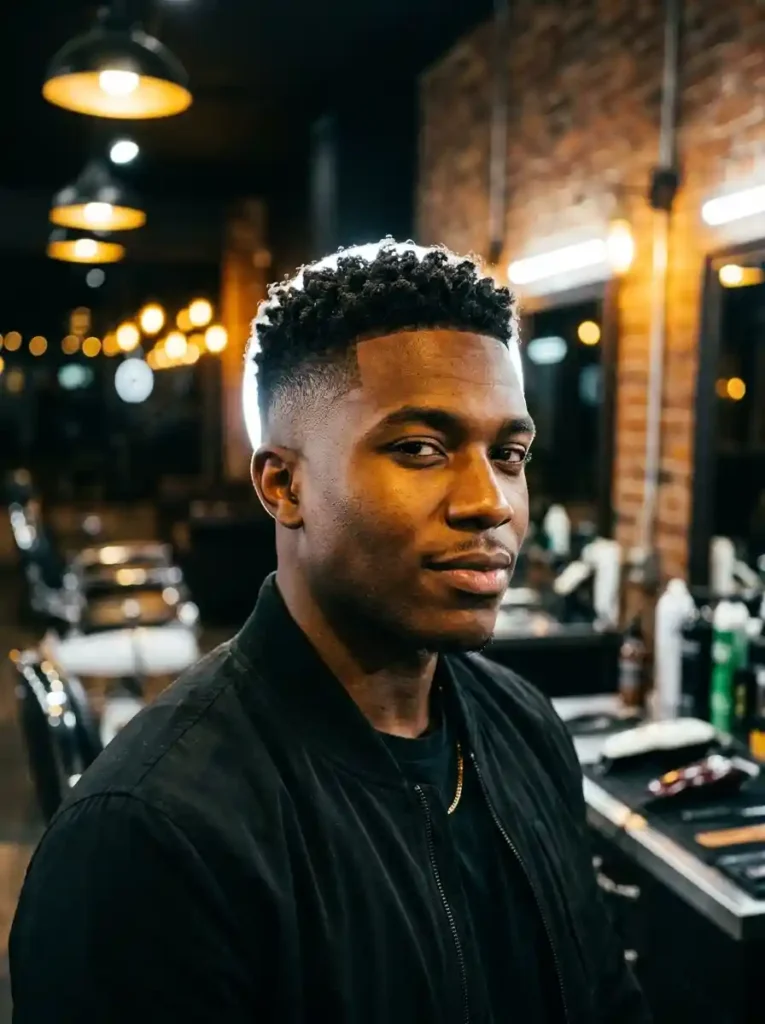
When Usher took the Super Bowl LVIII halftime stage in Las Vegas in February 2024, the world was reminded not only of his extraordinary musical legacy but also of his impeccable, consistent grooming standard — and his skin fade, sharp line-up, and natural texture on top were as talked about on social media as his performance. The Super Bowl era skin fade represents the mature, refined evolution of Usher’s barbershop aesthetic: nothing experimental or flashy, just a flawlessly executed contemporary skin fade that demonstrated how a man in his mid-forties can set the grooming standard for men half his age.
The skin fade he wore for this performance had the particular quality of looking effortlessly perfect — the kind of cut that only appears effortless because the barber behind it is genuinely exceptional and the maintenance routine behind it is genuinely consistent. The natural texture on top was embraced rather than suppressed, celebrating the evolution of his hair with the same confidence he’s always brought to his grooming choices. For men inspired by this specific look, asking for a high skin fade with a defined line-up and a natural texture finish on top — resisting the urge to over-style — captures that specific energy of mature, confident excellence.
5. The Short Taper with Lined Beard Combination
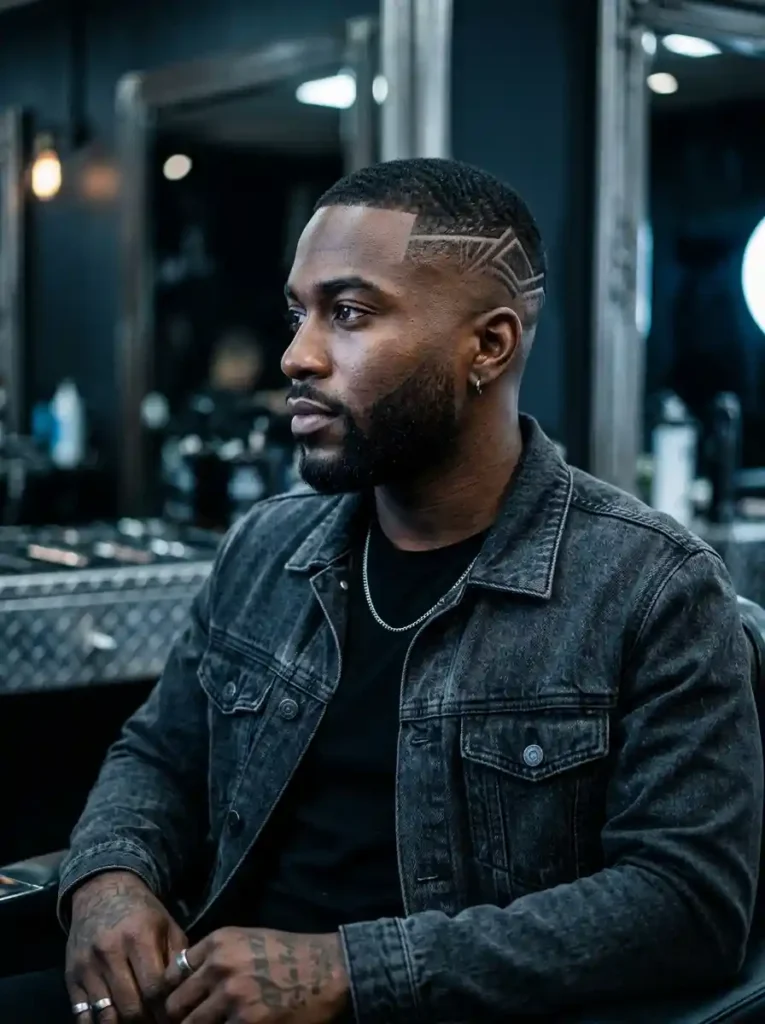
As Usher moved through his thirties and into his forties, his grooming evolved beautifully to incorporate facial hair in a way that elevated his look from youthful sharp to mature commanding — and the combination of a short taper with a precisely lined beard became one of his signature transitional era looks. The short taper fade kept the sides and back clean and defined without going full skin-fade dramatically, while the beard — shaped with absolute precision along the cheek line and neckline — added a dimension of masculine sophistication that his earlier clean-shaven looks didn’t carry.
The lined beard is genuinely the underrated hero of this combination — the crispness of the beard’s geometric edges mirrors the precision of the taper fade and creates a cohesive visual language of grooming excellence across the entire face and head. A beard line that’s slightly blurry or uneven undermines the entire look, which is why Usher’s consistent execution of this style at public appearances and red carpet events always looked so effortlessly polished. Regular barber visits for both the taper maintenance and beard shaping are non-negotiable for this look, and a daily beard oil application keeps the beard itself healthy, soft, and presentable.
6. The Close Cut with Geometric Line Art

Usher’s more experimental grooming moments included subtle line art and geometric designs shaved into the sides of his fades — a trend that was emerging in early 2000s barbershop culture that he helped bring into mainstream visibility simply by wearing it publicly and confidently. A simple curved line, a subtle angular design, or a single razor-cut geometric element carved into an otherwise clean fade adds a layer of personalization and artistic expression that transforms a haircut from a style into a signature. It says “my barber and I created something together that is specifically mine.”
The art of line designs in fades requires a barber with a genuinely skilled and steady razor hand — the precision needed for clean, intentional geometric lines is significant, and the difference between a crisp, beautiful design and a shaky, indistinct one is the entire difference between the look working and not. Designs should be clean enough to read clearly, simple enough to maintain, and positioned thoughtfully so they enhance the overall haircut rather than competing with it for attention. When Usher wore this look on red carpet appearances and in music video shoots, it immediately filtered down into barbershop request culture and remains a popular option for men who want their cut to carry a distinctive personal mark.
7. The Natural Coil Texture with Skin Fade
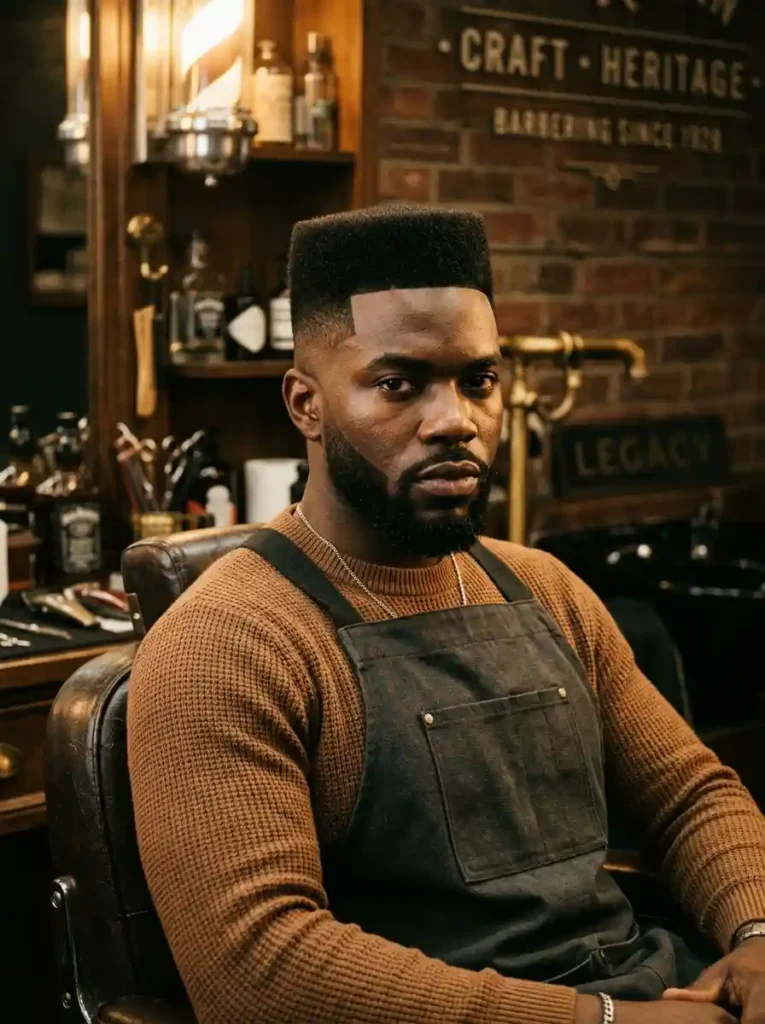
In periods of his career where Usher allowed his natural hair texture to grow out slightly and define itself rather than keeping everything uniformly close, the combination of his natural coil pattern with a clean skin fade created one of the most genuinely beautiful versions of his grooming evolution. Embracing the natural coil texture rather than brushing it into waves or keeping it buzz-cut close celebrates the organic character of the hair while maintaining the structural precision of the skin fade at the sides — it’s a style that says “I know what I have and I’m honoring it.”
This look resonated enormously with men who had spent years minimizing or over-managing their natural coil texture, and seeing someone of Usher’s cultural stature wear it with pride and confidence gave many men permission to simply let their natural texture be the star of their grooming story. Maintaining this look involves a dedicated moisture routine — curl-defining cream applied to slightly damp short hair, worked in with gentle finger-coiling or simply palming the hair to encourage natural pattern definition — and regular skin fade maintenance to keep the sides providing that clean, precise frame. The result is consistently beautiful.
8. The Flat Top Inspired High-Structure Cut
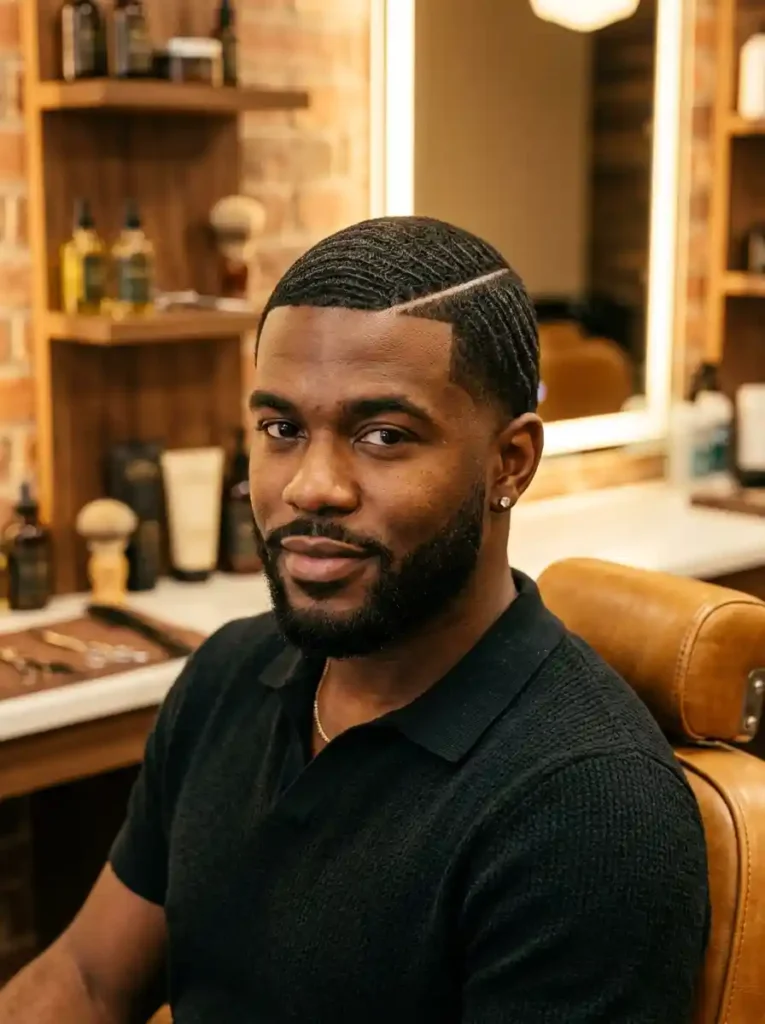
Usher has at various career moments nodded to the flat top tradition of Black barbershop culture — that beautifully geometric, architecturally level-topped style that carries enormous cultural heritage from 1980s hip-hop and R&B style iconography into contemporary grooming. When filtered through Usher’s aesthetic sensibility, the flat top influence appears as a high-structure cut where the top section maintains height and a sense of geometric precision without necessarily going to the full mathematically level plateau of the classic high top, creating something that references the tradition while existing firmly in the contemporary moment.
This kind of culturally-rooted style choice communicates something beyond personal aesthetics — it’s a connection to lineage, to the barbershop culture that helped shape Black American identity and self-expression through the decades. Usher’s ability to reference these style touchstones while keeping his overall look current and forward-facing is one of the qualities that makes his grooming influence so enduringly significant. For men inspired by this approach, working with a barber who understands both the technical requirements of high-structure cuts and the cultural context behind them produces results that are both technically impressive and deeply meaningful.
9. The Waves with Hard Part Line
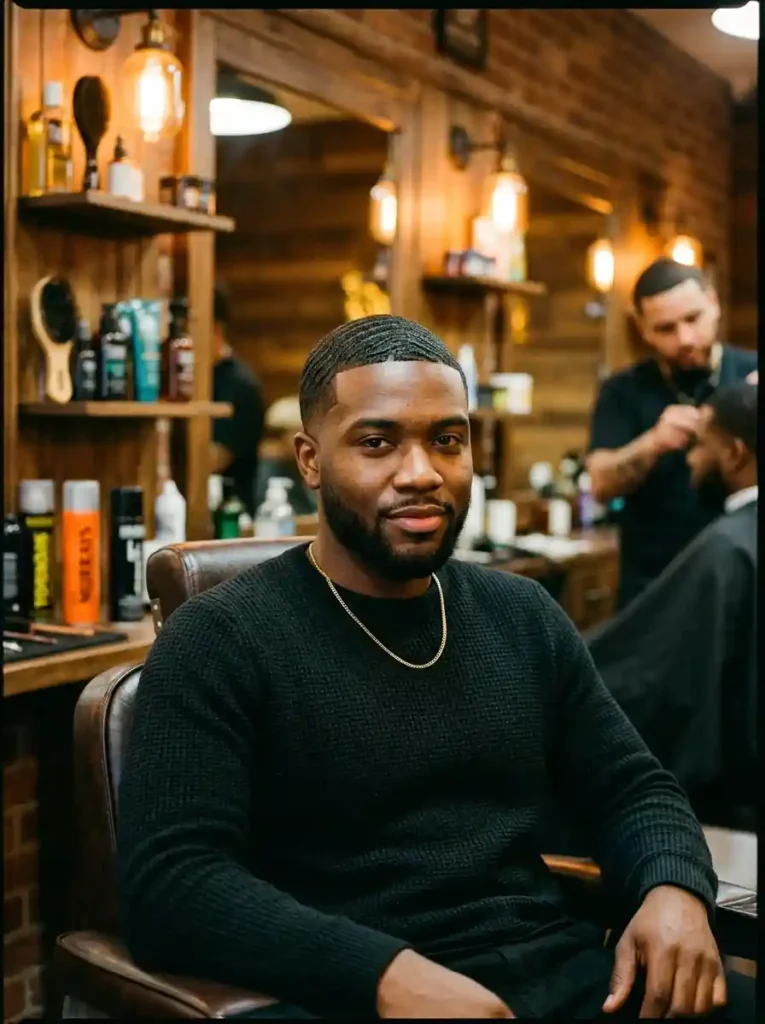
Adding a razor-cut hard part to a trained wave pattern is one of those barbershop details that elevates an already impressive style into something that demonstrates a truly exceptional level of grooming investment and attention to detail — and Usher has worn this combination at various career high points in ways that made it immediately desirable to his audience. The hard part cuts a clean white line through the wave pattern, creating a geometric organization element that both frames the waves and adds a structural formality that works beautifully for red carpet appearances and high-profile events.
The challenge of a hard part in waves is that the line must be maintained with the same consistency as the wave training itself — a fresh hard part on day one looks dramatically different from an overgrown one two weeks later, and the crispness of that line is essential to the entire effect. A barber who can etch a genuinely straight, clean hard part through a developed wave pattern without disrupting the surrounding ripple formation is demonstrating real technical skill. For men who have already invested months into training their waves, adding a hard part feels like the final decorative detail that completes an already impressive grooming achievement.
10. The Low Fade with Deep Waves and No Fringe
The low fade beneath deeply trained waves without any fringe or forward growth is one of the most elegant and restrained versions of Usher’s wave-based styling — a look that relies entirely on the quality of the wave pattern and the cleanliness of the fade to communicate its impact, with no additional style elements needed or welcome. The low fade starting just above the ear and neckline keeps the perimeter neat and defined while preserving more of the hair length that allows the wave pattern to develop its full depth and definition. The absence of any fringe means the wave pattern is visible from hairline to neckline with nothing interrupting it.
This particular combination communicates a specific kind of grooming confidence — the confidence of a man who knows the quality of what he has and trusts it to speak for itself without embellishment. There’s no bold fade height, no design element, no structural styling on top — just a beautifully trained wave pattern and a clean, considered fade that frames it perfectly. Usher wearing this look in more intimate career moments, interviews, and personal appearances showed that his grooming investment wasn’t only about spectacle — it was about consistent, considered excellence at every level of visibility and importance.
11. The Short Box Cut Influence
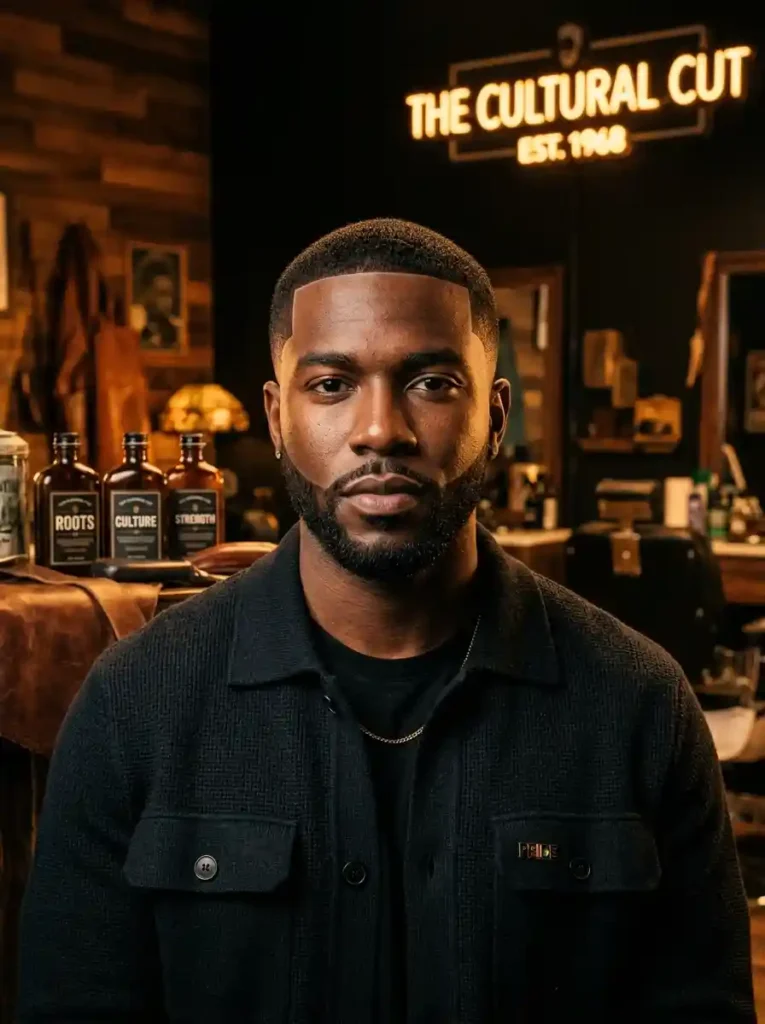
Usher’s early career connection to the short box cut tradition — that clean, even, defined-perimeter close cut that was a dominant style in Black male grooming through the late 1990s — reflects his deep roots in Atlanta’s rich barbershop culture and the community aesthetic that shaped his early identity. The box cut, characterized by its relatively uniform length across the top with sharply defined edges at the perimeter, carries a specific cultural signature that connects to hip-hop and R&B style lineage in a way that feels both historically grounded and perpetually relevant.
Atlanta’s barbershop culture specifically — a scene that produced some of the most technically skilled and culturally influential barbers in the country — was the environment in which Usher developed his grooming sensibility, and the box cut influence visible in his early looks reflects that immersive cultural context. For men who want to honor this tradition, the key to a great modern box cut is the same as it was thirty years ago: impeccably sharp edges, a consistent close length across the top, and regular maintenance that keeps the perimeter looking freshly done at all times. It’s a style that ages beautifully because it was never about trends — it was always about precision and pride.
12. The Stage-Ready High Skin Fade with Line Design
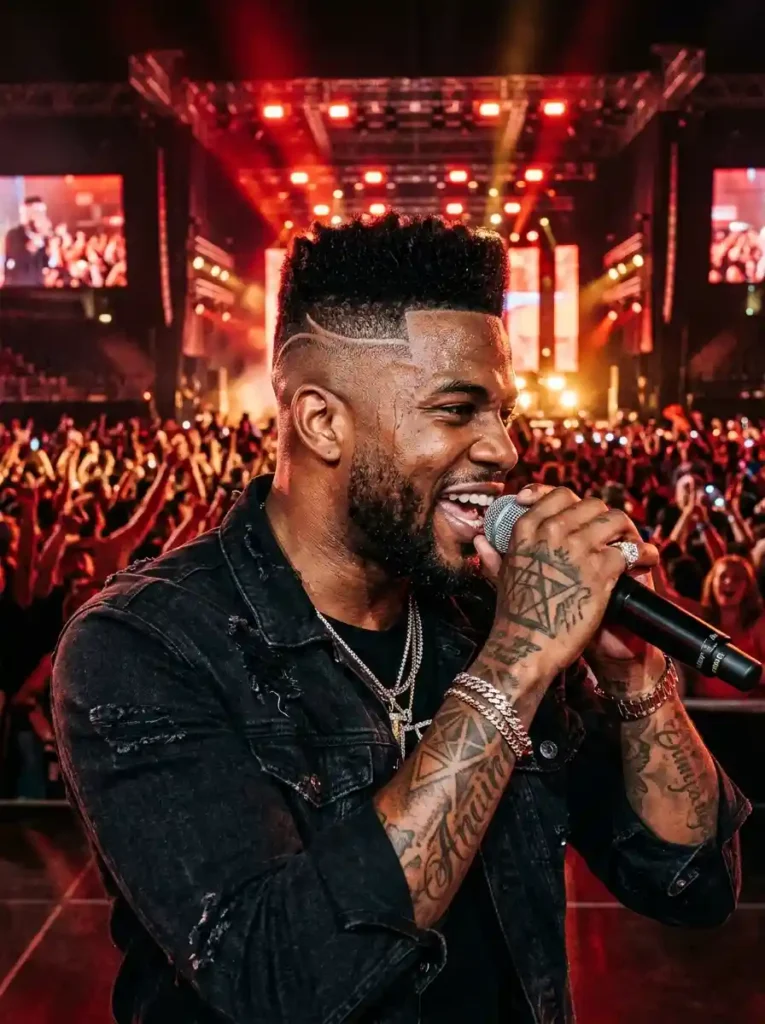
Usher’s stage looks have always operated at a slightly more elevated grooming intensity than his everyday appearances — performances call for haircuts that read clearly under bright stage lighting, hold their shape through hours of intense physical movement, and photograph powerfully from every angle including from a distance. The stage-ready high skin fade with a subtle temple line design represents the performance version of his barbershop aesthetic: everything more defined, more dramatic, more intentional, with that small artistic line element at the temple adding a personalized detail that catches the light and registers beautifully in concert photography.
The practicality of a skin fade for performance situations is genuinely significant — the absence of hair at the sides means no sweating into a fade that then looks uneven or matted, and the clean perimeter maintains its visual impact regardless of how much the performer moves. The line design, carved cleanly into the skin section of the fade, is impervious to movement and retains its precision throughout an entire show. For men who perform, play sports, or simply want a haircut that looks great before, during, and after physical activity, this combination of high skin fade and minimal line design is one of the most practical and aesthetically powerful options available.
13. The Close-Cropped Look with Full Beard Era
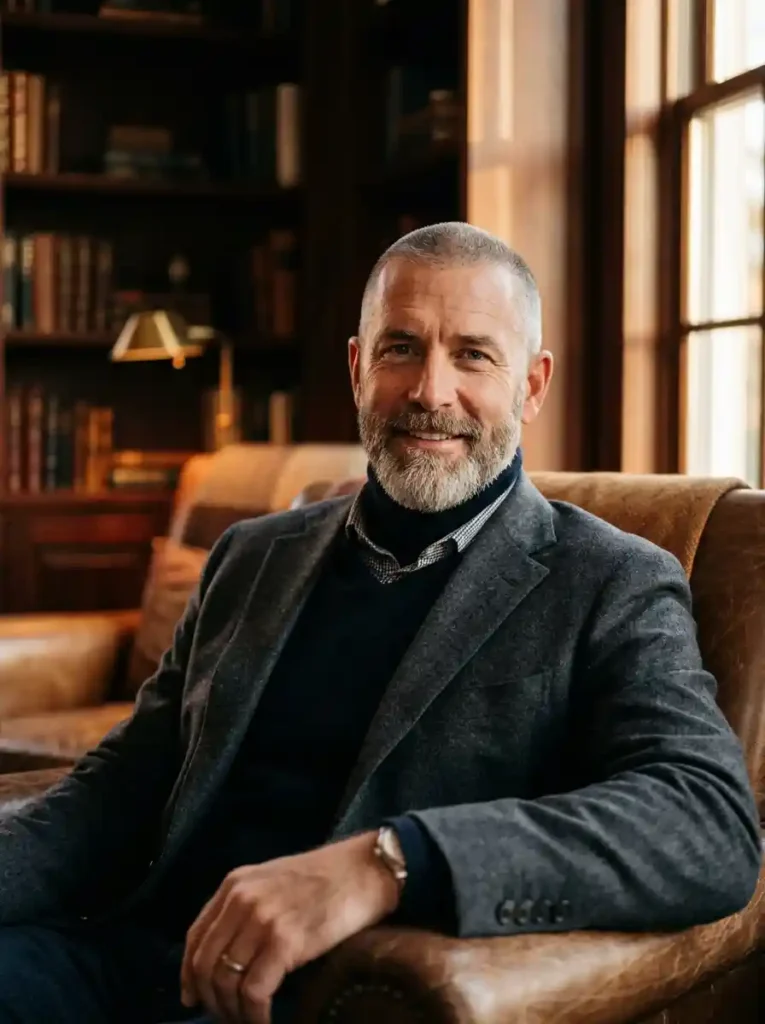
Usher’s evolution into a full beard paired with a very close-cropped cut represents one of the most significant style transitions in his grooming narrative — the moment where the youthful sharpness of his early barbershop looks matured into something more distinguished, more physically substantial, and more reflective of a man who has genuinely grown into his presence. The close-cropped cut keeps the top section trimmed very short and natural, removing all styling complexity from the top and allowing the shaped, full beard to become the primary facial grooming statement.
This approach to mature men’s grooming — simplifying the hair to amplify the beard — represents a grooming philosophy that resonates strongly with men in their thirties and forties who find that a well-maintained beard does more for their appearance than any elaborate haircut. The key is that the beard must be genuinely well-maintained: shaped precisely at the cheek line, trimmed consistently to a flattering length, conditioned daily with beard oil, and kept soft enough to look intentional rather than neglected. The close crop on top provides the clean, consistent background that allows the beard to command the visual attention it deserves.
14. The Shaved Head with Defined Beard Transition
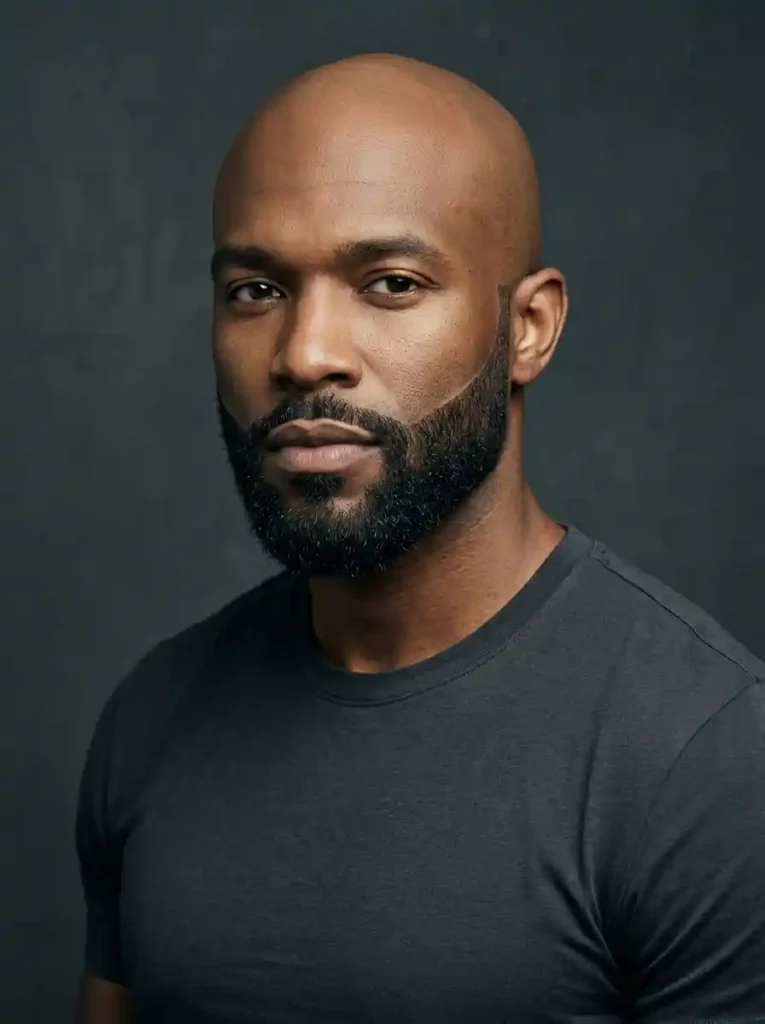
There have been career moments when Usher has taken his grooming to its most minimal and powerful expression — a completely shaved head paired with a defined, carefully maintained beard that creates a focused visual composition of pure masculine confidence. The shaved head is the ultimate commitment, removing the variable of hair length and texture entirely and placing all grooming emphasis on the quality of the scalp skin, the precision of the beard edges, and the overall facial structure that the absence of hair reveals completely. It’s the most revealing of all grooming choices, and wearing it with confidence says everything.
The transition line between the shaved scalp and the beard is where this look’s entire technical sophistication lives — a crisp, thoughtfully shaped fade or blend from bare scalp into sideburn and beard hair creates a seamless visual flow that makes the shaved head and beard feel like one unified grooming decision rather than two separate elements that happen to coexist. Scalp care becomes a genuine beauty priority with a shaved head — moisturizing the scalp daily, using SPF protection for outdoor settings, and keeping the entire head free from dry patches or ingrown hairs ensures the skin itself looks as polished as a well-maintained haircut would.
15. The Taper Fade with Waves Trained to Perfection
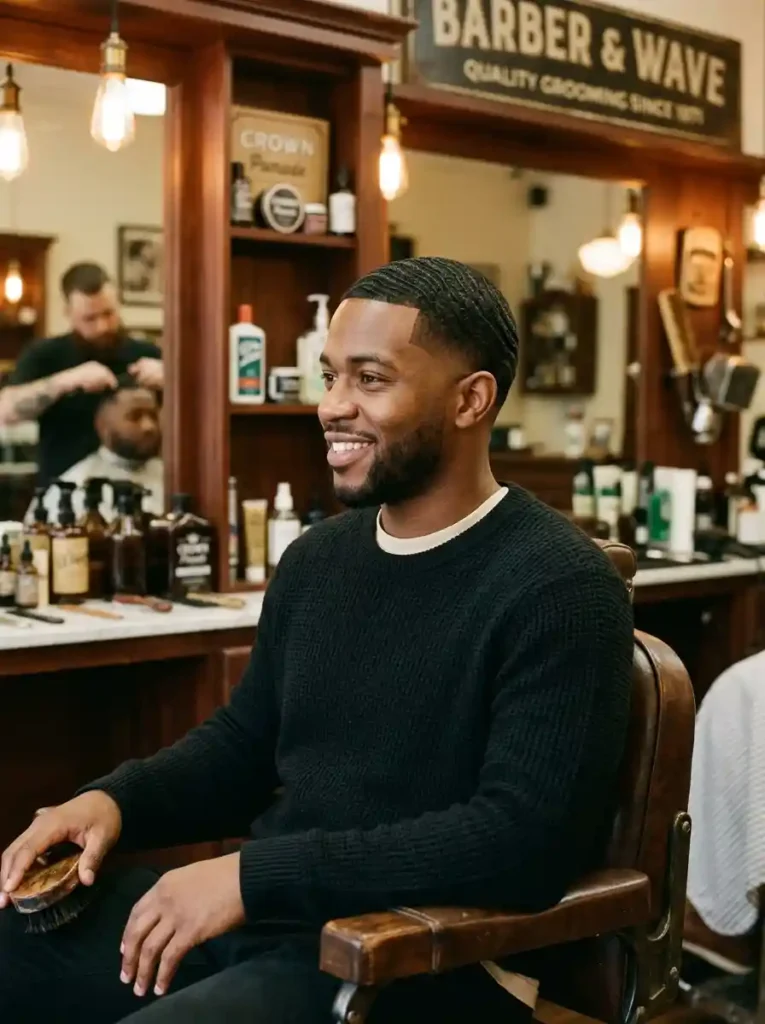
The taper fade beneath perfectly trained waves is perhaps Usher’s most artistically impressive recurring grooming achievement — a combination that requires two entirely different kinds of sustained commitment to maintain simultaneously. The taper fade demands consistent barber visits and a skilled craftsman who can keep the graduation clean, even, and seamless from neckline to natural hair. The waves demand an equally consistent personal routine of brushing, moisturizing, compressing, and patience that plays out every single day between those barber visits. When both are at their best simultaneously, the result is genuinely extraordinary.
What makes this combination so significant in the context of Usher’s grooming legacy is how it communicates both professional grooming investment and personal discipline — the taper says “I visit an excellent barber regularly,” while the waves say “I take care of my hair every single day regardless of schedule, travel, or fatigue.” Together they create a portrait of a man whose relationship with his own appearance is characterized by genuine dedication rather than occasional effort. For men inspired to pursue this look, committing to both the barber schedule and the daily wave routine simultaneously is the only path to achieving results that approach this standard.
16. The Y2K Era Waves with Pencil-Thin Lined Beard
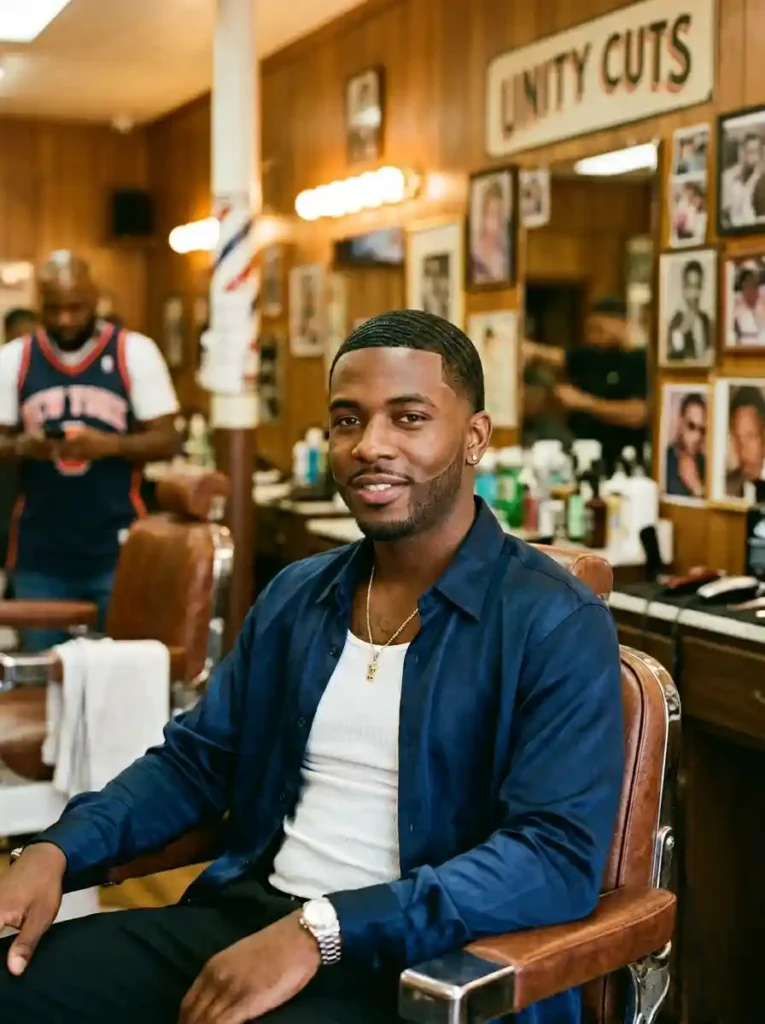
The early 2000s were a specific grooming era defined by hyper-precision at the edges — and Usher’s Y2K aesthetic, featuring close-trained waves paired with an extraordinarily precisely lined thin beard and pencil-thin mustache outline, was one of the defining grooming images of that cultural moment. The pencil-thin beard line required a level of barber precision that was almost architectural — those razor-thin lines defining the beard’s boundary with near-mathematical accuracy against the skin represented the absolute pinnacle of early 2000s barbershop craft and aesthetic ambition.
This look has experienced a genuine nostalgic revival in recent years, with younger men and style-conscious grooming enthusiasts rediscovering the Y2K aesthetic across fashion and beauty simultaneously. Recreating the Usher Y2K grooming look requires a barber who is both technically skilled and culturally knowledgeable enough to execute those razor-thin line details with genuine accuracy — it’s not a style that tolerates approximation. The waves underneath provide the textural richness that prevents the overall look from feeling stark or severe, while the precise beard lines give the entire face a graphic, intentional quality that photographs with remarkable impact and registers as deeply considered grooming.
17. The Grown-Out Natural Look Between Projects

Even Usher’s between-projects, slightly-grown-out transitional hair moments have influenced grooming culture — because the interesting thing about a man whose baseline grooming standard is extraordinarily high is that even his “undone” moments look considered and attractive in a way that teaches observers something valuable. The grown-out natural look, where the waves have softened slightly, the fade has grown into a taper, and the overall hair has developed a slightly fuller, less precise quality, shows how good foundational hair health makes every stage of growth attractive rather than just the freshly-cut moment.
This is actually one of the most practically instructive aspects of Usher’s grooming influence — it demonstrates that investing in hair health, scalp care, and consistent moisture makes the growing-out process as attractive as the freshly maintained look. Men who moisturize regularly, protect their hair during sleep, and maintain scalp health find that their hair looks genuinely good at every stage of growth rather than only in the day or two after a fresh cut. Usher’s between-cut moments have quietly communicated this message throughout his career, perhaps inspiring as much genuine grooming habit improvement as his more polished red carpet appearances.
18. The Red Carpet Precision Fade
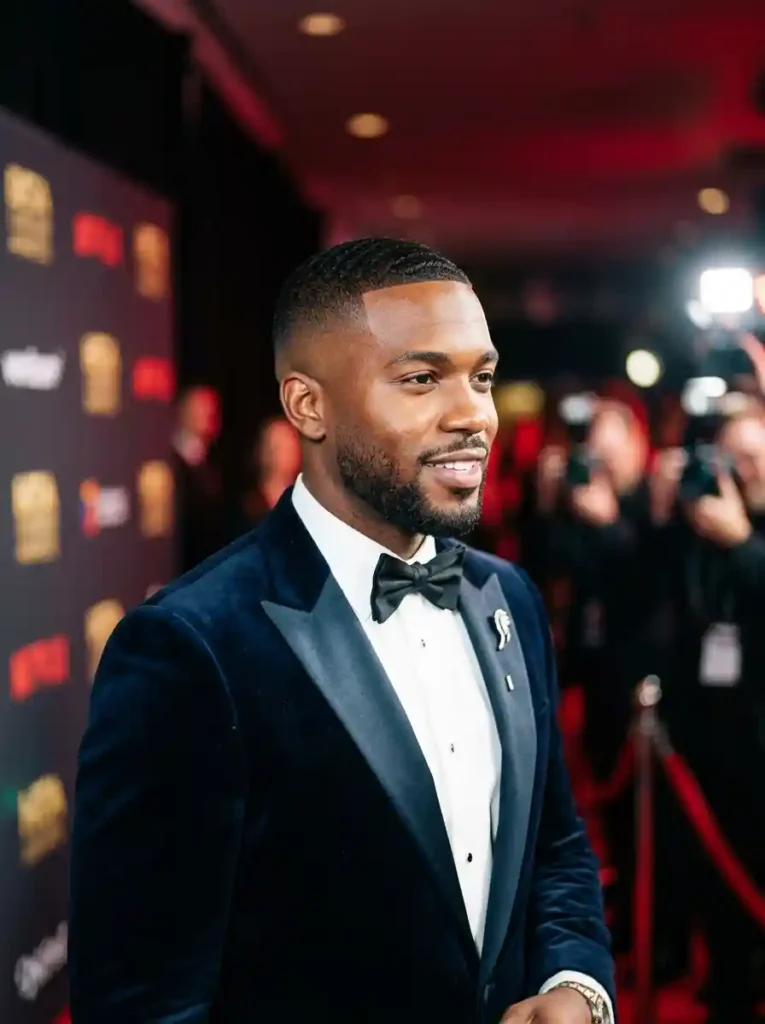
The red carpet version of Usher’s grooming is its own category — every detail turned up to maximum precision, freshness calibrated to within twenty-four hours of the appearance, and the overall effect communicating that his personal investment in his appearance is equal to the cultural importance of the event he’s attending. Red carpet precision fades have a quality of freshness that is immediately identifiable — the skin at the base is bare and bright, the line-up edges are sharp enough to cast shadows, and the texture on top has been styled with a deliberateness that reads clearly even in photographs taken from significant distances.
This caliber of grooming finish requires a truly exceptional barber — someone whose technical skill is matched by their understanding of how their work will appear under event lighting, in photographs, and across media coverage. For men who want to understand what “peak barbershop achievement” looks like in a real-world context, studying Usher’s red carpet grooming over his three-decade career provides an extraordinary ongoing education in precision, consistency, and the relationship between personal investment and appearance outcomes. The lesson is that this level of result is never accidental — it’s the product of an ongoing, serious, and mutually respectful collaboration between a man and his barber.
19. The Athletic Cut for Performance Mobility
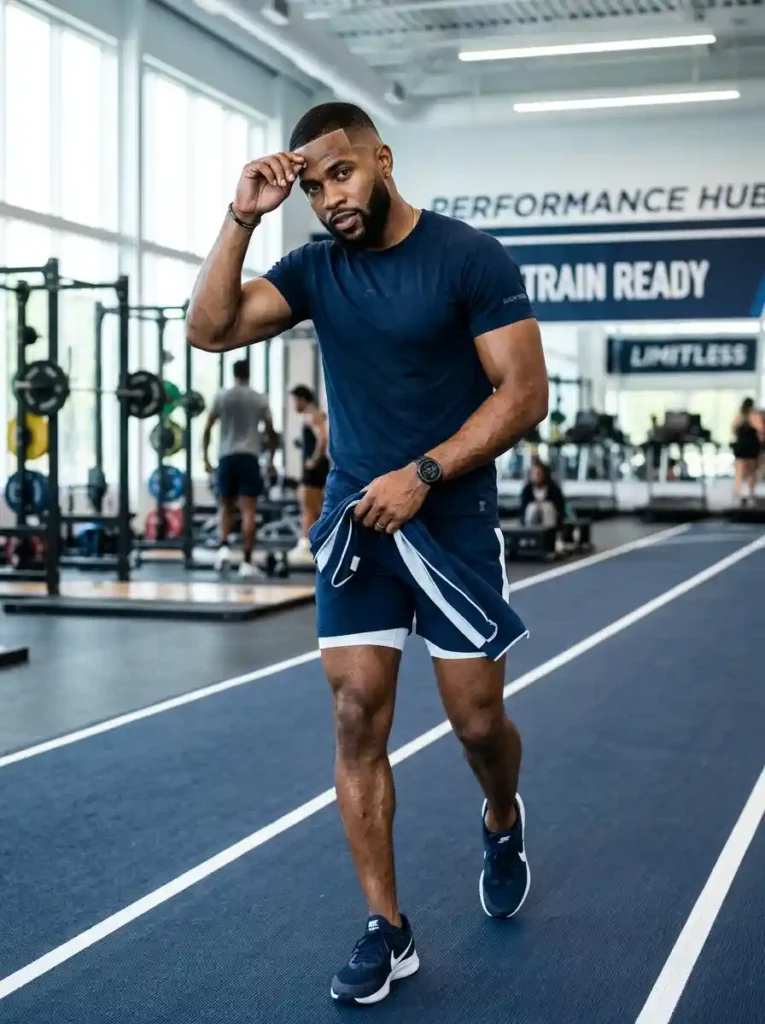
Usher’s famously athletic build and performance-focused lifestyle have consistently informed his grooming choices in practical ways — his haircuts during periods of intense touring and choreography-heavy performances have leaned toward the close, clean, and unencumbered, prioritizing cuts that stay looking sharp through rigorous physical movement without requiring mid-show maintenance. The athletic cut — a close, even trim that keeps the hair too short to sweat into or lose shape during movement — with a crisp line-up that reads clearly even under stage lights represents the practical engineering side of his grooming decisions.
This performance-practicality in grooming is a genuinely underappreciated consideration for men who are physically active in their work or leisure — athletes, performers, personal trainers, and anyone whose daily life involves significant movement benefit enormously from haircuts that work with physical activity rather than against it. The Usher approach demonstrates that the most practical choice and the most stylish choice aren’t mutually exclusive — a close, clean athletic cut executed with precision and maintained consistently is both supremely functional and genuinely excellent-looking. It’s a grooming philosophy as much as haircut choice.
20. The Bald Fade with Intricate Part Design
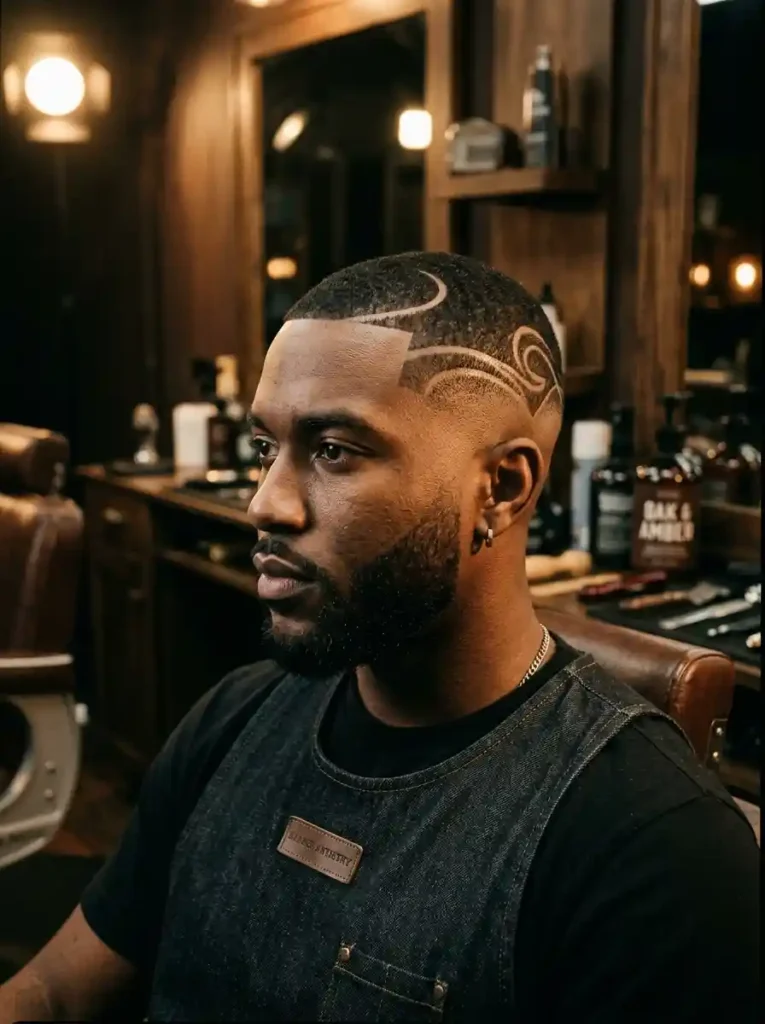
At various high-visibility career moments, Usher has collaborated with barbers to create fade looks that feature intricate part designs — curved lines, angular patterns, or flowing geometric elements that transform the haircut into a collaborative piece of wearable art. The bald fade provides the perfect canvas for these designs: the bare-skin sections create maximum contrast for any line or pattern carved into the remaining hair, making even relatively simple designs register with powerful visual clarity. A single graceful curved line at the temple can transform an already excellent fade into something genuinely distinctive and personally significant.
The craft required for intricate part designs represents barbershop artistry at its most technically demanding — maintaining absolutely consistent blade pressure, navigating the curved surfaces of the head while keeping lines geometrically true, and conceptualizing a design that complements rather than competes with the overall haircut structure. Usher’s willingness to wear these more elaborate grooming expressions at major career moments — music videos, television appearances, award shows — helped legitimize the barber as a genuine creative collaborator in the celebrity grooming world rather than simply a service provider. His patronage of excellent barbers and his public acknowledgment of their craft has been one of his most significant contributions to barbershop culture.
21. The Classic Waves with Shape-Up Revival
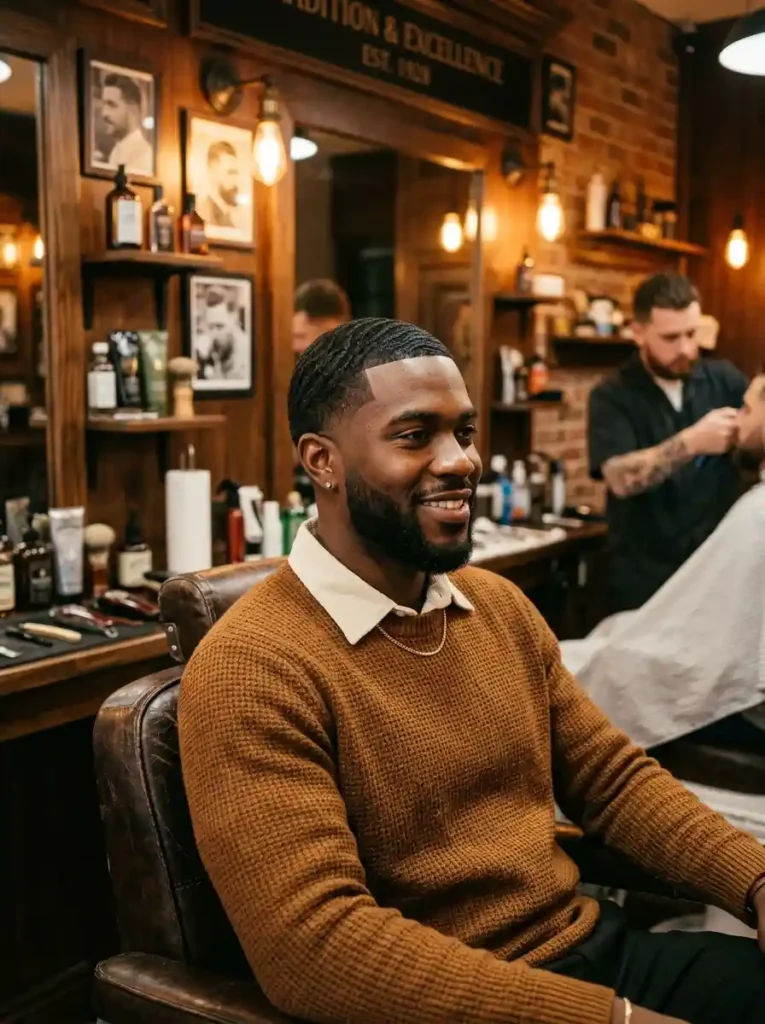
Throughout Usher’s career, the classic waves with a fresh shape-up has functioned as a kind of grooming home base — the look he returns to between experiments, the style that represents his truest grooming identity when everything else is stripped away. And the reason it endures as his most reliable signature is simple: it’s genuinely perfect. Fully trained waves beneath a crisp, precise shape-up represents the highest expression of a specific grooming tradition that Black barbers developed and perfected over generations, and wearing it consistently communicates a deep respect for and connection to that tradition.
The shape-up specifically — those razor-clean edges along the hairline that seem to sharpen the entire face structure — is the element that elevates this classic look from something many men have to something that communicates genuine grooming investment. Usher’s consistent return to this look across three decades, through countless style evolutions and cultural moments, has made it a kind of grooming anchor for his public identity. It represents continuity, roots, and the understanding that some combinations achieve a level of perfection that makes experimentation feel unnecessary. For men building their own grooming identity, this look offers a timeless foundation of absolute reliability.
22. The Modern Usher — Low Maintenance High Impact Look

The contemporary Usher grooming aesthetic represents the mature evolution of everything his earlier looks established — a low-maintenance, high-impact approach that prioritizes skin fade cleanliness, natural texture acceptance, and overall hair health over elaborate styling rituals or experimental choices. This is the grooming philosophy of a man who knows exactly who he is, knows what works for him, and has refined his approach to require minimum daily effort while delivering consistently excellent results. It’s a masterclass in the difference between chasing trends and developing a genuine personal grooming identity.
What makes this evolved modern look so instructive for men of all ages is the underlying philosophy it demonstrates: invest in excellent haircuts from excellent barbers, maintain your skin and hair health consistently, choose a style that reflects who you actually are rather than who you think you should be, and let the quality of your fundamentals speak for themselves. Usher’s three-decade grooming journey — from the precise Y2K edges of his early career through the experimental boldness of his Confessions era to the confident, refined maturity of his contemporary look — is a complete education in how a man’s relationship with his own appearance can evolve into something genuinely wise, intentional, and inspiring.
Conclusion
Understanding haircut numbers takes the guesswork out of every barber visit and helps you communicate exactly what you want with confidence. From a skin-close number 0 to a longer number 8, each guard size creates a different look, feel, and maintenance level. Once you know how fades, tapers, and clipper lengths work together, choosing the right haircut becomes much easier. Whether you prefer a sharp fade, a classic taper, or a low-maintenance buzz cut, knowing your numbers ensures more consistent results and a haircut that suits your style, face shape, and daily routine. A little knowledge goes a long way toward achieving your best haircut every time.