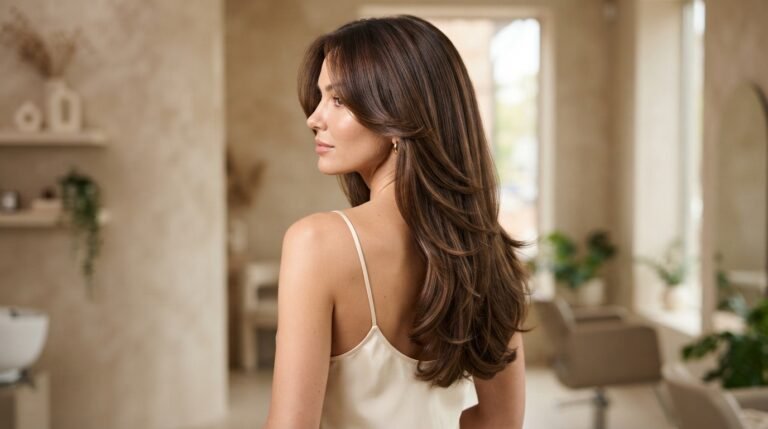
A fresh hair color can change your entire look, whether you want a subtle glow, a richer brunette shade, or a bold transformation that turns heads. This year’s hair color trends offer something for every personality, from soft, expensive-looking blondes to dimensional reds and playful pastel hues. The best part? You don’t need to completely reinvent your style to make an impact. These 20 hair color ideas will help you find an inspiring shade that suits your features, lifestyle, and maintenance preferences.
1. Expensive Brunette With Glossy Dimension
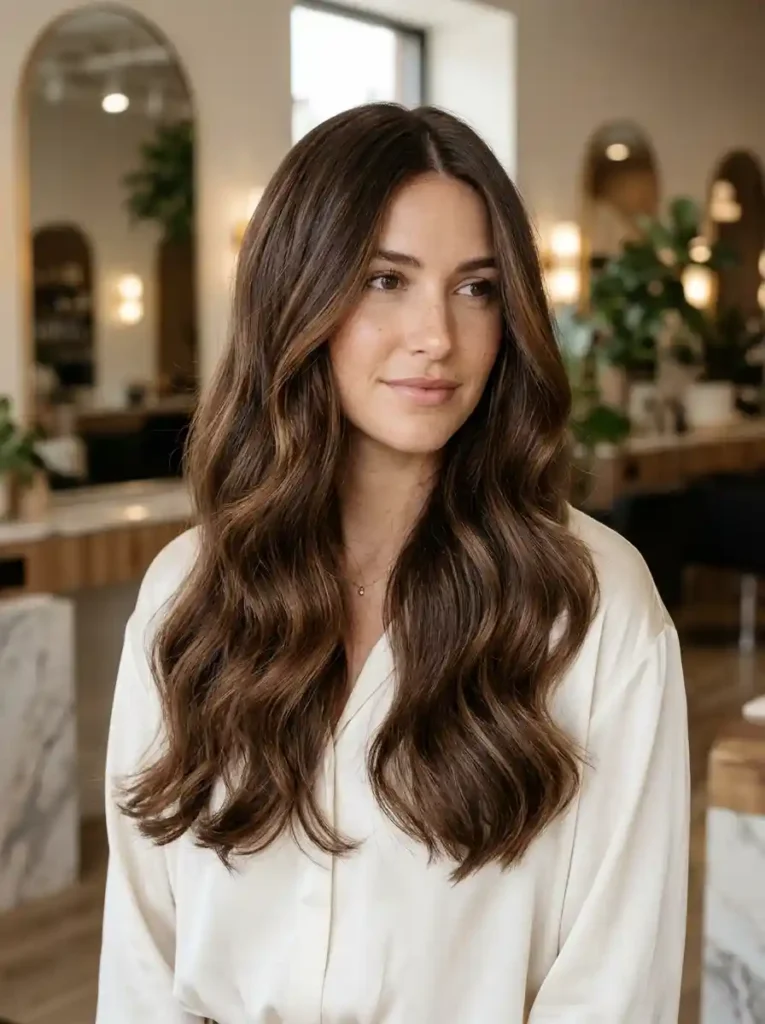
Expensive brunette is perfect for anyone who loves deep brown hair but wants more richness than a single, flat shade can provide. The look combines a glossy chocolate base with carefully placed ribbons of slightly lighter brown, creating movement whenever the hair catches the light. It works beautifully on straight, wavy, and curly textures because the subtle tonal differences add depth without making the overall color feel dramatically highlighted.
To achieve this finish, ask your colorist for a brunette shade tailored to your natural coloring, with delicate dimension concentrated around the mid-lengths and ends. A gloss treatment can enhance shine and refresh faded tones between appointments. Use a color-safe shampoo, a nourishing conditioner, and a heat protectant whenever you style. This is an especially appealing choice if you want sophisticated, low-key color that looks polished in everyday photographs without demanding frequent root touch-ups.
2. Honey Blonde Balayage
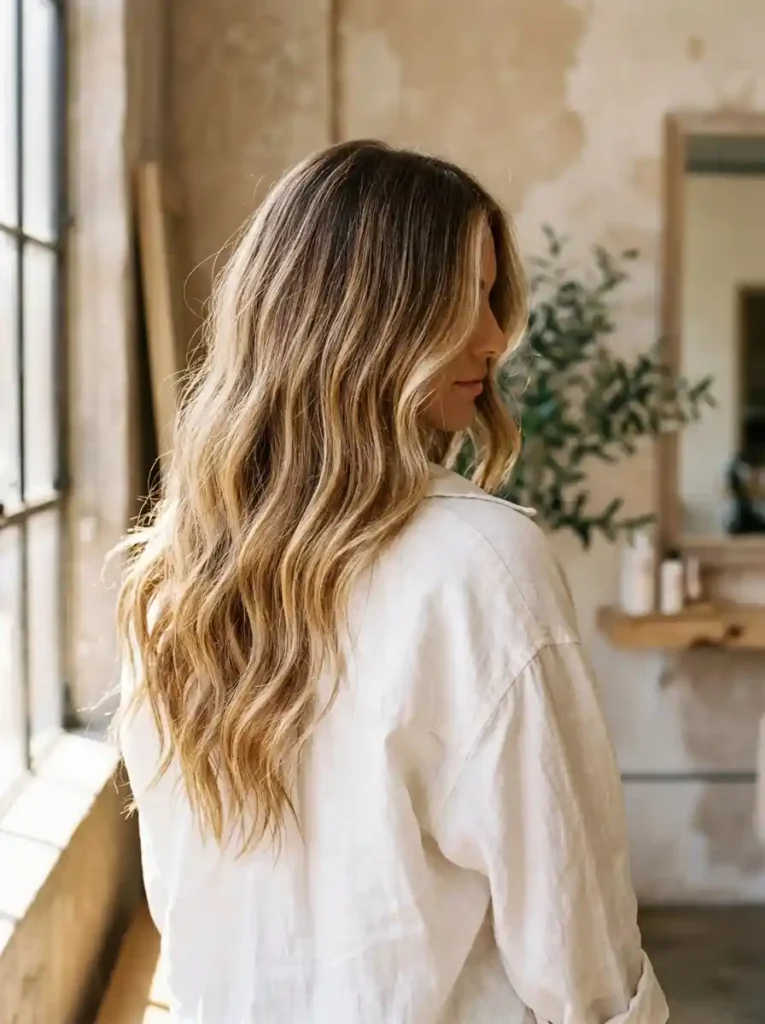
Honey blonde balayage brings warmth and brightness to the hair without creating the uniform appearance of an all-over blonde color. The technique places golden tones strategically through the lengths, allowing the natural base to remain visible. This creates a softly blended finish that grows out gracefully. It’s a lovely option for brunettes who want a noticeable change without committing to frequent root appointments, especially when the lighter pieces are concentrated around the face and ends.
Before choosing this shade, discuss how much lightening your hair can comfortably handle and whether golden or more neutral honey tones suit your preferences. Balayage results vary depending on your starting color, previous treatments, and hair condition. To preserve softness, use a moisturizing mask regularly and limit excessive heat styling. If your hair tends to pull orange, your colorist can adjust the formula to create a more balanced honey shade rather than relying on one blonde tone for the entire look.
3. Cherry Cola Red
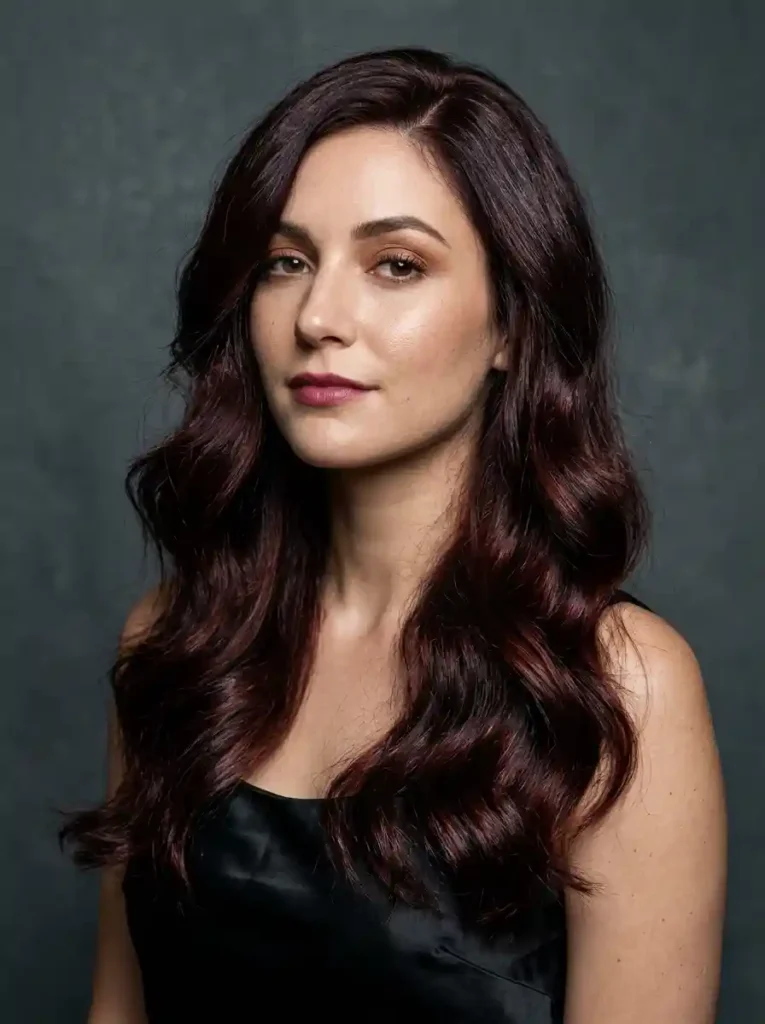
Cherry cola hair combines the depth of brunette with the richness of dark red, making it an excellent choice if you want a bold color that remains sophisticated. Indoors, the shade can appear like a glossy dark brown, while sunlight reveals its cherry and burgundy undertones. This changing appearance makes it especially interesting for people who enjoy color but prefer something more understated than bright crimson or copper.
Ask your colorist to customize the red intensity according to your natural base and desired result. A deeper formula can create a subtle wine-like reflection, while a more vivid red offers greater contrast. Red pigments can fade noticeably with repeated washing, so cooler water, color-safe products, and less frequent shampooing can help preserve the finish. If you’re not ready for an all-over transformation, cherry cola highlights or a tinted brunette gloss can introduce the same color story more gradually.
4. Creamy Vanilla Blonde
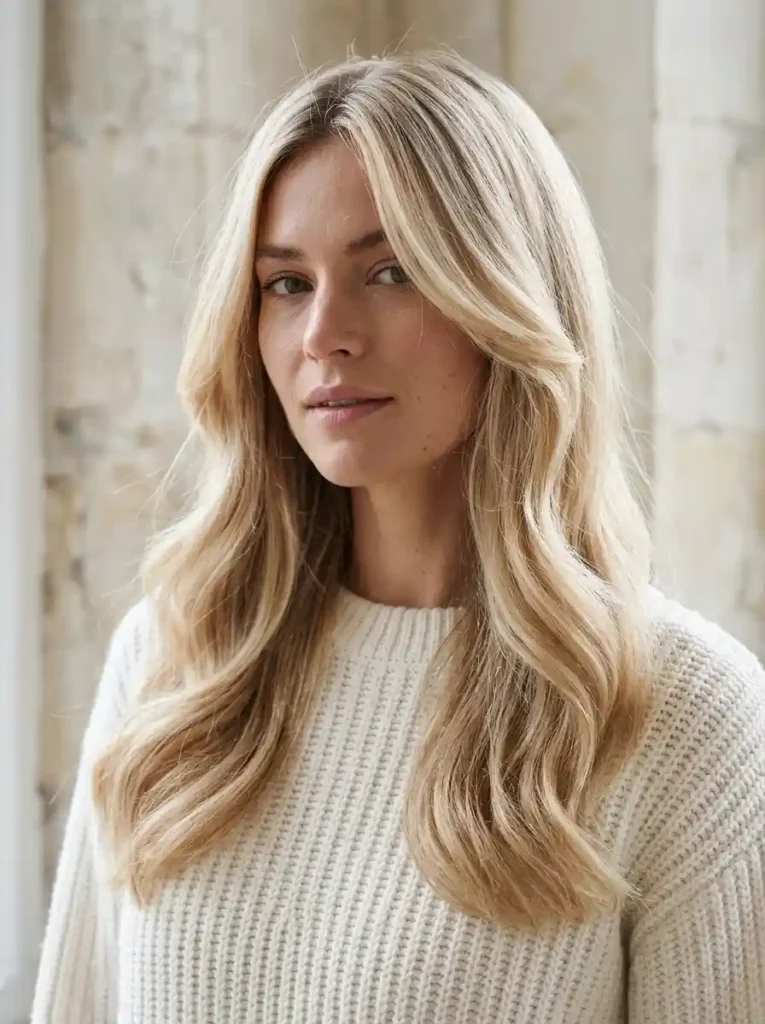
Creamy vanilla blonde offers a light, luminous finish without the icy appearance of platinum or the strong yellow tones sometimes associated with golden blonde. Its balanced beige and ivory undertones make the color feel soft and wearable. The shade is particularly striking on long layers, bouncy blowouts, and smooth bobs, where light can travel across the hair and reveal subtle tonal variations.
Because achieving a very light blonde may require substantial lifting, your starting color and hair history matter. Ask for a strand assessment if your hair has previously been colored, especially if you want to move from dark brown to pale blonde. A professional toner helps refine the final shade, while bond-supporting treatments and regular conditioning support the hair’s feel and manageability. Root maintenance can be significant, so consider a gentle shadow root if you want a softer transition as your natural color returns.
5. Copper Penny Hair
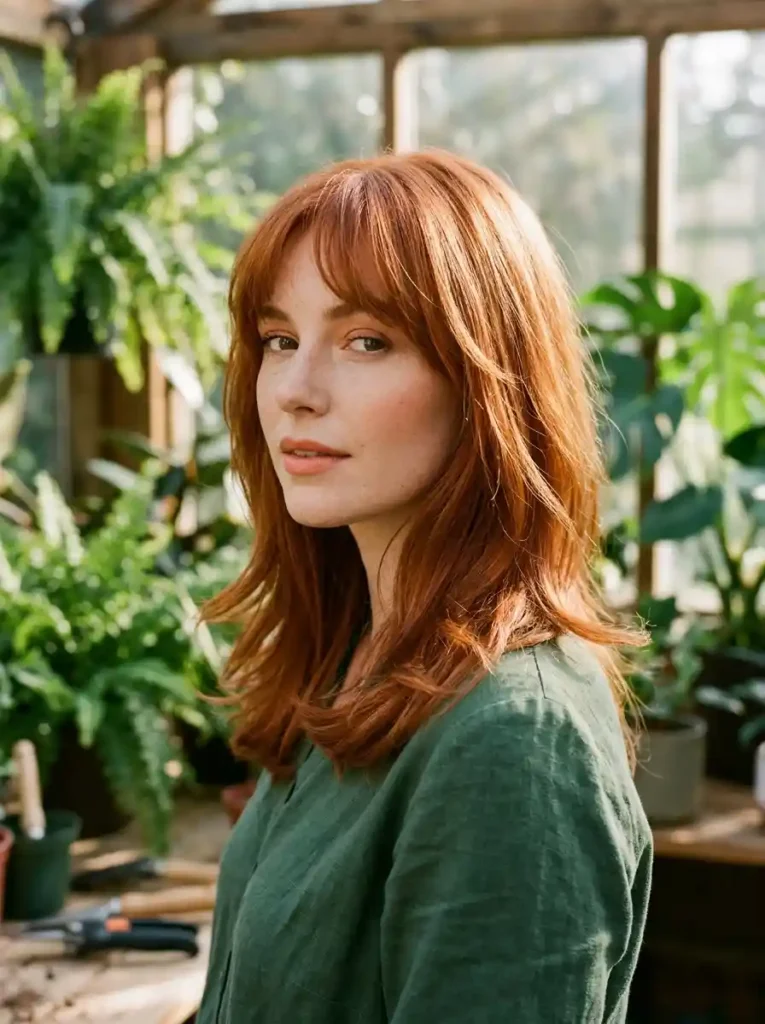
Copper penny hair brings a lively, polished warmth to the classic redhead palette. Its defining feature is a bright copper finish with a subtle metallic glow, reminiscent of a newly polished penny. The shade can add visual energy to a simple haircut, particularly a collarbone-length lob, layered bob, or softly textured fringe. If you want a color that looks distinctive without leaning into fantasy shades, copper is a beautiful middle ground.
Your colorist can adjust the formula toward orange, gold, or red depending on your preferences and starting shade. Copper often fades with washing, so ask about a compatible color-depositing conditioner to refresh the tone at home. Avoid using strongly clarifying products too frequently, as they can accelerate fading. If you’re uncertain about the intensity, begin with copper balayage or a warmer gloss before committing to an all-over color that will require more consistent upkeep.
6. Mushroom Brown

Mushroom brown is an excellent option for anyone drawn to neutral, cool-toned hair colors. Rather than looking distinctly golden or reddish, the shade combines muted brown, taupe, and beige tones for a soft, smoky effect. It works particularly well on layered cuts and shoulder-length styles because the different shades create dimension without strong contrast. The result feels modern and understated, especially when you prefer a natural-looking brunette transformation.
The key is preventing the color from becoming overly gray or dull. Your colorist should consider your existing undertones and choose a formula that preserves enough warmth to keep the result looking balanced. If your hair naturally develops orange tones, a carefully selected toner may help neutralize them. Cool shades can also fade or shift with washing, so maintain the color with professional guidance rather than using purple shampoo indiscriminately. This trend suits anyone who wants a sophisticated alternative to classic chocolate brown.
7. Buttercream Blonde
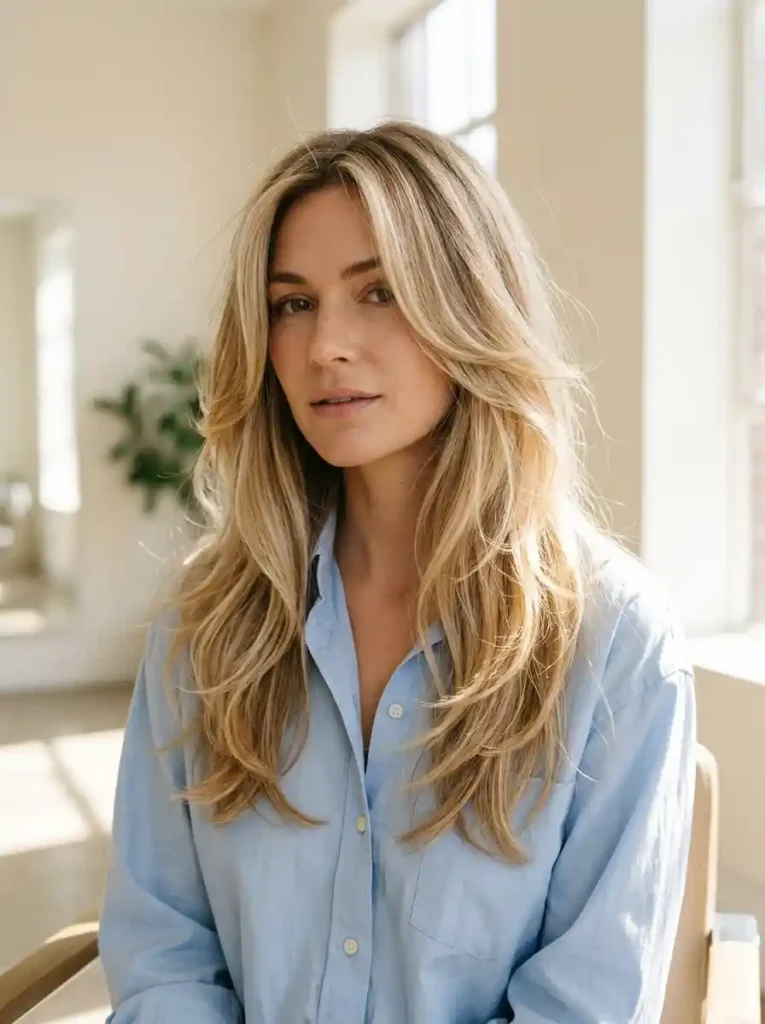
Buttercream blonde is a softer, warmer alternative to icy blonde, combining creamy gold with a gentle beige finish. It gives the hair a bright, healthy-looking appearance without relying on an extremely cool toner. The color looks especially attractive in layered cuts and rounded blowouts, where the warm highlights create dimension around the face. If you enjoy blonde hair that feels inviting rather than stark, this shade offers a flattering direction to explore.
To personalize the result, discuss how much golden warmth you want and whether you prefer a bright blonde from root to tip or a more natural root transition. Buttercream blonde still requires care, particularly when your hair needs lightening to reach the desired level. Use a moisturizing conditioner and a heat protectant, and ask your stylist about toning intervals. A balanced formula should complement your natural base instead of forcing every strand into exactly the same shade of blonde.
8. Mocha Mousse Brunette
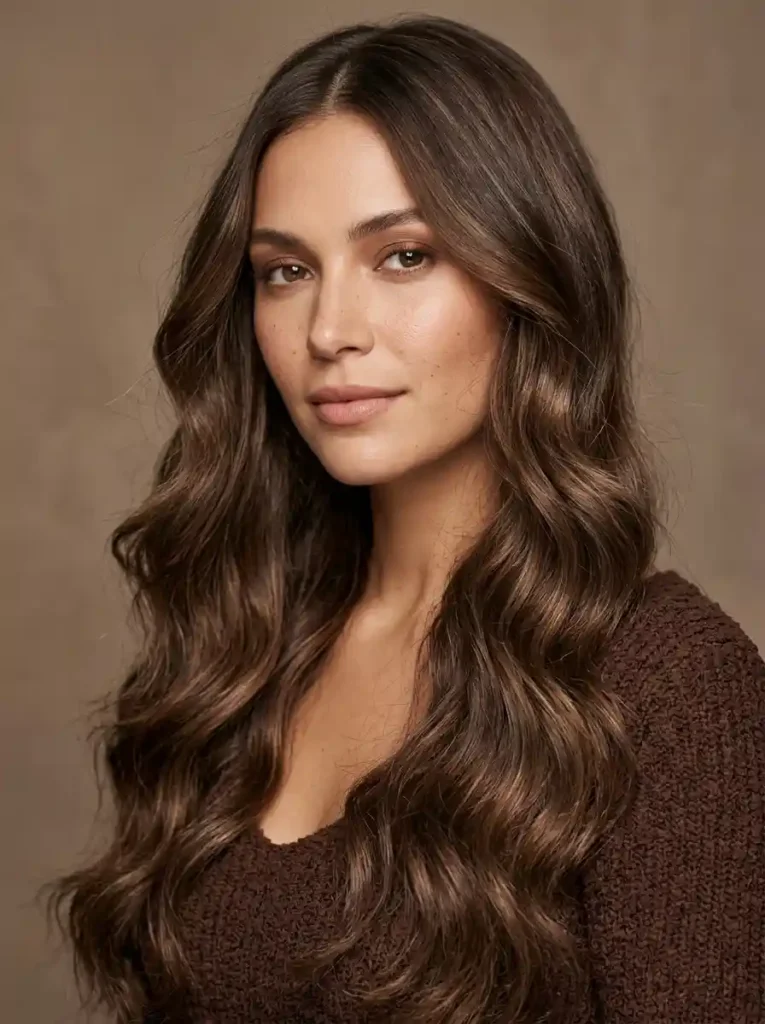
Mocha mousse brunette is a dimensional brown shade inspired by the softness of cocoa and coffee. It sits between deep chocolate and lighter milk-brown tones, creating a rich finish that doesn’t look too dark or overly highlighted. The color is particularly effective on medium to long hair, where subtle variations become visible through movement. It also works beautifully on shorter cuts when a few lighter pieces are placed strategically around the crown.
If you want a noticeable refresh without a dramatic color change, ask for a mocha gloss or fine cocoa-brown highlights over your existing brunette. This approach may require less lightening than a high-contrast balayage, depending on your starting color. To maintain the reflective finish, avoid excessive heat and use products formulated for colored hair. Mocha tones are also easy to personalize: choose a slightly cooler cocoa base for a smoky result or a warmer coffee shade for more golden richness.
9. Rose Brown Hair
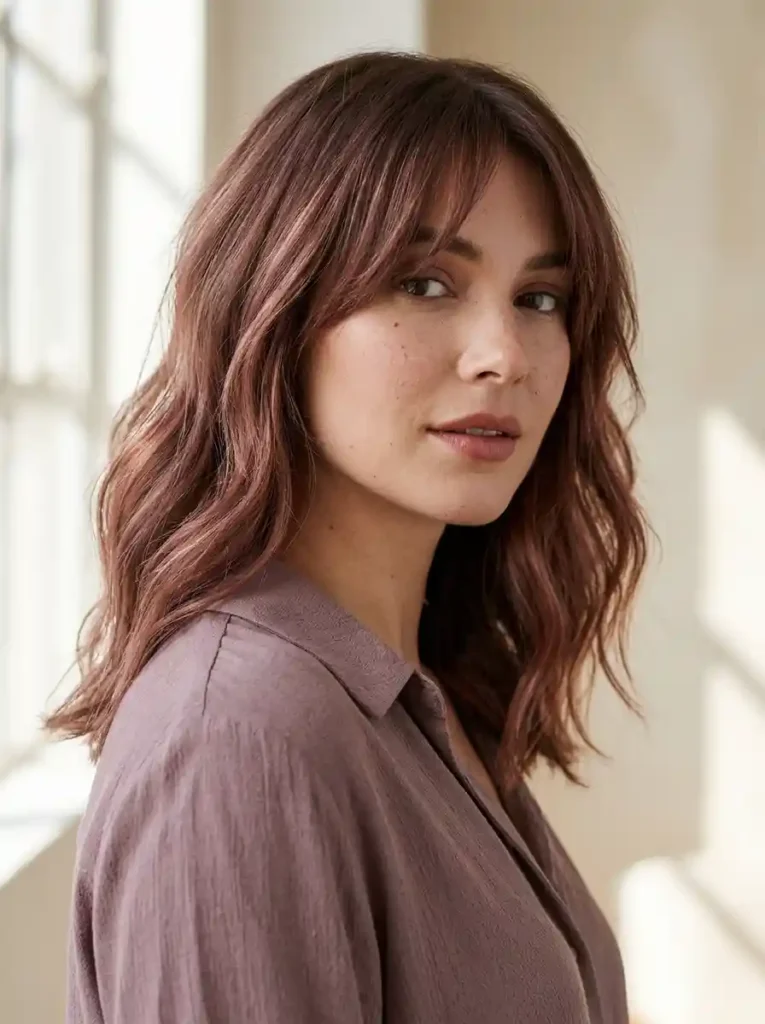
Rose brown is a wearable way to experiment with pink without moving into a fully pastel hairstyle. The color combines a brunette foundation with muted rosy or mauve reflections, creating a subtle effect that becomes more visible under natural light. It suits anyone who wants a creative twist on brown hair while keeping the overall result relatively understated. Loose waves can help reveal the different tones, although straight hair also displays a beautiful soft sheen.
The final shade depends on your starting color, the pigments used, and whether your hair needs lightening first. If your brunette is very dark, a subtle rosy gloss may create a more realistic result than expecting vivid pink reflections immediately. Ask your colorist how the shade is likely to fade and whether a color-depositing conditioner would be appropriate. To keep the look elegant, balance the pink with enough brown depth so the overall color remains dimensional instead of appearing uniformly magenta.
10. Bronde With Face-Framing Highlights

Bronde blends brunette and blonde into one balanced color, making it a practical choice if you find pure brown too dark and full blonde too high-maintenance. The most flattering versions preserve depth near the roots while introducing lighter ribbons through the lengths. Face-framing highlights brighten the area around the eyes and cheekbones, while the remaining brown sections keep the overall look natural and grounded.
When requesting bronde, bring reference photos that show the amount of contrast you prefer. Some versions lean sandy and cool, while others use golden beige or caramel highlights. Ask for the lightest pieces to blend smoothly into your base rather than forming obvious stripes. A root-smudging technique can soften regrowth, and occasional gloss appointments help keep the blonde and brunette tones coordinated. This is a versatile option for anyone who wants dimension without maintaining a completely blonde head of hair.
11. Black Cherry Hair

Black cherry hair is a deep, dramatic color that combines near-black brunette with subtle red-violet undertones. From a distance, it can appear almost black, but brighter lighting reveals a rich cherry finish. This makes it an appealing choice for people who want something moodier than classic brown without committing to a bright red. The shade looks striking on sleek bobs, long waves, and polished hairstyles that allow the reflective tones to catch the light.
Because the color is so deep, discuss whether your existing hair needs a color refresh or whether a red-toned gloss will be enough. If you have previously lightened your hair, your colorist may need to consider how the darker pigments will settle and fade. Keep the shade looking rich with color-safe cleansing products and regular conditioning. Black cherry can stain porous or light-colored hair during some color applications, so professional formulation and a clear maintenance plan are worthwhile.
12. Champagne Blonde
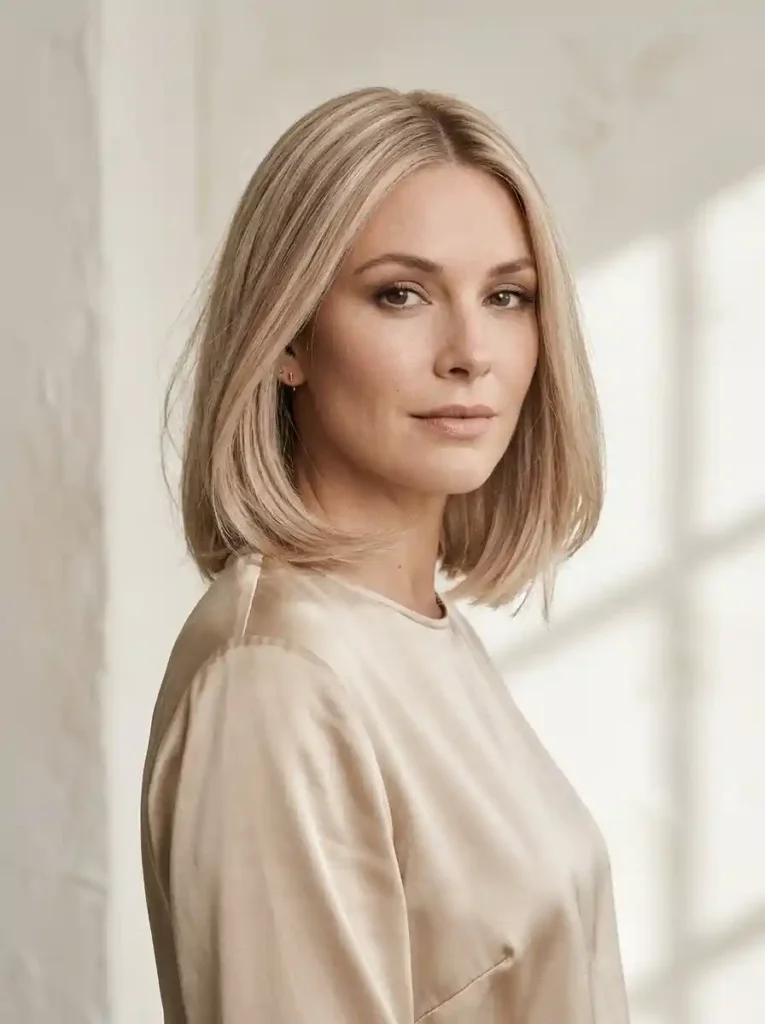
Champagne blonde sits between warm golden blonde and cooler beige blonde, creating a balanced color that feels refined rather than overly yellow or silver. Its subtle mix of tones makes it particularly attractive on bobs, shoulder-length cuts, and sleek styles where the light can reveal different shades. If you’re looking for a blonde that feels polished enough for formal occasions but still works with everyday clothing, champagne is a strong contender.
The exact balance matters: too much gold can change the intended neutral finish, while excessive cool toning can make the color appear gray. Ask your stylist to assess your natural undertones and the condition of your hair before lightening. Champagne blonde often benefits from regular gloss appointments and moisture-focused care. If your roots are naturally darker, a softly blended root can create a more forgiving grow-out period while maintaining the light, elegant effect through the ends.
13. Cinnamon Brown
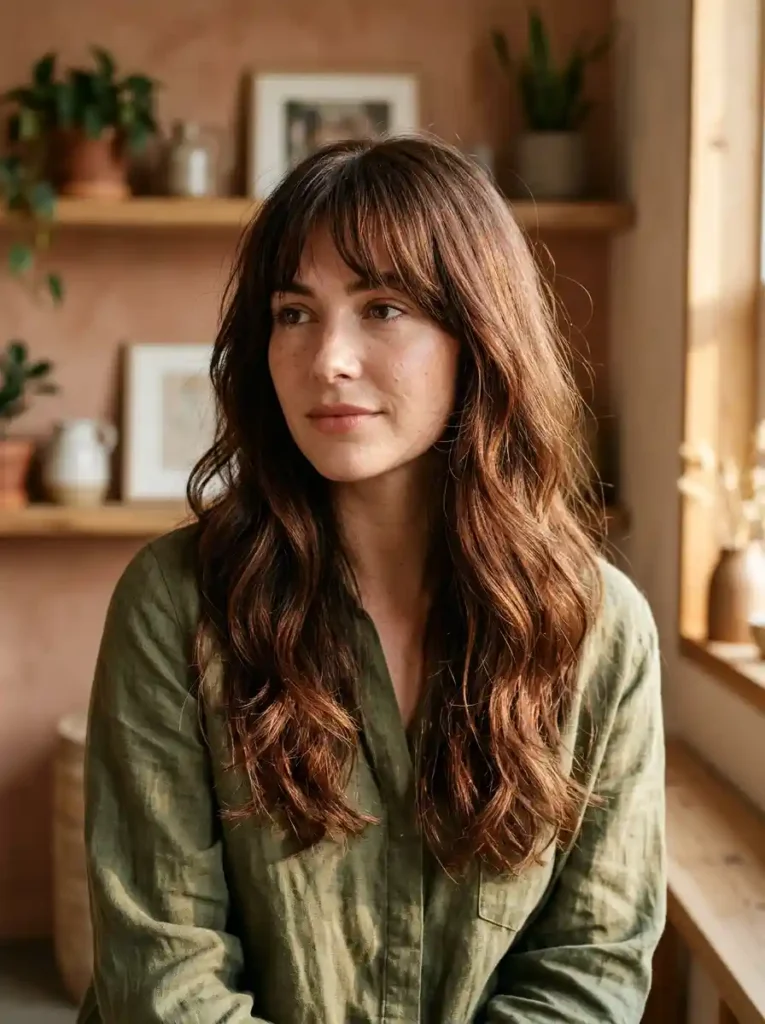
Cinnamon brown offers a gentle way to introduce warmth into brunette hair. The shade blends chestnut brown with soft reddish-gold reflections, creating more visual interest than a uniform brown while remaining wearable for everyday life. It works particularly well on medium-length layers, textured lobs, and long waves because movement reveals the subtle cinnamon tones. If you love warm colors but aren’t ready for copper or auburn, this shade creates a natural transition.
Ask your colorist whether an all-over warm brown, a cinnamon gloss, or fine highlights would suit your existing color best. On darker hair, the result may be more reflective than visibly red, while lighter brown bases can show stronger warmth. To prevent the color from becoming brassy in an unintended way, maintain it with products recommended for your specific formula. Cinnamon brown is also an easy shade to coordinate with seasonal wardrobe changes, especially earthy greens, creams, camel, and rust.
14. Soft Auburn
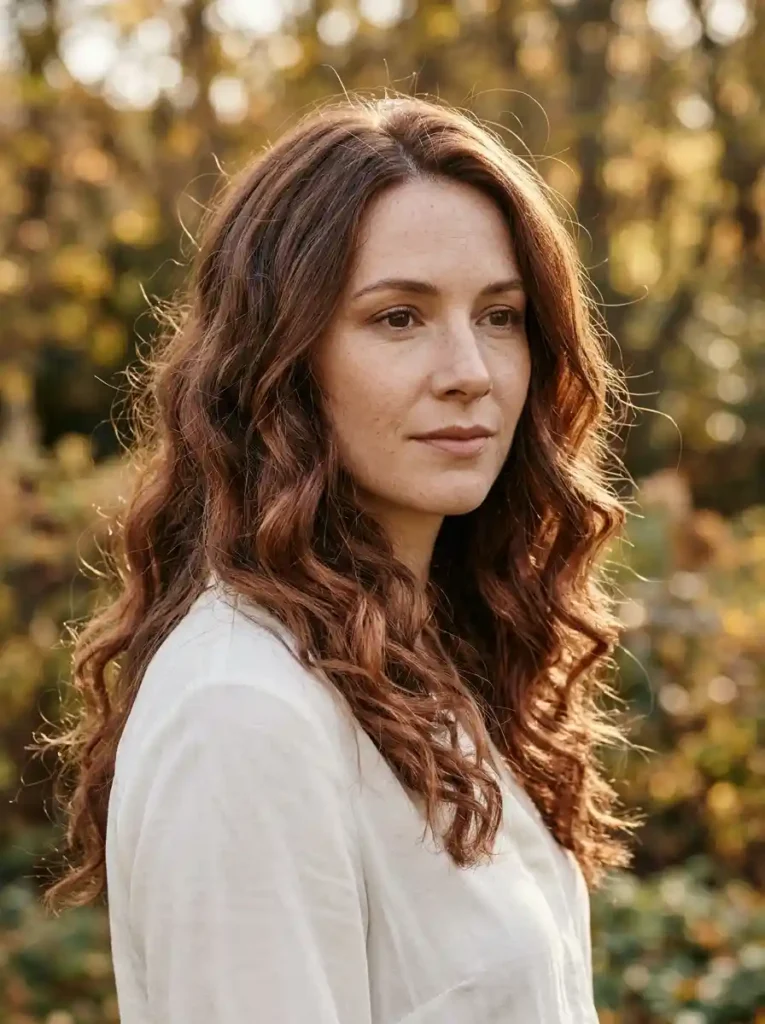
Soft auburn is an inviting choice if you want red hair with enough brown depth to keep it subtle. Unlike bright copper, it emphasizes chestnut tones with a gentle red glow that looks different depending on the lighting. The color complements layered cuts, defined curls, and natural-looking blowouts, where the warm undertones appear gradually rather than all at once. It can also be a comfortable introduction to red for someone who has always worn brunette shades.
The most useful starting point is deciding how visible you want the red to be. A deeper auburn may look predominantly brown indoors, while a lighter formula can reveal more copper in daylight. Discuss fading expectations before your appointment because red-based shades often need refreshing. A tinted conditioner approved by your stylist can help maintain the tone between visits. If your hair is already colored dark, avoid assuming that applying a lighter auburn dye alone will produce a brighter result; artificial color often requires a different approach.
15. Golden Caramel Highlights
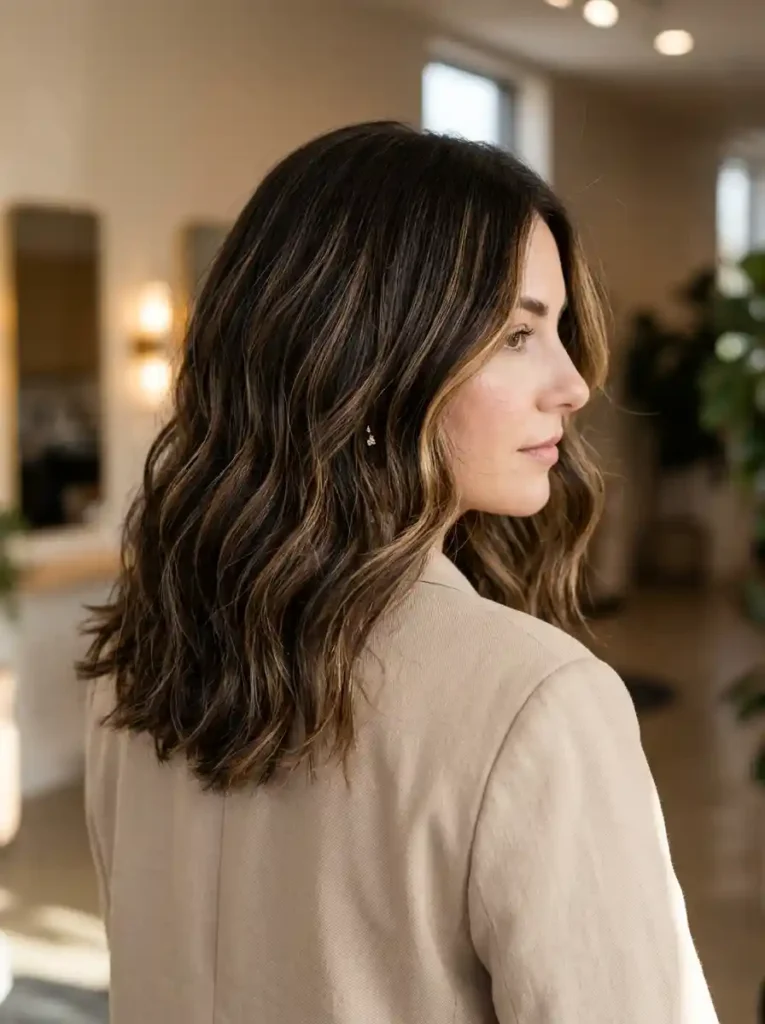
Golden caramel highlights add warmth and movement to dark brown hair without requiring an overall color transformation. Fine ribbons of caramel create contrast while preserving the depth of the natural base, making this a useful option for people who want a visible update that still feels familiar. The technique works across different lengths, from long layers to shoulder-grazing cuts, and can be adjusted to create either barely noticeable dimension or a brighter, sunlit finish.
Placement is just as important as the shade. Ask for delicate pieces around the face and through the ends if you prefer a soft effect, or more concentrated highlights if you want stronger contrast. A skilled colorist can blend the sections so they don’t resemble rigid stripes. Depending on your starting color, caramel highlights may require lightening, so use nourishing treatments and heat protection afterward. A gloss can refresh the overall tone when the highlights begin to lose their original golden richness.
16. Smoky Silver Blonde

Smoky silver blonde is ideal for anyone drawn to cool-toned hair with a modern, understated edge. Instead of looking uniformly white or metallic, it combines pale ash blonde with muted gray-beige shadows for depth. The effect works especially well on sleek bobs, straight shoulder-length hair, and smooth layers that display the color transitions clearly. It can also create a striking contrast against darker clothing and minimalist styling.
This is one of the more demanding shades to achieve, particularly if your natural hair is dark or has previous color buildup. Reaching a pale base may require multiple professional sessions, and excessive lightening can compromise hair condition. Ask for an honest assessment of what is achievable in one appointment. Cool toners can fade over time, so maintenance may include periodic toning and careful cleansing. If you want the aesthetic with less upkeep, a smoky blonde balayage that leaves some natural root depth can be a practical alternative.
17. Peachy Strawberry Blonde

Peachy strawberry blonde combines blonde brightness with a soft pink-orange warmth, creating a playful shade that remains gentler than vivid coral or fashion pink. Its delicate color variations look beautiful in loose waves, long layers, and soft fringes. This is a particularly interesting option if you enjoy warm blonde shades but want something a little less traditional. Depending on the formula, the peach tones can be subtle or more noticeable in direct sunlight.
To achieve a balanced result, ask your colorist how much of the final color should lean golden, copper, or pink. Strawberry shades can be difficult to maintain because their lighter warm pigments may fade quickly. A custom color-depositing conditioner can help preserve the peach reflection when used as directed. If your hair is naturally dark, reaching a light strawberry blonde may require substantial lifting, so consider a peachy balayage or a softer warm gloss if you’re prioritizing hair condition and easier upkeep.
18. Rooted Beige Blonde
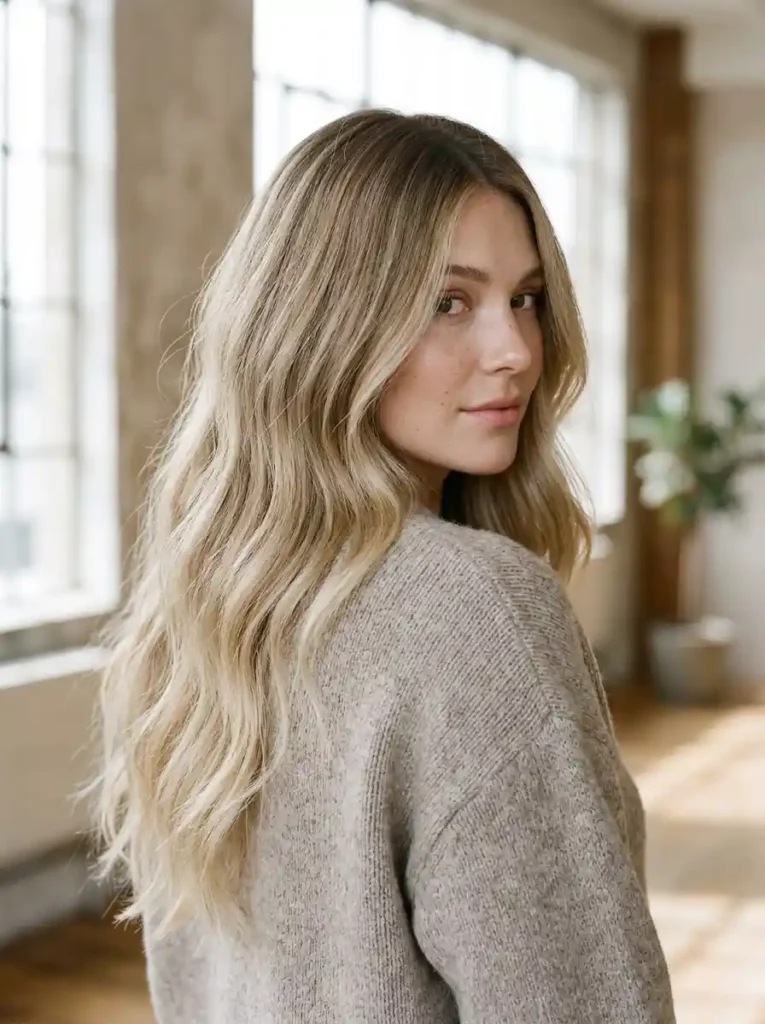
Rooted beige blonde combines the brightness of blonde hair with a softly shadowed root, creating a natural-looking transition from darker regrowth to lighter lengths. The beige finish helps balance strong yellow or golden tones, while the root depth adds dimension. This style suits anyone who wants to enjoy lighter hair without the sharp contrast of a freshly colored root against very pale blonde. It looks especially beautiful on long layers, textured lobs, and relaxed waves.
The key is choosing a root shade that blends naturally with your own hair rather than creating an obvious dark band. Ask for a soft root melt and beige toning through the lengths, with brighter pieces where you want extra light. Maintenance depends on how light your blonde is and how much natural root you leave visible. Regular conditioning, heat protection, and occasional gloss treatments can keep the lengths looking smooth. If you’re transitioning from frequent full-head blonde appointments, this style may also make your grow-out routine more manageable.
19. Midnight Blue-Black
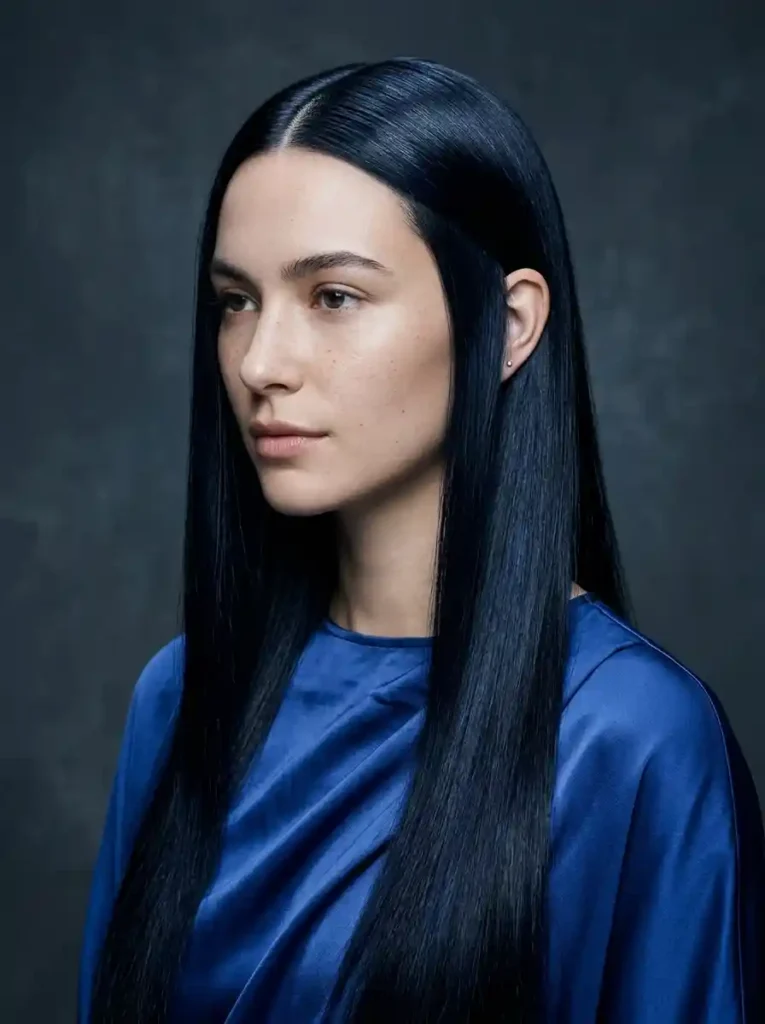
Midnight blue-black is a striking choice for anyone who prefers dark hair but wants a little more personality than classic black. The base remains deeply saturated, while navy reflections appear under direct light and give the hair a cool, polished finish. This shade looks especially effective on sleek bobs, long straight hair, and smooth ponytails because the reflective surface allows the blue undertones to show through.
Before choosing this color, consider that very dark dyes can be difficult to remove if you later decide to go lighter. Ask your colorist whether a blue-black gloss over your existing dark hair will create enough of the effect you want. For maintenance, use color-safe products and avoid frequent harsh cleansing. If you enjoy the color but want a softer commitment, subtle navy ribbons or a temporary color gloss may offer a less permanent way to experiment with cool blue undertones.
20. Toffee Blonde Balayage
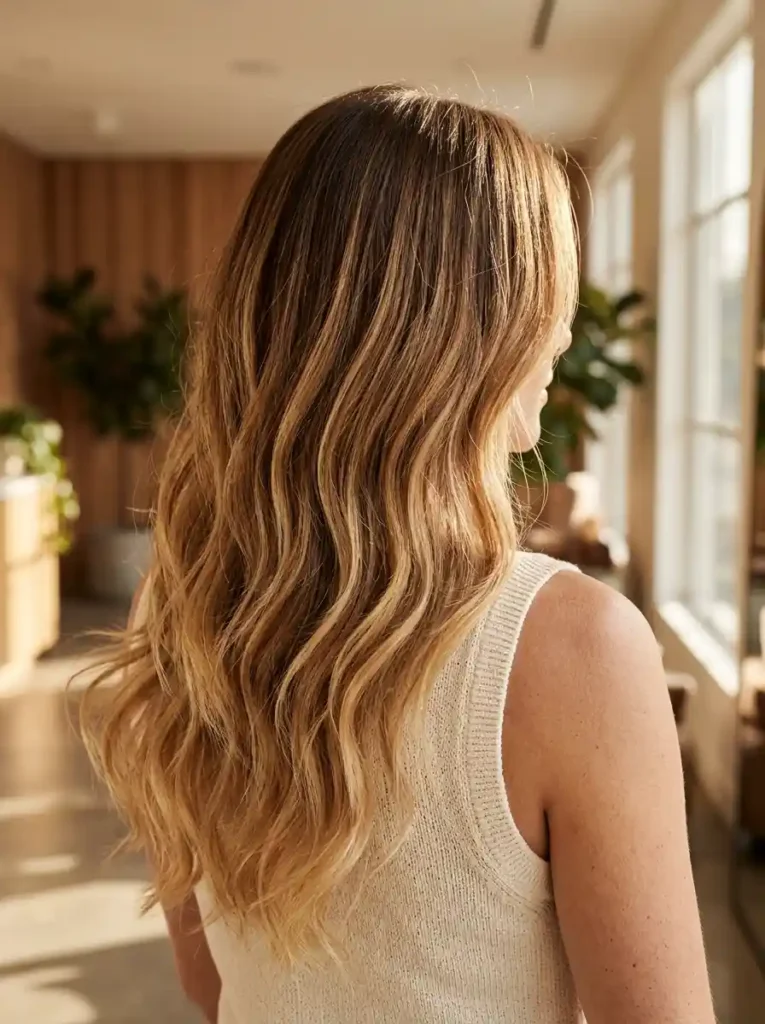
Toffee blonde balayage offers a beautiful balance between brunette depth and blonde brightness. The color transitions from a natural-looking root into warm toffee and caramel shades, with lighter blonde pieces concentrated through the lengths. Compared with a very pale blonde, the warmer palette can create a softer transition from dark hair while retaining plenty of dimension. It’s especially attractive on long, layered styles where the different tones become visible as the hair moves.
Ask your stylist to tailor the gradient to your starting color and preferred maintenance level. If you want a subtle change, keep the root dark and concentrate the lighter pieces around the lower lengths. For a brighter finish, add more blonde near the face and through the upper layers. Balayage can still require careful lightening, so discuss hair condition and realistic results before starting. A gloss and regular moisturizing treatments will help keep the color reflective, while the blended roots allow the style to grow out naturally.
Conclusion
Choosing a new hair color becomes much easier when you consider more than the shade itself. Think about how the color will look in natural light, how it complements your preferred haircut, and how much time you’re willing to spend maintaining it. Rich brunettes, cinnamon browns, and rooted blondes can offer softer upkeep, while vivid copper, cherry cola, and smoky silver shades may need more frequent refreshing.
Before booking your appointment, save two or three reference photos that closely match your desired result. Tell your colorist what you like about each image, whether that’s the warmth, brightness, root depth, or overall contrast. Your starting color, previous treatments, and hair condition will influence what’s achievable.
Most importantly, choose a trend that feels like you rather than following a look simply because it’s popular. A personalized version of a beautiful hair color can feel fresher, more flattering, and easier to live with long after the appointment ends.