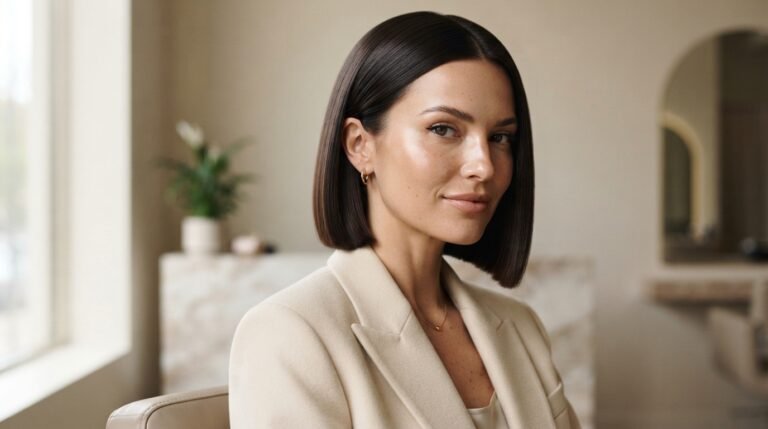
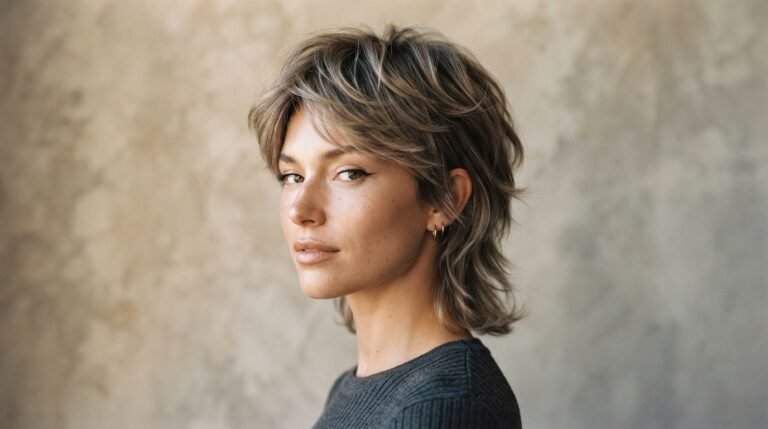
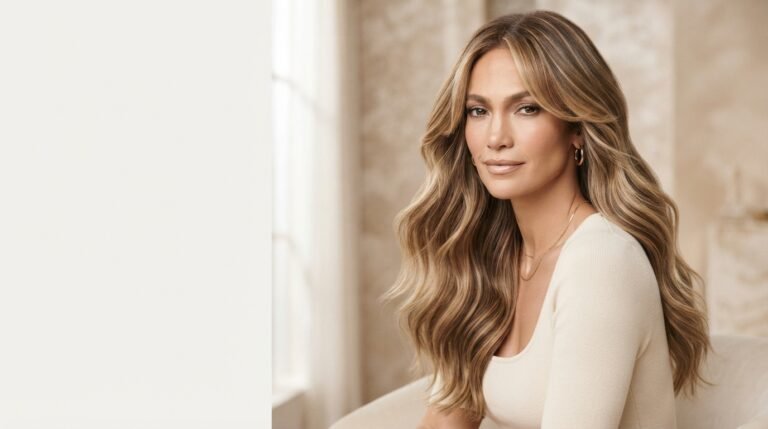
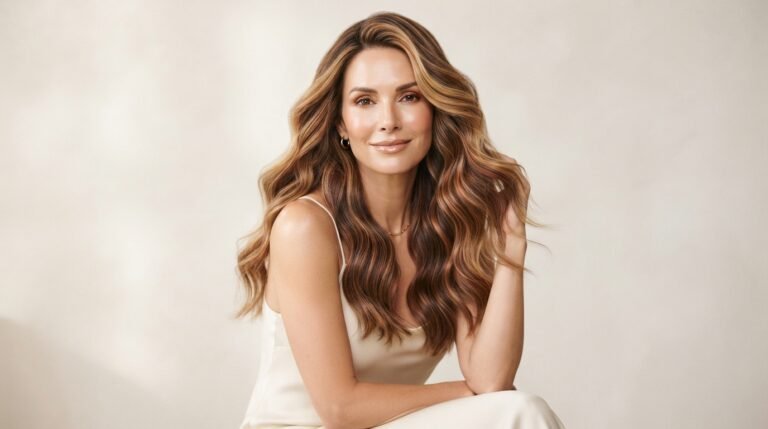
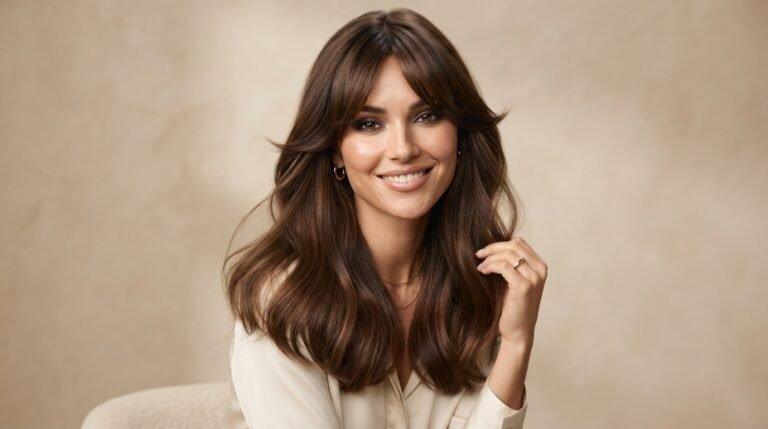
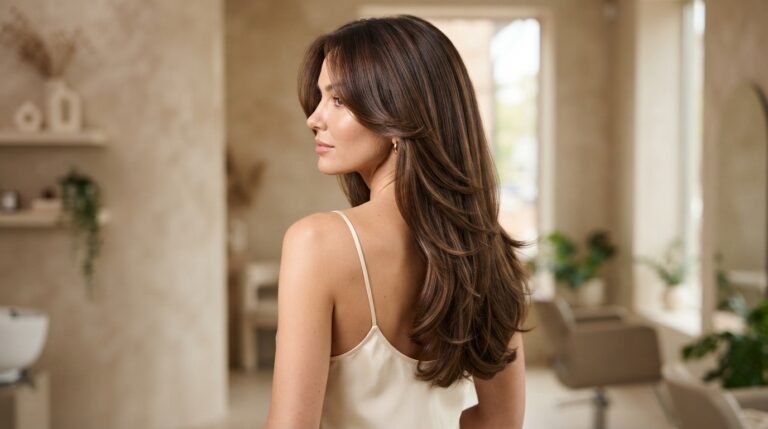
Dirty blonde has a way of looking both polished and effortless at the same time. Sitting between blonde and brunette, this versatile shade can be warmed, cooled, brightened, or deepened without losing its naturally dimensional character. That makes it especially appealing if you want a hair color that feels fresh but does not require a dramatic transformation.
The ideas below explore different ways to wear dirty blonde, from soft balayage and face-framing highlights to darker roots, beachy waves, glossy finishes, and modern layered cuts. Some options are subtle enough for someone trying blonde for the first time, while others create noticeably brighter contrast. You will also find practical styling and maintenance details to help you choose a look that suits your haircut, natural coloring, and everyday routine. Whether your Pinterest inspiration board is full of effortless beach hair or sophisticated salon color, there is a dirty blonde idea here worth saving.
1. Soft Dirty Blonde Balayage
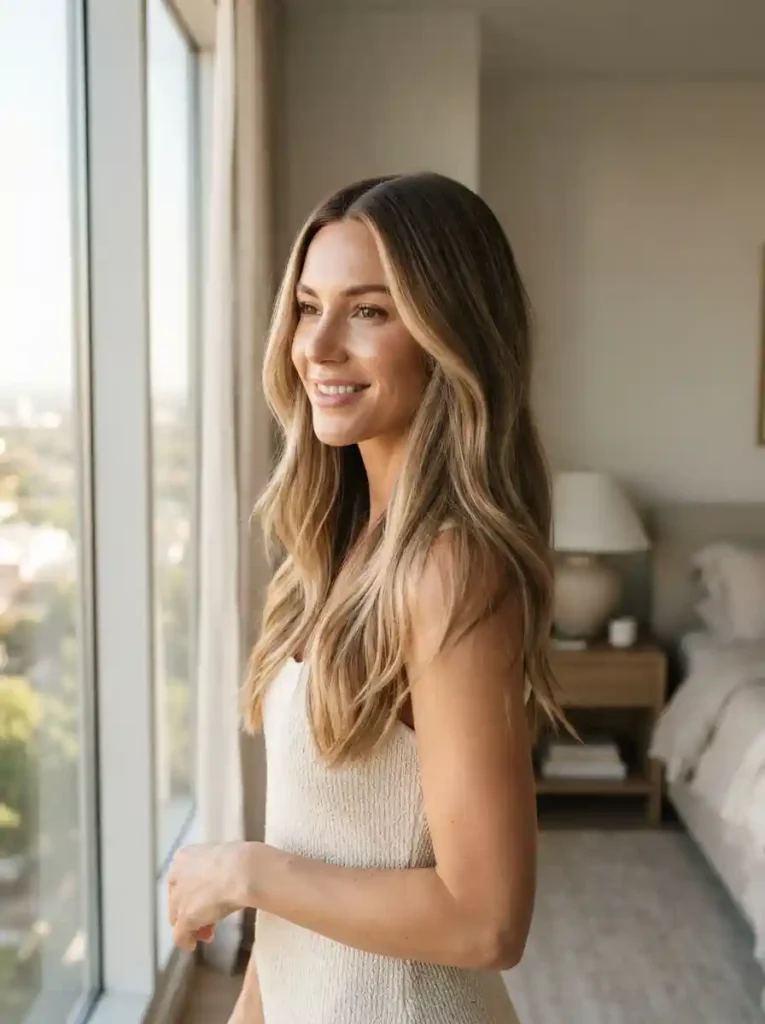
Soft dirty blonde balayage is an easy way to brighten your hair without creating a heavily highlighted appearance. Ask your stylist for finely blended lighter pieces that begin below the root and become slightly brighter toward the ends. Keeping some of your natural base visible creates depth and makes the finished color look more believable. Beige, honey, and neutral blonde tones can be mixed depending on whether you prefer warmth or a softer, cooler effect.
This technique works particularly well on medium to long hair because the graduated color becomes noticeable through movement and waves. For maintenance, use a color-safe shampoo and avoid washing with very hot water. A lightweight gloss appointment every several weeks can refresh shine and tone without requiring a complete color service. If your hair is naturally dark, ask for a gradual approach rather than trying to reach a very light blonde in one session.
2. Dark-Rooted Dirty Blonde
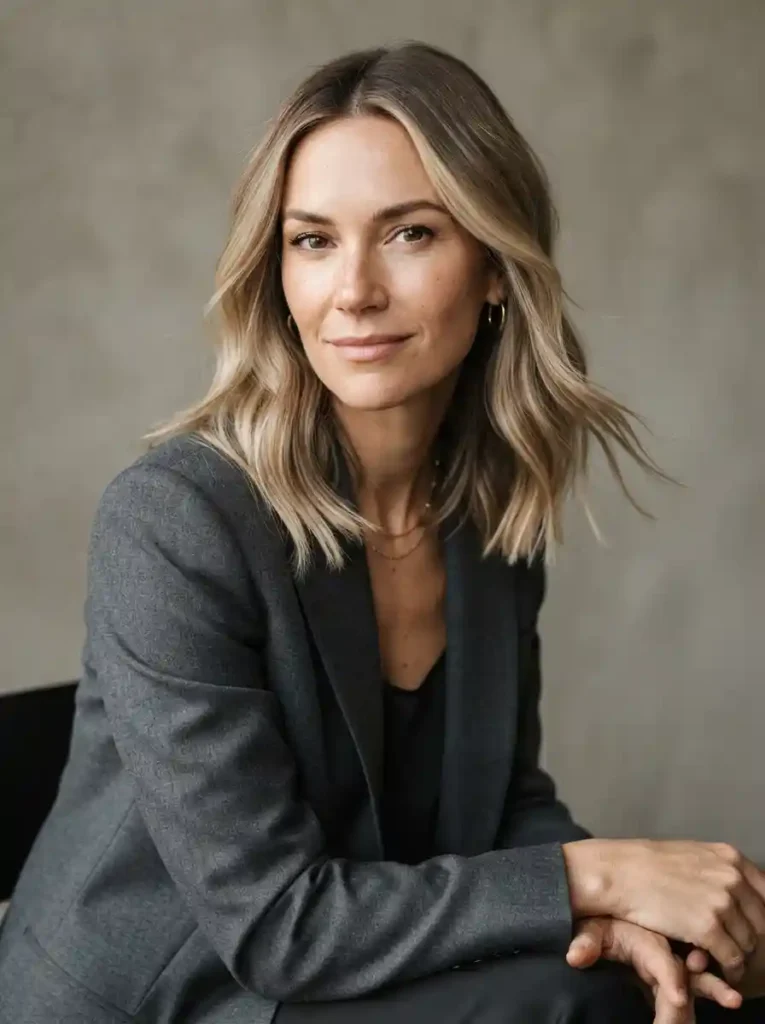
A darker root can make dirty blonde feel richer and more dimensional while reducing the need for frequent root touch-ups. Instead of creating a sharp line, request a soft root shadow that melts gradually into the lighter lengths. Neutral beige blonde usually pairs beautifully with medium brown roots, while slightly warmer tones can complement naturally golden brunette bases. The key is keeping the transition diffused rather than creating an obvious horizontal boundary.
This version is especially practical if your natural hair is brown and you want blonde pieces without committing to all-over lightening. The darker root also adds visual depth around the scalp, which can prevent the color from looking flat. When styling, loose waves reveal the transition particularly well because different sections catch the light. A root-smudging technique can be customized to your preferred level of contrast during your salon consultation.
3. Honey Dirty Blonde Waves
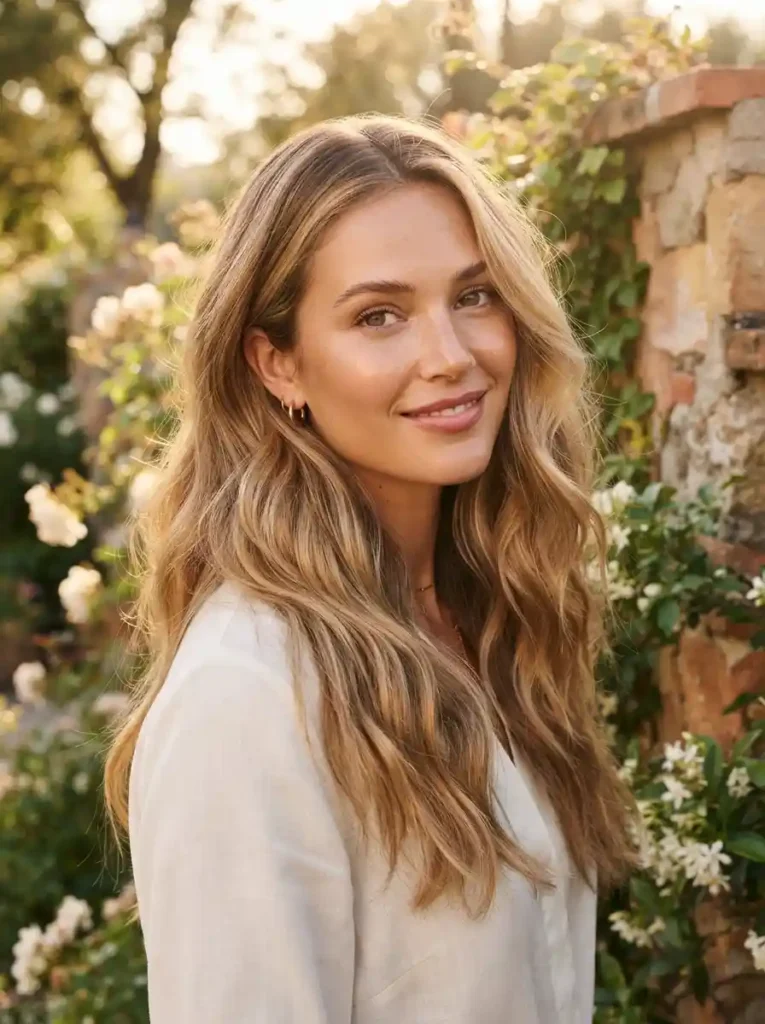
Honey tones give dirty blonde a warmer, sunnier personality without turning the entire color bright yellow or overly golden. Ask for a neutral dirty blonde base with carefully placed honey highlights concentrated through the mid-lengths and ends. This combination can create beautiful dimension when the hair moves, particularly if you wear long layers or soft waves. A toner should keep the golden tones refined rather than brassy.
Large, relaxed waves are an excellent styling choice for this color because they distribute the lighter pieces throughout the hair. Use a heat protectant before curling, then gently brush through the waves once they cool for a softer finish. If your hair tends to become dry after lightening, alternate regular shampooing with moisturizing treatments. The result should look luminous rather than heavily processed, with enough variation to make the color interesting from every angle.
4. Cool Beige Dirty Blonde
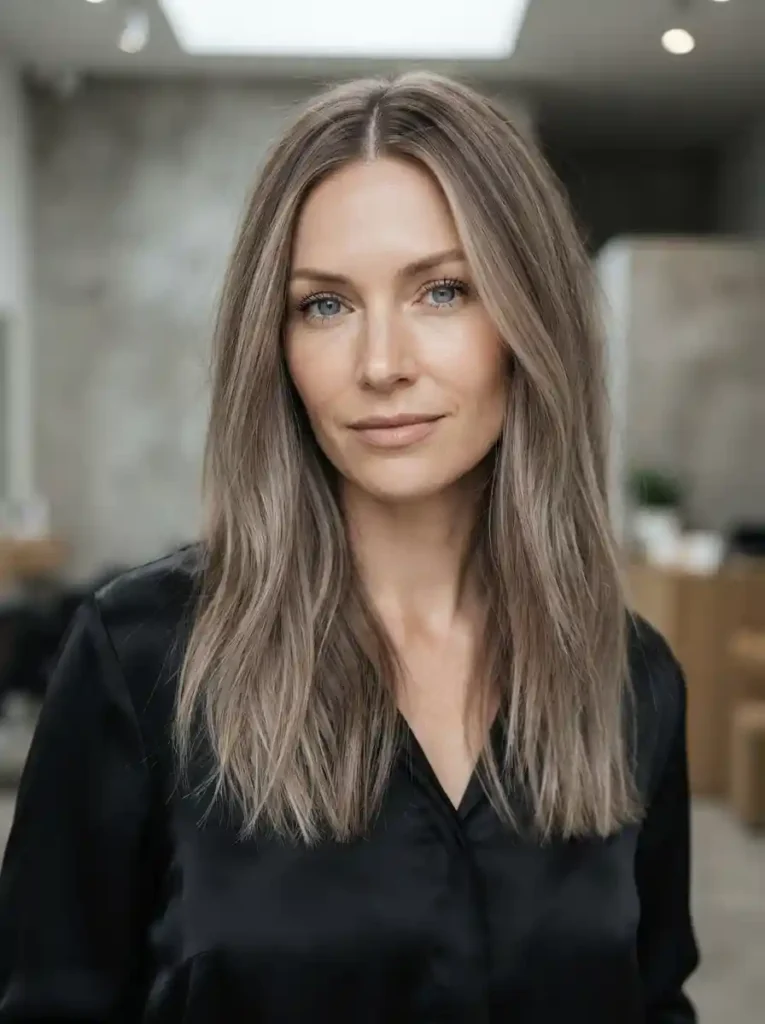
Cool beige dirty blonde is ideal when you want blonde that feels understated rather than strongly golden. The shade combines muted beige, sandy, and slightly taupe tones, giving the hair a sophisticated neutral appearance. If you are naturally brunette, your stylist may need to lighten selected sections before applying a toner that softens excessive warmth. Bringing reference photos can help communicate whether you want beige, ash, or mushroom influences.
Because cooler blondes can sometimes look dull when the hair lacks shine, a gloss is particularly useful for maintaining a polished finish. Use a purple or blue toning product only according to your stylist’s recommendation, since excessive toning can make blonde look flat or overly smoky. A smoothing serum on the ends can also help reflect light. This color pairs especially well with sleek cuts, soft layers, and minimalist styling.
5. Face-Framing Dirty Blonde Highlights
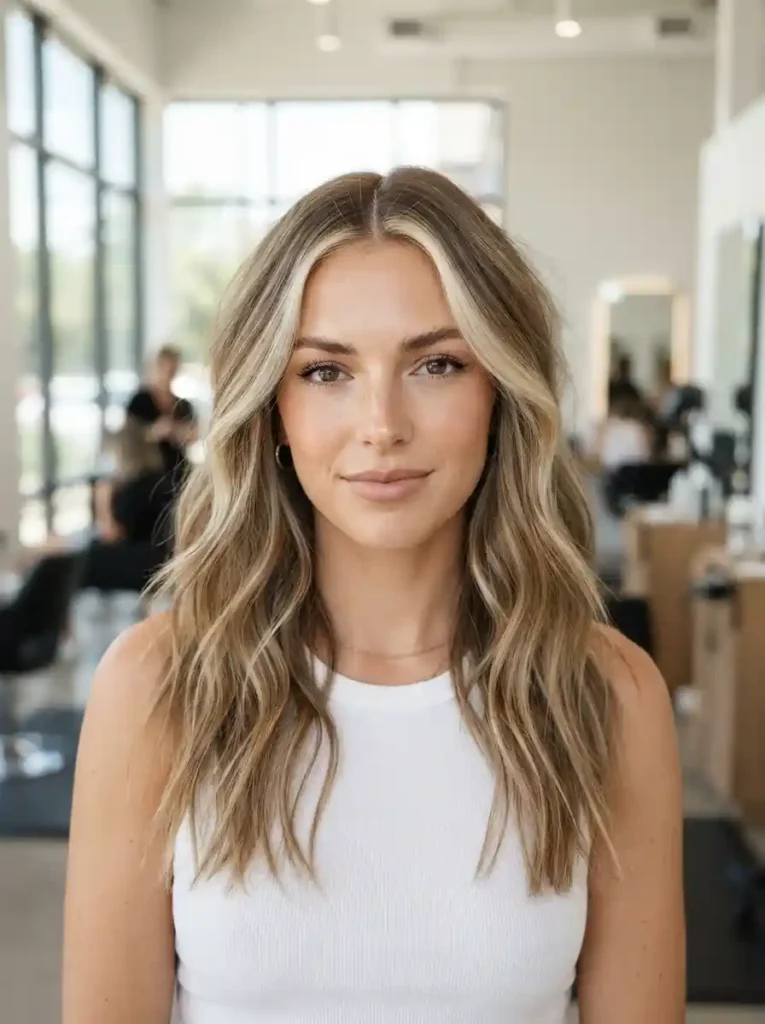
Face-framing highlights can brighten dirty blonde dramatically without requiring extensive lightening throughout the entire head. The most noticeable pieces are placed around the temples and front hairline, then blended into softer highlights farther back. For a natural result, avoid making the front sections dramatically lighter than everything else. A few carefully positioned beige or golden strands can create enough contrast to illuminate the face.
This technique is particularly useful if you want your hair to look brighter in photographs while keeping the overall color relatively low contrast. Tell your stylist whether you usually wear a middle or side part because placement can be adjusted accordingly. Keep the front pieces healthy with conditioning treatments, since these sections receive frequent heat and styling. When drying your hair, use a nozzle attachment to smooth the strands and enhance their reflective finish.
6. Dirty Blonde with Caramel Ribbons
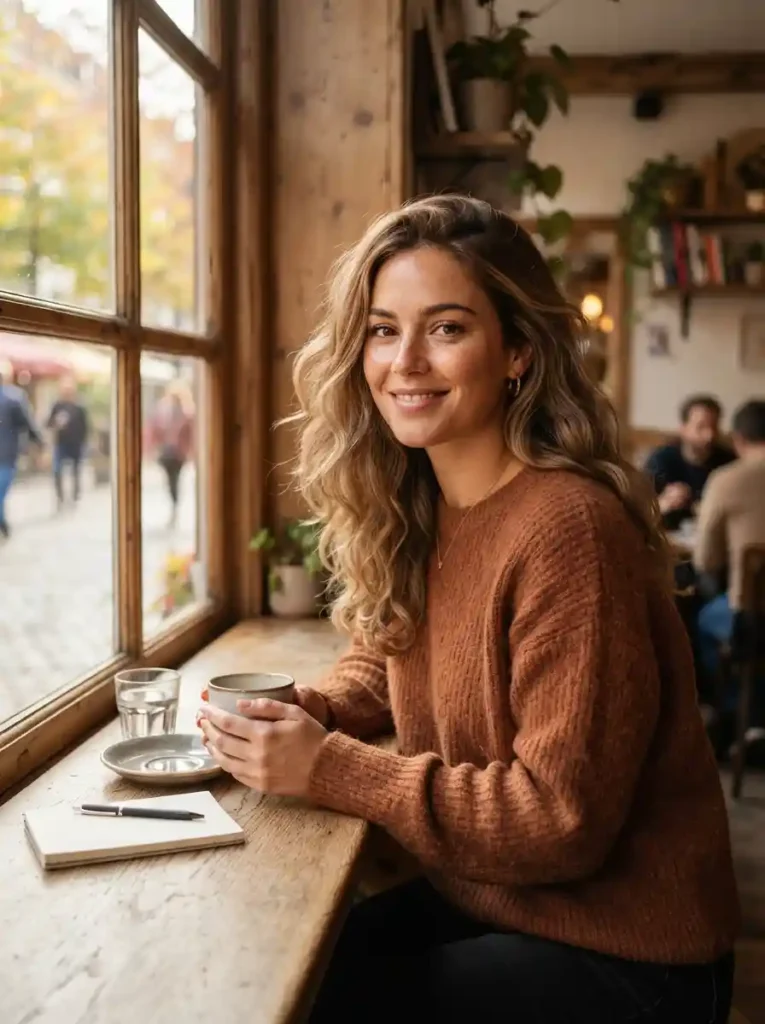
Caramel ribbons add warmth and contrast while keeping dirty blonde from looking one-dimensional. Instead of scattering identical highlights everywhere, ask for strategically placed caramel pieces that vary slightly in width. A stylist can blend them through the mid-lengths and ends while leaving some darker sections untouched. This creates the layered appearance of several natural tones rather than a single uniform shade.
The combination can be especially flattering on naturally medium or dark blonde hair because the base does not have to become extremely light. It also looks attractive with curls, waves, or a rounded blowout because the warmer pieces catch the light differently as the hair moves. To maintain the richness, use a moisturizing color-safe conditioner and limit excessive heat. If the caramel begins looking too warm, a salon gloss can restore the balance without removing the dimensional effect.
7. Dirty Blonde Lob with Soft Layers
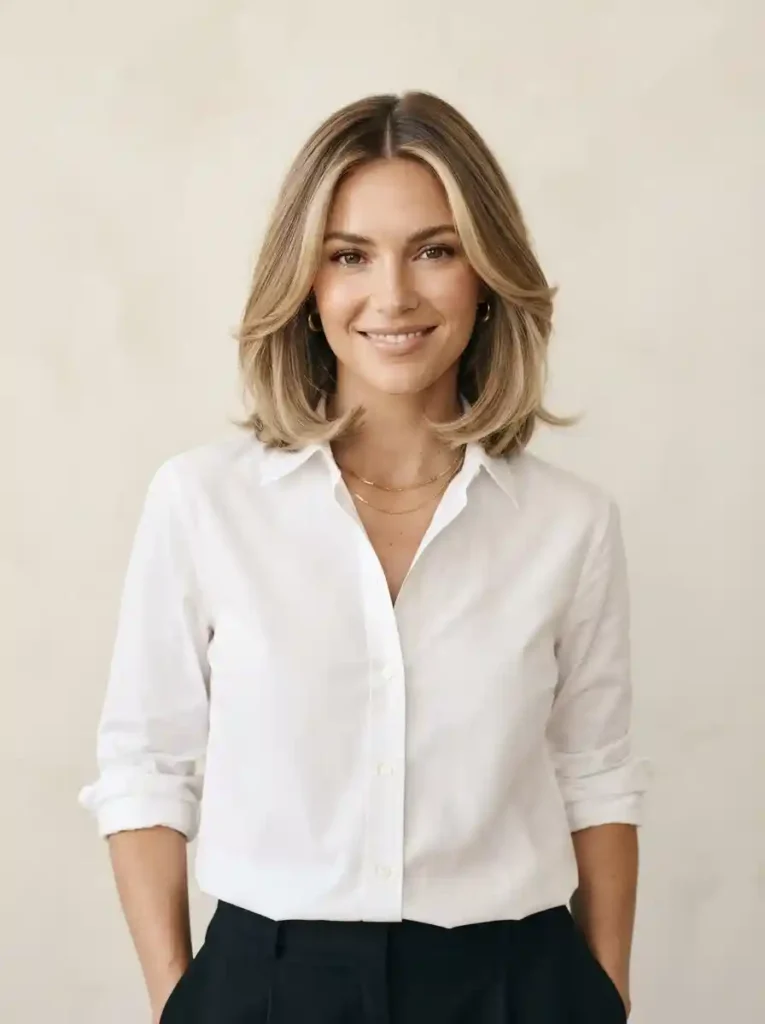
A collarbone-length lob gives dirty blonde a modern shape while retaining enough length for ponytails, waves, and other everyday styles. Soft internal layers can prevent the haircut from appearing heavy, particularly if your hair is thick. Ask for subtle movement around the ends rather than extremely short layers if you prefer a fuller silhouette. The dirty blonde color can then be customized with fine beige or honey pieces.
This haircut is also useful if you are transitioning away from damaged ends because removing a few inches can make the color look noticeably healthier. Style the lob with a round brush for smooth volume or use a large curling iron to create loose bends. Avoid over-curling every section, which can make the haircut look too formal. Leaving the ends slightly imperfect gives the finished style a relaxed, current appearance.
8. Beachy Dirty Blonde with Natural Texture
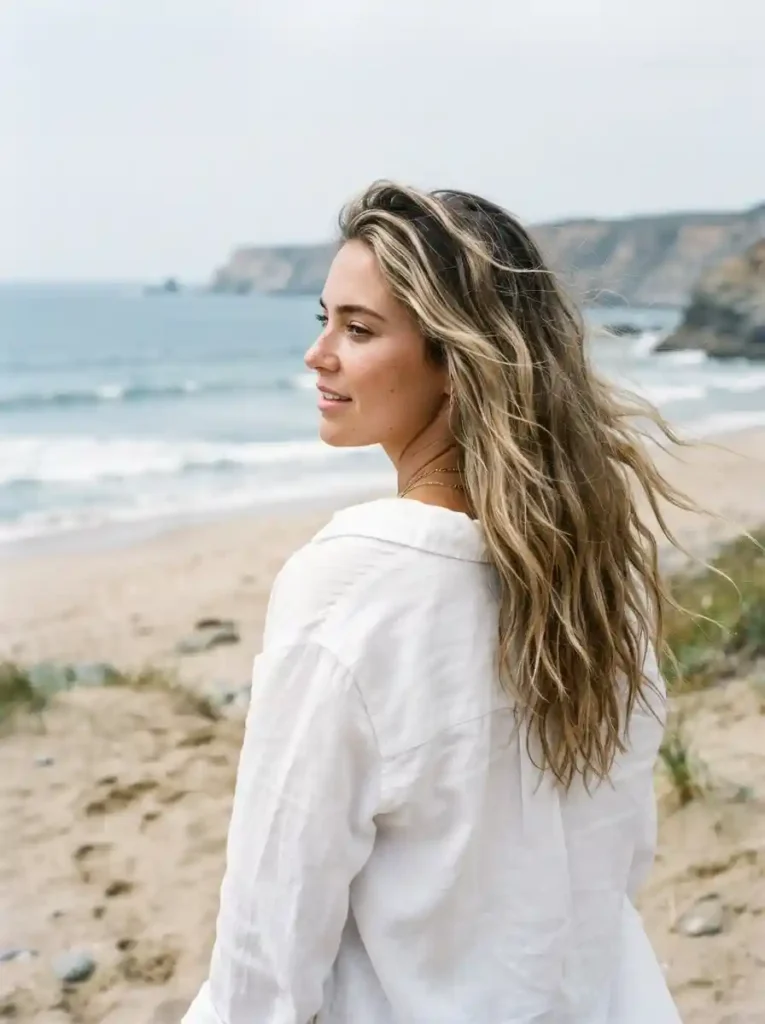
For a relaxed summer-inspired look, keep dirty blonde slightly imperfect rather than overly polished. Sandy blonde pieces blended into a darker natural base can mimic the varied tones hair often develops after time outdoors. Ask for fine highlights rather than thick stripes, particularly if your goal is believable dimension. Long layers can help the color show through when the hair is tousled.
You can recreate the texture at home with a lightweight texturizing spray applied mainly through the mid-lengths and ends. Scrunch gently rather than aggressively twisting the hair, and allow it to air-dry when possible. If you use heat, keep the temperature moderate and apply protection first. Remember that sun and swimming can alter blonde tones, so a leave-in conditioner with UV protection can be useful during extended outdoor days.
9. Dirty Blonde with Money-Piece Highlights
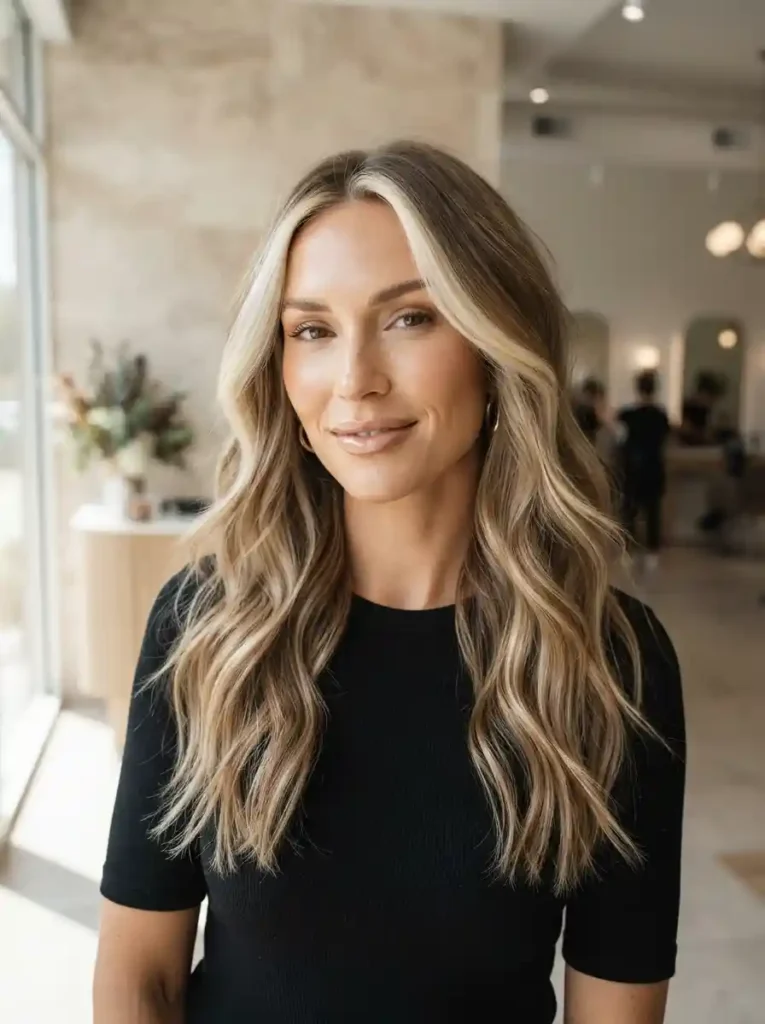
A money piece creates stronger contrast around the face than traditional subtle framing highlights. For dirty blonde hair, the effect can be softened by choosing creamy beige or champagne blonde rather than an extremely pale shade. Your stylist can leave the surrounding hair deeper, allowing the front pieces to become the main focal point. This approach works especially well if you want a noticeable change without completely recoloring your head.
Placement matters because the front sections are highly visible and can easily become too wide or harsh. Bring a photo showing the approximate width you like, then discuss how the highlight should blend into your haircut. Curled or waved hair makes the transition softer, while straight styling emphasizes the contrast. Because these sections are lighter, use conditioner and heat protection consistently to keep them looking smooth and healthy.
10. Glossy Dark Dirty Blonde
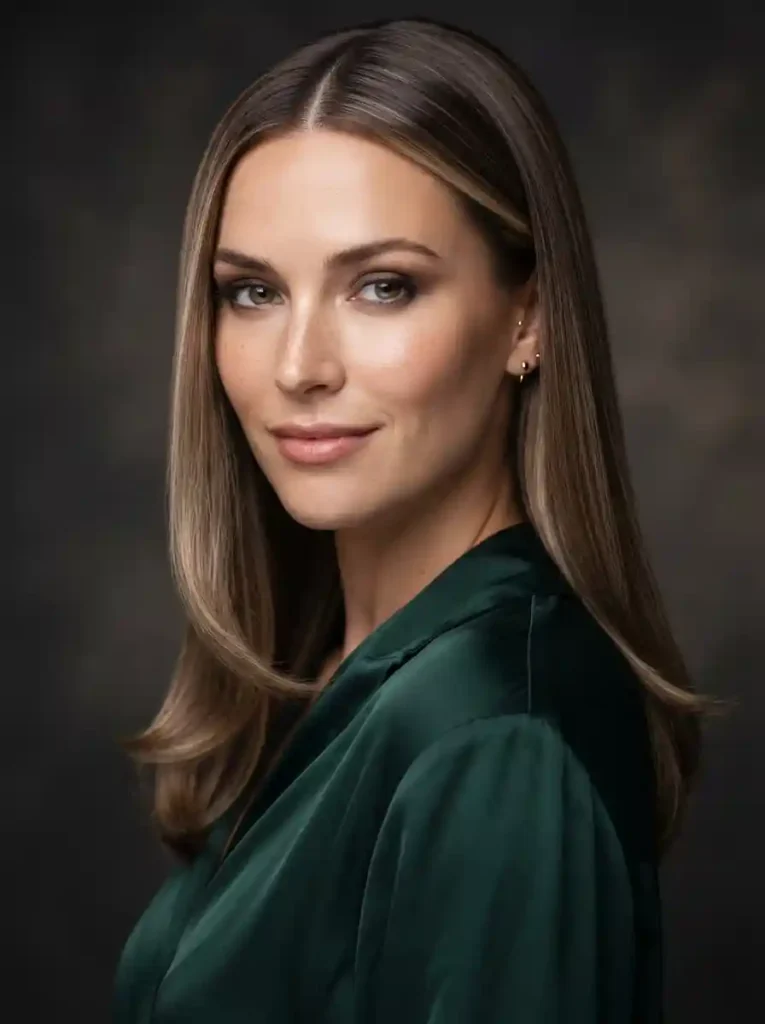
If bright blonde is not your preference, a darker dirty blonde can provide a subtle change while preserving plenty of depth. This version sits closer to dark blonde or light brown, with delicate lighter pieces that appear mainly when they catch the light. It is a useful choice for anyone who wants dimension without the maintenance associated with extensive bleaching. A neutral or slightly cool gloss can make the finish especially polished.
The secret to making darker blonde look luxurious is shine. Use a gentle shampoo, conditioner suited to your hair texture, and a lightweight finishing oil on the ends. Avoid applying heavy oil near the roots if your scalp becomes oily quickly. A professional gloss can refresh faded tone between larger color appointments. Straight styling highlights the reflective quality, while loose bends reveal the subtle variation between the darker base and lighter strands.
11. Dirty Blonde with Curtain Bangs
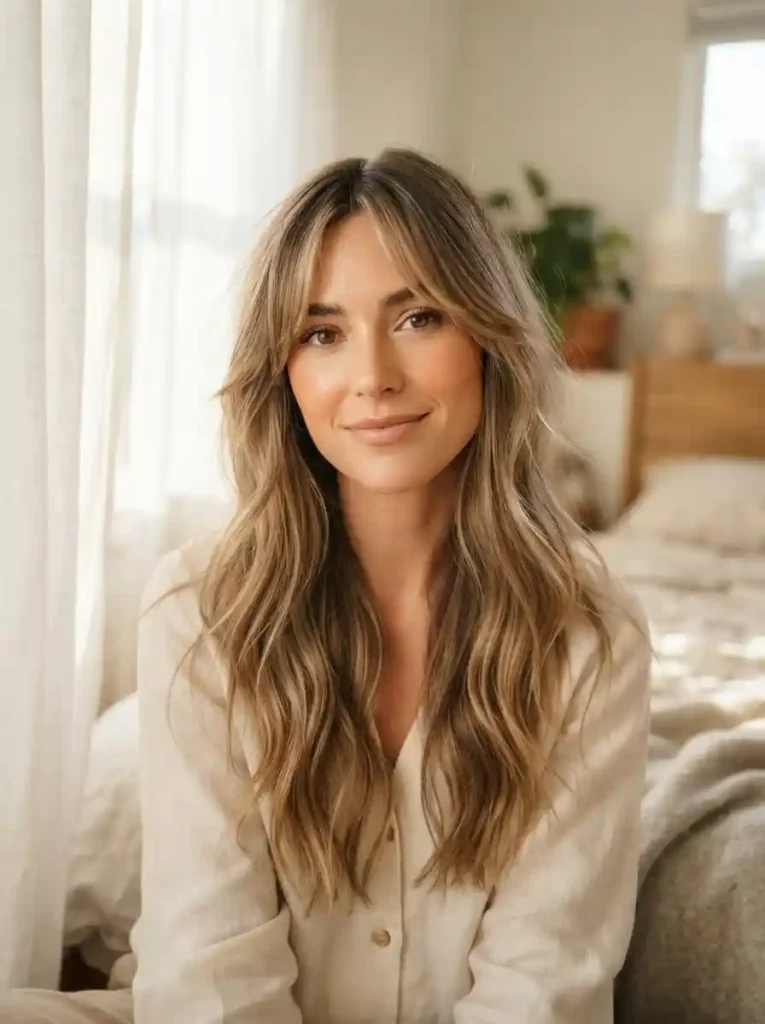
Curtain bangs can make a dirty blonde color feel softer by creating a gradual transition around the face. Ask for bangs that are long enough to blend into the cheekbone or jaw area if you want styling flexibility. Fine beige or honey highlights through the fringe can brighten the eyes without making the entire front section dramatically lighter. The rest of the hair can remain slightly deeper for contrast.
Because curtain bangs need regular shaping, consider whether you are comfortable spending a few minutes styling them each morning. A round brush or large Velcro roller can create the characteristic outward sweep without requiring a complicated routine. Avoid cutting the fringe too short on your first attempt, since longer curtain bangs offer more room for adjustment. When coloring, keep the lightest pieces blended so the face-framing effect remains soft.
12. Dimensional Dirty Blonde with Lowlights
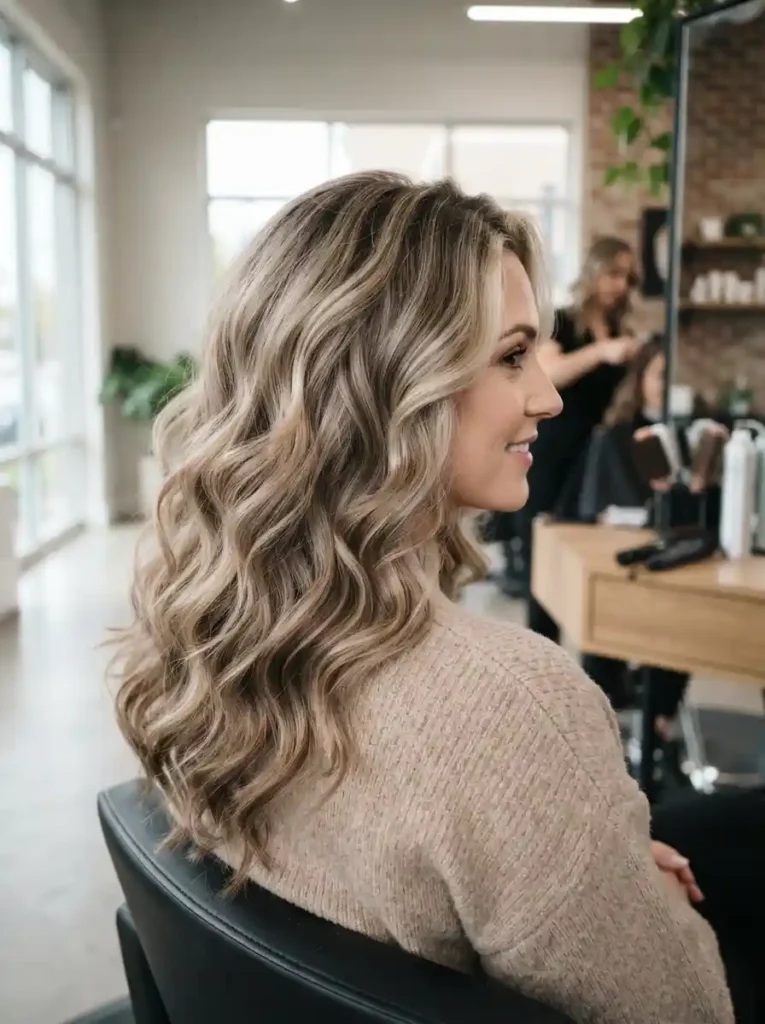
Lowlights are an excellent option when dirty blonde feels too bright or flat. Instead of adding more lightness, your stylist can weave slightly deeper blonde, taupe, or soft brown pieces through the existing color. The result gives lighter strands something to contrast against, making the overall hair appear more dimensional. This technique can also be useful after a period of heavy highlighting when you want a more natural-looking finish.
Placement should reflect your haircut and density. More depth underneath can make thick hair look richly layered, while a few pieces through the upper sections can create subtle movement. Avoid choosing lowlights that are dramatically darker than your base unless you specifically want strong contrast. A close match usually produces the most seamless effect. Loose curls or waves will emphasize the interplay between the lighter and deeper sections beautifully.
13. Dirty Blonde with Subtle Root Melt
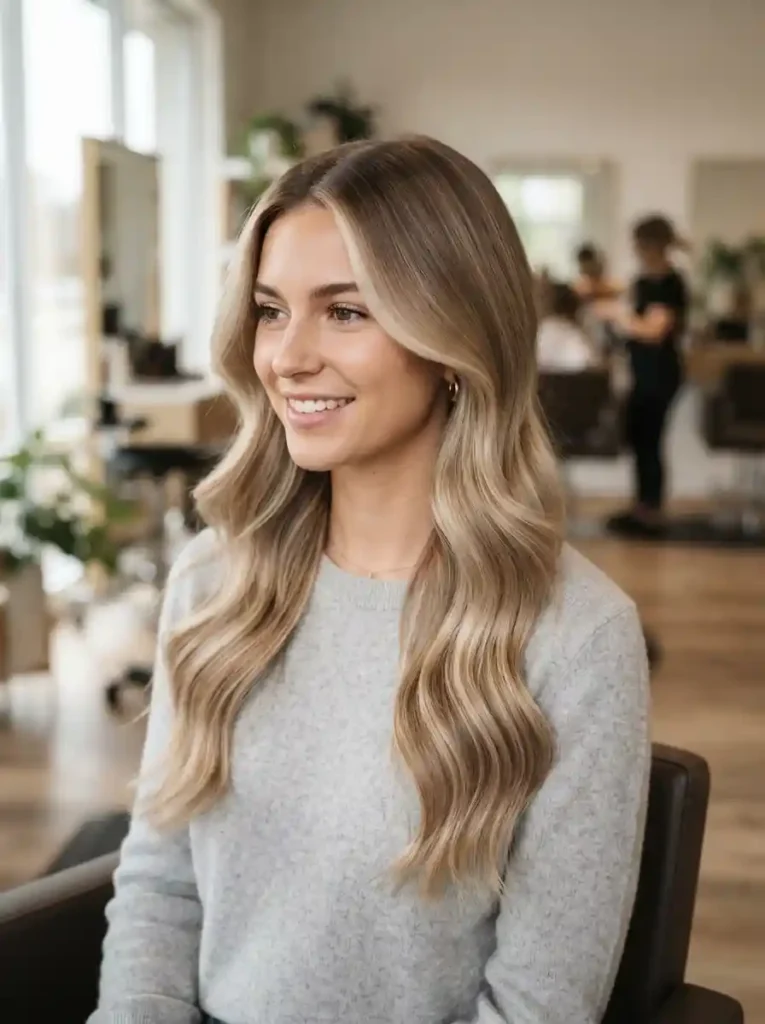
A subtle root melt creates a seamless connection between natural roots and lighter dirty blonde lengths. Unlike a pronounced shadow root, the transition is deliberately gradual, with color softly diffusing through the first few inches of hair. This can make grown-out color look intentional rather than abrupt. Ask your stylist to keep the root close to your natural shade if low maintenance is one of your priorities.
The technique is particularly attractive on long hair because the gradual transition gives the entire color a fluid appearance. It can also work on medium-length cuts when the blend is kept delicate. To preserve the tone, avoid repeatedly applying permanent color over the already-lightened lengths. Instead, discuss glosses or toners for refreshing the blonde. Regular trims will also keep the lighter ends from looking dry or uneven.
14. Champagne Dirty Blonde
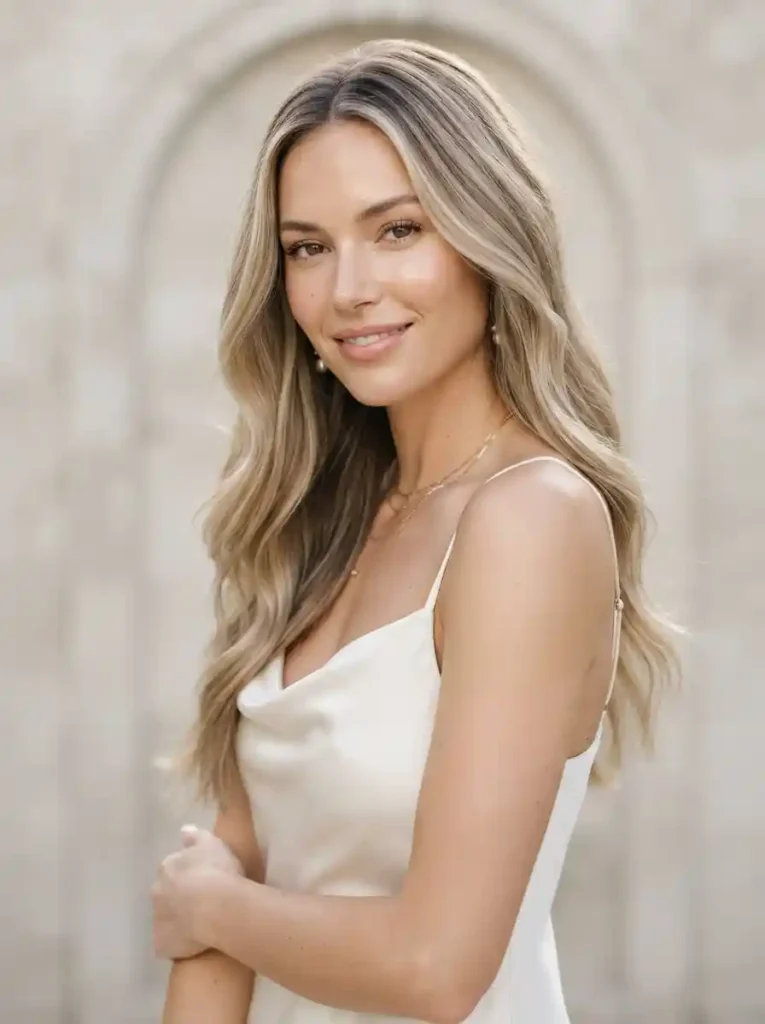
Champagne tones bring a refined brightness to dirty blonde without pushing the color into an icy platinum look. The shade typically combines beige, soft gold, and delicate creamy tones, making it more nuanced than a single bright blonde. Ask your stylist to keep the base slightly deeper so the champagne pieces remain visible. This is particularly attractive when the hair has enough movement for multiple tones to catch the light.
Because lighter champagne shades may require significant lifting, hair condition should be part of the conversation before coloring. Your stylist can assess whether your current hair can handle the desired brightness and suggest a gradual route if necessary. At home, prioritize moisturizing products and minimize repeated high-heat styling. A professional toner can periodically restore the creamy balance if the blonde begins to look dull or too warm.
15. Messy Dirty Blonde Shag
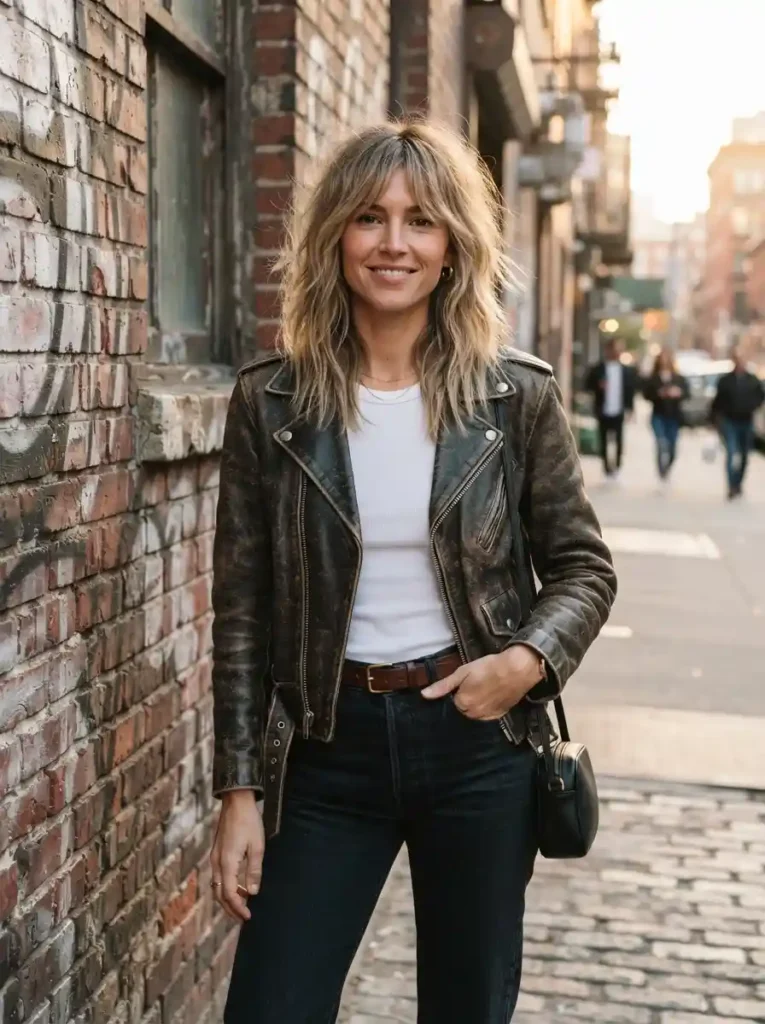
A dirty blonde shag brings texture into the equation, making the color appear more varied because different layers catch light from different angles. The cut can include shorter crown layers, wispy ends, and face-framing pieces while retaining enough length to avoid looking overly severe. A neutral blonde base with scattered honey or beige highlights works well with the deliberately undone shape.
Styling should enhance the haircut rather than flatten it. Apply a lightweight mousse or texture cream to damp hair, then scrunch while drying with a diffuser. Once dry, separate a few pieces with your fingers instead of brushing everything smooth. Too much product can weigh down the layers and make the cut lose its airy quality. Regular trims are helpful because shaggy ends are intentionally textured but should still look controlled rather than brittle.
16. Dirty Blonde Bob with Beachy Ends

A short bob can make dirty blonde feel fresh and noticeably more modern. Keep the perimeter relatively clean while adding subtle texture at the ends so the haircut does not become overly rigid. Fine blonde pieces distributed through the top layers can create movement without making the short style look stripey. A slightly darker root also gives the bob visual depth close to the scalp.
For everyday styling, a large round brush can create a smooth shape, while a flat iron can add a few loose bends through the ends. Do not curl every section tightly; the goal is relaxed movement rather than obvious ringlets. A tiny amount of texturizing cream can separate the ends and enhance definition. Because shorter hair exposes the shape of the cut clearly, regular trims help maintain the intended silhouette.
17. Golden Dirty Blonde with Long Layers
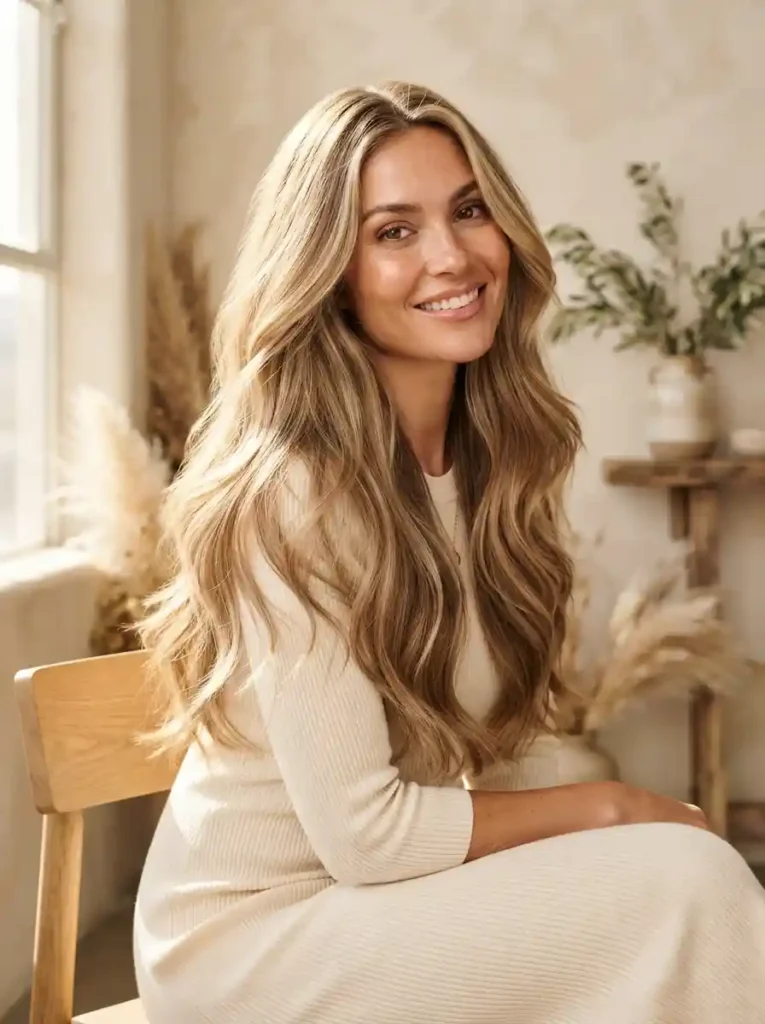
Long layers allow golden dirty blonde to look rich without requiring every strand to be lightened. Ask for a neutral base with warm golden ribbons concentrated around the mid-lengths, ends, and selected upper layers. The contrast should remain soft enough that the color looks blended when the hair is straight. When curled, the different tones become more visible, giving the style a flowing, dimensional appearance.
This option is especially easy to personalize because the warmth can be adjusted. If your natural hair already has golden undertones, you may need only subtle highlights and a gloss. If your base is cooler, your stylist can introduce warmth gradually. Use a detangling brush from the ends upward and protect the lower lengths from heat, since very long hair is more vulnerable to dryness and breakage.
18. Mushroom-Inspired Dirty Blonde
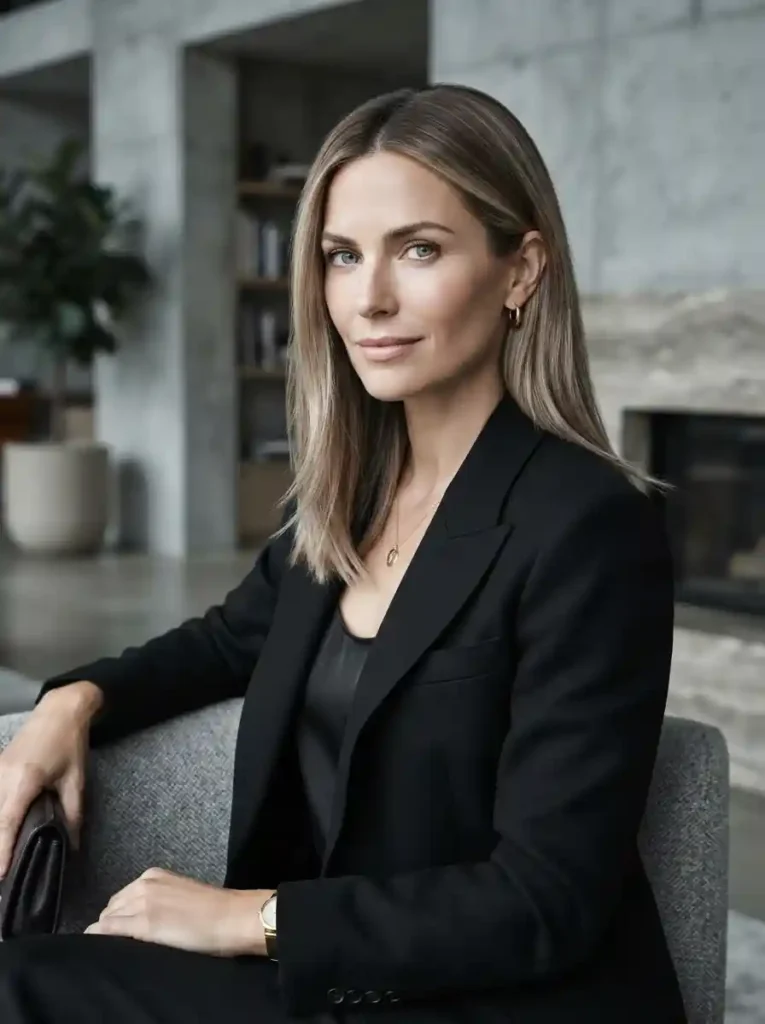
Mushroom-inspired dirty blonde takes the color in a cooler, earthy direction by combining taupe, beige, muted brown, and soft ash influences. It is a good choice if you like brunette depth but want visible blonde dimension. Rather than requesting an extremely gray finish, describe the look as neutral and smoky with enough beige to keep it natural. Your stylist can tailor the balance according to your starting color.
This shade benefits from thoughtful toning because unwanted warmth can become noticeable as the color fades. However, excessive purple or blue products can push the hair too cool, so moderation matters. A professional gloss is often a better way to fine-tune the shade. The muted palette pairs beautifully with sleek styling, monochromatic clothing, and simple makeup, making the hair itself feel like the main visual detail.
19. Dirty Blonde with Brighter Ends
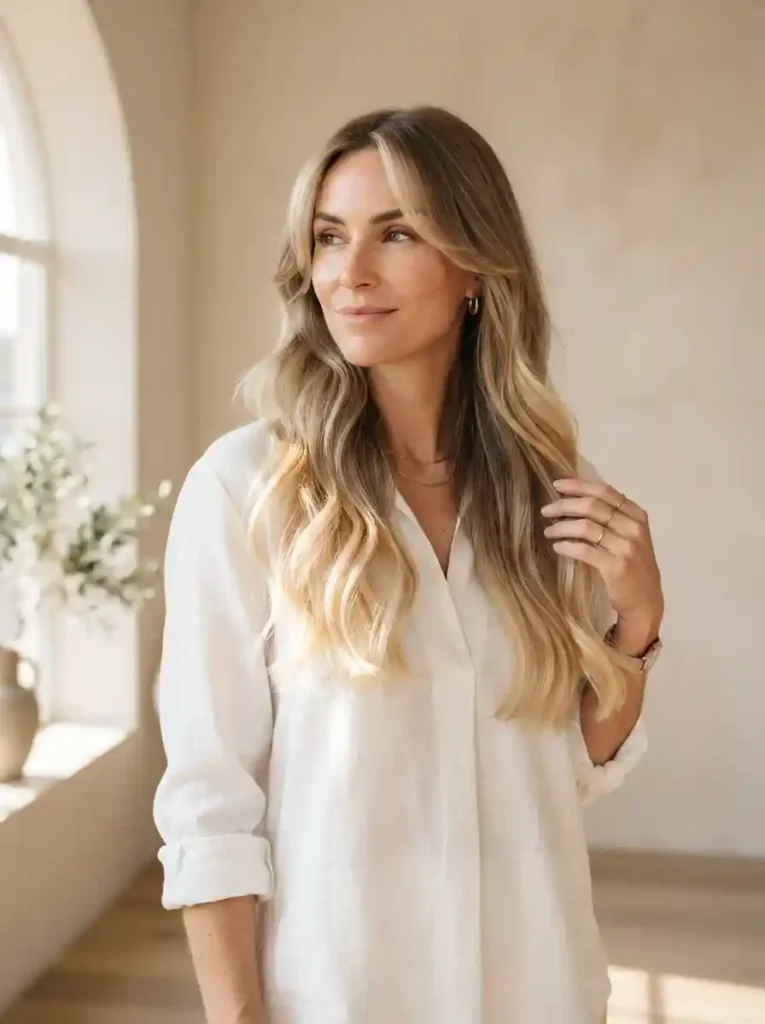
Brighter ends create a gentle sunlit gradient, keeping the upper hair closer to natural dirty blonde while allowing the tips to become visibly lighter. The transition can be created with balayage or carefully placed highlights that become progressively brighter toward the bottom. Creamy beige or soft golden blonde tends to blend naturally with a darker dirty blonde base.
This approach works especially well for long layers because the lighter ends emphasize movement and shape. It can also visually refresh an older color without requiring a completely new look from root to tip. Since the ends receive the most lightening, give them extra conditioning attention. Ask your stylist to check the condition of the tips before lifting them further, and schedule trims when they begin feeling rough or splitting.
20. Rich Dirty Blonde with Soft Waves
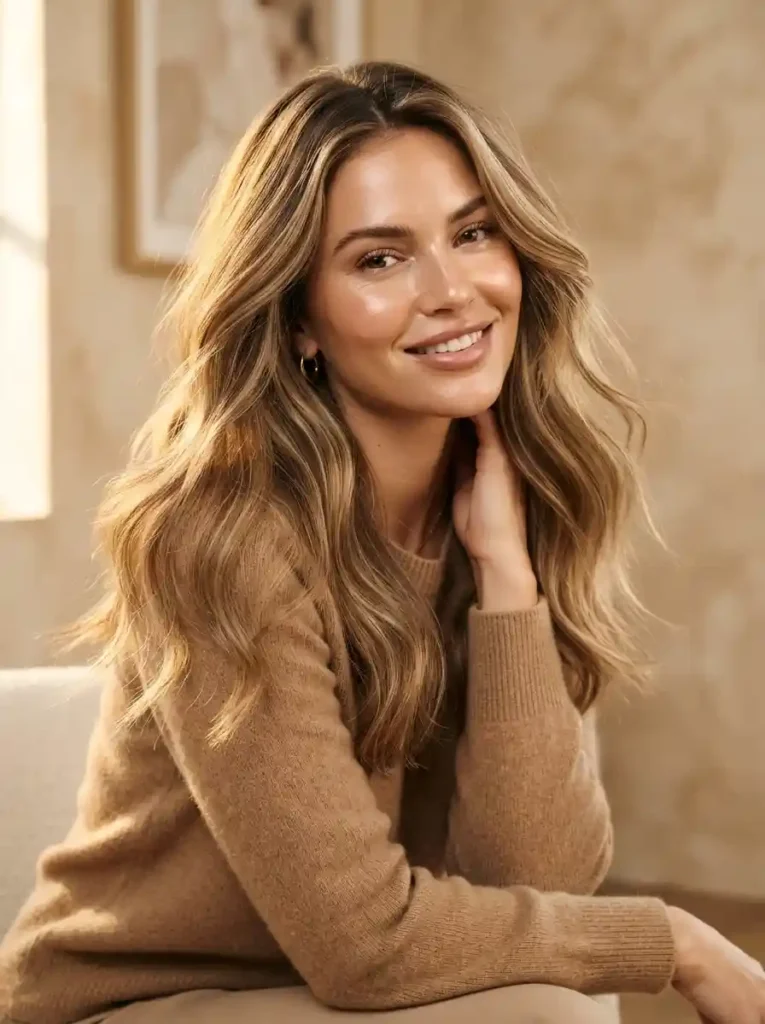
A rich, balanced dirty blonde can combine several subtle tones rather than relying on one dominant shade. Imagine a medium blonde base with restrained beige, honey, and light brown pieces that blend so smoothly the differences appear only when the hair moves. This approach is useful if you want dimension without committing to very bright highlights. It can be adapted to both naturally blonde and light-brown starting colors.
Soft waves are a natural match because they reveal the different tones without making the color look overly styled. Use a large barrel rather than a small curling iron, and alternate the direction of the waves for a relaxed finish. Once the hair cools, loosen it with your fingers and add a small amount of shine serum to the ends. The finished look should feel polished, touchable, and easy to wear.
Conclusion
Dirty blonde is appealing because it leaves plenty of room for personalization. You can keep the shade close to your natural color with subtle lowlights, create brightness around the face, add warmth through honey and caramel ribbons, or move toward cooler beige and mushroom-inspired tones. The haircut matters just as much: a textured shag, polished lob, long layers, bob, or curtain bangs can completely change how the same color reads.
Before your next salon appointment, save one or two reference photos that show both the color and the amount of contrast you want. Tell your stylist how much maintenance you are comfortable with and whether you prefer warm, neutral, or cool tones. Most importantly, consider your existing hair condition before asking for additional lightening. The prettiest dirty blonde is one that works with your natural depth, lifestyle, and styling habits while still feeling unmistakably like you.