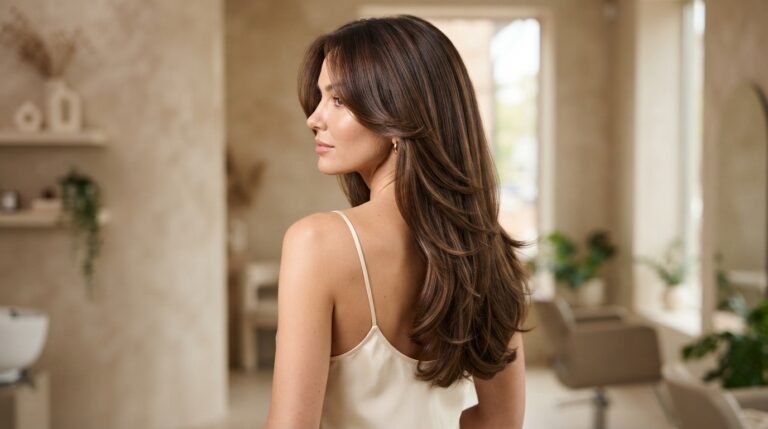
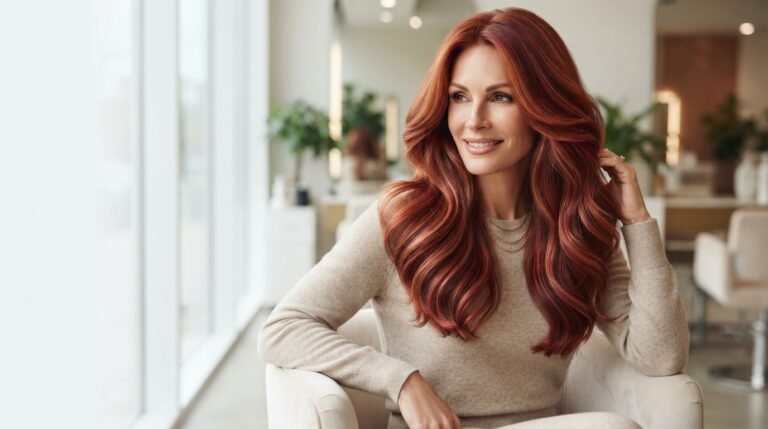
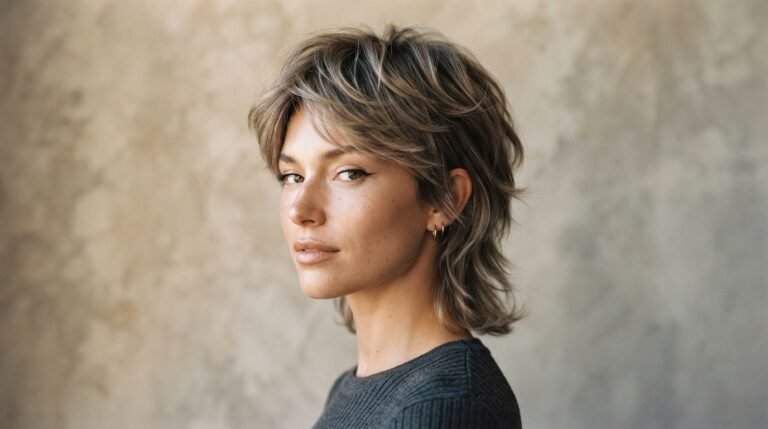
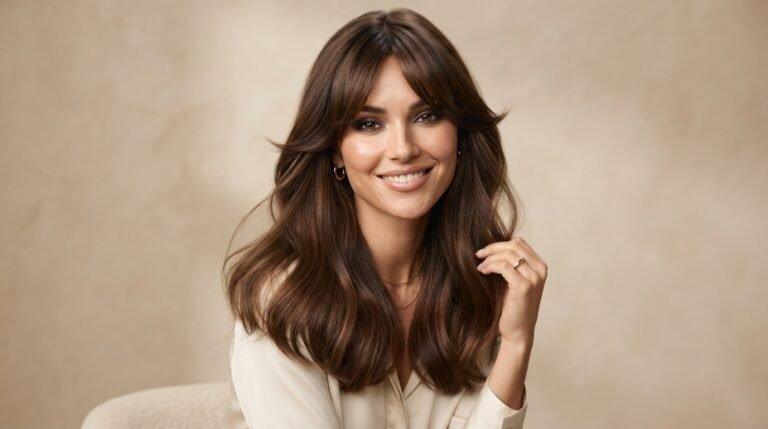
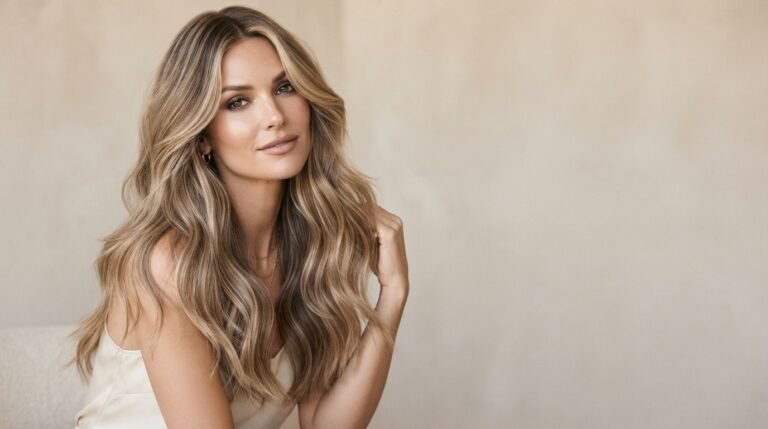
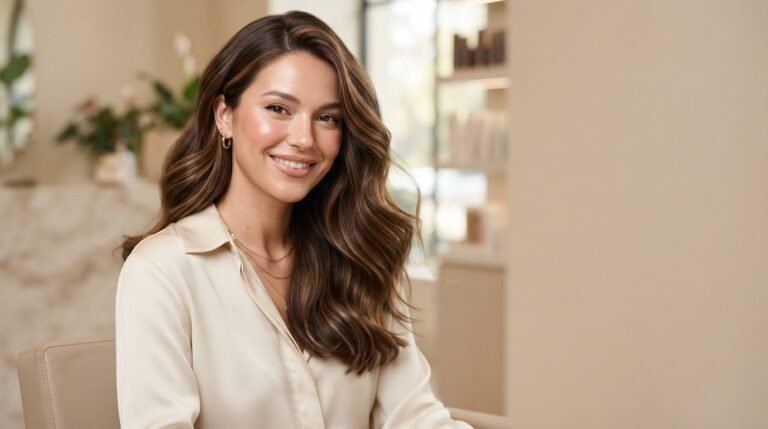
Dark blonde is one of those wonderfully flexible hair colors that can look completely different depending on the lighting, technique, and styling. It can lean warm and honeyed, cool and beige, softly dimensional, or almost brunette-like at the roots. That versatility makes dark blonde a particularly appealing choice if you want a noticeable refresh without committing to an extremely light shade.
The ideas below explore a range of dark blonde hair colors, highlights, balayage techniques, cuts, and finishes so you can find a look that feels genuinely suited to you. You’ll see options for low-maintenance color, dimensional styles, soft face-framing pieces, rich golden tones, and cooler shades that create a more understated effect. Along the way, you’ll also find practical details about upkeep, styling, and personalization. Whether you are planning a salon appointment or simply collecting inspiration for your next transformation, these looks can help you identify exactly what you want to ask for.
1. Soft Honey Dark Blonde
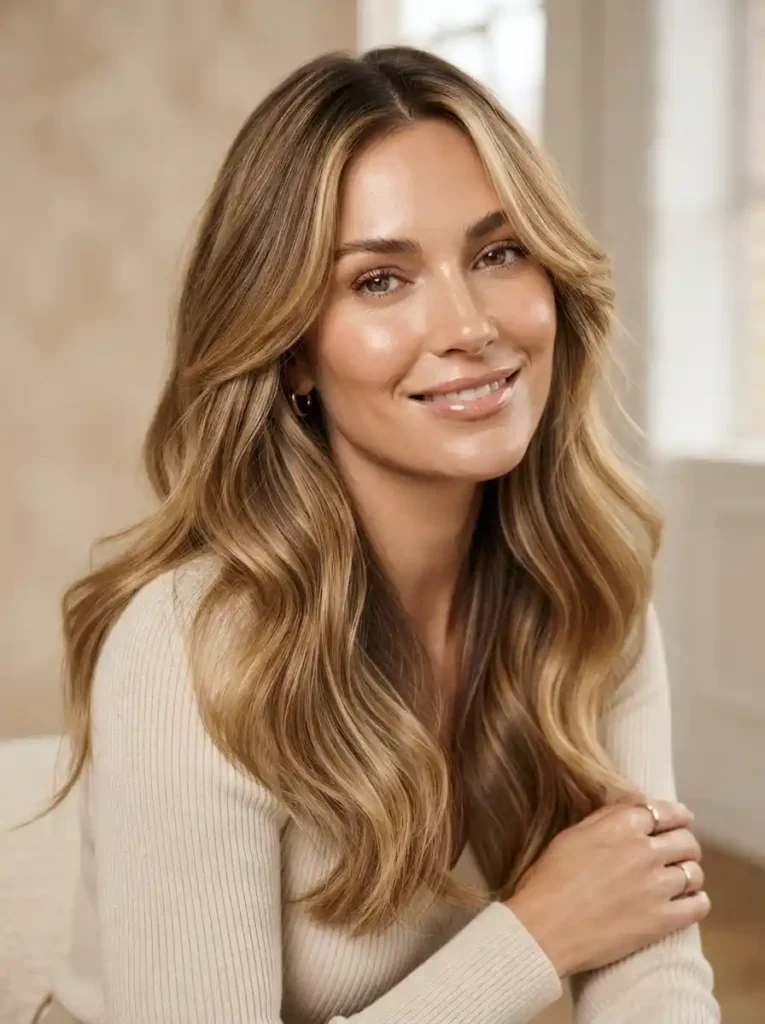
Honey dark blonde is ideal when you want warmth without turning your hair into an intensely bright blonde. The shade combines a deeper blonde base with golden honey tones, giving the lengths a softly illuminated appearance. It works particularly well on naturally dark blonde or light brown hair because the transition can remain subtle. Ask your stylist for honey tones concentrated through the mid-lengths and ends rather than placing brightness evenly from root to tip.
To keep this color looking polished, use products designed for color-treated hair and avoid excessive heat whenever possible. A lightweight gloss can help maintain the reflective quality that makes honey blonde so attractive. Loose waves are especially effective because they separate the different tones and make the color appear dimensional. If your complexion is already warm, ask for a slightly beige honey shade so the result does not become overly orange.
2. Dark Blonde Balayage
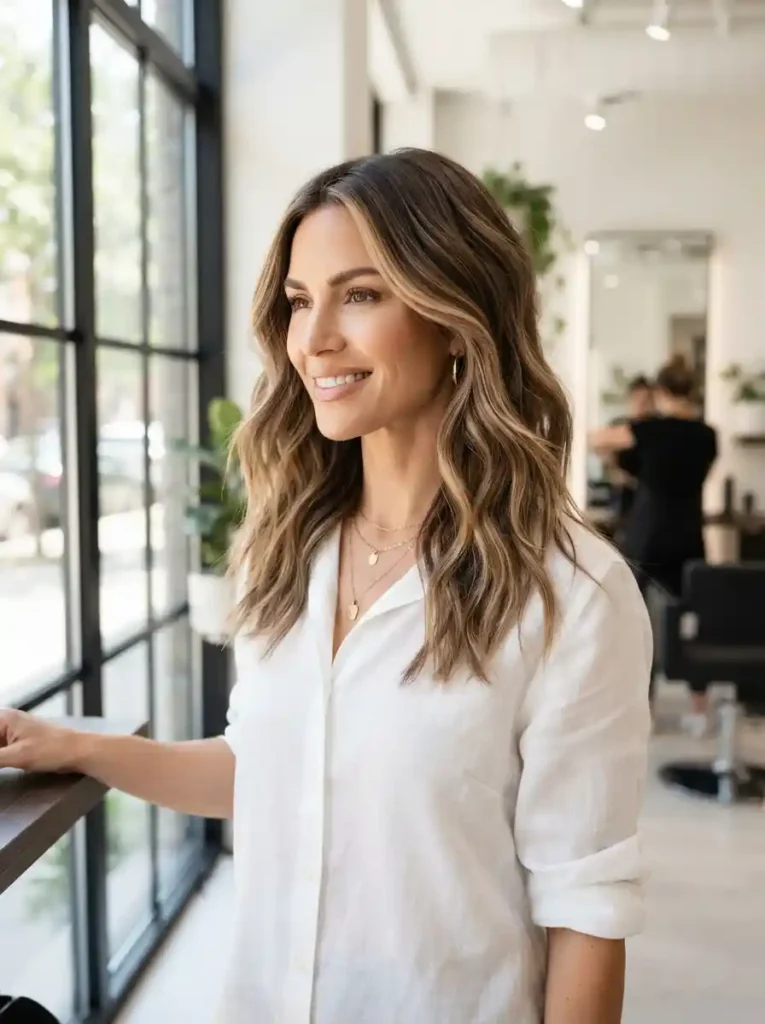
Dark blonde balayage creates movement without requiring a dramatic all-over color change. The stylist paints lighter pieces onto the existing base, usually concentrating brightness around the mid-lengths and ends. Because the roots remain deeper, regrowth tends to look softer than with traditional full-head highlights. This makes balayage particularly useful if you want dimensional blonde hair but prefer salon visits to be spaced farther apart.
For a natural result, avoid asking for every strand to be equally light. The beauty of balayage comes from variation: some pieces can remain close to the base while others become noticeably brighter. Bring photographs showing how much contrast you prefer, especially around the face. If your natural hair is very dark, your stylist may recommend gradual lightening appointments rather than attempting to reach the final shade in one session.
3. Beige Dark Blonde
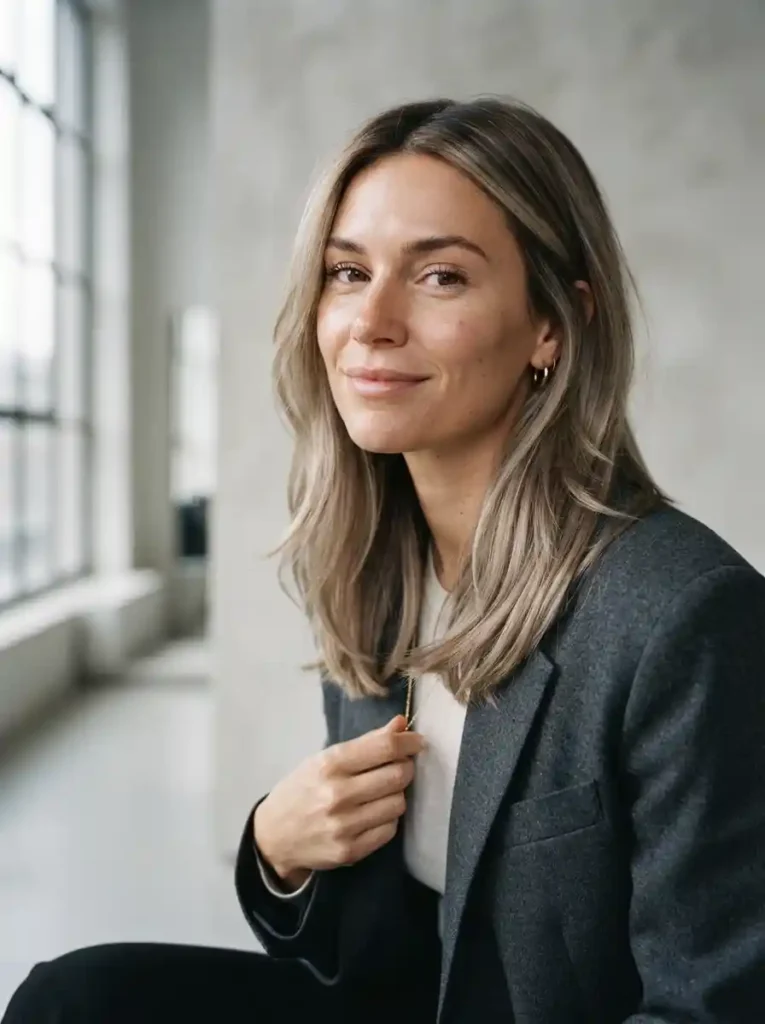
Beige dark blonde offers a sophisticated middle ground between warm and cool blonde. Instead of obvious yellow or golden tones, it uses neutral shades that can include soft taupe, sand, and muted champagne. This makes it especially appealing if you prefer understated hair color. The result can look elegant with both sleek straight styling and loose waves because the neutral tones provide dimension without relying on strong contrast.
When requesting beige dark blonde, describe the finish as neutral rather than simply saying “ashy blonde.” Very cool formulas can sometimes look noticeably gray, particularly on porous or previously lightened hair. A skilled colorist can balance cooler pigments with enough warmth to keep the result natural. Regular moisturizing treatments are also useful because dry ends can make neutral blonde appear dull instead of softly luminous.
4. Caramel-Toned Dark Blonde
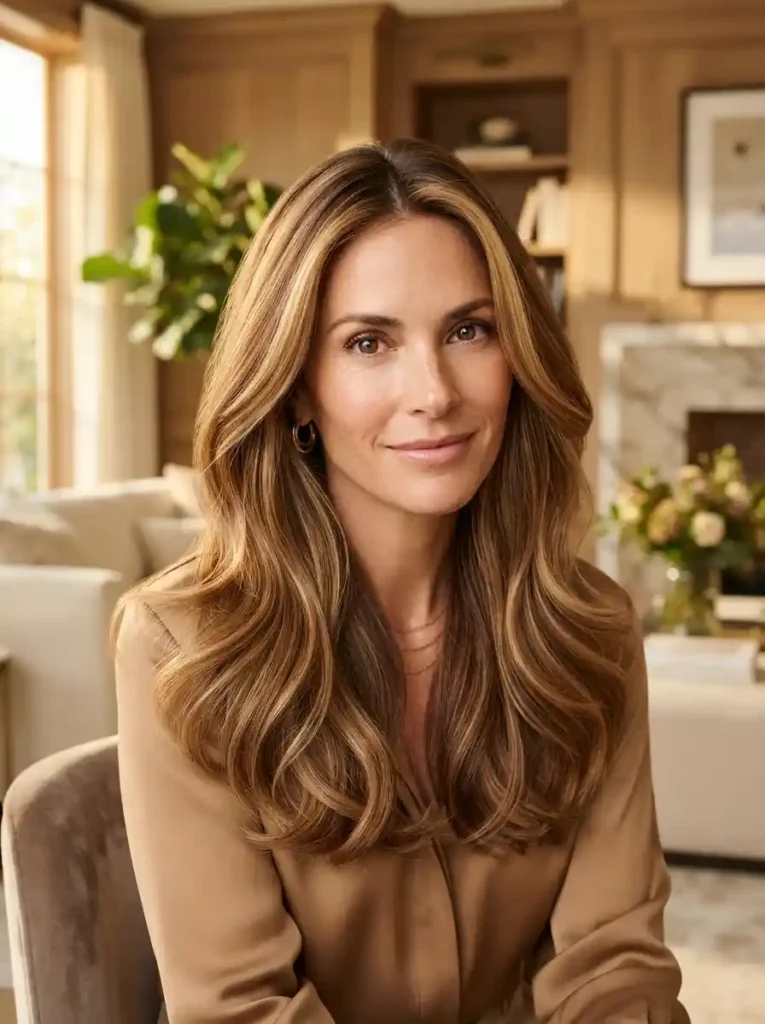
Caramel ribbons add warmth and richness to a dark blonde base without making the overall color extremely light. This approach is particularly attractive on medium to dark blonde hair because the caramel pieces create visible contrast while still blending naturally. Rather than covering the entire head, the color can be strategically placed through the layers, giving the hairstyle more depth whenever the hair moves.
If you want a subtle version, ask for fine caramel highlights concentrated around the face and ends. For stronger dimension, broader ribbons can be woven through the crown and underneath layers. Caramel shades can fade toward brassiness depending on your starting color, so professional toning and color-safe products are worthwhile. Loose curls also enhance this particular combination because each bend catches a slightly different shade of blonde.
5. Dark Blonde with Face-Framing Highlights
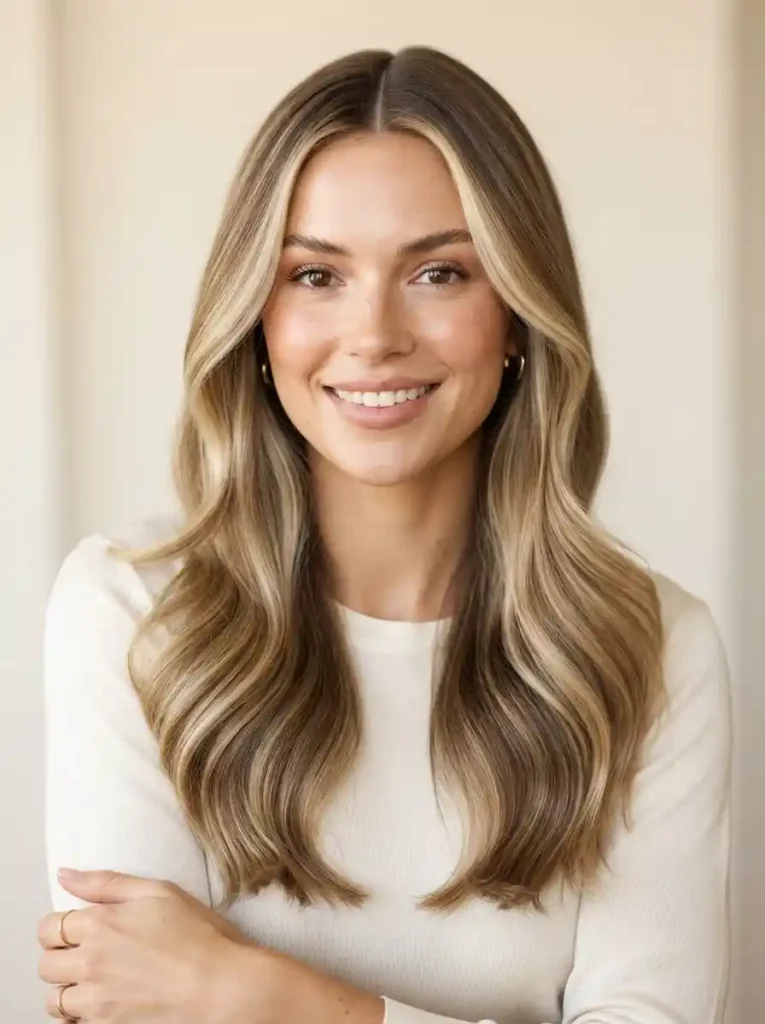
Face-framing highlights can brighten dark blonde hair while keeping the majority of the color relatively deep. The placement is important: lighter pieces around the temples and front sections draw attention toward the face, while the rest of the hair can remain softly dimensional. This is a useful option if you want your color to look refreshed without committing to extensive highlights throughout the entire head.
Ask your stylist to customize the width and starting point of the lighter pieces. Very fine highlights create a delicate effect, while slightly wider sections produce more noticeable contrast. Your haircut matters too; layers around the cheekbones can help the lighter strands blend naturally into the style. Because the front pieces are highly visible, maintaining their tone with occasional salon glosses can keep them looking polished.
6. Dark Blonde with Shadow Roots
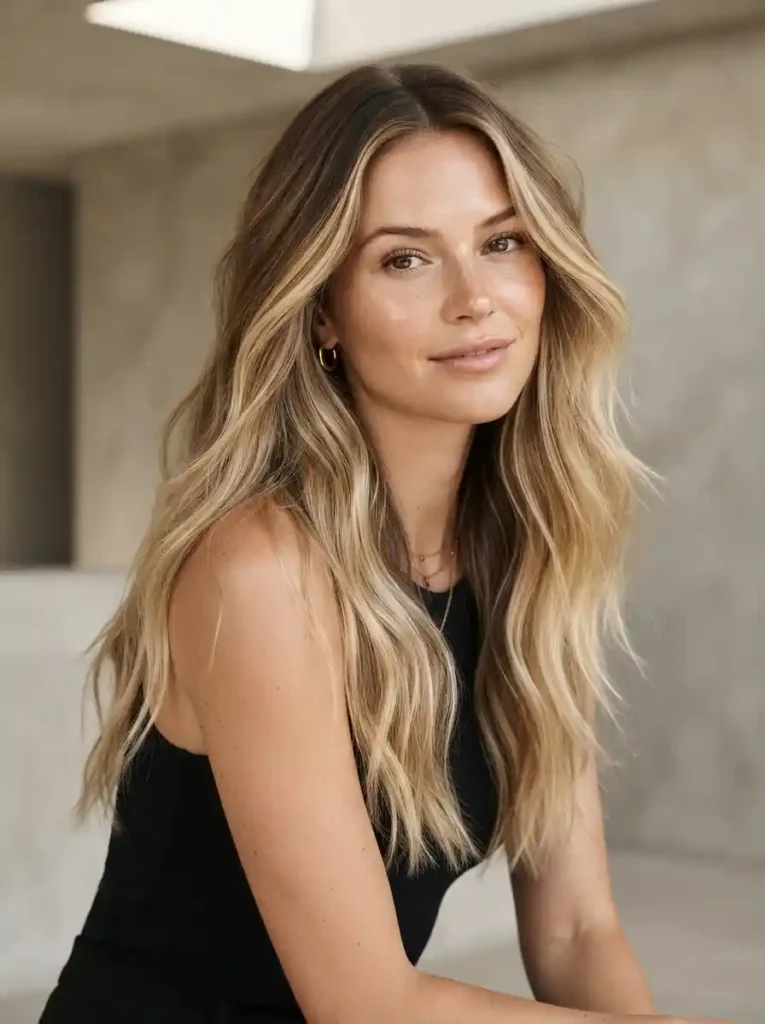
Shadow roots give dark blonde hair a more lived-in appearance by intentionally keeping the roots slightly deeper than the lengths. The contrast can be extremely subtle, making the color look naturally dimensional rather than freshly painted. This technique is especially helpful if your natural hair is darker than your desired blonde because the root area does not need to be repeatedly lightened.
The key is a blended transition. A strong horizontal line between dark roots and blonde lengths can look artificial, so ask for the root color to be feathered into the lighter sections. Shadow roots also work beautifully with layered hair because movement naturally breaks up the transition. For maintenance, use gentle cleansing products and schedule toning appointments based on how quickly your blonde becomes warm or faded.
7. Golden Dark Blonde Waves
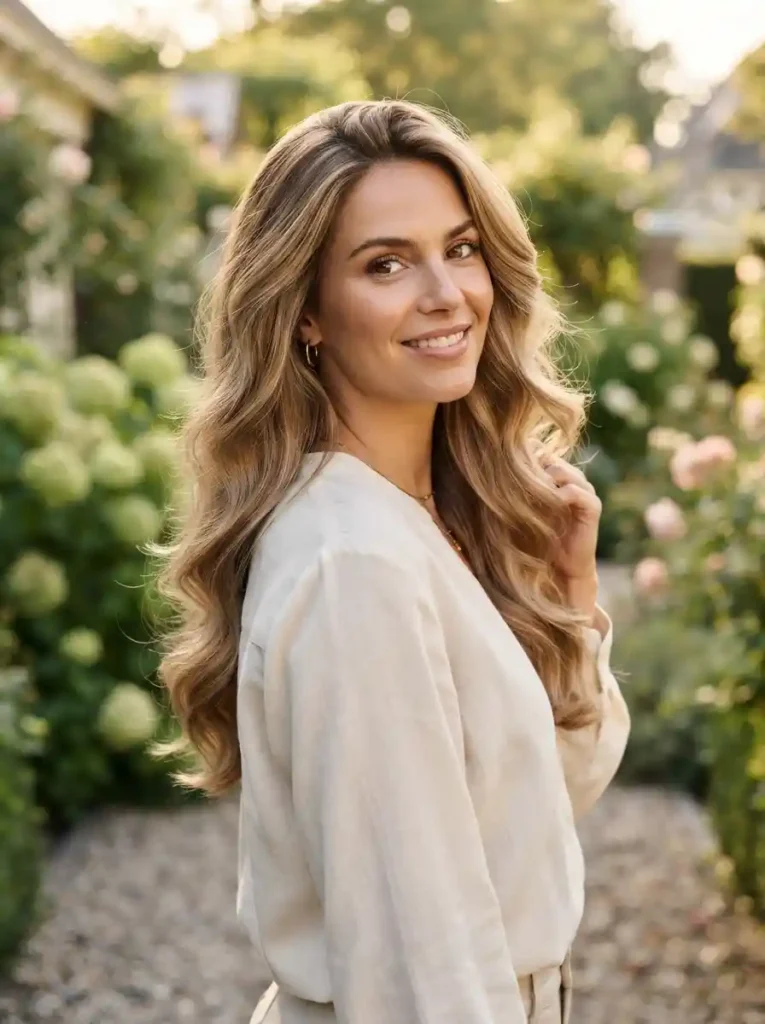
Golden dark blonde brings a sunny quality to the hair while remaining deeper and more wearable than very light golden blonde. The color can include shades of wheat, honey, and soft gold, creating a warm effect that becomes especially noticeable in natural sunlight. It is a strong option if you want your hair to look bright and dimensional but still maintain enough depth at the roots and underneath layers.
To prevent golden blonde from becoming too brassy, communicate whether you want soft warmth or an obviously yellow-gold result. Those are different finishes. A stylist can adjust the formula accordingly, and a clear or tinted gloss can refresh shine between appointments. Styling the hair in broad waves rather than tight curls keeps the golden tones flowing together, creating the effortless movement often associated with this shade.
8. Mushroom Dark Blonde
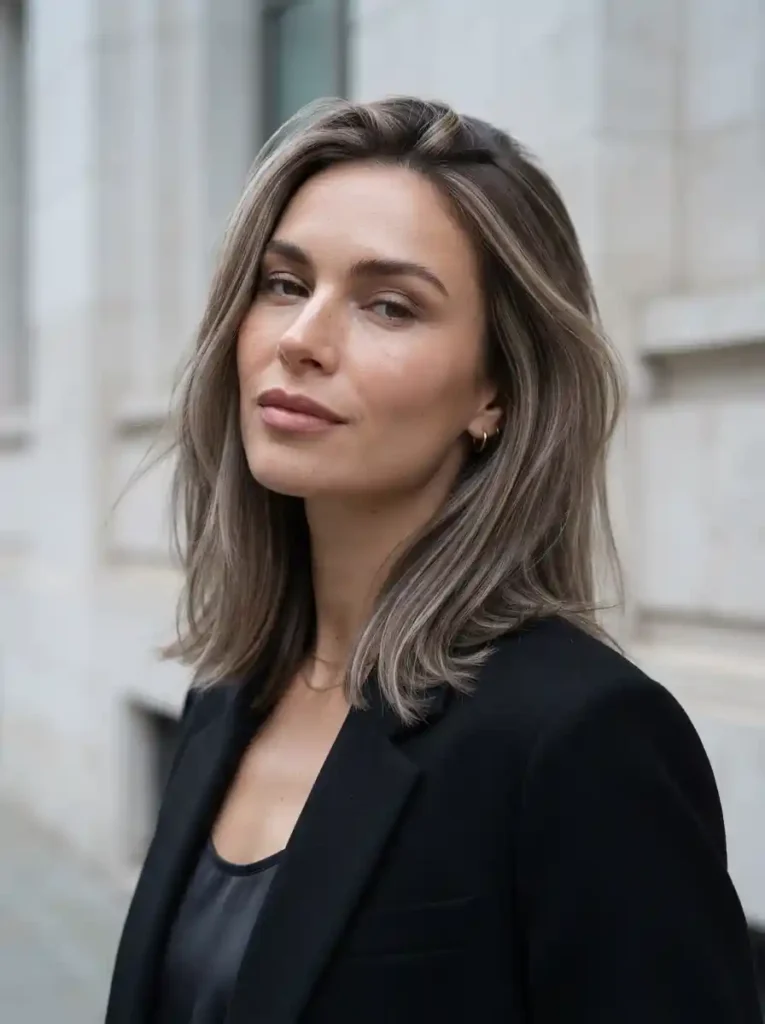
Mushroom dark blonde is a cooler interpretation that blends muted beige, taupe, and soft brown-blonde tones. Instead of looking overtly golden, it creates a smoky, sophisticated finish with plenty of depth. This shade can be particularly appealing if you prefer neutral or cool hair colors and want something more distinctive than traditional beige blonde.
Because cool tones can reveal dryness quickly, conditioning is an important part of maintaining this look. Ask your stylist for a customized toner rather than assuming a very ashy formula will work automatically. If your natural hair has strong warmth, the color may require careful pre-lightening and toning. A sleek blowout emphasizes the muted finish, while loose texture gives mushroom blonde a softer, more casual character.
9. Dark Blonde with Subtle Babylights
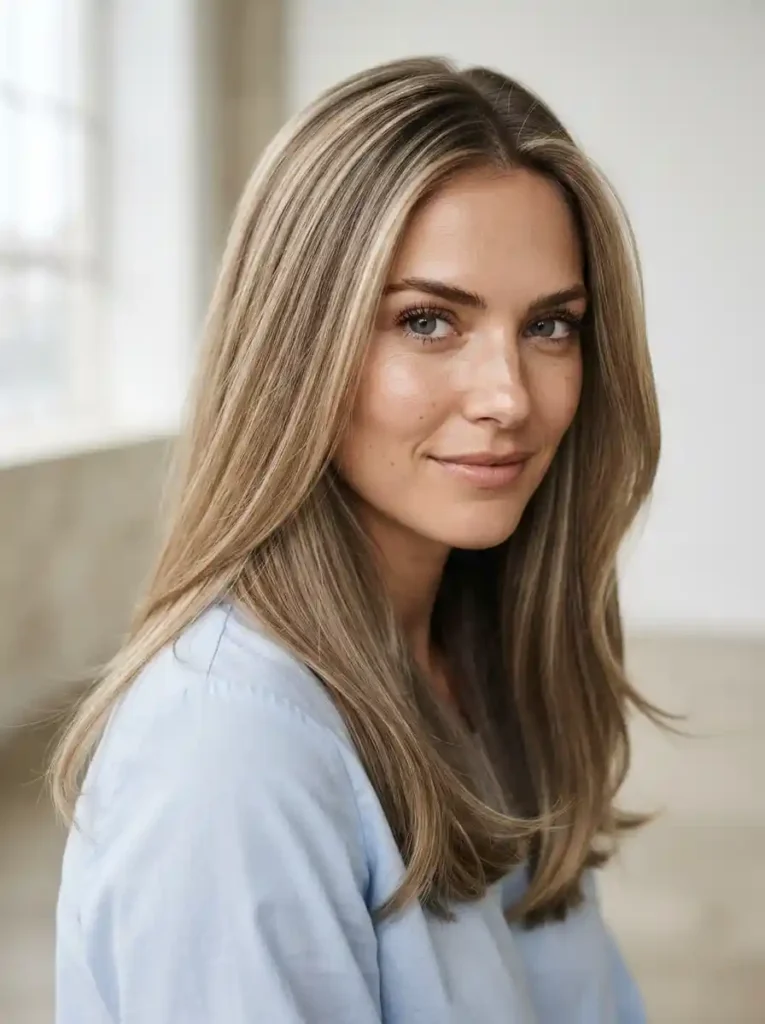
Babylights are extremely fine highlights designed to mimic the delicate brightness naturally seen in childhood hair. On a dark blonde base, they create very subtle dimension rather than obvious streaks. This makes them useful if you want people to notice that your hair looks brighter without immediately seeing where the color begins and ends.
The technique is particularly effective around the hairline, part, and upper layers, where natural light would typically create brightness. Because the sections are fine, the appointment can be detailed and time-consuming, so discuss the desired amount of coverage beforehand. Babylights usually look best when the toner stays close to your natural undertone. A simple blowout or straight finish allows the tiny variations in color to remain visible without overwhelming the overall look.
10. Dark Blonde Lob with Dimension
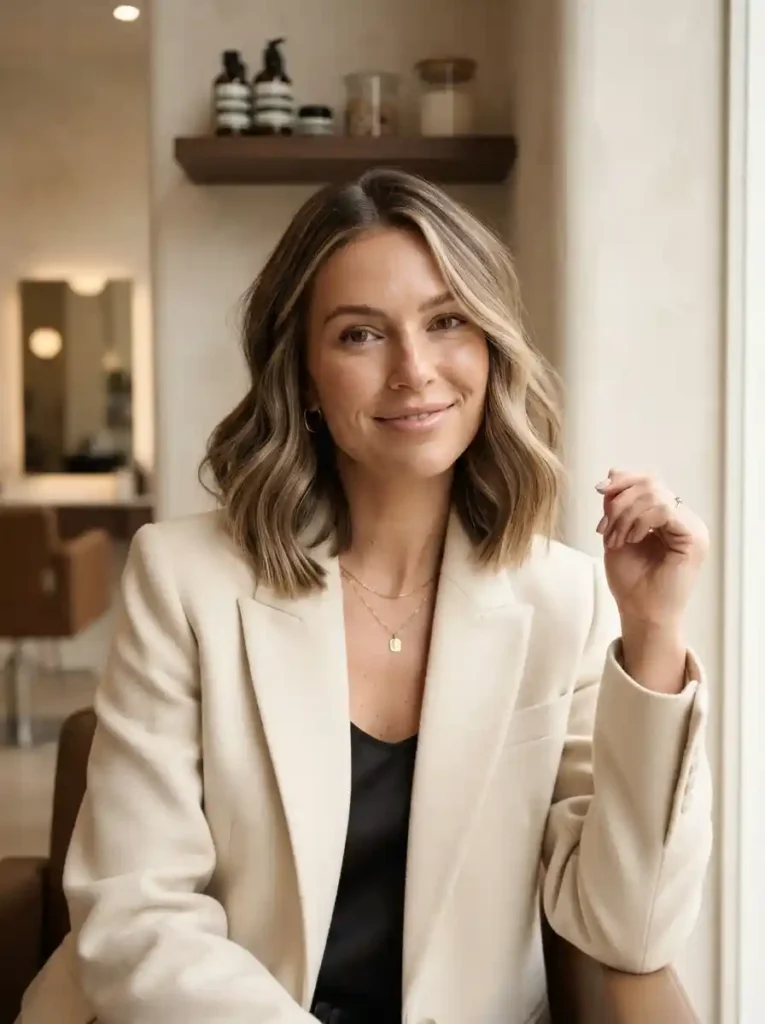
A dark blonde lob, or long bob, makes dimensional color especially noticeable because the shorter length keeps the ends looking fresh and structured. Soft highlights can be distributed through the upper layers while leaving enough depth underneath to create contrast. The result feels polished but not overly formal, making fewer, carefully placed layers that preserve fullness, while thicker hair may need internal shaping. Color placement should follow the haircut so highlights it a versatile choice for work, casual outfits, and evening styling.
When choosing a lob, consider your natural texture before deciding how much layering you want. Fine hair can benefit from fewer, carefully placed layers that preserve fullness, while thicker hair may need internal shaping. Color placement should follow the haircut so highlights emphasize movement rather than appearing as isolated sections. Regular trims are also useful because healthy ends make the blonde appear cleaner and more reflective.
11. Warm Dark Blonde with Curtain Bangs
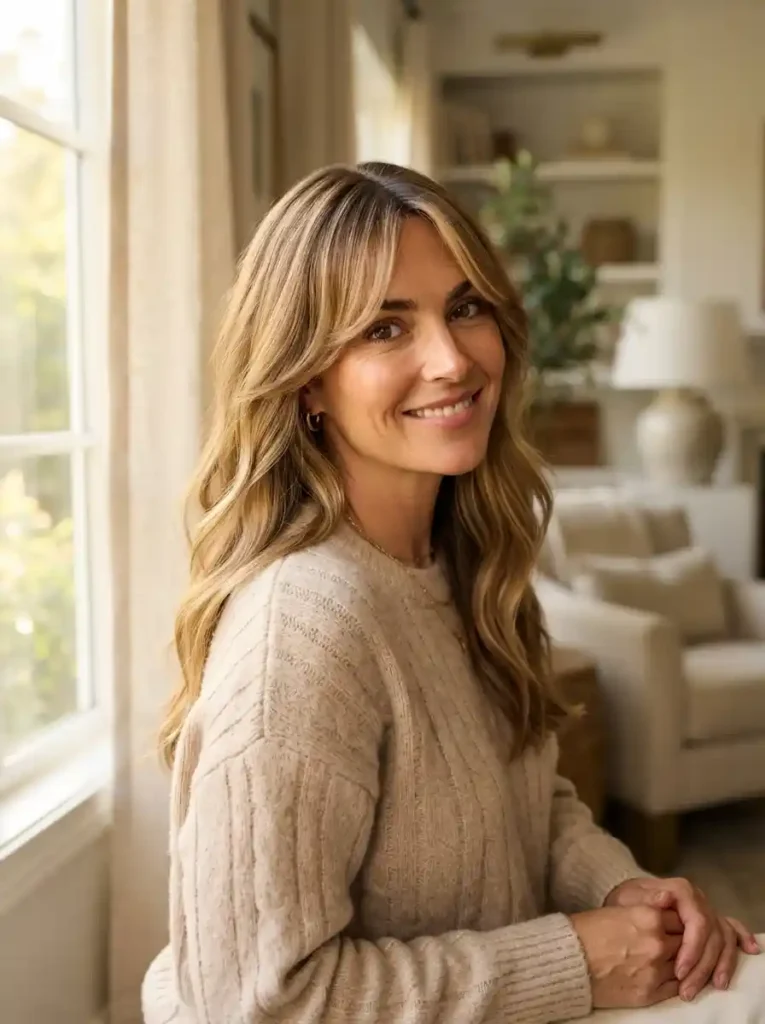
Curtain bangs pair beautifully with warm dark blonde because the shorter front sections create an opportunity for carefully placed brightness around the face. Honey, wheat, or soft caramel tones can be woven through the fringe and front layers while the rest of the hair remains slightly deeper. This creates a naturally illuminated effect without requiring every section to be highlighted.
The haircut also gives you flexibility when styling. Curtain bangs can be worn parted in the middle, swept slightly to one side, or blended into longer layers. Use a round brush to direct them away from the face during a blow-dry, then allow the rest of the hair to remain softly textured. If you dislike frequent trims, ask for longer bangs that blend gradually into the cheekbone layers.
12. Espresso-to-Dark-Blonde Blend
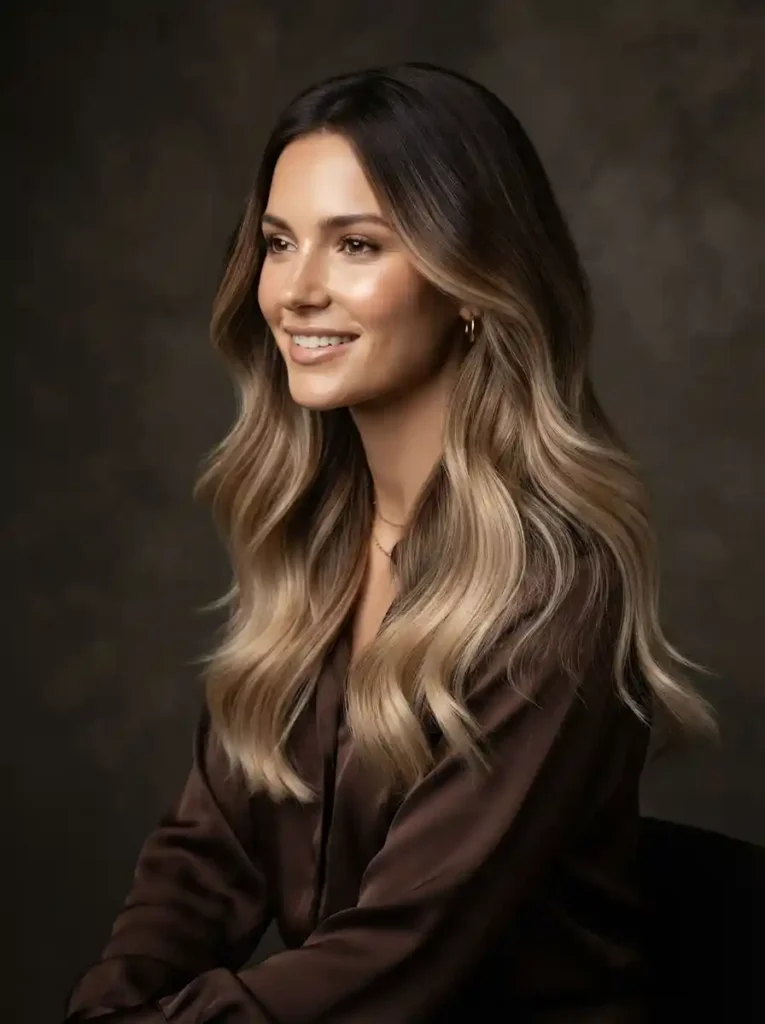
A brunette-to-dark-blonde melt creates a gradual transition from a deep root into lighter blonde lengths. It is a useful choice when you love blonde dimension but do not want a uniformly light result. The deeper top gives the hairstyle visual weight, while the lighter ends create movement. With careful blending, the transition can look intentional and sophisticated rather than like grown-out color.
This technique requires thoughtful placement because the difference between the darkest and lightest shades needs to remain connected. Ask your stylist for a seamless gradient instead of separate blocks of color. The final tone can be beige, honey, caramel, or slightly cool depending on your preference. Since the roots remain deeper, maintenance often focuses on refreshing the lighter sections and preserving the blend.
13. Sandy Dark Blonde
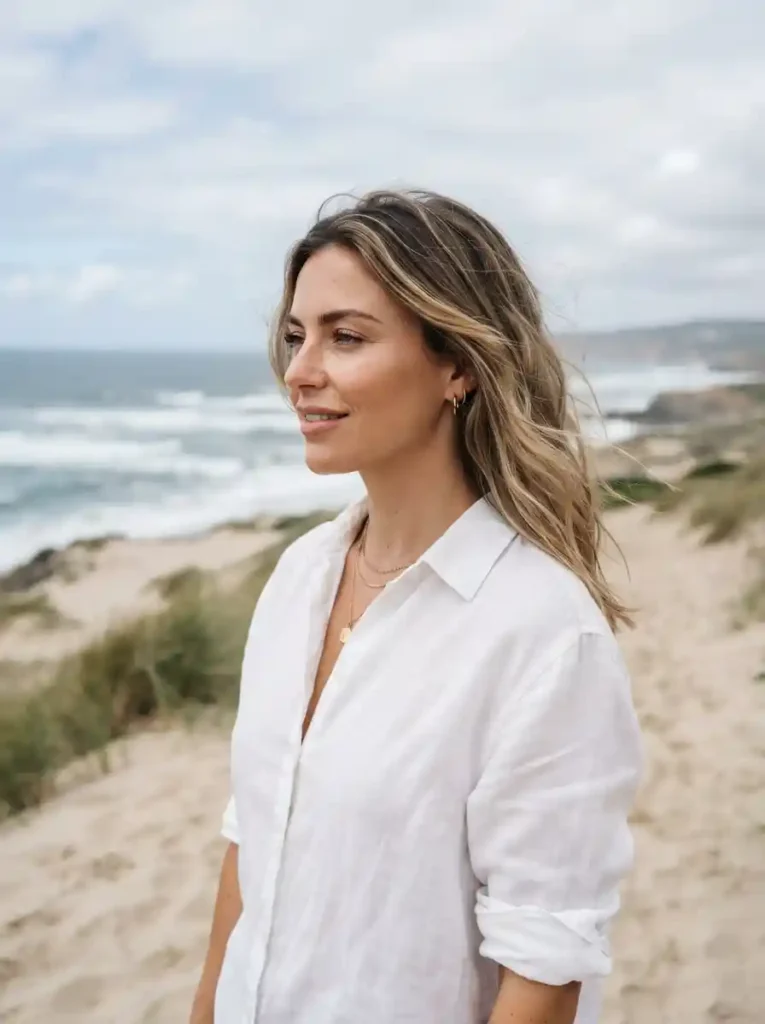
Sandy dark blonde takes inspiration from the muted tones of sunlit beaches rather than intensely golden blonde. The shade typically combines beige, wheat, and subtle neutral warmth, giving the hair a soft, natural appearance. It is a good option for anyone who wants dimension without strong caramel or honey tones dominating the finished color.
The easiest way to personalize sandy blonde is by adjusting the balance between beige and warmth. Ask for more neutral tones if you prefer an understated finish, or introduce slightly warmer pieces around the face for added brightness. Because this color looks especially natural when the tones are varied, avoid demanding perfectly uniform highlights. A texturizing spray can also enhance the relaxed, slightly windswept and apricot undertones, medium-length layered waves, warm luminous highlights concentrated around the face and ends, natural darker roots, green eyes, wearing a muted rust-colored blouse, softly lit terracotta studio setting, warm directional lighting, three-quarter composition, realistic glossy hair texture, visible tonal depth without quality of the shade.
14. Dark Blonde with Coppery Undertones
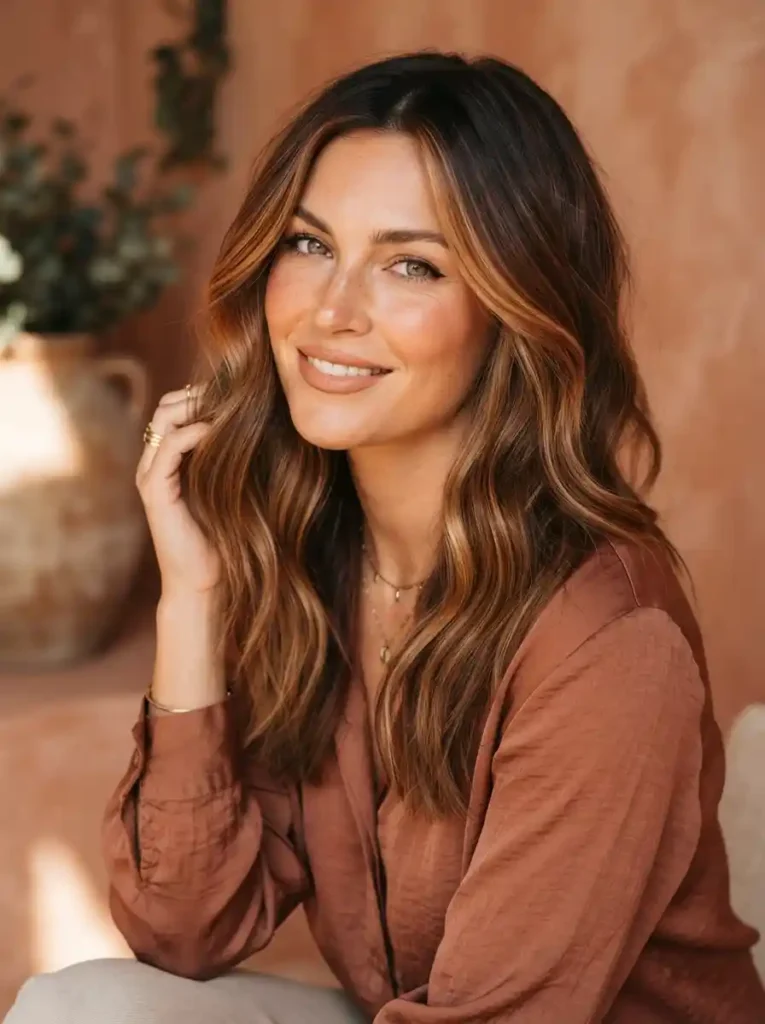
A touch of copper can transform dark blonde into a warmer, more distinctive color without making it fully red. Soft apricot, copper, and golden tones can be blended into a darker blonde foundation, creating richness that changes beautifully under different lighting. This option works particularly well if you enjoy warm hair colors but want to stay recognizably blonde.
Because copper pigments can become more noticeable as other tones fade, tell your stylist how warm you want the final result to remain between appointments. A gloss can refresh the tone when it starts looking muted. Keep the highlights strategically distributed rather than placing copper everywhere; concentrating them through selected sections gives the hair dimension and prevents the color from looking flat or overly orange.
15. Dark Blonde with Money Pieces
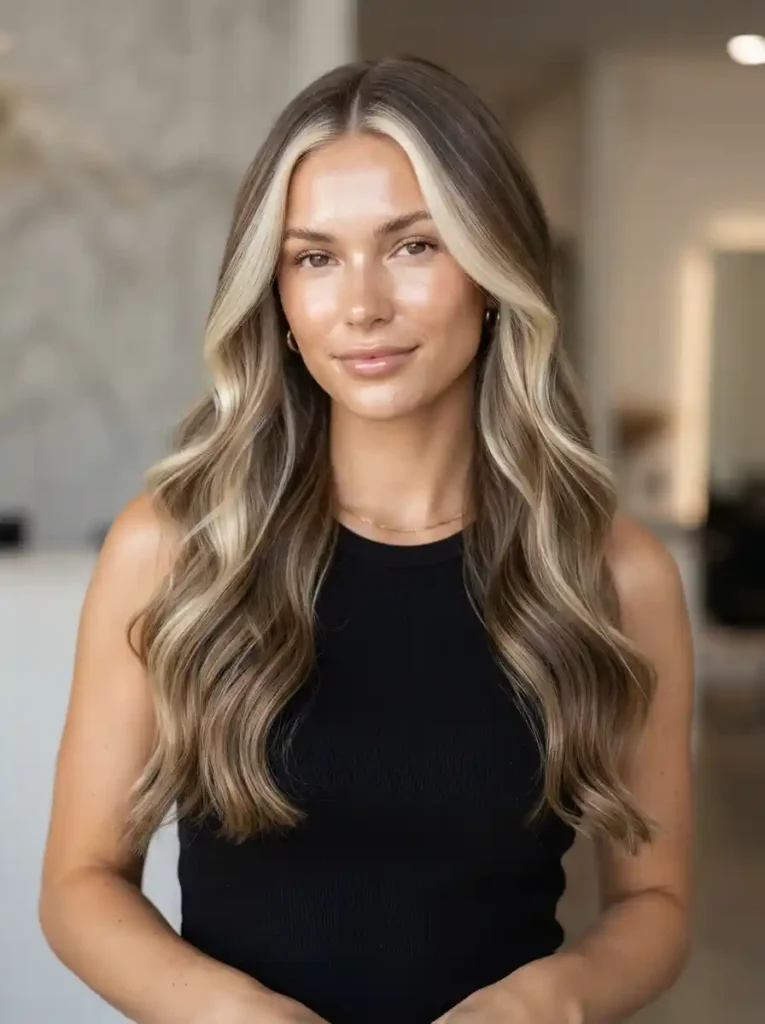
Money pieces are brighter face-framing sections designed to create noticeable contrast around the front of the hairstyle. On dark blonde hair, they can range from creamy beige to golden blonde depending on the desired effect. Unlike delicate babylights, this technique is intentionally visible, making it useful if you want a small but obvious change around the face without dramatically lightening every strand.
Placement should be customized to your haircut and natural part. Wider pieces create a stronger statement, while narrower sections look softer and more blended. If your hair is fragile from previous coloring, discuss the condition of the front sections before lightening them. Because these strands receive frequent attention, protect them with conditioner and heat protection, especially if you regularly use straighteners or curling tools.
16. Dark Blonde Shag with Soft Highlights
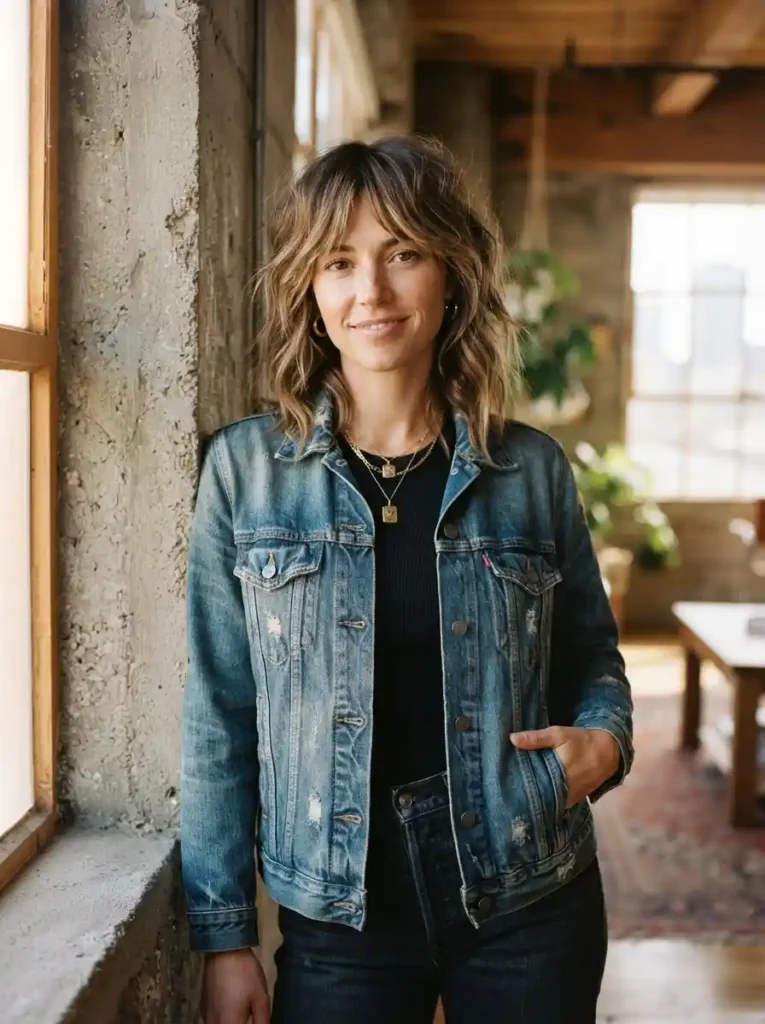
A dark blonde shag creates texture first, then lets strategically placed color emphasize that movement. Instead of uniform highlights, the lighter pieces can be scattered through the crown, fringe, and ends so the layers catch the light at different angles. This produces a deliberately undone effect that feels more relaxed than a perfectly polished blonde hairstyle.
The haircut is important because a shag needs enough texture to support its shape. If your hair is naturally straight and fine, your stylist may recommend subtle internal layers rather than excessive thinning. For styling, scrunch a lightweight mousse into damp hair and allow the natural texture to develop. Avoid overloading the ends with heavy oils, which can flatten the separation that makes this combination distinctive.
17. Glossy Dark Blonde with Glass-Hair Finish
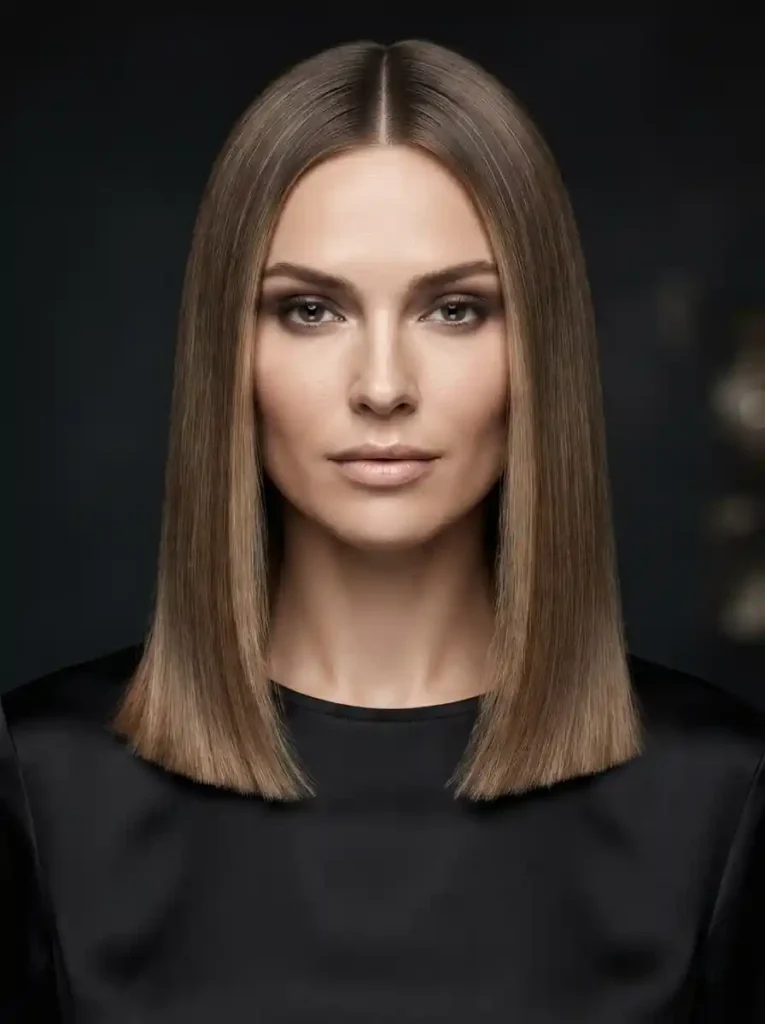
A glossy dark blonde look proves that dimension does not always require waves or obvious highlights. Here, the focus is on a smooth, reflective finish with subtle variations in beige, honey, or neutral blonde beneath the surface. A blunt or softly blunt haircut can make the hair look especially sleek because the clean ends create a strong visual line.
The condition of the hair matters enormously for this style. Ask your stylist about a gloss or toner that enhances shine without drastically changing the underlying color. At home, use a moisturizing conditioner and heat protectant before straightening. Avoid applying excessive styling oil, which can make fine hair appear greasy rather than glassy. A lightweight finishing serum applied only to the ends can provide a cleaner result.
18. Dark Blonde with Low-Contrast Highlights
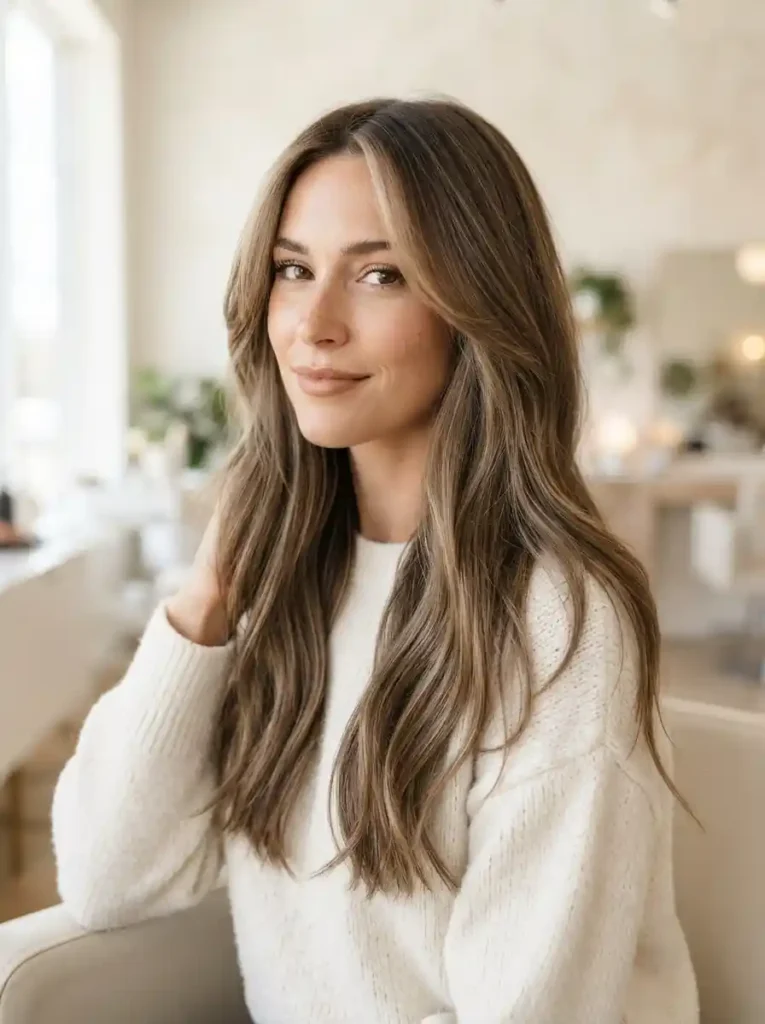
Low-contrast highlights are perfect if you want dimension that remains understated. Instead of creating bright blonde streaks, the colorist chooses shades only slightly lighter than the base. The result can make the hair appear fuller and more dynamic while preserving a naturally dark blonde overall impression. It is particularly appealing for people who dislike obvious highlighting or dramatic color changes.
When discussing this look, bring reference photos showing subtlety rather than simply asking for “natural highlights.” Natural-looking color depends heavily on the starting shade and undertone. Your stylist can decide whether beige, honey, wheat, or soft caramel provides the closest match. Because the difference between tones is intentionally small, a clear gloss can be helpful for maintaining shine and keeping the finished color from looking flat.
19. Dark Blonde with Bronde Dimension
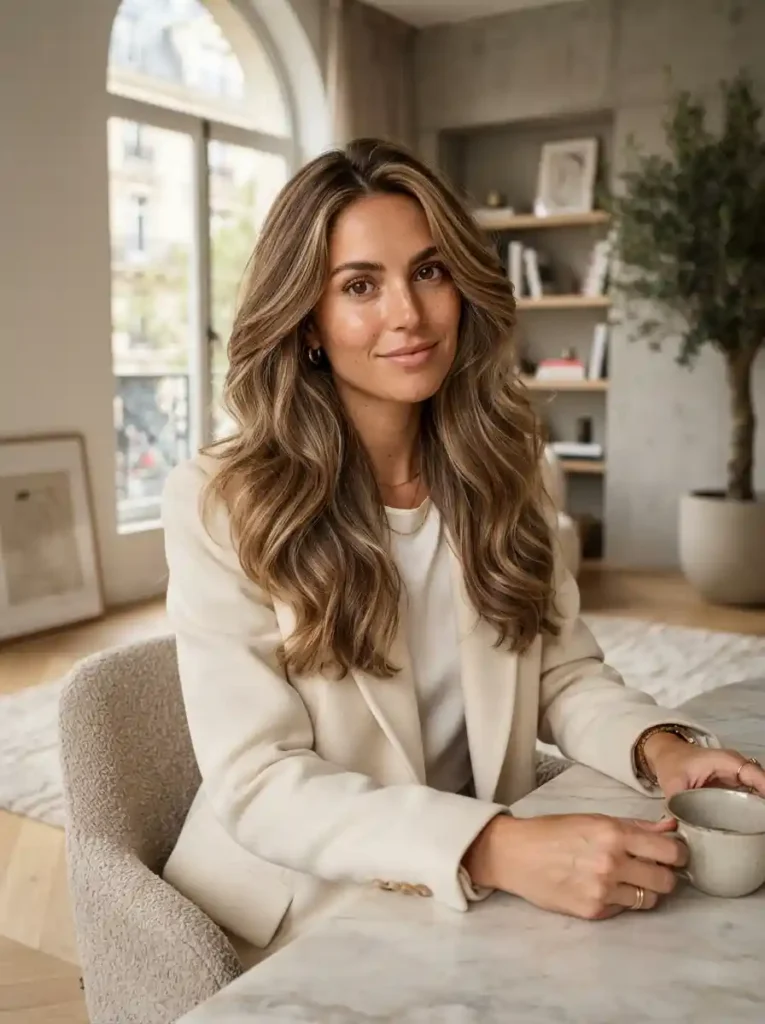
Bronde sits between brunette and blonde, making it a natural companion to dark blonde coloring. Instead of pushing the hair strongly toward either extreme, the colorist blends blonde and brunette tones to create depth. Beige, caramel, and neutral brown-blonde pieces can be distributed through different layers so the overall shade changes subtly as the hair moves.
This is a useful option if you are growing out lighter blonde hair or moving toward a deeper color. Ask for dimension rather than a single flat brown-blonde shade, particularly if you want the result to remain visibly blonde. Your stylist can also adjust the balance according to your natural base. Bronde generally looks especially polished with soft waves because the tonal differences become easier to see.
20. Dark Blonde with Soft Blonde Ends
Keeping the roots and upper lengths dark while gradually brightening the ends creates a soft ombré-inspired effect. The transition should be gradual rather than sharply divided, with several intermediate shades connecting the darker base to the lighter tips. This can make long hair appear especially dimensional because the eye naturally follows the color from root to end.
The lighter ends need particular attention because previously lightened hair is often more vulnerable to dryness. Regular trims can prevent split ends from distracting from the color gradient, while a moisturizing mask can improve softness. If you frequently wear your hair up, consider placing some lighter pieces underneath as well. That way, the color remains visible when the hairstyle changes rather than only when the hair is worn down.
21. Cool Dark Blonde with Pearl Highlights
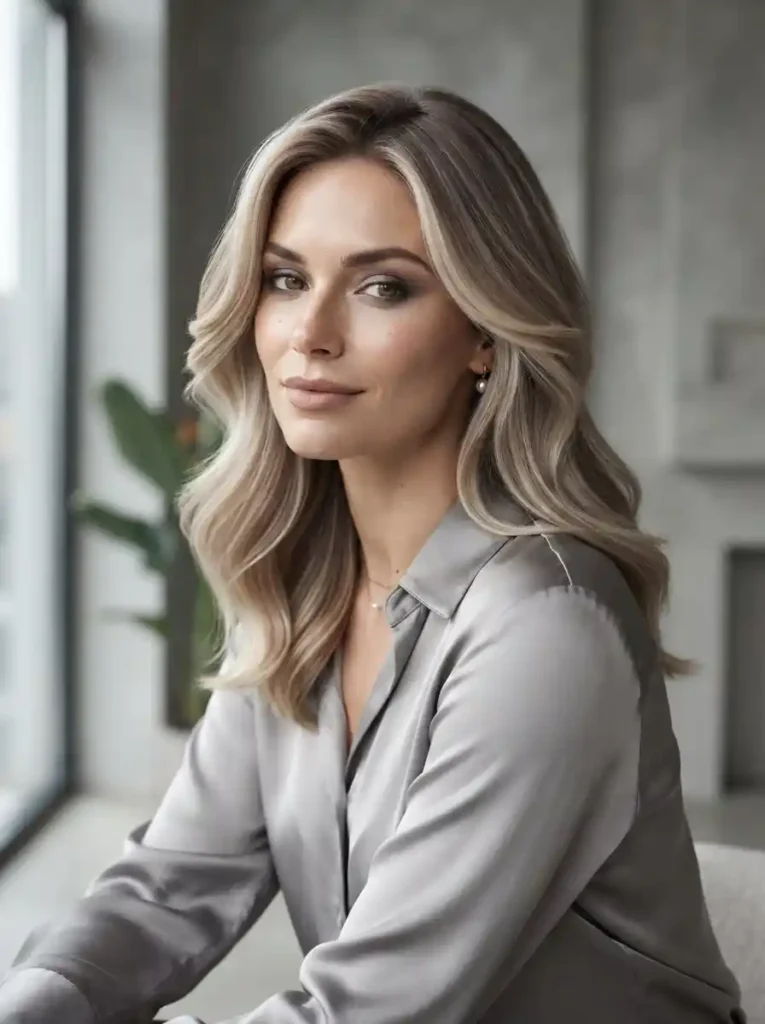
Pearl highlights introduce a delicate luminous quality while keeping the underlying dark blonde shade visible. Rather than using stark platinum sections, the lighter pieces can be toned toward soft pearl, ivory, or cool beige. This gives the hairstyle brightness without completely removing its depth, making the result feel refined rather than intensely bleached.
This color requires careful toning because very light cool highlights can become yellow as they age. Your stylist can choose a toner appropriate for your starting color and the condition of your hair. At home, use purple shampoo sparingly if your colorist recommends it; excessive use can sometimes leave porous blonde hair looking dull or overly cool. Alternating it with a nourishing shampoo is often a more balanced approach.
22. Natural Dark Blonde with Sun-Kissed Dimension
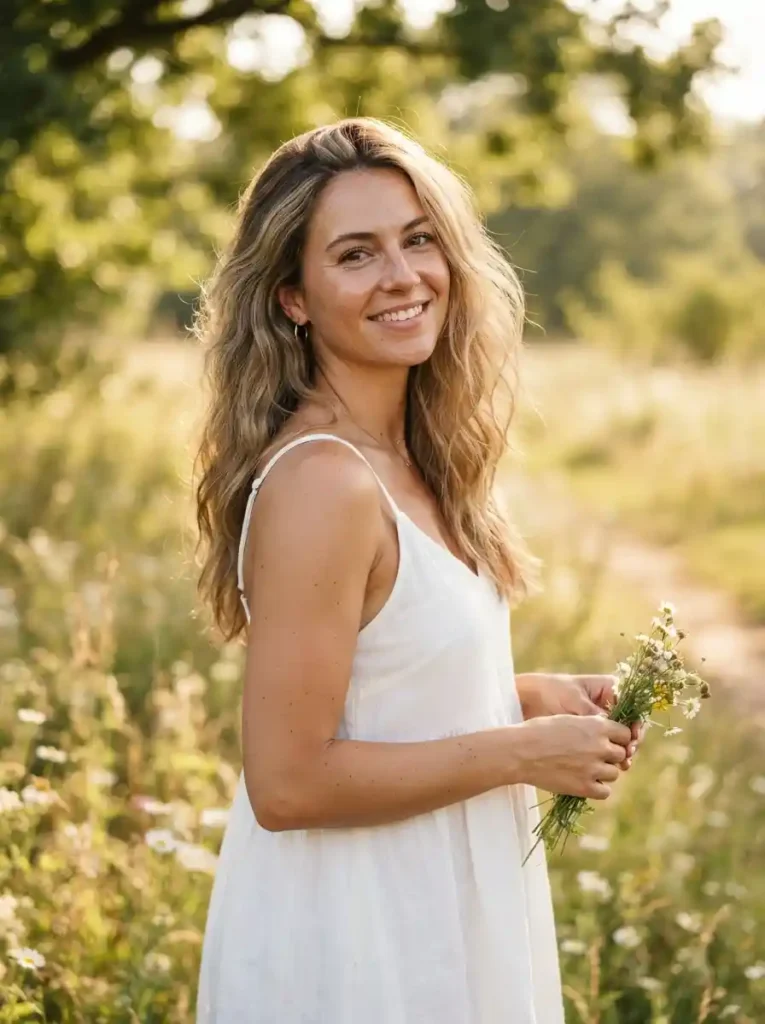
Sun-kissed dark blonde is designed to look as though the hair has naturally developed lighter pieces after time outdoors. Fine golden-beige strands are placed selectively through the crown, face-framing sections, and ends, while the natural depth remains underneath. The effect is understated but noticeable, especially when sunlight catches the lighter pieces.
For the most believable finish, ask your stylist to vary both the placement and intensity of the highlights. Perfectly identical sections can make the result look too uniform. This style also benefits from a slightly imperfect finish, such as loose waves or natural texture, because it reinforces the relaxed character of the color. If you prefer low maintenance, keep the roots untouched and refresh only the lighter areas when needed.
Conclusion
Dark blonde offers far more possibilities than a single in-between shade. You can take it warmer with honey, caramel, or copper, keep it neutral with beige and sandy tones, or move cooler with mushroom and pearl-inspired color. Techniques such as balayage, babylights, shadow roots, and face-framing highlights can change the character of the same base color dramatically, while a lob, shag, curtain bangs, or long layers can make the color placement feel completely different.
When choosing your favorite idea, consider three things first: your natural starting color, how much maintenance you are comfortable with, and whether you prefer warm, neutral, or cool tones. Bring a few reference images to your stylist and explain which details you like rather than relying on the shade name alone. The right dark blonde should complement your coloring, work with your haircut, and still feel manageable between salon appointments.