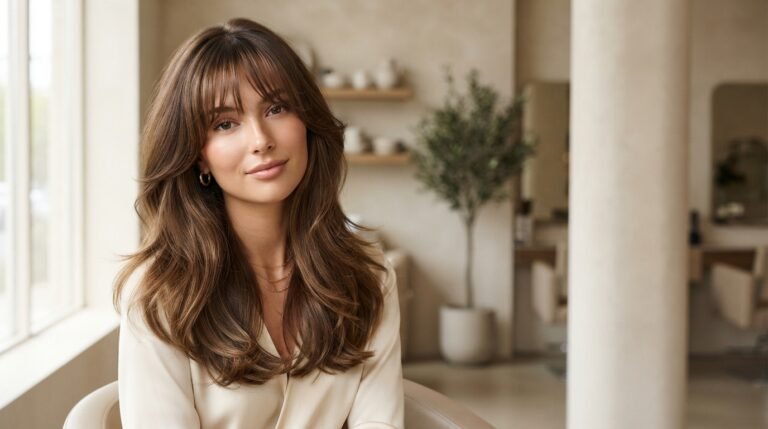
Caramel highlights have a way of making hair look instantly more dimensional without requiring a dramatic change. The warm blend of golden brown, honey, and soft toffee tones can be adapted to almost any haircut, from long layers and beachy waves to sleek bobs and textured curls. The key is choosing placement, contrast, and tone that complement your natural or colored base.
Whether you want barely-there brightness or a more noticeable transformation, the ideas below offer plenty of inspiration for your next salon appointment. You’ll find options for brunettes, lighter brown hair, curls, straight styles, short cuts, and longer lengths, along with practical details about maintenance and styling. Think of this collection as a visual starting point: save the ideas that catch your eye, then discuss the exact shade and placement with your colorist.
1. Classic Caramel Highlights on Rich Brunette Hair
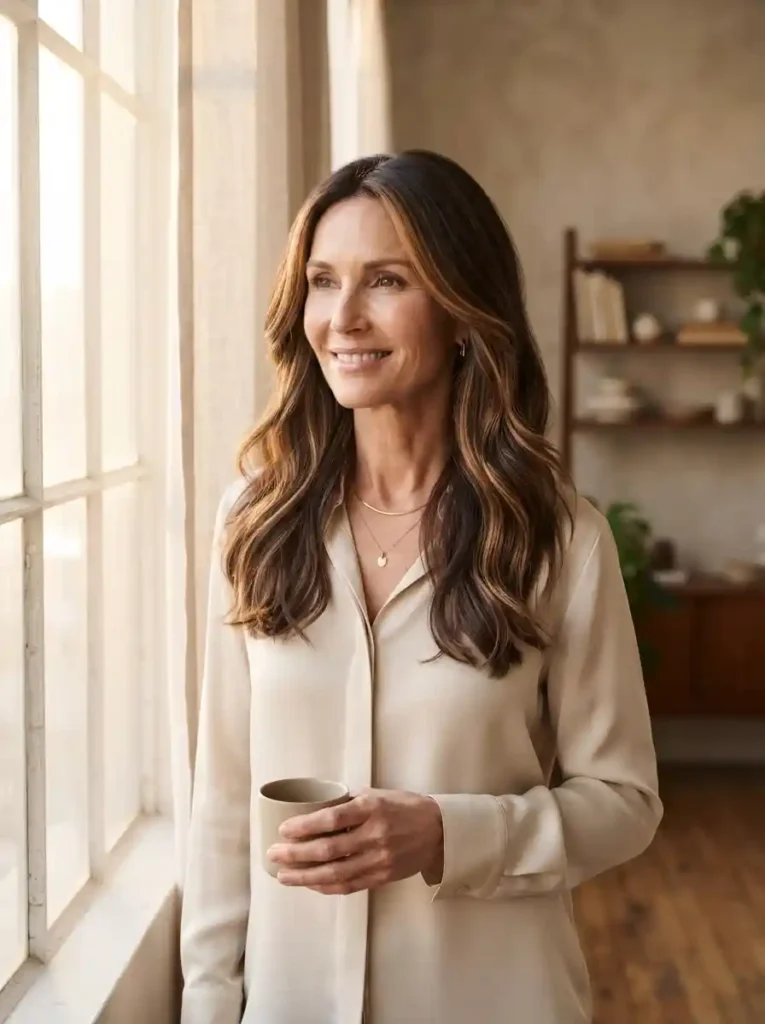
Rich brunette hair provides an ideal backdrop for traditional caramel highlights because the warm pieces stand out without looking disconnected. Ask your stylist for medium-width ribbons blended through the mid-lengths, with a few brighter pieces around the face. Keeping the roots close to your natural brown creates a softer grow-out and avoids a striped appearance. Loose waves can reveal the different tones especially well, making the overall color look fuller and more dimensional.
For a balanced result, bring reference photos showing both the caramel shade and the desired placement rather than relying on the word “caramel” alone. Your stylist can adjust the formula toward golden, neutral, or slightly beige depending on your starting color. If your hair is naturally very dark, several appointments may be preferable to aggressive lightening in one session. A gloss between appointments can refresh warmth and restore shine without adding more permanent color.
2. Honey-Caramel Face-Framing Highlights
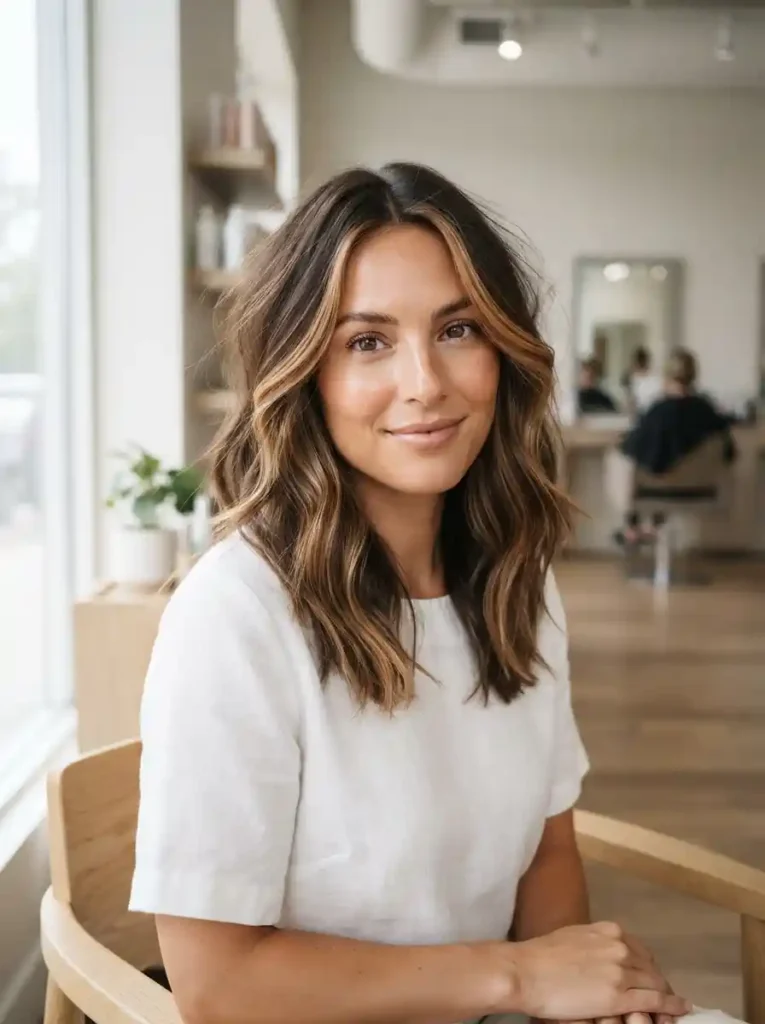
If you want caramel highlights to brighten your appearance without coloring your entire head, concentrated face-framing pieces are an easy direction to explore. A few strategically placed ribbons around the temples and cheekbones can create noticeable brightness while leaving much of your natural brunette intact. Ask for a gradual transition rather than a sharply defined money piece if you prefer a softer, more grown-out look.
The width and brightness should suit your haircut and natural base. Fine highlights usually look delicate on a subtle style, while slightly broader pieces can complement thick, layered hair. Placement also matters: highlights beginning too close to the scalp may require frequent maintenance. Keeping some darker root visible creates dimension and makes the color easier to maintain as it grows. A lightweight shine treatment can help the lighter strands look polished.
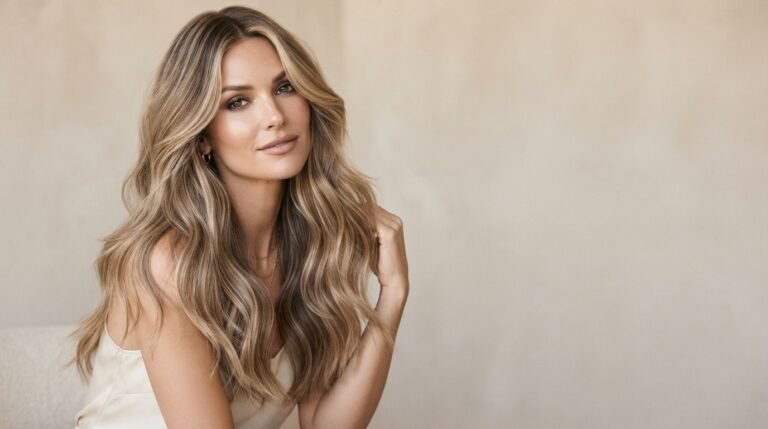
3. Soft Caramel Balayage for Long Waves
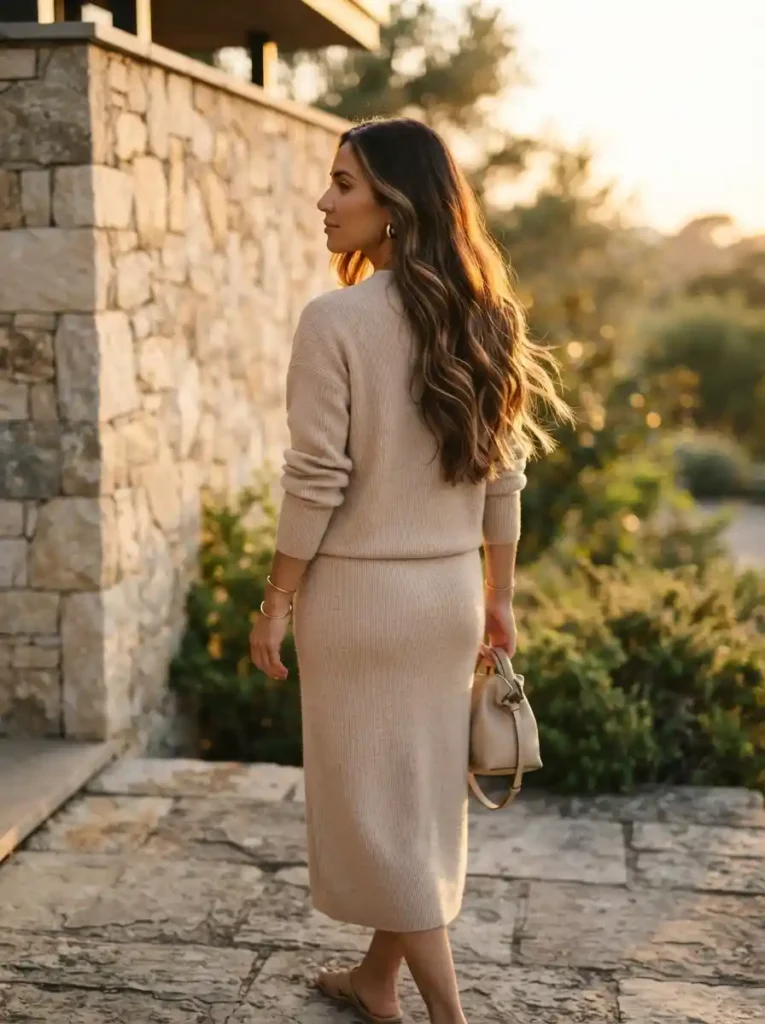
Long wavy hair gives balayage plenty of space to create a gradual caramel transition. Instead of placing highlights evenly from root to tip, a stylist can paint lighter pieces through the lengths and concentrate sections, but straightening the hair occasionally can help you check whether the blending remains seamless. Since the brightness toward the ends. This creates movement while preserving a deeper root area. The technique works particularly well when you want your color to look intentional but not overly structured.
Consider asking for a mixture of caramel and slightly honey-toned pieces rather than one uniform shade. Multiple closely related tones can keep long hair from looking flat. Waves will emphasize the painted sections, but straightening the hair occasionally can help you check whether the blending remains seamless. Since the lighter ends are more exposed to dryness, regular conditioning and gentle heat styling are especially useful for maintaining softness.
4. Caramel Highlights on a Sleek Blunt Bob
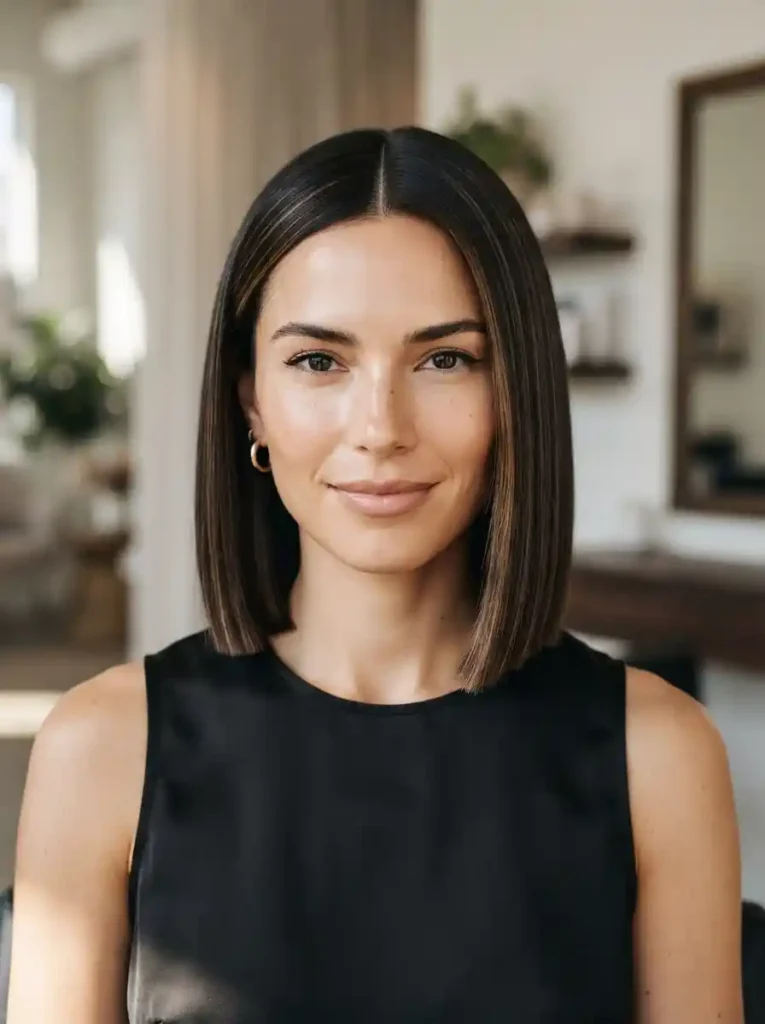
A blunt bob can look striking with delicate caramel highlights because its clean shape provides a strong contrast to the softer color variation. Rather than using many thick sections, ask for fine ribbons placed selectively through the top layers and around the front. The result can add visual movement without weakening the graphic quality of the haircut. A deep brown base paired with restrained caramel is particularly elegant for this style.
This look benefits from smooth styling because the straight surface lets each highlight catch the light. However, precision is important: uneven or overly chunky pieces can become more obvious on a short, blunt cut. Tell your colorist whether you normally wear a center or side part so the brightest sections can be positioned appropriately. A clear or tinted gloss afterward can enhance reflection and make the bob appear especially polished.
5. Warm Caramel Highlights for Medium Brown Hair

Medium brown hair can take caramel highlights in a particularly seamless way because the contrast does not need to be dramatic. Try warm ribbons that are only a few shades lighter than your base, concentrating them around the crown, sides, and ends. This approach gives the hair a softly illuminated appearance rather than creating obvious stripes, warmth, honey-caramel may blend beautifully; if it tends to look neutral or cool, your stylist may choose a more balanced caramel formula. Avoid assuming that every caramel shade will behave identically on every brunette base. making it suitable for someone trying highlights for the first time.
Your natural undertone can guide the final shade. If your hair already has golden warmth, honey-caramel may blend beautifully; if it tends to look neutral or cool, your stylist may choose a more balanced caramel formula. Avoid assuming that every caramel shade will behave identically on every brunette base. A consultation and strand assessment can help prevent unwanted orange or overly yellow results.
6. Caramel Babylights for a Delicate Glow
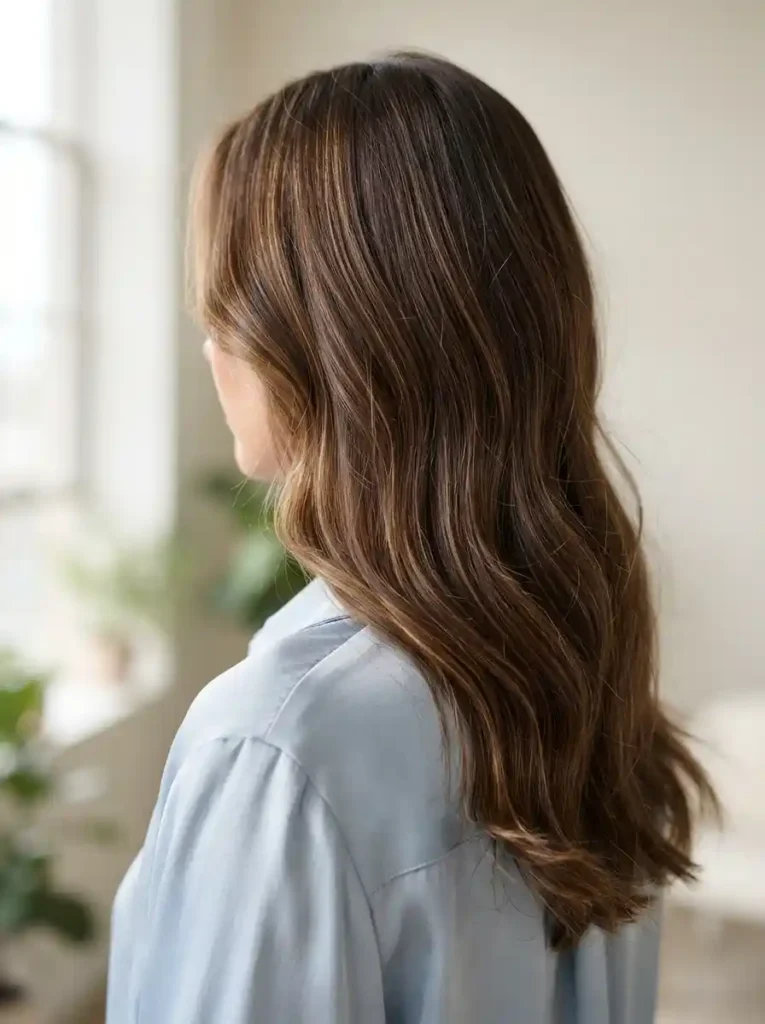
Babylights are a useful choice when you want caramel brightness to appear delicate rather than bold. The technique uses very fine sections, creating a softer transition between the natural base and lighter strands. On brunette hair, tiny caramel pieces can add sparkle around the face and crown without dominating the overall color. This is especially attractive for people who prefer understated changes.
Because the sections are fine, placement should be intentional. A stylist can vary density so the hairline looks naturally illuminated while the interior remains deeper. Babylights may also grow out more softly than thick highlights because the contrast is distributed across many smaller pieces. If your hair is fragile, discuss its condition before lightening. Maintaining healthy ends is essential because delicate color looks best when the hair itself remains smooth and reflective.
7. Deep Chocolate Hair with Toffee-Caramel Ribbons
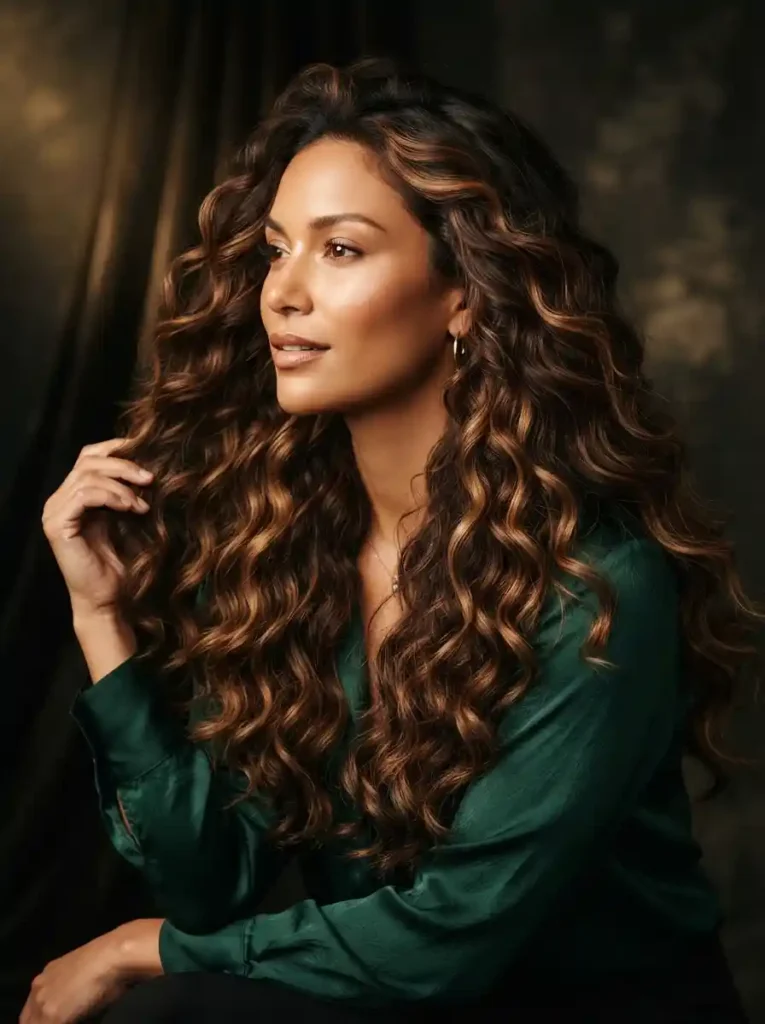
For a richer interpretation of caramel highlights, combine deep chocolate hair with slightly deeper toffee ribbons. This pairing creates stronger contrast than traditional subtle balayage while keeping the palette warm and sophisticated. Ask your colorist to vary the width of the ribbons instead of creating identical sections. A mixture of narrow and medium pieces helps the highlights blend naturally through thick hair.
This approach is especially effective when the hair has substantial density or texture because the lighter pieces can disappear and reappear as the hair moves. Consider placing some highlights underneath the top layer for dimension that becomes visible when the hair is curled or tied back. If you want the color to remain rich, regular glossing can help maintain tonal consistency as the lighter sections gradually become exposed to washing and styling.
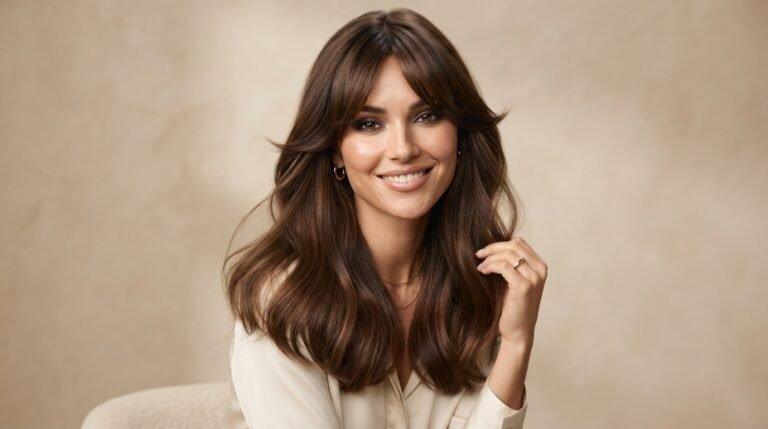
8. Caramel Highlights with Curtain Bangs

Curtain bangs can make caramel highlights feel especially intentional because the shorter front layers naturally draw attention toward the face. Ask for lighter pieces that follow the shape of the bangs and continue softly into the surrounding layers. The brightest sections do not necessarily need to begin directly at the roots; a slightly diffused transition can make the color feel more natural.
Since bangs are frequently styled and washed differently from longer sections, their highlights may fade or become noticeable sooner. Keep heat exposure moderate and use a heat protectant when blow-drying or curling. If you regularly change your part, mention this during your appointment. Strategic placement can prevent the color from looking uneven when the bangs separate or shift throughout the day.
9. Subtle Caramel Highlights for Naturally Curly Hair
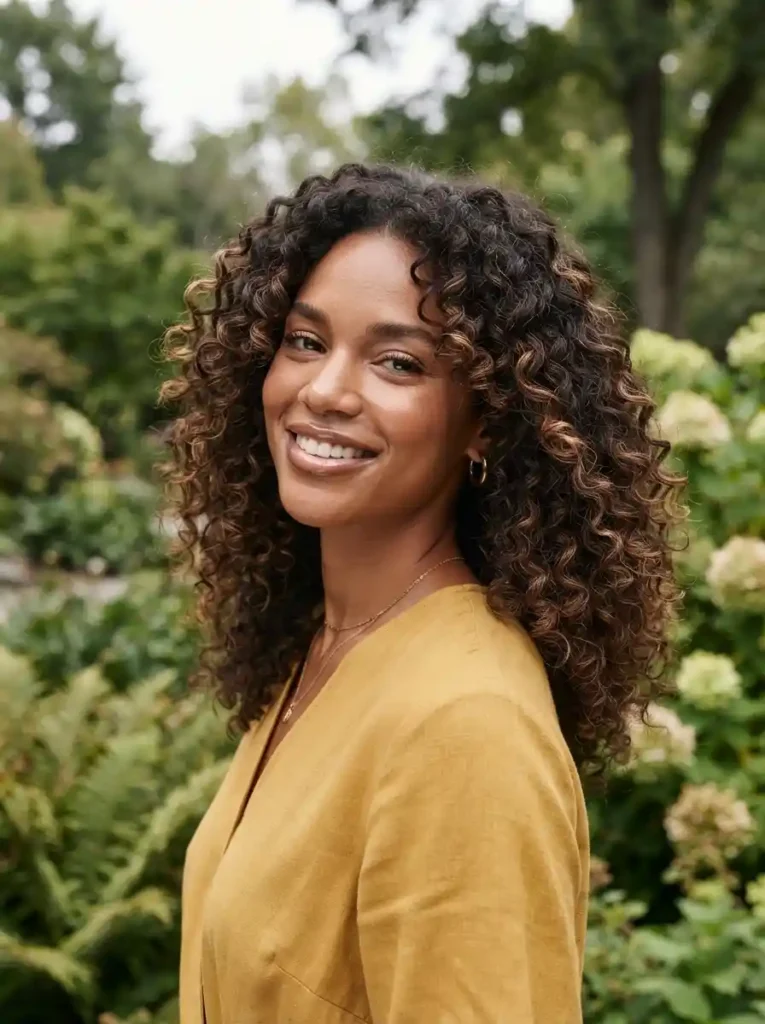
Curly hair can look beautifully dimensional when caramel highlights follow individual curl patterns rather than forming rigid horizontal sections. Ask your stylist about placement that works with your curl shape and shrinkage. Slightly varied caramel pieces can create flashes of brightness as curls twist and move, giving the color a naturally irregular appearance that complements textured hair.
It is also important to consider the condition and structure of your curls before lightening. Curly strands can be more vulnerable to dryness, so a stylist experienced with textured hair can help determine an appropriate level of lift. Use moisturizing products and avoid excessive heat after coloring. The goal is not simply brighter curls; it is maintaining defined, flexible curls while introducing carefully controlled caramel dimension.
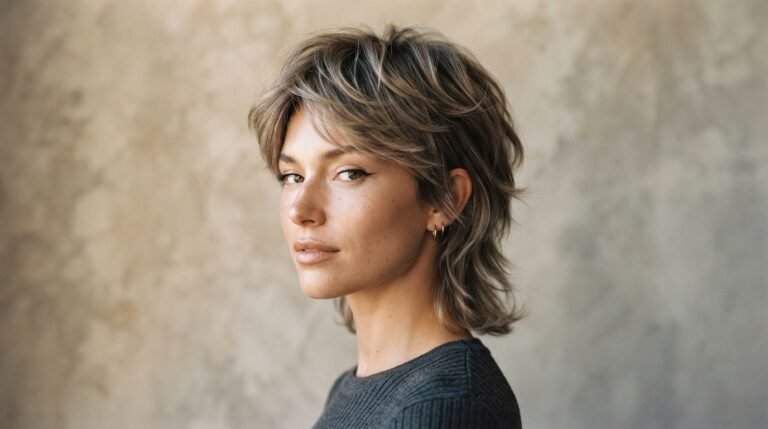
10. Caramel Highlights on a Shoulder-Length Shag

A layered shag gives caramel highlights plenty of texture to interact with. Instead of creating a uniform pattern, ask for brighter pieces through the crown and selected layers, allowing the darker base to remain visible between them. The result works particularly well with tousled styling because different sections catch light at different angles, emphasizing the haircut’s movement.
For a modern finish, keep the caramel slightly muted rather than extremely golden. This helps the color work with the relaxed character of a shag instead of making it look overly polished. Because heavily layered hair has many shorter pieces, your stylist should consider how the color will sit after a trim. Take your inspiration photo to the appointment and discuss both the current cut and your next planned haircut.
11. Golden Caramel Highlights for Sun-Kissed Dimension
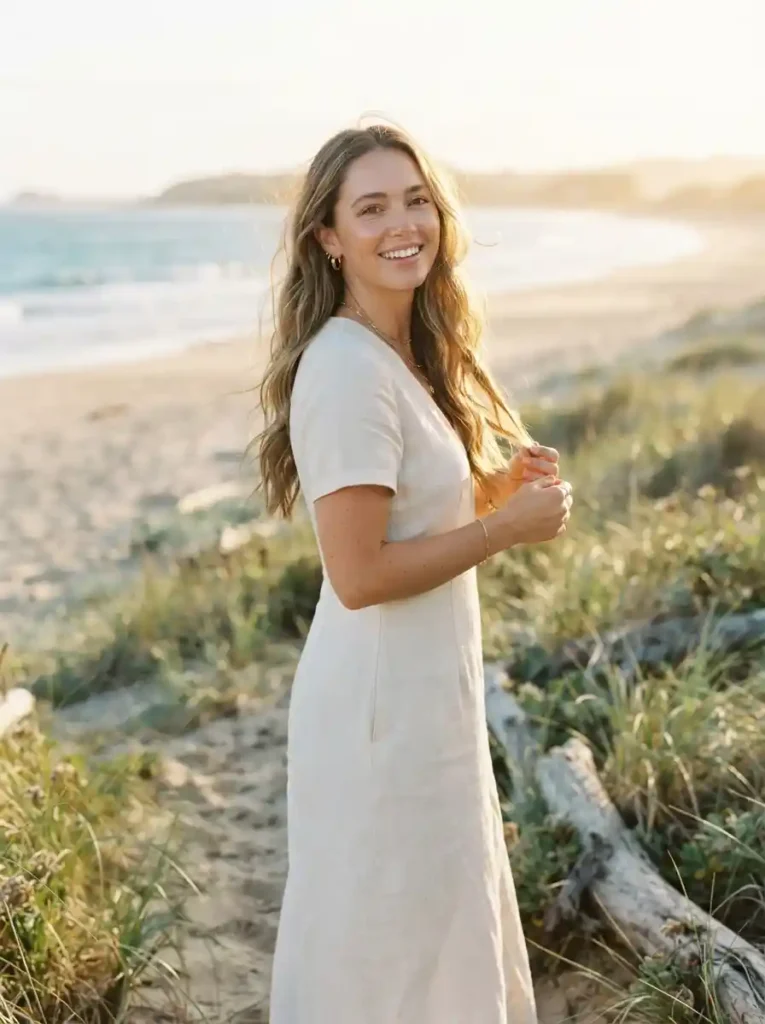
Golden caramel highlights are ideal when you want a visibly warm, sun-kissed effect. The shade can be distributed through the upper layers and ends, with slightly brighter pieces near the face. On light or medium brown hair, this can create an airy transition without requiring the dramatic contrast associated with blonde highlights.
To keep the result believable, ask your stylist to preserve variations in depth. Completely uniform golden pieces can make the hair appear flat rather than naturally illuminated. A few deeper brown sections between the highlights provide contrast and help the lighter strands stand out. If your hair tends to pull brassy, discuss toning options before coloring so the final golden effect remains controlled instead of becoming excessively yellow.
12. Caramel Highlights on a Long Layered Haircut
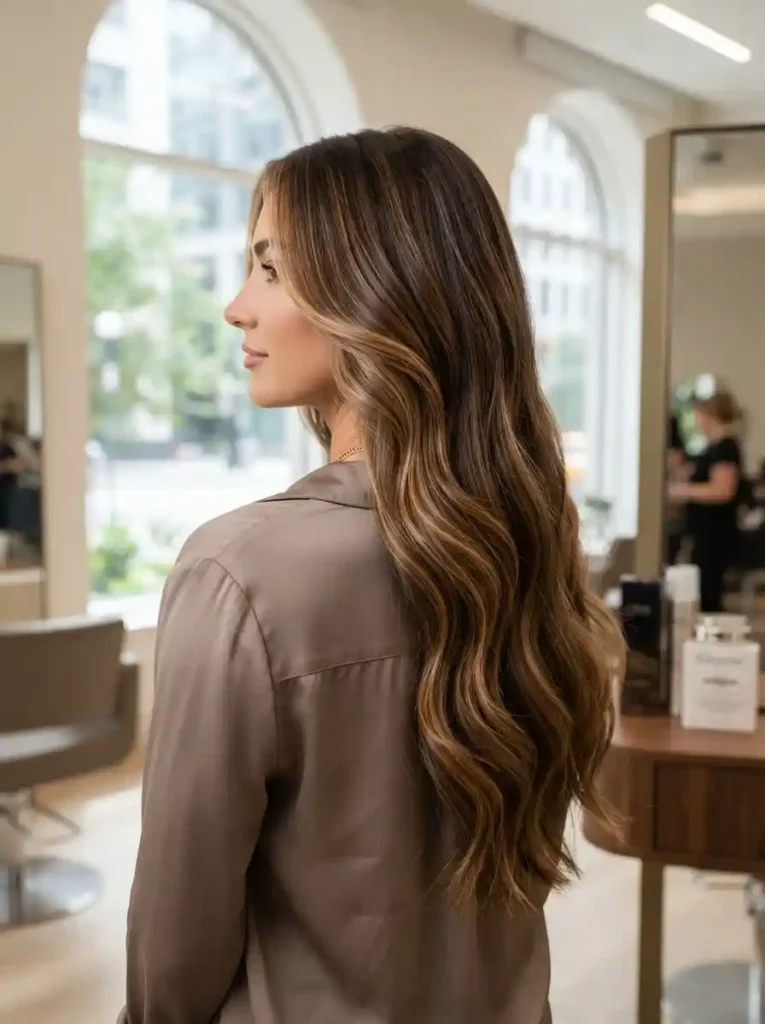
Long layers offer an opportunity to distribute caramel highlights according to the haircut rather than simply coloring random sections. Your stylist can place brighter ribbons where the layers naturally separate, allowing the color to emphasize movement. Keeping the deepest brunette near the roots can create a gradual visual progression from rich brown to warm caramel toward the ends.
Because long hair often experiences more mechanical wear, the ends deserve particular attention after lightening. Ask whether your stylist recommends a bond-building or conditioning treatment suited to your hair. At home, minimize unnecessary high heat and detangle gently from the ends upward. A trim can also remove dry tips that might otherwise make the lighter sections look dull, especially when the highlights are concentrated near the bottom.
13. Espresso Brown with Soft Caramel Ends
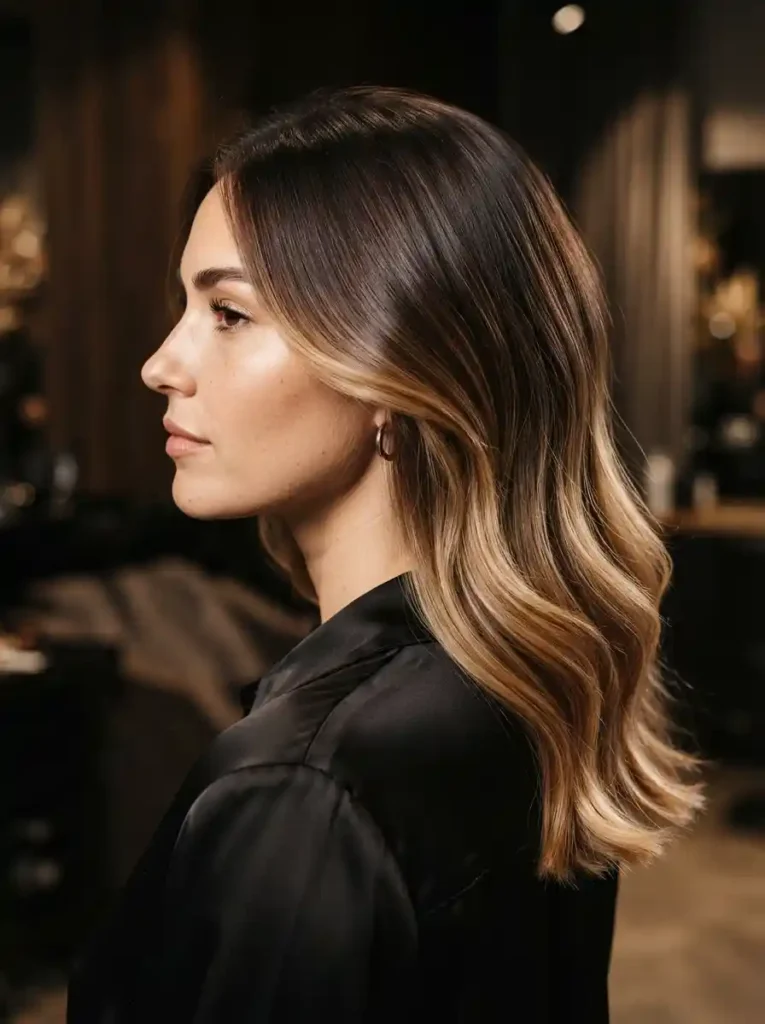
An espresso-to-caramel gradient creates a deeper, more dramatic interpretation of the highlight trend. Rather than scattering light pieces everywhere, the color gradually becomes warmer and brighter toward the lower lengths. This works particularly well on medium or long hair where there is enough space for a smooth transition between shades.
The most important detail is avoiding a visible line between the dark and light areas. Ask for a blended transition and show your stylist where you want the brightness to begin. This style can be especially attractive with waves, although a straight finish will reveal whether the gradient is truly seamless. Since the ends carry the most lightening, prioritize hydration and regular trims to keep the transition looking smooth.
14. Caramel Highlights for Fine, Straight Hair

Fine hair can benefit from strategically placed caramel highlights because a little variation can create visual interest without requiring heavy coloring. Ask for delicate pieces concentrated around the face and upper layers, leaving plenty of your natural base visible. Very thick highlights can overwhelm fine strands, while subtle ribbons can provide a more nuanced appearance.
Placement should also account for how straight hair lies. Because there is less curl or texture to disguise inconsistencies, your stylist should blend the sections carefully. Avoid over-lightening the same strands repeatedly during future appointments; maintaining the underlying hair quality is important. A lightweight shine product can make the finished color look polished withoutRealistic editorial salon photograph of a woman with a collarbone-length layered lob in medium-dark brown, rich caramel highlights placed through face-framing layers and curved ends, softly waved styling with airy volume, natural makeup, tailored cream blazer, modern upscale salon with warm weighing fine hair down or making the roots appear greasy.
15. Rich Caramel Highlights on a Layered Lob
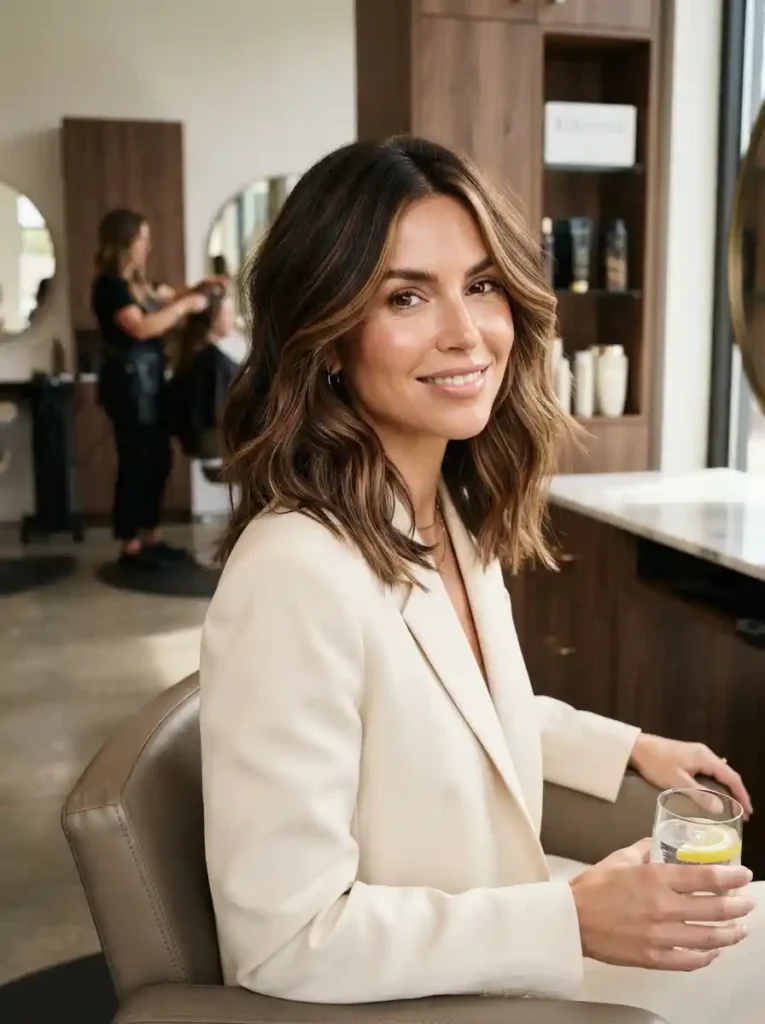
A layered lob sits in a versatile middle ground: it is short enough to feel fresh but long enough to show multiple tones. Rich caramel highlights can be concentrated through the front layers and ends, creating brightness without coloring every section. Soft waves make the different levels of the haircut visible and help the highlights appear naturally distributed.
If you prefer a lower-maintenance result, keep the root area relatively deep and ask for blended sections rather than traditional foil highlights beginning at the scalp. This allows the color to grow out more gently. The exact caramel tone can also be adjusted to complement your base. A slightly neutral caramel works when you want understated sophistication, while warmer tones create a more noticeable golden effect.
16. Caramel Money Pieces with a Brunette Base
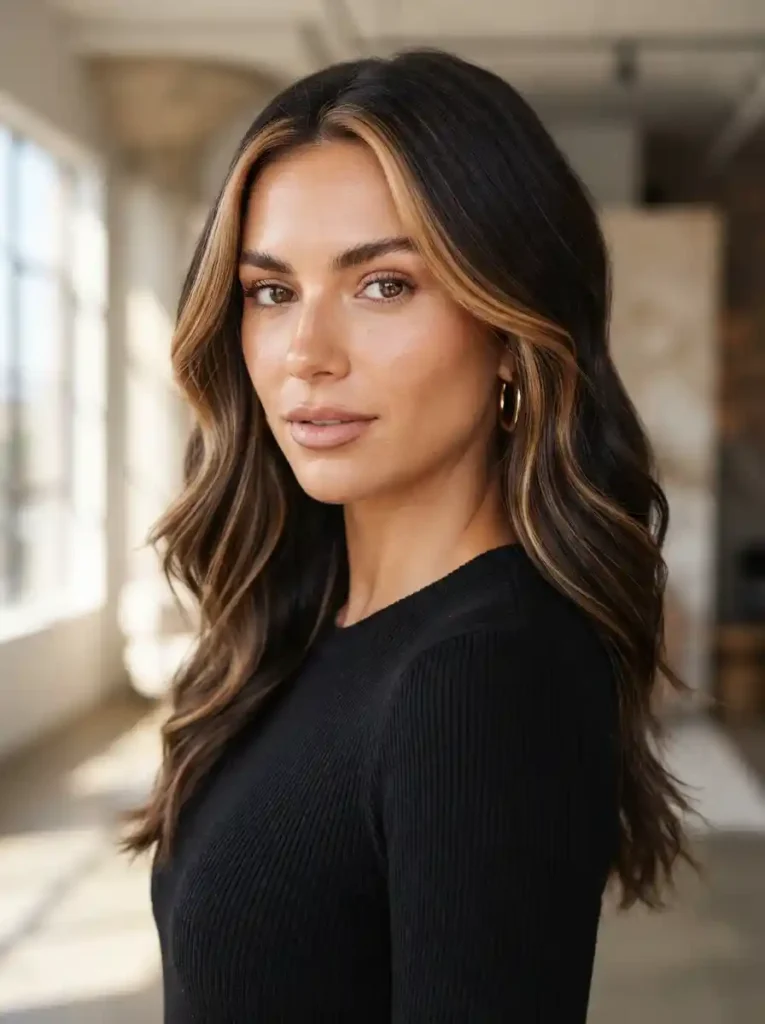
Caramel money pieces offer more visible brightness around the face while allowing the rest of the hair to remain relatively dark. To keep the look sophisticated, consider asking for caramel rather than an extremely pale blonde front section. The warmer shade creates contrast while maintaining harmony with a brunette base.
Placement can be customized according to your haircut and face-framing layers. If you want a softer appearance, request diffused edges rather than a solid block of color. If you prefer stronger definition, slightly wider sections can create a more noticeable effect. Remember that the front pieces are highly visible, so explain how often you are willing to return for maintenance before choosing a placement that requires frequent root touch-ups.
17. Caramel Highlights on a Pixie Cut

A pixie cut can carry caramel highlights beautifully when the color follows the longer portions of the haircut. Instead of highlighting every section, focus brightness on the crown, fringe, or textured top while allowing the shorter sides to remain darker. This creates contrast that emphasizes the haircut without making the color feel overly busy.
Short hair grows quickly enough that placement and maintenance should be discussed before the appointment. A highlight pattern that looks balanced today may shift after a trim removes some of the longer pieces. Ask your stylist how the color will evolve with your usual haircut schedule. Matte or lightweight styling products can define the highlighted texture without creating excessive shine that hides the subtle tonal variation.
18. Caramel Highlights Blended into Auburn Brown
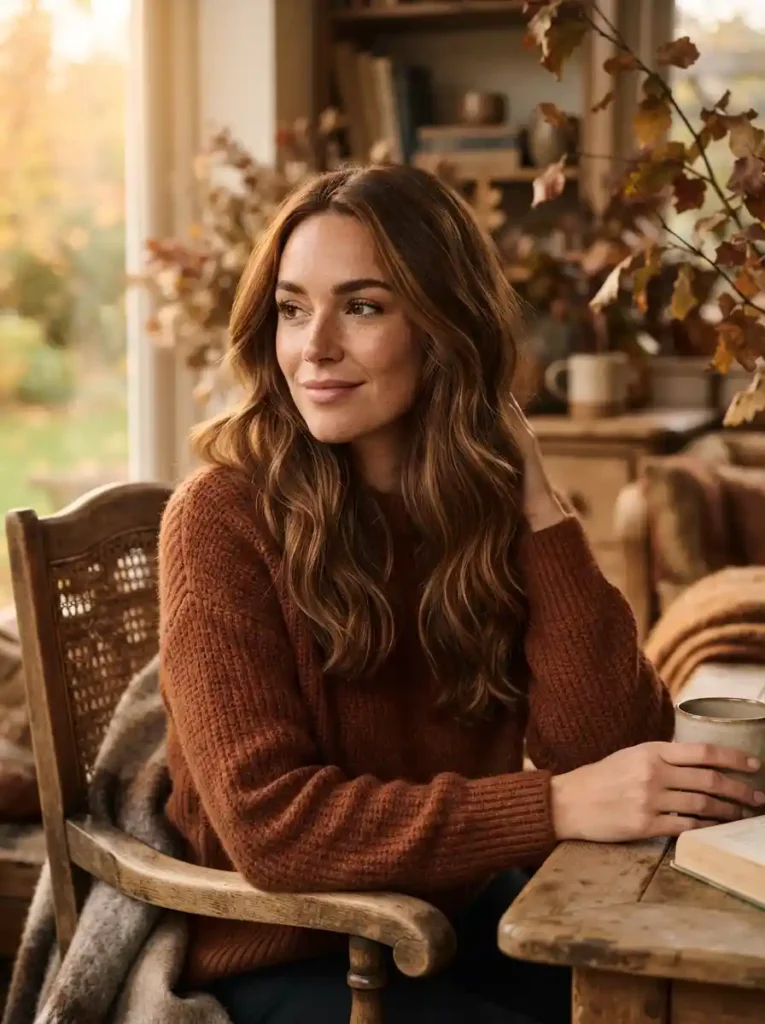
If your brown hair already carries red or copper undertones, caramel can be adapted rather than forced into a purely golden palette. Soft caramel pieces with hints of warm copper can create continuity between the existing auburn base and lighter strands. This is a useful option when you want additional dimension without losing the warmth that makes your natural color distinctive.
Tell your stylist whether you want the finished result to emphasize gold, copper, or neutral brown. These undertones can behave differently during lightening, so a professional consultation is especially helpful. A tinted gloss can also refine the final balance after the highlights are lifted. Keeping the color family cohesive will make the highlights look intentional rather than like unrelated shades placed beside the base.
19. Cool-Toned Caramel Highlights on Dark Brown Hair
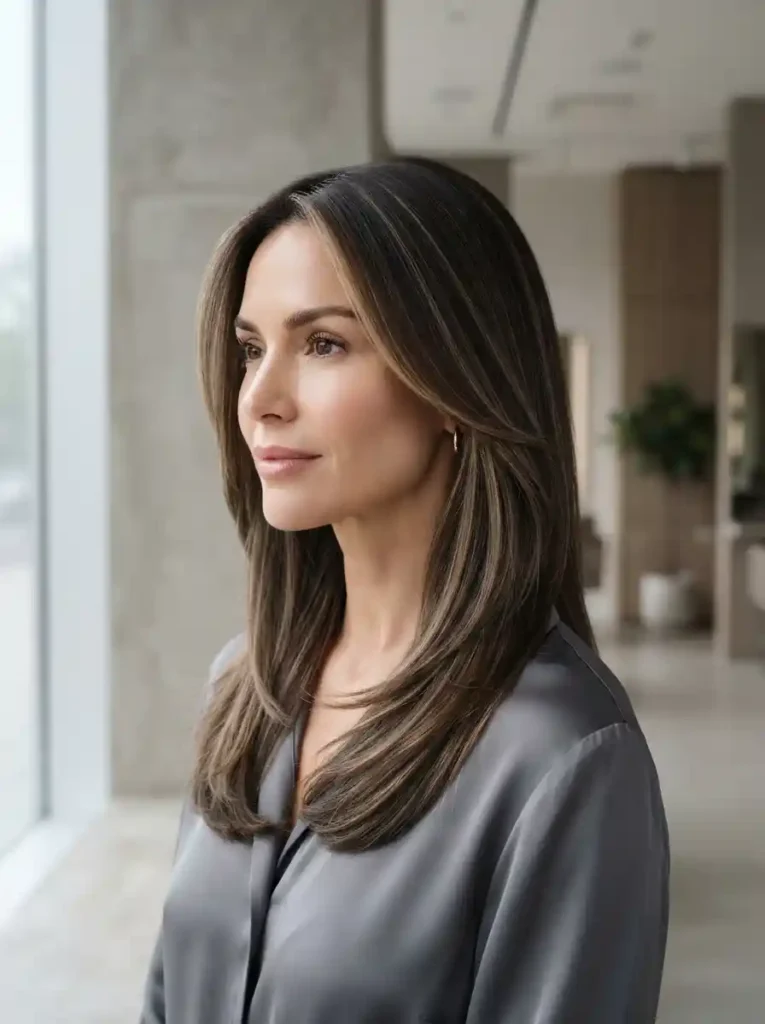
Caramel does not always have to look intensely golden. A cooler beige-caramel interpretation can work beautifully with neutral or cool dark-brown hair when you want lighter dimension without obvious warmth. The result is more subdued and can feel especially polished when paired with sleek styling or minimalist haircuts.
Be specific during your consultation because “caramel” can mean different things from one colorist to another. Reference photos are useful for communicating how much warmth you want to see. If your hair naturally pulls orange during lightening, your stylist may need to tone the lighter sections afterward. Maintenance products designed for color-treated hair can help preserve the chosen tone between salon visits.
20. Caramel Highlights with Soft Beach Waves
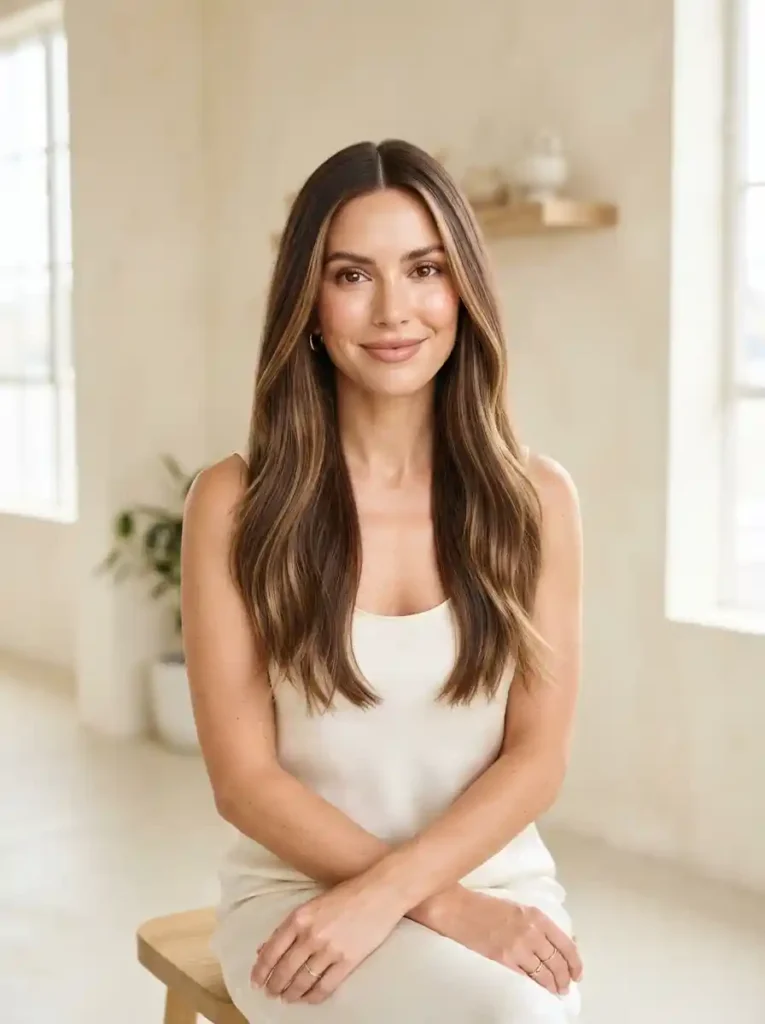
Caramel highlights and relaxed waves create a casual combination that works particularly well when you want your color to look effortless rather than highly structured. Ask for hand-painted pieces through the mid-lengths and ends, leaving the roots darker. The irregular placement can complement natural-looking waves and prevent the finished result from appearing overly uniform.
For styling, avoid making every wave identical. Alternating the direction of a curling wand or using loose braids can create variation that lets the caramel pieces move naturally. If your hair is naturally wavy, enhancing its existing texture may require less heat than creating a completely new pattern. A lightweight leave-in conditioner can help keep highlighted lengths smooth without removing the relaxed movement.
21. Caramel Highlights Underneath Dark Hair
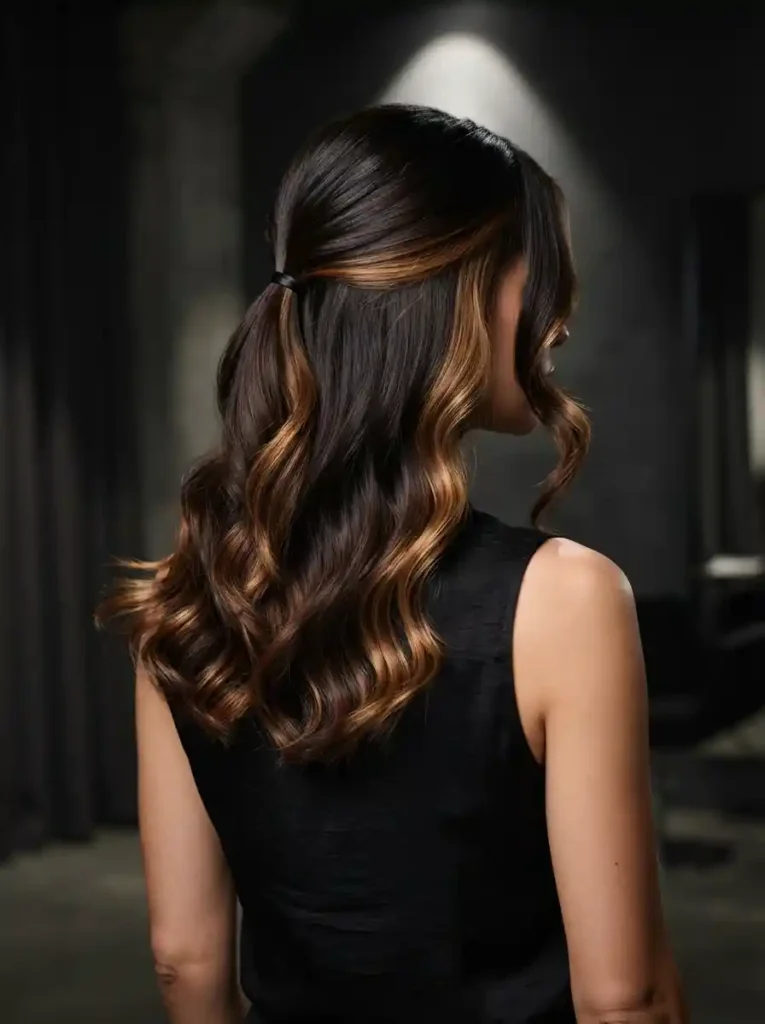
Hidden caramel highlights offer a more discreet way to experiment with lighter color. By placing the brighter sections underneath the darker top layer, you can keep the overall appearance brunette while revealing flashes of caramel when the hair moves, is curled, or is tied up. This can be particularly appealing if you want dimension without a highly visible transformation.
The placement can be adjusted according to your hairstyle. A few pieces near the sides can appear when the hair is tucked behind the ears, while lower sections become visible in ponytails and half-up styles. Because the roots remain largely untouched, this approach can also be relatively manageable. Ask your stylist to choose a caramel shade that complements your base rather than creating excessive contrast beneath it.
22. Caramel Highlights on a Side-Parted Style
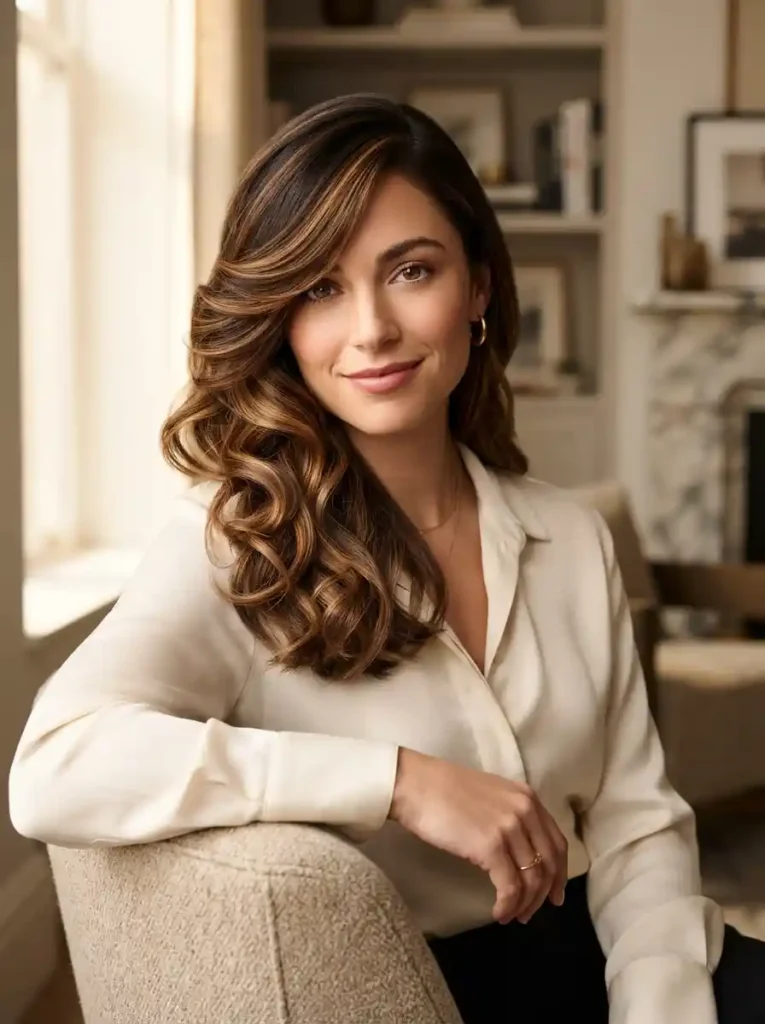
A side part changes where the hair naturally falls, making highlight placement especially important. If you usually wear your hair this way, your stylist can concentrate a few brighter caramel pieces through the heavier front section while keeping the opposite side slightly deeper. This creates visual balance without requiring an equal amount of color everywhere.
The style works especially well with soft curls because the highlighted front section becomes a natural focal point. However, consider your habits before committing to placement. If you frequently switch your part, a more evenly distributed design may be practical. Mention your usual styling routine during the consultation so the color is designed around how you actually wear your hair rather than how it looks only immediately after the appointment.
23. Caramel Highlights for Thick, Voluminous Hair
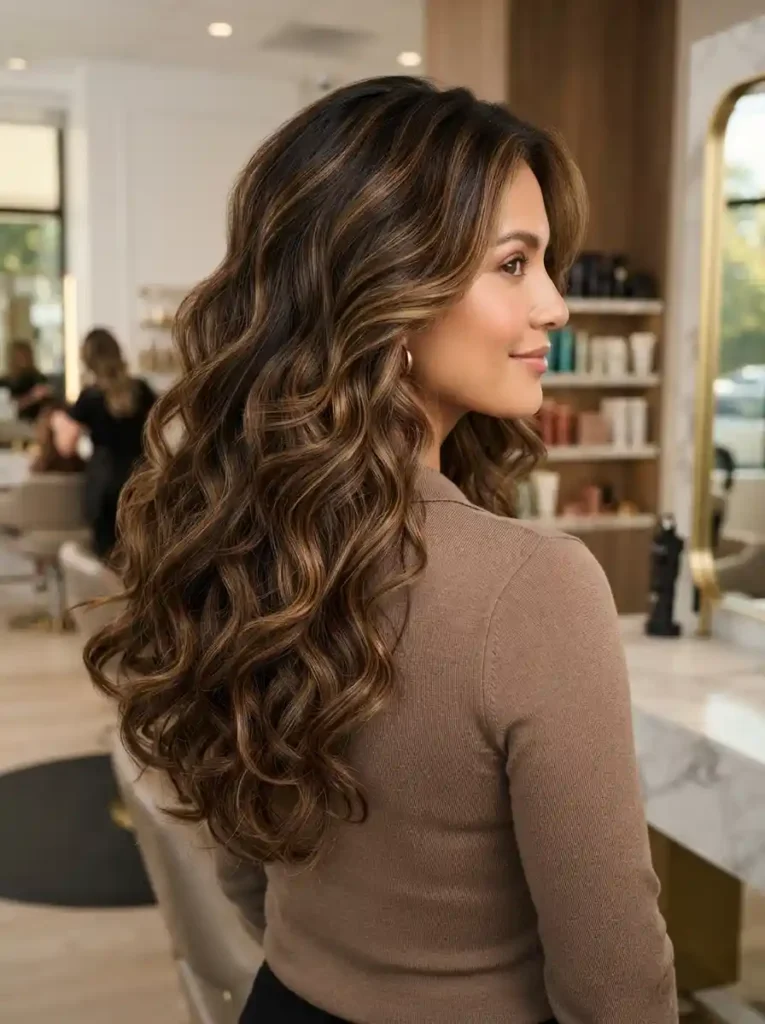
Thick hair can support more dimensional caramel highlighting because there is enough density to layer several tones without losing the depth of the base. Ask your stylist to vary the placement between interior and surface sections. This allows caramel ribbons to appear and disappear as the hair moves instead of sitting in one obvious horizontal layer.
The amount of lightening should still be controlled. Thick hair may require significant processing time, and repeated overlapping of previously lightened sections can compromise the ends. Discuss how much maintenance you want before choosing a high-contrast design. A stylist can also adjust highlight density to make the hair appear more dimensional without needing to lighten every strand.
24. Soft Caramel Highlights with a Middle Part
A middle part provides natural symmetry, making it a strong choice for carefully balanced caramel highlights. Face-framing pieces can begin around the cheekbones or slightly lower, depending on the haircut, then blend into longer sections. Keeping both sides relatively balanced gives the style a polished appearance while still allowing the caramel to remain soft.
This placement can be customized for different lengths. Longer hair can carry the highlights farther toward the ends, while a shorter cut may benefit from shorter ribbons that follow the face-framing layers. Ask your stylist whether you want the front pieces to be the brightest part of the look or simply slightly lighter than the rest. That distinction can significantly change the overall effect.
25. Multi-Tonal Caramel Highlights for Maximum Dimension
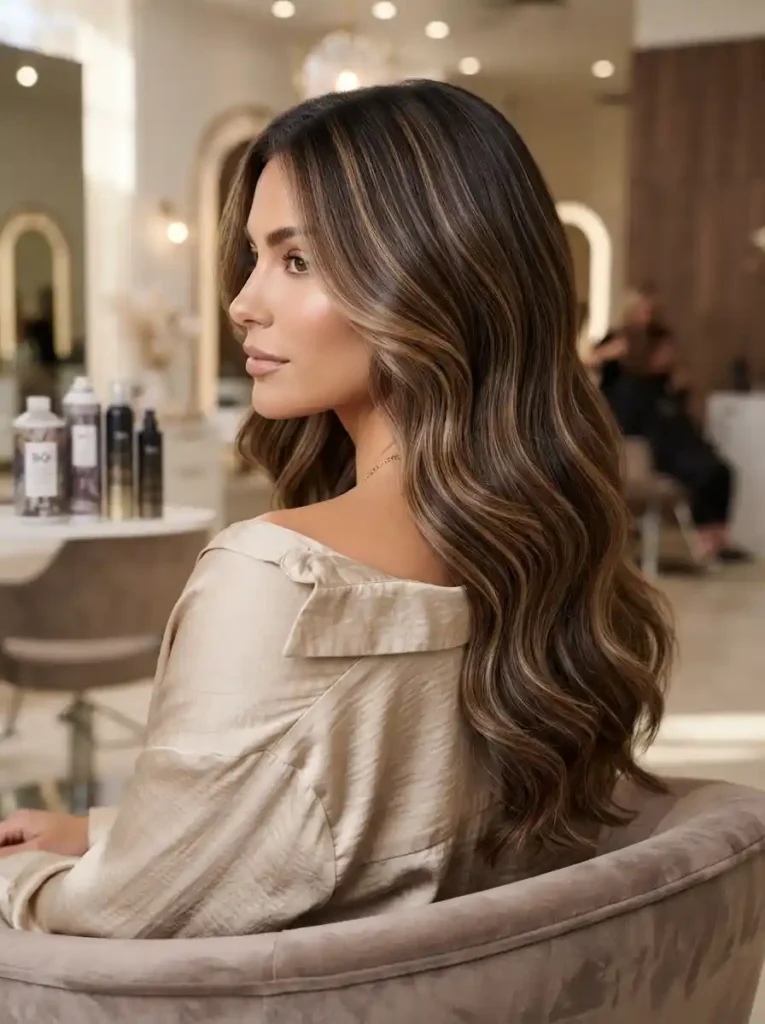
For the most dimensional interpretation, combine several closely related caramel shades instead of relying on one color. A deep toffee can connect with the brunette base, medium caramel can provide the main transition, and small honey or beige pieces can add brightness. Keeping the tones within the same warm-neutral family prevents the finished result from looking patchy or overly busy.
This approach requires a thoughtful consultation because the goal is controlled variation rather than simply adding more highlights. Show your stylist examples of the depth and brightness you prefer, and explain how much maintenance fits your routine. At home, use products formulated for colored hair and protect the lengths from unnecessary heat. A periodic gloss can refresh the overall tone and help the different shades continue to look cohesive.
Conclusion
Caramel highlights are versatile because the idea can be interpreted in many different ways. You can keep the effect barely noticeable with fine babylights, make your face the focal point with warm framing pieces, or create stronger dimension through toffee ribbons and multi-tonal balayage. Hair length, texture, natural depth, haircut, and maintenance preferences all influence which approach will look most natural on you.
Before your appointment, save one or two reference images that show both the color and placement you like. Then tell your stylist how often you are comfortable maintaining the highlights and how you normally wear your hair. That information can make the final result far more personalized. Most importantly, think beyond simply choosing “caramel.” The right combination of tone, brightness, section size, and placement is what turns a familiar hair color idea into a look that feels distinctly yours.