Honey blonde has a way of making hair look instantly warmer, softer, and more dimensional without feeling overly dramatic. This versatile shade sits beautifully between golden blonde, beige, and light caramel, making it easy to personalize for different complexions, hair textures, and styling preferences. Whether you want a subtle refresh or a noticeably brighter transformation, there is a honey blonde idea worth saving.
The best part is that honey blonde does not have to mean one flat color. You can explore balayage, dimensional highlights, face-framing pieces, warm roots, glossy finishes, and carefully blended tones to create a result that feels uniquely yours. Below, you will find 23 gorgeous variations, along with practical details about who each look suits, how to style it, and what to consider before your salon appointment. If you are collecting hair inspiration for your next transformation, keep reading—you may discover a shade combination you had not considered.
1. Classic All-Over Honey Blonde
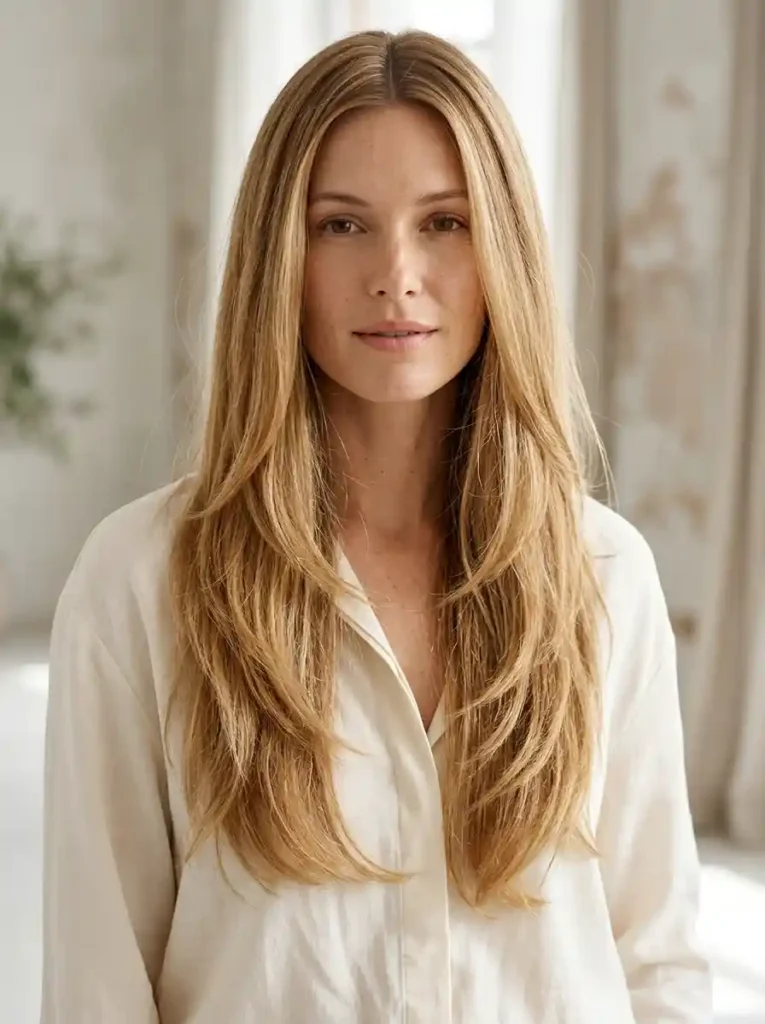
An all-over honey blonde is ideal when you want a noticeable color change without complicated contrast. The shade should look warm and luminous rather than yellow, with enough tonal variation to keep the hair from appearing flat. Ask your stylist for a honey tone that complements your natural base and discuss whether a slightly deeper root would help the transition feel softer. This option works particularly well on medium to long hair because movement allows the golden dimension to catch light naturally.
Maintenance depends largely on how far you are moving from your natural color. If your hair is already light, refreshing the gloss may be enough between appointments, while darker bases may require more significant lightening. Use color-safe shampoo, wash with lukewarm water, and incorporate a moisturizing mask regularly to protect softness. A lightweight shine serum on the mid-lengths and ends can make this warm blonde look especially polished without weighing down fine strands.
2. Honey Blonde Balayage
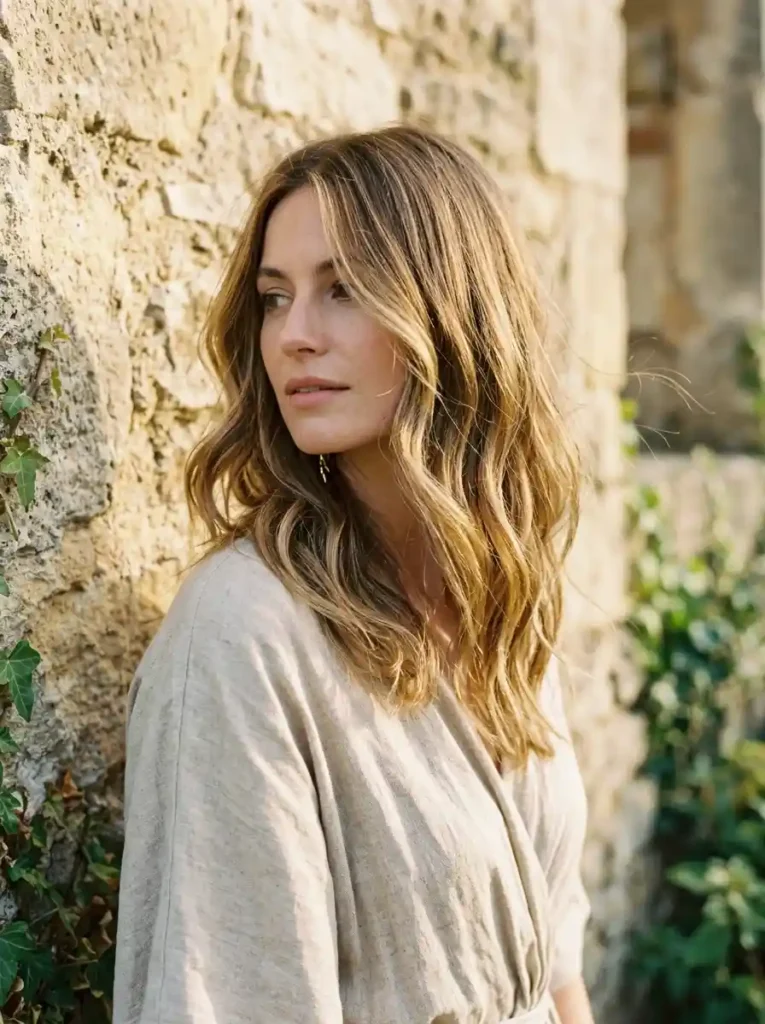
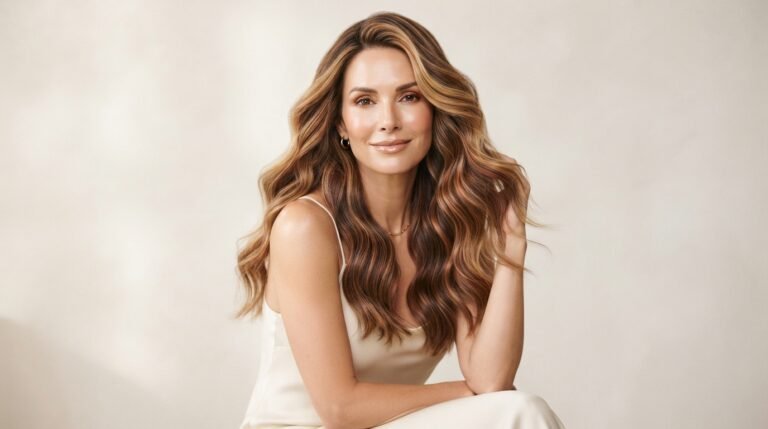
Honey blonde balayage is a smart choice if you want warmth and brightness while keeping your natural roots visible. Instead of creating a solid blonde canvas, the color is strategically painted through selected sections, producing a gradual transition from the root area into lighter honey ends. This makes the result feel relaxed and dimensional. It is especially flattering on wavy or textured hair because bends and curves naturally reveal the different shades throughout the hairstyle.
For a low-maintenance result, ask for the lightest pieces to begin slightly below the roots rather than directly at the scalp. That allows your natural color to grow out without creating an obvious line. A gloss can also be used after lightening to customize the final tone, particularly if you prefer honey that leans beige rather than intensely golden. Bring several reference photos to your appointment so your stylist can match the placement and brightness to your haircut.
3. Honey Blonde Face-Framing Highlights
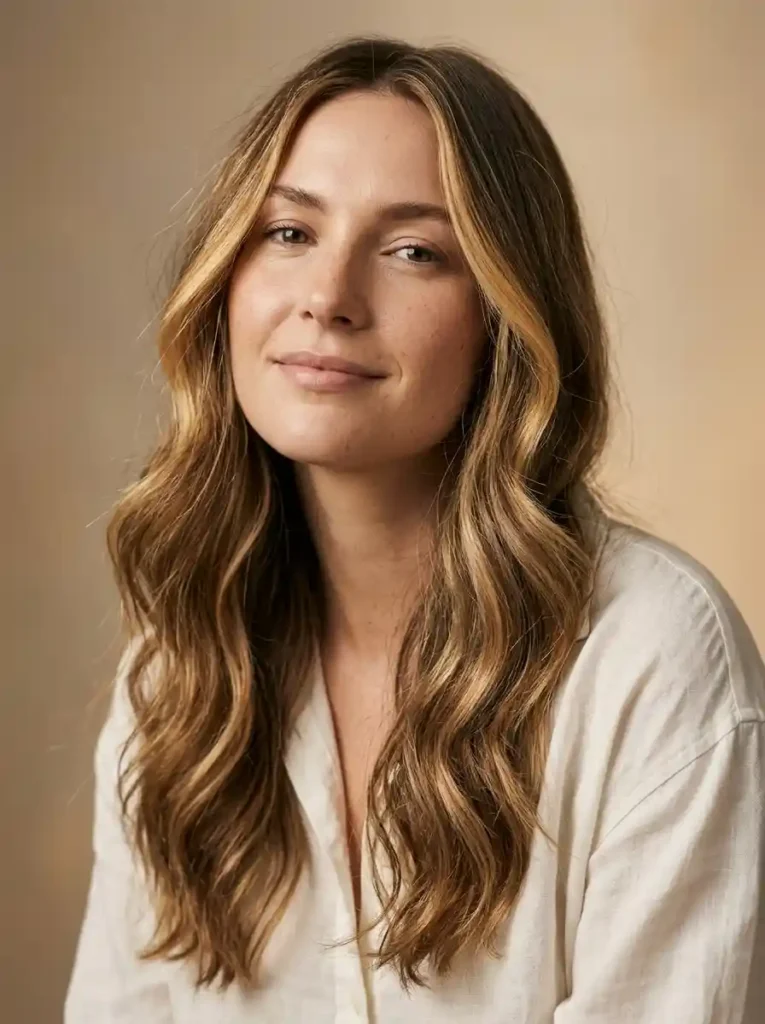
Face-framing honey blonde highlights offer a smaller commitment while still creating a visible difference around the features. Strategically placed lighter pieces can brighten the area surrounding the eyes and cheekbones without requiring the entire head to become blonde. The placement matters more than simply choosing a lighter shade, so discuss whether you prefer narrow ribbons, broader pieces, or a soft money-piece effect. Your haircut and parting pattern should also influence where the brightness begins.
This idea works beautifully when the rest of the hair remains closer to its natural tone. The contrast creates dimension while avoiding the maintenance associated with a full blonde transformation. If you regularly change your part, ask for blended placement rather than highly symmetrical highlights. Keep the lightened pieces conditioned with a nourishing mask, and use heat protection before styling. For an understated finish, request honey rather than pale blonde so the highlights remain warm and naturally integrated.
4. Honey Blonde With Darker Roots
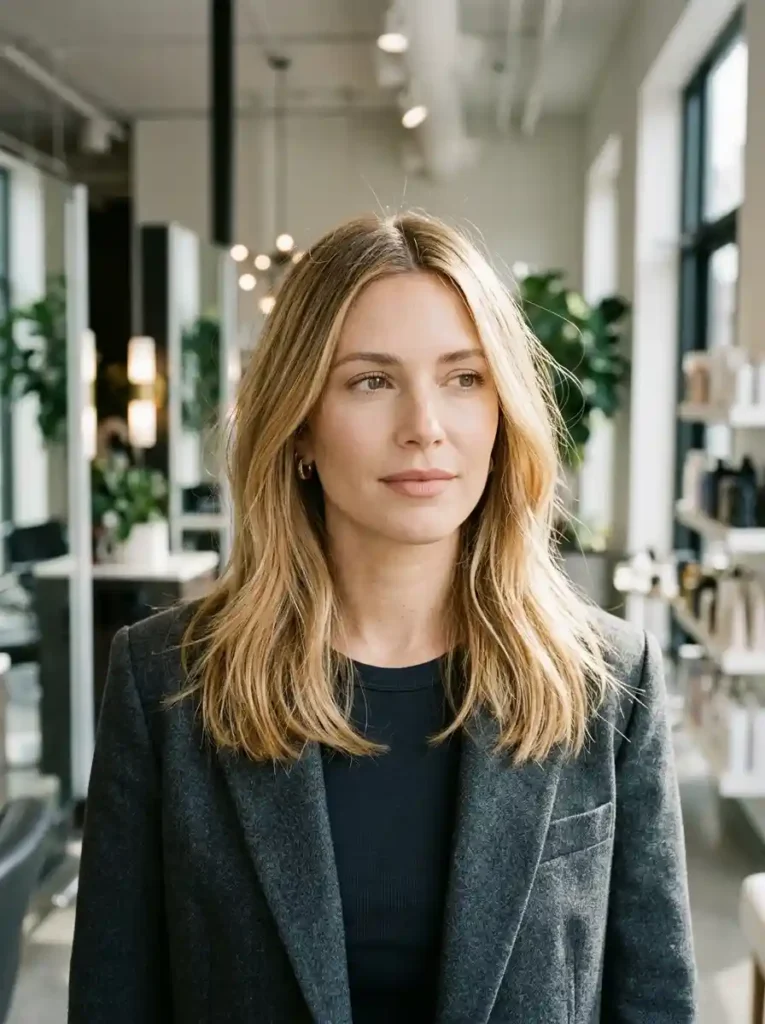
A darker root paired with honey blonde lengths creates depth and makes a bright color feel more relaxed. Rather than bleaching every section from the scalp, your stylist can preserve or recreate a soft root shadow that gradually melts into warmer blonde. This technique is particularly useful if your natural hair is medium or dark because the transition reduces the visual harshness of new growth. The result can look intentionally lived-in while still feeling polished and expensive.
The root should be blended rather than sharply separated from the blonde. Ask your stylist to keep the transition soft enough that there is no obvious horizontal band. This style is especially practical for people who prefer fewer salon visits, although the blonde lengths still need regular care. Purple shampoo is not always necessary for honey blonde and can sometimes make warm tones look dull, so use it only when your stylist recommends it for your particular color.
5. Golden Honey Blonde Waves

Golden honey blonde becomes especially striking when paired with loose waves because the curved strands reflect light from multiple directions. Ask for a golden finish with subtle variations rather than one uniform yellow-gold tone. A mixture of warm blonde and slightly deeper honey ribbons can create more believable dimension. This combination suits medium and long hair particularly well, although shorter layered cuts can also show the color beautifully through movement.
When styling at home, alternate the direction of your curling iron or wand to avoid creating identical waves. Leave the ends slightly straighter for a modern finish instead of tightly curling every section. Heat protection is essential because repeated thermal styling can make lightened hair look dry. Finish with a tiny amount of lightweight oil or glossing serum through the ends. The goal is reflective shine without making the waves appear greasy or overly coated.
6. Honey Blonde Bob

A honey blonde bob gives the color a modern, structured setting. Because shorter hair has less length for gradual transitions, dimensional placement becomes especially important. A stylist can incorporate subtle variations of honey, golden beige, and slightly deeper blonde to keep the bob from looking like a single block of color. A blunt cut emphasizes shine, while soft layers or texture can make the finished result feel more relaxed.
This look is excellent if you enjoy a polished hairstyle that does not require extensive daily styling. A smoothing cream and round brush can create a sleek finish, while air-drying with a lightweight styling product gives a softer appearance. Because the ends are prominently visible, regular trims help preserve the clean shape. If you have naturally dark hair, discuss the amount of lightening required before committing, since maintaining healthy ends is particularly important on a short blonde haircut.
7. Honey Blonde With Caramel Ribbons

Caramel ribbons can give honey blonde a richer, more dimensional appearance, especially when the base color is medium brown or dark blonde. Instead of relying entirely on pale highlights, your stylist can weave warmer caramel sections through honey blonde to create contrast. The combination works particularly well on thick hair because the different tones become visible as the hair moves. It is also a useful option if you want warmth without pushing the overall color extremely light.
The key is keeping the caramel and honey tones intentionally related. Too much contrast can make the highlights look striped, while overly similar shades may disappear together. Ask for fine, irregular ribbons rather than perfectly uniform sections. A layered haircut can further enhance the effect because shorter pieces catch light differently. For upkeep, prioritize moisture and schedule a professional gloss when the color begins to look faded or less cohesive.
8. Honey Blonde Money Pieces
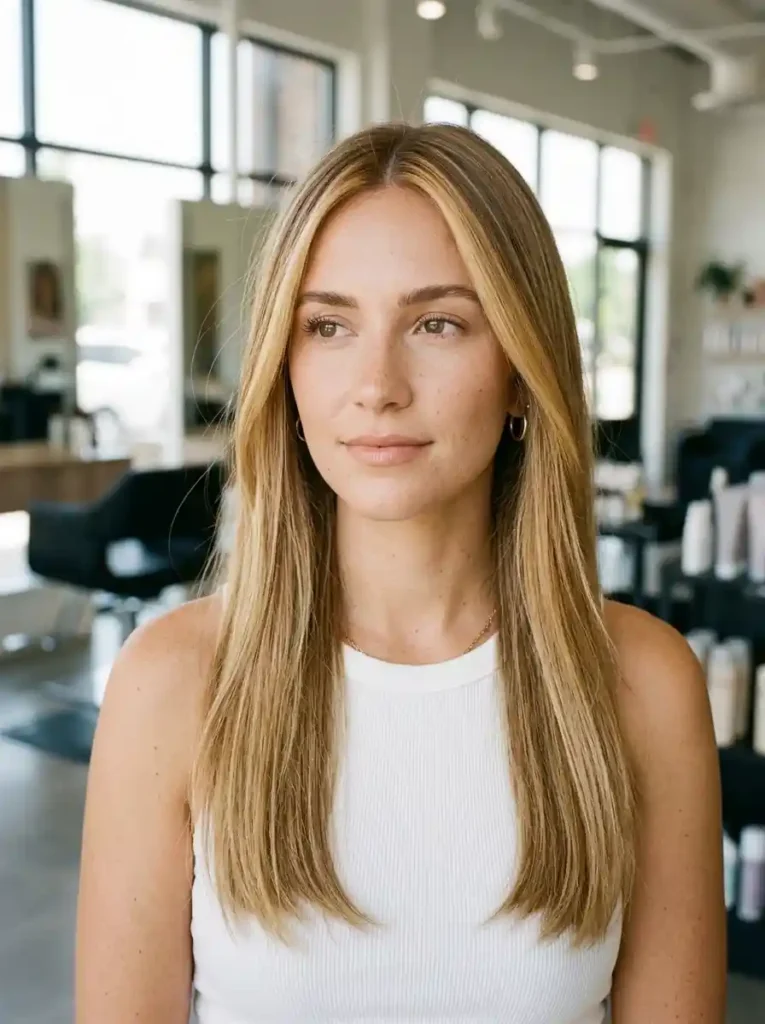
Brighter honey blonde money pieces create a more noticeable frame around the face while allowing the rest of the hair to remain comparatively subtle. They are particularly effective when the front sections are slightly wider than traditional highlights but still carefully blended into surrounding strands. This approach can add visual brightness without requiring every section of hair to be heavily lightened. It also photographs beautifully because the lighter pieces remain visible even in simple hairstyles.
Because the front hairline is highly visible, placement should be customized to your haircut and face-framing layers. Ask for a soft transition at the roots if you dislike harsh regrowth. Keep the pieces moisturized because repeated lightening around the face can make those strands feel dry. If you wear your hair in ponytails or buns frequently, tell your stylist so the placement remains attractive when the hair is pulled away from the face.
9. Honey Blonde on Long Layers

Long layers give honey blonde plenty of space to display subtle tonal changes. Instead of placing brightness evenly from top to bottom, ask for strategically distributed highlights that follow the movement of the layers. The result can include deeper honey underneath, lighter golden pieces through the upper layers, and softly illuminated ends. This creates dimension without making the entire head equally bright and allows the haircut to become part of the color design.
Long blonde hair needs thoughtful maintenance because dryness can become more noticeable as the length increases. Use a moisturizing conditioner on every wash and apply a weekly treatment if your hair has been lightened significantly. Detangle gently from the ends upward, especially when the hair is wet. For styling, large-barrel waves emphasize the layers, while a sleek blowout reveals the different blonde tones more subtly.
10. Soft Beige-Honey Blonde

If you love honey blonde but prefer a quieter finish, a beige-honey blend can offer warmth without looking strongly golden. The shade combines creamy neutral blonde with gentle honey undertones, producing a sophisticated result that works well for people who find very yellow blondes too intense. It can be especially attractive when paired with soft layers or a loose blowout because the subtle color variation becomes visible without obvious contrast.
Color balance is important with this version. Ask your stylist to show you whether the formula will lean warm, neutral, or cool after processing, since lighting can make salon swatches appear different. A gloss can help refine the final tone once the hair has been lightened. Avoid overusing toning products at home because repeatedly neutralizing warm tones may take away the honey quality that makes this shade distinctive.
11. Honey Blonde With Soft Curtain Bangs
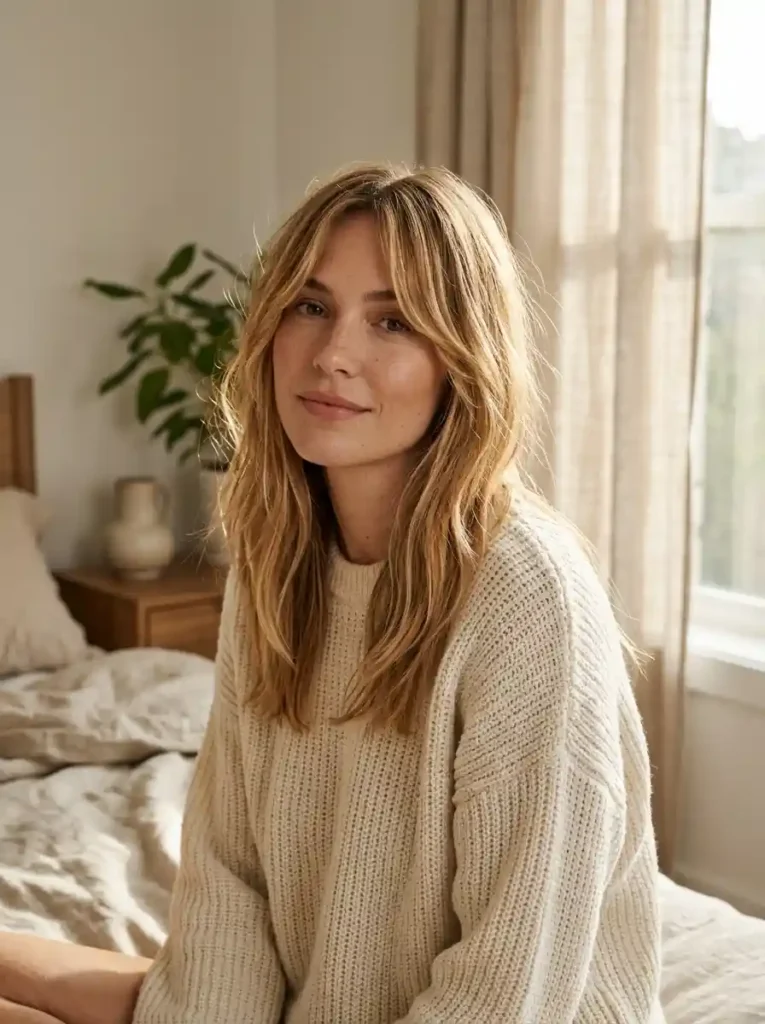
Curtain bangs pair naturally with honey blonde because their movement creates another opportunity for subtle color placement. Fine honey highlights through the fringe and front layers can brighten the face without making the bangs look disconnected from the rest of the hairstyle. Keep the brightest pieces slightly softer near the roots if you want a blended appearance. The shape of the bangs should also be tailored to how your hair naturally falls when parted.
Curtain bangs require more styling than a simple long layer, particularly if your hair tends to fall forward or separate unevenly. A round brush or blow-dry brush can help direct the fringe away from the face. Avoid applying heavy oils near the roots because they can make bangs collapse. When refreshing the color, ask your stylist to assess the front pieces separately from the rest of your hair so the brightness stays balanced.
12. Honey Blonde With Beachy Texture
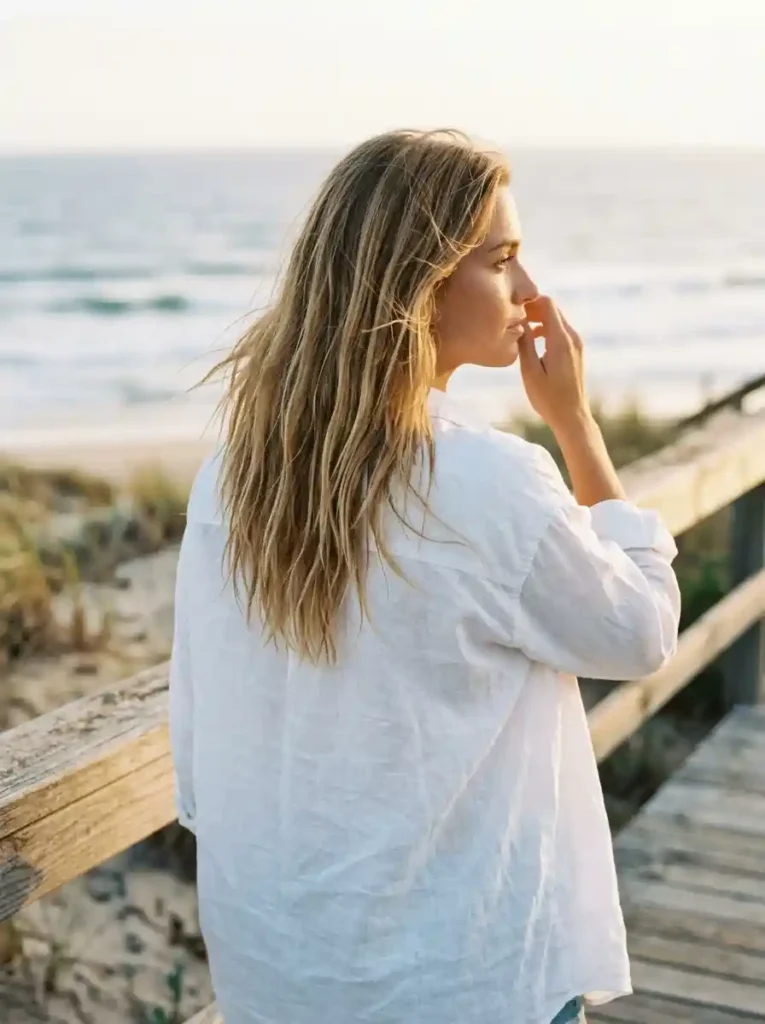
Beachy texture can make honey blonde feel casual rather than overly salon-perfect. The ideal color combines sandy honey, soft gold, and slightly deeper blonde pieces, creating the impression of natural dimension rather than uniform brightness. This works particularly well with naturally wavy hair because the existing texture helps distribute the tones visually. If your hair is straight, loose waves can reproduce the same relaxed effect without requiring a complicated hairstyle.
To recreate the texture, apply a lightweight wave-enhancing product to damp hair and allow it to dry naturally when possible. A curling wand can be used on selected sections if additional movement is needed. Avoid making every wave identical; varied bends produce a more believable finish. Since lightened hair can become porous, choose a styling product that provides softness rather than relying heavily on salt sprays, which may leave already-dry strands feeling rough.
13. Honey Blonde Ombre
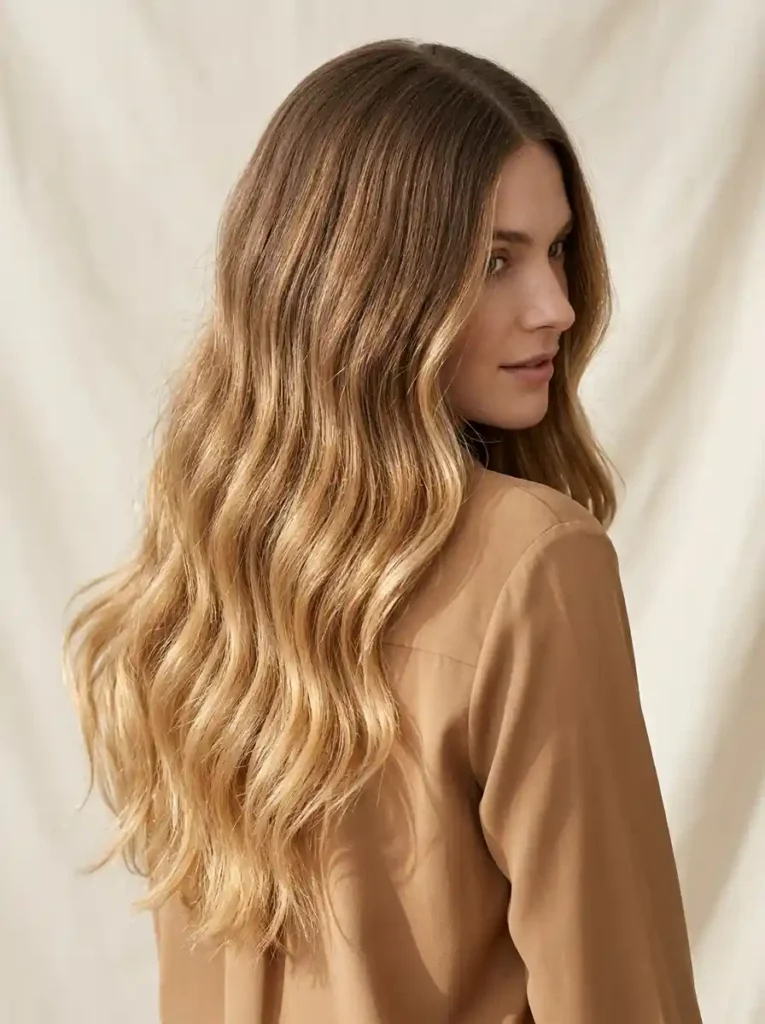
A honey blonde ombre creates a deliberate gradient, with deeper color near the roots becoming progressively lighter toward the ends. This is different from traditional highlights because the overall transition is more continuous. It can be particularly appealing if you want blonde ends but prefer to keep your natural or brunette base largely untouched. Long hair provides enough length for the gradient to develop gradually and look intentional.
Ask your stylist where you want the transition to begin because placement dramatically changes the finished effect. Starting lower creates a more subtle look, while beginning around the cheekbones produces stronger visual brightness. The ends should be carefully conditioned because they receive the most lightening. Regular trims can prevent the gradient from becoming dominated by dry, split ends. For styling, soft curls make the transition appear more blended than very straight hair.
14. Honey Blonde Highlights on Brunette Hair
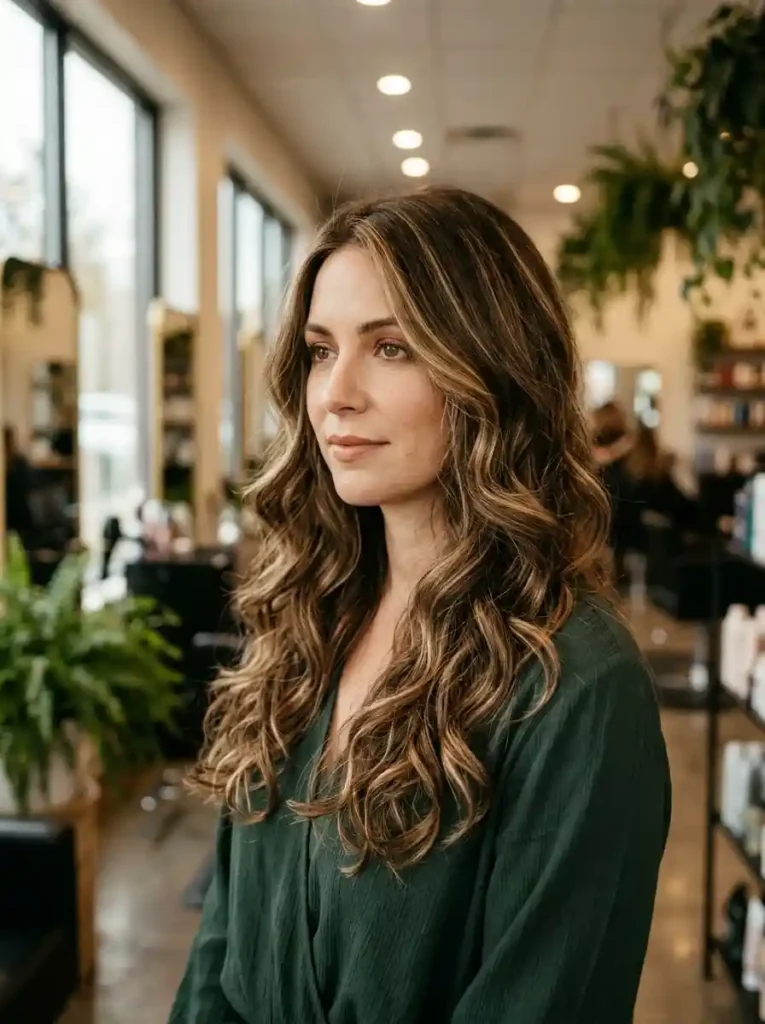
Brunette hair and honey blonde highlights create a rich contrast without requiring a complete color transformation. Fine highlights can be woven through the darker base to add warmth and movement while preserving plenty of depth. This is a good option for someone who wants their brunette identity to remain visible. The effect can be delicate or more pronounced depending on how many sections are lightened and how close the honey tone is to the existing base.
For a natural result, ask for a mixture of highlight widths rather than identical strands. A few brighter pieces can provide focal points while finer ribbons prevent the color from looking chunky. Because dark hair may require more lifting to reach honey, your stylist should assess the hair’s condition before deciding how light to go. Maintaining the brunette base between appointments can also make this style more forgiving as the highlights grow out.
15. Honey Blonde With Soft Root Melt
A soft root melt is useful when you want honey blonde lengths without the maintenance of a sharply lightened root. The stylist gradually blends a deeper shade from the scalp into the lighter blonde, avoiding a visible boundary. This creates depth at the crown and can make the lengths appear brighter by comparison. It also gives the finished color a more natural progression, particularly when your natural hair is darker than the desired honey blonde.
The success of a root melt depends on a controlled transition rather than simply making the roots dark. Your stylist should select a tone that relates to both your natural color and the honey lengths. Excessively dark roots can create too much contrast, while a root shade that is nearly identical to the blonde may provide little benefit. Discuss your preferred maintenance schedule before choosing the depth so the color can be designed for realistic grow-out.
16. Honey Blonde With Copper Undertones

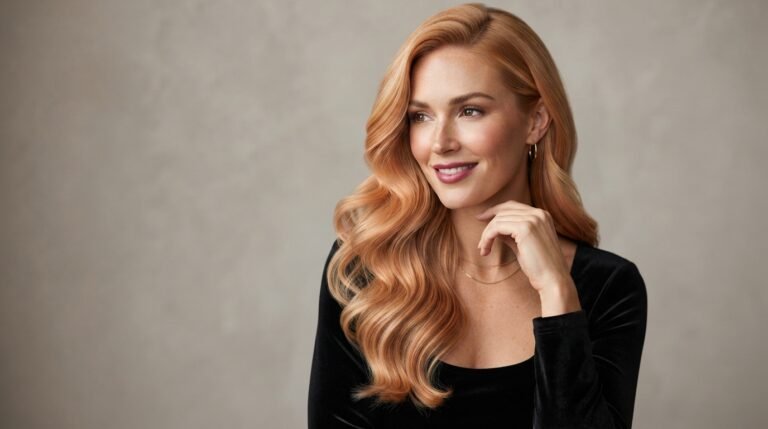
For anyone drawn to warmer color, honey blonde with subtle copper undertones offers extra richness without becoming fully red. The copper should appear as a supporting tone woven through the honey rather than dominating the overall color. This combination can look especially beautiful in textured or wavy hair because the warmer ribbons appear and disappear as the strands move. It is also a distinctive alternative to more neutral beige-blonde trends.
Warm pigments can fade differently from neutral blonde, so ask your stylist how the formula is expected to change over time. A color-safe routine and regular conditioning will help the hair remain glossy. If you prefer the copper influence to stay noticeable, a professional color-refresh service may be useful between major appointments. Avoid assuming every copper product will suit the color, since depositing too much red can shift the carefully balanced honey tone.
17. Honey Blonde Lob With Tousled Ends

A honey blonde lob strikes a useful balance between the versatility of longer hair and the clean shape of a shorter cut. The collarbone length gives the warm blonde enough space to show tonal variation while remaining relatively easy to manage. Tousled ends keep the style from appearing overly formal, making this a strong choice if you want polished color with a relaxed everyday haircut.
The lob can be styled straight, softly waved, or tucked behind the ears, so consider how you normally wear your hair before choosing highlight placement. Ask for brightness that remains visible when the hair is worn naturally rather than only when curled. Because the cut ends around the shoulders, friction from clothing can contribute to dryness. A lightweight leave-in conditioner can help maintain softness without flattening the shape.
18. Honey Blonde With Chunky Modern Highlights
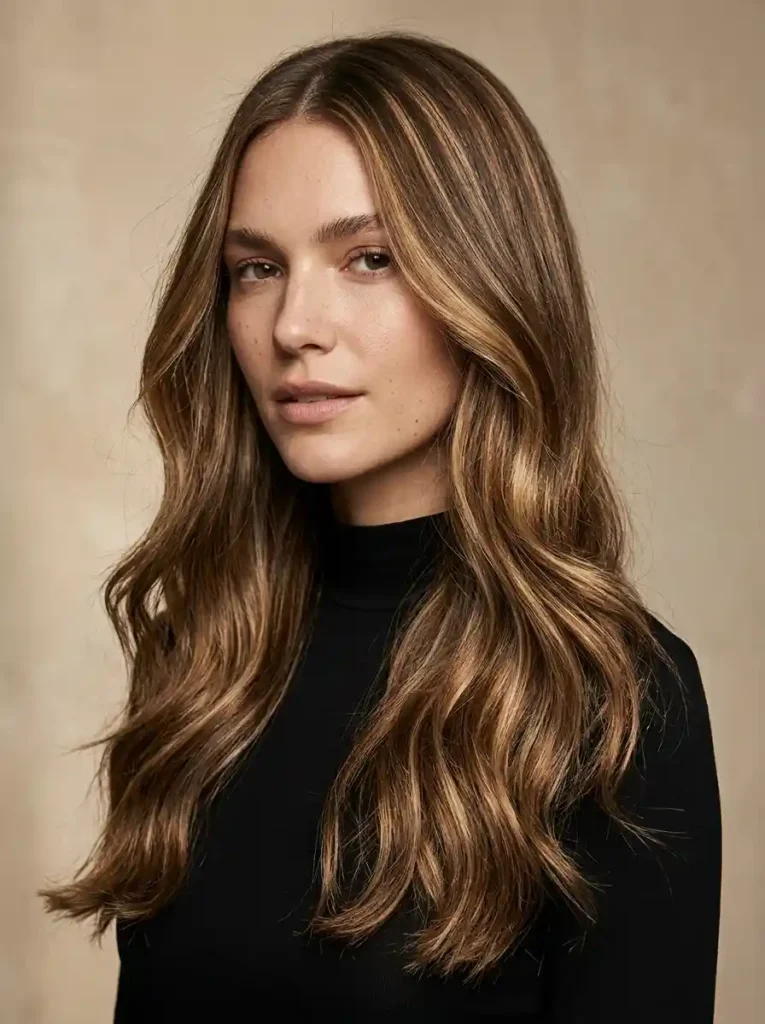
Chunkier honey blonde highlights offer more visible contrast than delicate babylights while still allowing the darker base to show through. Modern placement is usually more flattering when the sections are intentionally varied and softened rather than arranged in perfectly symmetrical stripes. Wider ribbons can emphasize layers and movement, especially through the front and upper sections. This approach suits people who want their color transformation to be clearly noticeable in photographs.
Because larger sections involve more concentrated lightening, hair condition deserves special attention. Discuss whether your existing strands can safely handle the desired level of lift before choosing a dramatic contrast. A bond-supporting treatment may be recommended by your stylist, depending on the condition of your hair. Keep the finished look modern by avoiding excessive uniformity; a few finer transitional pieces can connect the chunkier highlights to the natural base.
19. Honey Blonde Babylights
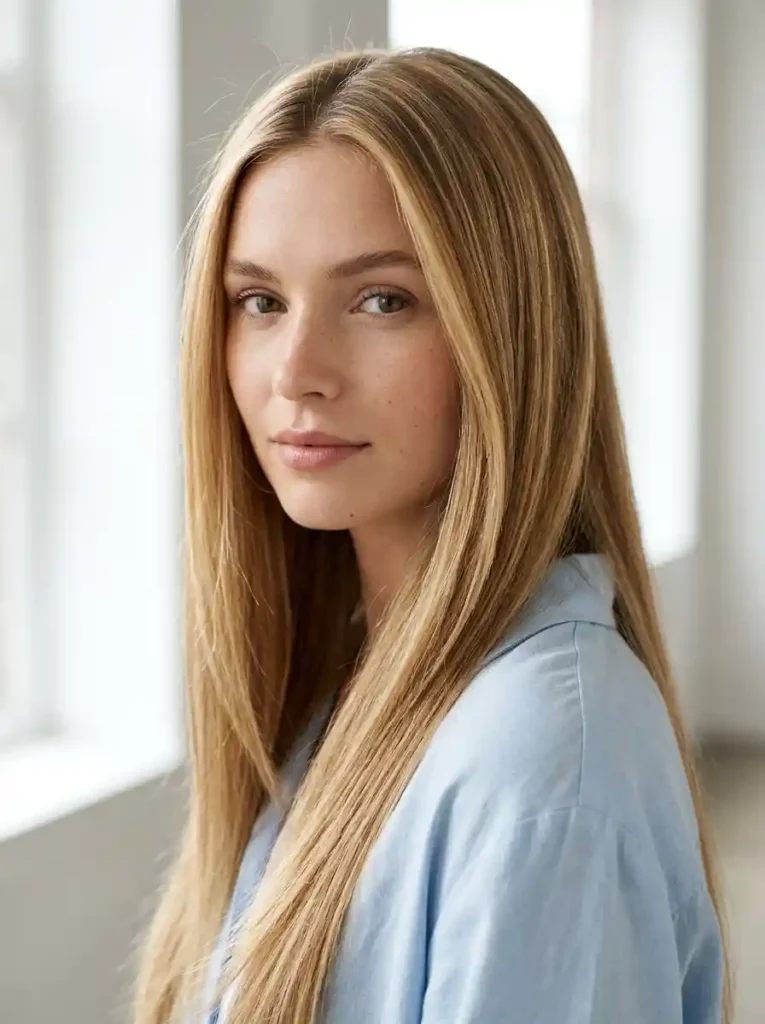
Babylights are ideal when you want honey blonde dimension that looks delicate rather than heavily highlighted. The technique uses very fine sections of hair, creating a soft scattering of brightness throughout the base. When combined with honey tones, the result can resemble naturally lightened strands while remaining more polished and controlled. This option works especially well for people who prefer subtle color changes or want to transition gradually toward a brighter blonde.
The tradeoff is that extremely fine highlights can require patience during the salon appointment because numerous small sections need careful placement. Their subtlety also means the color may be less dramatic immediately after styling. Ask for a few slightly brighter pieces around the face if you want additional definition. At home, focus on hydration and gentle detangling, since fine highlighted strands can become fragile when repeatedly exposed to heat or aggressive brushing.
20. Honey Blonde With Glossy Glass-Hair Finish

A glossy glass-hair finish makes honey blonde look sleek, reflective, and exceptionally polished. The color itself can remain relatively simple, but the shine emphasizes every tonal variation within the blonde. This approach works particularly well on straight or smoothed hair because a continuous surface allows light to travel across the strands. Ask for a rich honey tone with balanced warmth rather than an overly bright yellow if you want the finish to appear sophisticated.
Smoothness begins with hair condition rather than styling products alone. Use a gentle cleanser, moisturizing conditioner, and heat protectant before blow-drying or straightening. A small amount of finishing serum can enhance reflection, but too much product may make fine hair appear flat. If your ends feel rough after lightening, address the condition first instead of relying on shine spray to disguise dryness. Healthy-looking texture will always make the final blonde more convincing.
21. Honey Blonde With Shadowed Waves

Shadowed waves combine depth at the roots with lighter honey tones throughout the lengths, creating a hairstyle that looks especially dimensional when curled. The darker areas provide contrast, while golden sections catch the light along each bend. This makes the idea particularly attractive for thick or naturally textured hair. Instead of trying to eliminate every variation, the color design uses those differences to create visual richness.
When styling, use large sections for loose waves rather than small sections that produce tight curls. Brush gently through the finished style to connect the individual waves and reveal the color variation. If your roots are naturally darker, a soft shadow may require little maintenance beyond occasional toning. Keep the lighter lengths moisturized, particularly if your hair is coarse or prone to dryness, and protect the waves from excessive heat.
22. Honey Blonde With Subtle Rose-Gold Warmth
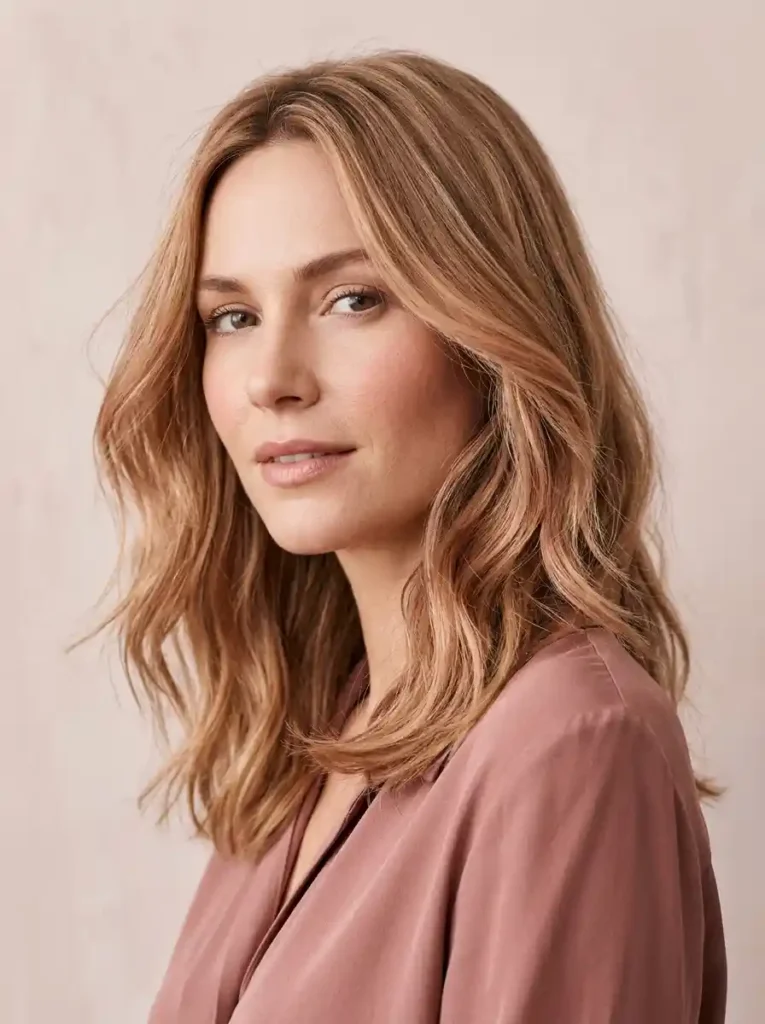
A whisper of rose-gold can personalize honey blonde without turning the hairstyle distinctly pink. The most wearable version keeps honey and golden beige as the dominant shades, with a restrained rosy warmth visible mainly in certain lighting. This can be especially pretty on soft waves because the curved strands reveal the subtle tonal shift. It is a creative option for someone who wants something different while remaining within a natural-looking blonde palette.
Because rosy tones can fade or change more quickly than traditional blonde, maintenance should be discussed before the color is applied. Ask your stylist whether a temporary gloss or demi-permanent formula would be appropriate if you are unsure about committing. Keep the rest of your routine gentle and avoid excessive clarifying washes. If the rose influence becomes too strong over time, a professional gloss can rebalance the tone without requiring a complete color overhaul.
23. Dimensional Honey Blonde With Natural Texture
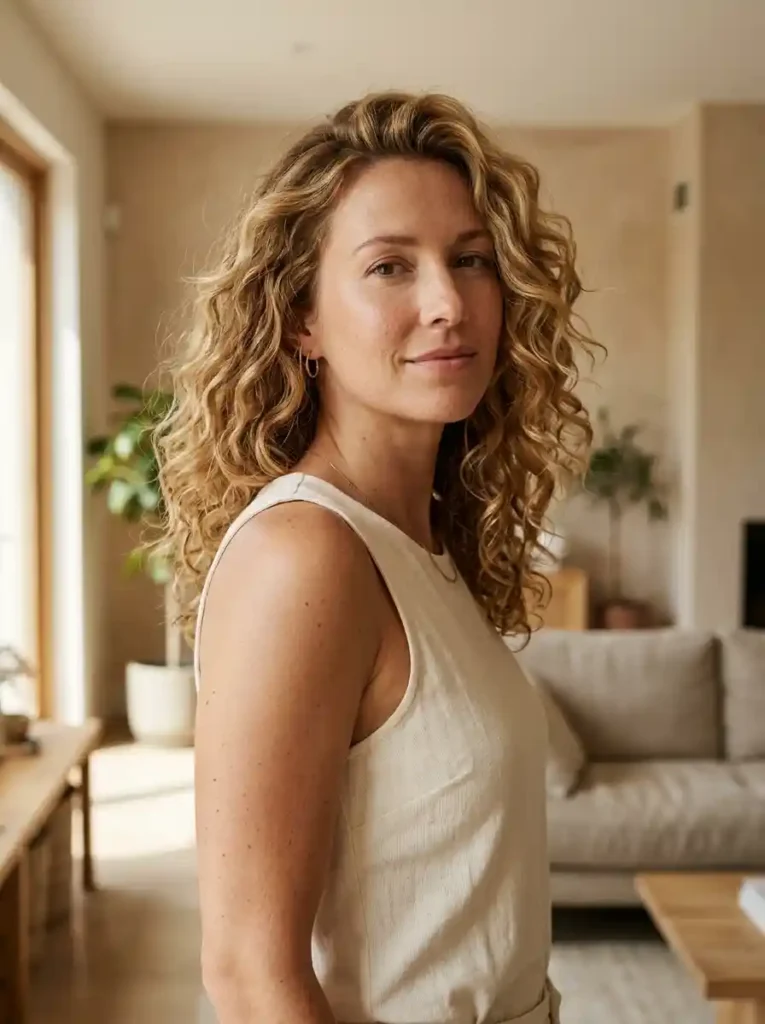
Honey blonde can look particularly beautiful when it works with natural texture instead of being styled into uniform waves. Curls, coils, and waves naturally separate different tones, allowing honey highlights to appear in varied patterns throughout the hairstyle. Ask your stylist to consider your curl pattern when planning placement, since a highlight that looks balanced when the hair is stretched may appear very different once the natural texture returns.
Care should focus on preserving both the color and the hair’s natural moisture balance. Use products designed for your texture and avoid excessive heat when possible. If your hair is lightened, incorporate conditioning treatments while keeping heavy products away from the scalp if buildup is an issue. During salon consultations, show your stylist how you normally wear your natural texture rather than relying only on straightened reference photos. That helps the color remain attractive in everyday styling.
Conclusion
Honey blonde offers far more possibilities than a single golden shade. From barely-there babylights and brunette-friendly balayage to richer caramel ribbons, shadowed roots, copper warmth, glossy bobs, and naturally textured curls, the right version depends on how much brightness, contrast, and maintenance you actually want. That is what makes this color so easy to personalize.
Before your next salon appointment, save the ideas that most closely match your current hair, desired maintenance level, and everyday styling habits. Pay attention not only to the color itself but also to where the brightness begins, how the roots transition, and whether the hairstyle shows off the dimension. A good reference photo combined with an honest conversation about your hair’s condition can make the final result much more successful. If you are unsure where to begin, a softly blended honey balayage or face-framing highlights can be an excellent first step toward a warmer, brighter look.

4 Comments