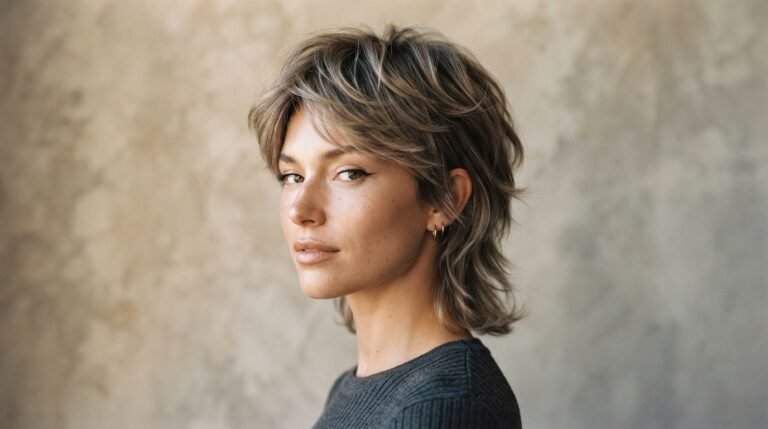
Choosing a new hair color can completely change the way your hairstyle feels, whether you want a subtle refresh or a dramatic transformation. The right shade can brighten your complexion, add dimension to a simple haircut, or give long layers an entirely different personality. From warm brunette tones and creamy blondes to copper, burgundy, and dimensional balayage, there are countless ways to make color feel personal rather than predictable.
These 21 gorgeous hair color ideas are designed to help you discover a shade that fits your style, maintenance preferences, and desired level of change. You’ll find wearable options for everyday beauty alongside richer, more adventurous choices that stand out beautifully in photographs. Each idea includes practical details about who it suits, how to personalize it, and what to consider before your salon appointment. Save your favorites, compare the undertones, and use the descriptions to explain exactly what you want to your stylist.
1. Warm Honey Blonde for a Soft Glow
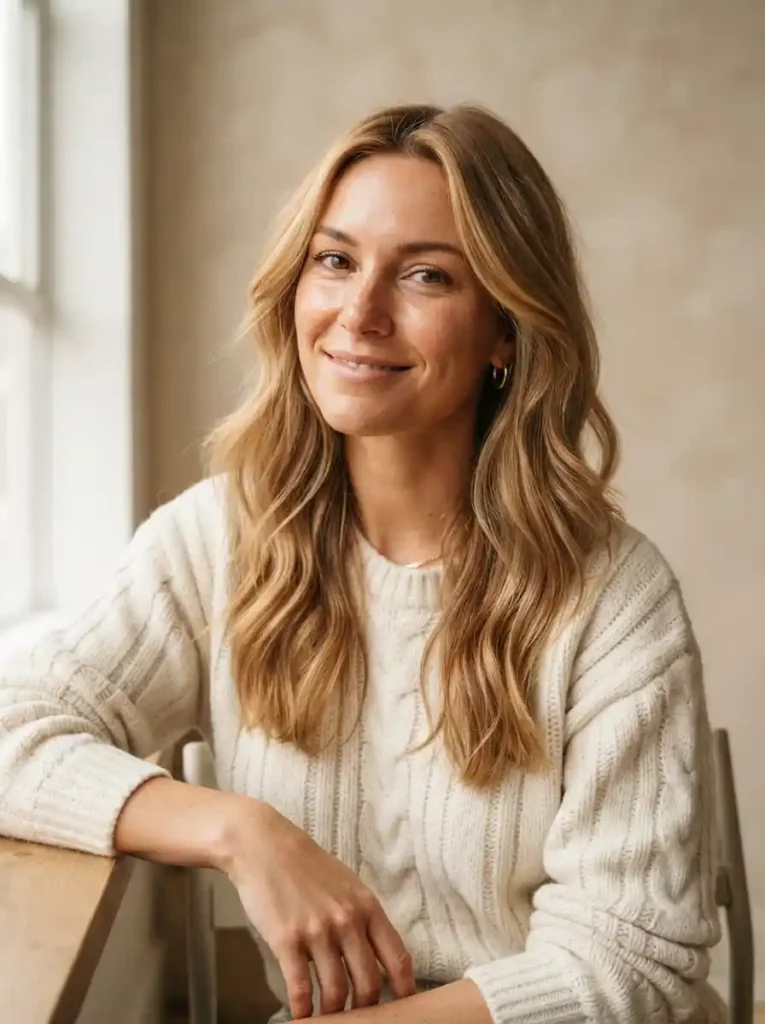
Warm honey blonde blends golden and beige tones for a luminous result that feels softer than platinum but brighter than traditional dark blonde. It works especially well when you want warmth without committing to an extremely light shade. Ask your stylist for dimensional highlights rather than one flat color, particularly if your natural hair is darker. The variation between honey, beige, and slightly deeper roots creates movement and makes the finished color look more natural as it grows.
This shade is particularly flattering on warm and neutral undertones, although a stylist can adjust the balance to suit your complexion. Honey blonde looks beautiful with loose waves, sleek blowouts, or textured layers because light catches different sections of the hair. To keep the golden tones fresh, use color-safe products and occasional toning treatments recommended by your stylist. If your hair is already lightened, discuss conditioning treatments before adding additional highlights.
2. Rich Chocolate Brown With Glossy Dimension
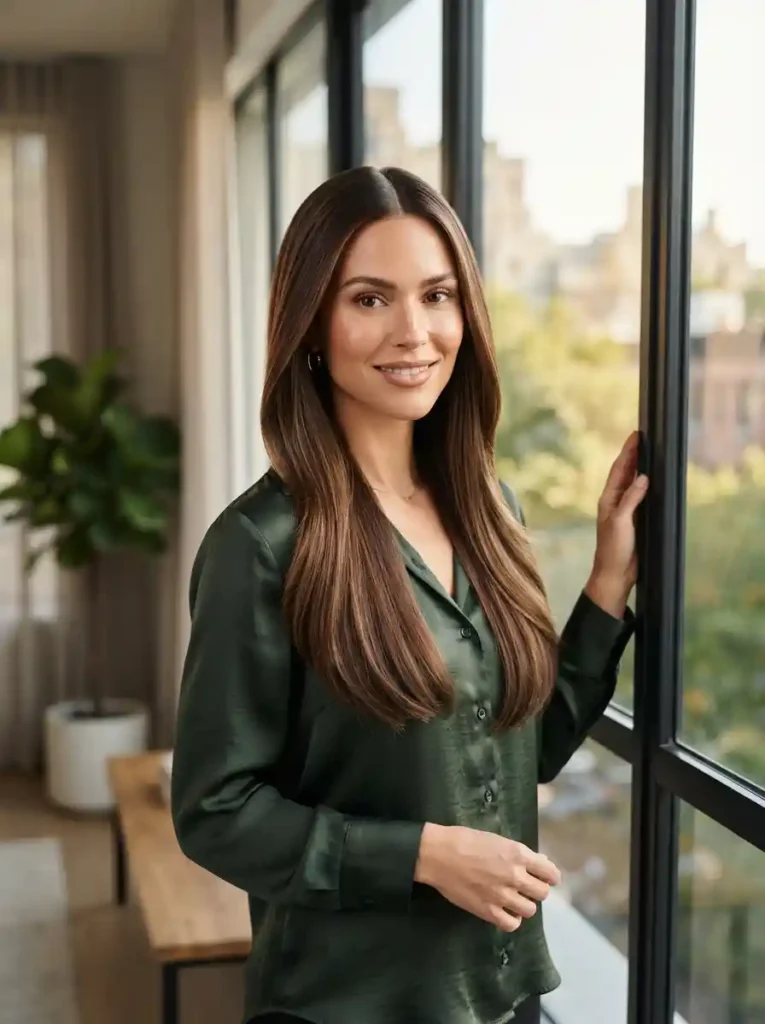
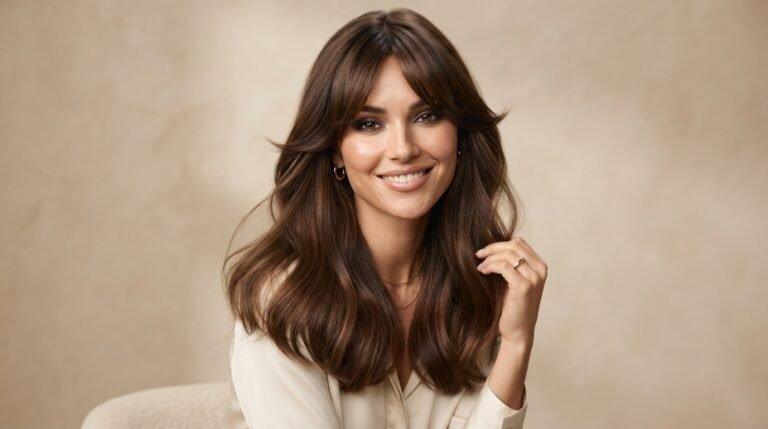
Chocolate brown is a dependable choice when you want rich-looking hair without moving dramatically away from brunette territory. The shade can range from milk chocolate to deeper cocoa, making it easy to customize according to your natural color and complexion. Instead of choosing a completely uniform brunette, consider slightly lighter pieces around the face or through the ends. Those subtle variations prevent the color from looking heavy and give straight or wavy hair greater visual depth.
A glossy finish makes chocolate brown especially striking, so maintaining hair condition is part of the overall look. Ask about a clear gloss or color-enhancing treatment if your lengths appear dull between appointments. This color also pairs beautifully with warm caramel accessories, neutral clothing, and earthy makeup tones. If you are transitioning from heavily highlighted hair, your stylist may recommend gradually adding brunette pigment to create an even, lasting result.
3. Copper Auburn for a Warm Statement
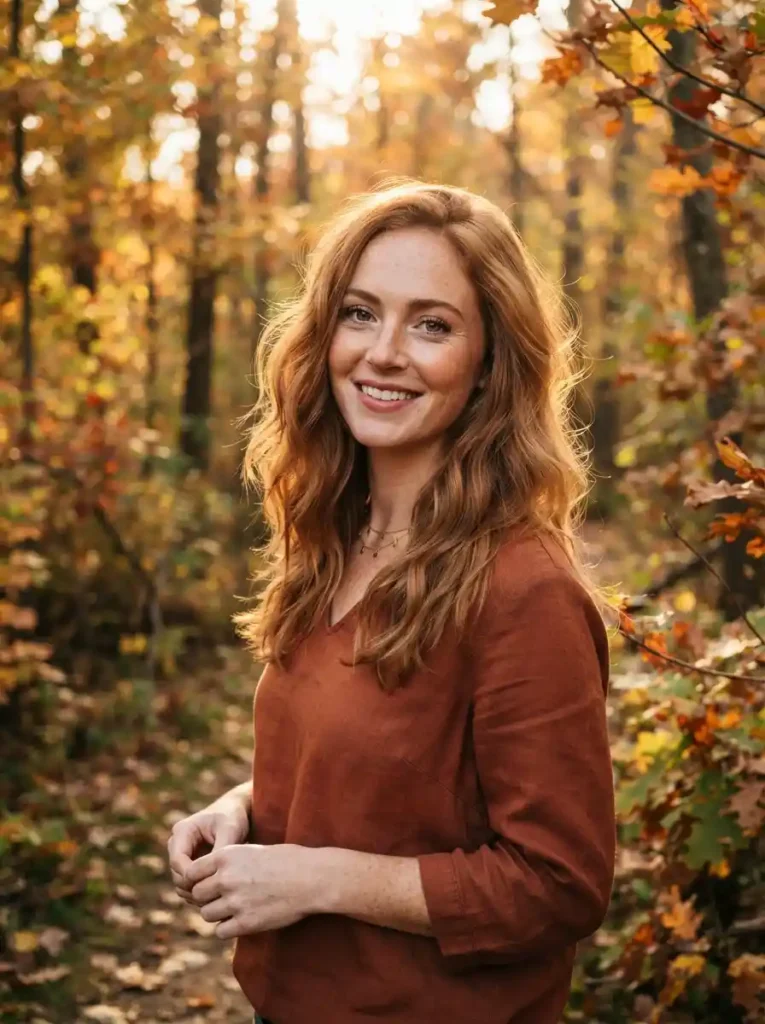
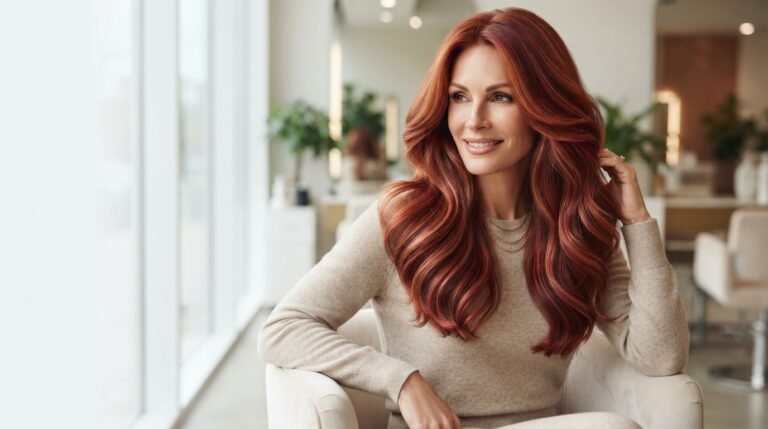
Copper auburn combines the warmth of copper with the grounded depth of brunette, creating a noticeable color without looking neon or overly bright. It is a versatile option if you love red hair but prefer something sophisticated and earthy. Your stylist can shift the formula toward copper, cinnamon, or brown depending on your preference. Soft waves reveal the tonal variation especially well, while a blunt cut makes the color appear richer and more graphic.
Because red and copper pigments can fade noticeably with frequent washing, maintenance deserves consideration before choosing this shade. Cooler water, gentle color-safe shampoo, and reduced heat exposure can help preserve vibrancy. A tinted gloss between salon appointments may also refresh the tone. Copper auburn is especially attractive with freckles and warm-neutral complexions, but the exact balance can be adjusted so the finished shade complements rather than overwhelms your natural coloring.
4. Face-Framing Caramel Highlights
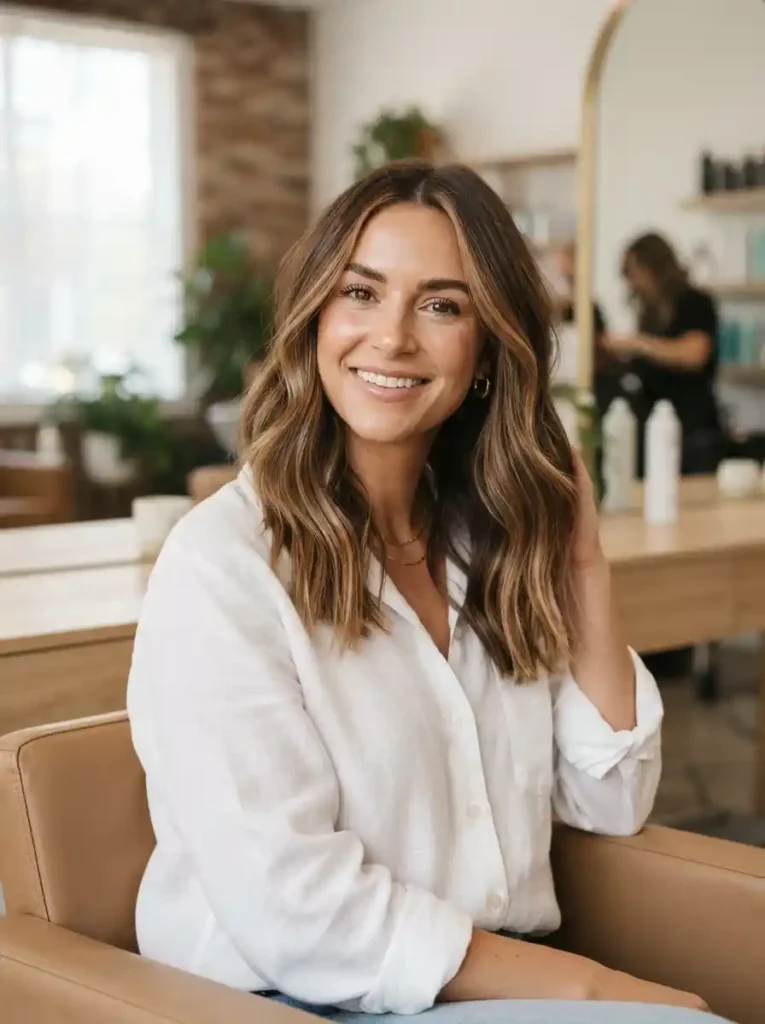
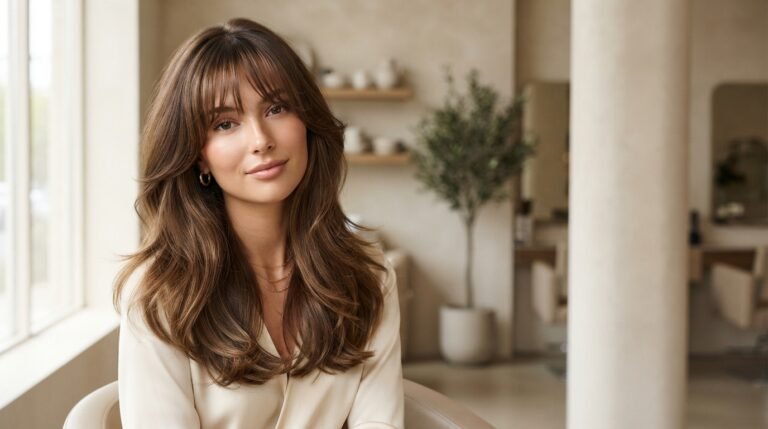
Caramel highlights are an easy way to add warmth and dimension without coloring every strand. Concentrating lighter pieces around the face can brighten the overall hairstyle while leaving most of the natural brunette intact. Ask for finely blended highlights rather than thick stripes, especially if you prefer a low-maintenance appearance. Caramel works beautifully on medium and dark brown bases because the contrast is noticeable without becoming excessively sharp.
The placement matters as much as the shade, so bring photographs showing where you like the brightness to sit. Pieces around the cheekbones can emphasize the shape of a layered haircut, while softer ribbons through the ends create movement. Because the natural base remains visible, regrowth is generally less visually obvious than with an all-over light color. A gloss can also be added after highlighting to unify the caramel tones and enhance shine.
5. Soft Black With a Blue-Black Sheen
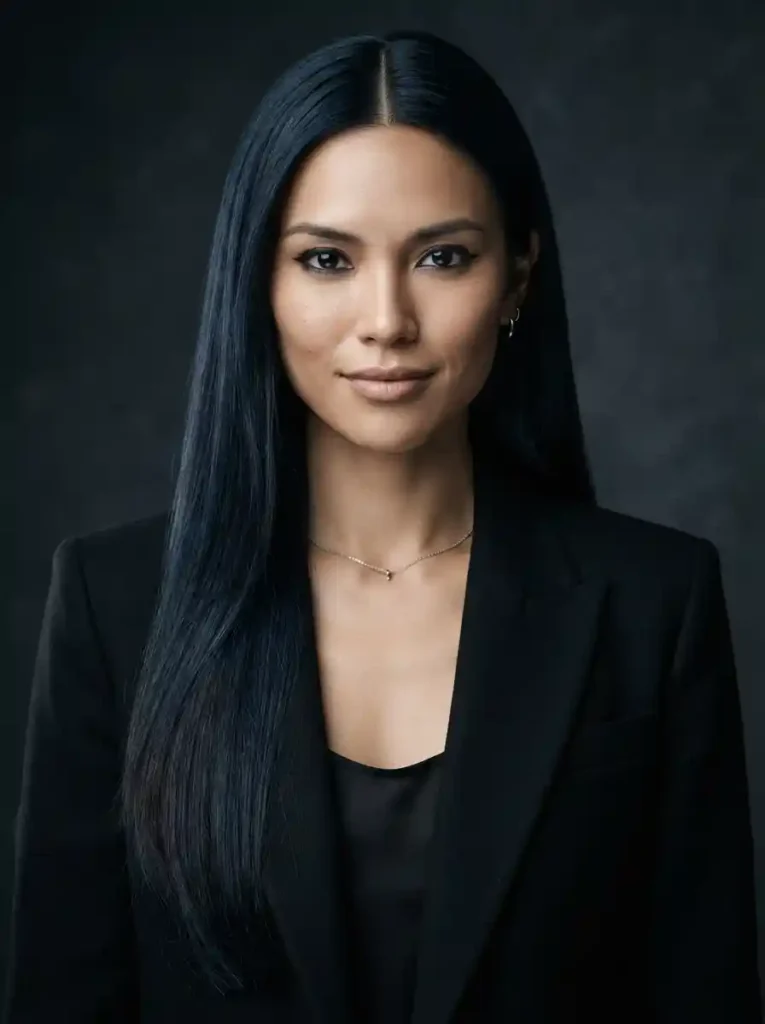
Soft black hair can look incredibly polished when it has dimension and shine rather than appearing like a flat, opaque block of color. A subtle blue-black undertone adds cool reflectivity that becomes visible when light moves across the hair. This is an excellent choice for someone who wants a dramatic brunette transformation while keeping the overall color sophisticated. Ask your stylist whether a near-black gloss could achieve your desired effect before choosing permanent color.
Because very dark color can be difficult to remove later, think carefully about your future plans before committing. If you regularly experiment with lighter shades, a demi-permanent option may provide a more flexible starting point. Keep the hair conditioned and protect it from excessive heat so the surface stays reflective. Sleek styles emphasize the glassy effect, while loose waves reveal blue-toned highlights as the hair moves.
6. Beige Blonde With Natural Darker Roots
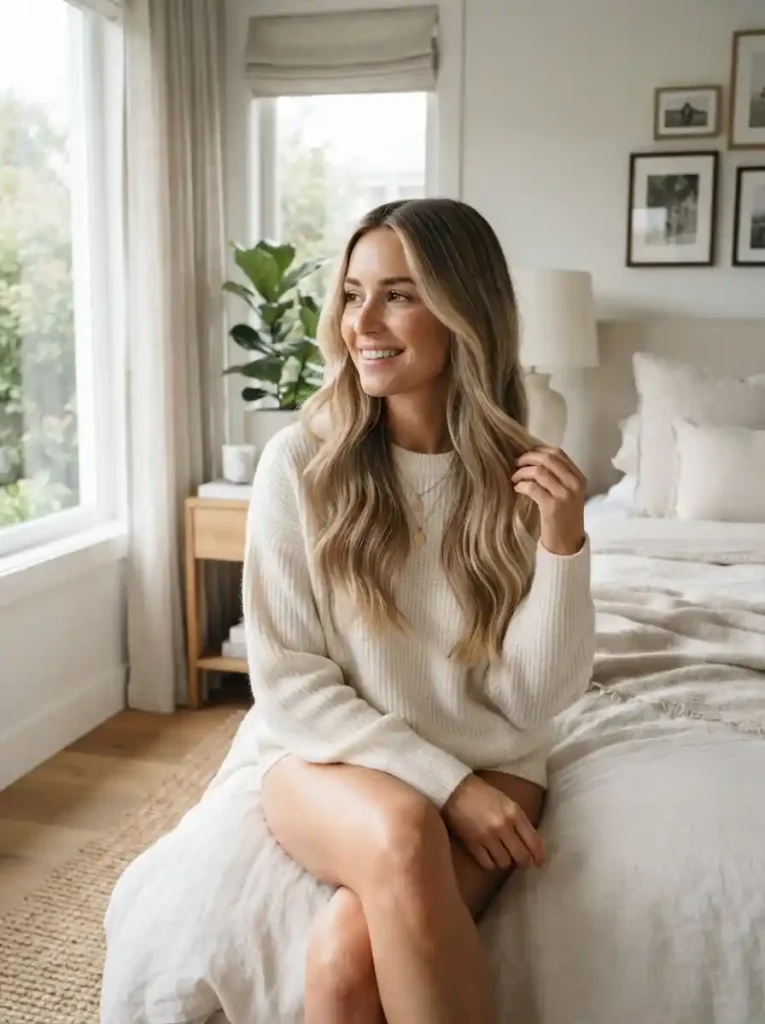
Beige blonde offers a balanced alternative when very golden or very cool blonde feels too extreme. Its neutral quality combines creamy, sandy, and lightly ashy tones, creating a refined result that works beautifully with many complexions. Keeping the roots slightly deeper makes the transition softer and can reduce the need for frequent root appointments. This approach is particularly useful if you want a blonde look that grows out more naturally.
Before lightening, discuss the condition and history of your hair with your stylist, especially if it has previously been bleached or chemically treated. Beige blonde usually looks most dimensional when several closely related tones are blended together. A purple shampoo may help manage unwanted yellowing, but excessive use can make blonde appear dull or overly cool. Alternate toning products with moisturizing care to keep the lengths flexible, smooth, and luminous.
7. Rose Brown for a Subtle Creative Twist
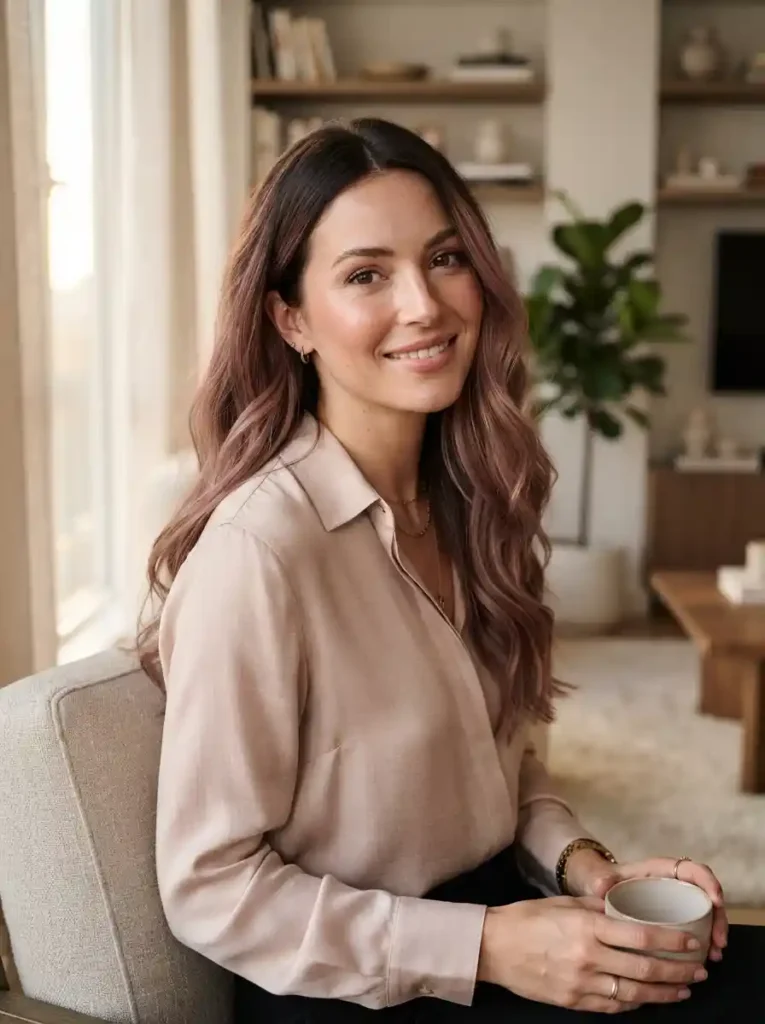
Rose brown brings a muted pink influence into brunette hair, creating a creative change without the intensity of bright fashion colors. The result can look especially elegant when dusty rose, cocoa, and soft mauve tones are blended rather than applied as one obvious pink shade. It suits people who want something distinctive but still wearable for everyday settings. Ask your stylist for a subdued formula if you prefer the color to reveal itself mainly in certain lighting.
This shade may require pre-lightening on darker hair because enough brightness is needed for the rosy pigment to become visible. Discuss how much maintenance you are comfortable with before choosing the intensity. Rose tones typically soften over time, which can be appealing if you enjoy gradual changes. Use gentle cleansing products and minimize very hot water to help preserve the delicate color between appointments.
8. Golden Bronde for the Best of Both Worlds
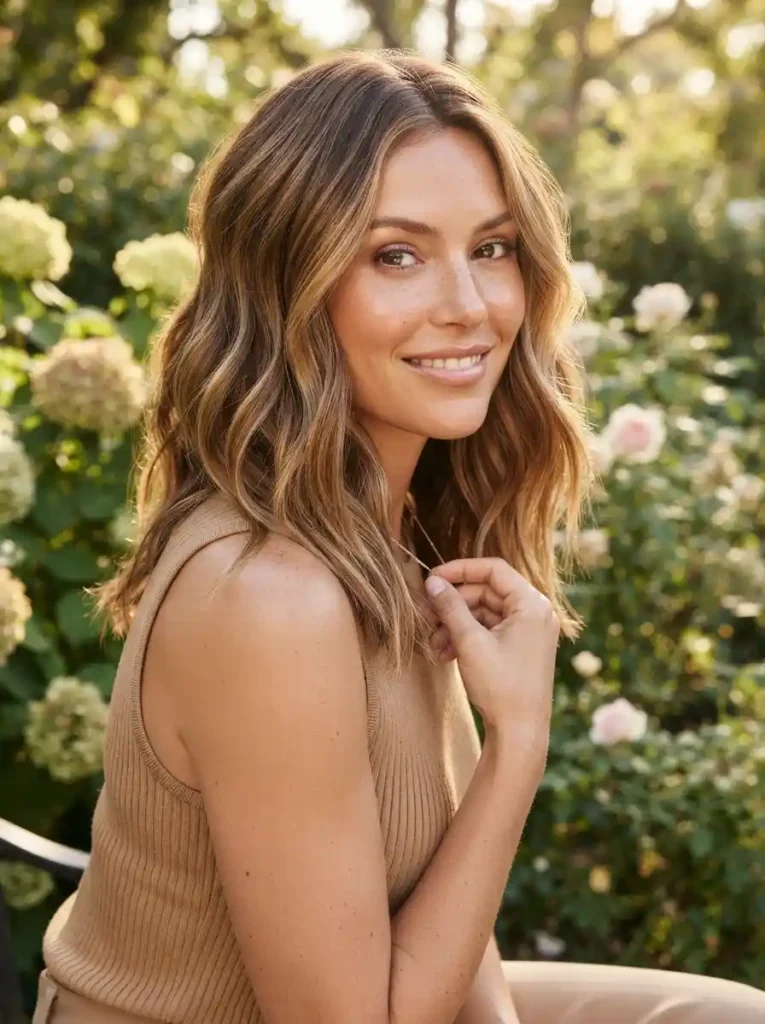
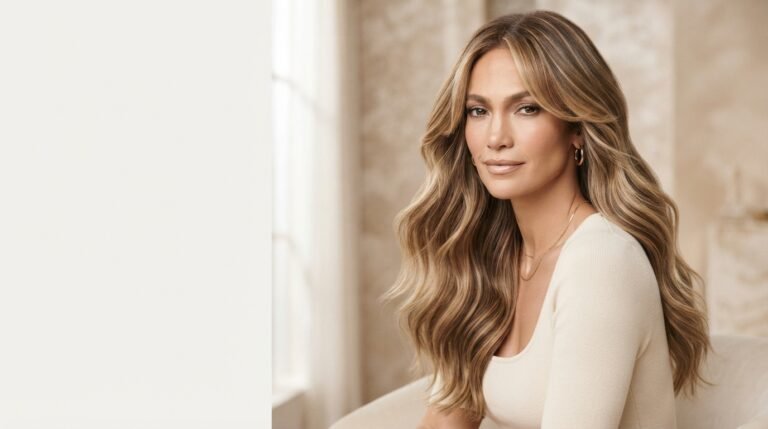
Golden bronde sits between brunette and blonde, making it ideal when you cannot decide how light you want to go. The shade combines medium brown depth with honey and dark blonde pieces, producing a sunlit appearance without requiring an all-over blonde transformation. It is especially effective on layered hair because different sections catch light differently. Ask for a blended color rather than a hard transition so the final result remains soft and believable.
Bronde can also be adapted to suit your maintenance routine. More brightness around the face creates a stronger blonde impression, while fewer highlights leave the result closer to brunette. Because several tones work together, a gloss after highlighting can help everything appear cohesive. Protecting the hair from excessive heat is important because dry, porous ends can make lighter pieces look uneven. Regular trims help the dimensional color look polished.
9. Deep Burgundy for a Moody, Elegant Look
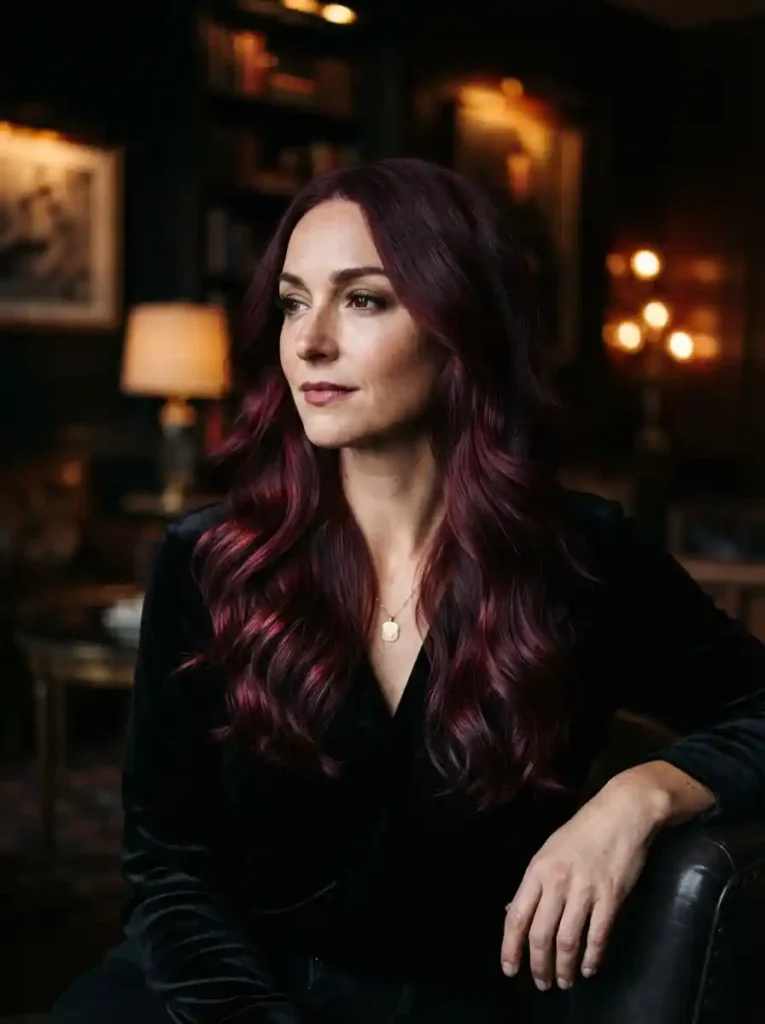
Deep burgundy offers a dramatic change while remaining darker and more sophisticated than bright red. Its wine, plum, and subtle red undertones can create beautiful depth, especially when light hits the waves. The shade works particularly well for someone who wants color that looks understated indoors but becomes noticeably richer in sunlight. A stylist can adjust the formula toward red or violet depending on the effect you prefer.
Burgundy tends to look especially polished on layered or curled hair because movement reveals multiple undertones. Since red-violet pigments can fade, choose a gentle cleansing routine and avoid unnecessarily frequent washing. If your hair is naturally very dark, your stylist may create the burgundy through a gloss or subtle color deposit rather than significant lightening. That can preserve more of the hair’s natural depth while still delivering a visible transformation.
10. Espresso Brown With Subtle Chestnut Ribbons
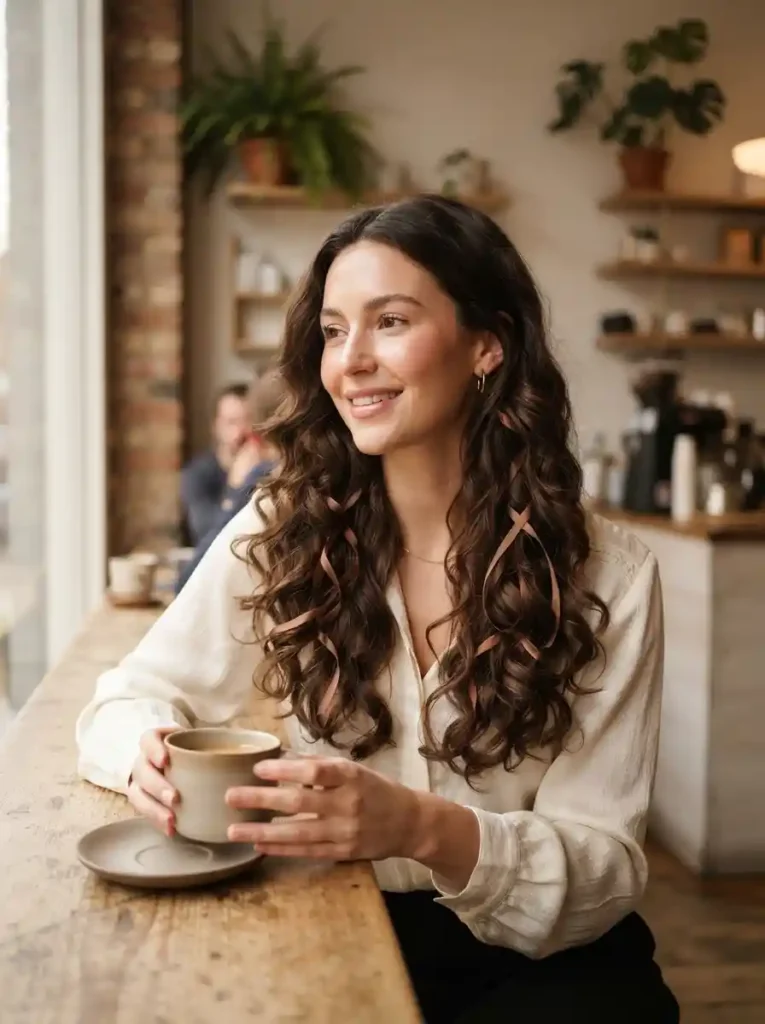
Espresso brown creates a deep, sophisticated brunette base, while subtle chestnut ribbons keep the color from looking one-dimensional. This combination is ideal if you love dark hair but want visible movement without committing to blonde highlights. The lighter pieces can be concentrated through the mid-lengths and ends, leaving the roots deep and natural. That placement gives long hair an understated glow that becomes more apparent as it moves.
This color works especially well with rich brunette hairstyles such as glossy blowouts, large waves, and long layers. Tell your stylist whether you want the chestnut pieces to be warm and noticeable or extremely subtle, because the difference can change the overall impression considerably. Maintaining shine is essential for very dark hair, so conditioning treatments and heat protection are worthwhile. A clear gloss can refresh the reflective finish between color services.
11. Strawberry Blonde With Peachy Warmth
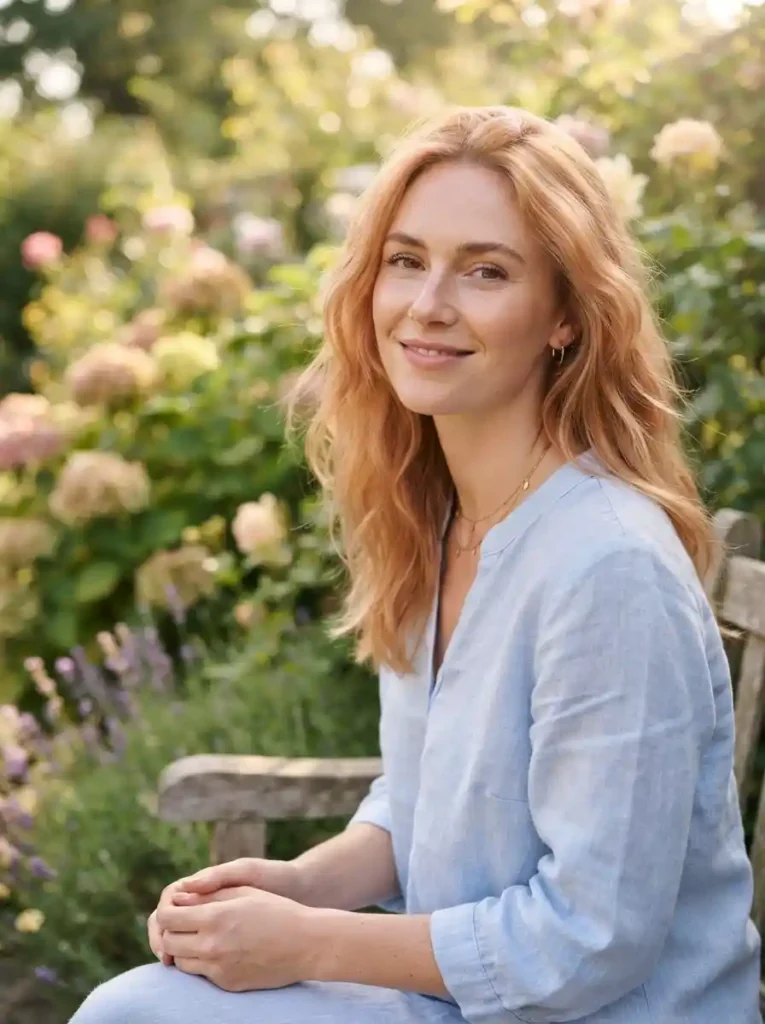
Strawberry blonde combines blonde brightness with delicate red and peach undertones, creating a soft color that feels warmer than traditional neutral blonde. It can range from pale golden strawberry to a deeper peachy blonde, so the shade is highly customizable. Fine highlights and lowlights help prevent the color from looking flat. If your natural hair is already light, your stylist may be able to create the effect with relatively subtle color adjustments.
The right balance depends on your existing undertones and desired maintenance level. A more golden formula can feel sunny, while a slightly rosier version creates a romantic appearance. Strawberry tones can fade into a softer blonde over time, so ask about color-refreshing options before leaving the salon. Gentle shampoo, cooler water, and regular conditioning will help maintain both the color and the softness that makes this shade look especially natural.
12. Honey Caramel Balayage on Dark Brown Hair
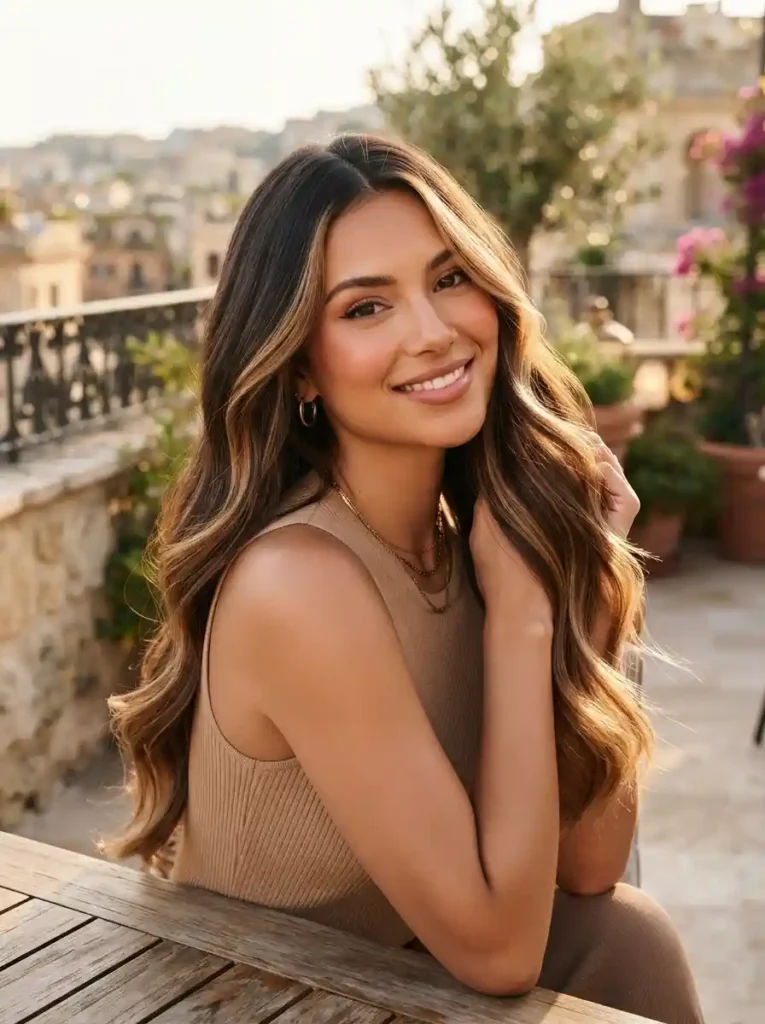
Honey caramel balayage gives dark brown hair noticeable warmth while preserving plenty of natural depth at the roots. Instead of beginning the lighter color directly at the scalp, the balayage gradually becomes brighter through the mid-lengths and ends. This makes the style particularly appealing if you prefer fewer obvious regrowth lines. Ask for hand-painted pieces that remain fine and softly blended rather than chunky sections of contrasting color.
The finished look can be customized dramatically through placement. A few brighter pieces around the face create more impact, while evenly distributed ribbons produce a softer sun-kissed effect. Because the ends are lightened, they may need extra moisture and heat protection. Consider scheduling trims alongside color maintenance to keep the balayage looking intentional. If your natural hair is very dark, ask your stylist about realistic lightening limits rather than expecting an extremely pale caramel in one session.
13. Cool Ash Brown for a Modern Finish
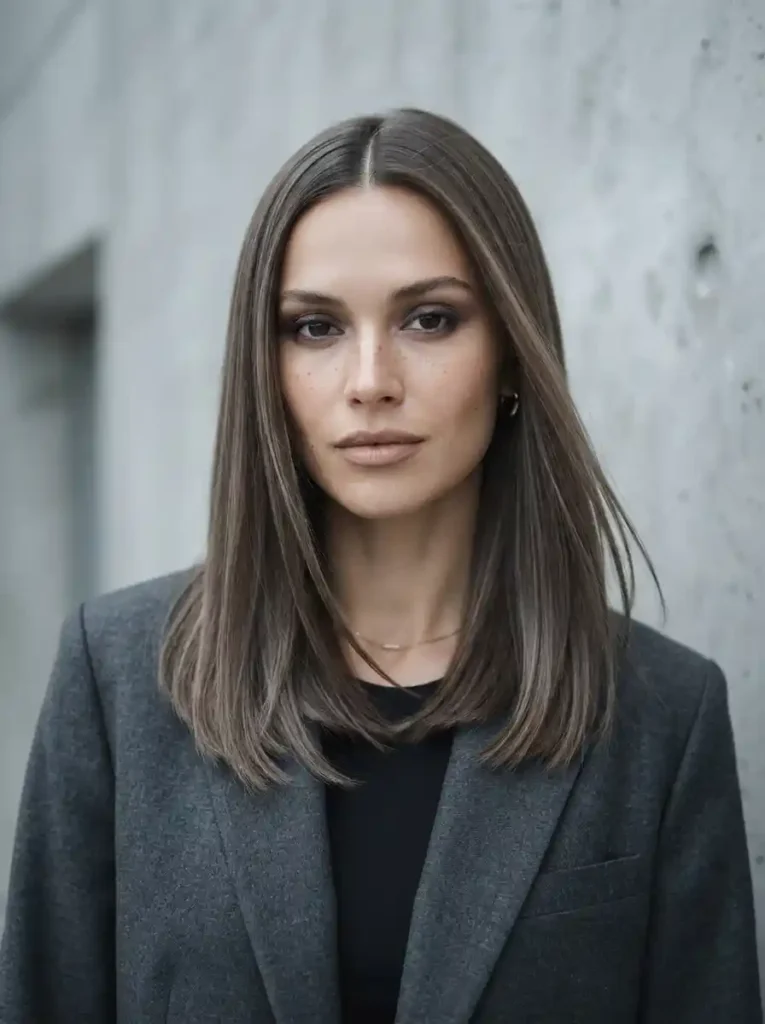
Ash brown is a sophisticated option for anyone who prefers cooler hair colors and wants to reduce obvious golden or reddish warmth. The shade can range from light mushroom brown to deeper smoky brunette, depending on your natural base. Subtle tonal variation is important because a completely flat ash color can appear dull. Ask for cool beige, taupe, or smoky pieces if you want dimension without introducing strong golden highlights.
Because cool tones can sometimes make the complexion appear different, compare the desired shade against your skin in natural daylight before committing. Your stylist can adjust the formula if an overly gray finish would not suit your preferences. Ash pigments may require occasional toning as warmth returns, particularly on previously lightened hair. A gentle cleansing routine and regular moisturizing treatments will help preserve the smooth, refined appearance of this modern brunette shade.
14. Bright Face-Framing Blonde on a Brunette Base
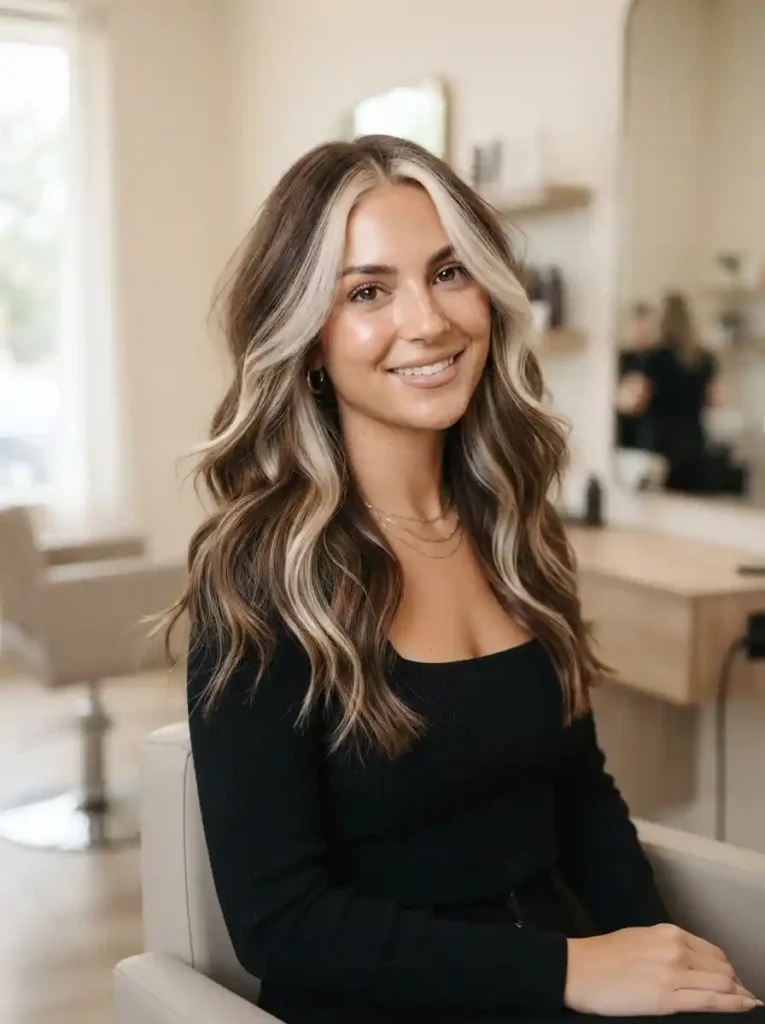
A bright blonde frame can transform a brunette hairstyle without requiring the entire head to become light. The technique places noticeably lighter pieces around the front of the hair, creating contrast and drawing attention toward the face. The rest of the brunette remains deeper, making the result feel intentional and contemporary. Ask your stylist to soften the edges of the light sections if you want a polished rather than sharply striped appearance.
This look is particularly striking on layered cuts because the blonde follows the movement of the front sections. Maintenance depends on how close the lightened pieces are taken to the scalp; a lower placement creates easier grow-out. Because the front hair is usually exposed to heat and styling products, protect it carefully to avoid dryness. A toner can also help keep the blonde at the desired beige, neutral, or cool level.
15. Cinnamon Brown for Cozy Warmth
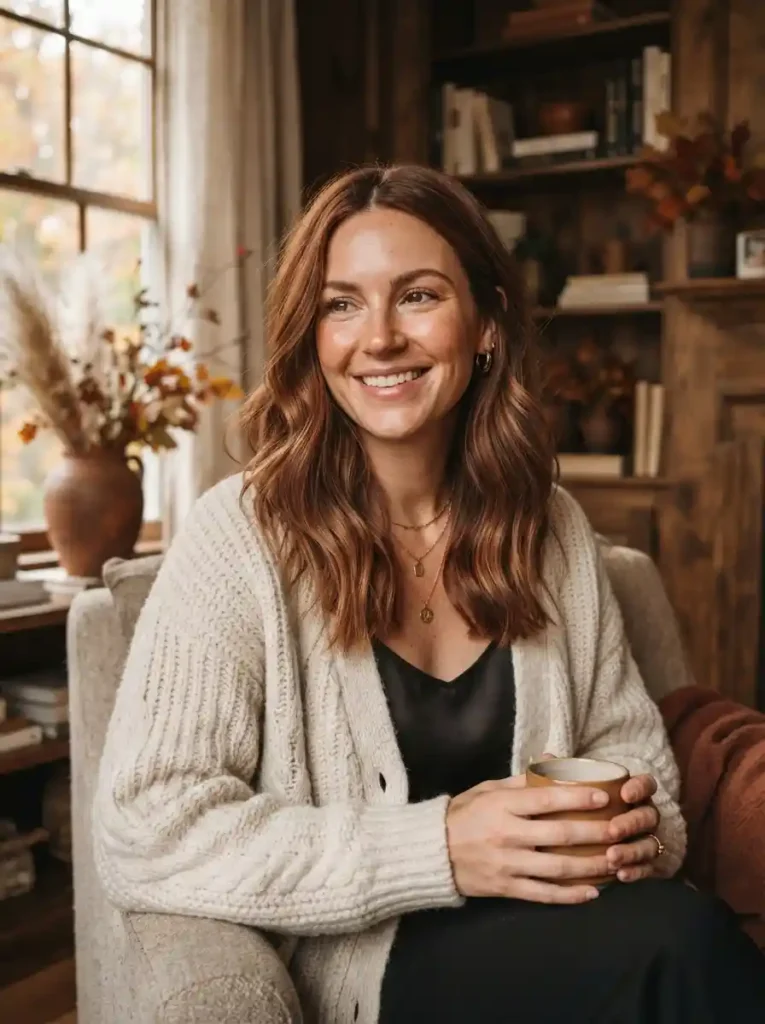
Cinnamon brown is a warm brunette with hints of copper, spice, and reddish brown woven through the base. It provides more personality than a standard brunette while remaining relatively understated. The shade is especially beautiful when the warm tones are concentrated through the lengths instead of applied as an intense red from roots to ends. Ask your stylist for a custom cinnamon formula based on how noticeable you want the copper influence to be.
This color pairs naturally with medium-length waves, layered cuts, and soft curtain bangs because the warmth becomes visible as the hair moves. Like other warm red-based shades, cinnamon can gradually lose intensity with frequent washing. A color-safe cleanser and occasional salon gloss can help restore richness. If you already have highlighted hair, discuss whether a demi-permanent cinnamon glaze would provide the warmth you want without a permanent commitment.
16. Icy Blonde With a Soft Shadow Root
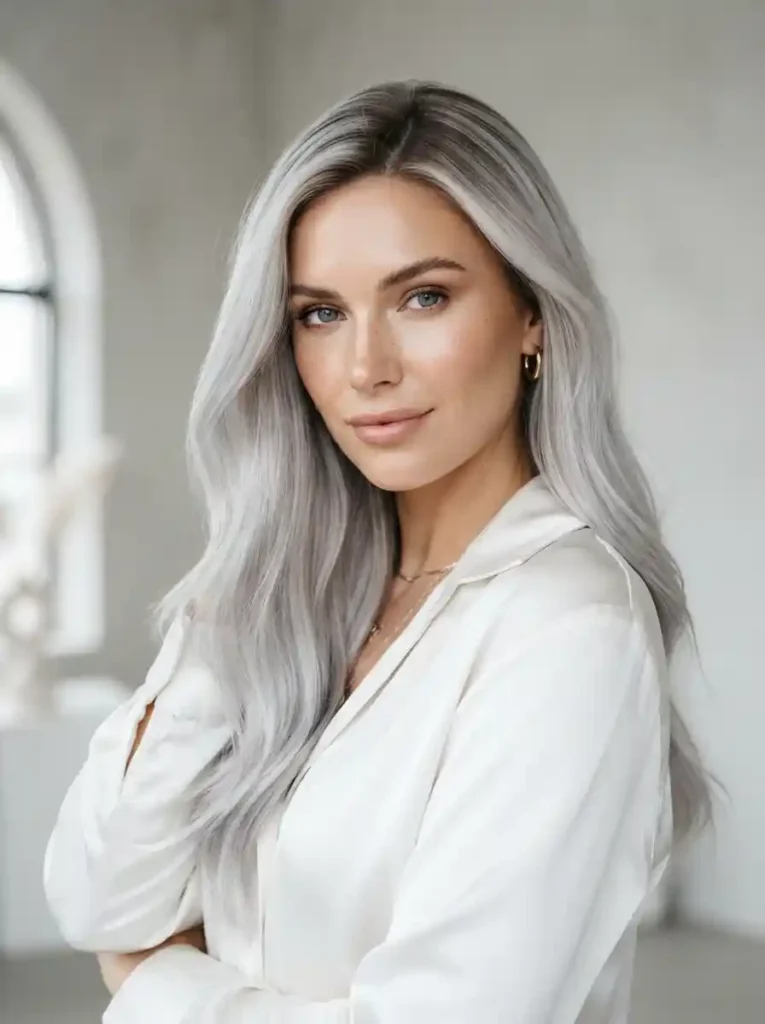
Icy blonde creates a crisp, luminous effect through very pale cool-toned lengths, while a shadow root keeps the transition from looking overly stark. The darker root also provides visual depth and can make the blonde appear brighter by comparison. This shade requires substantial lightening for most darker starting colors, so the condition of the hair should be a major consideration. Your stylist may recommend multiple appointments rather than aggressive processing in one session.
Maintenance is more involved than with darker colors because roots become visible as natural hair grows. Purple or blue toning products can help manage unwanted warmth, but they should be used according to your stylist’s recommendation. Frequent heat styling can be particularly stressful for heavily lightened hair, so protective products and gentle styling are important. Regular trims can also prevent fragile ends from distracting from the clean, polished appearance.
17. Mocha Brown With Face-Brightening Highlights
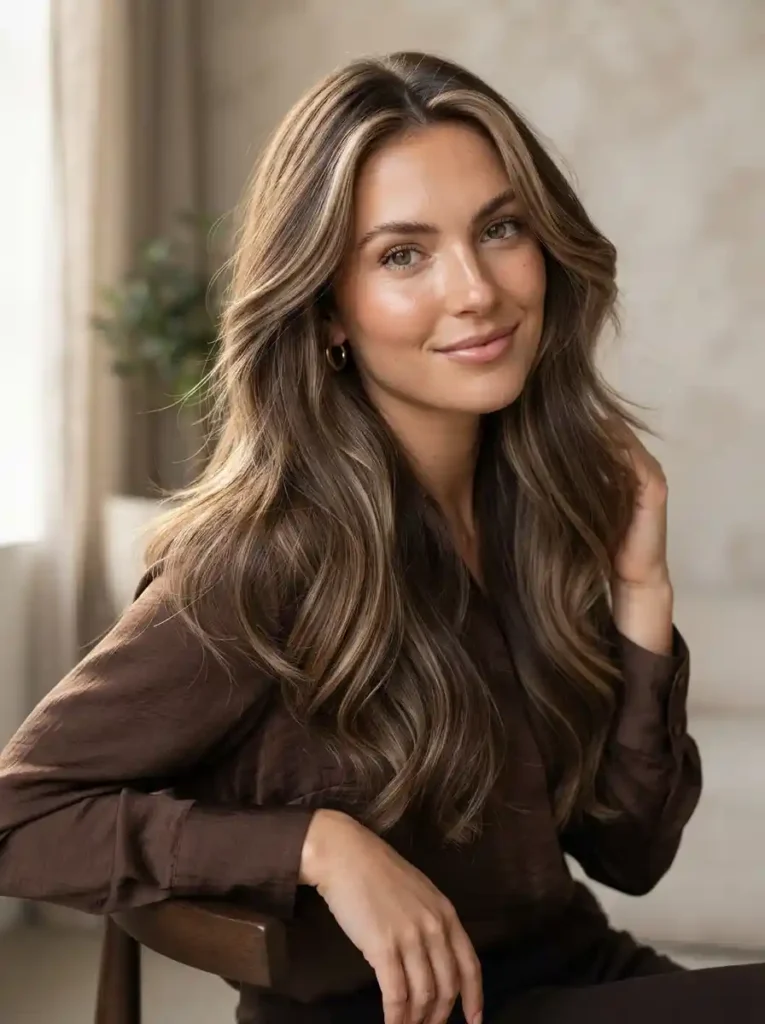
Mocha brown blends medium-to-deep brunette tones with soft beige highlights, giving the hair richness without creating a dramatic contrast. It is a useful middle ground for anyone who wants more dimension but does not want obvious blonde streaks. Placing slightly lighter pieces near the face can make the hairstyle feel brighter while preserving a substantial brunette base. Ask for low-contrast blending if you prefer a naturally expensive-looking finish.
This shade is flexible across many hairstyles because it looks polished when straight and more dimensional when curled or waved. The highlights may require periodic toning if they begin to develop unwanted warmth, particularly after significant lightening. A moisturizing mask can help keep the lighter sections smooth and reflective. If you are nervous about changing your overall color, mocha brown is also a good way to experiment with dimension while retaining much of your familiar brunette appearance.
18. Plum Brown for a Hidden Pop of Color
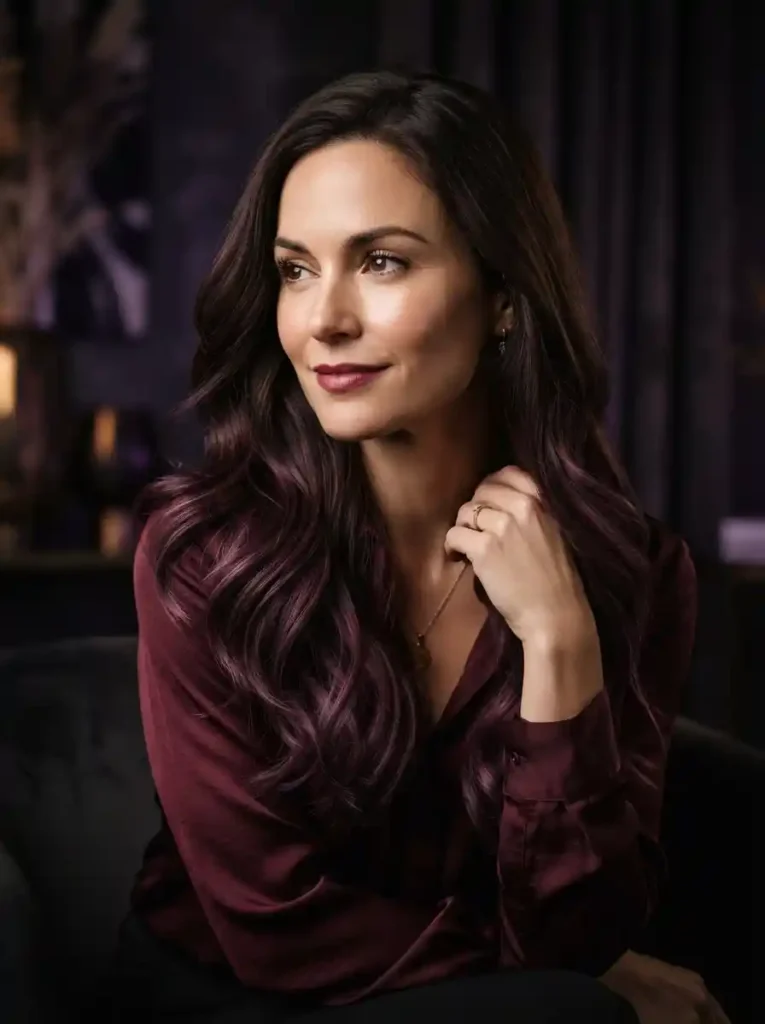
Plum brown keeps a deep brunette appearance while introducing purple and berry undertones that reveal themselves under stronger light. It is a clever choice if you want an unconventional color without a highly visible fashion shade. Your stylist can place the plum pigment throughout the hair or concentrate it underneath for a hidden effect. The latter approach creates a playful surprise when the hair moves, curls, or is pulled into a ponytail.
The depth of the plum depends on your starting color and whether the hair needs lightening beforehand. On naturally dark hair, a tinted gloss may create a subtle reflective effect, while stronger visibility can require pre-lightening. Plum tones can fade attractively into softer berry-brown shades, but regular washing will gradually reduce intensity. Choose color-safe products and discuss whether a salon refresh every few weeks fits your preferred maintenance routine.
19. Sandy Blonde With Beachy Dimension
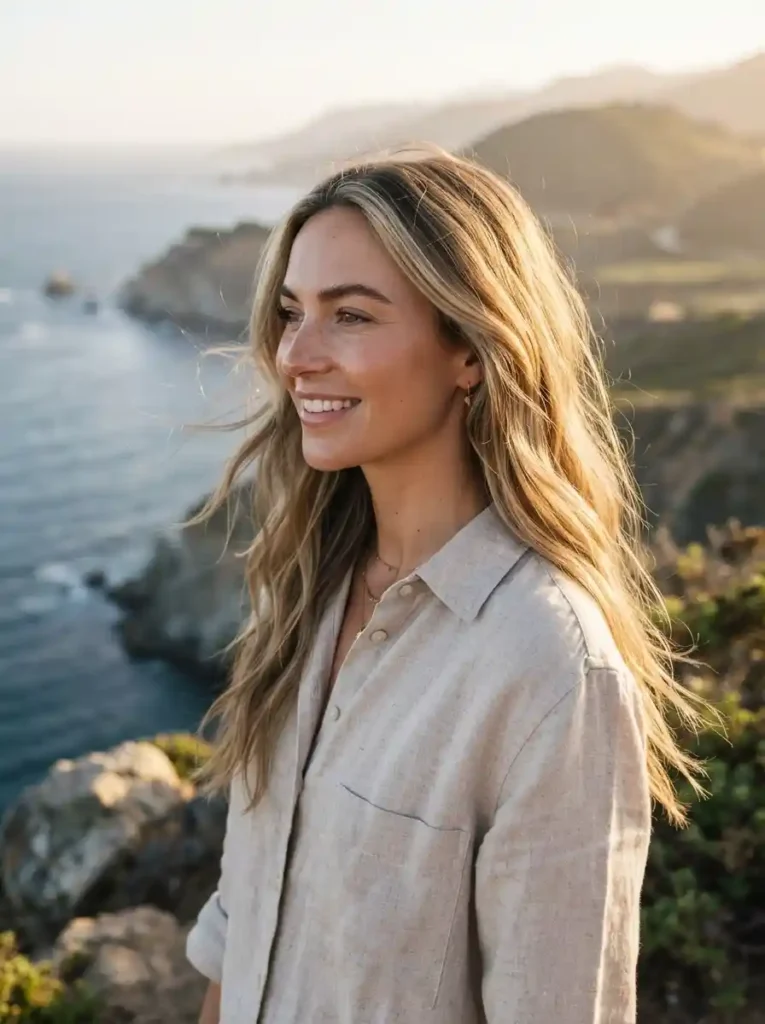
Sandy blonde combines beige, muted gold, and slightly darker blonde tones to create a relaxed, dimensional color. It feels lighter than bronde but less stark than a highly processed platinum blonde. The shade is particularly effective when the highlights are fine and irregular enough to resemble natural sun exposure. Ask for a lived-in blend if you want brightness without a sharply defined line between the roots and lighter lengths.
This color works beautifully with textured cuts because waves emphasize the different blonde tones. If your hair tends to become yellow or brassy, ask your stylist about the appropriate toning routine rather than relying on frequent purple shampoo. Blonde lengths also benefit from regular conditioning because dryness can make sandy tones appear rough rather than softly luminous. Heat protection is especially helpful if you regularly create beach waves with hot tools.
20. Black Cherry for Deep Red Dimension
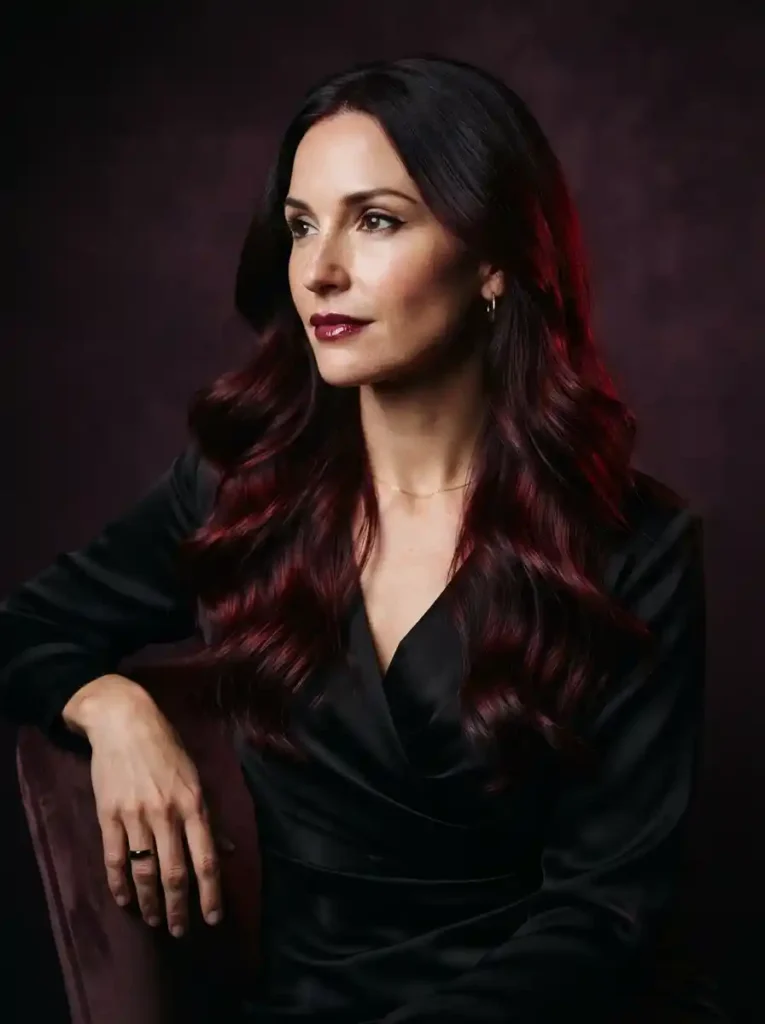
Black cherry combines an almost-black brunette base with deep red and burgundy reflections, making it a striking option for someone who prefers dark hair. The color can appear nearly black indoors and reveal richer berry tones in sunlight, giving it an understated quality despite its dramatic character. Ask your stylist whether you need lightening to achieve the visibility you want, because results vary significantly with the starting shade.
Gloss is especially important for black cherry because the reflective surface allows the red tones to become visible. Minimize harsh cleansing and excessive heat to preserve both shine and pigment. This color suits sleek cuts, long layers, and polished curls, with each texture revealing the undertones differently. If you are considering returning to blonde later, mention that plan beforehand because deep red pigments can require additional correction when lightening.
21. Dimensional Bronde With Soft Golden Ends
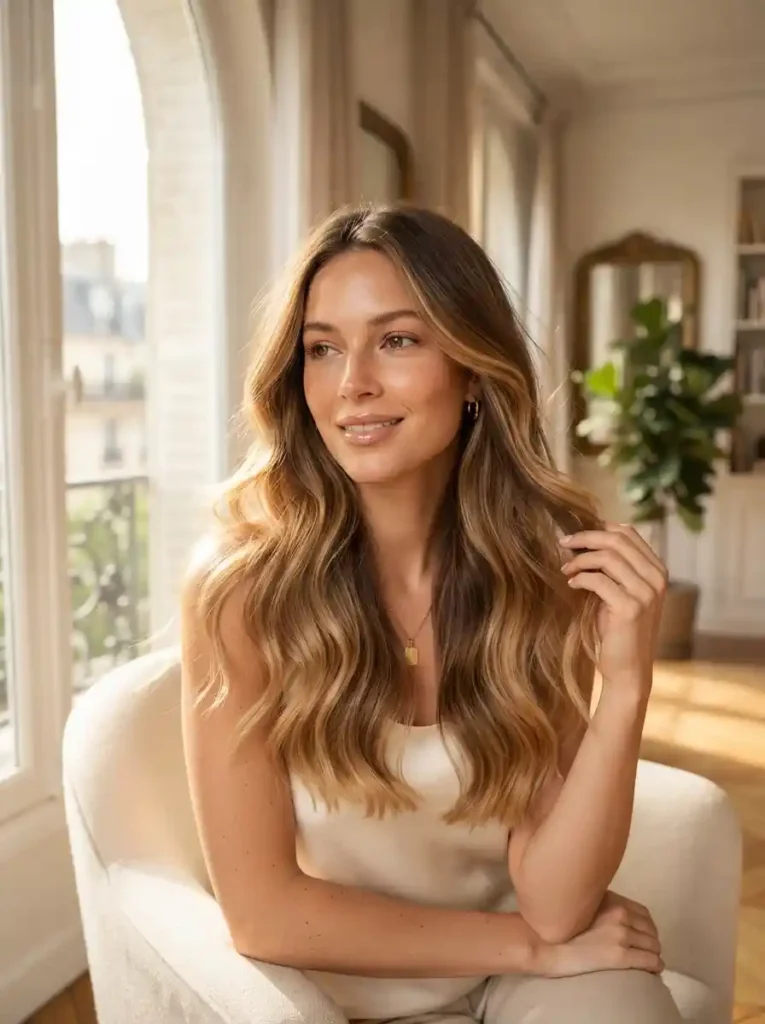
Dimensional bronde with golden ends is a versatile choice for anyone who wants a noticeable color refresh without abandoning brunette depth. The roots remain medium brown while caramel and honey tones gradually become brighter toward the ends. This creates a gentle gradient that works particularly well on long layers. Ask for several related shades rather than one light color so the finished hairstyle retains depth and looks natural from every angle.
The placement can be adjusted to match both your haircut and maintenance preferences. Keeping brightness below the cheekbones creates a softer change, while adding lighter face-framing pieces makes the result more noticeable. Because the ends carry most of the lightening, protect them from heat and dryness with suitable conditioning products. A toner or gloss can periodically restore the golden balance if the lighter sections become dull or develop unwanted warmth.
Conclusion
The most beautiful hair color is not necessarily the boldest one; it is the shade that works with your natural coloring, haircut, lifestyle, and willingness to maintain it. These ideas range from subtle caramel ribbons and chocolate brunettes to expressive copper, burgundy, plum, and icy blonde transformations, giving you plenty of directions to explore.
Before booking your appointment, save two or three images that capture the color, placement, and overall finish you prefer. Then discuss your natural hair, previous color treatments, desired maintenance, and long-term plans with your stylist. A good consultation can turn a beautiful inspiration photo into a version that feels genuinely yours. Most importantly, consider the condition of your hair alongside the color itself. Healthy, thoughtfully maintained hair will make almost any carefully chosen shade look more polished and dimensional.