Curly hair has a personality all its own, and the right haircut can bring out its natural beauty without making your daily routine more complicated. Whether you love soft, romantic layers, a bold short cut, or long curls with plenty of movement, there is a style worth considering for your next salon visit. These curly haircut ideas explore different lengths, shapes, and finishes, along with practical styling tips to help you find a look that feels fresh, flattering, and uniquely yours.
1. Long Curly Layers for Effortless Movement
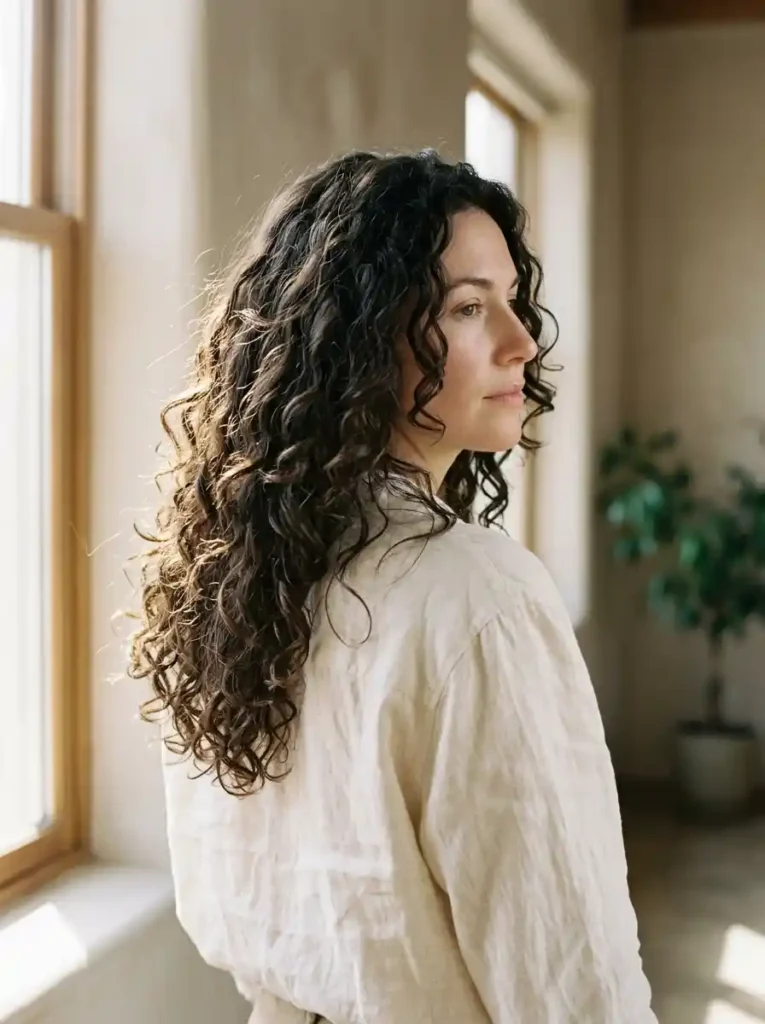
Long curly layers are an excellent choice if you want to preserve your length while giving your hairstyle more movement. A skilled stylist can remove excess bulk from strategic areas, allowing individual curls to form a softer, more balanced silhouette. This cut works particularly well for medium-density and thick hair that tends to look triangular when left at one length. Ask for layers designed around your natural curl pattern rather than straight-hair layering techniques.
To maintain the shape, apply a lightweight leave-in conditioner followed by curl cream or gel on soaking-wet hair. Scrunch gently, then diffuse on low heat or let your curls air-dry without repeatedly touching them. Long layers benefit from regular trims to prevent uneven, wispy ends from disrupting the shape. If your curls shrink significantly as they dry, discuss the finished length with your stylist before cutting so you retain the coverage you love.
2. The Curly Bob with a Rounded Shape
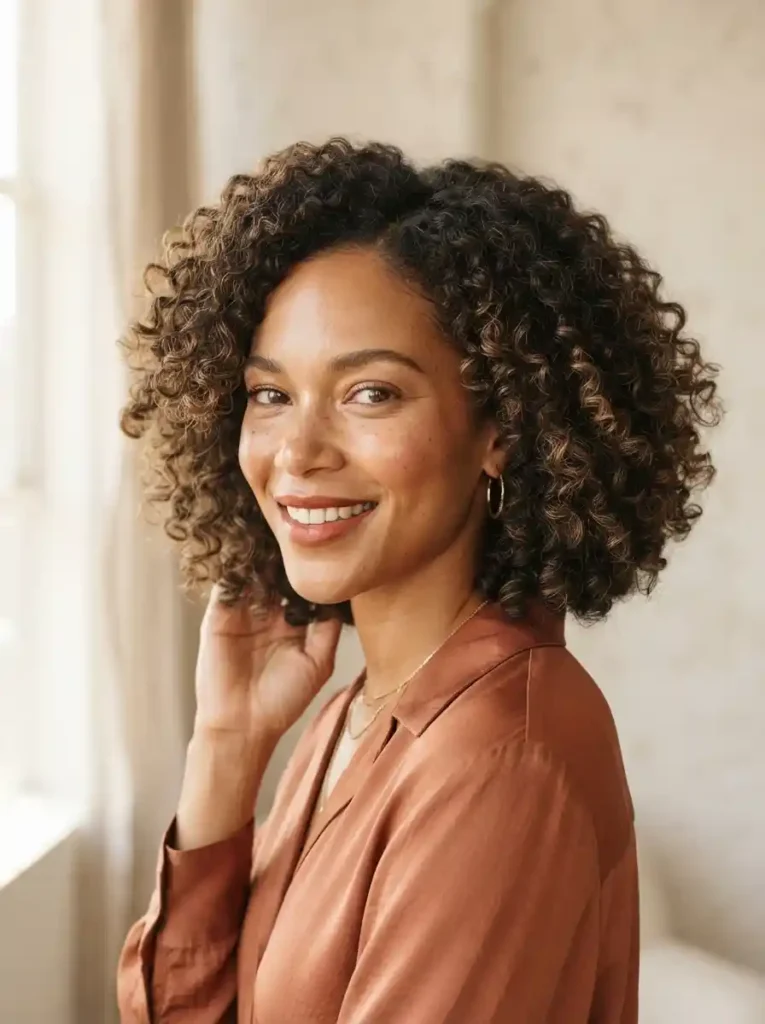
A rounded curly bob creates a polished shape that frames the face without requiring long hair. The cut usually sits around the chin or just below it, with carefully balanced graduation that encourages curls to curve inward or outward naturally. It can be especially appealing for fine-to-medium curls that need a defined outline. The key is avoiding a blunt, heavy edge that makes the sides expand excessively as the hair dries.
Tell your stylist whether you prefer your bob to sit at the jaw, chin, or upper neck, and explain how much your curls shrink. A dry-cutting approach or a final dry refinement can help reveal the true silhouette. For everyday styling, distribute a small amount of curl mousse through damp hair and diffuse with your head upright to preserve the rounded shape. Refresh flattened sections with water rather than adding more product immediately.
3. The Curly Shag with Airy, Choppy Layers

The curly shag is ideal if you enjoy a relaxed, slightly rebellious hairstyle with plenty of texture. Shorter layers through the crown create lift, while choppier lengths around the sides and ends prevent the overall shape from feeling too heavy. This haircut can bring out natural curl variation instead of forcing every section into matching ringlets. It suits people who prefer movement and an intentionally undone finish over a perfectly uniform outline.
Styling is relatively straightforward when the cut complements your natural texture. Work a light mousse through damp hair, scrunch upward, and diffuse while lifting the roots gently with your fingers. Avoid applying heavy creams throughout the crown, as excessive weight can flatten the layers that give this haircut its character. Before committing, discuss how short crown pieces will behave on your hair, especially if you have tighter curls or significant shrinkage.
4. A Chic Curly Pixie Cut
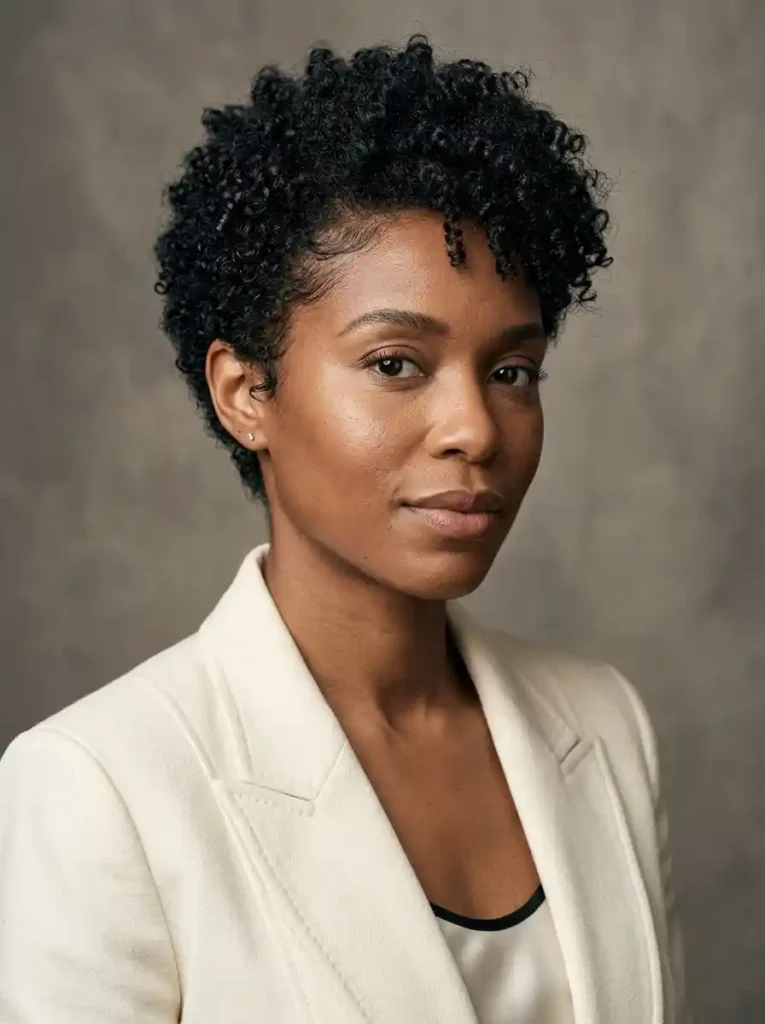
A curly pixie is a confident option for anyone ready to embrace shorter hair without sacrificing natural texture. The sides and nape can be tapered for a clean outline, while slightly longer curls on top create softness and dimension. Depending on your curl pattern, the result may look closely cropped, gently tousled, or beautifully sculpted. This style particularly suits people who want to reduce styling time and emphasize their facial features.
Short hair still needs thoughtful care, especially around the edges and crown. Use a small amount of lightweight curl cream or styling butter to define individual curls without creating a stiff finish. A trim every four to eight weeks may help preserve the intended silhouette, depending on how quickly your hair grows. Before booking, discuss whether you prefer a close-cut neckline, softly tapered sides, or more length above the forehead for styling flexibility.
5. Shoulder-Length Curly Hair with Face-Framing Layers
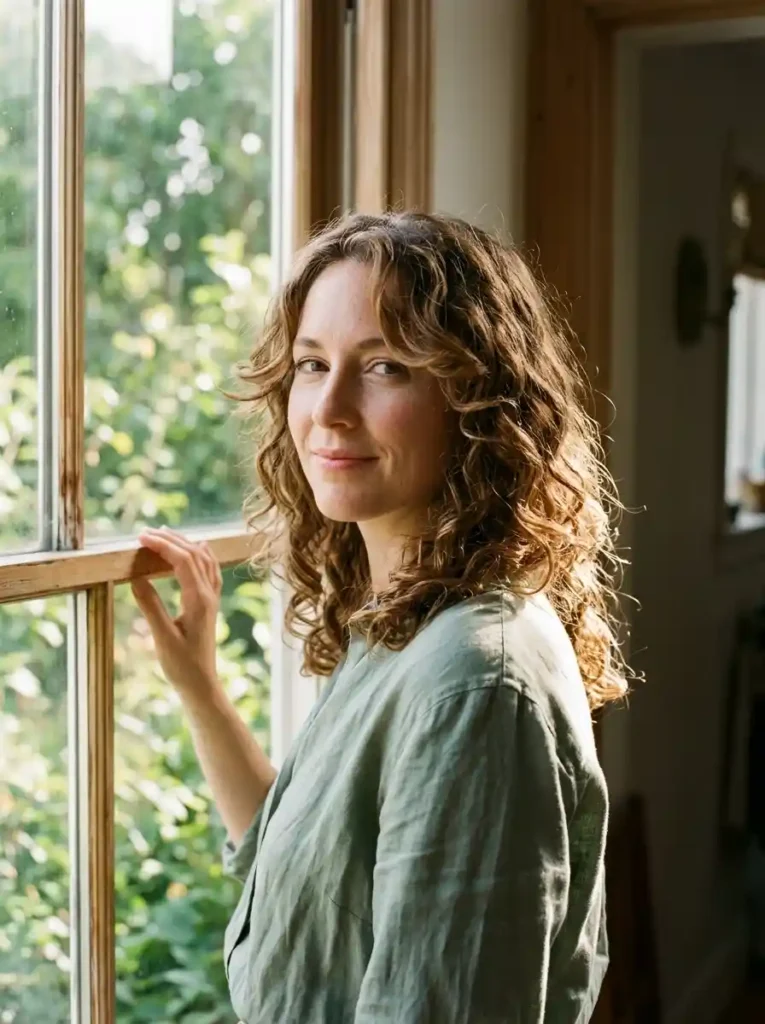
Shoulder-length curls offer a versatile middle ground between short hair and long, flowing ringlets. Face-framing layers soften the outline around the cheeks and jaw while allowing the rest of the hair to retain useful length. This approach works well if you want a noticeable refresh without a dramatic chop. It can also help distribute volume more evenly, particularly when the front sections tend to feel heavier or fall awkwardly across your face.
For the most flattering result, ask your stylist to customize the shortest front pieces to your preferred parting and curl shrinkage. Layers that look delicate when wet may spring considerably higher once dry, so placement matters. Apply leave-in conditioner first, followed by a flexible-hold gel, concentrating on the front curls that need definition. When refreshing your style, dampen individual face-framing pieces and reshape them with your fingers instead of brushing through dry curls.
6. The Curly Lob with a Deep Side Part
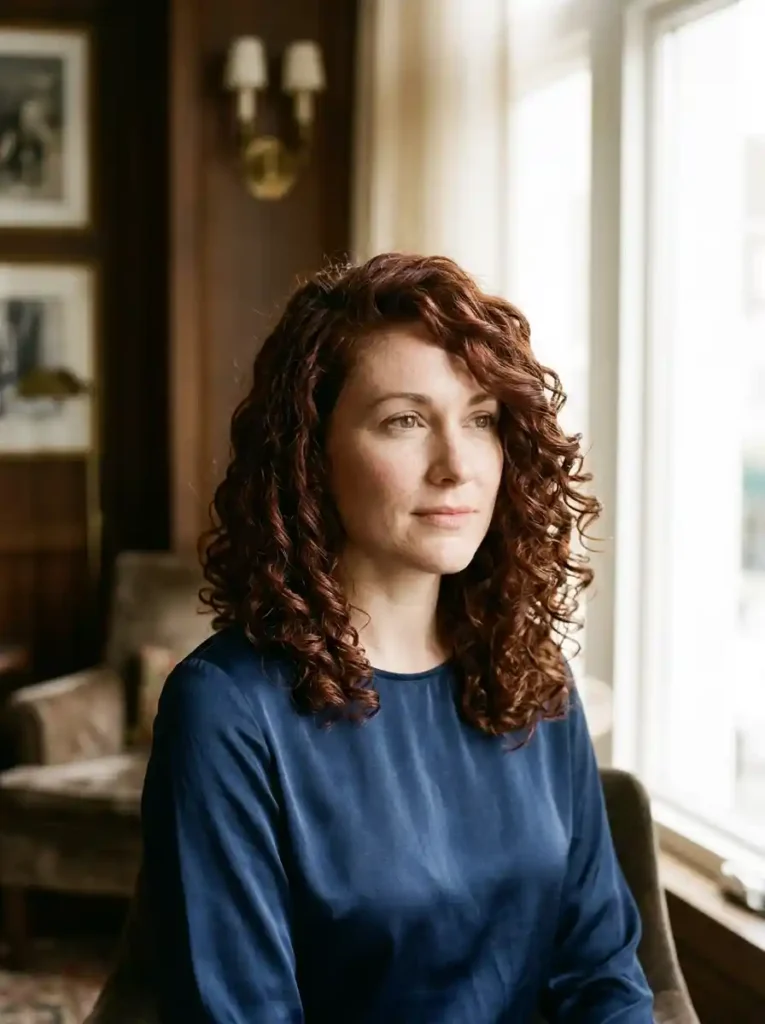
A curly lob, or long bob, gives you the structure of a shorter haircut while retaining enough length for different styling options. Adding a deep side part creates asymmetry, making one side appear fuller and giving the curls a sweeping, glamorous finish. The cut is particularly useful if you want to experiment with a new silhouette without committing to a traditional chin-length bob. It works across several curl patterns when the length is adjusted thoughtfully.
To create the side part, establish it while your hair is wet and distribute styling product evenly before scrunching. If your roots tend to collapse, lift the heavier side with clips while drying, removing them only when your hair is fully dry. Avoid forcing the part against your natural growth pattern if it repeatedly springs back. A stylist can help determine whether a subtle side part or a more dramatic sweep will remain comfortable throughout the day.
7. Curly Hair with Curtain Bangs
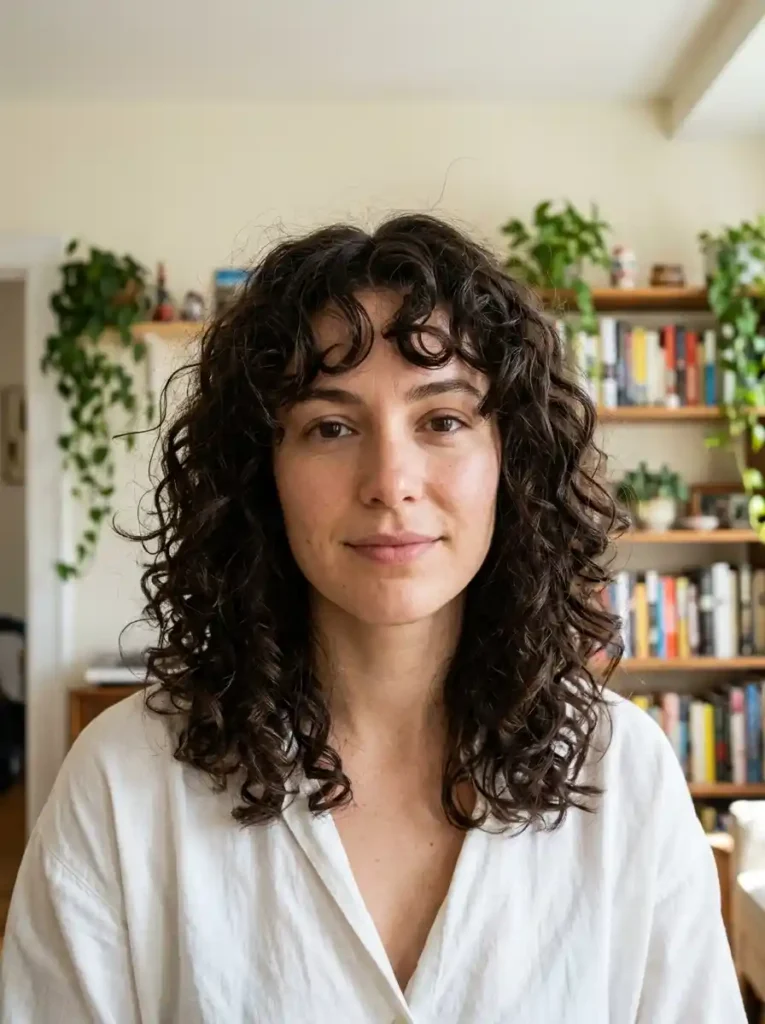
Curly curtain bangs create a soft frame around the forehead while blending into the rest of your haircut. Unlike a straight, heavy fringe, they are shaped to separate naturally and follow the movement of your curls. They can complement shoulder-length shags, layered bobs, and longer curly styles. The main consideration is shrinkage: bangs that appear long when wet may spring above the eyebrows, so the cutting technique must suit your texture.
Ask your stylist to cut the fringe gradually, leaving enough length for adjustments once the curls settle into their natural position. For styling, use a small amount of lightweight gel and arrange the curls away from the center while damp. Diffuse gently or allow the fringe to air-dry without constant handling. If your hair is prone to humidity-related expansion, choose a flexible product that controls frizz without making the front sections crunchy or stiff.
8. The Voluminous Curly Afro
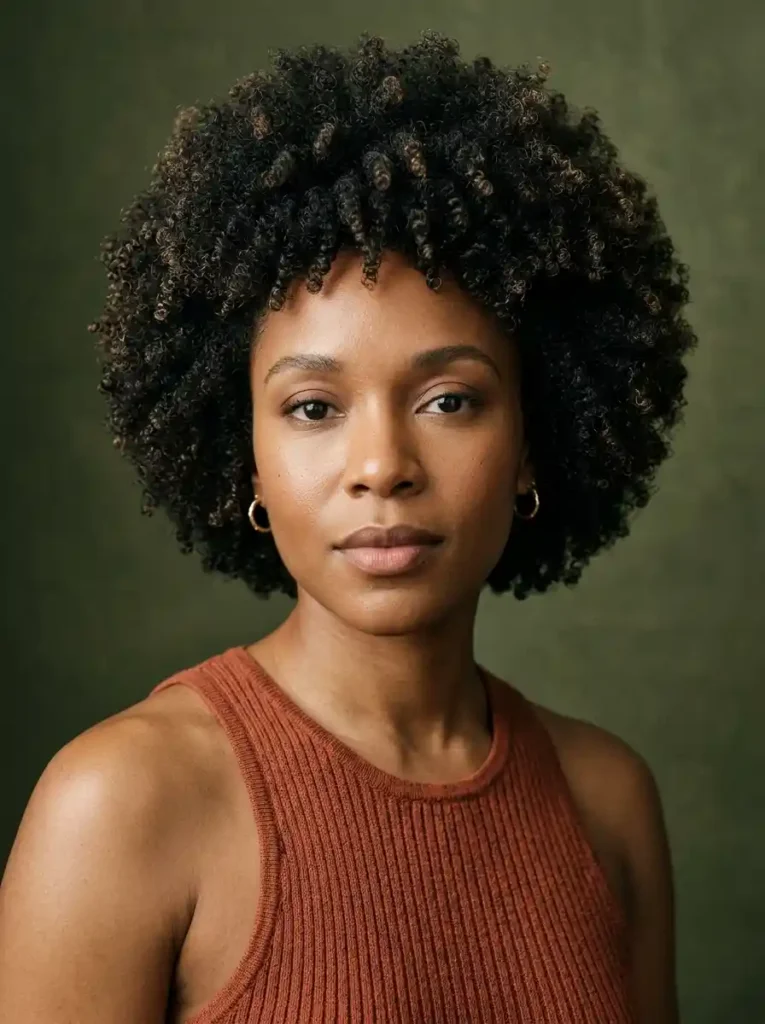
A rounded curly afro celebrates natural density and creates a striking silhouette without depending on long lengths. A well-shaped cut can emphasize the hair’s natural fullness while balancing volume around the crown, temples, and sides. Depending on your preferences, the outline can be softly oval, nearly circular, or subtly tapered. This style is particularly appealing if you want your natural coils to become the main feature rather than something to minimize or disguise.
Moisture retention and gentle detangling are important for keeping the shape healthy. Separate your hair in sections, apply a suitable leave-in conditioner, and use your fingers or a wide-tooth comb when the hair is adequately lubricated. Avoid cutting away too much density simply to make the style smaller; strategic shaping can create balance without compromising fullness. To preserve the silhouette, schedule trims as needed and protect your hair at night with a satin bonnet or pillowcase.
9. The Curly Wolf Cut
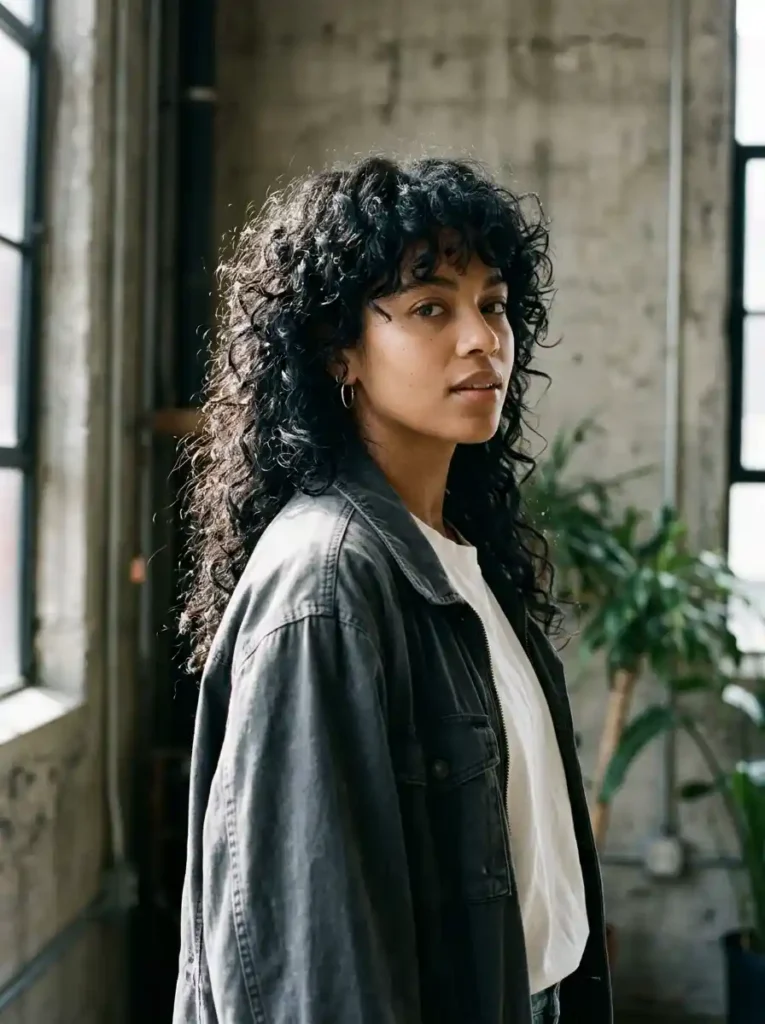
The curly wolf cut combines the volume of a shag with the longer, more dramatic outline of a mullet-inspired haircut. Shorter layers around the crown create lift, while the lower lengths remain longer and more relaxed. The result feels expressive without requiring perfectly arranged curls. It is a strong choice if you enjoy alternative fashion, textured hairstyles, and a shape that looks interesting from multiple angles rather than only from the front.
Because this cut depends on contrasting lengths, explain your preferred level of drama before your stylist begins. Ask for softer transitions if you want a wearable everyday version, or stronger disconnection if you prefer a more noticeable silhouette. A lightweight mousse helps emphasize the crown layers, while a flexible gel defines the longer curls. Remember that the shape may require more frequent reshaping than a simple layered cut as the shorter sections grow out.
10. The Curly French Bob
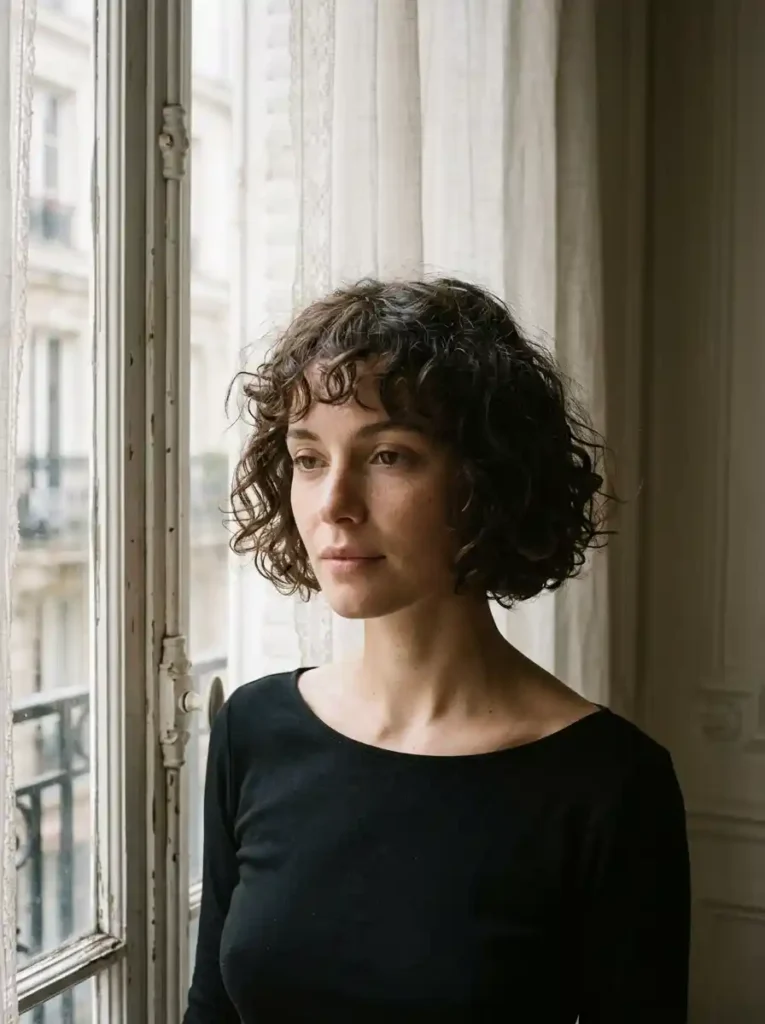
The curly French bob has a compact, characterful shape that usually sits around the cheekbones or jaw. Its slightly imperfect finish makes it feel softer than a precisely polished bob, particularly when natural curls create gentle variation along the edges. A short fringe can add personality, while leaving the forehead open creates a cleaner, more minimalist look. This haircut works especially well for people who appreciate distinctive proportions and a shorter, face-framing silhouette.
Ask your stylist how the finished shape will sit after your curls dry, especially around the fringe and temples. The shortest version may need more regular trims to keep its proportions intentional. For styling, rake a small amount of curl cream through damp hair, then scrunch lightly to encourage natural definition. Let a few curls fall independently rather than arranging every strand, since the appeal of this cut comes from its relaxed shape and subtle irregularity.
11. Long Curly Hair with a U-Shaped Cut
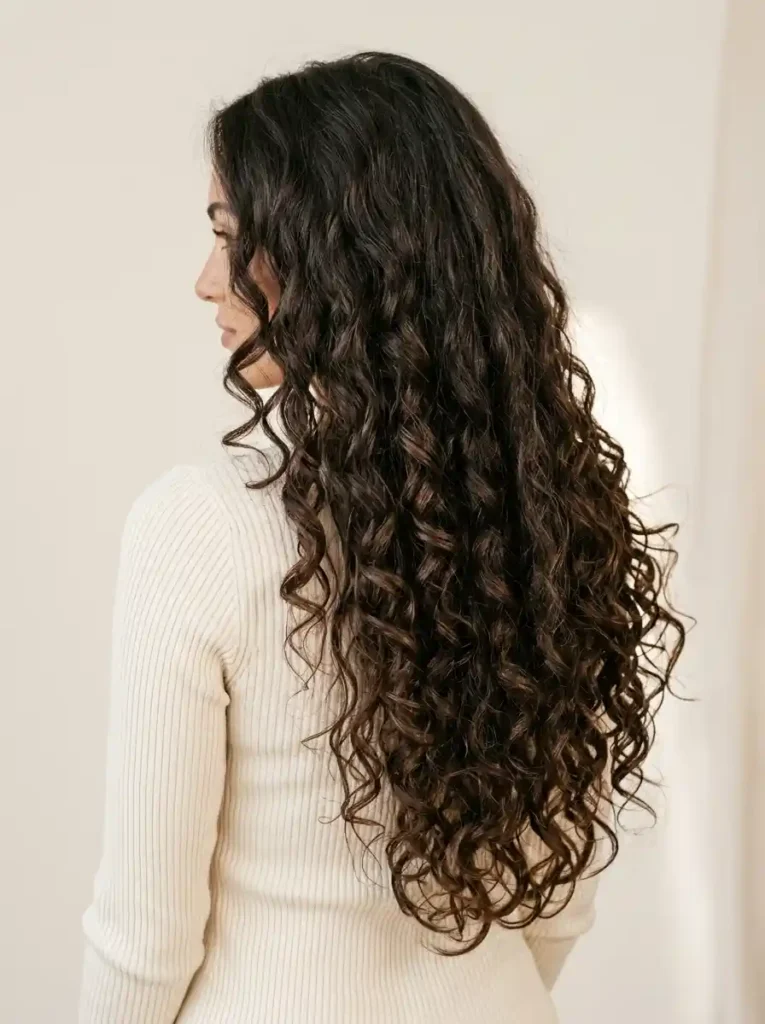
If you love long curls and want to preserve as much length as possible, a U-shaped cut offers a subtle but meaningful refresh. The center-back section remains longest, while the sides curve gradually upward, creating a rounded outline rather than a straight horizontal edge. This shape can help long hair look more fluid and intentional, especially when the ends have become uneven. It is a particularly appealing option for people who prefer classic styling over dramatic layers.
A U-shaped outline works best when the ends are healthy enough to form a consistent edge. Ask for minimal layering if you want to maintain fullness, or incorporate a few long layers if your hair feels heavy. Detangle from the ends upward with conditioner and avoid rough towel-drying, which can disrupt curl clumps. Since long curly hair can hide uneven ends when dry, examine the shape from behind and discuss how much length you are comfortable removing.
12. The Curly Bixie Cut
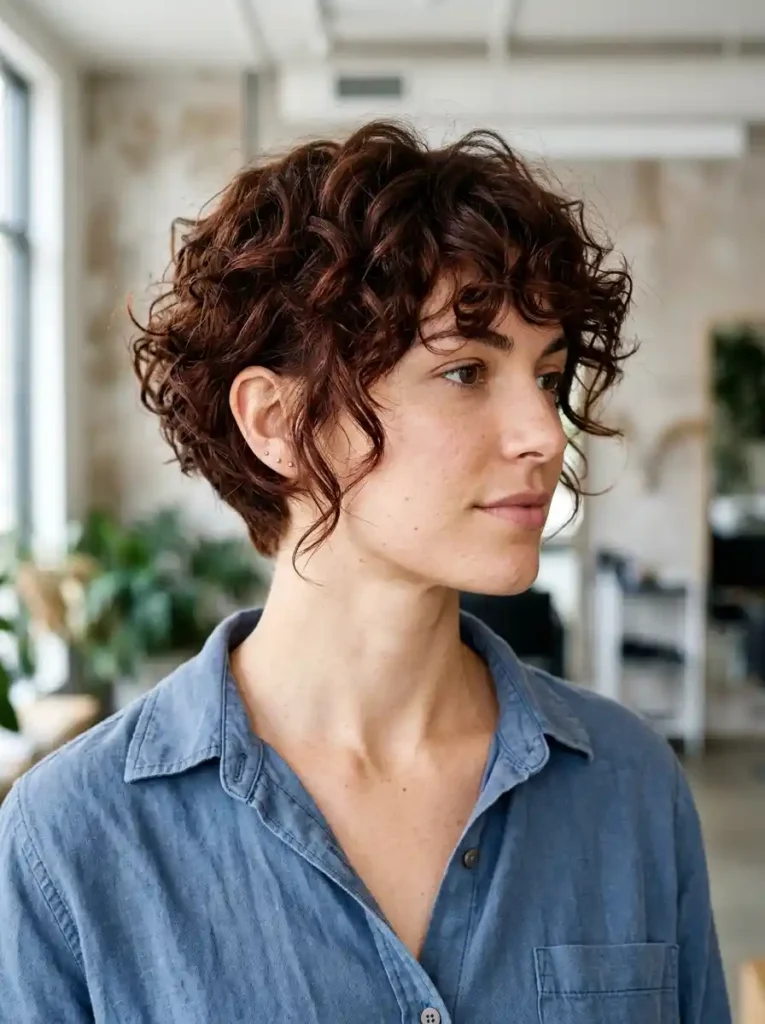
The bixie sits between a pixie and a bob, offering short, manageable proportions without the close-cropped feeling of a traditional pixie. Its longer side pieces soften the ears and jaw, while the crown can retain enough curl length to create visible texture. This makes it a useful transitional haircut if you want to go shorter but are not ready for a dramatic crop. It also provides several styling directions as the hair grows.
Ask your stylist to preserve enough length around the sides for your curls to sit comfortably rather than spring outward unpredictably. A small amount of styling cream can define the crown, while a touch of mousse helps the longer pieces maintain shape. The bixie usually grows out more gracefully than an extremely short cut, although the neckline and sides may need occasional refinement. If you frequently tuck your hair behind your ears, mention that preference during your consultation.
13. Curly Hair with a Tapered Nape
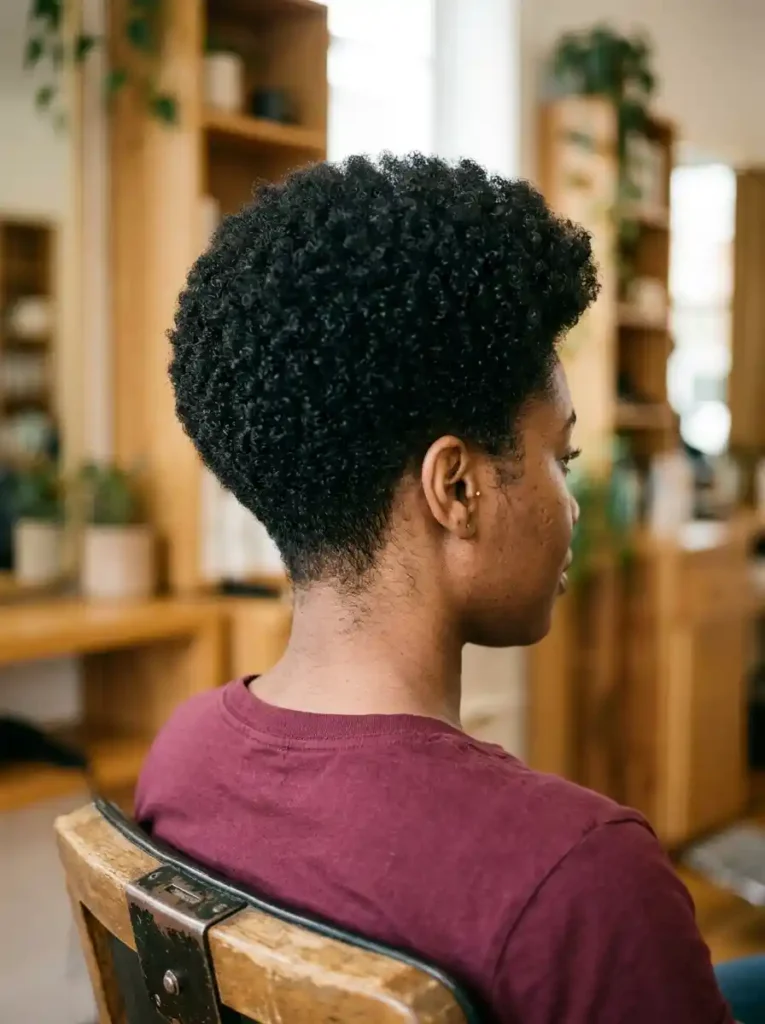
A tapered nape can refresh a curly haircut without significantly changing the length on top. The hair gradually shortens around the neckline, creating a cleaner finish and allowing the curls above it to stand out. This detail works with short natural styles, curly pixies, and rounded cuts. It can be especially useful if your hair grows thickly at the back and tends to bunch against collars or create an overly heavy lower outline.
The degree of taper makes a noticeable difference to the final look. A soft taper keeps the haircut gentle and understated, while a closer finish creates sharper contrast between the neckline and crown. Explain how much skin you want exposed and whether you prefer a natural hairline. Use lightweight products on the longer curls and avoid applying heavy butter directly to the tapered area. Book maintenance appointments according to your growth rate and preferred level of precision.
14. The Curly Butterfly Cut
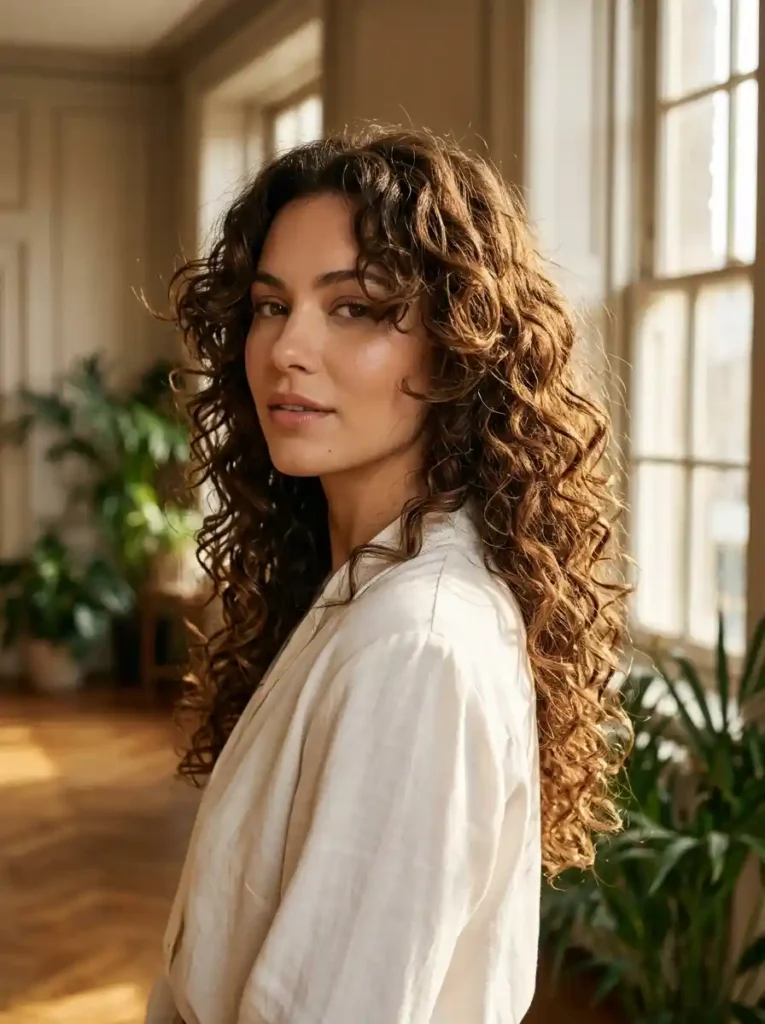
The butterfly cut brings the appearance of shorter, face-framing hair to a longer curly style through carefully placed upper layers. The shorter sections create movement around the cheeks and shoulders, while the longer lengths preserve the overall impression of abundant hair. This option is attractive if you want a visible change without sacrificing your long curls. However, the final shape depends on how your natural texture responds to the difference between upper and lower layers.
Before choosing this cut, consider whether you like shorter curls resting around your face and shoulders. Ask for a version adapted to your curl pattern rather than copying a straight-haired reference exactly. A lightweight defining foam can encourage lift in the shorter layers, while a richer conditioner helps protect the longest ends. Avoid excessive thinning if your hair loses definition easily, because removing too much density may leave the shorter sections looking sparse rather than full.
15. The Curly Asymmetrical Bob
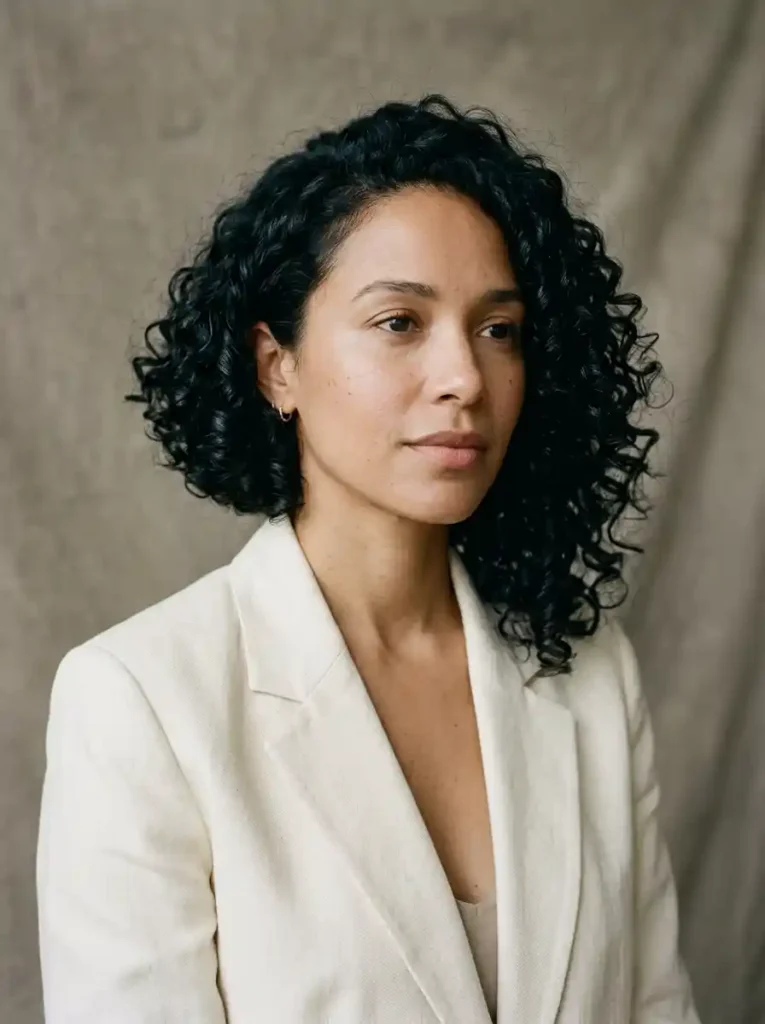
An asymmetrical curly bob offers a more architectural alternative to a traditional rounded cut. One side is intentionally longer than the other, creating a diagonal outline that remains interesting even when your curls are simply air-dried. The contrast can be subtle or pronounced, depending on your preference. This haircut suits people who enjoy distinctive styling and want their natural texture to contribute to the overall shape rather than soften it completely.
The longer side needs enough weight to hang as intended, so discuss your curl shrinkage before deciding how dramatic the asymmetry should be. A stylist may use selective layering to stop the shorter side from becoming overly bulky. Style both sides with the same defining product, but adjust the amount according to density. Because the silhouette depends on unequal lengths, regular shaping helps preserve the diagonal line as the shorter side grows and the balance begins to change.
16. The Curly Collarbone Cut
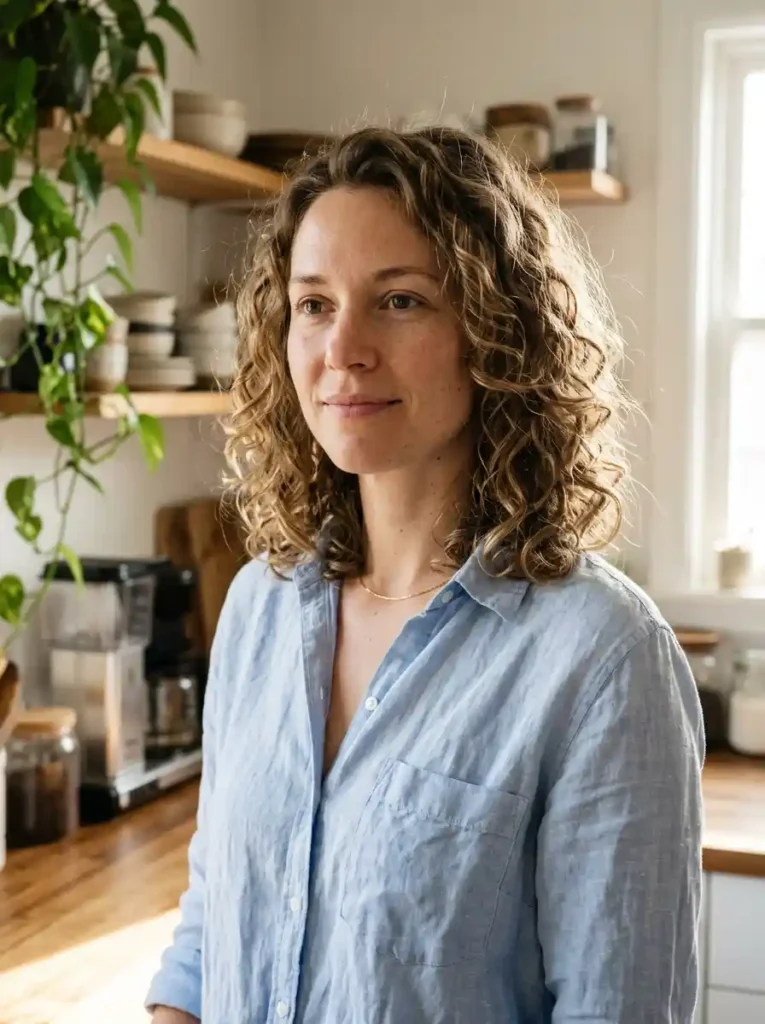
The collarbone cut is a practical option for anyone who wants curls that feel lighter without entering short-hair territory. The length usually rests around the collarbones, allowing the ends to move freely instead of gathering heavily across the upper back. Subtle layers can help maintain a balanced outline, while a mostly solid perimeter gives the haircut a fuller appearance. Its versatility makes it suitable for casual routines, work settings, and occasional dressed-up styling.
Ask your stylist to check how the ends behave when they touch your shoulders, since this contact can make some curl patterns flip outward. If you prefer a smoother outline, a slightly shorter or longer finished length may sit better. Apply conditioner through the mid-lengths and ends, then style with a gel or mousse suited to your hair’s density. This length can be tied back on busy days, although shorter front curls may need clips or pins to stay secured.
17. Curly Hair with a Rounded Layered Shape
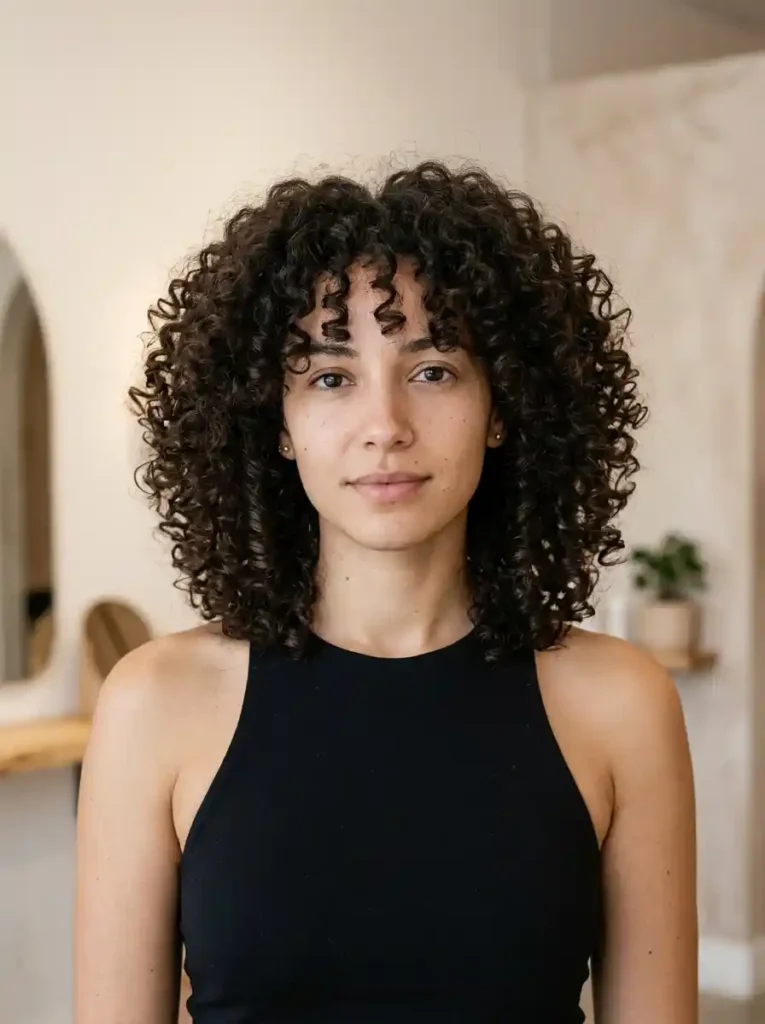
A rounded layered cut focuses on creating an even, harmonious shape rather than emphasizing a particular length. Layers are distributed to balance volume around the crown and sides, helping curls form a cohesive silhouette. This approach can work particularly well for dense hair that expands unevenly or appears wider at the bottom than at the top. It also gives natural curls room to move while keeping the overall haircut visually intentional.
The most successful rounded cuts account for differences in curl tightness across your head. Ask your stylist to assess the crown, temples, and nape individually instead of removing the same amount everywhere. After washing, apply your styling products in sections to encourage consistent curl definition. If one side dries fuller than the other, adjust your drying position or use clips at the roots. A balanced cut should still look attractive without needing extensive daily reshaping.
18. The Curly Undercut
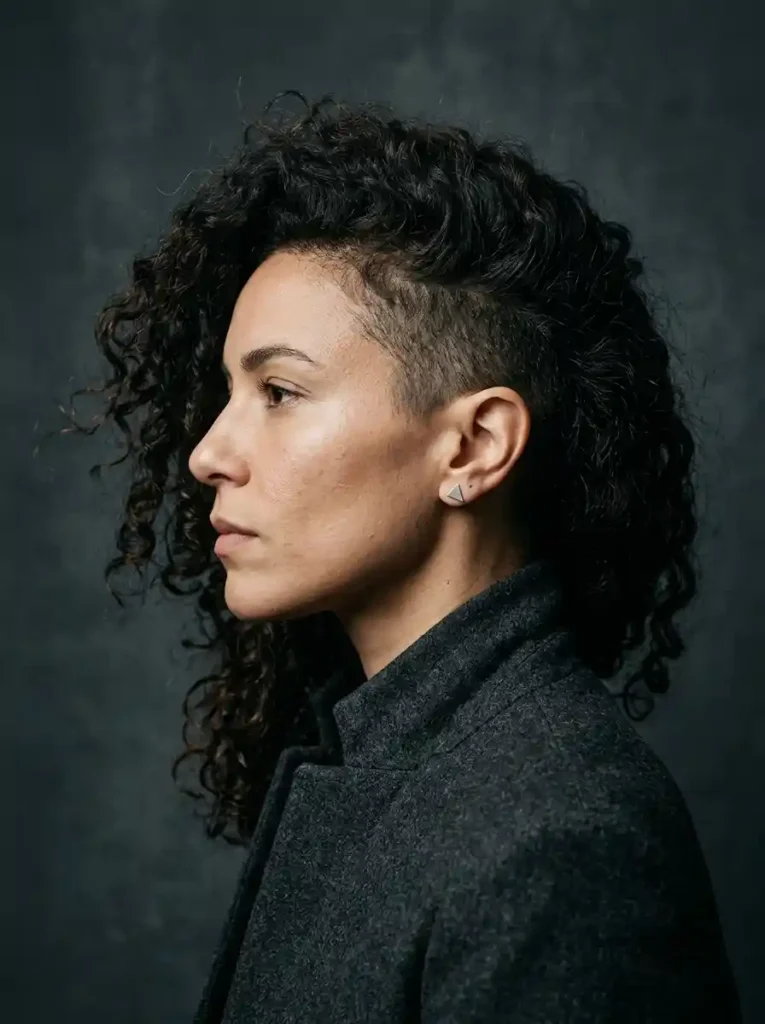
A curly undercut creates contrast by keeping one section of the hair significantly shorter than the surrounding curls. The cropped area can sit at the nape, behind one ear, or extend along one side, depending on your preferred level of visibility. This design can reduce bulk in a specific area while giving a familiar curly hairstyle a more individual, fashion-forward character. It is especially appealing if you enjoy changing how your hair looks when swept or pinned back.
Think carefully about placement before committing, because a visible undercut requires patience if you later decide to grow it out. Ask your stylist to show you how the short section will look with your usual parting and natural curl direction. The longer curls can be styled with a defining gel for separation or left softer for contrast. Schedule occasional maintenance for the cropped area, and remember that covering it completely may be difficult with shorter surrounding layers.
19. Soft Curly Layers with Wispy Ends
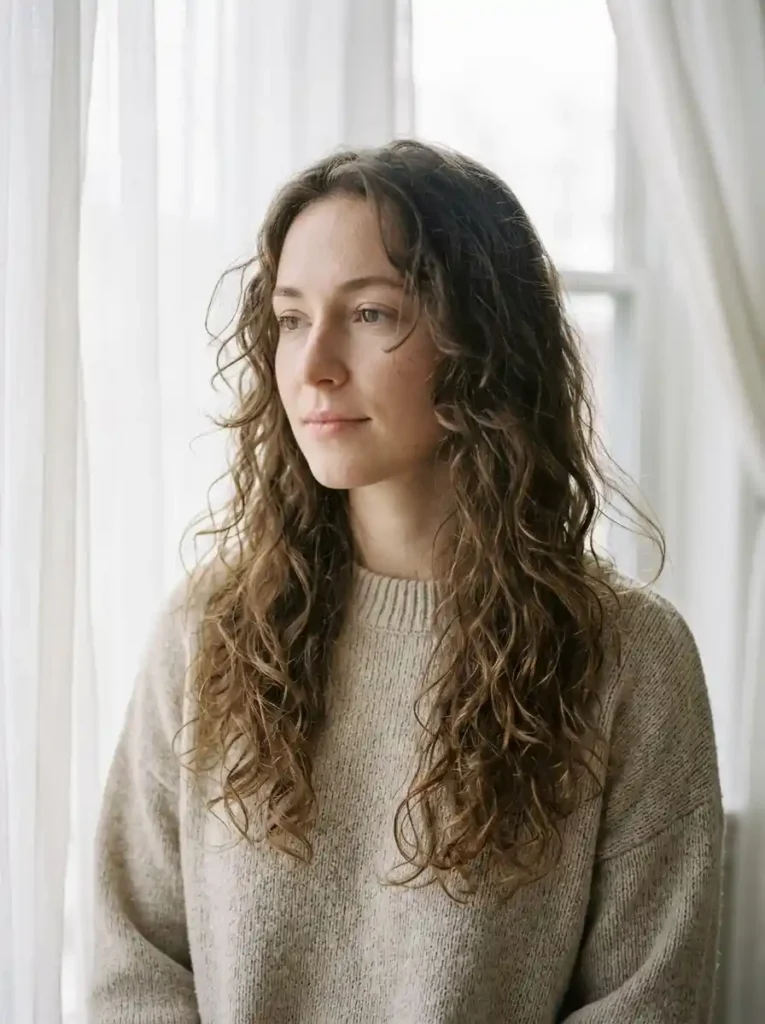
Soft layers with wispy ends are a good choice when you want a lighter outline without losing the relaxed appearance of longer curls. The ends are shaped to move independently, reducing the visual heaviness that can occur when every section finishes at the same point. This cut often works well for fine or medium-density curly hair, although the amount of layering must be carefully controlled to preserve fullness through the lower lengths.
Explain to your stylist whether you want delicate movement or a more visibly feathered finish. Excessive thinning can leave fine curls looking stringy, so request a conservative approach if your ends already feel sparse. A lightweight leave-in conditioner followed by flexible-hold gel can keep the curls defined without weighing them down. When your hair dries, separate only the curls that naturally clump together too tightly, preserving the soft finish instead of brushing the ends into frizz.
20. The Curly Shaggy Bob with Micro Bangs

Combining a shaggy bob with micro bangs creates a distinctive haircut that feels playful and expressive. The shorter fringe exposes more of the forehead, while the textured sides and crown prevent the overall shape from looking too rigid. This look is particularly appealing if you enjoy alternative fashion or want a short haircut with a recognizable silhouette. It works best when the fringe is tailored to your natural curl pattern and preferred level of coverage.
Micro bangs require careful planning because curl shrinkage can make even a small difference in length noticeable. Ask your stylist to leave the fringe longer initially, then refine it once the curls settle into place. A tiny amount of styling gel can help define the individual pieces without making them stiff. Consider your natural parting and growth direction, too; a fringe that repeatedly separates in an unwanted spot may need a different shape to remain easy to style.
21. Long Curly Layers with a Middle Part
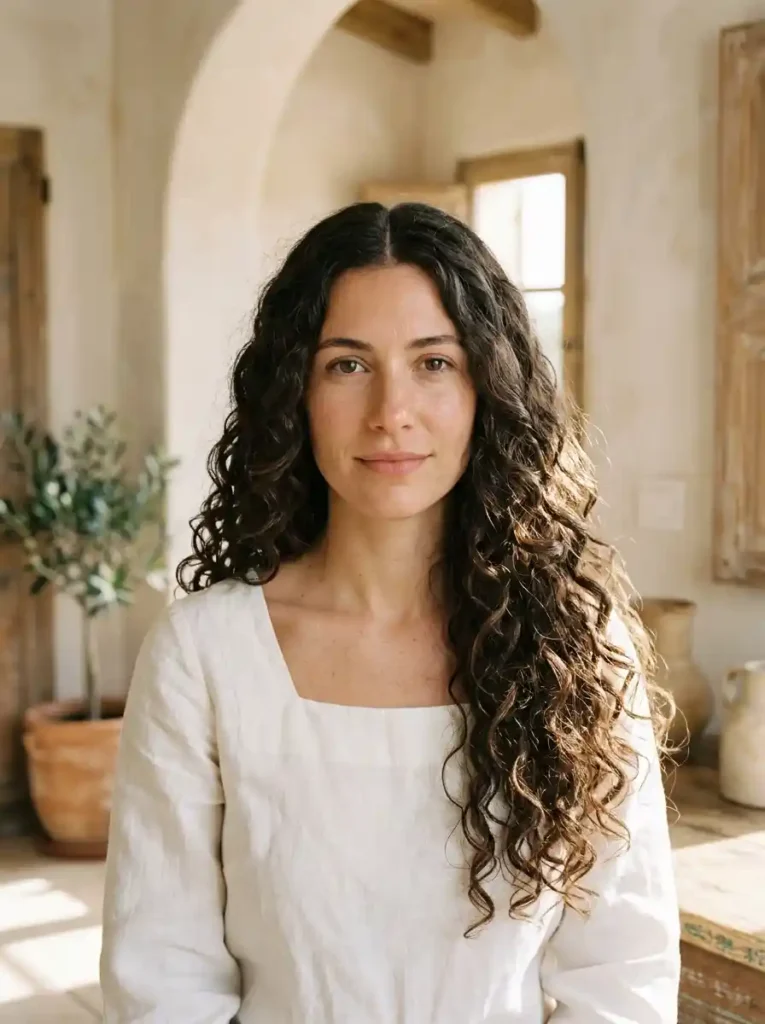
A center part gives long curly hair a balanced appearance, while face-framing layers prevent the front from becoming a heavy curtain of curls. This combination is ideal if you enjoy a classic, symmetrical style that still has movement around the cheeks. The cut can highlight your natural curl pattern without introducing dramatic changes in length. It is also easy to adapt for casual wear, professional settings, or occasions when you want your curls to look more polished.
For the best result, establish your part while your hair is wet and let the curls dry in their intended position. If your roots naturally fall to one side, avoid forcing a perfectly straight center part unless you are comfortable adjusting it regularly. Use a lightweight defining product to keep the front layers from separating unpredictably. Periodic trims help the face-framing pieces remain balanced, especially if you tuck one side behind your ear more often than the other.
22. The Curly Inverted Bob
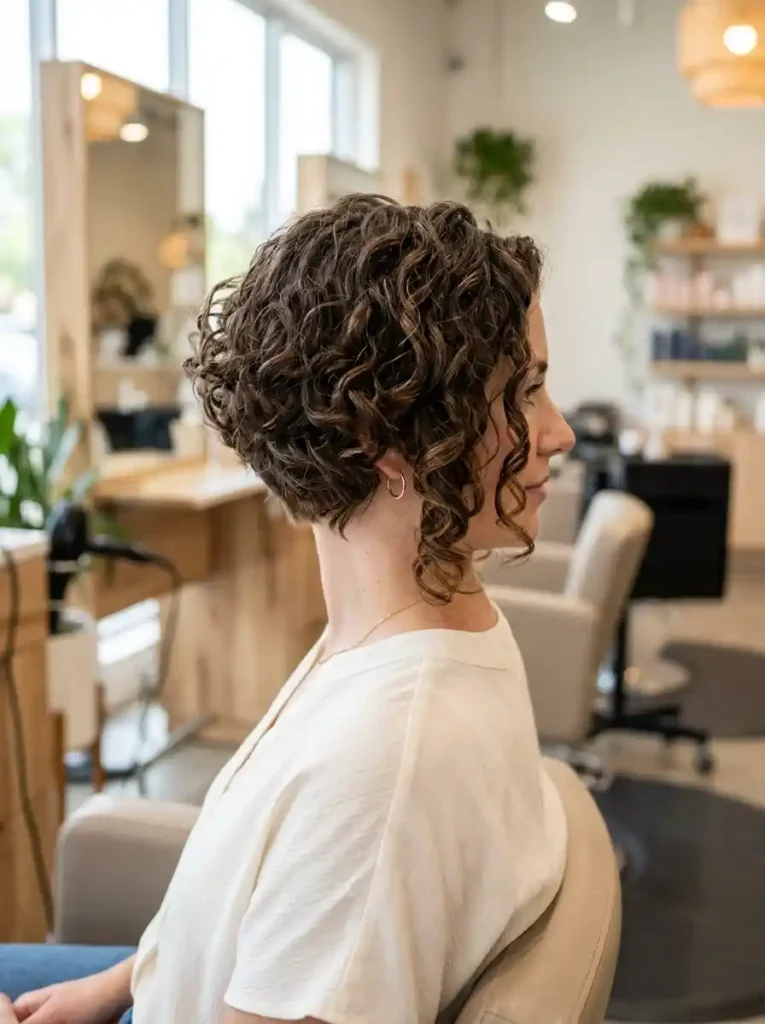
An inverted curly bob has a shorter back that gradually transitions into longer front sections. This creates a forward-moving silhouette that can feel structured without appearing severe, particularly when the curls soften the graduation. It is a useful option if you want the convenience of a shorter neckline but prefer a little extra length around your face. The shape can look especially striking on medium-density curls that hold a defined outline.
The back needs thoughtful shaping so it does not become excessively bulky as the hair dries. Ask your stylist how the graduation will work with your curl pattern and whether the front pieces should sit at the jaw or below it. Style the front curls with a defining cream, and use lighter product near the crown if your hair loses volume easily. Because the haircut relies on a noticeable change in length from back to front, regular reshaping keeps the silhouette crisp.
23. Curly Hair with a Side-Swept Fringe
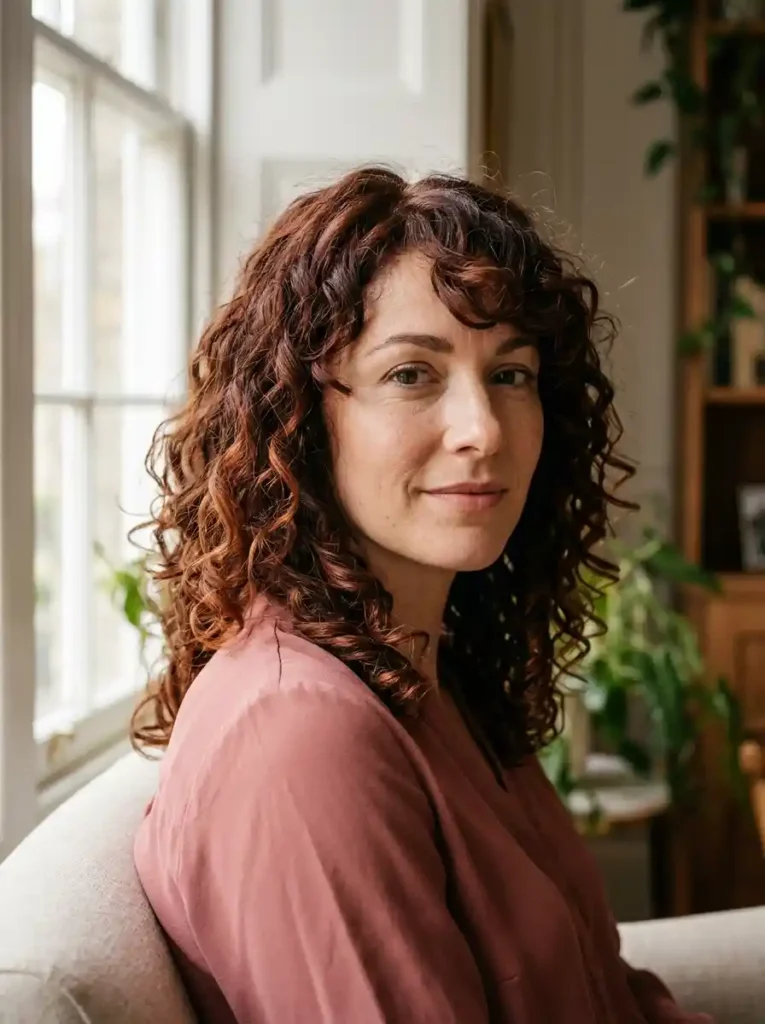
A side-swept fringe offers a softer alternative to full bangs, creating an angled frame that blends into the rest of your curls. It can add interest to a simple bob, collarbone cut, or longer layered hairstyle without making the forehead feel completely covered. This style is particularly helpful if you want to experiment with a fringe gradually, since the longer pieces can usually be tucked away when you prefer an open face.
Ask for a fringe that follows your natural curl direction and remains long enough to blend into the surrounding layers. Apply styling product while damp, then guide the front section diagonally with your fingers rather than brushing it straight. If humidity causes the fringe to separate, refresh it with a little water and reshape the curls individually. Avoid cutting the shortest point too high at the first appointment; you can always refine the length after seeing how it behaves dry.
24. The Curly Tapered Cut with Defined Coils
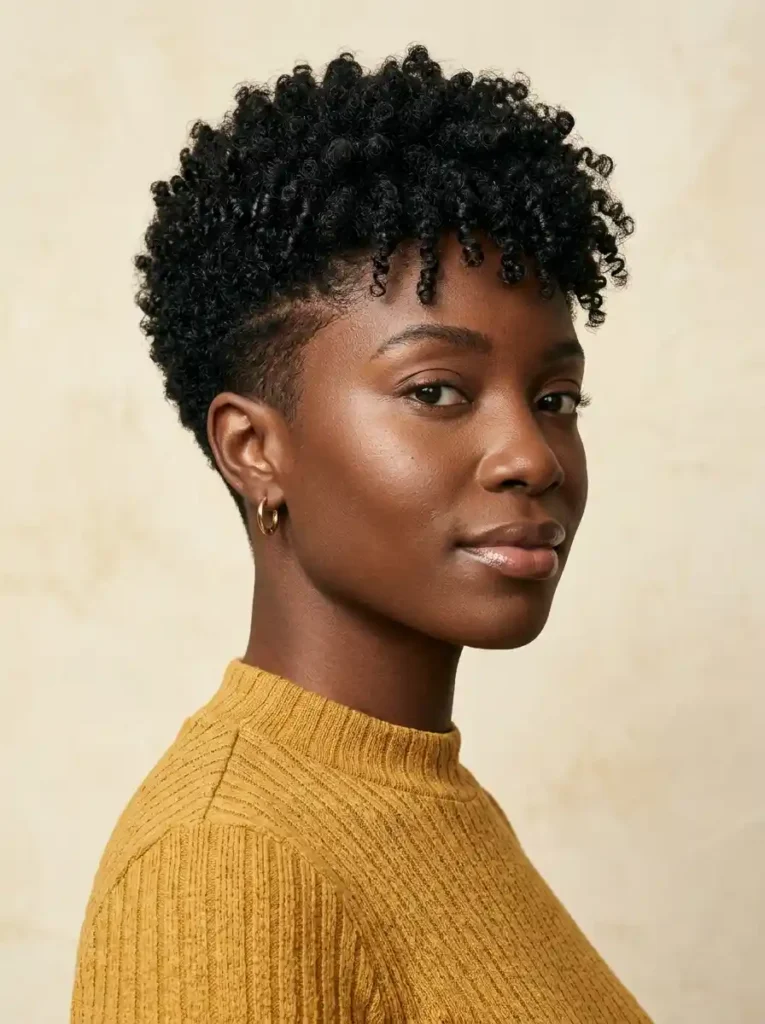
A tapered cut with defined coils offers a neat outline while keeping the natural texture prominent at the crown. The sides and neckline are shortened gradually, allowing the longer coils above to create height and dimension. It is a practical option for people who appreciate a structured shape and want less hair to manage around the ears and nape. The contrast can remain subtle for everyday wear or become more pronounced for a sharper finish.
Your stylist should tailor the taper to your density, head shape, and preferred amount of height. For definition, apply a suitable leave-in conditioner and a curl-defining gel in small sections, smoothing each coil gently before allowing it to dry. Avoid excessive manipulation while the hair sets, since repeated touching can reduce definition. If you wear your hair naturally, protect it at night with a satin covering and refresh the top with water when individual coils lose their shape.
25. The Curly Mullet with a Soft Modern Finish
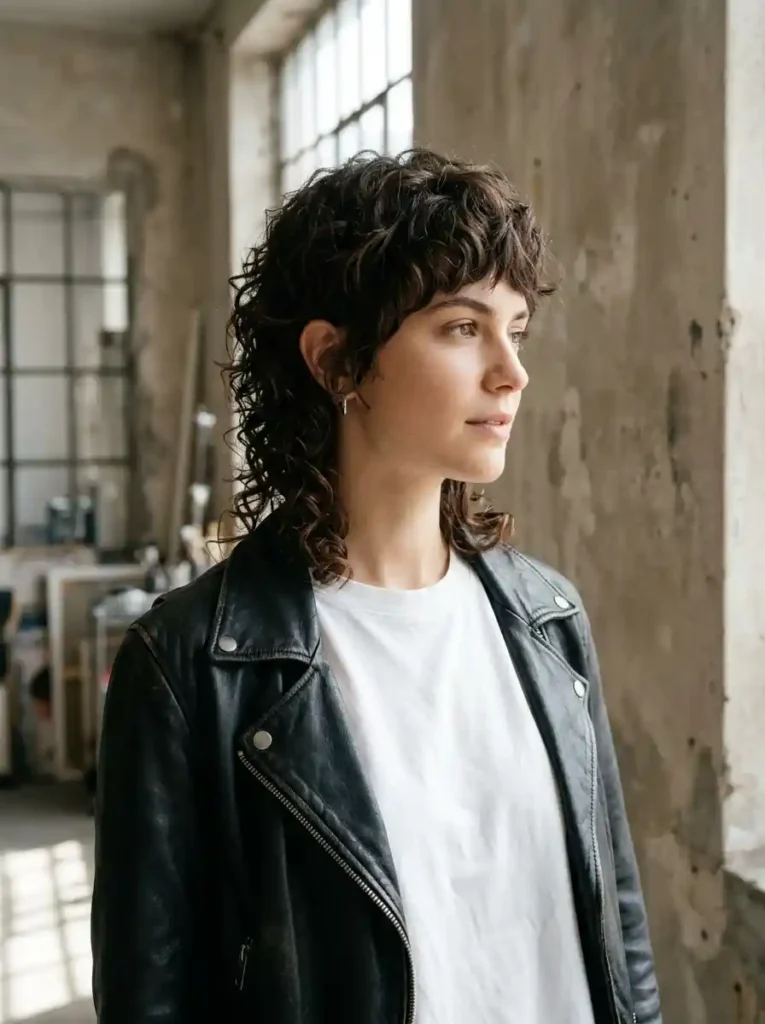
A modern curly mullet offers a distinctive shape through its shorter upper layers and longer back section. Unlike an exaggerated traditional version, a softer interpretation blends the transitions and allows natural curls to create a relaxed outline. This cut is ideal if you want something expressive that stands apart from conventional bobs and layered styles. It can work across several curl patterns, provided the shorter crown and longer nape are adjusted to suit your hair’s natural spring.
Before choosing a mullet, discuss how pronounced you want the contrast between the crown, sides, and back. A subtle version is easier to incorporate into everyday styling, while a more dramatic shape makes a stronger fashion statement. Use lightweight mousse to encourage crown volume and a defining cream through the longer back curls. Plan for occasional reshaping as the layers grow, particularly if you want to preserve the separation that gives this haircut its distinctive character.
Conclusion: Find the Curly Haircut That Feels Like You
The best curly haircut is one that celebrates your natural texture while fitting comfortably into your everyday life. From a softly layered bob to a voluminous afro, a playful shag, or long cascading curls, each style offers a different way to refresh your appearance without losing what makes your hair distinctive.
Before your next salon appointment, consider three things: how much length you want to keep, where you prefer your volume, and how much time you enjoy spending on styling. Save two or three inspiration photos, preferably showing curls similar to your own, and discuss shrinkage, layering, and maintenance with your stylist. Remember that density, curl pattern, and growth direction can change how a haircut looks on you compared with a reference photograph.
You don’t need a dramatic transformation to make your curls feel new. Sometimes, a thoughtful trim, a better-shaped fringe, or strategically placed layers are enough to help you fall in love with your hair all over again.
