Face framing highlights are one of the easiest ways to refresh your hairstyle without committing to an entirely new color. Whether you love soft brunette ribbons, creamy blonde pieces, warm caramel tones, or bold, high-contrast money pieces, the right placement can brighten your complexion and bring out your favorite features. The secret is choosing a shade, thickness, and blending technique that complements your natural hair color. These 23 gorgeous ideas will help you find your next salon inspiration.
1. Soft Blonde Face Framing Highlights
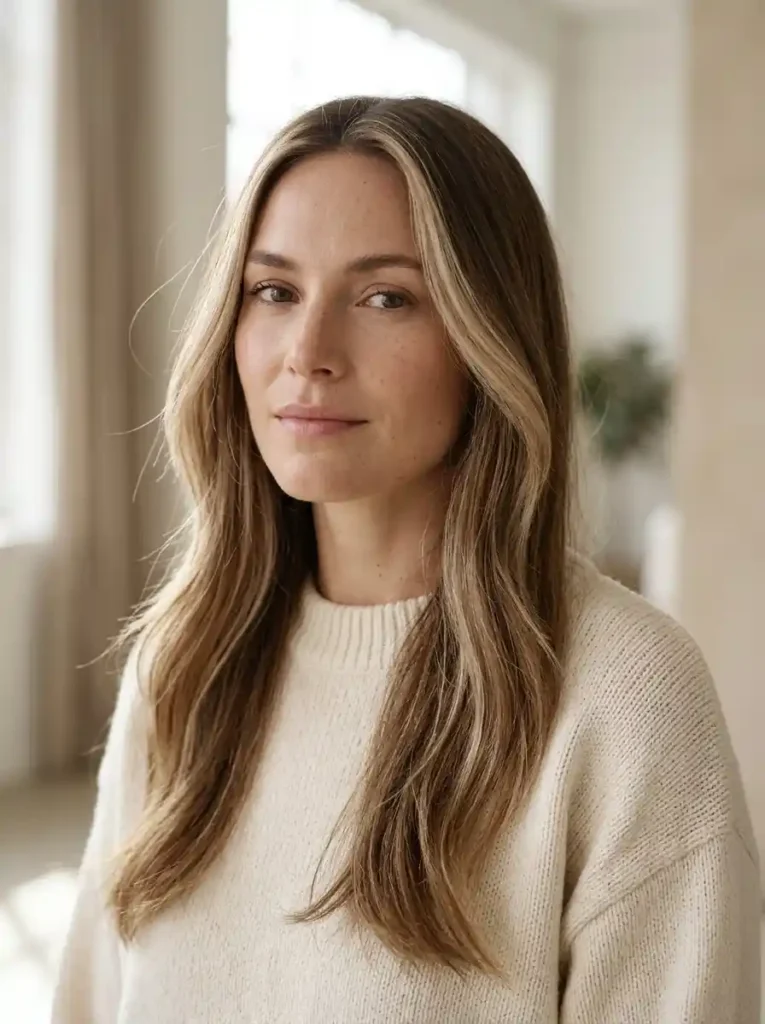
Soft blonde face framing highlights are ideal if you want a brighter appearance without coloring your entire head. Beige or champagne tones around the temples create a gentle contrast against darker roots while keeping the overall hairstyle natural. This look works especially well on dark blonde, light brown, and bronde hair. Ask your stylist for finely blended ribbons rather than thick streaks if your goal is a subtle, sunlit finish that grows out gracefully.
The beauty of this style lies in its versatility. Wear your hair straight to show the delicate color transitions, or add loose waves for extra dimension around the face. A purple shampoo can help manage unwanted yellow tones in blonde highlights, although using it too frequently may leave some hair looking dull. Keep the ends moisturized with a lightweight conditioner and schedule toning appointments when needed. Your stylist can adjust the blonde’s warmth to complement your complexion and natural base color.
2. Caramel Face Framing Highlights on Brunette Hair
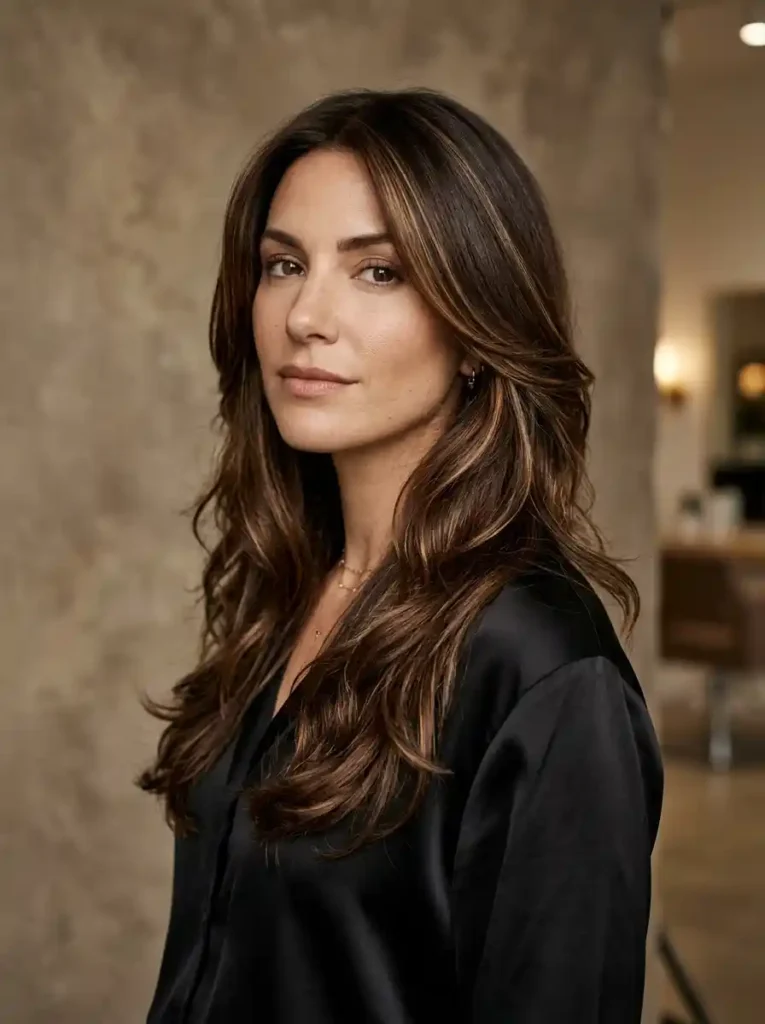
Caramel face framing highlights are a beautiful choice for brunettes who want warmth without moving too far from their natural color. Golden brown and toffee shades create dimension against chocolate or espresso hair, making the front sections stand out without looking overly light. This combination is particularly appealing if you prefer a rich, glossy finish rather than a dramatic blonde transformation. Ask your stylist to keep the highlights concentrated around the hairline and softly blended into the surrounding layers.
For an especially flattering result, consider where the lightest pieces begin. Highlights starting around the cheekbones can draw attention toward the center of the face, while a softer transition near the temples creates a more understated effect. Loose curls or a round-brush blowout help reveal the caramel ribbons, but the color should still look attractive when your hair is naturally straight. Because warm shades can fade, use color-safe shampoo and a heat protectant to maintain shine between salon appointments.
3. Platinum Blonde Money Pieces
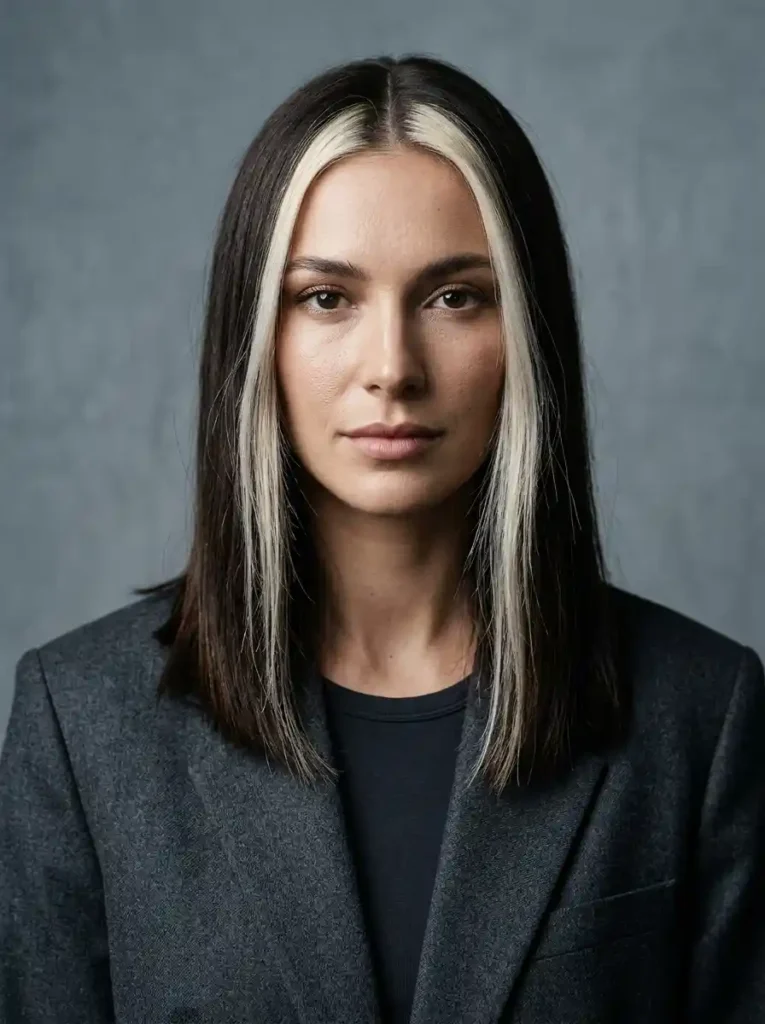
Platinum blonde money pieces are perfect for anyone who enjoys a bold, noticeable color change. These bright sections sit directly around the face, creating a strong contrast against brunette, black, or dark blonde hair. Unlike delicate balayage, this look intentionally makes the front strands a focal point. It suits people who want a modern, fashion-forward hairstyle without bleaching every section. Ask your colorist to assess your hair’s condition before lifting it to a very light blonde, especially if it has been colored previously.
The maintenance commitment is worth considering before choosing this dramatic finish. Dark roots become visible as your hair grows, and platinum tones may require regular toning to prevent unwanted yellowing. A purple shampoo can help maintain a cooler appearance, while deep conditioning supports softness after lightening. You can keep the rest of your hair natural for striking contrast or add a few subtle highlights through the lengths for a more connected result. A sleek blowout makes the color especially noticeable.
4. Honey Blonde Highlights for Warm Dimension
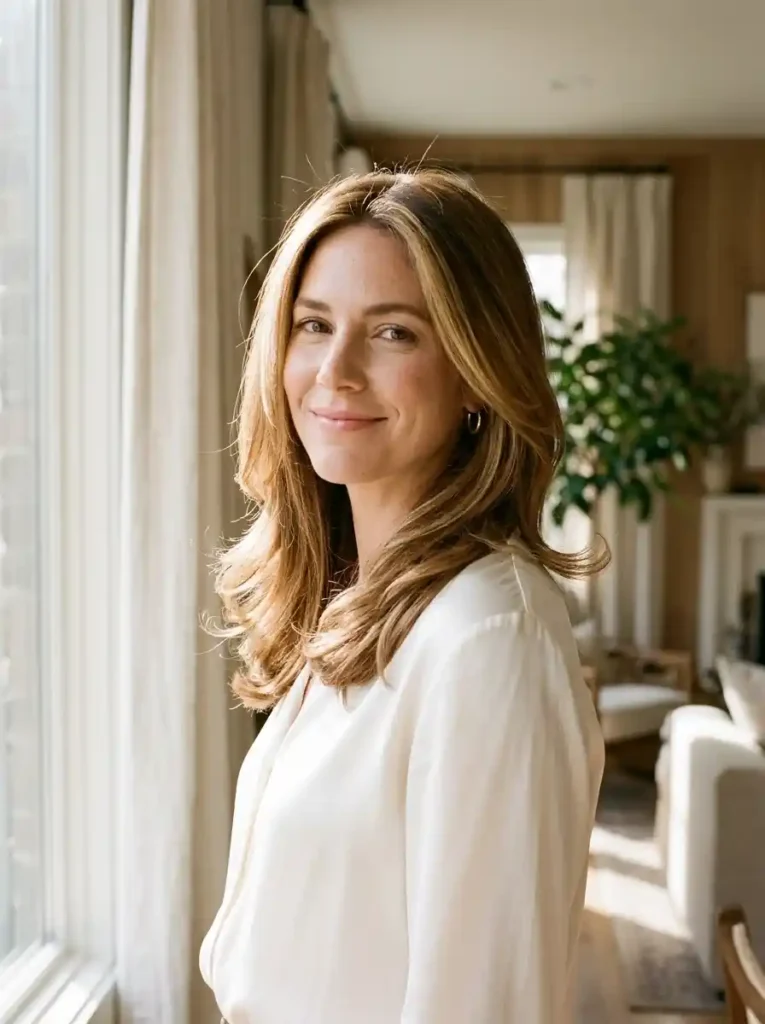
Honey blonde face framing highlights offer a balanced middle ground between golden warmth and natural-looking brightness. They are especially attractive on medium brown, chestnut, and dark blonde bases because the shades blend smoothly without creating an excessively cool or high-contrast finish. The golden tones can make layered hairstyles appear fuller and more dimensional. If you prefer a soft, approachable look, ask your colorist for fine highlights around the temples that gradually become lighter toward the ends.
This shade works beautifully with a blowout, curtain bangs, or shoulder-length layers that curve away from the face. Honey highlights can also be a practical choice if you dislike the stark appearance of platinum blonde. However, the exact warmth should be selected carefully, since very golden shades may not suit everyone’s preferred color palette. Bring reference photos showing both your desired brightness and your natural base. A glossing treatment can help refresh the color and maintain the reflective finish between full highlighting appointments.
5. Face Framing Highlights on Black Hair
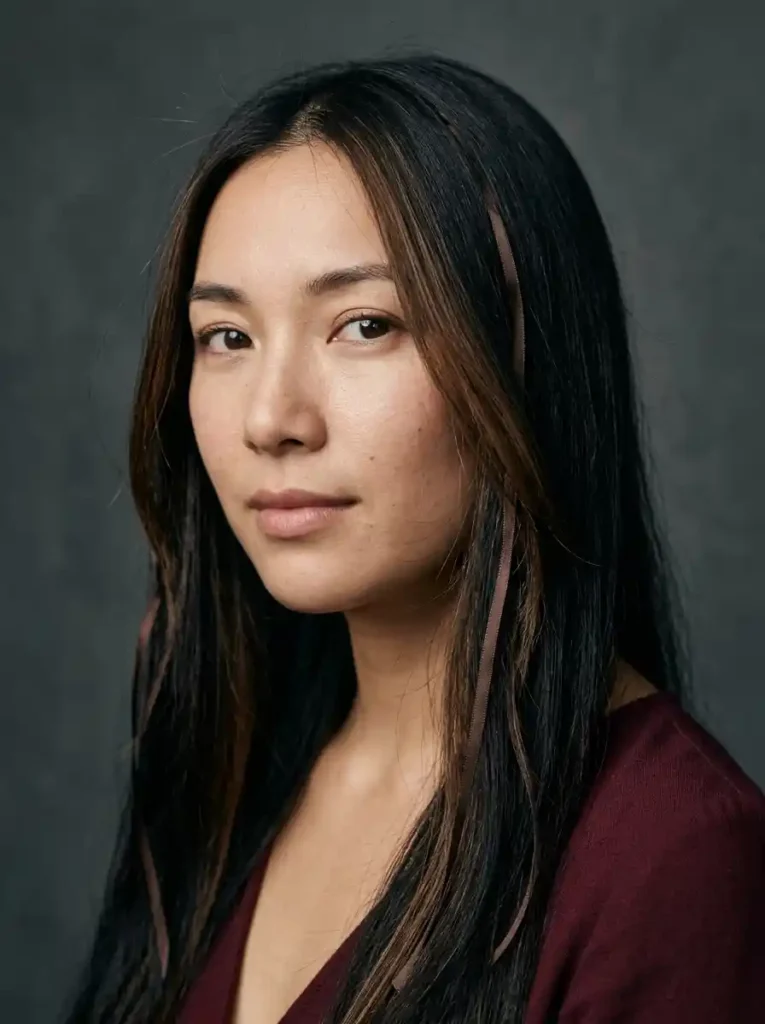
Black hair can look stunning with carefully placed face framing highlights, especially when the color remains rich and dimensional. Mocha, dark chocolate, and espresso-brown tones offer a sophisticated alternative to blonde streaks. They create visible movement while preserving the depth that makes naturally dark hair distinctive. If you want a subtle transformation, request a shade only a few levels lighter than your base. This approach allows the front pieces to catch the light without making the overall hairstyle feel disconnected.
For greater definition, your stylist can lighten slightly wider sections near the temples and keep the remaining hair untouched. Soft waves help reveal the different tones, while a straight finish emphasizes the clean placement around the face. Depending on your starting color, achieving lighter highlights may require careful lifting, so discuss previous dye treatments before your appointment. Avoid assuming that bleach-free color can always create noticeable brightness on black hair. A strand test helps establish realistic expectations and protects hair integrity.
6. Rose Gold Face Framing Highlights
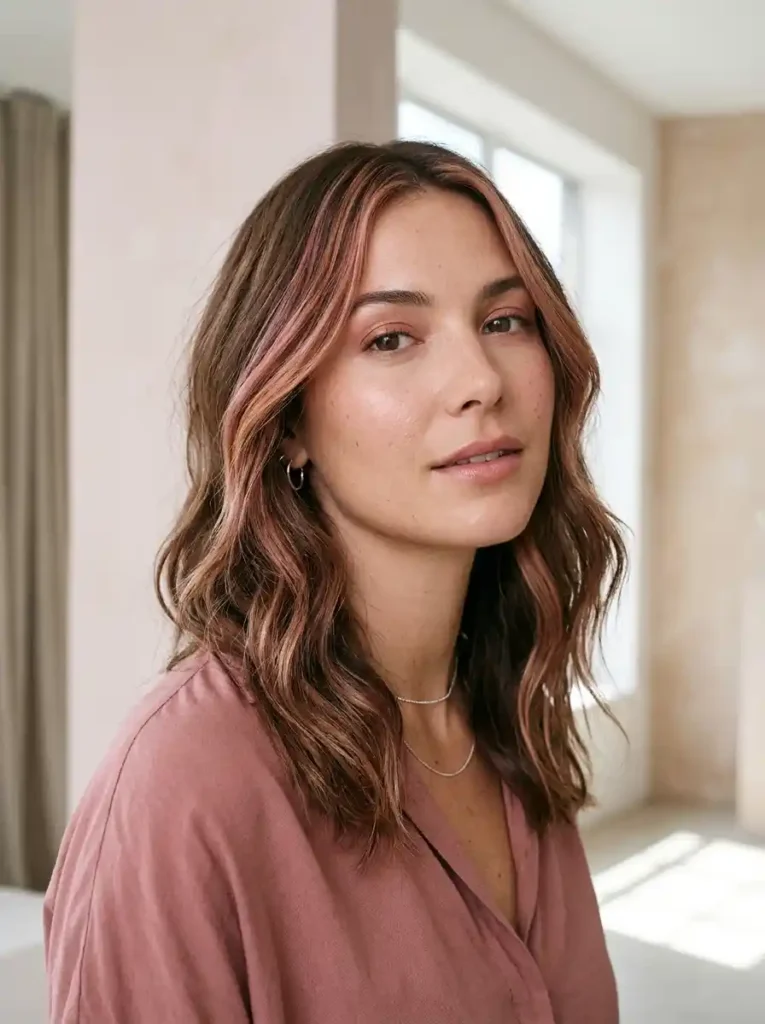
Rose gold face framing highlights introduce a playful touch of color while remaining softer than vivid pink streaks. The combination of muted rose, copper, and golden undertones can look especially appealing against light brown, dark blonde, and some medium brunette bases. Instead of coloring large sections, you can concentrate the rose gold around the front of your hairstyle for a distinctive accent. Ask your stylist whether your base needs lightening first, since the final shade depends heavily on your starting color.
This look is also a good opportunity to experiment with temporary or semi-permanent color before committing to a lasting change. Rose tones may fade relatively quickly, particularly on porous or frequently washed hair, so use gentle, color-safe products and follow your stylist’s maintenance advice. Soft waves show off the shifting pink and copper reflections, while a simple straight style makes the placement look cleaner. If you prefer understated color, choose a muted rose-brown blend instead of a bright pastel pink.
7. Chunky Face Framing Highlights

Chunky face framing highlights are made for anyone who wants their color to be seen rather than discovered subtly. Wider blonde sections on either side of the face create a defined frame, particularly when paired with a darker brunette base. The look can feel retro, edgy, or contemporary depending on the shade and haircut. Ask your stylist to customize the width according to your hair density, parting, and desired contrast. Creamy beige blonde offers a softer result, while a lighter platinum shade produces a bolder finish.
Because this technique is more noticeable, thoughtful placement matters. Highlights that are too wide or positioned unevenly may create a disconnected appearance, especially when the hair is worn straight. Your colorist can soften the edges slightly or connect the front sections with a few strategically placed ribbons through the upper layers. Styling with a textured blowout adds movement, while a center part emphasizes symmetry. Remember that chunky highlights need not cover the entire head; keeping the rest of your hair darker can make the framing effect more striking.
8. Subtle Face Framing Highlights for Dark Brown Hair
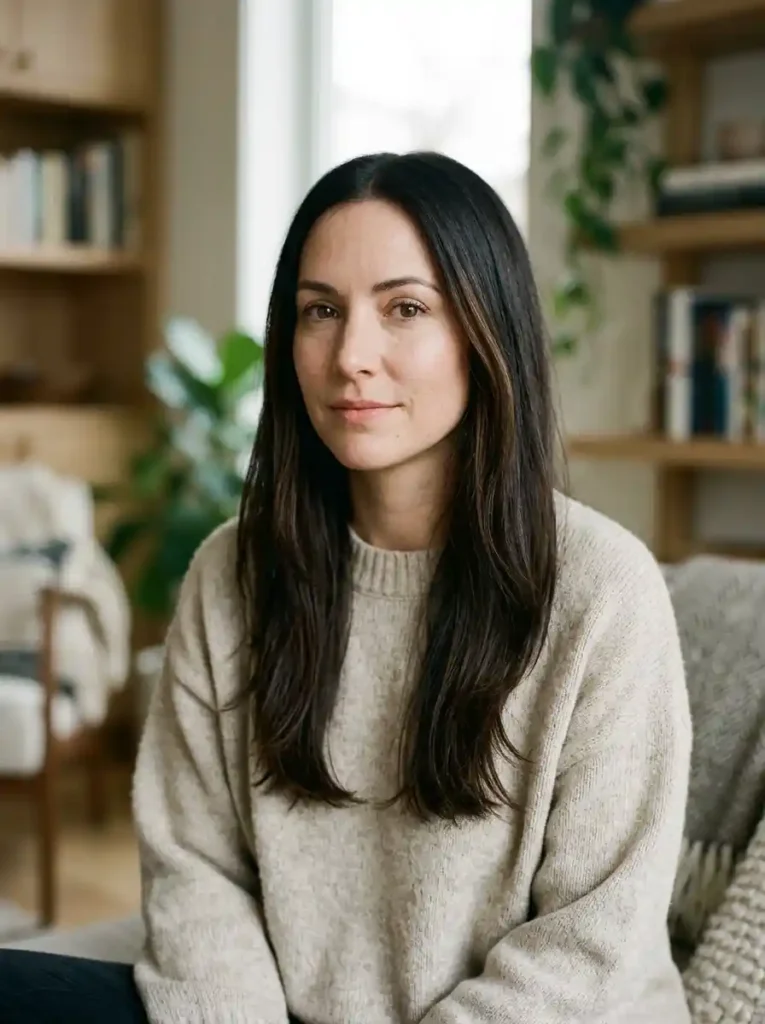
If you love your dark brown hair but want a little extra dimension, subtle face framing highlights can make a meaningful difference without changing your overall look. Chestnut, cocoa, and soft mocha tones are excellent options because they provide gentle contrast while maintaining a brunette appearance. The effect is particularly appealing for people who prefer low-key color or are trying highlights for the first time. Ask for a few fine pieces near the hairline rather than a thick, obvious section of lighter hair.
The key is to create enough tonal variation for the highlights to become visible in natural light. Your stylist may use a delicate balayage technique or traditional foils, depending on how precise the placement needs to be. Subtle highlights generally make regrowth less conspicuous than a strong, root-to-tip contrast, although maintenance still depends on your chosen shade and hair growth. Keep the finish polished with lightweight serum on the ends, and avoid heavy products near the roots if you want the color to remain airy and reflective.
9. Copper Face Framing Highlights
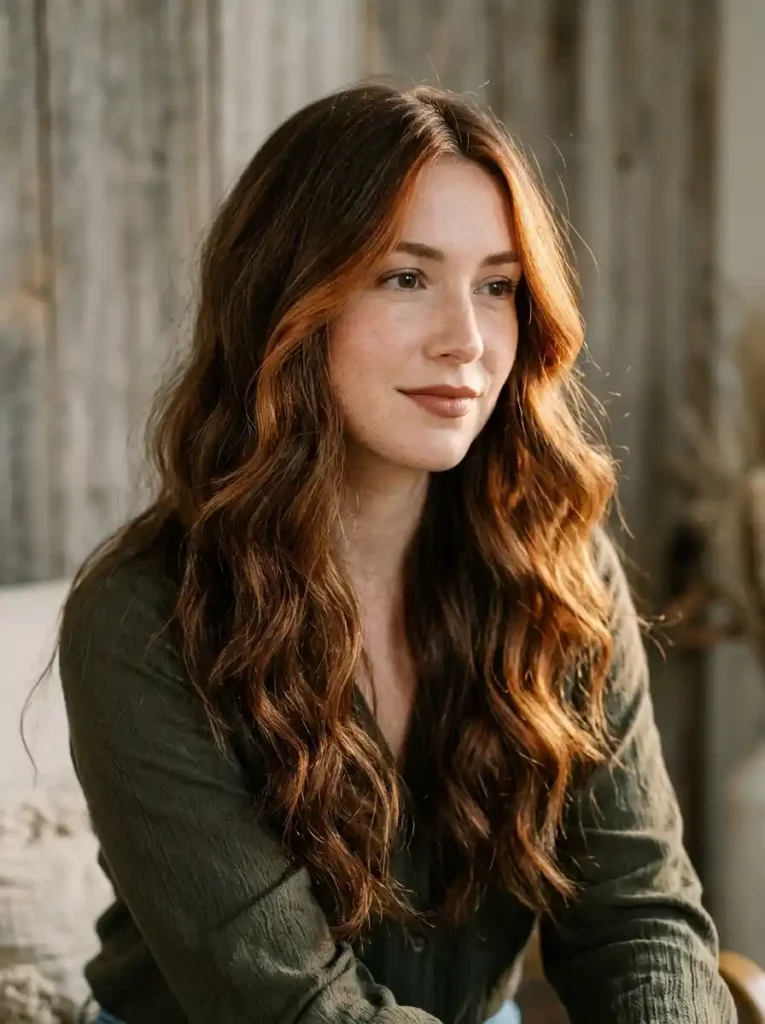
Copper face framing highlights bring warmth and personality to brown hair without requiring an all-over red transformation. Burnished copper, cinnamon, and soft auburn shades can create a beautiful contrast against chestnut or medium brunette bases. This color choice is especially appealing if you enjoy autumn-inspired palettes or want your front layers to have more visible warmth. Ask your colorist to compare copper shades against your natural hair in different lighting, since vivid orange-red tones can look quite different indoors and outdoors.
Styling can influence how pronounced the copper appears. Loose curls separate the highlighted strands and showcase their warm reflections, while a sleek finish gives the color a more defined, graphic appearance. Copper pigments may fade with repeated washing, so cool-to-lukewarm water and color-safe shampoo can help preserve the finish. If you prefer a softer result, request cinnamon or auburn ribbons instead of bright orange copper. These alternatives maintain warmth while creating a more blended transition into your natural hair color.
10. Face Framing Highlights with Curtain Bangs

Curtain bangs and face framing highlights work together because both features direct attention toward the center of the face. The bangs create a soft outline around the forehead, while lighter strands along the temples and cheekbones add dimension. Caramel, honey, or beige blonde can complement brunette bases without overpowering the haircut. If you’re planning both a color change and a fringe, discuss the order with your stylist so the highlights are positioned to suit the finished length and shape of your bangs.
One important detail is that bangs often sit differently when dry than when wet. Your colorist should consider how your fringe naturally separates, especially if you regularly wear a middle or slightly off-center part. Highlights that are too chunky near the fringe can create an uneven effect as the hair moves. Keep the color around the front soft enough to blend into the side layers. A round brush or large styling brush can help sweep the bangs outward and reveal the brighter pieces without requiring elaborate styling.
11. Beige Blonde Face Framing Highlights
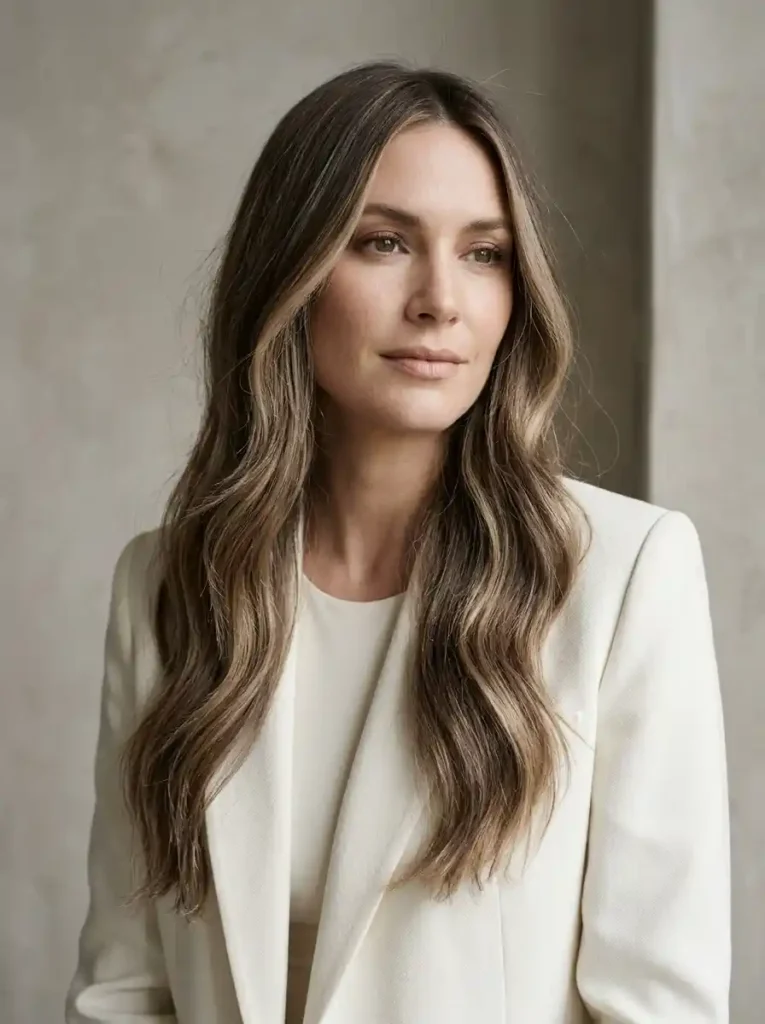
Beige blonde highlights are an excellent option if you want brightness without the intense golden warmth of honey blonde or the coolness of platinum. Their neutral character makes them versatile on light brown, dark blonde, and some medium brunette bases. When concentrated around the face, beige ribbons can create a refined, softly illuminated appearance that feels polished rather than dramatic. Ask your stylist to choose a beige tone that harmonizes with your natural base, since the right balance depends on the underlying pigments revealed during lightening.
This shade looks particularly elegant with smooth waves, layered cuts, and softly curved ends. It also photographs beautifully because the color transition remains visible without relying on extreme contrast. To keep beige highlights from turning overly warm or dull, your stylist may recommend a customized gloss between major color appointments. Avoid using purple shampoo automatically every wash; neutral beige hair does not always need aggressive toning. Instead, follow the advice given for your specific color formula and focus on keeping the hair hydrated and shiny.
12. Face Framing Highlights on Short Hair

Face framing highlights are not limited to long hair. On a bob, lob, or pixie-inspired cut, a few lighter pieces near the front can make the shape feel more dimensional and intentional. Golden blonde, caramel, or soft copper tones work well depending on your base color and desired contrast. For a chin-length bob, strategically placed highlights can emphasize the curve of the haircut and draw attention toward the eyes or cheekbones without requiring color throughout the entire head.
Short hair requires careful placement because the front sections may be too brief to hide an awkward color transition. Bring photos of your usual styling routine to the salon, especially if you tuck one side behind your ear or wear a deep side part. A skilled colorist can adapt the highlight pattern to the cut instead of copying a long-hair technique. To maintain the shape, schedule trims as needed and discuss whether your highlights should be refreshed at the same appointment or left to grow out naturally.
13. Golden Blonde Highlights on Light Brown Hair

Light brown hair provides an excellent foundation for golden blonde face framing highlights because the base and lighter pieces can blend without an extreme color jump. The golden ribbons brighten the hairline while preserving the softness of your natural color. This combination is especially attractive if you want a sun-kissed effect that looks believable throughout the year. Ask your stylist for a gradual transition from a slightly deeper root area to brighter front pieces, rather than a harsh stripe that begins abruptly at the scalp.
The finished color can be adapted to several haircuts, from long layers to a collarbone-length lob. Loose waves create movement, while a simple half-up style allows the highlights around the temples to remain visible. Golden blonde may gradually become warmer with washing and sun exposure, so color-safe products and occasional professional glossing can help keep the tone consistent. If you are unsure how light to go, start with a restrained amount of brightness; adding more highlights later is often easier than correcting an overly light front section.
14. Face Framing Highlights on Wavy Hair

Wavy hair is particularly well suited to face framing highlights because its bends and curves naturally reveal different tones. Caramel, honey, and beige blonde can create dimension without requiring the entire hairstyle to be lighter. The placement should follow the way your waves fall when styled normally, with brighter strands around the temples and selected pieces through the front layers. Tell your stylist whether you air-dry, diffuse, or straighten your hair regularly so the color works with your everyday routine.
For the most natural result, avoid treating every wave as a separate highlight target. A thoughtful pattern of lighter ribbons and darker spaces keeps the hair from looking overly striped. If your waves tend to frizz, prioritize conditioning and apply a suitable leave-in product before styling. A diffuser on a gentle setting can help define the shape and show off the color transitions. You do not need perfectly uniform waves; natural variation often makes the highlights look more dimensional and less artificial.
15. Ash Blonde Face Framing Highlights

Ash blonde face framing highlights suit people who prefer a cooler, understated color palette. The muted blonde can complement ash-brown bases and create a noticeable frame without the golden warmth of honey or caramel shades. For a cohesive finish, ask your stylist to avoid excessively silver pieces if you want a natural-looking result. Your starting color and underlying pigments will determine how cool the highlights can realistically become, so a reference photo should show a similar base shade as well as the desired blonde.
Maintaining ash tones sometimes requires more attention than maintaining warmer shades because unwanted yellow or orange undertones can become visible as the color fades. A professional toner can help restore the intended balance, while a purple shampoo may be useful when recommended for your specific hair. Use it sparingly to avoid a dull or overly smoky finish. Ash highlights look especially clean with straight hair and polished layers, but soft waves can prevent the overall appearance from feeling too flat or severe.
16. Face Framing Highlights on Curly Hair

Curly hair can look beautiful with face framing highlights when the color placement respects the natural curl pattern. Rather than creating a uniform stripe, your stylist can brighten selected curls near the temples and along the front perimeter. Honey, caramel, and warm brown tones offer visible dimension against darker bases, while softer beige shades can create a more neutral effect. The goal is to highlight the shape of your curls, not conceal their natural variation beneath an overly regular pattern of color.
Before lightening curly hair, discuss its current condition and your normal care routine. Chemical processing can increase dryness, which may make curls feel less defined if moisture and styling habits are neglected. A stylist experienced with textured hair can help choose an appropriate technique and evaluate whether a strand test is advisable. After coloring, use a moisturizing conditioner and a curl-friendly leave-in product. Let your hair dry naturally or diffuse gently to preserve the curl pattern and reveal the highlighted sections without excessive heat.
17. Face Framing Highlights with Long Layers

Long layers provide plenty of space for face framing highlights to blend naturally from the hairline into the rest of the hairstyle. Champagne blonde, beige, and caramel shades can brighten the front without creating an isolated block of color. The cut itself helps distribute the lighter pieces as the hair moves, creating a seamless transition from shorter face-framing sections to longer lengths. Ask your stylist to coordinate the highlight placement with the layers, especially if the shortest pieces begin near your cheekbones or chin.
This combination works well for people who enjoy styling their hair in loose waves or a voluminous blowout. The curved layers help reveal the color, while a simple ponytail can still leave a few bright strands around the face. If your hair is very long, pay attention to the condition of the ends because previously lightened lengths may be more fragile. Regular trims, a heat protectant, and gentle detangling can preserve the movement that makes this hairstyle look polished rather than weighed down.
18. Chocolate Brown Hair with Toffee Highlights
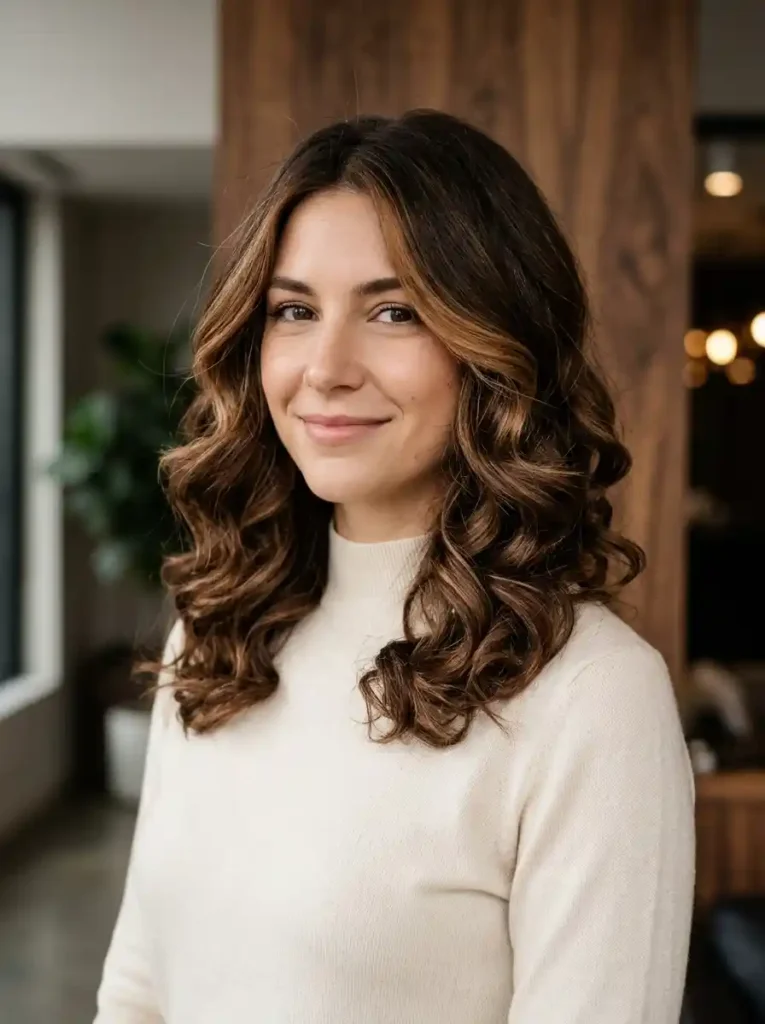
Toffee highlights are a rich option for anyone who wants warmth without going fully blonde. Their brown-gold character pairs naturally with chocolate hair, creating a dimensional finish that looks particularly beautiful in curls and layered cuts. The shade is generally more understated than bright caramel or honey blonde, making it appealing for people who prefer a brunette look with a little extra contrast. Ask your stylist to keep the front sections soft and blended if you want the result to look elegant rather than heavily streaked.
Toffee tones are also easy to personalize. A deeper cocoa-toffee combination gives dark hair a subtle glow, while lighter golden-brown ribbons create more visible brightness. Styling with a large-barrel curling iron can reveal the transitions, but a heat protectant is essential when using hot tools. If you prefer a lower-maintenance routine, request a placement that does not require frequent root touch-ups. The finished color should complement your natural base rather than forcing you into a dramatically different shade family.
19. Face Framing Highlights for a Blonde Balayage Look
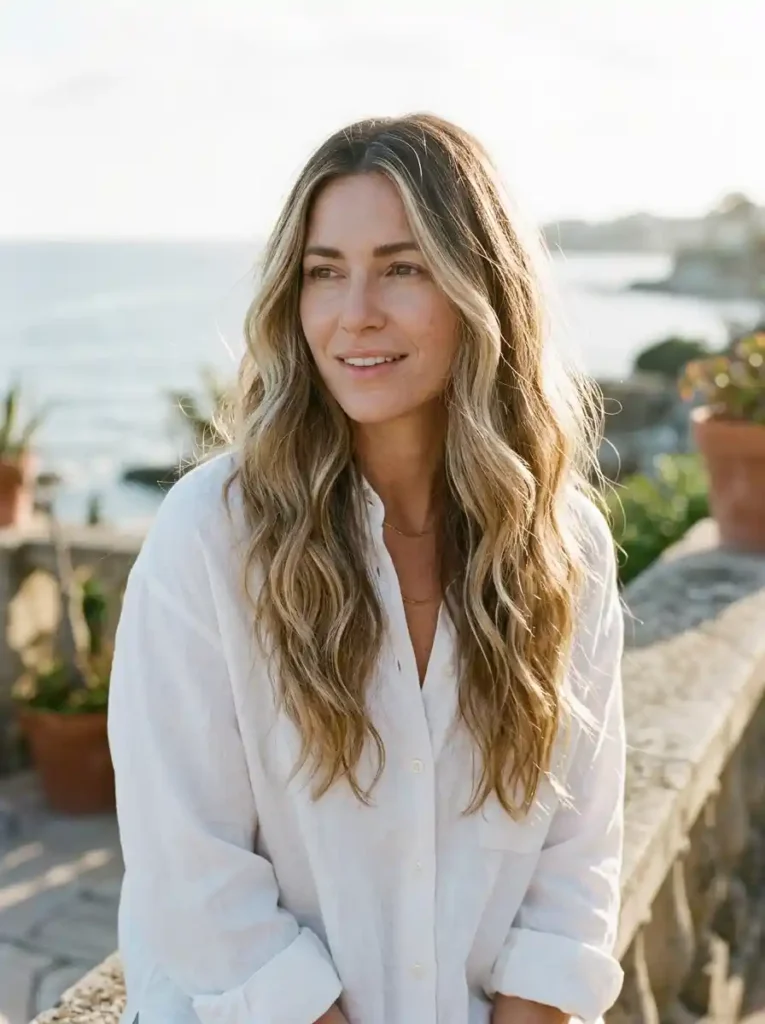
A blonde balayage look with brighter face framing pieces combines a soft overall color transition with extra brightness near the front. The darker root area blends into lighter lengths, while champagne or beige blonde sections draw attention toward the face. This approach can be useful if you want the appearance of sun-lightened hair without a uniform blonde color from scalp to ends. Ask your colorist to coordinate the money pieces with the balayage so the front remains bright but still connects naturally to the rest of the hairstyle.
One advantage of this combination is that a blended root area can make regrowth less obvious than an all-over light blonde color. However, the front sections may still need toning or refreshing sooner if you prefer them to remain especially bright. Beach waves emphasize the different shades, while a straight style reveals the smoothness of the blend. Discuss how often you are willing to visit the salon before choosing your brightness level. A realistic maintenance plan will help you enjoy the look without unnecessary upkeep.
20. Burgundy Face Framing Highlights
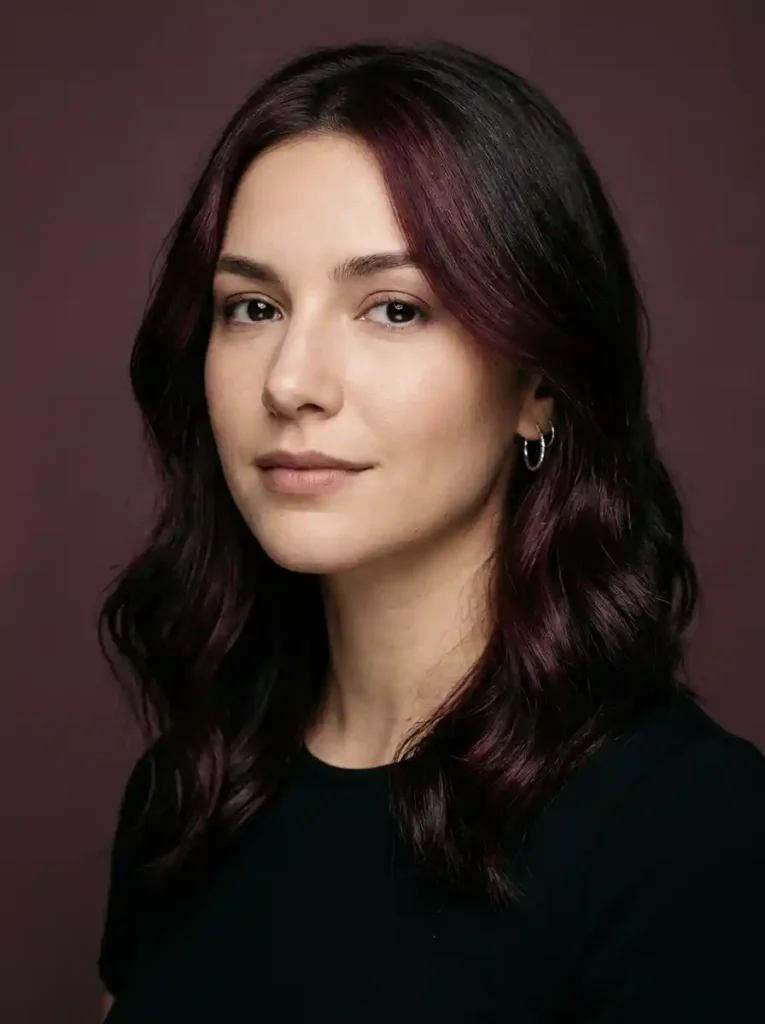
Burgundy face framing highlights are an expressive alternative to blonde and caramel tones. Wine, plum, and deep red shades add color while allowing the overall hairstyle to remain dark and sophisticated. They can look particularly striking on brunette hair because the darker base gives the red tones depth. If you want the color to remain subtle, ask for deep burgundy ribbons that show more clearly in direct light. For a stronger statement, your stylist may recommend brighter red-violet pieces near the temples.
Red-based colors can fade noticeably, so it is worth planning for maintenance before choosing a vivid burgundy shade. Use color-safe shampoo, avoid unnecessarily frequent washing, and follow your stylist’s guidance about refreshing the tone. If your hair is naturally very dark, the final result may appear more like a red reflection than an obvious highlight unless the strands are lightened first. This look pairs beautifully with soft waves, but it can also create an interesting contrast against a sleek, straight bob.
21. Face Framing Highlights on a Lob Haircut
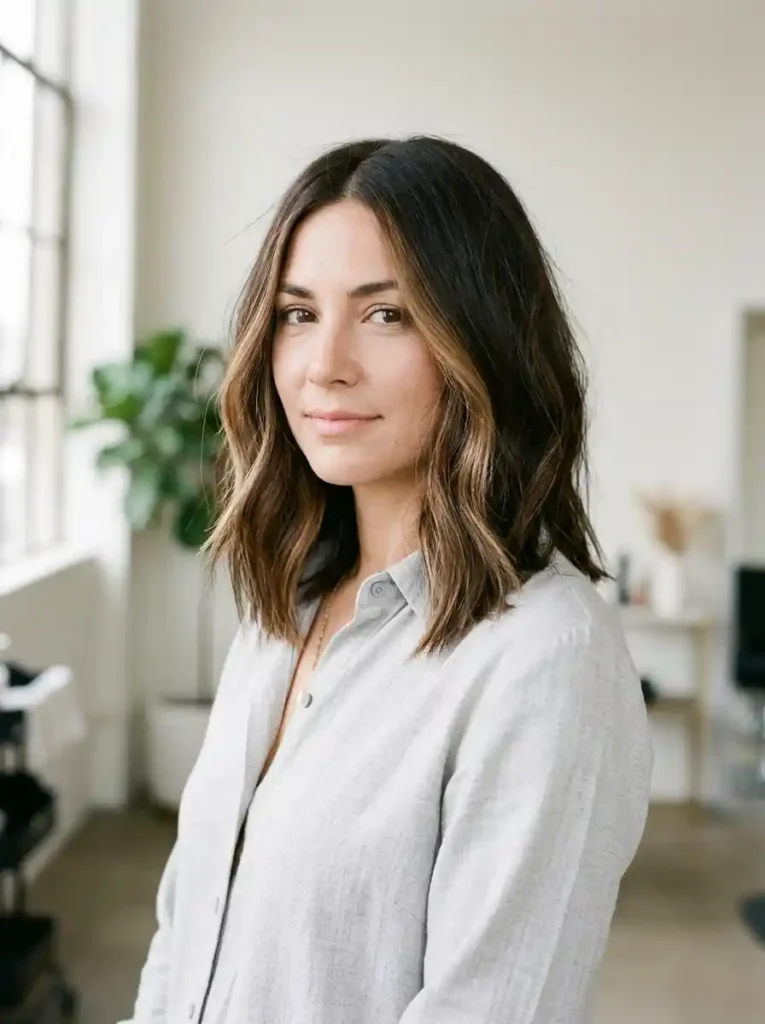
A long bob, or lob, offers a practical canvas for face framing highlights because the front sections are long enough to show color while remaining easy to style. Beige, caramel, and soft honey shades can add dimension around the cheekbones and jawline without overwhelming the clean shape of the haircut. If you prefer a contemporary but wearable style, request a few brighter pieces at the front and a restrained blend through the upper layers. This keeps the overall color balanced and allows the haircut to remain the main feature.
The lob works with straight styling, loose waves, and quick everyday blowouts, making it useful if you do not want a complicated routine. Highlight placement should complement how the front pieces fall naturally, especially if your haircut is angled slightly forward. Ask your stylist to check the finished color with the hair parted as you normally wear it. Regular trims help maintain the crisp outline, while a lightweight smoothing product can add shine without flattening the movement that makes the highlights noticeable.
22. Face Framing Highlights with a Middle Part

A middle part gives face framing highlights a balanced, symmetrical appearance. When lighter pieces are positioned on either side of the part, they create a clear outline that can emphasize the eyes, cheekbones, and overall shape of the haircut. Caramel, beige blonde, and honey shades work well depending on your base color and how much contrast you prefer. Ask your stylist to consider the natural direction of your hair growth so the highlighted sections sit neatly instead of separating awkwardly at the roots.
Although the look appears simple, the exact placement can make a noticeable difference. If the highlights are too bright or too wide, the result may feel harsher than intended, particularly on dark hair. A softer transition near the scalp and slightly brighter mid-lengths can help the color look more integrated. A middle part also works with sleek styling, loose waves, and low ponytails. If you frequently change your part, mention this during your appointment so your colorist can create a placement that remains attractive when the hair shifts.
23. Natural Sun-Kissed Face Framing Highlights

Sun-kissed face framing highlights are ideal if you want your hair to look naturally brighter rather than freshly transformed. Fine strands in soft caramel, honey, or golden brown can mimic the gentle variation that sunlight creates, especially around the front of the hair. The effect works across many brunette and dark blonde bases, provided the chosen shade complements the underlying color. Ask your stylist for delicate, irregularly placed highlights instead of perfectly uniform streaks to maintain a relaxed, believable finish.
This look is especially easy to wear because it can work with air-dried waves, casual ponytails, and polished blowouts. You can also keep the highlights relatively close to your natural base for a softer grow-out. Although sun-kissed color may appear low-maintenance, lightened hair still benefits from conditioning and heat protection. If you spend considerable time outdoors, ask your stylist about protecting your color from environmental fading. The best result is one that looks attractive in everyday lighting, not just under bright salon lights or carefully styled for photographs.
Conclusion
Face framing highlights offer countless ways to refresh your hairstyle, whether you prefer barely noticeable brunette ribbons, warm caramel accents, creamy blonde money pieces, or expressive shades like copper and burgundy. The best choice depends on your natural hair color, haircut, preferred level of contrast, and willingness to maintain the result. You do not need to lighten your entire head to create a noticeable change; sometimes, a few thoughtfully placed strands are all it takes to give your hairstyle a new dimension.
Before your next salon appointment, save two or three inspiration photos that show the color you like, the placement you want, and a similar starting hair color. Discuss your hair’s condition, maintenance preferences, and everyday styling habits with your colorist. If you are unsure about going lighter, begin with a subtle approach and build from there. With the right shade and placement, face framing highlights can complement your haircut beautifully while still feeling personal, natural, and easy to wear.


