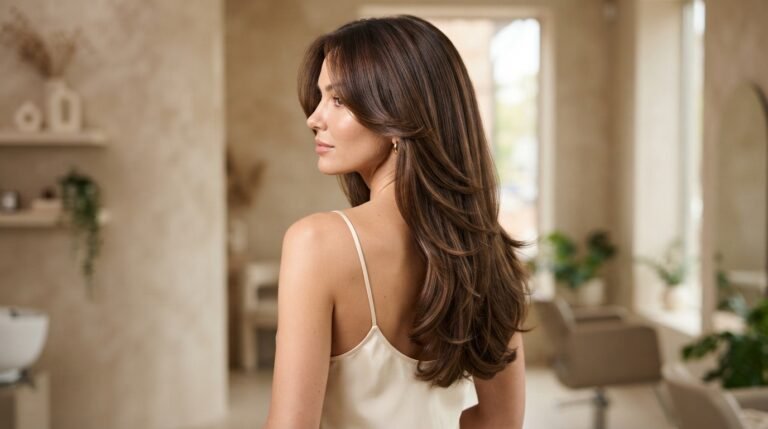
Warm caramel hair color is the perfect middle ground between rich brunette shades and luminous blonde highlights. With its golden, honeyed, and toffee-inspired tones, caramel adds dimension to your hair without requiring a dramatic color transformation. Whether you love subtle sun-kissed ribbons, glossy chocolate-caramel blends, or a lighter balayage, there is a look worth saving for your next salon visit. Explore these 20 warm caramel hair color ideas, along with styling inspiration and practical tips for choosing a shade that feels right for you.
1. Classic Warm Caramel Balayage
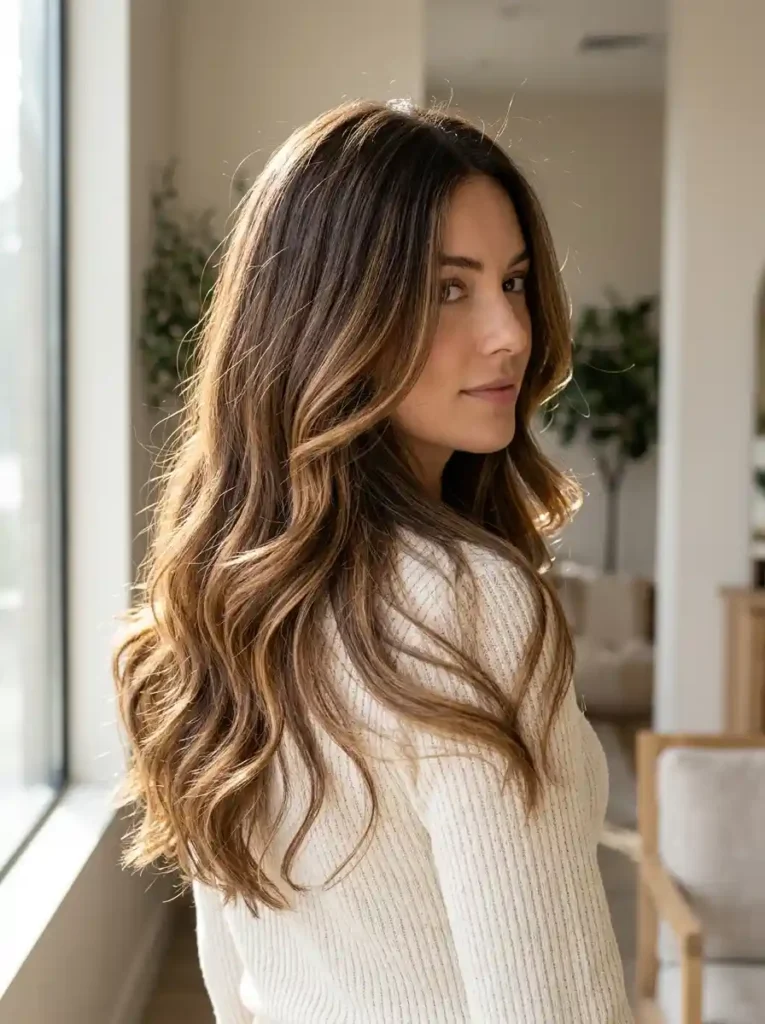
Warm caramel balayage is an excellent choice if you want your brunette hair to look brighter without committing to an all-over color change. The hand-painted highlights create a gradual transition from a deeper root area to golden-brown ends, giving the hair movement and depth. This technique works beautifully on long layers, medium-length cuts, and loose waves because the different caramel tones become more visible as the hair moves.
For the most natural result, ask your colorist to choose caramel shades that are only a few levels lighter than your base color. This helps avoid harsh contrast while keeping the finish luminous. Balayage generally allows for softer regrowth than traditional root-to-tip coloring, although toning and conditioning appointments may still be necessary. Use a color-safe shampoo, a moisturizing conditioner, and a heat protectant to maintain the shine that makes this look especially appealing.
2. Chocolate Brown Hair with Caramel Highlights
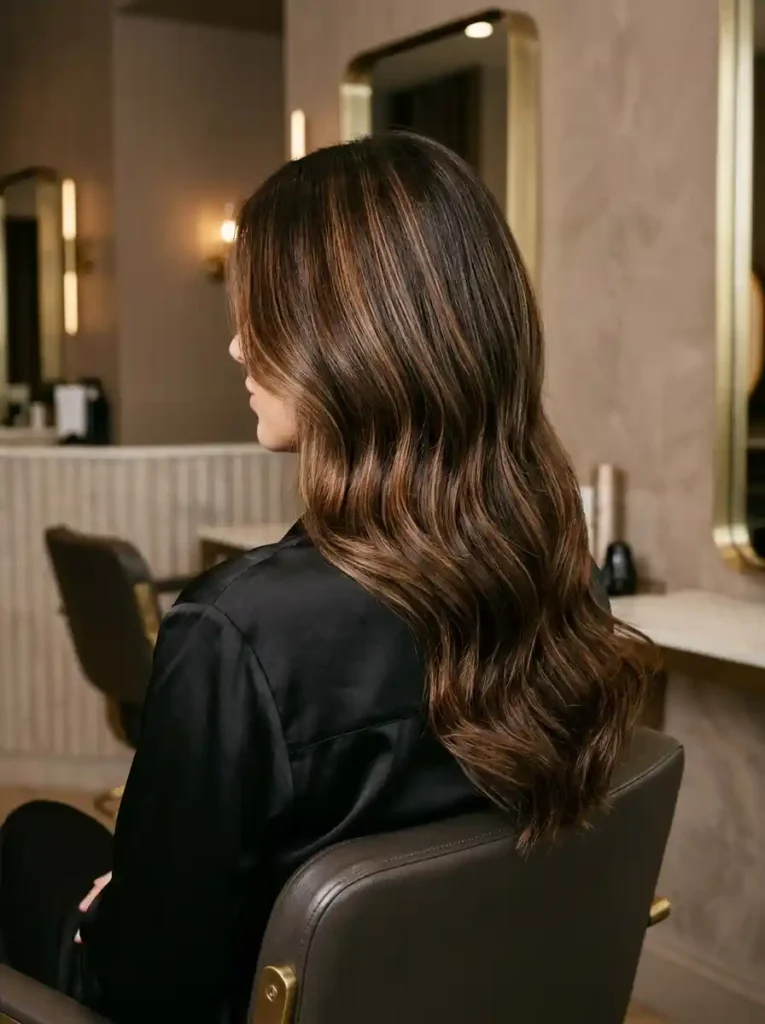
Chocolate brown hair with caramel highlights offers a rich, sophisticated finish for anyone who loves dark hair but wants more dimension. The deep brown foundation keeps the overall appearance grounded, while the lighter strands reflect light across the waves. Instead of choosing uniform highlights, ask for a combination of fine ribbons and slightly thicker pieces to create a natural, layered effect without overwhelming the brunette base.
This color combination is particularly attractive on medium-length cuts, long curls, and softly layered hairstyles. If you prefer a subtle transformation, keep most highlights concentrated around the face and lower lengths. For a more noticeable result, add a few brighter pieces throughout the crown. Glossing treatments can help maintain a reflective finish, while occasional trims prevent dry ends from distracting from the color. Bring reference photos to your appointment so your colorist can match the highlight placement to your haircut.
3. Golden Caramel Face-Framing Highlights
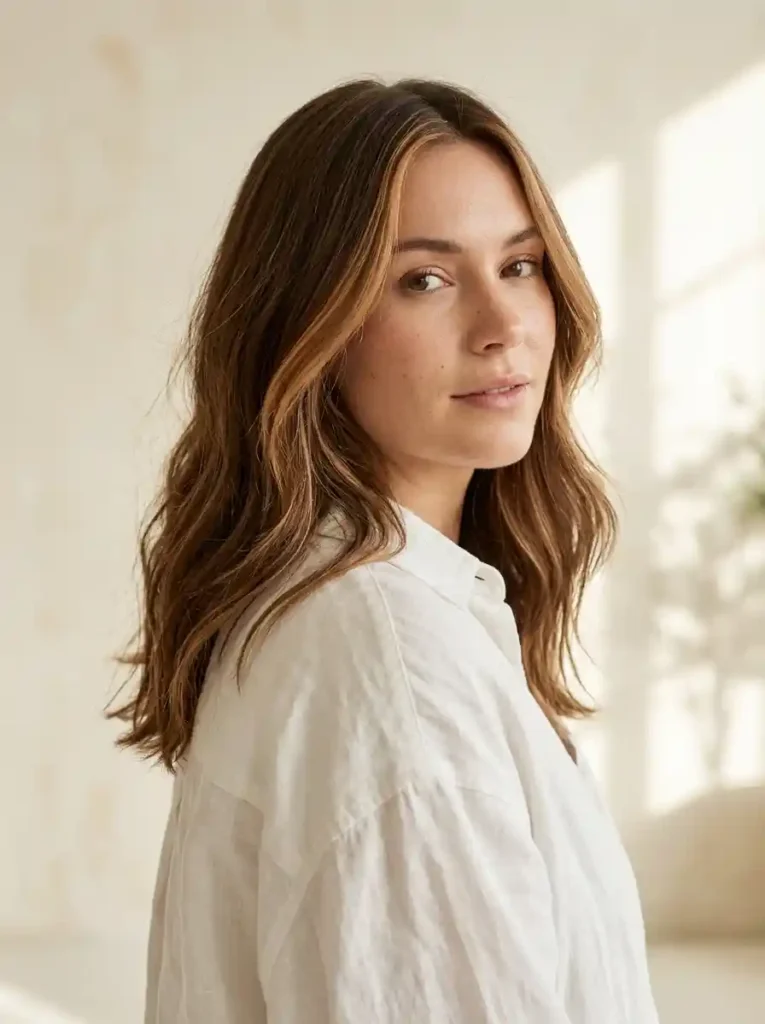
Golden caramel face-framing highlights are a simple way to brighten your appearance without adding extensive color throughout your hair. The lighter pieces sit near the temples and front hairline, drawing attention to your eyes and creating a sunlit effect around the face. They can be paired with a brunette base, dark blonde hair, or an existing balayage. Your stylist can customize their width and brightness to create anything from a delicate glow to a more noticeable contrast.
Placement makes a significant difference with this look. Fine, blended ribbons tend to feel understated, while thicker front sections create a bolder, more contemporary finish. Consider your usual hairstyle before deciding: highlights that look striking with a middle part may sit differently when you wear a deep side part. Because these strands are highly visible, ask for a soft transition at the roots rather than an abrupt stripe. A lightweight gloss can help keep the golden caramel shade fresh between appointments.
4. Honey Caramel Hair with Soft Waves
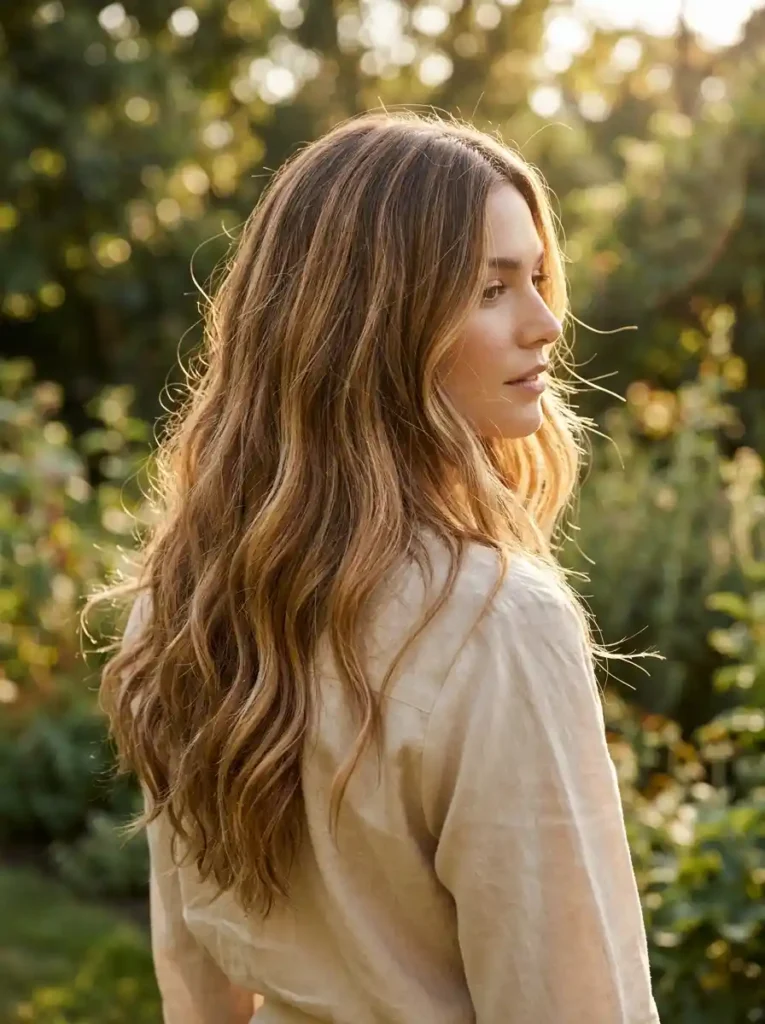
Honey caramel hair combines golden warmth with the softness of traditional caramel coloring. The result looks radiant without becoming as light as full blonde hair, making it a useful option for brunettes who want a noticeable yet balanced refresh. Gentle waves help reveal the mixture of honey, amber, and brown tones, creating a multidimensional appearance that can look different depending on the lighting and the direction of the hair.
To keep the color from looking too yellow or overly orange, ask your colorist to balance the honey tones with a neutral caramel shade. The ideal blend depends on your starting color, hair history, and desired brightness. A curling wand with a medium barrel can create loose waves, but leave the ends slightly straighter for a relaxed finish. Apply a small amount of lightweight serum to the mid-lengths and ends rather than coating the roots, which can make fine hair appear flat.
5. Caramel Balayage on Long Layered Hair
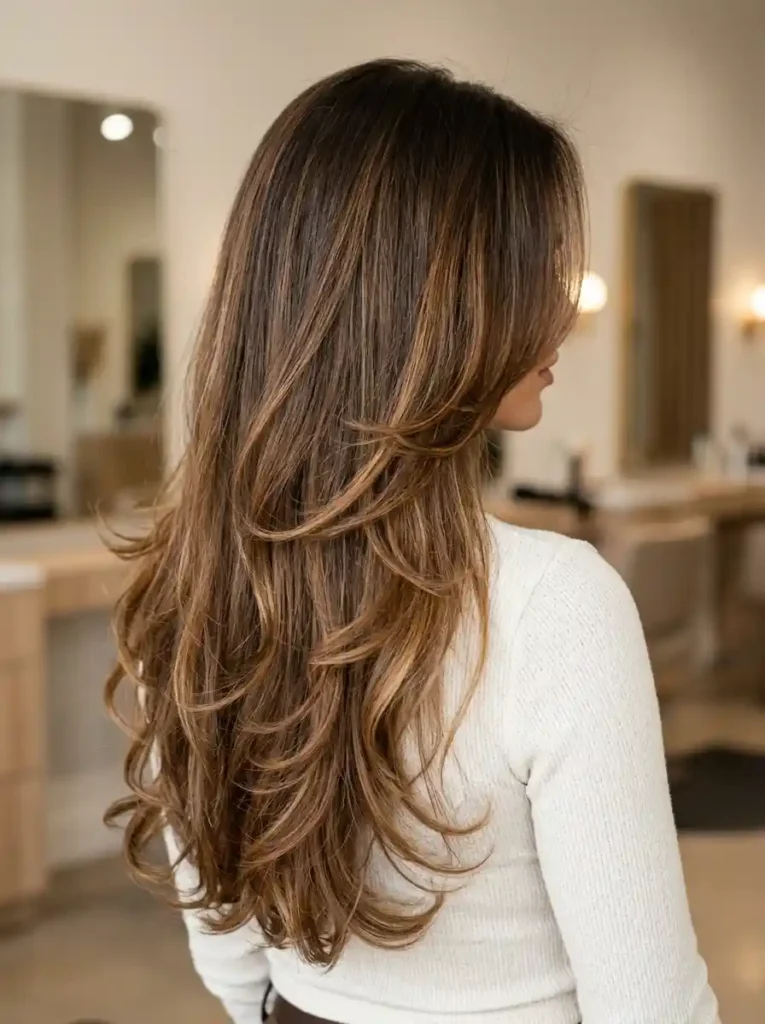
Long layered hair gives caramel balayage plenty of room to show its full range of tones. The shorter layers catch the light around the face and crown, while the longer sections display a gradual shift from brunette roots to caramel ends. This creates movement even when the hair is worn straight, and the effect becomes more pronounced with a smooth blowout or loose curls.
Before your appointment, discuss how the highlights should follow the shape of your layers. Coloring every section equally can make the result look flat, whereas strategic placement emphasizes the haircut. If your ends are already dry or damaged, your stylist may recommend a trim before lightening them further. At home, use a weekly moisturizing mask and limit excessive heat styling. Long hair can make even subtle color changes look dramatic, so choose a caramel intensity that complements your natural base rather than competing with it.
6. Soft Caramel Highlights on a Short Bob
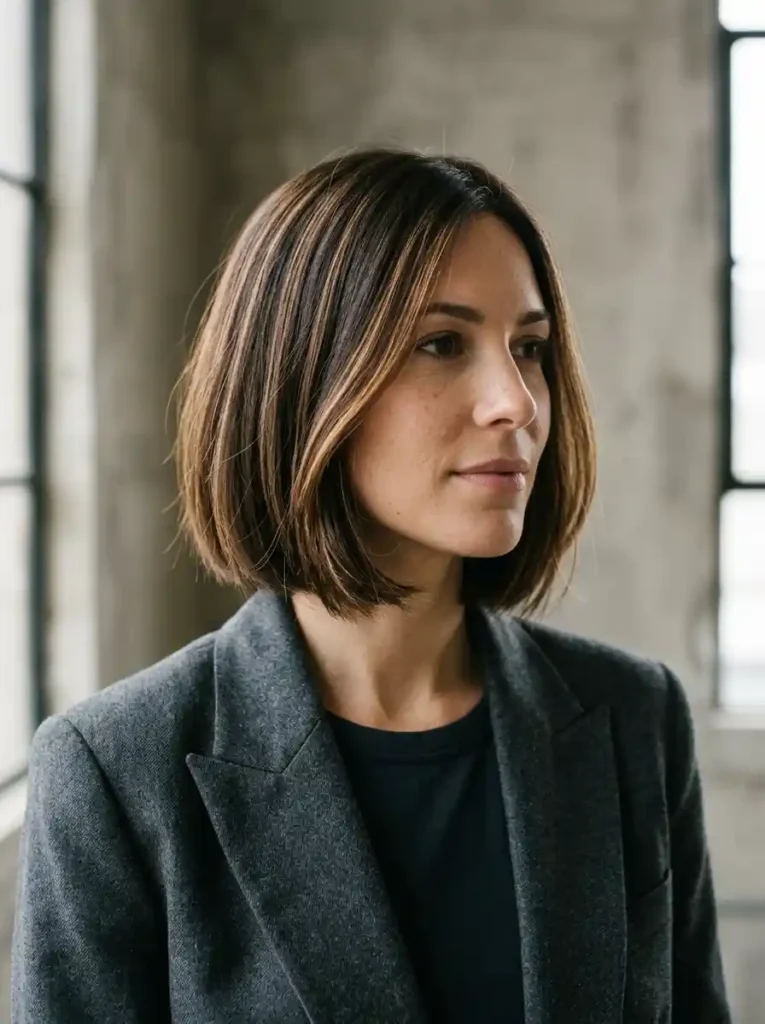
A short bob can look especially striking with soft caramel highlights because the color emphasizes the haircut’s shape. Fine ribbons around the crown and front sections add depth, while slightly brighter pieces near the ends make the silhouette feel lighter. This is a particularly good option if you want a polished hairstyle that looks interesting without requiring elaborate styling every morning.
The key is to keep the highlight placement proportional to the length of your bob. Very thick blonde sections can overwhelm a compact haircut, so ask for delicate caramel ribbons that blend naturally into your base. A round brush and blow-dryer can create a smooth finish, while a small flat iron can add a gentle bend at the ends. Since short haircuts often need regular trims to maintain their shape, coordinate your color appointments with your haircut schedule when possible.
7. Dark Caramel Hair for a Rich, Subtle Glow
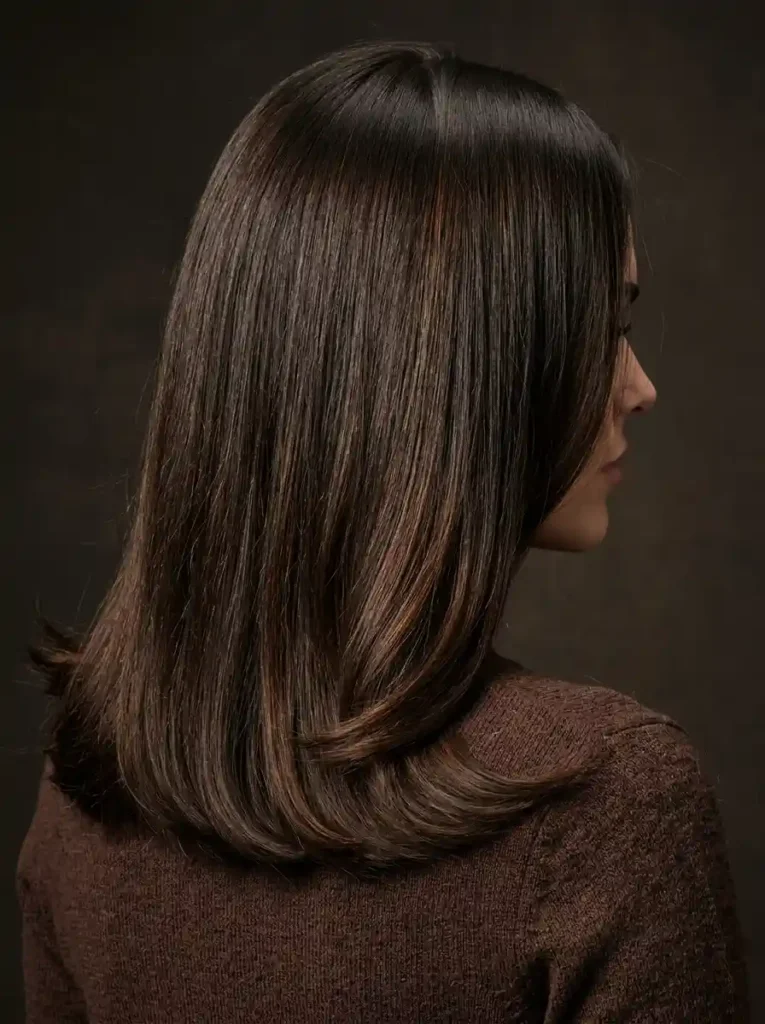
Dark caramel hair is ideal if you love brunette shades and want a change that feels understated rather than dramatically lighter. Instead of obvious highlights, this look uses deep caramel and toasted toffee tones to add warmth throughout the hair. The overall color remains dark, but the subtle variations prevent it from appearing one-dimensional, particularly when sunlight or soft indoor lighting catches the surface.
This approach is worth considering if you are transitioning away from very dark brown hair but are not ready for a bright balayage. Ask your stylist whether a warm gloss, strategically placed highlights, or a combination of techniques will best achieve the desired result on your existing color. Previously dyed dark hair may require a different process from naturally dark hair. Maintain the look with gentle cleansing products and occasional glossing, and avoid expecting subtle reflections to appear equally visible under every lighting condition.
8. Caramel Ombre with Lighter Ends
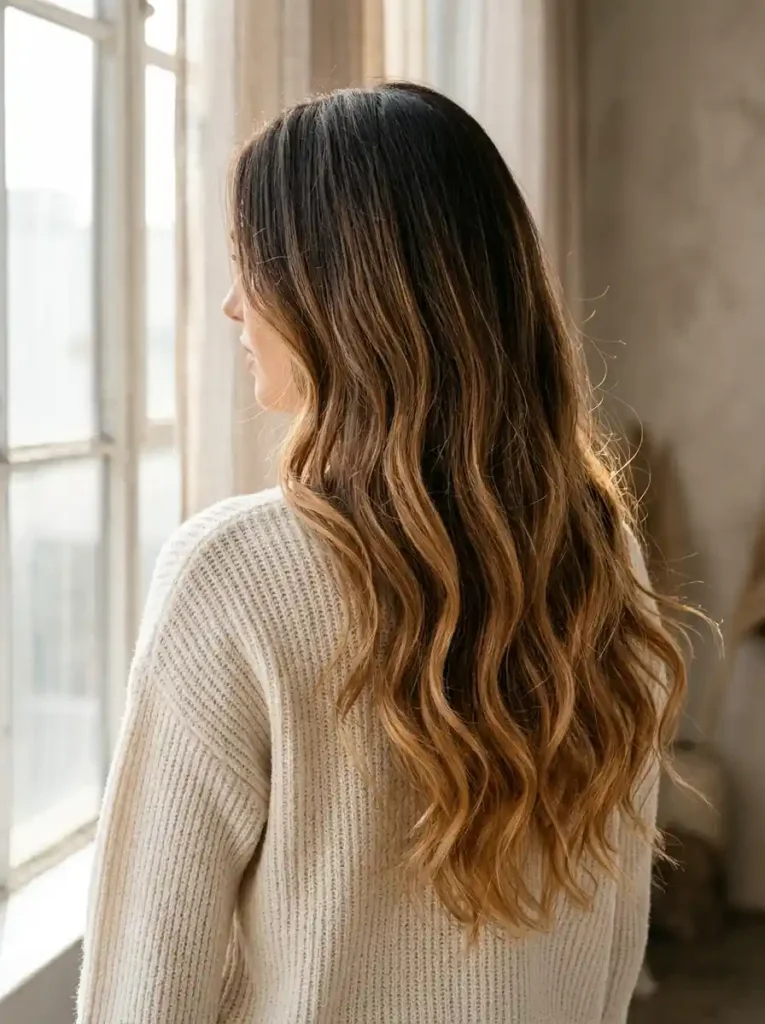
Caramel ombre is a beautiful option if you want the ends of your hair to look noticeably lighter while keeping your roots dark. The color gradually shifts through several warm brown and caramel tones, creating a defined transition without the appearance of a harsh horizontal line. This technique works particularly well on long hair, where the gradient has enough space to develop naturally.
To get a polished result, ask your colorist to blend the transition area carefully instead of placing all the lightness at one level. If your hair is naturally dark, the ends may need lightening before the caramel shade can appear clearly. Because the tips receive more chemical and styling wear than the roots, prioritize conditioning and regular trims. Caramel ombre is also easy to personalize: choose darker toffee ends for a subtle effect or golden caramel for a brighter, more noticeable finish.
9. Copper Caramel Hair for a Spicy Warm Finish
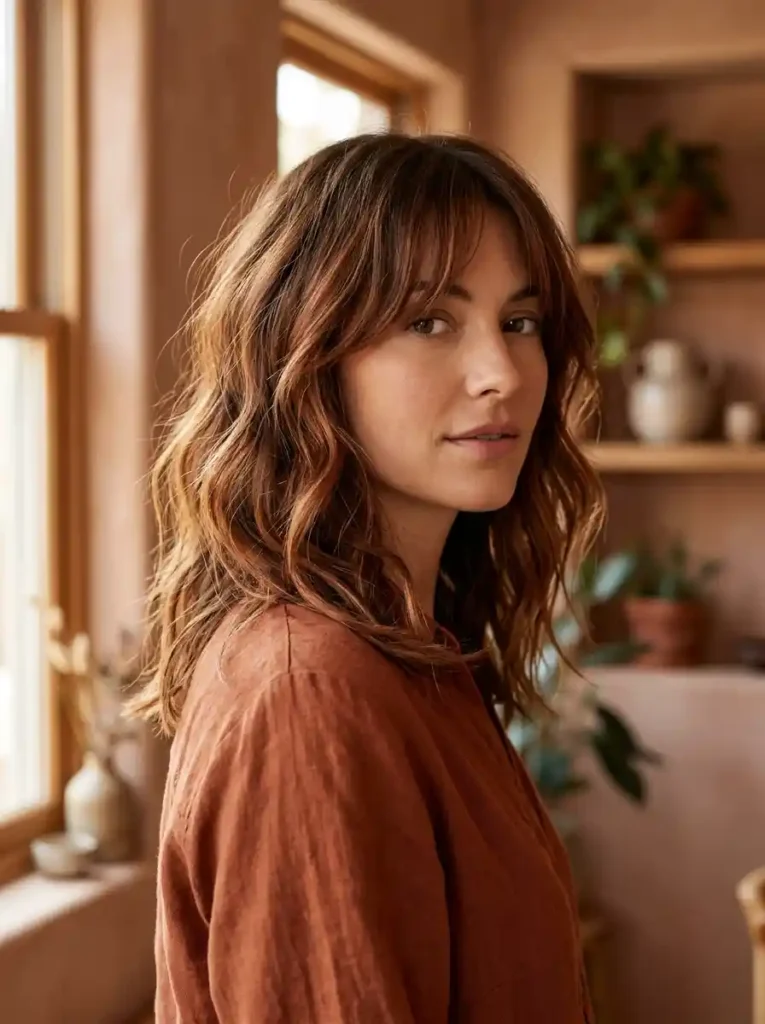
Copper caramel hair adds a subtle reddish glow to traditional caramel coloring, making it an appealing choice if you prefer warm, earthy shades. The blend of copper, cinnamon, and golden brown can give brunette hair a lively appearance without requiring a bright red transformation. It looks especially attractive in textured waves, where different tones become visible across the curves of the hair.
When choosing this shade, discuss the balance between copper and caramel with your colorist. A little copper creates warmth, while too much can move the result away from the soft caramel look you originally wanted. Your starting hair color and previous dye treatments will affect the final outcome. Warm shades can also lose their vibrancy over time, so color-safe products and reduced exposure to very hot water may help preserve the finish. A gloss can refresh the tone when it starts looking less vibrant.
10. Caramel Highlights on Curly Hair
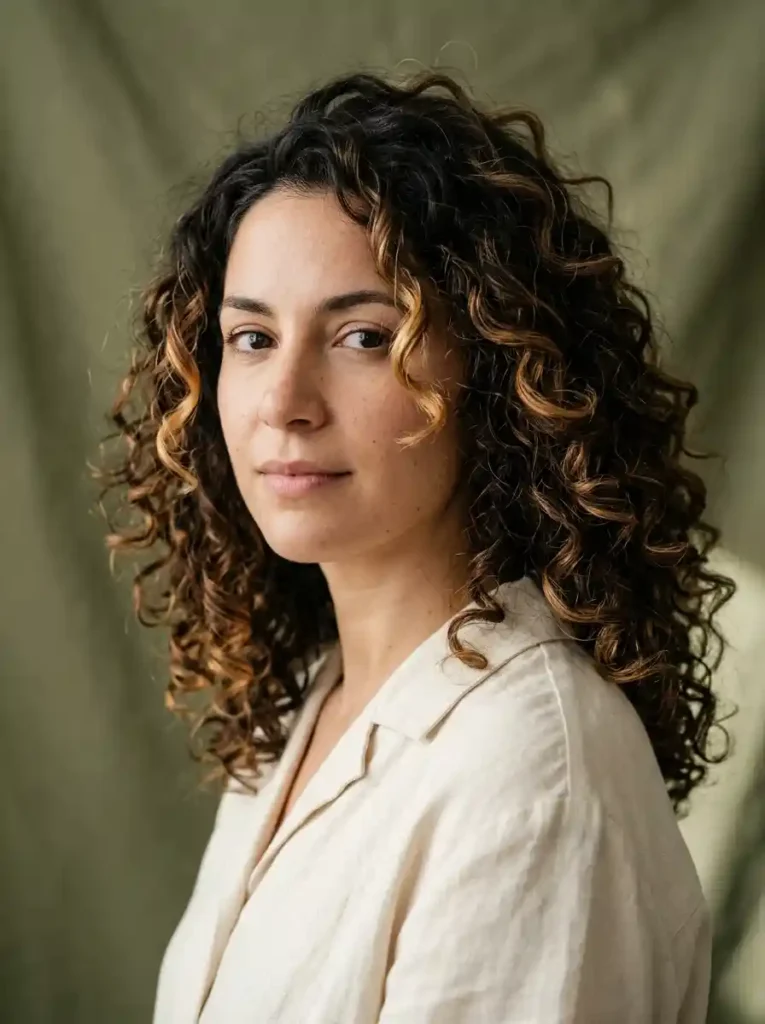
Caramel highlights can bring out the shape and definition of naturally curly hair by adding contrast to individual curls. Instead of distributing color evenly across every section, a stylist can place caramel ribbons where they will emphasize the curl pattern. This approach creates a dimensional effect that remains visible when the hair is worn loose, gathered into a puff, or styled in a half-up hairstyle.
Curly hair often needs extra attention to moisture, especially after lightening, so discuss your hair’s condition before choosing the level of brightness. Ask for a colorist experienced with textured hair who understands how curls shrink, expand, and sit when dry. At home, use a moisturizing leave-in conditioner and a curl cream suited to your hair’s density. Avoid brushing dry curls aggressively, as disrupting the curl pattern can reduce definition and make the carefully placed caramel highlights appear less cohesive.
11. Caramel Highlights on Straight Hair
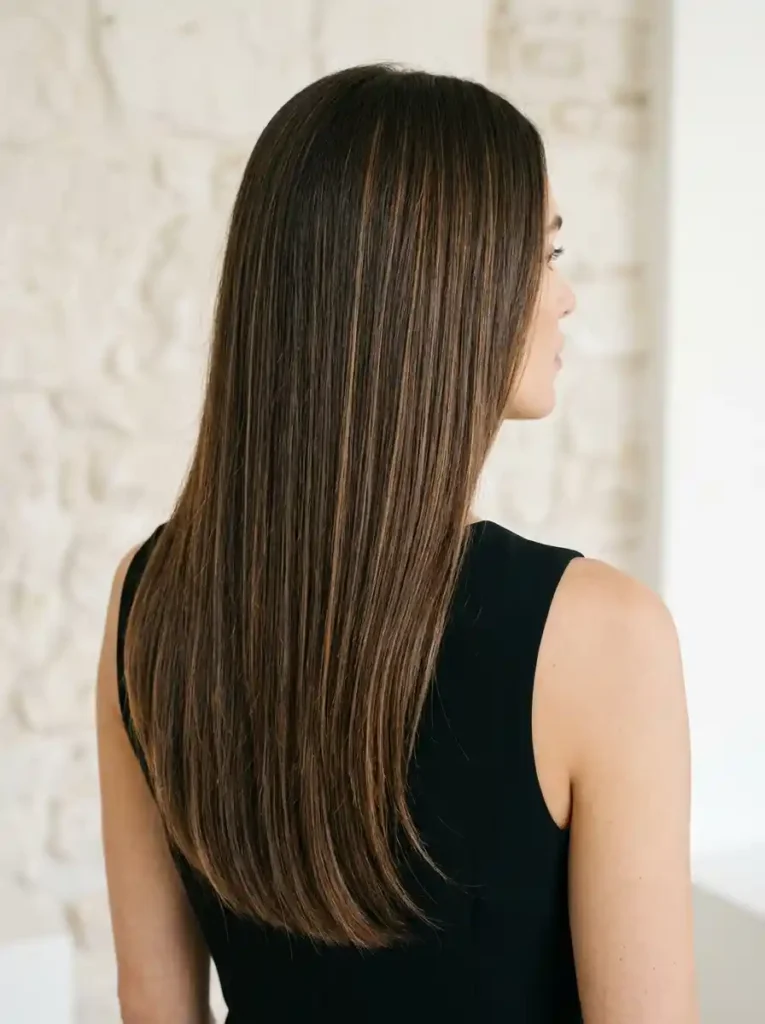
Straight hair offers a different way to showcase caramel highlights because the strands lie smoothly together, making color placement particularly visible. Fine ribbons can create a delicate shimmer, while a few wider sections provide more noticeable contrast. A combination of both can prevent the color from looking like a single flat band and help the hair maintain a natural sense of depth.
For this hairstyle, blending is especially important. Ask your stylist to avoid overly chunky streaks unless you specifically want a high-contrast look. A lightweight smoothing cream can help reduce flyaways and make the highlights easier to see, but too much oil may weigh down fine strands. If you frequently straighten your hair with hot tools, use a heat protectant and choose a moderate temperature appropriate for your hair type. Healthy-looking ends will make the caramel color appear more polished.
12. Warm Caramel Babylights
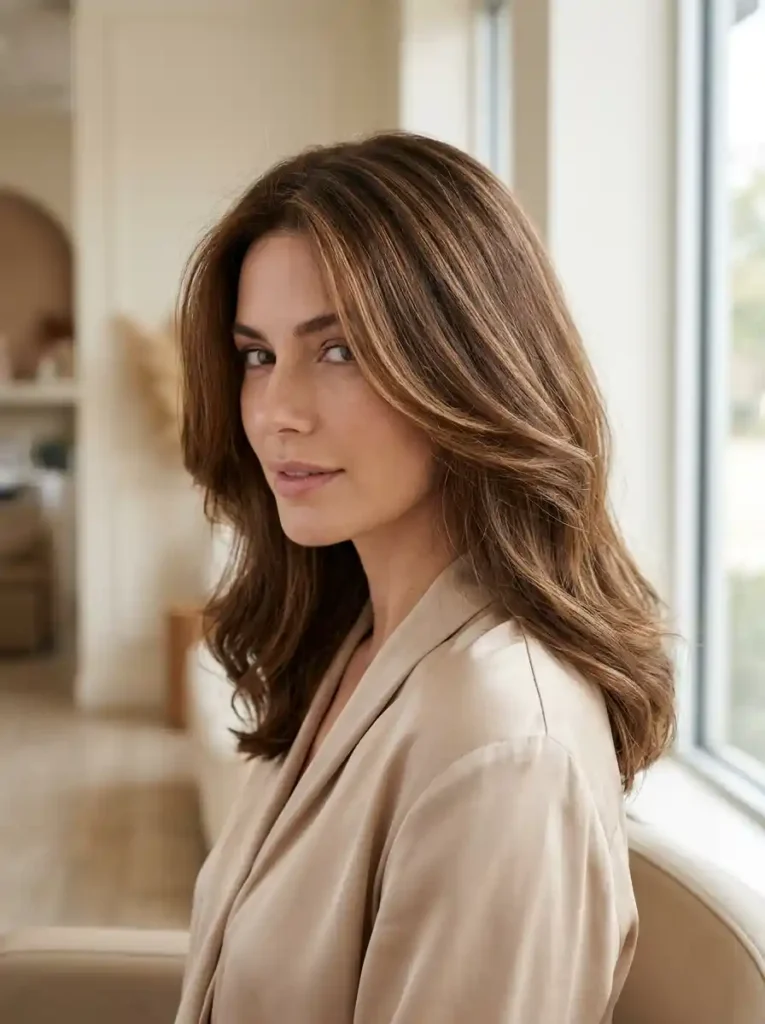
Warm caramel babylights are designed for readers who prefer a delicate, natural-looking color change. These very fine highlights mimic the subtle variation that can develop when hair is exposed to sunlight, adding brightness without creating obvious streaks. Because the lighter strands are distributed in small sections, the overall effect remains soft and blended, making this an attractive option for professional settings or minimalist personal styles.
Babylights can require careful application because the colorist works with many small sections of hair. The result depends on thoughtful placement and a shade that complements your natural base. If you want the color to remain understated, request a caramel tone that is only slightly lighter than your brunette hair. This technique may take longer than a simpler highlighting service, so discuss appointment timing in advance. Gentle cleansing, regular conditioning, and occasional glossing can help preserve the subtle contrast between appointments.
13. Caramel Money Piece on Brunette Hair
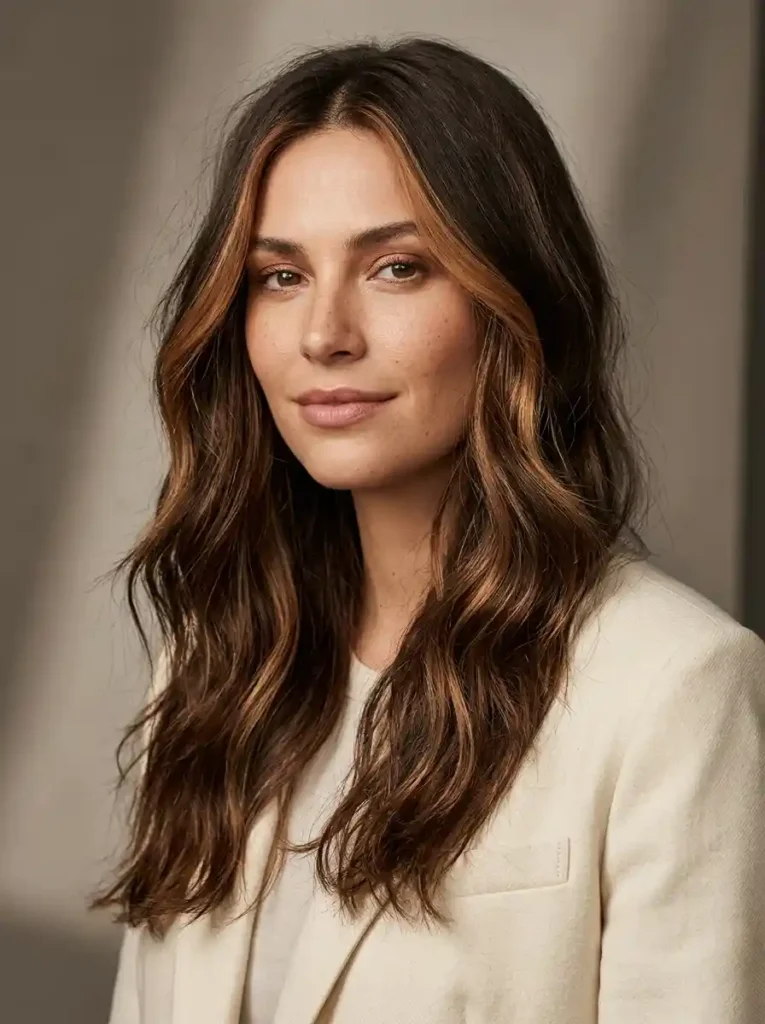
A caramel money piece creates a brighter frame around the face while allowing the rest of your hair to remain predominantly brunette. This placement gives the hairstyle a noticeable update without requiring extensive highlights throughout the back and lower lengths. The effect can be subtle or bold depending on how light the front sections are and how much contrast you want against your natural color.
If you want a softer finish, ask for the caramel pieces to blend gradually into neighboring strands instead of forming two sharply defined panels. A slightly darker root area can also help the highlights look more natural as your hair grows. Consider how often you change your part, since the placement affects where the brighter pieces sit. Because front sections are highly visible, they may need toning or refreshing sooner than less noticeable highlights elsewhere.
14. Caramel Hair with Curtain Bangs
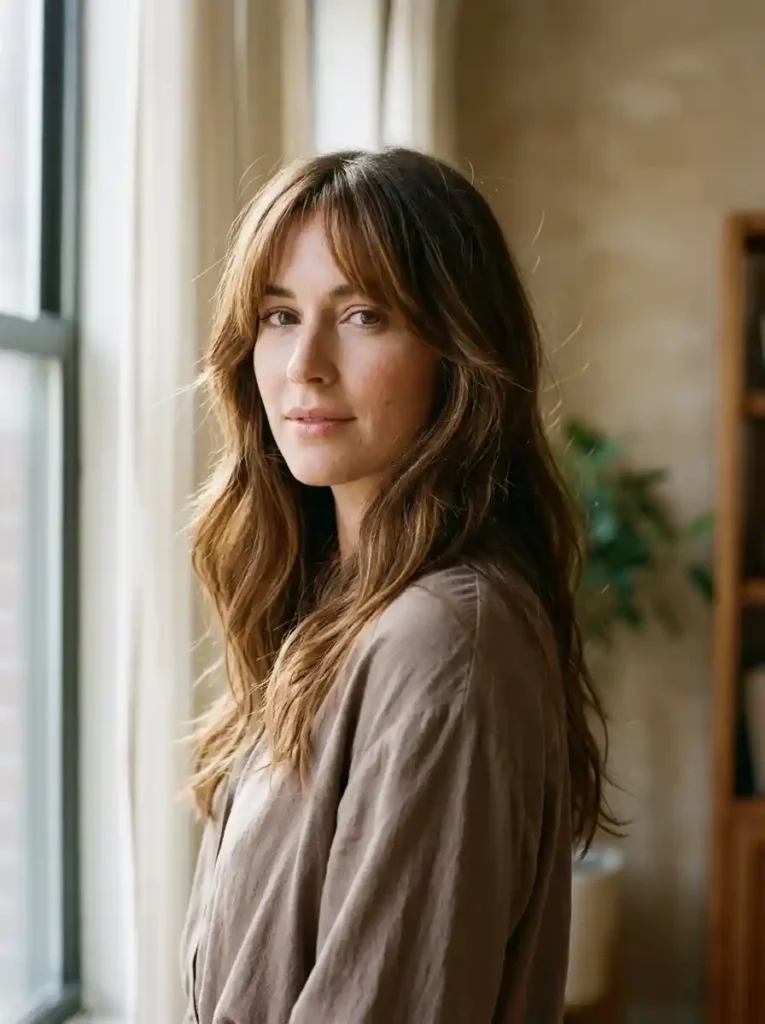
Curtain bangs paired with warm caramel hair create a soft, face-framing style that feels fresh without being overly dramatic. The parted fringe draws attention toward the eyes, while caramel highlights around the temples and cheekbones help connect the bangs with the rest of the hairstyle. This combination works with shoulder-length cuts and longer layered hair, particularly when the bangs blend smoothly into the sides.
For the best result, discuss both haircut and color placement during your salon consultation. Highlights that stop abruptly at the fringe can make the overall style look disconnected, so your colorist should consider how the shorter front layers transition into the longer lengths. Curtain bangs also need regular shaping and may require quick styling after washing. Use a round brush to direct them away from the face, and apply only a small amount of styling product to avoid making the fringe look heavy.
15. Caramel Highlights on a Shoulder-Length Lob
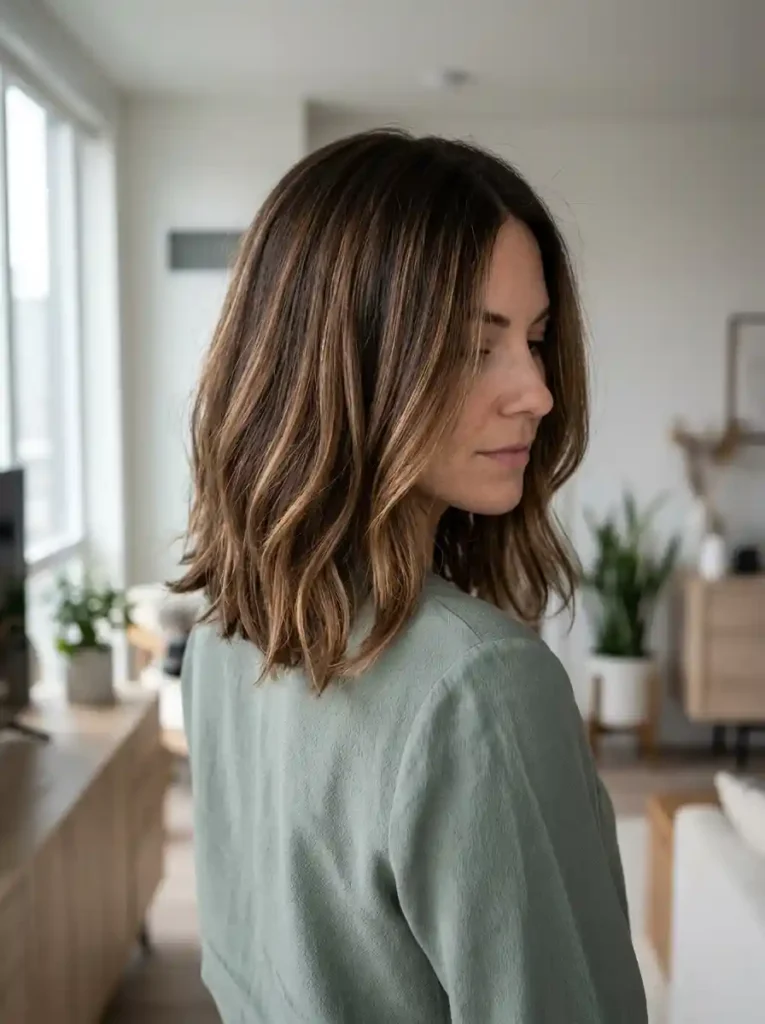
A shoulder-length lob is a versatile haircut for showcasing warm caramel highlights without the upkeep of very long hair. The length provides enough room for dimensional color, while the clean outline keeps the overall style looking structured. Caramel pieces around the front and lower layers can soften the shape, making the hairstyle appear more dynamic whether you wear it straight, slightly wavy, or tucked behind one ear.
The most flattering placement depends on the lob’s shape and how you usually style it. A blunt cut often benefits from fine, carefully distributed highlights, while a layered lob can accommodate more visible ribbons. Ask your colorist to keep the ends from becoming too light if you prefer a richer brunette appearance. Styling can remain simple: use a blow-dryer and round brush for a smooth finish, or add a few loose bends with a curling iron for a casual, textured look.
16. Espresso Hair with Caramel Ribbons
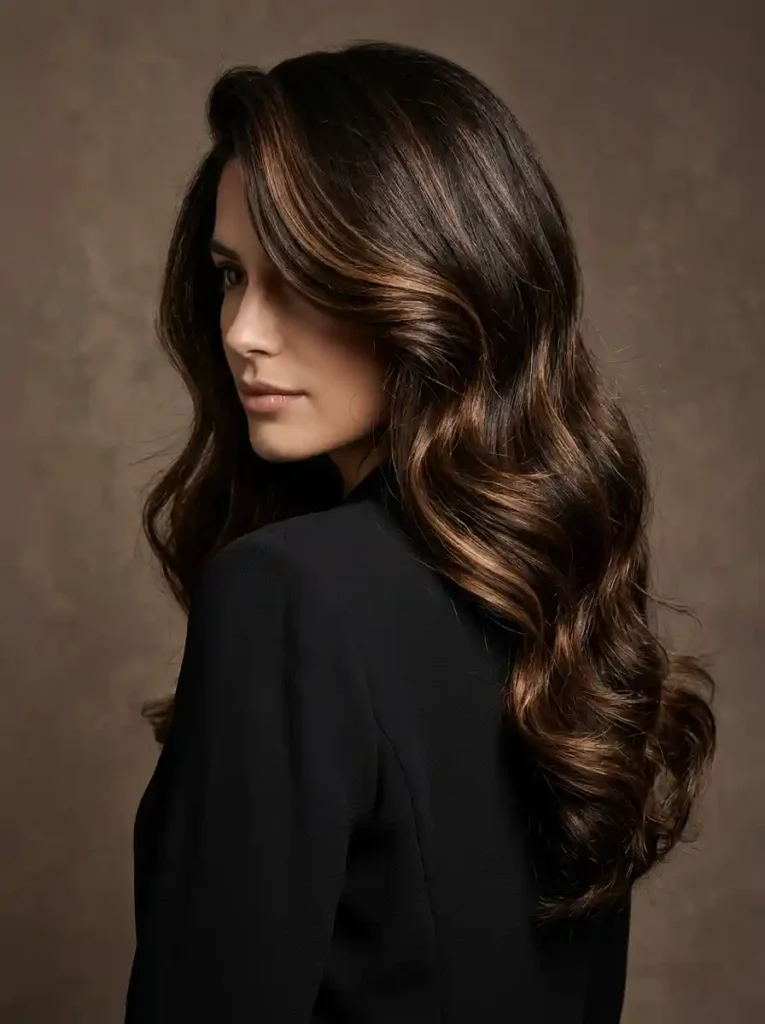
Espresso hair with caramel ribbons creates a striking balance between a very dark base and warm, lighter accents. The contrast is more noticeable than it would be on medium brown hair, allowing even a relatively small number of highlights to make a difference. Strategically placed ribbons can emphasize long waves, add dimension around the face, and keep the overall appearance rich rather than blonde.
This look is best approached with a clear conversation about contrast. If your hair is naturally espresso-dark, a colorist may need to lighten selected sections before applying the desired caramel tone. Previously colored dark hair can be more complicated to lighten, so avoid assuming that a single appointment will produce the same result as a reference photograph. Maintain the finish with color-safe products and occasional conditioning treatments, and choose a highlight placement that complements your haircut rather than covering the entire head.
17. Caramel Bronde for a Softer Blonde-Brown Blend
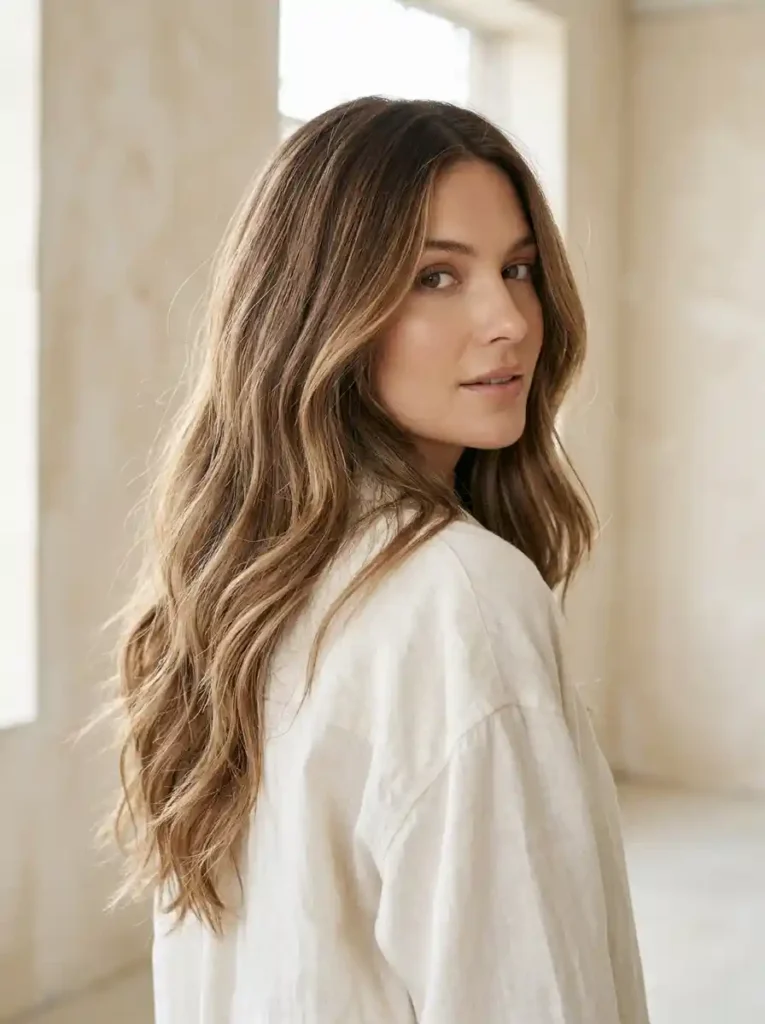
Caramel bronde combines brunette depth with blonde-inspired brightness, creating a shade that sits comfortably between the two. The caramel tones keep the result warm, while softer brown and beige-golden pieces prevent it from looking uniformly blonde. This makes it a useful option if you want more brightness than traditional brunette highlights but prefer a gradual transition instead of a dramatic blonde transformation.
Ask your stylist to determine how much of your natural base should remain visible. A brunette root area with lighter caramel lengths can create a low-contrast grow-out, while more highlights through the crown produce a brighter overall effect. Bronde shades can be customized for different starting colors, but the final result depends on your hair’s existing pigment and condition. Use a moisturizing conditioner and consider an occasional gloss to keep the mixed tones looking cohesive rather than dull or uneven.
18. Caramel Highlights on a Pixie Cut
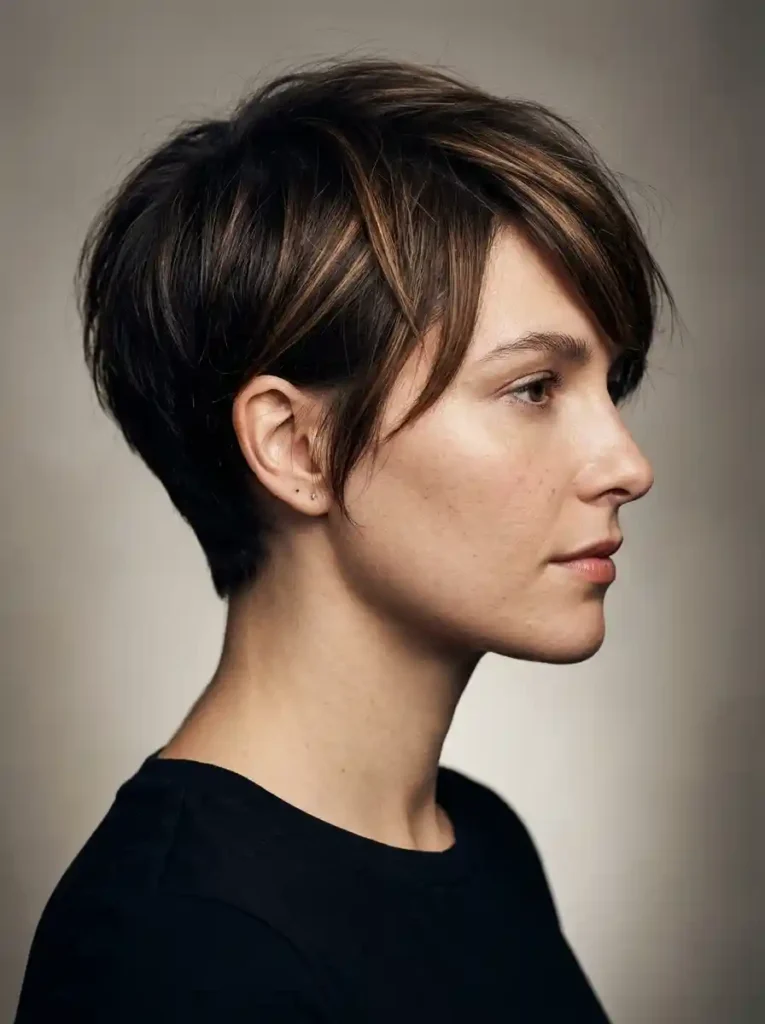
A pixie cut may be short, but caramel highlights can make it feel surprisingly dimensional. Lighter pieces through the crown and fringe catch the light, emphasizing the texture and direction of the cut. Keeping the sides and back darker helps preserve definition, while a restrained amount of caramel creates interest without making the hairstyle look overly busy.
Because short hair offers less space for gradual color transitions, placement matters more than the number of highlights. Ask your stylist to concentrate the lighter strands where the cut has the most length and movement. A texturizing cream can help separate the layers and make the caramel accents visible without adding stiffness. Pixie cuts usually require frequent trims to maintain their shape, so plan for regular salon visits. If you want to experiment before committing, discuss whether a subtle gloss or a few selective highlights would suit your hair best.
19. Caramel Highlights on Natural Black Hair
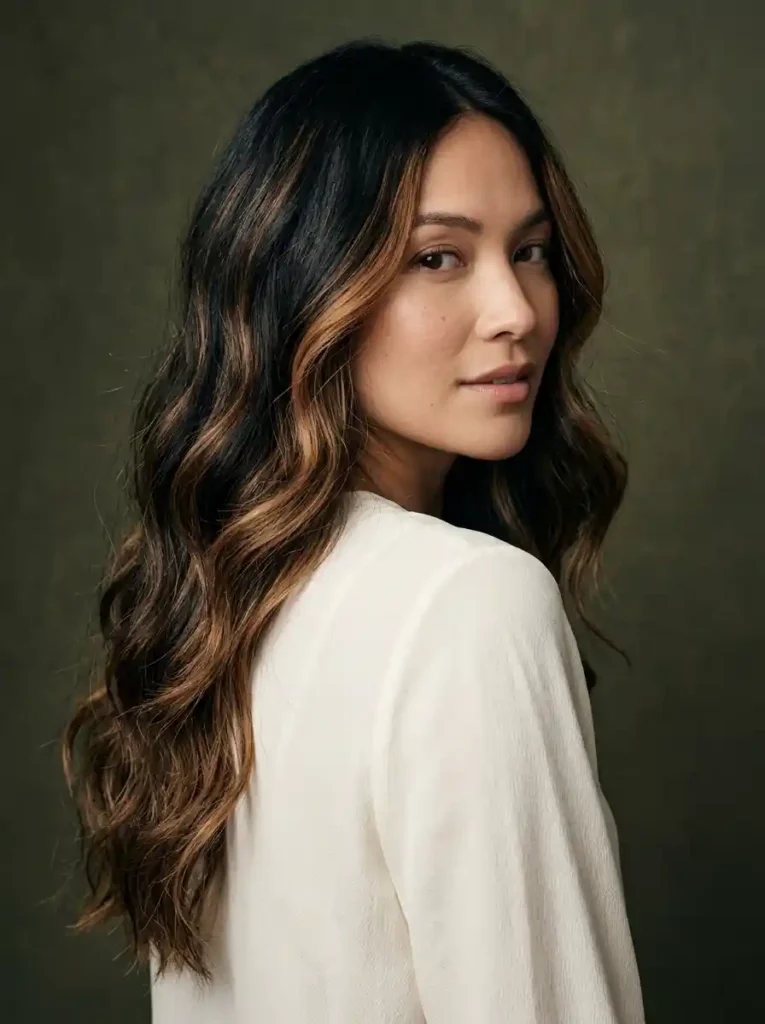
Warm caramel highlights can create beautiful dimension on natural black hair, especially when the chosen shade remains within a rich brown-to-caramel range. The darker base provides contrast, while strategically placed lighter sections make the hair look more textured and reflective. If you prefer a subtle result, begin with a few caramel ribbons near the face and lower lengths rather than lightening large sections throughout the head.
Black hair can require careful lightening to reveal caramel tones, so it is important to discuss your hair history and desired result with an experienced colorist. Depending on the starting pigment, the process may involve more than one appointment. Avoid trying to achieve a pale caramel shade in a single session if your hair’s condition makes that unrealistic. Conditioning treatments, heat protection, and gentle cleansing help support the hair after coloring, while a warm gloss can refresh the shade as it gradually fades.
20. Glossy All-Over Warm Caramel Brown
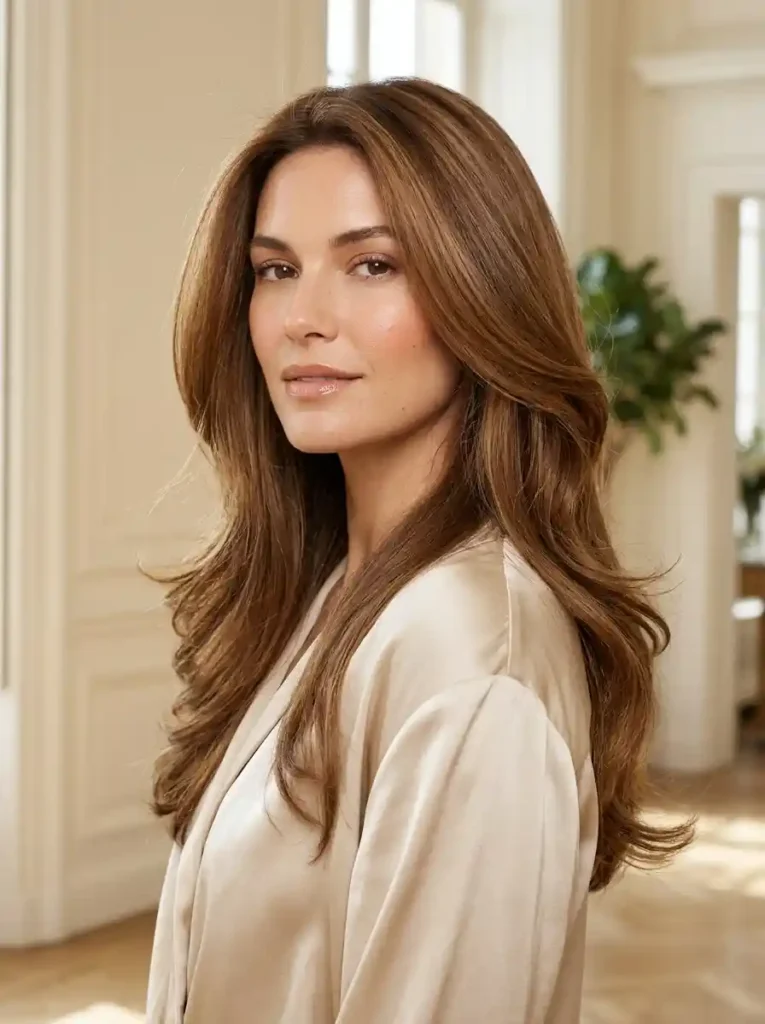
All-over warm caramel brown is a lovely choice if you prefer a cohesive hair color rather than visible highlights. The shade combines the richness of brunette hair with golden and toffee undertones, creating a warm finish that can look especially beautiful in a smooth blowout. Subtle tonal variation keeps the color from appearing flat, while the overall effect remains understated enough for everyday wear.
Your starting hair color will determine how closely you can achieve your chosen caramel shade in one appointment. If your hair is naturally medium brown, a gloss or carefully selected color formula may be sufficient for a gentle refresh. Darker or previously colored hair may require a more tailored approach. Ask your stylist whether a permanent color, demi-permanent formula, or gloss is appropriate for your goals. To preserve the reflective finish, condition regularly, protect your hair from excessive heat, and schedule color maintenance according to how quickly your roots become noticeable.
Conclusion
Warm caramel hair color offers plenty of ways to refresh your look, whether you prefer barely-there babylights, dramatic espresso-and-caramel contrast, golden balayage, or a rich all-over caramel brown. The best choice depends on your natural hair color, haircut, desired brightness, and how much salon maintenance you are comfortable with.
Before your appointment, save two or three reference photos that show both your preferred shade and the placement you like. Discuss your hair’s history, condition, and styling routine with your colorist so the final result feels realistic for your needs. Remember that caramel can lean golden, coppery, neutral, or deep toffee, so describing the exact warmth you want is just as important as choosing how light to go.
Once you find your ideal shade, protect it with color-safe products, regular conditioning, and heat protection. A thoughtful combination of color, placement, and everyday care can give your hair beautiful dimension while keeping your look personal, wearable, and easy to maintain.