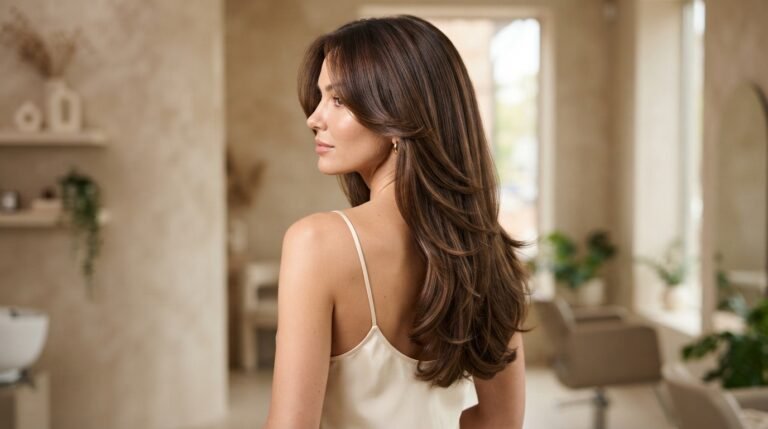
Want hair that looks shinier, smoother, and more polished without completely changing your color? A hair gloss treatment might be the simple beauty upgrade your routine needs. From enhancing brunette richness to refreshing blonde tones and adding a glass-like finish, there are plenty of ways to customize this treatment for your hair. These 21 hair gloss ideas explore beautiful shades, salon-inspired finishes, and practical at-home options to help you find a look that suits your style.
1. Classic Clear Hair Gloss for Mirror-Like Shine
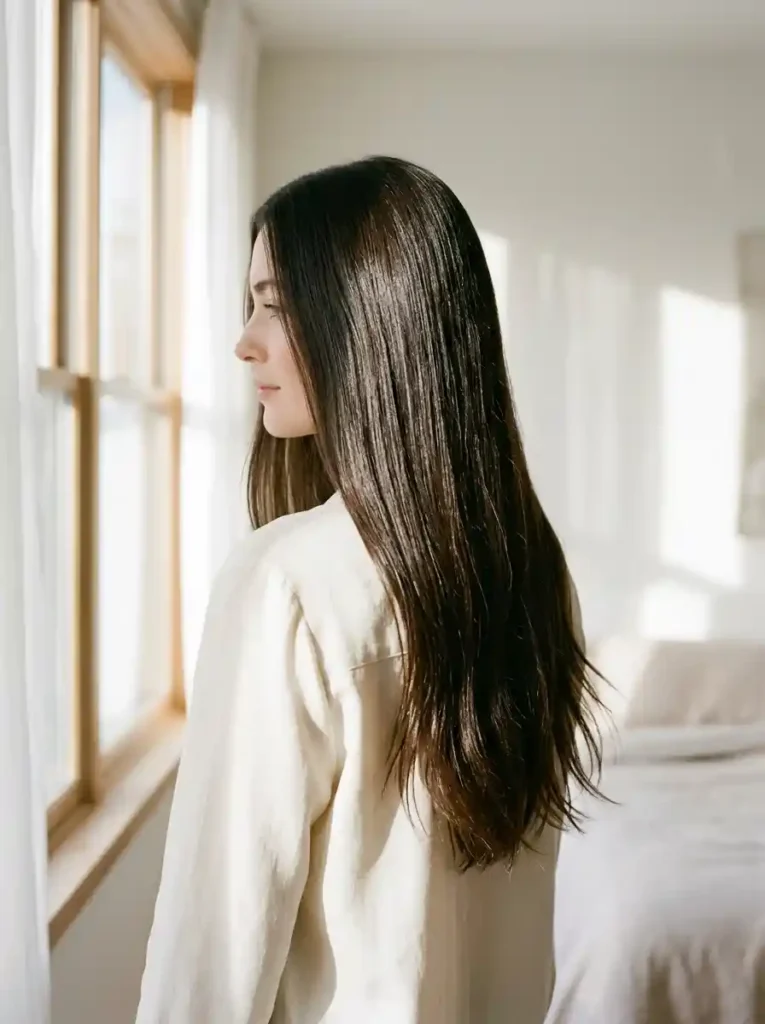
A clear hair gloss is an excellent starting point if you love your natural hair color but want a more polished appearance. Because it adds no intentional color deposit, it can help enhance the look of your existing shade without introducing a noticeable tonal change. Depending on the formula, a clear gloss may also improve softness and manageability temporarily, making hair appear smoother and more reflective under natural light.
Choose a salon clear gloss or a reputable at-home product specifically designed for your hair type. Follow the application instructions carefully, particularly the recommended processing time, and avoid assuming that every gloss works like a deep conditioner. For the prettiest finish, pair the treatment with a gentle shampoo, a lightweight conditioner, and reduced heat styling. This option works beautifully on natural, color-treated, and highlighted hair when the product is suitable for its condition.
2. Rich Chocolate Brown Hair Gloss
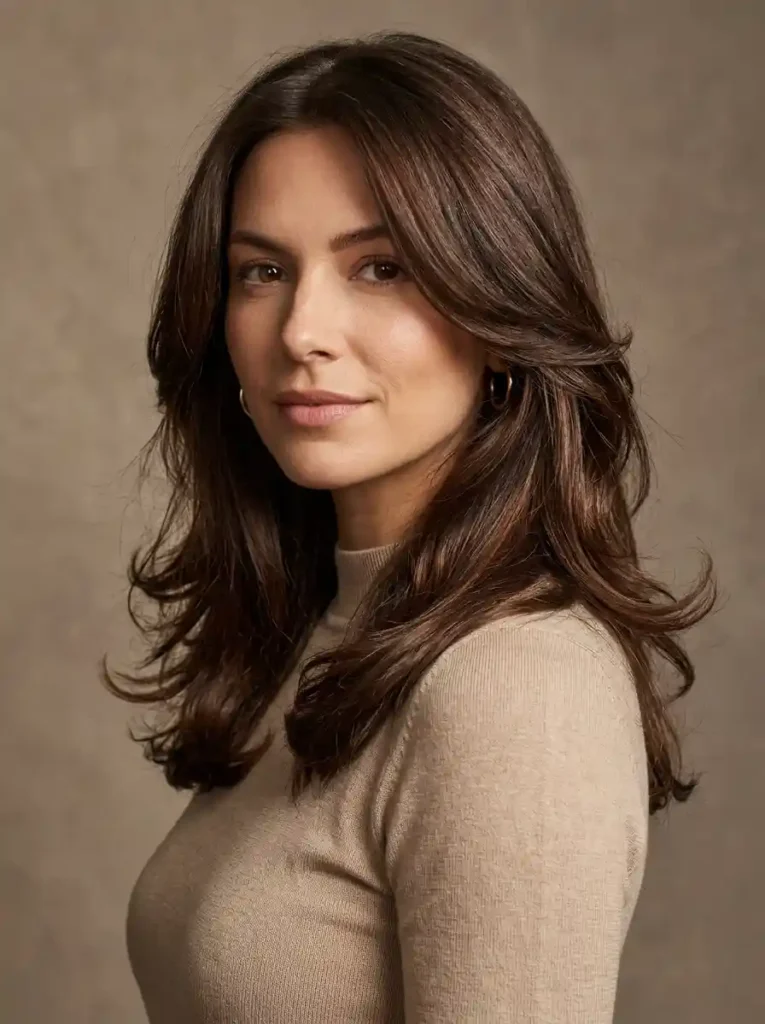
Chocolate brown hair gloss is ideal for brunettes who want their color to look deeper, warmer, and more dimensional. A tinted gloss can refresh faded brown color and enhance its richness without requiring a permanent color change. The result may look especially beautiful on layered cuts, where light catches different sections of the hair. If your brown hair appears dull between salon appointments, this treatment offers a subtle way to revive its overall appearance.
Ask your colorist whether a neutral, warm, or cool chocolate tone will complement your existing color. Warm formulas can emphasize cocoa and chestnut undertones, while cooler options may create a more subdued espresso-brown effect. If you prefer at-home application, select a gloss that closely matches your current shade rather than attempting a dramatic color correction. Check the instructions and perform any recommended allergy and strand tests before applying the product.
3. Golden Blonde Gloss for Sunlit Hair

Golden blonde gloss can make blonde hair look warmer and more luminous, especially when its color has become muted between salon visits. A suitable tinted formula may enhance honey, wheat, or buttery tones while helping the overall color appear more cohesive. This look works particularly well for naturally warm blondes and people whose highlights have faded into a less vibrant shade. The goal is a believable golden finish rather than an overly yellow result.
Before choosing a formula, consider whether your blonde is naturally golden or has been lightened professionally. A warm gloss can shift a cooler blonde more than you expect, so consult your stylist if you want to preserve existing highlights. Apply the product according to its directions, paying attention to previously lightened ends that may absorb color differently. A color-safe shampoo and a moisturizing conditioner can help maintain the finish between treatments without unnecessary color buildup.
4. Cool Ash Blonde Gloss
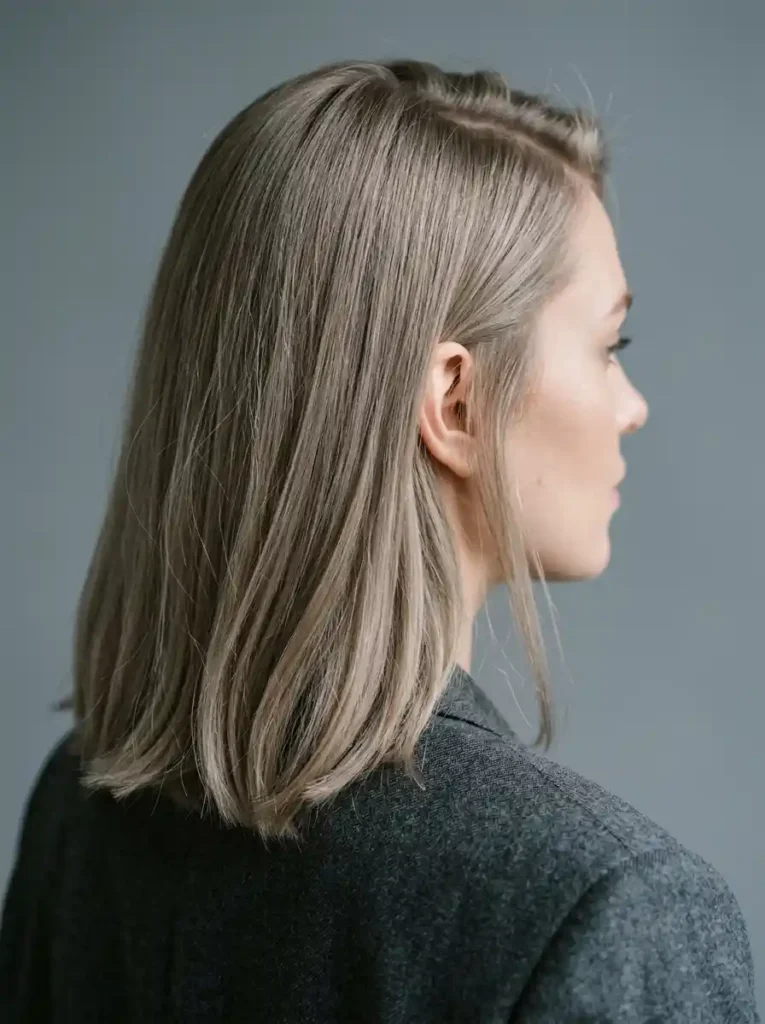
Ash blonde gloss is a popular choice for people who prefer a cooler, more understated blonde. Depending on the formula, it can help reduce the appearance of unwanted warmth and refresh beige or smoky blonde tones. It is particularly useful when highlighted hair begins looking brassy, although the amount of tonal change depends on the product and your starting color. A gloss can refine the finish without automatically requiring another lightening session.
Choose a formula intended for your particular blonde level, and avoid repeatedly layering strong cool pigments onto porous ends. Very light sections can absorb toner unevenly, sometimes becoming darker or more violet than intended. If your hair has multiple highlight levels, professional application may produce a more balanced result. Maintain the shade with a color-safe routine and use purple shampoo only when appropriate for your colorist’s recommendations, rather than treating every wash as a toning session.
5. Copper Hair Gloss for a Warm Glow
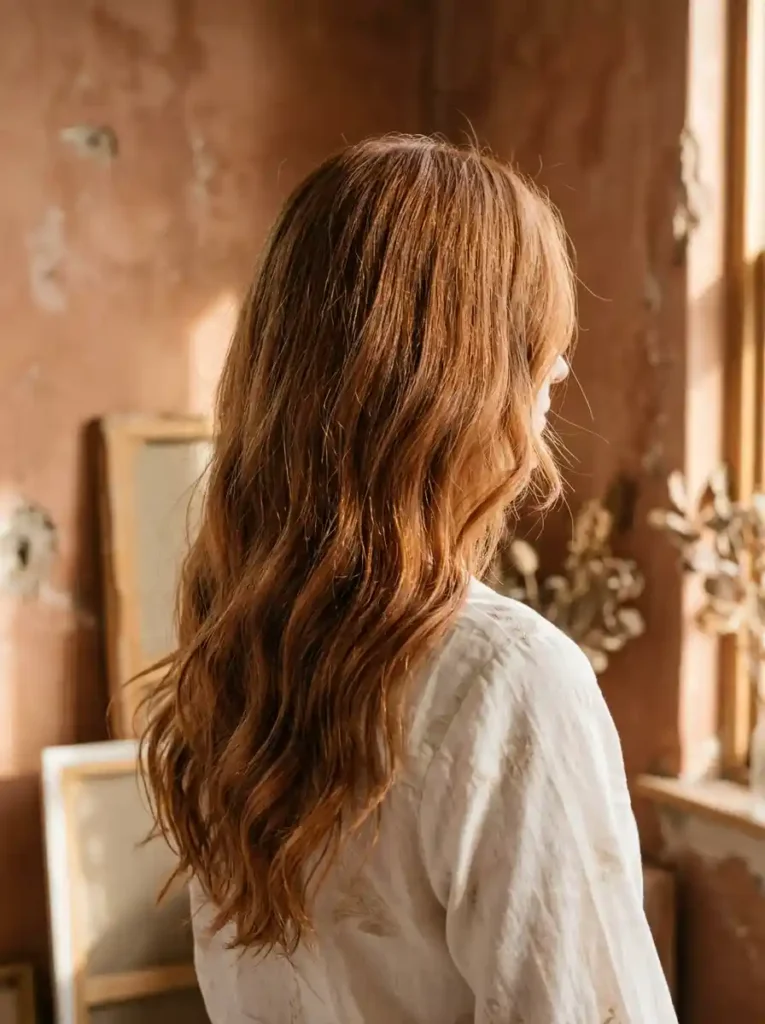
Copper hair gloss offers a way to revive red-orange warmth without necessarily committing to a permanent dye. It can refresh faded copper hair, emphasize ginger undertones, and give auburn shades a more vibrant appearance. This idea is especially appealing if your red color loses its brightness after repeated washing. Because copper shades vary from soft strawberry tones to intense penny hues, choosing the right level of warmth makes a noticeable difference.
Start with a gloss designed for your current color rather than choosing the brightest copper shade on the shelf. If your hair is dark brown, a gloss alone may not create the vivid copper effect shown in inspiration photos. Previously colored or porous hair can also absorb warm pigments unevenly. Use a strand test when recommended, follow the processing instructions, and maintain your shade with products formulated for color-treated hair to help slow fading.
6. Rose Brown Gloss for a Subtle Pink Tint
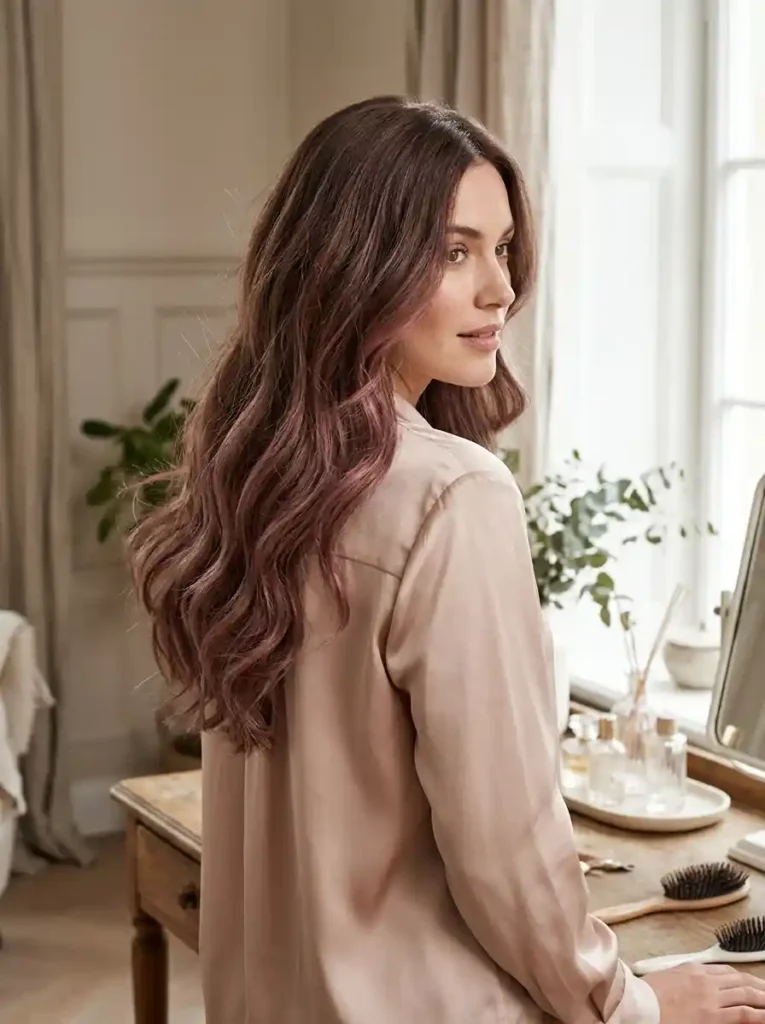
Rose brown gloss is a lovely option if you want something more distinctive than traditional brunette color without choosing an obviously vivid fashion shade. The combination of brown depth and muted rosy undertones can create a soft, multidimensional finish that looks different under indoor and outdoor lighting. A tinted gloss may refresh an existing rose-brown color or introduce a subtle tonal shift, depending on your starting shade and the product’s pigment strength.
This look generally works best when the underlying hair color is light enough for the rosy tones to show. On very dark hair, the effect may be limited to subtle reflections, while lighter or previously colored sections may display more pink. Ask for a customized formula if you want the rose to remain understated. To preserve the shade, wash less frequently when practical, use lukewarm water, and avoid assuming that every pink-tinted gloss will fade evenly.
7. Espresso Gloss for Deep, Polished Brunette Hair
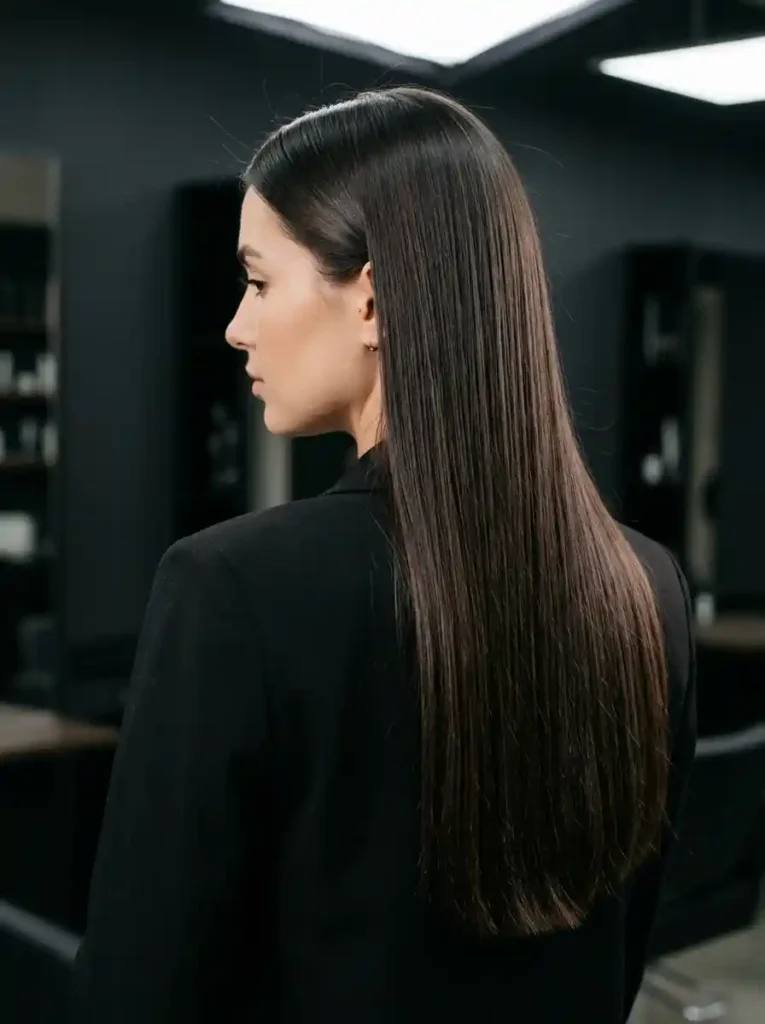
Espresso gloss is ideal for brunettes who want a deeper, more uniform appearance with a sophisticated finish. A suitable tinted formula can refresh faded dark brown color and emphasize cool coffee undertones. It is particularly effective as a visual update between coloring appointments, although it will not lighten hair or erase every uneven patch. The finished look can feel especially elegant on straight hair, where smooth surfaces make reflected light more noticeable.
For a natural result, choose a shade close to your current brunette color. Going too dark can make the hair appear flatter or create a stronger contrast with lighter roots as it grows. If your ends are significantly lighter than your roots, discuss whether they need different processing or a more carefully customized formula. Keep heat styling moderate and use a heat protectant when necessary to maintain the smooth appearance without relying on excessive straightening.
8. Honey Blonde Gloss for Soft Dimension

Honey blonde gloss brings warmth and softness to blonde hair without necessarily creating the intense golden effect of a strong yellow-toned formula. It can help blend the appearance of faded highlights and give existing blonde color a more cohesive finish. This shade is particularly attractive when you want a natural-looking result that sits between cool beige blonde and rich golden blonde. On wavy hair, the tonal variation can appear especially noticeable as light moves across the lengths.
Consider your natural root color and the shades already present in your highlights before choosing honey tones. A customized salon gloss may be helpful if you want warmth through the mid-lengths while preserving lighter pieces around your face. At home, select a product that is compatible with your current color and follow its timing instructions closely. Finish with a lightweight leave-in conditioner if needed, avoiding heavy oils that can make fine hair look limp or less airy.
9. Beige Blonde Gloss for a Natural Finish
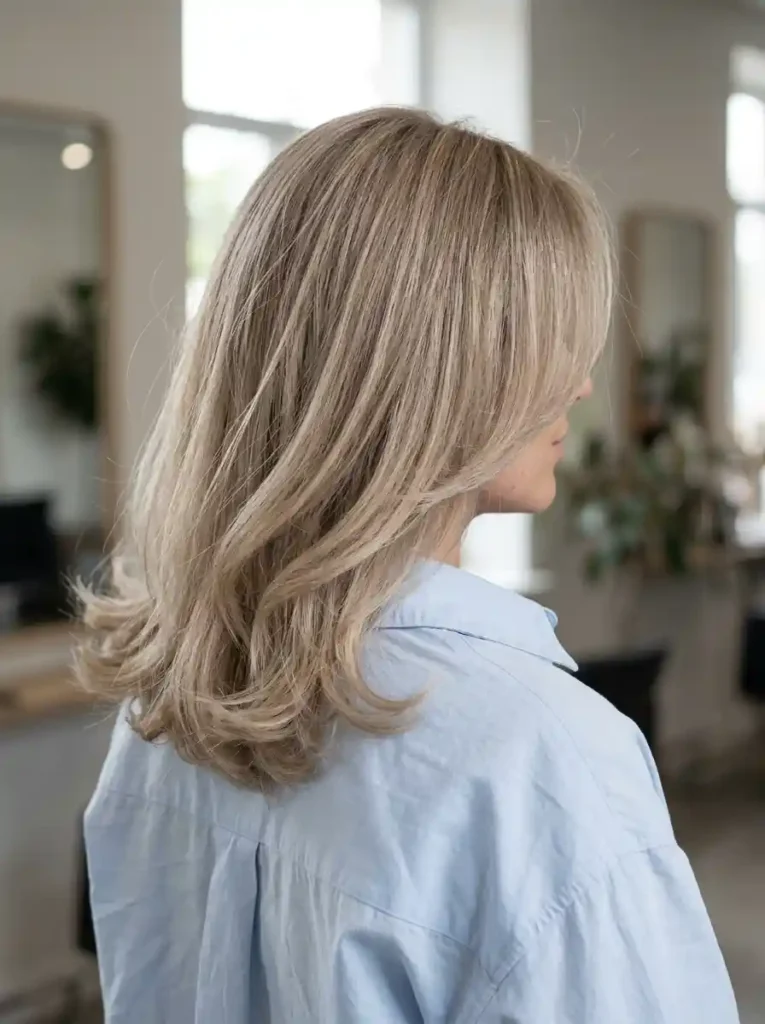
Beige blonde gloss suits people who want a balanced blonde that feels neither strongly golden nor distinctly silver. Depending on the starting color, it can soften harsh tonal differences between highlights and create a more blended appearance. This makes it an appealing choice for anyone whose blonde has become uneven after several weeks of washing and styling. The result is usually understated, allowing the haircut and natural movement to remain the focus.
Beige shades can be surprisingly specific, so bring reference photos to your stylist and identify whether you prefer creamy, sandy, or slightly cool beige. A formula that looks neutral on one person’s hair may appear warmer on another because the underlying pigments differ. If using a home gloss, avoid mixing products or extending the processing time to force a stronger result. Consistent gentle cleansing and regular conditioning will help keep the hair looking smooth between applications.
10. Burgundy Gloss for Rich Red-Brown Hair
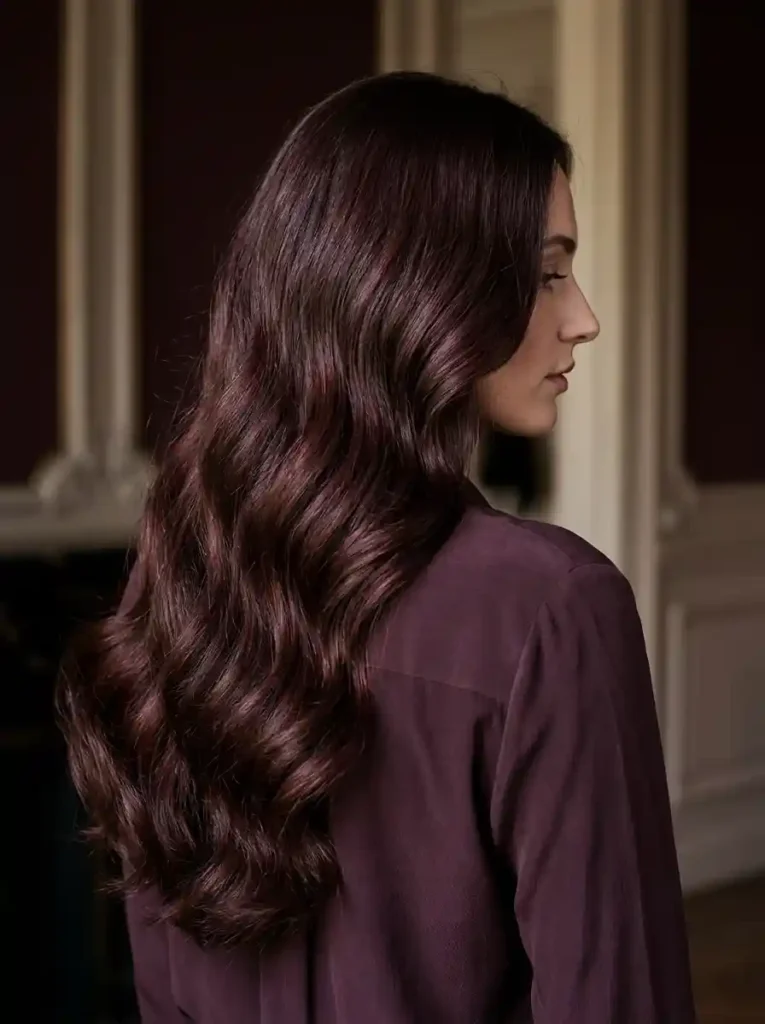
Burgundy gloss gives red-brown hair a richer, moodier appearance that can feel especially striking in autumn and winter. A tinted formula may revive faded wine or mahogany undertones and add visible depth to an existing red-based color. On dark brunette hair, the effect may be subtle indoors and more noticeable in sunlight. On lighter or previously colored hair, the pigment may show more strongly, so your starting shade matters.
If you want a deep wine finish rather than bright cherry red, look for burgundy or mahogany descriptions and review product results on hair similar to yours. Avoid applying a highly pigmented formula without checking how it interacts with lighter ends. Red-based colors can fade noticeably with frequent washing, so a color-safe shampoo and cooler rinse water may help maintain the appearance. Remember that a gloss is generally a temporary refresh, not a substitute for a permanent color correction.
11. Caramel Gloss for Brunette Highlights
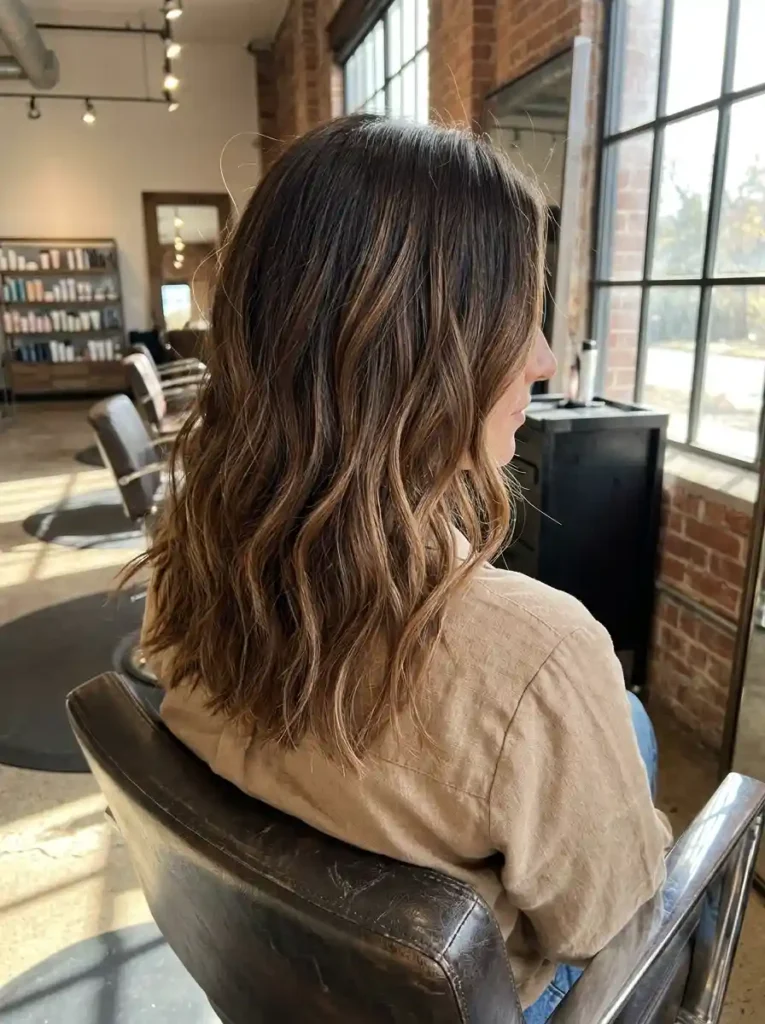
Caramel gloss is a useful way to refresh brunette hair that already contains warm highlights or subtle balayage. A carefully selected tinted formula can enhance the caramel tones and help the different shades look more harmonious. Rather than making every strand the same color, the goal is to maintain the contrast that gives highlighted hair its dimension. This treatment can be especially flattering on layered cuts and loose waves, where the lighter pieces remain visible.
If your hair is entirely dark brown, remember that a gloss cannot reliably create lighter caramel highlights without lightening the underlying hair first. It is better suited to enhancing existing warmth than producing a dramatic transformation. Ask your colorist to preserve lighter pieces while refreshing the brunette base if necessary. To maintain the result, use gentle color-safe products and avoid excessive heat, which can leave highlighted lengths feeling drier and looking less reflective over time.
12. Mushroom Brown Gloss for Cool, Muted Hair

Mushroom brown gloss is well suited to people who prefer cool, muted brunette shades over golden or reddish tones. It can refresh an existing taupe-brown color and help reduce the visual prominence of warmth, depending on the formula. The result is understated but dimensional, particularly when the hair already contains a mix of brown and beige tones. It is a strong choice if you want a modern brunette finish that does not look overly warm or inky.
The key is balancing cool pigments with your hair’s underlying color. If your hair pulls strongly orange, a gloss may soften the warmth but might not eliminate it completely. Professional advice is useful when the color has several undertones or previous dye layers. At home, choose a product intended for brunette hair rather than using a blonde toner indiscriminately. A gentle routine and regular conditioning will support a smoother finish without requiring constant pigment application.
13. Strawberry Blonde Gloss for a Soft Peachy Glow

Strawberry blonde gloss is a beautiful option for refreshing light hair with gentle copper and peach undertones. It can make existing strawberry blonde color look more cohesive while bringing warmth back to faded blonde lengths. The effect is generally soft rather than dramatic, which makes it appealing if you want a noticeable change in tone without committing to a bold red shade. Loose curls and natural waves can help showcase the interplay between blonde and copper reflections.
This treatment works best when your base color is already light enough to reveal the warm pigments. On darker hair, the result may be far more subtle than the product packaging suggests. If you have pale blonde highlights, test the formula carefully because lighter sections may absorb warmth quickly. Maintain the color with products suitable for treated hair, and ask your stylist whether a clear gloss between tinted treatments could help preserve shine without repeatedly depositing additional pigment.
14. Silver Gloss for Cool Gray Hair
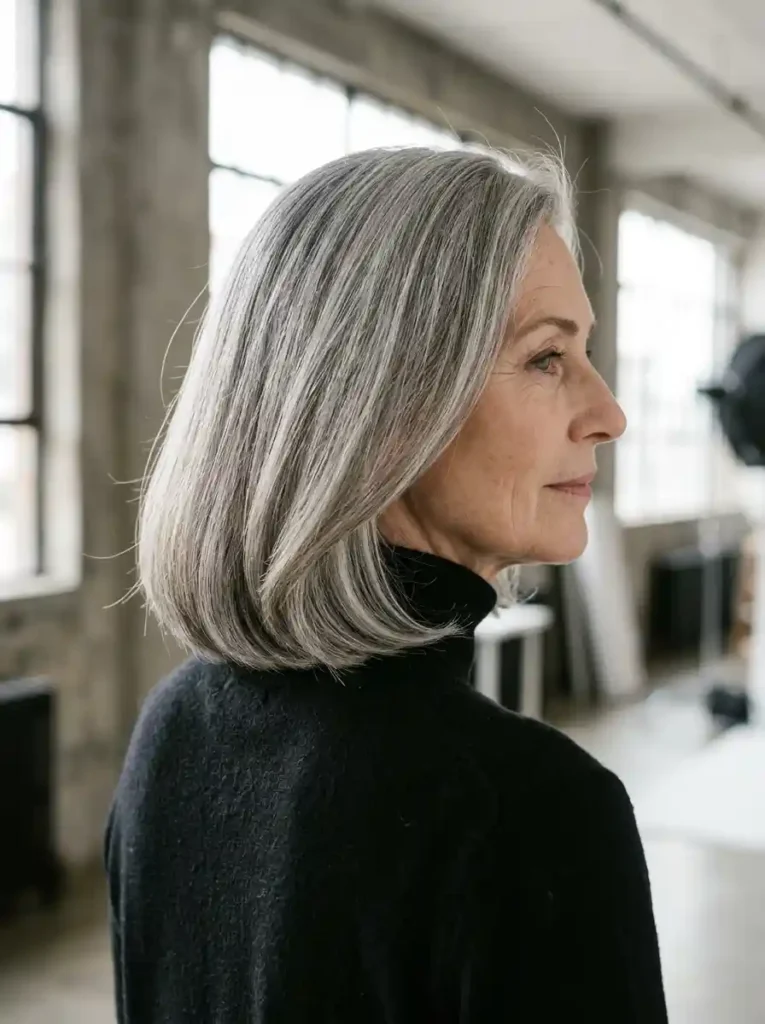
Silver gloss can help enhance the cool appearance of gray, silver, or pre-lightened hair. Depending on the product, it may refresh silvery tones or soften unwanted yellow warmth that develops over time. This makes it appealing both for naturally gray hair and for people who have professionally lightened their hair to achieve a silver shade. The most attractive result usually preserves natural variation rather than turning every strand into a flat, metallic color.
Choose a formula specifically suited to gray or silver hair, and be cautious with strongly violet or blue pigments if your lengths are porous. Overuse can create uneven cool patches or a temporarily lavender cast. A stylist can help determine whether your hair needs a gentle toner, a clear gloss, or a different approach altogether. Use conditioning products that support softness, and remember that maintaining a cool silver tone may require occasional toning rather than frequent full-length treatments.
15. Gloss Treatment for Curly Hair
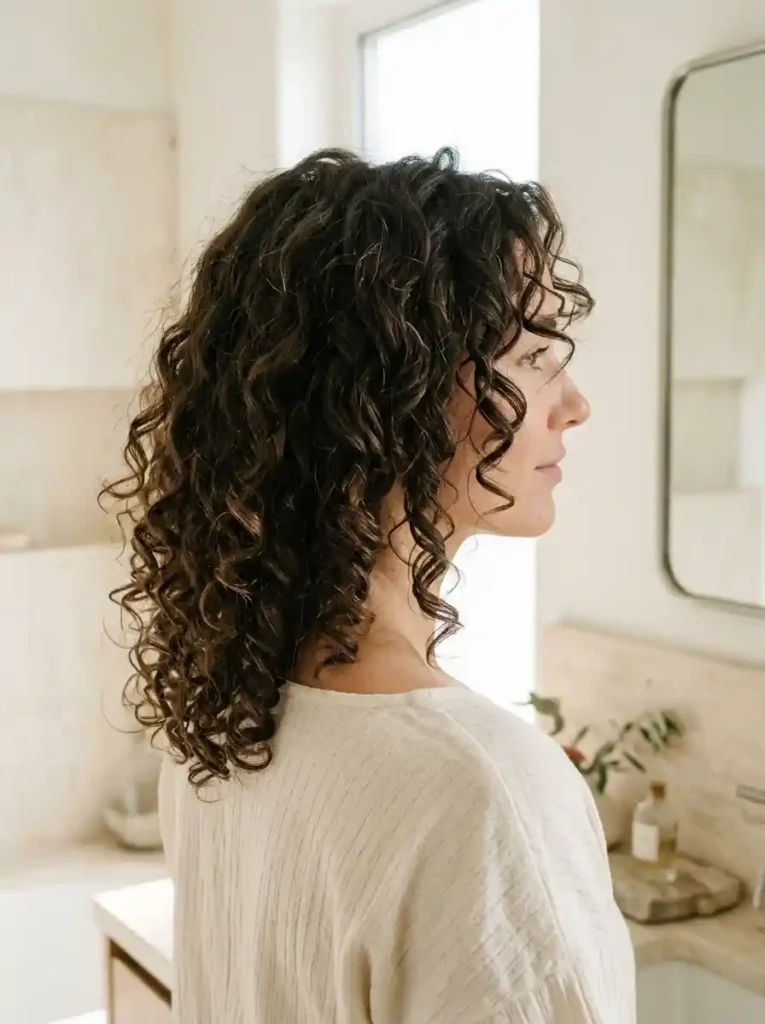
Curly hair can benefit from a gloss treatment when the goal is to refresh color or improve the appearance of shine without changing the curl pattern intentionally. Curved strands reflect light differently from straight hair, so a smooth, well-conditioned finish may help curls look more defined and dimensional. Choose a product formulated for your hair’s texture and color needs, keeping in mind that color glosses and moisturizing treatments serve different purposes.
Before applying a gloss, detangle gently and follow the product’s directions for application on wet or dry hair. Do not assume that every formula should be applied in the same way, particularly if your curls are chemically treated or have delicate ends. After rinsing, use your usual curl-friendly conditioner or styling product if appropriate. Avoid excessive brushing while dry, which can disrupt definition, and allow the curls to dry naturally or diffuse them on a low setting.
16. Gloss Treatment for Fine, Flat Hair
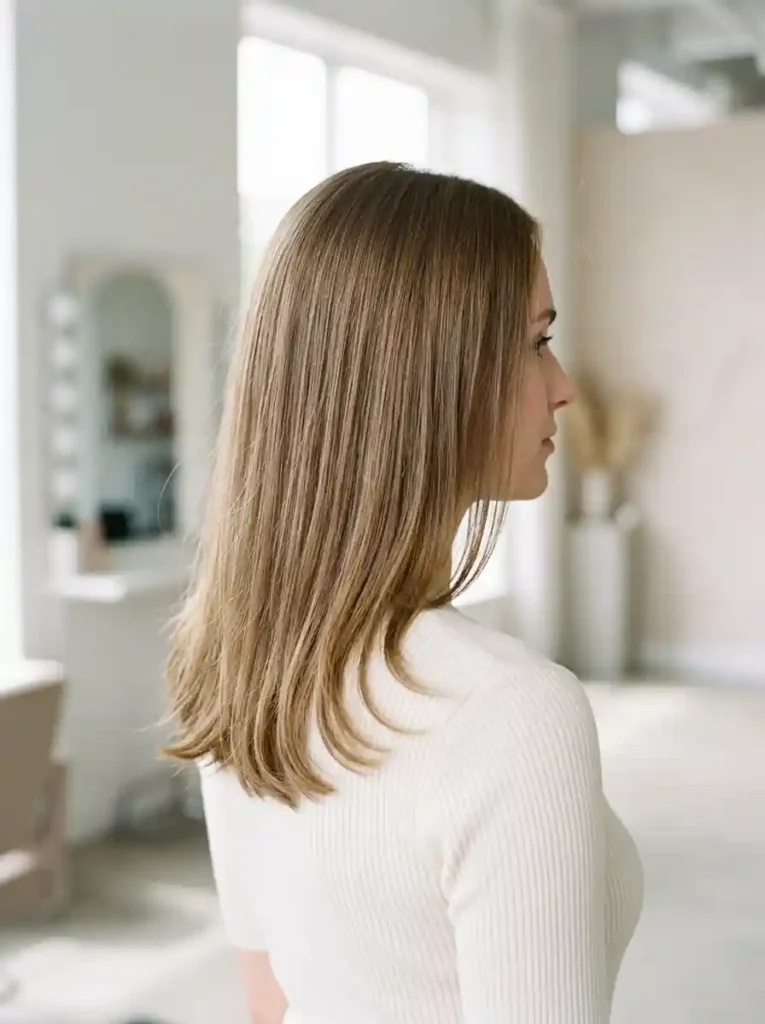
Fine hair can look beautiful with a gloss, but product weight matters. A lightweight clear gloss or a suitable low-residue formula may enhance the appearance of smoothness without leaving the lengths feeling heavy. This approach is particularly useful when fine hair looks dull after repeated heat styling or color treatments. A reflective finish can make a simple bob or long, straight cut look more intentional, even without adding layers or changing the color.
Check whether the product is designed to be rinsed out or left on, and avoid applying rich oils or multiple conditioning treatments at once if your hair tends to fall flat. Focus heavier conditioners on the ends rather than the roots. When blow-drying, lift the roots gently and use moderate heat with a protectant. If your fine hair is also color-treated, choose a gloss compatible with your existing dye and avoid processing it more often than directed.
17. Gloss Treatment for Long, Dry Ends
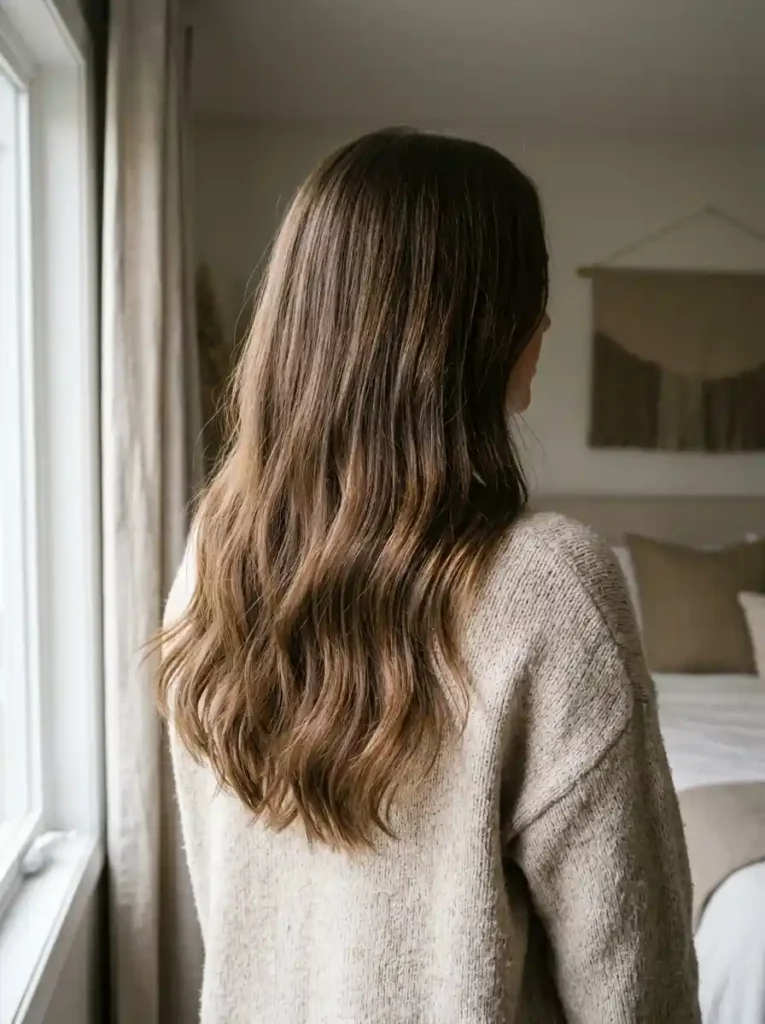
Long hair often develops a less uniform appearance because the ends have experienced more washing, brushing, environmental exposure, and heat styling than the roots. A suitable gloss may improve the look and feel of the lengths, especially when the formula offers conditioning benefits. However, it cannot permanently repair split ends or reverse significant structural damage. The practical goal is to create a smoother-looking finish while supporting the hair with gentle handling and appropriate conditioning.
If your ends feel rough, combine any gloss treatment with regular trims and a conditioner suited to your hair’s needs. Use a leave-in product if recommended for your hair type, and limit high-temperature styling. When applying a tinted gloss, remember that damaged or porous ends may absorb pigment differently from healthier roots. A stylist may recommend a customized application rather than treating every section identically, particularly when your hair has multiple colors or levels of damage.
18. Gloss Refresh Between Salon Color Appointments
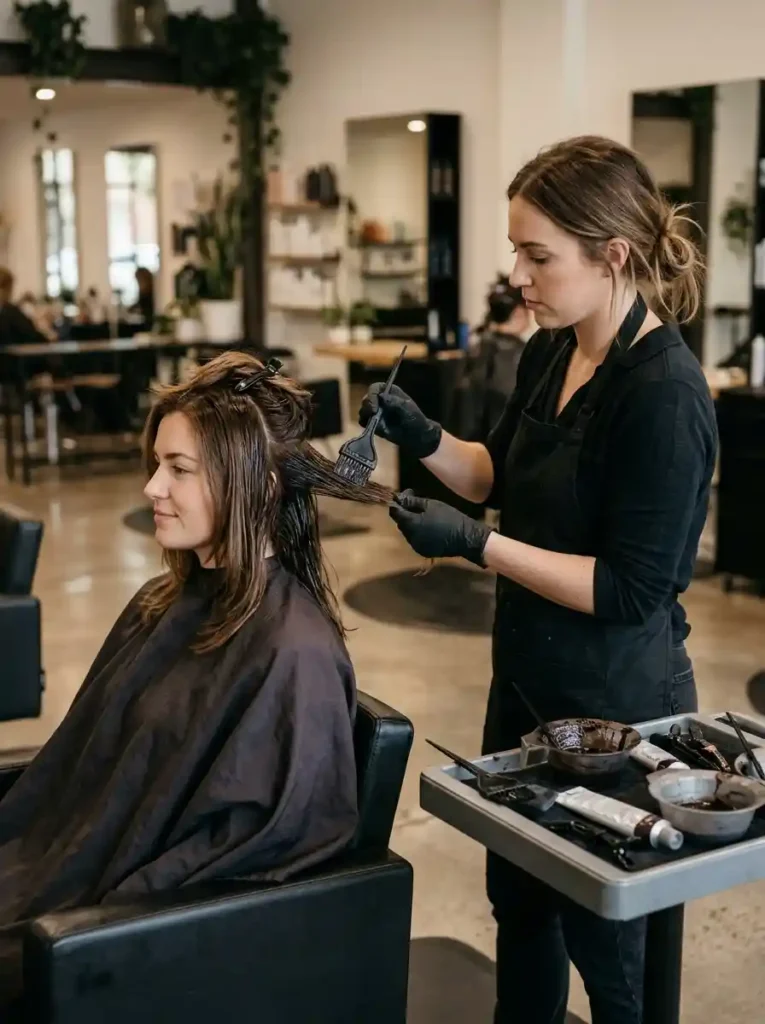
A gloss refresh can help bridge the gap between full color appointments when your shade has faded but your roots do not yet need major work. It may restore tonal richness, soften the appearance of uneven color, and make the overall style look more maintained. This can be especially useful for balayage, highlighted hair, and brunette shades that lose their intended warmth or coolness over time. The appropriate formula depends on your existing color and desired finish.
Ask your stylist whether a clear or tinted gloss is more suitable before booking another full color service. If your roots have grown out naturally, you may prefer a treatment that refreshes only the lengths while preserving that contrast. Home glosses can be convenient, but they should not be treated as universal color-correction products. Keep track of your previous treatments, follow the manufacturer’s schedule, and seek professional advice if the color becomes patchy or unexpectedly dark.
19. At-Home Hair Gloss for Beginners
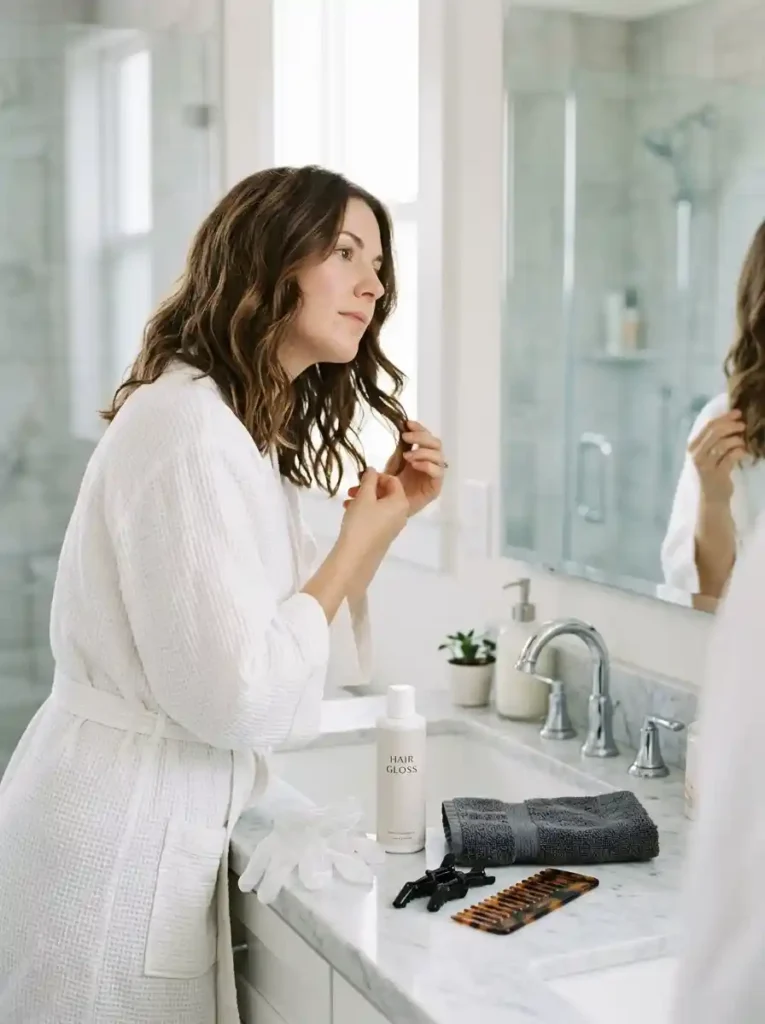
An at-home hair gloss can be a convenient way to refresh shine or tone without scheduling a salon visit. Beginner-friendly options vary widely, from clear shine treatments to color-depositing formulas, so start by identifying what you want the product to accomplish. Read the packaging carefully and check whether the formula is compatible with your natural hair, permanent dye, highlights, or previous chemical treatments before beginning.
Prepare your workspace, protect clothing and surfaces, and use gloves when the instructions call for them. Follow the recommended timing exactly rather than leaving the treatment on longer for a supposedly stronger result. Perform the manufacturer’s recommended allergy alert and strand tests, and never mix products unless the directions explicitly permit it. If you have a sensitive scalp, damaged hair, or a complicated color history, professional guidance is a sensible first step before experimenting at home.
20. Salon Hair Gloss with a Sleek Blowout

A salon gloss paired with a sleek blowout is an excellent option when you want to see how a refreshed color and smoother styling work together. The gloss may enhance tonal depth or provide conditioning benefits, while the blowout shapes the hair to reflect light more evenly. The combination can make brunette, blonde, or red hair appear more polished for an event, a photo session, or simply a personal refresh.
Tell your stylist whether you prefer a completely straight finish, softly curved ends, or movement through the lengths. A glossy treatment does not automatically make hair resistant to humidity or eliminate frizz, so your stylist may recommend a compatible finishing product. Keep the dryer at a suitable temperature and use heat protection when needed. For lasting results, follow the gloss manufacturer’s maintenance guidance instead of assuming that every salon treatment has the same lifespan.
21. Gloss Treatment for Healthy-Looking Natural Hair

If you love your natural color, a clear gloss may be an appealing way to give your hair a more polished finish without intentionally changing its shade. Depending on the product, it can help smooth the surface temporarily and improve the appearance of light reflection. This approach works well for people who want a subtle beauty routine rather than regular color appointments. It also lets the natural variation in your hair remain the main feature.
Start by deciding whether your hair needs additional shine, conditioning, or help managing dryness, because these goals are not identical. A gloss may offer some conditioning benefits, but a dedicated conditioner or leave-in treatment could be more appropriate for persistent dryness. Choose products suited to your scalp and hair texture, and use heat styling sparingly. If your natural hair already looks glossy and feels manageable, you may only need consistent gentle care rather than another treatment.
Conclusion
Hair gloss treatments offer plenty of ways to refresh your look, whether you prefer luminous blonde, rich chocolate brown, cool mushroom tones, or the natural beauty of untreated hair. The best choice depends on your current color, hair condition, and the kind of finish you want to achieve. A clear gloss is a practical starting point if shine is your main priority, while a tinted formula can help revive an existing shade or refine its undertones.
Before choosing a treatment, consider your hair’s history, especially if you have highlights, previous dye, or porous ends. Follow product instructions carefully, perform the recommended tests, and consult a professional when you are unsure about color compatibility. Remember that gloss is a temporary finishing or color-refresh option, not a permanent repair for damaged hair. With the right formula and a gentle maintenance routine, you can enjoy a polished, glossy appearance that feels personal, wearable, and easy to incorporate into your beauty routine.