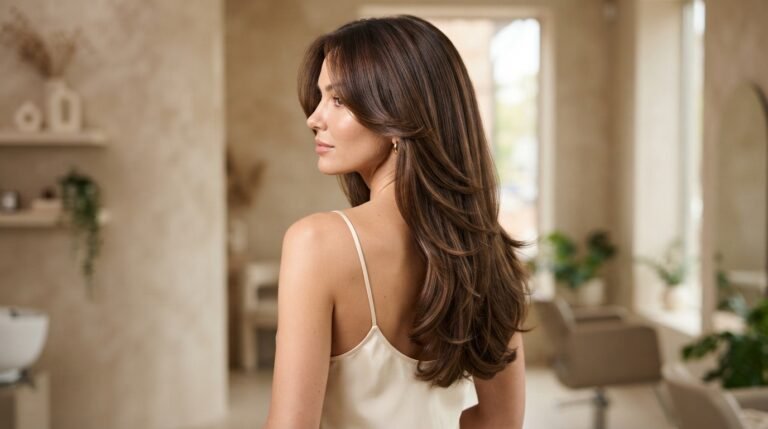
Wavy hair has a beautiful way of adding movement, softness, and personality to almost any hairstyle, but the right haircut can make those natural bends look even better. Whether your waves are loose and beachy or thick and defined, there is a flattering cut that can complement your texture and fit your lifestyle. From chic bobs to flowing layers and modern shags, these 24 wavy hair cut ideas offer fresh inspiration, practical styling tips, and gorgeous looks to save for your next salon appointment.
1. Long Wavy Layers for Effortless Movement
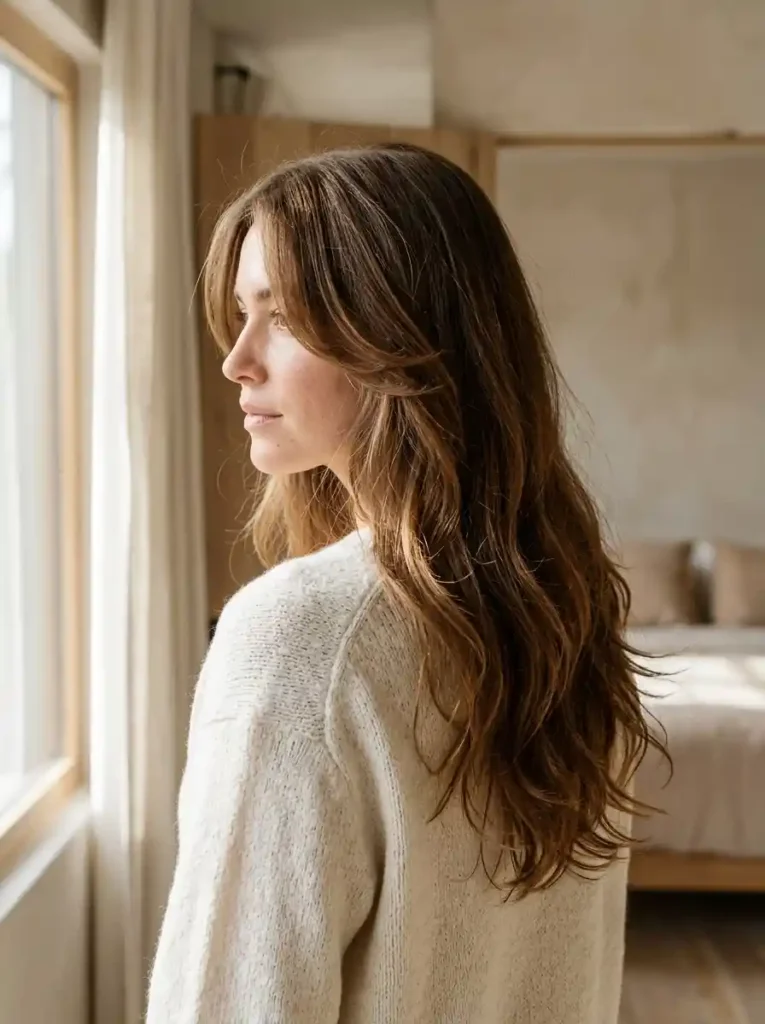
Long wavy layers are an excellent choice if you love keeping your length but want your hair to feel lighter and more dynamic. The shorter pieces around the face create a flattering frame, while the graduated lengths help waves fall naturally instead of forming one heavy shape. This haircut works particularly well for medium to thick hair, although the amount of layering should be adjusted to your density and how much volume you prefer.
For everyday styling, apply a lightweight leave-in conditioner to damp hair and scrunch in a small amount of curl-enhancing mousse. Let your hair air-dry or use a diffuser on low heat to encourage definition without disturbing the wave pattern. Ask your stylist to check how your hair falls in its natural texture before deciding where the layers should begin. A small trim every eight to twelve weeks can help maintain the shape and keep the ends looking healthy.
2. The Chic Wavy Bob
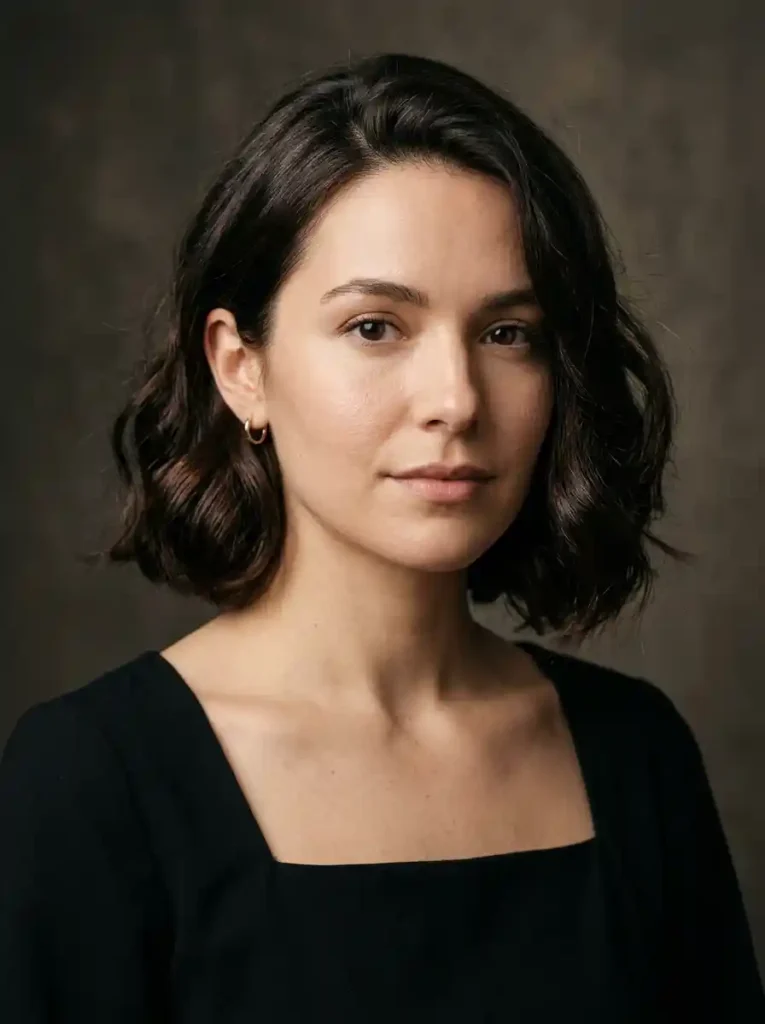
A wavy bob offers the freshness of shorter hair without requiring a perfectly sleek finish. The length usually falls between the jaw and chin, allowing natural waves to create softness around the cheeks and neckline. It can suit fine hair that needs a fuller-looking outline or thicker hair that has been carefully shaped to avoid excessive bulk. Your stylist can adjust the perimeter to make the result more structured, relaxed, or slightly asymmetrical.
The secret to styling this cut is preserving its natural movement rather than brushing it into a fluffy shape. Work a small amount of lightweight styling cream through damp hair, then twist a few sections away from your face and let them dry. If your waves lose definition overnight, refresh them with water and a touch of mousse. Before choosing the length, discuss how much your hair shrinks as it dries, particularly if your waves are tighter around the sides.
3. The Textured Lob

The textured lob, or long bob, is a versatile option for anyone who wants a noticeable change without committing to very short hair. Sitting around the collarbone, it provides enough length to tie back while creating a lighter silhouette than many traditional long cuts. Subtle internal layers and textured ends help waves separate naturally, giving the hairstyle an easy, lived-in appearance. It is especially useful if you want a cut that feels polished enough for work but relaxed on weekends.
For a soft finish, apply heat protectant before using a curling wand to refine only the sections that need extra shape. Alternate the direction of a few waves, leaving the ends relatively straight for a modern effect. You can also air-dry the lob with a texturizing lotion for a less defined finish. Avoid asking for too much thinning if your hair is fine, because excessive removal of weight can make the ends appear sparse instead of deliberately textured.
4. Wavy Shag with Feathered Layers

A wavy shag is ideal if you prefer a haircut with personality, texture, and a little rebellious energy. Its defining features include shorter layers near the crown, feathered lengths, and an intentionally imperfect finish. Natural waves help the different layers blend together, creating movement without requiring elaborate styling. This cut can be especially flattering on medium-density hair, although people with very thick or tightly curled hair may need customized layering to keep the silhouette balanced.
To style a shag, scrunch a flexible mousse into damp hair and diffuse gently while lifting the roots with your fingers. A tiny amount of texture paste can emphasize the ends once everything is dry. The goal is separation rather than uniform curls, so avoid repeatedly combing through the finished hairstyle. Ask your stylist to tailor the shortest layers to your forehead, cheekbones, and preferred volume level, since an overly short crown can create unwanted fullness in some hair types.
5. Shoulder-Length Waves with Curtain Bangs

Curtain bangs add a face-framing detail to shoulder-length wavy hair without creating the commitment of a full, blunt fringe. Their longer outer edges blend into the rest of the haircut, while the center part opens the forehead and draws attention toward the eyes. This combination is particularly appealing if you want a balanced, soft silhouette that works with casual outfits and more polished looks. The bang length and parting can be customized for different face shapes and natural hairlines.
Because fringe sections sit close to the face, they may need more attention than the rest of your hair. After washing, direct the roots gently from side to side with a brush and blow-dryer to prevent an awkward split. A lightweight styling lotion can help the bangs curve without becoming stiff. If your hair has a strong cowlick, ask your stylist to account for its growth direction before cutting. Keep the fringe slightly longer initially, since wavy hair can spring up when dry.
6. The Wavy Pixie Cut
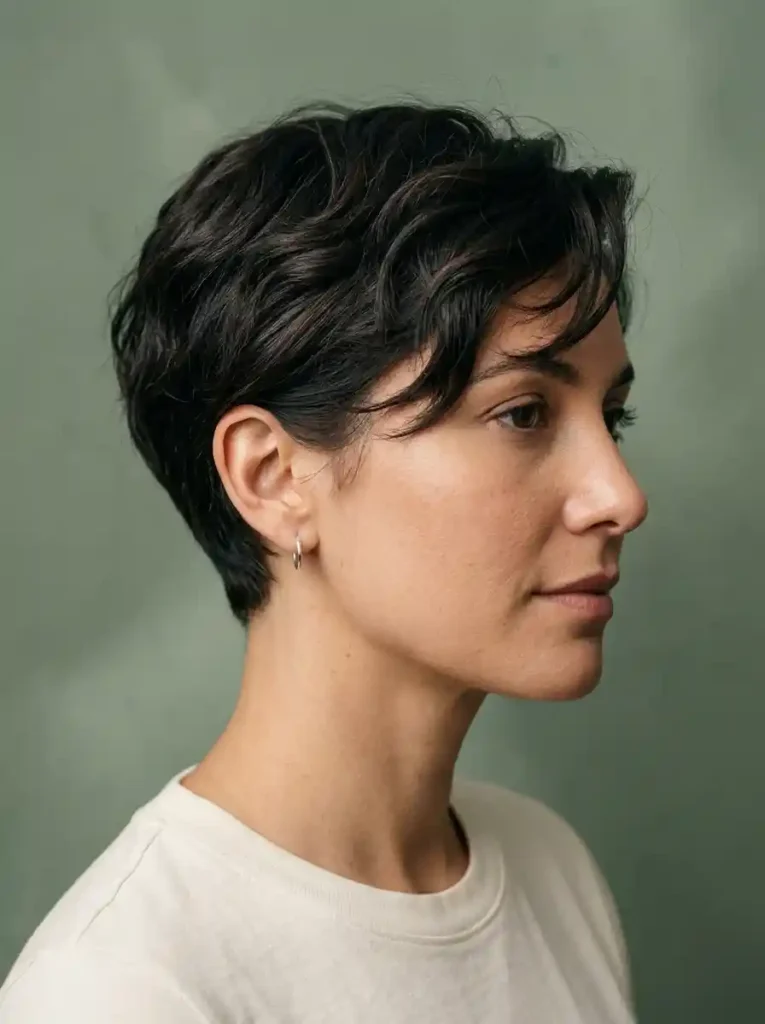
A wavy pixie is a bold yet practical haircut that lets your natural texture become the main feature. Keeping the sides and back relatively short while leaving a little length on top creates a shape that can be styled softly or with more definition. It works especially well for people who enjoy lightweight hair and want to reduce the time spent washing and drying long lengths. The exact balance between tapered sides and a fuller crown should reflect your wave pattern.
Styling usually takes only a small amount of product, but the right formula matters. Rub a pea-sized portion of lightweight cream between your palms and distribute it through damp hair, guiding the top into your preferred direction. A diffuser can encourage texture, while a tiny amount of paste adds definition after drying. Short cuts often require more frequent salon visits than longer styles because the outline changes quickly as hair grows. Book maintenance appointments based on how structured you want the silhouette to remain.
7. The Butterfly Cut for Wavy Hair
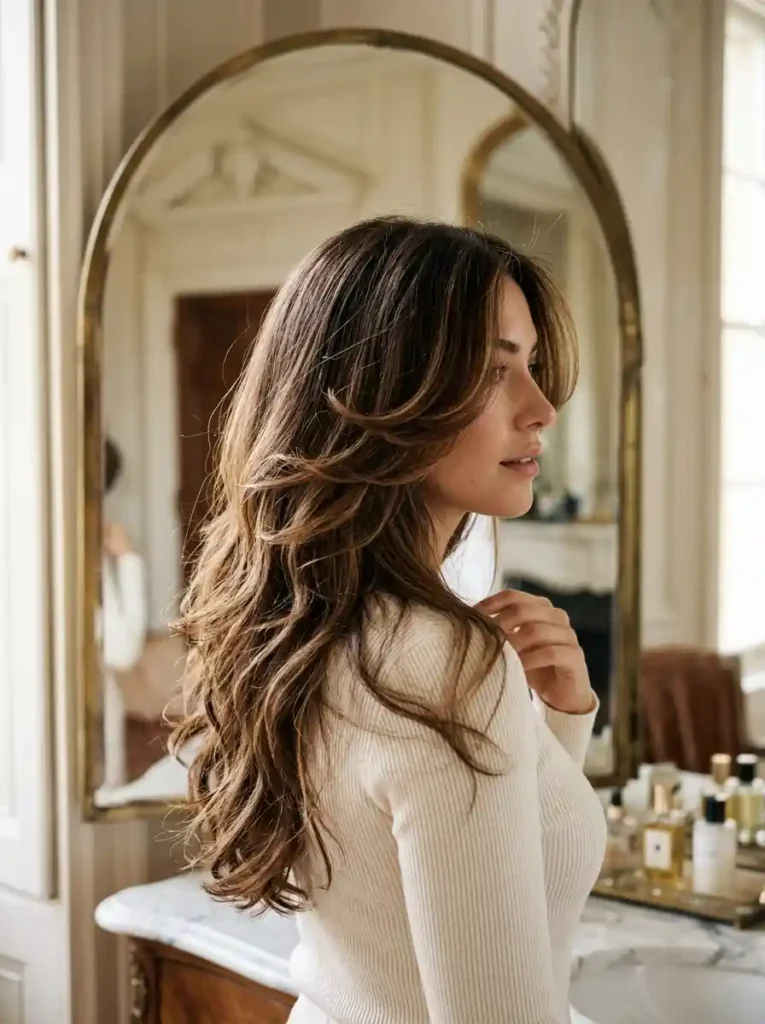
The butterfly cut creates the appearance of a shorter, layered hairstyle around the face while preserving considerable length through the back. Its shorter upper layers provide lift and framing, whereas the longer sections maintain a flowing silhouette. On wavy hair, this contrast can produce plenty of movement without sacrificing the feeling of long hair. It is a strong option if you want a more noticeable transformation but are not ready to lose the length you have grown.
This cut looks particularly effective when the front layers are styled away from the face, allowing them to blend into the longer waves. Use a round brush or large rollers on the front sections if you want extra lift, then let the remaining hair dry naturally or diffuse it. Before booking, ask your stylist how short the upper layers will be when dry. Very fine hair may need fewer layers to preserve fullness, while dense hair may benefit from carefully distributed weight removal.
8. Blunt Wavy Lob with a Center Part

If you like clean lines but still want your waves to look soft, a blunt lob offers an appealing balance. The ends are cut along a relatively even line, giving the hairstyle a fuller-looking perimeter while the natural wave pattern keeps it from appearing too severe. A center part adds symmetry and creates a contemporary finish. This haircut can work particularly well for fine or medium hair because it avoids excessive layering that might make the bottom look thin.
To maintain the polished outline, ask your stylist to keep internal texturizing subtle and concentrate on an even perimeter. Style with a smoothing leave-in product followed by a light wave cream, then let your hair dry without repeatedly touching it. If the front sections flip outward, guide them into place while damp instead of relying on heavy oils afterward. A blunt cut still needs regular shaping, but its simple outline can make daily styling pleasantly straightforward.
9. The Wavy French Bob

A wavy French bob has a relaxed, artful character that comes from its compact length and slightly undone texture. It typically sits around the jaw, sometimes with a soft fringe, creating a distinctive frame for the eyes and cheekbones. Unlike a sharply sculpted bob, this version embraces small irregularities and natural movement. It can suit fine to medium hair beautifully, though the ideal length depends on where your waves expand and how much fullness develops around the sides.
The easiest styling approach is to enhance what your hair already does. Apply a light curl cream, scrunch the ends, and allow the shape to develop as it dries. A small amount of paste can separate the fringe or emphasize individual pieces without making the haircut look overly styled. If your waves are particularly springy, request a dry or texture-aware finishing check before leaving the salon. That helps ensure the bob sits comfortably around your jaw rather than bouncing much shorter than expected.
10. Long Waves with Face-Framing Pieces
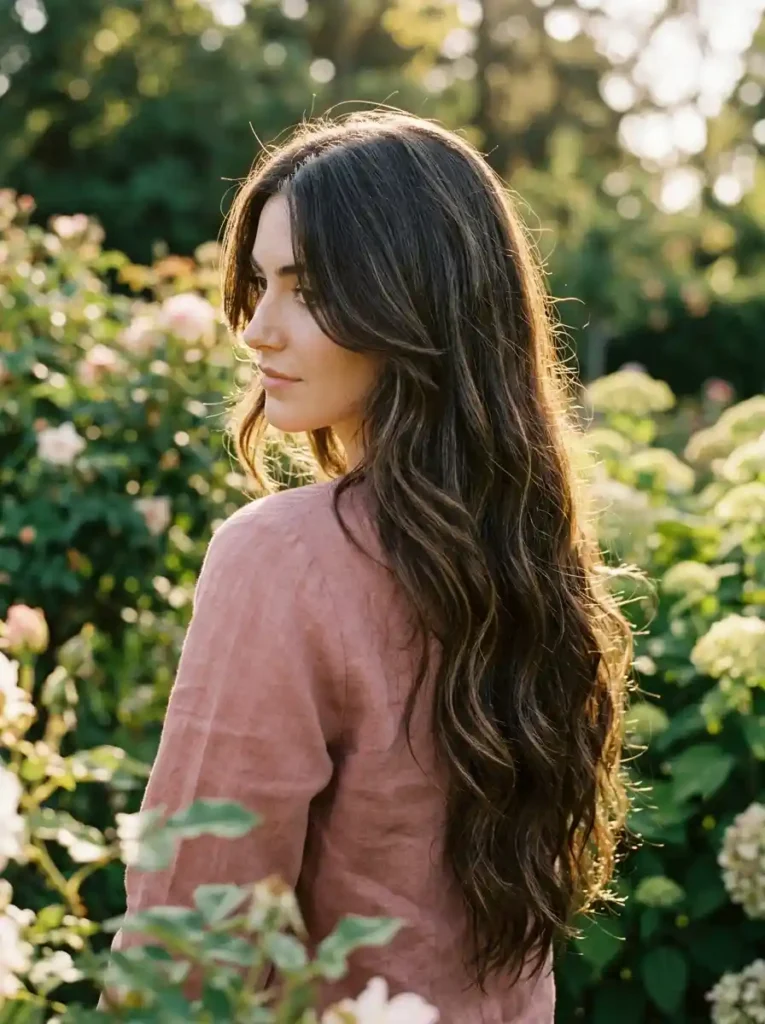
Long face-framing pieces are a simple way to refresh long wavy hair without significantly changing the overall length. The shorter sections create definition around the eyes, cheekbones, and jaw, while the rest of the hair remains long enough for ponytails, braids, and buns. This approach suits people who enjoy the flexibility of long hair but feel that one uniform length looks flat or heavy. Your stylist can make the framing subtle or more dramatic depending on your preferred finish.
For a natural result, style the front pieces separately from the longer lengths. Twist them away from the face while damp or use a round brush to create a gentle bend near the cheekbones. Keep heavier styling products away from the roots so the framing layers retain movement. If you often wear your hair tied back, tell your stylist before the appointment, because excessively short front pieces may escape from ponytails. A gradual, chin-length starting point offers versatility while you decide whether you want more layering.
11. The Soft Wolf Cut

A soft wolf cut combines the layered energy of a shag with a longer, flowing outline. It typically features lift around the crown, shorter framing pieces, and more length through the back, but the contrast can be subtle enough for everyday wear. Wavy hair naturally supports the textured finish, allowing different layers to move independently. This is a good option if you want a contemporary haircut with personality but prefer something less extreme than a heavily disconnected wolf style.
The main styling challenge is balancing crown volume with definition through the ends. Work a lightweight mousse into the roots and lengths, then diffuse while lifting the top gently with your fingertips. Avoid applying too much product at the crown, which can make the layers stick together. During your consultation, discuss whether you want a rounded, soft shape or a more dramatic mullet-inspired silhouette. The difference in layer placement can significantly change the final result, even when both cuts are described as wolf cuts.
12. Wavy Hair with Wispy Bangs

Wispy bangs are a lighter alternative to a dense, blunt fringe, especially if you want to introduce a new detail without changing the rest of your haircut dramatically. Their delicate shape works with loose waves because the fringe does not have to look perfectly straight to feel intentional. The result can soften a long face, highlight the eyes, or add interest to a simple shoulder-length cut. The amount of fringe should be adjusted to your hair density and how much styling you are comfortable doing.
Although wispy bangs look effortless, they benefit from a little direction after washing. Blow-dry them while damp, moving the roots gently from side to side before guiding the ends into place. A tiny amount of lightweight styling lotion can control flyaways without making the fringe appear greasy. If your forehead tends to become oily, keep heavy conditioners away from the roots. Ask for a slightly longer initial cut if your waves are unpredictable, because the fringe can shorten considerably as it dries.
13. The Asymmetrical Wavy Bob
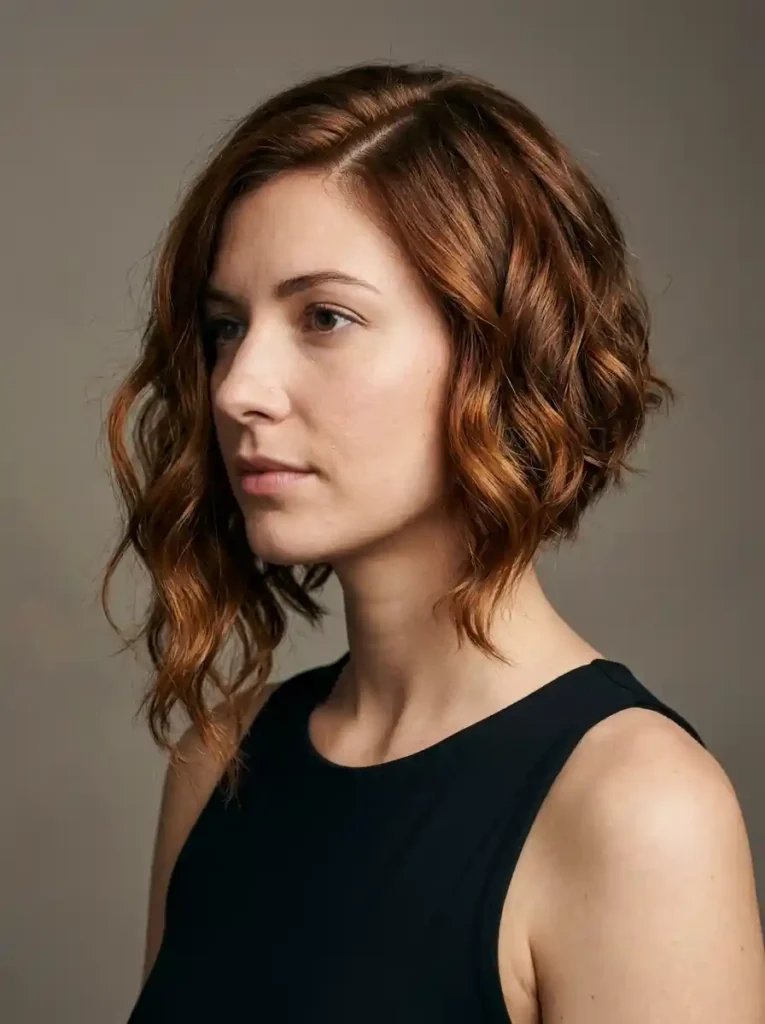
An asymmetrical wavy bob introduces visual interest through its uneven length rather than relying on dramatic color or heavy styling. One side sits slightly longer than the other, creating a diagonal line that frames the face and gives the haircut a distinctive profile. Waves soften that geometry, making the result feel approachable rather than overly sharp. It can work with many textures, but the degree of asymmetry should reflect how much contrast you want and whether you regularly change your part.
To show the shape clearly, use a lightweight styling cream that encourages waves without adding too much volume at the ends. Dry the hair with the longer side positioned as you normally wear it, since a major change in parting can alter the silhouette. Ask your stylist to demonstrate the haircut from the front and side before finalizing the length difference. If you prefer a low-maintenance option, choose a subtle asymmetry that continues to look balanced as your hair grows.
14. Medium-Length Waves with Invisible Layers
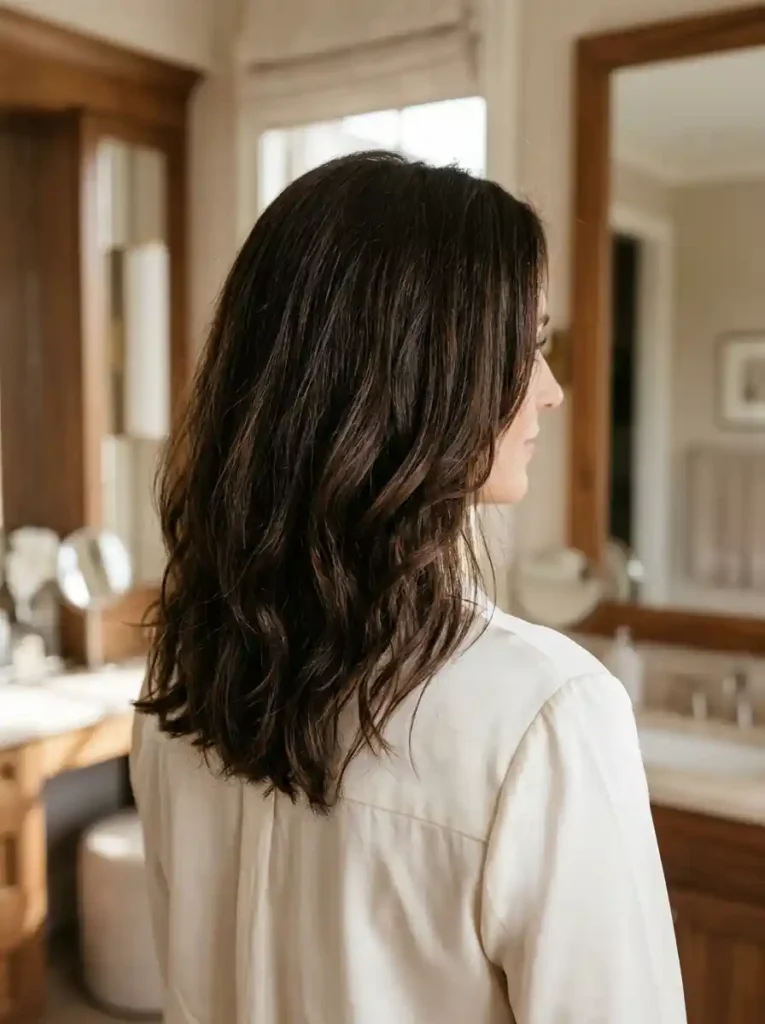
Invisible layers are designed to create movement within the haircut without producing an obviously stepped or heavily layered outline. On medium-length wavy hair, this technique can help reduce the feeling of weight while preserving a smooth, full-looking exterior. It is especially useful if you like soft texture but dislike the choppy appearance that some layered cuts create. The result depends on careful sectioning, so it is worth discussing your stylist’s approach rather than relying on the technique’s name alone.
This haircut generally looks best when the waves remain soft and touchable. Apply a lightweight conditioner or leave-in treatment through the lengths, then use a diffuser or let the hair air-dry. Avoid repeatedly brushing the hair when dry if that tends to separate the waves into frizz. People with fine hair should ask for conservative layering to avoid sacrificing fullness, while dense hair may benefit from carefully placed interior weight removal. The finished cut should move naturally without losing its overall shape.
15. The Wavy A-Line Bob

An A-line bob is recognizable by its gradual slope from a shorter back toward longer front sections. This shape gives wavy hair a structured outline while allowing the front pieces to soften the jawline and neckline. It can be a smart choice if you enjoy the convenience of shorter hair but want some length near the face. The angle can be dramatic or barely noticeable, depending on whether you prefer a bold geometric haircut or a softer everyday version.
Styling is easiest when you encourage the waves to follow the direction of the cut. Apply heat protectant if using hot tools, then create broad bends that emphasize the longer front sections rather than tight curls throughout. If your hair naturally flips outward at the back, ask for a length that accommodates its growth pattern. Regular shaping helps preserve the diagonal line, but a softer A-line version can be more forgiving between appointments than an extremely sharp, precise bob.
16. Long Wavy Hair with a U-Shaped Cut
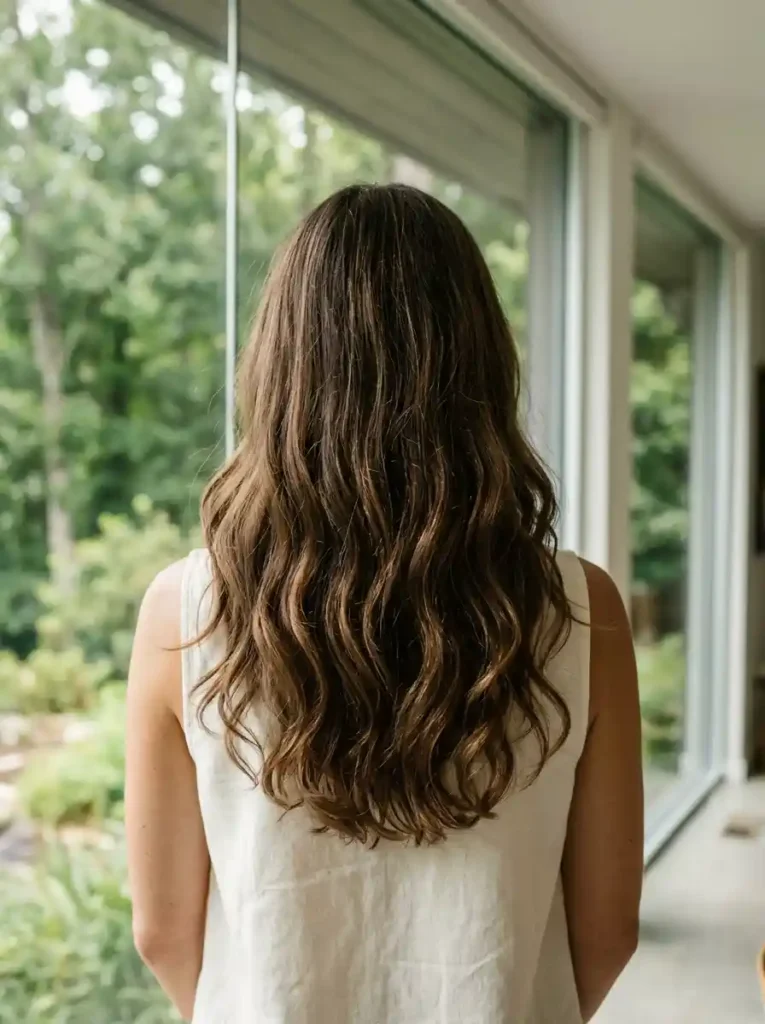
A U-shaped cut is ideal for preserving length while creating a softer outline at the back. Instead of ending in a straight horizontal line, the hair curves gently downward toward the center, giving long waves a rounded, flowing appearance. This shape can help the ends look more natural when your hair moves over your shoulders or down your back. It is particularly appealing if you enjoy long hairstyles but want a small change that makes the overall silhouette look more intentional.
Because the cut relies on its perimeter, healthy ends make a noticeable difference. Ask your stylist to remove split or uneven ends while maintaining the U shape, rather than adding layers automatically. For styling, use a moisturizing leave-in product and scrunch the lengths lightly to encourage wave formation. If you prefer very full ends, request a shallow U rather than a deep curve. The right depth depends on your hair density, current length, and how much of the bottom edge you want to preserve.
17. The Wavy Collarbone Cut

The collarbone cut sits at a particularly versatile length: long enough to gather into a small ponytail, but short enough to feel lighter than traditional long hair. It works beautifully with waves because the ends can curve around the shoulders without overwhelming the neckline. This haircut suits a wide range of personal styles, from understated and professional to casual and romantic. It is also a useful transition if you are growing out a bob but are not ready to return to long hair.
To keep the shape from becoming bulky at the shoulders, ask your stylist to consider where your natural waves bend and flip. A small amount of layering can help the ends settle, while a blunt perimeter creates a fuller appearance. Style with a lightweight curl cream and let the hair dry with minimal disturbance. If you frequently wear scarves or high-neck tops, discuss how the length interacts with your wardrobe, because hair that rests directly on the collarbone may flip more with friction.
18. Wavy Hair with Side-Swept Bangs

Side-swept bangs offer a flattering way to change the proportions of a wavy haircut without introducing a full fringe. Their diagonal shape adds movement across the forehead and blends easily into layers around the face. They can be particularly appealing if you prefer an off-center part or want a softer alternative to blunt bangs. Because the fringe remains longer, it is often easier to tuck away, sweep aside, or blend into the rest of your hairstyle as it grows.
For a smooth, controlled finish, dry the bangs in the direction you want them to fall while the roots are still damp. A small round brush can create a gentle curve, but avoid using too much tension if you want to preserve the surrounding waves. If your hair naturally parts strongly in the center, ask for a cut that accommodates that growth pattern rather than fighting it every morning. Regular fringe trims help maintain the diagonal shape without requiring a full haircut.
19. The Rounded Wavy Bob

A rounded bob creates a softer, more curved silhouette than a sharply blunt or angular cut. Its shape follows the contours of the head, allowing natural waves to add fullness around the sides without making the outline look overly rigid. It is a lovely option if you want a classic short hairstyle that feels feminine and easy to wear. The amount of fullness can be adjusted for different hair densities, so the result does not have to look overly voluminous.
For styling, focus on encouraging the waves to bend inward or sit naturally around the jaw. Apply a small amount of lightweight cream and diffuse without lifting every section at the roots. If your hair tends to puff out at the sides, a stylist can adjust the layering and perimeter to control the shape. Avoid choosing a very short rounded bob without discussing your wave shrinkage first, since the sides may spring outward and create a wider silhouette than you intended.
20. Wavy Hair with Long Choppy Layers
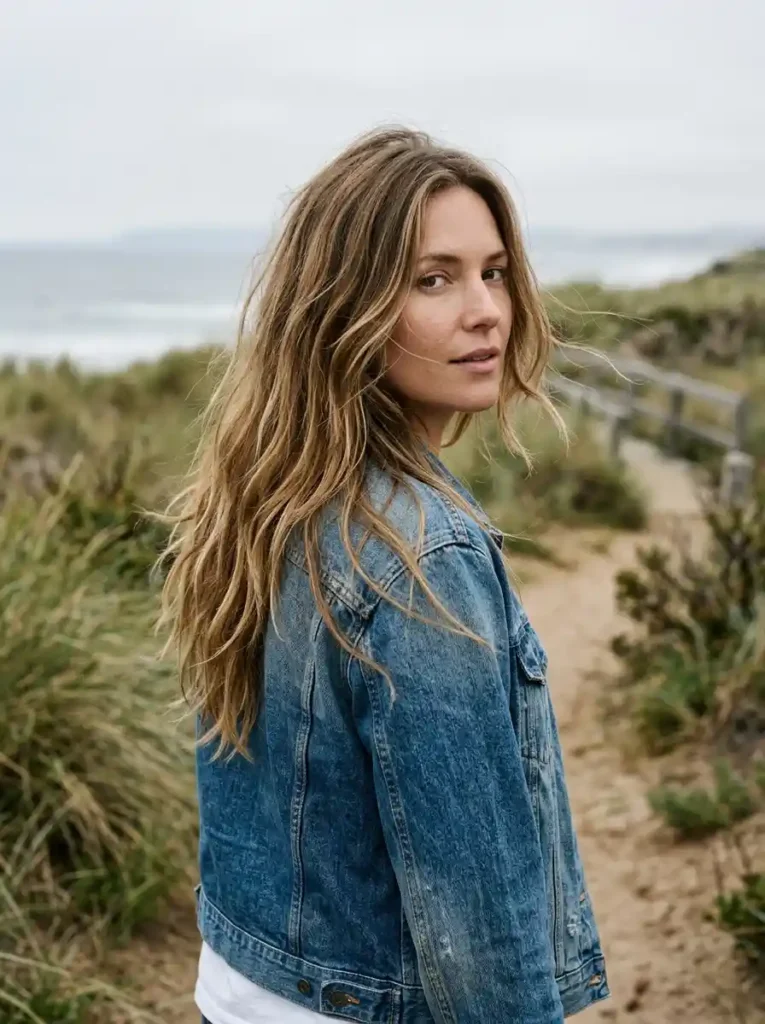
Long choppy layers bring a more casual, piecey finish to hair that might otherwise appear heavy or uniform. Unlike very short shag layers, these sections retain enough length to blend into the overall silhouette while giving individual waves more separation. This haircut can be useful for medium to thick hair that needs movement through the middle and ends. Fine hair can also wear the style, but the layers should remain subtle enough to prevent the perimeter from becoming thin.
A texturizing spray or flexible mousse can emphasize the cut’s separated finish without making the hair stiff. Scrunch the product into damp lengths, then allow the waves to dry before gently separating a few pieces with your fingers. Be cautious with aggressive thinning, particularly if your hair is already prone to frizz or has uneven density. Ask your stylist to create movement with deliberate layering rather than removing too much hair. This approach helps preserve a balanced shape while still delivering the relaxed, textured look.
21. The Wavy Midi Shag

A midi shag offers the texture of a shag haircut while retaining enough length to feel versatile and easy to personalize. Its layers create movement around the crown and face, while the longer ends keep the shape from becoming too short or dramatic. This makes it a good middle ground for anyone drawn to alternative hairstyles but wanting something suitable for everyday routines. Wavy hair helps the layers look naturally blended, especially when the cut is tailored to your wave density.
The best styling method is usually simple: apply mousse to damp hair, scrunch upward, and diffuse until the roots and lengths are mostly dry. You can leave the ends slightly imperfect for a relaxed finish or define a few pieces with a curling wand. If you want volume without a wide silhouette, ask for controlled layering near the crown and less bulk around the sides. Discuss your usual parting and styling habits so the fringe and face-framing sections fall comfortably into place.
22. Wavy Hair with a Deep Side Part
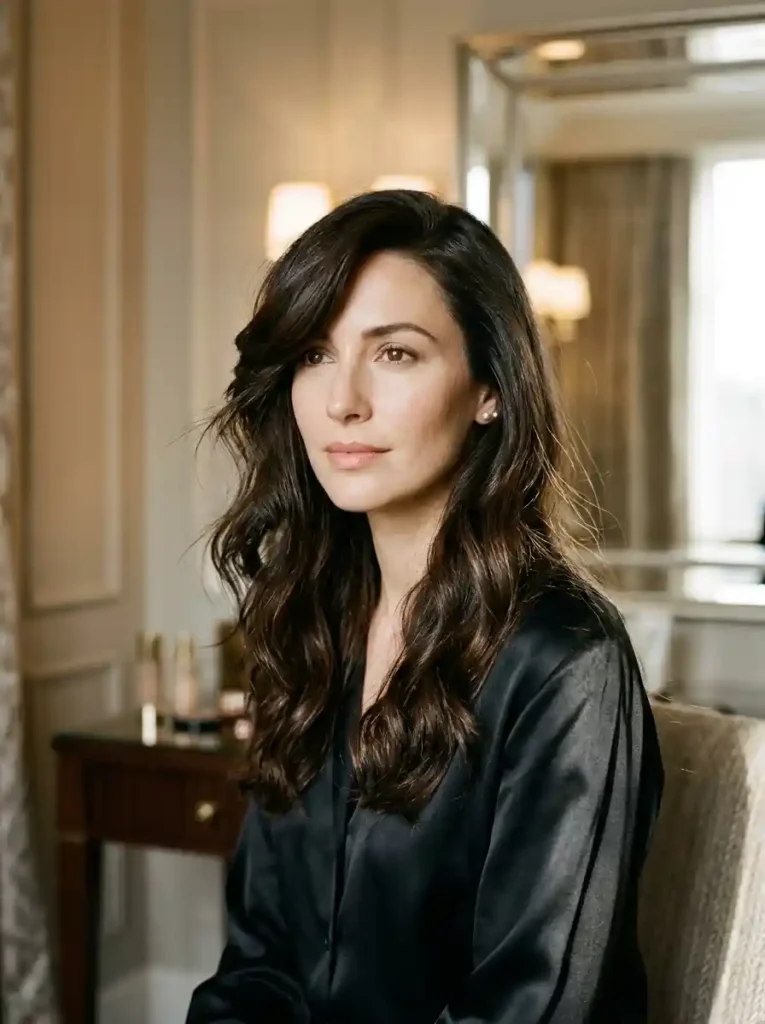
A deep side part can transform the appearance of an existing wavy haircut without requiring a dramatic change in length. It shifts the distribution of volume, allowing one side to look fuller while the other can be tucked behind the ear. This styling choice works with bobs, lobs, shoulder-length cuts, and long layers. It is particularly useful if you enjoy changing your look for special occasions or want a different silhouette between salon appointments.
To create a lasting side part, establish it while your hair is damp and guide the roots into position as they dry. A lightweight root-lifting product can help maintain height, while a flexible hairspray offers hold without making the waves rigid. If your natural part strongly resists the new direction, change it gradually rather than forcing the roots into place with excessive heat. Ask your stylist whether a subtle change in the face-framing layers could help the new part fall more naturally.
23. The Wavy Bixie Cut

The bixie combines the lightness of a pixie with some of the softness and length associated with a bob. Its layered top and longer side pieces make it an appealing option if you want a short haircut that still offers movement around the face. Natural waves can soften the transition between the shorter back and fuller front, giving the style an airy, slightly undone character. It is a useful choice for people who want something modern without committing to an ultra-short pixie.
Because the shape contains several different lengths, styling products should remain lightweight enough to preserve separation. Apply a small amount of cream to damp hair, then direct the longer sections with your fingers as they dry. A touch of texture paste can define the fringe or crown when needed. Discuss your preferred level of ear coverage and neckline softness before the cut, since these details influence whether the finished bixie feels more like a pixie or a compact bob.
24. Long Beach Waves with Soft Layers

Long beach waves with soft layers are perfect if you love a relaxed, flowing hairstyle that feels equally appropriate on holiday and at home. The layers help distribute weight through the lengths, while the loose wave pattern creates a naturally undone appearance. Subtle face-framing pieces can add interest without dramatically changing the outline. This cut works best when the layering is adapted to your hair density, since very fine hair may need a fuller perimeter to keep the ends looking substantial.
You do not need a curling iron every day to achieve this look. Apply a salt-free wave-enhancing mousse or lightweight styling lotion to damp hair, scrunch gently, and allow it to air-dry or use a diffuser. If you use heat tools, protect the lengths and alternate the direction of the bends for a less uniform result. Trim the ends regularly and use conditioner through the mid-lengths to help prevent dryness. The most natural-looking beach waves retain some variation rather than forming identical curls.
Conclusion
Choosing the right wavy haircut is about more than finding a beautiful photo to save on Pinterest. The best style works with your natural texture, complements your preferred length, and fits the amount of time you want to spend styling your hair. Long layers and butterfly cuts offer movement without sacrificing length, while French bobs, bixies, and textured lobs provide fresh alternatives if you are ready for a shorter look. Bangs, deep side parts, and face-framing pieces can also transform a familiar haircut without requiring a complete change.
Before your next salon appointment, save two or three ideas that appeal to you and consider what you like about each one: the length, the shape, the fringe, or the overall texture. Show your stylist photos of hair with a similar density and wave pattern, and explain your usual styling routine. A little preparation can help you choose a cut that looks gorgeous in pictures and feels just as good in everyday life.