Blonde hair can look stunning with bright, sunlit highlights, but sometimes it needs a little depth to feel even more beautiful. That is where lowlights come in. By weaving darker blonde, caramel, beige, or soft brunette tones through lighter strands, you can create dimension, enhance your natural color, and give your hairstyle a richer finish. Whether you love icy platinum or warm honey blonde, these gorgeous blonde hair lowlight ideas offer inspiration for your next salon visit.
1. Classic Beige Blonde with Soft Brown Lowlights
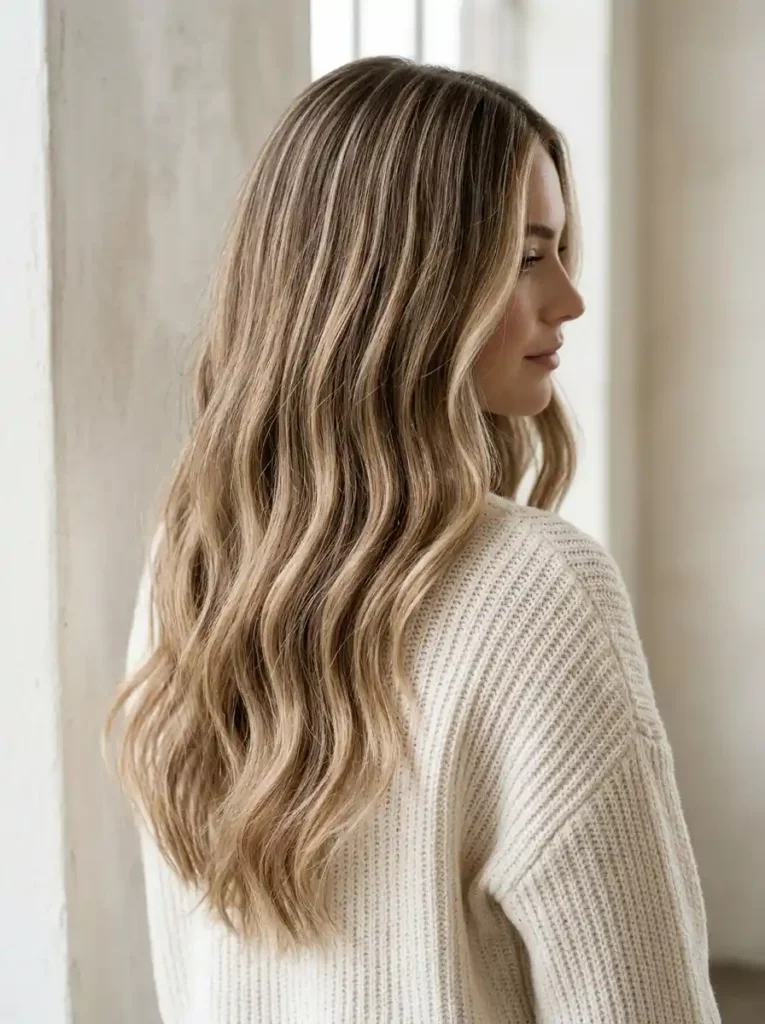
Beige blonde with soft brown lowlights is an excellent choice if your hair looks too uniformly light or lacks definition. The muted brown strands create a gentle contrast without making the overall color feel dramatically darker. This combination works beautifully on long layers, shoulder-length cuts, and loose waves because the movement reveals different shades throughout the hair. Ask your colorist for fine, strategically placed lowlights rather than thick sections for a naturally blended finish.
To maintain this look, choose a color-preserving shampoo and a lightweight conditioner that keeps blonde hair smooth without weighing it down. Beige tones generally look balanced with both warm and neutral complexions, although the exact brown shade should complement your skin’s undertones. If you already have blonde highlights, your stylist can often incorporate lowlights between them instead of recoloring your entire head. A soft gloss afterward can help the finished color appear cohesive and reflective.
2. Honey Blonde with Caramel Lowlights
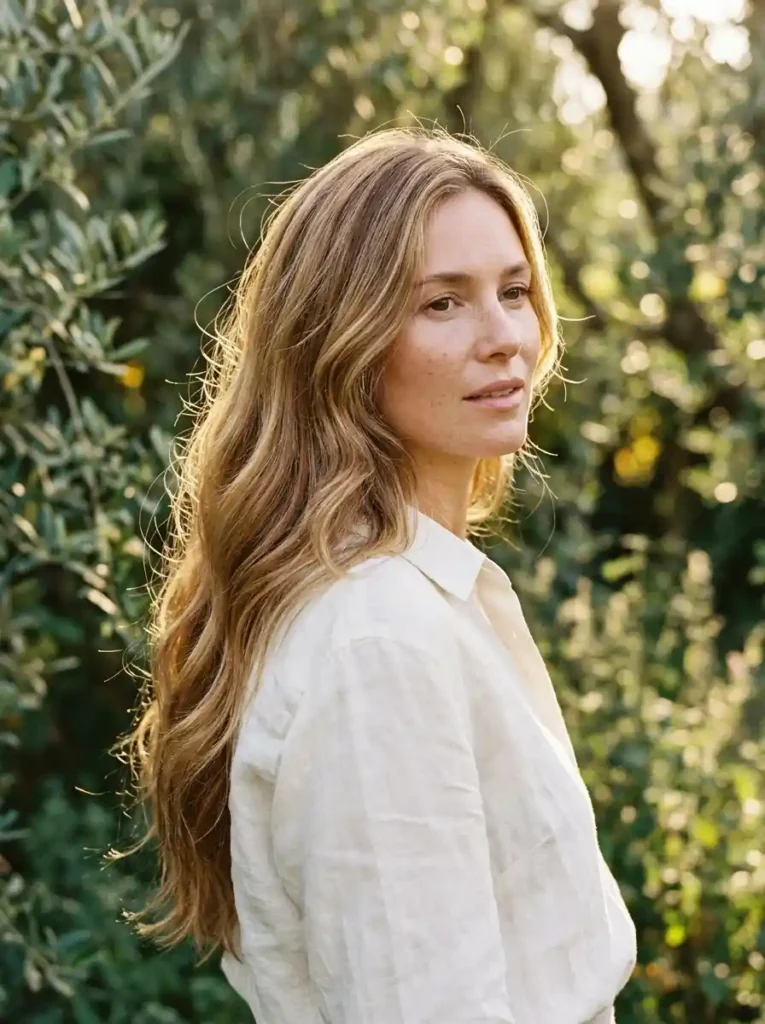
Honey blonde paired with caramel lowlights creates a rich, sun-kissed appearance that feels especially beautiful in spring and summer. The darker golden strands give lighter pieces more definition, making curls and layers look fuller without relying on heavy styling. This color combination is particularly appealing if you prefer warm blonde shades rather than icy or silvery finishes. Ask for caramel tones that sit slightly deeper than your existing honey blonde so the contrast remains noticeable but not harsh.
For everyday styling, use a large-barrel curling iron or create loose overnight waves to reveal the different shades. A heat protectant helps reduce damage, while a nourishing mask can keep colored lengths manageable. Caramel lowlights may suit naturally warm blonde hair especially well, but your stylist can adjust their depth for a more neutral result. If your hair is very light, introduce caramel gradually so you can decide whether you prefer delicate dimension or a richer brunette-blonde blend.
3. Platinum Blonde with Smoky Ash Lowlights

Platinum blonde can look striking, but a single pale shade sometimes makes the hair appear flat, especially in straight hairstyles. Smoky ash lowlights add subtle shadows that separate individual sections and create a more dimensional finish. The key is choosing a cool, muted shade instead of a strongly golden brown that could clash with the platinum. This look is ideal for anyone who loves cool-toned blonde hair and wants definition without sacrificing its distinctive icy appearance.
Because platinum hair often requires substantial lightening, condition and hair integrity should come before adding more color. Your stylist can assess whether your lengths can tolerate additional processing and may recommend a gentle deposit-only color where appropriate. Purple shampoo can help manage unwanted yellow tones, but excessive use may leave some hair looking dull or overly cool. Keep your lowlights delicate around the face and slightly deeper underneath for a polished, dimensional result that grows out gracefully.
4. Creamy Blonde with Mushroom Brown Lowlights
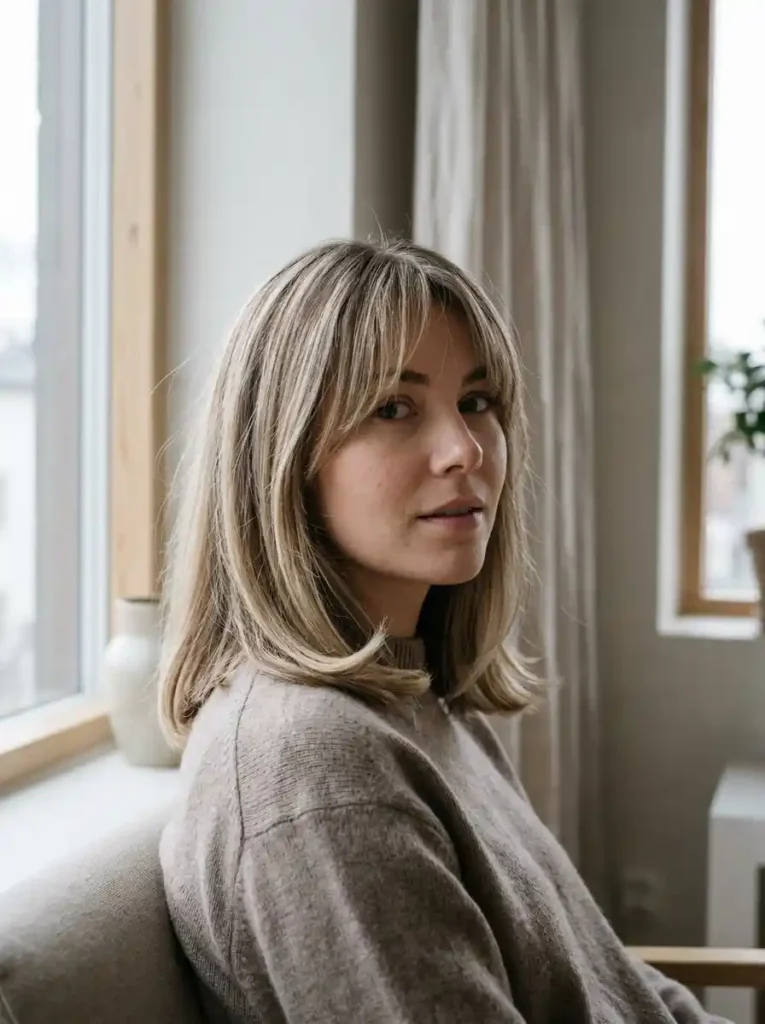
Mushroom brown lowlights bring a sophisticated, earthy quality to creamy blonde hair. Their balanced beige-gray undertones create depth without introducing too much gold or red, making this combination especially appealing to people who prefer understated color. A collarbone-length cut with curtain bangs allows the shades to blend naturally around the face. The result looks refined rather than overly contrasted, and it can soften a blonde shade that has become excessively bright or yellow-looking.
Ask your stylist to compare mushroom brown swatches with your current blonde under natural lighting before choosing the final tone. The right shade should create contrast without turning the overall color muddy. This combination also works well with a root shadow, particularly if you want a softer transition between salon appointments. Style the ends with a round brush or loose bends to reveal the lowlights, and avoid heavy oils near the roots if you prefer a light, airy finish.
5. Golden Blonde with Chocolate Brown Lowlights
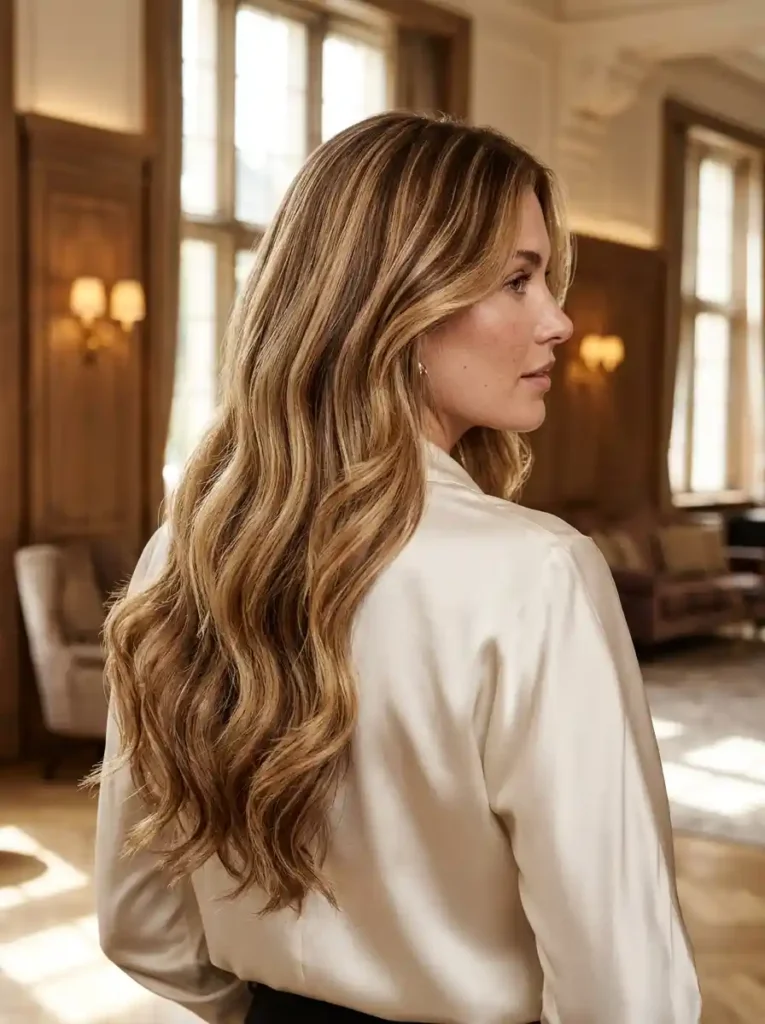
Golden blonde and chocolate brown create a noticeably richer color story than traditional all-over blonde. The deeper ribbons emphasize the brightness of golden sections, helping long waves look defined and substantial. This is a good option if you want your blonde to feel more luxurious for autumn or winter without switching completely to brunette. The contrast can be bold or understated depending on how many chocolate strands your colorist places throughout the lighter base.
For a blended finish, ask for fine chocolate lowlights concentrated through the mid-lengths and underneath the hair, with some golden blonde remaining prominent around the face. Very dark brown can look severe against pale blonde, so a professional should select a depth that complements your starting color. A soft blowout will showcase the contrast beautifully, while a clear or tone-adjusting gloss may refresh the overall appearance between coloring appointments. Regular conditioning is particularly helpful for preserving shine through the darker and lighter sections.
6. Champagne Blonde with Taupe Lowlights
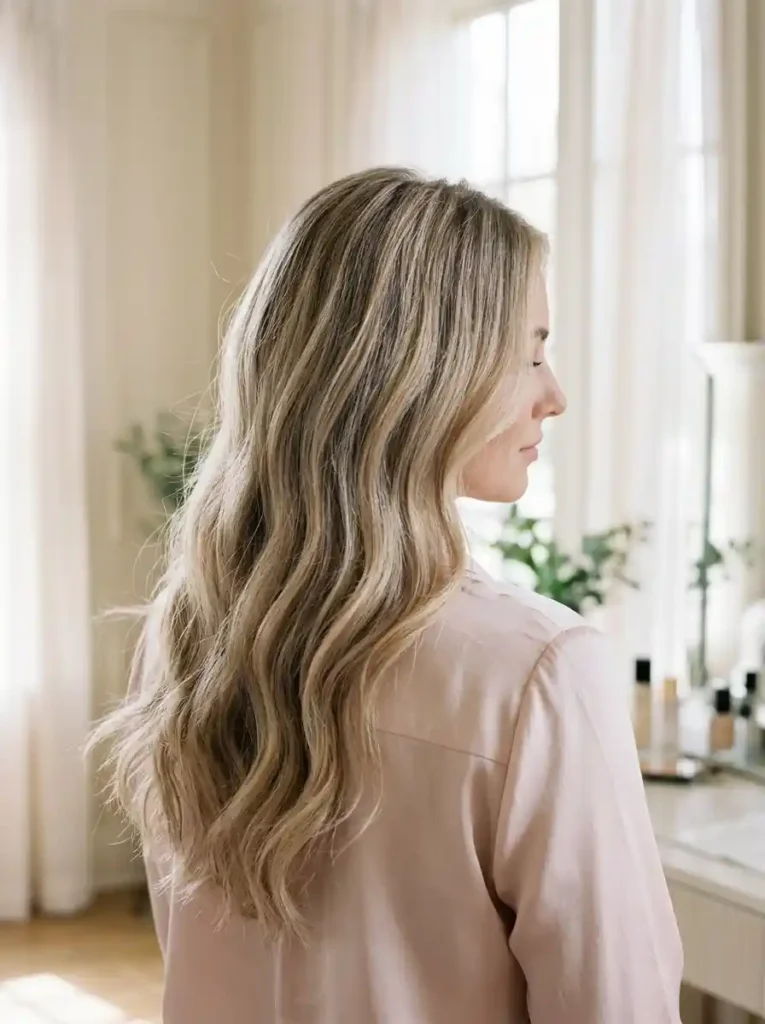
Champagne blonde has a delicate balance of beige and pale golden tones, making it a lovely foundation for soft taupe lowlights. The cooler, muted strands prevent the color from appearing excessively yellow while adding subtle shadows through the lengths. This pairing suits people who want dimension that remains understated in photographs and everyday settings. It works particularly well on medium-density hair, where carefully spaced lowlights can make layers more visible without overwhelming the lighter base.
To keep the result balanced, ask your colorist for taupe shades that complement your existing blonde rather than choosing a brown that is too dark. Fine weaving creates a more seamless blend than broad, solid sections. Champagne tones can shift with repeated washing, so use a color-safe routine and avoid assuming that purple shampoo alone will preserve every nuance. For special occasions, soft waves or a smooth, tucked-behind-the-ear style can show the subtle interplay between the pale and deeper strands.
7. Dirty Blonde with Natural Brown Lowlights
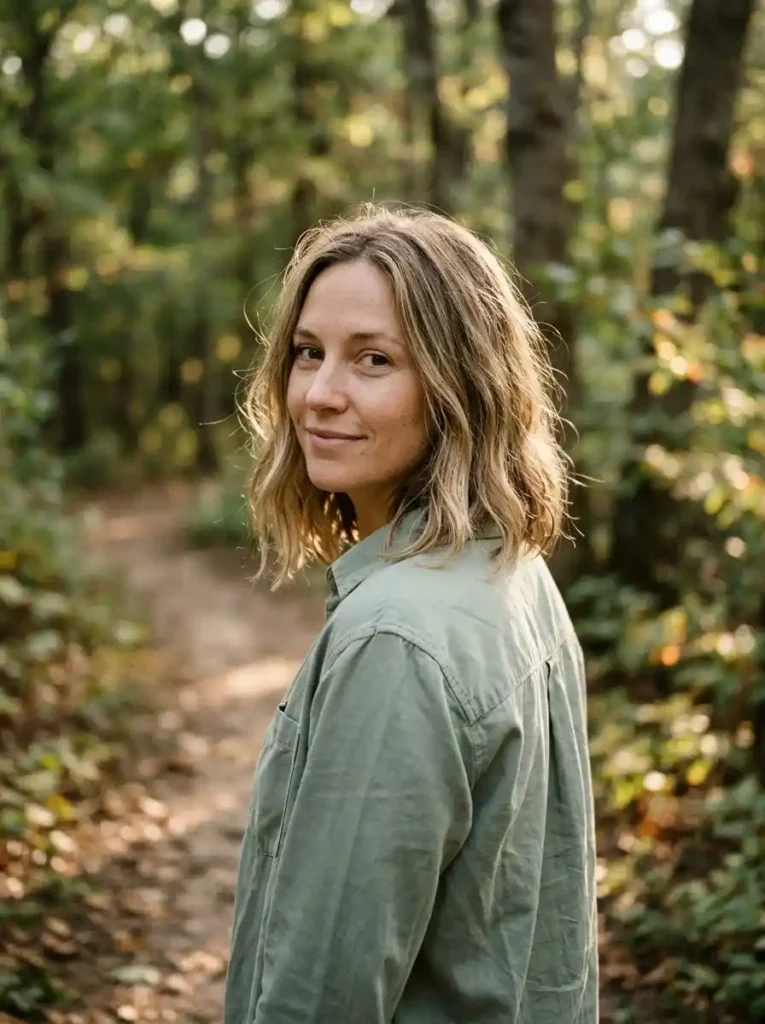
Dirty blonde hair already sits between blonde and brunette, so natural brown lowlights can enhance its depth without changing its overall identity. This combination is ideal if you dislike the highly highlighted look and prefer hair that appears closer to its natural color. Subtle brown pieces help separate waves and layers, while preserving enough lightness to keep the hairstyle bright. The result is relaxed, wearable, and especially attractive on textured lobs or long, lightly layered cuts.
Bring reference photos showing the degree of contrast you prefer, since dirty blonde can range from sandy beige to deeper dark blonde. Your stylist may use a few fine lowlights rather than a full head of color, especially if your natural roots already provide depth. This can simplify maintenance and make regrowth less obvious. Air-drying with a lightweight texturizing cream enhances the casual finish, while occasional trims keep the ends looking healthy and prevent the dimensional color from being overshadowed by dryness.
8. Rose Blonde with Soft Auburn Lowlights
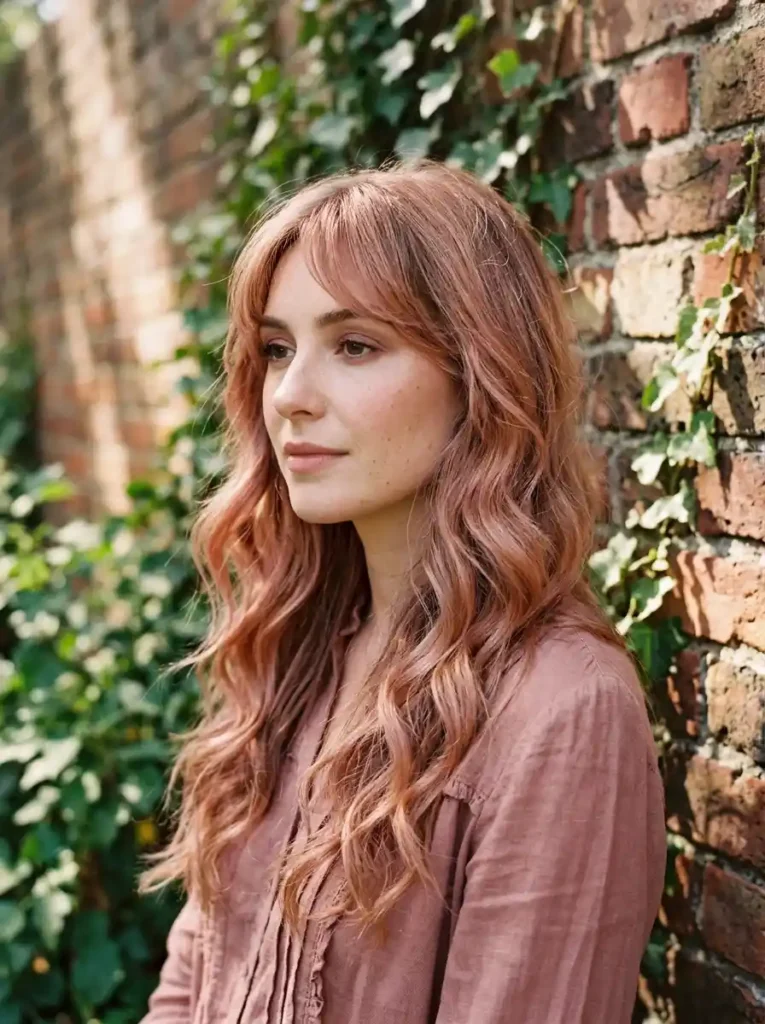
Rose blonde gains richness when soft auburn lowlights introduce a muted coppery shadow beneath its pink-gold surface. Instead of looking like a single pastel shade, the hair develops warmth and movement that become especially noticeable in curls. This option suits anyone who enjoys red-blonde color but wants something gentler than a full copper transformation. Keep the auburn subtle and blended if your goal is romantic dimension rather than a pronounced red-and-blonde contrast.
Rose and auburn pigments can fade differently depending on your starting shade and color formulation. Ask your stylist whether a gloss or color-depositing conditioner would help maintain the particular pink-copper balance you want. Wash with lukewarm water and limit unnecessary heat styling to help preserve the finish. If you are unsure about committing to a warmer palette, begin with a few lowlights underneath the top layer. You can then decide whether to incorporate more auburn through the visible sections at your next appointment.
9. Sandy Blonde with Bronde Lowlights
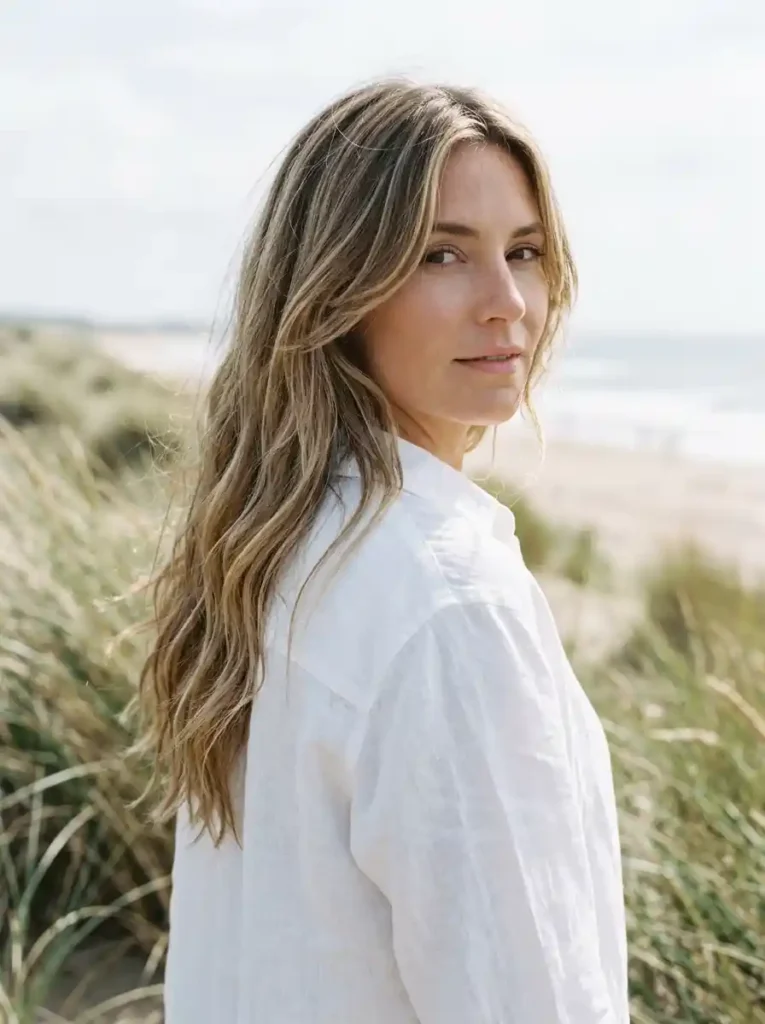
Bronde lowlights combine blonde and brown in a way that makes sandy blonde hair look naturally sun-kissed rather than freshly colored. The close relationship between the shades creates gentle contrast, making this a useful choice for anyone transitioning away from brighter highlights. It is especially flattering on loose waves, textured shoulder-length cuts, and long layers that reveal different tones as the hair moves. The finished look feels casual and adaptable across seasons.
For a convincing blend, ask your colorist to keep the bronde strands close to your natural root color and distribute them unevenly through the lengths. This avoids a striped appearance and allows your lighter pieces to remain visible. Bronde can be particularly practical when you want fewer noticeable regrowth lines, although maintenance depends on your starting color and technique. Use a lightweight leave-in conditioner before air-drying, and try a loose braid overnight when you want soft movement without frequent heat styling.
10. Buttery Blonde with Chestnut Lowlights
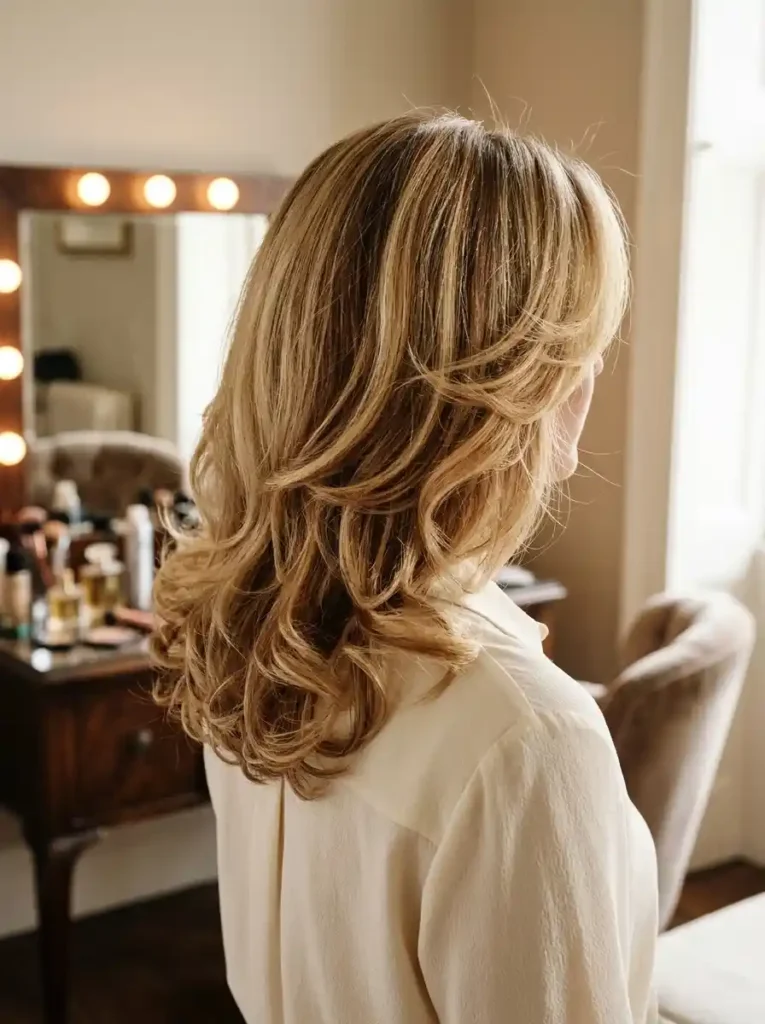
Buttery blonde has a creamy, golden richness that pairs beautifully with chestnut lowlights. The deeper brown strands add structure to a bright blonde base, creating a dimensional effect that looks particularly appealing in a voluminous blowout. This combination is ideal for anyone who wants a warmer, fuller-looking color rather than an icy finish. It can also make rounded layers and curled ends more visually distinct, giving a classic salon hairstyle extra depth.
Ask for chestnut tones that lean warm but do not become excessively red against your existing blonde. A few strategically placed lowlights through the back and mid-lengths can create dimension while keeping the front bright. To maintain the blowout’s polished appearance, use a heat protectant and a medium-sized round brush, directing the ends away from the face if desired. If your hair is fine, avoid applying heavy styling creams near the roots, since excessive product can flatten the movement that makes this color combination appealing.
11. Icy Blonde with Deep Espresso Lowlights
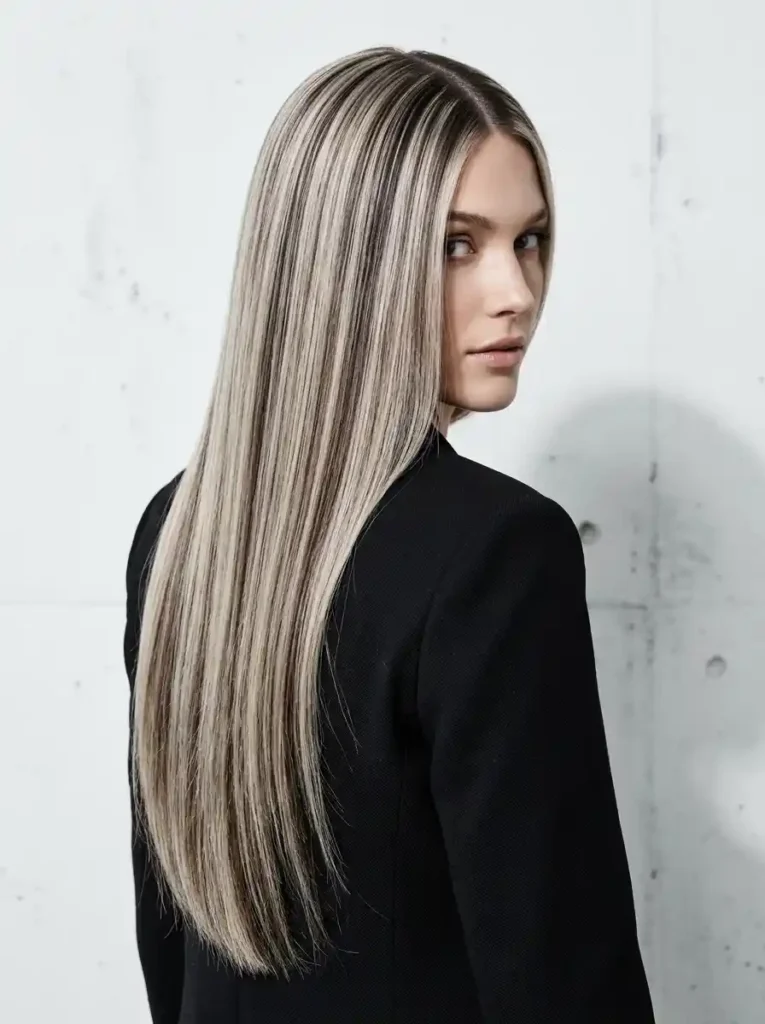
Deep espresso lowlights give icy blonde hair a dramatic, fashion-forward edge. Unlike softer ash or taupe shades, espresso creates a strong contrast that emphasizes straight lines, sharp layers, and smooth styling. This look suits people who enjoy a high-impact blonde color rather than a barely noticeable tonal change. The most wearable version uses fine, strategically placed dark ribbons so the hair retains its icy brightness instead of becoming visually dominated by brown.
This combination requires careful planning because the contrast can become pronounced as roots grow and lighter sections fade. Discuss placement with your colorist before committing, particularly if your hair is already heavily bleached or fragile. A few espresso strands underneath may offer a more manageable introduction than extensive dark sections throughout the top layer. Smooth styling serum can emphasize the glossy finish, but use it sparingly on fine hair. Regular professional assessments help keep the blonde and espresso tones balanced without unnecessary repeated processing.
12. Pearl Blonde with Greige Lowlights
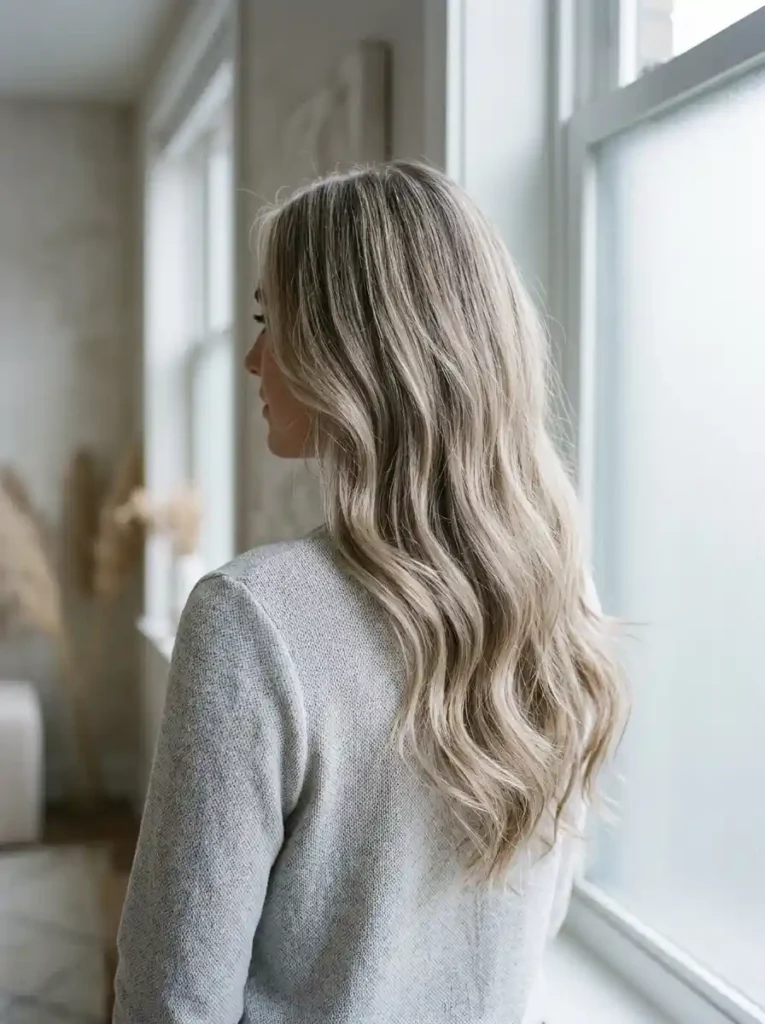
Pearl blonde is known for its luminous, pale finish, but greige lowlights can make that brightness appear more sophisticated. Greige blends gray and beige undertones, adding muted depth without introducing the obvious warmth of caramel or chestnut. The combination is particularly attractive on long waves and layered cuts, where the deeper strands create soft shadows between the lighter pieces. It is a refined option for anyone who prefers neutral or cool blonde shades.
Before coloring, ask your stylist to evaluate your existing blonde under both natural and salon lighting. Greige can appear different depending on the underlying pigment, so a strand test may help prevent an overly gray or dull result. Keep the lowlights concentrated where you want extra definition rather than distributing them too heavily across the entire head. A gentle smoothing treatment or leave-in conditioner can help maintain the silky texture that makes pearl blonde look especially elegant.
13. Strawberry Blonde with Copper Lowlights
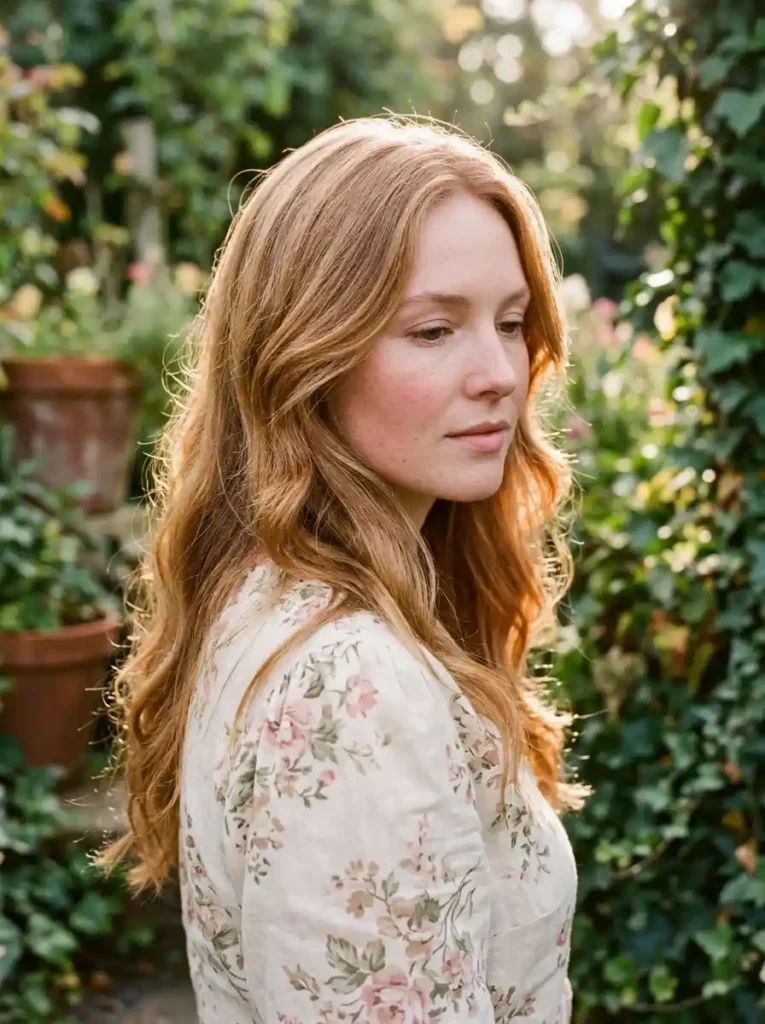
Strawberry blonde becomes more expressive when copper lowlights add richness beneath its delicate golden-red surface. The contrast is softer than a traditional brunette-and-blonde combination, but it creates enough variation to reveal curls and layers. This palette is particularly appealing if you love warm hair colors and want a result that feels vibrant without moving to a full red shade. The best version preserves the strawberry tones while introducing copper in carefully blended sections.
Your starting color matters because copper pigments can look intense on very pale blonde hair and more subdued on naturally darker blonde bases. Ask for a customized formulation that supports the warmth you want without making the overall result too orange. A color-safe shampoo and less frequent washing can help maintain the chosen tone. For styling, loose curls or a soft half-up hairstyle reveal the different shades naturally. If your complexion is sensitive to strong red undertones, try a muted copper first.
14. Rooted Blonde with Seamless Brown Lowlights
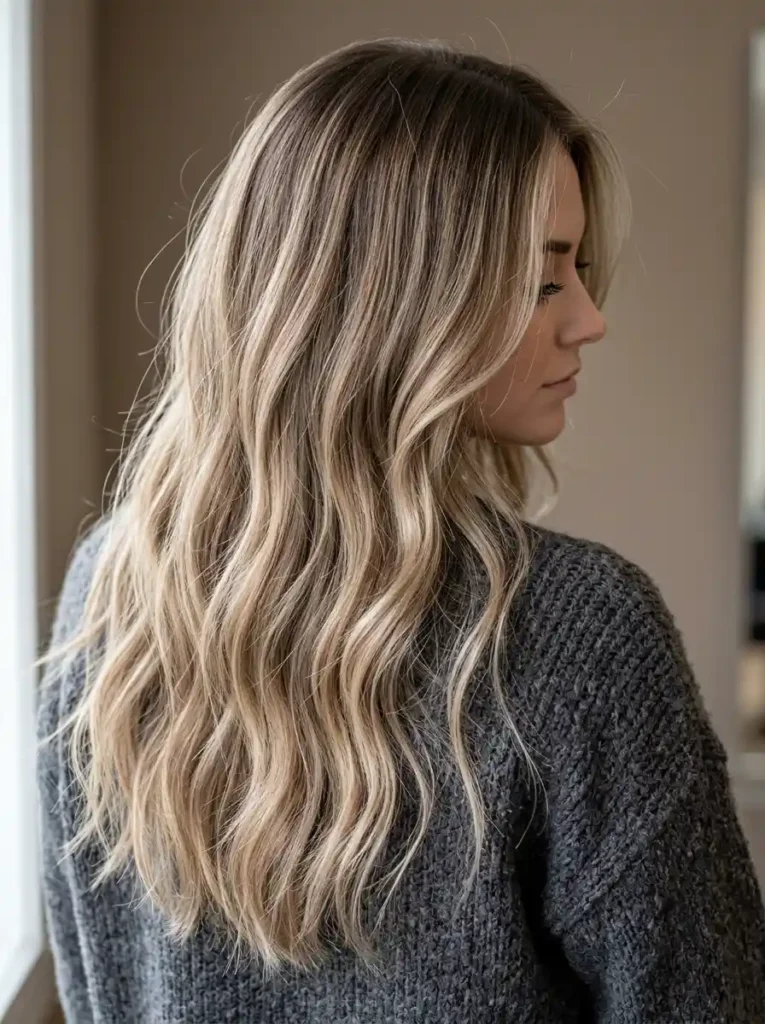
A rooted blonde look combines darker roots with lighter lengths, and brown lowlights help the transition feel intentional rather than accidental. This approach is especially useful if your natural hair is brown or dark blonde and you want to keep some of that depth visible. The result can feel softer than an all-over bright blonde, while the blended roots create a more gradual visual transition as your hair grows.
Ask your stylist to coordinate the root shadow and lowlights rather than treating them as separate color decisions. The shades should flow together without forming a distinct dark band across the head. This technique can reduce the appearance of obvious regrowth, although the time between appointments depends on how quickly your hair grows and how much contrast you prefer. A soft blowout highlights the gradual blend, while loose braids can create attractive texture that shows both the deeper roots and brighter ends.
15. Short Blonde Bob with Dimensional Lowlights
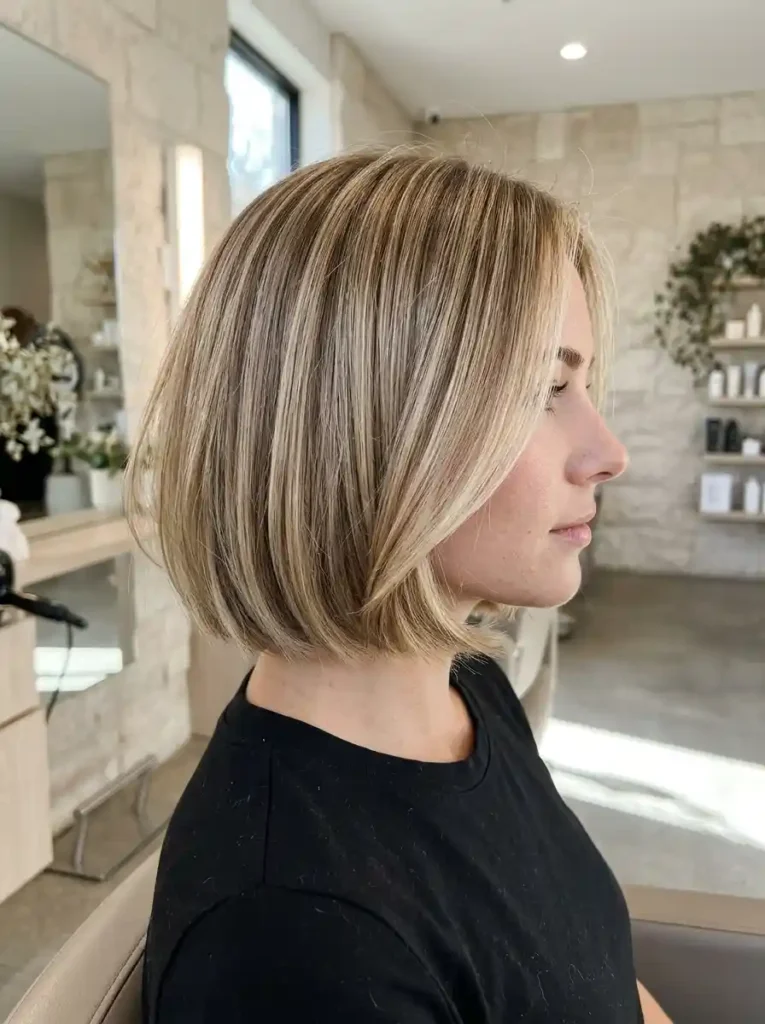
A short blonde bob can benefit enormously from lowlights because every change in color helps define the haircut’s outline. Fine brown strands add depth around the nape and beneath the top layers, making a blunt bob look more sculpted. This style is a strong option if you prefer a clean, modern haircut but do not want your blonde color to appear flat. The exact lowlight placement should follow the shape and movement of your cut.
Tell your stylist whether you usually wear your bob straight, tucked behind your ears, or with a slight wave. Placement matters because strands that look balanced when curled may appear different when the hair is smooth. Keep the lowlights delicate around the face if you prefer a brighter appearance, reserving deeper tones underneath. Since shorter cuts reveal their shape clearly, regular trims help preserve the silhouette. A small amount of smoothing cream can emphasize the ends without leaving the bob looking stiff or greasy.
16. Long Layered Blonde with Mocha Lowlights
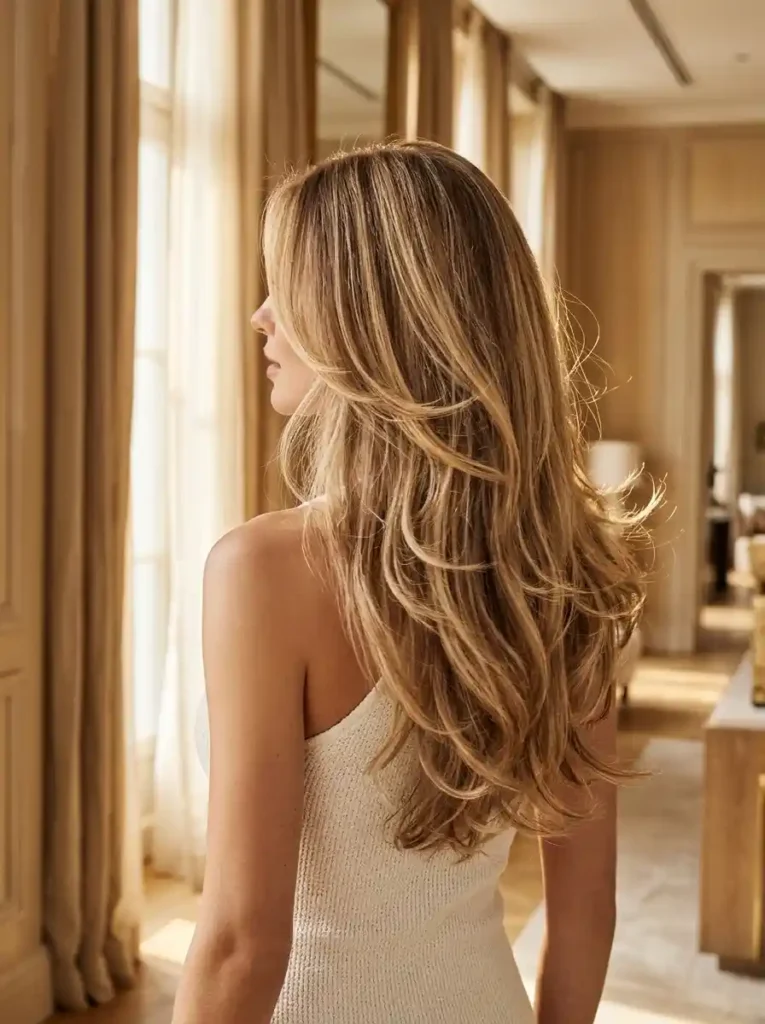
Long layered blonde hair provides plenty of space for mocha lowlights to create depth from the mid-lengths to the ends. The deeper strands help distinguish individual layers, particularly around the shoulders and below the cheekbones. This combination suits people who enjoy voluminous hairstyles and want their hair to look visually rich rather than uniformly pale. Mocha is also a useful middle ground if chocolate brown feels too dark but beige lowlights seem too subtle.
Ask your colorist to concentrate some mocha pieces beneath the crown and throughout the lower layers, leaving enough blonde visible across the surface. This placement creates movement without turning the entire hairstyle brunette. When styling, use a round brush or large rollers to lift the layers and encourage soft curves. Because long hair can become dry at the ends, apply conditioner through the lengths and use a heat protectant before blow-drying. Trimming split ends will help the dimensional color remain polished.
17. Balayage Blonde with Espresso Lowlights
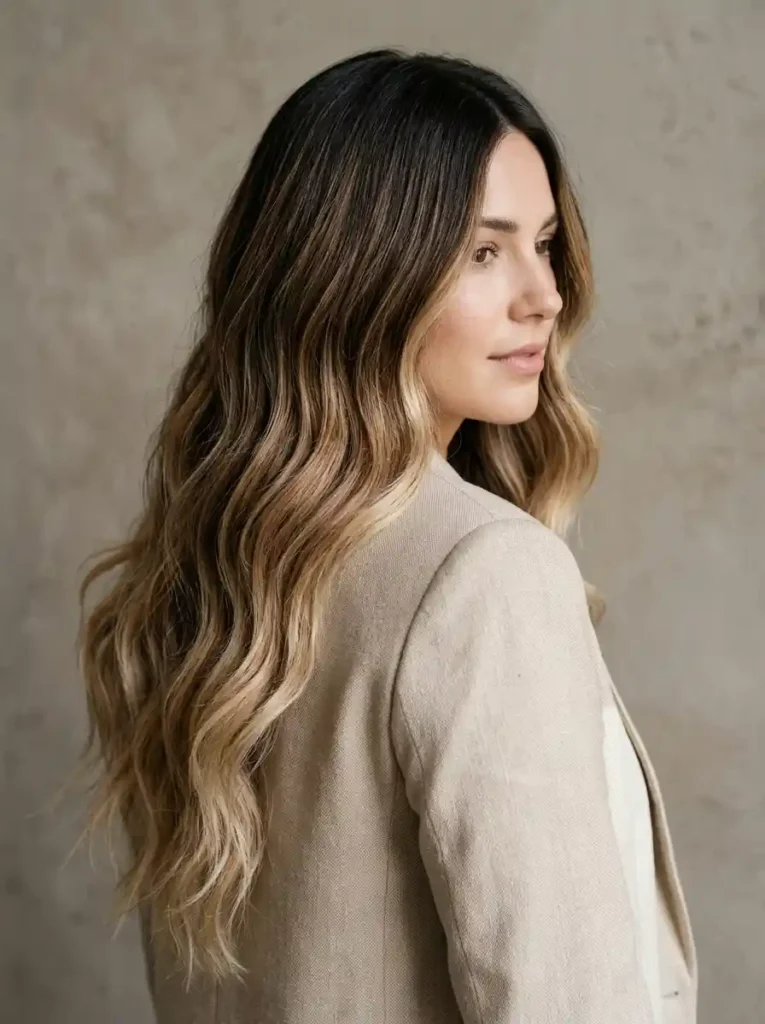
Balayage blonde already offers a gradual transition from darker roots to lighter ends, and espresso lowlights can strengthen that dimensional effect. The dark strands create contrast beneath the painted blonde sections, helping the lighter pieces stand out without requiring an all-over color change. This is a good choice if you enjoy lived-in blonde but want a richer result with more visible depth. It can look especially attractive on long, loosely waved hair.
Because balayage placement is customized, your stylist should consider your existing lightened sections before adding espresso. Too many dark strands can overwhelm the blonde, while poorly placed sections may create unwanted stripes. Start with a conservative amount and build more contrast later if desired. This approach can be particularly appealing for people who prefer softer root regrowth, although the lighter ends may still need occasional toning. Loose waves are a practical styling choice because they show off the transition between dark roots, lowlights, and blonde ends.
18. Ash Blonde with Chocolate Lowlights
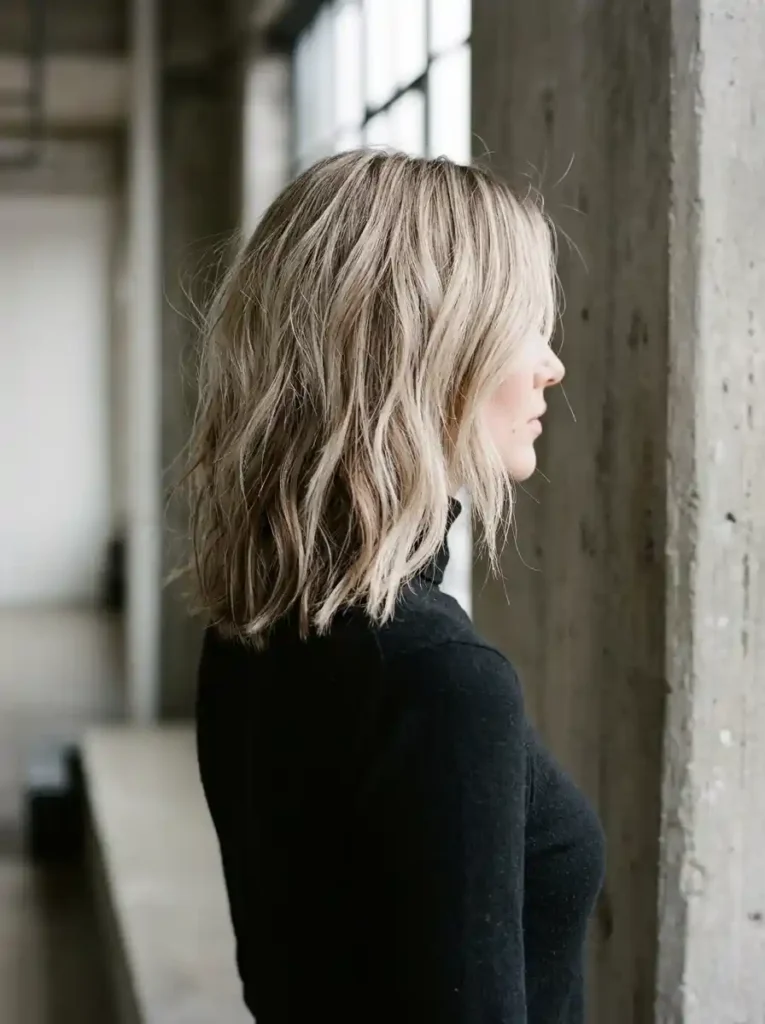
Ash blonde and chocolate brown create an interesting balance between cool and rich tones. The ash blonde keeps the overall appearance muted, while the chocolate lowlights introduce depth that stops the color from looking overly pale. This combination works well on a textured lob because the uneven bends reveal different shades without requiring dramatic curls. It is an appealing option for someone who wants a more noticeable contrast than taupe lowlights but prefers a sophisticated finish.
Your colorist should check how the chocolate shade interacts with the underlying pigments in your ash blonde. If the brown is too warm or the ash is too gray, the combination may look disconnected rather than blended. Bring inspiration photos that show the level of contrast you like, not just the overall color. For styling, a texturizing spray can help define the lob’s natural movement. Use it sparingly if your hair is dry, and alternate with conditioning products to keep the lighter sections soft.
19. Vanilla Blonde with Soft Toffee Lowlights
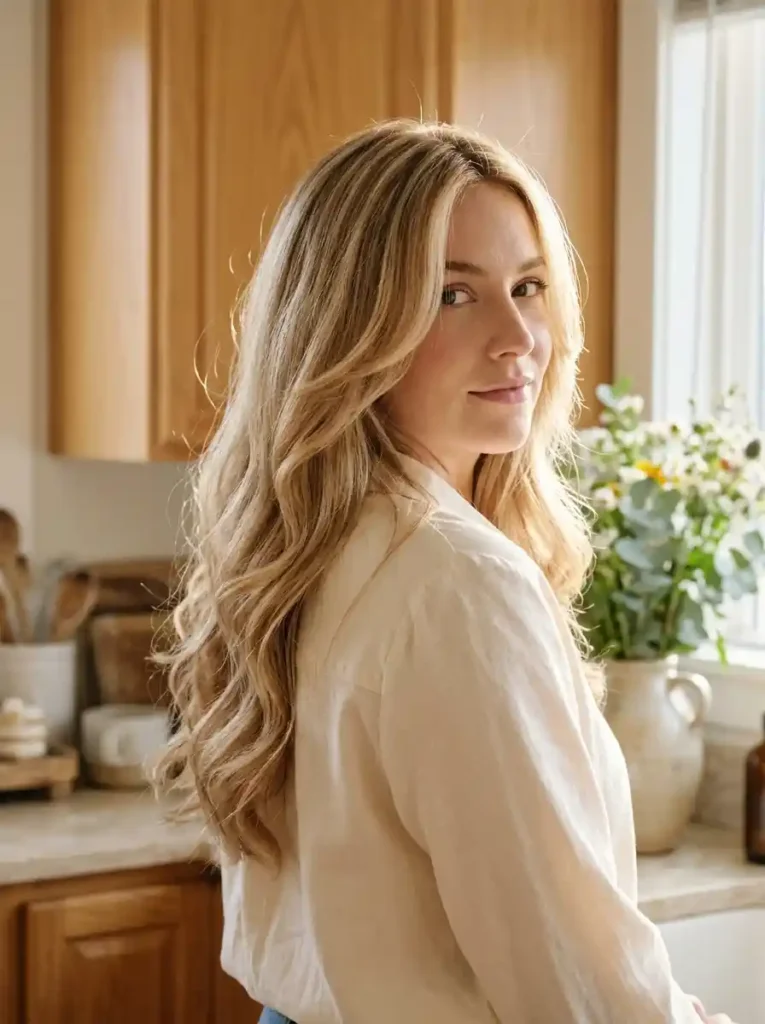
Vanilla blonde is bright and creamy, while toffee lowlights add a gentle golden-brown richness that keeps the overall color from looking too uniform. The contrast is softer than chocolate or espresso, making this a lovely choice if you want your blonde to remain the main attraction. It suits long layers, soft curls, and medium-length cuts, particularly when you want a polished color that feels warm without becoming intensely golden.
Ask for toffee shades that complement the existing blonde rather than introducing a completely separate color family. A few fine strands around the mid-lengths and underneath can provide enough depth without darkening the face-framing pieces too much. For everyday styling, use a lightweight blow-dry cream and a round brush to create movement. If your ends are already lightened, avoid excessive heat and schedule conditioning treatments as needed. The finished effect should look creamy and dimensional, not heavily striped or overly brown.
20. Sun-Kissed Blonde with Sandy Brown Lowlights
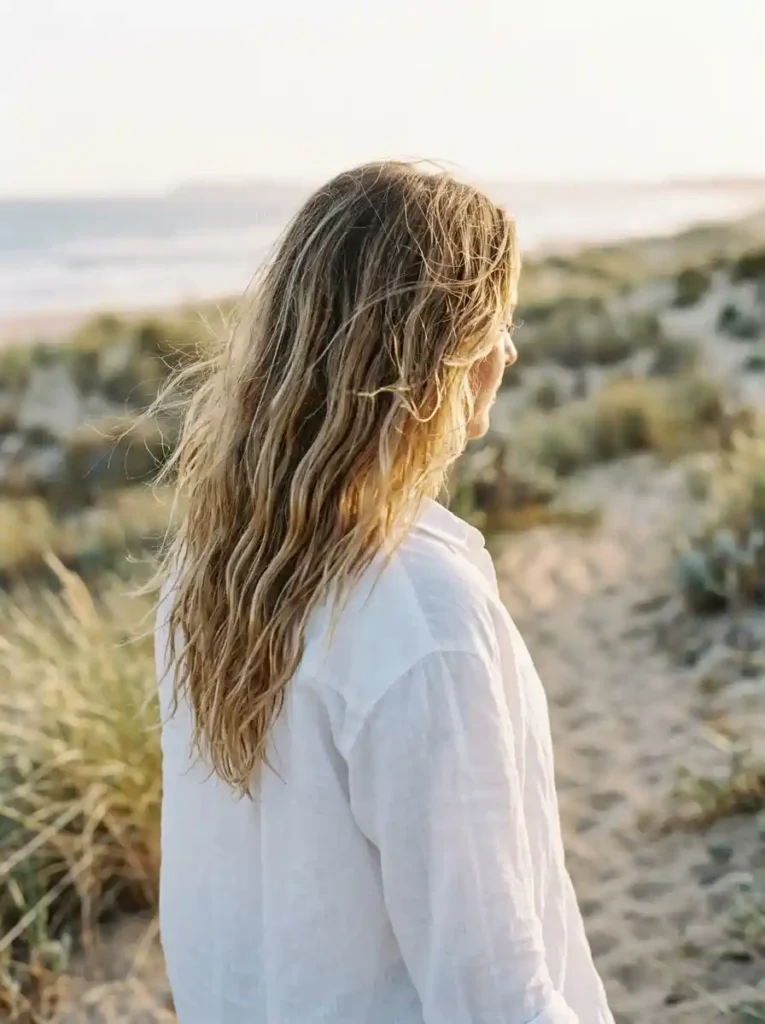
Sun-kissed blonde with sandy brown lowlights recreates the gentle variation that makes naturally lightened hair look appealing. Sandy brown introduces a little shadow without the stronger contrast of chocolate or espresso, so the overall effect remains casual and bright. This pairing is ideal if you want a beach-inspired blonde that looks believable beyond summer. It also works well on naturally wavy hair, where the changing direction of each strand reveals the blended shades.
For a natural result, ask your colorist to vary the placement rather than creating evenly spaced, identical sections. Keeping the lighter pieces around the face and adding sandy brown through the underneath layers can create a balanced finish. You do not need elaborate styling to show the color: air-dried waves, a loose braid, or a low ponytail can all reveal its dimension. Use a leave-in conditioner when hair feels dry, especially after swimming or spending extended time outdoors.
21. Blonde Pixie Cut with Subtle Lowlights
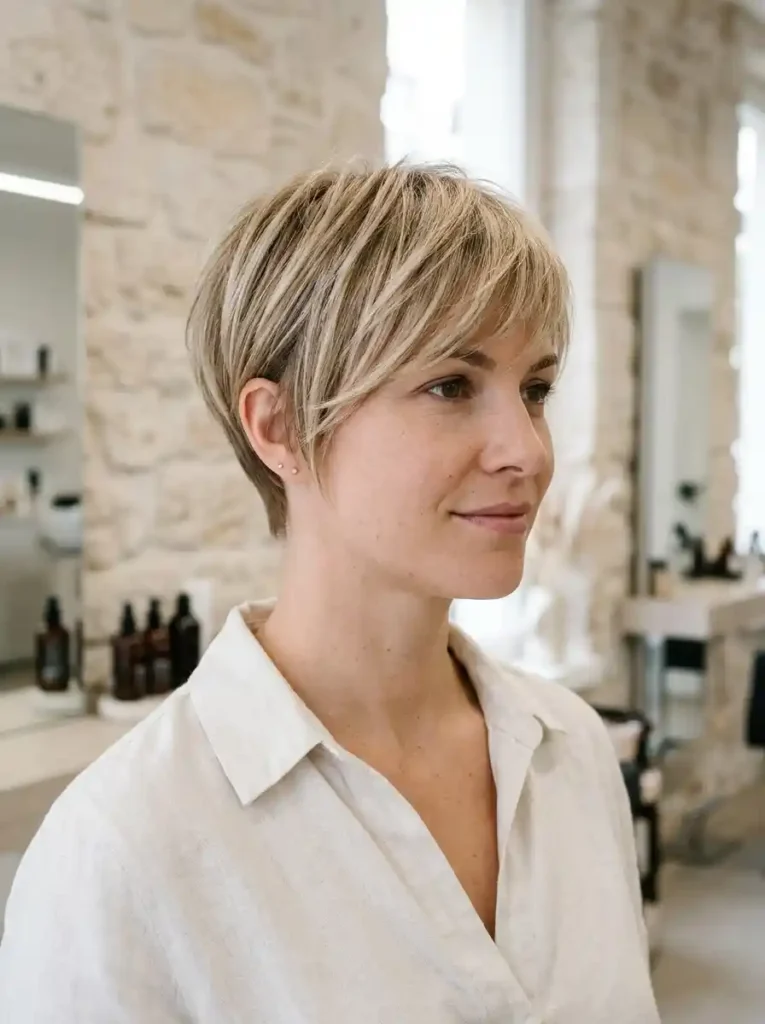
A blonde pixie cut can look beautifully dimensional with just a few lowlights. Because the hair is short, even subtle changes in tone help emphasize the crown, swept fringe, and tapered sides. Medium-beige or dark-blonde lowlights often provide enough definition without creating the harsh contrast that very dark brown can produce. This is a smart option if you love short hair but want the color to feel textured rather than like a single solid shade.
Placement is especially important because there is less length available to blend mistakes or hide uneven sections. Ask your stylist to focus on areas where extra separation would improve the shape of your cut. If your pixie has a longer fringe, a few delicate lowlights there can highlight its direction without making it look striped. Use a pea-sized amount of styling paste to define the texture, adjusting the finish according to your hair type. Regular trims will preserve the haircut’s structure as it grows.
22. Dimensional Blonde with a Natural Bronde Blend
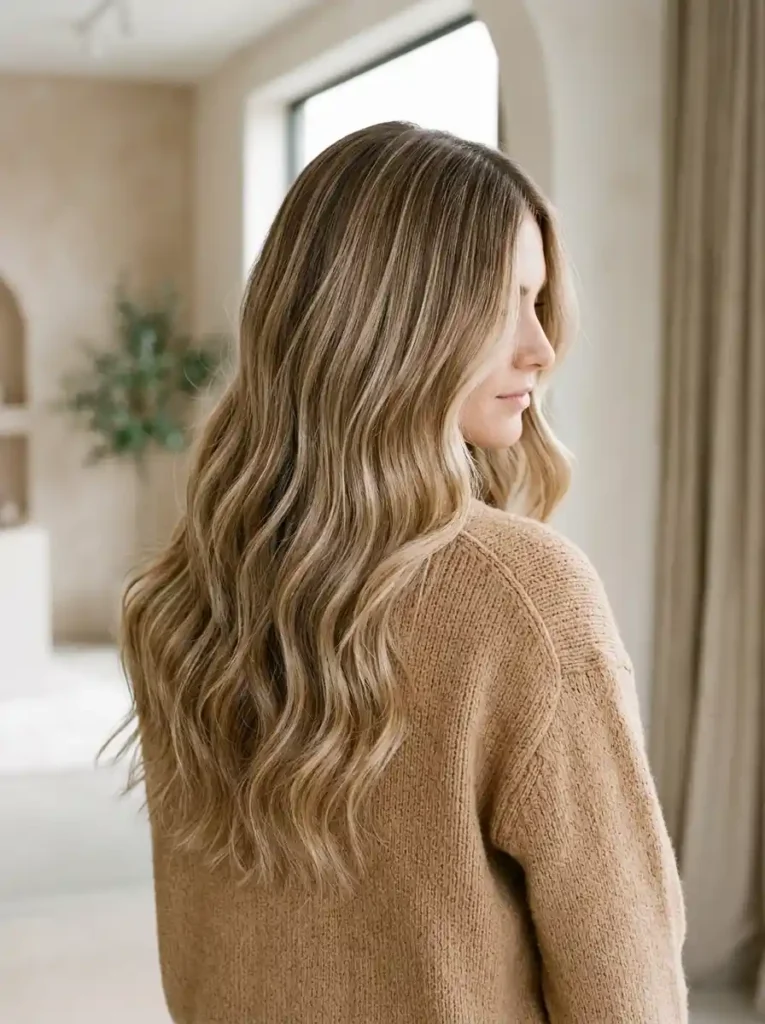
A natural bronde blend brings together several closely related shades instead of relying on one dramatic contrast. Medium-brown roots, beige lowlights, and blonde ribbons work together to create a color that looks rich while remaining recognizably blonde. This approach is especially useful if you are growing out highlights, returning to a more natural shade, or simply tired of maintaining an extremely bright blonde. Long waves reveal the subtle variations without making the color appear overly complicated.
The most successful bronde blends are customized to your natural root color, existing highlights, and preferred level of brightness. Ask your stylist to preserve some lighter pieces around your face while adding depth where your hair looks flat. You may not need every shade refreshed at every appointment; a gloss or selective color placement could be sufficient, depending on your hair’s condition and growth. Between visits, gentle cleansing and consistent conditioning help maintain the finish. Save photographs taken in natural light so your stylist can understand the blend you want.
Conclusion
The best blonde lowlights are the ones that make your hair feel more dimensional while still matching your personal style. From cool platinum with smoky ash strands to warm honey blonde with caramel ribbons, the right combination can add visual depth, highlight your haircut, and make your existing color feel refreshed. Softer shades such as taupe, beige, and sandy brown are wonderful for subtle changes, while chocolate and espresso create a more noticeable contrast.
Before your next salon appointment, consider your natural root color, current blonde shade, hair condition, and how often you want to maintain your color. Save two or three inspiration photos that show your preferred contrast and lowlight placement, then discuss what is realistic for your hair. Remember, lowlights do not have to transform your entire look to make a difference. Sometimes, a few carefully placed darker strands are all you need to give blonde hair beautiful movement, richness, and a more personalized finish.


