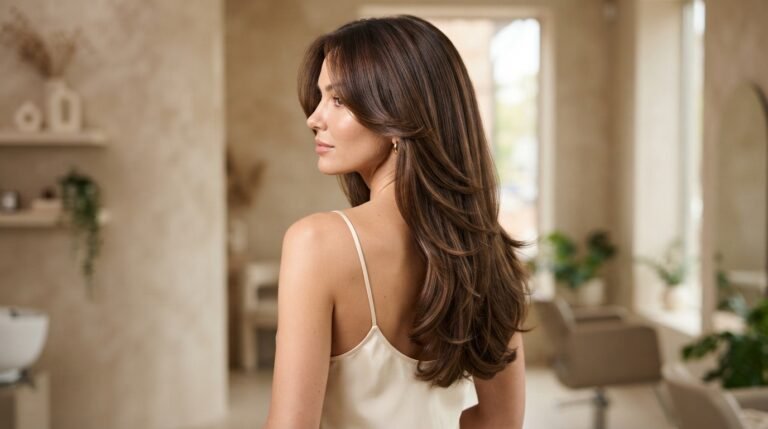
Blonde hair can look completely different with the right toner, whether you love creamy champagne shades, icy platinum, or soft beige tones that feel effortlessly natural. If your blonde has started looking brassy, dull, or a little too yellow, a fresh toner can help bring back its dimension and shine. From cool, modern finishes to warm, sunlit hues, these 23 blonde hair toner ideas will help you discover a flattering shade and find inspiration for your next salon visit.
1. Icy Platinum Blonde Toner
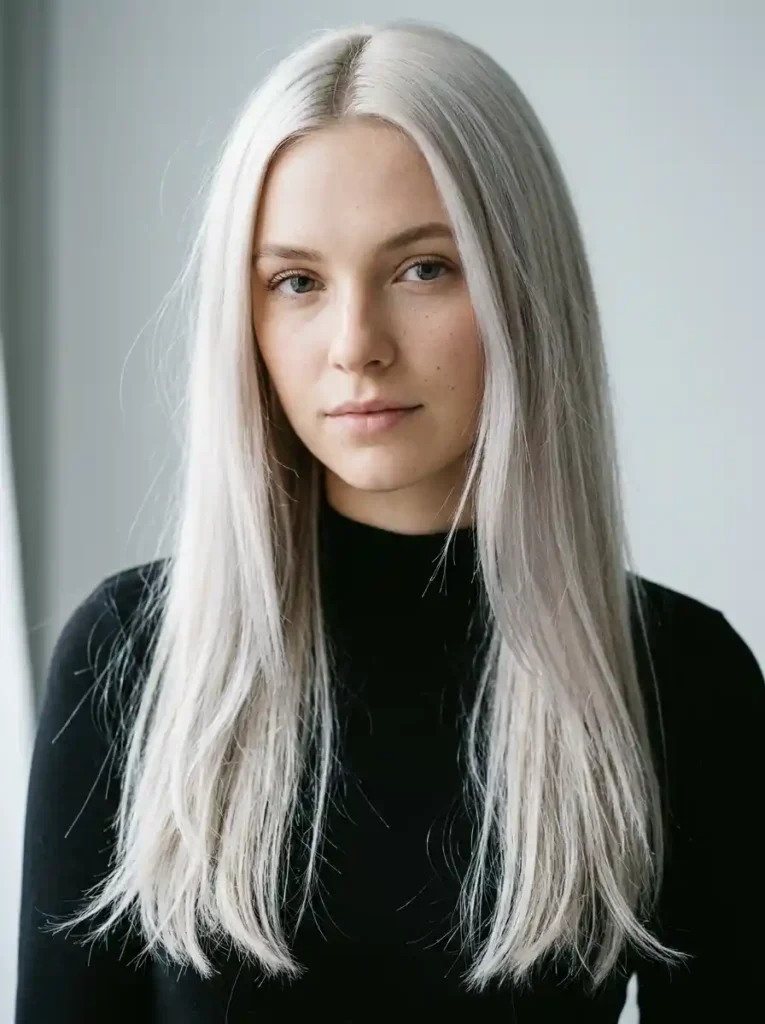
Icy platinum blonde is an eye-catching choice for anyone who loves an ultra-cool, luminous finish. A violet-based toner can help neutralize unwanted yellow tones, creating a cleaner, brighter appearance on sufficiently lightened hair. This shade looks especially striking on sleek bobs, long straight styles, and polished waves. Because the result depends on your starting blonde, your colorist may need to lighten darker sections carefully before toning to achieve an even, pale finish.
Maintaining platinum blonde requires a little extra attention. Use a gentle, color-safe shampoo and incorporate a purple shampoo when yellow tones begin to appear, following the product instructions to avoid a purple cast. A moisturizing conditioner or weekly hair mask helps keep bleached strands manageable. Ask your stylist about the condition of your hair before attempting further lightening, since repeatedly processing fragile hair can cause breakage. Regular toner appointments can refresh the color without automatically requiring a full bleaching service.
2. Creamy Beige Blonde Toner

Creamy beige blonde offers a balanced alternative to both icy platinum and noticeably golden blonde. Its neutral undertones create a soft, expensive-looking finish without making the hair appear overly cool or yellow. This toner works beautifully on highlighted hair, balayage, and traditional blonde color, particularly when different sections need a more harmonious appearance. It is also a useful reference shade if you want a polished blonde that looks believable in everyday lighting rather than dramatically silver.
For the most flattering result, ask your colorist to assess the lightness of your highlights and choose a beige formula that complements your natural base. Hair that remains strongly yellow or orange may need additional lightening before it can reach a true beige blonde. Maintain the shade with color-safe products and moderate heat styling. If your hair tends to look flat after toning, ask for a few brighter face-framing pieces or slightly deeper lowlights to restore dimension without sacrificing the creamy finish.
3. Champagne Blonde Toner
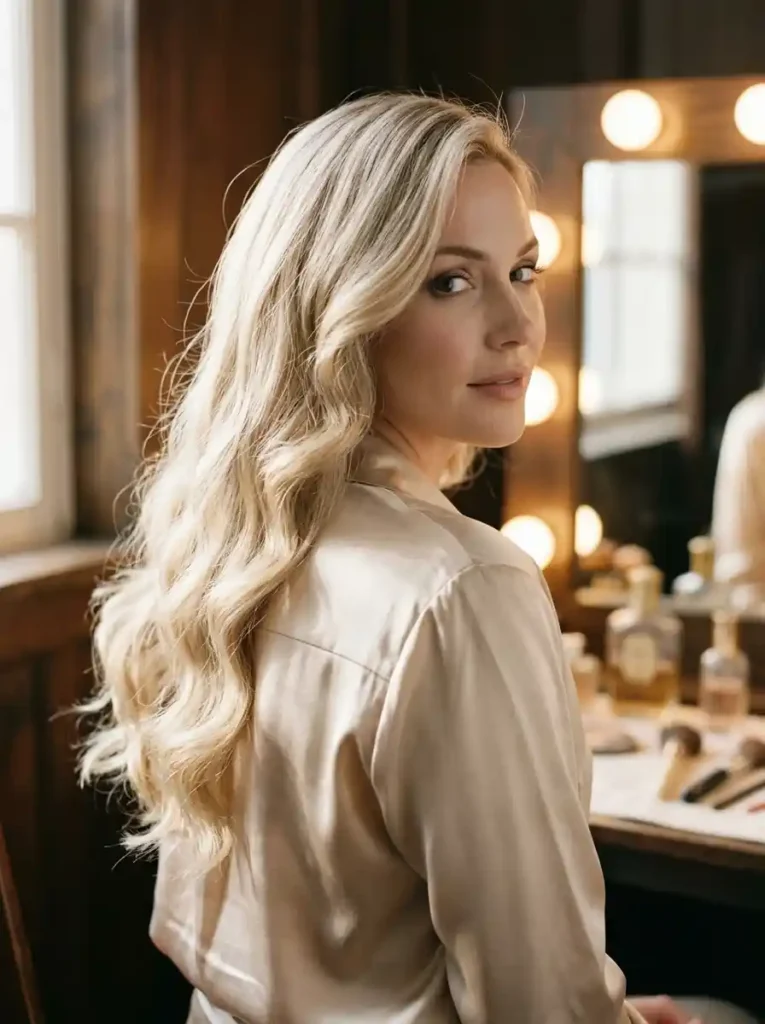
Champagne blonde combines subtle warmth with a refined, pearly finish, making it an appealing choice for people who find platinum too stark but traditional golden blonde too yellow. Its balanced appearance can brighten a highlighted hairstyle while preserving a soft, dimensional quality. The shade works especially well with long layers, loose curls, and medium-length waves because the movement reveals different reflections throughout the hair. Depending on your starting color, your stylist may blend neutral and violet-based tones to create the desired effect.
To keep champagne blonde looking fresh, avoid relying exclusively on purple shampoo if your hair already leans neutral or cool. Excessive use can make the finish look dull or slightly violet instead of luminous. A gentle cleanser, regular conditioning, and protection from excessive heat help preserve shine between appointments. When booking your salon visit, bring photographs taken in natural daylight, since champagne blonde can look considerably warmer under indoor lighting. This makes it easier to communicate the balance of gold and pearl you prefer.
4. Pearl Blonde Toner
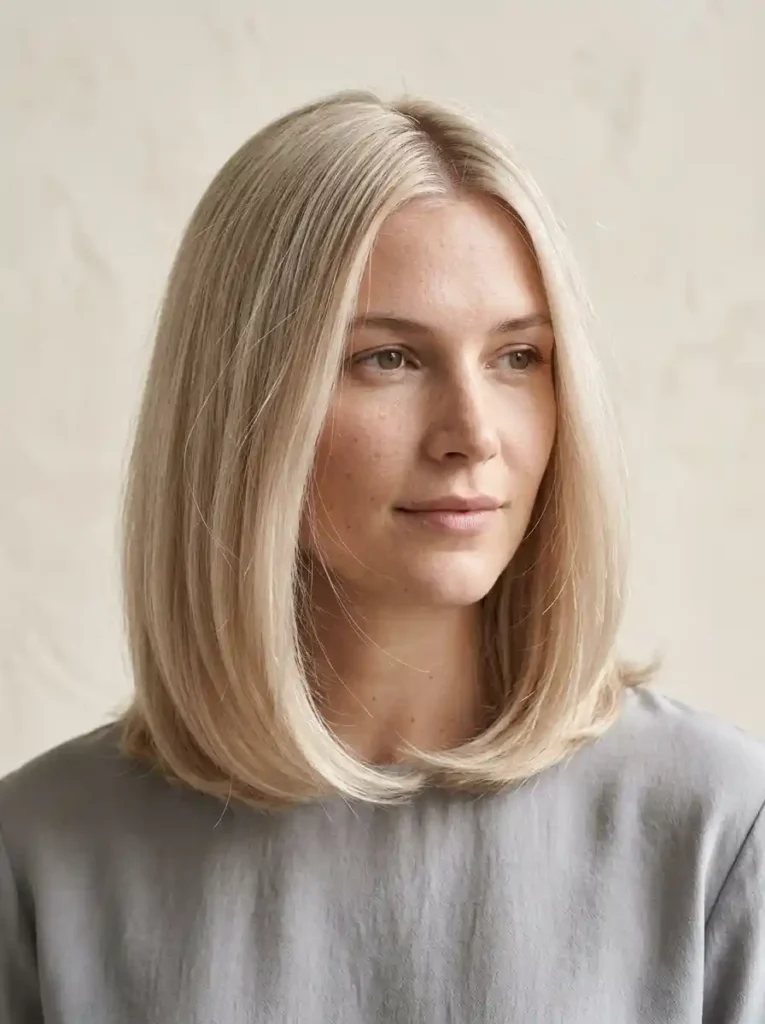
Pearl blonde creates a delicate, luminous effect that sits between creamy blonde and cool platinum. Rather than looking strongly silver, the color has a soft, light-reflecting quality that can make a fresh blonde transformation feel sophisticated. It is particularly attractive on pale highlights, refined bobs, and smooth shoulder-length cuts. A pearl toner often combines violet-based pigments with neutralizing shades, although the exact formula depends on how light the hair is and whether unwanted yellow tones remain.
This finish usually looks best when the hair has been lightened evenly enough to accept the toner consistently. If darker pieces remain throughout the hairstyle, a pearl formula will not automatically turn them pale, so ask your colorist whether a more dimensional result would be preferable. Keep the hair hydrated with conditioner and use a heat protectant before blow-drying. For a softer, less icy interpretation, request a pearl-beige finish instead of an extremely cool formula, especially if you prefer a subtle transition from your natural roots.
5. Honey Blonde Toner
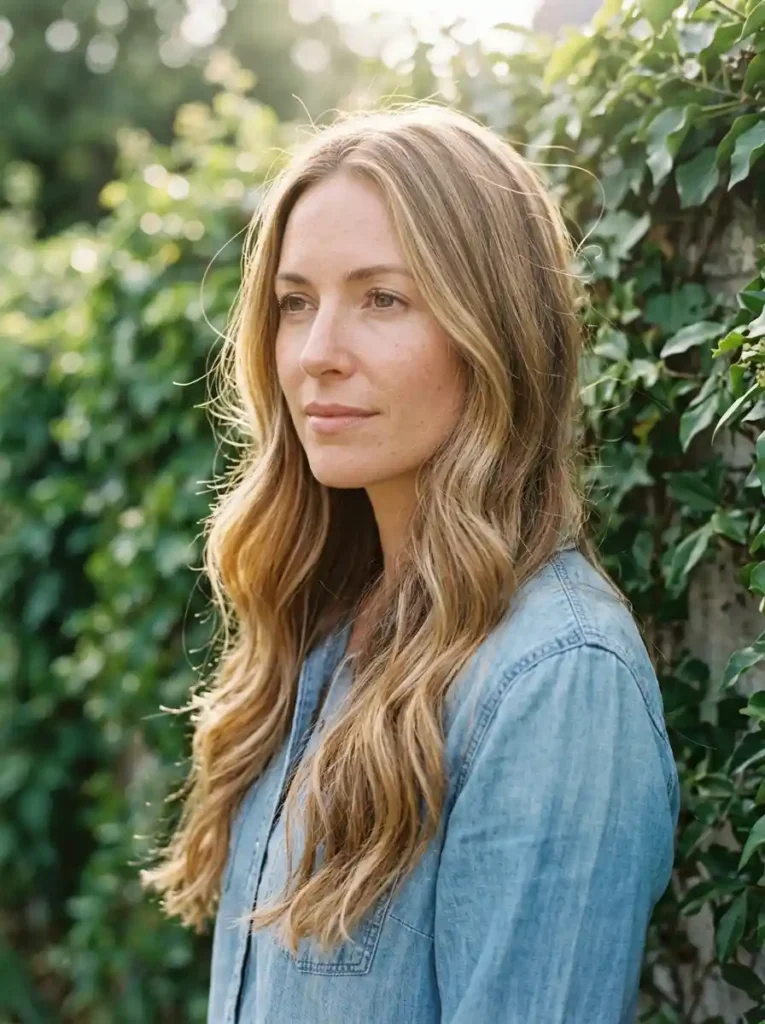
Honey blonde toner is ideal for anyone who wants blonde hair to feel warmer, richer, and more sunlit. Instead of removing every hint of gold, this approach refines the existing warmth into a smoother, more intentional color. It pairs naturally with balayage, caramel lowlights, and golden highlights, making it a versatile option for people who dislike the starkness of icy blonde. On layered hair, the honey tones can help individual pieces stand out without creating an overly contrasting striped effect.
When choosing this shade, explain whether you want a subtle golden glow or a deeper honey finish, since those results may require different formulas. A toner cannot reliably lighten dark hair on its own, but it can adjust the tone of suitably lightened sections. Preserve the warmth with color-safe shampoo and conditioning treatments, and discuss how frequently your hair needs refreshing with your stylist. If your highlights turn orange rather than golden, ask for a customized formula instead of applying a warm toner indiscriminately.
6. Ash Blonde Toner
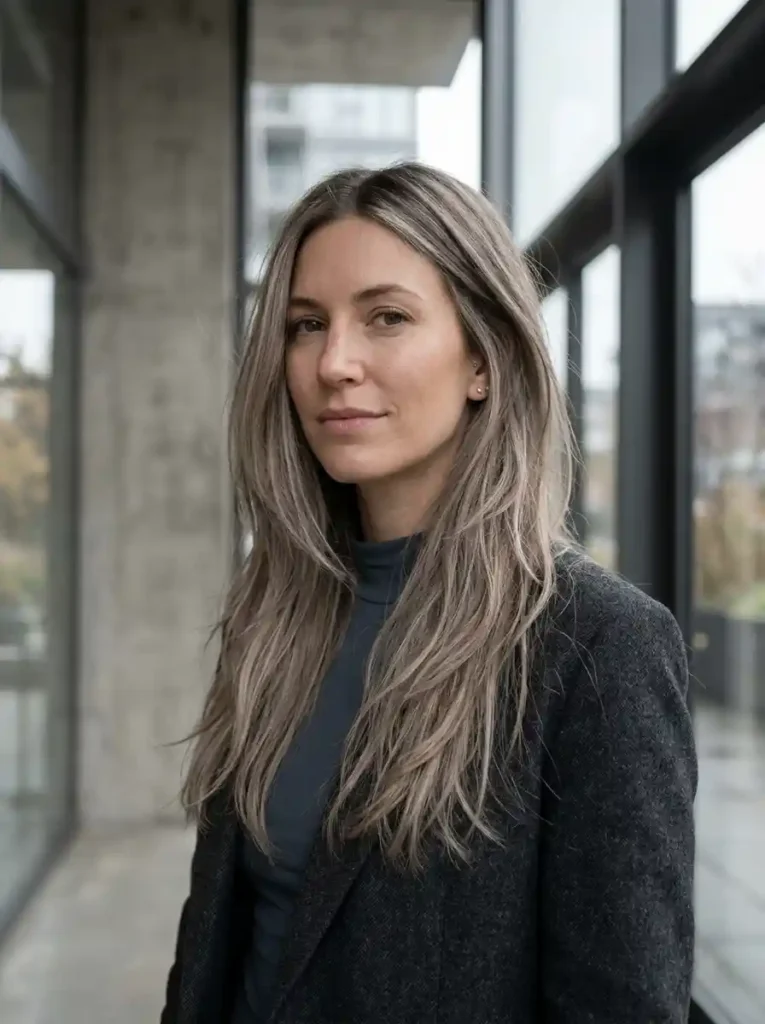
Ash blonde is a great choice when you want a cooler, more understated alternative to golden blonde. Its muted undertones can help reduce the appearance of unwanted warmth, producing a smoky beige or taupe effect rather than a bright yellow finish. The look works particularly well with textured layers, lived-in roots, and balayage because the slightly deeper tones create a natural transition between the base and lighter sections. It can also give previously highlighted hair a more contemporary, less golden appearance.
The key is selecting an ash formula that does not make your hair look muddy or excessively gray. Hair that is not light enough may retain warmth underneath the toner, so discuss your current color and hair condition before choosing a dramatic cool finish. If your complexion or personal style suits softer contrast, consider a neutral ash blonde rather than a strongly silver shade. Use nourishing products regularly, and ask your stylist to balance the toner with subtle beige pieces if the finished color looks too flat.
7. Vanilla Blonde Toner

Vanilla blonde offers a light, creamy appearance without the icy intensity of platinum. Its understated warmth gives blonde hair a soft, inviting finish, making it a lovely option for people who want brightness without an obvious silver or yellow cast. The shade complements long layers, curtain bangs, and softly waved hairstyles because the gentle tonal variation keeps the color from appearing like a single flat block. It is also a useful inspiration for refreshing older highlights that have become uneven or excessively golden.
To achieve vanilla blonde, ask your colorist for a creamy neutral finish with only a hint of warmth. Your starting shade matters: very dark or orange-toned hair may need additional lightening before the toner can create a pale vanilla result. After coloring, choose moisturizing products that support bleached hair and avoid washing more frequently than necessary for your scalp. If you prefer a low-maintenance look, combine vanilla lengths with a slightly deeper root shadow so new growth blends more naturally into the overall hairstyle.
8. Rose Gold Blonde Toner
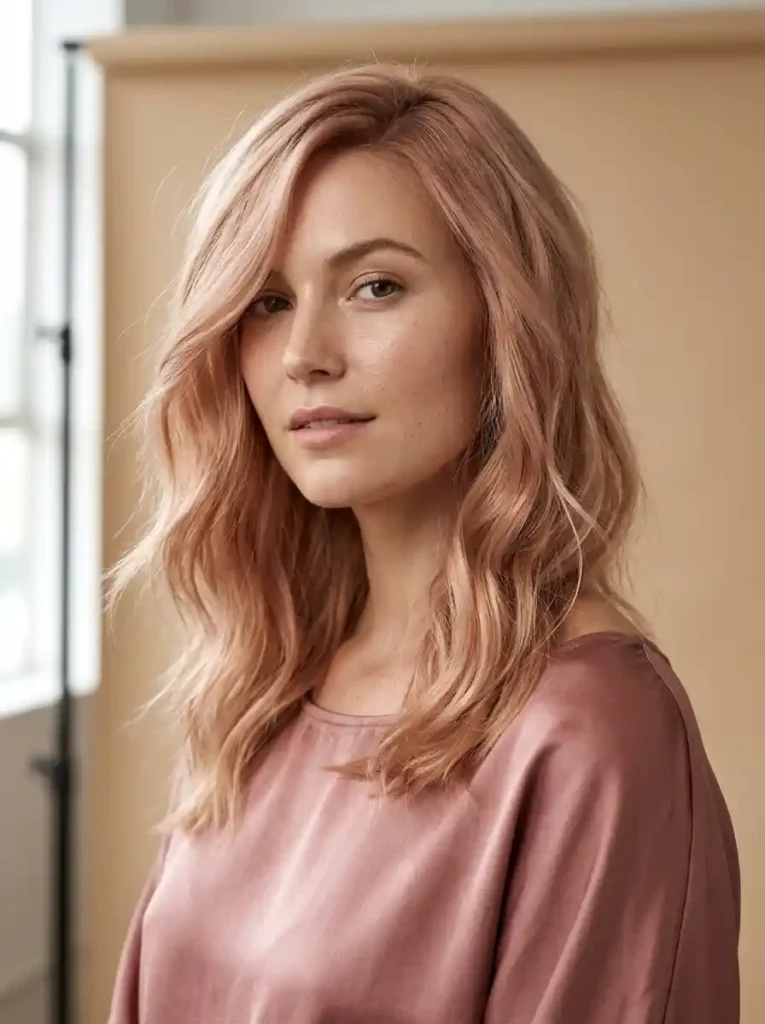
Rose gold blonde adds a subtle pinkish warmth to blonde hair, creating a distinctive finish that feels playful without becoming a vivid fashion color. Depending on the toner formula, the result may lean toward peachy champagne, soft blush, or muted copper. It is especially appealing on pale blonde highlights and medium-length waves, where the rosy reflections can be seen as the hair moves. This option suits anyone looking to change the mood of their blonde without committing to a dramatically darker or cooler shade.
Because rose gold pigments can fade differently from traditional blonde toners, discuss the expected longevity with your stylist before choosing a formula. Some results are temporary glosses, while others use more persistent color products. Start with a subtle blush if you are uncertain about wearing pink undertones, and request a strand test when necessary. To preserve the finish, use color-safe shampoo and cooler water when washing. Remember that a rose gold toner adds tonal color; it will not make darker hair pale blonde without the appropriate lightening process.
9. Strawberry Blonde Toner
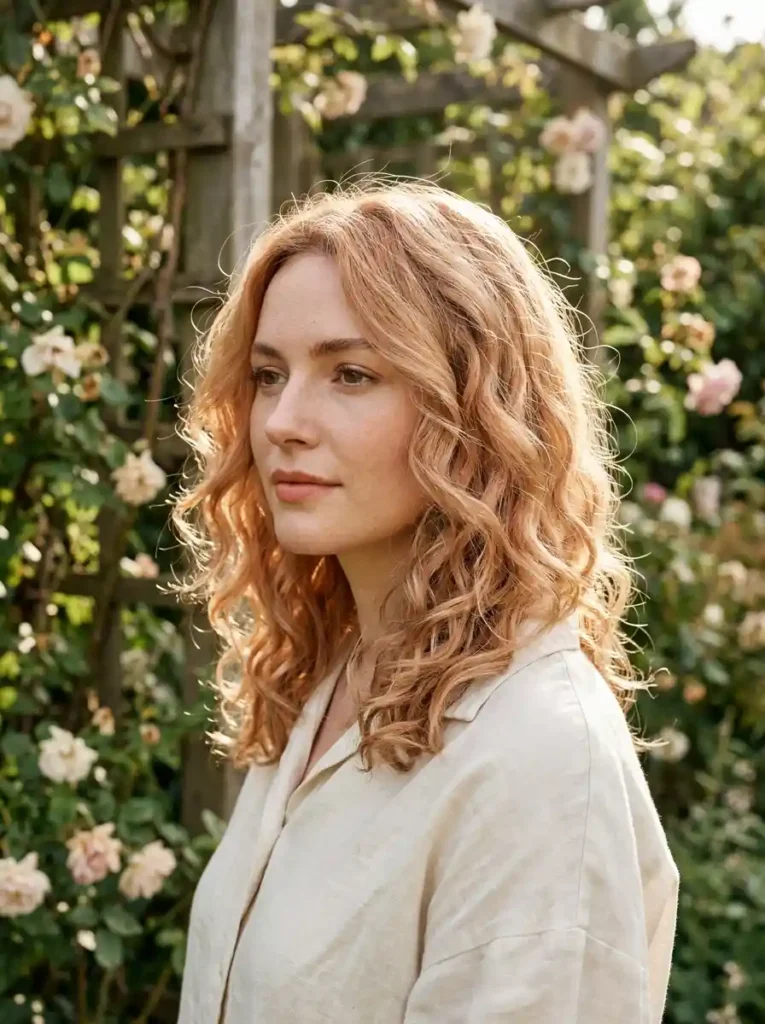
Strawberry blonde is a beautiful option if you enjoy warm color but want something more nuanced than traditional golden blonde. Its peachy, copper, and rosy undertones create a gentle red-blonde effect that can make existing highlights feel richer. The shade looks particularly attractive on loose curls, layered cuts, and shoulder-length styles, where the changing angles reveal different hints of warmth. It can also be an interesting seasonal refresh for someone who has worn neutral blonde for a long time.
The best strawberry blonde formula depends on whether your current hair is pale blonde, golden, or already slightly coppery. A professional colorist can add warmth without allowing the result to become overly orange or red. Since warm pigments may fade noticeably, use a color-safe shampoo and ask about glossing appointments to maintain the balance. If you are trying strawberry blonde for the first time, choose a sheer peach-gold toner rather than an intense copper deposit. You can always adjust the warmth during a future appointment.
10. Silver Blonde Toner
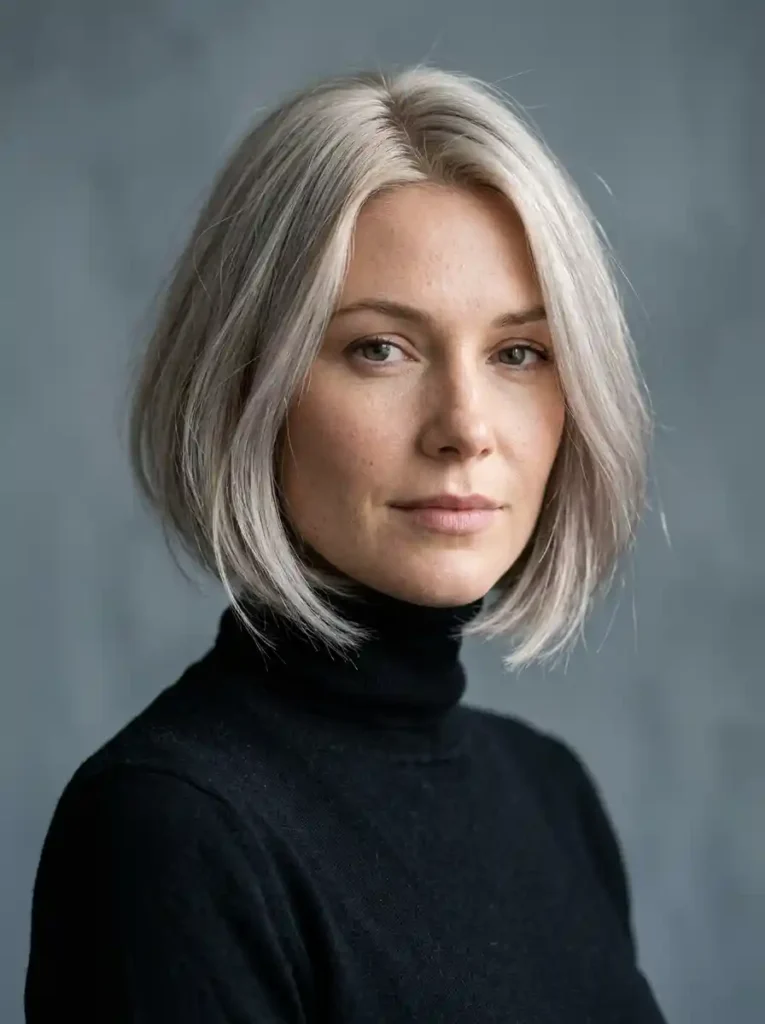
Silver blonde offers a cool, contemporary finish for people who love the appearance of pale metallic tones without moving completely into dark gray hair. The shade often works best on very light blonde hair, where cool pigments can create a visible silver reflection without becoming muddy. A sleek bob, a blunt lob, or straight layered hair makes the finish especially noticeable because the smooth surface catches light consistently. If you prefer softer dimension, ask for silver-beige rather than a uniform icy silver.
Keeping silver blonde attractive requires attention to both tone and condition. Strong silver pigments can make porous hair look darker or more gray than expected, so a strand test may be worthwhile before a full application. Alternate color-safe cleansing with moisturizing care, and use toning shampoo sparingly according to your stylist’s recommendations. If your hair has naturally darker roots, a deliberate shadow root can soften the contrast as new growth appears. This creates a more wearable silver blonde without requiring every appointment to include root lightening.
11. Sandy Blonde Toner

Sandy blonde creates a relaxed, natural-looking finish inspired by the mixed beige and golden tones found in sun-lightened hair. Rather than appearing strongly icy or intensely warm, it sits comfortably between the two, which makes it a useful choice for people who want understated blonde color. The shade complements beach waves, long layers, and grown-out highlights particularly well. Its slightly muted appearance also helps blend different blonde sections into a cohesive result without removing all the variation that makes highlighted hair interesting.
For a salon appointment, describe sandy blonde as neutral beige with a touch of soft warmth rather than simply asking for less brassiness. That distinction helps your colorist avoid making the hair too gray or too golden. Sandy tones can be easier to wear between appointments when paired with a blended root, although the actual maintenance depends on your original color and highlight placement. Keep the ends conditioned, and protect your hair from prolonged sun exposure if you want the color to remain balanced rather than becoming increasingly faded or uneven.
12. Mushroom Blonde Toner
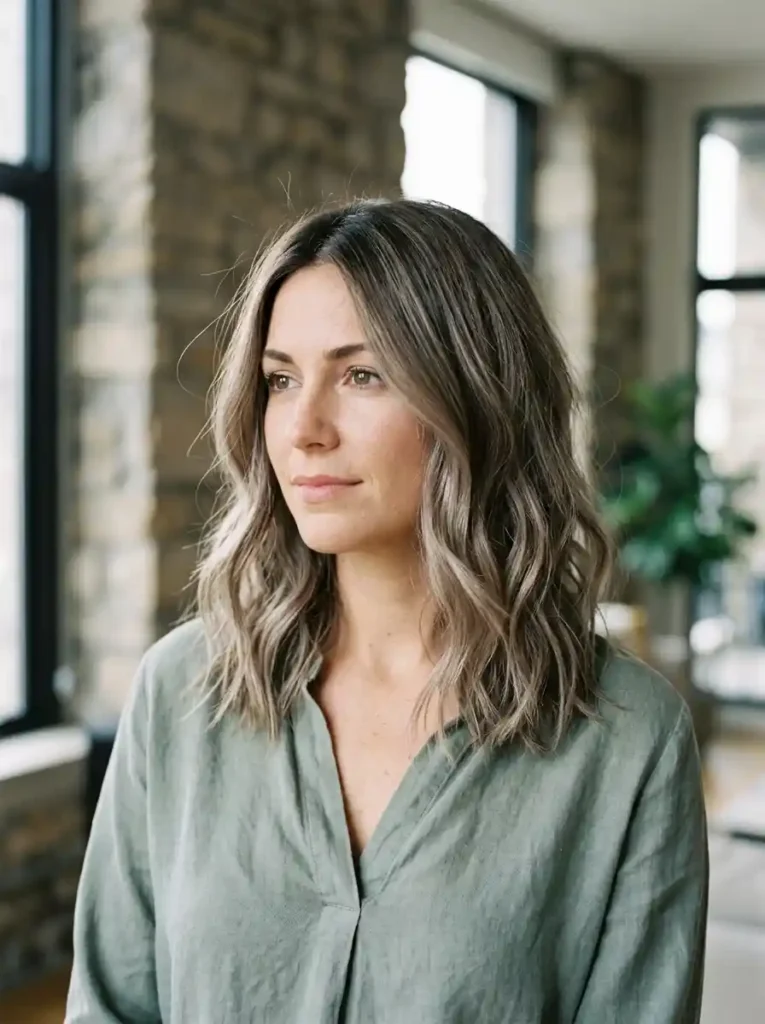
Mushroom blonde blends cool brown, taupe, and beige blonde tones for a more subdued alternative to bright golden hair. It is especially attractive for people who want a lived-in blonde that looks dimensional instead of uniformly pale. The cooler shade pairs naturally with shadow roots, balayage, and softly layered hair, making it a useful reference for refreshing highlights that have become too warm. Because the finish contains darker-looking tones, it can also offer a gentle visual transition for people growing out lighter blonde color.
Mushroom blonde works best when the formula respects the depth already present in your hair. Applying a dark, cool toner over very pale or porous lengths can produce a result that looks considerably deeper than expected. Ask your stylist to discuss how much dimension you want and whether a gloss or a combination of toner and lowlights would achieve it. Maintain the color with gentle cleansing and regular conditioning. If you enjoy this muted look but do not want to lose brightness around your face, keep a few lighter beige pieces near the hairline.
13. Golden Blonde Toner

Golden blonde is ideal for anyone who wants to embrace warmth instead of neutralizing it completely. A suitable toner or gloss can make existing highlights appear richer and more cohesive, creating a sunlit effect that works beautifully on layered hair, curls, and balayage. The color can feel especially flattering when brighter golden pieces are balanced with slightly deeper honey tones. If your current blonde looks dull or washed out, restoring controlled warmth may provide a fresher appearance than switching to an extremely cool shade.
The goal is polished gold, not unwanted yellow or orange. Explain to your stylist whether you prefer pale wheat, rich golden blonde, or a honey-inspired finish, because each has a different depth and warmth. Golden toners are not interchangeable with lightening products, so darker hair will not become lighter simply by adding a warm gloss. Protect the finished color with gentle hair care and moderate heat styling. If your blonde tends to turn brassy quickly, ask for a customized formula that maintains the desired warmth while controlling the tones you dislike.
14. Butter Blonde Toner
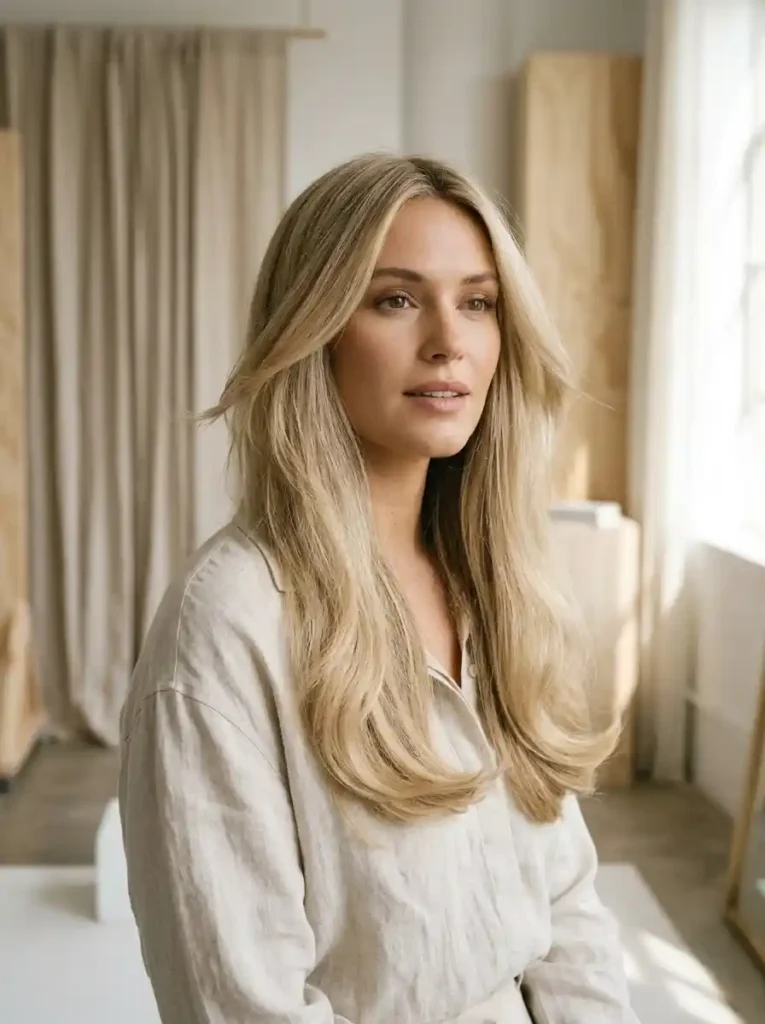
Butter blonde brings a soft, creamy warmth to lighter hair, offering a gentle alternative to icy or pearl finishes. The shade has enough golden character to look bright and inviting, but a well-balanced formula prevents it from becoming overly yellow. It is a lovely match for curtain bangs, bouncy blowouts, and long layers because the subtle warmth gives the hairstyle a polished, healthy-looking appearance. If you have been wearing cool blonde for months, butter blonde can provide a noticeable change without requiring a completely different haircut.
When discussing this shade with your colorist, emphasize that you want creamy pale gold rather than intense yellow. Your stylist may combine neutral and warm pigments to suit the underlying color of your highlights. Since very light hair can absorb toner unevenly when its porosity varies, the ends and mid-lengths may need different formulations. Use a hydrating conditioner and avoid excessive purple shampoo, which can dull the buttery finish. If your natural roots are darker, a blended root can help preserve a soft overall appearance as the color grows out.
15. Beige Blonde Balayage Toner

Beige blonde balayage is an excellent option for anyone who wants dimension without a sharply defined highlight pattern. A beige toner can soften the contrast between lightened pieces, helping the transition from darker roots to blonde ends appear more seamless. The result suits long waves, layered cuts, and medium-length hair particularly well because the tonal variation remains visible as the hair moves. It also offers a practical way to refresh older balayage when the blonde has become too golden or inconsistent.
The most effective approach depends on the existing placement of your highlights. A toner can refine their color, but it cannot create new balayage sections or reliably lighten dark areas. If your goal is a brighter face frame or lighter ends, discuss whether additional highlighting is needed alongside toning. For a lower-maintenance finish, request a blended root and neutral beige lengths rather than an all-over pale blonde. Regular conditioning and occasional salon glosses can help preserve the smooth transition while keeping the hair soft and manageable between major color appointments.
16. Rooted Blonde Toner

Rooted blonde combines lighter lengths with a deliberately deeper root area, creating a softer transition between natural regrowth and colored hair. This approach is particularly useful if you love bright blonde ends but do not want a sharply defined line as your hair grows. A suitable toner can refine the blonde sections while a root smudge or shadow-root service creates additional depth. The finished look works with balayage, traditional highlights, and layered hairstyles, offering a more relaxed alternative to maintaining an evenly lightened root.
It is important to distinguish between toning the lengths and coloring the roots. A toner alone may not create the deeper root effect you want, so ask your stylist whether a separate root-smudging formula is appropriate. Your natural base, previous color, and desired contrast will determine the technique. Rooted blonde can reduce the visual prominence of regrowth, but it does not eliminate maintenance entirely. Plan occasional appointments to refresh the lighter sections and keep the transition blended, especially if your natural hair color contrasts strongly with the blonde.
17. Bronde Toner

Bronde blends brown and blonde into a dimensional shade that offers brightness without the upkeep of very pale blonde hair. A customized toner can help the lighter pieces look cohesive by refining orange, yellow, or overly warm sections. This makes bronde especially appealing if you are transitioning from brunette to blonde or growing out previously lightened hair. The color looks beautiful on layered lobs, long waves, and softly textured cuts because the combination of darker and lighter strands creates natural-looking depth.
For a successful bronde refresh, decide whether you want a cooler taupe finish, a warmer caramel blend, or something neutral between the two. The right toner depends on the underlying pigment in your highlights and the darkness of your base. If your hair is mostly brunette, a toner will not replace the lightening process needed to create blonde pieces. Ask your stylist about glossing the existing highlights first, then consider adding more lightness only if necessary. This approach can help preserve dimension without overprocessing the hair.
18. Mocha Blonde Toner

Mocha blonde is a deeper, coffee-inspired take on blonde that combines muted brown tones with subtle beige or caramel highlights. It is a strong option for people who want a richer appearance without returning to a completely dark brunette shade. A suitable gloss can refine the lighter sections and bring the color together, particularly when previous highlights have become uneven or excessively warm. The result looks especially dimensional on medium-length waves, layered bobs, and hairstyles with a naturally darker root.
Because mocha blonde sits closer to brunette than platinum, the depth of your starting color plays an important role in the final result. Ask your stylist to preserve enough lighter pieces to maintain visible blonde dimension instead of allowing the gloss to darken everything uniformly. If you are transitioning from pale blonde, a gradual tonal adjustment may be easier to manage than a dramatic change in one appointment. Use color-safe shampoo and regular conditioner, and discuss how quickly the deeper pigments may fade from previously bleached or porous lengths.
19. Buttery Beige Blonde Toner
Buttery beige blonde combines the softness of beige with the inviting warmth of butter blonde. This balanced finish works well if you want your hair to look creamy and luminous without leaning too far toward either gray or yellow. It is especially flattering on blowouts, long layers, and shoulder-length cuts because the mixture of neutral and warm tones gives the hair a polished appearance. It can also be a useful compromise when you and your stylist are deciding between a cool blonde and a more golden result.
To achieve this look, ask for a neutral beige base with a gentle buttery glow rather than an intensely warm toner. Your colorist can adapt the formula to the underlying pigment in your highlights and the condition of your hair. If some areas are much lighter than others, the toner may take differently across the lengths, so a customized application can be helpful. Keep the color looking fresh with gentle cleansing and moisture-focused care. For added dimension, consider leaving slightly deeper blonde pieces underneath rather than toning every section to the same shade.
20. Lavender Blonde Toner
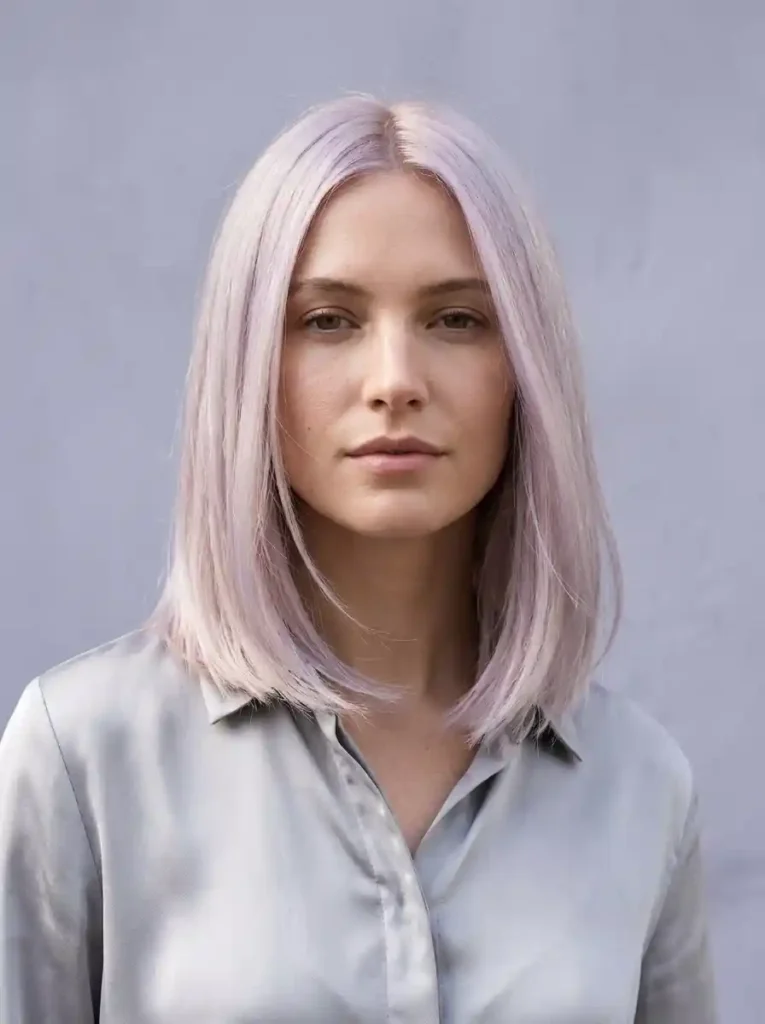
Lavender blonde introduces a subtle pastel reflection that can make pale blonde hair feel fresh and distinctive. Depending on the formula, the finish may look like a delicate lilac sheen or a slightly cooler blonde with violet undertones. It works especially well on pale bobs, sleek lobs, and straight layered hair, where the understated color is easy to notice. Violet pigments can also help neutralize yellow tones, although a lavender result is different from simply using a conventional purple toning shampoo.
The key to wearable lavender blonde is controlling the intensity. Very porous or heavily lightened hair may absorb violet pigments quickly, creating a stronger purple result than expected. Ask your stylist for a subtle pastel gloss and consider a strand test if your hair is fragile or unevenly lightened. Because pastel shades can fade relatively quickly, use gentle color-safe products and follow your stylist’s maintenance recommendations. If you want the lavender to remain barely noticeable, choose a sheer formula over an opaque fashion-color treatment.
21. Apricot Blonde Toner

Apricot blonde is a warm, peach-inspired shade that adds a subtle hint of copper to lighter hair. It is a lovely option if you enjoy strawberry blonde but prefer a softer, fruit-toned finish rather than a distinctly red-blonde appearance. The mixture of peach, pale gold, and creamy blonde can bring new interest to faded highlights, especially in loose waves and layered shoulder-length styles. It is also a creative choice for people who want a seasonal color refresh without committing to a saturated fashion shade.
Your colorist can adjust the formula toward pale peach, warm apricot, or a more golden finish depending on your existing blonde. Because peach pigments can appear stronger on pale, porous ends, ask about applying the toner selectively or testing a small section first. Maintaining this color may require occasional gloss appointments as the warm reflection fades. Use color-safe cleansing and avoid unnecessary heat exposure. If you prefer a natural-looking result, keep the peach tones subtle and preserve a little neutral blonde throughout the hairstyle.
22. Soft Caramel Blonde Toner
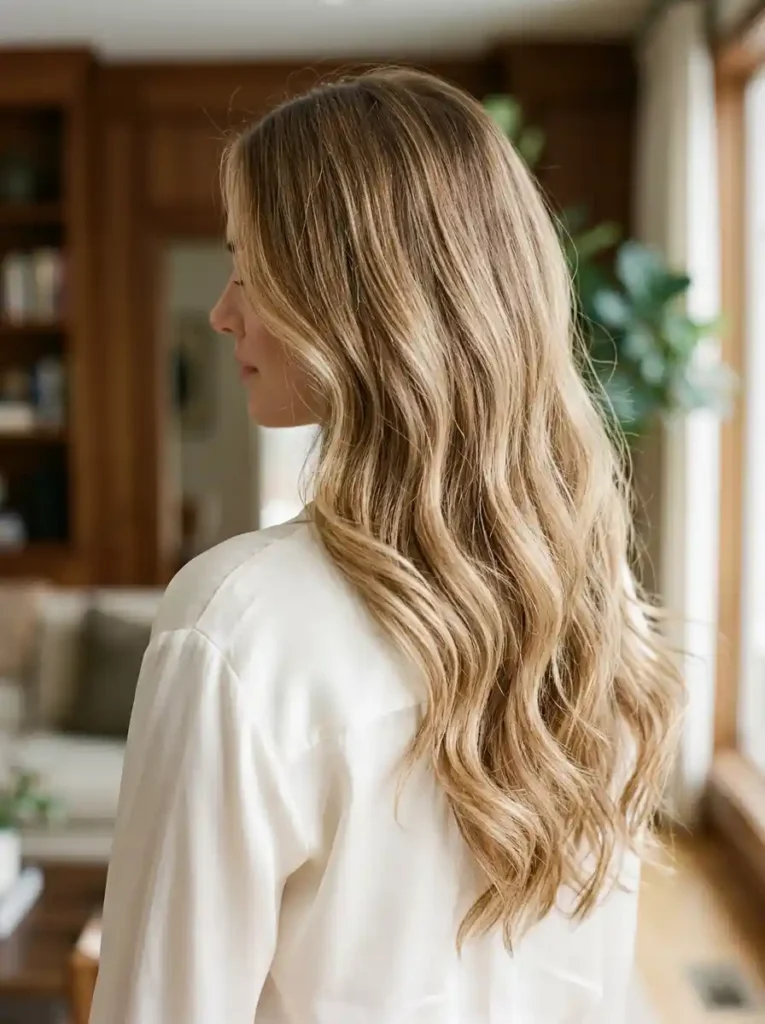
Soft caramel blonde is an excellent choice for anyone who wants a warmer, deeper blonde with plenty of dimension. Caramel-toned glosses can enrich existing highlights and help different shades blend together, producing a result that feels more substantial than pale champagne or platinum. The color is particularly attractive on long layers, balayage, and loose curls because the warm ribbons become visible as the hair moves. It can also provide a gradual transition for people who want to move away from very light blonde without returning to a uniform brunette.
To personalize caramel blonde, decide whether you prefer pale beige caramel or a richer golden-brown effect. A gloss may be enough to refine existing highlights, while creating new caramel ribbons or darkening the base may require a separate color service. Ask your stylist how the formula will behave on your previously lightened lengths, especially if they are porous. For a softer grow-out, retain some of your natural root color. Regular conditioning and color-safe products help maintain the smooth, glossy appearance that makes this shade so appealing.
23. Glossy Neutral Blonde Toner

Glossy neutral blonde is a versatile choice when you want a polished result without committing to a distinctly warm, cool, or pastel finish. The toner is selected to balance the existing blonde, helping the color appear more cohesive while preserving a natural-looking mixture of beige, gold, and cool undertones. It works across many hairstyles, from a smooth blowout to textured waves, making it a practical reference for anyone who wants their hair to look refreshed rather than dramatically transformed.
A neutral blonde gloss is particularly useful when your highlights have become slightly uneven or your overall color lacks harmony. Your stylist can tailor the formula to reduce unwanted warmth while retaining enough softness to prevent the result from looking gray or flat. Remember that shine also depends on hair condition, so toning alone will not repair damaged strands. Combine the service with regular conditioning, heat protection, and gentle detangling. If you are unsure which blonde direction suits you, neutral blonde can be a sensible starting point before exploring more distinctive shades.
Conclusion
The right blonde hair toner can make a noticeable difference in how your color looks, whether you prefer icy platinum, creamy beige, warm honey, or a playful rose gold finish. The best choice depends on your current blonde, the undertones you want to enhance or neutralize, and how much maintenance fits your routine.
Before your next salon appointment, save two or three inspiration photos that resemble your existing hair color and desired result. Look at them in natural daylight, and pay attention to the roots, mid-lengths, and ends rather than focusing only on the overall shade. Tell your stylist whether you want to remove brassiness, introduce warmth, soften contrast, or add a subtle pastel reflection. A toner can refine the color of lightened hair, but it cannot replace lightening when a much brighter result is needed. With a personalized formula and a thoughtful maintenance routine, you can enjoy a blonde shade that feels fresh, flattering, and uniquely yours.