Changing your hair color can be exciting, but sometimes the result isn’t quite what you imagined. Maybe your brunette shade looks too dark, your blonde has turned brassy, or your once-vibrant red has overstayed its welcome. The good news is that you have several options for fading unwanted hair color without immediately reaching for another permanent dye. These 21 practical ideas explore gentle washing techniques, color-removing treatments, salon solutions, and fresh color transitions to help you find your next step.
1. Use a Clarifying Shampoo to Fade Hair Color Gradually
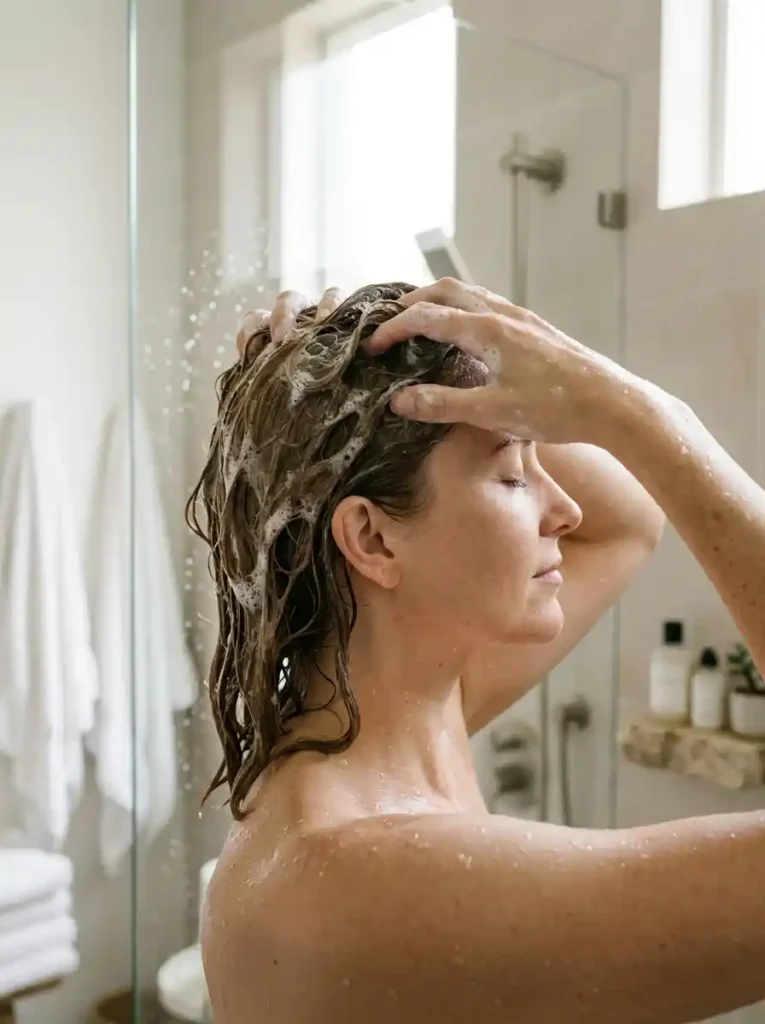
Clarifying shampoo can help remove product buildup and gradually fade some types of artificial hair color, especially when the shade is relatively fresh. Choose a formula designed for occasional deep cleansing, then massage it through thoroughly wet hair before rinsing according to the label. This method suits people who want a gradual change rather than an immediate transformation. However, clarifying shampoo is not a true color remover, and its effectiveness depends on your dye type, hair condition, and how long ago you colored it.
Because deep-cleansing formulas can leave hair feeling dry, follow each wash with a moisturizing conditioner or nourishing hair mask. Start with an occasional wash instead of repeatedly shampooing in one session, and assess the color after your hair dries completely. If your hair is already bleached, fragile, or prone to breakage, choose a gentler approach and limit extra cleansing. This technique works best when you have patience and realistic expectations about how much pigment ordinary washing can remove.
2. Try a Dedicated Hair Color Remover

A dedicated hair color remover may be the most direct option when you want to remove unwanted permanent oxidative dye. Many products work by shrinking artificial dye molecules so they can be rinsed away, rather than simply bleaching the hair lighter. The right formula depends on your previous coloring history, so check whether it is suitable for your shade and hair condition. Read the full instructions before purchasing, especially if your hair has been bleached, relaxed, or treated with other chemical services.
Follow the manufacturer’s directions precisely, including any allergy or sensitivity precautions, strand testing, application timing, and rinsing requirements. Some removers have a strong odor, and the process can reveal a warmer underlying shade than you expected. A remover also cannot restore your original natural pigment after it has been altered by permanent dye. If you have overlapping color, severe damage, or a complicated history of box dyes, consult a professional colorist before attempting the treatment at home.
3. Wash With Warm Water and a Gentle Shampoo
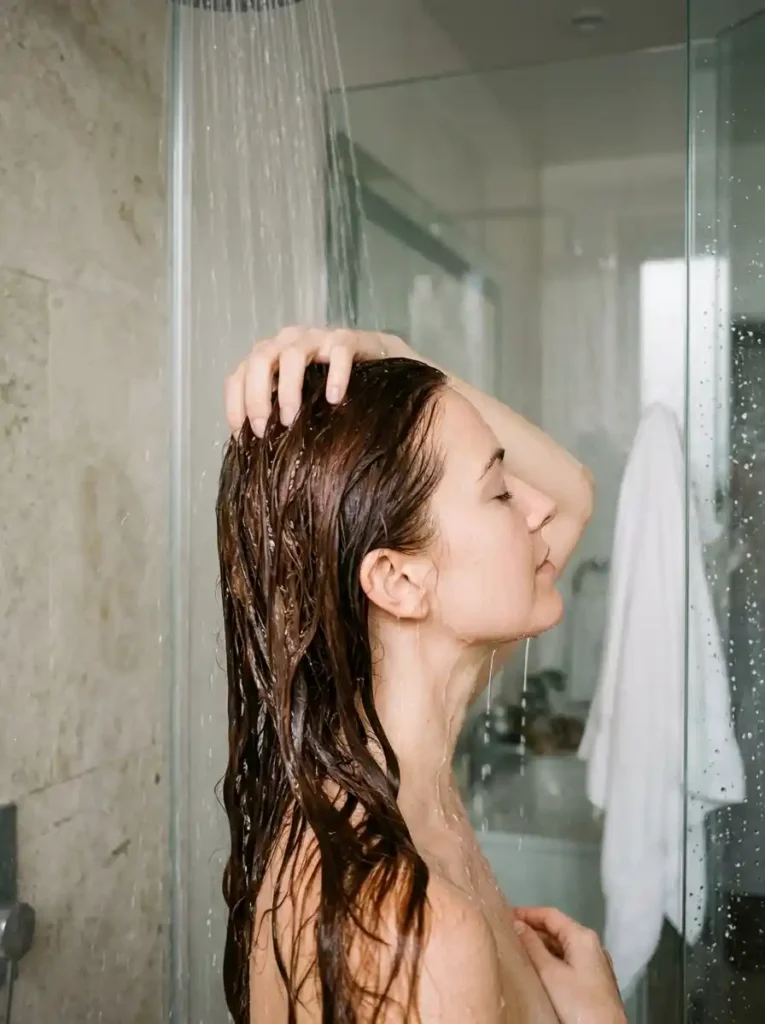
If your new hair color looks slightly too intense, ordinary washing may soften the appearance over time. Use comfortably warm water rather than very hot water, followed by a gentle shampoo appropriate for your hair type. Some fresh artificial color may release during early washes, but the amount varies considerably. This option is useful when you want a subtle adjustment without committing to a chemical remover or another coloring appointment, particularly if the shade is only a little darker than expected.
Avoid repeatedly washing your hair in an attempt to force the color out quickly. Excessive cleansing can roughen the cuticle, increase dryness, and leave colored lengths feeling less manageable. After shampooing, condition the mid-lengths and ends, then evaluate the result in natural daylight. If the color remains much darker than you wanted, consider a professional assessment instead of escalating your washing routine. The goal is to encourage modest fading while keeping your hair healthy enough for whatever color decision comes next.
4. Use a Color-Fading Shampoo Designed for Dyed Hair

Color-fading shampoos are formulated to help reduce the intensity of certain artificial pigments through cleansing. They may be particularly useful when semi-permanent color looks too vivid or when a freshly dyed shade needs gradual softening. Before buying one, check whether the product is intended for direct dyes, oxidative color, or general buildup removal. These categories are not interchangeable, and choosing a formula that does not match your dye type can produce disappointing results.
Begin with the manufacturer’s recommended frequency and examine your hair after each use rather than following a rigid schedule. If your ends are porous, they may fade differently from the healthier hair near your roots, leaving the shade uneven. A moisturizing conditioner can help improve softness after washing, while a color-safe treatment may be appropriate on days when you are not trying to fade pigment. Stop if your scalp becomes irritated or your hair starts feeling unusually rough, stretchy, or brittle.
5. Consider a Professional Color Correction

Professional color correction is worth considering when your hair has several overlapping shades, stubborn dark bands, patchy red pigment, or a history of repeated home coloring. A colorist can assess the condition of your hair, identify likely pigment challenges, and explain which options are realistic. Depending on your situation, the service might involve selective color removal, controlled lightening, toning, or a combination of techniques. This approach is especially helpful when a simple fading treatment would not address the unevenness you can see.
Bring photos of your desired result and tell your stylist exactly which products you have used, including permanent dyes, direct dyes, henna, and lighteners. Previous treatments can influence how your hair responds, so complete honesty matters more than remembering every shade perfectly. Ask about strand testing, expected warmth, the number of appointments, and the maintenance required afterward. A thoughtful correction may take more than one visit, but a staged plan can reduce unnecessary chemical stress and create a more predictable transition.
6. Fade Semi-Permanent Color With Gentle Washing

Semi-permanent hair color often fades more readily than permanent oxidative dye because it generally deposits pigment without the same permanent alteration of natural hair color. If your bright pink, purple, or red shade feels too intense, a few normal washes with an appropriate shampoo may help soften it. The result depends on the formula, how porous your hair is, and whether the pigment has attached strongly to previously lightened sections. Expect gradual changes rather than a perfectly clean return to your original shade.
Be especially patient if you applied the color over bleached or highlighted hair, because porous areas can hold certain direct dyes longer than expected. Use conditioner after cleansing, and inspect the fading pattern in daylight to catch uneven patches early. Avoid combining multiple aggressive fading methods in one day. If the pigment remains stubborn, a colorist can recommend a dye-specific removal process or a carefully planned transition shade that looks intentional while the remaining color fades.
7. Use a Hair Color Remover for Unwanted Red Tones

Red hair dye can be particularly frustrating when you decide to change direction, because red pigments may linger even after the color starts fading. If the red came from permanent oxidative dye, a compatible color remover may reduce some artificial pigment. However, removing red does not guarantee that your hair will become blonde, neutral brown, or your original color. The underlying hair may reveal orange, copper, or warm brown tones, depending on your previous coloring and natural pigment.
Choose a remover specifically suitable for your type of red dye, and perform a strand test before applying it to your entire head. If you plan to transition from red to ash brown or blonde, discuss the process with a professional because warm undertones often need careful balancing. Avoid immediately applying another permanent color without understanding the remaining pigment. A controlled transition to copper, auburn, or a warm brunette can sometimes be more manageable than trying to eliminate every trace of red at once.
8. Try a Dandruff Shampoo Only When Appropriate
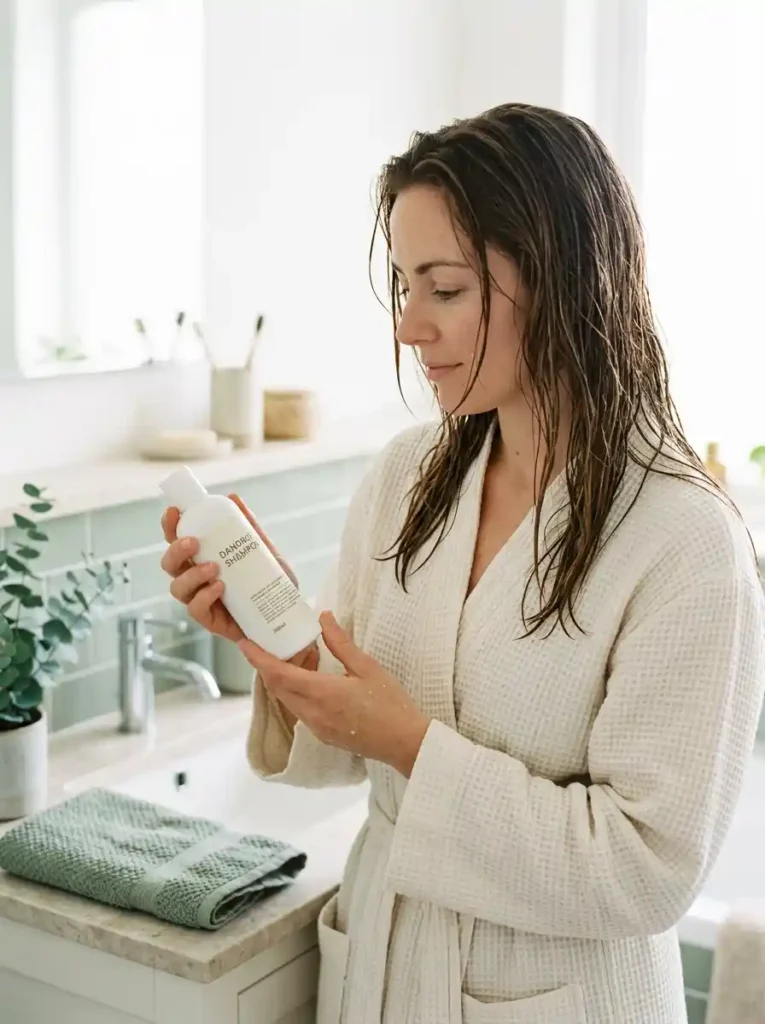
Some people use dandruff shampoo to encourage fading because certain formulas cleanse differently from ordinary color-safe shampoos. However, dandruff shampoos are primarily designed to address scalp conditions, not remove hair dye, and their effects on artificial pigment are unpredictable. If you already need an appropriate dandruff treatment, follow its directions and ask a pharmacist or clinician if you are unsure whether the formula suits your scalp. Do not choose a medicated shampoo solely because you expect it to erase unwanted color.
If your only concern is a shade that looks too dark, a clarifying product or a dye-specific color remover is usually a more relevant starting point. Medicated formulas can irritate some scalps or leave lengths feeling dry, especially when used more frequently than directed. Keep shampoo application focused on the intended treatment area, condition your lengths as needed, and watch for irritation. If your scalp feels sore, itchy, or unusually tight, stop experimenting and seek suitable advice before trying another fading method.
9. Apply a Deep Conditioning Mask After Color Removal

A deep-conditioning mask will not remove artificial hair color, but it can be an important part of a hair color removal routine. Washing, chemical processing, and lightening may leave hair feeling rough, tangled, or less flexible. A conditioning treatment can improve slip and manageability, making it easier to handle the hair while you decide on your next shade. Look for ingredients such as fatty alcohols, conditioning agents, and emollients that suit your hair texture rather than assuming an expensive product is automatically better.
Apply the mask according to its directions, paying particular attention to the mid-lengths and ends if those areas feel driest. Fine hair may become weighed down by rich formulas, while thick, curly, or highly porous hair may benefit from a more substantial treatment. Detangle gently with your fingers or a wide-tooth comb, starting at the ends. Remember that conditioning improves the feel and appearance of hair but cannot reverse every form of chemical damage or restore pigment already removed.
10. Use a Gentle Color-Depositing Gloss for a Softer Transition

Sometimes the easiest way to move on from unwanted hair color is to soften its appearance instead of removing every pigment molecule. A suitable color-depositing gloss can help refine the tone, reduce the visual harshness of an overly bright shade, or create a more harmonious transition. Depending on the formula, a gloss may add pigment, enhance shine, or adjust warmth. It is not a universal color remover, so select a product designed for your current shade and desired result.
This option is useful when the underlying color is acceptable but looks too brassy, too vivid, or slightly uneven. Ask a professional whether a clear gloss, neutral toner, or lightly tinted formula would work best, especially if your hair is porous. Test a small section when using a home product because the final result may appear darker or cooler than expected. Keep in mind that glosses gradually fade, so maintenance and compatibility with future coloring should be part of your plan.
11. Let Fresh Permanent Dye Fade Before Making Another Change
If your permanent dye looks darker than expected, waiting through a few normal washes may be a sensible first move. Freshly colored hair can look especially deep immediately after application, and the appearance may soften as some surface pigment fades. Give yourself time to evaluate the shade in daylight before deciding that a chemical correction is necessary. This is particularly useful when you like the general color family but dislike the initial intensity or depth.
Do not assume that permanent color will disappear completely on its own. Oxidative dye changes the hair’s pigment chemistry, and artificial color can remain even after the first few weeks of fading. Avoid repeatedly applying new dye in an attempt to correct the problem, because overlapping color can make the result darker or more difficult to remove. If the shade is still significantly different from your goal, a colorist can explain whether a remover, selective lightening, or a different final color would be appropriate.
12. Try a Vitamin C Treatment Only With Caution

Vitamin C treatments are frequently discussed as a home method for fading unwanted hair color, particularly semi-permanent or recently applied artificial pigment. However, results are inconsistent, and acidic mixtures or abrasive homemade recipes may irritate your scalp or dry your hair. Rather than assuming crushed tablets mixed with shampoo will safely remove dye, consider whether a product formulated specifically for color fading would offer a more predictable option. The type of dye and your hair’s condition matter more than any internet recipe.
If you still want to explore a vitamin C-based treatment, choose a purpose-made hair product and follow its instructions rather than improvising concentrations. Test a small section first, avoid broken or irritated skin, and stop immediately if burning or discomfort occurs. Do not combine the treatment with bleach, peroxide, or another chemical remover in the same session. For stubborn permanent color, a dye-specific remover or professional consultation is generally a more appropriate next step than repeated home experiments.
13. Use a Chelating Shampoo for Mineral and Product Buildup

Chelating shampoos are designed to help remove certain mineral deposits and buildup that ordinary shampoo may not fully address. If your hair feels coated or looks dull after swimming or exposure to hard water, a suitable chelating product may improve its appearance. However, minerals and artificial dye are different problems. Chelating shampoo does not reliably remove permanent hair color, so use it when buildup is contributing to the issue rather than expecting it to reverse an unwanted dye job.
Check the label to see whether the product is intended for hard-water minerals, swimming-related residue, or general deep cleansing. Some formulas are stronger than everyday shampoos, so follow the recommended frequency and condition afterward if your hair feels dry. This approach can be especially helpful before a professional color consultation because it may reveal the hair’s appearance more clearly. If the unwanted shade remains after buildup is addressed, choose a pigment-specific solution instead of repeating clarifying treatments indefinitely.
14. Blend Unwanted Roots With a Temporary Root Concealer
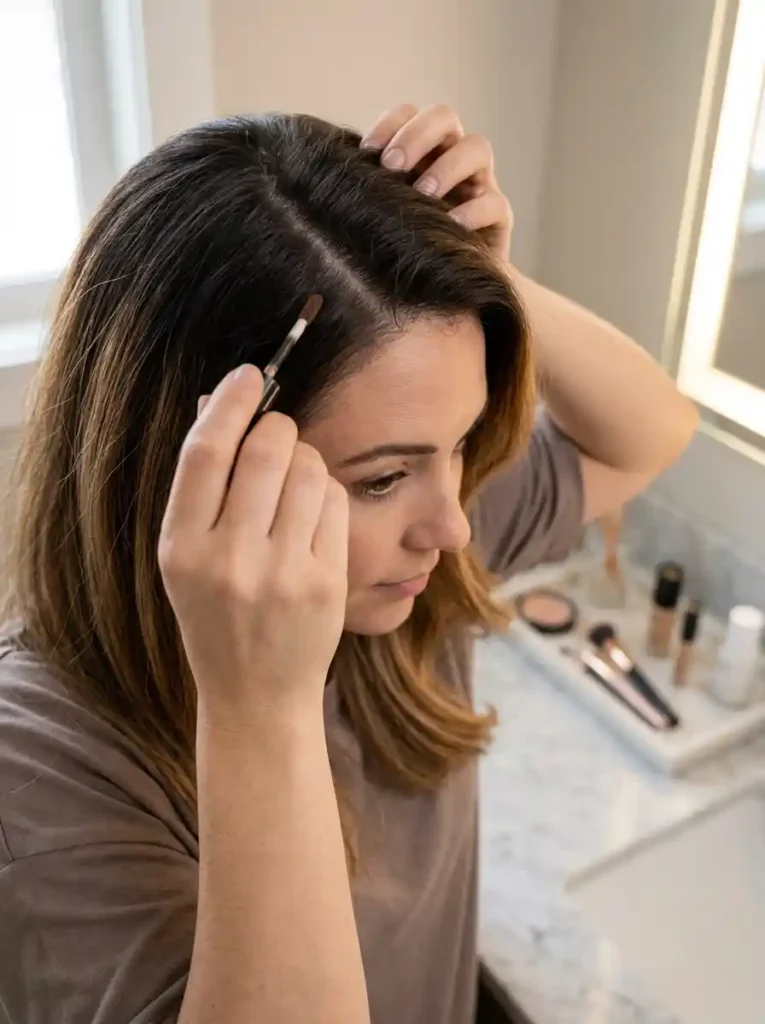
When your roots look noticeably different from the rest of your hair, a temporary root concealer can make the transition less distracting while you decide on a longer-term solution. These products are usually designed to camouflage visible roots or scattered gray hairs rather than remove existing dye. Depending on the formula, they may come as a spray, powder, or compact applicator. Choose a shade that closely matches your intended root color instead of automatically selecting the darkest option available.
Apply the product sparingly along the part and hairline, following the package directions and allowing it to dry before touching the area. Temporary concealers generally wash out with shampoo, making them useful between appointments or during a gradual color transition. They cannot correct the underlying color or solve banding through the lengths, but they can make an uneven grow-out phase easier to manage. If your scalp is sensitive, test the product as directed and avoid applying it to irritated skin.
15. Fade Direct Dye With a Product Made for Vivid Colors
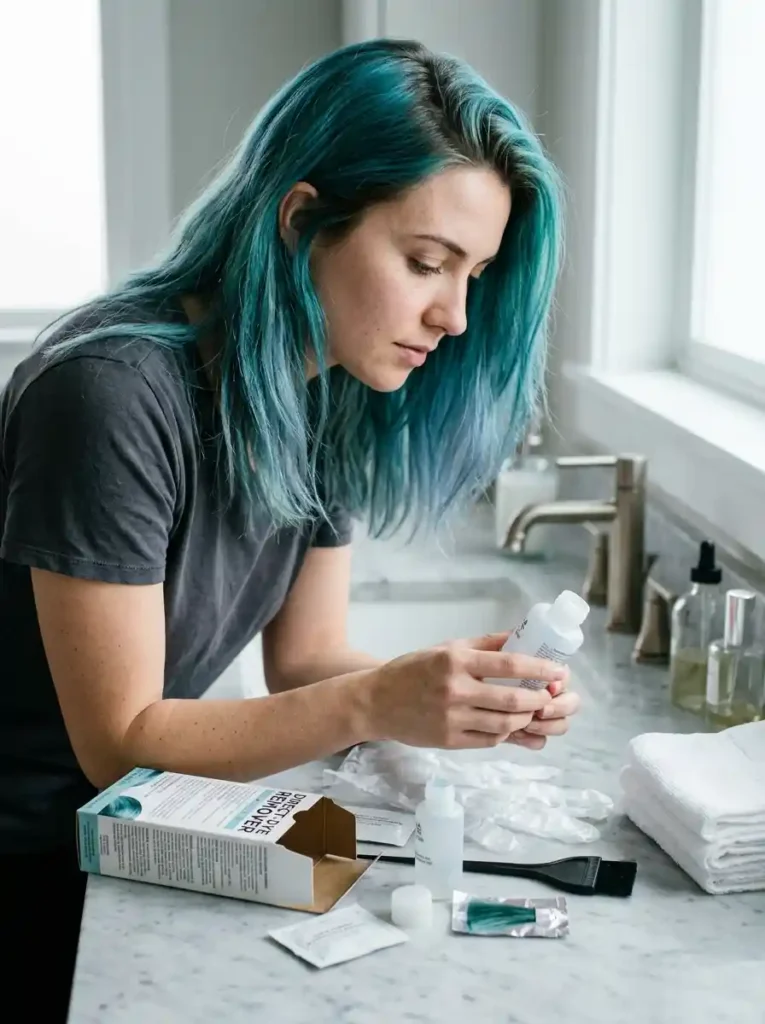
Bright direct dyes, including many fashion shades, can behave differently from traditional permanent hair color. If your blue, green, pink, or purple dye has become uneven or too intense, a remover specifically formulated for direct pigments may be more suitable than a product intended for oxidative dye. Read the product description carefully because not every color remover works on every pigment family. Some shades can be stubborn, and blue or green dyes may leave residual tones even after substantial fading.
Start with a strand test on a discreet section to learn how the product affects your particular shade. Previously bleached hair may retain pigment unevenly, especially around the ends, so a full-head application can produce unpredictable results. Follow the manufacturer’s timing and rinsing instructions, and avoid mixing several removal methods together. If the result turns patchy or exposes an unexpected undertone, a colorist can help plan a controlled transition rather than layering another vivid dye over the remaining pigment.
16. Consider a Gentle Salon Color Remover for Dark Box Dye

Dark box dye can be challenging to remove because repeated applications often build up artificial pigment, particularly through the lengths. If your hair looks nearly black but you want a lighter brunette, a salon color remover may help reduce artificial color before any further adjustment. The result depends on the dye formula, how many layers have accumulated, and whether your hair has undergone previous lightening. It is important to understand that removing dark dye does not automatically create an even, lighter shade.
Ask your colorist to evaluate the roots, mid-lengths, and ends separately because they may respond differently. Bring the packaging or photographs of previous dyes if possible, and mention any henna, metallic-salt products, relaxers, or bleach you have used. Your stylist may recommend a strand test, multiple appointments, or a gradual warm-brown transition instead of attempting to reach a pale shade immediately. A realistic plan prioritizes the condition of your hair while moving you closer to your desired color.
17. Use a Toning Shampoo to Correct Unwanted Brassiness

Sometimes unwanted hair color is actually an unwanted undertone rather than too much pigment. If blonde hair has become yellow, a purple toning shampoo may help neutralize some yellow tones, while blue-toned products may help counter orange warmth in suitable brunette shades. These products deposit small amounts of color rather than remove dye. They are useful when the hair is too warm but otherwise close to your desired shade, not when you need to eliminate a dark permanent color.
Choose a toner that matches the undertone you want to correct, and follow its recommended contact time carefully. Porous blonde sections can absorb pigment quickly, sometimes producing a dull, violet, or uneven appearance if a product is left on too long. Test a small section when possible and use a regular moisturizing conditioner afterward. If your hair is significantly darker, patchy, or unusually orange following a removal treatment, a professional toner may offer more control than repeated purple or blue shampoo applications.
18. Transition to a Glossy Brunette Instead of Removing Everything

If your current shade is too bright, uneven, or difficult to remove completely, transitioning to a brunette can sometimes be more practical than trying to return to your exact natural color. A carefully selected brown gloss or professional color service may help create a more unified appearance while accommodating some remaining warmth. The right approach depends on how light your hair is now and whether the underlying color has been altered by bleach or permanent dye.
Ask a colorist to assess the exposed undertones before choosing a final brunette shade. Very light or heavily bleached hair may need a carefully planned pigment fill before a darker color is applied, while an overly warm result may need a different tonal balance. Avoid choosing a dark shade solely to cover a problem quickly, because adding more permanent pigment can complicate future lightening. A dimensional brunette with subtle warmth may provide a polished fresh start without requiring complete pigment removal.
19. Try a Root Shadow for a Softer Grow-Out

A root shadow can be an attractive solution when you want to soften a sharp contrast between darker roots and lighter lengths. Rather than removing every trace of existing color, a stylist blends a slightly deeper shade near the roots into the lighter hair below. This can create a more intentional appearance while your natural roots grow out. It is especially useful when you are moving away from frequent all-over coloring or trying to make a previous highlight pattern look less abrupt.
The technique requires careful shade selection because the root color should complement the existing lengths rather than form another obvious band. Ask for a subtle transition if you prefer a low-maintenance look, and discuss how the result will evolve as your hair grows. A root shadow does not remove unwanted pigment from the rest of your hair, and it may not suit every color problem. However, it can provide visual balance while you plan a more comprehensive correction or let your hair recover.
20. Choose a Color Melt to Blend Uneven Shades

A color melt blends neighboring shades together so the hair looks more cohesive instead of displaying obvious lines between roots, mid-lengths, and ends. This can be helpful when a previous dye job has left several competing tones or when a complete color removal would be unnecessarily harsh. The stylist works with the existing color pattern to create a smoother progression, often using carefully selected intermediate shades. It is a visual correction technique rather than a process that removes all unwanted artificial pigment.
Before booking, show your stylist how the color looks in natural daylight and explain whether you want to stay brunette, move toward blonde, or preserve some warmth. A successful melt depends on choosing compatible tones and understanding how your hair will fade between appointments. It may require selective lightening or additional color, depending on the starting point. If your lengths are damaged, ask whether the desired blend can be achieved gradually rather than exposing fragile areas to more chemical processing.
21. Grow Out Your Natural Color With a Blended Transition

Sometimes the simplest way to leave unwanted hair color behind is to stop adding new pigment and let your natural roots grow. This approach avoids repeated removal sessions and gives you time to assess your hair’s condition before making another major decision. The transition may be particularly appealing if you are tired of frequent appointments or want to reduce chemical processing. However, the contrast between natural roots and previously colored lengths can become noticeable as your hair grows.
You can make the grow-out phase feel more intentional with regular trims, a flattering haircut, or a professionally blended root shadow. Highlights or lowlights may also help soften the line if you want a more gradual transition, although these services involve additional coloring. Keep your routine focused on gentle cleansing, conditioning, and heat protection while the older lengths remain. Remember that colored hair will not turn back into untouched natural hair simply by waiting; the previously dyed sections must eventually fade, be cut off, or be recolored.
Conclusion: Choose the Hair Color Removal Method That Fits Your Hair
Getting rid of unwanted hair color does not have to mean bleaching your hair or booking an expensive correction immediately. The best starting point depends on the type of dye you used, how recently you colored your hair, and the condition of your lengths. Gentle washing may soften a fresh shade, while a dedicated remover can help with certain artificial pigments. For stubborn dark dye, vivid fashion colors, or uneven results, professional advice can prevent unnecessary trial and error.
Before trying any method, identify your current color problem: is the shade too dark, too warm, too bright, or simply uneven? Start with the least aggressive approach that suits your situation, follow product instructions, and perform a strand test before chemical treatments. Give your hair conditioning care between sessions, and avoid stacking multiple removal methods in one day.
Most importantly, remember that a fresh start does not require perfect color removal. A softer brunette, blended root, or gradual return to your natural shade can be just as satisfying as a dramatic transformation. Choose a realistic plan that helps you feel confident while protecting your hair’s long-term condition.


