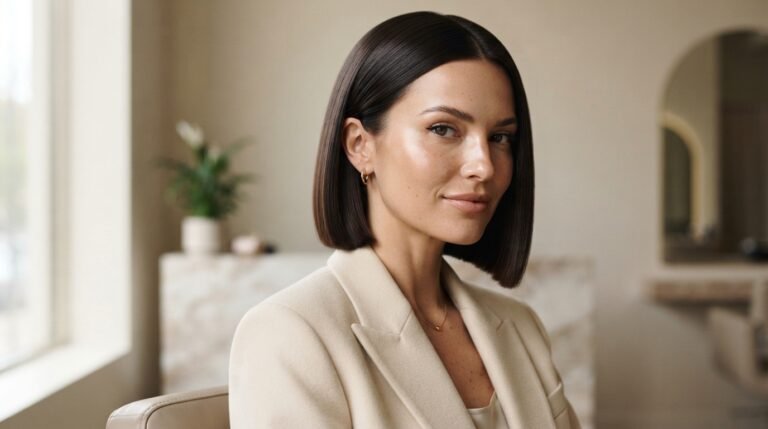
The wolf cut has earned its place as one of the most adaptable statement haircuts because it can shift dramatically depending on length, texture, fringe, and styling. Instead of looking like one fixed hairstyle, it can feel soft and romantic, edgy and rebellious, polished enough for everyday wear, or wonderfully undone. The signature combination of shorter, textured layers around the crown and longer movement through the back gives you plenty of room to personalize the shape.
If you’re saving hairstyle inspiration on Pinterest because you’re ready for something different, the details matter more than simply asking for a “wolf cut.” A few inches of length, a change in bang shape, or working with your natural waves can completely transform the result. Below, you’ll find 23 distinct ideas designed to help you identify the version that actually fits your personality, hair texture, styling routine, and desired level of drama.
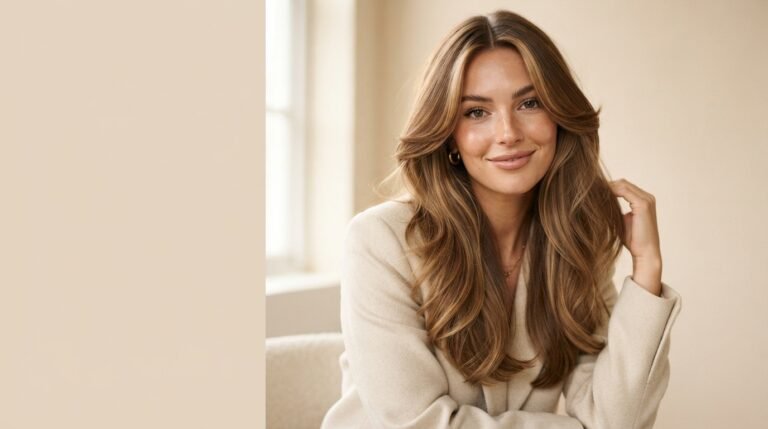
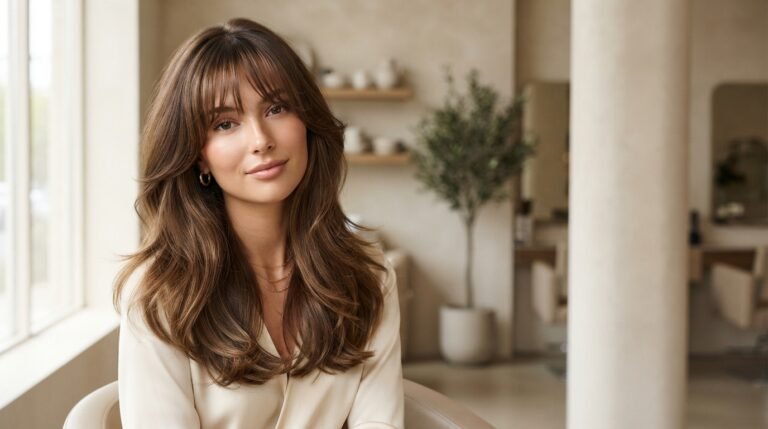
1. Soft Long Wolf Cut With Curtain Bangs
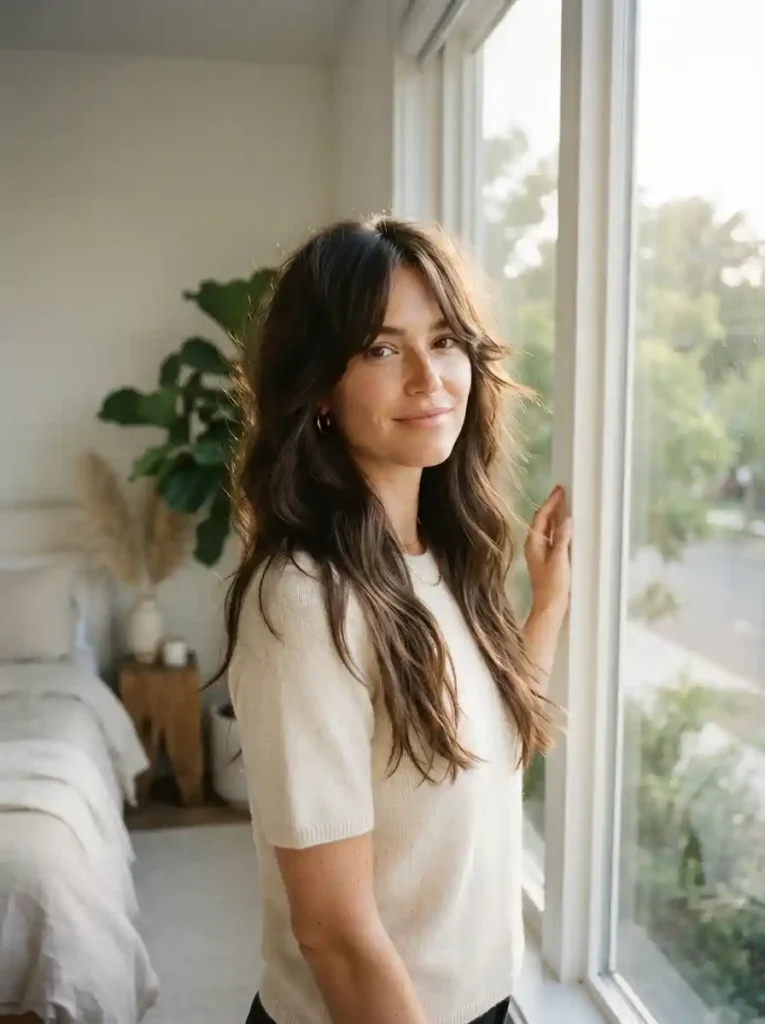
A long wolf cut is an excellent choice when you love layered movement but aren’t ready to sacrifice substantial length. Ask your stylist to keep the lower perimeter generous while creating shorter, feathered crown layers that gradually connect with the longer sections. Curtain bangs make the transition around the face feel softer, especially when they begin around the cheekbones. This version suits people who want noticeable texture without creating an extremely short or heavily disconnected silhouette.
For styling, concentrate volume at the crown rather than teasing the entire head. A lightweight mousse can lift the roots, while a round brush or large rollers can encourage the curtain fringe to curve away from your face. Let the longer ends retain some natural movement instead of making them perfectly smooth. Regular trims help preserve the layered shape, particularly if the longest pieces begin looking heavy or lose their feathery finish.
2. Short Wolf Cut With Piecey Fringe
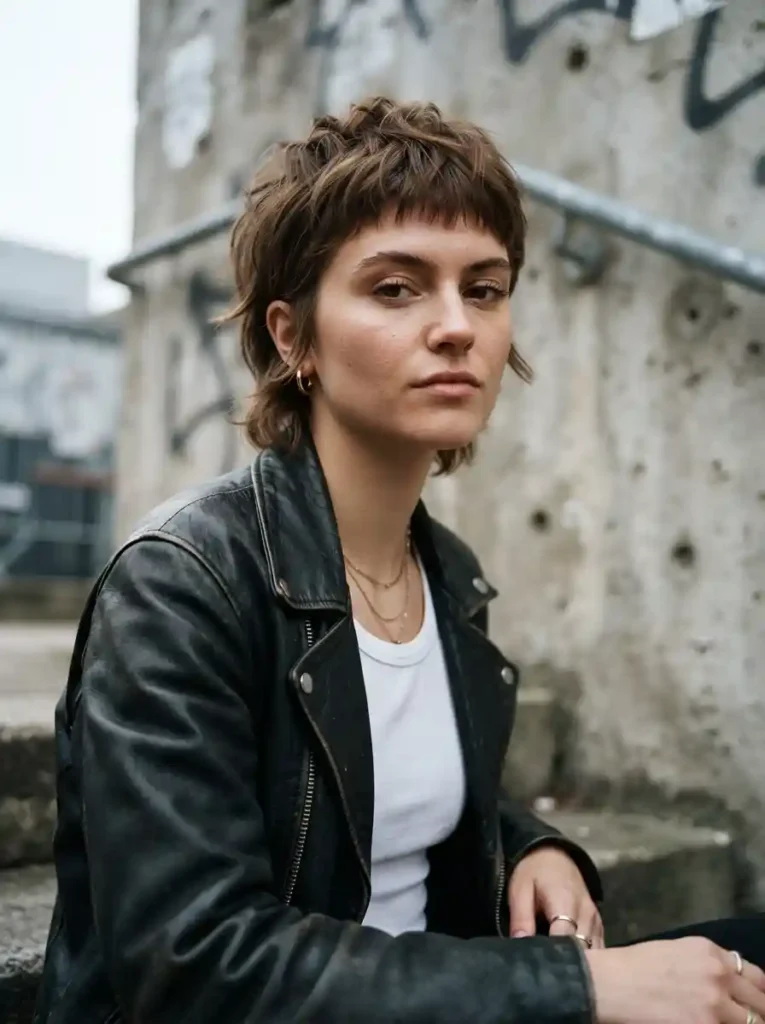
A short wolf cut creates a much stronger change in silhouette because the layers begin closer to the face and neck. This version works beautifully for someone who wants an energetic haircut without committing to a traditional pixie. Keep the crown noticeably textured while allowing a little length around the ears and nape. A piecey fringe adds personality and prevents the shorter shape from looking overly neat or conventional.
The easiest styling approach is to work with separation rather than trying to smooth every strand. Apply a small amount of lightweight styling cream or matte paste between your fingertips, then pinch selected ends outward. Avoid saturating the roots because heavy product can flatten the crown and make short layers look greasy. If your hair naturally has some wave, scrunching while damp may create enough texture without requiring heat or extensive styling.
3. Curly Wolf Cut With Defined Layers

A curly wolf cut should be designed around the curl pattern rather than copied from a straight-haired reference. Shorter crown layers can create lift, while strategically placed face-framing pieces allow curls to form around the cheekbones and jaw. The stylist should consider how much each curl contracts when dry before deciding the final length. Keeping enough weight at the ends can also prevent the back from appearing excessively thin.
For everyday styling, apply curl cream or mousse to very damp hair and encourage the curls upward with gentle scrunching. A diffuser on low heat can help the crown dry with definition while maintaining volume. Avoid repeatedly brushing or touching curls once they begin drying, since excessive manipulation can disrupt the curl pattern and create unnecessary frizz. The finished effect should look dimensional and intentionally textured rather than uniformly perfect.
4. Wavy Wolf Cut With Shaggy Texture

Naturally wavy hair is particularly suited to a wolf cut because the layers can encourage existing movement instead of forcing the hair into a completely new texture. For a balanced shape, ask for enough crown layering to create lift without removing excessive density from the ends. Face-framing pieces can begin around the cheek or jaw, depending on how much definition you want around the face.
To style this version, avoid treating every wave as something that needs correction. Scrunch a lightweight wave cream through damp lengths, then either air-dry or diffuse gently. Once completely dry, separate a few pieces with your fingers to reveal the layers. If your waves become puffy, use a tiny amount of smoothing serum only on the outer lengths. The goal is controlled movement with visible texture, not a rigidly arranged finish.
5. Wolf Cut With Bottleneck Bangs
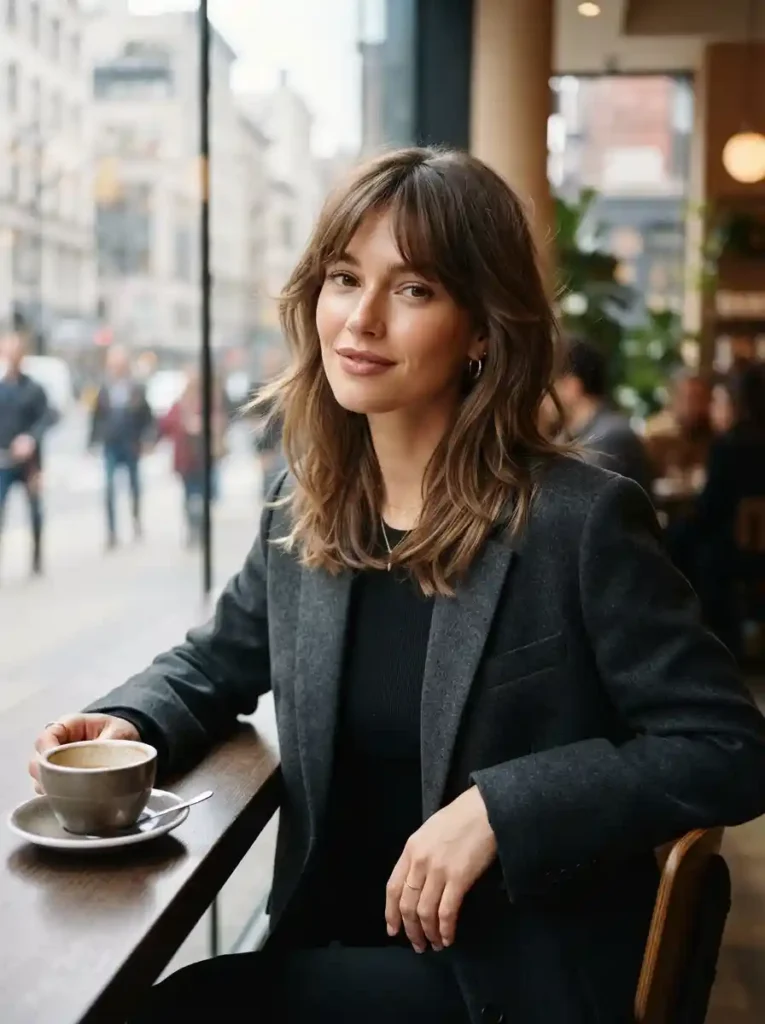
Bottleneck bangs offer a refined alternative to heavier traditional fringe. They are shorter through the center and gradually lengthen toward the temples, making them especially useful when you want the face-framing effect of bangs without a solid horizontal line. Pairing them with a wolf cut keeps the overall shape textured while giving the front a more deliberate, polished appearance.
When styling, direct the shorter center section downward while gently sweeping the longer sides outward. A small round brush can create that subtle opening without producing an exaggerated curl. Because the fringe sits close to the forehead, lightweight products are preferable. If you’re nervous about committing to bangs, discuss the starting length with your stylist and leave the center slightly longer initially; it can always be shortened after you see how it behaves.
6. Long Wolf Cut With Face-Framing Layers
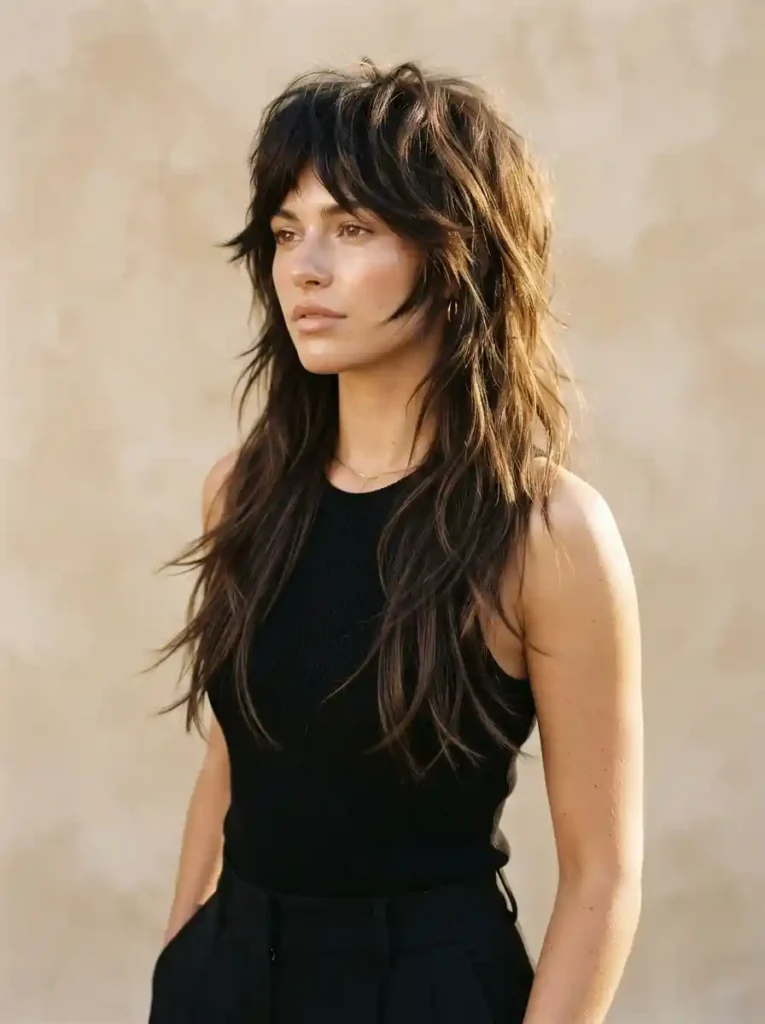
If you want the recognizable wolf-cut shape while keeping your hair long, emphasize the contrast between the shorter upper layers and the extended lower length. Face-framing pieces can provide most of the visible transformation from the front, while the back retains enough length to create a dramatic cascading effect. This option is useful for someone who wants movement without turning the haircut into a short, highly disconnected style.
Long layered hair can become difficult to manage if too much weight is removed at once, so communicate your desired fullness clearly. Ask for texture that supports movement rather than aggressively thinning every section. For styling, use a large round brush to lift the face-framing pieces, then leave the longest lengths softly bent. A middle or slightly off-center part can change how dramatically those shorter pieces frame your face.
7. Shaggy Wolf Cut With Wispy Bangs

Wispy bangs give a wolf cut a lighter, more relaxed appearance than dense full fringe. The individual pieces allow some forehead to remain visible, which can make the haircut feel less visually heavy. Combined with choppy crown layers, they create a deliberately undone shape that works especially well with medium-length hair. This is also a practical option if you like fringe but dislike the feeling of a thick section resting across your forehead.
To keep wispy bangs from becoming stringy, use very little product near the roots. Blow-dry them gently from side to side before directing the ends slightly forward or outward. Once dry, separate a few pieces with clean fingertips. If your hair is oily at the fringe, dry shampoo can add grip, but apply it sparingly. The rest of the wolf cut can remain textured and loose, making styling relatively forgiving between wash days.
8. Wolf Cut Bob With Short Layers

A wolf cut bob combines the compact shape of a bob with the irregular movement of shag-inspired layers. Instead of a blunt line around the jaw, the ends are softened and broken up, while the crown receives enough layering to create lift. This makes the haircut feel lighter and more energetic than a conventional bob. It can be especially appealing when you want a dramatic change without going extremely short.
Because the overall length is compact, the cut’s proportions become important. Ask your stylist where the longest pieces should finish relative to your jaw and neck. For styling, dry the crown upward with your fingers or a small round brush, then use a texturizing product on selected ends. Avoid over-layering already fine hair, since excessive removal can make the lower perimeter appear sparse instead of intentionally wispy.
9. Wolf Cut With Curtain Fringe And Flipped Ends

Flipped ends give the wolf cut a more playful retro personality while preserving its modern layered structure. The key is to create movement at the perimeter rather than curling every section identically. Curtain fringe can echo that outward direction, connecting the front to the rest of the haircut. Medium or shoulder-length hair gives this version enough room for the ends to visibly swing without becoming cumbersome.
For an easy finish, dry the roots first and then use a medium round brush to turn the ends away from the face. You can also use a large-barrel curling iron on a few sections, leaving the tips slightly straighter for a relaxed flip. Heat protectant is important whenever hot tools are involved. Finish by separating the layers with your fingers rather than brushing through the entire style.
10. Wolf Cut For Thick Hair With Removed Bulk
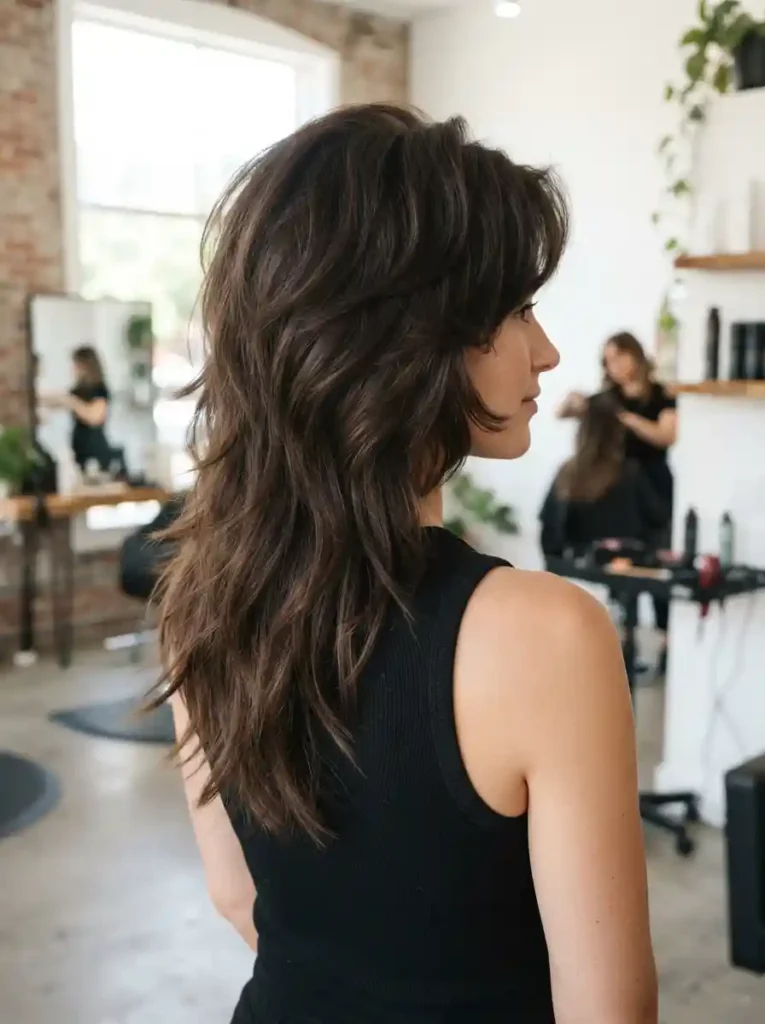
Thick hair can make a wolf cut look impressively full, but excessive density can also make the crown feel bulky. The most useful approach is strategic layering that removes weight while preserving enough perimeter fullness to keep the haircut substantial. Ask your stylist to consider where your hair naturally expands before deciding how short the upper layers should be. The goal is movement and shape, not simply making thick hair thinner.
Styling can be easier when products are concentrated strategically. Apply a lightweight smoothing or texture product through the mid-lengths and ends while keeping the scalp relatively clean. Dry the crown with lift, then direct heavier sections away from the face. If your hair tends to become triangular as it grows, regular reshaping around the sides can maintain the intended wolf-cut silhouette without requiring frequent changes to the overall length.
11. Wolf Cut For Fine Hair With Airy Volume

Fine hair can wear a wolf cut successfully when the layering is carefully controlled. Instead of removing large amounts of density throughout the entire head, focus on creating movement at the crown and around the face while keeping the lower sections relatively full. A softer wolf cut can provide the impression of texture without leaving the ends looking overly thin. Bring reference photos that show the amount of fullness you want preserved.
Styling should prioritize root lift and separation rather than heavy texture. Apply lightweight mousse near the crown, then blow-dry upward using your fingers or a small brush. A dry texture spray can add grip afterward, but too much can make fine hair feel coated and limp. Avoid loading the ends with oils or thick creams. If your hair is especially delicate, ask your stylist to use a gentler approach to texturizing.
12. Wolf Cut With Bold Money-Piece Highlights

Strategic face-framing highlights can make the layers of a wolf cut easier to see, especially when the base color is deep or naturally uniform. Instead of coloring large sections, concentrated brightness around the front can emphasize cheekbone pieces and fringe. Warm caramel, honey, copper, or lighter beige tones can create different moods depending on your natural color. The placement matters more than simply choosing a dramatic shade.
Because lightened hair may require additional care, keep the rest of the styling routine gentle. Use heat protectant before hot tools and avoid repeatedly applying high heat to already processed pieces. A lightweight conditioning product can keep the highlighted sections flexible without flattening the crown. When discussing the color with your stylist, show both your preferred brightness and the amount of contrast you actually want against your natural base.
13. Copper Wolf Cut With Retro Texture
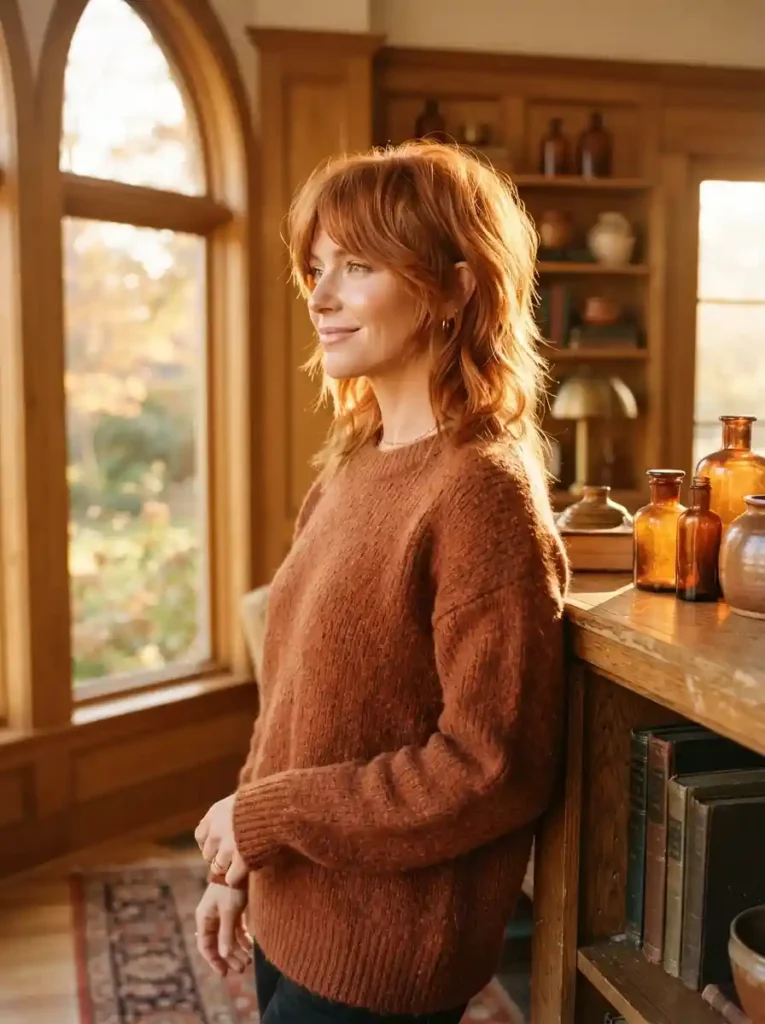
Copper hair and a textured wolf cut create a particularly expressive combination because the layered shape gives the color multiple surfaces to catch the light. A medium-length cut allows the copper tone to remain visible through both the shorter crown and longer back. Soft curtain bangs can keep the color statement approachable, while more dramatic fringe can push the look toward vintage rock-and-roll territory.
Color-treated hair benefits from a styling routine that protects both shine and texture. Use gentle cleansing and avoid excessive heat whenever possible. When drying, lift the crown while leaving the longer pieces slightly tousled rather than repeatedly brushing them smooth. A small amount of shine-enhancing product on the ends can make copper tones appear richer, but keep it away from the roots so the layered volume remains intact.
14. Black Wolf Cut With Dramatic Face Framing
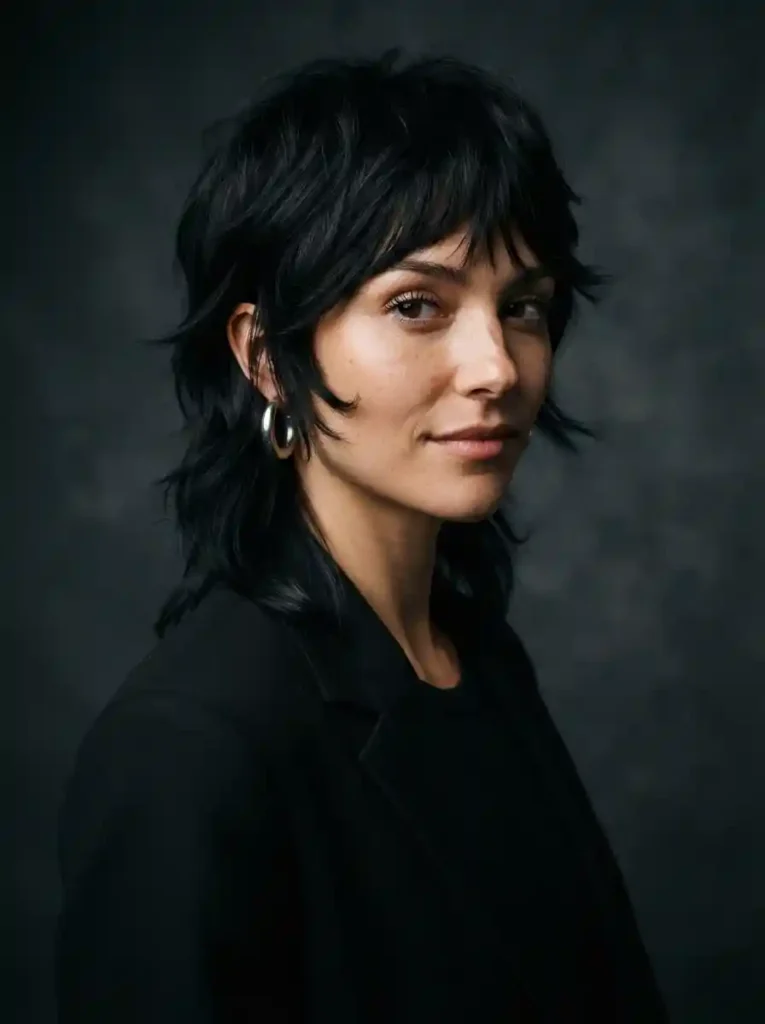
A black wolf cut can look especially striking when the face-framing layers are deliberately visible against the darker color. Rather than relying on color contrast, the haircut itself creates dimension through changing lengths and texture. Ask for the shortest face-framing pieces to sit where you want attention drawn, such as the cheekbones or jaw. Keeping some length behind those sections prevents the style from becoming overly cropped.
The darker color also makes shine and surface texture noticeable, so avoid making every strand equally polished. A light styling cream can define individual pieces without creating stiffness. Use your fingers to separate the front layers after drying, then leave the ends slightly irregular. If your hair is naturally very straight, a few subtle bends created with a styling tool can help reveal the different lengths without turning the look into obvious curls.
15. Blonde Wolf Cut With Beachy Texture
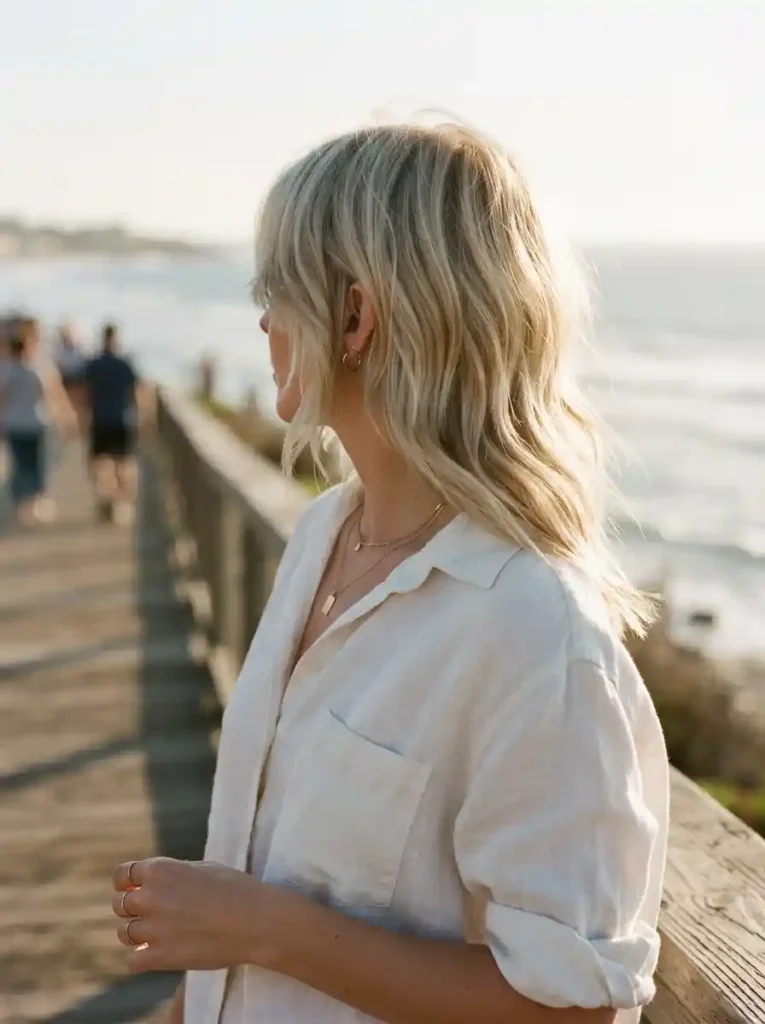
Beachy texture gives a wolf cut an easygoing finish without requiring perfectly defined waves. This version works particularly well when the layers are long enough to move freely around the shoulders. Keep the crown light and slightly lifted while allowing the lower lengths to retain a softer wave. The result feels casual rather than overly styled, making it a useful option for someone who prefers relaxed hairstyles.
For everyday texture, work a lightweight wave-enhancing product through damp hair and scrunch gently. Air-drying can preserve natural movement, while a diffuser can add more lift if your roots tend to fall flat. Once dry, loosen the waves with your fingers instead of a brush. If the blonde hair is color-treated, limit unnecessary heat and protect the ends with a lightweight conditioner or leave-in product.
16. Wolf Cut With Micro Bangs
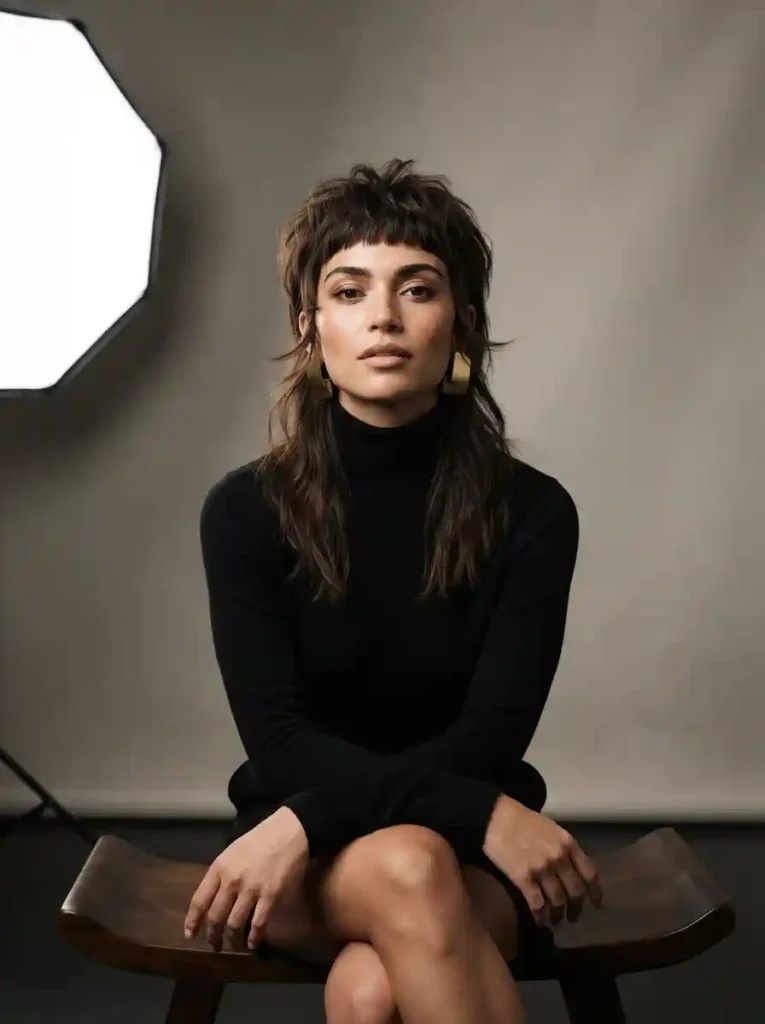
Micro bangs turn the wolf cut into a much more fashion-forward statement by creating a strong visual break across the forehead. The contrast between the short fringe and longer, messy layers makes the haircut immediately distinctive. This version is best for someone comfortable with visible change and regular fringe maintenance. Your stylist can adjust the width and softness of the bangs so they feel intentional rather than overly severe.
Because micro bangs are short, even small changes in length become noticeable. Style them simply by blow-drying forward while gently directing them into place with your fingers. Avoid heavy oils or creams around the forehead. If you’re unsure about committing, ask for a slightly longer fringe first; you can gradually shorten it after seeing how your natural hairline and texture respond. The rest of the wolf cut can remain loose and imperfect.
17. Shoulder-Length Wolf Cut With Soft Layers

A shoulder-length wolf cut is a useful middle ground when you want visible layering without either very long hair or an extremely short silhouette. Keeping the lower perimeter near the shoulders gives the hairstyle enough weight to feel substantial, while shorter crown pieces introduce lift. Softer layers make this version easier to wear in professional or casual settings because the overall shape remains recognizable without looking overly extreme.
This length also offers plenty of styling flexibility. You can air-dry it for natural texture, create loose bends with a curling iron, or smooth the outer layers for a cleaner finish. When styling with heat, work in sections so the crown does not become excessively flat. A middle part emphasizes symmetry, while a slightly off-center part can create extra volume on one side and make the layers appear more spontaneous.
18. Wolf Cut With Side-Swept Bangs

Side-swept bangs offer a softer alternative to curtain or full fringe, especially if you like the idea of face framing but prefer hair that can move away from the forehead. The diagonal shape creates visual movement that complements the choppy layers of a wolf cut. Keep the longest section connected to the side layers so the fringe doesn’t look like a separate piece placed on top of the haircut.
Styling is easiest when the fringe is directed while damp. Blow-dry it across the forehead first, then sweep it back toward the preferred side once the roots are dry. This helps prevent the bangs from splitting unpredictably. A small amount of flexible hairspray can hold the direction without making the hair stiff. On casual days, let the fringe loosen naturally and use your fingers to reshape it rather than starting the entire style again.
19. Shaggy Wolf Cut With Punk-Inspired Texture

For a stronger, punk-inspired wolf cut, increase the contrast between the crown and the longer sections while keeping the ends visibly separated. Choppy side pieces and a piecey fringe reinforce the rebellious character, while a longer nape prevents the haircut from becoming simply a short shag. This version suits someone who wants their haircut to carry most of the visual personality even with minimal clothing or accessories.
Texture is the priority when styling this shape. Start with dry or nearly dry hair and use a small amount of matte styling paste to separate selected pieces. Twist or pinch the ends instead of coating the entire head. Avoid making every section identical; irregularity is part of the aesthetic. If you use a razor-textured cut, discuss maintenance with your stylist so the ends remain intentional rather than becoming excessively thin as the haircut grows.
20. Soft Romantic Wolf Cut With Feathered Ends
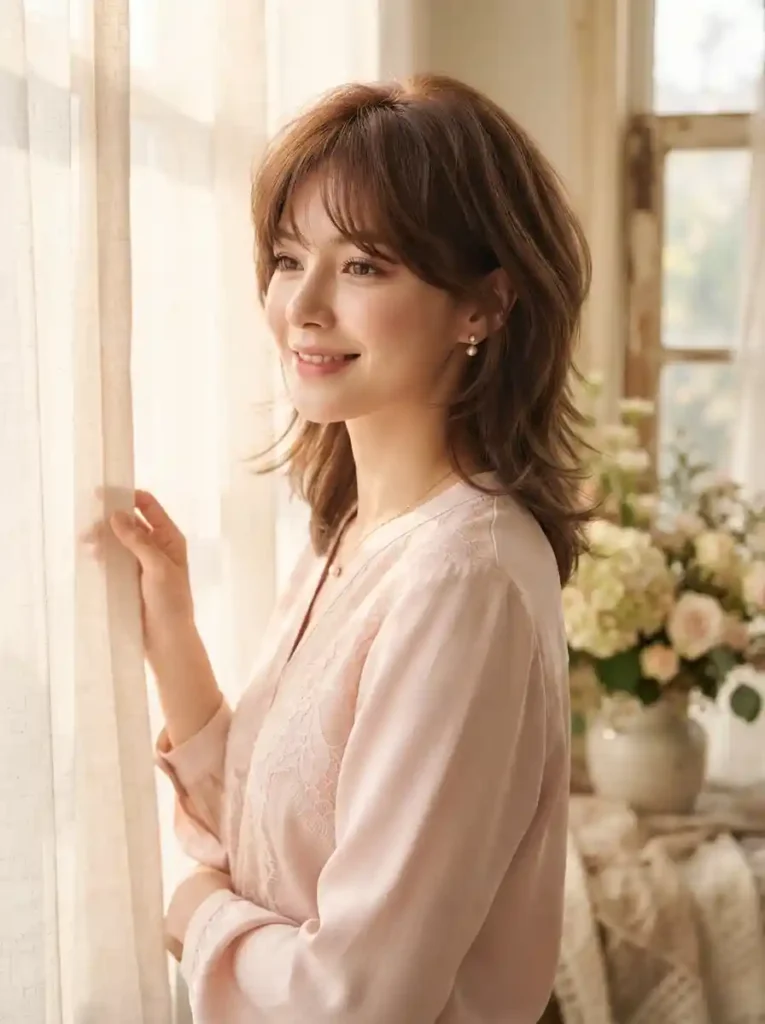
A romantic wolf cut proves the style doesn’t always need to look rebellious or deliberately messy. By keeping the crown layers rounded, the face framing gentle, and the ends feathered instead of sharply choppy, you can create a softer silhouette. This approach is ideal if you like the movement of a wolf cut but want something that pairs naturally with feminine dresses, polished outfits, or understated accessories.
Use a round brush to create smooth lift through the crown and a soft bend around the face. The ends should remain flexible rather than tightly curled. A lightweight finishing cream can reduce stray flyaways while preserving movement. If your hair is naturally wavy, you can embrace that texture instead and simply refine the front pieces. The important distinction is keeping the layering airy rather than aggressively separated.
21. Wolf Cut With Subtle Balayage
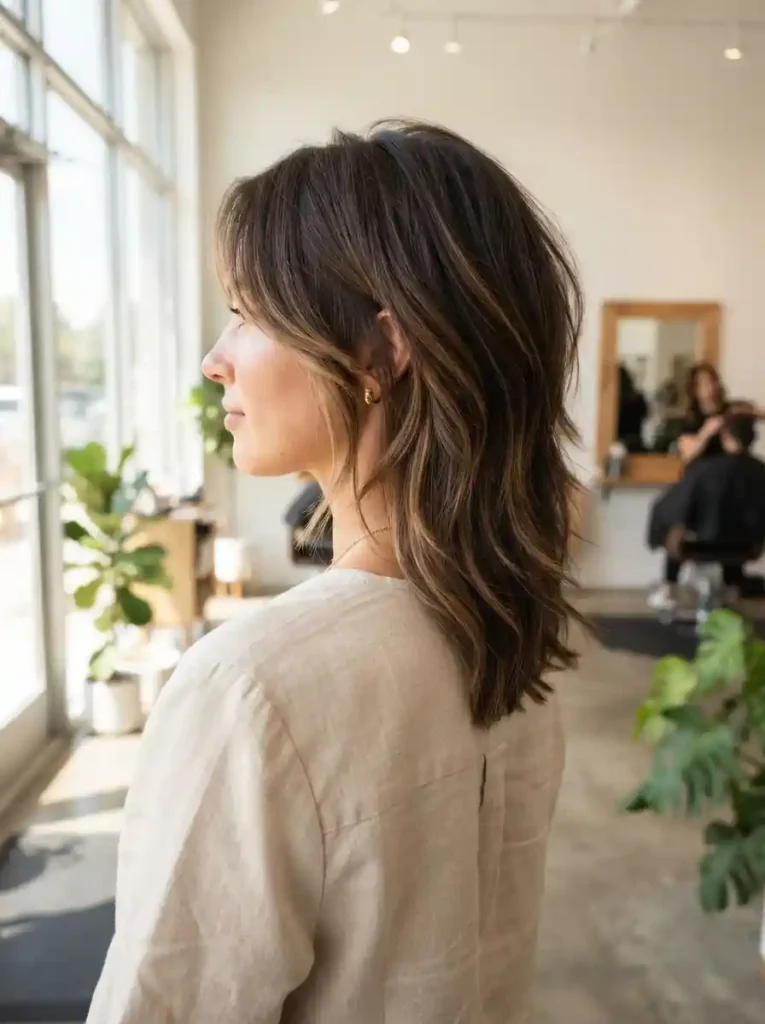
Balayage can add dimension to a wolf cut without creating the stronger contrast of bold front highlights. Hand-painted lighter pieces through the face-framing layers and mid-lengths can remain the foundation rather than letting the color overpower it. Use a gentle styling routine that protects the lighter pieces, particularly around the ends. When styling, soft waves or bends can make the and a noticeably longer tapered nape reaching the upper shoulders; wearing a fitted leather jacket and minimalist jewelry, posed against a dark urban alley with subtle neon reflections, evening side shorter upper sections and longer nape more obvious.
The haircut should remain the foundation rather than letting the color overpower it. Use a gentle styling routine that protects the lighter pieces, particularly around the ends. When styling, soft waves or bends can make the balayage appear more dimensional because different layers catch the light at different angles. If you want lower maintenance, ask for color placement that grows out naturally rather than requiring frequent root appointments.
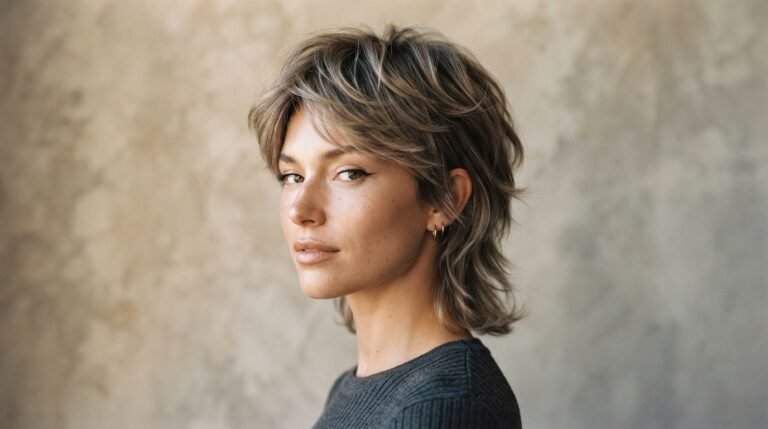
22. Mullet-Leaning Wolf Cut With Long Nape
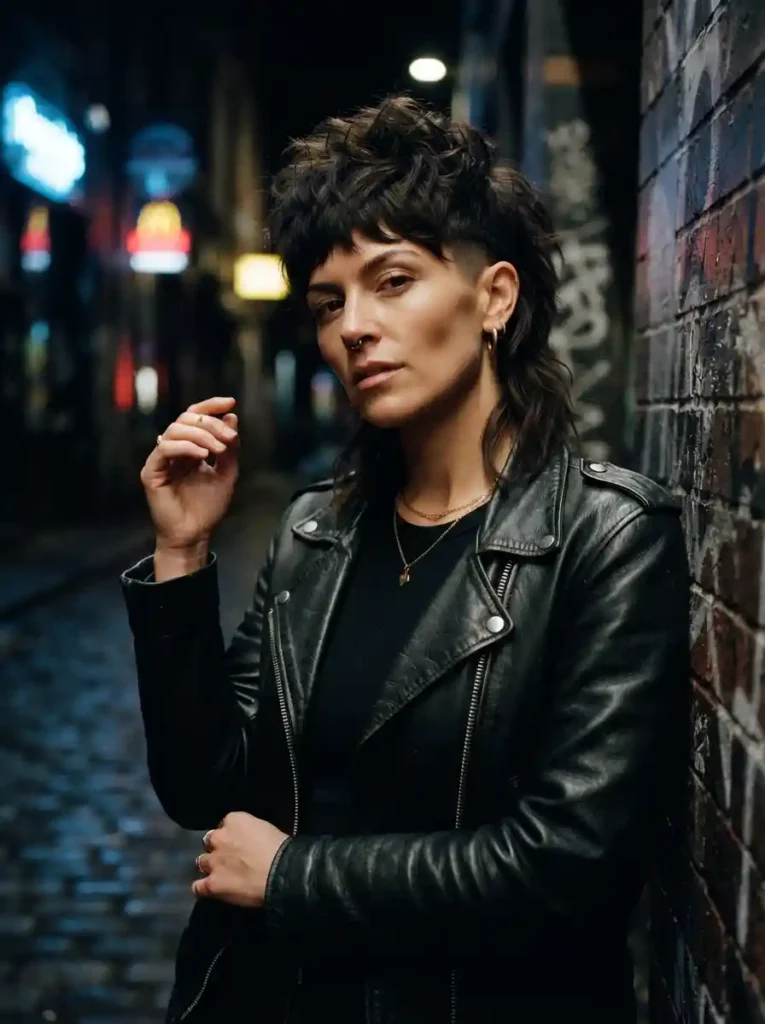
A mullet-leaning wolf cut pushes the haircut toward its edgier side by making the difference between the shorter upper sections and longer nape more obvious. The sides can be kept tighter around the ears while the back extends toward the shoulders. This is the choice for someone who wants the wolf-cut concept to feel unmistakably bold rather than soft or traditionally layered.
Because the shape depends on contrast, bring side and back reference photos to your appointment. A front-facing image alone won’t communicate how long or tapered you want the nape. Styling can remain surprisingly simple: lift the crown, define the shorter side pieces, and let the longer back move naturally. If you later want a softer appearance, growing the side layers slightly longer can gradually shift the haircut toward a shag-dominant wolf cut.
23. Polished Wolf Cut With Sleek Finish
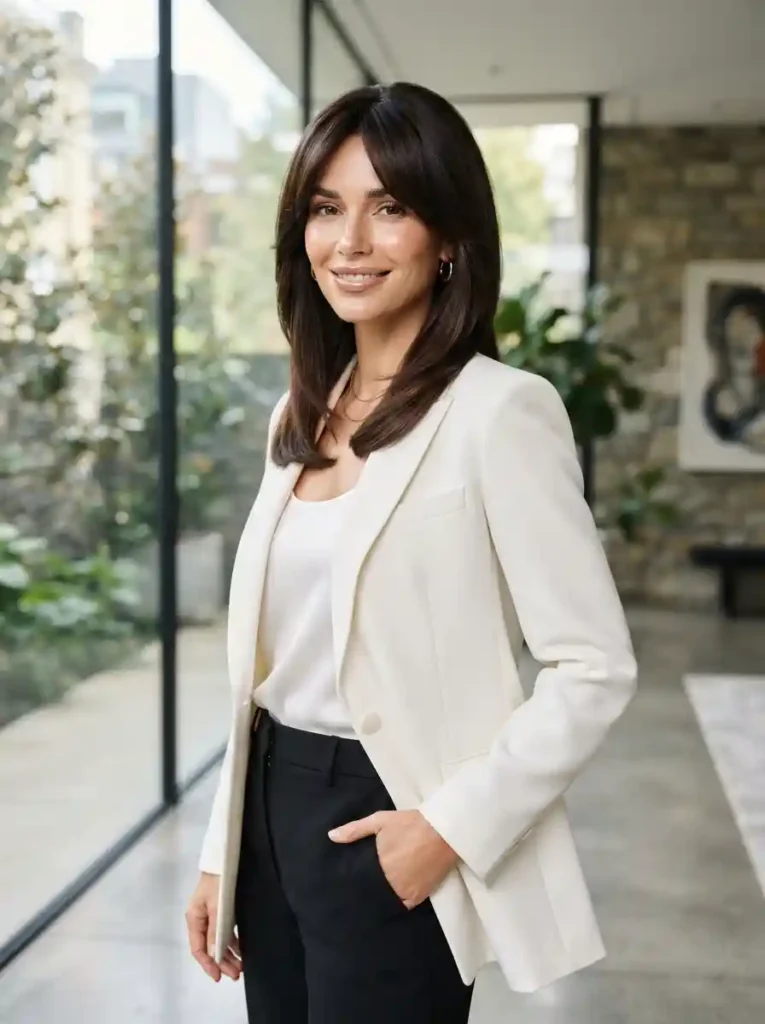
A polished wolf cut shows how versatile the shape can become when you reduce the deliberately messy texture. Keep the crown layered enough to retain lift, but smooth the surface and define the face-framing pieces with cleaner bends. This version works well when you want the structure of a wolf cut while maintaining a refined appearance suitable for dinners, events, creative workplaces, or more dressed-up outfits.
To create the finish, apply heat protectant and dry the hair in controlled sections. Use a large round brush to smooth the crown and shape the front layers, then add gentle bends through the longer pieces rather than tight curls. Finish with a small amount of lightweight serum on the ends for shine. Avoid pressing the entire haircut flat, because retaining some crown height is what keeps it recognizable as a wolf cut.
Final Thoughts
Choosing a wolf cut is less about finding one “perfect” version and more about identifying the combination of length, layering, fringe, texture, and maintenance that fits your everyday life. A long curtain-bang style can preserve plenty of length, while a short piecey version creates a sharper transformation. Curly and wavy variations can emphasize natural texture, whereas sleek or romantic finishes show that the cut doesn’t have to look deliberately messy.
Before your appointment, save two or three references that resemble your own hair density and texture rather than choosing only by color or face. Show your stylist the front, side, and back shapes you like, and explain how much styling you’re realistically willing to do. The best wolf cut is one whose shape still feels like you after the salon finish disappears.