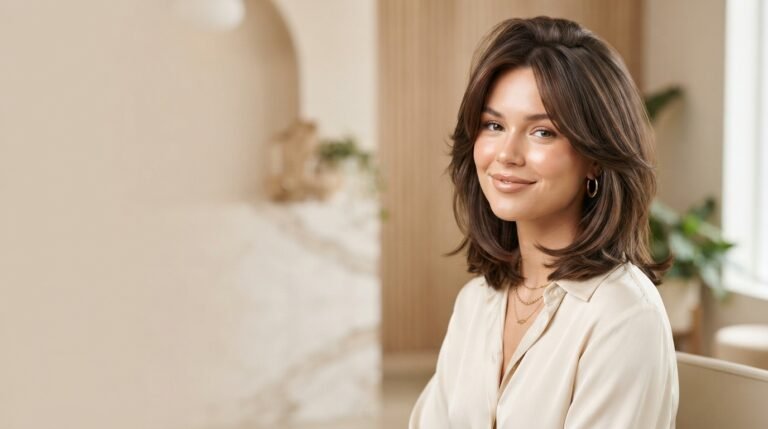
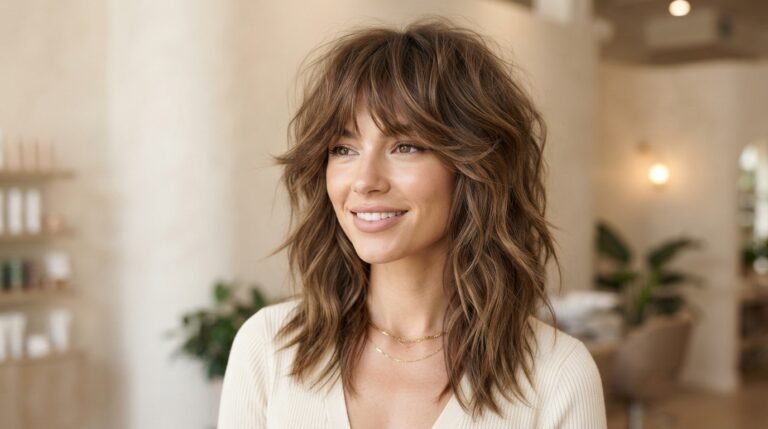
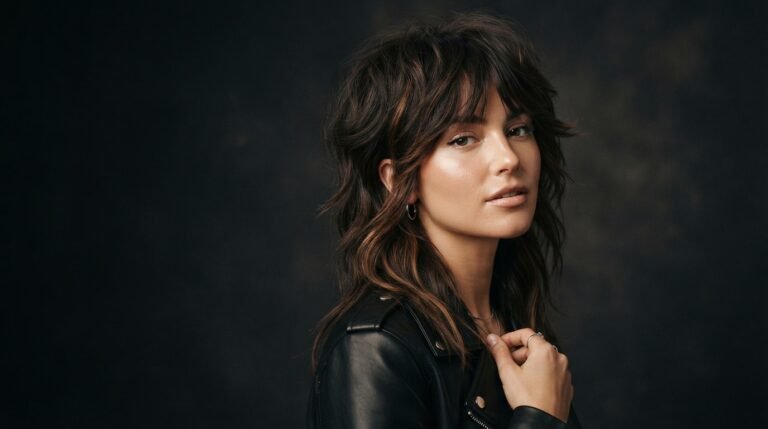
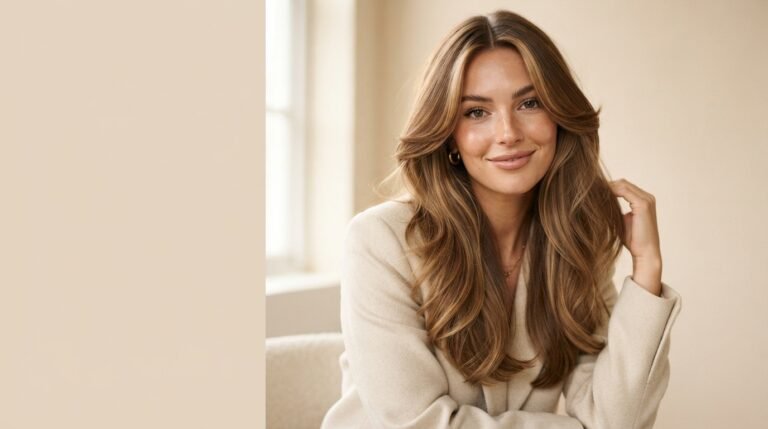
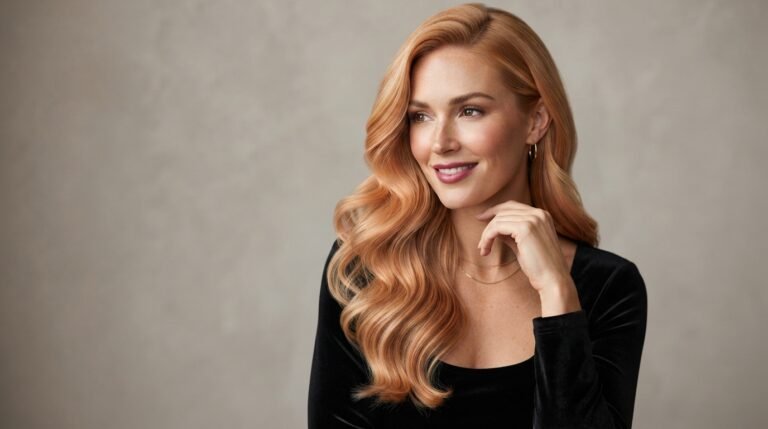
A great bob haircut can completely change the way your style feels without requiring an extreme transformation. Whether you prefer polished and sophisticated, soft and romantic, or textured and effortlessly cool, there is a bob shape that can work beautifully with your features and everyday routine. The best part is how customizable this classic cut has become: length, layers, fringe, texture, and styling can all shift the personality of the look.
In this collection, you’ll find 20 chic bob haircut ideas designed to inspire your next salon appointment. Some are sleek and refined, while others bring movement, volume, or a playful edge. You’ll also discover practical details about who each style suits, how to personalize it, and what to consider before making the chop. Save your favorites, compare the shapes, and use the ideas below as inspiration when discussing your ideal bob with your stylist.
1. Classic Chin-Length Bob
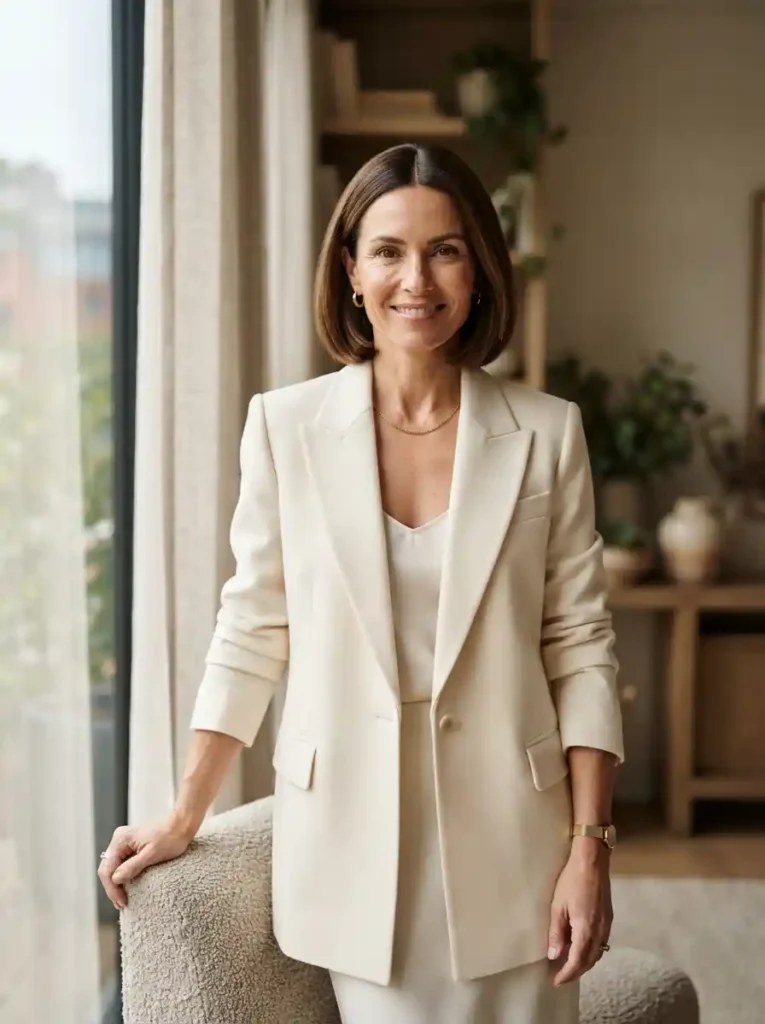
The chin-length bob remains a dependable choice because its proportions create a clean frame around the face without feeling overly severe. Keeping the ends near the chin gives fine or medium hair a visually fuller outline, while a subtle inward bend can make the silhouette look polished. Ask your stylist to consider your jawline and neck length when choosing the exact finishing point, since even a small adjustment can change the overall effect significantly.
For everyday styling, this bob works beautifully with a smooth blow-dry, but it does not need to look perfectly flat. A round brush can gently curve the ends under, while a flat iron can create a sharper finish for evenings or professional settings. If your hair naturally has movement, embrace it rather than fighting it. Regular trims are especially useful because the clean shape becomes noticeable as the ends grow uneven.
2. French Bob With Soft Fringe
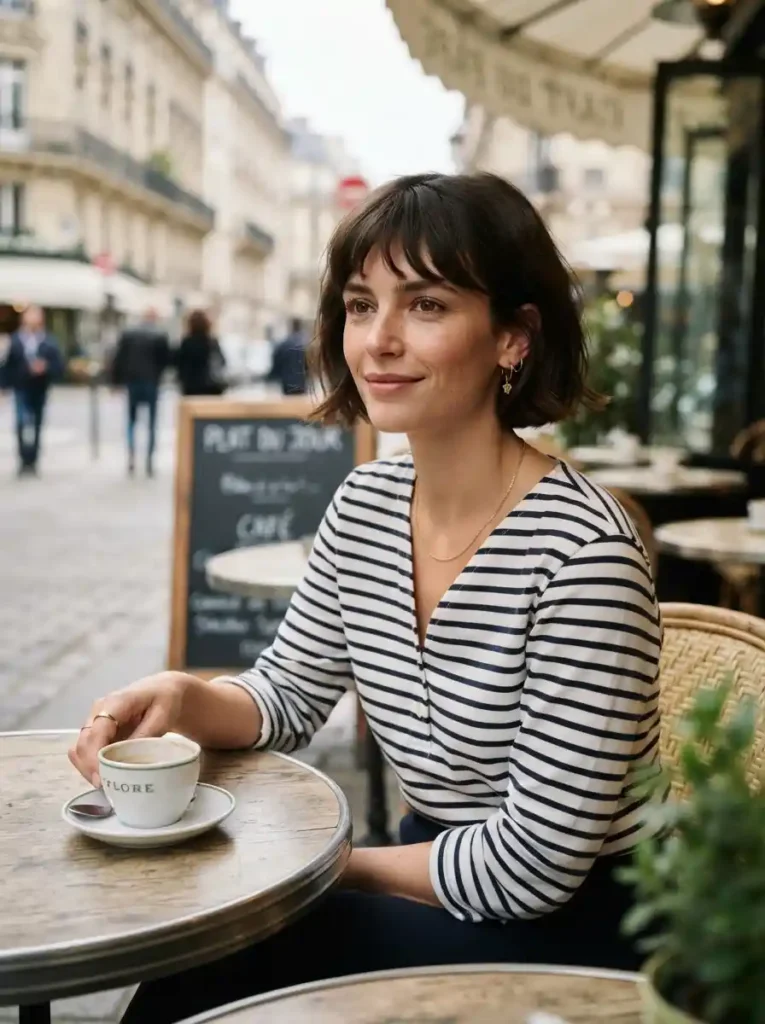
A French bob brings a distinctly effortless character to short hair, especially when paired with a soft fringe. The shorter length usually sits around the jaw or cheekbone area, creating a compact silhouette that draws attention toward the eyes and cheekbones. It is particularly appealing if you enjoy hairstyles that look intentionally undone rather than meticulously styled. Your stylist can adjust the fringe density and bob length to balance your preferred level of softness.
Texture is what keeps this haircut from appearing too formal. Try applying a lightweight styling cream to damp hair, then allow it to air-dry or use a diffuser for gentle movement. Avoid heavy oils near the roots, which can flatten the shape. Because the fringe sits prominently around the face, it may require more frequent trims than the rest of the haircut. A tiny amount of dry shampoo can also refresh its airy texture between washes.
3. Sleek Blunt Bob
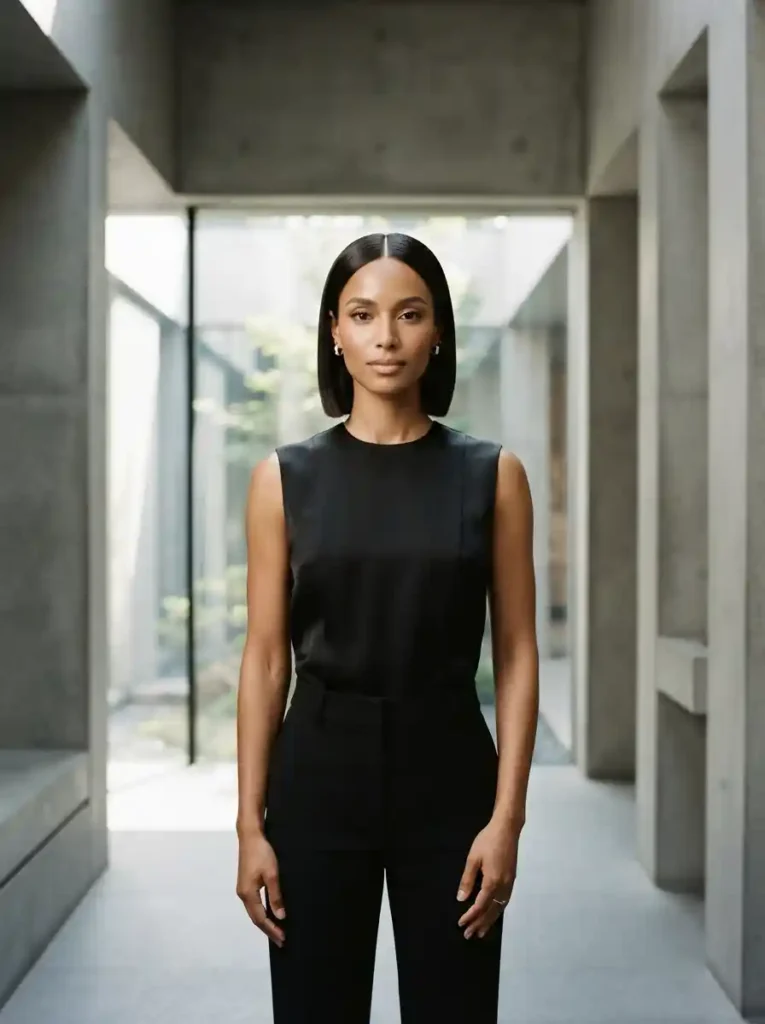
A sleek blunt bob is ideal when you want your haircut to make a polished statement. Its defining feature is the strong, uninterrupted line at the ends, which can make straight or fine hair appear denser. The cut looks especially striking when the length sits around the jaw, although a slightly longer version can feel more versatile. Bring reference photos to your stylist and discuss how much weight should remain through the ends.
Keeping the finish smooth requires attention to both technique and product choice. Use a heat protectant before blow-drying, then finish with a flat iron only where necessary to avoid unnecessary heat exposure. A lightweight shine serum can emphasize the crisp outline without making the hair greasy. If your hair has natural waves, you can still wear this cut successfully; simply expect the silhouette to look softer and less geometric on humid days.
4. Long Bob With Face-Framing Layers
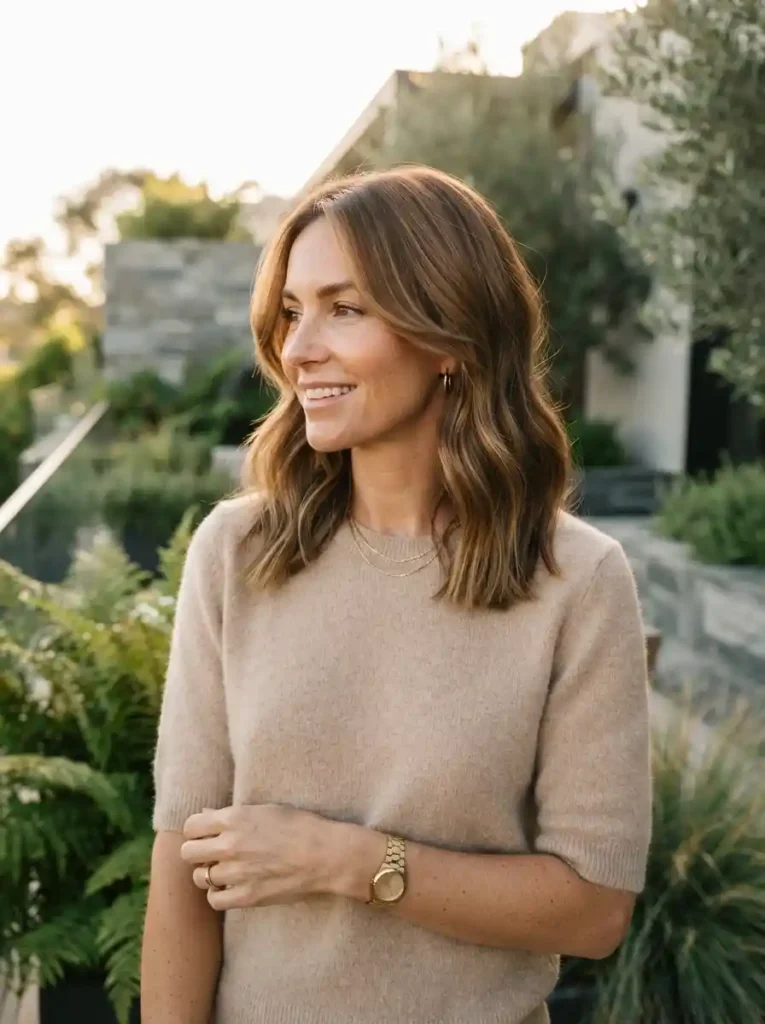
A long bob, often called a lob, offers an excellent middle ground if you like the idea of shorter hair but are not ready for a dramatic chop. Adding face-framing layers prevents the length from appearing heavy while directing attention toward the eyes and cheekbones. This variation is particularly adaptable because it can be worn straight, softly waved, or pulled into a low ponytail when needed.
When requesting this cut, tell your stylist whether you regularly wear your hair naturally or heat-style it. Layers should be positioned according to your texture rather than copied exactly from a photograph. For fine hair, keep the lower perimeter relatively strong so it retains density. For thick hair, carefully placed internal layers can remove bulk without making the ends look thin. The result should feel light around the face while maintaining a substantial overall shape.
5. Wavy Bob With Natural Texture

A wavy bob celebrates movement instead of trying to create a perfectly controlled finish. The ideal length depends on your natural wave pattern, but a shape around the jaw to shoulders often gives curls and waves enough room to form without becoming too bulky. Ask for layers that support your natural texture rather than excessive thinning, particularly if your hair tends to become frizzy or expand when dry.
Styling can remain surprisingly simple. Apply a lightweight curl cream or mousse to damp hair, gently scrunch, and allow it to air-dry or use a diffuser on low heat. Avoid brushing the finished waves because it can separate the curl pattern and create unnecessary frizz. A few strategically trimmed pieces around the face can also keep the haircut flattering when your waves shrink after drying. The goal is defined movement that still feels touchable.
6. Italian-Inspired Voluminous Bob
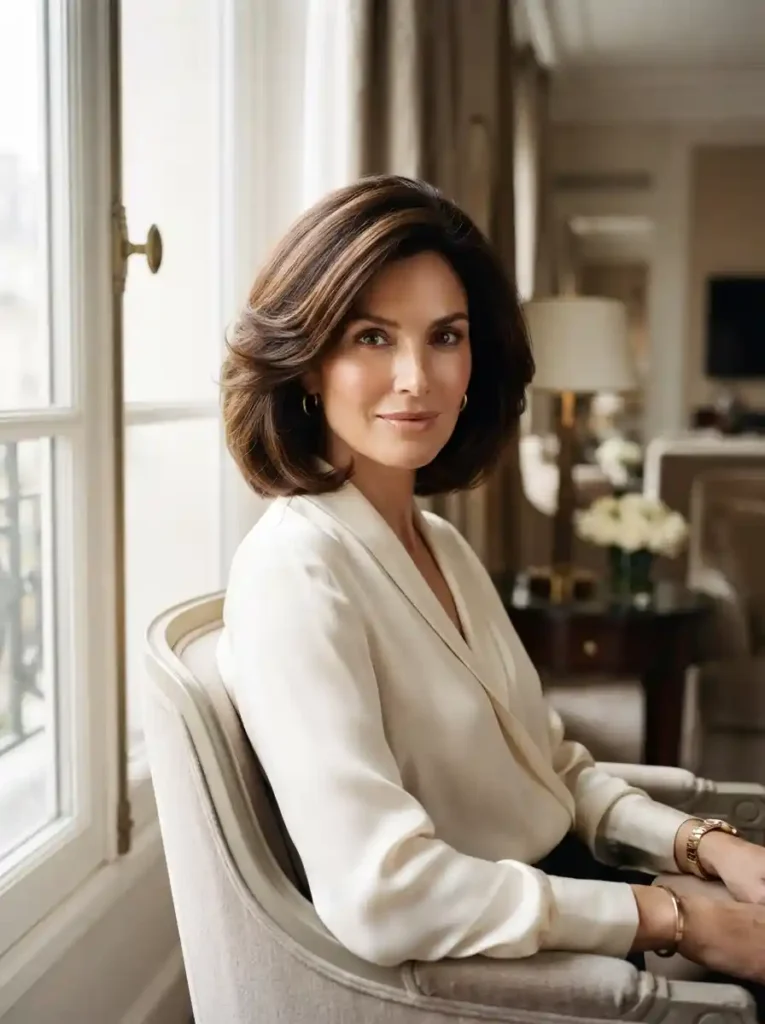
An Italian-inspired bob focuses on fullness, softness, and movement rather than a razor-sharp outline. It generally sits around the jaw to shoulders and uses carefully placed layers to create a rounded, expensive-looking shape. This version works particularly well for medium or thick hair because natural density helps support the volume. If your hair is fine, your stylist can preserve weight while introducing subtle layers higher in the shape.
To recreate the signature bouncy finish, begin with volumizing mousse at the roots and a heat protectant through the lengths. Blow-dry with a medium round brush, directing the hair away from the face before allowing the ends to settle naturally. Large rollers can provide additional lift without requiring excessive heat. Keep finishing products lightweight so the movement remains visible rather than becoming stiff or overly coated.
7. Layered Bob For Fine Hair

Fine hair can look remarkably full in a thoughtfully shaped bob, particularly when the perimeter remains substantial. Instead of removing large amounts of weight, ask your stylist for strategic layers that create movement while preserving density through the lower section. A slightly shorter shape at the back can also encourage lift. The most important detail is avoiding excessive thinning, which may leave delicate ends looking sparse or wispy.
Styling should concentrate on creating volume without weighing the hair down. Apply a lightweight mousse to damp roots, then blow-dry while lifting sections with a round brush or your fingers. Dry shampoo can add useful texture on second-day hair, even if your scalp does not need additional oil absorption. If you use a flat iron, keep the finish softly polished rather than pin-straight so the haircut retains visual fullness.
8. Graduated Bob With A Stacked Back
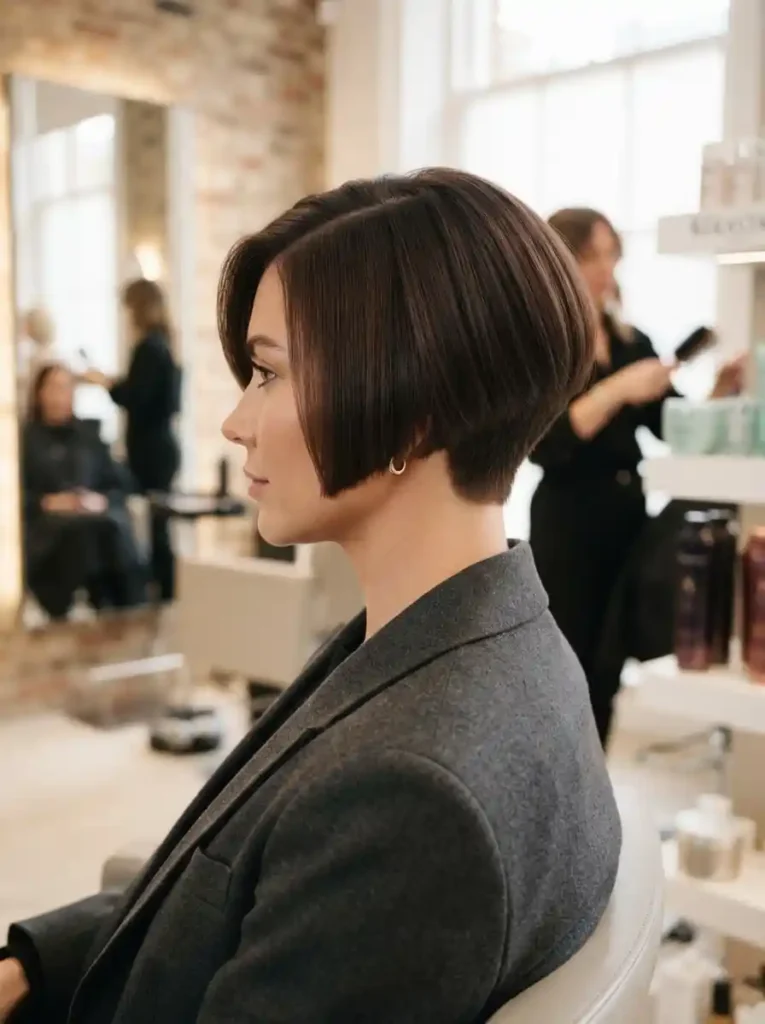
A graduated bob creates a noticeable change in length from the nape toward the front, producing lift and structure at the back of the head. It can be a smart option for thick hair because the graduated shape can remove some heaviness while maintaining a defined silhouette. The front can remain around chin length or slightly longer, allowing you to choose how dramatic the angle feels.
This haircut benefits from a stylist who understands how your hair behaves naturally. Too much graduation can make thick hair expand at the back, while too little may fail to create the intended shape. During styling, direct the shorter back sections downward and slightly inward with a brush to emphasize the curve. The longer front pieces can be smoothed forward or tucked behind one ear for a more relaxed variation.
9. Soft Bob With Curtain Bangs

Curtain bangs give a softer interpretation to the traditional bob by creating an open frame around the forehead and cheekbones. They can be particularly useful if you want fringe without the commitment of a dense straight-across bang. Keep the bob slightly longer if versatility matters to you, since a shoulder-grazing shape can still be tied back on busy days while the curtain pieces blend naturally into the sides.
The most flattering curtain bangs usually transition gradually into the rest of the haircut. Ask for enough length at the outer edges to prevent a disconnected appearance. Styling is easiest with a round brush: direct each side away from the center, then allow it to cool before gently separating the pieces. If your hair has a strong natural part, your stylist can adapt the fringe rather than forcing a perfectly symmetrical division.
10. Textured Shaggy Bob

A shaggy bob adds personality through uneven texture, airy layers, and deliberately relaxed ends. Unlike a blunt bob, it does not depend on a single precise perimeter. The shape can be adjusted for different hair densities, making it especially appealing if you prefer a low-maintenance haircut with visible movement. Ask your stylist to tailor the layers to your natural texture rather than relying on excessive razor work.
This haircut often looks better with a little imperfection, so resist the temptation to smooth every strand. Work a small amount of texturizing cream or lightweight mousse through damp hair, then scrunch or twist individual sections. Once dry, separate the ends with your fingertips. If you have very thick hair, internal weight removal may help prevent the bob from becoming triangular. Fine hair usually benefits from fewer, strategically placed layers.
11. Asymmetrical Bob With A Modern Edge
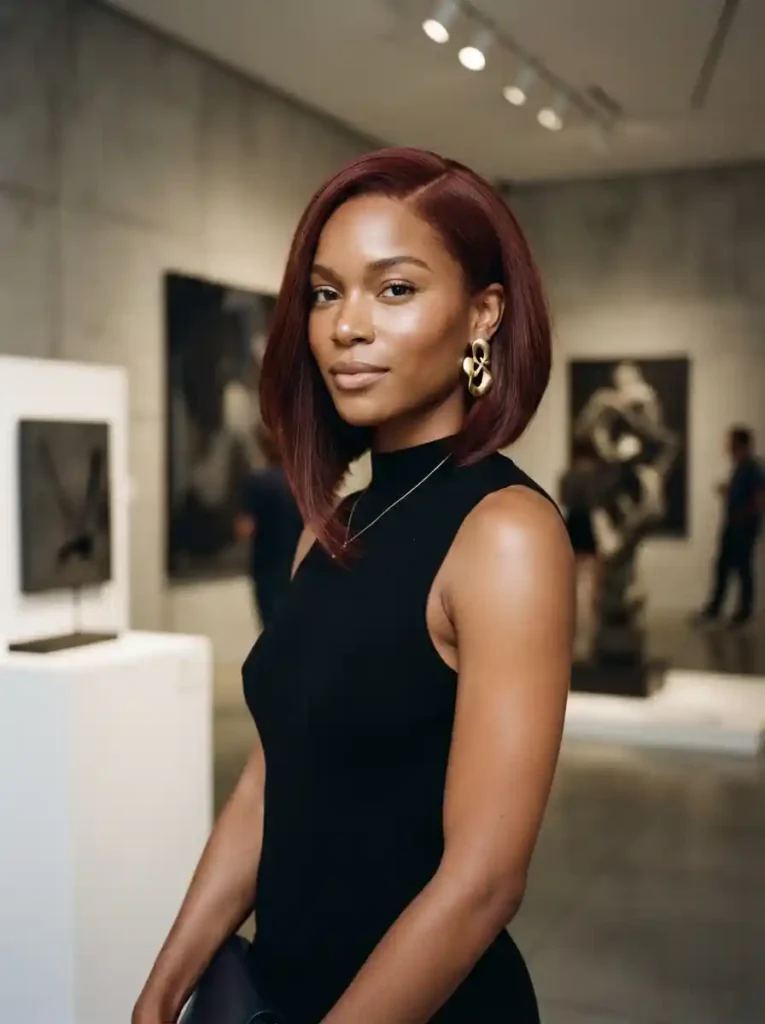
An asymmetrical bob is a strong option when you want a haircut with a distinctive point of difference. The asymmetry can be subtle, with only a few centimeters separating the two sides, or more pronounced for a dramatic fashion-forward effect. Because the shape naturally directs attention toward the longer side, consider whether you prefer that section to frame your face or sweep behind your ear.
Maintenance depends on how noticeable you want the asymmetry to remain. Small changes in growth can quickly soften the original angle, so regular salon visits help preserve its structure. For styling, a smooth finish emphasizes the contrast most clearly, while loose waves make the difference appear gentler. Before cutting, ask your stylist to show you the planned lengths from the front, side, and back so you understand the full silhouette.
12. Curly Bob With Rounded Shape
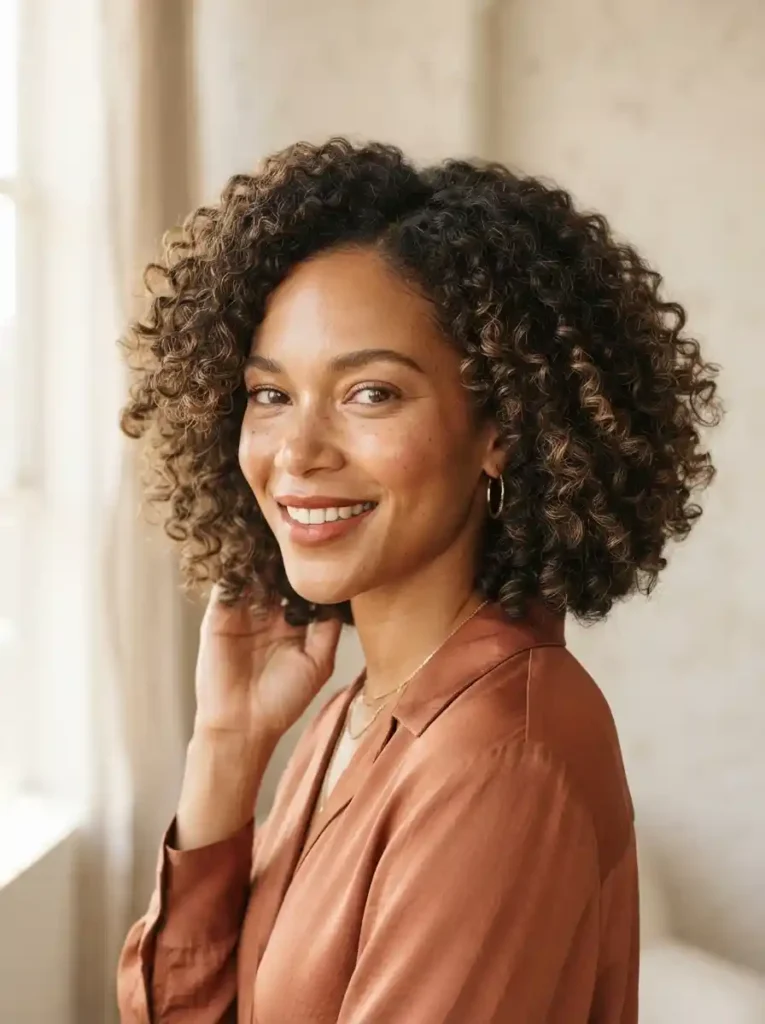
A curly bob should be designed around the way curls actually behave, not simply shaped like a straight-hair bob. A rounded silhouette can distribute volume beautifully while allowing curls to form freely. Consider having the cut performed on mostly dry hair if your stylist specializes in curly techniques, since this makes it easier to account for shrinkage and individual curl patterns.
Moisture and definition are more important than rigid control with this style. Use a leave-in conditioner followed by a curl cream or gel suited to your hair’s needs, then diffuse gently or air-dry. Avoid repeatedly touching the curls while they set. Once completely dry, scrunch out any temporary stiffness with clean hands. Regular conditioning and careful detangling will help preserve the shape and prevent the ends from becoming rough.
13. Shoulder-Length Bob With Subtle Layers
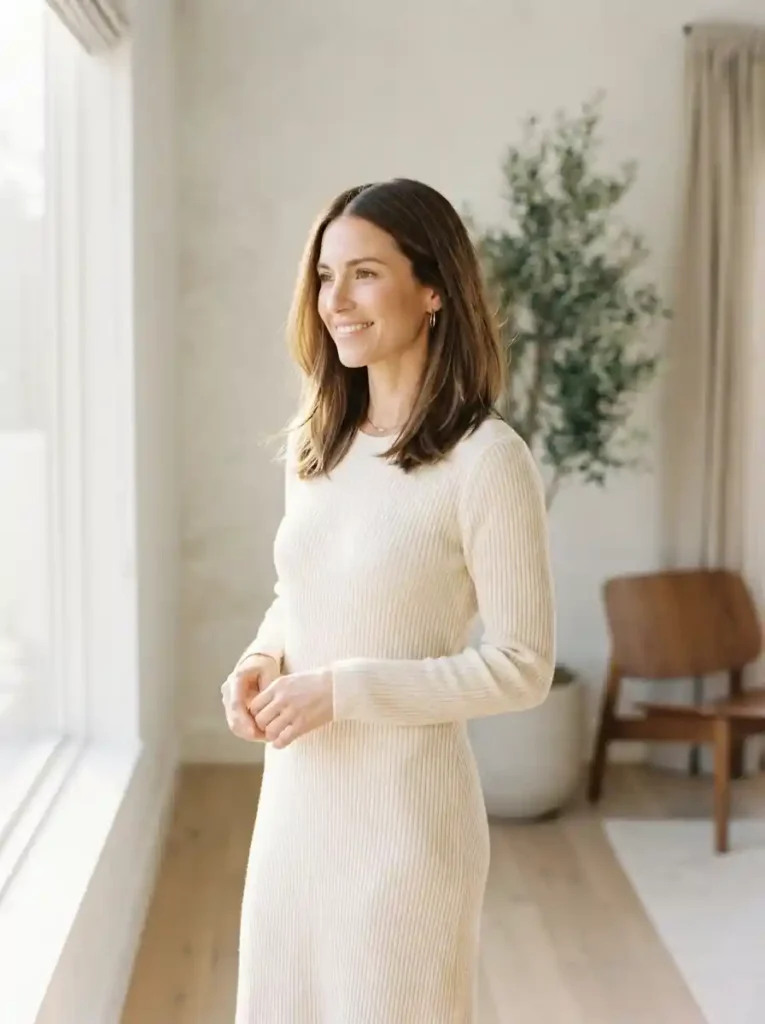
A shoulder-length bob offers maximum flexibility for anyone who wants a shorter appearance without giving up styling options. The length can usually be tucked behind the ears, worn in waves, or gathered into a small ponytail. Subtle long layers prevent the cut from becoming visually heavy while preserving enough weight for a smooth, healthy-looking perimeter. This makes the style especially practical for busy routines.
Your styling choices can change the personality of this bob dramatically. Use a round brush for a classic blowout, a curling iron for loose bends, or leave the hair natural for an uncomplicated finish. If you frequently tie your hair back, tell your stylist before cutting so the front and sides can be shaped accordingly. Shoulder-length hair can also grow gracefully, making it a lower-pressure choice for first-time bob wearers.
14. Side-Parted Bob With Retro Volume
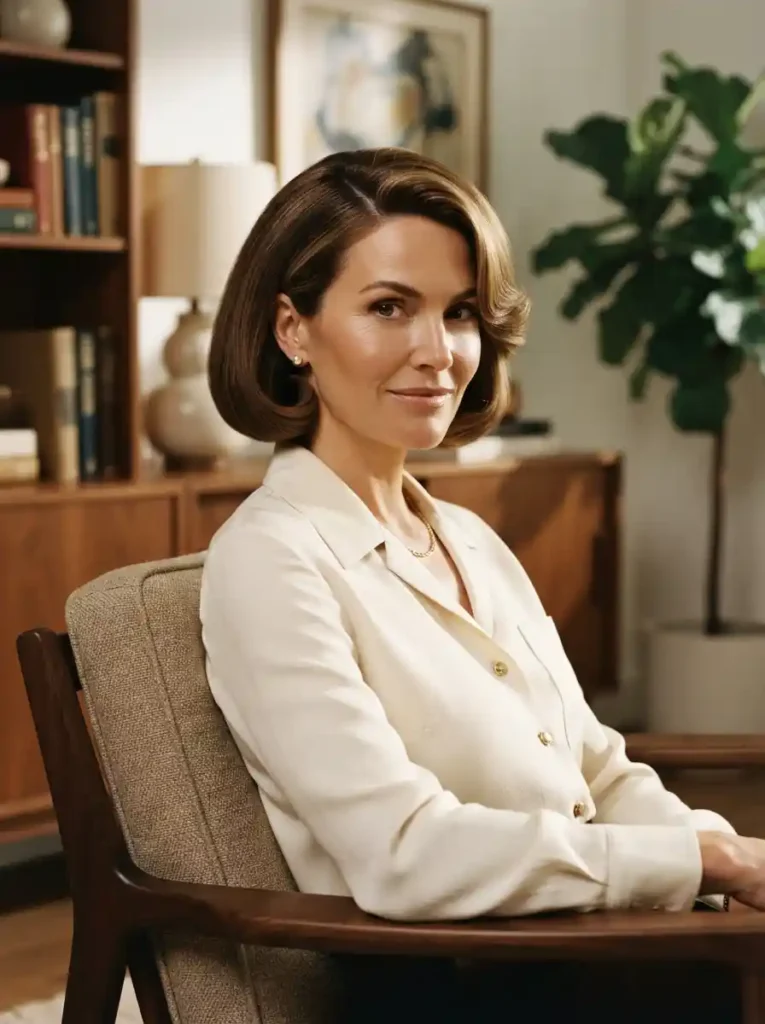
A side-parted bob instantly changes the visual balance of the haircut and can create a glamorous alternative to the increasingly common center part. The deeper part adds height near the crown and allows one side to sweep naturally across the forehead. Keep the ends softly curved rather than aggressively curled if you want the retro inspiration to feel contemporary instead of costume-like.
For extra lift, apply volumizing mousse near the roots before blow-drying the part in the desired direction. A large round brush can create the soft bend without producing tight curls. Finish with a flexible hairspray so the shape remains touchable. If your hair naturally falls toward the opposite side, do not force it aggressively; training the part gradually with damp styling can be more comfortable and produce a more natural result.
15. Jawline Bob With Wispy Ends
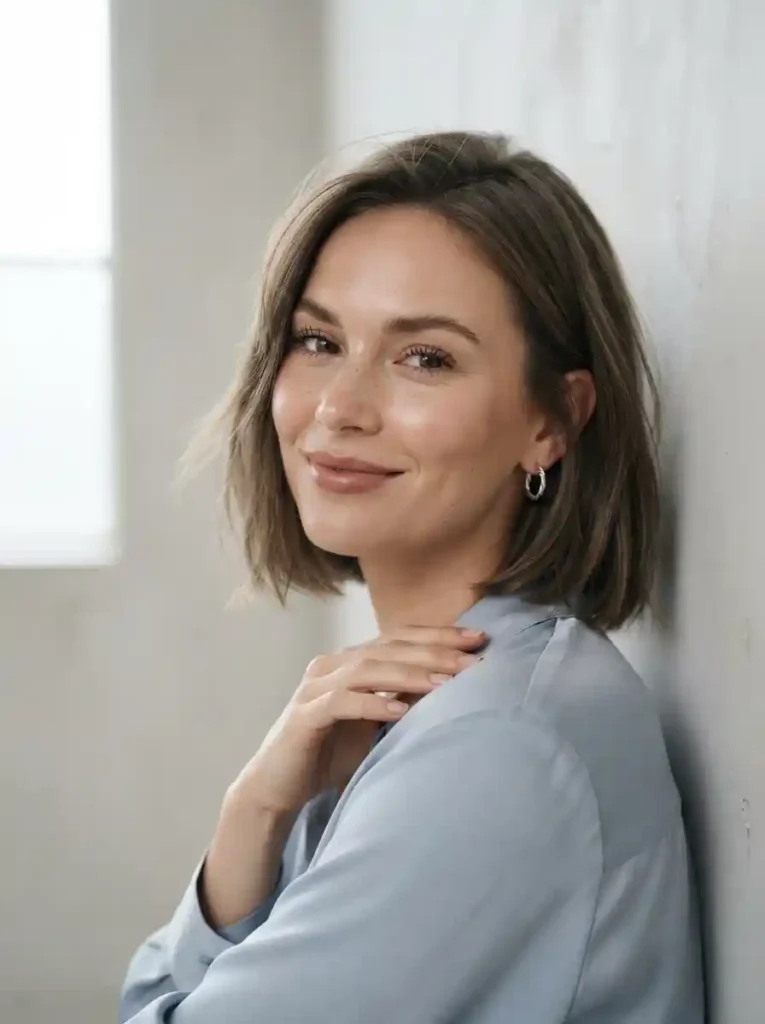
A jawline bob with wispy ends offers the crispness of a short haircut while avoiding an overly heavy finish. The slightly softened perimeter can make the shape feel lighter and more casual, particularly when paired with natural texture. This version is useful if you like the structure of a bob but dislike the dense, solid appearance that a completely blunt edge can create.
Ask your stylist to soften only the outermost ends rather than aggressively thinning the entire haircut. That distinction matters because excessive texturizing can weaken the shape, especially on fine hair. For styling, use a small amount of cream through the ends and gently bend a few pieces in different directions. The result should have controlled irregularity rather than looking deliberately messy. A small flat iron can help refine individual sections when needed.
16. Blonde Bob With Soft Dimension
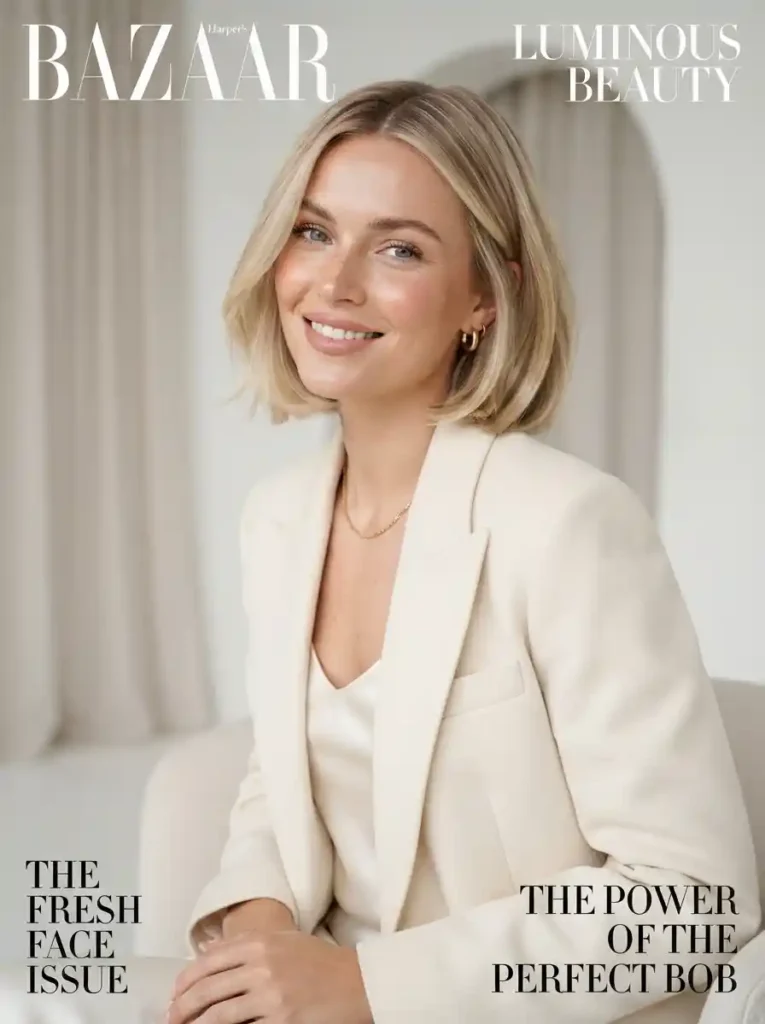
A dimensional blonde bob can make a classic shape feel fresh without relying on dramatic color contrast. Soft highlights placed around the face and through the upper layers can create depth while maintaining a natural-looking blonde base. Discuss your starting color and hair condition with a professional before choosing a lightening plan, especially if your hair has been previously colored or chemically treated.
The haircut itself should support the color rather than compete with it. A slightly rounded perimeter can make the blonde appear fuller, while gentle layers help highlights catch the light as the hair moves. Use products formulated for color-treated hair and protect the lengths from excessive heat. If your blonde tends to become dry, alternate smoothing treatments with lightweight conditioning rather than layering heavy oils that can flatten a short haircut.
17. Bob With Bottleneck Bangs

Bottleneck bangs provide a modern alternative to traditional fringe by starting narrower near the center and gradually widening toward the cheekbones. Paired with a bob, they create a layered frame around the face without the solid horizontal line associated with blunt bangs. This style can be especially appealing if you want facial framing but prefer a softer transition into the rest of your haircut.
The key is getting the center section and outer pieces blended properly. Ask your stylist to keep the outer edges long enough to merge with the bob instead of creating two disconnected shapes. Styling requires only a small round brush or blow-dry brush to direct the fringe outward. Because the center remains relatively short, expect to refresh it more frequently than the rest of the haircut as it grows.
18. Tousled Bob With Beachy Waves
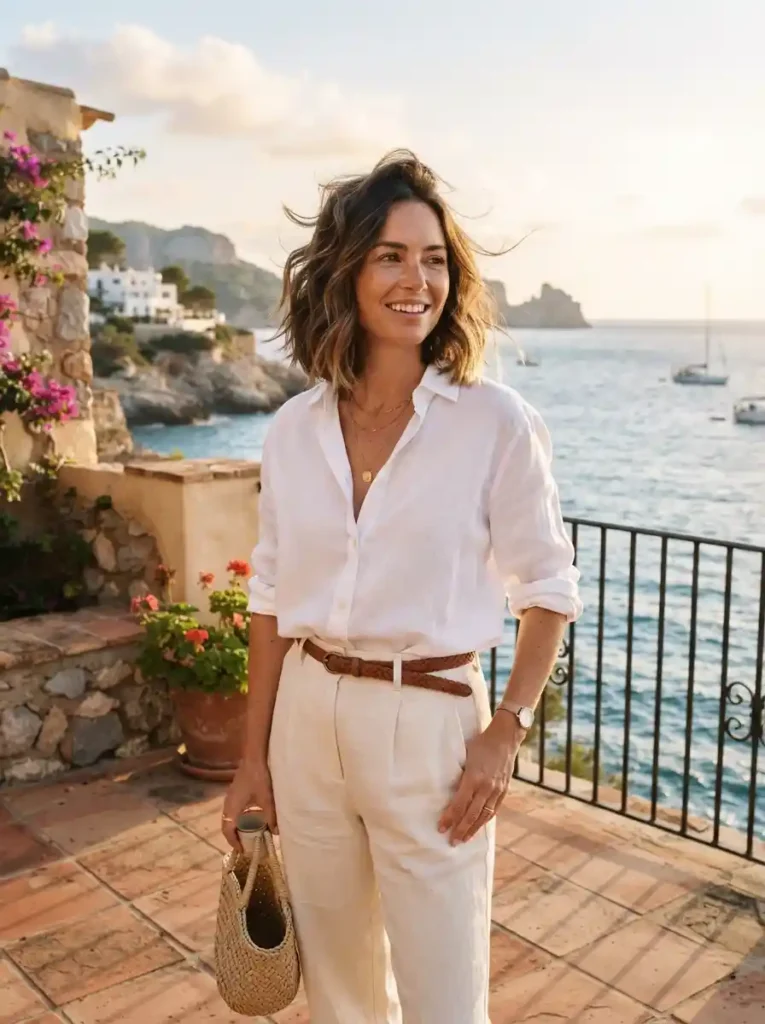
A tousled bob is perfect for anyone who wants movement without the polished appearance of a traditional blowout. Loose waves create visual dimension and can make a medium-length bob feel relaxed and current. The effect works particularly well when the ends remain slightly uneven and the layers are long enough to move independently. Avoid overly uniform curls, which can make the style look more formal than intended.
You can create the texture with a curling wand, flat iron, or heatless methods depending on your hair type and routine. Alternate the direction of the waves so the finished style does not look overly symmetrical. Leave the last inch of each section slightly straighter to keep the effect relaxed. Finish with a flexible texturizing spray, then separate the waves gently with your fingers rather than brushing them out.
19. Glossy Mid-Length Bob
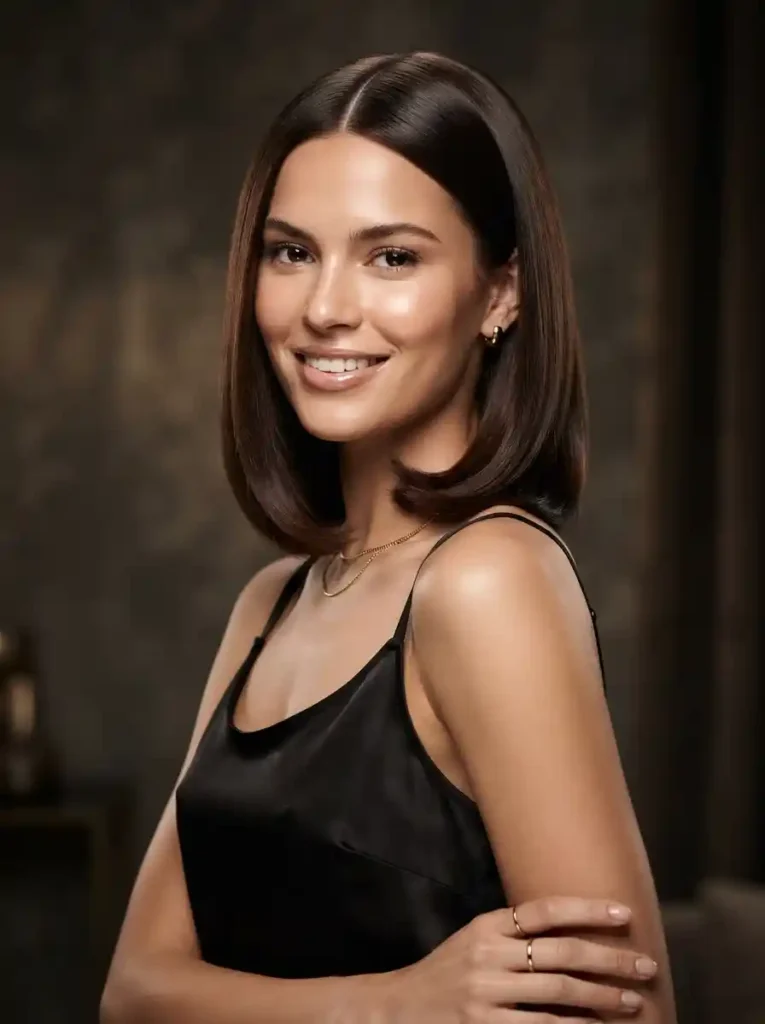
A glossy mid-length bob brings sophistication through shine and simplicity rather than complicated layering. Sitting just above the shoulders, it gives you enough length for multiple styling options while maintaining the recognizable shape of a bob. This version is particularly effective on straight or gently wavy hair, although textured hair can also wear it with a softer outline and more natural movement.
Healthy-looking shine begins with the condition of the hair rather than a heavy finishing product. Use a suitable conditioner, minimize unnecessary heat, and apply heat protection before styling. After drying, a tiny amount of lightweight serum can smooth the surface and enhance reflection. Keep the ends freshly trimmed so they maintain a clean line. If your hair is prone to frizz, concentrate smoothing products on the mid-lengths and ends rather than saturating the roots.
20. Modern French Lob With Curtain Layers

A modern French lob combines the relaxed spirit of French styling with the practicality of a longer bob. The collarbone length gives you room to experiment with waves, straight styling, clips, and low ponytails, while face-framing layers keep the shape from feeling too heavy. It is an excellent option if you want a noticeable update but still value versatility and the ability to grow your haircut longer.
For an effortless finish, work a small amount of styling cream through damp hair and create a natural center or slightly off-center part. Let the hair air-dry when possible, or use a diffuser and low heat to encourage gentle bends. Once dry, loosen the front pieces with your fingers. Avoid over-styling; the appeal comes from soft movement and an intentionally relaxed finish rather than perfect symmetry.
Final Thoughts
Choosing the right bob is less about following one specific trend and more about finding a shape that fits your hair, features, styling habits, and personality. A blunt chin-length cut can create a polished statement, while a layered lob offers flexibility. Curly, wavy, asymmetrical, shaggy, and fringe-focused versions provide completely different personalities without abandoning the timeless bob silhouette.
Before your appointment, save two or three reference photos that show the length and texture you genuinely like. Then tell your stylist how much time you realistically spend styling your hair. That conversation can make the difference between a beautiful photograph and a haircut that works in everyday life. Most importantly, personalize the inspiration: the best bob is one that looks intentional while still feeling like you.