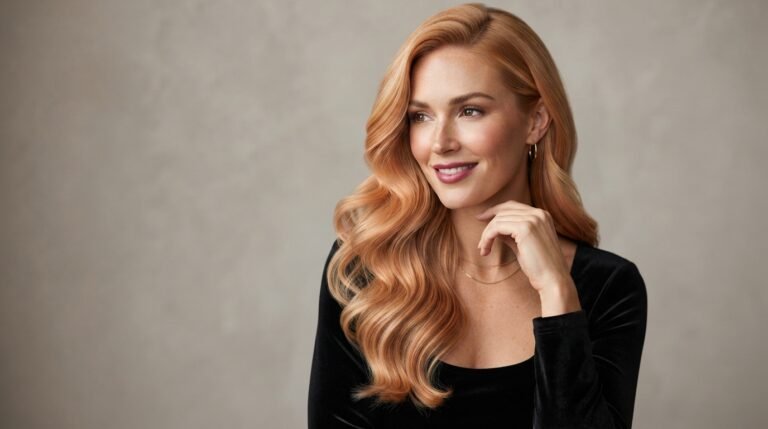
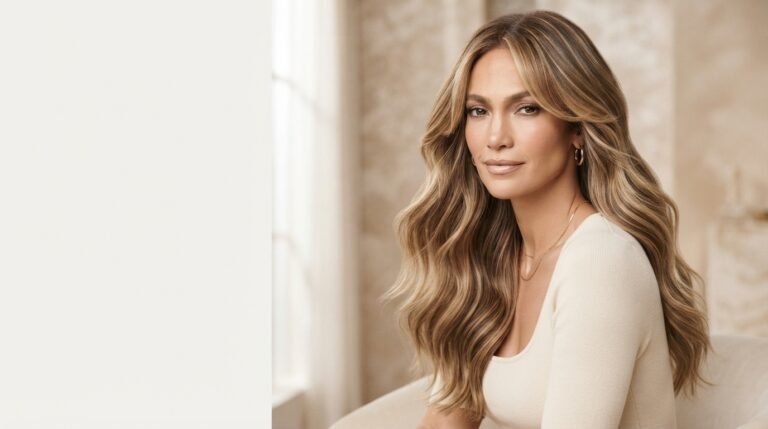
Auburn hair has a way of looking both polished and effortlessly warm, which is why it remains such a versatile choice for anyone ready to refresh their color. Somewhere between rich brunette and vibrant copper, auburn can be deep and dramatic, softly golden, or subtly red depending on the shade and lighting. The best part is how easily it can be personalized to suit your complexion, natural hair color, haircut, and everyday style.
If you are saving hair inspiration on Pinterest and wondering which auburn shade could actually work for you, these ideas offer plenty of direction. You will find dimensional highlights, glossy brunette blends, brighter copper interpretations, and low-maintenance options designed to grow out beautifully. Along the way, you will also find practical guidance on placement, upkeep, styling, and choosing tones that complement your features. Whether you want a noticeable transformation or simply a warmer version of your current color, there is an auburn look here worth considering.
1. Rich Classic Auburn
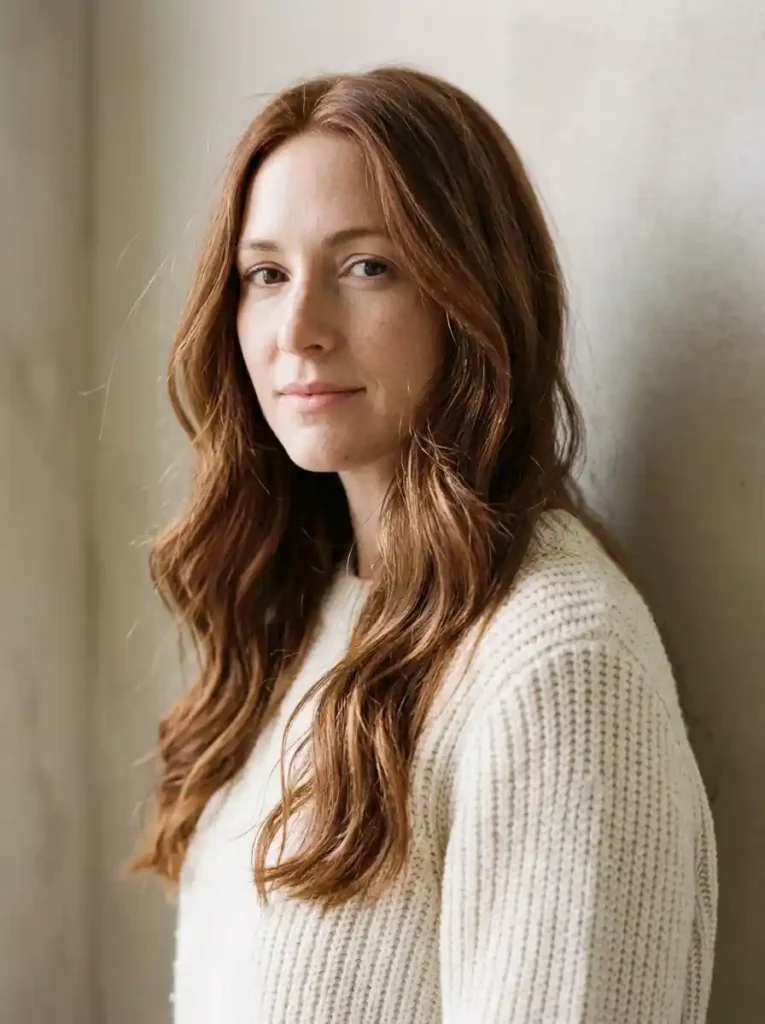
Rich classic auburn is an excellent starting point if you want noticeable red without moving into bright copper territory. Its balanced mixture of warm brown and red gives the hair depth, making it especially flattering on people who prefer sophisticated color. Ask your stylist for an even auburn base with subtle tonal variation rather than a flat single-process result. The finish should look dimensional in sunlight while remaining polished and understated indoors, which makes it easy to wear year-round.
This shade works beautifully on medium to long hair, particularly when loose waves reveal the different tones throughout the lengths. To keep the red pigment looking fresh, use a color-safe shampoo and avoid washing with very hot water. A weekly moisturizing treatment can also help preserve shine, since glossy hair makes auburn appear richer. If your natural hair is very dark, your stylist may recommend gradual lightening rather than attempting a dramatic transformation in one appointment.
2. Copper Auburn Glow

Copper auburn brings a brighter, more energetic personality to the traditional auburn palette. The shade combines warm red with noticeable copper, creating a luminous finish that catches sunlight beautifully. It can be particularly striking on fair to medium complexions with warm or neutral undertones, although the formula can be adjusted for other skin tones. If you want the color to remain sophisticated, ask for copper that is softened with brown rather than an intensely orange result.
Because copper pigments can fade faster than deeper brown-red shades, maintenance matters with this option. Wash less frequently when possible, choose products designed for color-treated hair, and protect your strands from excessive heat. A lightweight gloss appointment between major coloring sessions can revive brightness without requiring a complete recolor. Soft layers are especially effective because movement allows the copper reflections to appear and disappear naturally, giving the finished hairstyle a dimensional, almost illuminated quality.
3. Dark Auburn Brunette
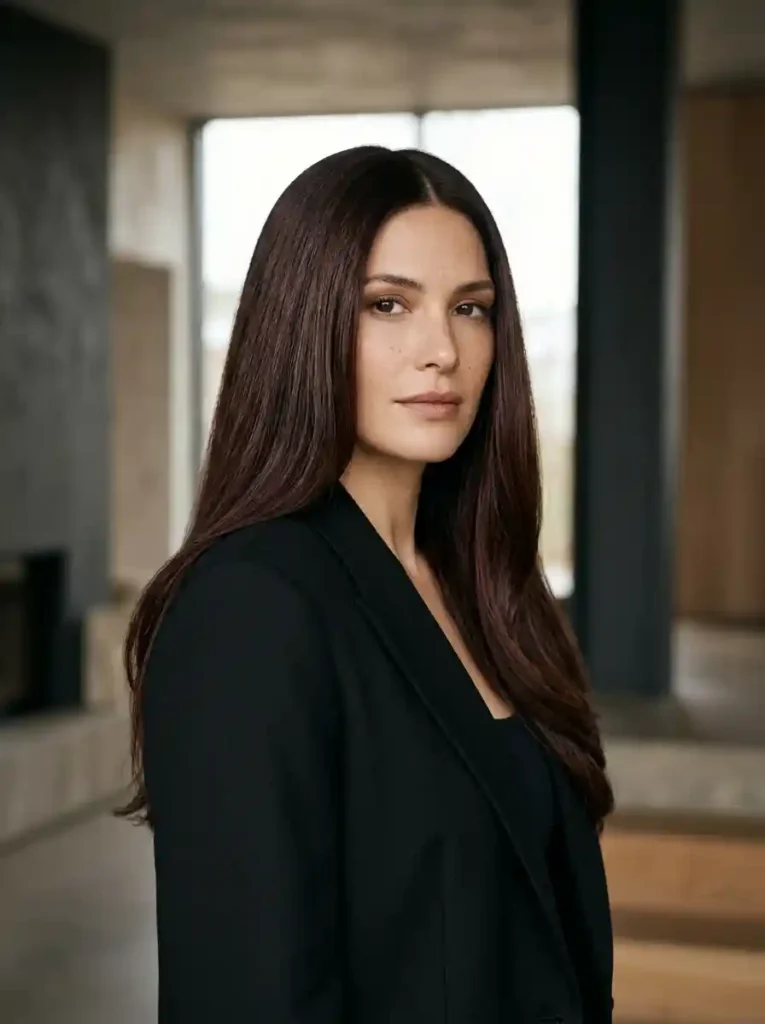
Dark auburn brunette is ideal for anyone who wants red undertones without giving up the depth of brunette hair. From a distance, the color can appear like a luxurious deep brown, while warmer light reveals restrained auburn and red reflections. This makes it a practical choice for someone transitioning gradually into red. Tell your colorist whether you want the red visible indoors or mainly noticeable under sunlight, because that preference can significantly influence the formula and intensity.
The shade looks especially elegant on straight hair, sleek blowouts, and long layers where the reflective tones can move across the surface. It is also relatively forgiving as it grows because the overall color remains close to a brunette base. To maintain the polished effect, prioritize hydration and heat protection, especially if you regularly straighten your hair. A clear or tinted gloss can periodically restore the reflective finish without creating unnecessary color buildup.
4. Auburn Balayage on Brunette Hair

Auburn balayage offers a softer route into red because the natural-looking depth remains near the roots while warmer color is concentrated through the lengths. The result can be customized from barely-there cinnamon ribbons to more obvious copper-auburn pieces. This approach suits brunettes who dislike the idea of maintaining an all-over red color. Ask for strategically placed highlights around the face and through the ends so the brighter tones enhance movement rather than creating obvious stripes.
One advantage of balayage is that the regrowth can look intentionally blended instead of creating a sharp line. However, lightened sections still need careful treatment because repeated coloring and heat styling can make the ends dry. Use a nourishing conditioner and consider a trim when the ends begin losing their shape. If you want the auburn pieces to look particularly glossy, ask your stylist about adding a warm-toned toner or gloss after the lightening process.
5. Soft Cinnamon Auburn

Soft cinnamon auburn sits on the gentler side of the red spectrum, making it appealing when you want warmth without an intense transformation. Think chestnut brown touched with cinnamon and muted copper rather than vivid red. The result is especially pretty on layered medium-length cuts because the lighter warmth appears differently as the hair moves. Your stylist can adjust the amount of copper depending on whether your complexion leans warm, neutral, or cool.
This shade is also useful for brunettes who want a seasonal refresh without looking dramatically different. Ask for a dimensional formula rather than a single opaque color if your goal is natural-looking variation. Cinnamon tones can become dull when the hair is dehydrated, so regular conditioning and gentle heat styling are worthwhile. A lightweight shine product applied mainly to the mid-lengths and ends can emphasize the warm reflections without making the roots appear greasy or overly dark.
6. Deep Burgundy Auburn
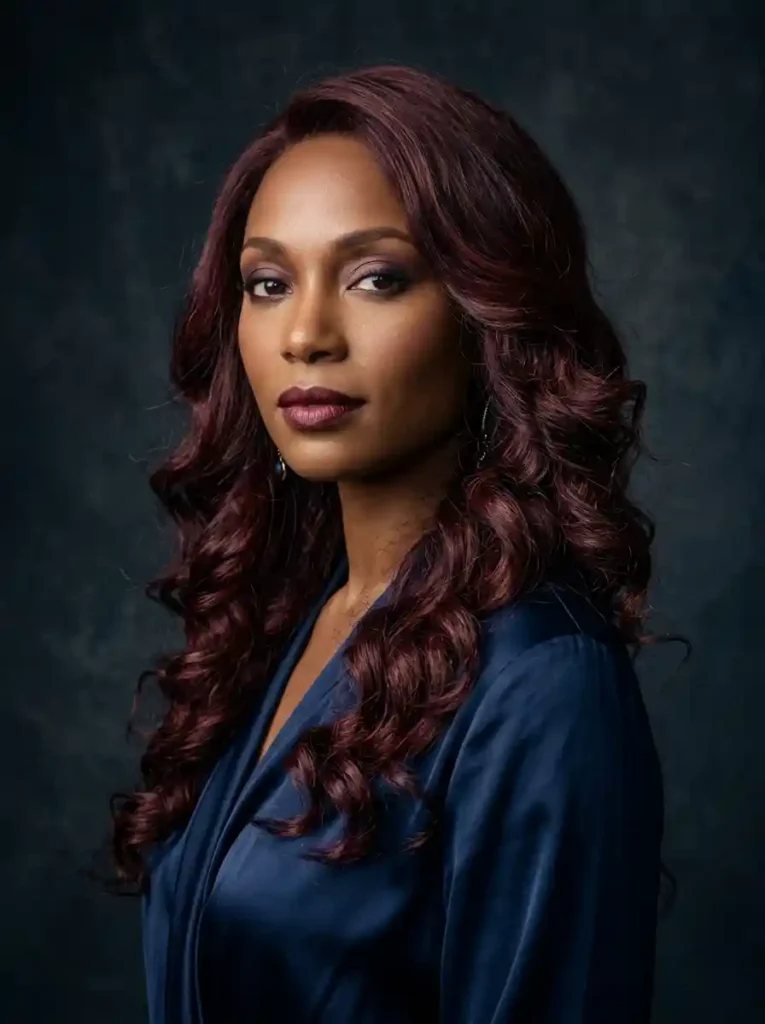
Deep burgundy auburn gives classic red hair a moodier, more sophisticated direction. Instead of bright copper, this interpretation leans toward wine, plum, and deep red-brown tones, creating a dramatic effect without becoming neon or overly purple. It is a strong option for naturally dark hair because the depth can remain intact. If your goal is subtle sophistication, ask your colorist to keep the burgundy concentrated within the auburn base rather than creating a highly saturated fashion shade.
Because darker red pigments can shift as they fade, proper aftercare helps preserve the intended balance. Cool or lukewarm washing is preferable, and frequent clarifying treatments may strip color more quickly. This shade looks especially striking with polished curls or a sleek blowout, where the darker red reflections become visible along the curves. If you are hesitant about committing to permanent color, discuss a demi-permanent formula that can provide a rich test run before making a longer-term change.
7. Golden Auburn Highlights
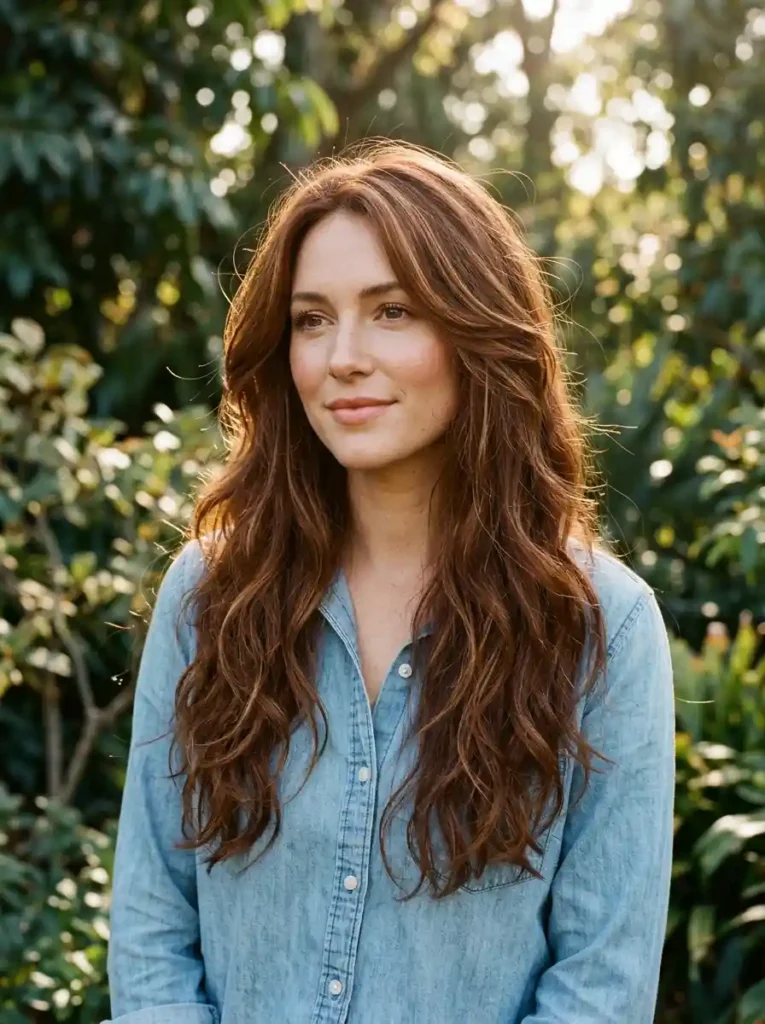
Golden auburn highlights are perfect when you love warm hair but want brightness concentrated in selected areas. Fine golden-copper pieces can be woven through an auburn or chestnut base, creating a sunlit effect without turning the entire head lighter. Face-framing highlights are particularly useful because they bring warmth toward the complexion. Keep the pieces delicate and varied in width for a natural finish, especially if you prefer your color to resemble something created gradually by sunlight.
This technique can also make a simple haircut feel more dimensional without changing its overall shape. Ask your stylist to consider your parting pattern and usual hairstyle before deciding where to place the highlights. If you frequently wear your hair tied back, strategic pieces through the lower layers can prevent the color from looking concentrated only around your face. A tinted gloss afterward can unify the golden and auburn tones while adding the polished shine that makes highlights look expensive.
8. Auburn Money Piece
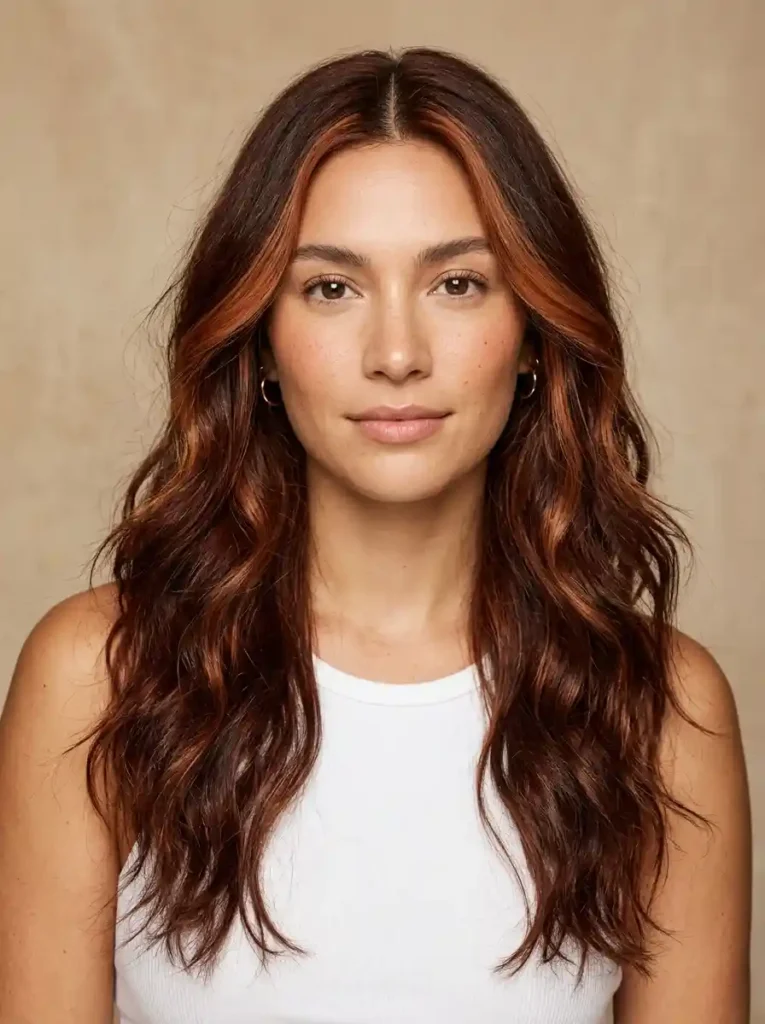
An auburn money piece puts brighter color directly around the face while allowing the rest of the hair to remain deeper. For a wearable version, choose copper-auburn rather than an extremely bright orange, then blend the highlight slightly into neighboring strands. This placement can visually brighten the hairstyle and make a simple brunette or dark auburn base feel more intentional. It works especially well if you want a noticeable update without committing every strand to a lighter color.
Placement deserves attention because the front pieces are highly visible and can dominate the look if they are too wide. Ask for a width that complements your haircut and how you normally part your hair. Soft waves can diffuse the contrast, while straight styling makes the color more graphic. Since the front section receives frequent heat from blow-drying or styling tools, apply heat protectant consistently and consider a conditioning treatment to keep those highlighted strands smooth.
9. Chocolate Auburn Blend

Chocolate auburn combines the richness of brunette hair with a warm red dimension that becomes more noticeable as light moves across the strands. The base remains chocolate brown, while carefully blended auburn pieces prevent the result from looking flat. This is a particularly approachable option if you are nervous about red because the overall impression remains brunette. Ask your colorist for warm ribbons that are integrated rather than sharply contrasted, especially if you prefer an understated finish.
The combination looks beautiful with long waves, layered cuts, and rounded blowouts because curved surfaces reflect the warmer pigments naturally. Maintenance is generally easier than maintaining a very bright copper because the darker base disguises minor fading. Still, use sulfate-free or color-safe cleansing products and protect the hair from prolonged sun exposure. If your existing brunette color is cool-toned, your stylist may need to warm the base gradually so the auburn additions do not appear disconnected.
10. Auburn Ombré Ends
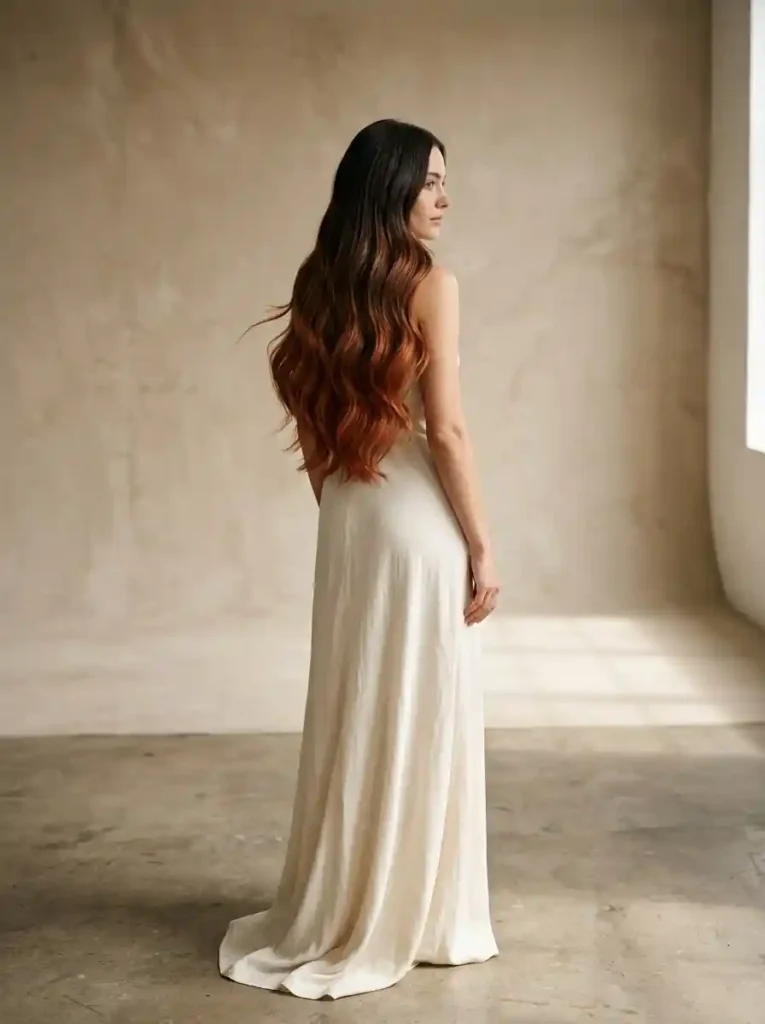
Auburn ombré focuses the warmest color toward the lower lengths, creating a gradual transition from a darker root and midsection into richer red or copper ends. It is a strong option for anyone who likes contrast but wants to preserve a natural-looking foundation. The transition should be blended rather than abruptly divided, with intermediate brown-auburn tones connecting the darker upper section to the brighter ends.
Since the ends are typically the lightest and most processed area, their condition matters as much as the color itself. Regular trims can keep the gradient looking intentional rather than dry or uneven. Use a leave-in conditioner on the lower lengths and minimize repeated high-heat styling when possible. This look is particularly attractive with waves because the curls break up the transition and allow multiple shades to show. Straight hair, meanwhile, makes the ombré progression more obvious and graphic.
11. Muted Rose Auburn
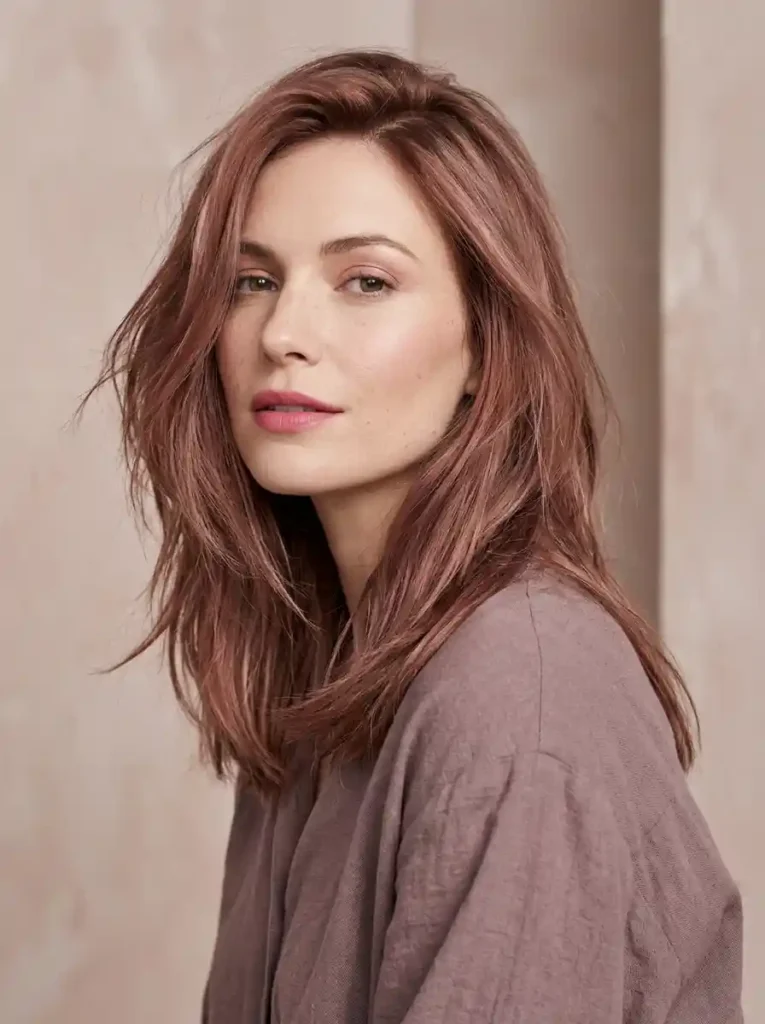
Muted rose auburn introduces a delicate rosy cast without becoming a bright fantasy pink. The underlying auburn keeps the shade grounded, while a dusty rose tone gives it a softer, modern personality. This option is best suited to someone comfortable with a more noticeable color shift and willing to maintain the tonal balance. Before coloring, show your stylist whether you want the rose effect obvious or merely visible under strong light, since the difference can be substantial.
The color can look especially refined on shoulder-length cuts with texture because the rosy pieces appear and disappear among the warmer brown-red strands. Avoid aggressive cleansing products that can remove the softer rose pigment quickly. A color-depositing conditioner selected with your stylist can sometimes help refresh the tone between appointments, although the exact product should match your starting color. Keep styling simple when possible; tousled waves often showcase this shade better than heavily polished curls.
12. Auburn Highlights on Black Hair

Auburn highlights can bring surprising warmth to naturally black hair without requiring the entire head to become lighter. The contrast between a deep base and carefully placed red-brown ribbons creates definition, especially through long layers. Because black hair often requires significant lightening before warm auburn becomes visible, professional consultation is important. Your stylist can determine whether subtle lifted pieces, a darker auburn gloss, or another technique will produce the desired result while protecting the hair.
For a softer appearance, concentrate the highlights through the mid-lengths, lower layers, and selected pieces around the face rather than distributing them evenly. This keeps the black base dominant while allowing auburn to flash through movement. Deep conditioning is particularly valuable if lightener is involved, and regular trims can help prevent weakened ends from becoming noticeable. The finished color pairs beautifully with sleek styles, where each auburn ribbon creates a deliberate line of warmth against the dark background.
13. Light Auburn for a Soft Transformation
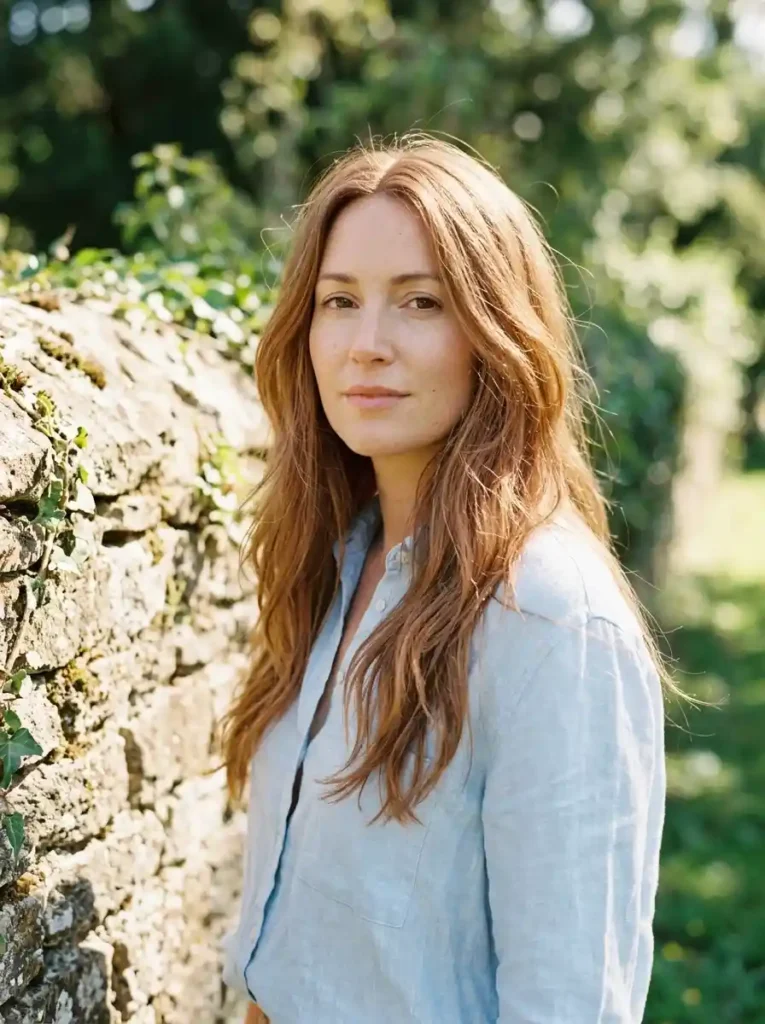
Light auburn offers a brighter interpretation while staying softer than vivid copper. It usually blends warm brown, muted red, and golden-copper notes, producing a color that feels especially fresh in natural light. If your hair is already medium brown or dark blonde, the transition may be relatively straightforward, while darker starting colors can require more preparation. Ask your stylist to preserve some depth at the roots if you want the result to feel natural rather than uniformly light.
This shade is lovely with airy layers because the lighter strands catch movement and create a soft halo around the hairstyle. It can fade toward a warmer brown over time, so color-safe care helps maintain the intended balance. If you use purple shampoo for blonde tones, do not assume it is automatically appropriate here; excessive cool pigment can dull the warmth you specifically chose. Instead, ask your stylist which cleansing and toning routine suits your formula.
14. Auburn Face-Framing Layers

Face-framing auburn layers offer a strategic way to introduce warmth exactly where it is most visible. Instead of coloring large sections throughout the head, brighter auburn pieces can follow the layers around the cheeks and jawline. This approach works especially well with curtain bangs, long face-framing pieces, or layered bobs. Tell your stylist how you usually wear your part, because the placement should make sense whether the hair falls naturally or is styled away from the face.
The right intensity depends on how much contrast you enjoy. Subtle cinnamon-auburn pieces create a soft effect, while copper-red framing produces a bolder statement. Because these sections sit close to the face, the undertone matters; a stylist can adjust the formula to complement rather than compete with your complexion. Keep the pieces smooth with lightweight conditioner and heat protection, particularly if you frequently curl or straighten the front layers. A glossy finish will make the framing look intentional.
15. Auburn Bob With Dimension
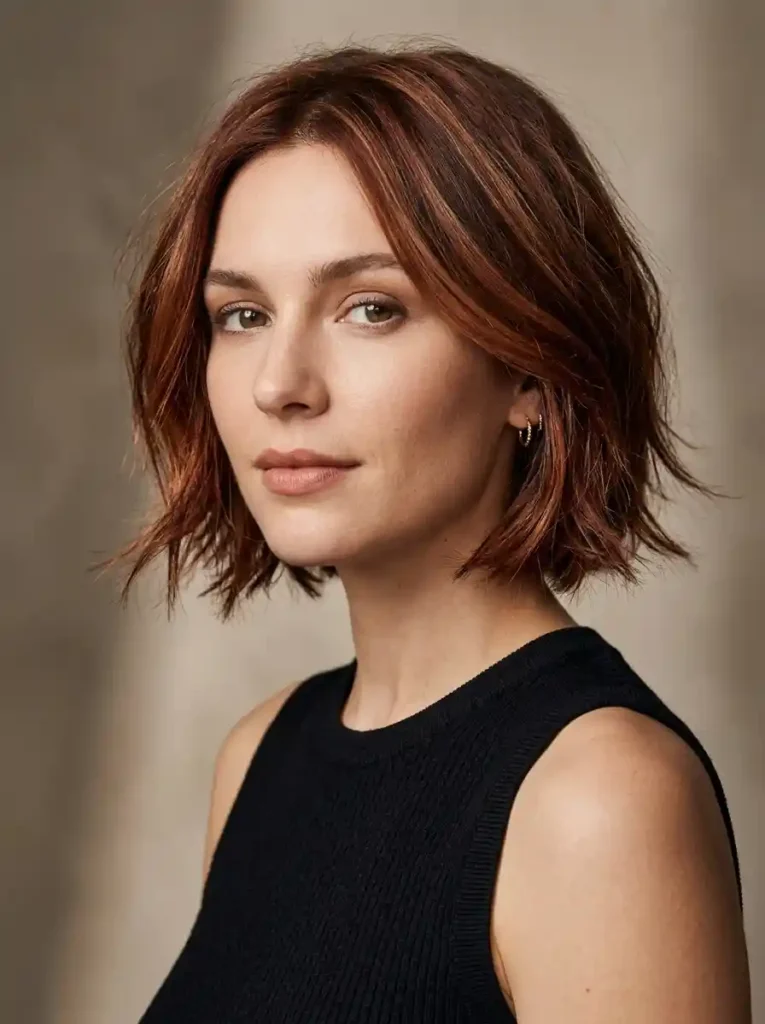
Auburn and a bob make a particularly polished combination because the shorter shape gives color plenty of structure. Instead of choosing one uniform shade, consider blending chestnut, red-brown, and subtle copper tones so the haircut retains visual depth. A dimensional formula can keep the bob from appearing too solid, particularly when the ends are textured. This option is excellent if you want a noticeable style change that feels sophisticated rather than overly dramatic.
The haircut also makes maintenance slightly different from that of long hair. Because growth is easier to see in a shorter style, regular trims help preserve the clean silhouette and keep the color placement looking balanced. Ask your stylist whether a gloss can refresh the auburn between appointments rather than repeatedly coloring the entire bob. Styling with a round brush can add volume and movement, while a flat iron creates a sharper finish that makes the color look more graphic.
16. Auburn With Caramel Ribbons

Caramel ribbons add a golden dimension to auburn hair, making the overall color feel warmer and more illuminated. Rather than creating blonde streaks, the goal is to weave honey, caramel, and soft copper through an auburn foundation. This works particularly well for medium to dark auburn hair that needs extra movement. Fine ribbons around the crown and through the mid-lengths can create brightness without overwhelming the deeper red-brown base.
The combination is especially attractive in loose waves because each ribbon catches light along the curve of the hair. To keep the palette harmonious, ask your stylist to maintain warmth across all the tones rather than mixing very cool highlights with warm auburn. A gloss can help merge the shades after highlighting and add reflective shine. When styling at home, use moderate heat and a protective product, since dry highlighted sections can make caramel tones look dull and uneven.
17. Auburn Peekaboo Color
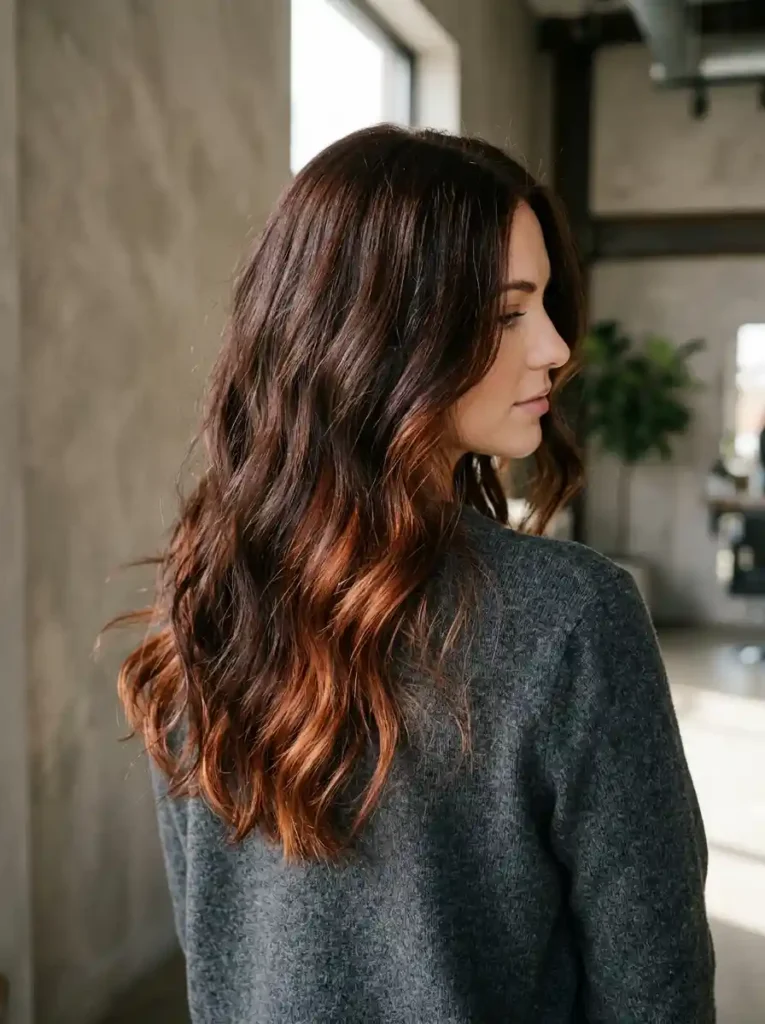
Peekaboo auburn color keeps the upper layer relatively natural while hiding warmer red or copper sections underneath. The color appears when the hair moves, is braided, or is pulled into a ponytail, making it a playful option for someone who wants personality without an all-over transformation. Your stylist can choose subtle auburn or brighter copper depending on how much contrast you want. The placement can also be adjusted to remain discreet when your hair is worn down.
This technique works best when the hidden sections are positioned where your usual hairstyle will reveal them occasionally. Consider your preferred part, ponytail height, and whether you often wear braids before deciding on placement. Because the lower sections may need lightening to achieve a bright result, they deserve extra conditioning afterward. A loose wave can showcase the color beautifully, while a sleek ponytail creates a more dramatic reveal as the auburn sections shift underneath.
18. Warm Auburn With Curtain Bangs
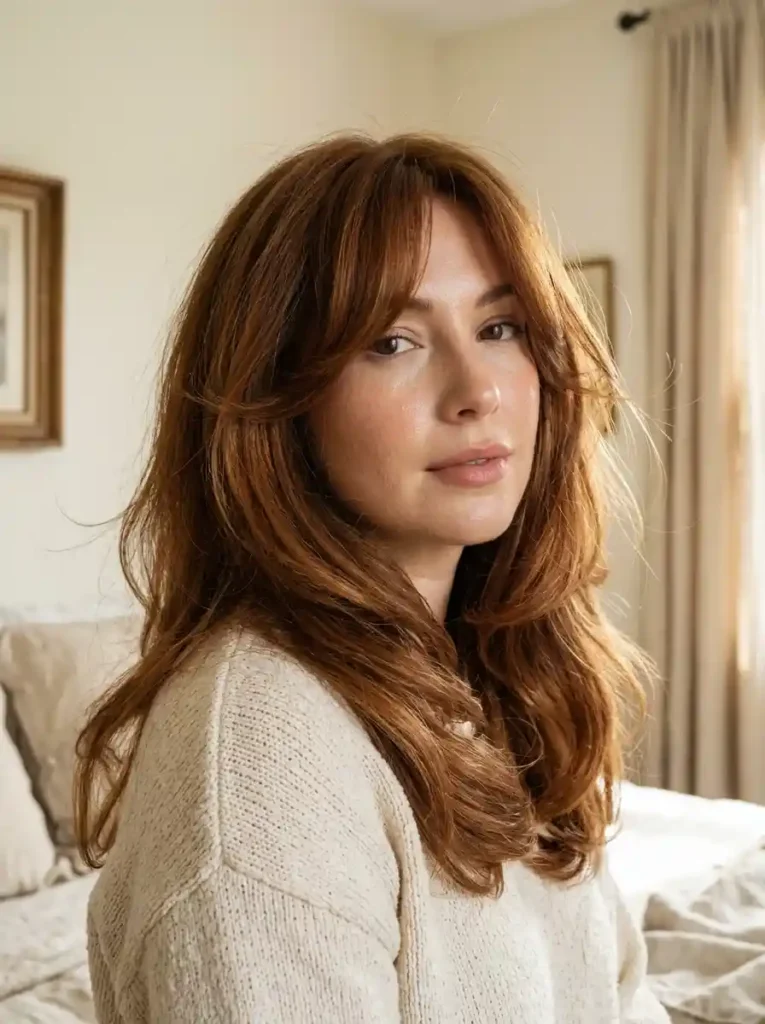
Warm auburn becomes especially flattering with curtain bangs because the color follows the shape of the face rather than sitting uniformly around it. A copper-brown formula with subtle golden-red variation can keep the overall look warm and sophisticated. The bangs can be slightly brighter than the rest of the hair if you want more emphasis around the eyes and cheekbones. Ask your stylist to account for the natural fall of your fringe before deciding where brighter pieces should begin.
Curtain bangs do require regular shaping, so consider how often you are willing to visit the salon. At home, a round brush and low-to-moderate heat can help direct the bangs away from the face without excessive tension. Use a lightweight product rather than heavy oils near the roots, which can make the fringe separate. The auburn color itself benefits from gentle cleansing and conditioning, particularly because frequent blow-drying can affect shine around the front sections.
19. Auburn Shag With Copper Texture
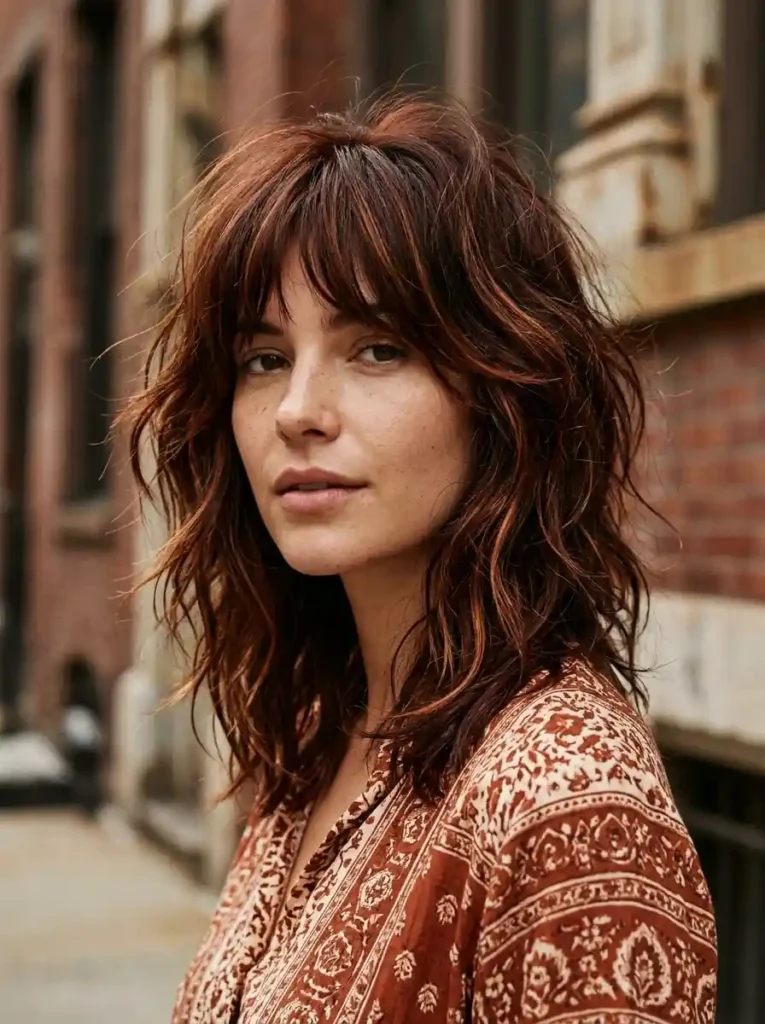
A textured shag gives auburn color a relaxed, modern character because the many layers allow different tones to peek through. A deeper auburn foundation paired with scattered copper and cinnamon pieces can emphasize the choppy shape without making the color appear striped. This approach suits someone who likes undone texture and wants the haircut and color to work together. Keep the brighter pieces irregularly distributed so the finished result resembles natural dimension rather than a predictable highlight pattern.
Styling should enhance the texture rather than flatten it. A lightweight mousse or texture cream can encourage waves, while scrunching the hair during drying helps separate the layers. Avoid applying heavy oils throughout the roots because they can reduce the airy volume that makes a shag distinctive. Since textured cuts expose more ends, conditioning remains important. If your hair is naturally fine, ask for strategic layering rather than excessive thinning, which can make the finished shape look sparse.
20. Glossy Espresso Auburn
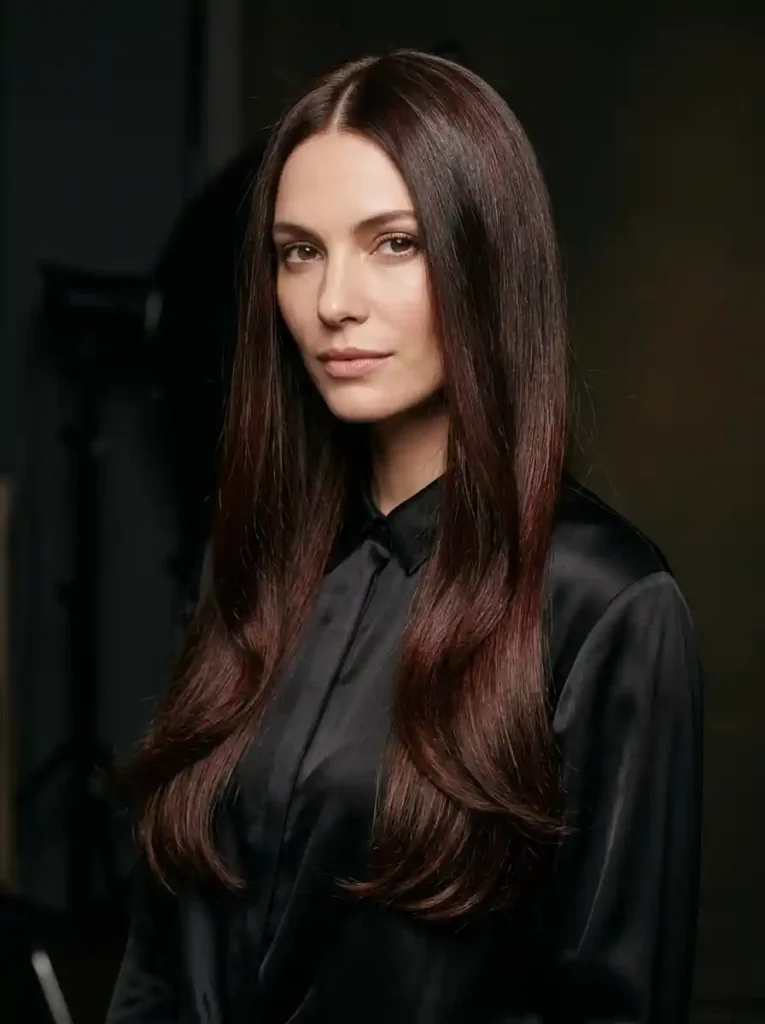
Glossy espresso auburn is the choice for anyone who wants understated color with a luxurious finish. Its foundation remains deep coffee brown, but warm auburn and restrained red reflections become visible whenever light hits the hair. The effect is subtle enough for a conservative setting while still feeling more interesting than a standard dark brunette. A gloss-focused appointment can be particularly useful if your existing hair color is close to the desired depth and you mainly want richer warmth.
Shine is the defining feature of this look, so hair condition should be part of the plan from the beginning. Use a gentle cleansing routine, condition the lengths consistently, and apply heat protection before blow-drying or straightening. A sleek center part emphasizes the reflective surface, while softly curved ends prevent the style from appearing severe. If your hair is naturally porous or dry, prioritize repair and hydration before adding repeated chemical services so the finished color looks smooth rather than dull.
Conclusion
Choosing an auburn hair color is less about finding one universally perfect shade and more about identifying the level of warmth, depth, contrast, and maintenance that fits your lifestyle. A dark auburn brunette can provide a subtle change, while copper highlights or a brighter face-framing effect can create a more noticeable transformation. Balayage, ombré, peekaboo sections, and dimensional ribbons also give you ways to experiment without committing to one uniform color.
Before your appointment, save two or three reference images that resemble your starting hair color, not just your favorite finished look. Tell your stylist how often you wash, style, and visit the salon, because those details can influence the best technique. Most importantly, discuss the undertones and upkeep before coloring. The right auburn shade should feel beautiful in photographs, but it should also be practical enough that you genuinely enjoy wearing it every day.