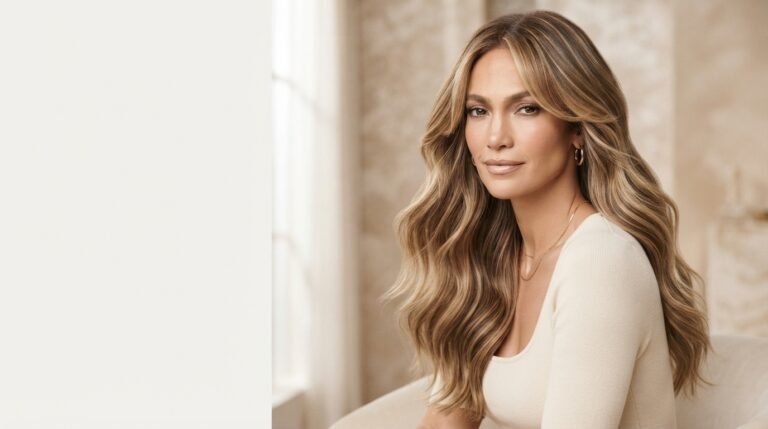
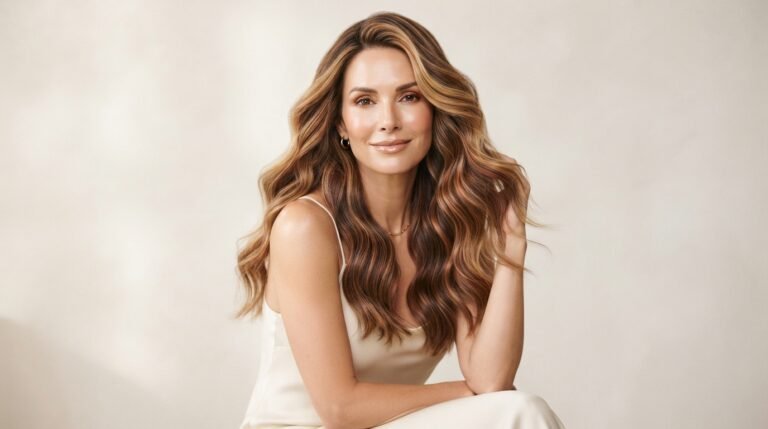
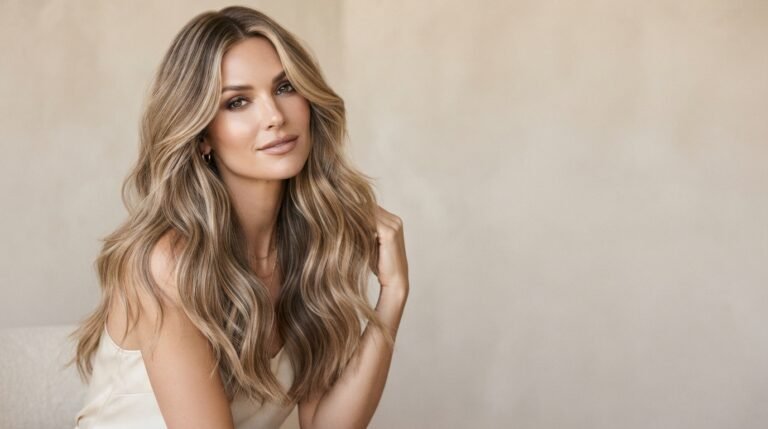
Brown hair already has a naturally rich, dimensional quality, but the right highlights can make it look even more luminous and personalized. Whether you prefer barely-there ribbons, warm caramel pieces, cool beige tones, or dramatic contrast, highlights offer plenty of ways to refresh brown hair without completely changing your base color. The key is choosing a shade and placement that works with your natural brunette depth, haircut, skin tone, and everyday styling habits.
These 20 brown hair highlight ideas are designed to give you plenty of visual inspiration while also helping you decide what might actually work for you. You’ll find soft combinations for an understated finish, brighter options that frame the face, dimensional techniques for layered cuts, and low-maintenance choices that grow out gracefully. As you browse, pay attention not only to the color you love, but also to where the highlights begin, how much contrast they create, and how they interact with the haircut. Save your favorites and use the details to guide your next salon conversation.
1. Soft Caramel Highlights on Chocolate Brown Hair
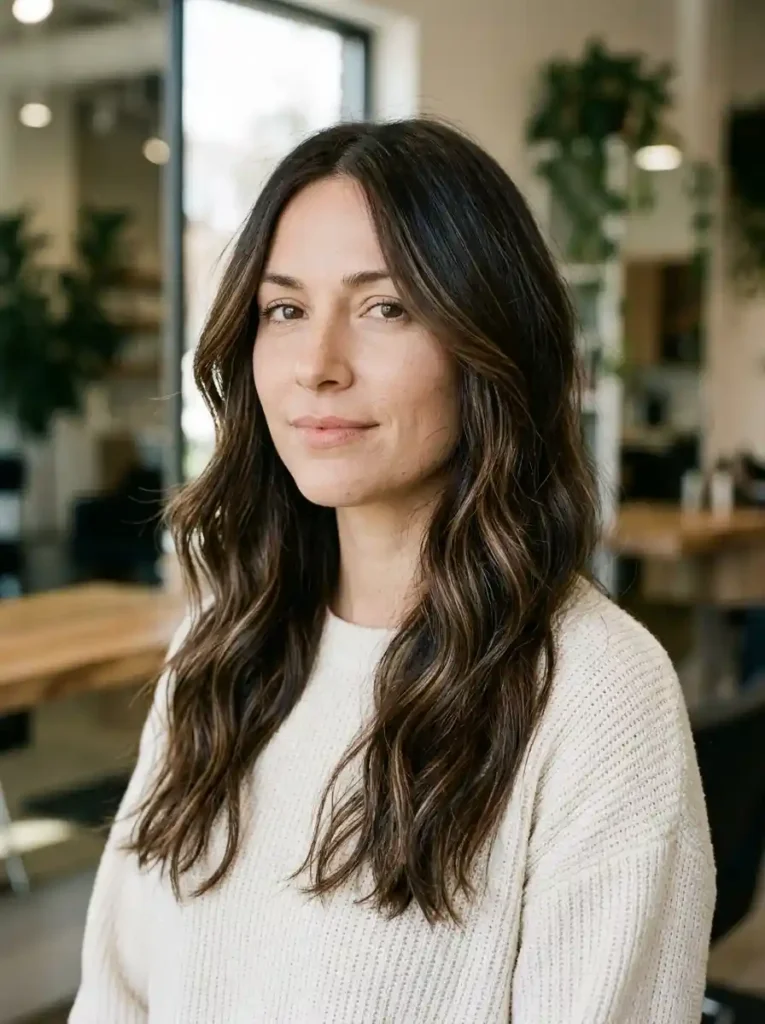
Soft caramel highlights are an easy way to brighten chocolate brown hair without making the overall color feel dramatically lighter. The warm golden-brown ribbons work especially well when they are concentrated through the mid-lengths and ends, allowing the deeper roots to remain natural. Ask your stylist for finely blended pieces rather than chunky streaks if you want a polished finish. Loose waves will reveal the different tones beautifully, while straight styling creates a sleeker, more subtle effect.
This combination suits brunettes who want visible warmth but still prefer a sophisticated, wearable result. Caramel can sometimes become overly orange on certain brown bases, so bring reference photos showing the exact level of warmth you want. A gloss can help refine the finished tone and add shine after highlighting. For maintenance, refreshing the gloss periodically can keep the caramel looking rich, while leaving the roots untouched makes regrowth considerably less noticeable.
2. Honey Blonde Highlights for a Sunlit Finish
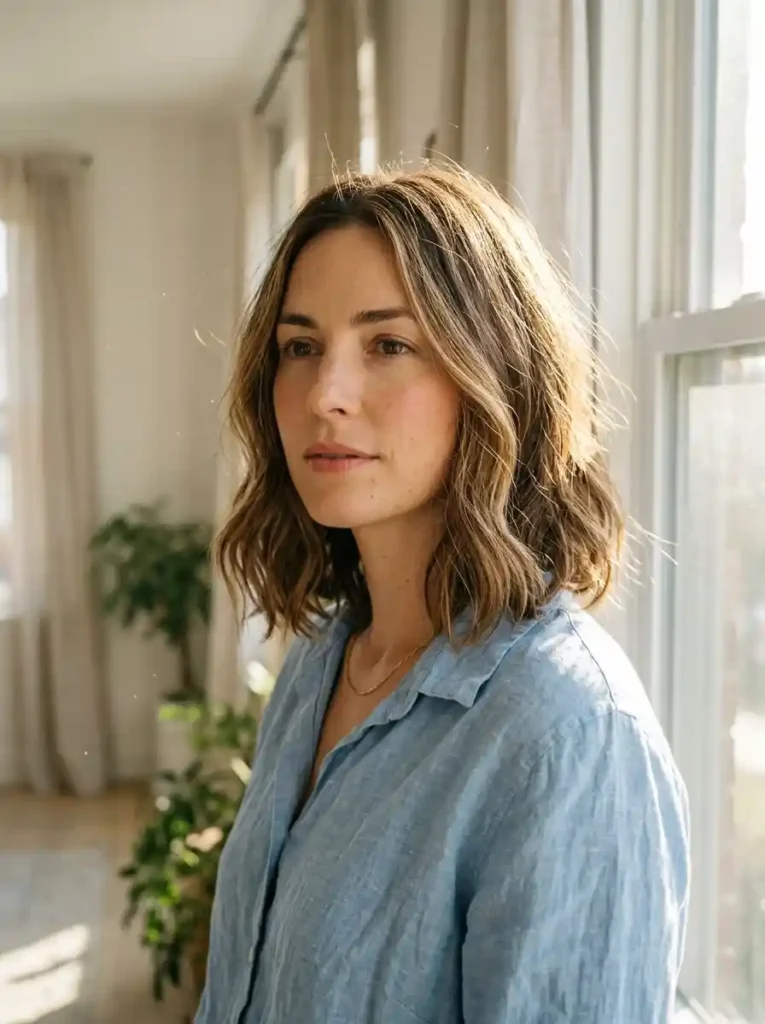
Honey blonde highlights bring a cheerful, sunlit quality to medium brown hair while preserving enough brunette depth to keep the color grounded. They are particularly flattering when blended in different widths, with a few finer strands near the face and slightly broader ribbons through the lengths. This creates movement instead of a striped appearance. If your hair is naturally dark brown, your stylist may recommend building toward honey gradually rather than attempting a very light result in one appointment.
For a naturally bright effect, consider placing more honey pieces along areas that would catch sunlight, such as the upper layers, temples, and ends. This approach can make the hair look illuminated without requiring an all-over blonde transformation. Honey tones generally pair beautifully with warm or neutral complexions, while a slightly beige honey shade can provide a softer option for cooler undertones. A sulfate-conscious color-care routine can also help preserve the finish between salon visits.
3. Face-Framing Caramel Highlights for Brunettes
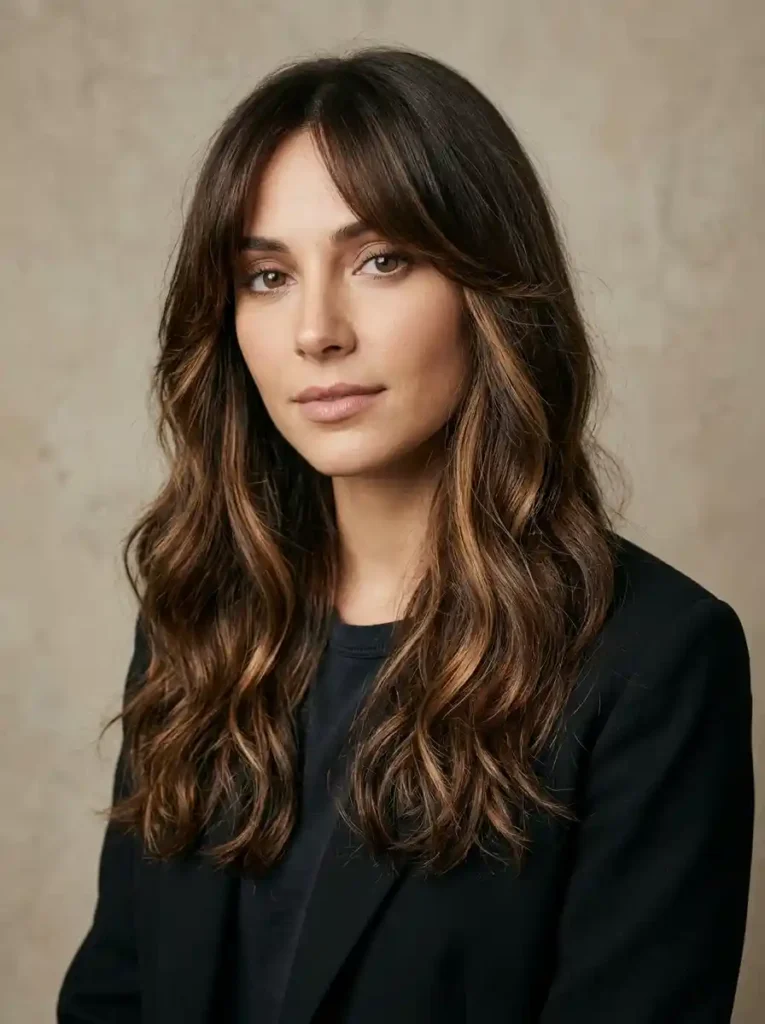
Face-framing highlights are a smart choice if you want your brown hair to look brighter without highlighting every section equally. Concentrating caramel pieces around the front can draw attention toward the eyes and cheekbones while leaving much of the back naturally brunette. The placement matters more than simply choosing a lighter shade, so show your stylist where you want the brightness to begin. Softer pieces usually create a more flattering transition than a sharply defined front streak.
This look can be adjusted to suit almost any haircut. Long layers can carry the highlight downward, while a bob can use shorter pieces around the cheekbones for a concentrated effect. If you wear bangs, discuss whether the color should continue through them or remain around the sides. Keeping the highlight slightly darker than a true blonde can also make maintenance easier. A toner or gloss can help keep the lighter sections harmonious with your natural brown base.
4. Beige Highlights for Cool-Toned Brown Hair
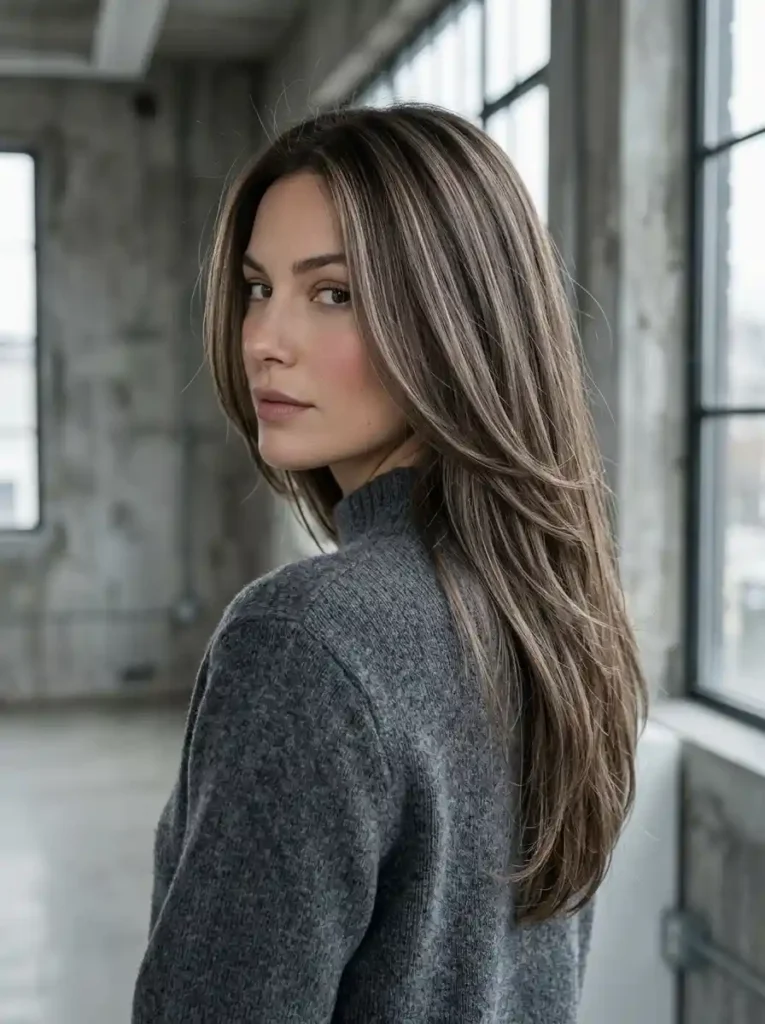
Beige highlights are ideal when you love dimension but do not want the obvious warmth associated with caramel or honey tones. On cool brown hair, taupe, mushroom, and soft beige ribbons can create a refined contrast while keeping the overall appearance neutral. The result is especially attractive on straight or softly waved hair because the muted shades appear and disappear as the hair moves. Ask for blended tonal variation rather than one uniform beige shade.
Because cool beige tones can become dull if they are not balanced correctly, professional toning is important. Your stylist can adjust the formula depending on whether your natural brown is deep, medium, or already somewhat light. Beige highlights are also useful for people who prefer understated color that photographs beautifully without looking dramatically blonde in person. Use gentle, color-safe products and limit excessive heat styling to help maintain the smooth, reflective quality that makes these highlights so appealing.
5. Golden Brown Highlights for Rich Brunette Dimension
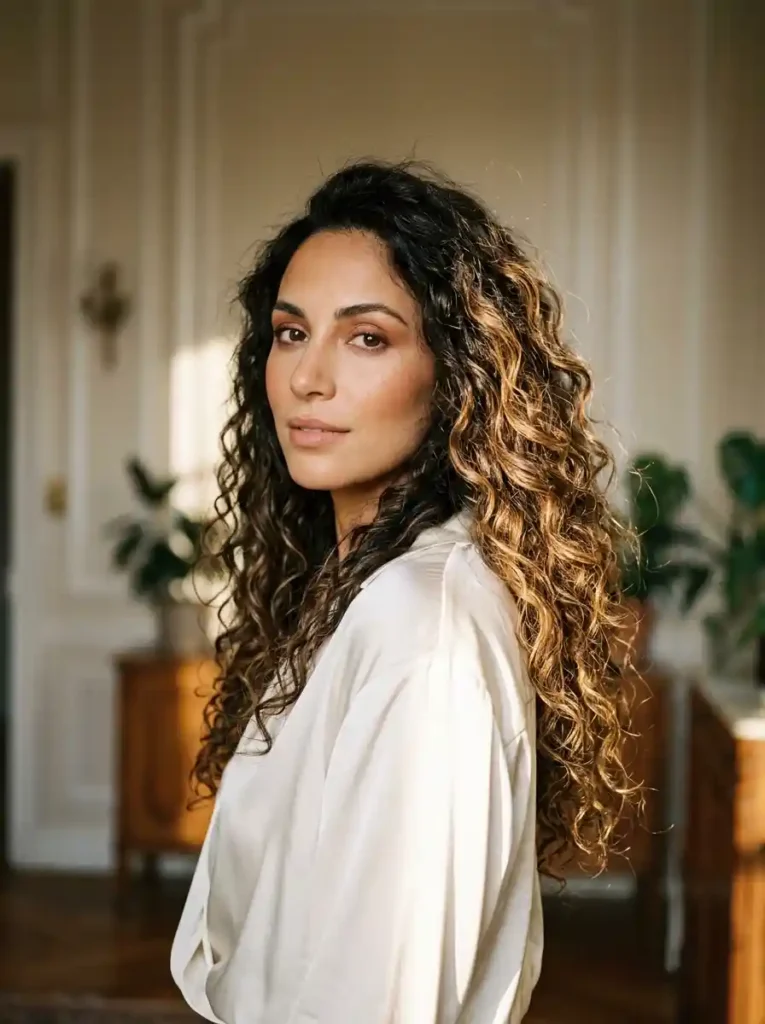
Golden brown highlights offer a beautiful middle ground between a deep brunette and noticeably lighter hair. Instead of creating a blonde effect, they add warm dimension that can make dense brown hair appear more textured and lively. The shade works particularly well when several closely related brown tones are blended together. On curly or wavy hair, strategic placement through the bends and outer layers can emphasize the natural pattern without overwhelming it.
If your goal is richness rather than brightness, tell your stylist that you want the highlights to remain within the brunette family. This distinction can prevent the result from becoming lighter than expected. Golden brown tends to look especially luxurious against espresso and medium-dark bases, but the exact tone should be customized to your existing color. Maintaining shine is equally important, since reflective hair makes tonal variation more visible. A lightweight conditioning mask can help keep highlighted lengths smooth and luminous.
6. Subtle Babylights for an Almost-Natural Effect
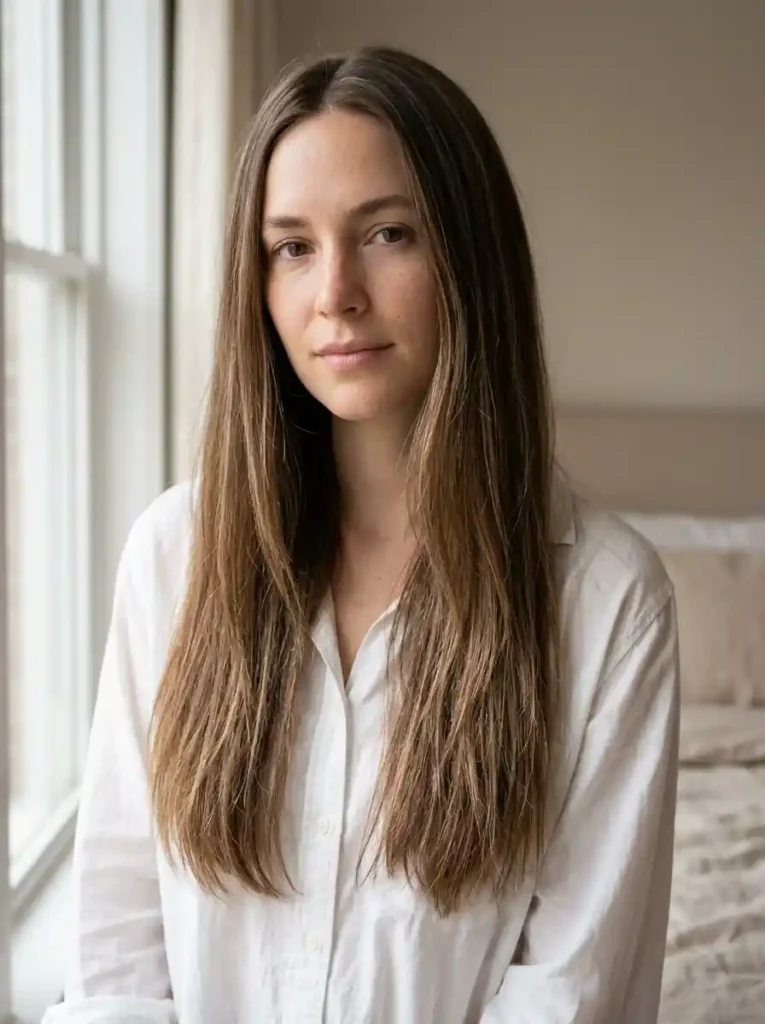
Babylights are perfect when you want people to notice that your brown hair looks brighter without immediately seeing why. These extremely fine highlights mimic the subtle variation found in naturally sun-lightened hair. Rather than creating obvious ribbons, the color is distributed in tiny sections that blend closely with the base. This technique can be particularly effective for first-time color clients who want a conservative change or anyone who prefers an understated brunette look.
Because the individual sections are so delicate, the finished effect depends heavily on careful application and placement. A stylist can keep the brightest pieces around the upper layers while using fewer through the underneath sections. This prevents the color from looking too uniform. Babylights can also be adapted to darker brown hair with a soft medium-brown or neutral light-brown target rather than blonde. Regular conditioning helps the fine highlighted strands remain smooth enough to preserve their delicate appearance.
7. Cinnamon Highlights for Warm Brown Hair
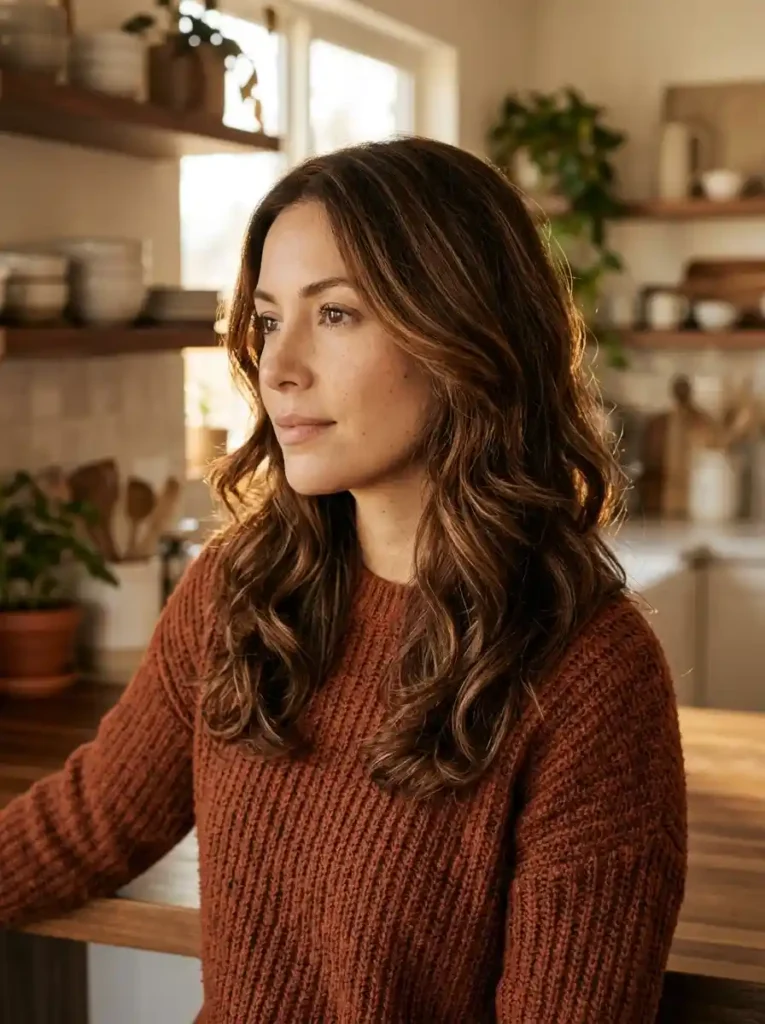
Cinnamon highlights give brown hair a spicy warmth that feels richer and deeper than traditional blonde highlights. They work particularly well with chestnut, medium brown, and warm dark brown bases, where the reddish-golden tones can blend naturally instead of looking artificially bright. For a sophisticated finish, ask for cinnamon ribbons that vary slightly in depth. This creates tonal movement and prevents the color from appearing like one flat reddish layer over the brunette base.
The placement can change the character of the look considerably. Cinnamon pieces through the lower layers create a subtle glow that appears when the hair moves, while highlights around the face make the warmth more noticeable. If your natural hair pulls strongly red, your stylist can use a more neutral cinnamon formula to keep the result controlled. Because warm pigments can fade unevenly, color-safe cleansing and occasional professional toning can help preserve the intended balance.
8. Mocha Highlights for a Sophisticated Brunette Look
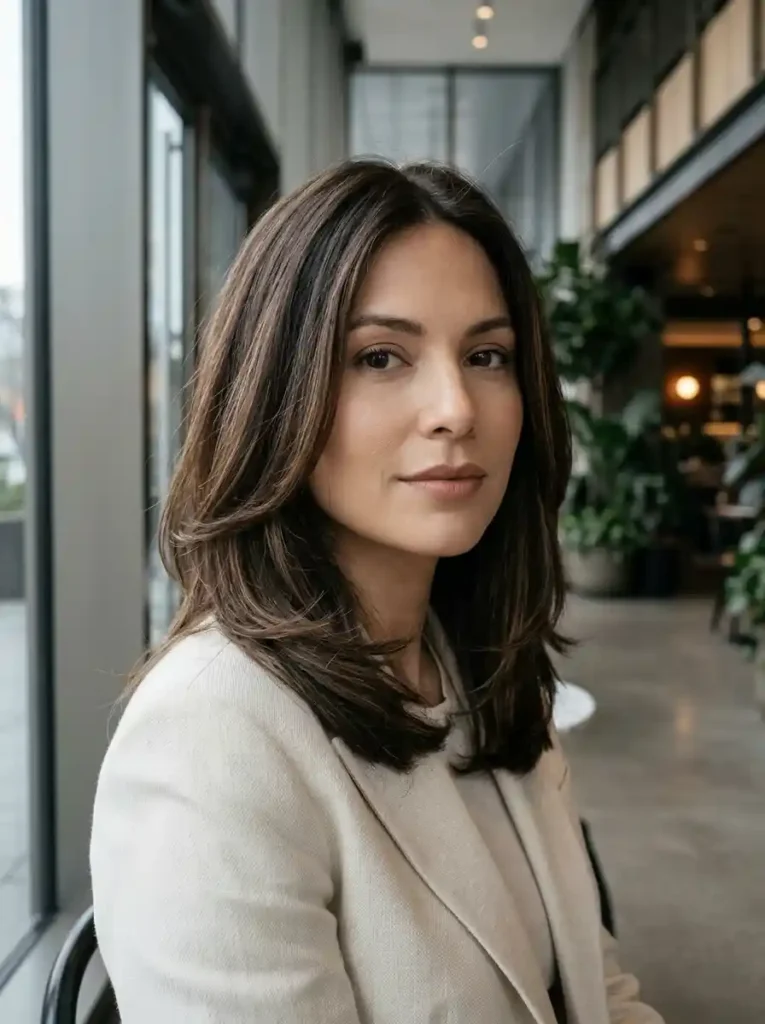
Mocha highlights are an excellent choice when you want dimension without introducing a strongly golden or reddish cast. They sit comfortably within the brunette spectrum, making them particularly appealing for people who prefer sophisticated, neutral-looking color. A stylist can combine deep cocoa, medium mocha, and slightly lighter brown pieces to create depth that becomes visible as the hair moves. The effect is polished rather than dramatic, making it easy to wear in professional settings.
This color is especially versatile on medium and dark brown hair because the contrast can be customized without requiring an extremely light lift. If your hair is fine, strategically placed mocha highlights can also help layered cuts appear more dimensional. Keep the lighter pieces concentrated where your haircut naturally separates rather than applying the same amount everywhere. A clear or lightly tinted gloss can enhance shine afterward, allowing the subtle differences between the brunette shades to remain visible.
9. Caramel Balayage on Long Brown Hair
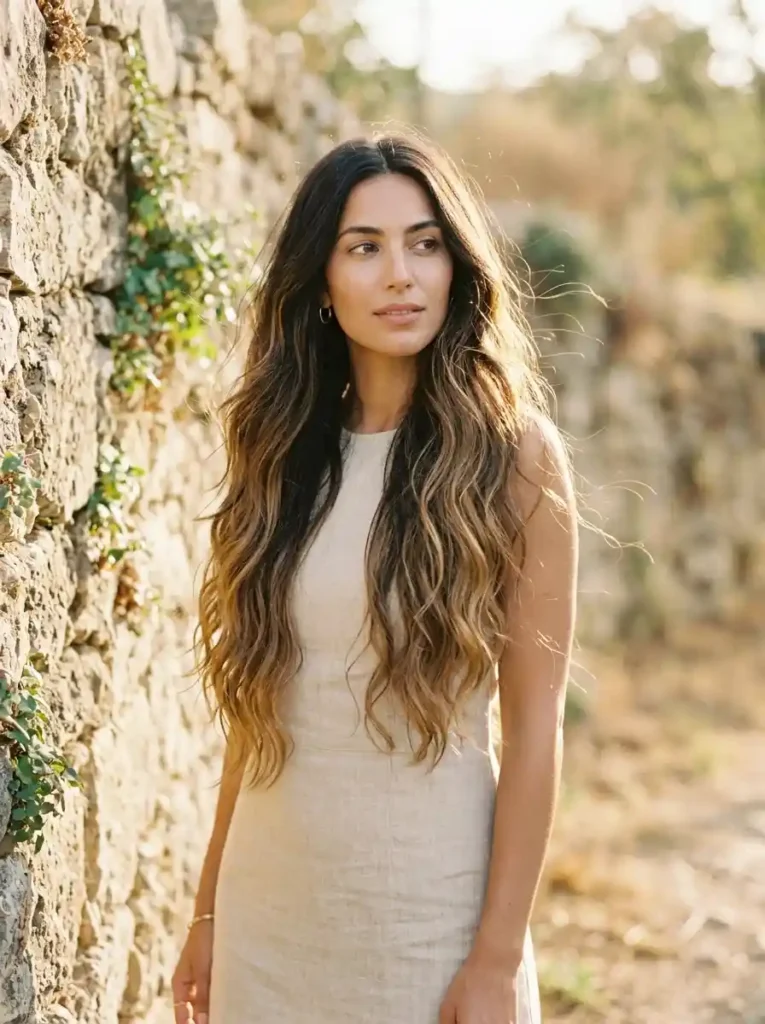
A caramel balayage creates a gradual transition from deeper brown roots into warmer, lighter lengths, making it a strong option for anyone who wants noticeable dimension with a softer grow-out. The hand-painted appearance means the highlights do not need to start at one identical point across the head. Instead, the stylist can place brighter pieces where they complement the haircut and natural movement. Long brown hair provides plenty of space for that gradual transition to develop.
This style is particularly convenient for people who do not want frequent root appointments because the darker base remains visible as the hair grows. However, balayage still needs maintenance on the lightened ends, especially if they become dry or brassy. Ask about a gloss that keeps the caramel balanced with your brunette base. For styling, large loose waves are excellent for displaying the gradient, while a sleek ponytail shows the color transition more clearly and dramatically.
10. Espresso Brown with Subtle Toffee Ribbons
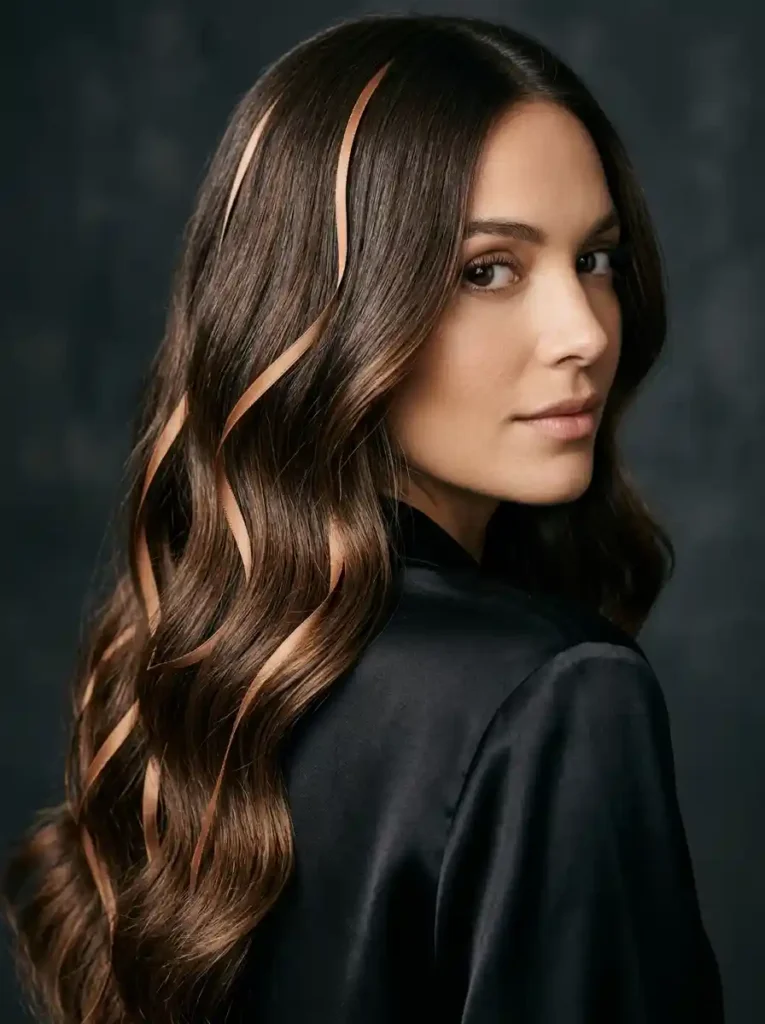
Toffee ribbons bring just enough contrast to espresso brown hair to reveal its depth without turning the overall color blonde. The richer base makes the lighter strands appear especially luminous, so a relatively small amount of highlighting can have a noticeable effect. For a modern result, ask for narrow ribbons that follow the natural fall of the haircut rather than evenly spaced sections. This works beautifully with long layers, polished waves, and sleek straight styling.
The ideal toffee shade depends on how dark your natural or existing brown is. On nearly black brunette hair, a medium warm brown may create a more believable transition than very light caramel. If you have previously colored your hair, your stylist may need to assess its condition before lifting the selected sections. curled shoulder-length layers, warm neutral skin, hazel eyes, understated makeup, wearing a cream cardigan, standing outdoors in a leafy garden during early autumn, gentle filtered sunlight passing through foliage and illuminating reddish-brown strands, three-quarter profile composition, realistic Keeping the lightest pieces mainly through the mid-lengths and ends can also preserve a strong brunette identity while giving the hairstyle attractive movement.
11. Chestnut Highlights for a Naturally Warm Finish
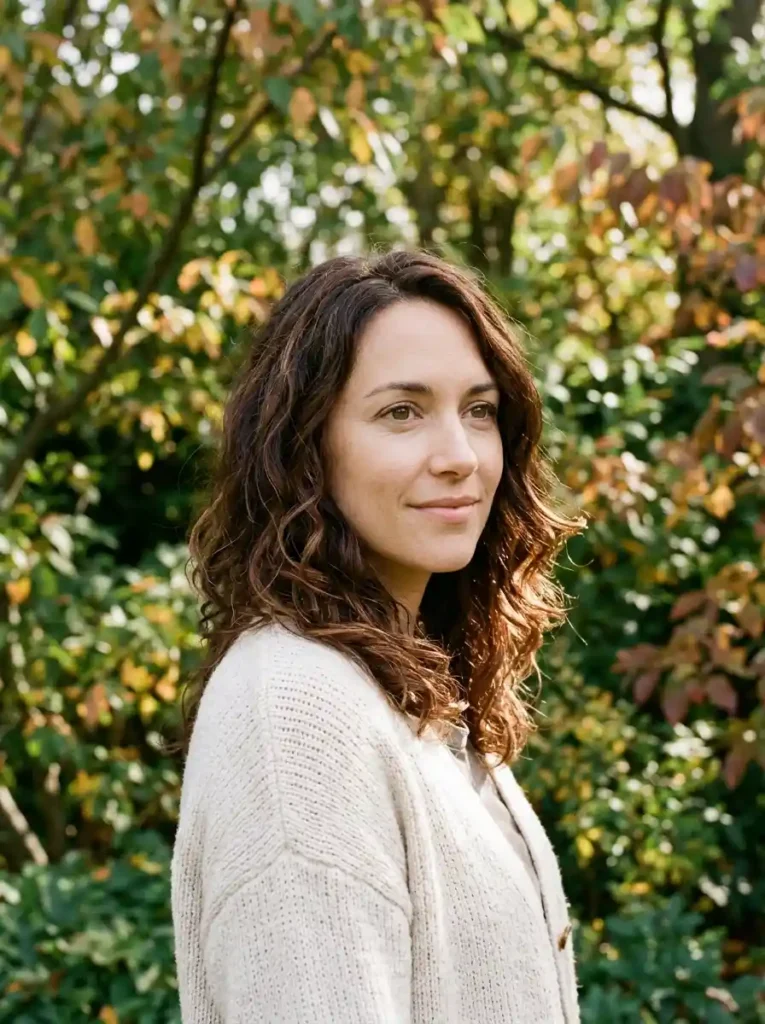
Chestnut highlights add gentle reddish-brown warmth without pushing the hair into an obviously red color category. They are a lovely choice for brunettes who want their color to feel richer and more multidimensional, particularly during autumn and winter when deeper warm tones complement seasonal wardrobes. The highlights can be kept quite subtle, appearing mainly when light hits the hair. This makes chestnut especially attractive for someone who wants a refined change rather than high contrast.
For the most natural result, use chestnut tones that relate closely to your underlying brown. If your base is very cool, adding too much red at once may produce an unexpected contrast, so gradual tonal adjustment is usually preferable. Ask your stylist whether a semi-permanent gloss can create the warmth you want before committing to extensive lightening. Chestnut highlights also look beautiful with soft curls because the curved strands naturally catch and reflect the warmer color.
12. Ash Brown Highlights for a Modern Cool Contrast
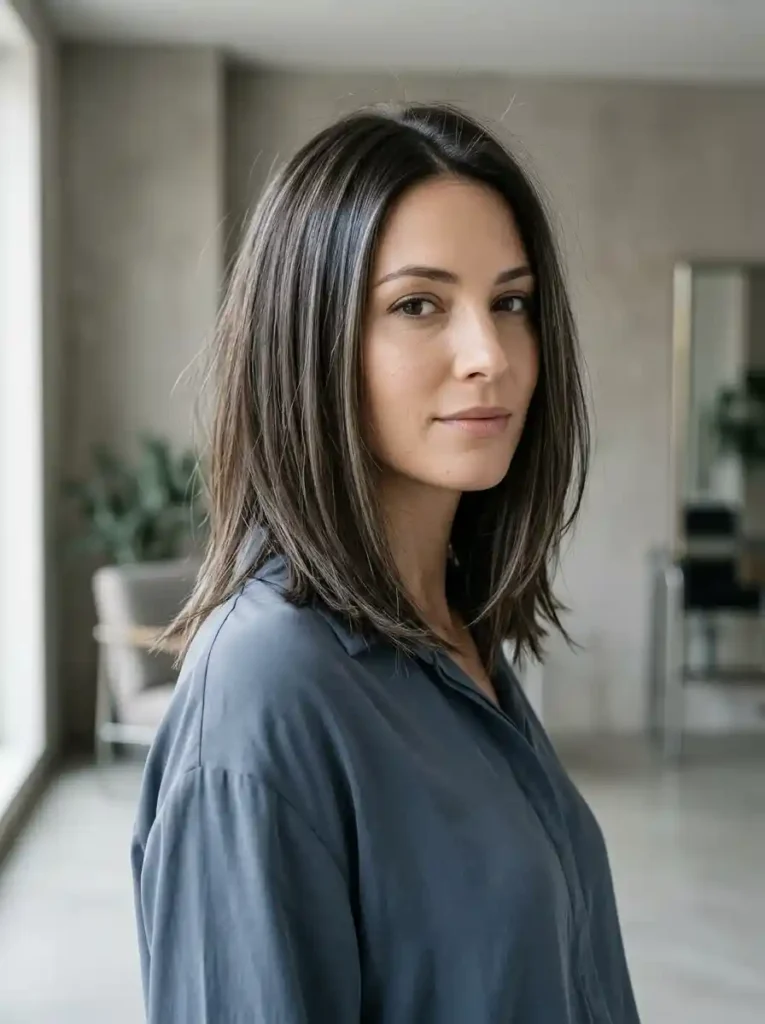
Ash brown highlights create a cooler, more contemporary interpretation of brunette dimension. Instead of golden or copper reflections, the lighter sections carry muted taupe and smoky brown undertones. This can be particularly appealing if you prefer neutral clothing palettes or want to avoid warmth in your hair color. The contrast is often subtle, but it becomes more noticeable when the hair is styled with movement, making layered or textured cuts a good match.
Cool tones require thoughtful maintenance because unwanted warmth can gradually become more visible as color fades. A stylist can determine whether a cool toner is appropriate for your existing base rather than simply applying an ash shade blindly. If your hair is naturally very warm, achieving an ash effect may require more color correction. Keep the finish healthy with gentle washing and regular conditioning, since dry hair can make cool highlights appear less polished and reflective.
13. Honey-Caramel Highlights with Curtain Bangs

Combining honey and caramel creates more dimension than relying on a single highlight shade, and curtain bangs provide an especially useful canvas for the brighter pieces. A few fine honey strands around the fringe can illuminate the face, while slightly deeper caramel ribbons through the lengths keep the overall brunette color cohesive. The result feels blended rather than striped because the shades are related but not identical.
When wearing curtain bangs, remember that their position changes throughout the day, so the highlight placement should look attractive whether they are parted widely or tucked behind the ears. Avoid making the front pieces excessively thick, since strong blocks of color can overpower a soft fringe. This combination is also easy to personalize: use lighter honey near the face for more brightness or keep both shades close to medium brown if you prefer a quieter finish.
14. Subtle Copper Highlights on Dark Brown Hair
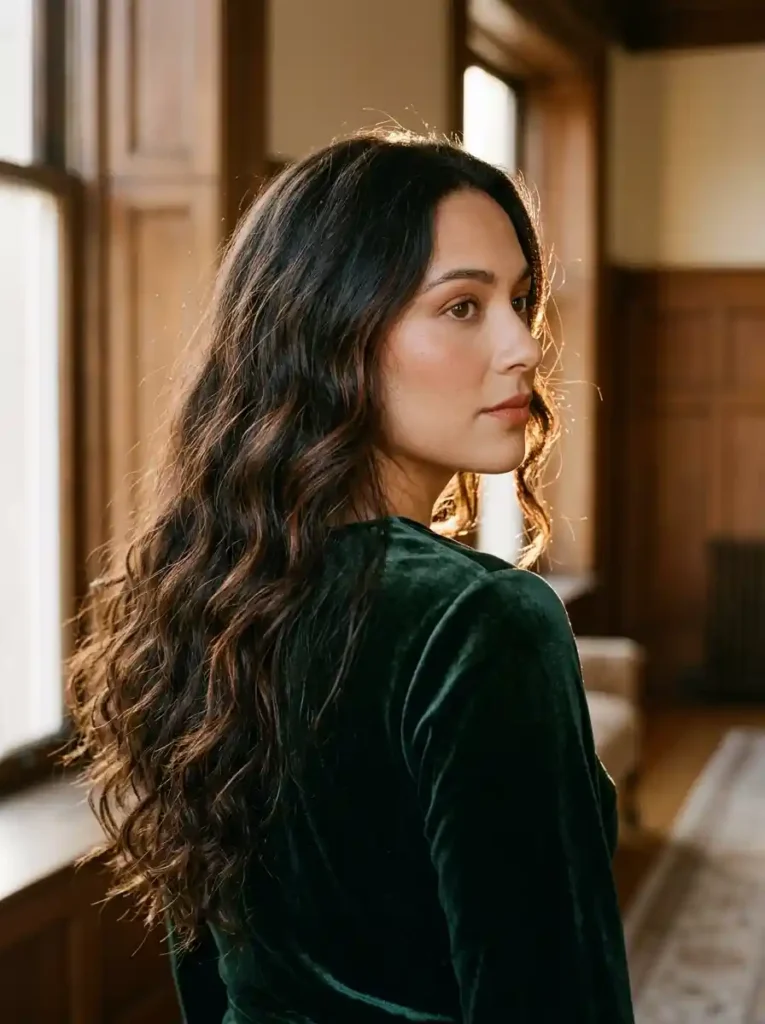
Copper highlights can give dark brown hair an unexpectedly vibrant quality while still preserving a brunette foundation. The trick is choosing a restrained copper-brown rather than an intensely orange shade if you want an elegant everyday result. Fine ribbons scattered through the outer layers can reveal flashes of copper whenever the hair catches the light. This placement is especially striking on waves and curls, where the changing angles naturally reveal different reflections.
If you are considering copper highlights for the first time, discuss how much red-orange pigment you are comfortable seeing. A subtle copper glaze may be enough if your goal is warmth, while lightened ribbons create stronger dimension. Keep in mind that copper tones can shift as they fade, so a stylist can recommend a suitable gloss schedule. Pairing the highlights with deep brown roots keeps the overall look grounded and makes the brighter color feel intentional rather than overpowering.
15. Face-Framing Blonde Highlights on Medium Brown Hair
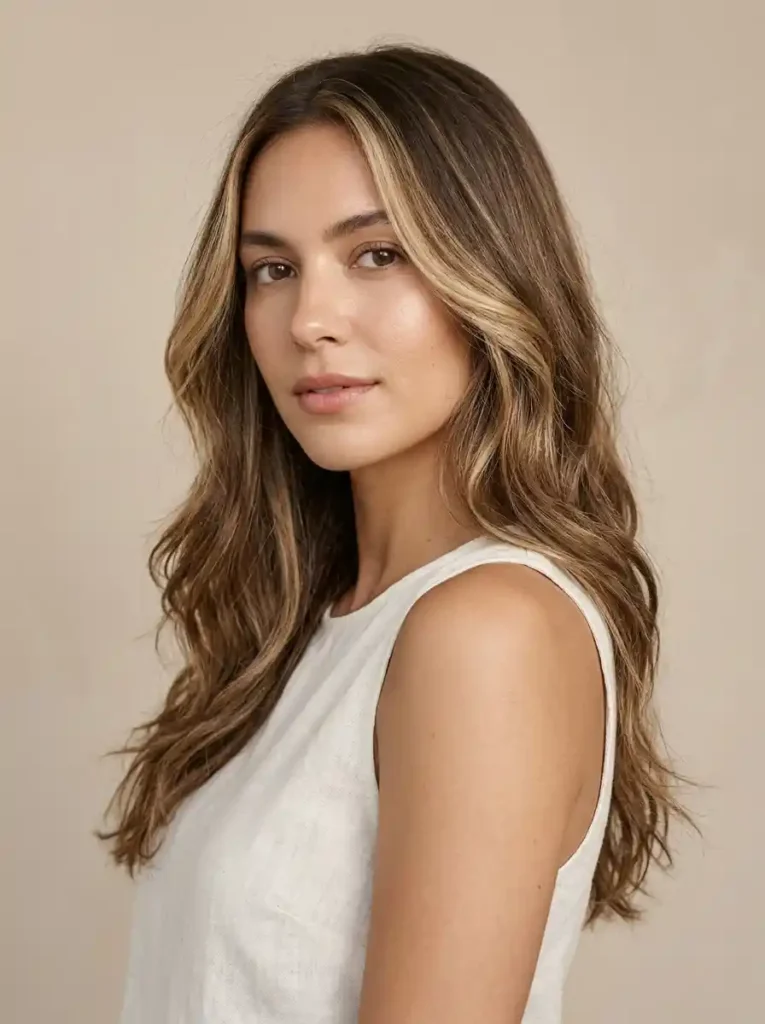
Blonde face-framing highlights offer more brightness than caramel while allowing the majority of your brown hair to remain intact. They can create a fresh, noticeable change without committing to a full head of blonde. The most flattering placement usually follows the haircut, with the lightest pieces positioned around the areas where the front layers naturally fall. Keeping the transition soft at the roots prevents the look from becoming harsh or resembling a single solid blonde section.
Because the front of the hair receives frequent attention from styling tools, heat and dryness can become more noticeable on these lighter pieces. Use heat protection whenever you blow-dry or curl them, and avoid repeatedly applying high temperatures to the same sections. If you prefer a softer finish, ask for beige or honey blonde instead of an icy shade. This allows the face-framing brightness to remain harmonious with the warmth or neutrality of the surrounding brown hair.
16. Mushroom Brown Highlights for an Elegant Neutral Look
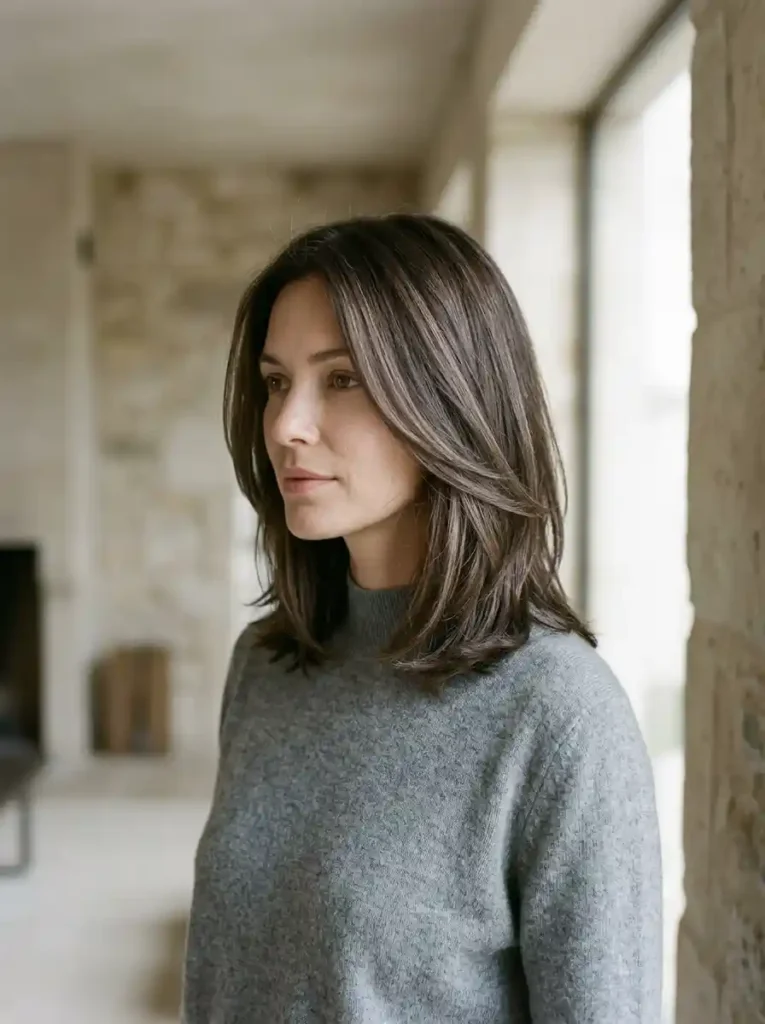
Mushroom brown highlights are a beautiful option for brunettes who want a neutral, slightly cool finish without committing to gray or platinum tones. The color usually combines muted brown, taupe, and beige influences, creating dimension that feels understated and sophisticated. It works particularly well with medium to dark brown bases because the neighboring tones can blend smoothly. Straight hair reveals the refined tonal shifts, while soft waves make the contrast more visible.
This look is worth discussing carefully with your stylist because “mushroom” can mean slightly different things depending on the starting color. Bring photos showing whether you prefer a warmer taupe or a distinctly cool beige-brown result. If your hair naturally develops strong golden tones, maintenance may involve occasional toning to keep the highlights neutral. The finished color pairs especially well with minimalist styling, neutral wardrobes, and glossy textures because its appeal comes from subtle tonal sophistication rather than obvious brightness.
17. Golden Beige Highlights for Soft Brunette Brightness
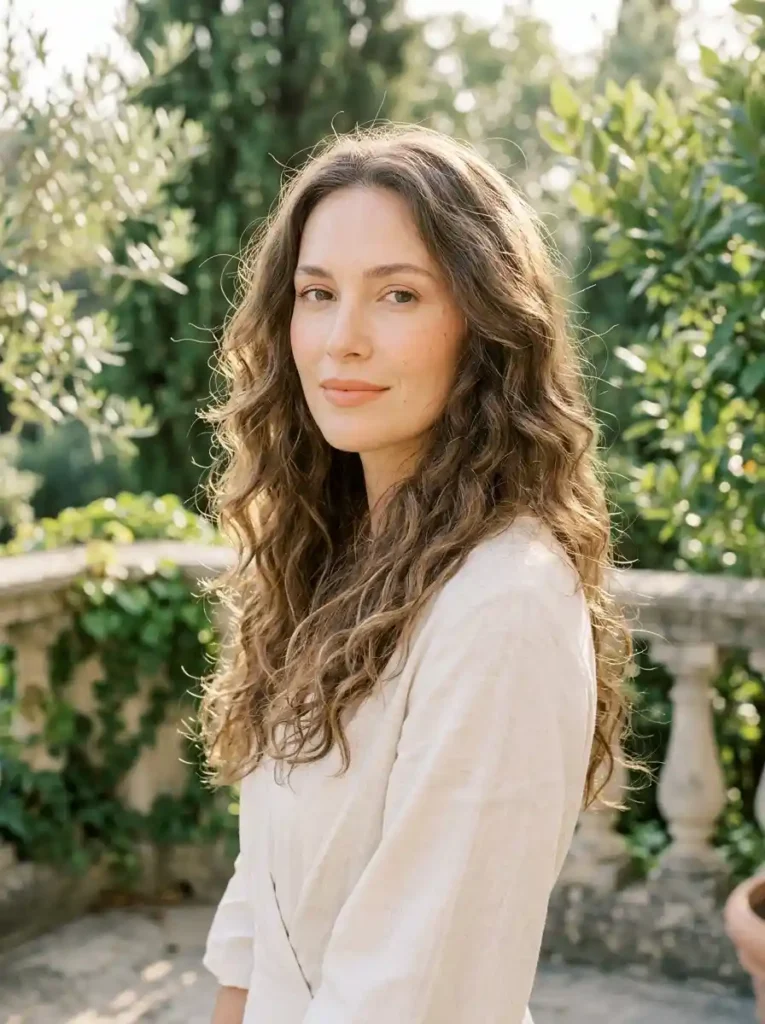
Golden beige highlights combine some of the warmth of honey with the muted quality of beige, making them useful when you want brightness without an intensely yellow result. They can soften medium brown hair and create a light-reflective finish that looks particularly beautiful in natural daylight. Rather than applying the same tone everywhere, consider slightly lighter pieces around the face and a more muted version through the back for balanced dimension.
This shade is also flexible when your personal style changes. It can look polished with a sleek blowout, relaxed with beachy waves, or understated when worn naturally. For maintenance, ask your stylist whether a neutralizing gloss is needed as the lighter pieces fade. Avoid choosing a dramatically lighter shade simply because it looks striking in a photograph; your natural base, previous color, and hair condition all influence the final result. A well-blended medium blonde-beige can be equally eye-catching.
18. Dimensional Highlights for Layered Brown Hair
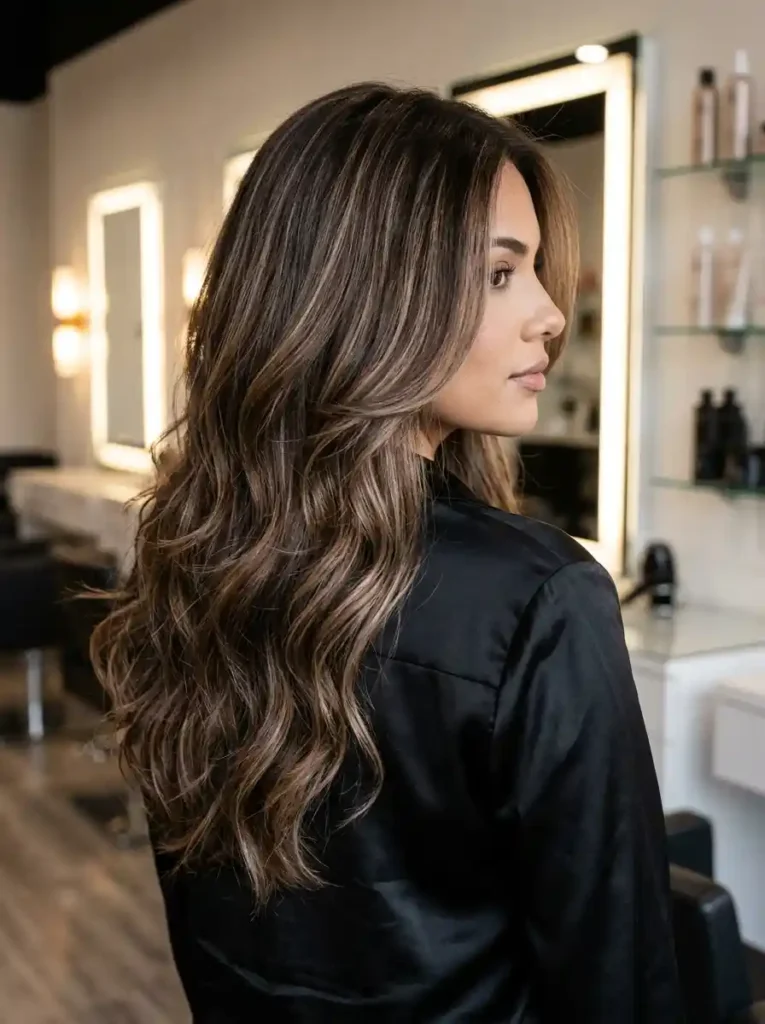
Layered brown hair can benefit enormously from multiple highlight depths because the haircut itself creates movement between different sections. Instead of choosing one light shade, a stylist can combine deeper mocha pieces with caramel or beige accents to make the layers easier to see. The result is dimensional without requiring every strand to be significantly lighter. This approach is particularly effective if your haircut contains long, cascading layers that naturally overlap when styled.
Placement should follow the architecture of the haircut rather than being distributed mechanically. Brighter pieces can be reserved for the outer layers and selected face-framing sections, while deeper tones remain underneath to preserve richness. When you move from straight to wavy styling, the color may appear completely different because the layers expose different ribbons. Bring photos of your actual haircut when discussing highlights so your stylist can design the color around the way your hair naturally falls.
19. Low-Contrast Highlights for Easy-Growing Brunette Hair
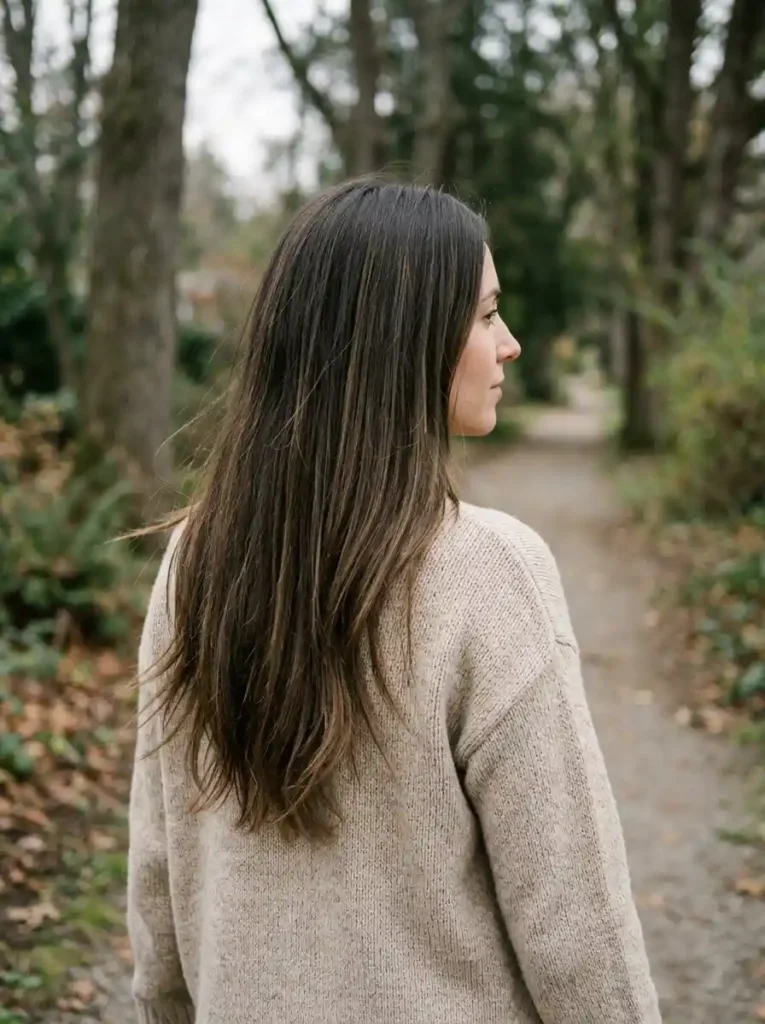
Low-contrast highlights are ideal when convenience matters as much as appearance. Instead of creating a strong difference between the natural brown base and highlighted sections, the color stays within one or two levels of the original shade. This gives the hair extra dimension while allowing new growth to blend naturally. It is a practical choice for busy schedules, first-time color clients, or anyone who wants their brunette hair to look enhanced rather than obviously colored.
Ask your stylist to prioritize seamless blending over maximum brightness. Medium brown, soft mocha, or subtle caramel-brown pieces can all work depending on your base. Keeping the root area natural further reduces the visual impact of regrowth. Even low-maintenance color still benefits from occasional glossing because shine helps subtle highlights remain visible. This approach also gives you room to go lighter later if you decide you want more contrast, making it a sensible starting point for experimenting with brunette highlights.
20. Rich Brunette Highlights with Soft Golden Ends
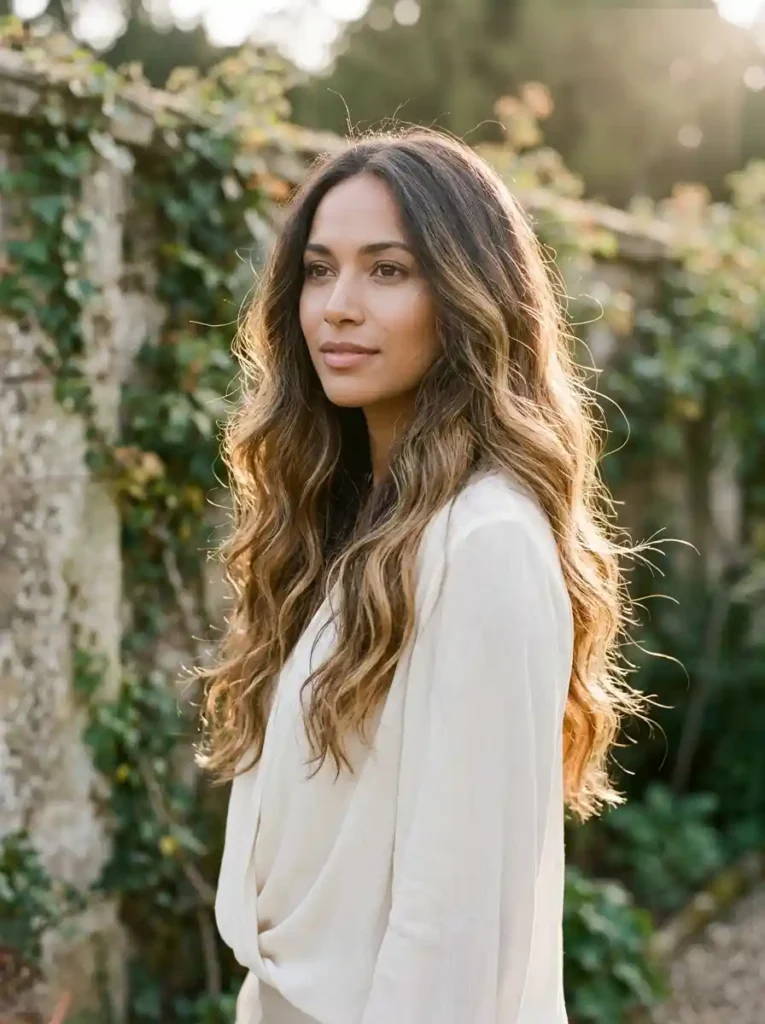
Soft golden ends create a beautiful finishing touch when you want your brown hair to remain deep through the roots and middle sections while gaining brightness toward the bottom. The gradual placement keeps the hairstyle visually balanced and can make long hair appear especially fluid. Rather than creating a sharp ombré line, ask for blended ribbons that begin at slightly different heights. This creates a natural transition and prevents the ends from looking disconnected from the brunette base.
This idea is particularly useful for someone who likes warm color but wants to avoid frequent root maintenance. The natural-looking darker top allows the hair to grow without creating an obvious demarcation, while the lighter ends can be refreshed periodically with a gloss. Regular trims are helpful because highlighted ends are more vulnerable to dryness and split ends. Style the hair in loose waves when you want to emphasize the gradient, or wear it straight for a cleaner view of the color transition.
Conclusion
The best brown hair highlights are not necessarily the lightest or most dramatic ones. They are the shades and placements that work with your natural brunette depth, haircut, lifestyle, and preferred level of maintenance. A few caramel pieces can add warmth, beige highlights can create cool sophistication, face-framing strands can brighten your features, and subtle mocha or chestnut tones can provide dimension without making the hair look heavily colored.
Before your next appointment, save two or three of your favorite ideas rather than choosing from memory alone. Pay attention to the starting brown shade, highlight placement, amount of contrast, and overall warmth in each reference. Then tell your stylist what you love about the photos and what you would rather avoid. That conversation can turn Pinterest inspiration into a personalized brunette color that feels beautiful long after the first salon visit.