A new hair color can change the entire mood of your look without requiring a dramatic haircut or a complete style overhaul. Whether you want something soft and dimensional, noticeably bold, or simply fresher than your current shade, the right color can make your everyday hairstyle feel completely renewed. The trick is choosing a shade that works with your natural depth, preferred maintenance level, and personal style.
These 24 fresh hair color ideas cover a wide range of possibilities, from understated brunette dimension and creamy blondes to vivid copper, berry-inspired tones, and modern color combinations. You’ll find options for different complexions, hair lengths, and style preferences, along with practical details about upkeep and customization. Some ideas are subtle enough for a polished everyday look, while others are designed to make your hair the statement piece. As you browse, notice which colors fit not only your appearance but also how much salon maintenance you realistically want.
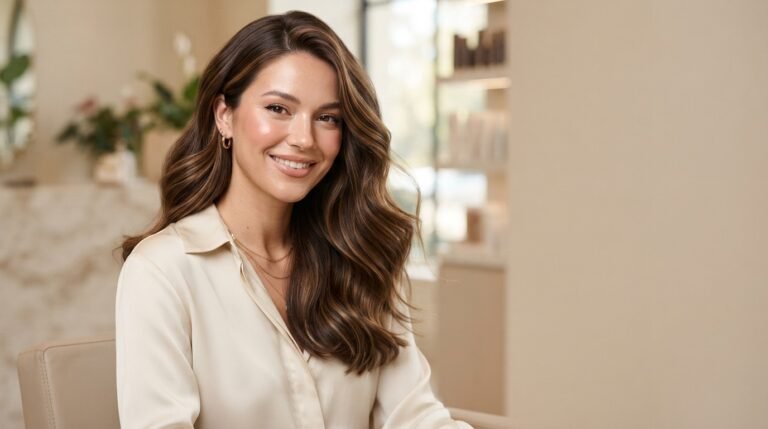
1. Soft Caramel Balayage for Brunettes

Caramel balayage is an easy way to add warmth and dimension without abandoning a brunette base. The color looks especially natural when lighter pieces begin slightly below the roots and become brighter toward the mid-lengths and ends. Ask your stylist for several caramel tones rather than one uniform shade, which creates movement when the hair is curled or worn straight. This approach works particularly well on medium to dark brown hair because the contrast remains noticeable without looking harsh.
For lower maintenance, keep the brightest pieces away from the scalp and request a softly blended transition. A gloss can refresh warmth between appointments and help the finished color look polished rather than dull. If your hair pulls very orange during lightening, your stylist can adjust the formula with more neutral or beige tones. Caramel balayage also photographs beautifully in natural light, making it a practical choice if you want dimensional color that still feels understated.
2. Creamy Butter Blonde
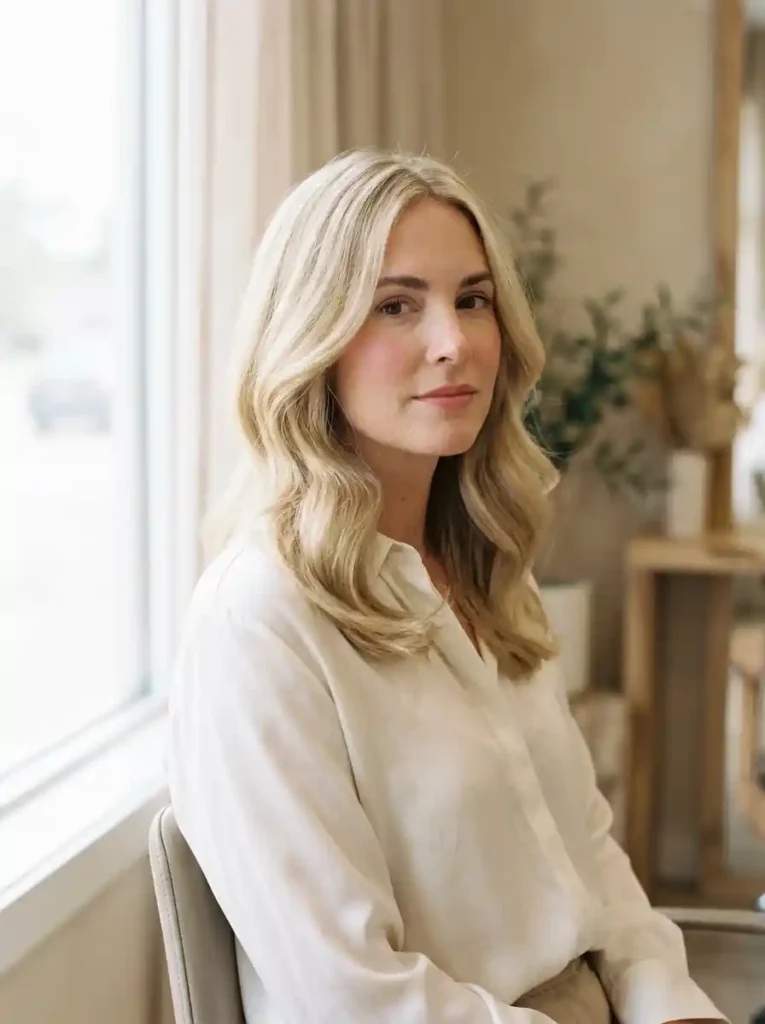
Butter blonde brings warmth to blonde hair without becoming strongly yellow or overly cool. Its creamy appearance comes from balancing golden tones with softer beige notes, making it feel richer than a very pale platinum shade. It can be adapted to many starting colors, although darker hair generally requires more lightening and therefore more careful conditioning. A root shadow can also make the transition gentler and reduce the need for frequent root appointments.
This shade suits people who enjoy a polished, luminous appearance and are comfortable giving their hair extra care. Use moisturizing products designed for color-treated hair and limit excessive heat styling when possible. If your complexion looks washed out beside very light blonde, ask for slightly deeper beige or honey pieces around the face. Keeping a little natural depth at the roots can also add contrast, making creamy blonde appear fuller and more dimensional.
3. Rich Chocolate Brown
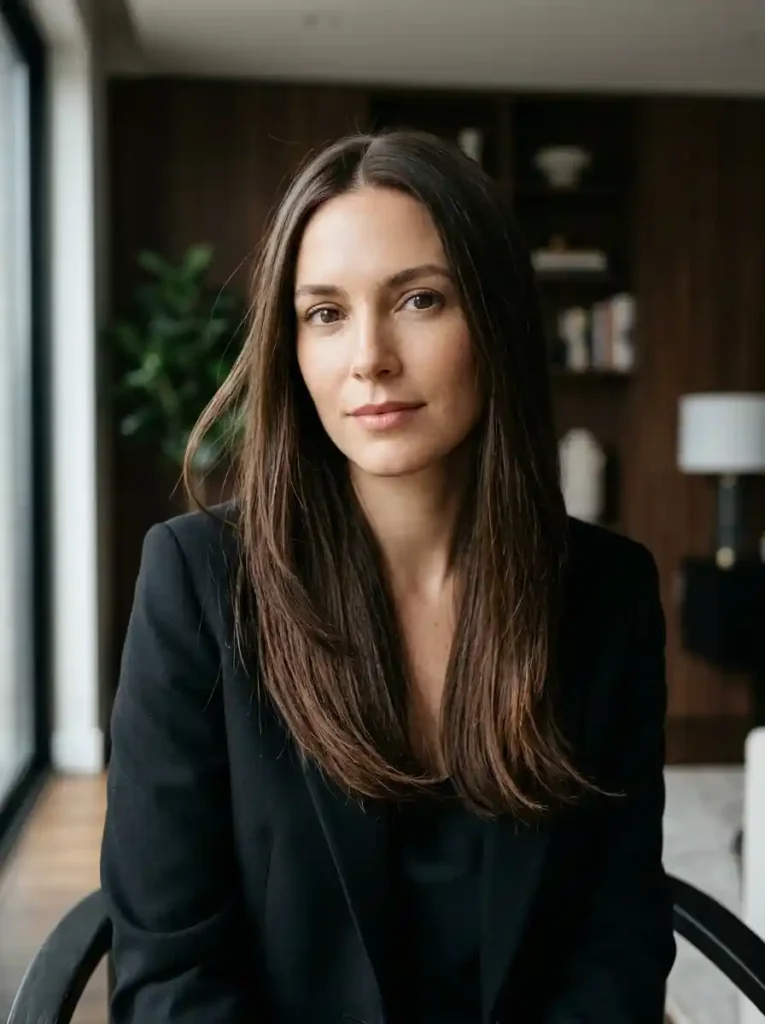
Rich chocolate brown is ideal when you want a noticeable refresh without moving far from brunette territory. Instead of a flat single-process brown, consider combining deep cocoa with slightly lighter chocolate ribbons for subtle dimension. The result can make long hair look particularly glossy while preserving a sophisticated, natural-looking depth. This color is also useful for anyone growing out previous highlights because darker tones can gradually reconnect the lengths with a deeper natural base.
Before choosing a very dark formula, consider how easily you may want to become lighter later. Permanent color can be more difficult to remove without additional processing, so discuss your long-term plans with your stylist. A clear or tinted gloss can maintain the reflective finish between appointments. For styling, smooth blowouts emphasize the richness, while loose waves reveal the different brown tones and prevent the color from appearing visually flat.
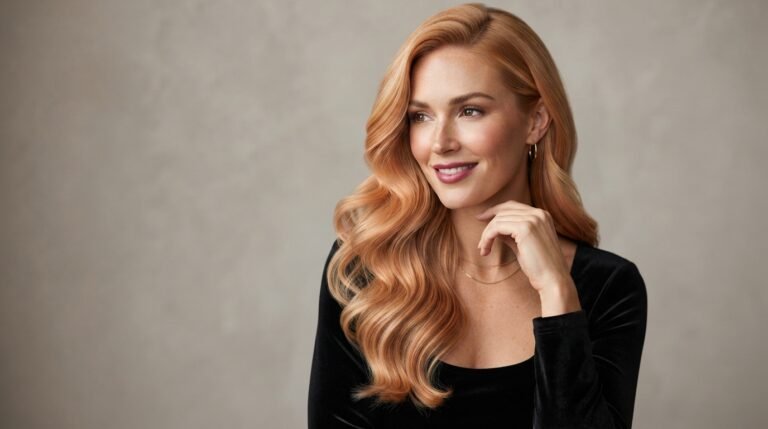
4. Copper Peach
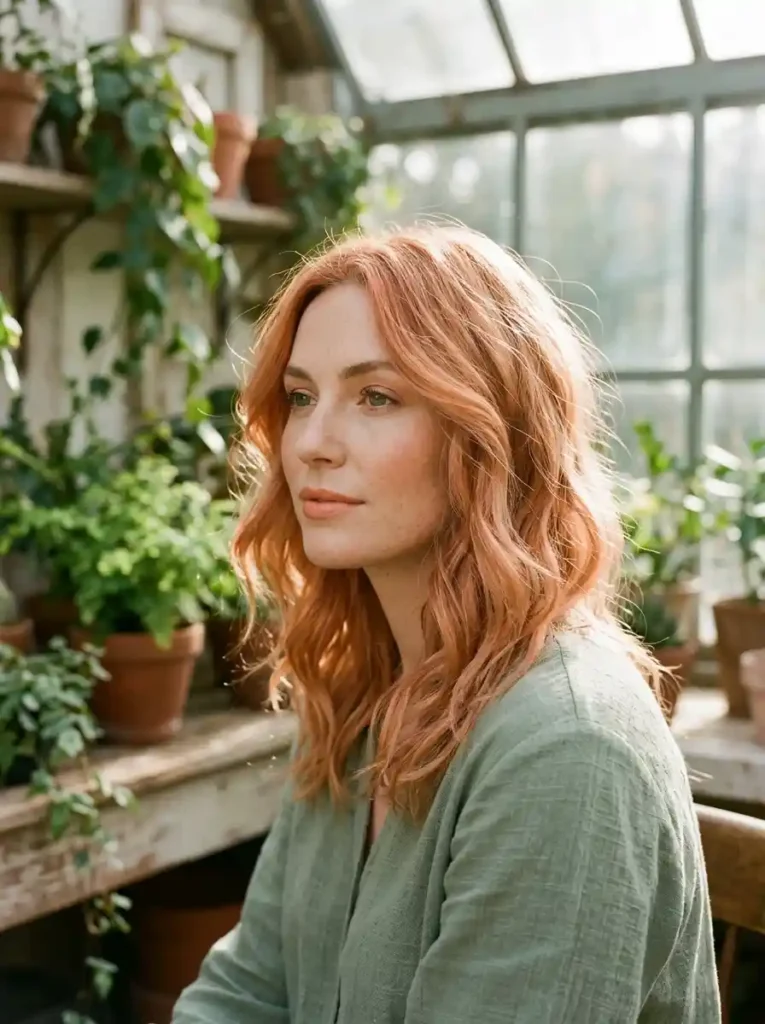
Copper peach combines the lively character of copper with a softer pastel warmth. It can be especially appealing if you want red-inspired hair that feels modern rather than intensely fiery. The exact balance can be adjusted: more copper creates a richer appearance, while additional peach makes the result lighter and softer. Because pastel warmth can fade relatively quickly, starting with a healthy, well-conditioned base helps the color look more even as it changes.
This shade is worth discussing carefully with a stylist if your natural hair is dark, since achieving a light peach tone usually requires substantial lightening first. Ask about a conditioning treatment if your hair has already been chemically processed. At home, wash with lukewarm or cool water and use color-safe products to slow fading. A peachy gloss can also be refreshed periodically, allowing you to maintain the tone without repeating the entire lightening process.
5. Espresso Hair with Face-Framing Ribbons
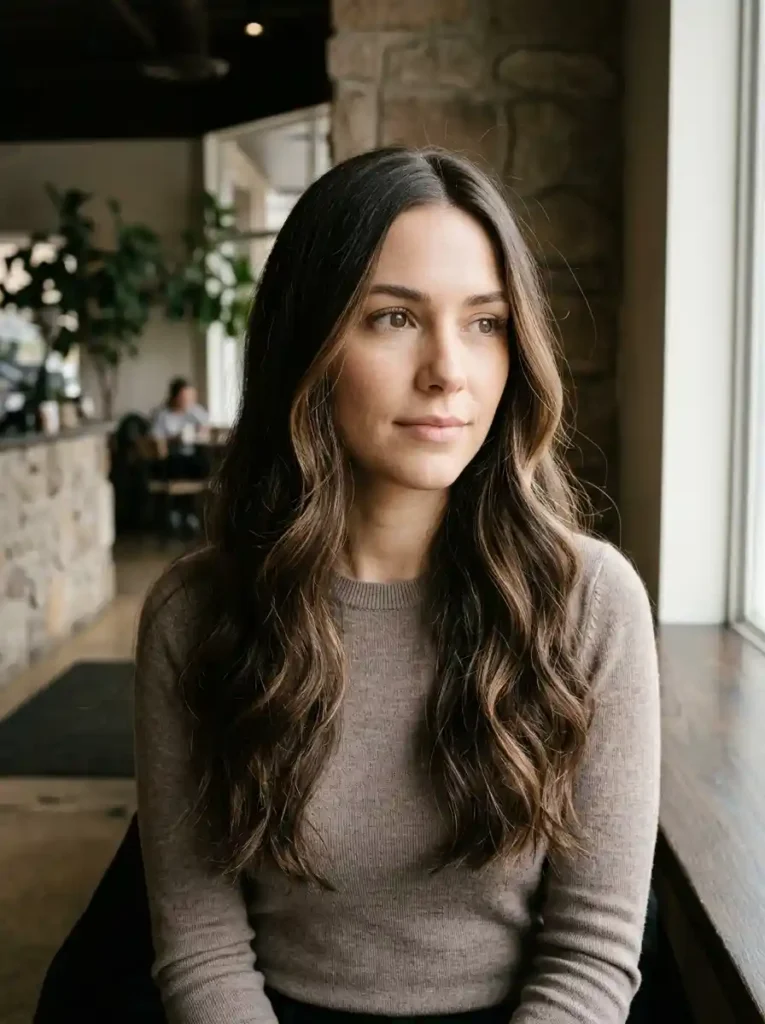
Espresso hair becomes more dimensional when a few carefully placed lighter ribbons frame the face. Rather than scattering highlights throughout the entire head, this technique concentrates brightness where it can enhance the haircut and facial features. Mocha, walnut, or neutral brown can work beautifully against an espresso base. The placement should follow the shape of your layers, particularly if you wear curtain bangs or shorter pieces around the cheekbones.
This option is practical for someone who wants visible change but does not want frequent full-head lightening. Because most of the hair remains dark, new growth is less obvious than it would be with an all-over blonde color. Tell your stylist whether you usually wear your hair parted in the center or on the side, since placement matters. Keep the ribbons soft rather than excessively thick to preserve the sophisticated contrast.
6. Cherry Cola Brunette
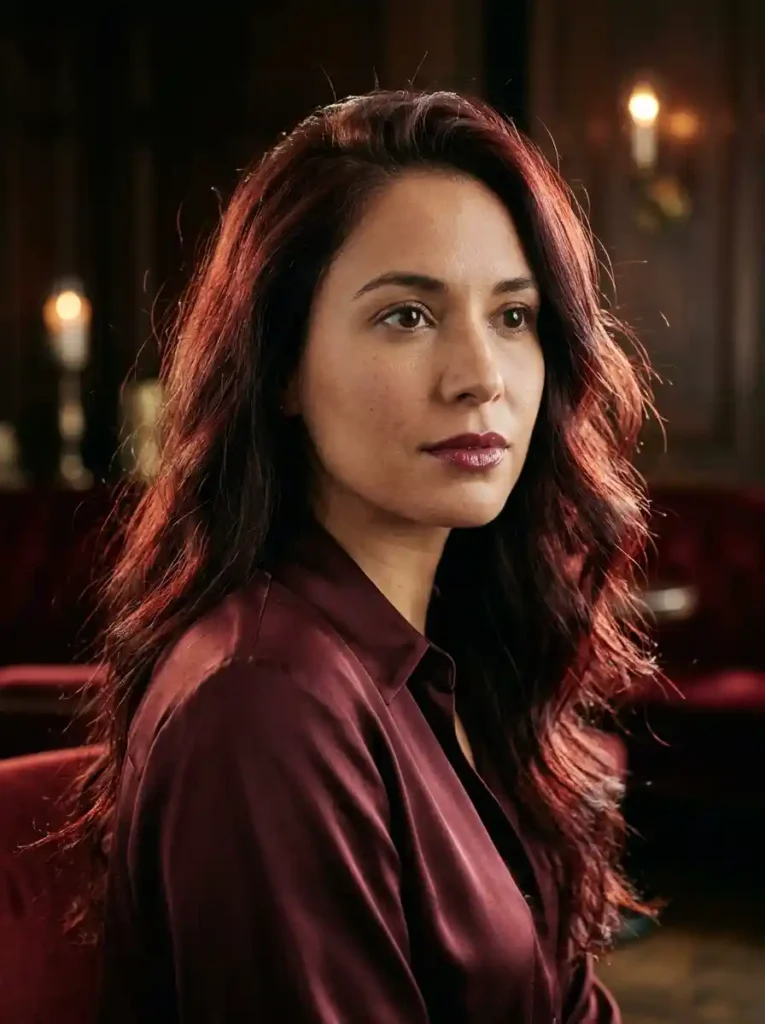
Cherry cola brunette gives dark hair a subtle red transformation without requiring the intensity of bright red. Deep burgundy and cherry undertones become especially noticeable when light catches the hair, while the overall appearance can remain brunette indoors. It is a compelling option for someone who wants a color change that feels sophisticated rather than neon. Your stylist can adjust the red intensity depending on whether you prefer a barely noticeable wine tint or a stronger cherry finish.
Because red pigments can fade differently from brown pigments, maintenance is important if you want the original vibrancy to remain visible. Choose a color-safe shampoo and avoid frequent hot washing. A tinted conditioner can help revive the red tones between salon visits, but the formula should match your specific shade. If your hair is porous or previously lightened, ask your stylist how the color may fade before committing to the richest version.
7. Honey Blonde Highlights
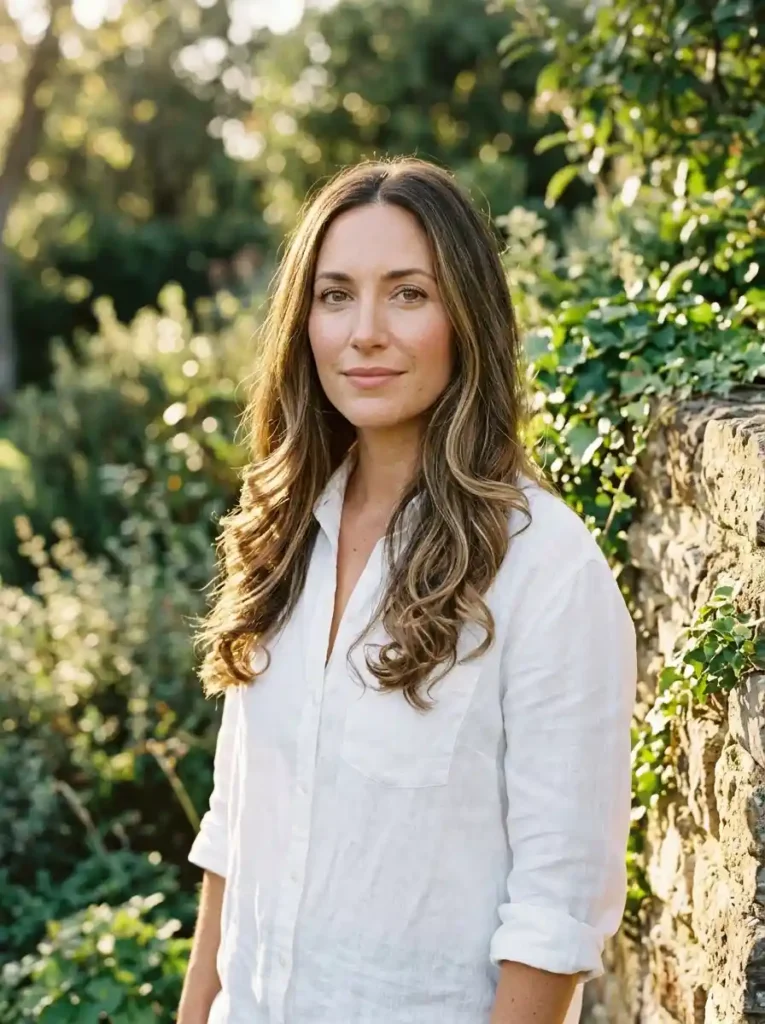
Honey blonde highlights add warmth and brightness while keeping enough of the natural base visible to create depth. They work particularly well when the lighter pieces are fine and varied instead of evenly spaced. Ask for a combination of honey and beige tones if you want warmth without excessive gold. Strategic placement around the face can make the hairstyle look brighter, while additional pieces through the lengths help the color remain balanced from every angle.
This is a useful choice for medium brunettes who want to experiment with lighter hair gradually. Since the highlights do not cover every strand, the grow-out can be relatively forgiving compared with an all-over blonde transformation. Use a moisturizing mask regularly, especially if your hair is naturally dry. If you notice unwanted brassiness, a stylist can recommend whether a purple or blue-based product is appropriate for your particular blonde tone.
8. Glossy Black with Blue Undertones
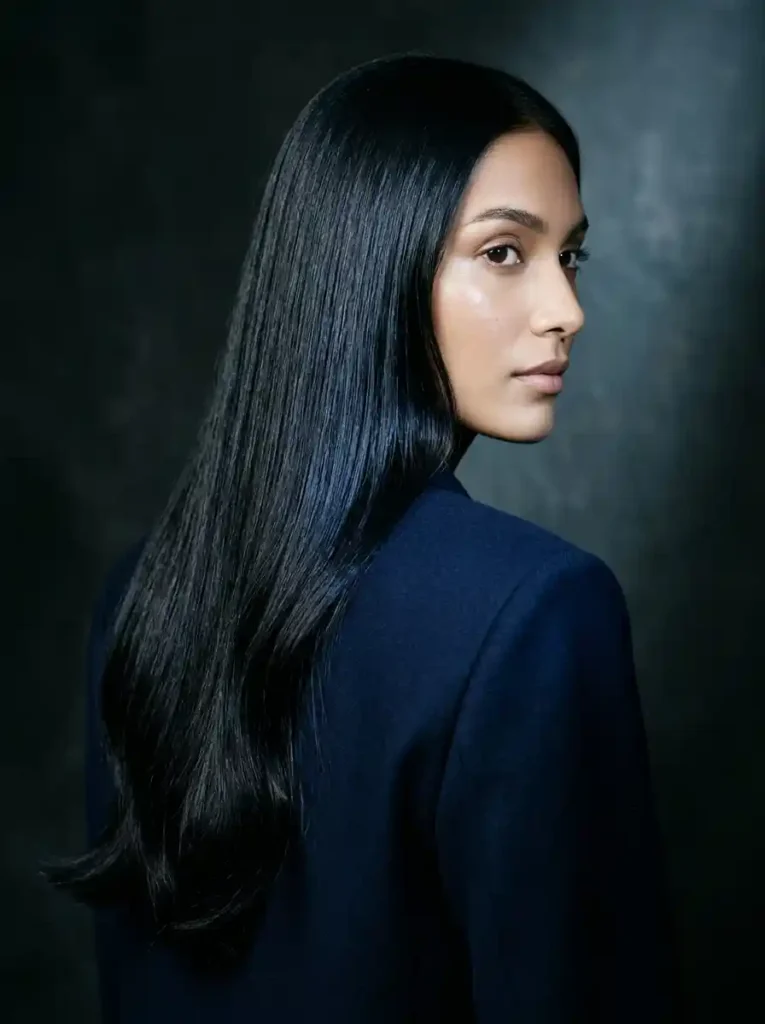
Black hair with subtle blue undertones creates a sleek, dramatic effect without requiring an obviously bright fashion color. In neutral indoor lighting it can appear almost classic black, while direct or cool light reveals a faint blue sheen. The effect is strongest when the hair has a smooth, healthy surface that reflects light. This makes the shade particularly striking on straight styles, blunt cuts, and carefully polished long hair.
Consider this color carefully if you anticipate wanting significantly lighter hair soon, because removing dark pigment can require substantial corrective work. A stylist can also determine whether a blue-black formula will complement your natural coloring or make your complexion appear overly cool. Keep the finish glossy with gentle cleansing, regular conditioning, and minimal rough towel drying. A lightweight shine product can enhance reflection without making the roots look greasy.
9. Strawberry Blonde
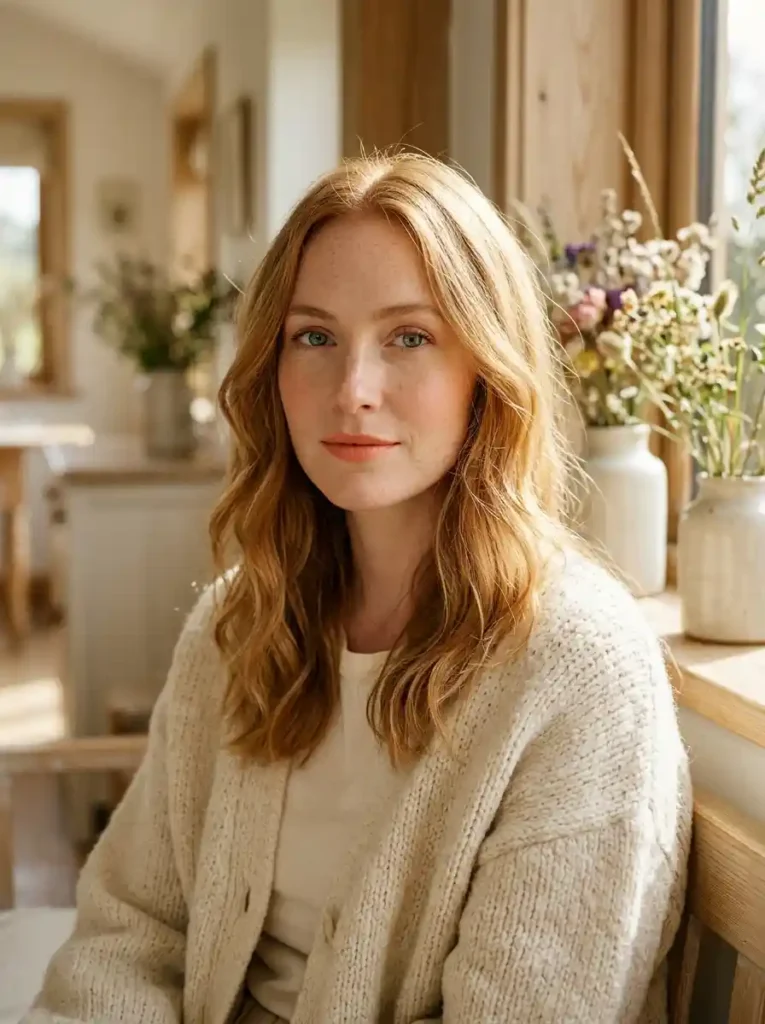
Strawberry blonde sits between warm blonde and soft copper, making it a beautiful option for anyone who cannot decide between the two. The shade can lean more golden, rosy, or copper depending on your starting color and desired finish. A stylist may use multiple tones to create a natural-looking blend rather than relying on one flat formula. Fine highlights can also help the color catch light without losing its warm character.
If you already have light blonde hair, adding strawberry tones may be relatively straightforward, while darker hair can require preliminary lightening. Because warm pigments can shift as they fade, ask your stylist what the color is expected to look like after several washes. Gentle shampooing and regular conditioning will help preserve softness. This shade also pairs nicely with loose waves because the changing directions of the hair reveal both the blonde and red dimensions.
10. Mushroom Brown
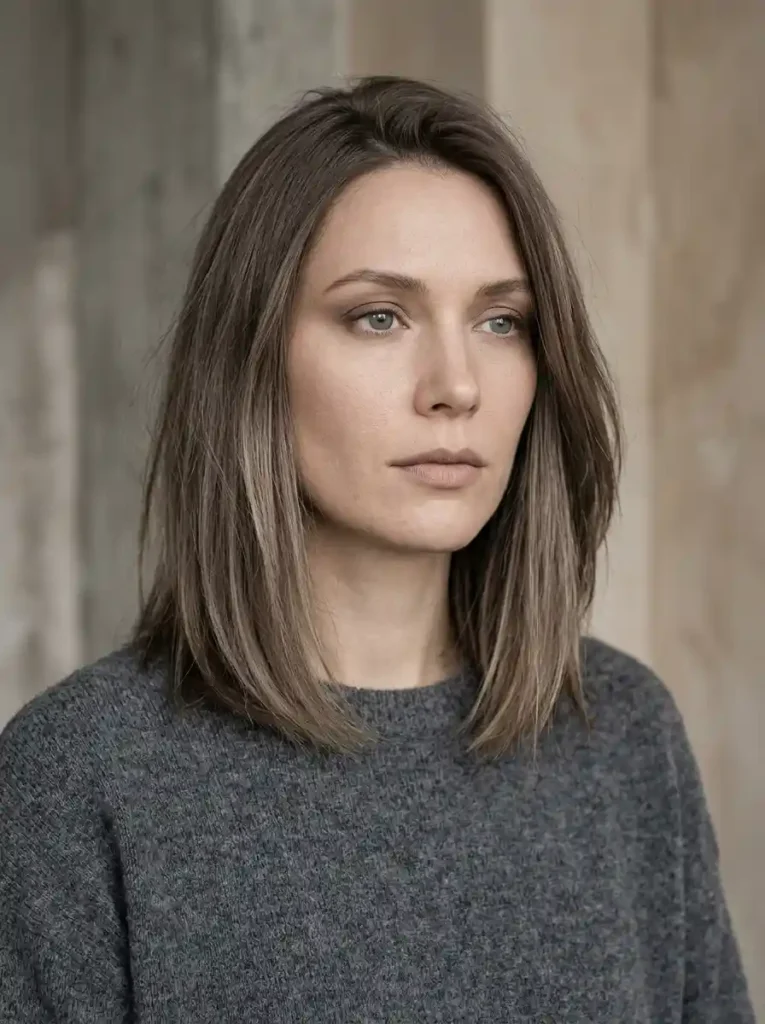
Mushroom brown is a cooler brunette built around taupe, beige, and muted ash tones rather than strong golden warmth. It can be especially appealing if you prefer neutral wardrobe colors and understated hair shades. The goal is dimension without obvious brassiness, so the color should contain several closely related tones instead of looking like a single gray-brown block. Soft layers or a textured bob can make the subtle variation easier to see.
Because cool tones can fade or become warmer over time, maintenance may involve occasional toning. Your stylist can recommend the right interval based on your hair’s porosity and existing color history. Avoid automatically reaching for a strong purple shampoo, since over-toning can make brunette hair look dull. Instead, focus on gentle, color-safe cleansing and ask for a customized toner when the neutral-cool finish begins to lose clarity.
11. Cinnamon Brown
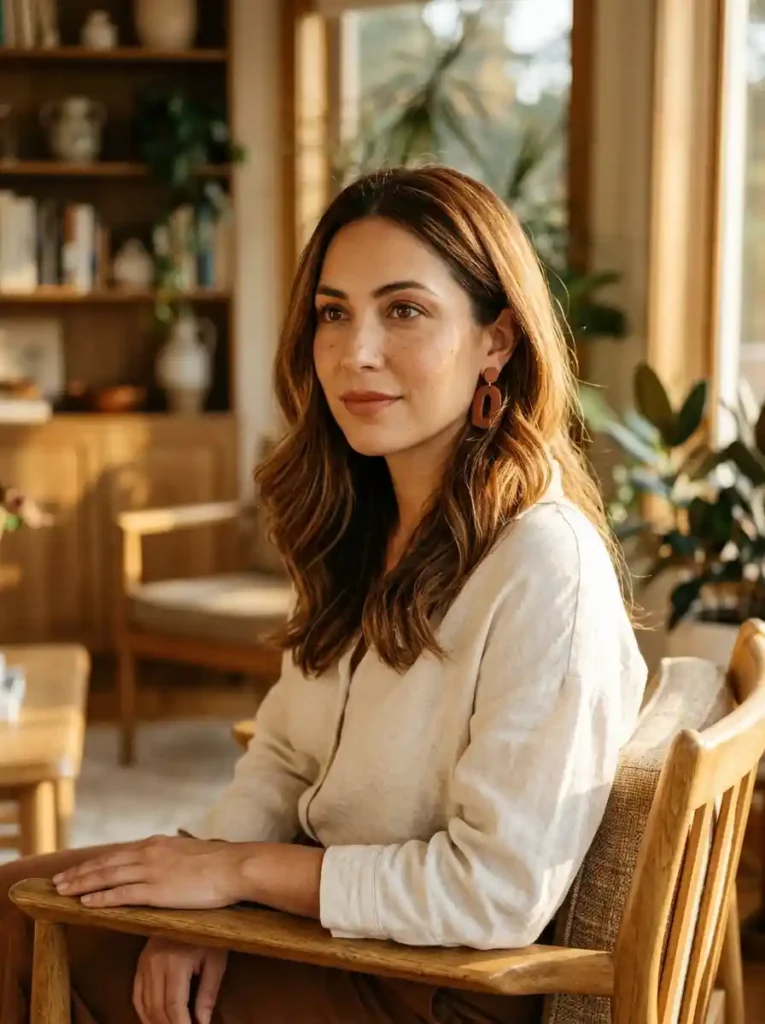
Cinnamon brown brings a softly spiced warmth to brunette hair through a blend of chestnut, copper, and brown tones. It is more noticeable than a conventional warm brunette but less intense than vivid copper. This makes it a versatile choice when you want warmth that still feels wearable for work or everyday styling. Fine cinnamon pieces can be concentrated around the face while deeper brown remains throughout the lower lengths.
The shade works particularly well with layered cuts because the warmer pieces become visible as the hair moves. If your natural hair is very dark, ask whether subtle pre-lightening is needed to make the cinnamon tones visible. If you already have warm brown hair, a gloss may be enough for a gentler transformation. Protect the color from excessive heat and use a thermal protectant whenever you blow-dry, curl, or straighten.
12. Icy Beige Blonde
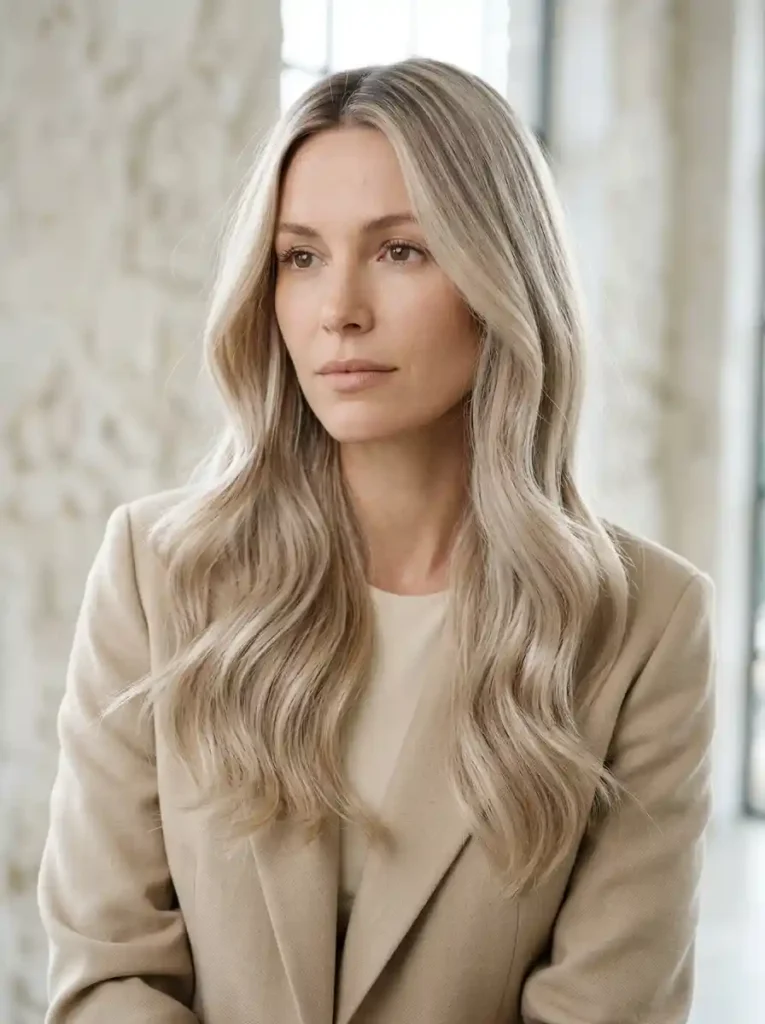
Icy beige blonde offers the brightness of a cool blonde while retaining enough beige warmth to avoid looking starkly white. The subtle neutral balance can make the color feel softer and more wearable than an extremely silver shade. It is particularly effective when paired with a slightly deeper root, because the contrast gives the light lengths more definition. Ask your stylist to consider your natural undertone before choosing how cool the final formula should be.
Maintaining this color usually requires more attention than a darker brunette, particularly when substantial lightening is involved. Regular conditioning and limited heat exposure can help preserve the hair’s appearance and manageability. Toner should be customized rather than applied indiscriminately, since over-toning can make beige blonde look muddy. If your hair becomes dry easily, discuss a gradual lightening plan instead of attempting a dramatic transformation in one appointment.
13. Plum Brown
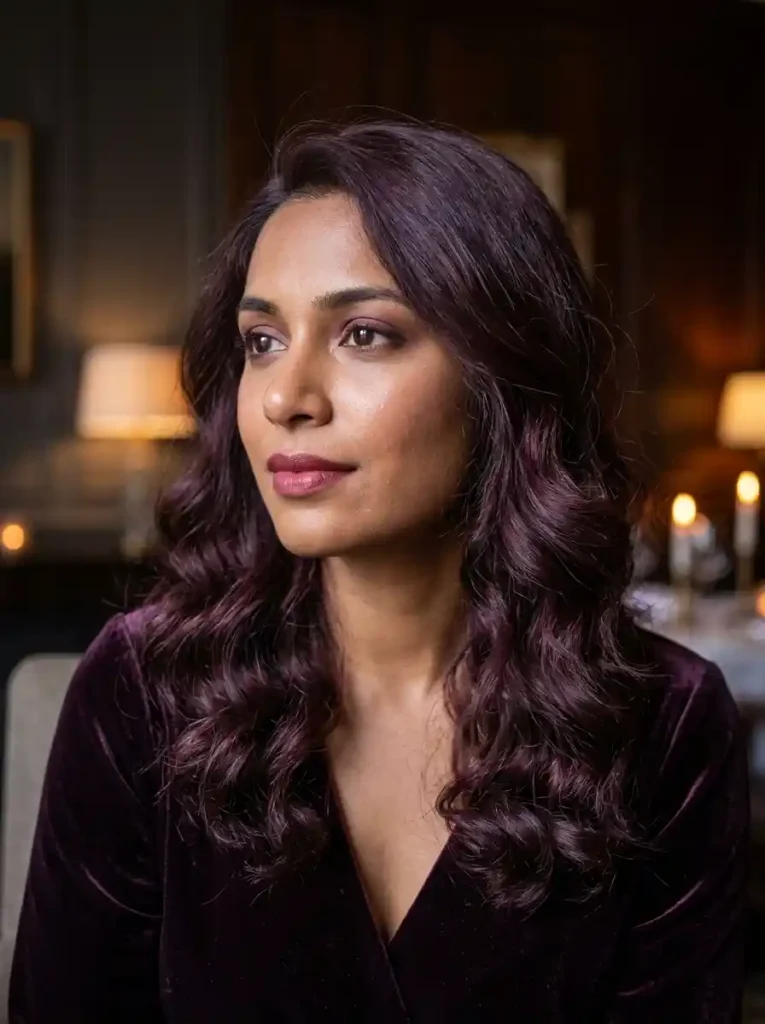
Plum brown introduces a muted purple dimension into a deep brunette base, creating a sophisticated alternative to straightforward burgundy. The purple should remain integrated into the brown rather than appearing like a separate bright stripe. Depending on your starting shade, the plum may show primarily in sunlight or become more noticeable indoors under warm lighting. This makes it an appealing choice for someone who wants color that reveals itself gradually.
Because violet tones can fade unevenly, maintaining the shade requires gentle washing and appropriate conditioning. Ask your stylist whether a custom tinted conditioner would be useful for refreshing the purple component. If you have previously colored hair, mention your full color history before choosing the shade, as underlying pigments can influence the final result. Plum brown looks especially dimensional in loose waves, where the curved strands catch light from different angles.
14. Golden Bronde
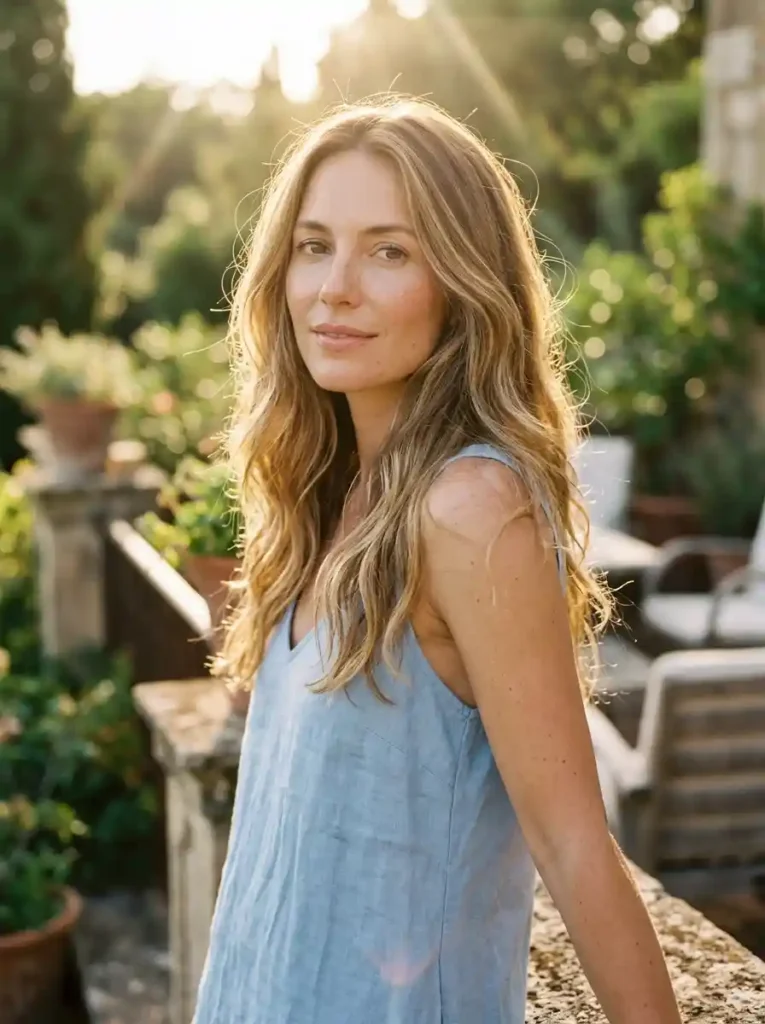
Golden bronde sits comfortably between brunette and blonde, making it useful when you want lighter hair without fully committing to a blonde base. The shade can combine warm brown, honey, and golden blonde ribbons so that the overall result changes subtly with movement. It is especially attractive on long layered hair, where different levels of brightness create depth. Your stylist can make it more brunette-focused or blonde-focused depending on your lighter shades. Rather than lifting every strand immediately, selective highlights allow you to increase brightness over multiple appointments. A gloss can keep the different tones cohesive and prevent the color from looking patchy. If you spend considerable preference.
This color can also be a smart transition for someone gradually moving from dark hair toward lighter shades. Rather than lifting every strand immediately, selective highlights allow you to increase brightness over multiple appointments. A gloss can keep the different tones cohesive and prevent the color from looking patchy. If you spend considerable time outdoors, remember that sunlight can alter warm color over time, so protective hair products can be useful.
15. Muted Rose Brown
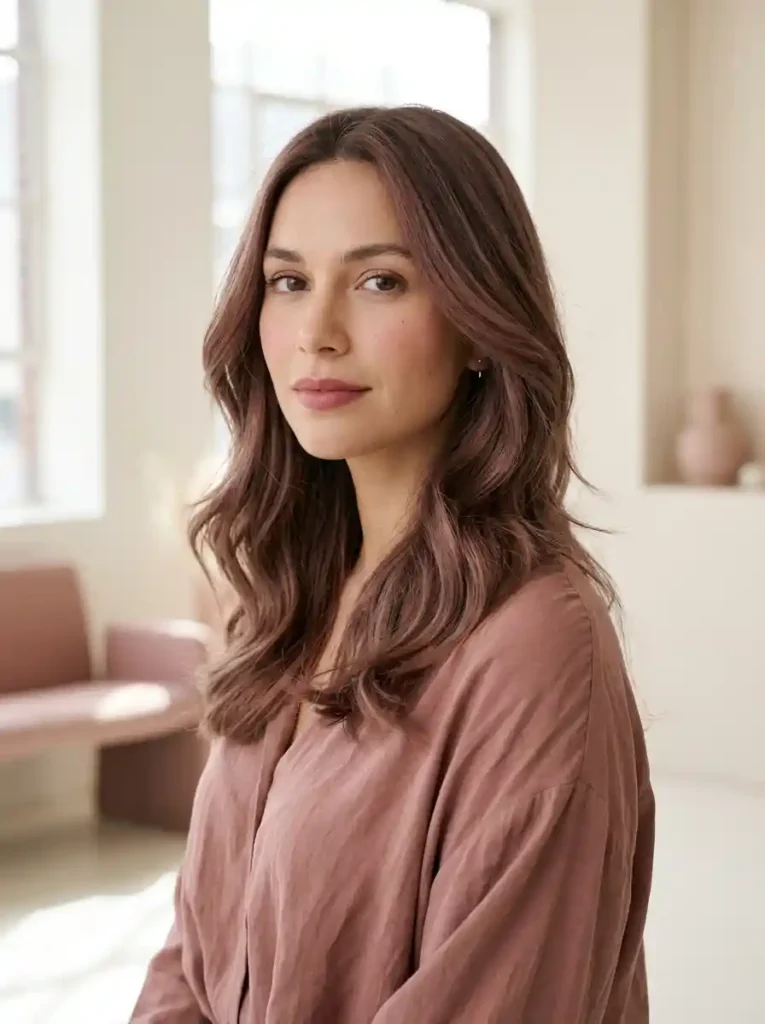
Rose brown adds a muted rosy cast to brunette hair without turning the entire hairstyle pastel pink. The effect works best when the pink is blended into a natural brown foundation, creating warmth and dimension rather than a costume-like appearance. Depending on your natural color, the stylist may use subtle pre-lightening or a tinted gloss to create the desired result. Face-framing rose tones can make the change more noticeable without overwhelming the base.
This shade is a good choice if you want a creative color that remains relatively sophisticated. Keep in mind that rosy pigments may fade faster than the underlying brown, so the color will gradually become more neutral. Cool-water washing and color-safe products can help extend the tone. If your hair has old highlights or multiple previous colors, ask for a strand test so you know how the rose pigment will interact with your existing base.
16. Dimensional Auburn
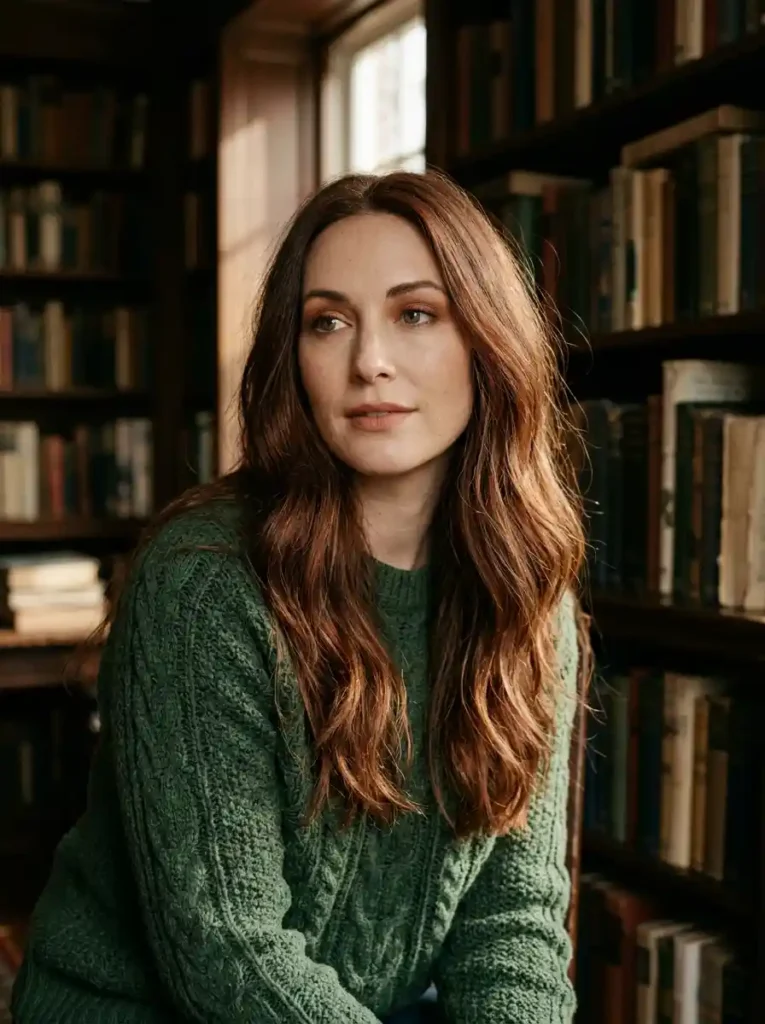
Dimensional auburn combines red, copper, and brown in a way that feels richer than a single flat red shade. It can be customized toward a deeper chestnut auburn or a brighter copper-red depending on your starting color. Fine variation is important because naturally red hair rarely appears completely uniform. Ask your stylist to preserve darker areas underneath or near the roots while adding warmer pieces through the visible layers.
Auburn can be flattering when the red is tailored rather than selected solely from a color chart. Your stylist can adjust the balance of copper and brown based on your complexion and natural hair depth. Red pigment may require more frequent refreshing than brunette color, especially if you want strong vibrancy. A color-depositing conditioner can help between appointments, but test it carefully first because porous sections may absorb more pigment.
17. Beige Bronde with Dark Roots
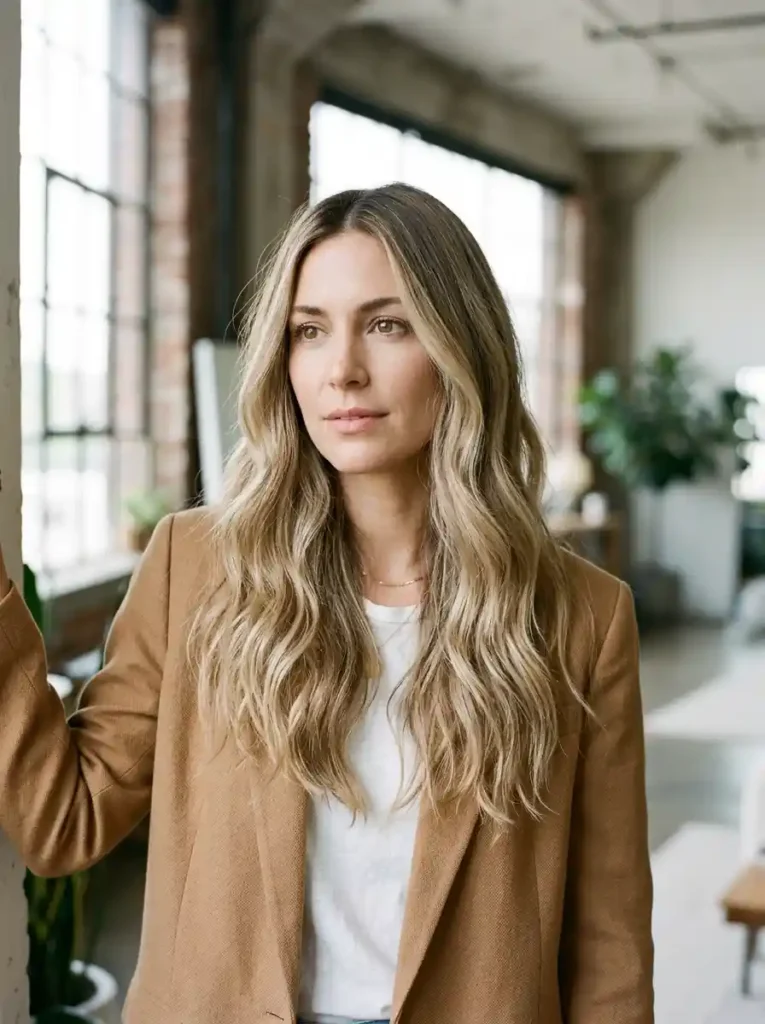
A dark-root beige bronde creates contrast while keeping the overall color soft and sophisticated. The deeper root provides structure, while beige blonde through the lengths adds brightness without requiring an ultra-light finish. This combination can be especially useful for people who dislike the look of frequent root touch-ups. The transition should be blended rather than sharply separated, allowing the darker base to look intentional as it grows.
When discussing this color, bring photos showing how you usually wear your hair because root placement affects the final result. If you frequently wear a center part, the stylist can keep the transition particularly seamless around the crown. Regular toning may be useful to maintain the beige quality of the lighter sections. Keep the lengths conditioned, since dry ends can make the contrast look harsher and less polished.
18. Mocha Balayage on Black Hair
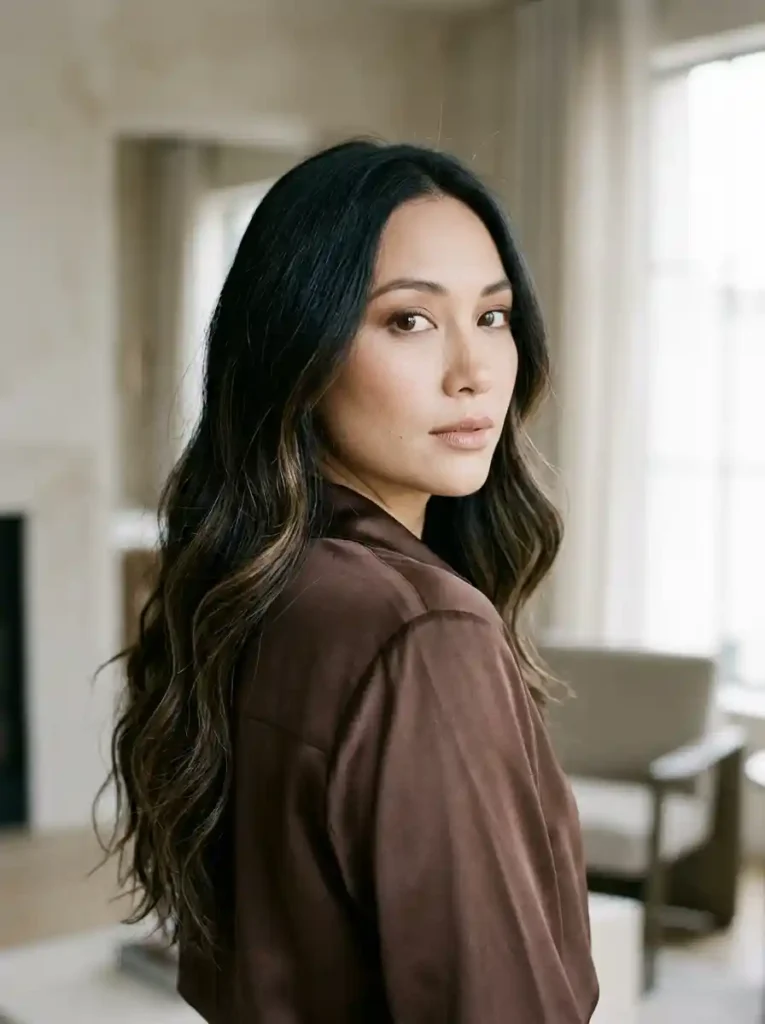
Mocha balayage offers black-haired clients a way to introduce brown dimension without turning the entire hairstyle dramatically lighter. The mocha pieces can be concentrated through the mid-lengths and ends, creating a soft gradient that becomes visible when the hair moves. For a natural effect, choose a brown that is only moderately lighter than the base. condition of your hair before processing, especially if it has been chemically straightened or colored previously. A moisturizing routine Excessive contrast can make the balayage look more striped than blended.
This technique is particularly useful when you want a color change that remains easy to wear with dark brows and naturally deep roots. Depending on your hair’s starting level, some lightening may be necessary before applying the mocha tone. Discuss the condition of your hair before processing, especially if it has been chemically straightened or colored previously. A moisturizing routine and regular trims can keep the lighter ends looking smooth and intentional.
19. Soft Lavender Blonde
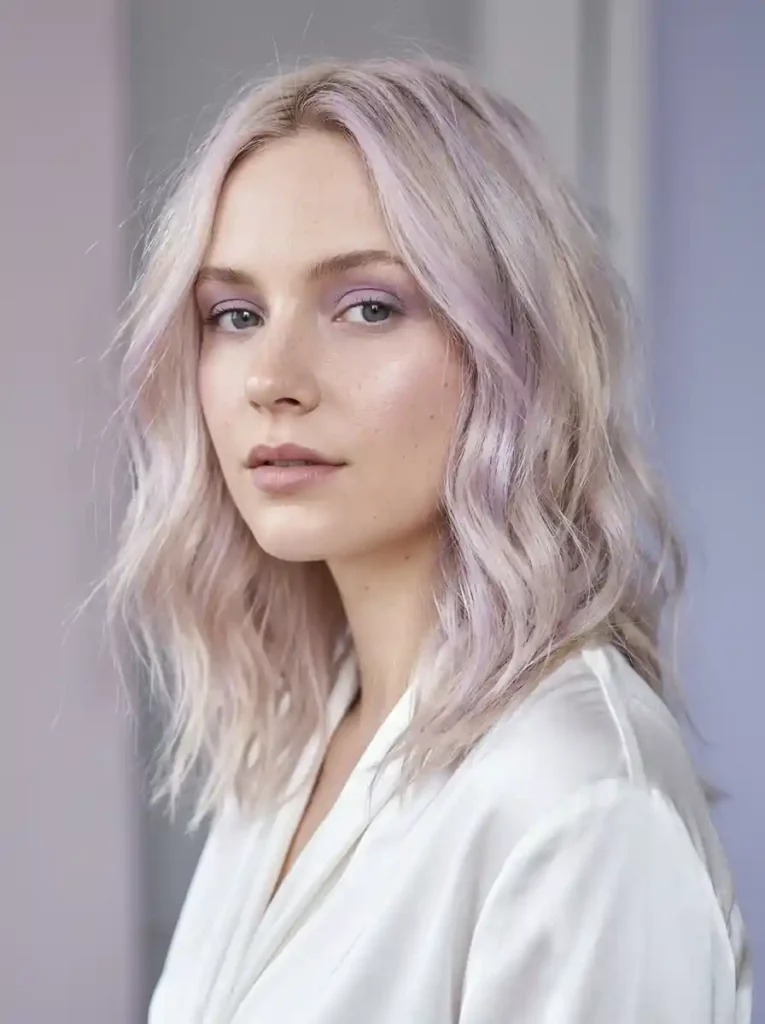
Soft lavender blonde gives pale hair a creative twist while remaining much gentler than a saturated purple. The color is most visible on a light blonde base, where a diluted lavender tone can create a hazy pastel effect. Your stylist can adjust the concentration from barely perceptible lilac to a more recognizable pastel depending on how adventurous you want the result. Keeping the color slightly uneven in tone can make it feel more dimensional and natural.
Pastel shades generally require a lighter starting canvas, so hair health should be part of the decision. If your hair is already fragile, ask whether a less intense version or a few lavender panels would be safer than full-head lightening. The color will gradually soften with washing, which can be part of its appeal. Use gentle cleansing and cool water to slow fading, and avoid repeatedly applying pigment without professional guidance.
20. Toffee Brown with Lighter Ends
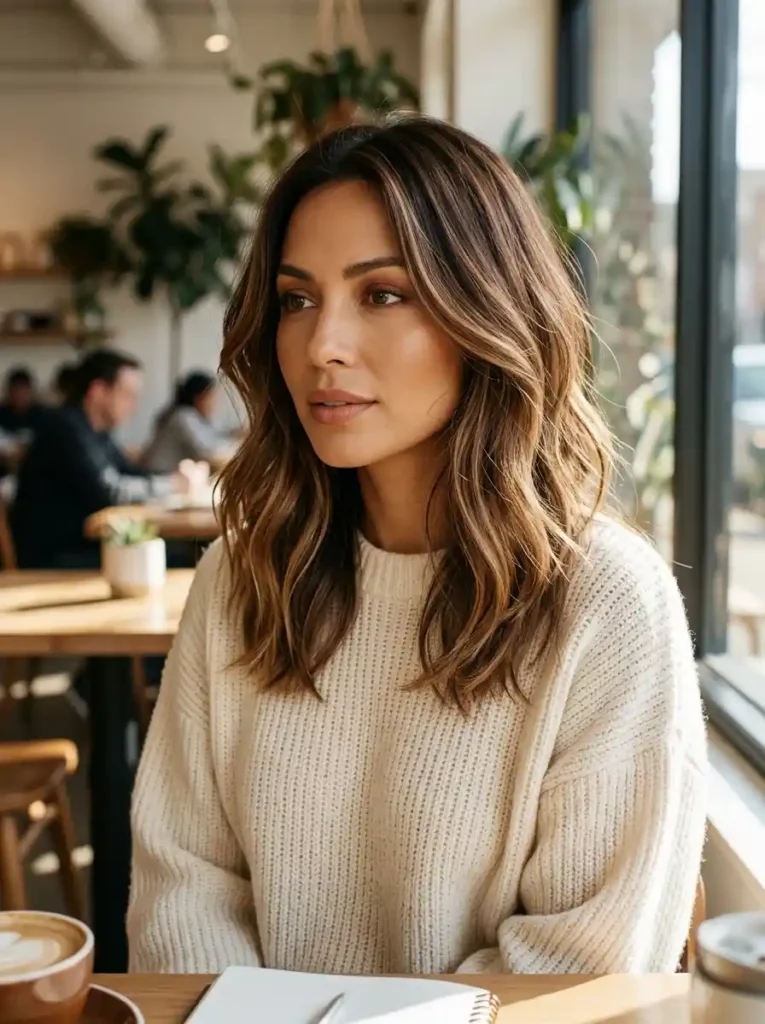
Toffee brown creates a warm, polished brunette look by blending medium brown with caramel and subtle golden tones. Adding lighter ends gives the hairstyle a gentle gradient without the stronger contrast of traditional highlights. This can work beautifully on layered or shoulder-length hair because the lighter pieces move with the ends rather than dominating the entire style. Ask for the transition to be diffused so there is no obvious horizontal color line.
The color is also relatively flexible because the base remains brunette. If you want an even subtler result, keep the ends only one or two levels lighter than the roots. A gloss can maintain the warm brown finish while reducing dullness between appointments. Since the ends are usually the oldest and most fragile part of the hair, regular trims and at the roots with deep wine-red reflections through the lengths, dark eyes, refined berry makeup, wearing a black tailored blazer, elegant evening studio with charcoal leave-in conditioning are particularly helpful after lightening.
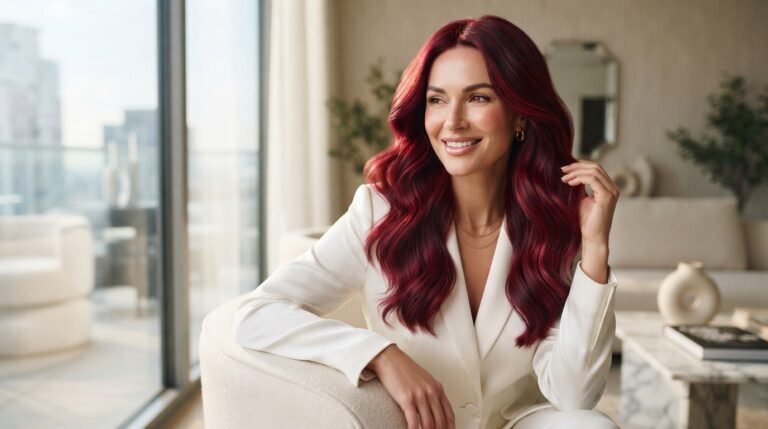
21. Midnight Burgundy
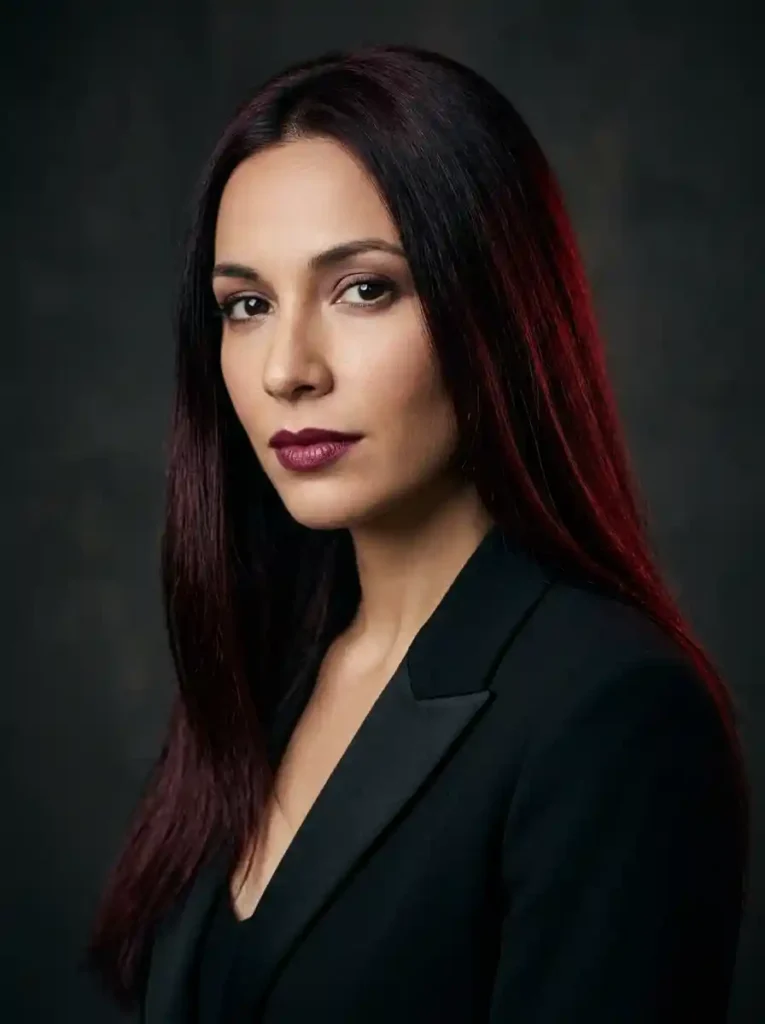
Midnight burgundy is a deep, dramatic color that sits between black, brown, and wine red. It can appear nearly brunette in subdued lighting while revealing richer red-violet reflections under brighter illumination. This makes it a strong choice for someone who wants a fashion-forward color without choosing an obviously bright shade. Keeping the roots slightly deeper can about refreshing the color with a demi-permanent gloss rather than repeatedly processing the entire head. Dark clothing can emphasize the wine tones, while neutral outfits allow the hair to become the main visual feature. A shine-enhancing routine will help reveal the also give the color a more dimensional, grown-in appearance.
Because burgundy contains noticeable red and violet pigment, the shade can change as it fades. If maintaining the original depth matters to you, ask your stylist about refreshing the color with a demi-permanent gloss rather than repeatedly processing the entire head. Dark clothing can emphasize the wine tones, while neutral outfits allow the hair to become the main visual feature. A shine-enhancing routine will help reveal the reflective dimension.
22. Sun-Kissed Bronde Highlights
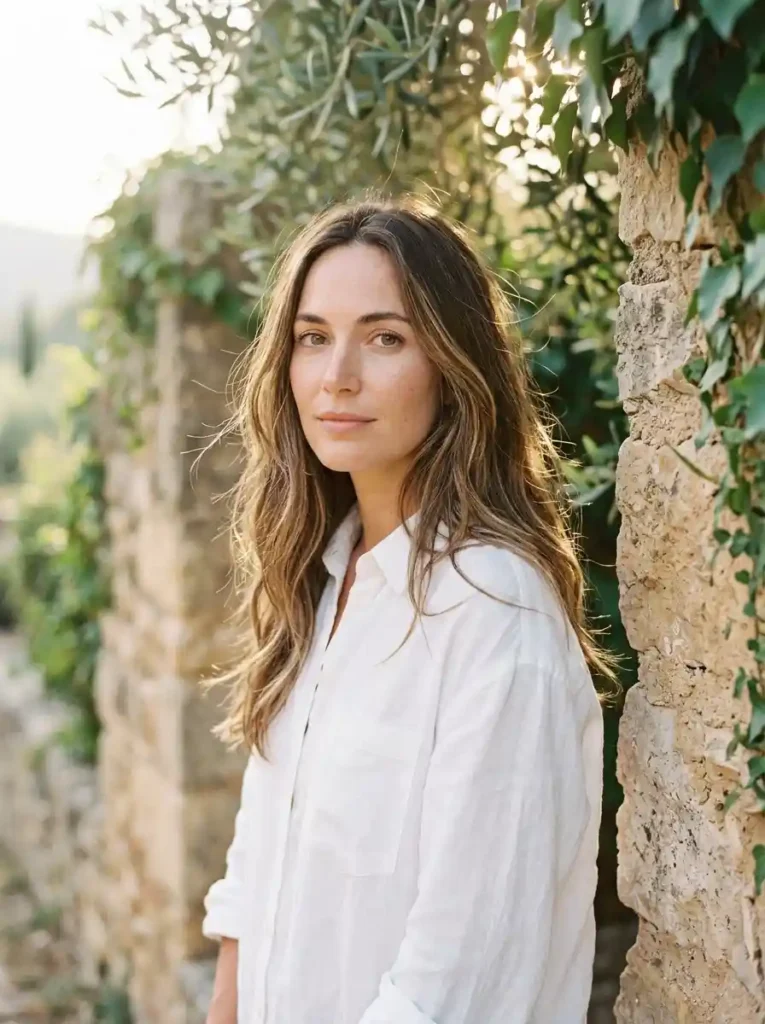
Sun-kissed bronde highlights mimic the soft variation created when lighter pieces develop naturally through exposure to sunlight. The most believable version uses fine highlights of slightly different widths and tones, concentrating brightness around the face and upper lengths while leaving plenty of the natural brown visible. This keeps the color dimensional instead of creating a uniform blonde effect. It is especially attractive on long, loosely textured hairstyles.
For maintenance, ask for a technique designed around a soft grow-out rather than high-contrast stripes. A stylist can place the lightest pieces where your haircut naturally moves, making future appointments easier to blend. If your hair tends to become brassy, a customized gloss can restore the intended tone. Since lightened hair is more vulnerable to dryness, use conditioner consistently and avoid treating every wash as an opportunity for deep cleansing.
23. Muted Rose Gold
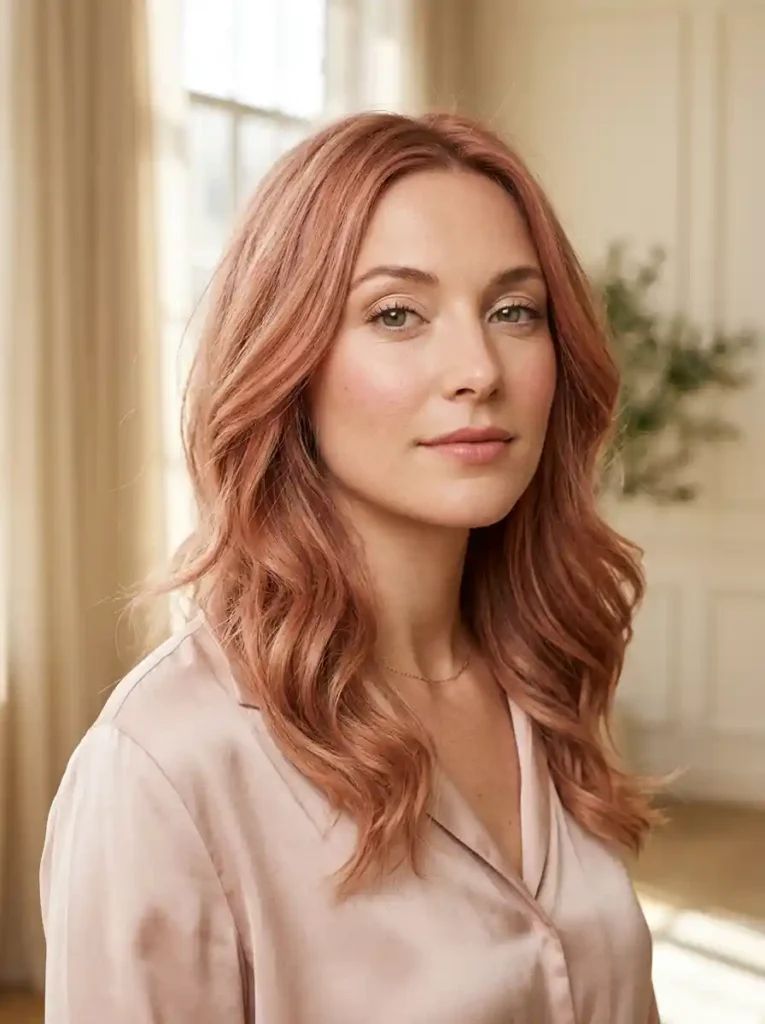
Muted rose gold combines soft pink, beige, and warm blonde tones for a sophisticated interpretation of a pastel-inspired shade. Instead of an intensely pink result, the color should look slightly diluted and metallic, with beige or champagne undertones keeping it wearable. It can be customized to suit a lighter blonde base or incorporated into selected sections if you do not want an all-over transformation.
The main consideration is maintenance, because rose-gold tones can fade noticeably with repeated washing. A tinted conditioner may help extend the color, but use it sparingly until you know how your hair absorbs pigment. This shade is easiest to control when the underlying blonde is even, so discuss any uneven previous highlights before applying the rose tone. If you prefer a temporary experiment, ask about a semi-permanent formula that can soften gradually.
24. Glossy Chestnut with Subtle Copper
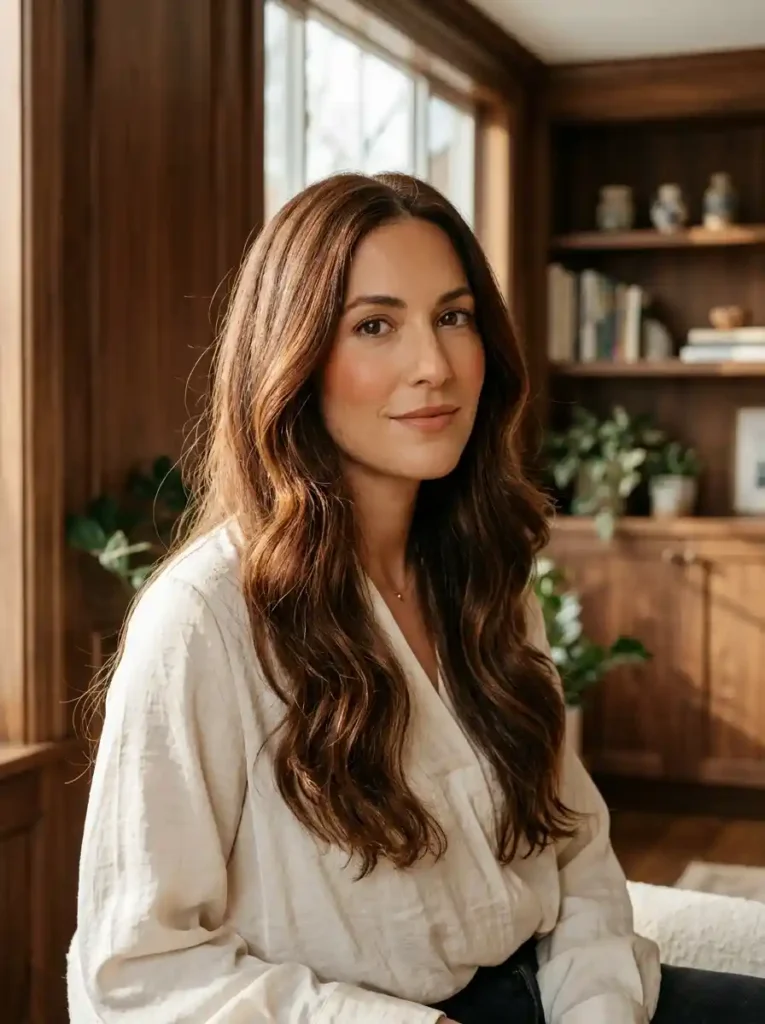
Glossy chestnut with subtle copper is a refined final option for anyone who wants warmth without committing to a strongly red hairstyle. The chestnut foundation keeps the look grounded, while fine copper tones appear when the hair catches sunlight or moves. A stylist can create the effect with a warm gloss, delicate highlights, or a combination of both. The best result usually has variation rather autumn or winter but still versatile throughout the year. A gloss can refresh the warmth without dramatically changing your natural depth, making it easier to maintain than a major blonde transformation.
This color is especially practical if you want something richer for autumn or winter but still versatile throughout the year. A gloss can refresh the warmth without dramatically changing your natural depth, making it easier to maintain than a major blonde transformation. Use color-safe cleansing and protect the hair from high heat to preserve shine. For extra dimension, style the hair in loose waves rather than tightly defined curls, allowing the copper accents to appear naturally.
Conclusion
Choosing a new hair color becomes much easier when you look beyond the shade name and consider how the color will behave on your own hair. The same caramel, copper, blonde, or brunette can look completely different depending on your starting level, previous color, hair texture, and maintenance routine. That is why placement and tone are often just as important as the color itself.
If you are unsure where to begin, choose the idea that feels closest to your current hair and make the change gradually. A few dimensional highlights, a warm gloss, or softly lighter face-framing pieces can provide a fresh look without requiring an immediate transformation. Bring your favorite reference photos to your stylist and discuss upkeep honestly before choosing a formula. The best hair color is not simply the prettiest shade in a photo; it is one that complements your features, suits your lifestyle, and makes you genuinely excited to style your hair.