Brown hair has a special way of looking effortlessly beautiful, whether you prefer rich chocolate tones, soft caramel highlights, or a sun-kissed brunette shade that catches the light. The right color can add dimension, complement your natural features, and give your hairstyle an entirely fresh feel without sacrificing its versatility. From subtle, low-maintenance color to bold, dimensional transformations, these 23 beautiful brown hair ideas will help you discover a look that suits your personal style.
1. Rich Chocolate Brown Hair
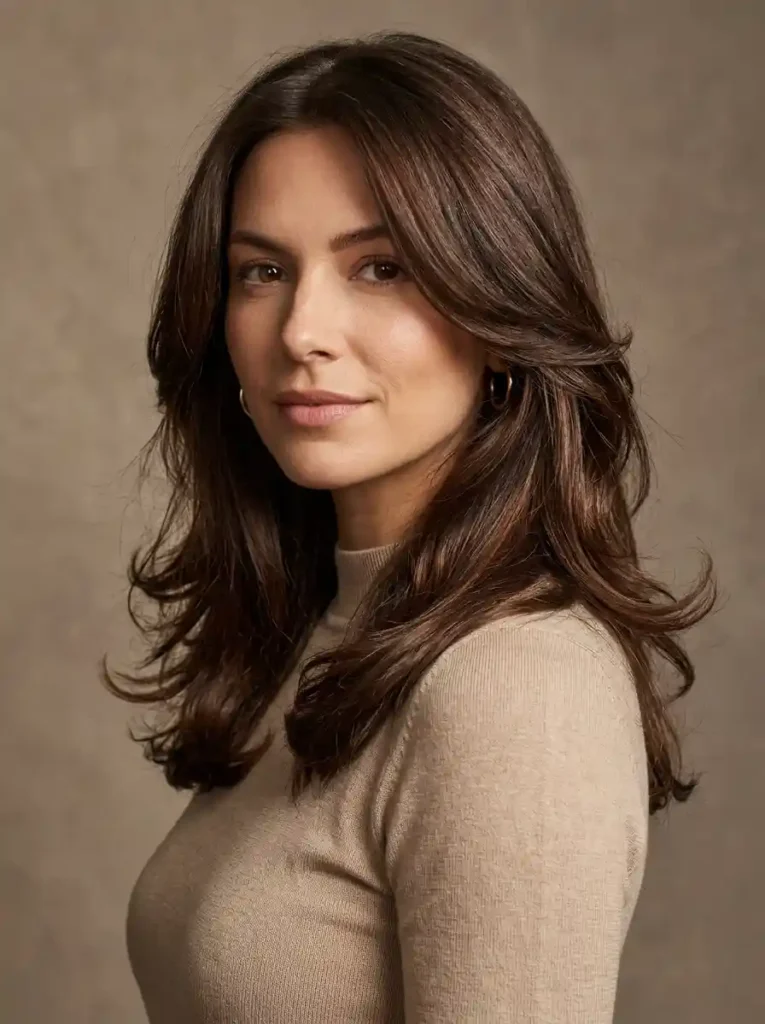
Rich chocolate brown hair is a timeless choice if you want a polished color that feels luxurious without appearing overly dramatic. Its deep, cocoa-inspired tones create a beautiful sense of richness, especially on medium-length and long hairstyles. This shade works particularly well for anyone who prefers a brunette look without noticeable streaks or contrasting highlights. Ask your colorist to choose a chocolate tone that complements your natural coloring, keeping the finish dimensional rather than flat or excessively dark.
One of the biggest advantages of chocolate brown is its styling flexibility. Wear it straight for a sleek, reflective finish, or add loose curls to reveal subtle variations in the color. A color-safe shampoo and conditioner can help maintain the richness between appointments, while occasional gloss treatments refresh shine. If your hair is naturally dark, a gloss or demi-permanent color may provide the change you want without a dramatic transformation. This is an excellent starting point for understated brunette beauty.
2. Caramel Brown Balayage

Caramel brown balayage is ideal when you want warmth and movement without committing to an all-over lighter color. The technique places lighter shades strategically through the hair, creating a blended transition from darker roots to golden-brown ends. It looks especially appealing on layered cuts because the different lengths help showcase the color. Tell your stylist whether you prefer subtle honey-caramel ribbons or more noticeable golden pieces, since the placement and contrast determine how bold the finished result appears.
For an easy everyday look, style your balayage with loose waves that reveal the different tones as the hair moves. A round brush can create a softer, salon-inspired finish, while air-drying with a lightweight styling cream gives a more relaxed effect. Because balayage typically leaves the roots darker, regrowth can be less noticeable than with traditional highlights. However, lighter sections still benefit from heat protection and occasional toning, particularly if your caramel shade begins to look brassy or loses its original warmth.
3. Espresso Brown Hair

Espresso brown is a deep, sophisticated shade that sits close to black while retaining the softness of brunette color. It is an appealing option for anyone who loves dark hair but wants a brown finish that looks more nuanced than jet black. The color works beautifully with sleek bobs, long straight styles, and structured layers. Before choosing it, discuss how dark you want the result to appear indoors and outdoors, because lighting can significantly change the way espresso hair reads.
The secret to making espresso brown look dimensional is maintaining shine and avoiding a heavy, opaque finish. A clear gloss can enhance reflection, while a lightweight serum smooths flyaways without making the roots greasy. If your natural hair is considerably lighter, ask about the maintenance required before committing to a deep permanent color. Dark artificial pigment can also be challenging to remove later. Choosing the right formula at the beginning makes it easier to preserve your preferred depth while keeping future color changes manageable.
4. Mushroom Brown Hair
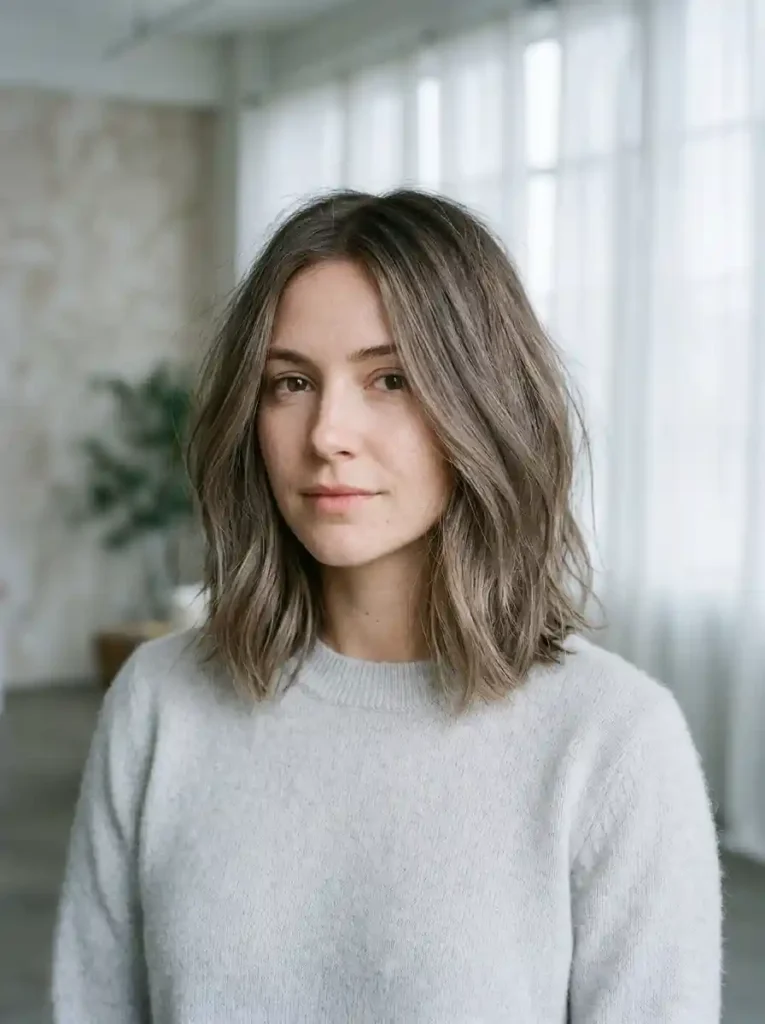
Mushroom brown offers a cooler alternative to golden and caramel brunette shades. Its blend of taupe, ash, and muted beige creates an earthy color that feels modern without demanding a dramatic change in depth. This shade is particularly attractive on textured lobs, medium-length layers, and softly waved hairstyles. If you dislike orange or reddish tones in your hair, mushroom brown may be worth discussing with your colorist, although the final result depends on your starting color and the undertones naturally present in your hair.
Cool brunette colors can require a little more attention than their warmer counterparts. Depending on your hair’s underlying pigment, your stylist may need to lighten selected sections before creating the desired mushroom tone. Ask for a personalized maintenance plan rather than automatically using purple shampoo, which may not address every unwanted brunette undertone. A color-depositing product formulated for your specific shade can help preserve the finish. Mushroom brown looks especially beautiful when the cut has movement, allowing its subtle tonal variations to remain visible rather than appearing solid.
5. Chestnut Brown Hair

Chestnut brown combines the familiarity of classic brunette hair with a gentle reddish warmth that becomes especially noticeable in sunlight. It is a lovely option if you want more color personality without choosing an obviously red or copper hairstyle. The shade works across a variety of lengths, from shoulder-grazing cuts to long, flowing layers. Your stylist can adjust the balance of red and gold to create a subtle chestnut finish or a richer, more noticeable warm brown that complements your natural base.
This color pairs beautifully with soft curls because the changing direction of each section catches the light differently. If you prefer a straighter hairstyle, long layers can prevent the color from looking visually heavy. Chestnut tones may gradually fade or become less vibrant with frequent washing, so consider washing with lukewarm water and using products designed for color-treated hair. When booking a refresh, bring reference photos taken in natural daylight. They will help your colorist distinguish the chestnut shade you love from brighter auburn or copper alternatives.
6. Honey Brown Highlights
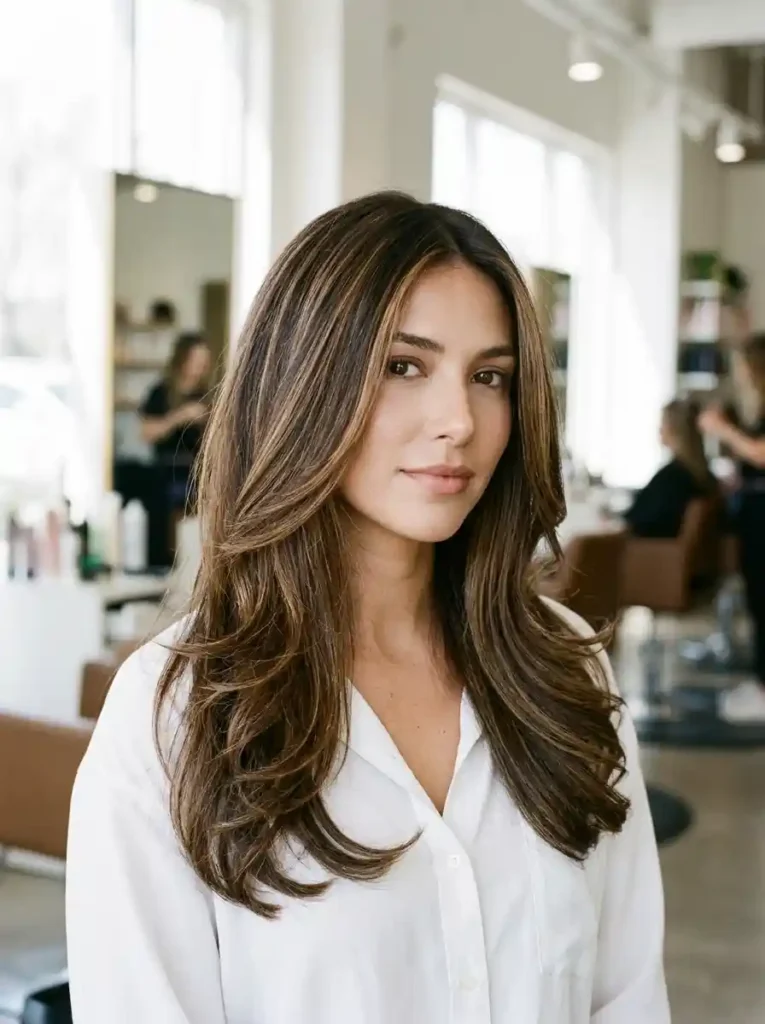
Honey brown highlights add a golden glow to brunette hair without requiring a complete color transformation. They are especially effective when concentrated around the face and scattered through the top layers, where natural light can emphasize their brightness. This approach suits anyone who wants to brighten a familiar brown shade while keeping the overall look recognizably brunette. Ask your stylist for fine, blended highlights if you prefer softness, or slightly wider ribbons if you want the golden contrast to remain visible in photographs.
Placement matters as much as color when choosing honey highlights. Face-framing pieces can brighten the front of your hairstyle, while highlights through the crown and lengths create a more evenly distributed effect. If your hair is very dark, achieving a golden result may require careful lightening rather than simply applying a lighter brown dye. Use a heat protectant when blow-drying and schedule toning only when necessary. The goal is to preserve the warm honey finish without letting the lighter sections become overly yellow or dry-looking.
7. Dark Brown Hair With Subtle Highlights
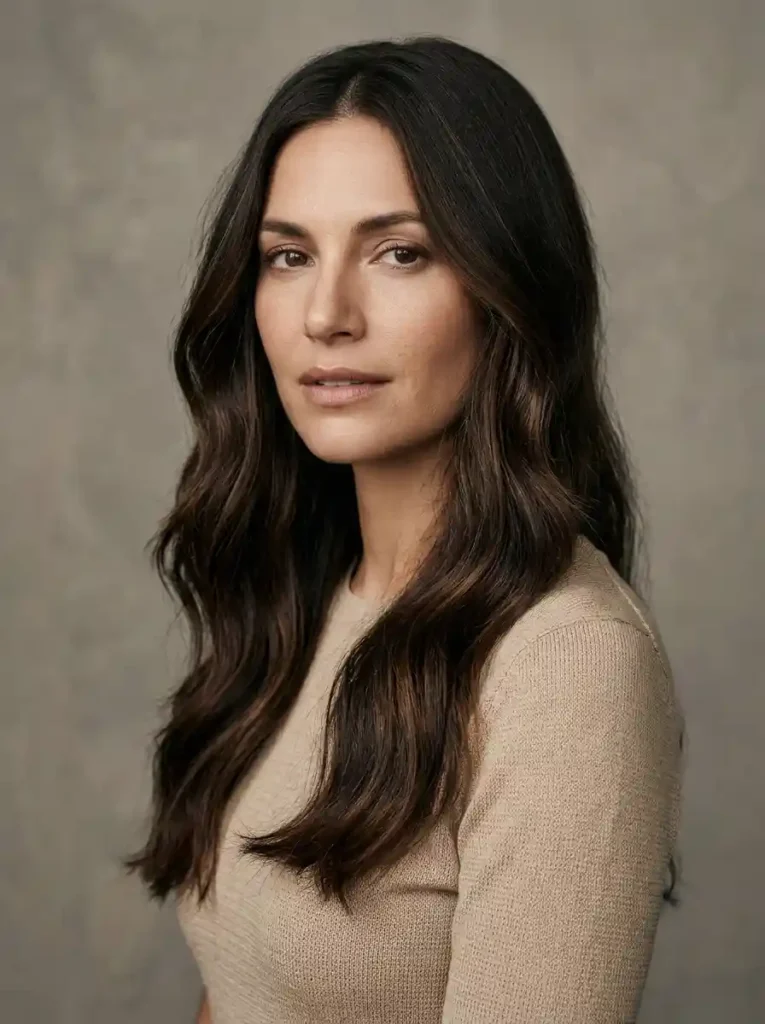
Sometimes the most beautiful brunette transformation is the one that looks almost natural. Dark brown hair with subtle highlights adds dimension without producing a dramatic contrast between the base and lighter sections. This makes it an excellent choice if you are new to hair coloring or prefer a professional, understated appearance. Ask your stylist to keep the highlights within a few shades of your natural color and distribute them strategically through the lengths, particularly where your hair naturally bends or catches the light.
The advantage of this approach is its flexibility. You can wear your hair straight, curled, or tied back without the highlights becoming the entire focus of the style. Fine highlights also tend to blend more softly as the hair grows, although maintenance depends on their placement and your natural root color. To preserve the subtle effect, avoid choosing a highlight shade that is dramatically lighter than your base. A gloss between appointments can refresh the overall tone and help maintain the smooth, cohesive brunette finish.
8. Mocha Brown Hair
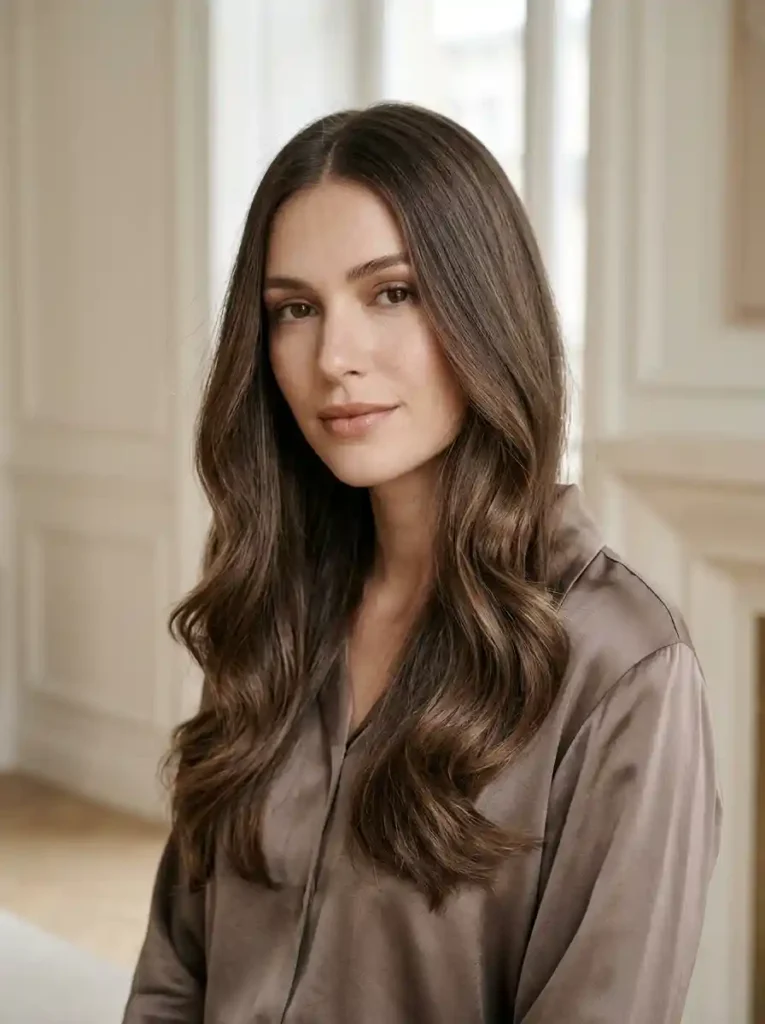
Mocha brown sits comfortably between warm chocolate and cooler ash brunette, making it a versatile option for anyone who cannot decide between golden and neutral tones. Its coffee-inspired depth looks refined while retaining enough softness to complement layered cuts and loose waves. Rather than choosing a shade based on a photograph alone, ask your colorist whether a neutral mocha formula would work with your natural base. The result should feel balanced, with neither strong red undertones nor an overly gray finish dominating the color.
Mocha brown is particularly appealing if you want a hairstyle that transitions easily between casual and formal settings. Smooth blowouts emphasize its polished appearance, while loose curls create soft movement throughout the lengths. To keep the color looking fresh, use a gentle shampoo and avoid excessive heat styling, which can leave the hair looking dull. If your natural hair already falls within the brunette range, a gloss may be enough to refine its tone. For lighter starting colors, discuss root blending and the expected maintenance before choosing a permanent formula.
9. Cinnamon Brown Hair
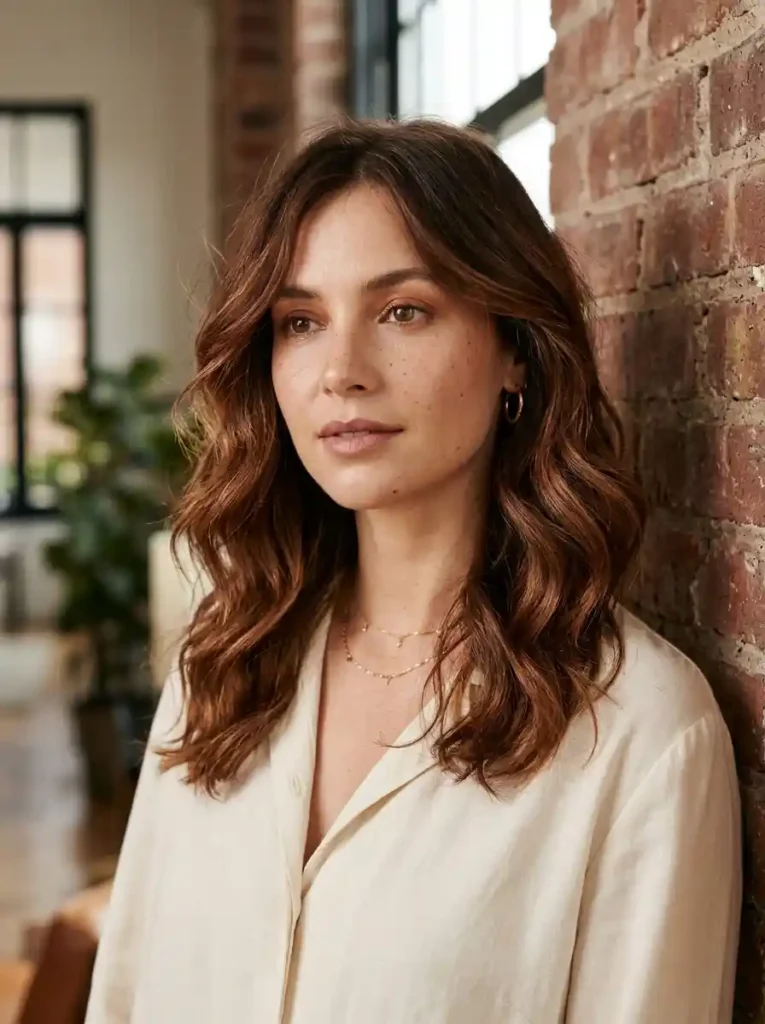
Cinnamon brown brings a little extra warmth to traditional brunette hair through delicate copper and reddish-brown undertones. It is a beautiful choice if you want a seasonal refresh that still feels wearable throughout the year. Unlike a vivid copper transformation, cinnamon brown keeps enough depth to maintain its brunette identity. The color can be adjusted to look softly warm or more noticeably spicy, depending on your preferences. Ask your colorist to show you examples of cinnamon shades in natural light before deciding how much copper you want.
The warm reflections become particularly noticeable in loose waves, where curved sections reveal different aspects of the color. If you usually wear your hair straight, a few face-framing layers can help the tone appear more dimensional. Warm brunette pigments may gradually lose intensity, so color-safe products and less frequent washing can help extend the result. Be specific about whether you want copper, red, or golden warmth, since these tones create different finishes. Clear communication helps avoid ending up with a shade that looks brighter or more orange than intended.
10. Brown Hair With Face-Framing Highlights

Face-framing highlights offer a focused way to brighten brunette hair without adding lighter color everywhere. The lighter sections sit around the hairline, creating a noticeable contrast near the face while the rest of the hair remains comparatively dark. You can choose caramel for a warmer finish, beige brown for a neutral look, or honey for more golden brightness. This technique is particularly useful if you want a visible update but are not ready to maintain a full head of highlights.
Consider how you normally style your front sections before choosing the placement. If you wear a middle part, balanced highlights on both sides can create a symmetrical effect. A side part may call for a slightly different distribution so the color remains visible. Your stylist should also consider your haircut and the way your hair falls naturally. Because the lighter pieces are concentrated in one area, regrowth can be more noticeable than with a fully blended balayage. A carefully softened root can make the transition look more natural as your hair grows.
11. Warm Auburn Brown Hair
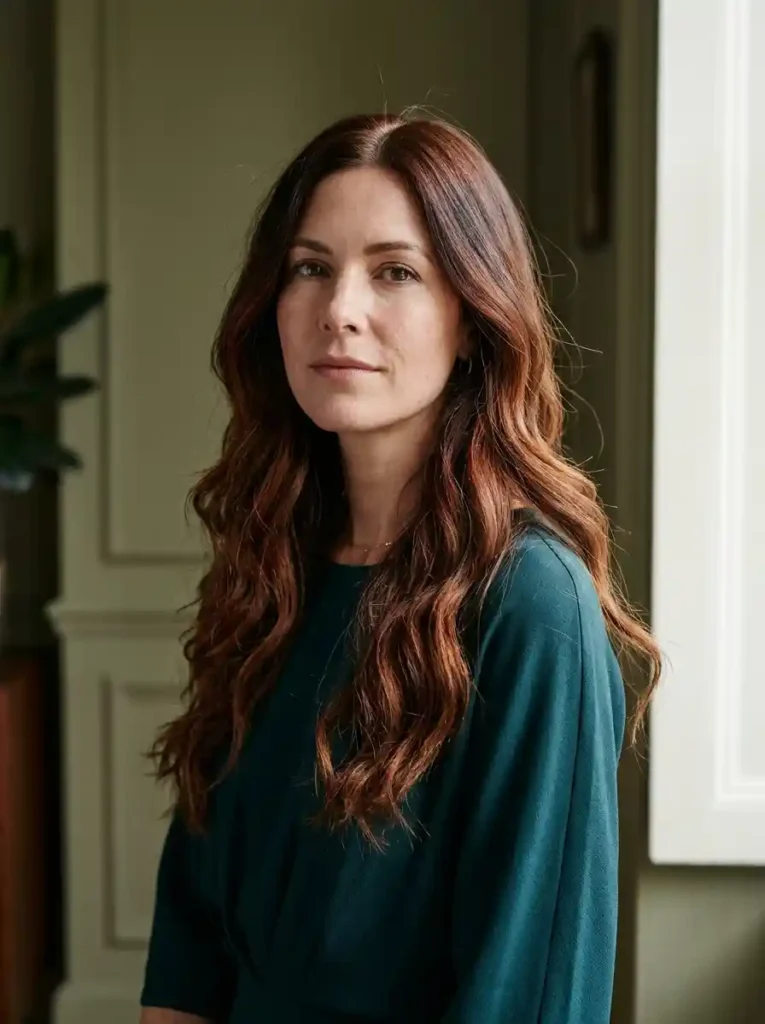
Warm auburn brown is ideal for anyone who wants a brunette shade with a more noticeable red personality. It combines brown depth with auburn reflections, creating a color that can look subtle indoors and more vibrant under direct daylight. This shade works well on long waves, layered cuts, and medium-length styles because movement reveals the color’s different undertones. If you are considering auburn for the first time, ask your stylist to begin with a restrained red-brown formula rather than choosing a vivid copper shade immediately.
Auburn tones can fade differently depending on your natural color, the formula used, and how frequently you wash your hair. A color-safe routine helps maintain richness, while occasional professional glossing can refresh the reddish-brown finish. Keep in mind that red pigments may be more difficult to remove completely when you decide to change shades later. If you want flexibility, discuss a demi-permanent option with your colorist. This can be a useful way to experiment with warmth before committing to a longer-lasting auburn transformation.
12. Bronde Hair

Bronde combines brunette and blonde tones for a result that feels lighter than traditional brown hair without becoming fully blonde. The shade can be customized in several directions, from beige and neutral to golden and softly caramelized. It is particularly appealing if you want noticeable brightness through the lengths while preserving a darker root. Ask your colorist to determine how much of your natural brunette should remain visible, since the proportion of lighter pieces makes a significant difference to the overall effect.
Because bronde often involves lightening selected sections, maintaining the condition of your hair is important. A heat protectant, regular conditioning, and gentle detangling can help keep the ends manageable. You may also need occasional toning to preserve the specific blonde-brown balance you prefer. Bronde looks especially beautiful on long layers, but it can work equally well on a textured lob. If low maintenance is your priority, request a blended root and softer highlights rather than a sharply defined blonde section that requires frequent salon visits.
13. Golden Brown Hair
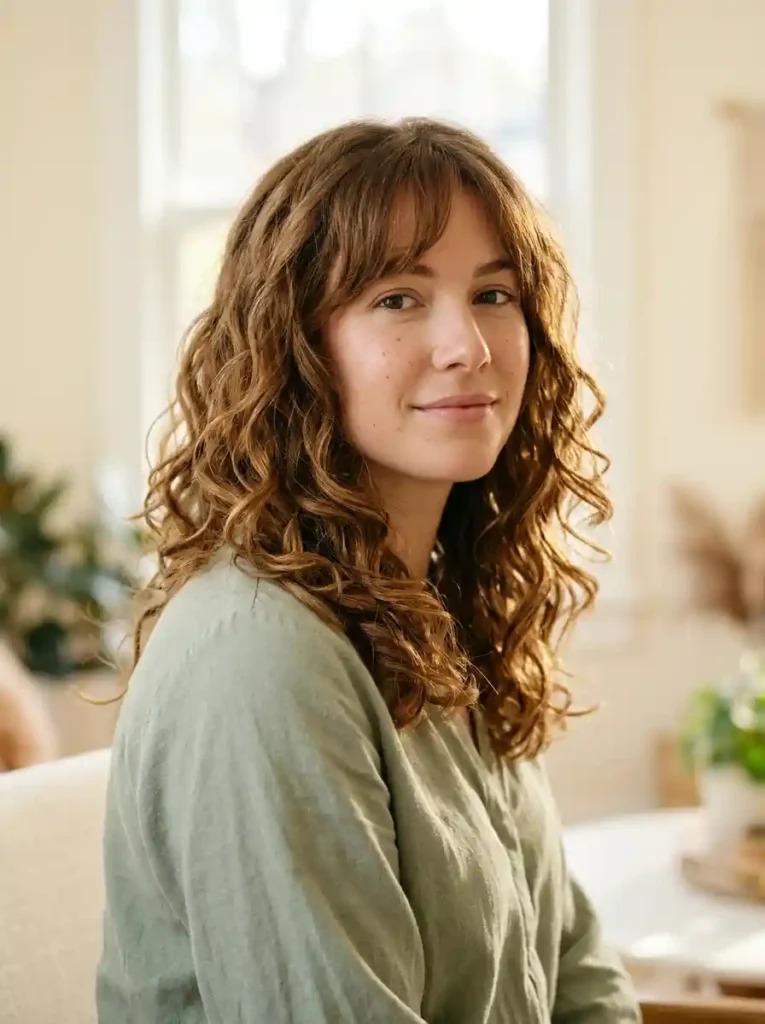
Golden brown is a cheerful, warm brunette shade that captures the feeling of sunlight on naturally brown hair. It combines medium-brown depth with golden and amber undertones, creating a brighter finish without requiring a dramatic blonde transformation. This color is a strong option if you enjoy warm hair shades and want your hairstyle to look lively in natural light. Ask for a golden-brown formula that complements your base rather than automatically choosing the lightest available shade, which may require more lifting and maintenance.
To bring out the golden reflections, try a soft blowout or loose curls rather than keeping every strand completely flat. Layers around the shoulders can also create movement and prevent the color from appearing uniform. Since golden tones may become brassy on some starting colors, ask your stylist which toning approach suits your specific formula. Avoid assuming that every brunette needs purple shampoo; a professional recommendation is more useful than a one-size-fits-all routine. With appropriate care, golden brown can remain warm and flattering between color appointments.
14. Ash Brown Hair
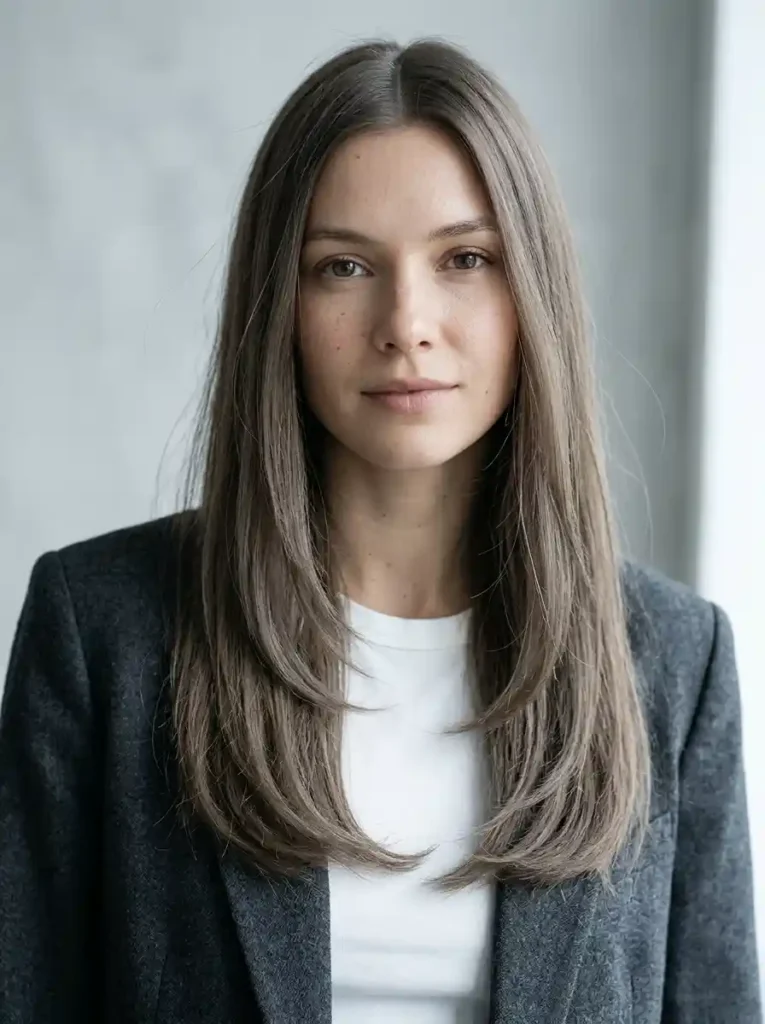
Ash brown is a sophisticated choice if you prefer cool-toned brunette hair over golden, copper, or reddish shades. Its muted finish can range from light smoky brown to deep cool chocolate, depending on your starting color. This shade is particularly appealing for sleek bobs and straight layered cuts, where the understated color creates a refined overall look. Before booking, explain whether you want to neutralize existing warmth or achieve a distinctly cool brown, since those goals may require different color formulations and levels of lightening.
Maintaining ash brown can take some planning, especially if your hair naturally pulls warm after coloring. Your stylist may recommend a personalized gloss or toning treatment to keep the color balanced without making it look overly gray. If your hair needs lightening to achieve the shade, discuss how to protect the condition of the ends throughout the process. Ash brown also benefits from a haircut with clean lines, because excessive damage or frizz can make the finish look less polished. Regular trims and gentle styling help preserve its understated appeal.
15. Brown Hair With Copper Highlights

Copper highlights give brown hair a bolder, more expressive finish while allowing the darker base to remain the dominant color. The combination works particularly well when copper ribbons are placed through the front and mid-lengths, where movement makes the contrast easy to see. If you enjoy warm color but do not want an all-over red transformation, this technique offers a balanced alternative. Discuss the desired intensity with your colorist, since soft cinnamon-copper pieces and bright metallic copper highlights create very different visual effects.
The contrast is especially striking in waves, although a straight style can showcase the placement more clearly. Copper shades may lose their vibrancy with frequent washing, so a color-safe routine and an appropriate professional refresh can help maintain the warmth. If your base is very dark, achieving bright copper sections may involve lightening, which requires careful assessment of your hair’s condition. Ask for a realistic maintenance schedule before committing. A few strategically placed highlights may provide enough visual interest without the upkeep of a more extensive color transformation.
16. Soft Brown Ombre
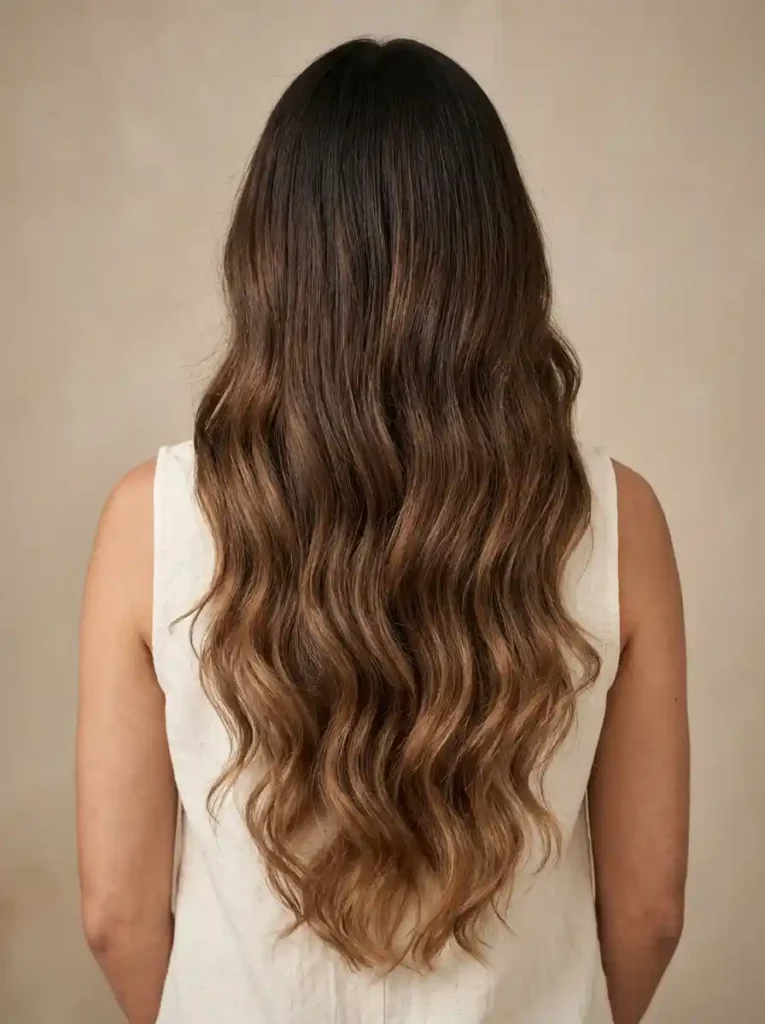
Soft brown ombre creates a gradual color transition from darker roots to lighter ends, making it a useful option if you want brightness concentrated toward the bottom of your hairstyle. Unlike a traditional highlight pattern, ombre emphasizes the overall gradient, which can look particularly beautiful on long hair. Chocolate roots transitioning into caramel-brown ends create a warm, blended finish, while a neutral brown gradient can feel more understated. Ask your colorist to soften the transition carefully so the hair does not appear divided into obvious color blocks.
One practical benefit of ombre is that the roots can grow out without requiring the same frequent touch-ups as a sharply defined root color. However, the lighter ends may need additional conditioning and occasional trims to maintain a healthy appearance. Loose waves highlight the gradient, but straight hair can make the transition easier to inspect. If you have shorter hair, discuss whether the available length allows enough space for a gradual fade. The most successful ombre looks intentional from root to tip, with the lighter color complementing the haircut rather than overwhelming it.
17. Milk Chocolate Brown Hair
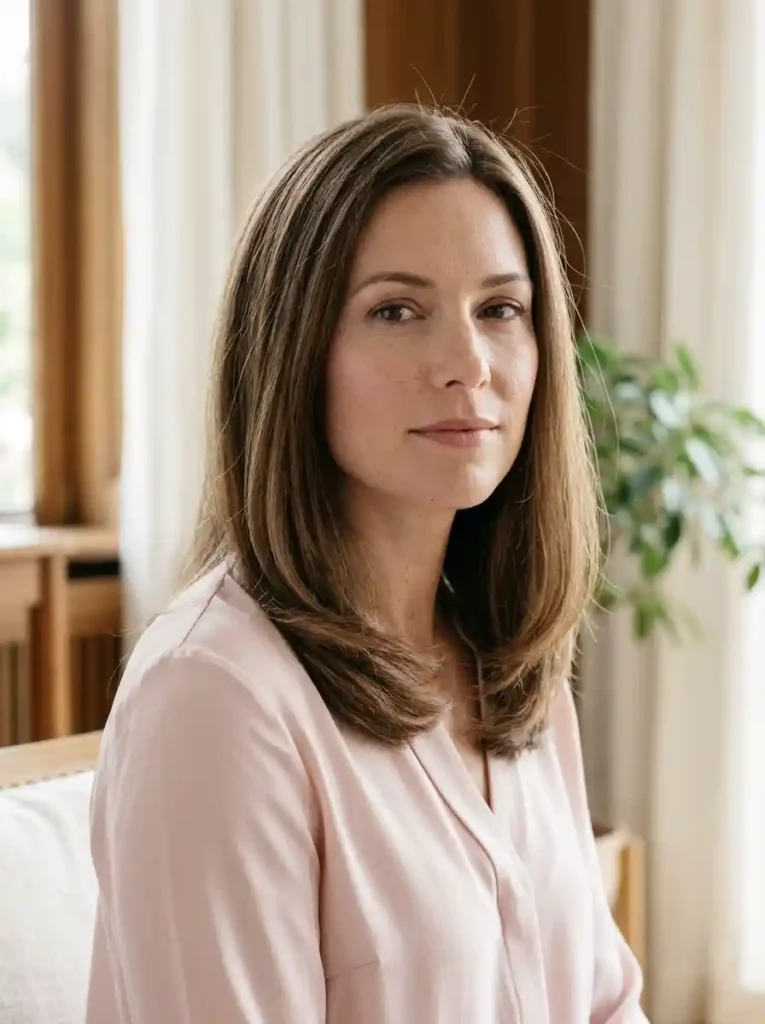
Milk chocolate brown is a softer, lighter alternative to deep chocolate or espresso shades. It offers enough richness to feel distinctly brunette while maintaining a gentle warmth that works beautifully on medium-length cuts and long layers. If you want a noticeable refresh without going dramatically lighter, this shade can provide a balanced middle ground. Ask your stylist to show you milk chocolate references in natural light, because the term can describe different depths and undertones across salon color ranges.
This color looks especially attractive with a smooth blowout, curved ends, or loose waves that create natural-looking movement. Because milk chocolate is not as deep as espresso, unwanted warmth may become more visible as some color formulas fade. Your stylist can recommend a gloss or color-refreshing product based on the exact shade used. Avoid layering multiple at-home color products without professional guidance, as overlapping formulas can produce uneven results. A thoughtful salon consultation and a simple maintenance routine will help preserve the creamy, balanced finish you originally wanted.
18. Brown Hair With Blonde Balayage
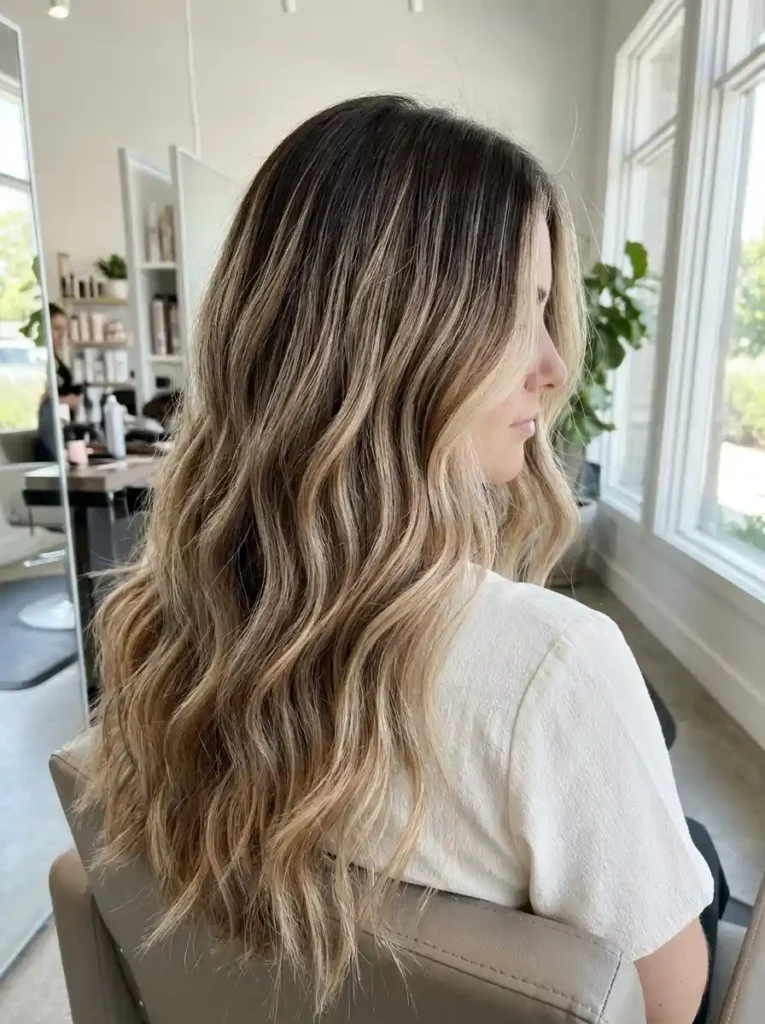
Blonde balayage on brown hair is a strong choice if you want a brighter transformation while retaining the depth of your brunette base. The lighter sections can range from dark beige blonde to a more noticeable sandy blonde, depending on your desired contrast and the amount of lightening your hair can tolerate. This technique works particularly well on medium and long layers because the lighter pieces follow the movement of the haircut. Ask your stylist to preserve enough dark brown between the blonde sections so the final result remains dimensional.
The maintenance level depends on how light the blonde becomes and how close the highlights begin to the roots. A blended root generally allows more flexibility between salon visits, while very light pieces may need toning to preserve their intended shade. Conditioning treatments and heat protection are especially useful when the hair has been lightened. If you have previously colored your hair dark, achieving beige blonde may require multiple appointments rather than a single session. A gradual approach helps your stylist prioritize both the desired color and the condition of your hair.
19. Dark Chocolate Brown With Money Pieces
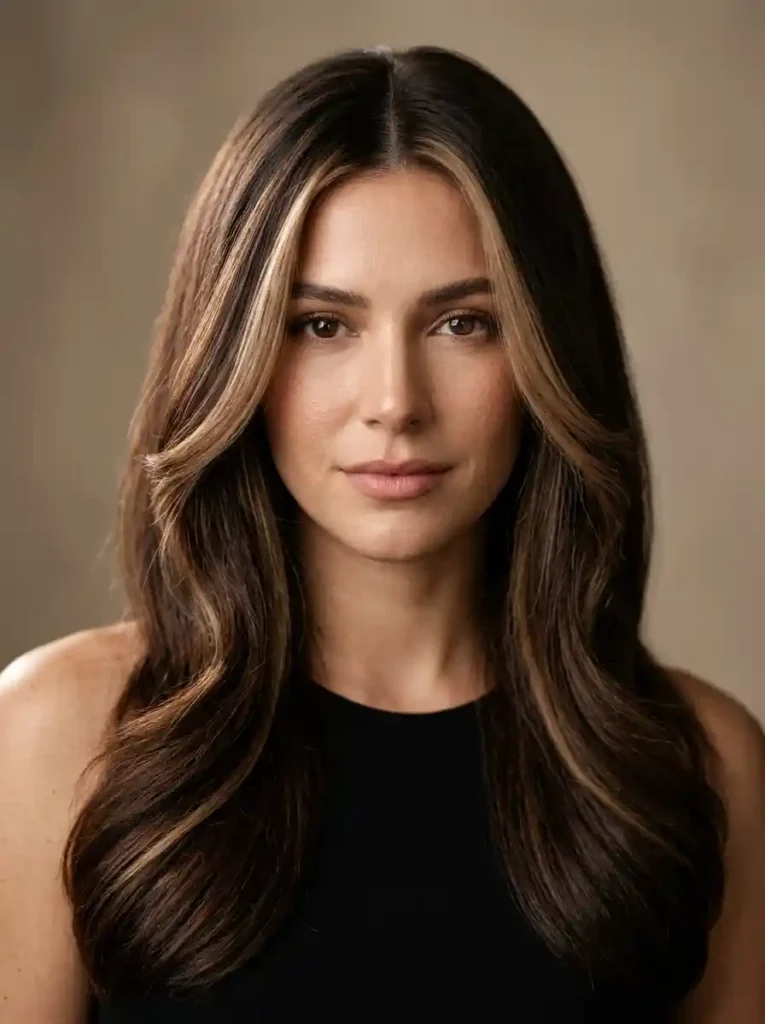
Money pieces are lighter sections placed around the front of the hair to draw attention to the face and add contrast. Against a dark chocolate base, caramel or beige-brown money pieces create a noticeable but wearable transformation. They are ideal if you like the effect of brighter face-framing highlights but want the rest of your hair to remain deep and rich. Ask your stylist to customize their width and brightness rather than copying a reference photograph exactly, since the most flattering placement depends on your haircut and natural part.
This style can be worn with a sleek blowout, loose curls, or a high ponytail that allows the lighter front sections to stand out. The main consideration is that the contrast makes root regrowth more visible near the hairline. If you prefer fewer salon visits, ask for a softly blended transition rather than a sharply defined stripe. Keep the lighter pieces conditioned and protect them from excessive heat styling. A thoughtful balance between brightness and blending gives you the statement-making effect of money pieces without sacrificing the sophistication of dark brunette hair.
20. Brushed-Up Brown Bob
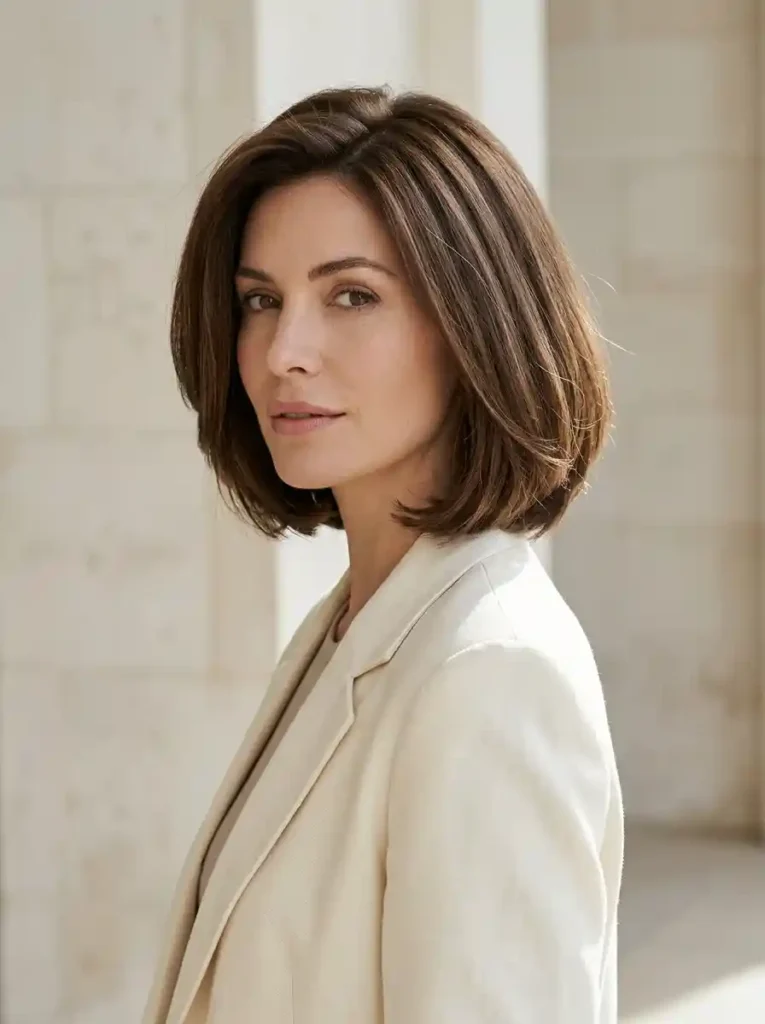
A brushed-up brown bob is a wonderful option if you want a fresh haircut that makes your brunette color feel newly intentional. The shorter length draws attention to the jawline and neckline, while a rounded blowout creates volume without requiring complicated styling. Medium brown with subtle chocolate or caramel variation adds depth while keeping the overall finish refined. Discuss the length and graduation with your stylist, especially if your hair is thick or naturally wavy, because those characteristics can influence how the bob sits after washing.
At home, a round brush and blow-dryer can help create the curved shape that makes this haircut look polished. Apply a lightweight heat protectant first, and focus on lifting the roots while directing the ends inward or slightly outward, depending on the cut. If your hair is naturally straight, styling may be relatively simple; curlier textures may need a different technique to achieve the same silhouette. Regular trims are important for keeping a bob’s shape crisp. This look is particularly suitable if you enjoy a defined haircut that still feels versatile and easy to personalize.
21. Long Brown Hair With Butterfly Layers
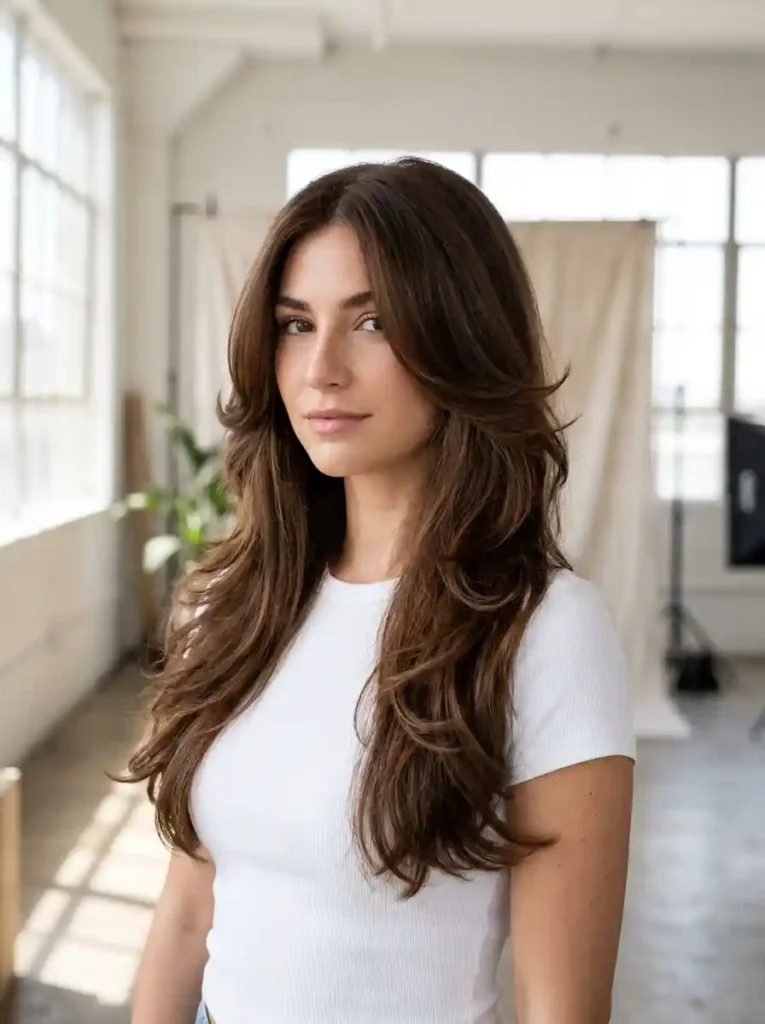
Butterfly layers offer the appearance of a voluminous, face-framing haircut while preserving much of your hair’s length. The shorter upper layers create movement around the face, while the longer sections maintain fullness through the back. This shape works beautifully with chocolate or medium brown shades because the overlapping layers create natural light and shadow. If you love a dramatic blowout but do not want to lose significant length, ask your stylist how much layering your hair density can support without making the ends look thin.
The defining feature of butterfly layers is their styling, so consider whether you enjoy spending time with a round brush, large rollers, or a blow-dry brush. Heat protection helps preserve the ends, especially when the shorter layers are styled frequently. You can also use large rollers to encourage volume without relying entirely on high heat. If you prefer air-drying, ask for a less dramatic version of the cut that works with your natural texture. The right balance makes the hairstyle feel flattering in everyday life, not just immediately after leaving the salon.
22. Natural Brown Hair With Gloss

You do not need highlights or a dramatic color change to refresh brown hair. A gloss treatment can help enhance shine, refine the tone, and make a natural brunette shade look more polished. Depending on the formula, a gloss may be clear or lightly tinted, allowing you to preserve your existing color while improving its overall appearance. It is an appealing option if you like your natural brown but find that frequent styling, environmental exposure, or fading has left it looking less vibrant than you prefer.
Ask your stylist whether a clear gloss or a tinted brunette treatment better suits your goals. A clear formula can focus on shine, while a tinted option may help adjust unwanted warmth or enrich the color slightly. Results and longevity vary by product and hair condition, so discuss realistic expectations before booking. Between appointments, use a gentle shampoo, condition the lengths, and avoid excessive heat. This low-commitment approach is particularly useful if you are growing out your hair color or want to maintain a healthy-looking brunette finish without introducing new highlights.
23. Dimensional Chocolate Brown With Subtle Lowlights
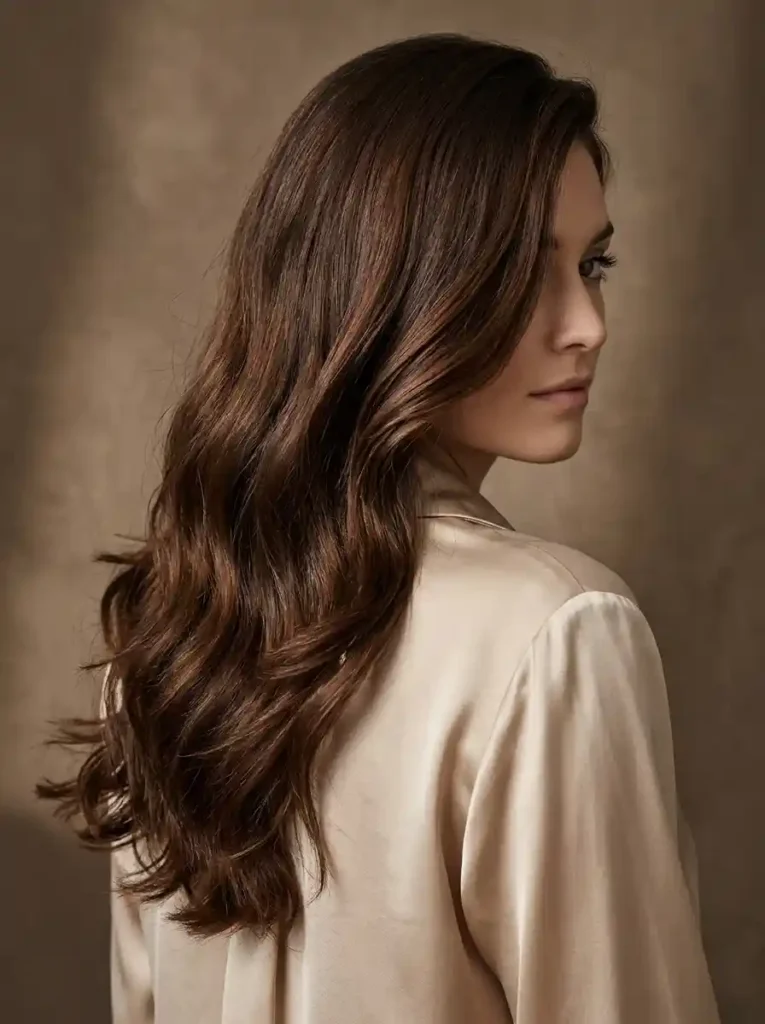
Dimensional chocolate brown with lowlights is an excellent option if your brunette hair looks too uniform and you want more depth rather than more brightness. Lowlights introduce slightly darker sections into a lighter or medium-brown base, creating subtle variation that can make the hair appear fuller and more visually interesting. The effect is particularly attractive on long waves and layered cuts, where different sections overlap. Ask your colorist to keep the lowlights close to your existing shade for a natural result instead of creating harsh dark stripes.
This technique can be useful for softening the appearance of overly bright highlights or restoring depth to hair that has become lighter over time. The final result should blend seamlessly when the hair is worn straight as well as curled. Discuss your current color history before choosing a formula, especially if the ends have been lightened repeatedly. A professional can determine where darker pieces will add balance without creating muddy or uneven tones. With thoughtful placement, lowlights offer a refined way to refresh brunette hair while preserving its overall richness and natural-looking movement.
Conclusion
The best brown hair color is the one that fits your personal style, natural coloring, preferred haircut, and willingness to maintain it. Rich chocolate and espresso shades offer timeless depth, while caramel balayage, honey highlights, and bronde bring brightness without abandoning your brunette roots. Cooler options such as mushroom and ash brown provide a different mood, whereas chestnut, cinnamon, and auburn introduce beautiful warmth.
Before choosing your next look, save two or three reference photos that show the color you like in natural daylight. Bring them to your stylist and discuss your current hair color, previous treatments, desired maintenance, and how much change you feel comfortable making. Remember that the same shade can look different depending on your starting color, lighting, and hair texture. You do not have to transform your entire head to achieve something beautiful. Sometimes, a subtle gloss, carefully placed highlights, or a flattering new cut is all it takes to make your brown hair feel fresh, dimensional, and completely your own.


