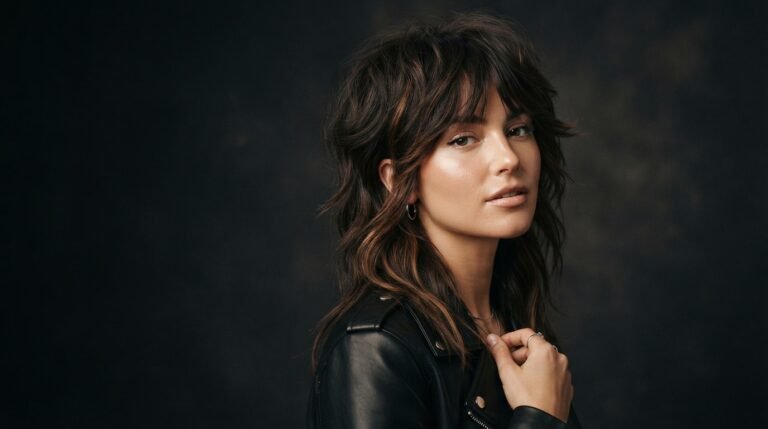
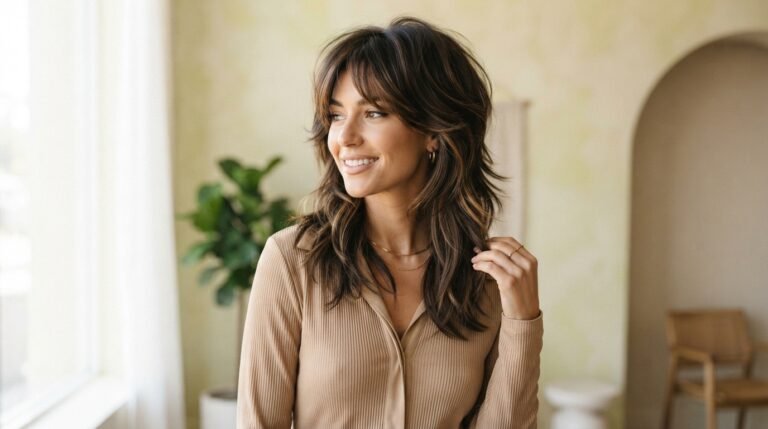
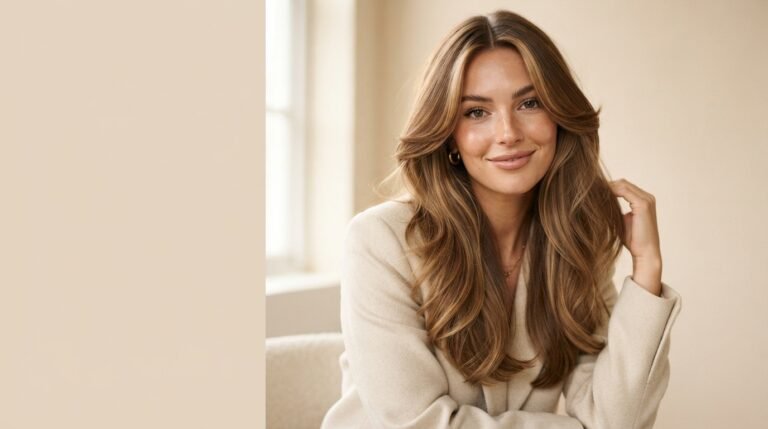
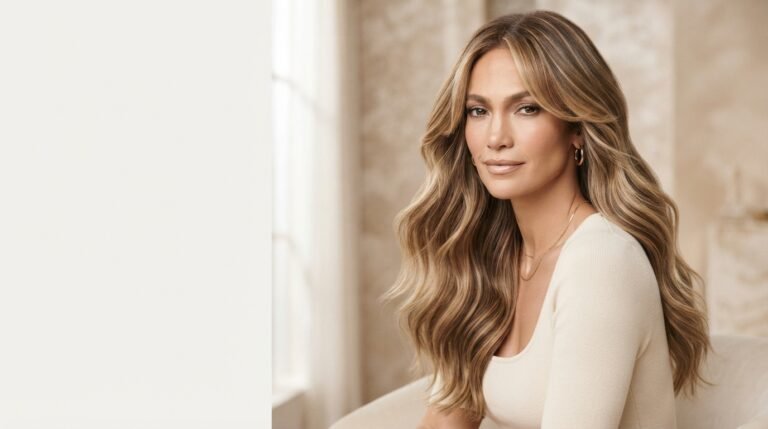
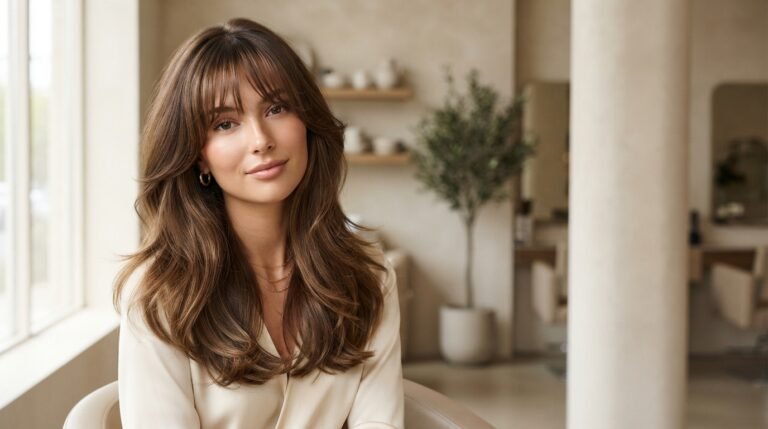
Brown hair has a remarkable way of looking polished without feeling overly complicated. From glossy espresso to soft caramel ribbons, the right shade can completely change the mood of your look while still feeling natural and wearable. Whether you want a subtle refresh or a noticeable transformation, brown offers an incredible range of tones, depths, and finishes to explore.
These 21 brown hair color ideas are designed to make choosing your next shade easier. You’ll find options for different skin undertones, hair lengths, textures, and personal styles, along with practical details about maintenance, dimension, and styling. Some ideas are understated enough for an everyday update, while others bring richer contrast and luminous highlights that photograph beautifully. Save your favorites, compare the undertones, and take your preferred reference photos to your colorist so you can create a brown shade that feels distinctly yours.
1. Rich Espresso Brown
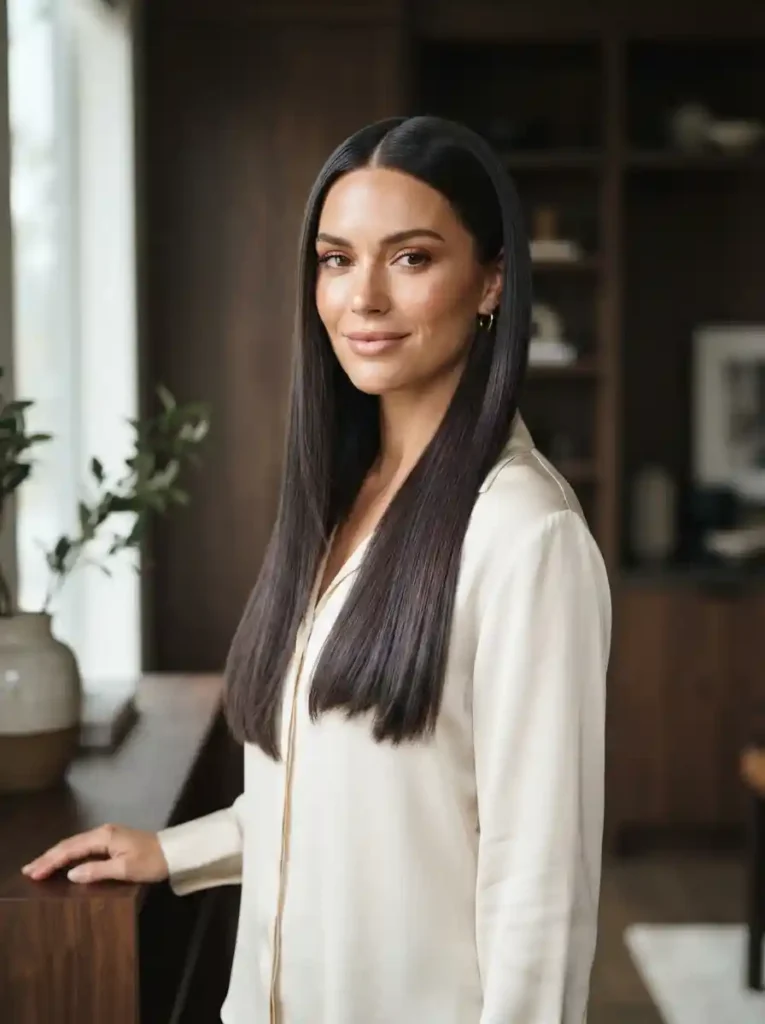
Espresso brown is ideal when you want a dramatic brunette shade without moving into true black. Its deep coffee-like tone creates a sleek, sophisticated effect, especially on straight or softly waved hair where light can reveal the color’s subtle dimension. Ask your colorist for a rich brunette with balanced depth rather than a flat blue-black finish. A glossy treatment afterward can help the shade look especially polished and reflective without making the color appear artificial.
Because espresso brown is relatively deep, it can be an easy transition for naturally medium or dark brunettes. To keep it looking fresh, prioritize color-safe shampoo, lukewarm water, and regular conditioning rather than frequent clarifying treatments. If your hair is lighter, your colorist may recommend a darker gloss or carefully formulated permanent color. This shade pairs beautifully with minimalist clothing, warm metals, and softly defined makeup, making it particularly versatile for an effortlessly elegant everyday appearance.
2. Warm Chocolate Brown
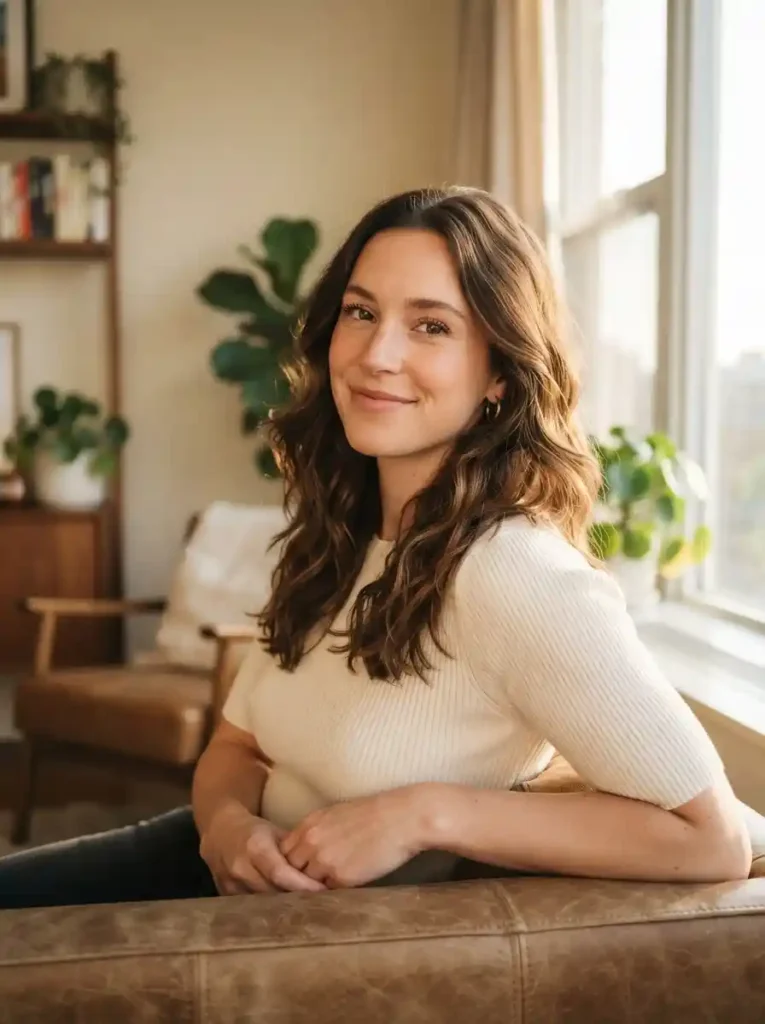
Warm chocolate brown brings richness without looking overly dark, making it a dependable choice for anyone who wants a noticeable brunette refresh with warmth. The shade works particularly well when you want your hair to appear dimensional even without obvious highlights. On wavy or layered cuts, the movement naturally catches different brown tones. Ask for a chocolate base that complements your existing color rather than relying on a single uniform shade from roots to ends.
This color can be especially attractive when paired with warm beige, cream, camel, or gold accessories. If your hair tends to become dry, remember that warm brunette color still benefits from consistent moisture and heat protection. A tinted gloss between major appointments can refresh the richness when the ends begin looking dull. For a softer result, your stylist can leave a little natural variation throughout the hair instead of creating an intensely solid chocolate finish.
3. Caramel Brown Balayage
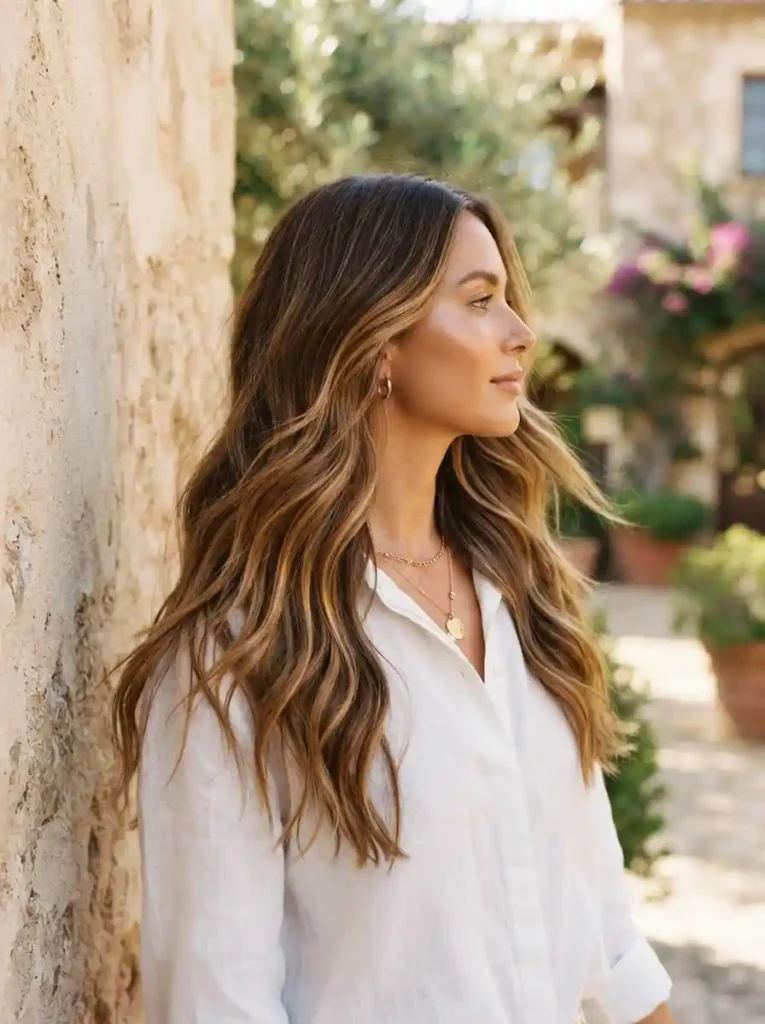
Caramel brown balayage is a strong choice when you want dimension without committing to frequent all-over color. The darker root keeps the look grounded, while caramel ribbons brighten the lengths and create visible movement. Ask your colorist to place lighter pieces where your haircut naturally catches light, particularly around the face and upper layers. This makes the color feel customized rather than like evenly distributed stripes.
The beauty of balayage is its softer grow-out, but maintenance still depends on how light the caramel becomes. A purple shampoo is not always appropriate for warm brunette balayage, so ask your stylist which toning product suits your specific shade. Deep conditioning can keep lightened sections feeling smoother. If you prefer subtlety, request caramel pieces only one or two levels lighter than your base for a sophisticated, low-contrast finish.
4. Cool Ash Brown
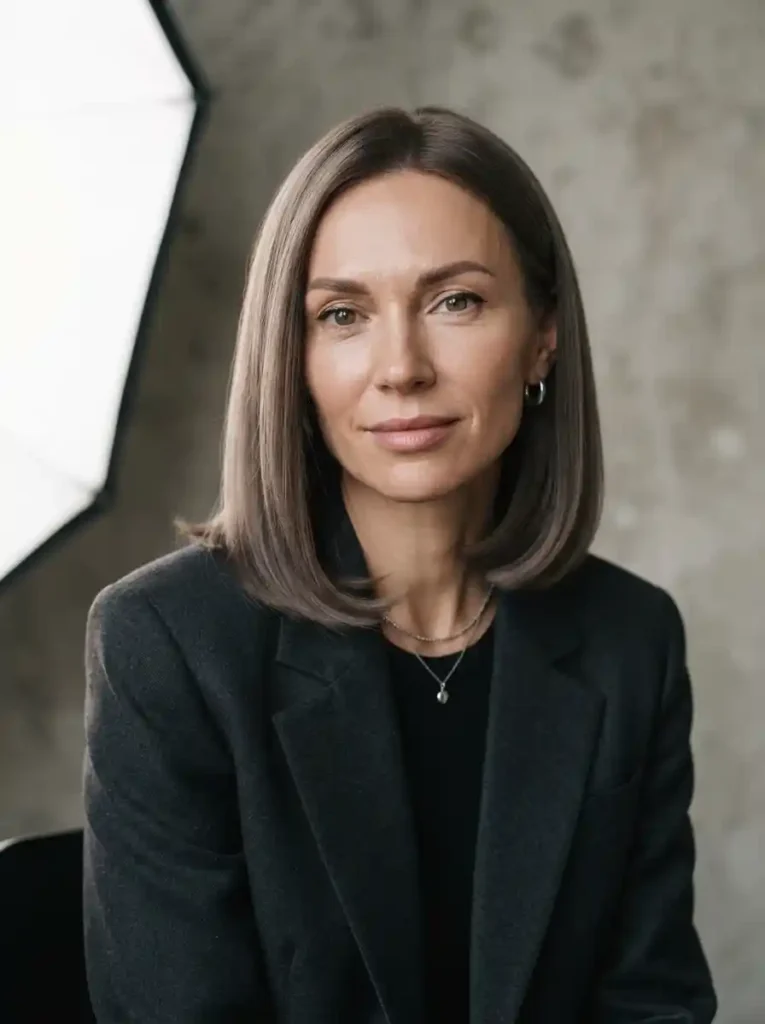
Cool ash brown offers a more understated alternative to warm chocolate and caramel shades. Its muted taupe, mushroom, and smoky qualities can make brunette hair look modern and refined, particularly on sleek cuts or softly textured bobs. If your natural hair pulls strongly orange or red when lightened, tell your colorist before choosing this shade. They can adjust the formula to neutralize unwanted warmth without making the result look dull.
Ash tones often need thoughtful maintenance because warmth can gradually reappear as color fades. Use products recommended for color-treated hair and avoid excessive heat styling whenever possible. A cool-toned gloss can help restore the muted finish between appointments. This shade is also easy to personalize: a slightly warmer ash brown feels softer, while a stronger smoky cast creates a sharper, more contemporary appearance that works beautifully with monochromatic wardrobes.
5. Chestnut Brown With Copper Hints
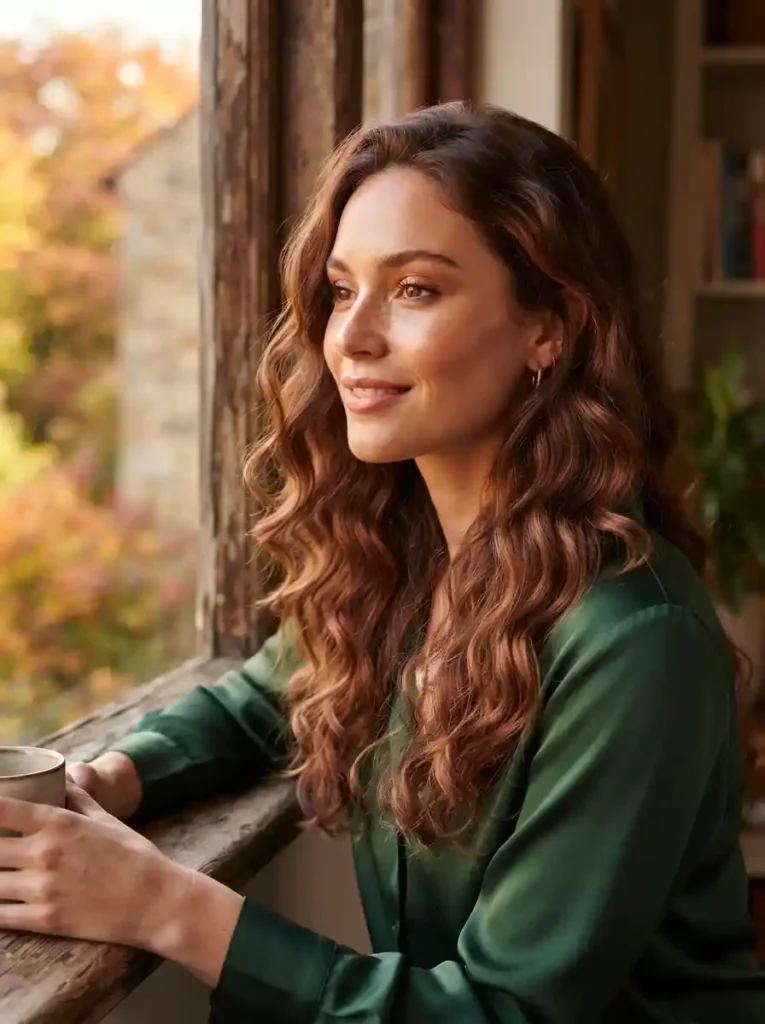
Chestnut brown sits beautifully between classic brunette and subtle red, making it appealing when you want warmth without fully becoming a redhead. The copper hints become especially noticeable when light reaches the hair, creating a lively finish that changes throughout the day. Ask for restrained copper rather than bright orange if you want the result to remain unmistakably brunette. Layered cuts and curls can reveal the different tones particularly well.
Because warm pigments can fade differently from neutral browns, regular glossing may help preserve the intended balance. Discuss your natural undertone with your stylist so the copper complements rather than competes with your complexion. Chestnut also looks lovely with earthy clothing colors such as olive, cream, rust, and deep green. If you are nervous about warmth, begin with subtle copper ribbons before committing to a more saturated chestnut formula.
6. Mocha Brown With Face-Framing Highlights
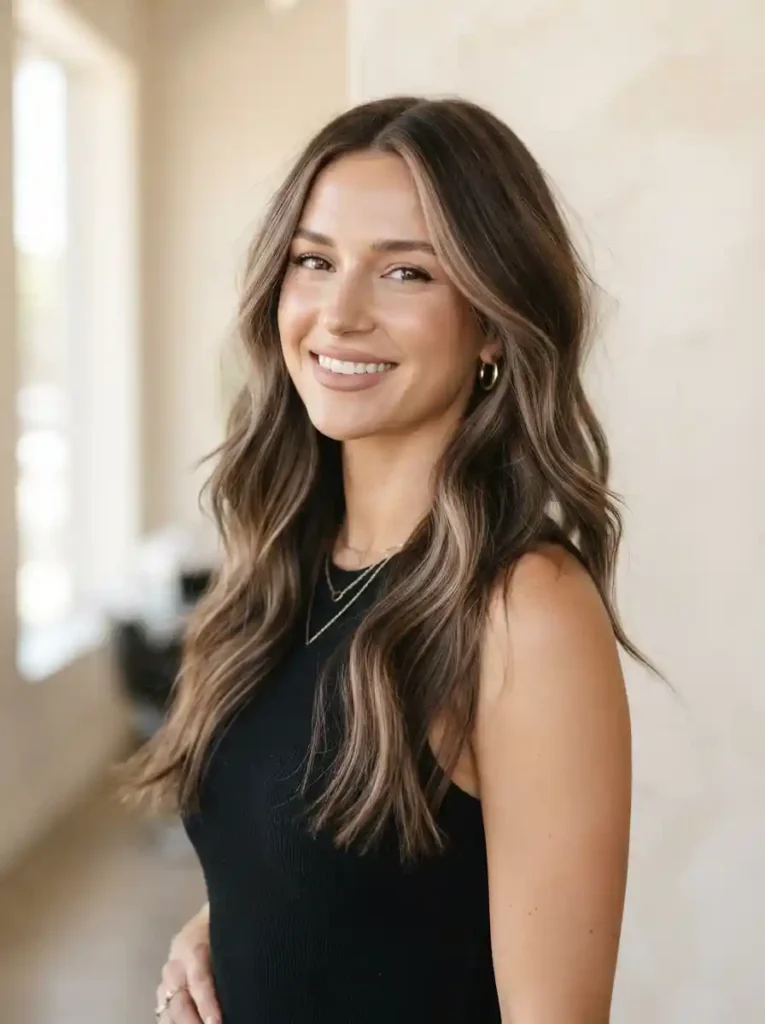
Mocha brown combines the depth of brunette hair with a softer neutral quality, while face-framing highlights add brightness exactly where it matters most. Instead of scattering light pieces throughout the entire head, your colorist can concentrate a few fine sections near the temples and front layers. This approach creates visible freshness without requiring a full head of highlights. It is particularly useful if you want your new color to remain relatively natural.
The key is keeping the contrast controlled. Very pale pieces can make the look feel much more dramatic, while highlights only slightly lighter than the mocha base create an elegant transition. Bring a reference photo showing your preferred brightness because “face-framing” can range from delicate ribbons to bold money-piece sections. For maintenance, protect the lighter strands with conditioner and heat protection, especially if they have been chemically lightened.
7. Glossy Dark Brown
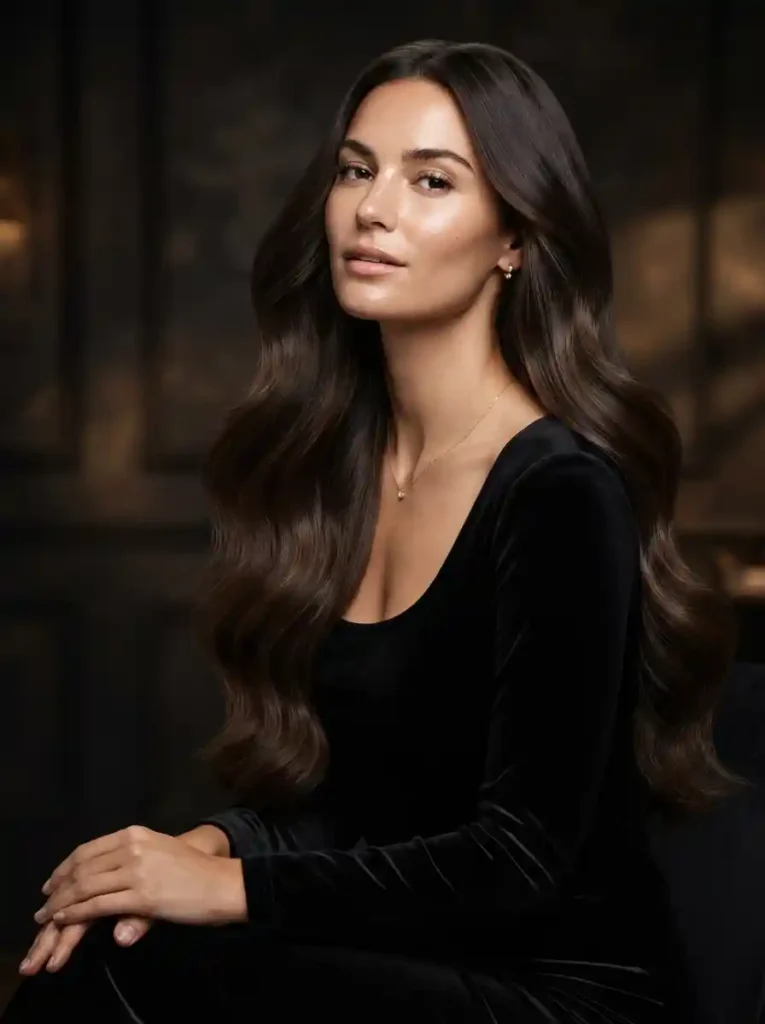
Glossy dark brown is proof that you do not need highlights to make brunette hair interesting. The focus here is depth, shine, and healthy-looking texture. A neutral or slightly warm dark brown base can create a luxurious finish, especially when the hair is smooth enough for light to travel across the surface. Ask your stylist about a demi-permanent gloss if you mainly want richer tone and shine rather than significant lightening or darkening.
This look benefits greatly from a consistent hair-care routine. Choose a gentle cleanser, condition the lengths regularly, and apply heat protectant before blow-drying or using hot tools. Avoid repeatedly layering very dark permanent color over already colored ends, as buildup can make hair look flat. A gloss appointment can refresh the reflective quality without unnecessarily processing every strand, helping the overall color stay elegant and dimensional.
8. Honey Brown Highlights
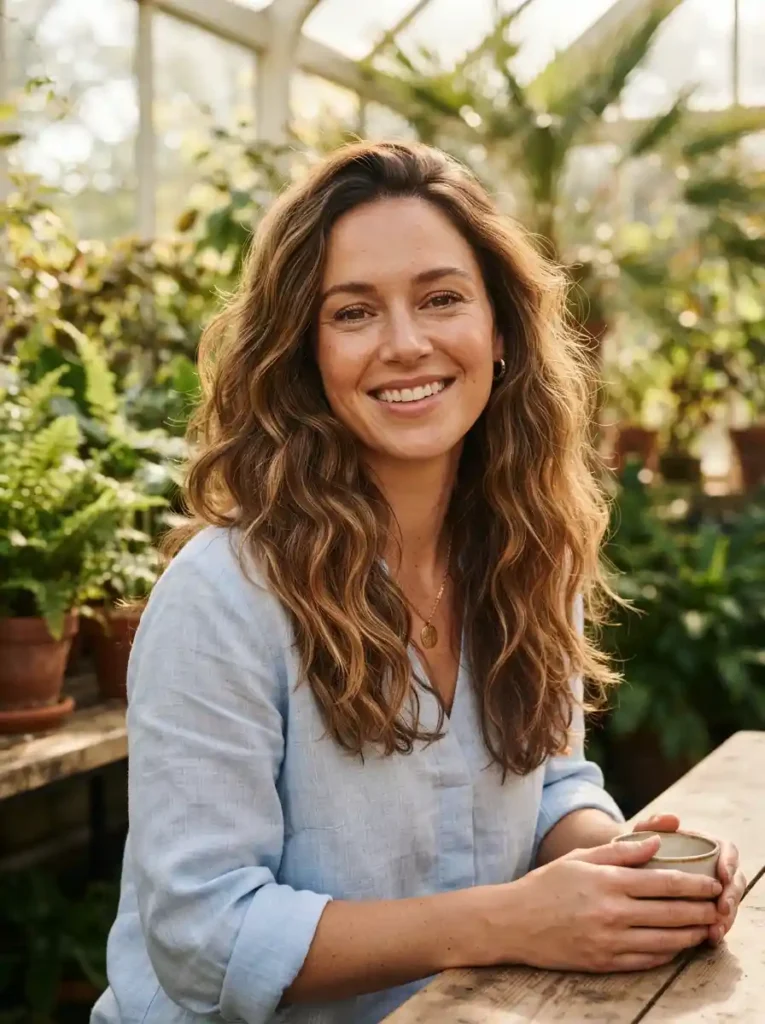
Honey brown highlights add golden brightness while allowing a substantial amount of the brunette base to remain visible. They work especially well when you want your hair to look lighter without fully changing its underlying identity. Fine ribbons can create a naturally illuminated effect, while slightly wider pieces give more obvious contrast. Ask your stylist to vary the placement and width so the highlights do not form repetitive lines.
If your natural brunette hair becomes brassy easily, discuss toning options before choosing a honey finish. Warmth is part of the appeal here, so the goal is controlled golden richness rather than eliminating every warm tone. Honey highlights can also be adjusted seasonally: slightly deeper ribbons feel subtle in colder months, while brighter pieces create a sunlit summer effect. Keep the lighter sections conditioned to preserve smoothness and shine.
9. Mushroom Brown
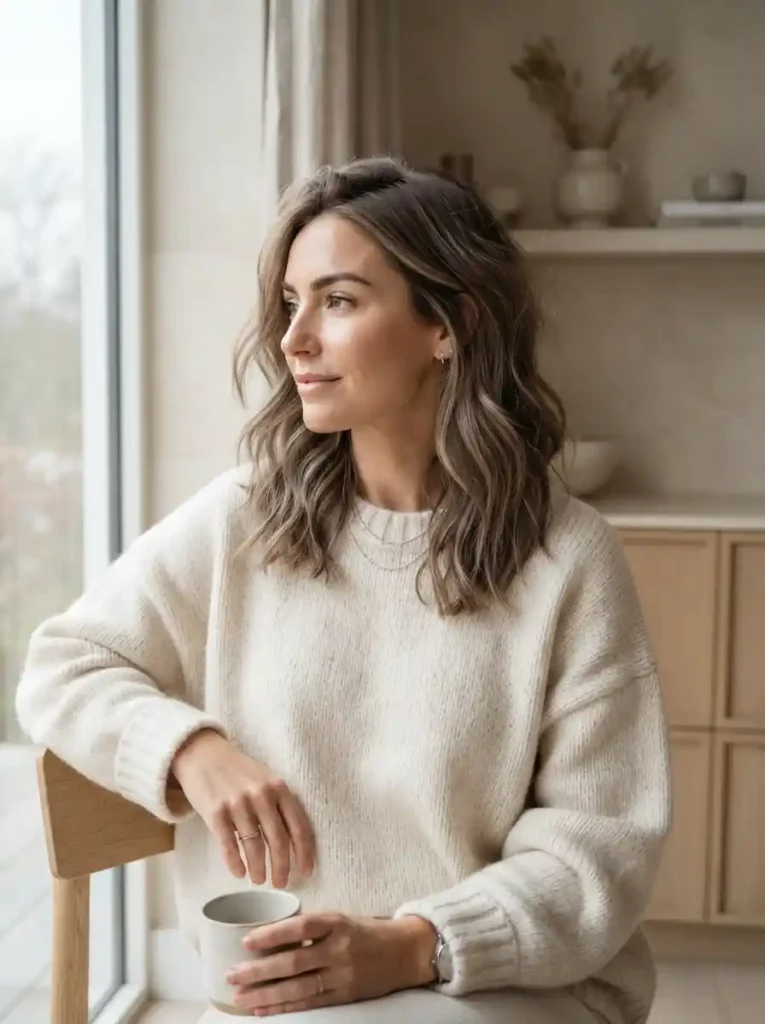
Mushroom brown is a muted brunette shade with cool beige, taupe, and soft gray influences. It is a compelling option when you want something more distinctive than traditional brown but still understated enough for everyday wear. The color looks especially dimensional on layered or lightly textured hair because the muted tones appear differently as the strands overlap. Ask for a neutral-cool brunette rather than an extremely gray formula if you want softness.
This shade can require more careful toning than a straightforward warm brunette because unwanted golden or orange tones may become noticeable as the color fades. Your stylist can recommend a suitable toning schedule based on your starting shade and whether the hair has been lightened. Mushroom brown also pairs naturally with cool neutrals, denim, charcoal, and silver accessories, making it a particularly cohesive choice for a minimalist wardrobe.
10. Cinnamon Brown
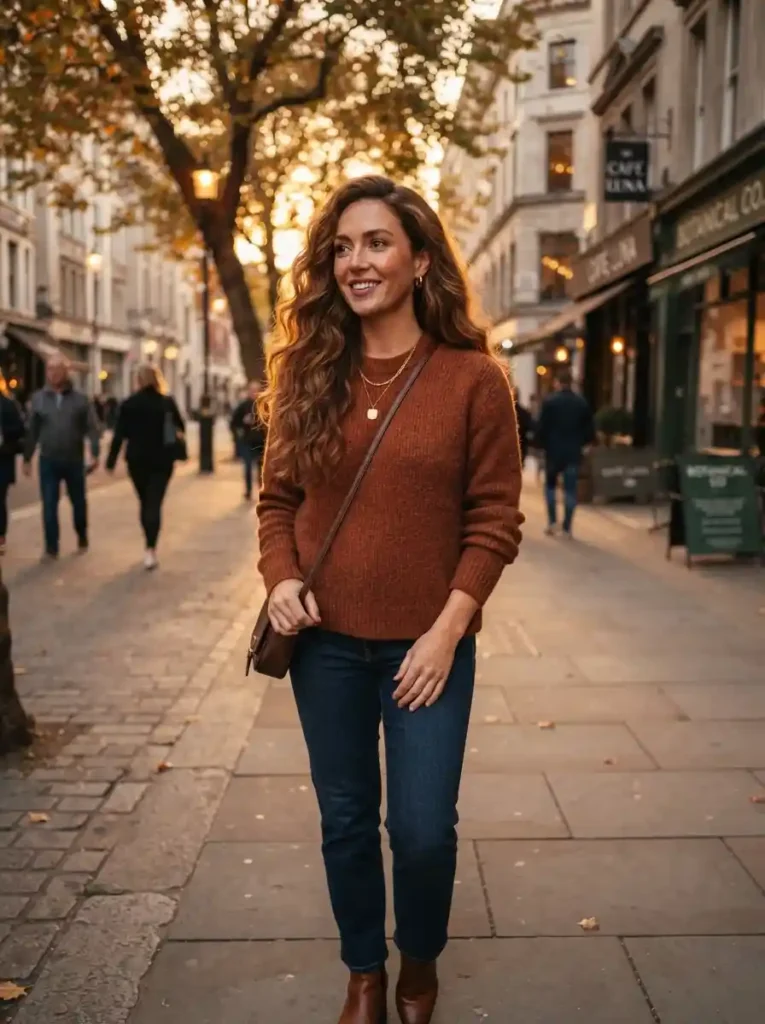
Cinnamon brown adds a gentle spicy warmth to brunette hair without becoming a vivid red or copper shade. Its combination of brown, amber, and restrained auburn tones creates noticeable dimension, especially in naturally wavy or curly hair. If you want warmth but dislike extremely bright color, ask for cinnamon tones blended into a medium brunette base. Keeping the roots slightly deeper can also make the overall result look more natural.
Warm brunette shades can lose their vibrancy when exposed to frequent washing, heat, and environmental stress. Use a color-safe routine and consider a gloss when the cinnamon tones begin looking muted. This color works particularly well with layered cuts because the warm reflections appear and disappear as the hair moves. Clothing in cream, rust, olive, chocolate, and muted blue can emphasize the richness without competing with the hair.
11. Soft Brunette With Beige Highlights
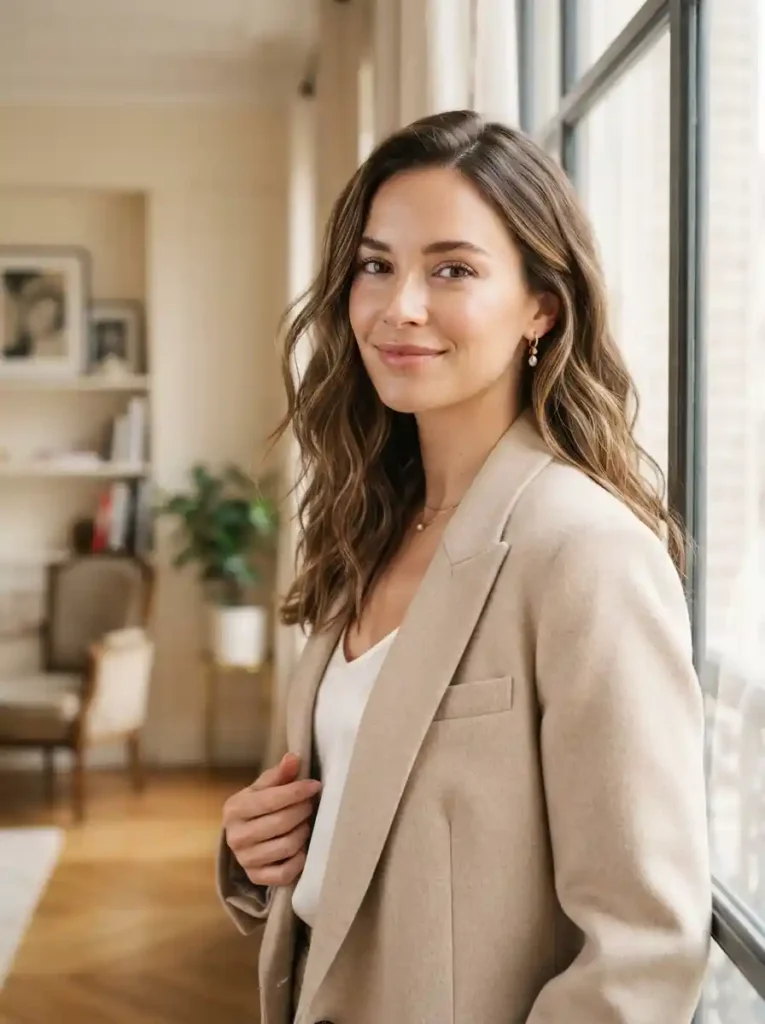
Beige highlights offer a quieter alternative to golden or caramel ribbons. They brighten a brunette base while keeping the overall palette neutral, which can be useful if you prefer sophisticated color without strong red or yellow tones. Fine beige pieces can be woven through the mid-lengths and ends, while the roots remain naturally deeper. This creates a soft transition that looks polished without making the hair appear heavily highlighted.
When requesting this shade, describe how much contrast you want because beige can range from barely lighter than the base to distinctly creamy. Your stylist can also adjust the tone according to your natural brunette color. Keep the lighter portions moisturized and limit unnecessary heat exposure. The finished effect works beautifully with clean, tailored styling, making it a versatile choice for someone who wants refined hair color rather than an obviously dramatic transformation.
12. Deep Cocoa Brown
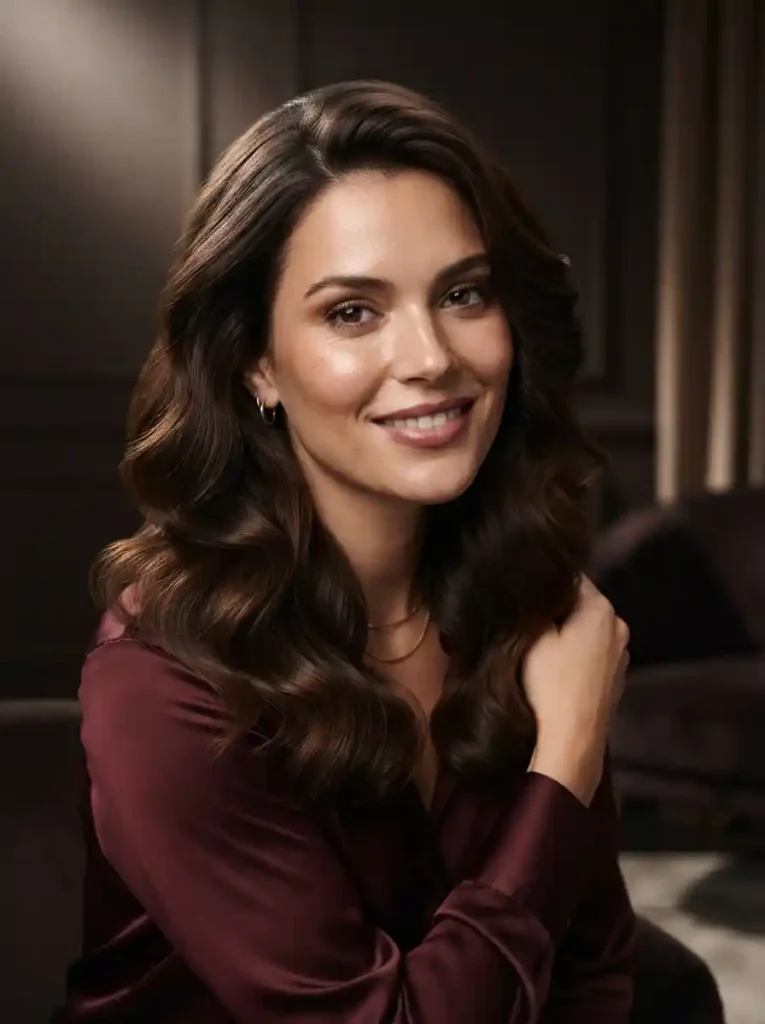
Deep cocoa brown sits between a very dark brunette and a softer chocolate shade, giving the hair substantial depth while retaining visible warmth. It is especially striking on thick hair because the larger volume allows light and shadow to reveal subtle tonal differences. Ask your colorist for a rich cocoa formula rather than simply applying the darkest brown available. A tailored formula can prevent the finished color from appearing flat or excessively inky.
This shade is relatively easy to personalize through the amount of warmth added. A neutral cocoa looks polished and understated, while slightly warmer undertones create a softer appearance. If your hair has previously been lightened, your stylist may need to rebuild some underlying pigment for an even result. Regular conditioning and occasional glossing will help maintain the smooth, reflective finish that makes deep cocoa hair look especially luxurious.
13. Bronde Brown
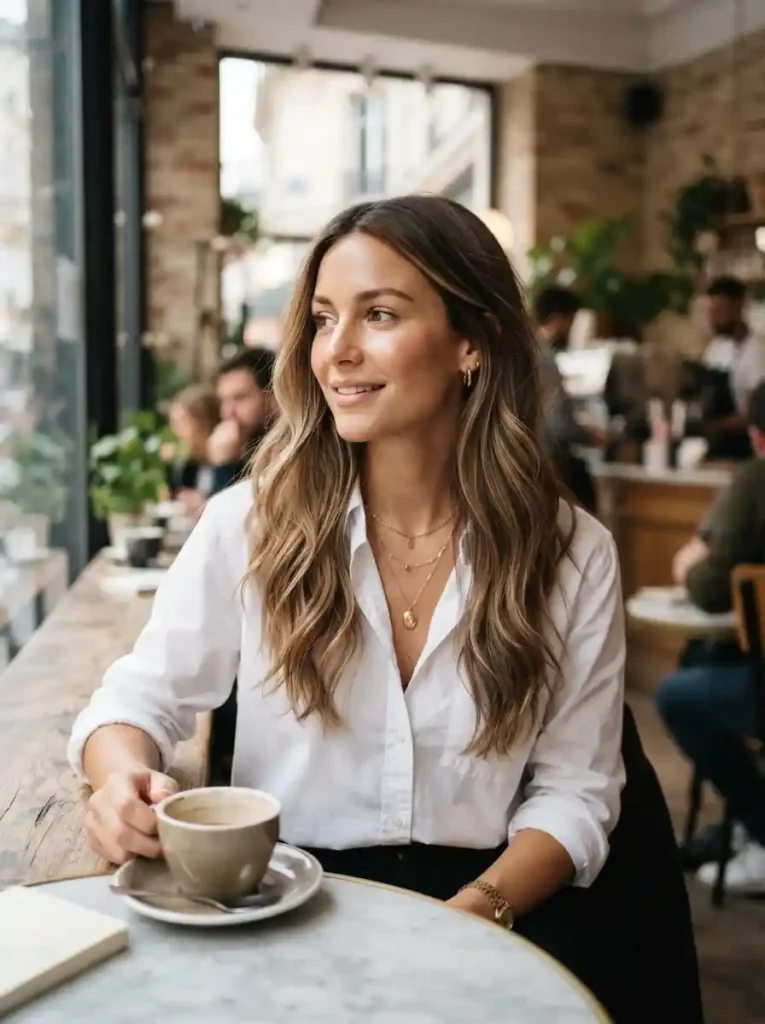
Bronde sits comfortably between brunette and blonde, making it a useful choice when you cannot decide whether you want to stay darker or move noticeably lighter. The most natural versions retain a brown foundation while incorporating muted dark-blonde tones through the lengths. Ask your stylist to preserve some depth at the roots so the transition remains soft. This approach can make a major color change feel less abrupt.
Because bronde usually involves some lightening, maintenance deserves attention from the beginning. Hydrating masks, heat protection, and gentle cleansing can help keep the lighter portions looking smooth. Your stylist may also recommend periodic toning to maintain the desired beige or neutral balance. Bronde is particularly flattering on layered cuts because multiple shades become visible as the hair moves, creating an effortless effect rather than a single block of color.
14. Walnut Brown
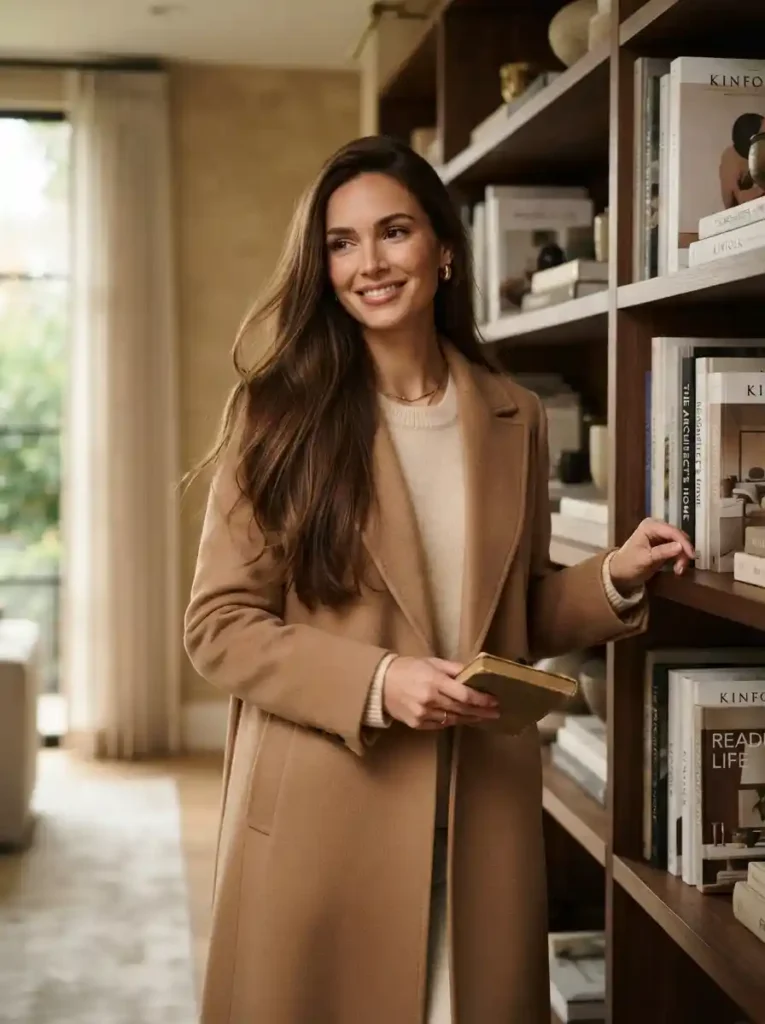
Walnut brown has a balanced quality that makes it especially wearable when you want neither strong coolness nor obvious golden warmth. It resembles the natural depth of walnut wood: medium to deep brown with subtle variation that becomes more noticeable in good light. This makes it a strong option for someone seeking a refined color change that will not feel overly trendy or difficult to style with existing clothing.
The shade can be adjusted according to your starting color, from a lighter walnut with more visible beige tones to a deeper version with richer brown depth. Ask your colorist to consider your natural root and previous color history before selecting the formula. Walnut brown also grows out gracefully when kept close to your natural level. A lightweight shine product can emphasize its dimension without making fine hair appear heavy.
15. Brunette With Subtle Rose Brown Tones
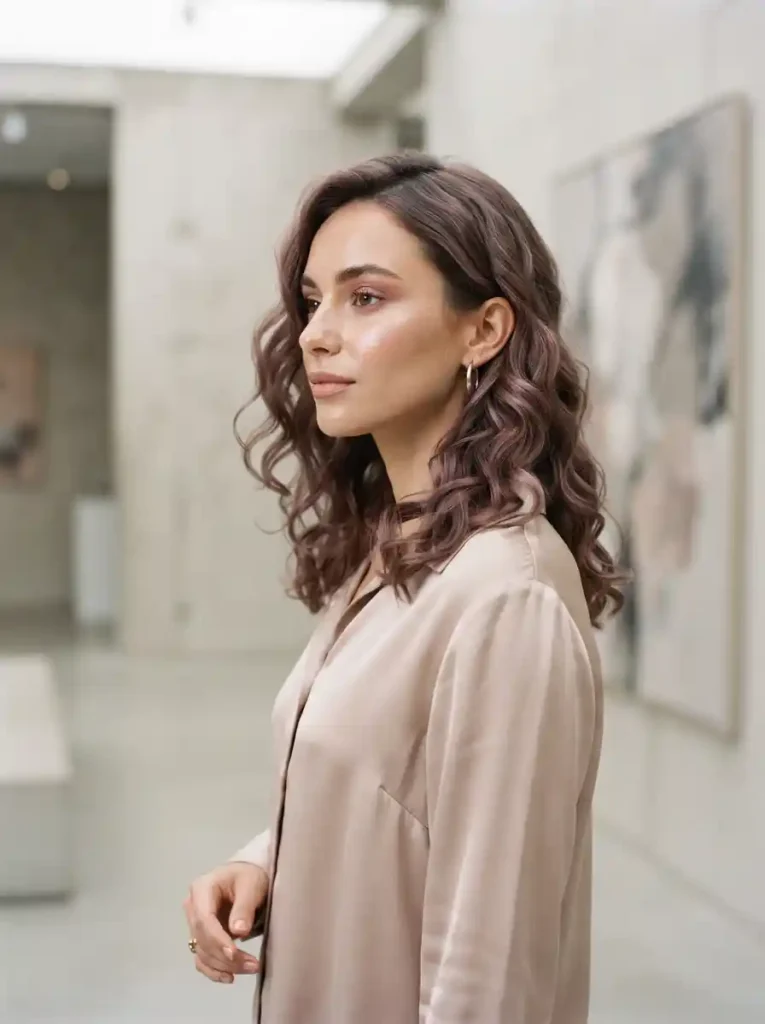
Rose brown introduces a restrained rosy quality to brunette hair without turning the overall result pink. The effect is most sophisticated when the underlying brown remains clearly dominant and the rosy tones appear mainly in certain lighting. It can be particularly appealing if you want something personalized but still suitable for everyday settings. Ask for muted rose or mauve-brown tones rather than highly saturated fashion color if subtlety is your priority.
Because unusual undertones can shift as color fades, maintenance may require periodic glossing or toning. Tell your stylist whether you prefer the rose element to be barely perceptible or clearly visible in photographs. Keeping the hair healthy also helps the nuanced color look intentional rather than washed out. Pairing rose brown with neutral clothing, soft blush makeup, or cool metallic accessories can reinforce the sophisticated color palette without making the overall look overly coordinated.
16. Light Golden Brown
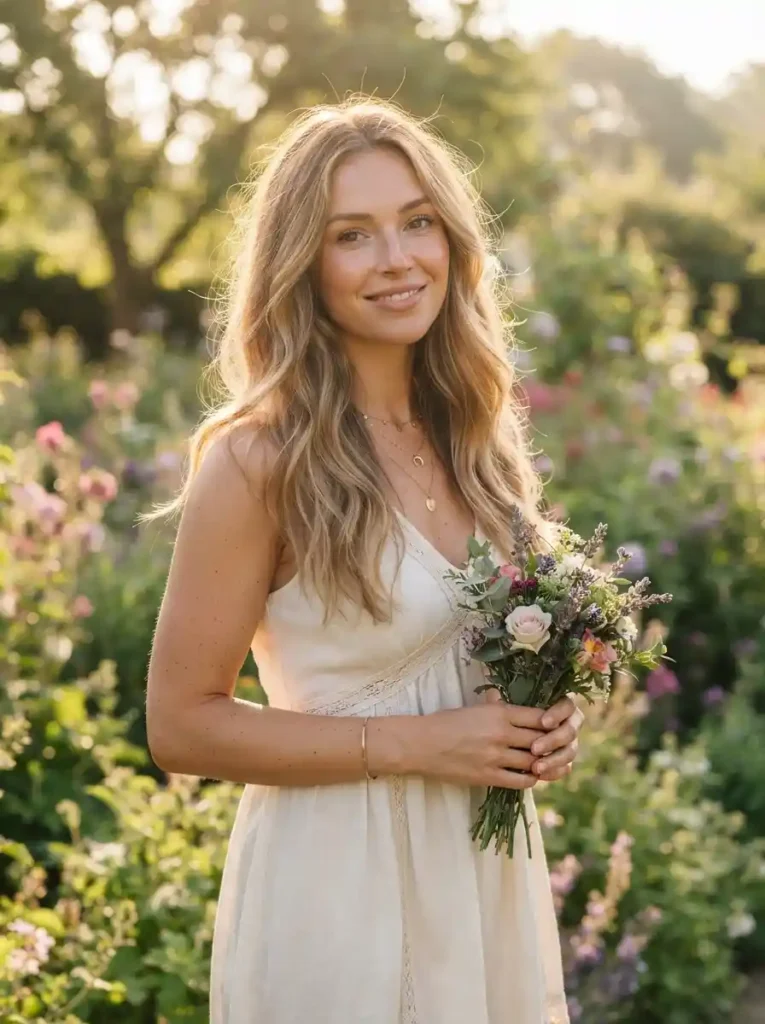
Light golden brown is an inviting choice when you want brunette hair to feel brighter and more sunlit without fully becoming blonde. Its warm golden dimension works particularly well through layered lengths, where different sections catch the light naturally. If you are starting with dark hair, your colorist may need to lighten gradually to reach this level while protecting the condition of the strands. A gradual approach can produce a more even, polished result.
This shade can look different depending on lighting, so always discuss your expectations using several reference images rather than one heavily edited photograph. Golden tones can become stronger after repeated exposure to heat and sunlight, making appropriate color care important. A lightweight leave-in conditioner can help maintain softness without flattening the hair. For styling, loose waves, soft blowouts, and natural movement all emphasize the golden dimension beautifully.
17. Dark Brown With Subtle Auburn Ribbons
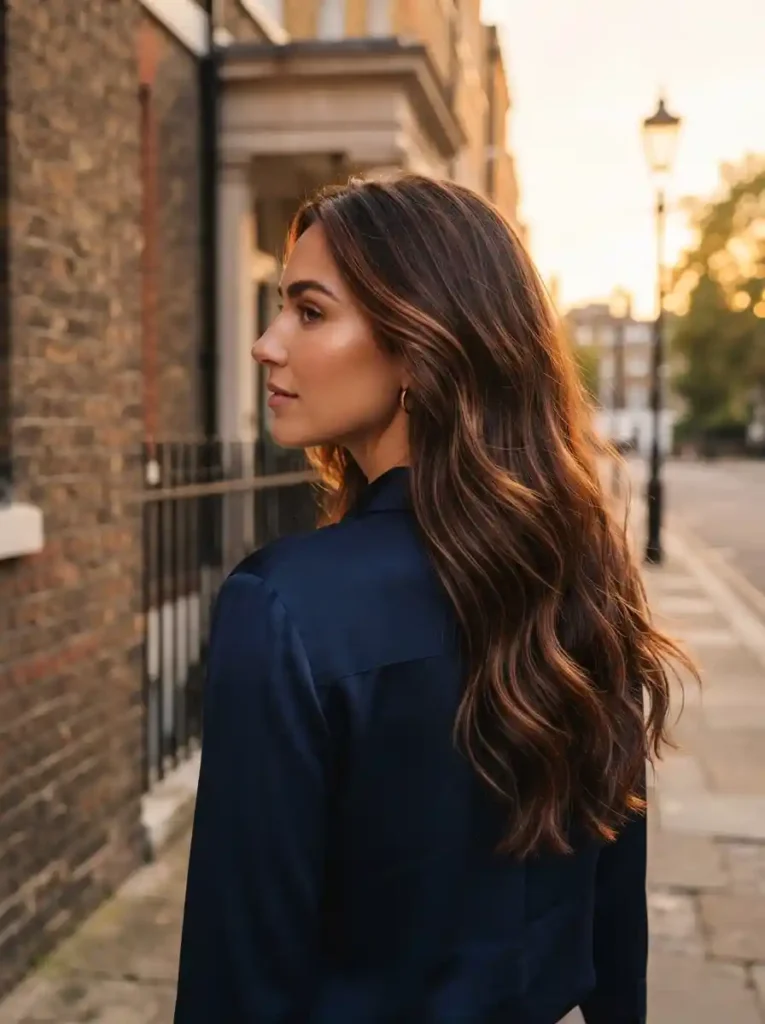
A dark brown base with subtle auburn ribbons offers dimension that appears understated indoors and more noticeable in sunlight. Rather than covering the entire head with red-toned color, your stylist can weave fine auburn sections through strategic layers. This technique works especially well on long hair because the ribbons reveal themselves as the strands move. If you prefer a conservative result, keep the auburn only slightly lighter and warmer than the brunette base.
The placement can also be customized around your haircut. Ribbons hidden underneath create flashes of color, while pieces near the face make the warmth more visible. Ask whether a demi-permanent gloss or lightening service is more appropriate for achieving your desired effect. To maintain the contrast, use gentle cleansing and avoid overusing products that strip color. This look is particularly attractive with waves because movement naturally reveals the auburn details.
18. Soft Hazelnut Brown
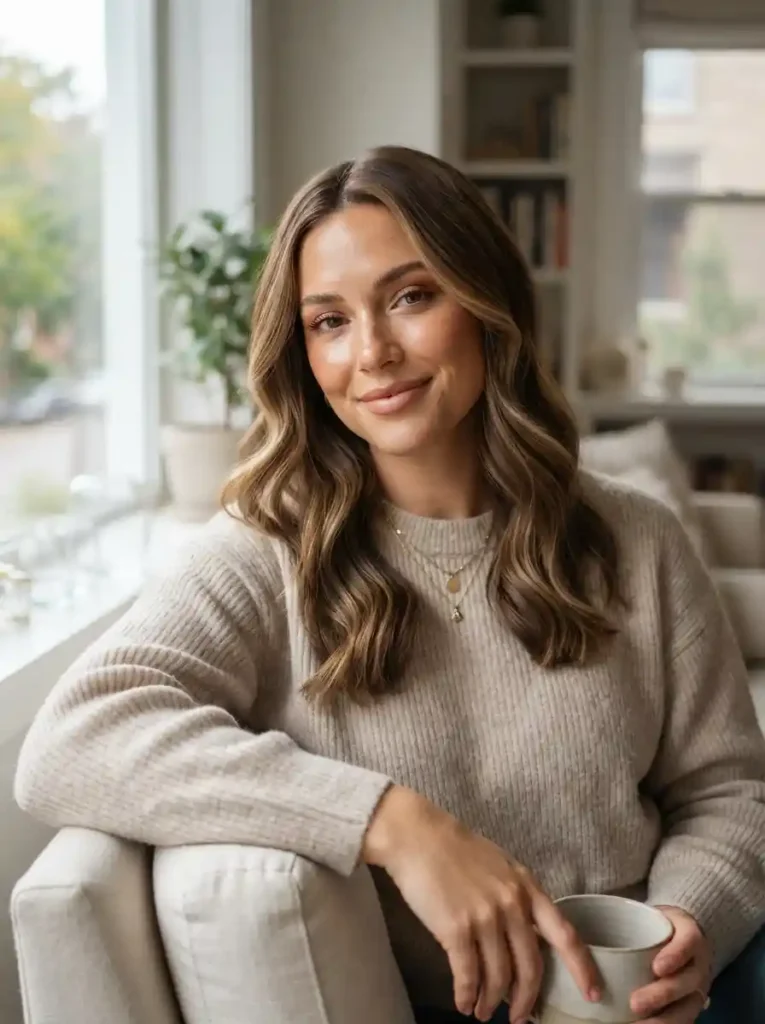
Hazelnut brown has a creamy warmth that sits between classic medium brunette and lighter caramel shades. It is a good option when you want visible richness without choosing a very dark color. The multiple undertones can create dimension even when the hair is colored as one overall shade, although subtle ribbons can make the effect more noticeable. Ask your stylist for a balanced hazelnut rather than an excessively golden formula if you prefer softness.
This color can be particularly flattering with medium-length cuts because movement through the layers reveals its warm variations. Keep the result looking fresh with moisturizing products and moderate heat styling. If your natural hair is already close to the desired depth, a gloss may be enough to create the hazelnut effect without significant chemical processing. Cream, camel, denim, olive, and chocolate clothing can all complement the shade naturally.
19. Dimensional Brunette With Lighter Ends
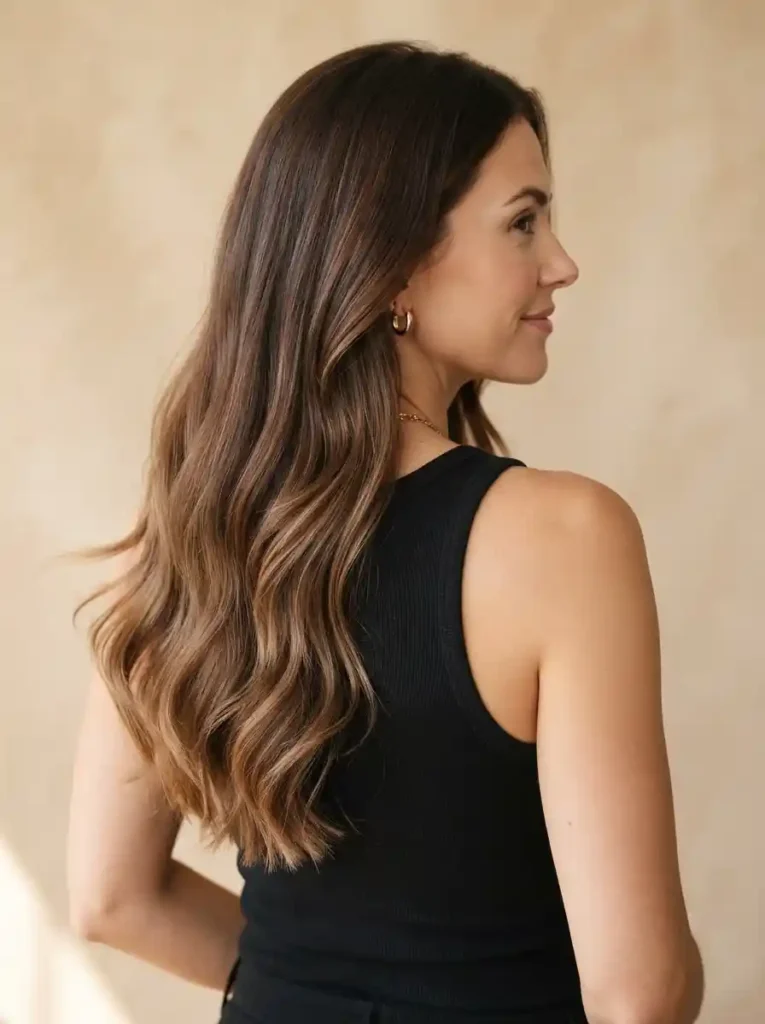
A dimensional brunette with lighter ends creates the impression of naturally brightened hair while preserving enough depth near the roots to keep the look grounded. The transition should be gradual rather than sharply divided, with the ends only moderately lighter than the base. This makes the color particularly useful if you want more movement but do not want conventional highlights throughout the hair. Layered or long cuts showcase the gradient beautifully.
Before choosing this technique, consider the condition of your ends because they are usually the most processed part of the hair. Ask your stylist how much lightening is necessary and whether a gloss can create the desired tonal difference with less processing. Regular trims can keep the lighter ends looking healthy. If you style your hair in waves, the varied tones will naturally emphasize the movement and make the gradient appear more pronounced.
20. Neutral Medium Brown

Neutral medium brown is an excellent choice when you want a classic brunette shade that feels balanced rather than strongly warm or cool. It provides enough depth to look rich while remaining lighter and softer than deep espresso or cocoa. Because the color is not heavily dependent on dramatic undertones, it can be customized around your natural hair and complexion. Show your stylist examples of neutral brown in natural lighting to avoid misleading edited references.
This shade is also practical for people who want a polished appearance without complicated highlight maintenance. If your natural color is already close, a gloss or demi-permanent color may refresh tone and shine without a major transformation. Avoid assuming neutral means flat; subtle tonal variation can still create depth. A clean haircut, healthy ends, and reflective finish can make medium brown look exceptionally sophisticated even without visible highlights.
21. Rich Brunette With Caramel Face-Framing Pieces
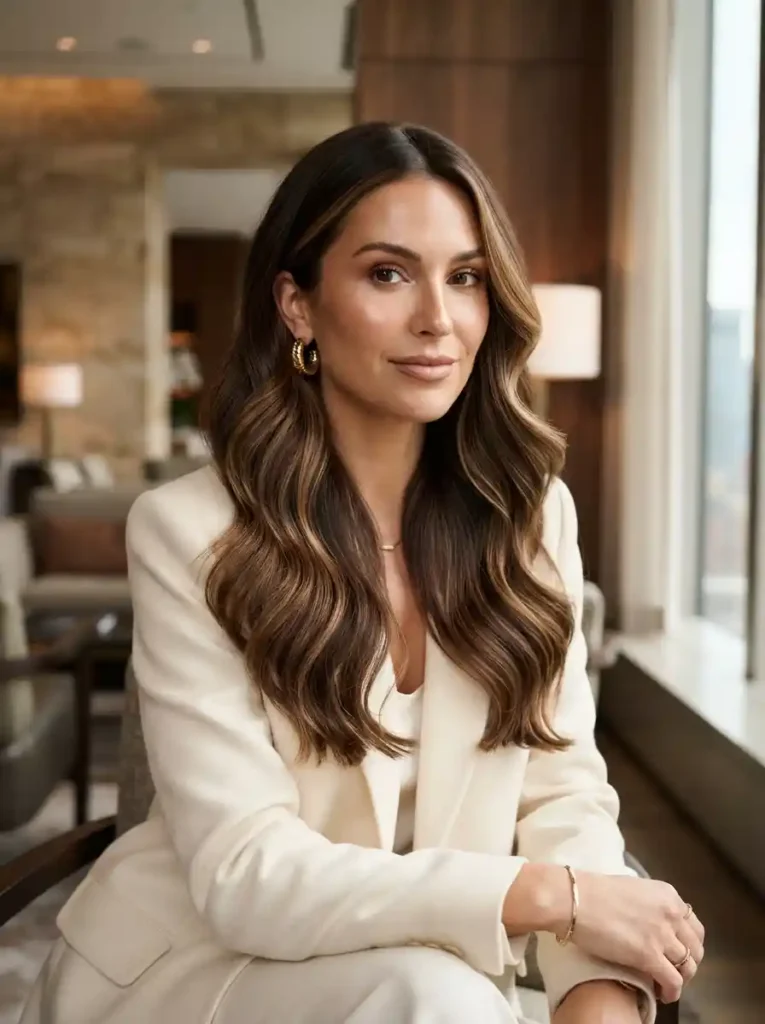
Rich brunette with caramel face-framing pieces combines the depth of a classic brown base with strategically placed brightness around the face. The contrast can be subtle or pronounced depending on how much lighter the caramel becomes. For an elegant everyday result, ask for blended pieces rather than a sharply defined block of color. Placement should follow your haircut so the brighter sections continue to frame your features after styling.
This option offers plenty of room for personalization. Fine caramel strands create a soft glow, while wider pieces make the transformation more noticeable. Because the front sections are usually the most visible, keep them conditioned and protected from heat to prevent dryness and fading. Ask your stylist about a toner or gloss that preserves the caramel’s intended balance. The result works especially well with waves, ponytails, and face-framing layers because the lighter pieces remain visible through different hairstyles.
Conclusion
Brown hair does not have to mean choosing one predictable shade. The most appealing brunette colors often come from small differences in depth, undertone, placement, and shine. Espresso creates sleek drama, chocolate delivers warmth, ash brown offers a cooler mood, while caramel, honey, auburn, and beige accents can introduce dimension without changing your entire look.
When choosing among these brown hair color ideas, start with your natural color, the amount of maintenance you are comfortable with, and how much contrast you actually want. Save two or three reference images taken in natural light and show them to your colorist rather than relying only on a shade name. A professional can adjust the formula and placement for your hair history, texture, and desired result. Most importantly, choose the version that fits how you normally style and care for your hair—because the best fresh look is one you genuinely enjoy maintaining.