An oval face gives you plenty of room to experiment, but that freedom can make choosing a haircut surprisingly difficult. Should you go short and polished, keep your length, add layers, or finally try bangs? The most useful approach is to think beyond face shape alone and consider your natural texture, hair density, styling habits, and the amount of maintenance you actually enjoy. Stylists commonly note that oval faces can accommodate a particularly wide range of lengths and fringe styles, from cropped cuts
The 24 ideas below explore elegant options across short, medium, and long hair, including polished bobs, soft layers, modern pixies, sophisticated bangs, and textured cuts. Each one is designed to give you a practical starting point for your next salon appointment. Whether your definition of elegance is sleek and refined or softly undone, you’ll find a haircut worth saving for inspiration.
1. Sleek Chin-Length Bob
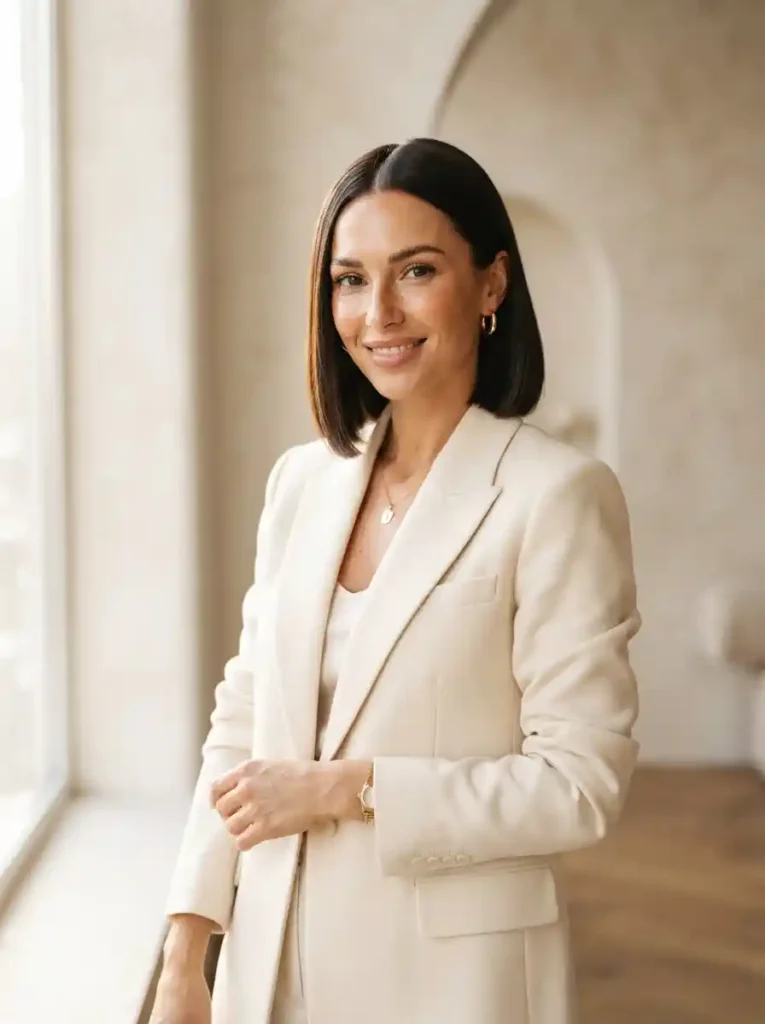
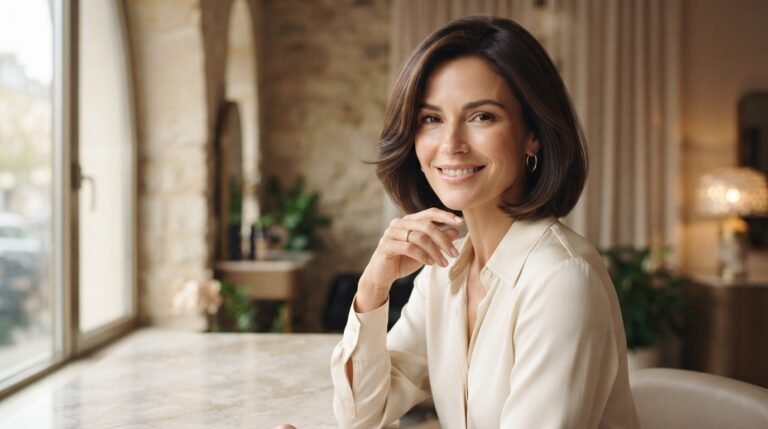
A sleek chin-length bob creates a crisp silhouette without overwhelming the balanced proportions of an oval face. Ask your stylist for a clean perimeter that lands close to the chin, then decide whether you prefer a precise center part or a subtle off-center variation. This cut works particularly well when the ends look healthy and intentional. If your hair is naturally straight, you may need little more than smoothing cream and a quick pass with a flat iron.
For thicker hair, internal weight removal can keep the bob from becoming too bulky around the jaw. Finer hair may benefit from keeping the perimeter relatively solid, which creates the impression of greater density. Consider slightly bending the ends inward for a softer finish rather than making every strand completely flat. Regular trims are important because even a small amount of uneven growth becomes noticeable on a sharply structured bob.
2. Long Face-Framing Layers
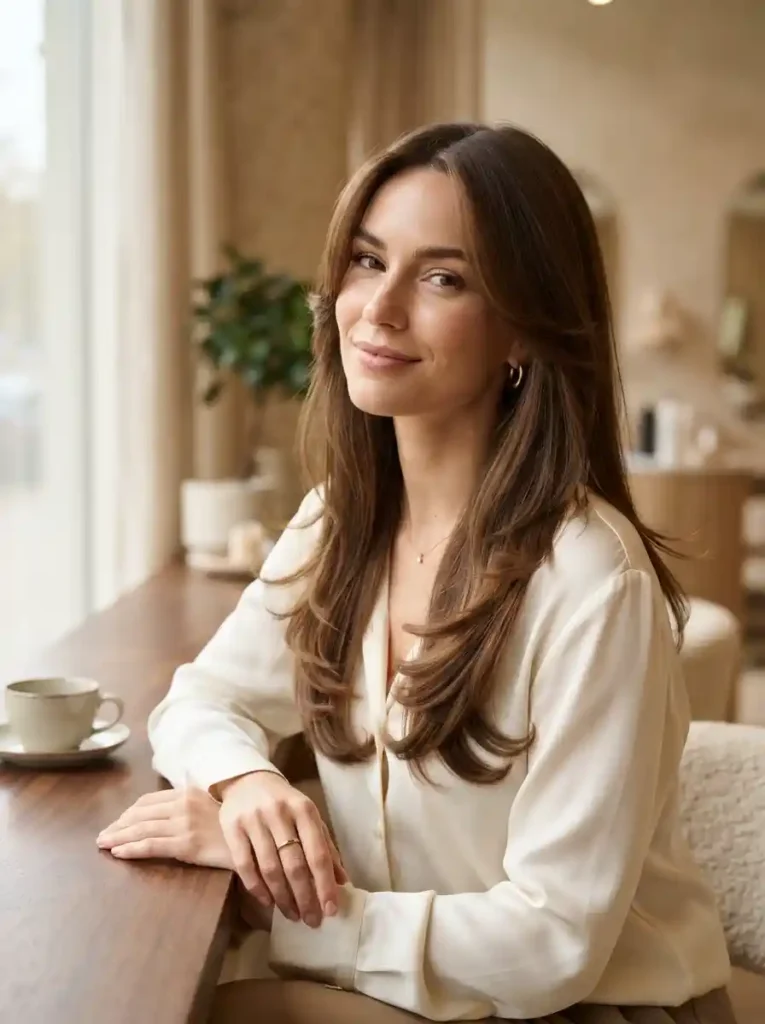
Long face-framing layers are an easy way to keep substantial length while giving the haircut visible shape. Ask for the shortest pieces to begin around a feature you want emphasized, such as the cheekbones, eyes, or jawline. The layers should blend smoothly into the remaining length rather than creating obvious steps. This approach is especially useful when you love long hair but want it to feel lighter and more styled around your face.
The final result changes dramatically depending on where the first layer begins. Cheekbone-level pieces create a more noticeable frame, while jaw-length layers feel understated and versatile. Use a large round brush for a polished blowout or allow the layers to air-dry with natural waves for something softer. Avoid removing too much weight from the ends if your hair is fine, because excessive layering can make long hair appear thinner.
3. Soft Curtain-Bang Lob

A shoulder-grazing lob paired with curtain bangs offers a polished middle ground between a bob and longer hair. The length gives you styling flexibility, while the parted fringe introduces movement around the forehead and eyes. Ask your stylist to blend the bangs into longer face-framing pieces so they do not look disconnected. This makes the haircut easier to wear when you want your fringe swept away or tucked behind your ears.
For naturally wavy hair, the curtain bangs can be shaped to follow your texture instead of being forced completely straight. On straighter hair, a round brush can create the gentle outward curve associated with the style. Keep the ends around the collarbone rather than cutting them too bluntly if you prefer movement. Because bangs grow noticeably around the eyes, schedule trims according to how quickly your fringe becomes inconvenient.
4. Polished Shoulder-Length Cut
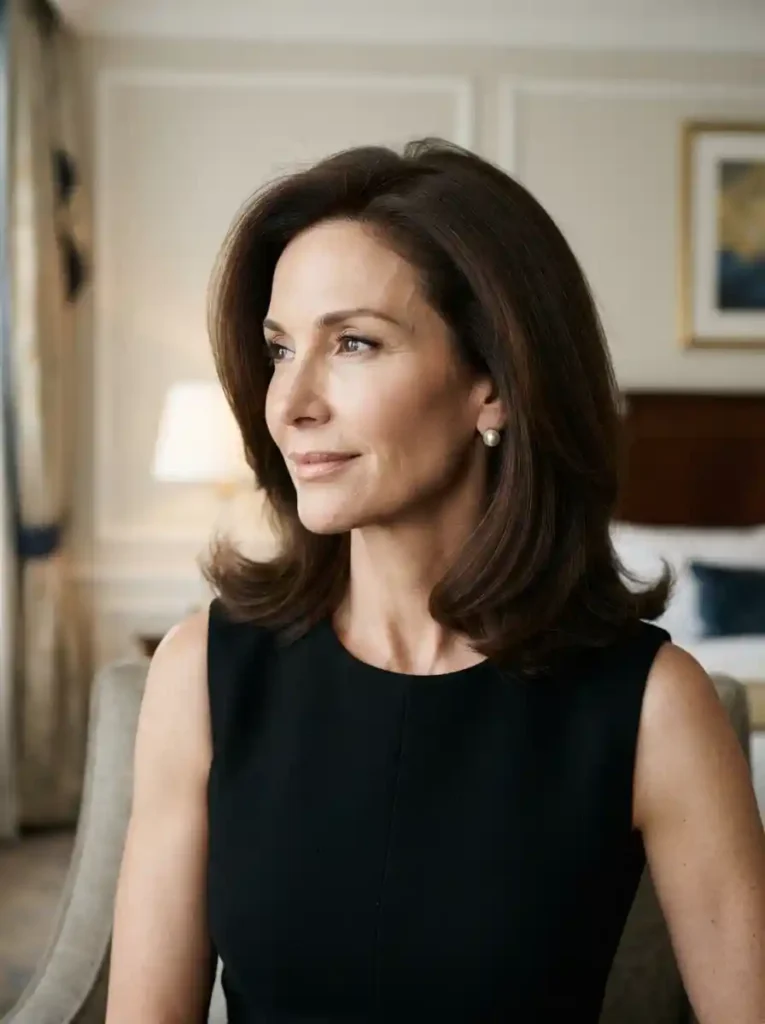
A shoulder-length haircut is a dependable choice when you want elegance without committing to either very short or very long hair. Keep the overall shape clean, then add extremely subtle internal layers if your hair needs movement. The length naturally works with ponytails, low buns, loose waves, and sleek blowouts. For an oval face, the simplicity allows your features to remain visible instead of hiding them beneath excessive framing.
The key is choosing the right finish for your hair density. Fine hair often looks fuller when the ends remain fairly substantial, while very thick hair may need carefully placed internal layers to prevent heaviness. A softly rounded blowout gives the cut a refined appearance, but it should still retain natural movement. Bring a photo showing your preferred length to the salon, because “shoulder length” can mean different things depending on neck length and curl pattern.
5. Textured French Bob

A textured French bob brings softness to a shorter silhouette through movement rather than heavy layering. Keep the cut relatively compact, with lightly separated ends and a fringe that can be worn naturally rather than perfectly arranged. The result feels elegant but not overly formal. For an oval face, the combination of short length and airy texture can highlight the eyes and cheekbones while keeping the overall shape relaxed.
This style is particularly attractive when you enjoy a little imperfection in your finish. Apply a small amount of lightweight styling cream to damp hair, then encourage bends with your fingers while it dries. Avoid loading the ends with heavy oils, which can flatten the texture. If you have very thick hair, ask for selective internal removal rather than aggressive thinning throughout, preserving enough weight for the bob to retain its recognizable shape.
6. Layered Midi Cut
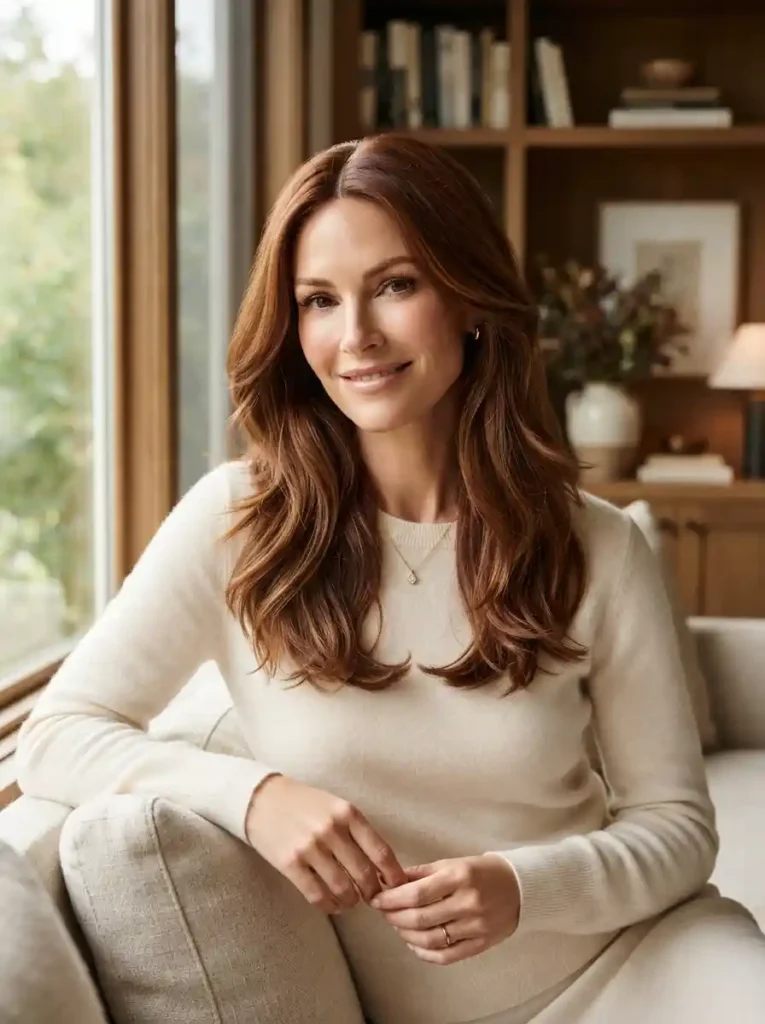
A layered midi cut is ideal if you want visible movement without sacrificing a substantial amount of length. The haircut can sit between the shoulders and upper chest, with long layers distributed through the lower half. Ask your stylist to keep the transition blended so the hair maintains a graceful shape when worn straight. This personality. Blow-dry the layers with a large round brush for smooth volume, or twist damp sections and let them air-dry for softer movement. If your hair is naturally curly, ask for layers that respect your curl pattern rather than copying a straight-hair reference. A useful salon photo should show the back as well as the front, creates an elegant foundation for waves while remaining polished enough for professional or formal settings.
The styling method can completely change its personality. Blow-dry the layers with a large round brush for smooth volume, or twist damp sections and let them air-dry for softer movement. If your hair is naturally curly, ask for layers that respect your curl pattern rather than copying a straight-hair reference. A useful salon photo should show the back as well as the front, because the balance of the layers matters throughout the haircut.
7. Side-Swept Bob
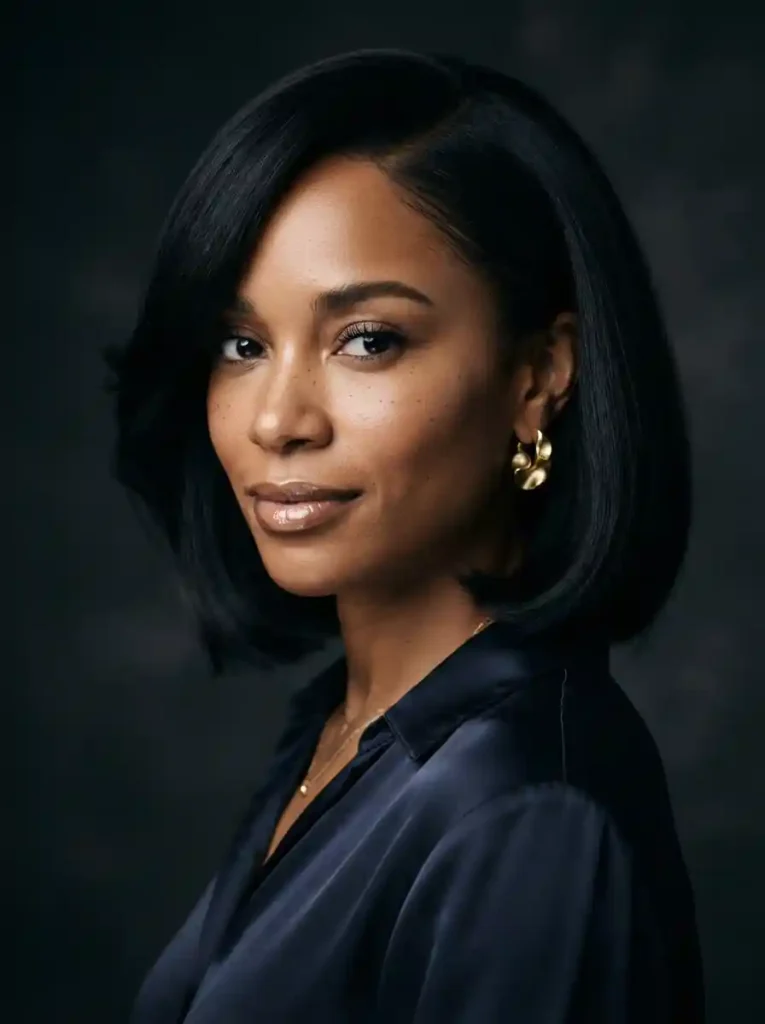
A side-swept bob adds asymmetry to an otherwise structured haircut, making the finished style feel more dynamic. Keep the length around the jaw or slightly below it, then create a deeper side part that allows the front section to sweep naturally across the forehead. This is a useful option if you like polished hairstyles but find perfectly symmetrical parts too severe or predictable.
Styling requires more direction than a center-parted bob, but the routine can remain simple. Blow-dry the heavier side forward using a medium round brush, then lightly curve the ends underneath. A flexible hairspray can hold the sweep without making it stiff. If your hair naturally parts in the opposite direction, work with that tendency rather than constantly fighting it. The haircut should support your natural growth pattern instead of requiring daily correction.
8. Long Layers With Curtain Fringe
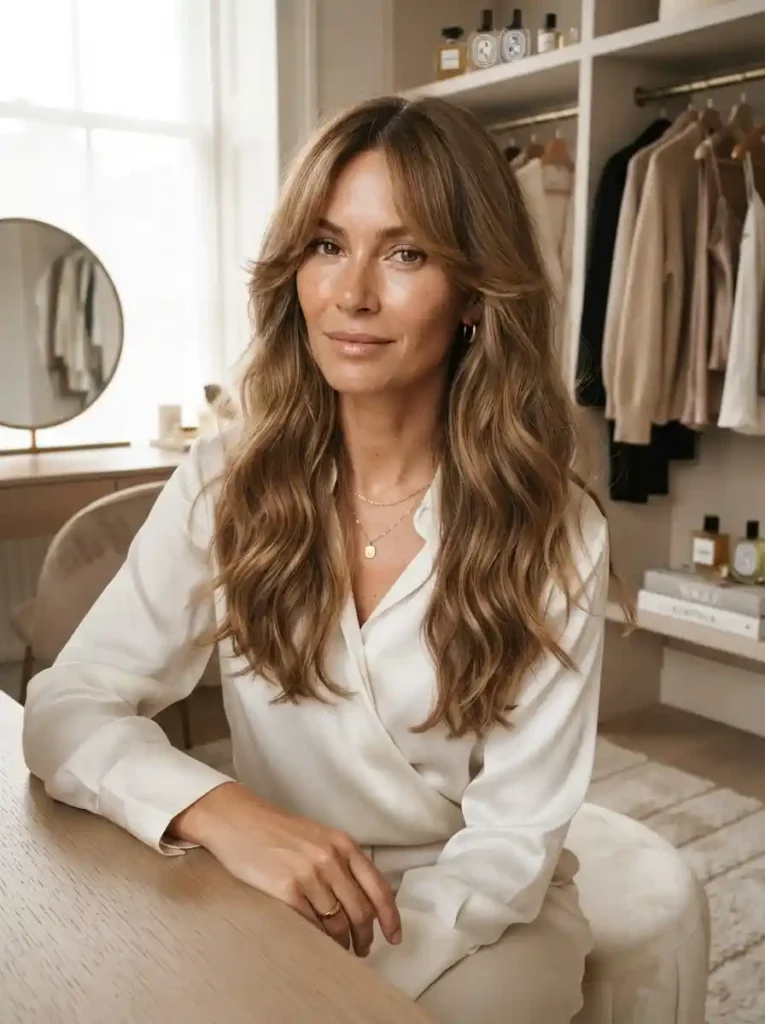
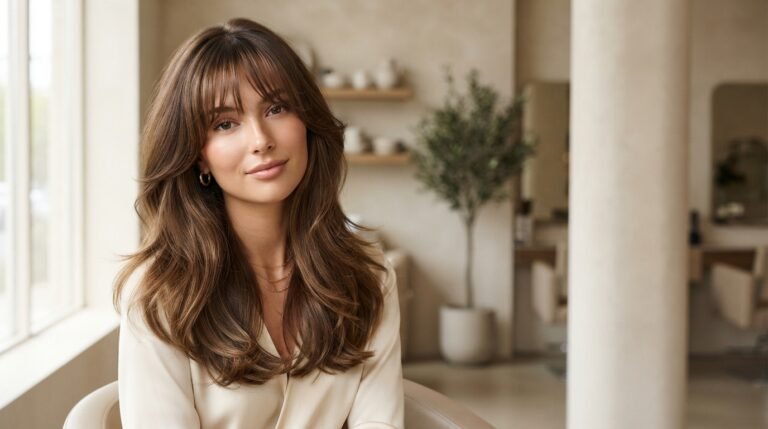
Long layers paired with a curtain fringe create a romantic shape while preserving plenty of length. The fringe should gradually increase in length toward the cheekbones, blending into the first major layer rather than ending abruptly. This connection is what makes the style versatile: you can wear the front pieces forward for framing or sweep everything away for a more open face.
When styling, concentrate your effort on the front sections because they determine the overall impression. Use a round brush to direct each side outward and backward, then allow the remaining lengths to form loose waves. If your hair is very fine, request moderate layering rather than an aggressively feathered cut. Regular fringe maintenance may be necessary, but the longer surrounding pieces make the grow-out period considerably easier to manage.
9. Elegant Long Bob With Soft Waves
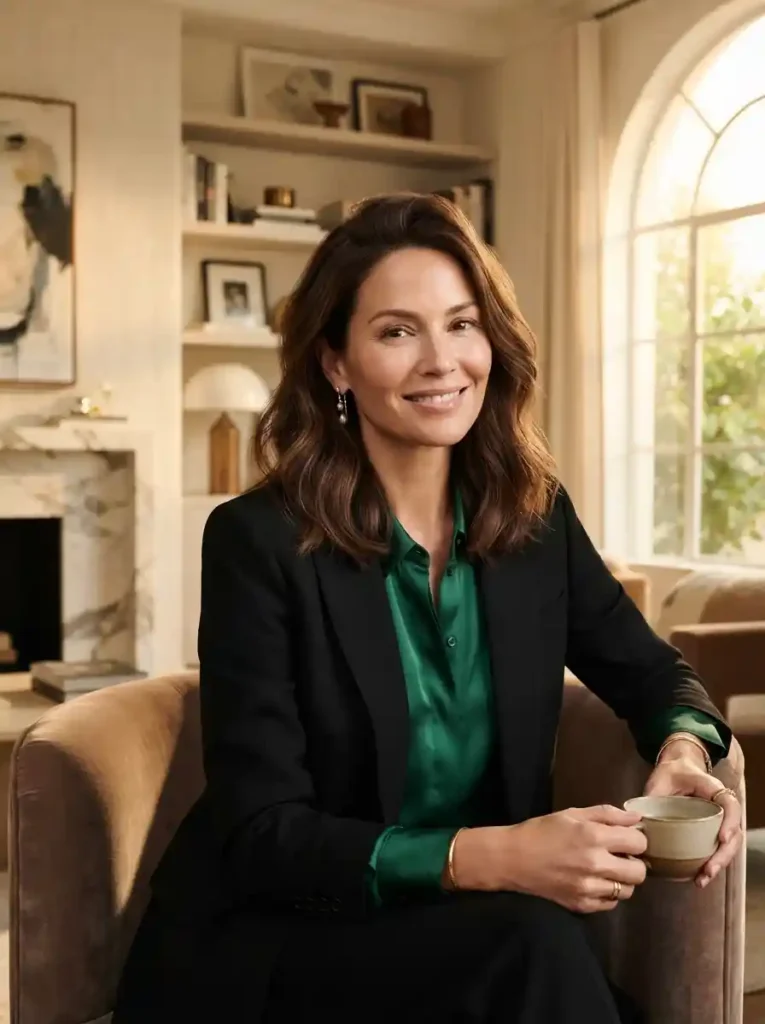
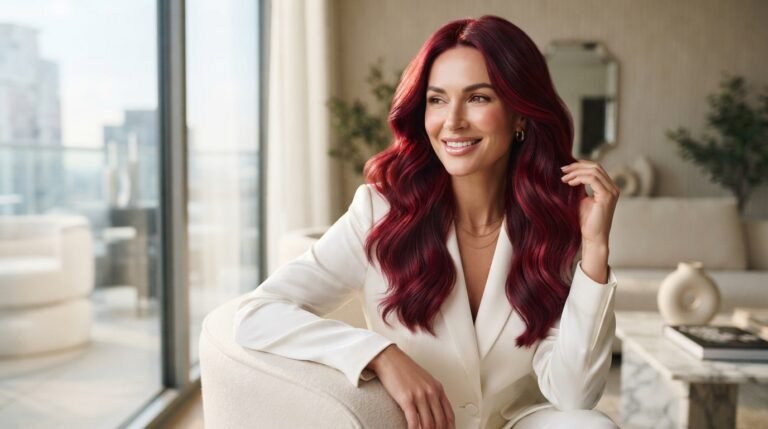
A softly waved long bob offers the structure of a shorter haircut while retaining enough length for multiple styling options. The ends should fall near the collarbone, creating a clean foundation that works particularly well with loose bends. Keep the layers minimal if you want the style to look dense and expensive rather than heavily feathered. A slight side part can introduce additional movement without changing the basic cut.
Use a large-barrel curling iron or large rollers to create waves that begin below the cheekbones. Avoid curling every section tightly, because overly defined curls can make a sophisticated lob appear much shorter. Once the hair cools, loosen it gently with your fingers and finish with a lightweight shine product. This haircut also looks attractive air-dried when your natural texture has enough movement to create a relaxed, slightly imperfect finish.
10. Classic Blunt Bob With Side Part
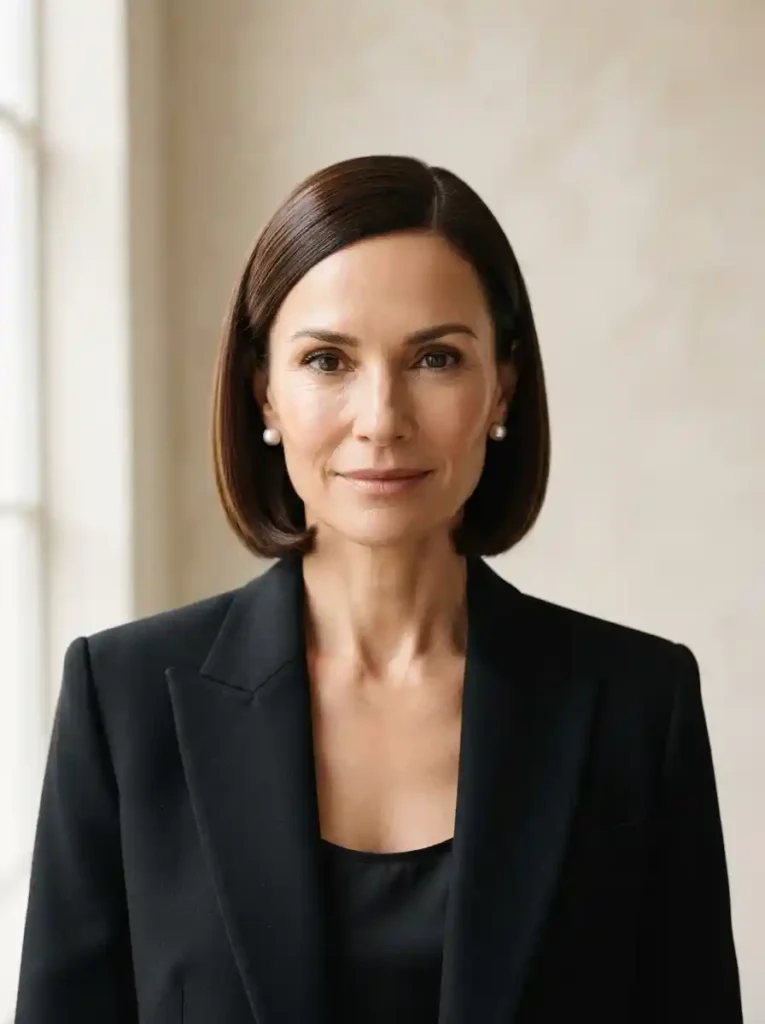
A blunt bob is all about the perimeter, so precision matters more than elaborate layering. Ask for a clean line that sits around the jaw or just below it, depending on your neck and preferred styling. A side part introduces softness while preserving the graphic quality of the haircut. This style can look particularly sophisticated when the ends are healthy, smooth, and evenly maintained.
Because the cut has such a defined outline, regular trimming makes a noticeable difference. If your hair is thick, ask your stylist whether subtle internal shaping is needed to help the perimeter sit correctly. Fine hair may look fuller when the bottom remains untouched. For everyday styling, use a smoothing product followed by controlled heat rather than excessive product. A slight bend at the ends keeps the bob elegant without making it look overly rigid.
11. Feathered 1970s-Inspired Layers
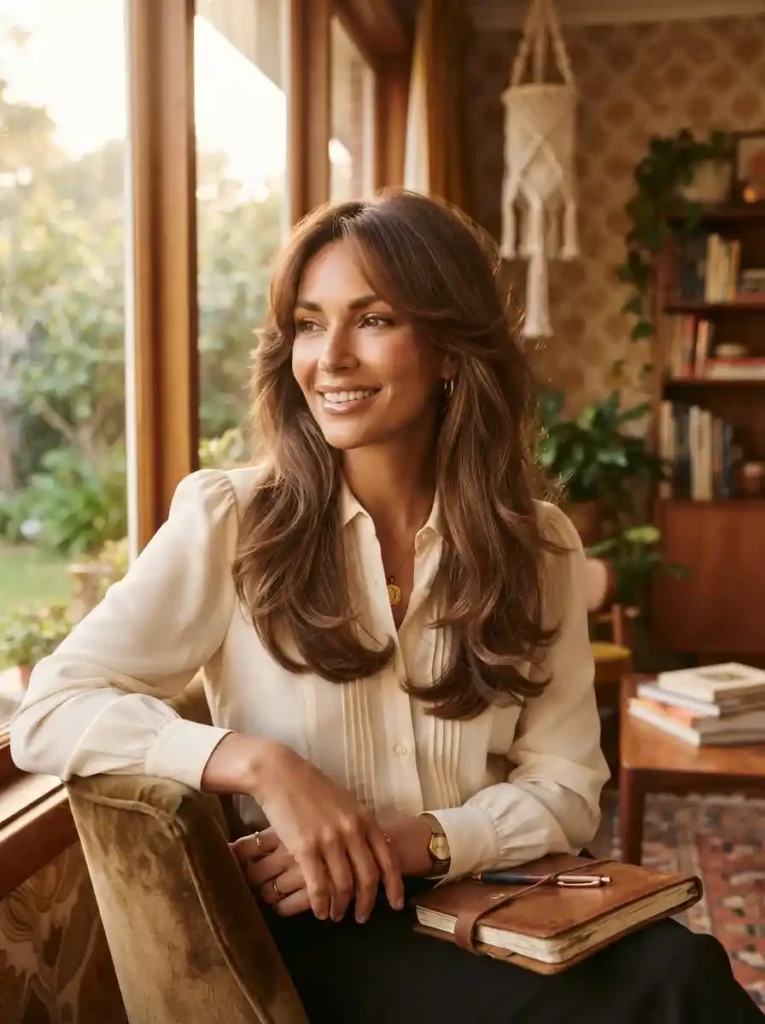
Feathered layers bring movement to long hair through outward-flowing sections that frame the face. For an oval face, you can experiment with where the shortest pieces begin because the style does not require one fixed starting point. Ask for soft transitions around the cheekbones and jaw, followed by longer layers through the remaining length. The finished haircut should move rather than look sharply disconnected.
This style works especially well with a round-brush blowout, but it does not have to look heavily styled. Dry the front sections away from your face, then gently brush through the lengths once they cool. If you have naturally fine hair, avoid removing too much weight from the lower sections. Thick hair can support more pronounced feathering. A lightweight volumizing mousse at the roots can help the layers lift without creating a stiff, dated finish.
12. Tousled Shoulder-Length Shag

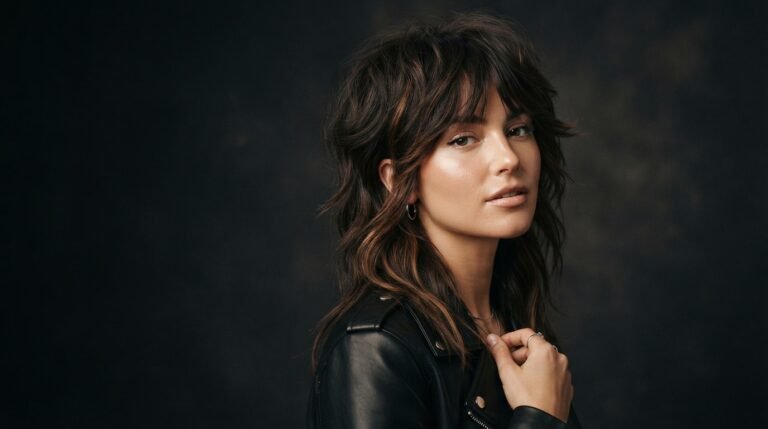
A shoulder-length shag is a stronger choice for anyone who wants movement and texture rather than a perfectly smooth silhouette. The layers should be noticeable but blended enough to preserve an elegant outline. Ask for shorter pieces around the crown and face, with enough length remaining underneath to prevent the haircut from becoming excessively cropped. The result has personality while still offering enough length for ponytails and loose styling.
A small round brush and low heat can shape the curve quickly. Avoid repeatedly flattening the bangs and long voluminous butterfly-inspired haircut, honey brunette hair cascading below the chest, dramatic but designed to create a strong contrast between shorter face-framing sections and longer lengths underneath. On an oval face, this can produce a dramatic frame while allowing you to keep considerable length. Ask your stylist to blend the layers carefully so the haircut moves as one shape rather than appearing like two separate lengths. Bring a reference showing the front that become difficult to style.
13. Soft Pixie With Longer Top
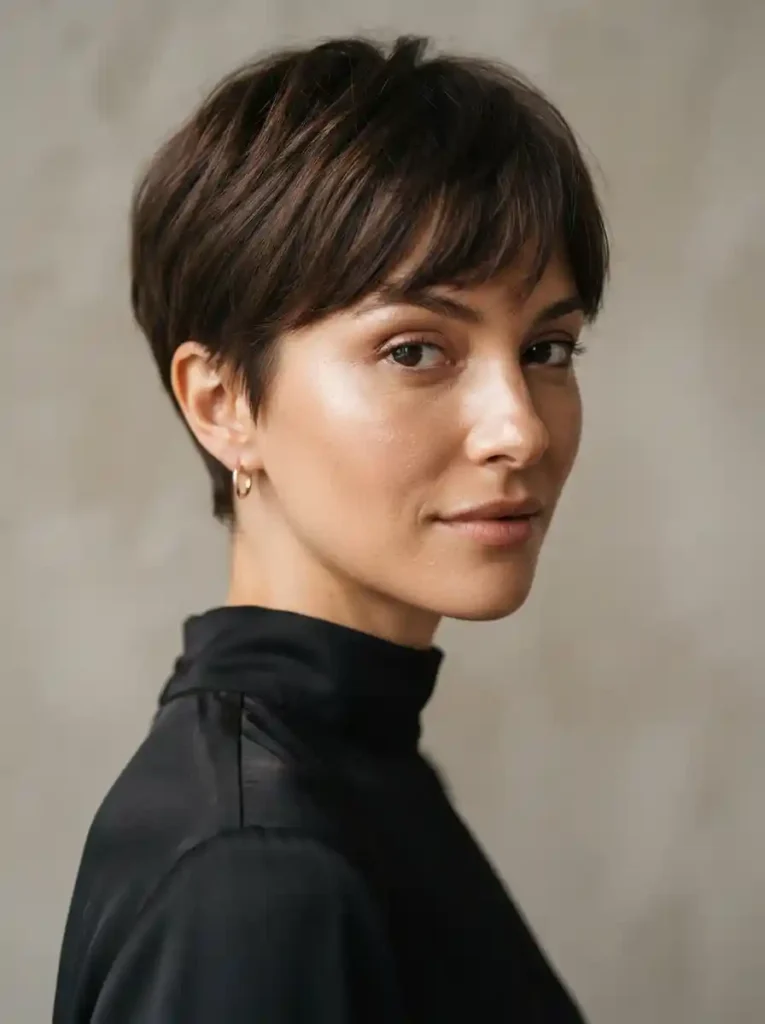
A soft pixie can make an oval face feel especially open because the haircut removes much of the surrounding length. Rather than choosing an extremely uniform crop, ask for slightly longer pieces through the top and front. This gives you room to create a side sweep, subtle lift, or piecey texture. The result feels elegant rather than severe, particularly when the edges around the ears and neckline remain clean.
Think about your natural hair growth before committing. A strong cowlick, dense crown, or tightly textured pattern can influence how the top settles. Your stylist can adapt the shape rather than forcing it into an unsuitable direction. For daily styling, warm a tiny amount of flexible paste between your fingers and define selected sections. Keep the finish touchable; too much product can make a delicate pixie look stiff and less sophisticated.
14. Grown-Out Pixie
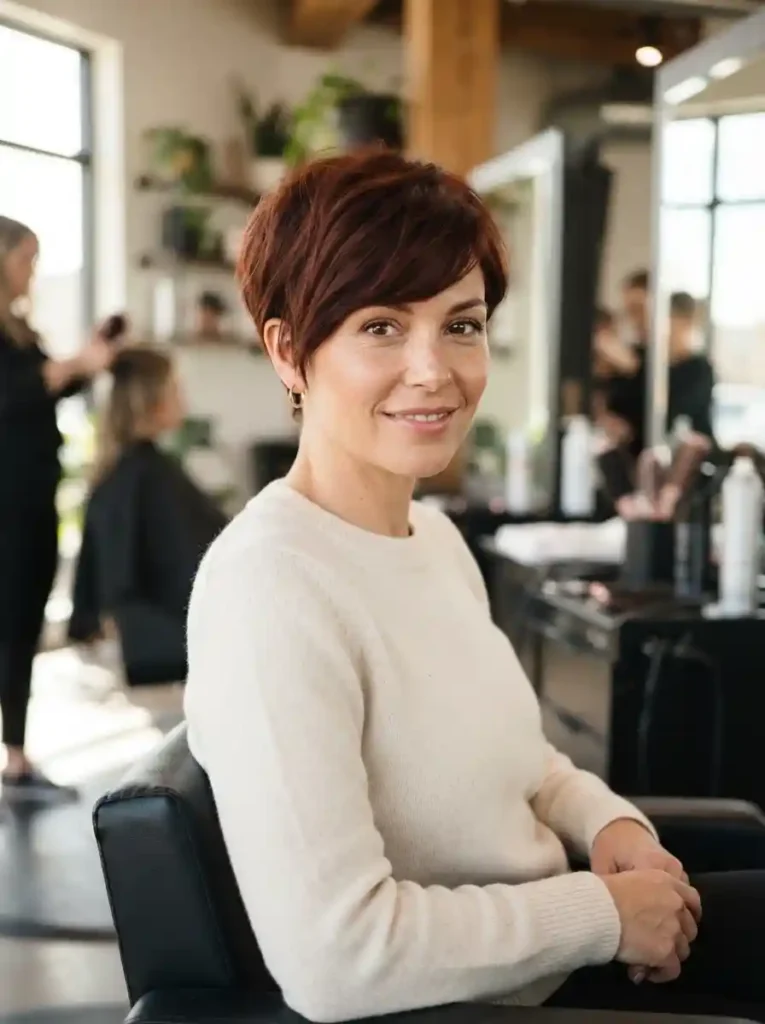
A grown-out pixie is an excellent transitional haircut when you want short hair with a little more flexibility. The sides can remain neat while the top and front gain enough length to tuck behind the ears or sweep across the forehead. Ask your stylist to maintain a deliberate shape during growth rather than simply allowing every section to become the same length.
This cut can be surprisingly versatile because small changes in styling create different moods. Use styling paste for separated texture, smooth the front backward for a polished evening appearance, or let the fringe fall naturally for a softer everyday look. Maintenance is less about preserving one exact length and more about controlling awkward areas around the ears and nape. Regular shape-up appointments can make the growing process feel intentional rather than accidental.
15. Curved Brow-Grazing Bangs
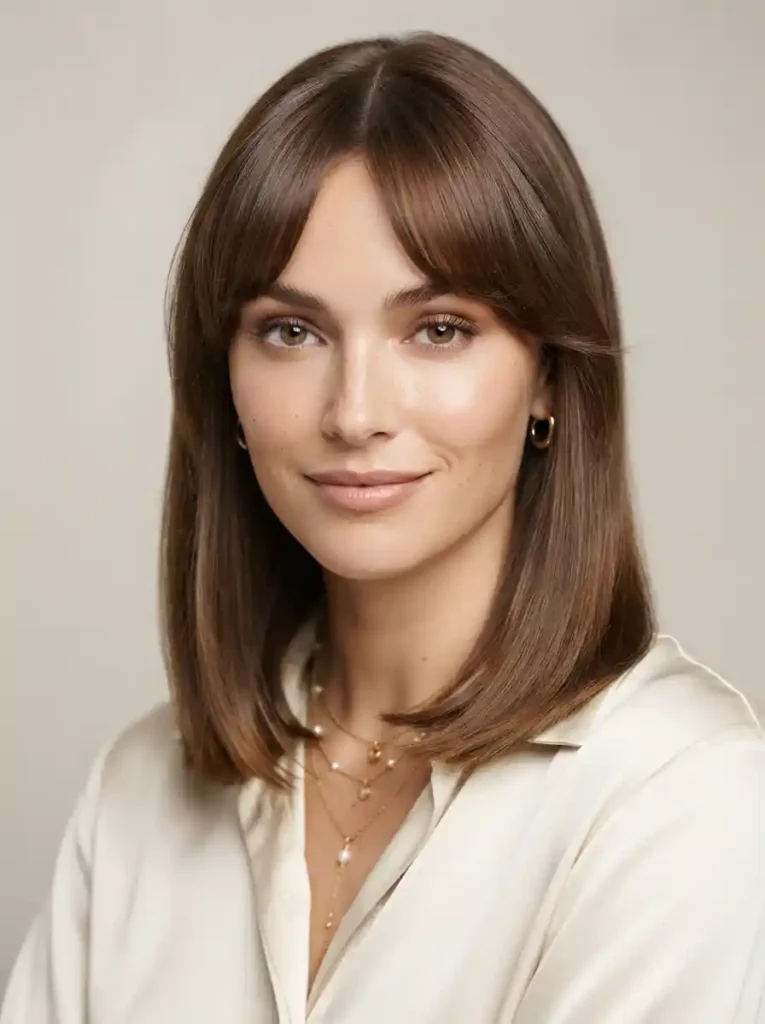
Curved bangs offer a softer alternative to a perfectly straight fringe. The center can sit near the brow while the outer sections gradually lengthen toward the temples, creating a gentle frame around the eyes. This shape gives you the visual definition of bangs without creating a hard horizontal line. It can be especially appealing if you want your haircut to feel polished but not overly geometric.
Before choosing the exact length, consider your natural texture and styling routine. Hair that bends or curls strongly may require more daily control if the fringe is cut very close to the brows. Ask your stylist to leave a little extra length initially if you are uncertain. A small round brush and low heat can shape the curve quickly. Avoid repeatedly flattening the bangs with high heat, which can make them look dry and lifeless.
16. Butterfly-Inspired Long Layers
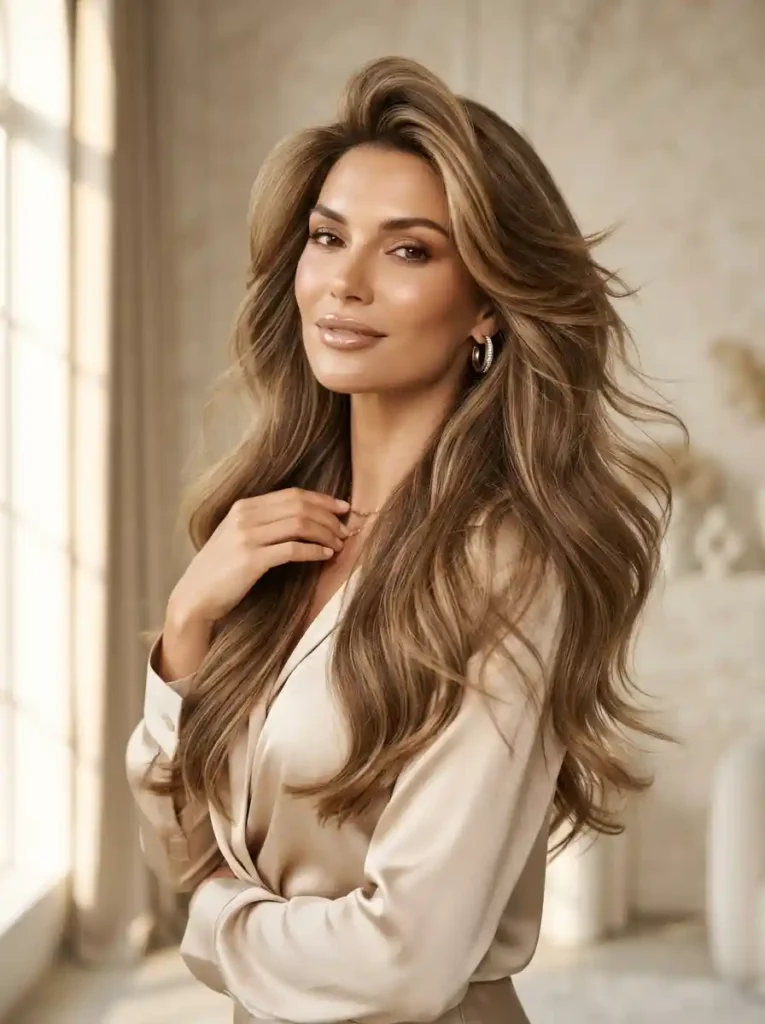
Butterfly-inspired layers are designed to create a strong contrast between shorter face-framing sections and longer lengths underneath. On an oval face, this can produce a dramatic frame while allowing you to keep considerable length. Ask your stylist to blend the layers carefully so the haircut moves as one shape rather than appearing like two separate lengths. Bring a reference showing the front and side profile if possible.
This haircut benefits from styling that emphasizes its movement. Use a large round brush to lift the shorter layers away from the face, then direct the longer sections outward and slightly backward. Velcro rollers can help set volume without requiring extremely high heat. If your hair is fine, concentrate volume near the crown and face instead of teasing aggressively. Thick hair may need internal shaping so the finished silhouette remains light rather than triangular.
17. Elegant Bixie Cut
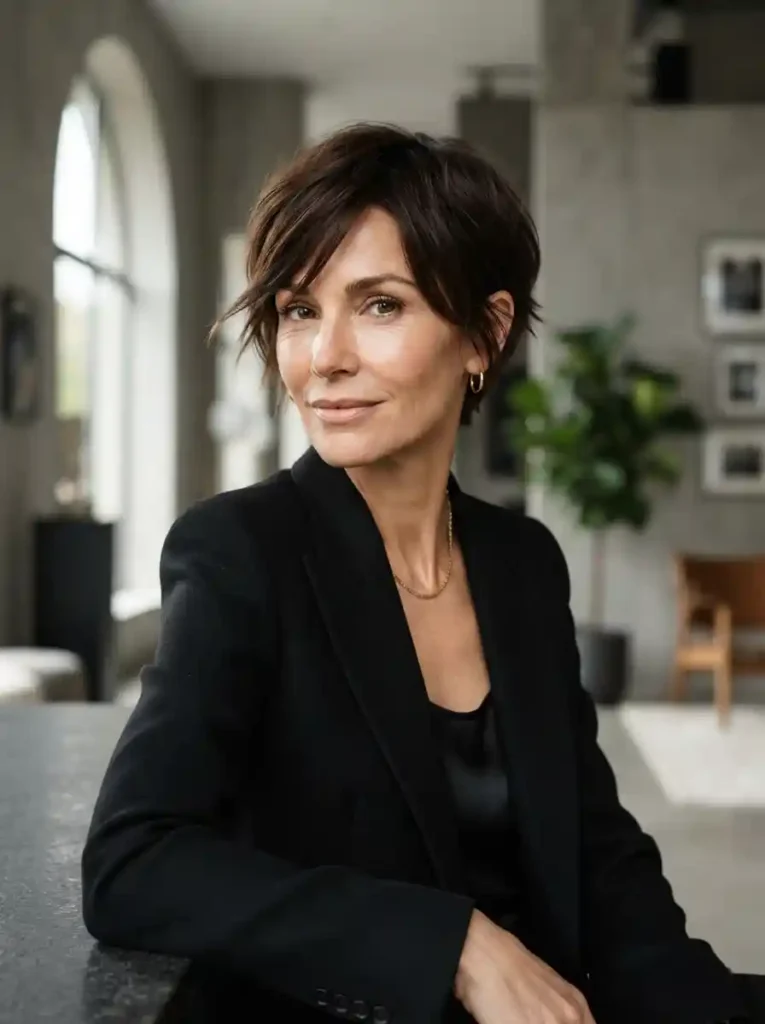
The bixie combines the compact shape of a pixie with the length and movement of a short bob. Its slightly longer sections make it easier to tuck hair behind the ears or create texture around the cheekbones. For an oval face, you can adjust the front length according to how much framing you want. Ask for a shape that remains wearable rather than relying entirely on heavy styling.
Because the haircut sits between two classic lengths, its success depends heavily on proportion. Fine hair may benefit from a cleaner perimeter, while thick hair can handle more textured ends. Use a lightweight cream for definition instead of saturating the hair with wax. When discussing the cut, show your stylist how you normally part your hair. The natural part can significantly influence where the longer front sections should fall.
18. One-Length Long Hair With Center Part
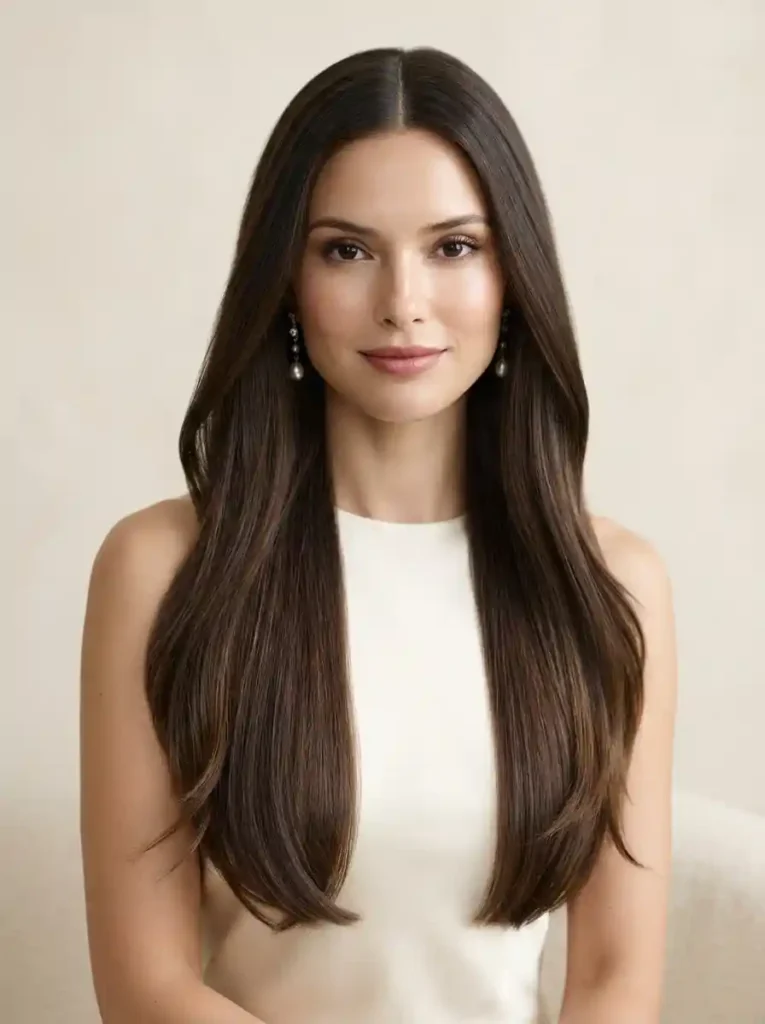
A one-length haircut can be remarkably elegant when the hair is healthy and the finish is intentional. Keep the ends nearly uniform from front to back, then use a clean center part to create a simple, symmetrical frame. This option is particularly appealing if you prefer minimalist hairstyles and dislike frequent layering. The absence of dramatic shaping lets the quality, shine, and movement of the hair become the focus.
For naturally wavy hair, enhance the existing texture and simply redirect the ends. Schedule trims when the shape begins losing its clean shoulder-skimming Instead, it gives you room to choose according to your hair’s natural behavior and the style you genuinely enjoy wearing. Long layers can create movement, a bob can deliver structure, bangs can change the proportions of the forehead, and textured crops can put more attention on the eyes and cheekbones. Professional guidance similarly emphasizes adapting the haircut to texture, density, and personal preference rather than lower half.
19. Voluminous Midi With Side Part
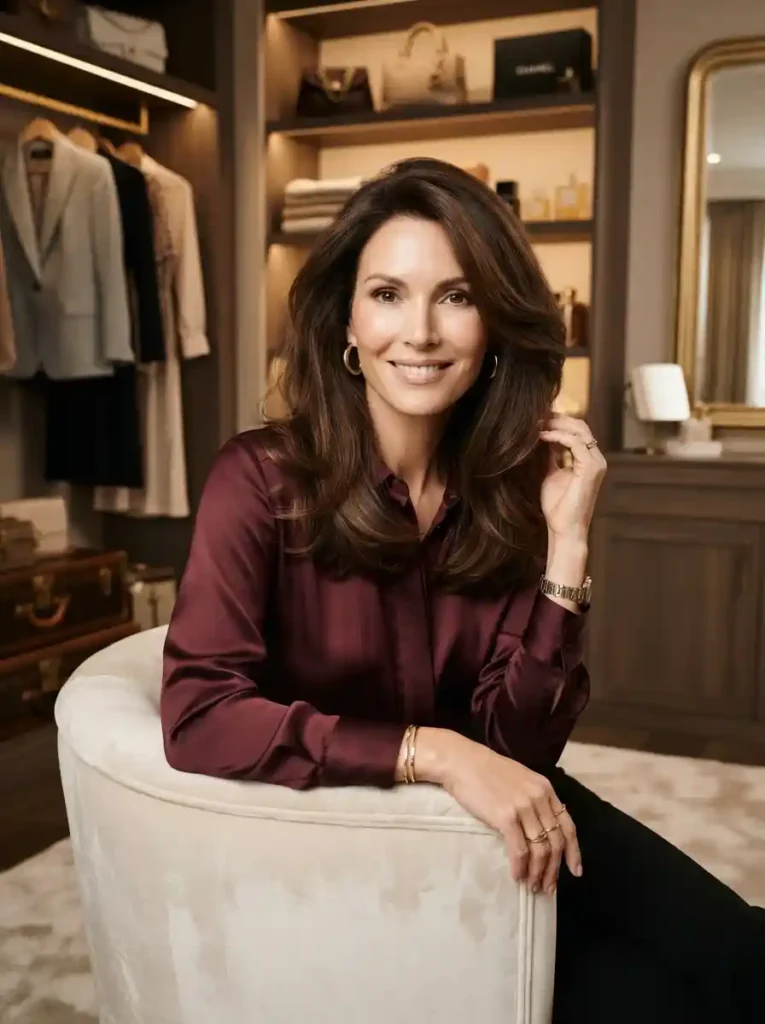
A voluminous midi haircut brings fullness without requiring extremely long hair. The length can sit around the upper chest, while subtle layers encourage movement through the ends. A side part adds lift at the crown and creates an asymmetrical frame around the face. If you like polished blowouts, this haircut provides enough length for bounce while remaining more manageable than very long hair.
The styling trick is to create volume without making the roots look stiff. Apply a lightweight mousse before blow-drying, then lift sections vertically with a round brush. Allow the hair to cool before brushing it into place. For naturally thick hair, your stylist may need to remove some internal weight so the volume remains controlled. Fine hair can benefit from fewer layers, preserving enough density to make the midi look substantial.
20. Collarbone Cut With Wispy Bangs

A collarbone cut with wispy bangs is a practical option if you want fringe without the commitment of a dense, blunt line. The haircut should skim the collarbone, while the bangs remain light enough to reveal small spaces between strands. Ask for the fringe to connect gradually into longer pieces at the temples. That connection makes the cut easier to grow out and style away from the face.
Wispy bangs usually look best when they retain movement rather than becoming overly polished. Blow-dry them with a small round brush, alternating the direction slightly so they settle naturally. A lightweight dry shampoo can add separation if the fringe becomes flat during the day. Because the bangs are deliberately delicate, avoid applying heavy oils or creams directly at the roots. Keep the rest of the haircut softly textured for a cohesive finish.
21. Layered Curly Cut
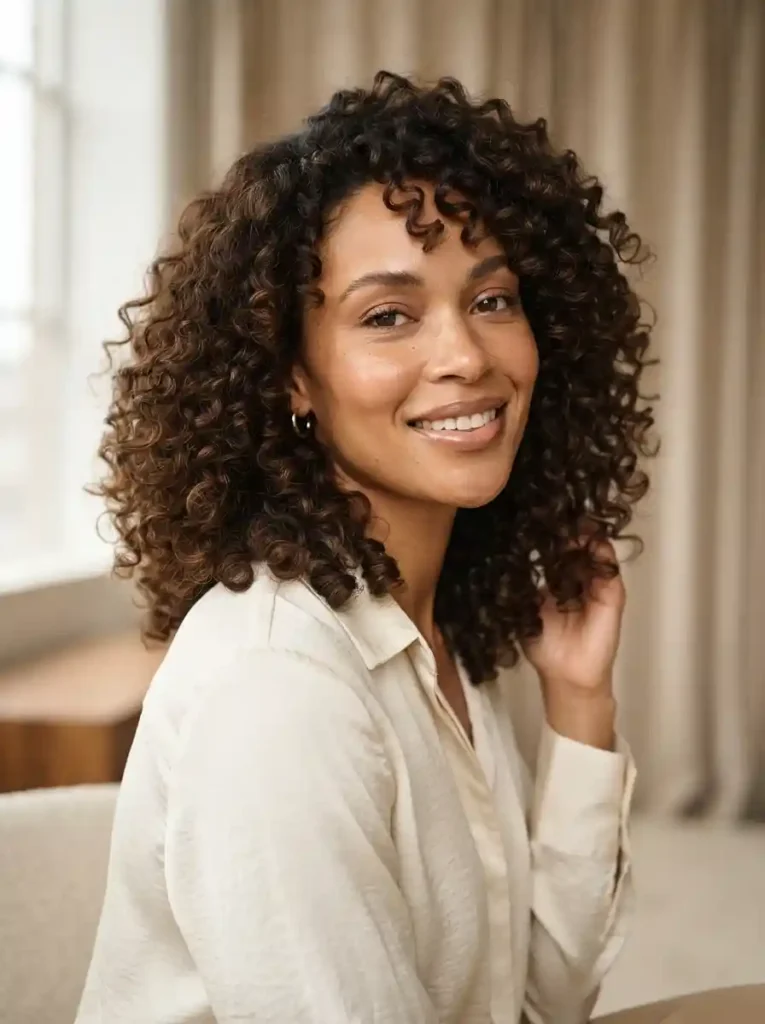
Curly hair deserves a haircut designed around its actual pattern rather than a straight-hair template. A layered shoulder-length shape can distribute volume while allowing curls to frame the face naturally. Ask your stylist to consider where your curls spring upward and how much length they lose once dry. This helps prevent unexpectedly short sections and creates a silhouette that looks intentional in its natural state.
Styling should focus on definition without weighing the curls down. Apply leave-in conditioner and curl cream to soaking-wet hair, then scrunch gently before diffusing or air-drying. Avoid repeatedly brushing the curls once dry because that can disrupt their definition. If your curl pattern varies across your head, tell your stylist before cutting. The best shape may require different layer lengths to keep the finished silhouette balanced from every angle.
22. Soft Shaggy Bob

A soft shaggy bob combines the compactness of a bob with deliberately irregular texture. Keep the overall length around the jaw or upper neck, then introduce light layers through the crown and ends. The goal is movement rather than a heavily razored appearance. On an oval face, the shape can highlight the cheekbones while the textured finish prevents the haircut from feeling too formal.
For naturally wavy hair, this may be close to a wash-and-wear style. Apply a small amount of texture cream, scrunch the ends, and allow the hair to dry without over-manipulating it. Straighter hair can recreate the effect with a few loose bends from a curling iron. Ask your stylist to avoid excessive thinning if your ends are already fine, since too much texturizing can make the bob look sparse.
23. Long Hair With Side-Swept Fringe
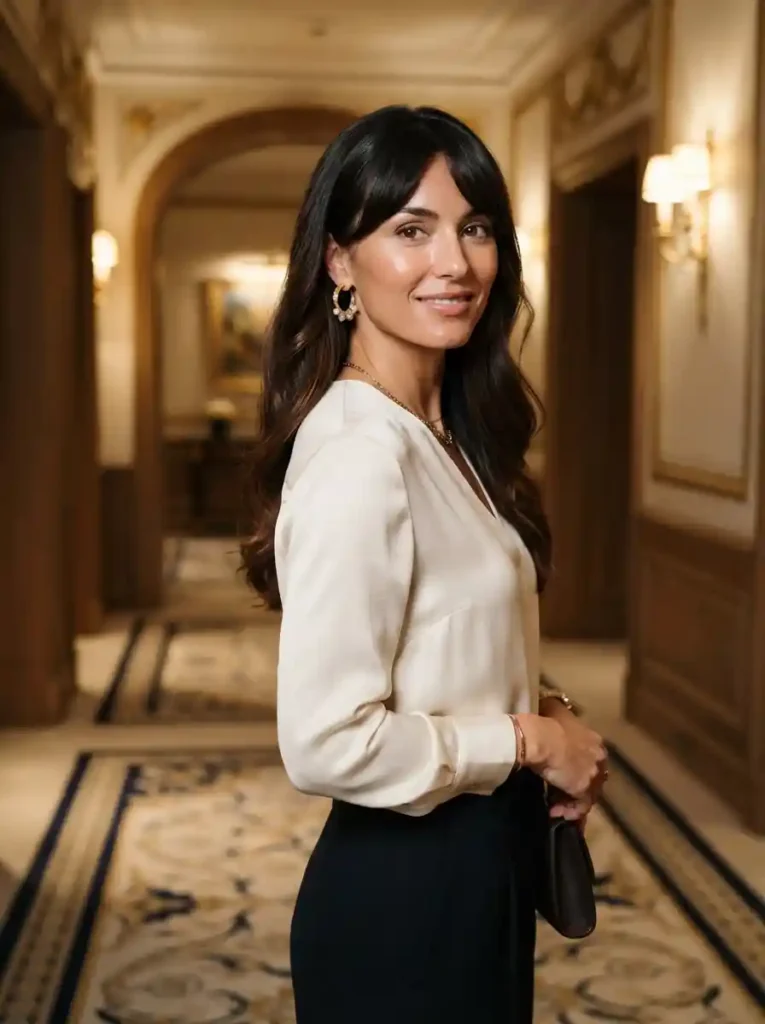
A side-swept fringe can transform long hair without requiring a dramatic change to the overall length. Keep the main haircut long and add a sweeping front section that begins near the brow and gradually blends into face-framing layers. The diagonal line introduces movement across the forehead and breaks up an otherwise symmetrical hairstyle while keeping the look refined.
To style the fringe, direct it diagonally with a round brush while the hair is damp, then allow it to cool before gently shaping the ends. The rest of the hair can remain straight, softly waved, or curled depending on the occasion. If your hair has a stubborn natural part, ask your stylist to cut the fringe according to that direction. A haircut that follows your natural growth pattern will generally require less daily manipulation.
24. Sophisticated Layered Lob With Flipped Ends
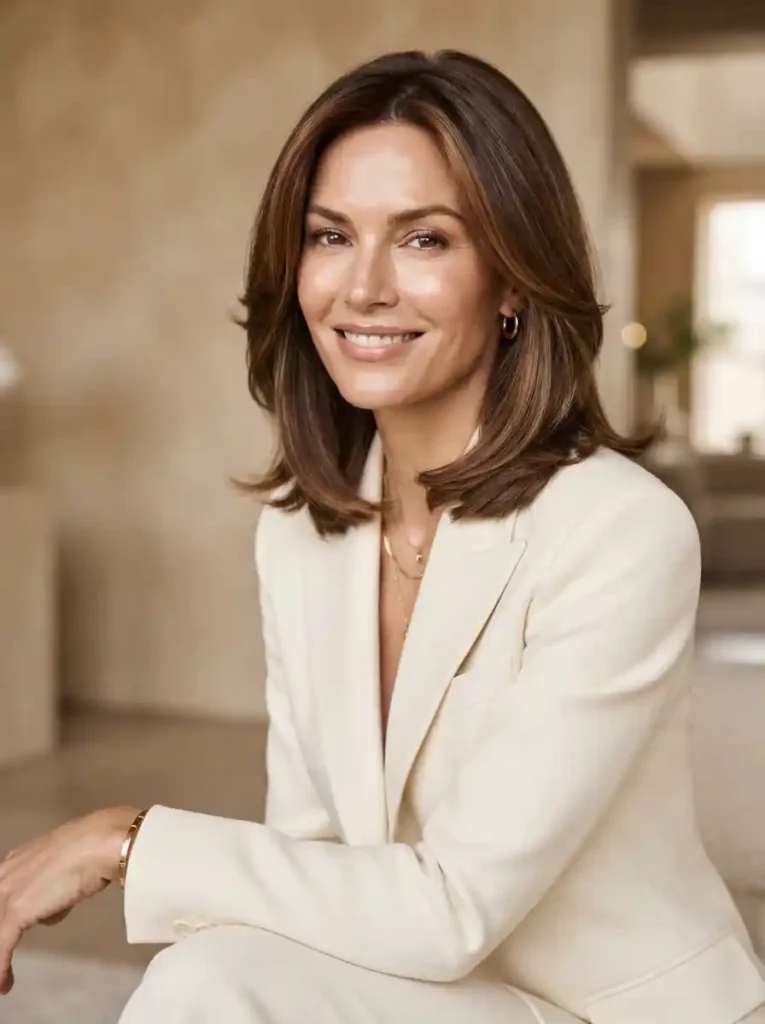
A layered lob with softly flipped ends gives a classic haircut a graceful, contemporary finish. Keep the main length just above the shoulders, then add restrained layers that encourage the ends to move outward. This works especially well when you want more shape than a blunt lob but do not want a highly layered haircut. The result can transition easily from office styling to evening dressing.
Use a medium round brush to turn the ends slightly away from the face as you finish drying. The movement should be subtle rather than dramatically curled. If your hair is naturally straight, a lightweight smoothing spray can preserve the clean silhouette. For naturally wavy hair, enhance the existing texture and simply redirect the ends. Schedule trims when the shape begins losing its clean shoulder-skimming outline, especially if you wear it frequently.
Choosing the Right Oval-Face Haircut for You
The most useful takeaway is that an oval face does not lock you into one “perfect” haircut. Instead, it gives you room to choose according to your hair’s natural behavior and the style you genuinely enjoy wearing. Long layers can create movement, a bob can deliver structure, bangs can change the proportions of the forehead, and textured crops can put more attention on the eyes and cheekbones. Professional guidance similarly emphasizes adapting the haircut to texture, density, and personal preference rather than treating face shape as a rigid rule. Before your appointment, save two or three references that show the front, side, and overall length you like. Tell your stylist how much time you realistically spend styling your hair, whether you air-dry, and which features you want the haircut to emphasize. Most importantly, choose the idea that fits your everyday life. The most elegant haircut is one whose shape, maintenance, and styling routine feel natural enough that you will actually enjoy wearing it.