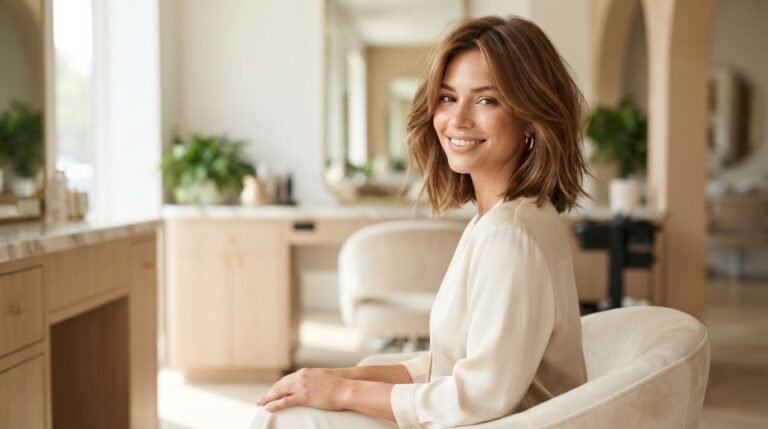
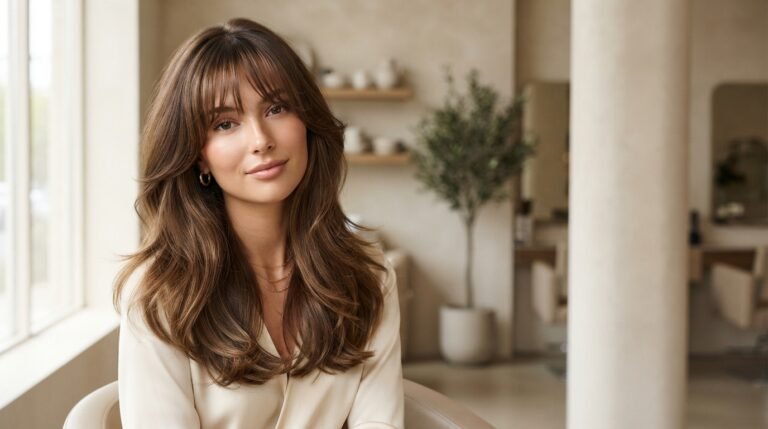
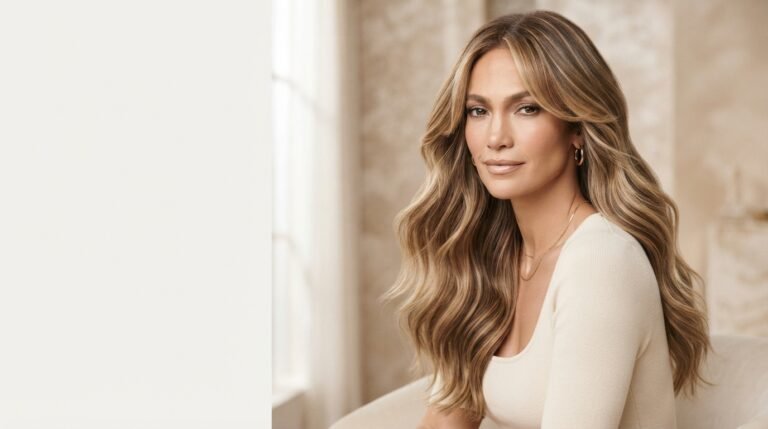
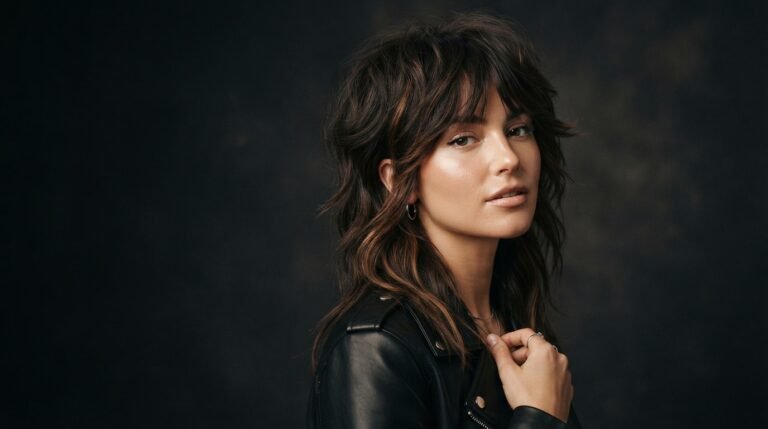
A blunt bob has a way of making a hairstyle feel instantly polished without looking overly complicated. Its defining feature—a clean, weighty line at the ends—can be adapted to suit different face shapes, textures, lengths, and personal styles. Whether you love glossy, ultra-sleek hair or prefer a softer, lived-in finish, there is a version worth saving for your next salon appointment.
The ideas below explore 24 distinct ways to wear a blunt bob, from chin-skimming cuts and glassy finishes to subtle layers, warm color, side parts, and modern styling details. You’ll also find practical guidance on who each version can suit, how to maintain the shape, and what to tell your stylist. If you’re collecting haircut inspiration on Pinterest, these looks offer more than pretty pictures—they give you specific details to help turn an appealing reference into a wearable cut.
1. Classic Chin-Length Blunt Bob
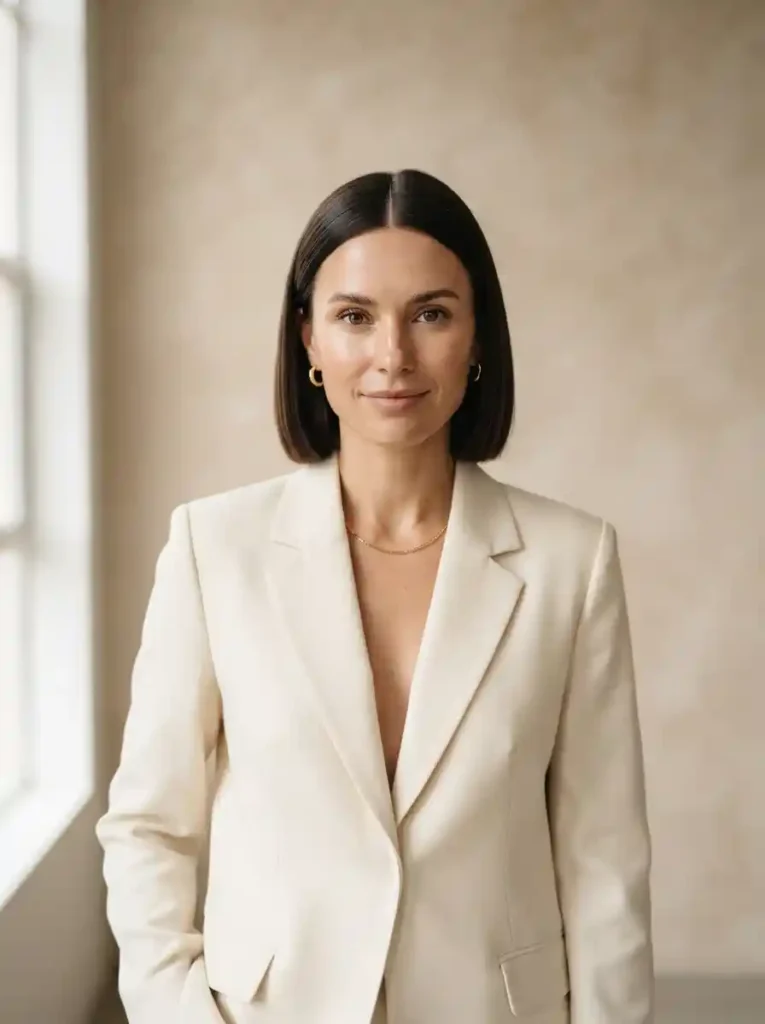
A chin-length blunt bob is the quintessential choice when you want maximum definition from a relatively short haircut. The straight perimeter sits around the jaw, creating a crisp frame that draws attention toward the eyes and cheekbones. It works particularly well on straight or gently wavy hair because the clean edge remains visible. If your hair is thick, ask your stylist to remove internal bulk without disturbing the strong outer line.
For styling, a center part keeps this bob modern and symmetrical, while a slight side part creates a softer finish. A smoothing cream followed by a blow-dry with a paddle brush can emphasize the polished shape without making the hair look stiff. Regular trims are important because even a few weeks of growth can blur the precise jawline. Bring a front-and-side reference photo so your stylist can judge the length against your features.
2. Glossy Black Blunt Bob
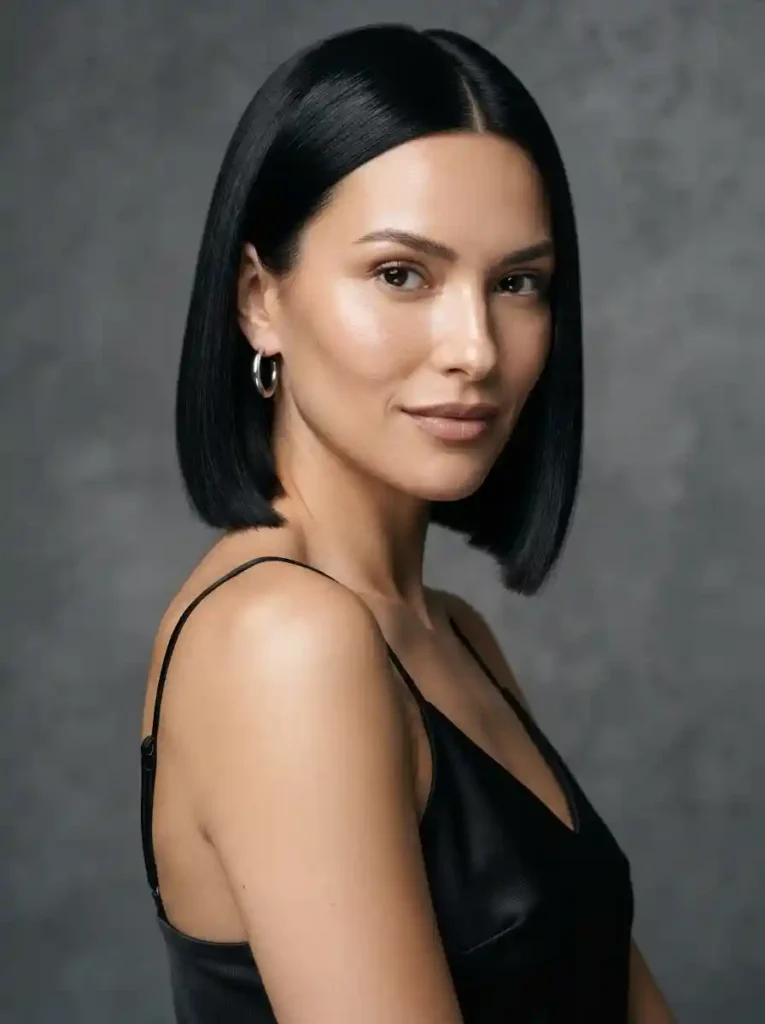
A glossy black bob turns the simplicity of a blunt cut into a striking statement. The deep color visually emphasizes the solid perimeter, making the haircut look especially intentional and sculpted. This version is ideal if your hair naturally reflects light or you enjoy spending a little time creating a smooth finish. Ask for minimal texturizing through the ends, since excessive thinning can make the perimeter appear wispy rather than substantial.
To recreate the polished effect, apply heat protectant before blow-drying, then use a flat iron sparingly on completely dry sections. Finish with a tiny amount of lightweight serum through the mid-lengths and ends rather than the roots. If your natural color is much lighter, maintaining a rich black shade requires regular color appointments. Those who prefer lower maintenance can achieve a similar effect with a deep espresso brown.
3. Blunt Bob With a Deep Side Part

A deep side part gives a blunt bob a completely different personality without changing its fundamental shape. Instead of the geometric symmetry created by a center part, the hair sweeps diagonally across the face and creates gentle asymmetry. This can be useful if you want the structure of a blunt haircut but prefer a less severe appearance. The longer-looking front section can also create an elegant transition around the cheekbone.
The key is choosing a part that cooperates with your natural growth pattern. Trying to force a dramatically different part every morning can create unwanted volume or separation at the roots. Use a small amount of styling mousse near the crown while blow-drying the part into place. Keep the ends straight and substantial so the bob still reads as intentionally blunt rather than becoming an uneven, layered style.
4. Soft Brown Blunt Bob

A soft brown blunt bob offers the precision of the cut while making the overall look feel approachable and understated. Chocolate, chestnut, and neutral brown shades can soften the visual contrast of a sharp perimeter, especially when paired with natural-looking makeup. This is a useful option if you like structured hairstyles but do not want an intensely dramatic black or platinum finish. Ask your colorist for dimension that remains subtle rather than obvious streaks.
Keep the haircut slightly below the chin if you want additional versatility with ponytails and clips. A lightweight smoothing lotion can control flyaways while preserving movement, which is especially helpful when the brown shade has natural tonal variation. If your hair is naturally dark, a gloss may be enough to enhance richness without committing to permanent color. Discuss your maintenance preference before choosing highlights or other dimensional techniques.
5. Blunt Bob With Wispy Curtain Bangs

Curtain bangs can make a blunt bob feel softer without taking away its clean silhouette. The key is keeping the bangs lighter and more flexible than the main haircut, allowing them to separate naturally around the forehead. This combination suits people who like a defined bob but want some movement around the face. It can also be helpful when a completely exposed forehead feels too stark with a short, geometric haircut.
Ask your stylist to begin the curtain fringe longer rather than cutting immediately to a short length. Longer pieces can be adjusted after styling and provide more options as they grow. Use a round brush to direct each side away from the face while drying, then leave the bob itself relatively straight. Avoid heavy oils around the fringe, since they can make fine bang sections separate and look greasy.
6. Sleek Blunt Bob With a Center Part
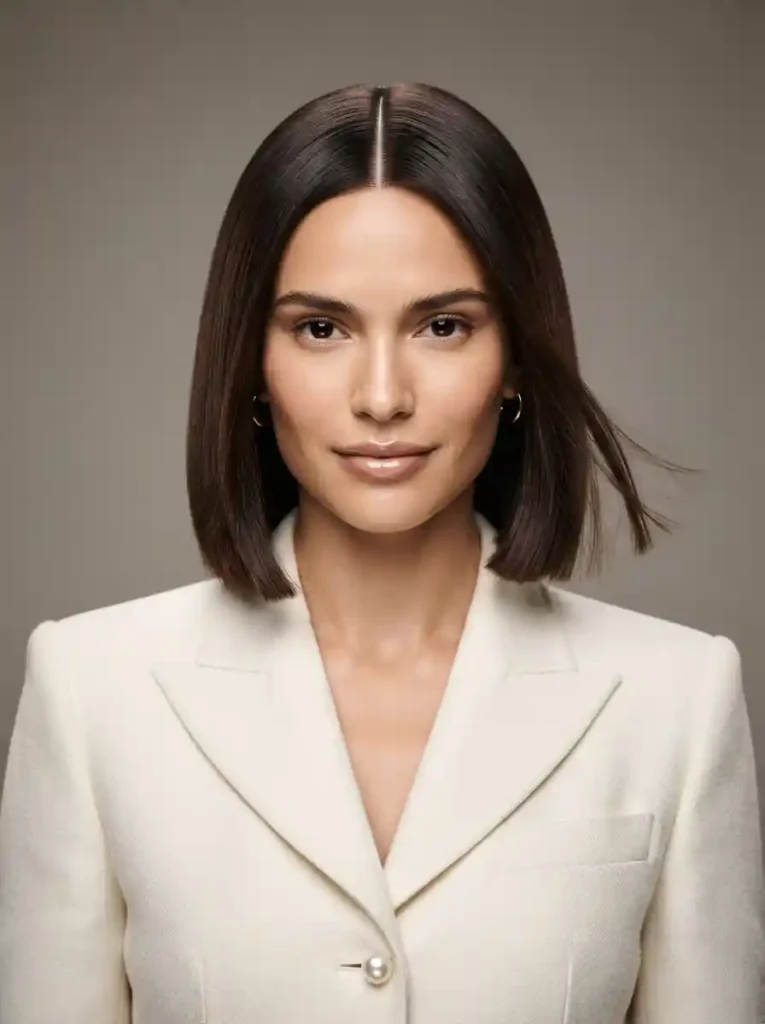
A center-parted blunt bob is one of the easiest versions to recognize and style because its symmetry puts the haircut itself at the center of attention. A length around the collarbone gives you enough hair to tuck behind the ears while retaining the unmistakable straight perimeter. It is especially effective on naturally straight hair, though a smooth blowout can create the same effect on gentle waves.
When requesting this cut, tell your stylist whether you normally wear your part in the center. The perimeter should be assessed after the hair is styled naturally, since slight waves can change where the ends visually fall. For daily styling, divide the hair cleanly before drying and use a flat brush to keep the sides controlled. A lightweight anti-humidity product can help preserve the straight outline in damp weather.
7. French-Inspired Blunt Bob

A French-inspired blunt bob feels less polished than a glassy salon finish while remaining carefully shaped. The haircut can sit around the chin or slightly above it, with a subtle fringe and naturally imperfect texture. Rather than forcing every strand into place, the styling allows small bends and movement to make the cut feel relaxed. This is particularly appealing if you want your haircut to look stylish without requiring a lengthy morning routine.
The fringe should be customized carefully because forehead length and hair density make a major difference. Ask for a light, flexible fringe rather than a heavy block if you prefer an airy appearance. A small amount of texturizing cream can encourage natural bends after washing. For straight hair, rough-dry the roots and let the ends retain their natural movement instead of repeatedly ironing them completely flat.
8. Blunt Bob With Subtle Face-Framing Pieces

Face-framing pieces can soften the front of a blunt bob while preserving most of its strong perimeter. Instead of obvious layers throughout the haircut, the stylist can create carefully placed pieces near the cheekbones or jaw. This approach is useful if you like the visual weight of a blunt bob but want the front to blend more naturally with your features. The framing should remain subtle so the haircut does not turn into a conventional layered bob.
Tell your stylist where you want the shortest face-framing point to land when your hair is dry. A piece ending at the cheekbone creates a different effect from one ending near the jaw. During styling, direct these sections slightly away from the face with a round brush while keeping the remaining lengths smooth. This creates movement around the features without sacrificing the clean, substantial ends.
9. Collarbone Blunt Bob
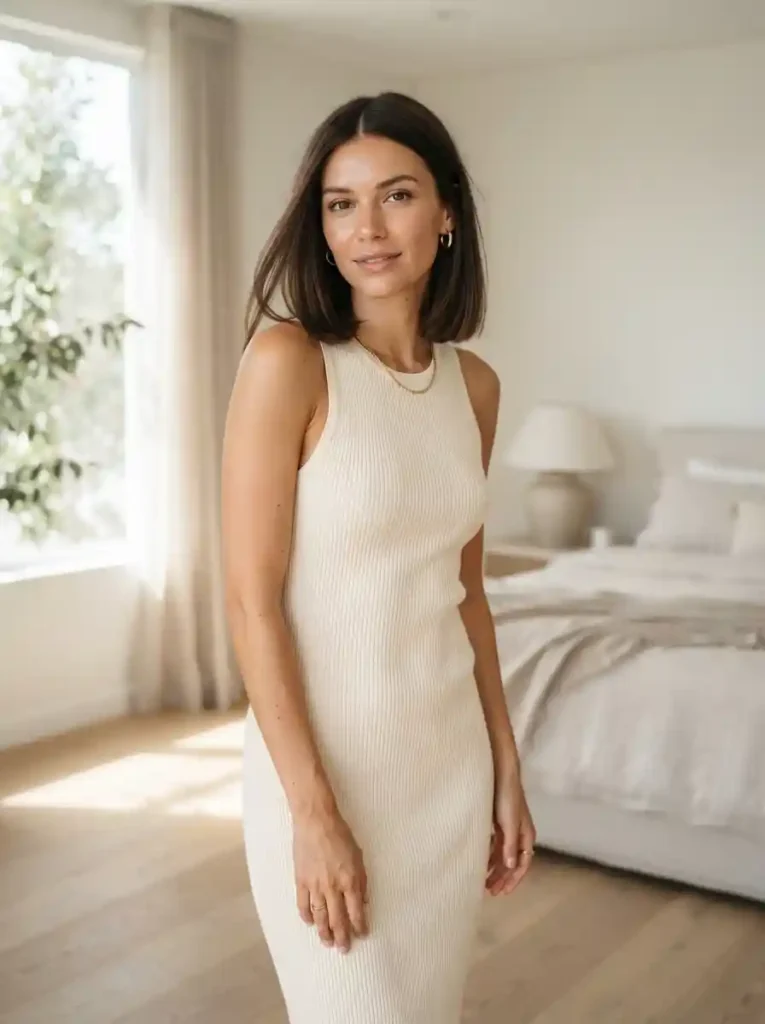
A collarbone blunt bob is a practical middle ground for anyone hesitant to go dramatically short. The length still provides the recognizable straight-across finish, but it offers more flexibility for low ponytails, half-up styles, and occasional curling. This version is particularly useful if you are transitioning from longer hair and want a noticeable change without losing too much styling versatility. The ends should remain dense and deliberately even.
Because the hair is longer, weight distribution becomes important. Thick hair may need controlled internal removal so the bottom does not become excessively bulky, while fine hair often benefits from preserving as much density as possible. For everyday wear, smooth the ends with a round brush or large paddle brush. If you curl it occasionally, keep the bends loose and brush them through so the blunt perimeter remains visible.
10. Blunt Bob With Warm Caramel Highlights
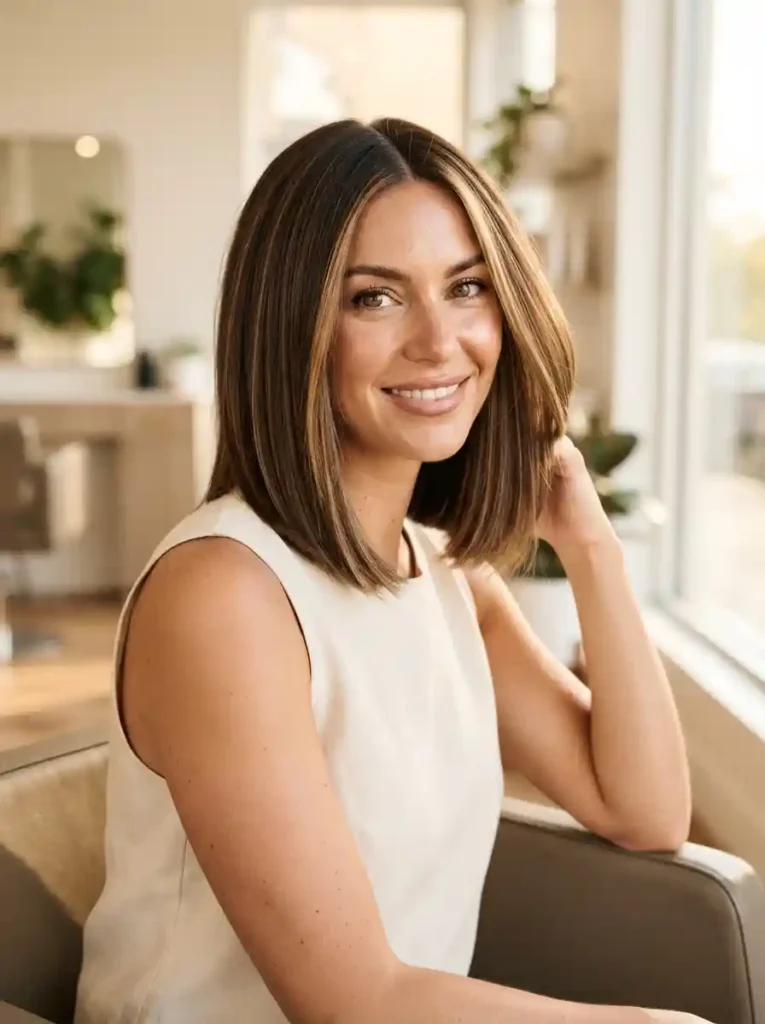
Caramel highlights can add dimension to a blunt bob without weakening its graphic shape. Fine ribbons placed around the face and through selected sections create movement when light catches the hair, while the darker base keeps the perimeter visually substantial. This is a good option for brunettes who want a noticeable refresh without committing to an all-over light color. Ask for blended highlights rather than thick, high-contrast stripes.
Color placement matters because excessive lightening at the ends can make them appear thinner than they really are. A gloss can help unify the different tones after highlighting and keep the finish reflective. Use color-safe shampoo and limit unnecessary heat exposure to protect the highlighted sections. If you prefer low-maintenance color, ask your stylist to keep the roots close to your natural shade.
11. Platinum Blunt Bob
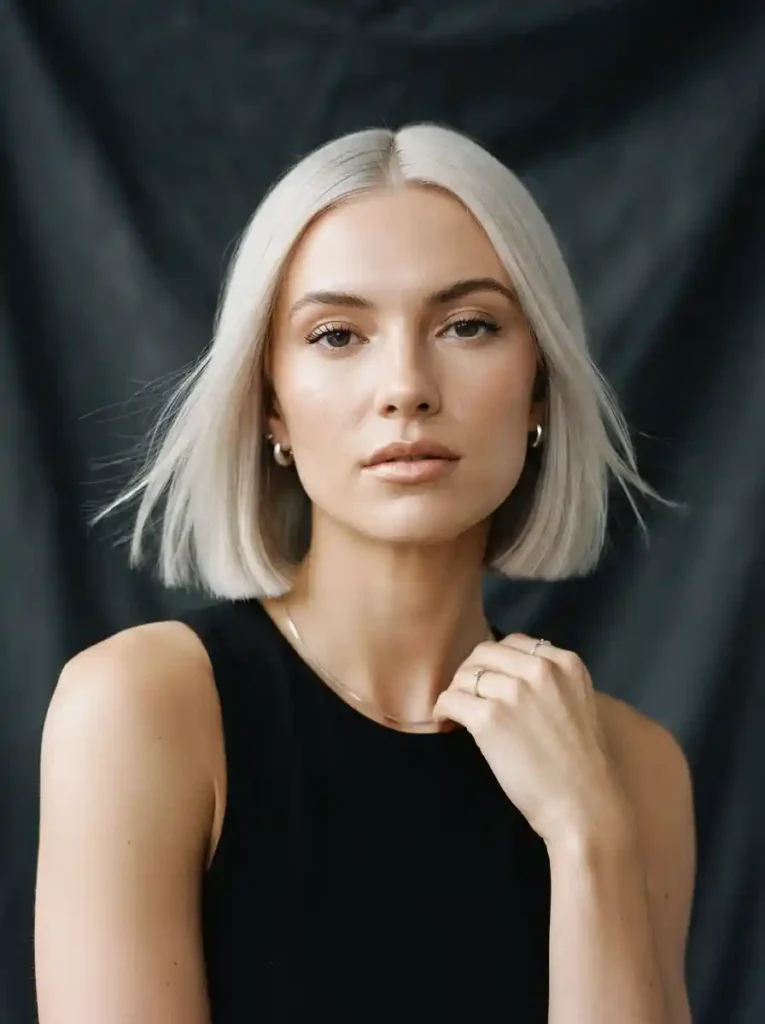
A platinum blunt bob creates strong contrast between a light hair color and a precise haircut. The pale shade makes every detail of the perimeter visible, so the shape needs to be particularly well maintained. This version is best suited to someone comfortable with a more involved color routine and regular salon visits. Before going platinum, discuss your hair history because previous chemical treatments can affect how safely the color can be achieved.
Once the color is established, protect the hair from unnecessary heat and use products designed for chemically treated strands. Purple-toned products may help manage unwanted yellow tones, but they should be used according to your colorist’s recommendation. Keep the cut relatively simple rather than adding heavy layers, allowing the blunt edge to provide contrast. Regular trims also prevent damaged ends from distracting from the polished finish.
12. Blunt Bob With a Slight Inward Bend
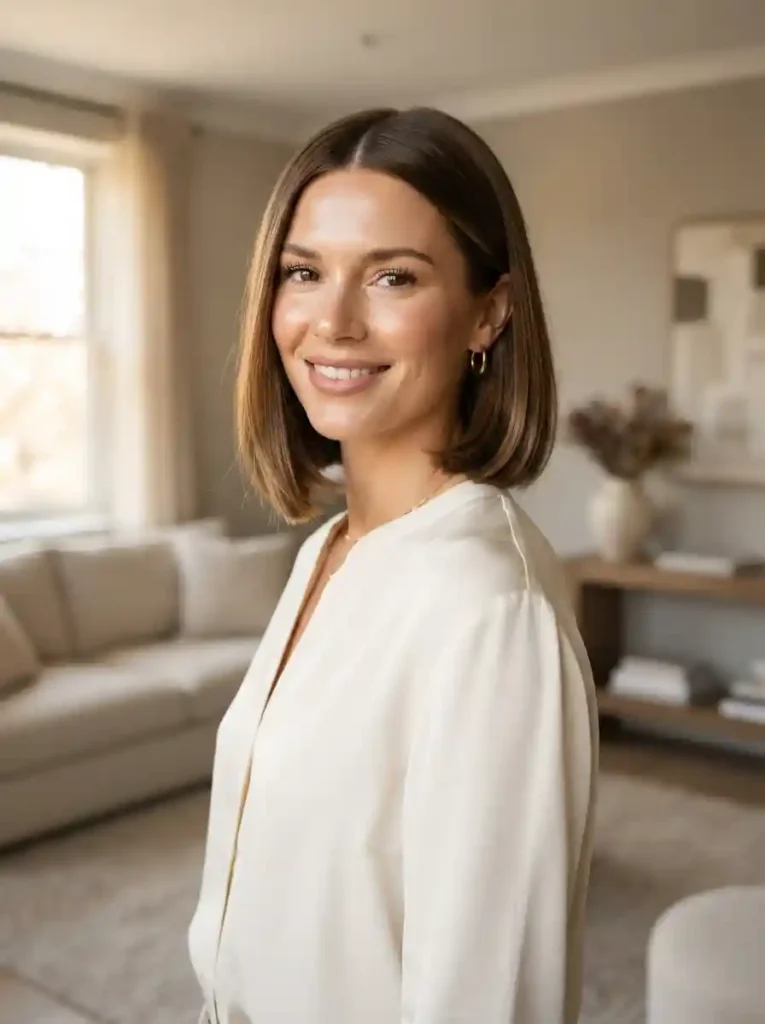
A slight inward bend at the ends can make a blunt bob look softer and more finished without turning it into a curled hairstyle. The bend follows the natural curve of the neck, emphasizing the haircut’s compact shape while keeping the overall appearance sleek. It works especially well on chin-length bobs where the ends have enough structure to hold a controlled curve without appearing overly rounded.
Use a medium-sized round brush while blow-drying, directing the final few inches inward. You can also create the effect with a flat iron by gently turning the wrist rather than making a pronounced curl. Keep the movement consistent on both sides for a polished result. Avoid applying too much hairspray, because flexible movement helps the inward bend look natural rather than stiff.
13. Softly Wavy Blunt Bob

A blunt bob does not have to be completely straight to retain its defining character. Soft waves can add dimension while the strong perimeter keeps the style from looking overly casual or layered. This combination works beautifully for naturally wavy hair because you can preserve its texture rather than fighting it. The most important detail is ensuring the ends remain dense enough to show a deliberate straight line.
After washing, apply a lightweight curl cream or wave-enhancing product and allow the hair to dry naturally or use a diffuser on low heat. Avoid brushing the waves once they have formed, as excessive brushing can create frizz. If your ends curl strongly, gently straighten only the final inch or two. This creates contrast between relaxed texture above and the unmistakable blunt edge below.
14. Blunt Bob With a Sleek Wet-Look Finish
The wet-look finish gives a blunt bob an evening-ready quality while preserving its architectural shape. Hair is smoothed close to the head, allowing the straight ends to create a deliberate contrast against the sleek roots. This styling option is particularly useful when you already own a blunt bob and want to transform it for evenly from the roots toward the mid-lengths. Avoid saturating the ends with heavy product, which can make the perimeter look stringy. Comb the hair into your chosen part before the product sets. Because this style emphasizes facial features, simple makeup and understated accessories often create a more balanced overall an event without changing the haircut itself.
For a believable finish, use a styling gel or wet-look cream sparingly and distribute it evenly from the roots toward the mid-lengths. Avoid saturating the ends with heavy product, which can make the perimeter look stringy. Comb the hair into your chosen part before the product sets. Because this style emphasizes facial features, simple makeup and understated accessories often create a more balanced overall look.
15. Espresso Blunt Bob With Subtle Shine
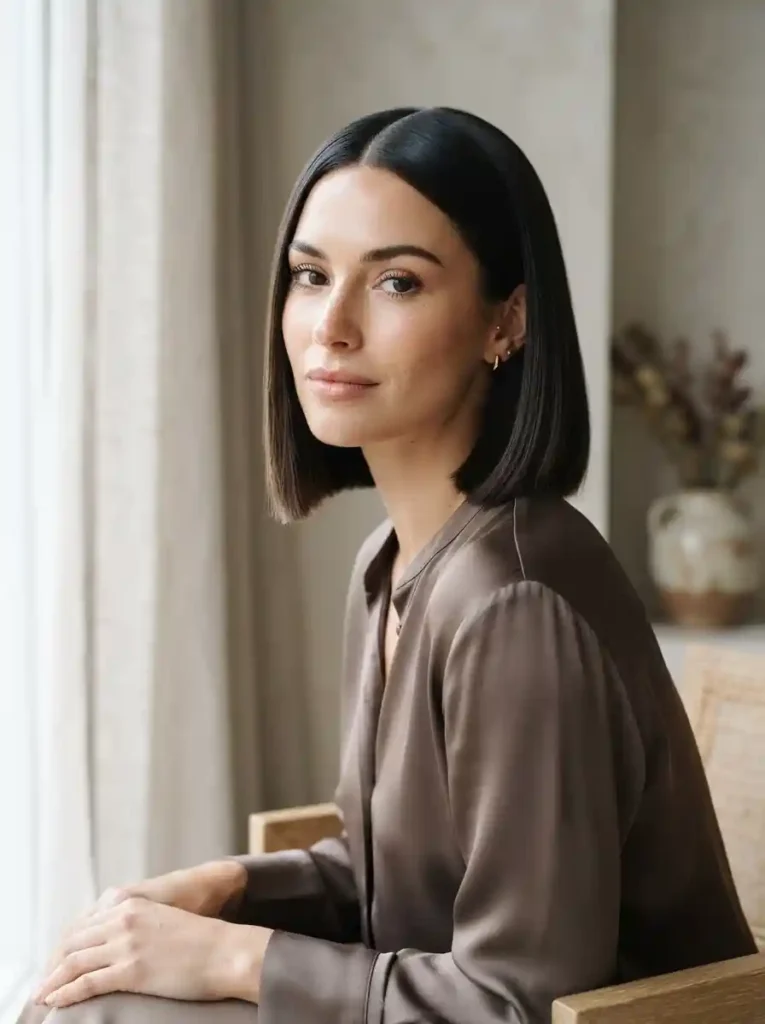
Espresso brown gives a blunt bob depth without the intensity of pure black. The shade can look especially rich under natural light, revealing subtle tonal variation while keeping the overall color sophisticated. This is a strong choice for someone who wants a darker appearance but prefers a softer contrast against the skin. A color gloss can enhance the richness without necessarily requiring a dramatic permanent transformation.
The haircut itself should remain simple so the color and shine have room to stand out. Ask for a clean perimeter with restrained internal texturing if your hair needs weight removed. At home, avoid layering multiple heavy shine products because they can flatten the hair in warm dark blonde, one side neatly tucked behind the ear while the opposite side falls naturally along the cheek, center-to-soft side part, small gold earrings visible, wearing a tailored beige blazer, modern bright interior, soft natural window lighting, three-quarter profile angle, realistic hair strands and skin texture, is keeping the tucked section smooth without flattening the entire root area.
16. Blunt Bob With Tucked-Behind-Ear Styling

Tucking one side behind the ear is a simple styling change that can make a blunt bob feel more open and relaxed. It exposes the cheek and ear on one side while preserving the clean curtain of hair on the other. This asymmetrical styling is especially useful when you want to show earrings or create a more polished silhouette for work, dinner, or photographs.
The trick is keeping the tucked section smooth without flattening the entire root area. A small amount of styling cream can help the hair stay behind the ear without requiring excessive pins or spray. Leave a few natural strands around the temple if you prefer a softer result. If your hair continually slips forward, ask your stylist to consider the natural direction of your growth when refining the front sections.
17. Blunt Bob With Micro Bangs
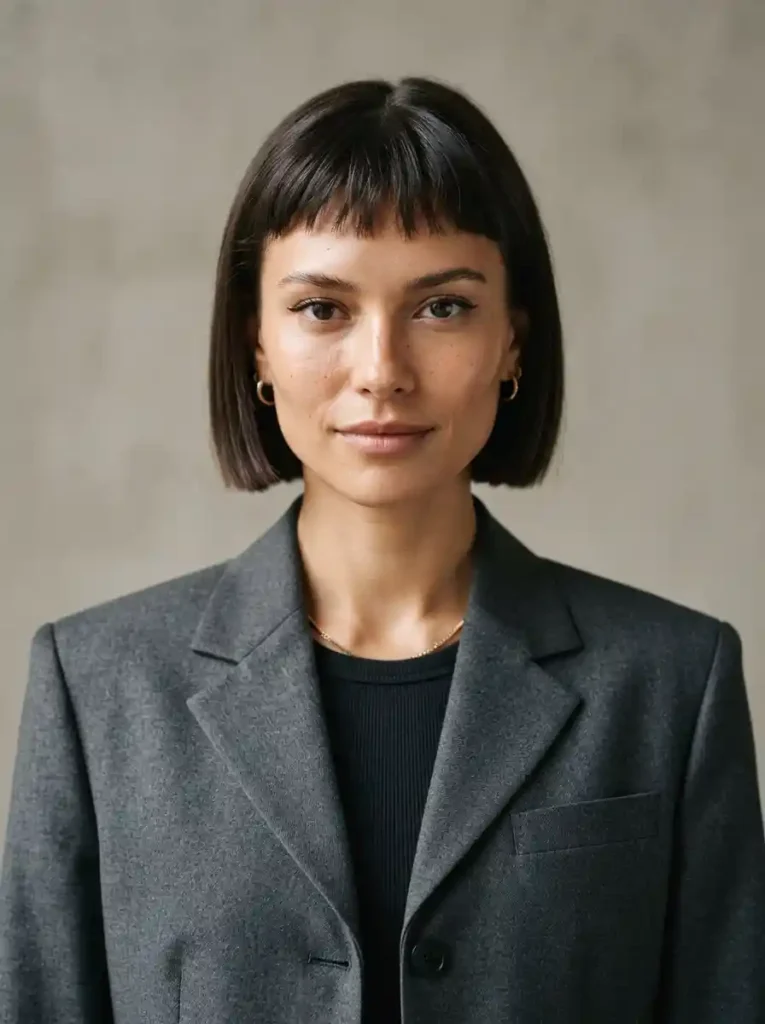
Micro bangs create a bold contrast with the substantial line of a blunt bob. Because the fringe sits well above the eyebrows, it exposes more of the forehead and makes the haircut feel modern and fashion-forward. This combination suits people who enjoy distinctive styling and are comfortable with a fringe requiring frequent shaping. It can also be adjusted from very straight to slightly textured depending on the desired mood.
Before choosing micro bangs, consider your natural hair growth and how quickly your fringe grows. A consultation is especially important if your hairline has strong cowlicks. Styling is generally straightforward: dry the fringe immediately after washing while directing it into the desired position. Keep the bob itself sleek and uncomplicated so the short fringe remains the main visual feature.
18. Blunt Bob With a Middle-Length Fringe

A fuller, medium-length fringe can make a blunt bob feel softer and more youthful without losing its defined perimeter. Unlike curtain bangs, this fringe creates a more continuous horizontal line across the forehead. It works particularly well when the rest of the bob is kept simple, because the two strong lines—the fringe and the ends—create a cohesive graphic shape.
The fringe needs regular attention because small changes in length can noticeably alter the look. Ask your stylist to consider whether your hair is fine, medium, or dense before deciding how much hair to bring forward. Blow-dry the fringe side to side first to prevent a stubborn part from forming, then finish it in the desired direction. Keep styling products lightweight around the forehead.
19. Blunt Bob With Natural Gray Dimension

A blunt bob can look especially sophisticated with naturally gray or silver hair because the strong perimeter provides structure to the varying tones. Rather than hiding every strand, this approach lets the natural color variation become part of the hairstyle. The result can feel modern and intentional, particularly when the ends are kept healthy and dense.
If you are growing out dyed hair, discuss the transition process with a colorist rather than making an abrupt change at home. A gloss or carefully planned tonal adjustment may help different sections blend while your natural color grows. Use gentle products and minimize excessive heat if the hair feels drier than it did previously. The cut should be refreshed regularly so the silver dimension remains framed by a crisp silhouette.
20. Blunt Bob With a Subtle A-Line Shape
A subtle A-line variation gives the blunt bob a gentle forward movement without creating a dramatic stacked haircut. The back sits slightly shorter while the front extends toward the jaw or collarbone, producing a clean diagonal when viewed from the side. This shape is useful if you want the bob to feel more sculpted and directional while still maintaining a relatively simple styling routine.
Ask your stylist to keep the angle modest if you want a timeless appearance. A steep graduation can quickly change the character of the haircut and may require more precise styling. Smooth the back first when blow-drying, then direct the front sections forward and slightly inward. Regular trims are helpful separated piecey ends while retaining a strong overall perimeter, relaxed center part, natural makeup, wearing a loose white linen shirt and delicate necklace, standing outdoors near a does not have to look freshly ironed every day.
21. Tousled Blunt Bob With Piecey Ends

A tousled blunt bob proves that a precise haircut does not have to look freshly ironed every day. The ends remain intentionally full and straight, while the lengths receive enough texture to create separation and movement. This is particularly appealing for people who like an effortless appearance but still want the haircut to have a recognizable shape rather than becoming an indistinct layered style.
To create the texture, apply a lightweight salt spray or texturizing mist to damp hair and scrunch gently. Once dry, separate a few sections with your fingers instead of brushing everything smooth. If your hair is naturally fine, avoid excessive texturizing products because they can make the ends feel dry. A small amount of flexible cream can define individual pieces without creating a crunchy finish.
22. Blunt Bob With Copper Tones
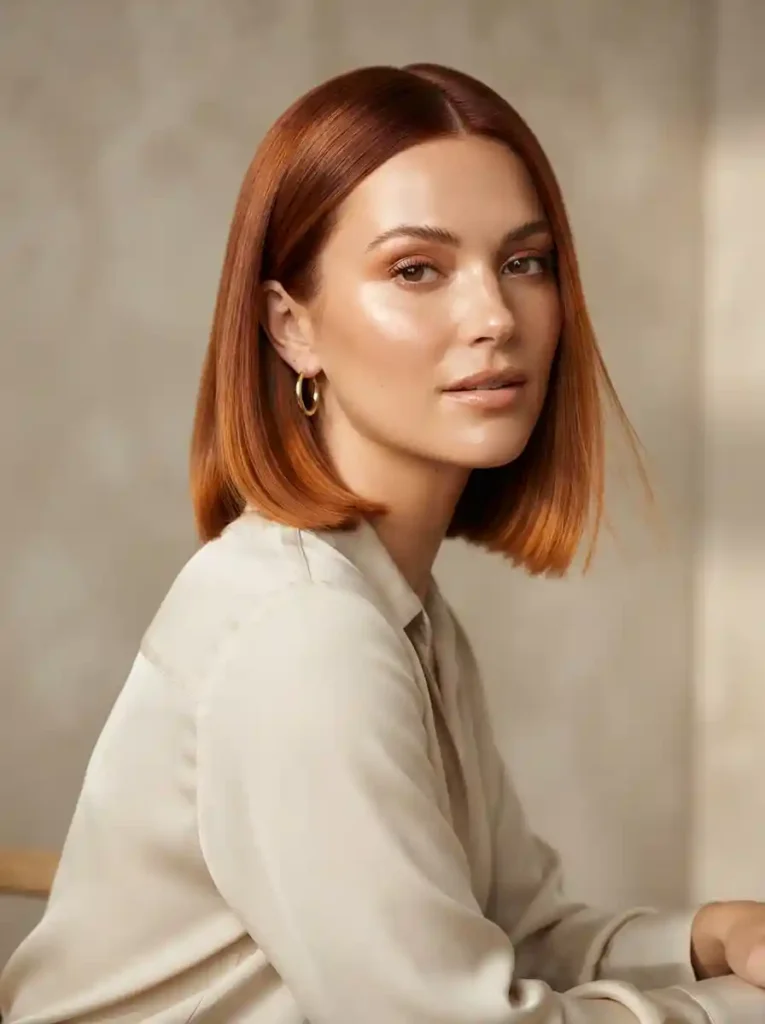
Copper tones bring warmth and visual dimension to the clean geometry of a blunt bob. A rich auburn or cinnamon-copper shade can make the haircut feel more expressive without requiring additional layers or complicated styling. If you already have warm undertones in your natural hair, a copper gloss may create enough change without a major lightening process. Your stylist can adjust the intensity according to your existing color.
Warm shades often need thoughtful maintenance because repeated washing can gradually reduce vibrancy. Use products formulated for colored hair and wash with comfortably cool water when practical. If you want a softer grow-out, ask for subtle tonal variation rather than a single opaque copper shade. Keep the cut itself crisp so the color does not become visually overwhelming.
23. Blunt Bob With Minimalist Hair Accessories
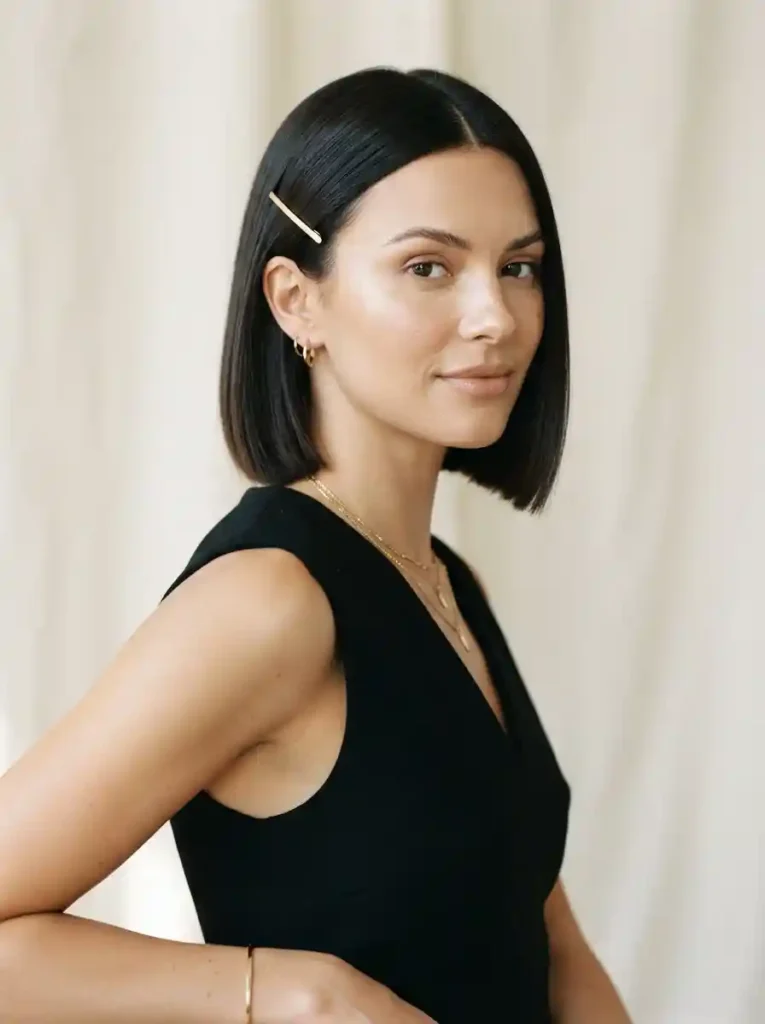
A blunt bob provides an excellent backdrop for understated accessories because the clean shape leaves space for small details to stand out. A narrow barrette, minimalist clip, or slim metallic pin can change the look without hiding the haircut. Placing an accessory near one ear creates gentle asymmetry and can also keep shorter front sections comfortably away from the face.
Choose accessories that complement rather than compete with the haircut. Matte finishes create a quiet everyday effect, while polished metal can feel more formal for an evening look. Place the accessory where the hair naturally wants to separate instead of forcing it across a large section. Avoid oversized clips if your goal is to highlight the blunt perimeter; a smaller piece will keep the hairstyle visually balanced.
24. Ultra-Sleek Glass Blunt Bob
The glass-like blunt bob is the most polished interpretation of this haircut, with every section smoothed until the surface appears exceptionally reflective. Its success depends less on complicated styling and more on a precise cut, healthy ends, and controlled product use. This look is especially effective on naturally straight or easily smoothed hair, but other textures can achieve it with careful blow-drying and heat styling.
Start with a heat protectant and blow-dry in small sections using a tension brush or paddle brush. If needed, use a flat iron only after the hair is completely dry, then finish with a tiny amount of lightweight shine serum. Avoid coating the roots, which can make the style look flat or oily. Schedule trims consistently because this particular finish makes uneven or damaged ends especially noticeable.
Conclusion
The best blunt bob is not necessarily the shortest, straightest, or most dramatic version—it is the one whose shape works naturally with your hair, lifestyle, and preferred styling routine. A chin-length cut can create a strong jawline, while a collarbone version offers more flexibility. Color, bangs, subtle angles, waves, accessories, and different finishes can completely change the personality of the same basic silhouette.
Before your next salon appointment, save one or two reference images that show both the front and side profile you like. Think about how much daily styling you realistically want, how frequently you can maintain the cut, and whether your natural texture supports the finish. With those details in mind, a blunt bob becomes more than a trend-inspired haircut—it becomes a tailored style that can look polished, practical, and distinctly yours.