The modern mullet has moved far beyond its rebellious retro reputation. Today’s versions can be soft and polished, choppy and edgy, feminine and textured, or surprisingly wearable for everyday life. That versatility is exactly what makes the haircut so appealing: you can borrow the signature shorter front and sides with a longer back while adjusting the layers, texture, fringe, and finish to match your personality. Whether you have straight, wavy, curly, or thick hair, there is plenty of room to personalize the shape.
In this collection, you’ll find 24 modern mullet haircut ideas designed to spark your next salon appointment. Some styles lean toward effortless and understated, while others embrace dramatic layers and unmistakable texture. Along the way, you’ll discover which cuts work with different hair types, how to style them, and what details can make a mullet feel intentional rather than overwhelming. Save your favorites, compare the silhouettes, and use the details as inspiration when discussing your ideal cut with your stylist.
1. Soft Layered Modern Mullet
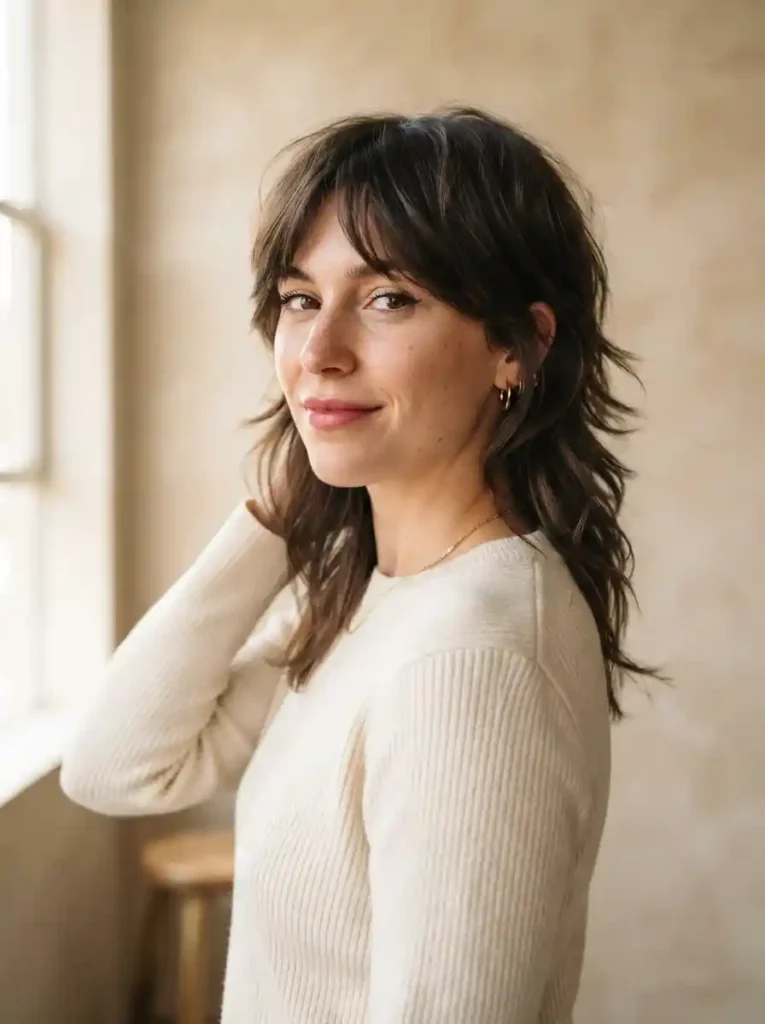
The soft layered mullet is a great introduction to the trend because its silhouette feels deliberately relaxed rather than aggressively dramatic. Feathered layers create movement through the crown, while a gently extended back keeps the recognizable mullet shape. Ask your stylist for blended transitions instead of severe disconnects, especially if you prefer an everyday haircut. This version works particularly well on medium-density hair because the layers add visual volume without making the overall shape appear excessively heavy or bulky.
For styling, use a lightweight volumizing mousse before blow-drying with your fingers, then finish with a small amount of texturizing cream. Avoid weighing the ends down with heavy oils or waxes, since the haircut depends on airy movement. A soft curtain fringe can frame the eyes and soften the forehead, while slightly piecey ends give the back a modern finish. Regular shaping every six to eight weeks helps maintain the layered structure without sacrificing length.
2. Shaggy Mullet with Choppy Layers
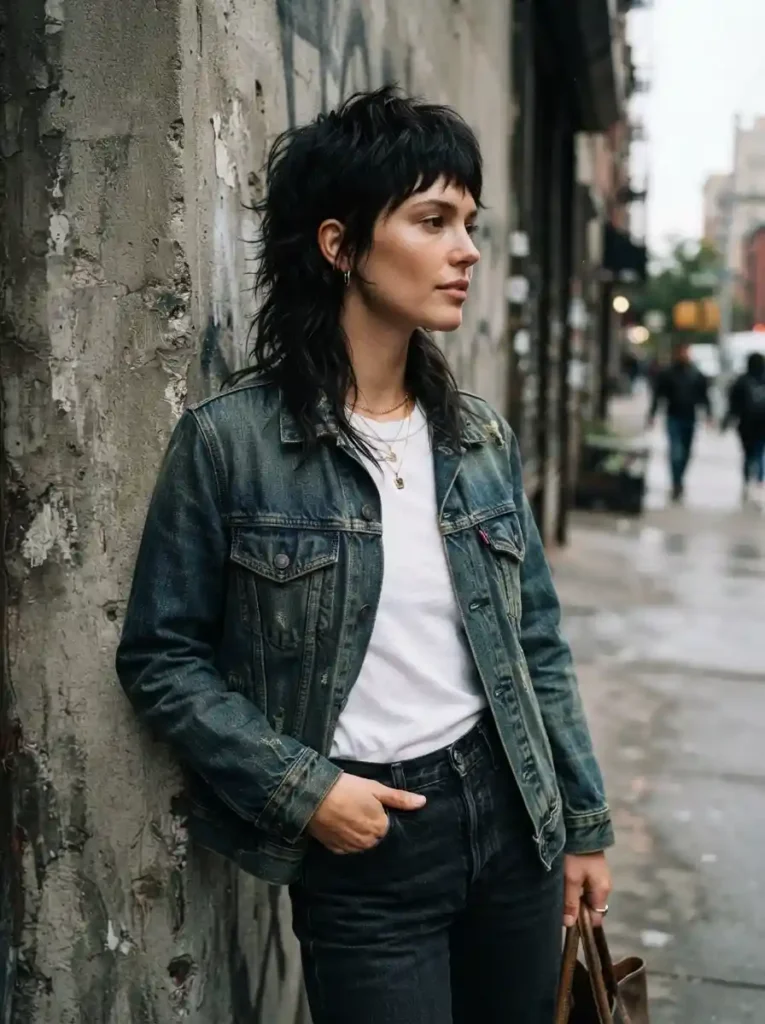
A shaggy mullet adds more visible texture than a softly layered version, making it ideal for anyone who enjoys a deliberately undone hairstyle. The defining feature is the abundance of irregular layers throughout the crown and sides, creating a lively, piecey outline. It can be especially flattering for naturally wavy hair because the texture helps the layers separate naturally. Straight-haired readers can achieve a similar effect with strategic styling rather than relying on natural movement.
The cut looks best when the ends remain slightly imperfect instead of overly polished. After washing, apply a lightweight texturizing spray and scrunch the lengths while they dry. If your hair is straight, twist a few sections around a small styling tool to create inconsistent bends rather than uniform curls. Tell your stylist whether you want the back subtle or pronounced, because the length and density there dramatically change how rebellious or wearable the finished mullet feels.
3. Curly Modern Mullet
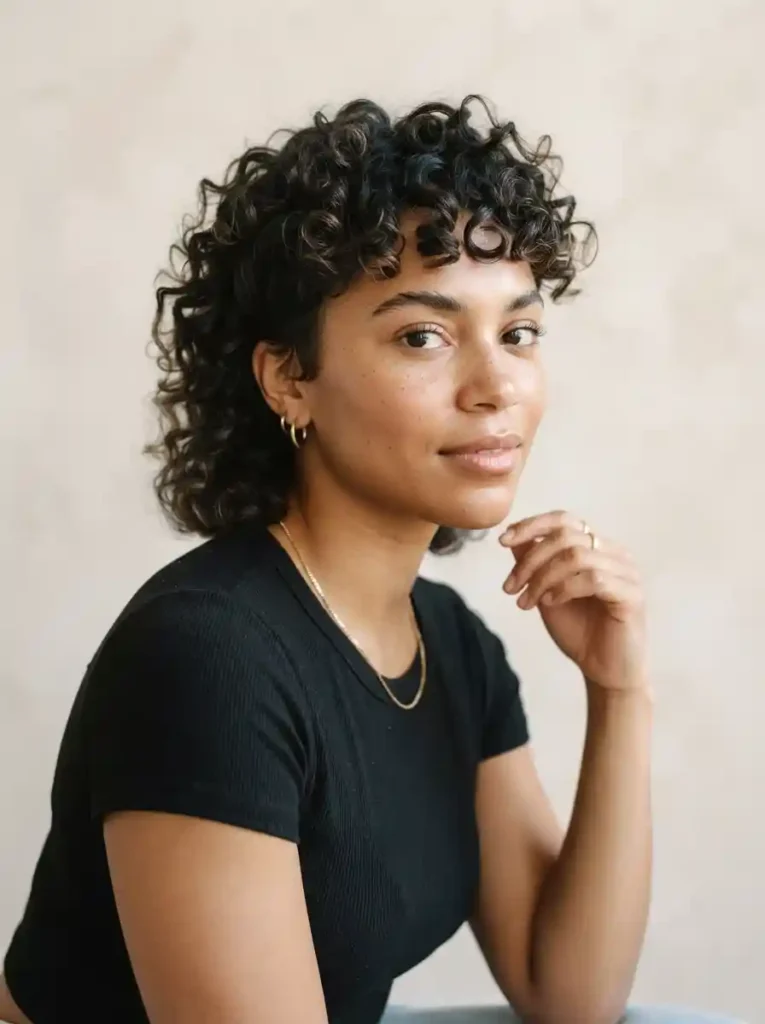
A curly modern mullet celebrates natural texture instead of trying to flatten it into a conventional silhouette. The shorter crown creates lift, while carefully shaped longer curls at the back establish the characteristic mullet profile. Curly hair can shrink significantly when dry, so an experienced stylist should account for curl pattern before deciding how much length to remove. Bringing reference photos with similar curl density is particularly useful when discussing the desired balance.
At home, definition matters more than perfect symmetry. Work curl cream through soaking-wet hair, gently scrunch, and allow the curls to air-dry or use a diffuser on low heat. Avoid repeatedly brushing the finished style because that can disrupt the curl pattern and create unwanted frizz. If the back becomes too heavy, request selective internal shaping rather than simply shortening everything. This preserves the mullet’s length while keeping the curls buoyant and distinct.
4. Platinum Blonde Mullet
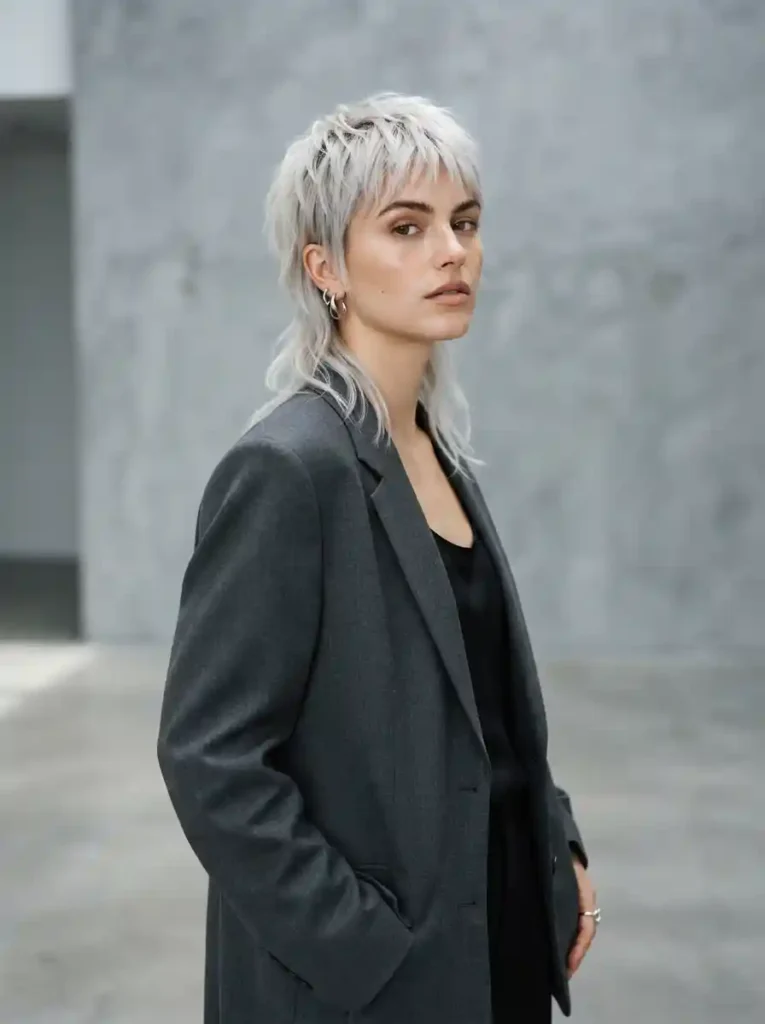
Platinum blonde makes a modern mullet feel particularly graphic because the pale color highlights every layer and edge. The cut itself can remain relatively wearable, with shorter sides and a feathered back rather than an exaggerated tail. Because bleaching can make hair more fragile, discuss the condition of your strands before committing to a very light color. A slightly longer, softer shape may be more practical if your ends are already dry or chemically processed.
Maintaining platinum hair requires attention beyond the haircut. Use a color-safe shampoo and a moisturizing conditioner, and follow your stylist’s recommendations for toning rather than repeatedly applying strong purple products. Heat protection is essential because fragile lightened hair can show damage quickly. For styling, a matte cream can emphasize the layers without creating a greasy finish. The combination of icy color and airy texture works especially well when the haircut remains intentionally imperfect.
5. Textured Mullet with Curtain Bangs
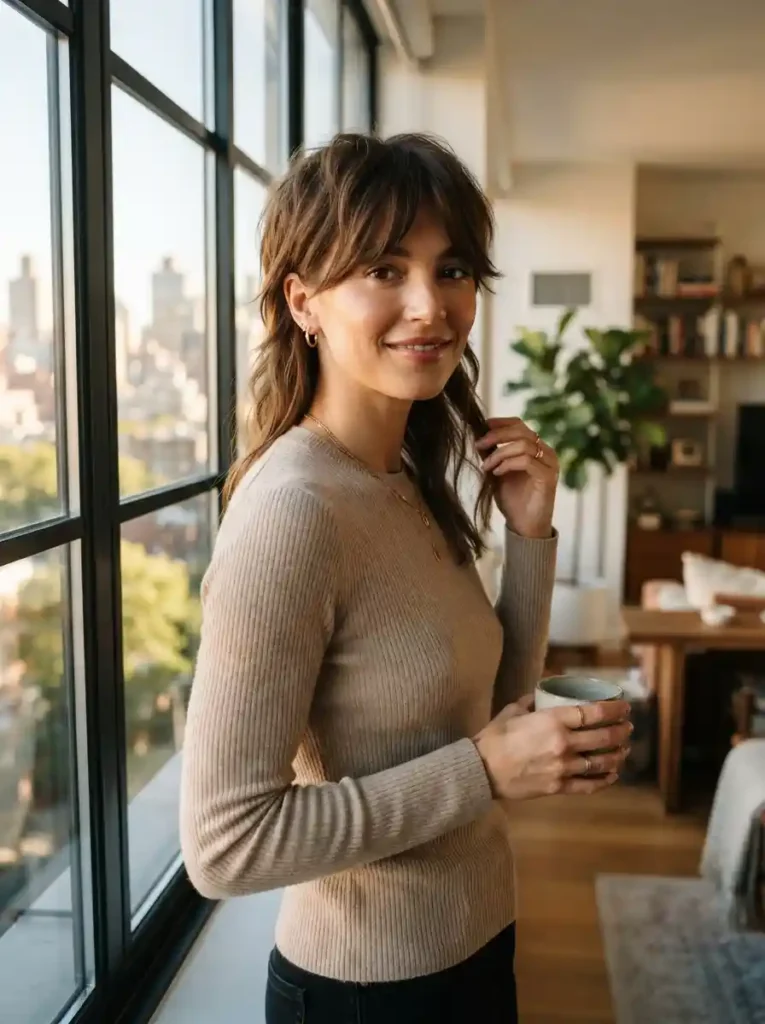
Adding curtain bangs gives a modern mullet a softer, face-framing quality without removing its distinctive layered structure. The center-parted fringe can be adjusted according to face shape and styling preference, with shorter pieces near the center and longer sections blending toward the cheekbones. This option is useful if you like the idea of a mullet but want something less severe around the forehead. It also offers several styling possibilities when you change your part.
The fringe usually needs more daily attention than the rest of the haircut because it can lose shape overnight. A quick blow-dry using a small round brush can encourage the curtain pieces to curve away from the face. Keep the remaining layers lightweight with a flexible styling cream or spray. During your appointment, ask for the bangs to connect gradually with the side layers; an abrupt transition can make the haircut look disconnected instead of intentionally textured.
6. Short Edgy Mullet
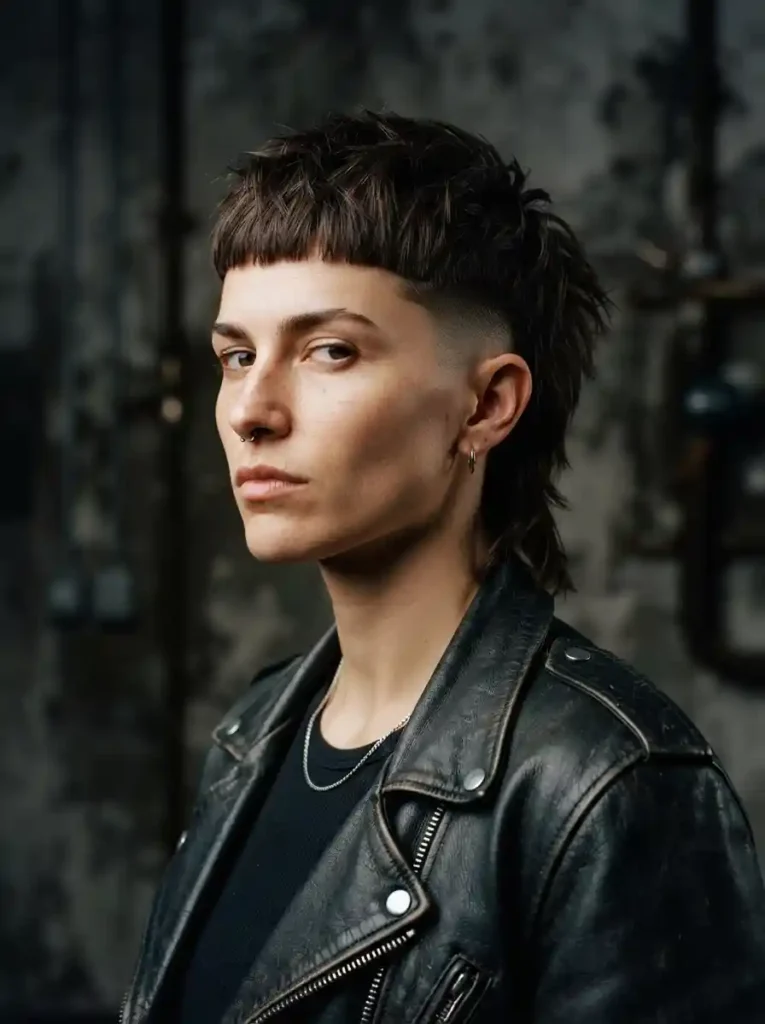
A short edgy mullet is suited to anyone who wants the haircut’s attitude without committing to a long back. The sides can be tapered closely while the crown remains textured and the nape extends just enough to create contrast. A short fringe makes the silhouette even more distinctive. This design suits straight or moderately wavy hair particularly well because the shorter layers can hold their shape without requiring extensive daily manipulation.
Maintenance becomes more important as the sides grow out, especially if they are tapered closely. A stylist may recommend returning every four to six weeks to preserve the sharp outline. For daily styling, rub a small amount of matte paste between your fingertips before working it through the crown and fringe. Avoid saturating the hair with product; the cut looks more contemporary when individual pieces remain separated and the natural texture stays visible.
7. Long Mullet with Wispy Ends
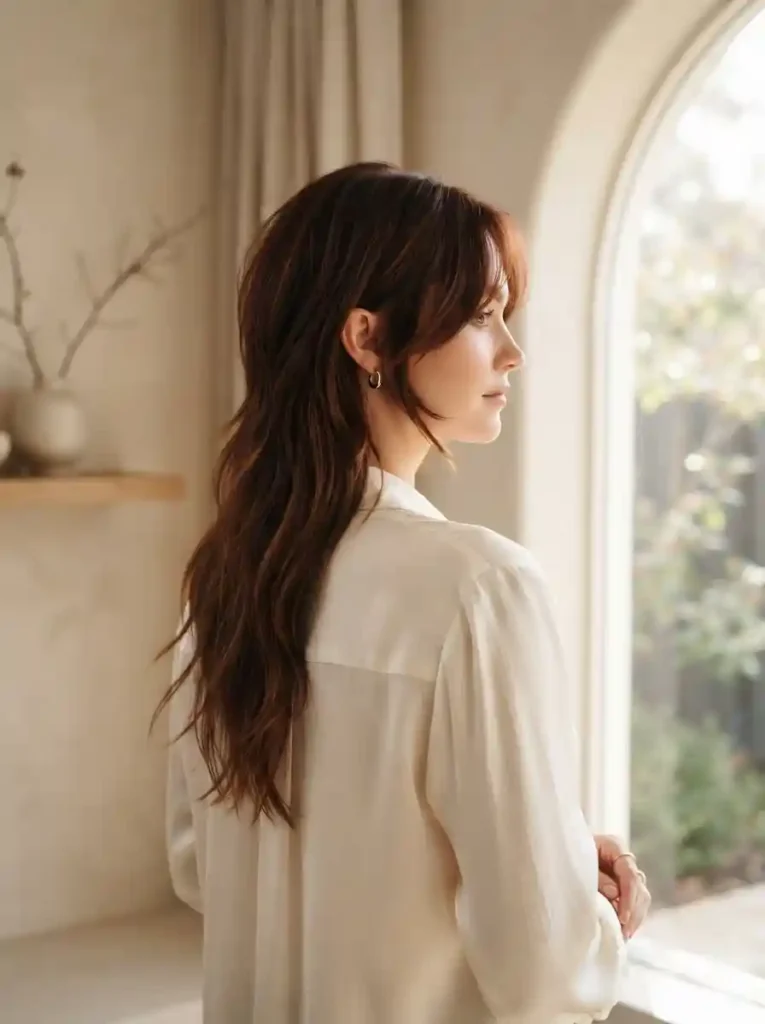
A long mullet is a smart choice when you love your existing length but want a stronger sense of shape. Instead of cutting the back dramatically shorter, the stylist concentrates on layering the crown and sides while preserving length through the nape. Wispy ends keep the silhouette light and prevent the longer back from looking like an ordinary layered haircut. This approach can be particularly appealing for people transitioning gradually into a more adventurous style.
The key is controlling weight without sacrificing the length you value. Ask for feathering through the upper sections and strategic removal of bulk rather than excessive thinning at the ends. A lightweight leave-in conditioner can keep the longer pieces smooth, while a texturizing spray adds separation near the crown. If you frequently wear ponytails or buns, discuss that with your stylist before cutting, since overly short upper layers can change which hairstyles remain practical.
8. Copper Red Modern Mullet
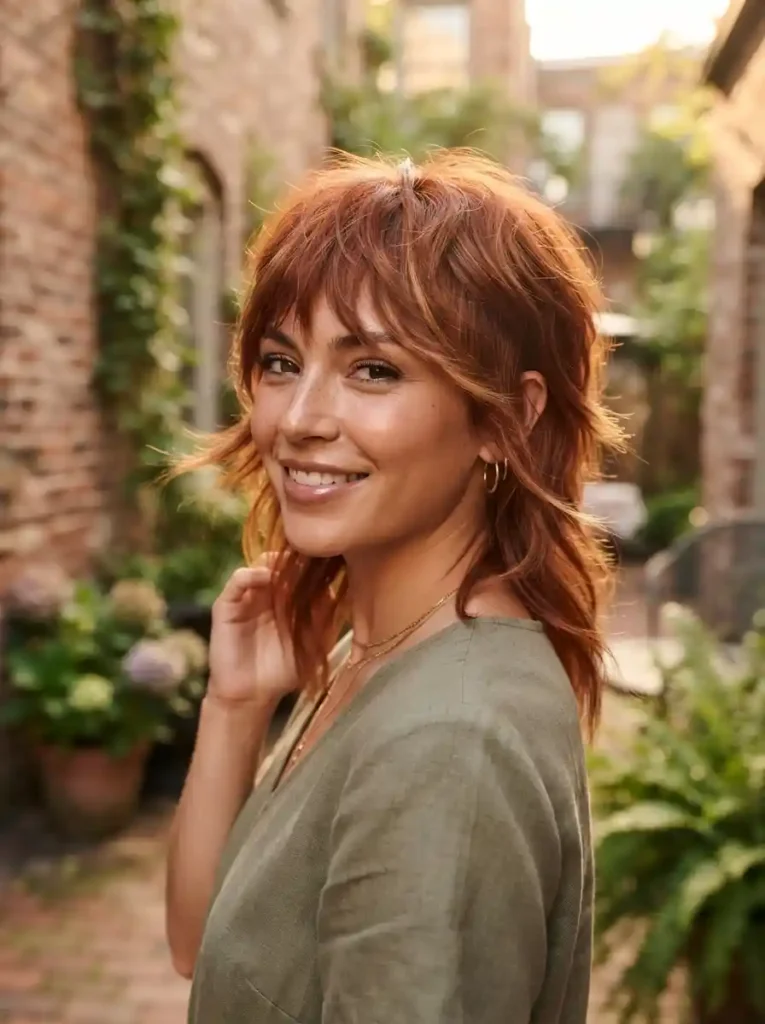
Copper color can emphasize the movement of a mullet because warm tones catch light across every layer and feathered edge. Rather than choosing a completely flat orange shade, ask about dimensional copper with slightly deeper roots or subtle variations through the lengths. The haircut can remain moderate in shape, allowing the color to provide much of the visual impact. This combination works especially well when the style includes visible layers around the cheekbones.
Color-treated copper hair benefits from gentle cleansing and regular conditioning because frequent washing can accelerate fading. Use lukewarm water and products designed for colored hair, then refresh the shade according to your stylist’s schedule. For styling, a shine-enhancing cream can make the copper appear luminous without flattening the layers. If you have naturally darker hair, ask about the amount of lightening required before coloring so you understand the maintenance involved before committing.
9. Mullet with Micro Bangs
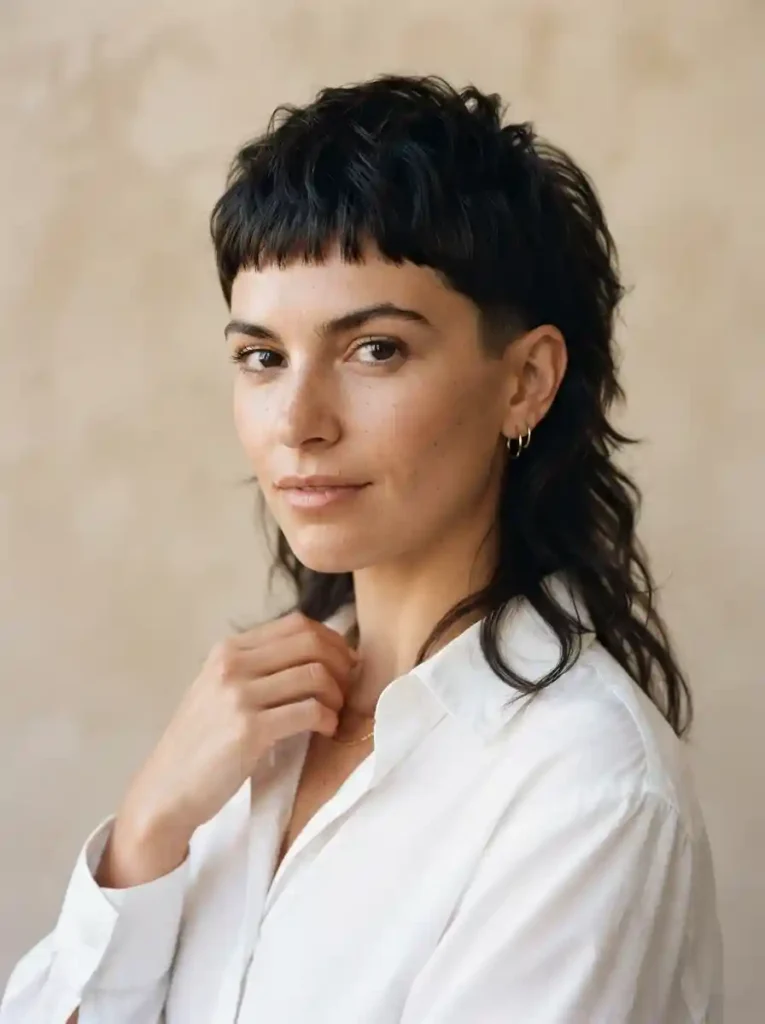
Micro bangs instantly change the personality of a modern mullet, giving the haircut a sharper and more fashion-forward appearance. The fringe should be customized carefully because its short length places considerable attention on the eyebrows, forehead, and eyes. A slightly irregular edge often looks more relaxed than a perfectly straight line. If you have a strong natural cowlick at the front, mention it before cutting because it may affect how the fringe sits.
This style is less forgiving if you dislike frequent fringe maintenance. Micro bangs can grow into an awkward intermediate length quickly, so occasional trims may be necessary even when the rest of the haircut still looks good. Keep styling simple by using a tiny amount of lightweight cream and directing the fringe with your fingers. Pairing the short bangs with a softer, feathered back creates contrast and prevents the overall look from becoming excessively severe.
10. Wavy Beachy Mullet

A beachy mullet works beautifully when you want texture without a highly structured finish. Loose waves make the shorter crown and longer nape blend naturally, creating an easygoing shape that feels especially suitable for medium-density hair. The haircut should not be overloaded with thinning because naturally wavy strands need enough weight to maintain their pattern. Ask for long, flowing layers if your goal is movement rather than a heavily chopped appearance.
For styling, apply a lightweight wave-enhancing product to damp hair and scrunch from the ends upward. Let it air-dry when possible, or use a diffuser if you need additional lift around the crown. A small amount of dry texture spray can revive the shape on the second day. Instead of chasing perfect waves, embrace slight irregularity; the beachy quality comes from variation, movement, and a finish that looks touchable rather than heavily styled.
11. Black Mullet with Razor Layers
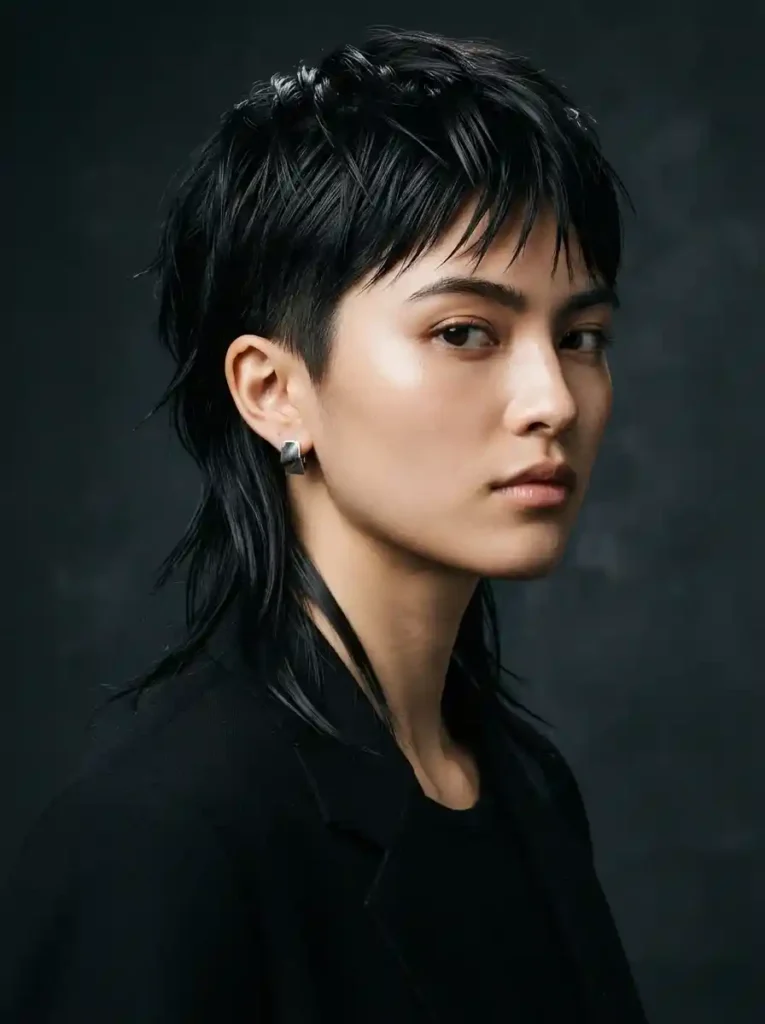
Razor-cut layers can give a dark-haired mullet an especially fluid appearance because the technique encourages fine, feathered edges. The result can feel lighter than a traditional bluntly layered haircut while still maintaining a strong silhouette. This approach is worth discussing if your hair is naturally straight or moderately wavy. However, very fine or fragile hair may need a gentler approach, since excessive texturizing can make the ends appear thinner than intended.
Styling should emphasize separation rather than stiffness. Start with a heat protectant, then blow-dry the crown upward and slightly backward using your fingers. Once dry, use a small amount of flexible wax on selected strands around the temples and nape. Avoid applying product everywhere at once. The most convincing razor-layered mullet usually has contrast between smoother areas and deliberately separated pieces, giving the haircut dimension without making it look overly sculpted.
12. Feminine Mullet with Face-Framing Layers
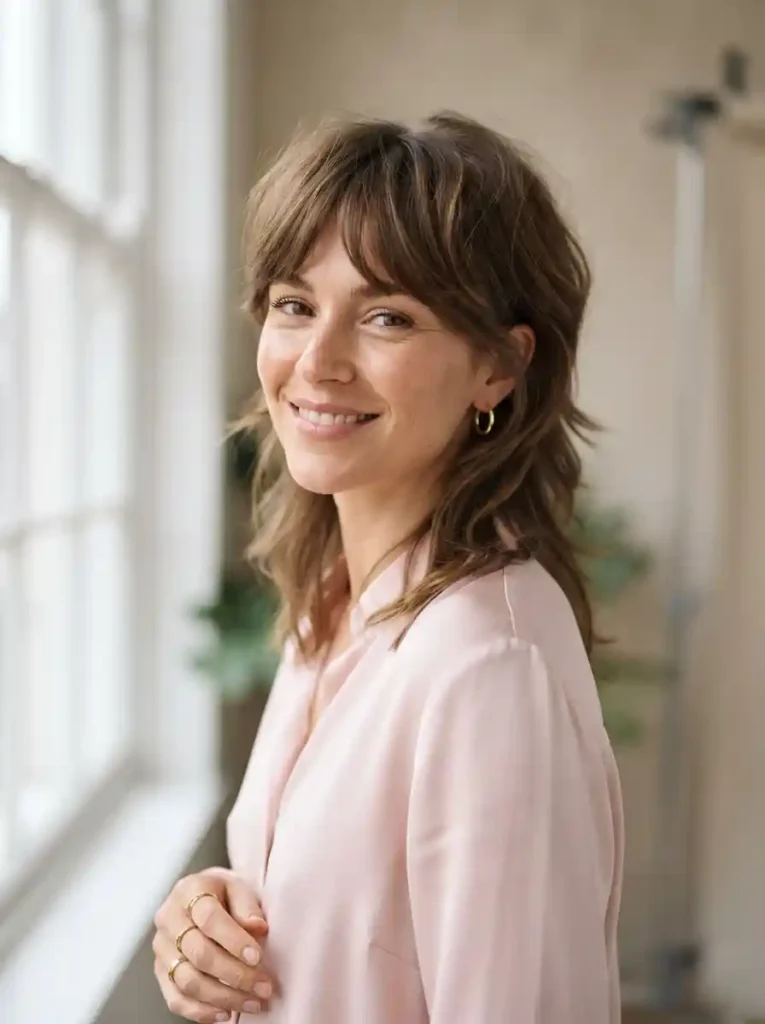
A feminine mullet can retain the haircut’s recognizable shape while placing greater emphasis on softness around the face. Long cheekbone-framing pieces help connect the shorter upper layers to the rest of the haircut, while a rounded crown adds lift without creating excessive volume. This version is particularly useful if you want something expressive but still compatible with polished outfits. It can also transition nicely between casual texture and smoother styling.
When discussing the cut, bring attention to the areas you want emphasized, such as cheekbones, jawline, or eyes. Your stylist can adjust the shortest face-framing layer accordingly rather than copying a reference photograph exactly. For styling, use a round brush to curve the front pieces gently away from the face and add a flexible spray afterward. Keep the back softly textured so the feminine framing does not make the haircut lose its distinctive mullet character.
13. Wolf-Inspired Mullet
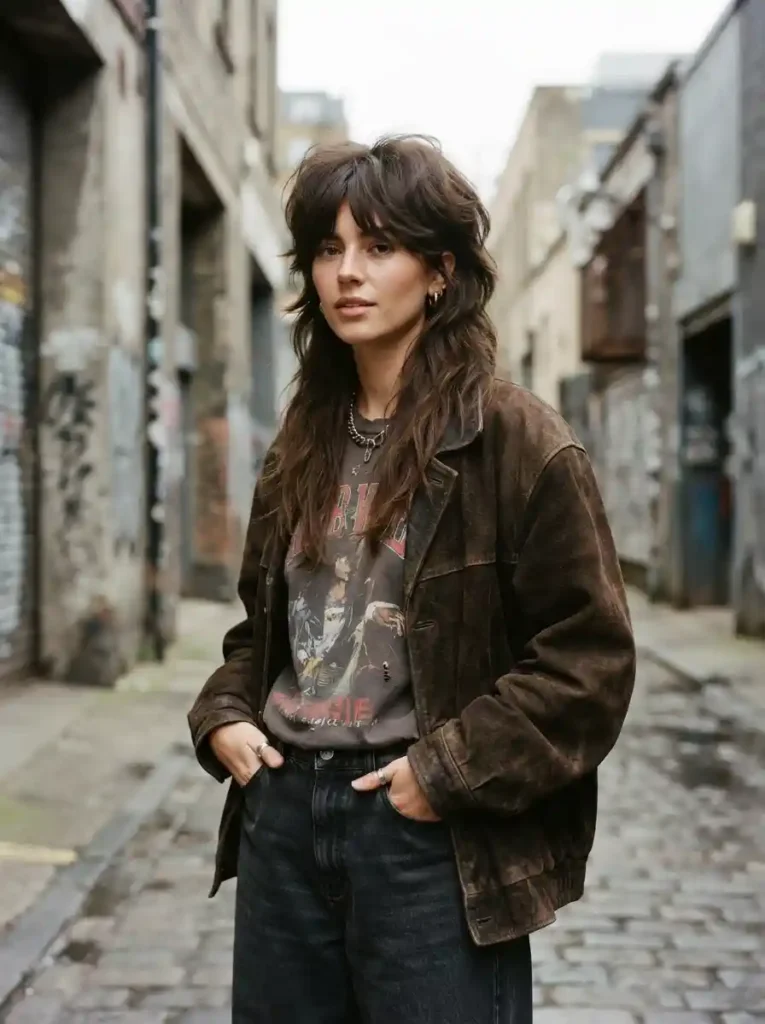
A wolf-inspired mullet combines the volume of a shag with the recognizable length contrast of a mullet. It works particularly well for medium to thick hair because substantial layers can create fullness around the crown while removing weight from the lower sections. The overall silhouette is softer than an aggressively tapered mullet, making it a useful option for anyone who wants noticeable texture without extremely short sides.
Thick hair may require internal layering to prevent the haircut from becoming too dense around the upper head. Your stylist can remove weight strategically while preserving enough length to keep the shape balanced. For styling, apply mousse at the roots and a lightweight cream through the ends, then dry with a diffuser or large round brush. The goal is controlled volume with visible layers, not a perfectly smooth finish that hides the haircut’s texture.
14. Mullet for Fine Hair
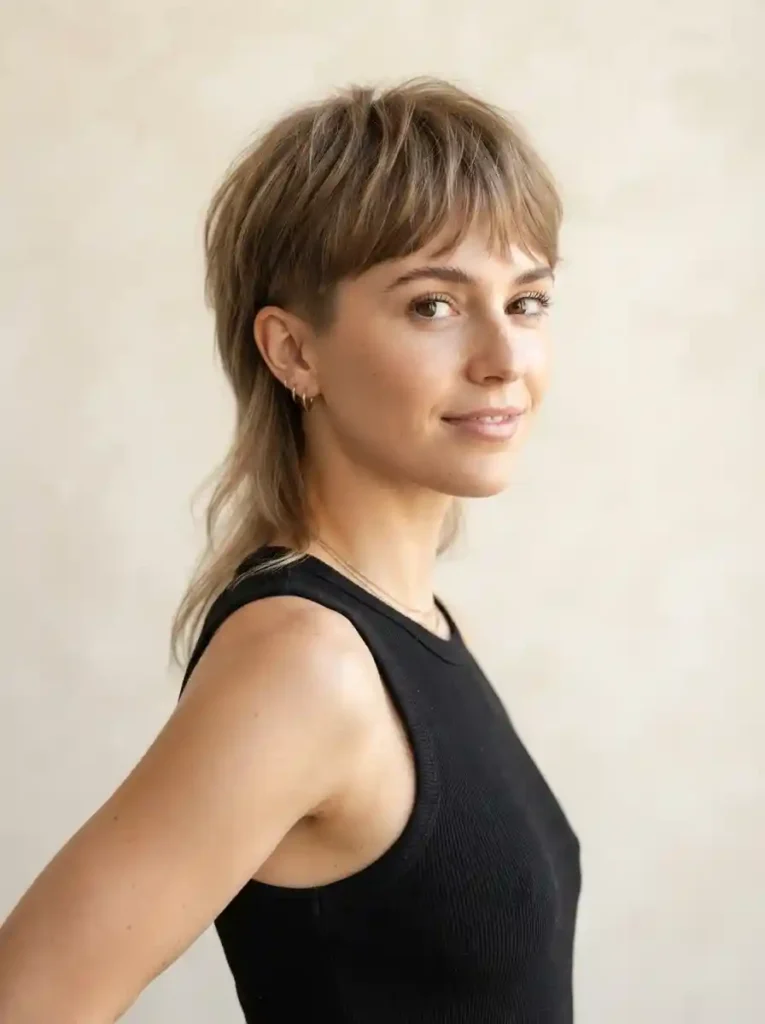
A mullet can work on fine hair when the layering is controlled rather than excessive. Removing too much from already delicate strands may make the haircut appear sparse, so a stylist should preserve strategic weight while creating enough separation to reveal the shape. A shorter crown can also make fine hair appear more lifted. Keeping the nape moderately long provides contrast without requiring a large amount of density.
For daily styling, root lift is more useful than heavy texture products. Apply a lightweight volumizing mousse near the scalp and blow-dry upward with a small brush. Finish the ends with a tiny amount of flexible styling cream instead of thick wax. Ask for a dry cut or finishing adjustments if your stylist recommends it, because seeing how fine strands naturally fall can help determine where additional shaping is genuinely needed.
15. Mullet with a Bold Side Part
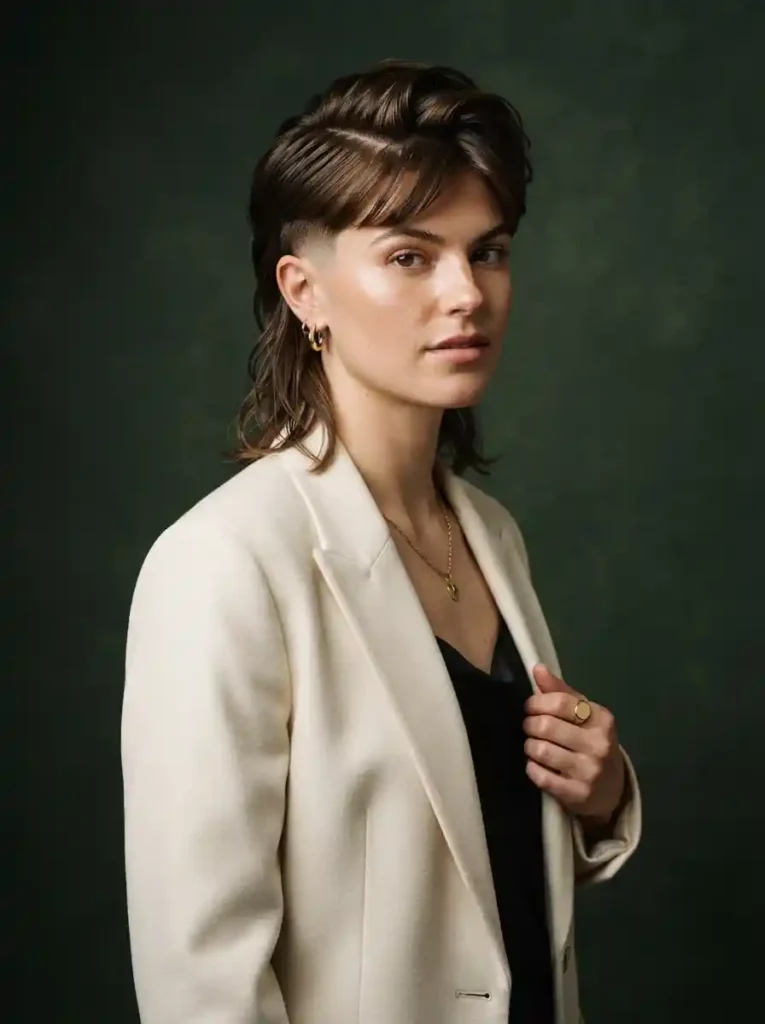
A deep side part gives the modern mullet a more polished and directional personality. Instead of relying on a center part or completely loose texture, the hair is swept across the crown, creating an asymmetrical shape that can feel sophisticated enough for dressier settings. This option is especially useful for people who enjoy changing their part and want a mullet that can move between relaxed and refined styling.
Your natural part can influence how easily this version holds its shape, so discuss the direction with your stylist before cutting. Blow-dry the fuller side across the forehead while the hair is damp, then use a small amount of flexible cream to define the separation. Avoid hard gels unless you specifically want a wet-look finish. The longer nape can remain textured and loose, creating a useful contrast with the controlled front.
16. Textured Mullet for Thick Hair
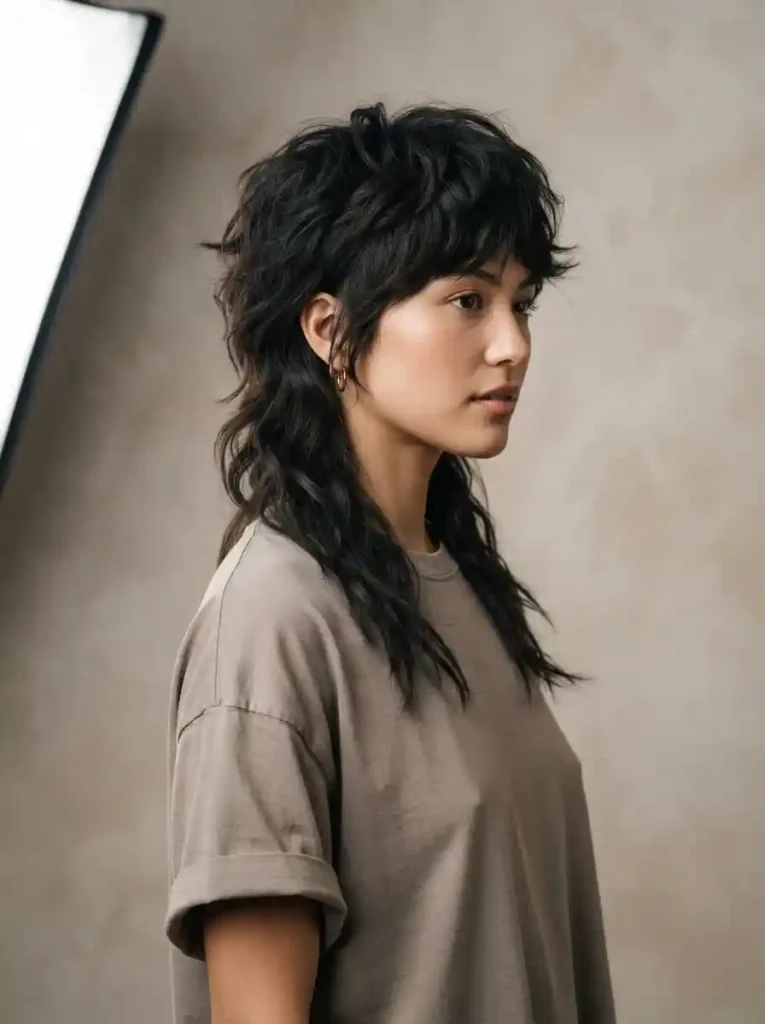
Thick hair gives a modern mullet plenty of natural presence, but controlling bulk is essential for keeping the silhouette intentional. Internal layers can reduce heaviness around the crown and sides while allowing the back to remain full. Rather than aggressively thinning every section, ask your stylist where your density naturally accumulates. Strategic weight removal often produces a cleaner shape while preserving the strong texture that makes thick hair visually interesting.
At home, focus on controlling volume rather than eliminating it completely. A smoothing leave-in can reduce unwanted puffiness, while a small amount of styling cream helps group the ends into defined sections. If your hair tends to expand as it dries, allow it to dry partially before judging the final shape. Maintenance appointments can concentrate on removing excess bulk and refining the outline without repeatedly shortening the overall length.
17. Pastel Pink Mullet
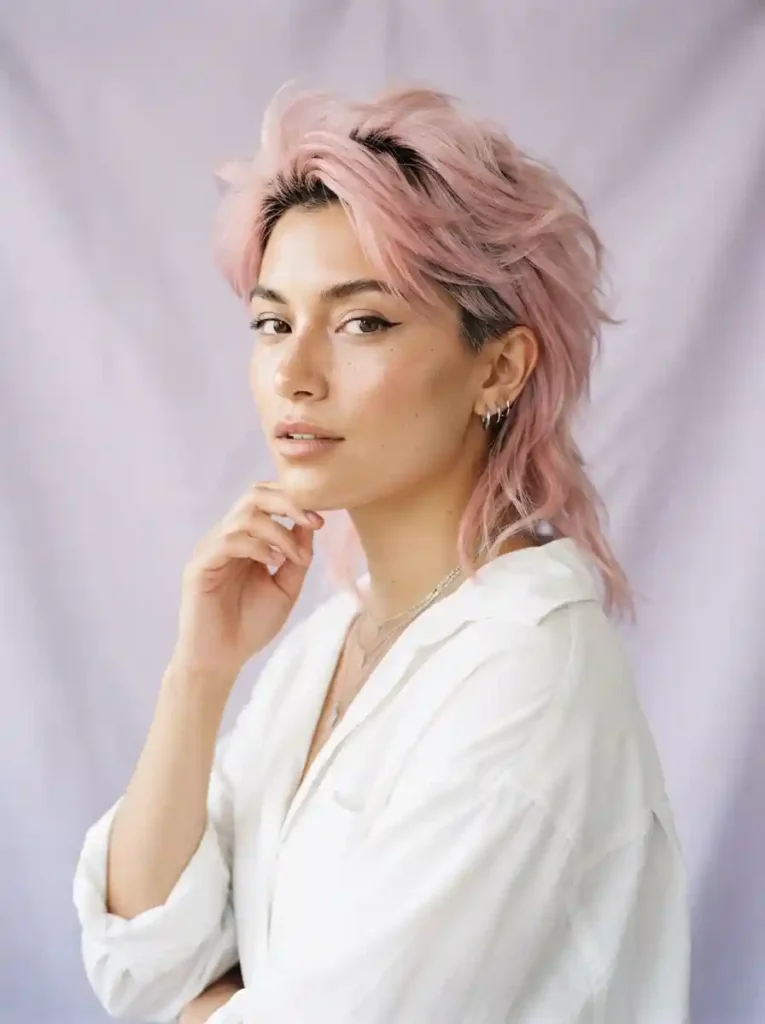
Pastel pink turns a modern mullet into a playful statement while allowing the haircut itself to remain relatively soft. A muted blush tone can feel more understated than highly saturated pink, particularly when natural roots are left visible. The color looks especially dimensional across feathered layers because different surfaces catch light at different angles. Before choosing a pastel shade, remember that achieving it may require substantial pre-lightening depending on your starting color.
Pastel shades generally require more color upkeep than natural tones because they can fade with frequent washing. Cool water, gentle cleansing, and color-safe conditioning can help preserve the tone between appointments. Style the haircut with lightweight products so the delicate color remains visually prominent. If you prefer lower maintenance, ask your colorist about a deeper pastel or root-shadowed approach, which can make regrowth less visually abrupt while preserving the overall creative effect.
18. Mullet with Tousled Bangs
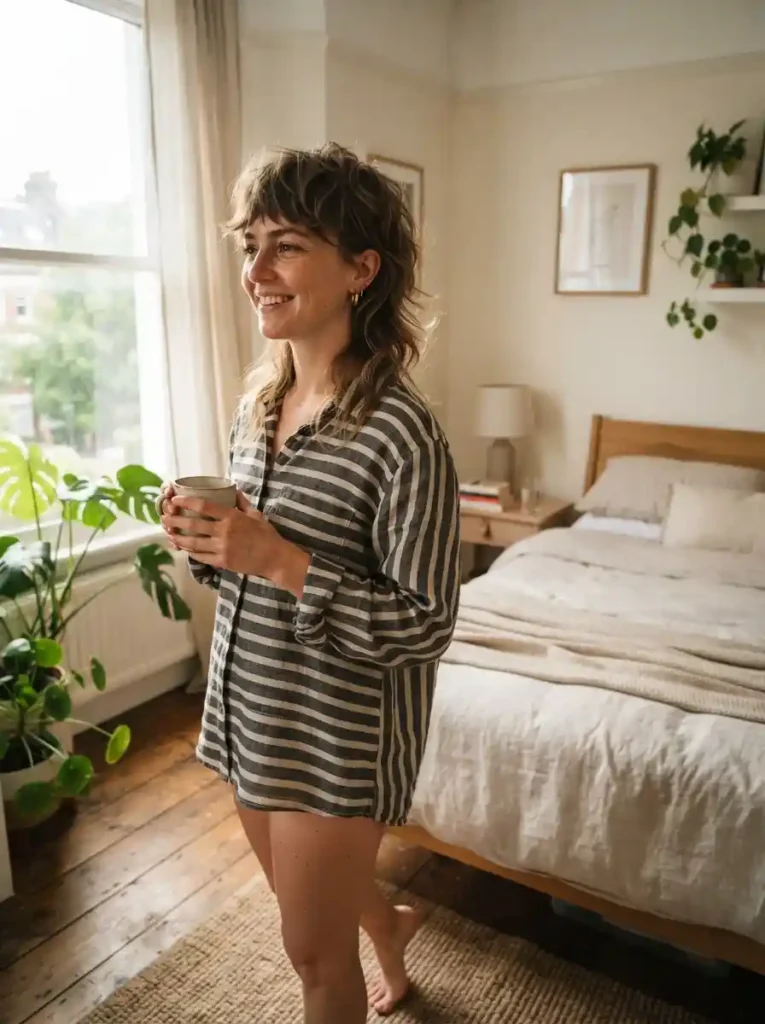
Tousled bangs make a modern mullet feel relaxed and approachable, especially when the fringe is slightly irregular instead of precisely shaped. This version works well for people who like hairstyles that do not require a polished finish every morning. The crown can be heavily layered, while the sides remain moderately short and the back carries enough length to create the signature silhouette. Naturally textured hair can make the result particularly effortless.
The easiest styling routine is to encourage your natural movement rather than fighting it. Apply a small amount of styling cream to damp hair, twist the fringe lightly with your fingers, and let everything dry naturally when possible. If your bangs separate unevenly, use a small flat brush during blow-drying. Avoid overusing dry shampoo or powder at the front because excessive buildup can make textured bangs stiff and difficult to reshape.
19. Mullet with Soft Undercut
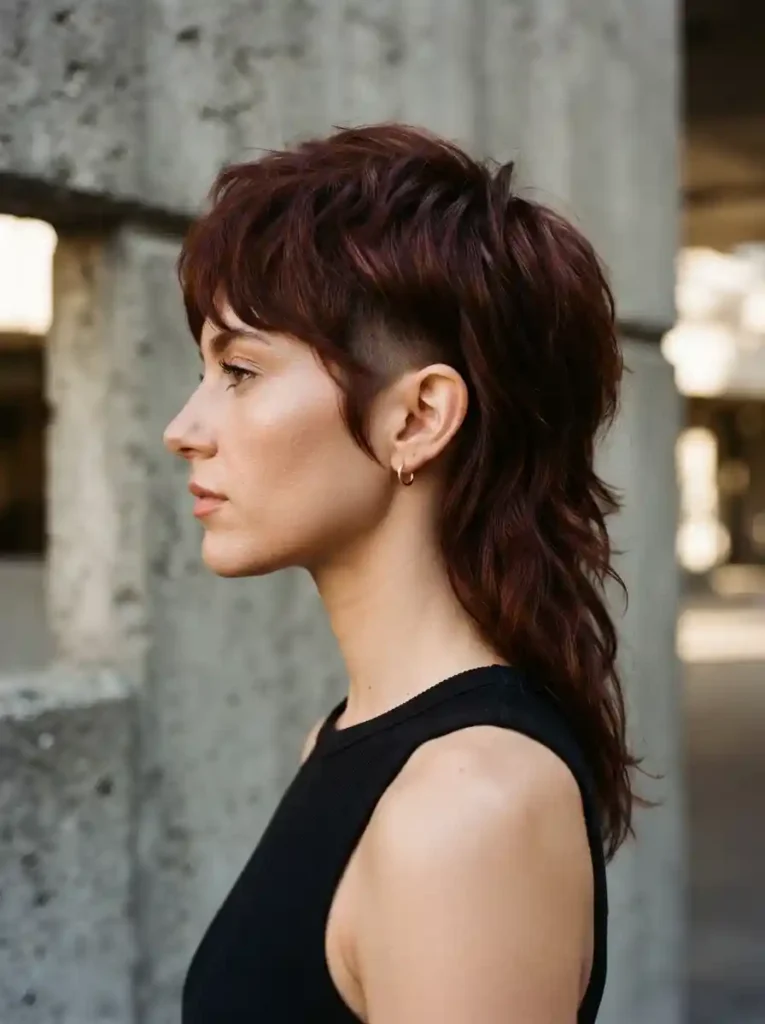
A soft undercut introduces hidden contrast without requiring the exposed, dramatic appearance of a fully shaved side. The lower sections can be shortened beneath longer layers, reducing bulk around the ears and temples while allowing the upper hair to maintain a fuller appearance. This is particularly useful for dense hair that feels heavy around the sides. When the hair is worn down, the undercut can remain almost invisible.
If you want the option to reveal it, ask your stylist to place the shorter section where your preferred parting and styling will expose it naturally. Keep the undercut moderate if you are uncertain about commitment; extremely short sections take longer to grow back into surrounding layers. Styling can remain simple, with the upper hair left textured and loose. This design offers an interesting hidden detail without dominating the overall haircut.
20. Sleek Modern Mullet
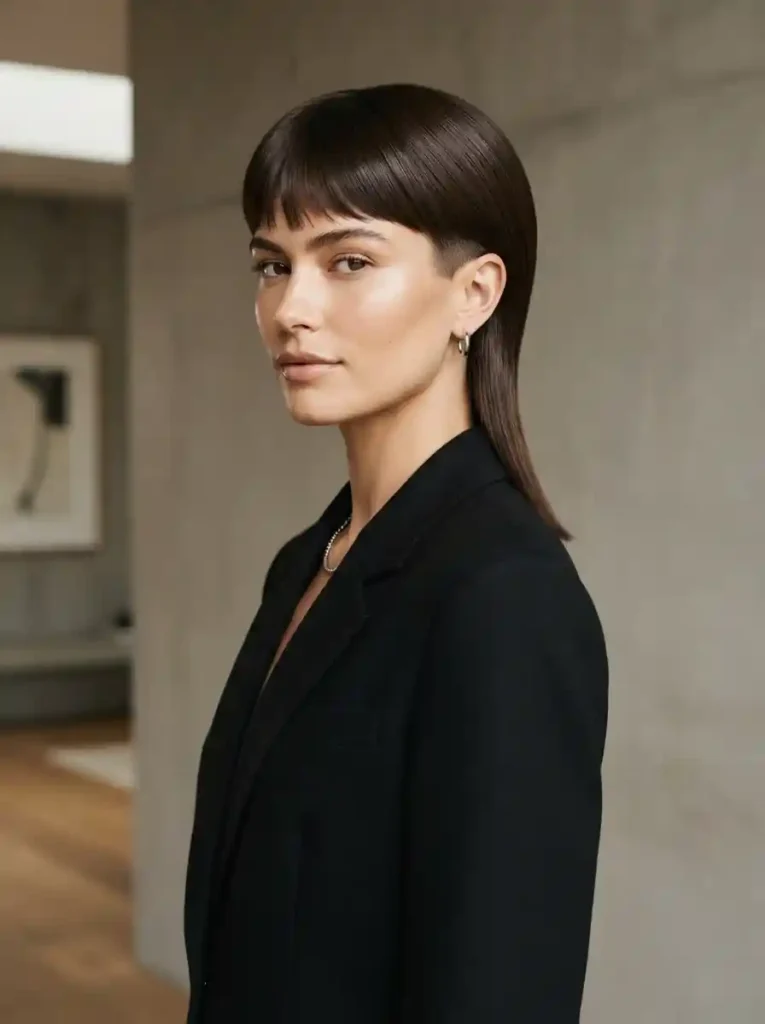
Not every modern mullet needs to look messy or heavily textured. A sleek version uses smoother layers and a controlled silhouette, making the haircut feel more refined while retaining shorter sides and a longer back. Straight hair is naturally suited to this approach because its surface shows the shape clearly. The result can work particularly well if you prefer fashion-forward hair that still pairs easily with tailored clothing.
Use a smoothing serum sparingly through the mid-lengths and ends, then blow-dry with a paddle brush or use a flat iron when necessary. Always apply heat protection first. Ask your stylist for clean transitions and restrained texturizing if you want this polished effect. The nape should remain defined but not excessively thin, because too much removal can make the back look stringy instead of sleek and intentional.
21. Messy Blonde Mullet
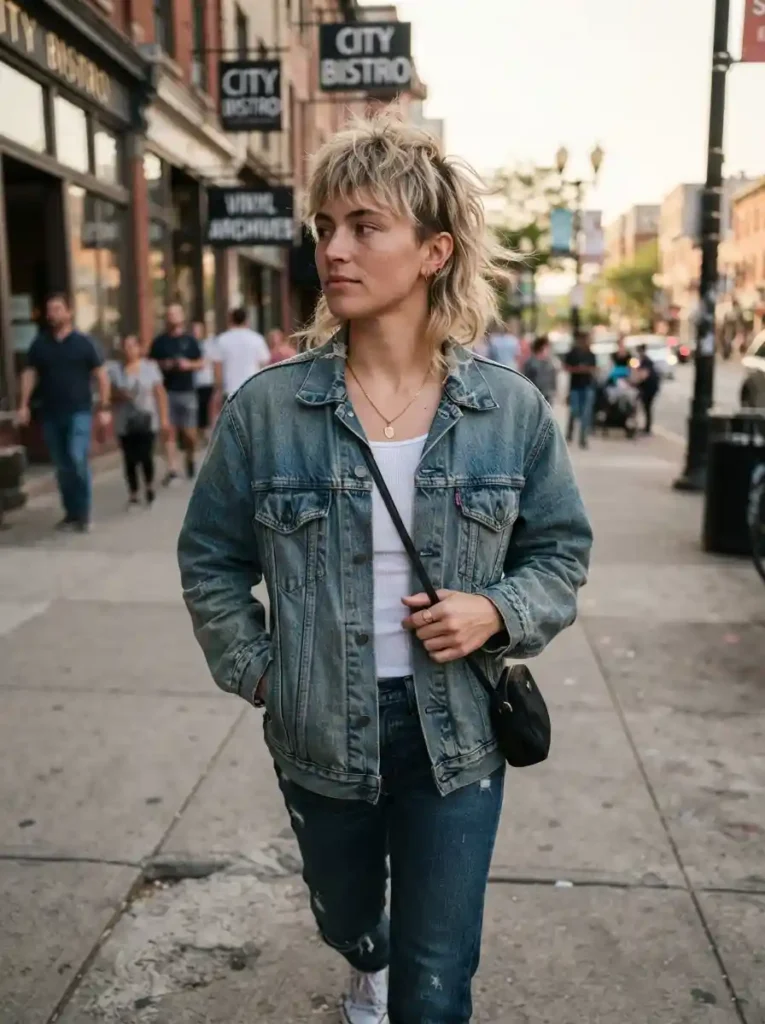
A messy blonde mullet emphasizes movement, contrast, and an intentionally imperfect finish. Darker roots can add depth to lighter lengths, while choppy layers make the hair appear more dynamic. This style is particularly effective if your natural texture includes slight bends or waves, but straight hair can achieve the look with simple styling. Keep the back long enough to distinguish the haircut from a conventional short shag.
To recreate the messy finish, apply texturizing spray from the mid-lengths downward and scrunch individual sections rather than brushing everything into place. A quick blast with a diffuser can encourage natural bends, while a small amount of dry wax can separate stubborn pieces. Avoid creating identical waves throughout the hair; varying the direction of a few sections produces a more believable lived-in result. Regular trims keep the blonde ends from becoming overly dry-looking.
22. Gender-Neutral Modern Mullet
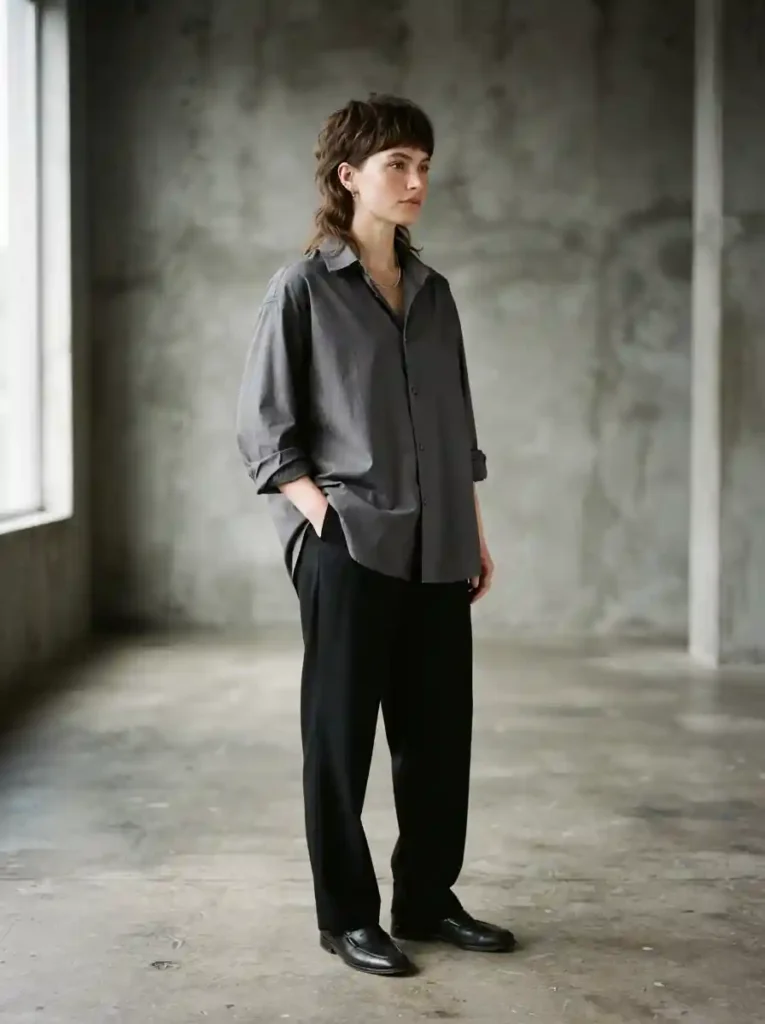
A gender-neutral modern mullet focuses on proportion rather than traditionally masculine or feminine styling cues. The fringe, sides, and nape can be adjusted according to personal preference, making the cut highly adaptable. A balanced silhouette with moderate layering is a useful starting point if you want versatility. From there, the shape can become sharper, softer, longer, or more textured depending on how you normally wear your hair.
Communication is especially important with a customizable cut like this. Instead of simply showing a reference photo, explain how much length you want around your ears, neck, forehead, and back. Mention whether you need the haircut to work with formal clothing, casual styling, or both. At home, use either a natural air-dried finish or a small amount of matte cream. The haircut should support your styling preferences rather than force one particular presentation.
23. Curly Shag Mullet with Volume
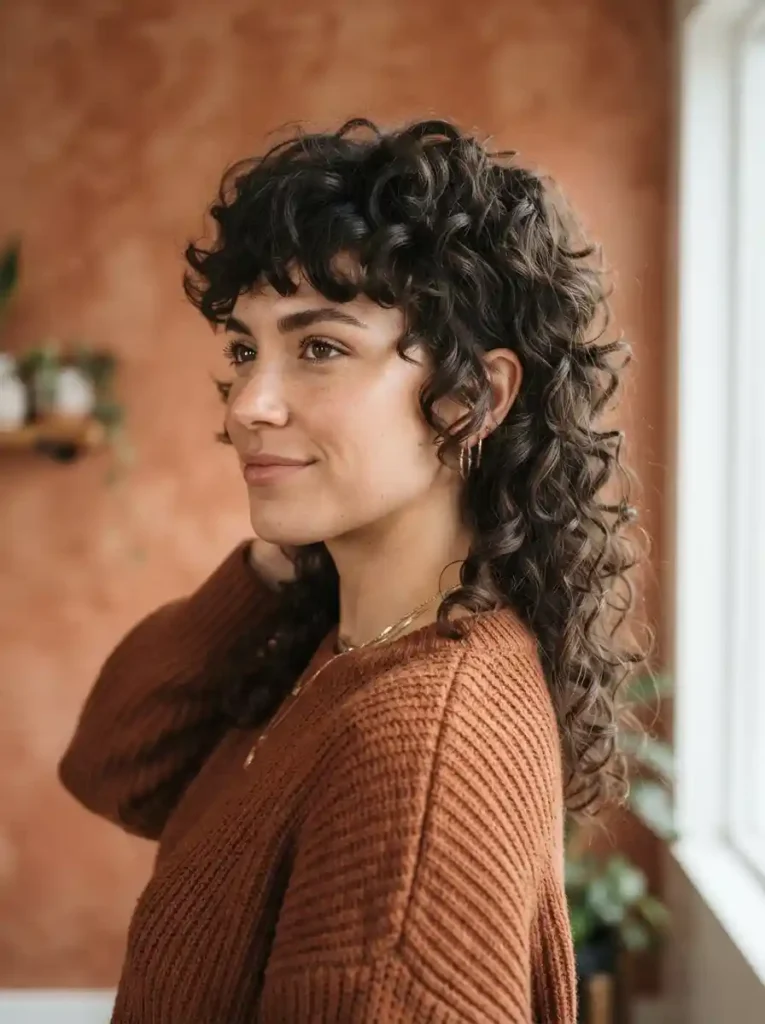
A curly shag mullet combines two highly textured shapes, creating abundant movement around the crown while preserving length at the back. This version is ideal for people whose curls naturally form substantial volume. The stylist should shape according to your curl pattern rather than treating the hair like straight strands, since dry shrinkage can significantly alter the apparent length. Rounded layers can help distribute volume without creating a triangular silhouette.
Use a curl-specific cleanser and conditioner that leave enough moisture for the curls to form cleanly. Apply styling cream or gel while the hair is thoroughly wet, scrunch upward, and diffuse gently if needed. Avoid separating every curl once dry because that can create unnecessary frizz. Between salon appointments, refresh the crown with a little water and curl product instead of completely restyling the hair, which helps preserve the haircut’s natural shape.
24. Subtle Everyday Mullet
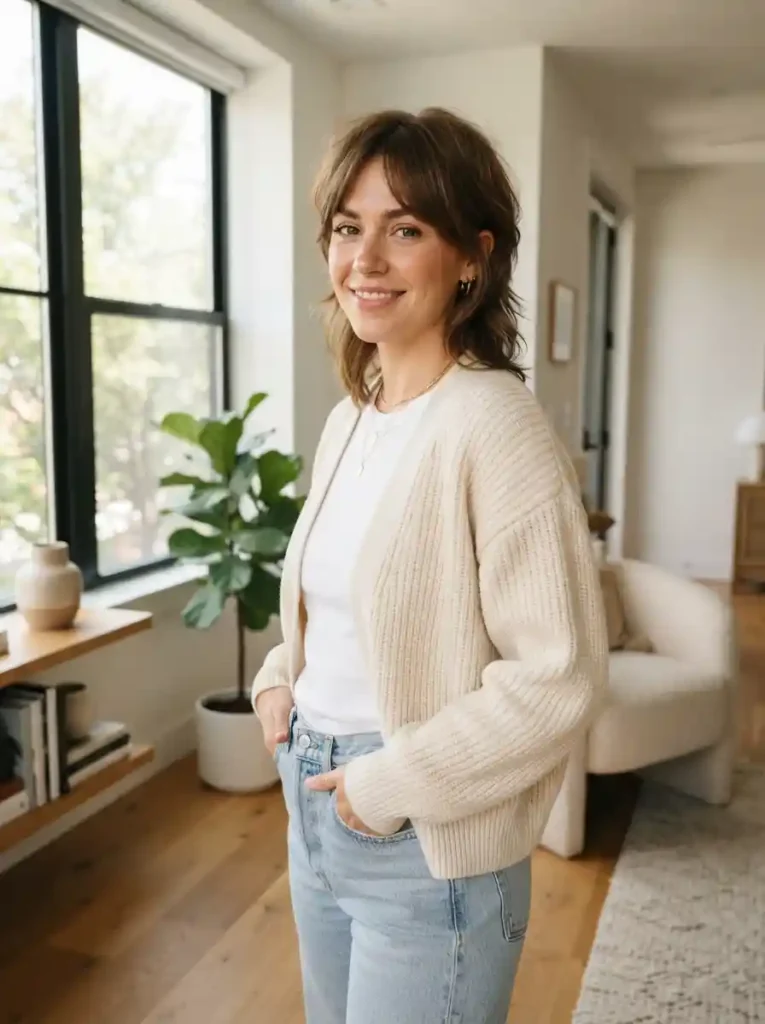
A subtle everyday mullet is ideal if you want to experiment with the trend without dramatically changing your appearance. The sides stay relatively soft, the crown receives enough layering for movement, and the nape extends only modestly beyond the surrounding hair. This restrained silhouette can suit office settings and casual wardrobes alike. It is also a practical choice for anyone trying a mullet for the first time.
When booking your appointment, describe the desired level of contrast rather than simply requesting a “modern mullet.” Ask for blended sides, moderate crown layers, and a softly extended back if you want an understated result. Styling can be as simple as air-drying with leave-in conditioner or adding loose bends with a curling tool. The beauty of this version is flexibility: you can gradually increase the layering or length contrast at a future appointment.
Conclusion
Modern mullets offer far more flexibility than their reputation suggests. The right version can be soft and wearable, dramatically textured, sleek and polished, colorful, curly, or deliberately androgynous. Choosing between these styles comes down to more than the reference photo you save: your natural texture, hair density, preferred maintenance routine, and comfort with shorter layers all matter.
Before your appointment, save two or three ideas that share the silhouette you like most, then show your stylist what attracts you about each one. Discuss the length you want to preserve, how much contrast you prefer between the sides and back, and how much styling you realistically want to do. A great modern mullet should feel personalized rather than copied. Whether you choose a subtle first step or a more expressive transformation, the best haircut is one whose shape works naturally with your own hair.