Short bob haircuts are having a moment for good reason: they can look polished, playful, edgy, or effortlessly relaxed without requiring an elaborate styling routine. Whether you’re ready for a dramatic chop or simply want to refresh your current hairstyle, the right bob can make your everyday look feel completely different. From soft, layered cuts to sleek French-inspired styles, these 23 short bob hair ideas offer plenty of inspiration for your next salon appointment.
1. The Classic Chin-Length Bob
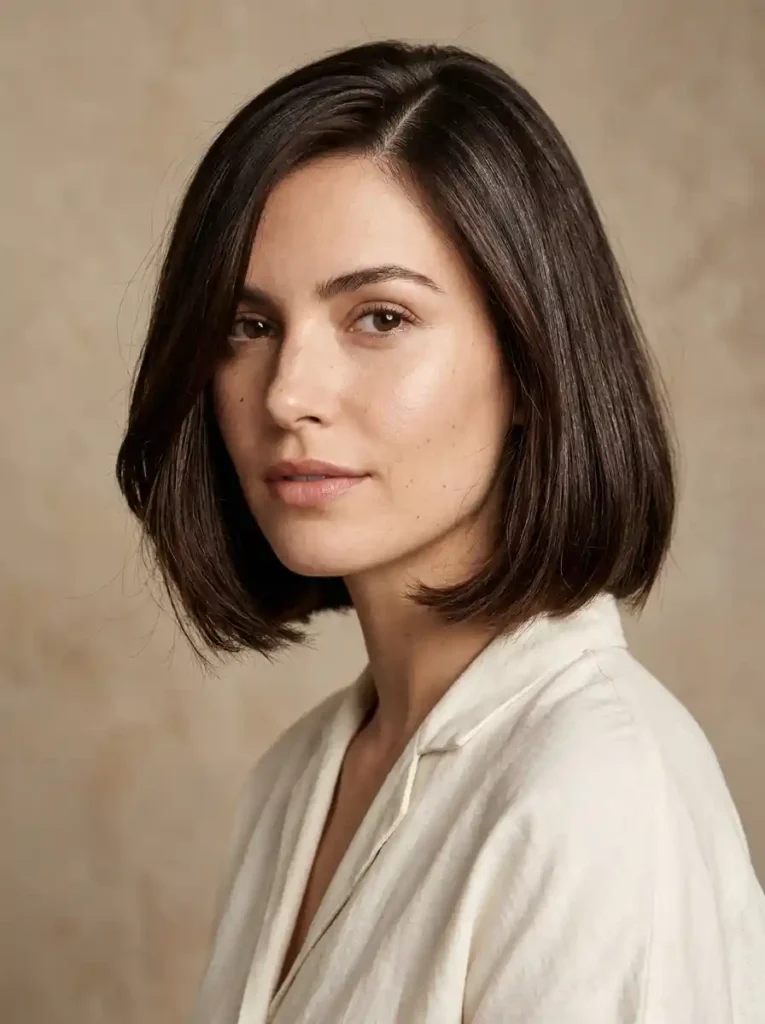
A classic chin-length bob is an excellent choice if you want a haircut that feels timeless without looking old-fashioned. The even length creates a neat outline around the jaw, making it especially appealing for anyone who enjoys structured, polished hairstyles. It works beautifully with straight hair and can also be adapted for fine, slightly wavy textures. Ask your stylist to customize the length around your jawline so the finished cut complements your features rather than following a one-length formula.
Styling this bob is refreshingly simple. Apply a heat protectant, then use a round brush to guide the ends slightly inward while blow-drying. A lightweight smoothing serum can add shine without making the hair look greasy or flat. If your hair tends to lose its shape, schedule trims approximately every six to eight weeks. For a more relaxed finish, tuck one side behind your ear or create a soft side part to change the overall silhouette without cutting another inch.
2. The French Girl Bob
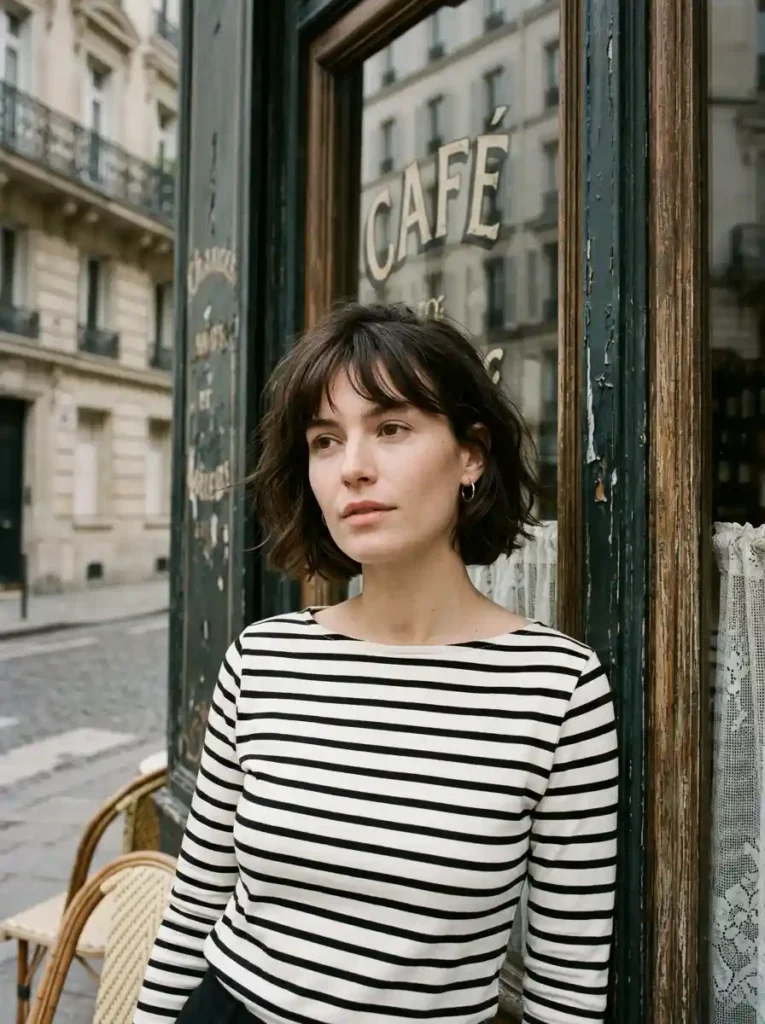
The French girl bob brings together a short silhouette, relaxed texture, and a fringe that looks intentionally imperfect. Usually cut around the cheekbones or jaw, this hairstyle feels artistic rather than overly polished. It is particularly attractive on naturally straight or wavy hair because the texture helps create that effortless finish. If you have a strong cowlick or very dense fringe, discuss the placement and weight of your bangs with your stylist before committing to the look.
To style it, work a small amount of texturizing cream through damp hair and allow it to air-dry when possible. A diffuser can help preserve natural waves without creating excessive volume. Avoid brushing the finished style repeatedly, as that may remove the separation that makes the cut interesting. You can personalize the French bob with softer bangs, a slightly longer perimeter, or subtle highlights around the face. The goal is a haircut that looks comfortable and expressive, not one that needs constant adjustment.
3. The Blunt Short Bob
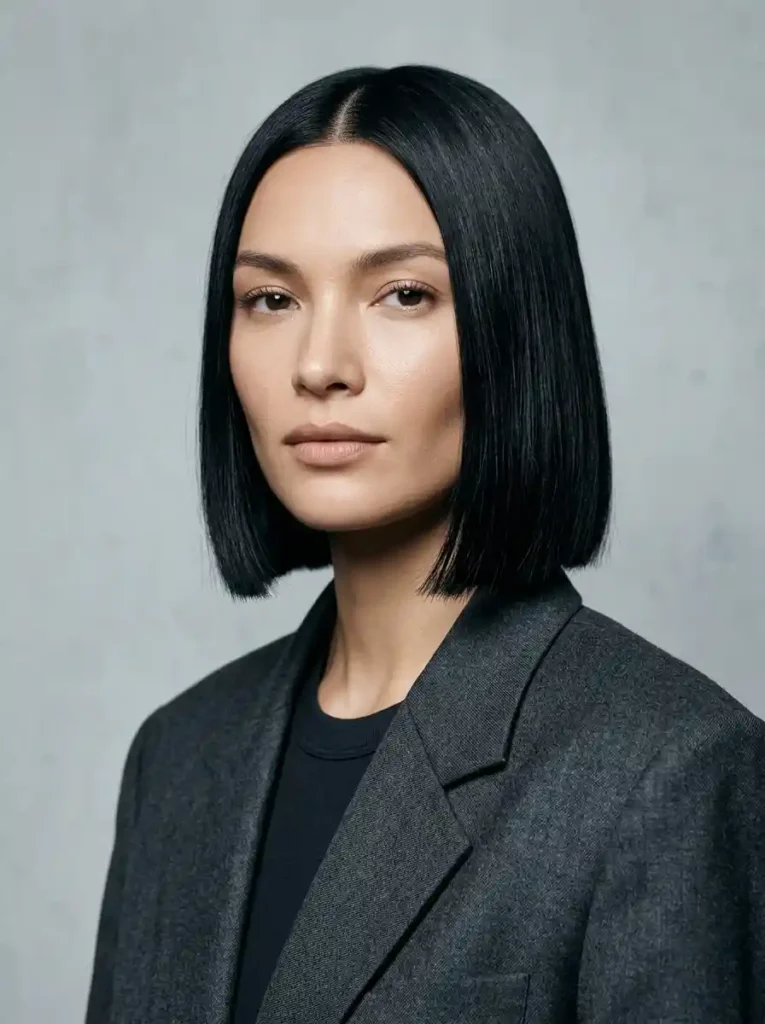
A blunt short bob is all about a strong, clean outline. Because the ends are cut at a consistent length, the hairstyle can make fine hair appear more substantial by reducing the wispy appearance of uneven tips. The sharp shape also pairs well with minimalist clothing and statement earrings. It suits people who appreciate a deliberate, modern haircut, although the ideal length depends on your neck, jawline, hair density, and how much daily styling you are comfortable doing.
For the smoothest result, blow-dry in small sections using a paddle brush, directing the airflow downward to reduce frizz. Finish with a tiny amount of shine serum, concentrating on the mid-lengths and ends. If your hair naturally curls or expands in humidity, a blunt bob may require more maintenance than a textured alternative. Regular trims help preserve its precise shape, while a deep side part or a sleek ear tuck offers an easy way to soften the look for different occasions.
4. The Layered Short Bob
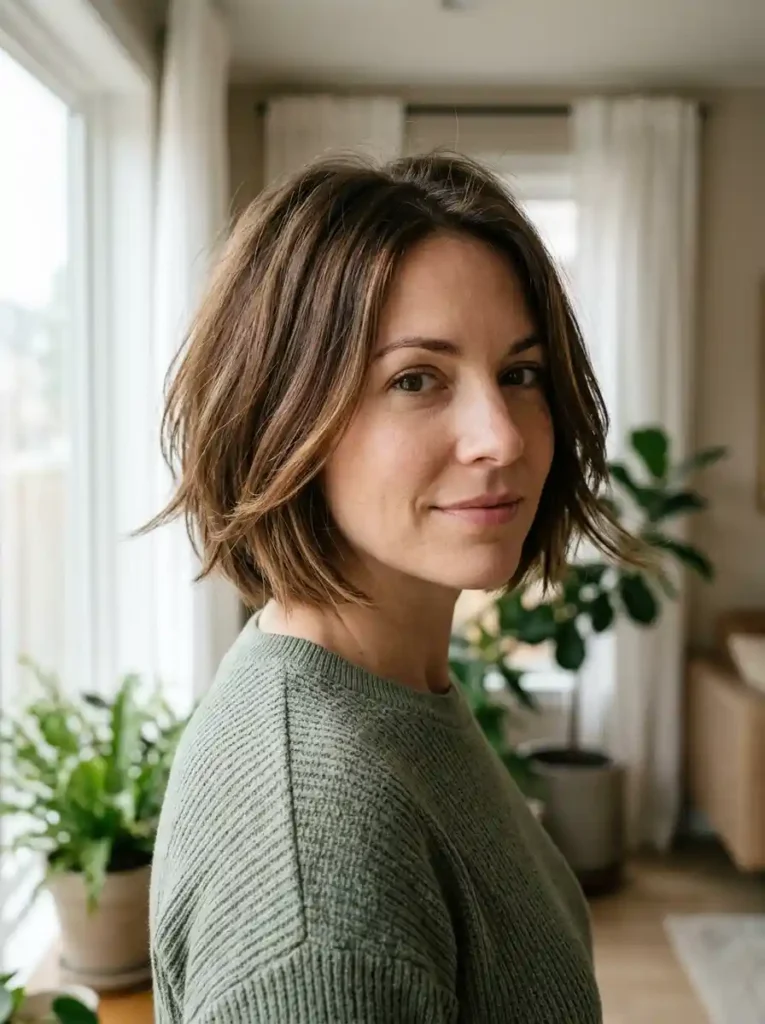
If you want a short haircut with movement rather than a perfectly solid outline, a layered bob is worth considering. Carefully placed layers remove excess bulk and allow the hair to fall more naturally around the face. This can be especially helpful for thick hair that feels heavy in a traditional bob. Fine hair can also benefit from subtle layering, provided the stylist avoids removing too much density from the ends, which could make the overall shape appear thinner.
Styling depends on the amount of movement you prefer. For a soft everyday finish, apply volumizing mousse near the roots and blow-dry with your fingers before refining a few sections with a round brush. A small curling iron can create gentle bends if your hair is naturally straight. Ask your stylist where the layers will sit when your hair is dry, particularly if you have curls or waves. Strategic layering should support your natural texture, not force you into a complicated daily routine.
5. The Short Bob With Curtain Bangs
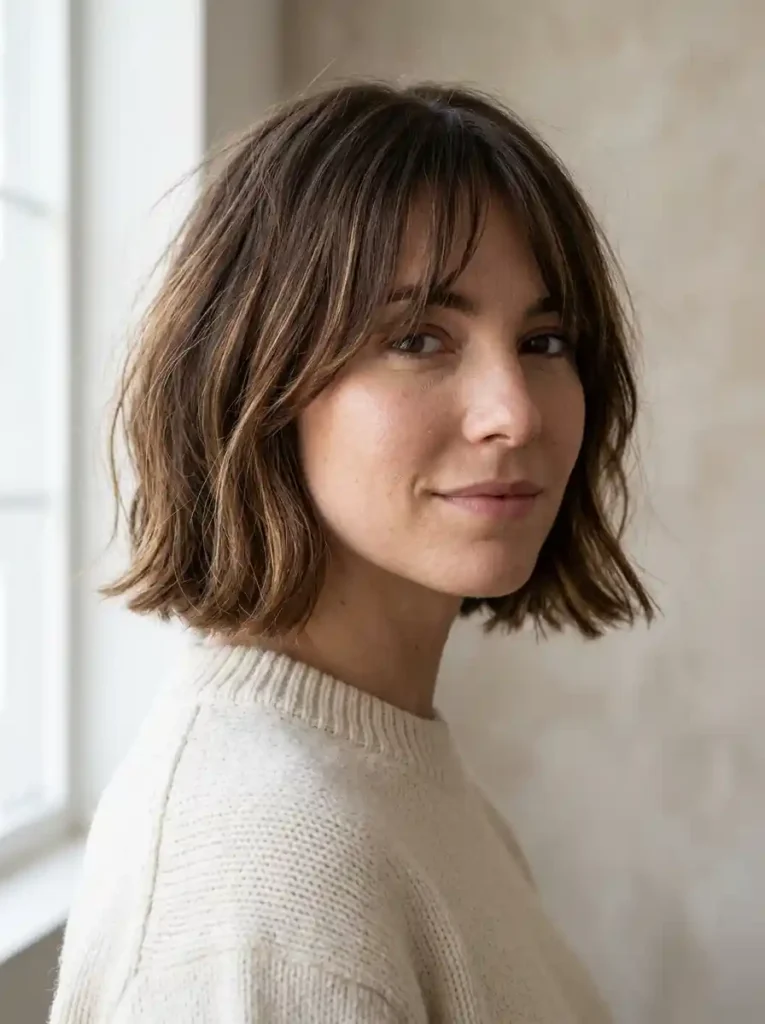
Curtain bangs give a short bob a softer, more personalized appearance without the solid line of a traditional full fringe. The parted shape draws attention toward the eyes and cheekbones while blending gradually into the rest of the haircut. This combination can work on straight, wavy, and lightly curly hair, although the fringe should be tailored to your natural growth pattern. Longer curtain pieces are a practical starting point if you are unsure whether shorter bangs will suit your routine.
The main styling challenge is keeping the fringe from falling flat or separating awkwardly. Blow-dry it while damp, directing the roots forward before sweeping each side away from the center with a small round brush. A light styling lotion can provide control without creating stiffness. Because bangs grow out faster than the rest of the haircut appears to change, occasional fringe trims may be helpful between salon visits. For a softer finish, let the ends blend into your bob rather than creating a disconnected, overly short fringe.
6. The Wavy Short Bob
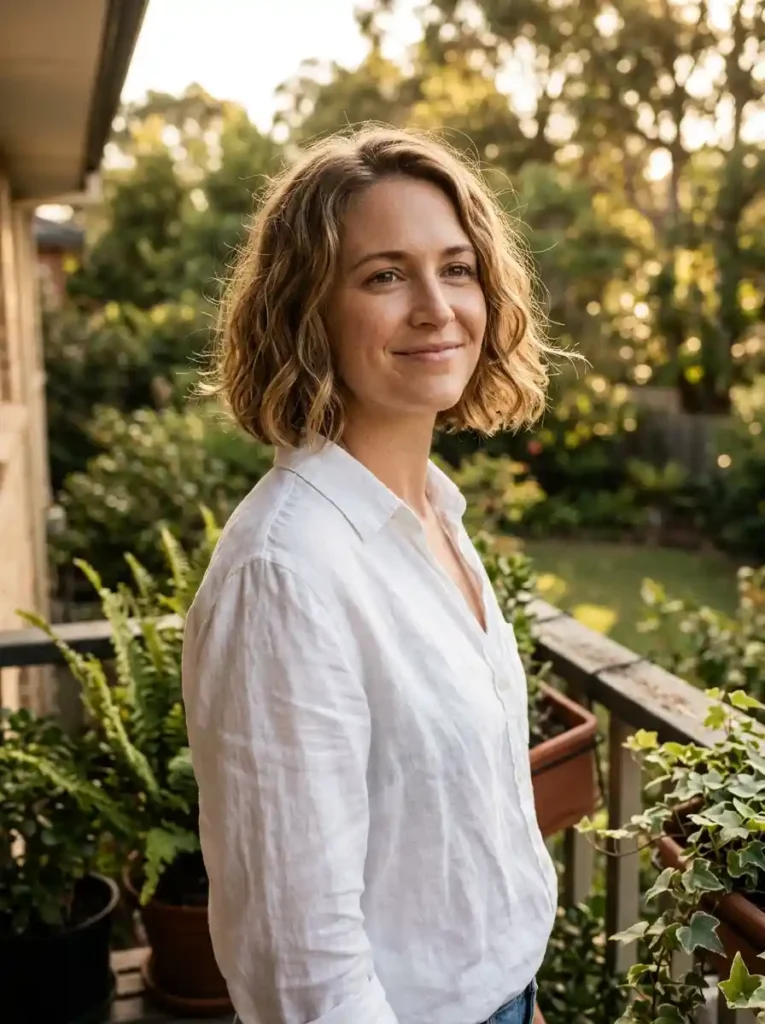
A wavy short bob is ideal if you enjoy hair that looks soft, relaxed, and full of movement. Instead of fighting natural bends, this cut allows them to become part of the hairstyle. The length can sit near the jaw or extend toward the shoulders, depending on how much volume your waves create. If your hair expands when dry, ask your stylist to account for shrinkage and avoid cutting the final shape too short while your hair is wet.
To enhance your waves, apply a lightweight leave-in conditioner followed by a small amount of curl cream or mousse. Scrunch gently and let the hair air-dry, or use a diffuser on low heat for additional definition. Touching the hair too frequently while it dries can create frizz, so wait until it is completely dry before loosening the waves. On second-day hair, refresh individual sections with a little water and styling product instead of redoing the entire routine.
7. The Asymmetrical Short Bob
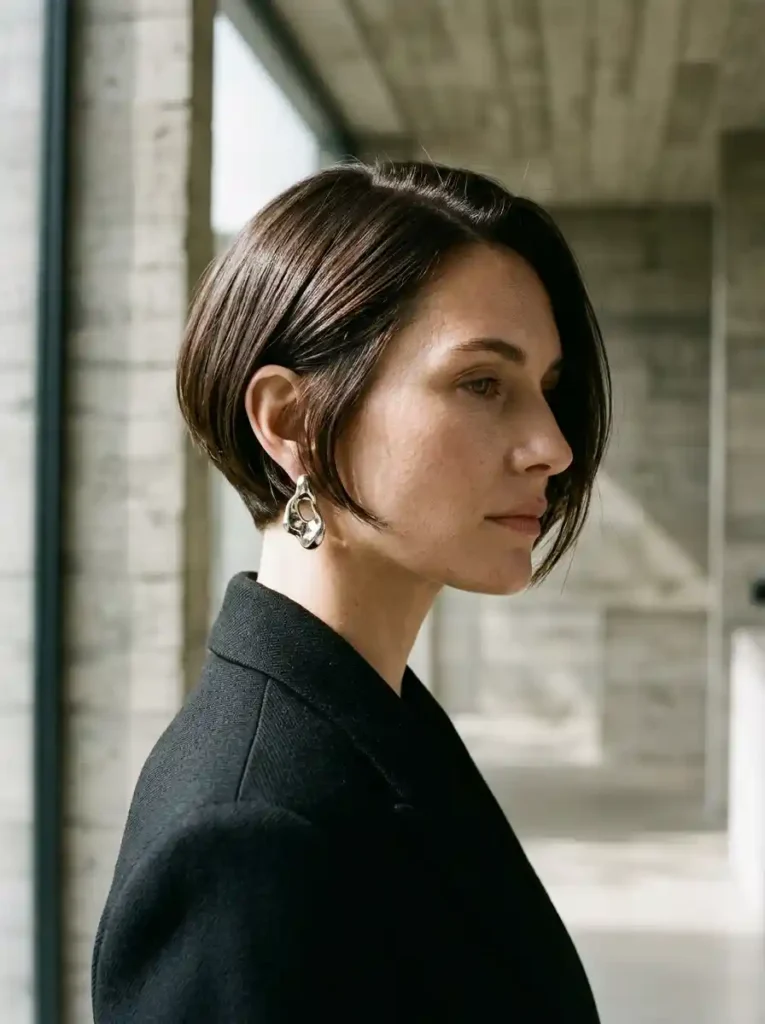
An asymmetrical bob offers a contemporary alternative to a traditional balanced cut. One side is deliberately shorter while the other extends farther toward the chin, creating a distinctive outline without requiring an elaborate color treatment. The design works particularly well for people who like graphic shapes and want their haircut to make a noticeable statement. Your stylist can keep the difference between the sides subtle for everyday wear or emphasize it for a more dramatic, fashion-forward result.
This cut benefits from a little planning before your appointment. Bring reference photographs that show the front, sides, and back, and explain whether you normally part your hair on the left or right. Styling the longer section in the direction of the cut helps preserve its shape, while a smoothing cream can control flyaways. Keep in mind that an asymmetrical bob may need more frequent shaping than a softer, layered style. If you enjoy experimenting, temporary clips or a deep part can change the look without altering the haircut.
8. The Inverted Short Bob
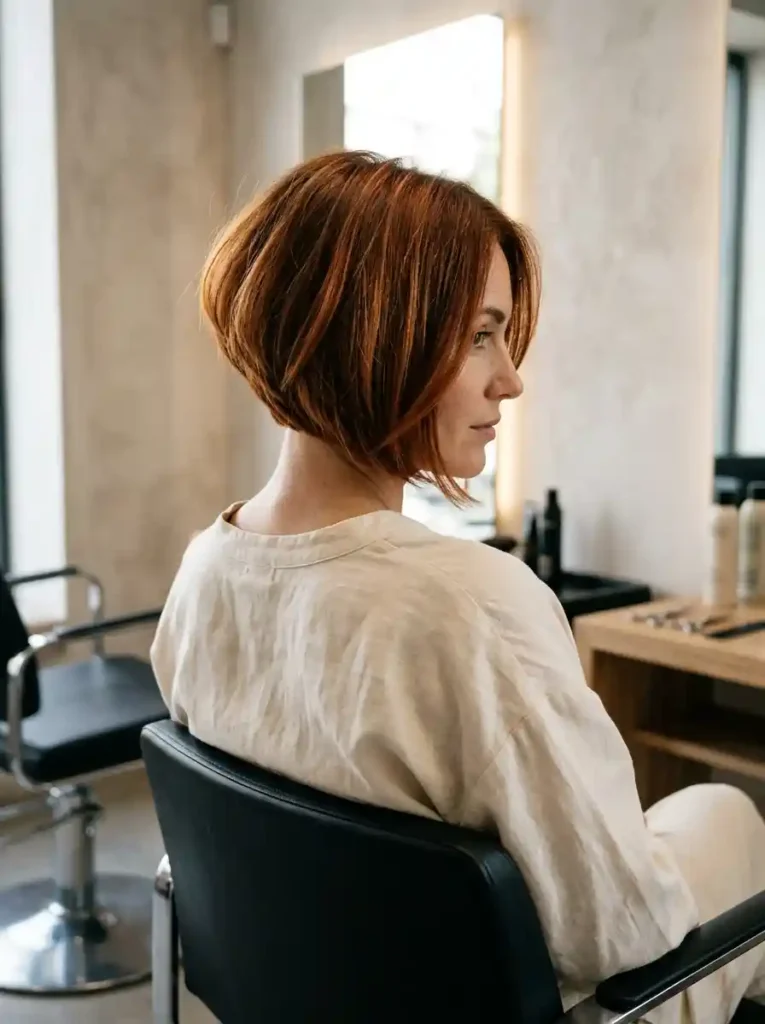
An inverted bob is shorter at the back and gradually becomes longer toward the front. The shape creates a lifted profile and a rounded silhouette, making it a useful option for anyone who likes structure with a little extra drama. It can work especially well on straight or moderately thick hair, although the amount of graduation should reflect your density and preferred level of volume. A gentle slope gives a wearable finish, while stronger stacking creates a more sculpted appearance.
Ask your stylist to show you how the back will sit against your head and how the front pieces will frame your jaw. For daily styling, blow-dry the nape first, then guide the longer sections forward with a round brush. Avoid applying heavy products at the roots, as they can reduce the lift that makes this haircut distinctive. The graduated shape may require trims every six to eight weeks to prevent the back from becoming bulky or losing its clean transition into the front.
9. The Textured Pixie Bob

The pixie bob sits between a traditional short bob and a longer pixie cut. It keeps enough length on top and around the front to create movement while removing bulk at the nape and sides. This is a smart option if you want a shorter hairstyle that feels expressive rather than severe. It can flatter fine hair through careful layering and give thick hair a lighter shape, provided the stylist removes weight strategically instead of thinning every section.
A pea-sized amount of matte paste or lightweight styling cream is often enough to define the layers. Warm the product between your palms, then work it through the ends with your fingertips rather than coating the roots. You can sweep the longer front pieces forward, lift them away from the forehead, or create a side-swept fringe. Because the back grows out quickly, plan for regular maintenance if you want to preserve the cropped silhouette. The reward is a versatile cut that can look polished or deliberately tousled.
10. The Short Bob With Side-Swept Bangs
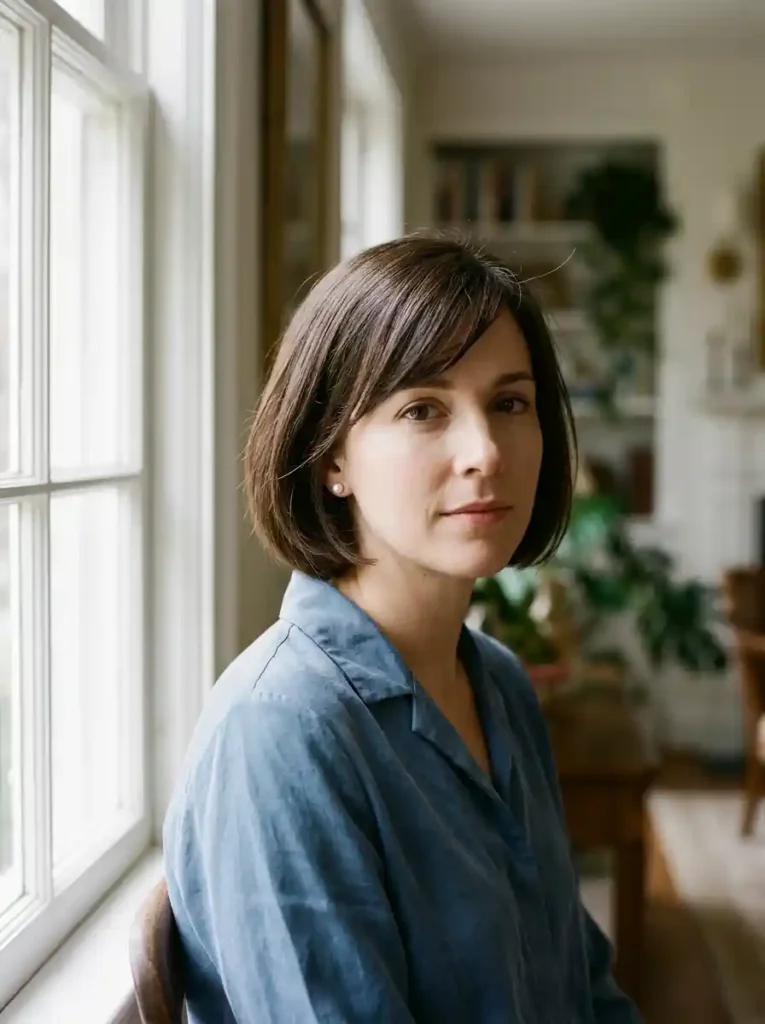
Side-swept bangs are a useful way to introduce movement around the forehead without committing to a dense, straight fringe. Paired with a short bob, they create an asymmetrical detail that can soften a strong outline and bring attention to the eyes. This style is particularly adaptable because the fringe can be cut longer and blended into the side sections. It is worth discussing your usual part with your stylist, since a dramatic change in direction may be difficult to maintain with stubborn growth patterns.
For an easy finish, blow-dry the bangs from side to side while they are damp, then guide them into their final position with a small round brush. This technique encourages the roots to lie naturally instead of forming a hard part. Use a light hairspray only if the fringe needs extra hold, and avoid heavy oils near the forehead. As the bangs grow, they can blend into face-framing layers, making this a practical option if you want a noticeable change without a demanding upkeep schedule.
11. The Curly Short Bob
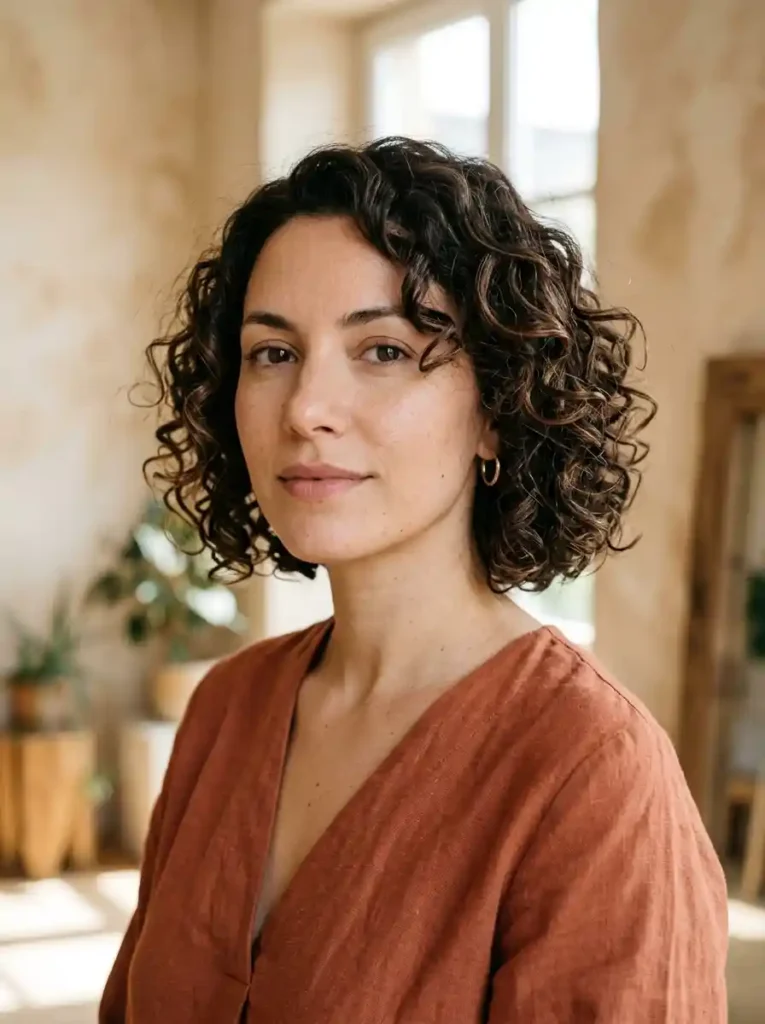
A curly short bob celebrates natural texture instead of trying to make every strand lie flat. The right shape allows curls to form a rounded frame around the face while keeping the perimeter from becoming excessively wide. Because curly hair can shrink considerably as it dries, the cutting technique matters. Ask for a stylist experienced with your curl pattern and discuss whether a dry cut or a combination of wet and dry shaping will give you the most predictable result.
A nourishing leave-in conditioner followed by a curl-defining cream can help maintain moisture and separation. Apply products to soaking-wet or very damp hair, depending on what your curls respond to best, then scrunch gently and diffuse on low heat if desired. Avoid repeatedly combing the finished style, which can disrupt the curl pattern and create frizz. At night, use a satin pillowcase or a loose protective arrangement to preserve definition. A properly shaped curly bob should work with your texture, not require daily straightening.
12. The Sleek Glass Hair Bob
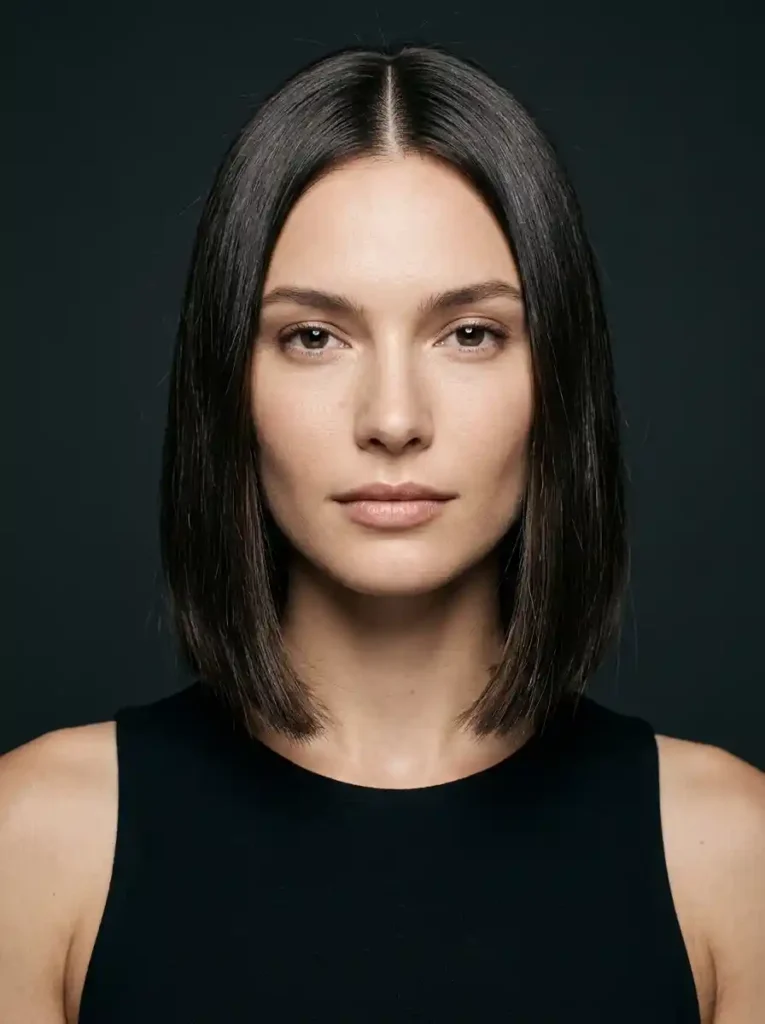
The glass hair bob emphasizes smoothness, shine, and a precisely controlled outline. It is an appealing option for straight hair or hair that can be smoothed comfortably with heat styling. A blunt or subtly graduated cut often works best because the clean perimeter reinforces the reflective finish. If your hair is naturally coarse, curly, or prone to humidity, you can still adapt the look with a softer version that prioritizes healthy movement over an absolutely flat, mirror-like surface.
Begin with a smoothing shampoo and conditioner suited to your hair, followed by heat protectant before blow-drying. Work in small sections with a brush, then use a flat iron only where necessary, keeping the temperature appropriate for your hair’s condition and texture. Finish with a small amount of lightweight shine serum rather than layering on heavy oils. Regular conditioning helps maintain softness, but avoid excessive heat or repeated passes that can lead to dryness and breakage over time.
13. The Shaggy Short Bob
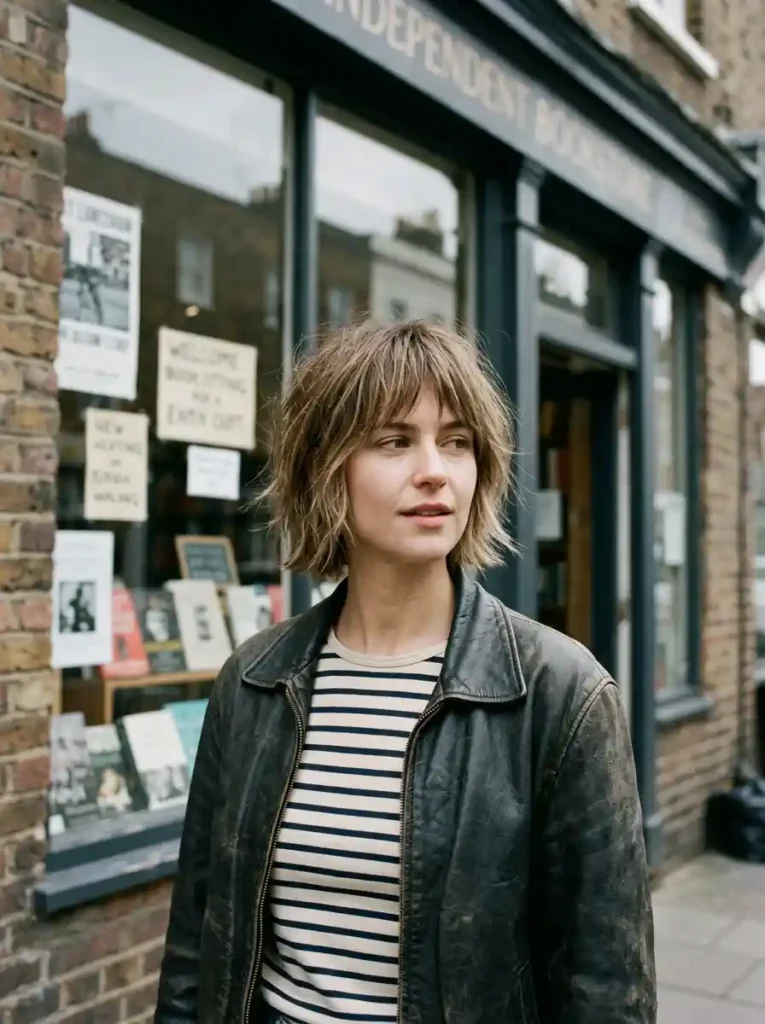
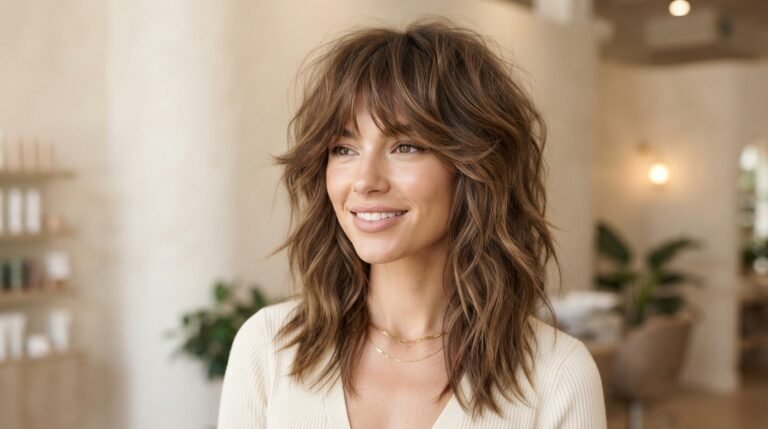
A shaggy short bob is perfect for anyone who prefers movement over precision. Choppy layers and a lightly broken-up perimeter give the hairstyle a relaxed character, while a wispy fringe can tie the entire shape together. It works particularly well with natural waves and can also create texture in straight hair. The important detail is controlling how much layering your stylist removes, especially if your hair is fine and you want to retain enough density at the ends.
Styling should enhance the irregular shape rather than smooth it away. Apply a light mousse or texturizing spray to damp hair, then scrunch or twist a few sections while they dry. Once the hair is completely dry, use your fingers to separate the ends and create a little extra definition. Skip heavy waxes that can make the layers clump together. If you want the shaggy bob to remain easy to manage, ask for a shape that works with your natural part and requires minimal daily heat styling.
14. The Short Bob With Wispy Bangs
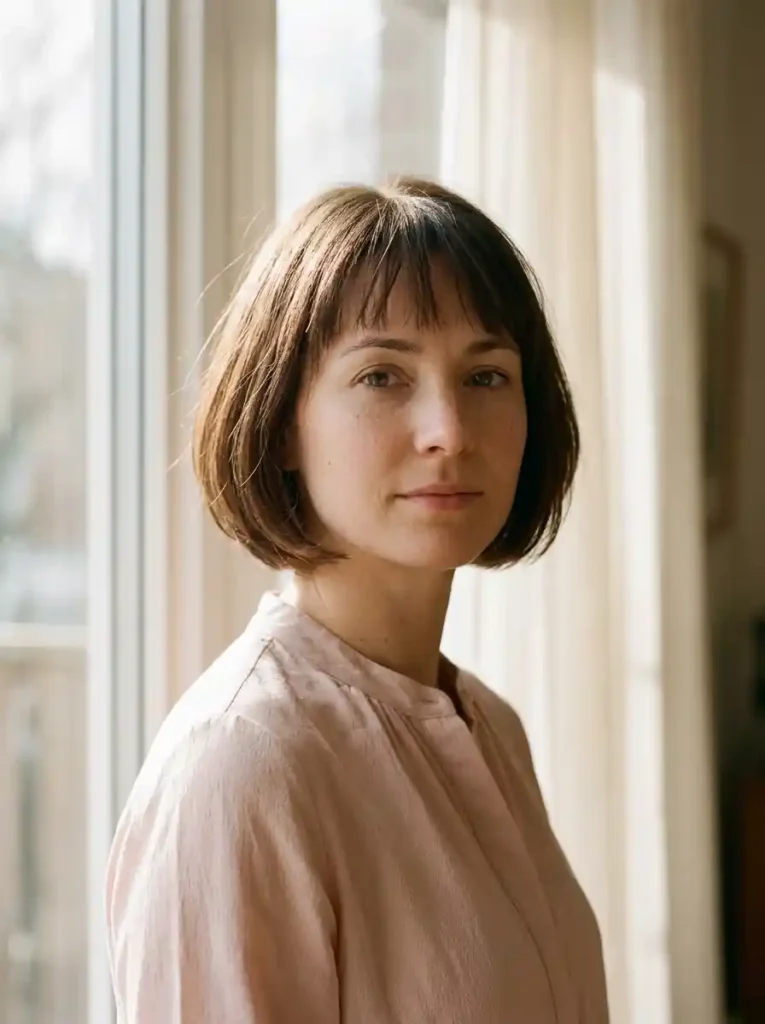
Wispy bangs add a delicate finish to a short bob without creating the weight of a thick, blunt fringe. The separated strands keep the forehead visible and allow the rest of the haircut to remain the main focus. This combination can be especially appealing if you like bangs but want a lighter appearance that feels less formal. It works with straight and slightly wavy hair, though the fringe should be adjusted to accommodate cowlicks, natural density, and how much styling you are willing to do.
Ask your stylist to cut the bangs conservatively at first, since removing too much length or density can make them difficult to reposition. To style them, use a small brush and low heat, directing the fringe gently forward before separating the strands with your fingers. A light mist of flexible hairspray can help on humid days. If the bangs begin to feel awkward as they grow, they can gradually transition into soft face-framing pieces without changing the overall bob.
15. The Short Bob With Money-Piece Highlights
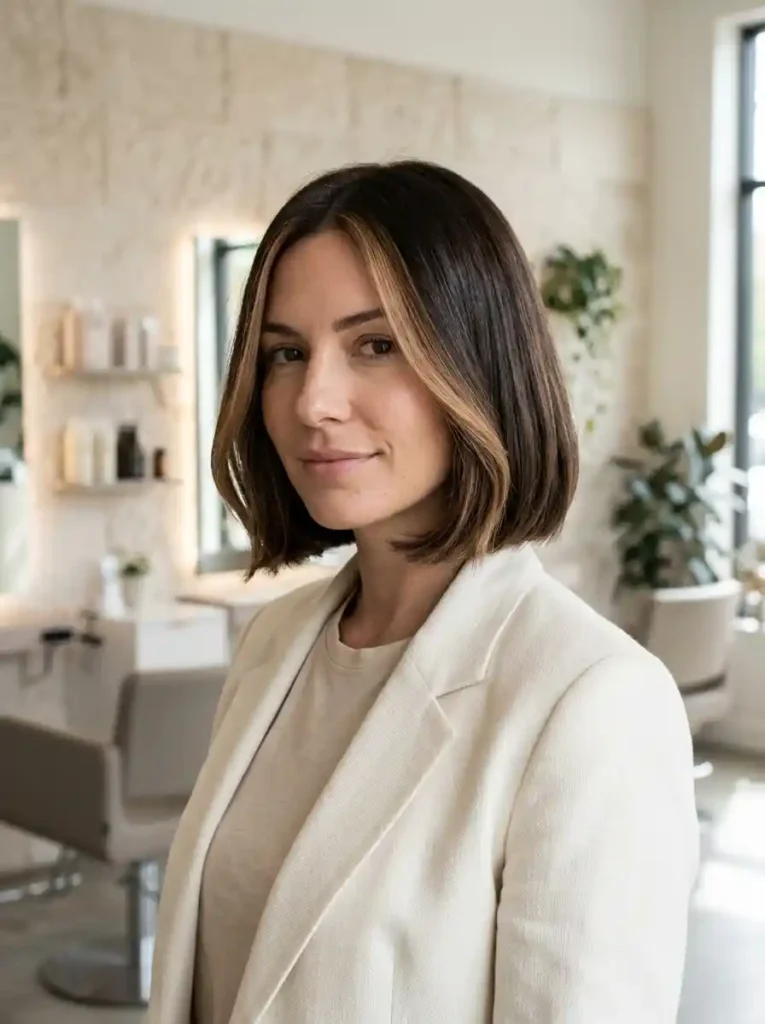
Money-piece highlights bring brightness to the front sections of a short bob without requiring a full head of lighter color. The contrast can emphasize your eyes, cheekbones, and the haircut’s outline, while a darker base keeps the overall result grounded. Caramel, honey, beige, or cooler blonde tones can all work, depending on your natural color and preferred contrast. Ask your colorist to blend the lighter pieces into the surrounding hair so the result feels intentional rather than like two isolated stripes.
Because the front sections receive plenty of attention, they may also show fading or root growth more clearly. Use a color-safe shampoo and conditioner, and limit unnecessary heat styling to preserve the finish. A gloss treatment can refresh shine and tone between major color appointments. If you want a low-maintenance version, choose highlights only a few shades lighter than your base. This creates dimension without demanding frequent root touch-ups, especially when the color is softly blended around the hairline.
16. The Short Bob With a Deep Side Part
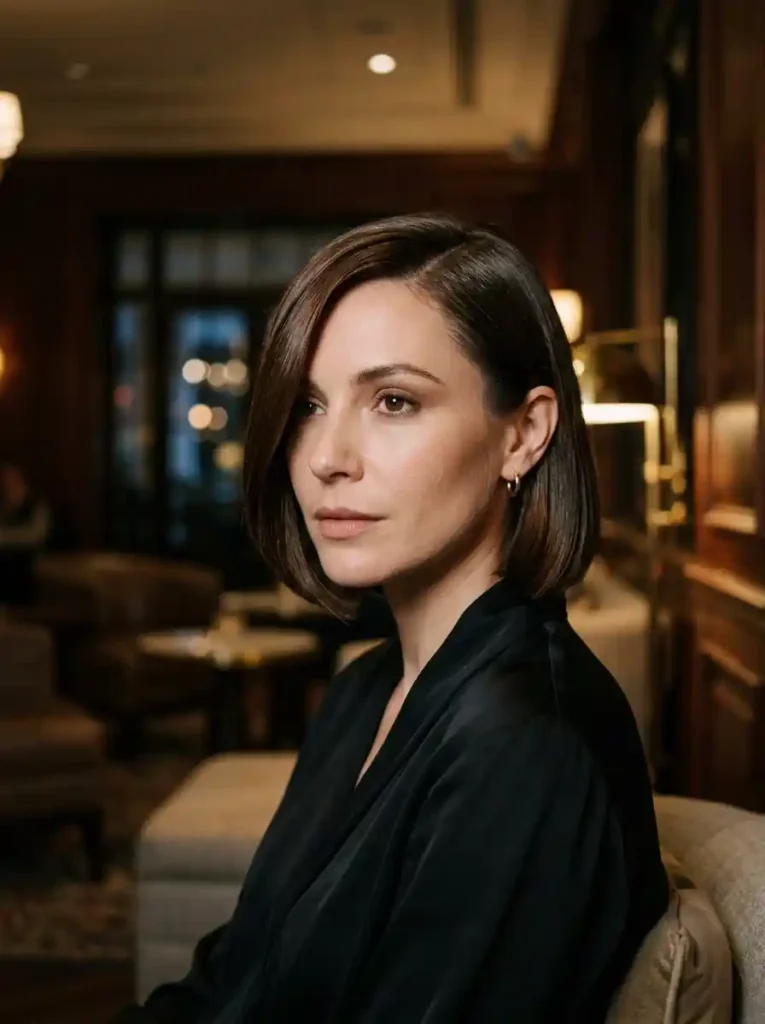
A deep side part changes the balance of a short bob without requiring a new haircut. It shifts volume toward one side, creates a sweeping front section, and gives a simple shape a more dramatic profile. This styling choice can work with blunt, layered, wavy, and softly graduated bobs. It is particularly useful if you want a hairstyle that transitions easily from daytime errands to dinner or a special event without adding extensions or complicated accessories.
To create the look, establish the part while your hair is damp and blow-dry the roots in the desired direction. A light volumizing mousse can help the fuller side hold its shape, while a smoothing cream keeps the opposite side neat. If your hair naturally returns to a center part, use gentle root direction and flexible styling products rather than forcing it into place with excessive heat. Finish by tucking one side behind your ear for a clean, intentional contrast.
17. The Feathered Short Bob
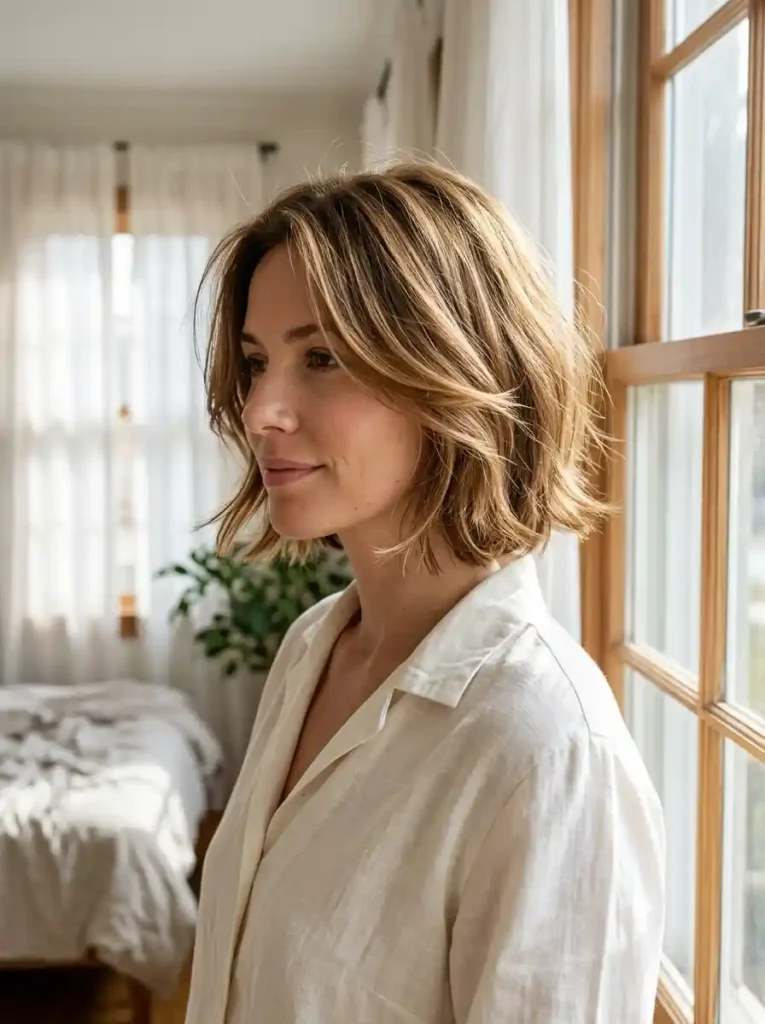
The feathered bob has a softer outline than a blunt cut because its ends are shaped to move away from the face. This creates an airy, lifted appearance without requiring the heavily choppy layers of a shag. It is a good option for people who enjoy a polished hairstyle with a little movement, especially when the hair is straight or slightly wavy. The feathering should be subtle enough to preserve fullness, particularly if your hair is fine or naturally sparse at the ends.
A round brush is useful for directing the front sections outward while blow-drying. Work with moderate heat and follow the brush with the dryer nozzle to encourage a smooth finish. If you want extra flick at the ends, use a small curling iron briefly rather than repeatedly bending the same section. A flexible finishing spray can help the shape last without making the hair stiff. For a more current look, keep the crown relatively natural instead of teasing it into excessive height.
18. The Bixie Bob
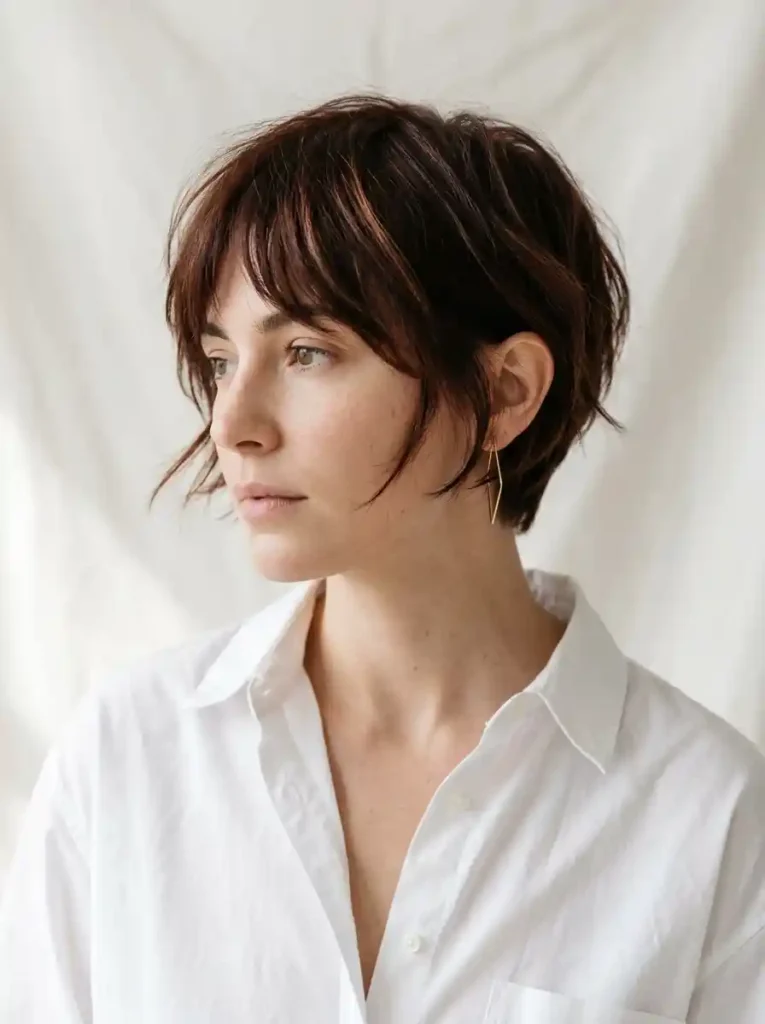
The bixie combines elements of a bob and a pixie, giving you a short haircut that feels lighter and more flexible than either a traditional rounded bob or a very cropped pixie. The sides and nape are relatively short, while the crown and front retain enough length for movement. This makes it appealing if you want a noticeable transformation but still enjoy styling options around your forehead and cheeks.
For everyday wear, apply a small amount of lightweight cream to damp hair and use your fingers to lift or direct the crown. A blow-dryer can create more definition, but air-drying may be enough if your hair already has natural texture. You can sweep the front pieces sideways for a softer appearance or add a little matte paste for a more piecey finish. Because the bixie grows through several distinct stages, ask your stylist about a maintenance plan that allows the shape to evolve gracefully between appointments.
19. The Rounded Short Bob
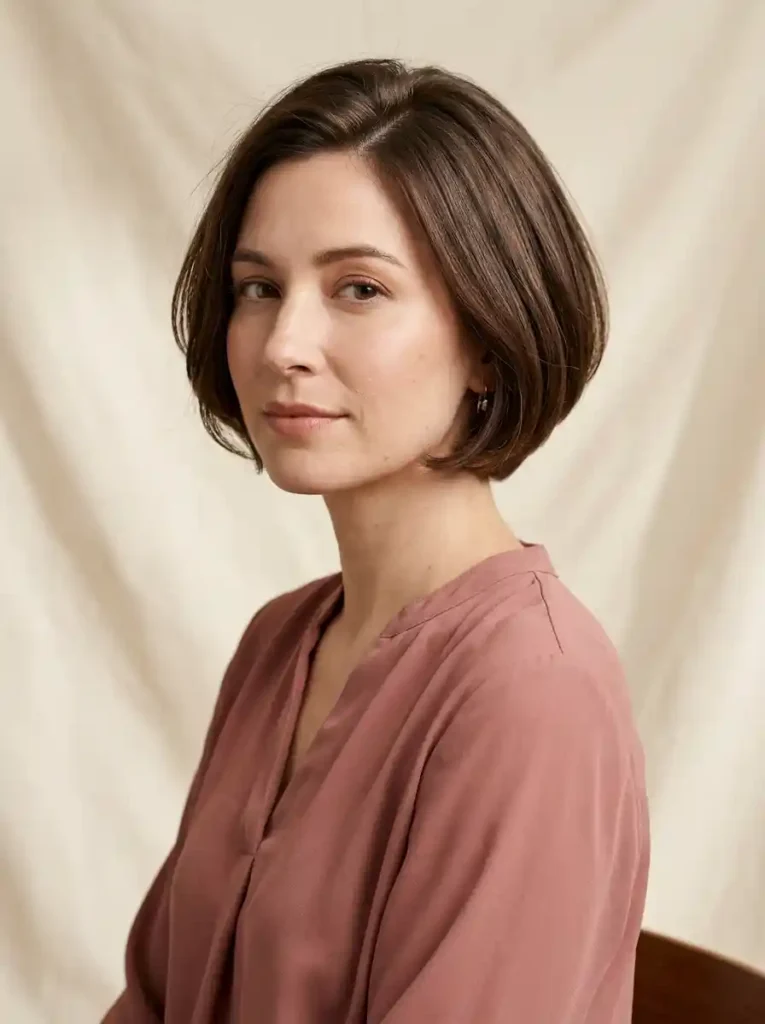
A rounded short bob creates a smooth, curved silhouette rather than a straight horizontal line. The shape can make the haircut feel elegant and cohesive, particularly when the back is carefully graduated and the sides follow the jaw. It works well for people who enjoy a neat appearance and prefer their hair to sit close to the head. However, the amount of rounding should be adjusted to your natural density so the sides do not become unnecessarily wide.
The easiest way to maintain the shape is to blow-dry in sections, using a round brush to guide the ends inward. Directing airflow downward helps reduce surface frizz and keeps the curve looking polished. If your hair is naturally thick, ask your stylist to remove internal bulk without making the perimeter thin. Fine hair usually benefits from a more restrained approach to layering. A trim every six to eight weeks can help preserve the rounded outline as the back and sides grow.
20. The Short Bob With Beachy Texture
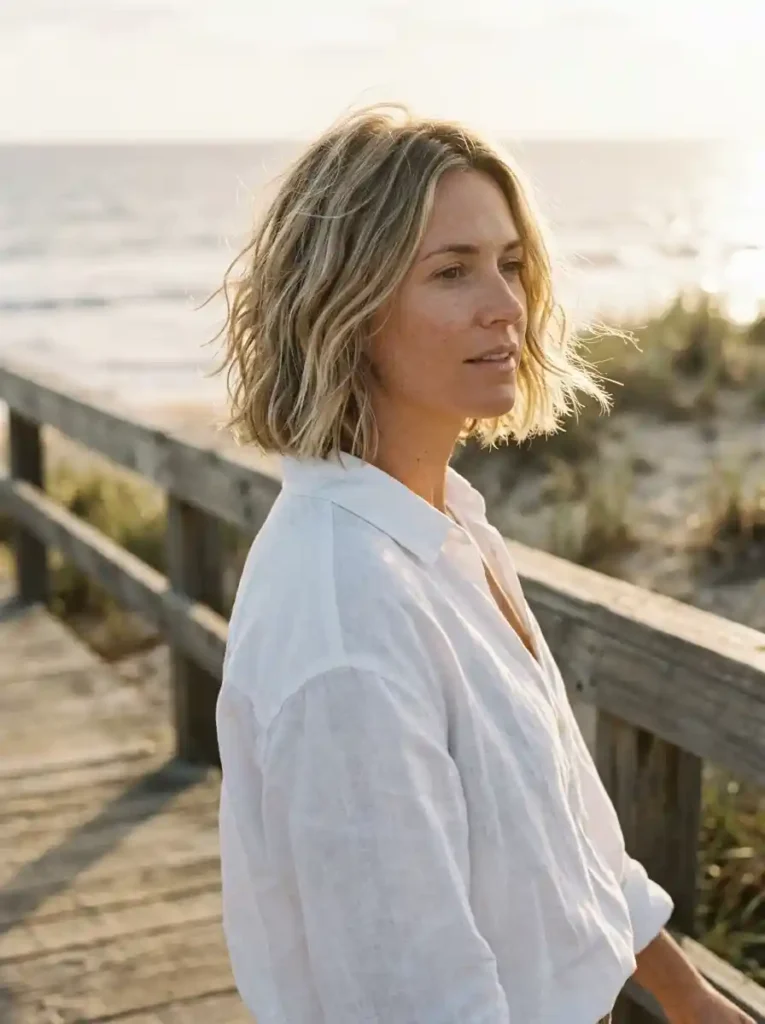
A beachy short bob offers an undone, casual alternative to smooth salon styling. Loose bends, subtle separation, and slightly irregular ends make the haircut feel relaxed rather than overly arranged. It is especially suitable for naturally wavy hair, but straight hair can achieve a similar effect with gentle styling. A little length around the jaw or upper neck provides room for movement without making the hairstyle feel heavy or difficult to manage.
Start with a lightweight texturizing spray or mousse on damp hair, then twist a few sections loosely and let them dry. If you use a curling iron, alternate the direction of the bends so the result looks less uniform. Avoid applying too much salt spray, which can leave hair feeling dry or stiff, particularly if it is color-treated. Finish by separating the waves with your fingers and adding a small amount of conditioner-based styling cream to the ends if they need extra softness.
21. The Short Bob With an Undercut
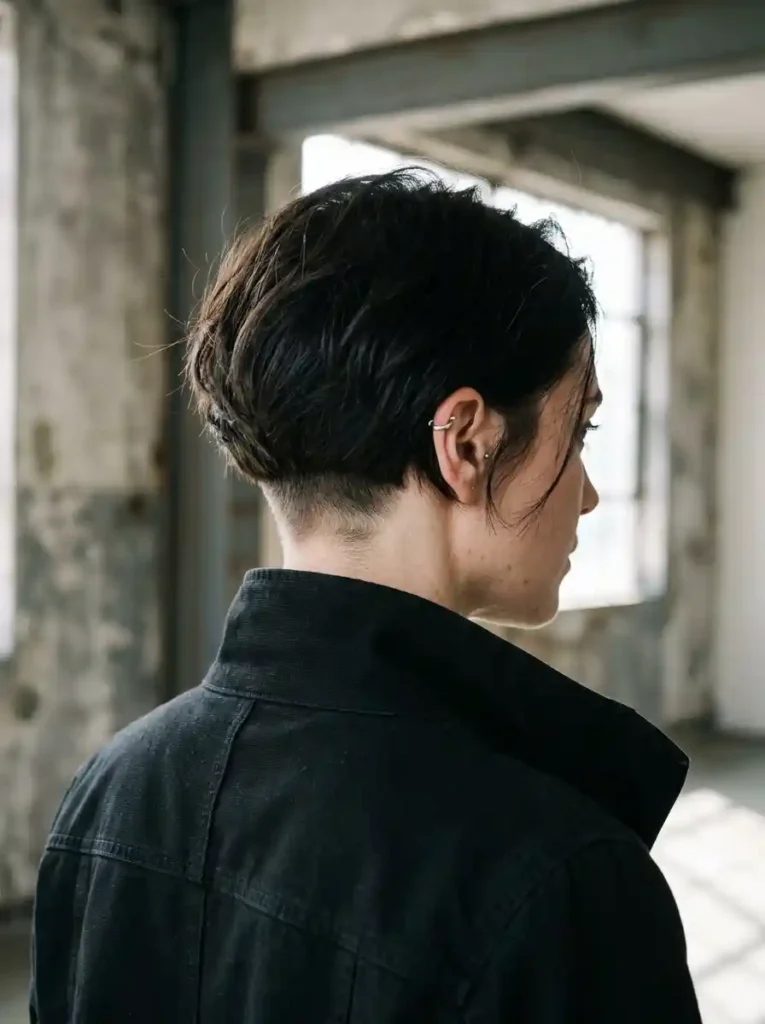
An undercut bob removes some hair from beneath the longer outer layers, reducing bulk around the nape and creating a subtle edge. Depending on how the top layers fall, the undercut can remain almost invisible or become part of the hairstyle’s visual statement. It is especially useful for very thick hair that feels heavy at the back. If you prefer a more understated result, keep the undercut narrow and allow the upper layers to cover it during everyday styling.
Discuss the desired visibility with your stylist before the clippers come out. A discreet undercut is easier to conceal, while a higher or wider section creates a stronger contrast and requires more upkeep. You can style the top with a smooth finish for work or add texture for a more alternative look. Remember that the undercut will need periodic trimming if you want to keep it sharp. If you decide to grow it out, the transition may take patience as the shorter section catches up with the rest.
22. The Short Bob With Soft Balayage
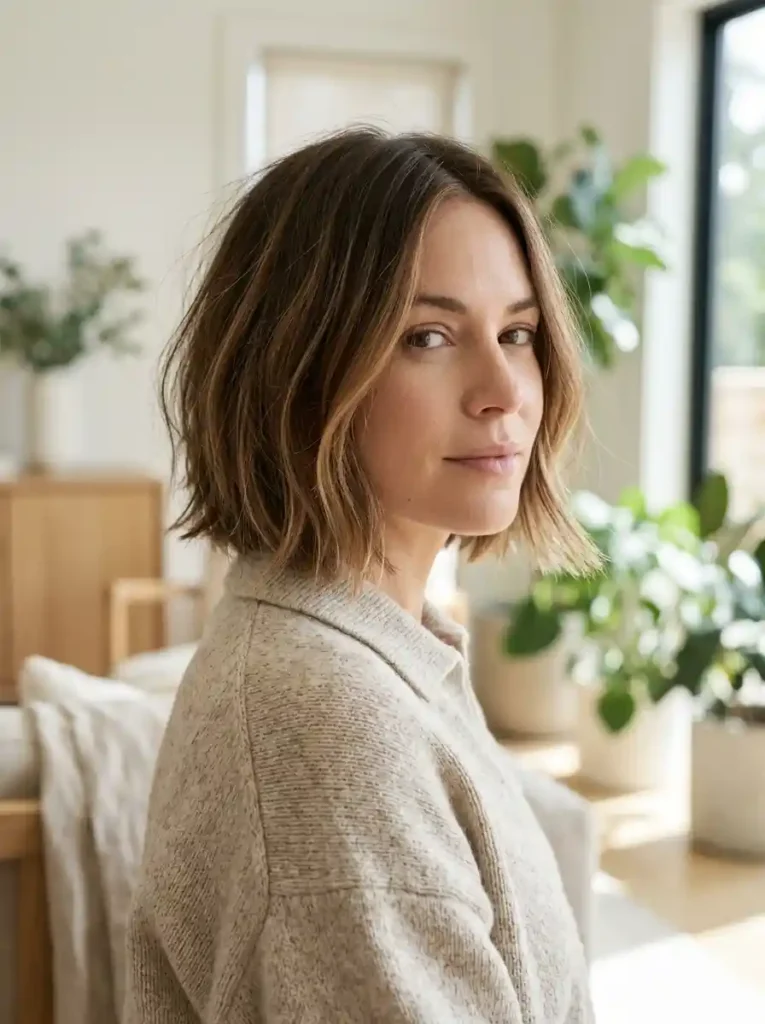
Soft balayage adds dimension to a short bob by placing lighter tones where they naturally catch the light. Unlike a uniform all-over color, the graduated placement can make waves and layers easier to see while allowing the roots to remain relatively natural. Warm caramel, honey, beige, and cooler brown-blonde combinations can all work, depending on your base color. Because short hair has less length for blending, the color placement should be deliberate and tailored to the shape of your cut.
For a natural result, ask your colorist to concentrate lighter pieces around selected sections instead of creating evenly spaced stripes throughout the head. Color-safe products and regular conditioning help maintain softness and shine after lightening. If you use heat tools, apply a protectant and avoid excessive temperatures on the lightened ends. Balayage can often grow out more softly than traditional root-to-tip color, but the frequency of salon visits still depends on your chosen contrast, natural regrowth, and how quickly the tone changes.
23. The Short Bob With a Soft Middle Part
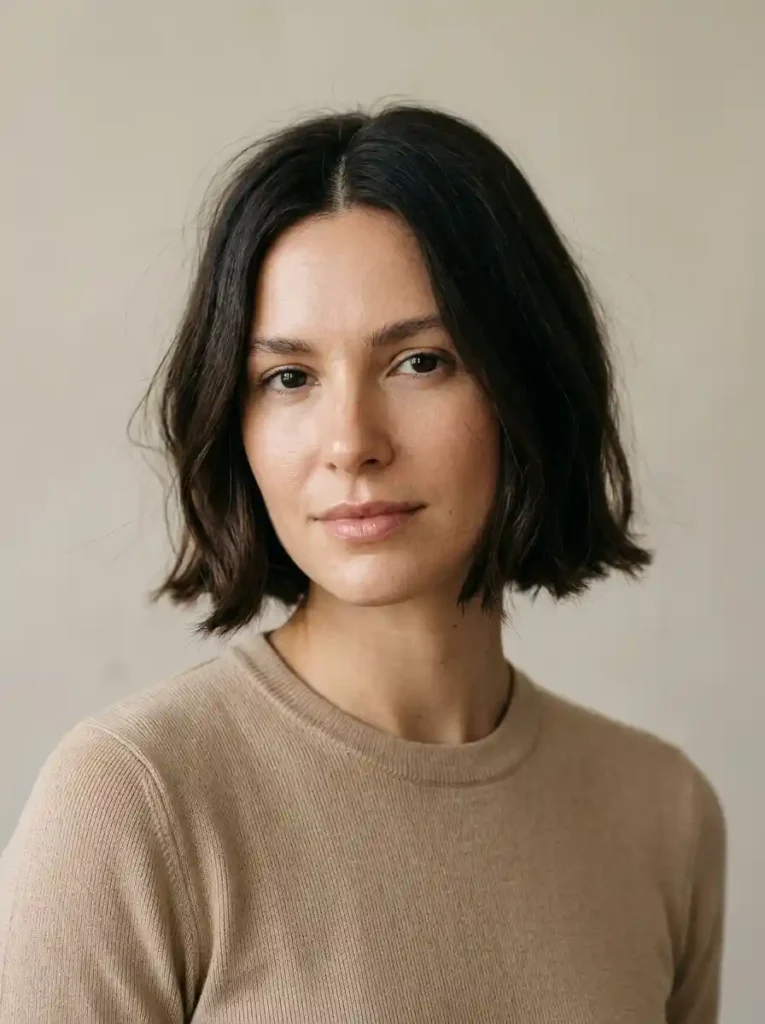
A soft middle part gives a short bob a balanced, modern appearance without requiring a perfectly sleek finish. The central part allows the front sections to frame both sides of the face, while gentle bends prevent the hairstyle from looking too severe. It works particularly well with chin-length and slightly longer bobs, including blunt and layered versions. If a perfectly straight center part does not suit your natural growth pattern, a subtly off-center part can create a similar effect with less daily effort.
To style it, create the part while your hair is damp and blow-dry the roots in their intended direction. Use a medium round brush to bend the front sections slightly away from your face, then leave the ends natural or refine them with a low-heat styling tool. A lightweight volumizing product can prevent the crown from falling flat, especially on fine hair. Finish with a flexible spray if needed, keeping the texture soft enough to move naturally throughout the day.
Conclusion
The best short bob is not necessarily the trendiest one; it is the cut that complements your natural texture, fits your daily routine, and makes you feel comfortable wearing your hair. A blunt bob can offer a crisp, modern finish, while shaggy layers, curtain bangs, and soft waves create a more relaxed appearance. If you prefer a dramatic change, consider an asymmetrical bob, an undercut, or a bixie. For a subtle refresh, try a deep side part, delicate highlights, or a slightly different fringe.
Before your salon appointment, save two or three reference photos that show the shape you like from different angles. Discuss your hair density, natural growth patterns, styling habits, and preferred maintenance schedule with your stylist. Remember that the same bob can look different depending on how it is cut and styled for your individual hair. Choose a version that works with your natural features rather than against them, and you will have a hairstyle that feels personal, practical, and stylish well beyond your first day at the salon.




One Comment